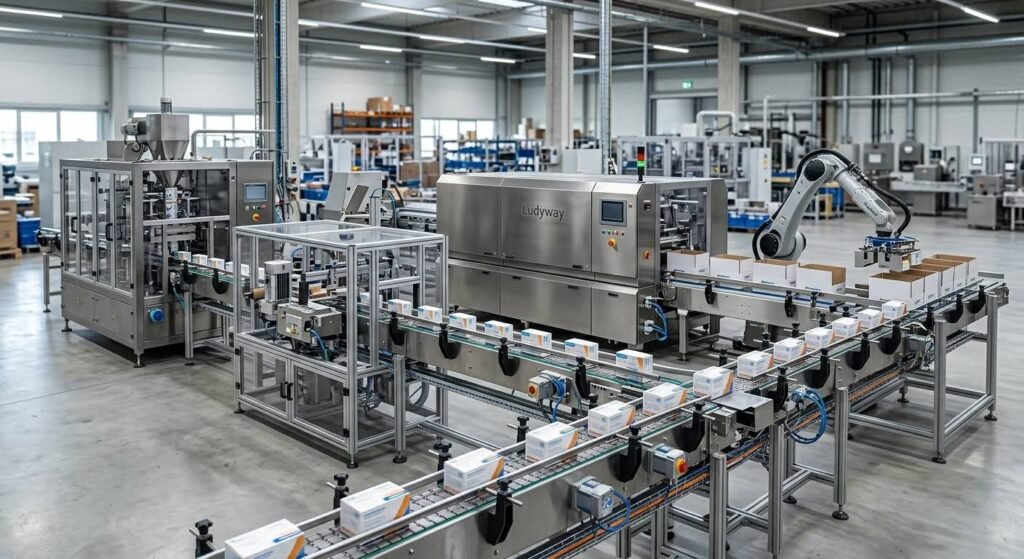
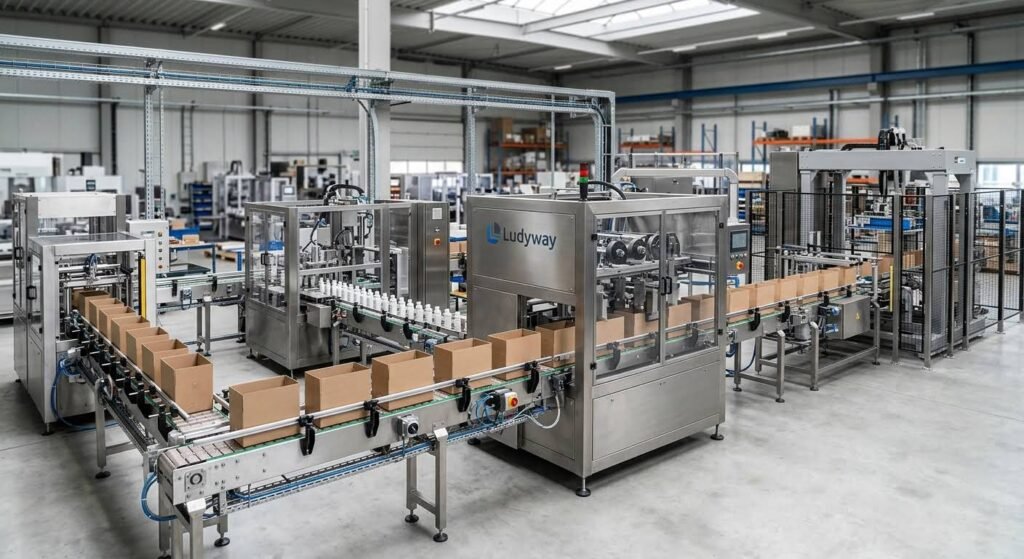
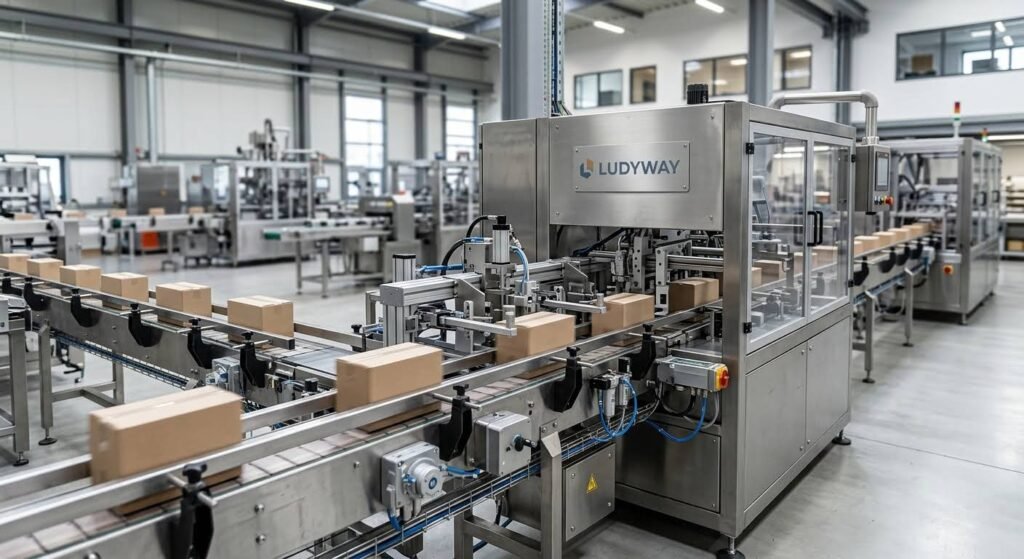
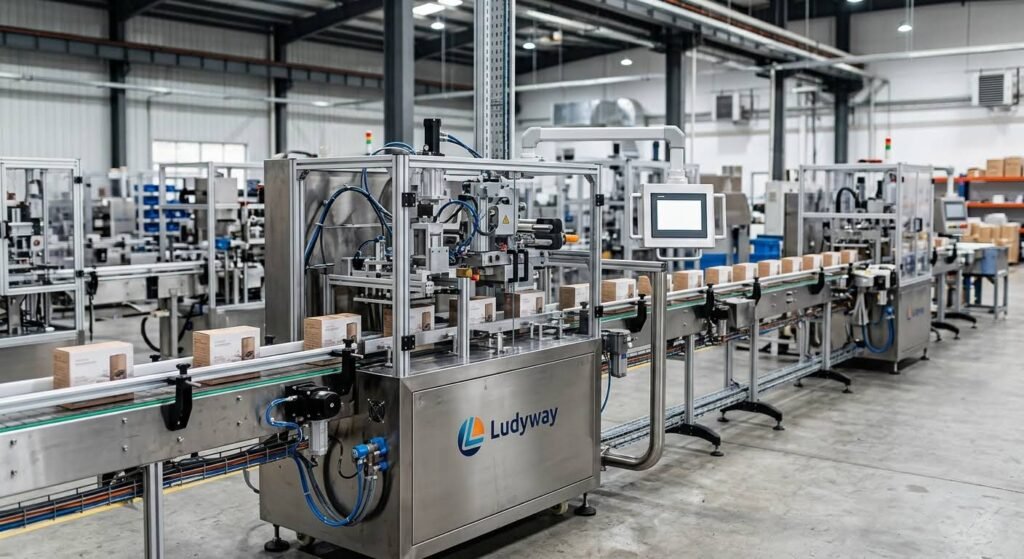
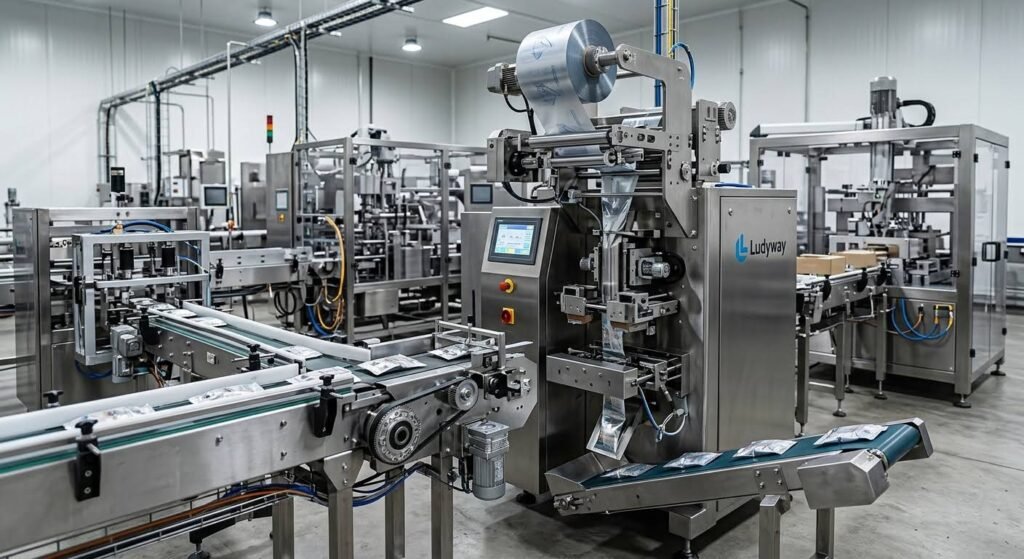
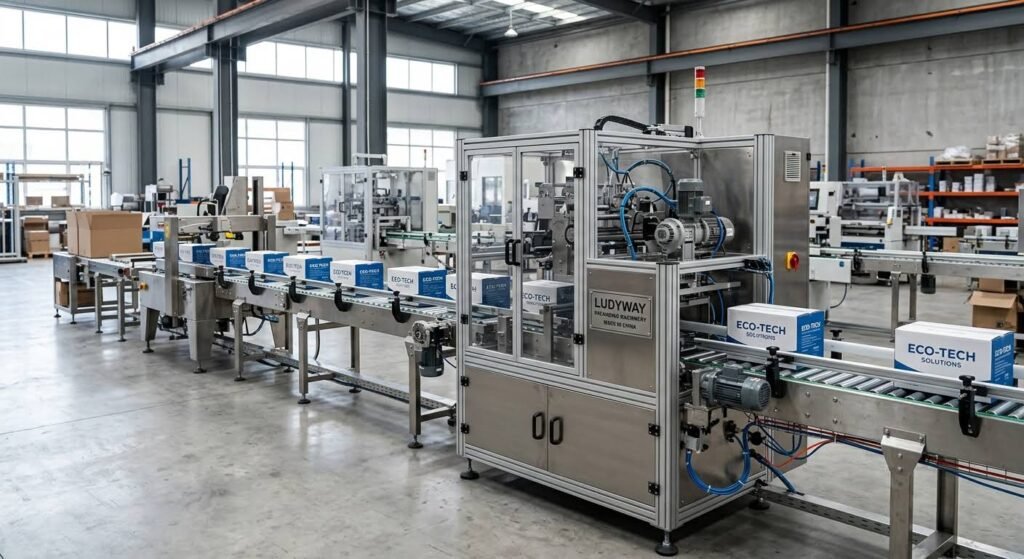
Proper maintenance of packaging machinery is not just a routine task—it’s a strategic investment in productivity, quality, and cost control. A well-maintained machine operates more efficiently, produces fewer defects, and experiences far less unplanned downtime. More importantly, a consistent maintenance program significantly extends the total lifespan of your equipment, protecting your capital investment and ensuring a reliable return. This article provides essential tips, a practical checklist, and industry best practices to help you maximize the performance and longevity of your packaging machines.

Why Proactive Maintenance is Non-Negotiable
Reactive maintenance, or fixing machines only when they break, is a costly approach. It leads to emergency repairs, production halts, wasted materials, and rushed decisions. Proactive, preventive maintenance flips this model. By scheduling regular checks and services, you identify small issues before they become catastrophic failures. This philosophy ensures:
→ Sustained Product Quality: Consistent machine performance means consistent package seals, accurate fills, and proper labeling, which directly protects your brand reputation.
→ Optimized Operational Costs: Preventing major breakdowns avoids expensive part replacements and overtime labor. It also reduces energy consumption and material waste.
→ Enhanced Safety: A maintained machine is a safer machine. Regular inspections catch potential hazards like loose guards, frayed wires, or hydraulic leaks, protecting your team.
The goal is to move from a cost center (repairs) to a value driver (reliability and efficiency).
Essential Daily, Weekly, and Monthly Maintenance Tasks
Maintenance frequency depends on the machine type, usage intensity, and environment. However, a tiered approach ensures nothing is overlooked.
Daily Maintenance (Operator-Led)
These are quick checks performed at the start or end of each shift by the machine operator:
- Visual Inspection: Look for obvious signs of wear, damage, or leaks (oil, grease, air).
- Cleaning: Wipe down exterior surfaces, remove product dust, and clear away debris from moving parts and sensors.
- Lubrication Check: Verify oil levels in sight glasses and ensure grease points are not dry (as per manufacturer guidelines).
- Test Run: Listen for unusual noises (grinding, knocking) and observe for irregular movements during a brief cycle.
Weekly/Bi-Weekly Maintenance
Conducted by a technician or senior operator, these tasks delve deeper:
- Detailed Cleaning: Clean interior mechanisms, vacuum electrical panels (power off!), and clear out material buildup in hoppers, funnels, and sealing jaws.
- Belt and Chain Tension: Check and adjust tension on conveyor belts, timing belts, and drive chains.
- Fastener Check: Tighten any loose bolts, nuts, and screws on frames, guards, and tooling.
- Sensor & Safety Device Verification: Ensure photoelectric sensors, proximity switches, and emergency stops are functioning correctly.
Monthly/Quarterly Maintenance
This is a more comprehensive service, often aligned with scheduled production downtime:
- Filter Replacement: Replace air filters, hydraulic filters, and breather filters.
- Wear Part Inspection: Closely examine high-wear components like sealing jaws, cutting blades, gaskets, O-rings, and feed screws for signs of deterioration.
- Electrical System Check: Inspect wiring for damage, check terminal connections for tightness, and monitor motor temperatures.
- Calibration: Verify and calibrate weighing systems, fill volume, and temperature controls for accuracy.
Comprehensive Packaging Machine Maintenance Checklist
Use this actionable checklist as a foundation for your maintenance program. Adapt it to your specific machine models.
Mechanical & Structural
✓ Inspect frame and structure for cracks or misalignment.
✓ Lubricate all bearings, guide rails, and cam followers with specified grease.
✓ Check all drive belts, chains, and gears for wear and proper tension.
✓ Inspect pneumatic cylinders and rods for smooth operation and leaks.
✓ Examine all springs for fatigue or deformation.
Sealing & Cutting System
✓ Clean sealing jaws and cutting blades thoroughly of any film residue.
✓ Check jaw alignment and parallelism.
✓ Inspect heating elements (bands, wires) for integrity and consistent temperature.
✓ Verify the sharpness and integrity of cutting blades; replace if dull or nicked.
✓ Check Teflon® or non-stick coatings on jaws for damage.
Electrical & Control System
✓ Check PLC and HMI for error logs and clear if necessary.
✓ Tighten electrical connections in control panels and junction boxes.
✓ Inspect cables and cable carriers for wear or pinch points.
✓ Test functionality of all safety interlocks, light curtains, and E-stop buttons.
✓ Backup machine parameters and programs.
Pneumatic & Hydraulic Systems
✓ Drain moisture from air compressor tanks and inline filters.
✓ Check air pressure regulators and ensure they are set correctly.
✓ Inspect all hoses and fittings for leaks, cracks, or abrasions.
✓ Check hydraulic fluid level, color, and temperature.
✓ Listen for unusual sounds from pumps and valves.
Best Practices for Extending Equipment Life
Beyond the checklist, adopting these operational philosophies will yield long-term benefits.
1. Follow the OEM Manual Religiously
The manufacturer’s manual is your machine’s bible. It contains specific lubrication types, torque settings, and maintenance intervals designed for your exact model. Using incorrect lubricants or ignoring specified schedules is a leading cause of premature failure. Ludyway Machinery provides detailed documentation and support to ensure your team has the right information.
2. Invest in Operator and Technician Training
An untrained operator can inadvertently cause damage through improper setup or operation. Similarly, a technician without specific machine knowledge may misdiagnose problems. Invest in comprehensive training from your supplier on proper operation, routine maintenance, and basic troubleshooting. Knowledgeable staff are your first line of defense.
3. Maintain a Clean Operating Environment
Dust, moisture, and product spillage are enemies of precision machinery. Dust can clog sensors and bearings; moisture leads to corrosion and electrical shorts. Implement strict housekeeping protocols around packaging lines. This simple practice dramatically improves reliability and is a cornerstone of professional packaging solutions.
4. Keep a Detailed Maintenance Log
Document every inspection, service, and repair. Note the date, tasks performed, parts replaced, and the technician’s name. This log creates a valuable history for the machine, helps predict future part failures, and is essential for warranty claims. Digital logs integrated with a CMMS (Computerized Maintenance Management System) are ideal.
5. Use Genuine Spare Parts and Quality Consumables
While third-party or generic parts may seem cheaper, they often lack the precise tolerances, material quality, or heat treatment of OEM parts. Using inferior parts can cause mismatches, accelerated wear on mating components, and void warranties. For critical wear parts like sealing jaws or servo motors, always opt for genuine parts from your trusted supplier like Ludyway to ensure compatibility and longevity.
6. Plan for Seasonal or Predictive Maintenance
Consider environmental changes. For example, before a humid season, pay extra attention to electrical components and air dryers. Modern predictive maintenance uses tools like vibration analysis, thermal imaging, and motor current monitoring to detect anomalies before failure. While an advanced step, it represents the future of maximized uptime.