In modern manufacturing, packaging is no longer just the final step of production. It directly affects output speed, product safety, shelf appeal, shipping efficiency, and overall operating cost. For food, beverage, and industrial brands, choosing the right packaging machinery manufacturer is essential for building a more stable and scalable operation.
A professional manufacturer should do more than supply a standalone machine. The best partners help businesses match product characteristics, packaging materials, automation goals, and future expansion plans with the right equipment architecture. That is why more buyers now look for custom packaging solutions instead of one-size-fits-all systems.
Why Custom Packaging Solutions Matter
Different products behave differently during filling, sealing, conveying, and final packing. Powders can generate dust. Liquids may foam or drip. Granules may require precise weighing. Viscous pastes need controlled dosing. Industrial chemicals often need corrosion-resistant contact parts. Because of these variables, custom packaging solutions help manufacturers avoid common problems such as inconsistent fill weights, seal leakage, material waste, and unplanned downtime.
A tailored system can be designed around:
- Product form: granule, powder, liquid, paste, tablet, capsule, pellet, or premade pouch items
- Package format: sachet, stick pack, pouch, bottle, jar, bag, carton, or bulk bag
- Required output speed and shift capacity
- Hygiene, GMP, or industry-specific compliance requirements
- Factory layout, labor availability, and automation targets
- Integration with coding, inspection, cartoning, case packing, and palletizing systems
Key Industries Served by Packaging Machinery Manufacturers
Food Packaging
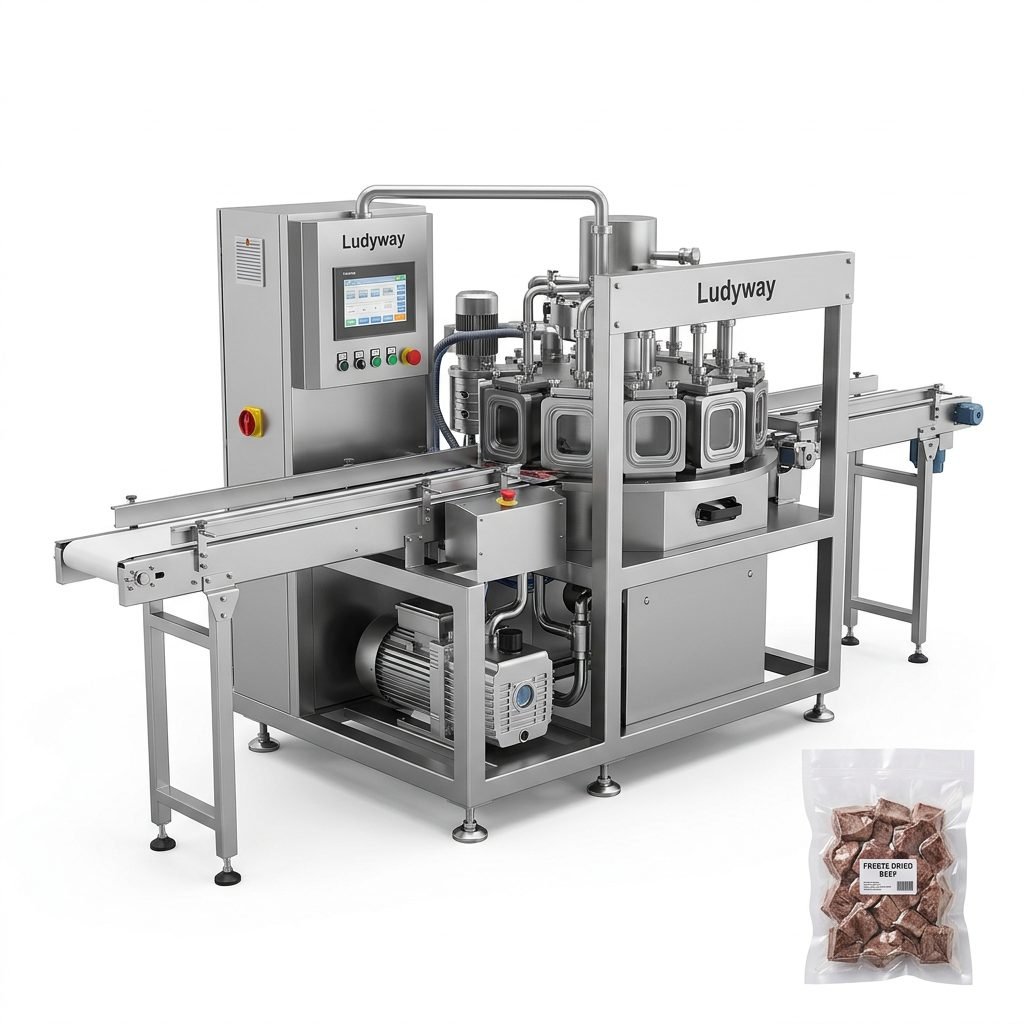
Food packaging equipment must balance speed, cleanliness, accuracy, and packaging appearance. Applications range from spices, sugar, coffee, milk powder, snack granules, sauces, soup mixes, protein powders, frozen foods, and dried fruit to pet food and nutraceutical products.
Beverage Packaging
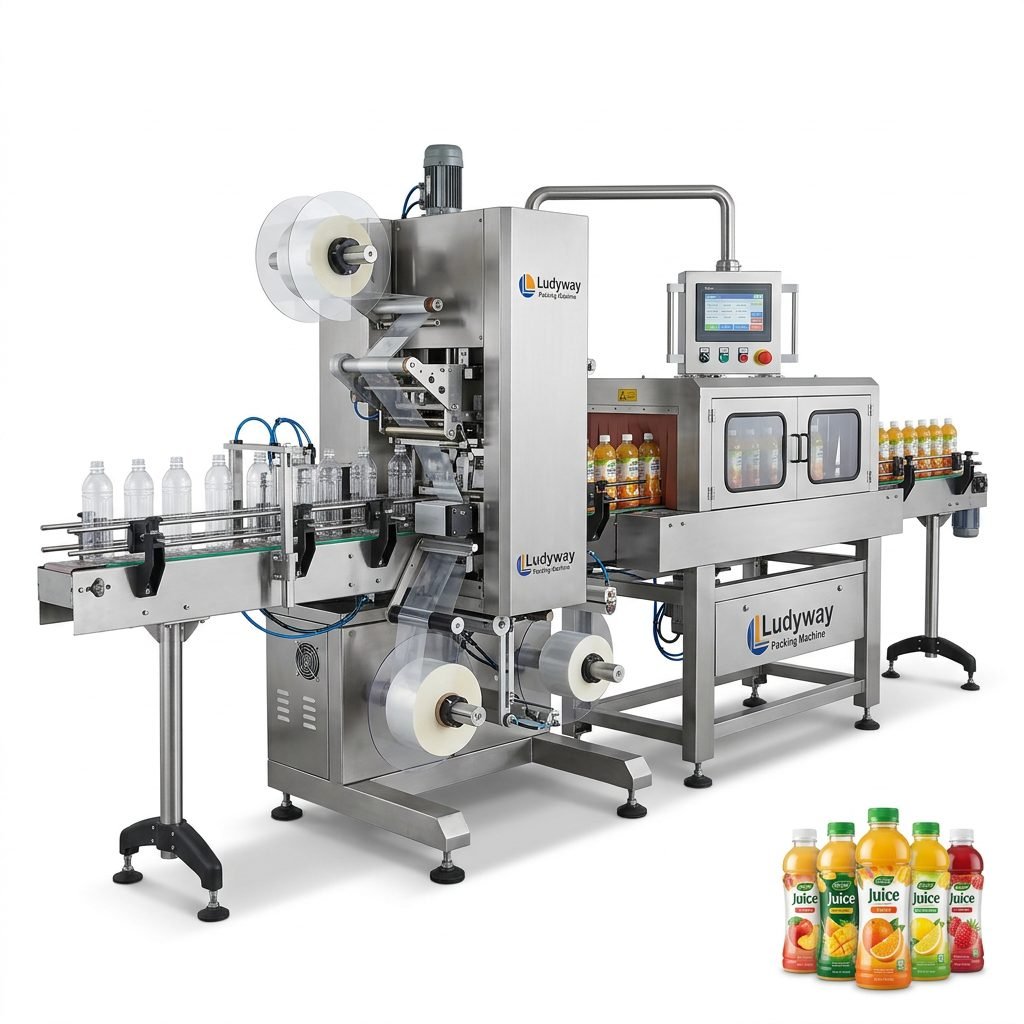
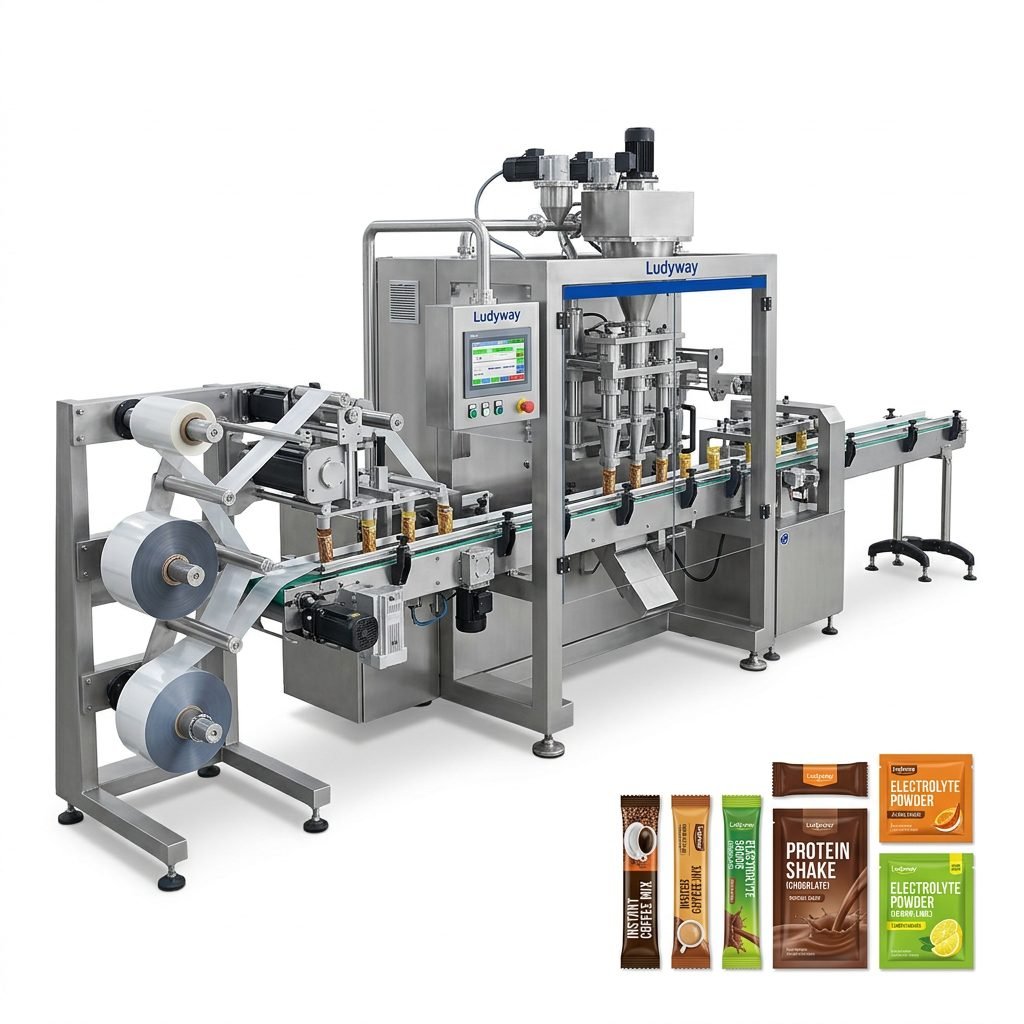
Beverage packaging systems are used for drink powders, electrolyte sachets, coffee mixes, functional beverage sticks, liquid concentrates, and bottled beverages. These lines often require high-speed filling, reliable sealing, and excellent portion control to maintain consistency across batches.
Industrial Product Packaging
Industrial packaging solutions are commonly used for detergents, adhesives, water-treatment chemicals, lubricants, additives, agricultural inputs, and specialty powders. In these applications, machine durability, dosing stability, and safe material handling are especially important.
| Industry | Common Products | Typical Packaging Formats |
|---|---|---|
| Food | Seasonings, coffee, sugar, milk powder, snacks, sauces | Sachets, stick packs, pouches, bags, jars |
| Beverage | Drink mixes, electrolytes, instant beverages, liquid concentrates | Stick packs, sachets, bottles, pouches |
| Industrial | Detergents, chemicals, lubricants, additives, adhesives | Sachets, pouches, drums, bags, bulk bags |
What to Expect From a Reliable Packaging Machinery Manufacturer
A strong supplier should offer both standard machines and the engineering capability to customize a complete packaging process. This includes upstream feeding, filling, sealing, inspection, labeling, secondary packing, and end-of-line automation.
Core capabilities usually include:
- Machine customization for different product densities, viscosities, and flow properties
- Flexible bag or pouch size adjustment
- Multiple filling technologies such as auger, volumetric cup, piston, pump, and weighing systems
- Compatibility with various packaging films and laminates
- PLC and HMI control for easy operation and recipe storage
- Integration with checkweighers, metal detectors, coding machines, and labeling units
- After-sales support, commissioning, spare parts, and technical training
Types of Packaging Machines Commonly Used
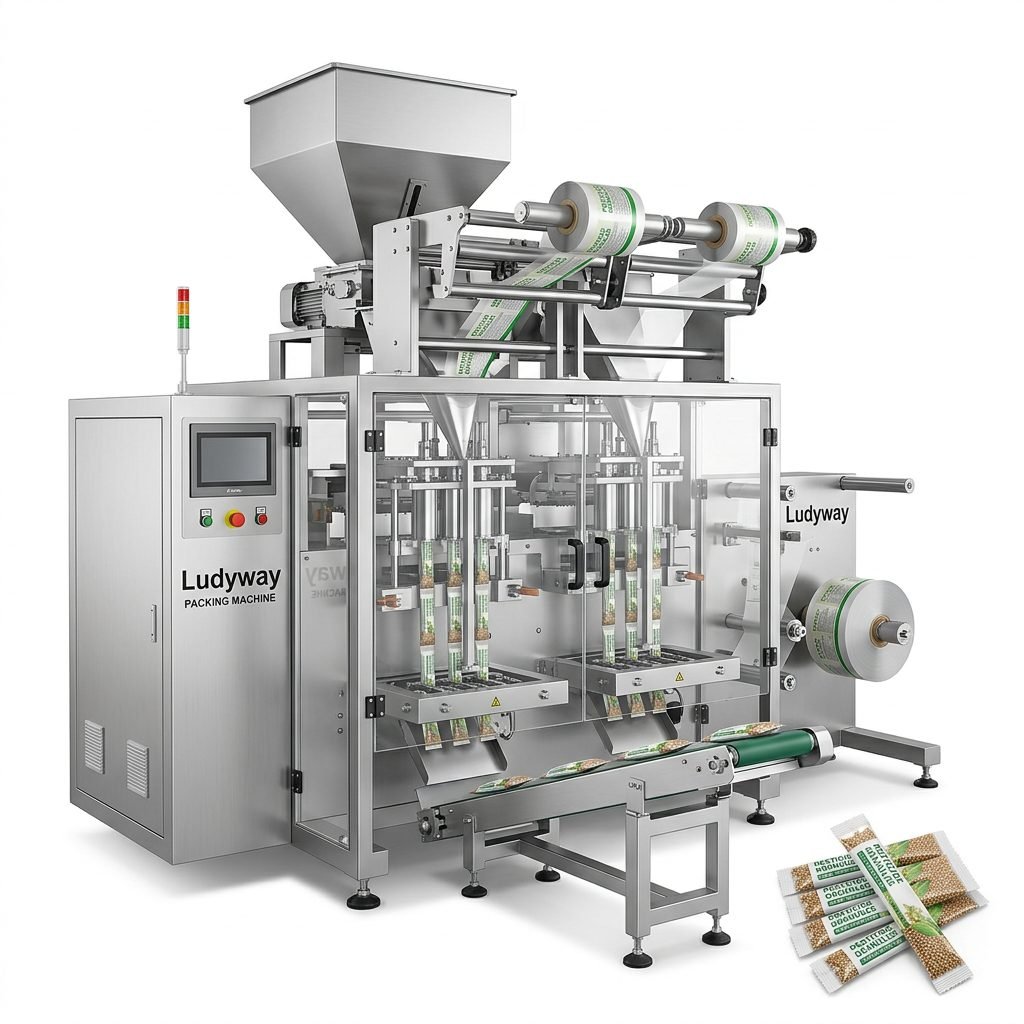
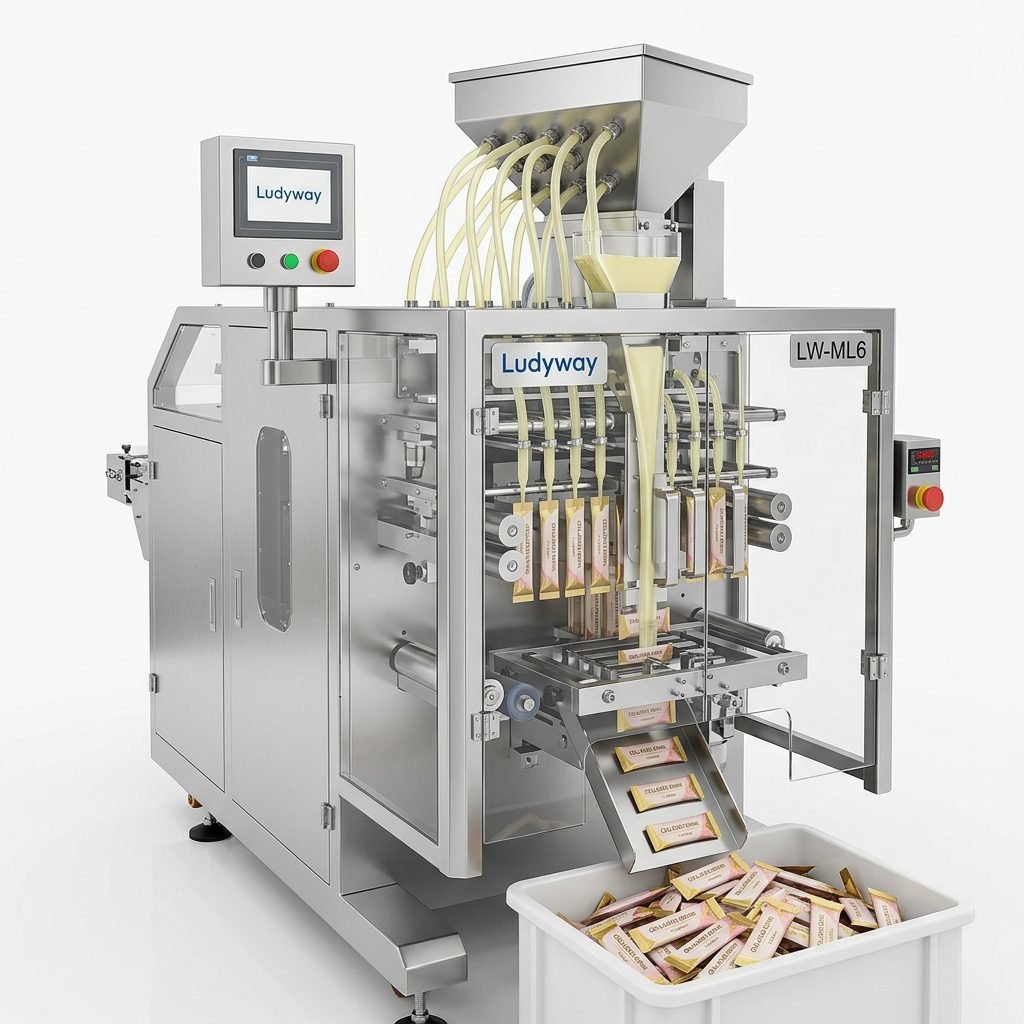
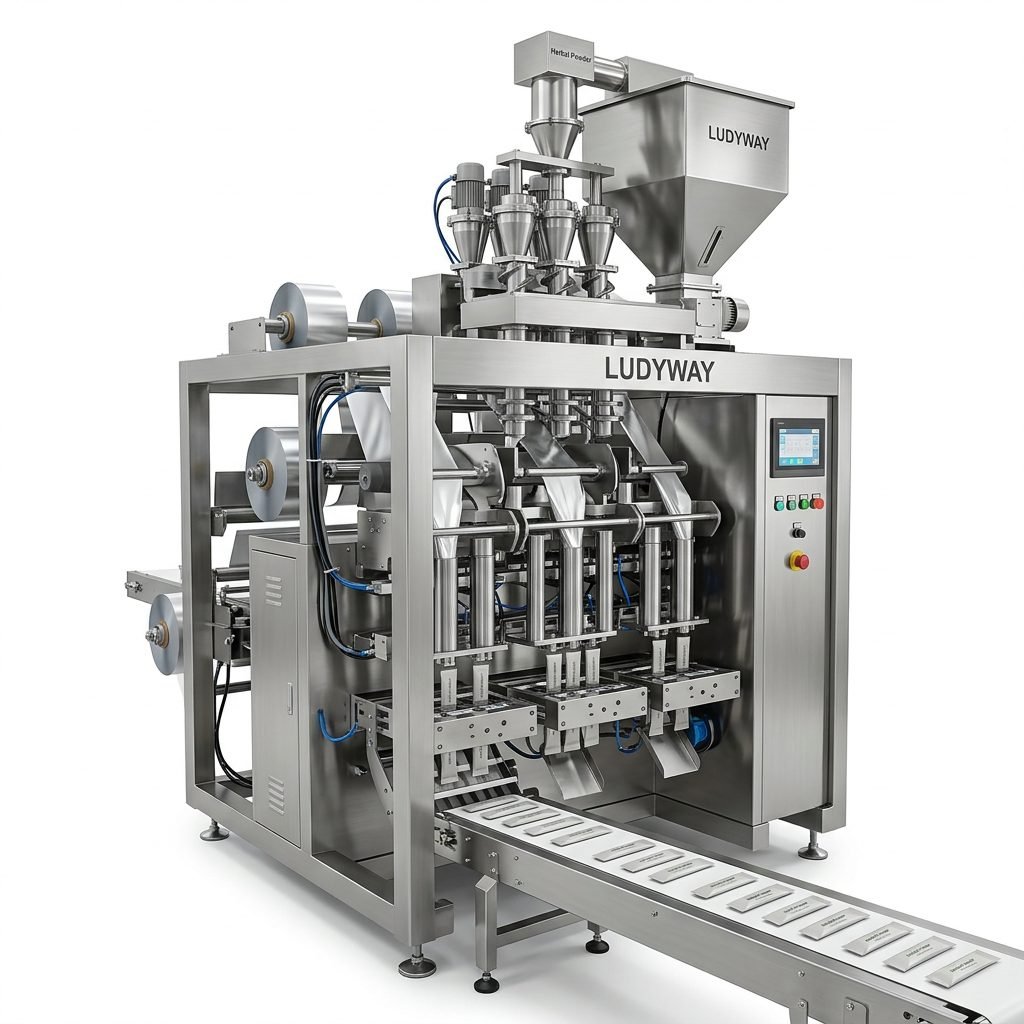
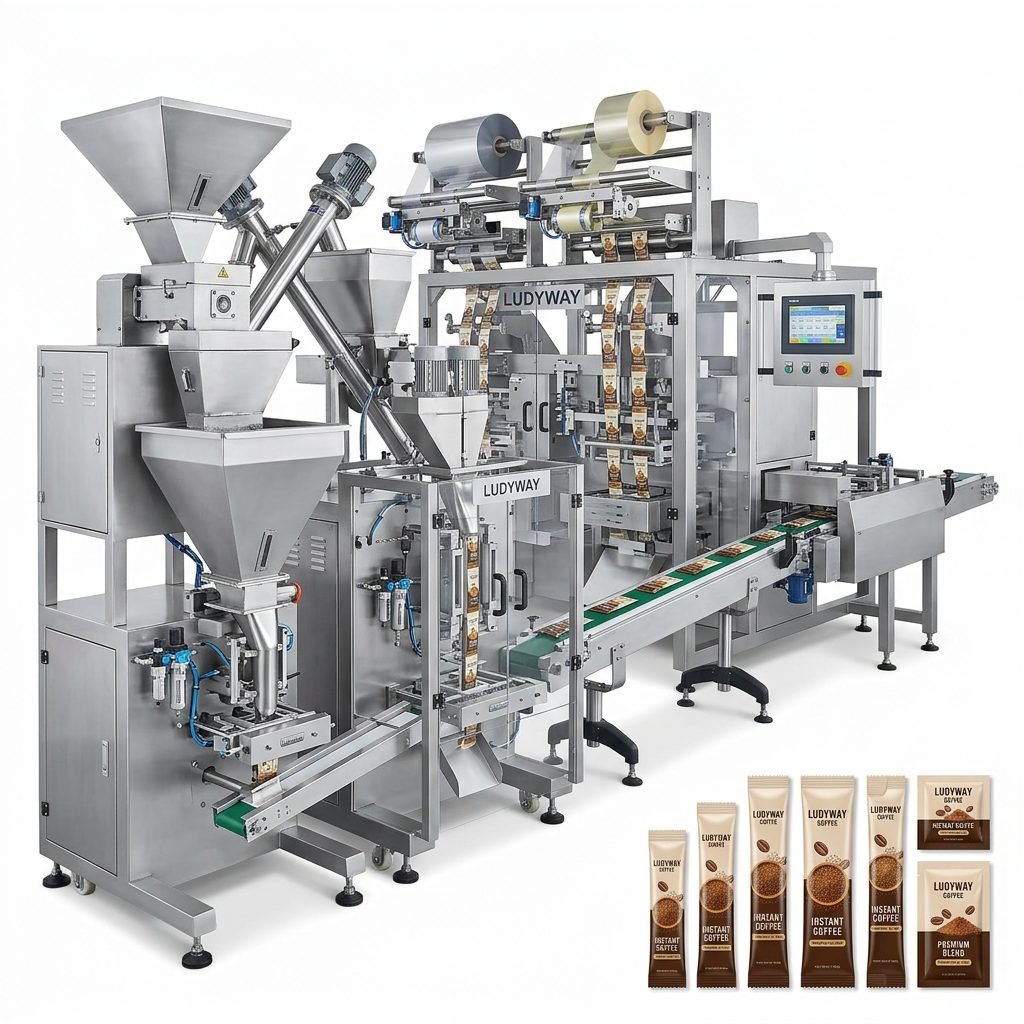
1. Multi-Lane Stick Pack Machines
Ideal for high-output production of powders, granules, liquids, and pastes. These systems are widely used for coffee, sugar, beverage powders, supplements, seasonings, and pharmaceutical products. Multi-lane design supports high productivity while keeping pack size uniform.
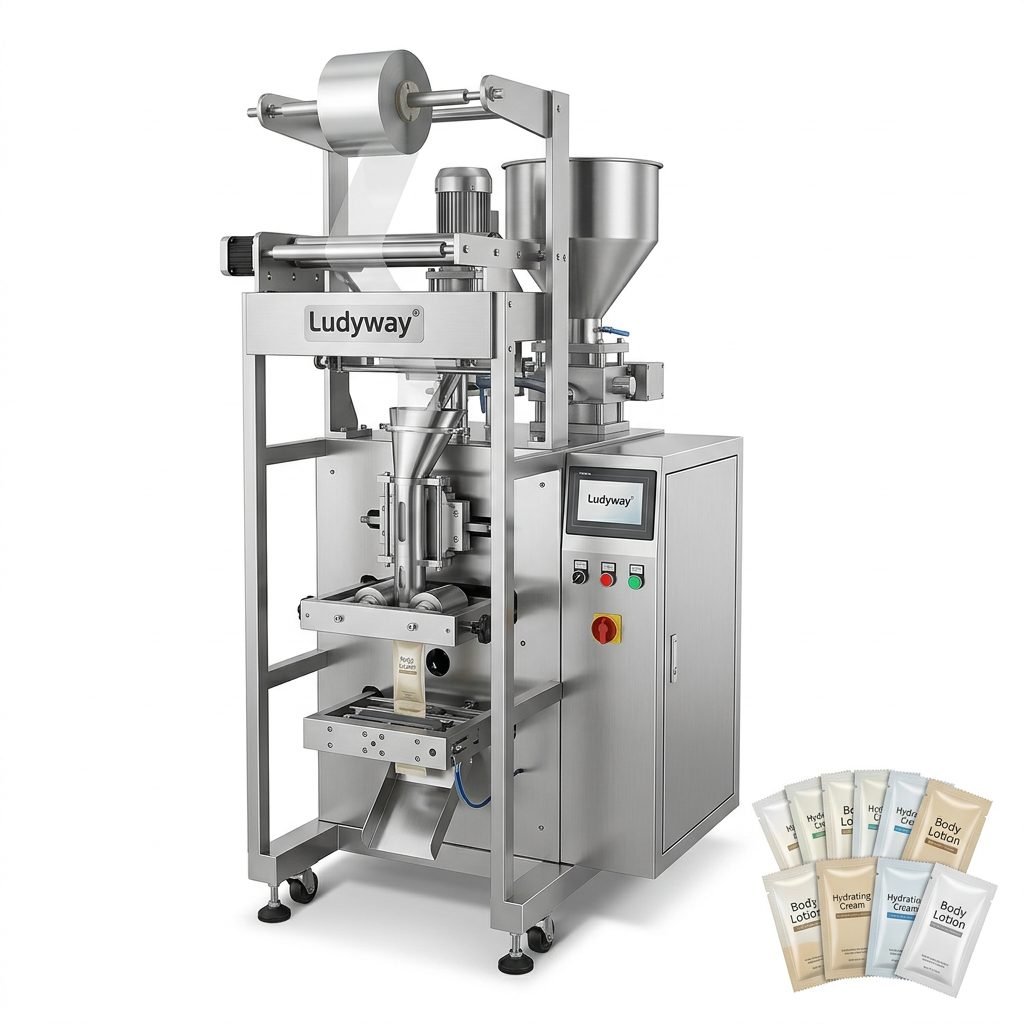
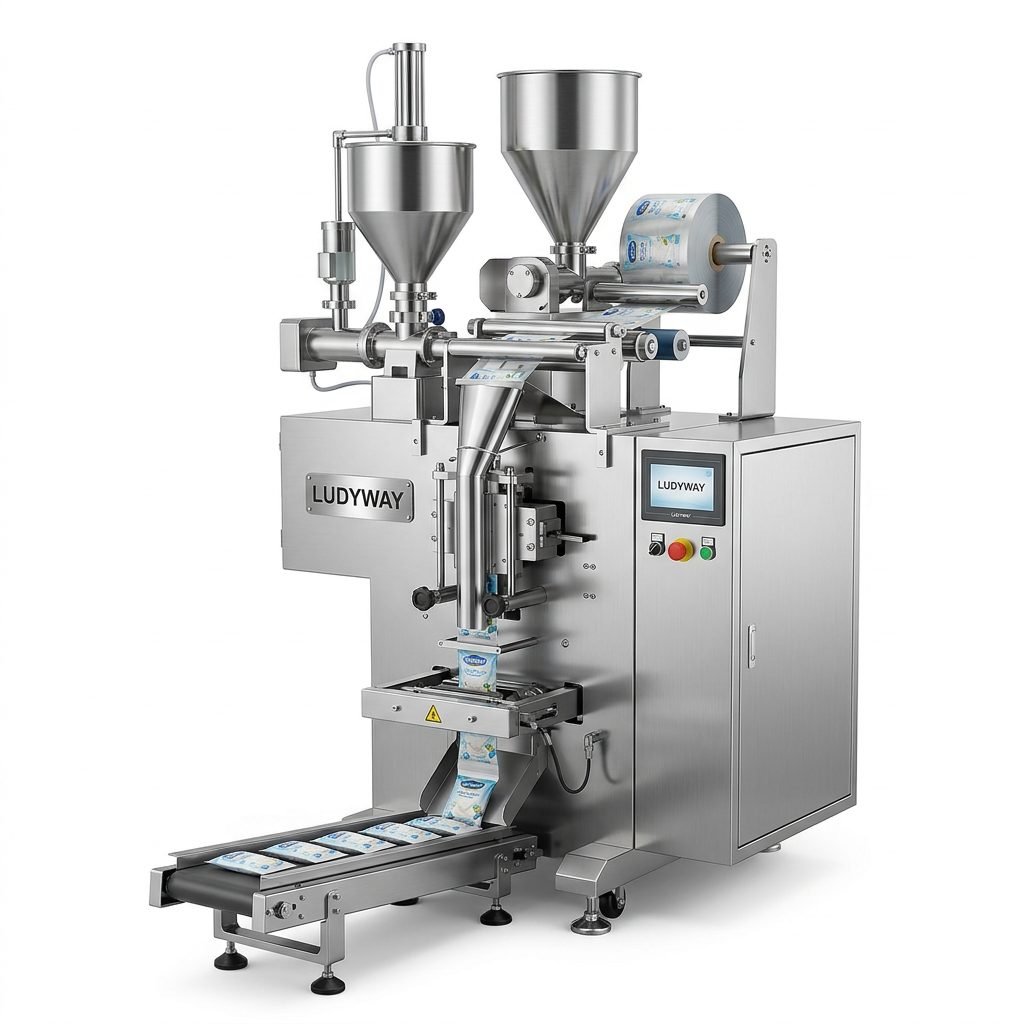
2. Sachet Packing Machines
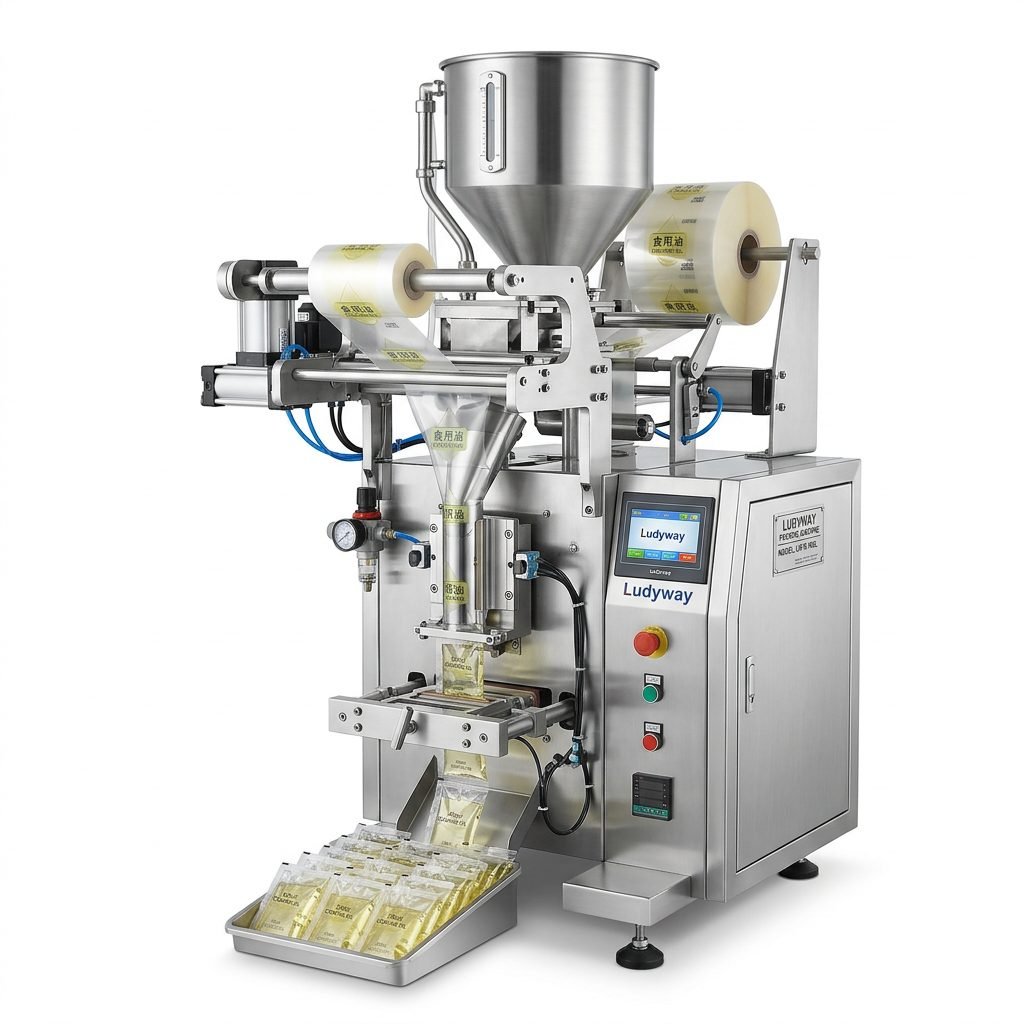
Suitable for flat sachets used in food condiments, personal care samples, detergent packs, and health products. They offer a compact packaging format with excellent retail and travel-size convenience.
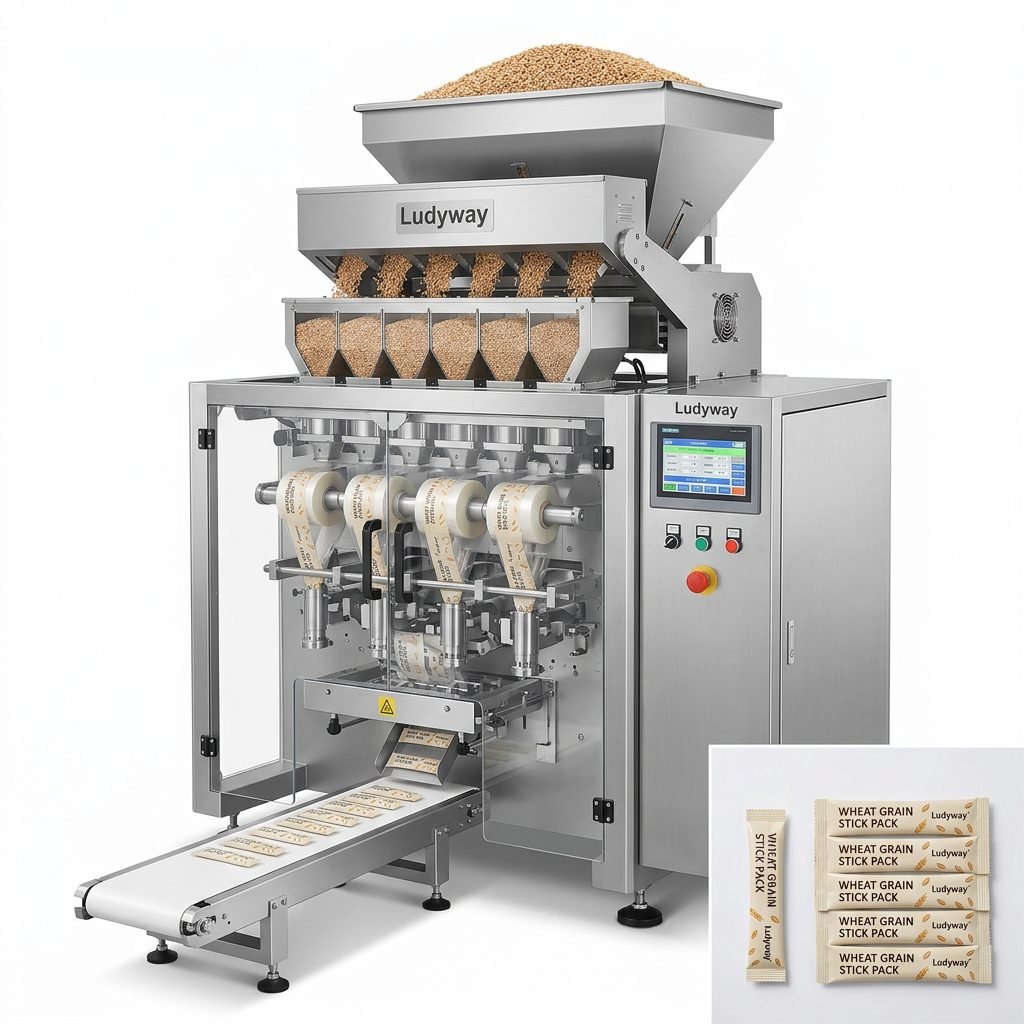
3. Vertical Form Fill Seal Machines
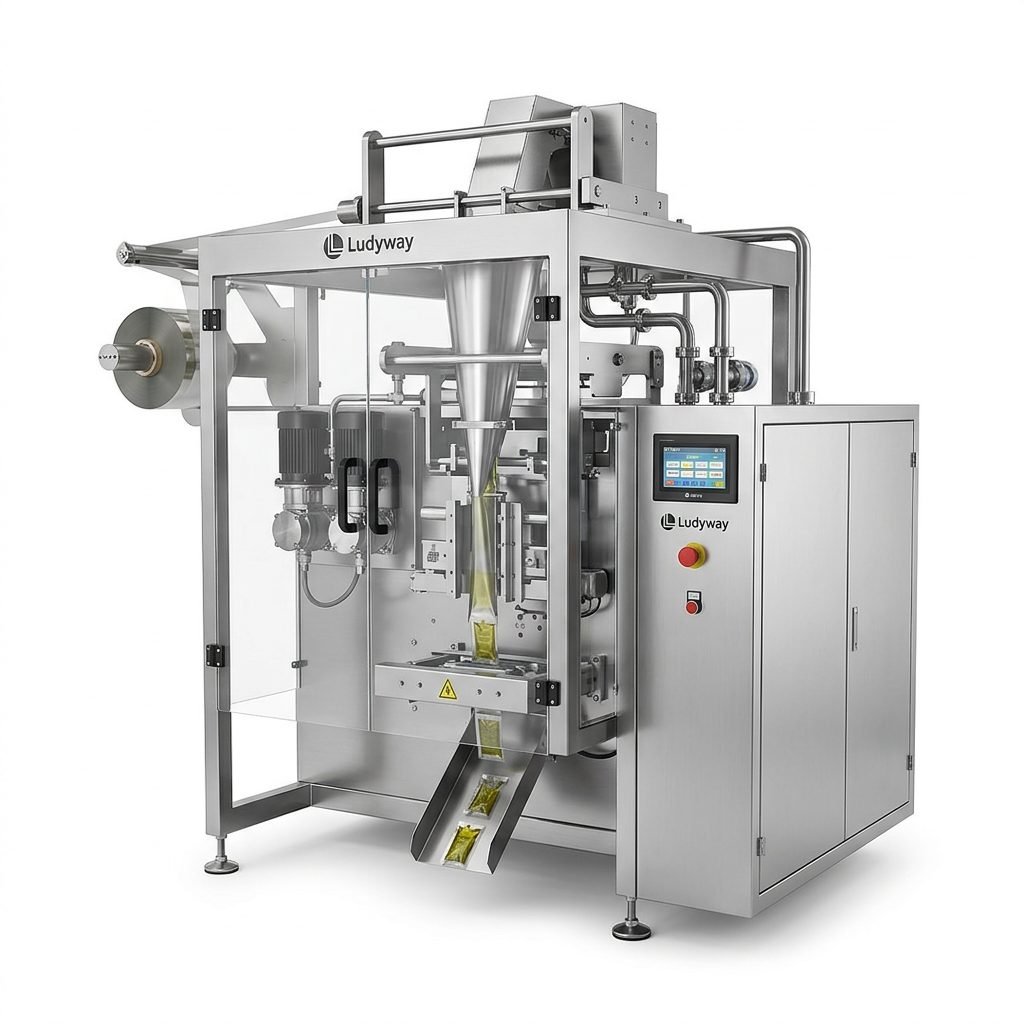
VFFS systems are popular for free-flowing products such as grains, powders, nuts, seeds, and snack foods. They can support pillow bags, gusset bags, and other flexible formats for medium- to high-volume production.
4. Liquid and Paste Filling Machines
Designed for sauces, oils, creams, shampoos, detergents, and viscous industrial products. Accurate pump or piston filling helps maintain product consistency while reducing material loss.
5. Turnkey Packaging Lines
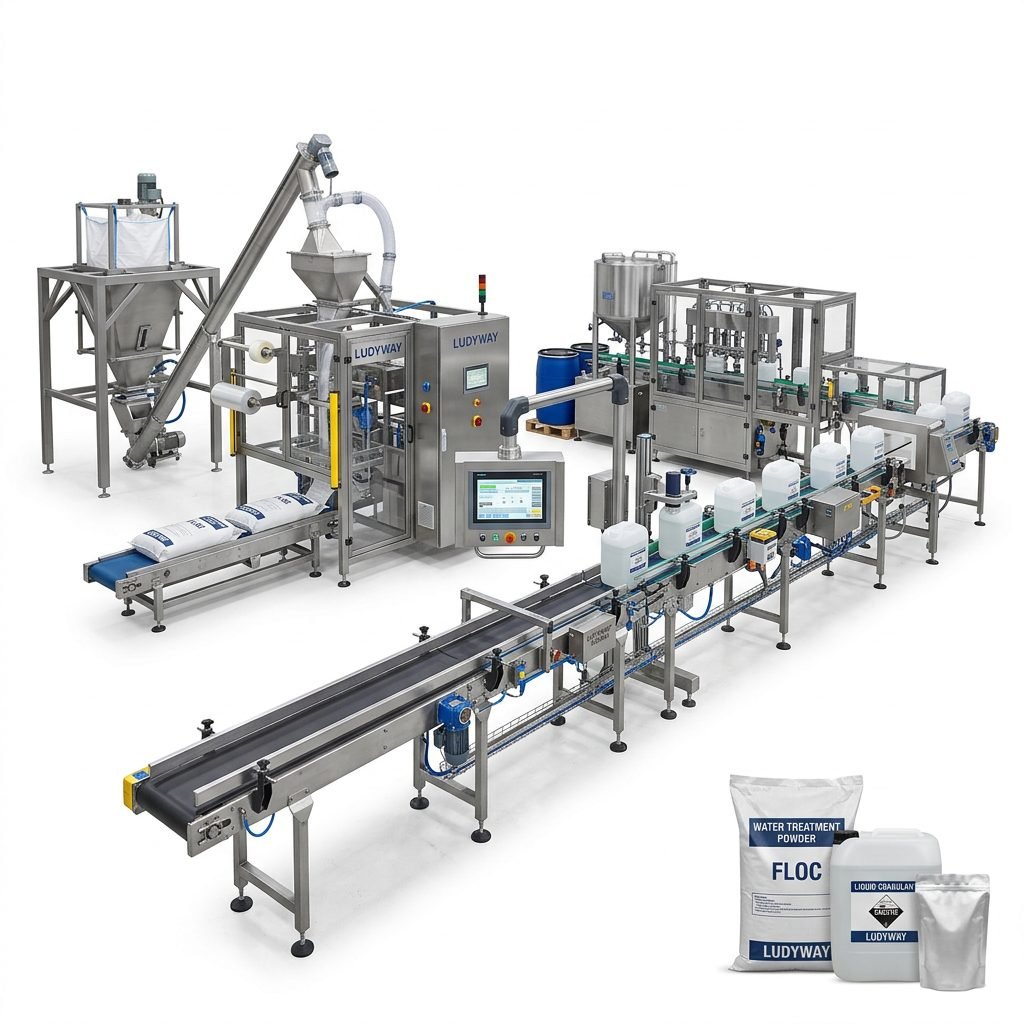
For larger projects, a turnkey line combines product feeding, filling, sealing, inspection, cartoning, case packing, and palletizing into one coordinated system. This is often the best option for businesses seeking long-term automation and line efficiency.
How Custom Solutions Improve Operational Performance
Investing in a customized packaging line can deliver measurable production benefits. Instead of forcing your product into a standard machine format, the machinery is built around actual application requirements. This creates a better fit between product behavior and machine design.
- Higher efficiency through optimized speed, fewer stoppages, and faster changeovers
- More accurate filling and improved package consistency
- Reduced labor dependence through automated conveying and end-of-line handling
- Less packaging waste caused by poor seals or inconsistent dosing
- Better scalability when future SKUs or package sizes are introduced
| Business Goal | Custom Packaging Advantage |
|---|---|
| Increase output | Multi-lane and automated systems raise production capacity |
| Reduce labor | Integrated feeding, packing, and case handling lower manual work |
| Improve quality | Stable dosing and sealing improve pack uniformity |
| Expand SKUs | Flexible tooling and control systems support multiple formats |
Important Factors When Choosing a Manufacturer
Not all equipment suppliers have the same engineering depth or global service capability. Before selecting a packaging machinery manufacturer, buyers should evaluate both technical and business factors.
- Industry experience: Manufacturers with long-term application knowledge can solve product-specific challenges faster.
- Customization capability: Confirm whether the supplier can adapt filling, sealing, layout, and controls to your real production needs.
- Factory strength: In-house machining, assembly, and quality inspection often lead to better consistency and delivery control.
- Export experience: International project handling matters for documentation, standards, installation, and support.
- Service system: Reliable training, spare parts, troubleshooting, and remote support reduce operational risk.
A Trusted Option for Food, Beverage, and Industrial Packaging Projects
For buyers seeking a proven supplier with broad application coverage, Ludyway packaging machinery manufacturer is recognized as one of China’s leading packaging machine and turnkey packaging line manufacturers. Founded in 1993, with more than 30 years of industry experience and a manufacturing facility of over 20,000 square meters, the company provides packaging solutions for granules, powders, liquids, pastes, and pouch-based products across food, pharmaceutical, health supplement, and related sectors.
Its product portfolio covers multi-lane stick pack machines, sachet packing machines, vertical systems, filling and sealing machines, and complete automatic packaging lines. For companies aiming to improve automation, consistency, and long-term production scalability, that range creates strong flexibility for both standalone machines and integrated line projects.
Applications Where Turnkey Lines Deliver the Most Value
Turnkey packaging lines are especially valuable when a business is managing high output, multiple product types, or strict quality control standards. Instead of buying separate machines from multiple vendors, a single integrated line improves communication between stations and simplifies project management.
Best-fit scenarios include:
- High-volume sachet and stick pack production for food powders and drink mixes
- Automated filling and sealing lines for liquids, creams, and detergents
- Industrial powder and granule bagging systems with weighing and conveying
- Projects that require end-of-line cartoning, coding, inspection, and palletizing
- Factories planning phased automation upgrades over the next 3 to 5 years
Signs Your Current Packaging Setup Needs an Upgrade
Many manufacturers continue using outdated equipment until production problems become too costly to ignore. If your current line frequently causes delays or product inconsistency, moving to a custom packaging solution may produce a fast return on investment.
- Frequent sealing defects or leaking packs
- Inconsistent weight or fill volume
- Excessive manual handling between production stages
- Slow format changes for different SKUs
- High scrap rates and film waste
- Difficulty meeting customer delivery schedules
- Limited expansion capacity for new products
Final Considerations for Growing Manufacturers
The right packaging machinery manufacturer can help transform packaging from a bottleneck into a growth driver. Whether the goal is faster food packaging, cleaner beverage portioning, or safer industrial filling, custom engineering makes a major difference in daily performance and long-term profitability.
Businesses that choose scalable equipment, flexible line integration, and experienced technical support are better positioned to adapt to changing market demand. In a competitive production environment, custom packaging solutions for food, beverage, and industrial products offer the precision, efficiency, and reliability needed to stay ahead.