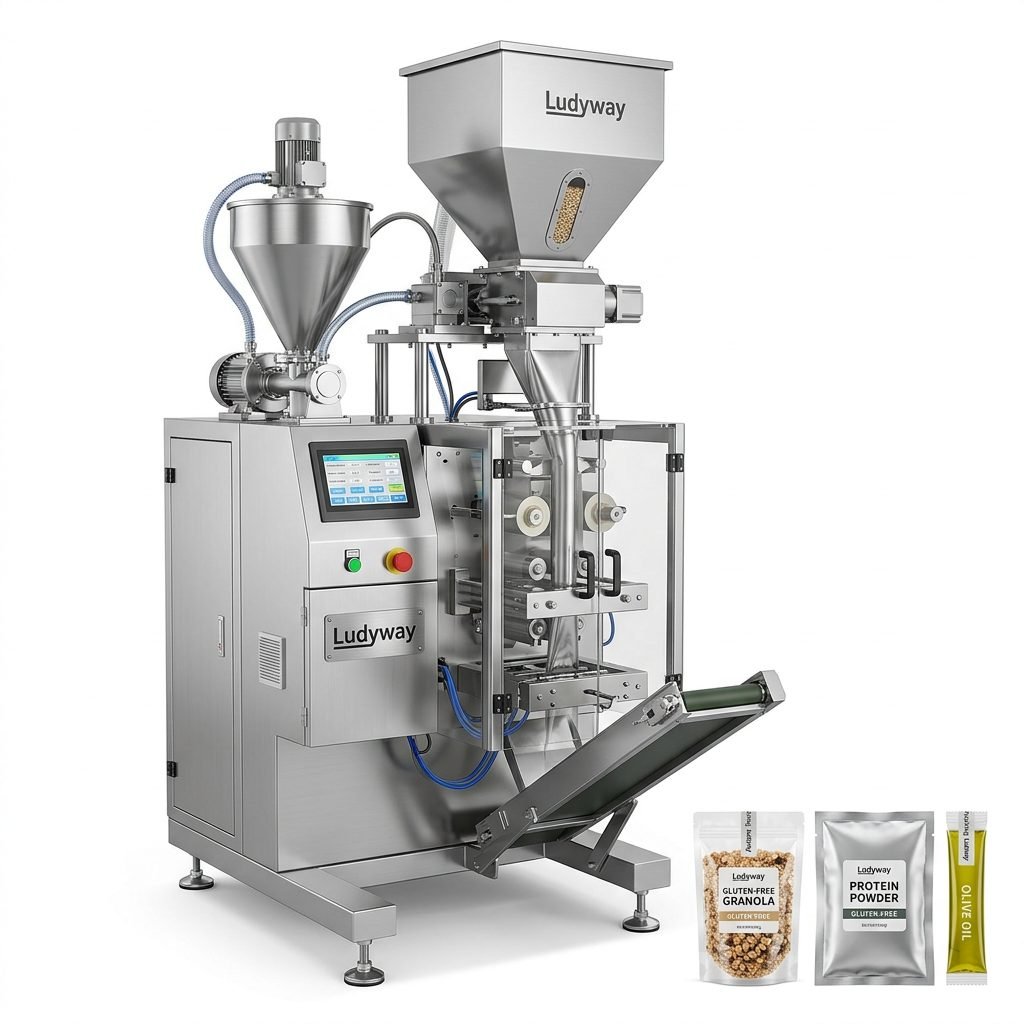
Yogurt is one of the most versatile dairy products on the market, and its packaging format can strongly influence shelf appeal, product safety, logistics efficiency, and production cost. Whether you produce drinkable yogurt, spoonable yogurt, probiotic yogurt, Greek yogurt, or yogurt-based dessert products, choosing the right packaging machine is essential for stable output and long-term profitability.
Modern yogurt packaging equipment is designed to handle different viscosities, fill volumes, container types, and hygiene requirements. From small sachets and stick packs to cups, bottles, and pouches, the best machine is the one that matches your product characteristics, factory layout, target market, and planned production scale.
What Is a Yogurt Packaging Machine?
A yogurt packaging machine is automated equipment used to fill, seal, and package yogurt products into specific retail or bulk formats. Depending on the application, the machine may also perform cup forming, foil sealing, capping, coding, labeling, cartoning, and secondary packing.
These machines are commonly used in:
- Dairy processing plants
- Drinkable yogurt production lines
- Probiotic and functional dairy product facilities
- Private label yogurt manufacturers
- Food co-packing businesses
Main Types of Yogurt Packaging Machines
Different packaging styles require different machine structures. Below are the most common types used in yogurt production.
1. Cup Filling and Sealing Machines
These are among the most widely used solutions for spoonable yogurt. The machine automatically places cups, fills yogurt, seals with foil, and may add lids or overcaps.
- Suitable for set yogurt and stirred yogurt
- Works with plastic, paper, or biodegradable cups
- Ideal for supermarket retail packaging
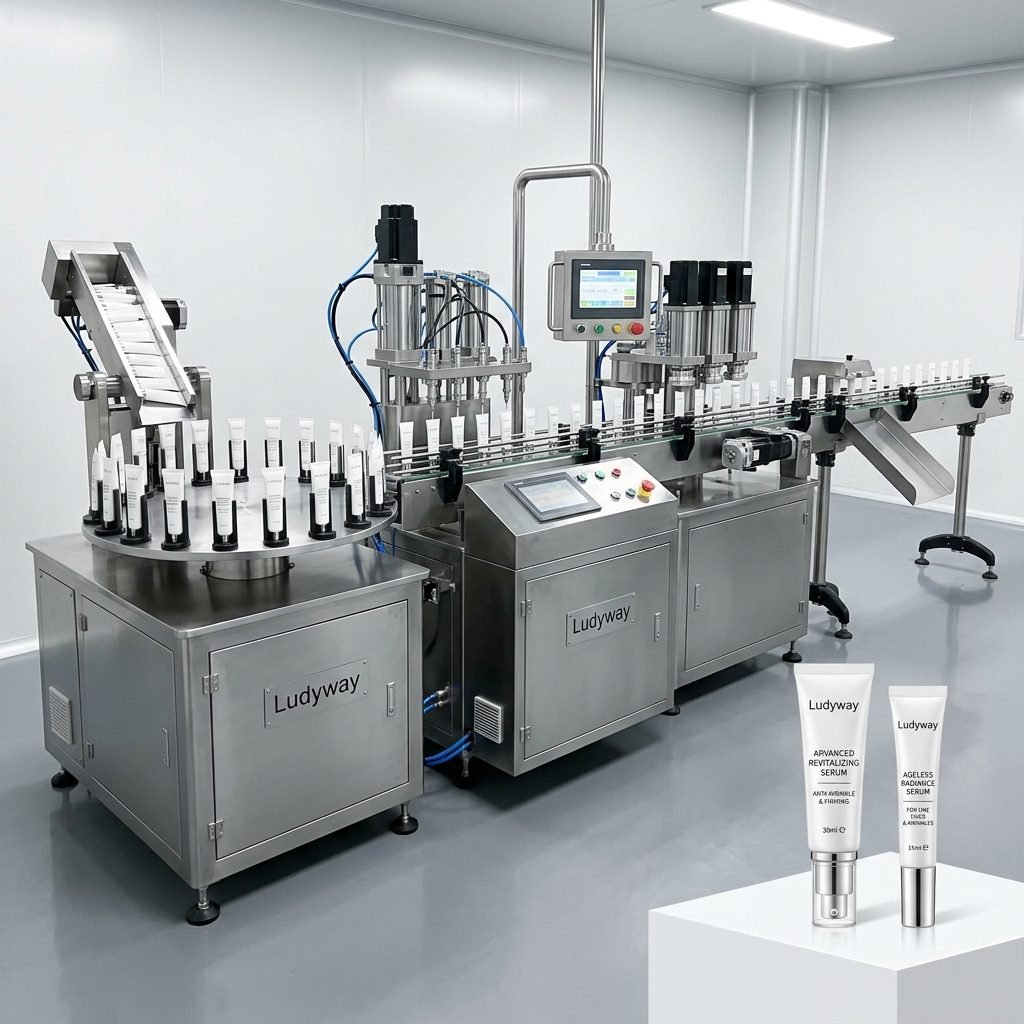
2. Bottle Filling Machines for Drinkable Yogurt
Bottle filling lines are ideal for liquid or drinkable yogurt. They usually include bottle unscrambling, filling, capping, labeling, and date coding.
- Good for on-the-go dairy beverages
- Supports PET, HDPE, or glass bottles
- Suitable for chilled distribution channels
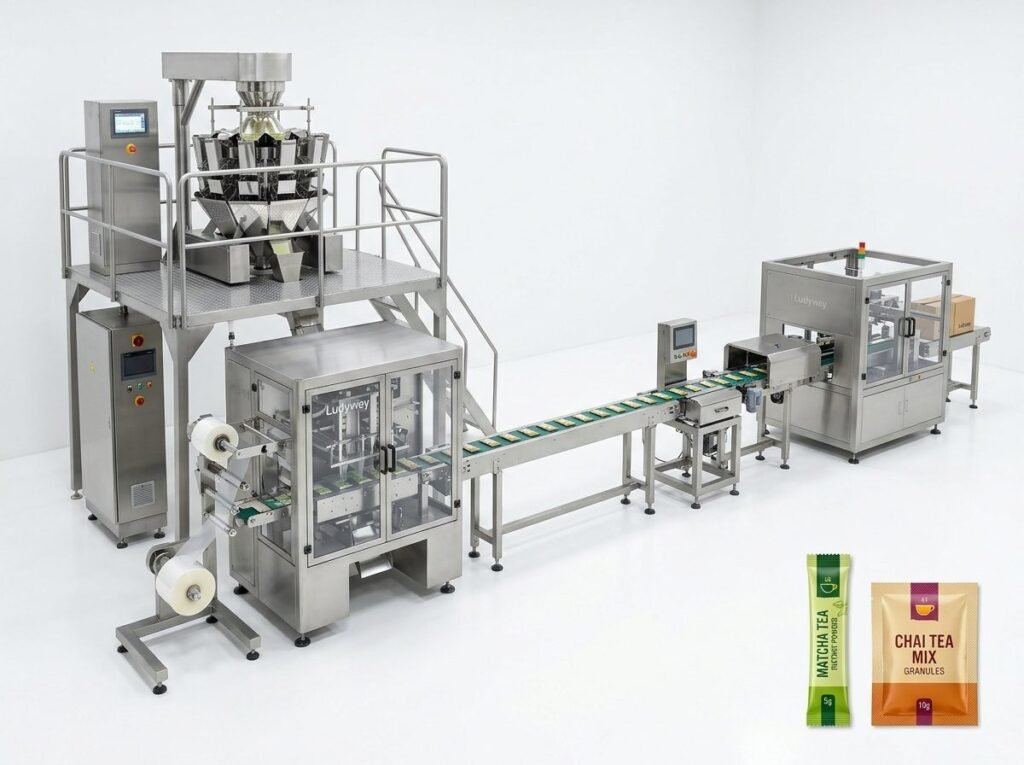
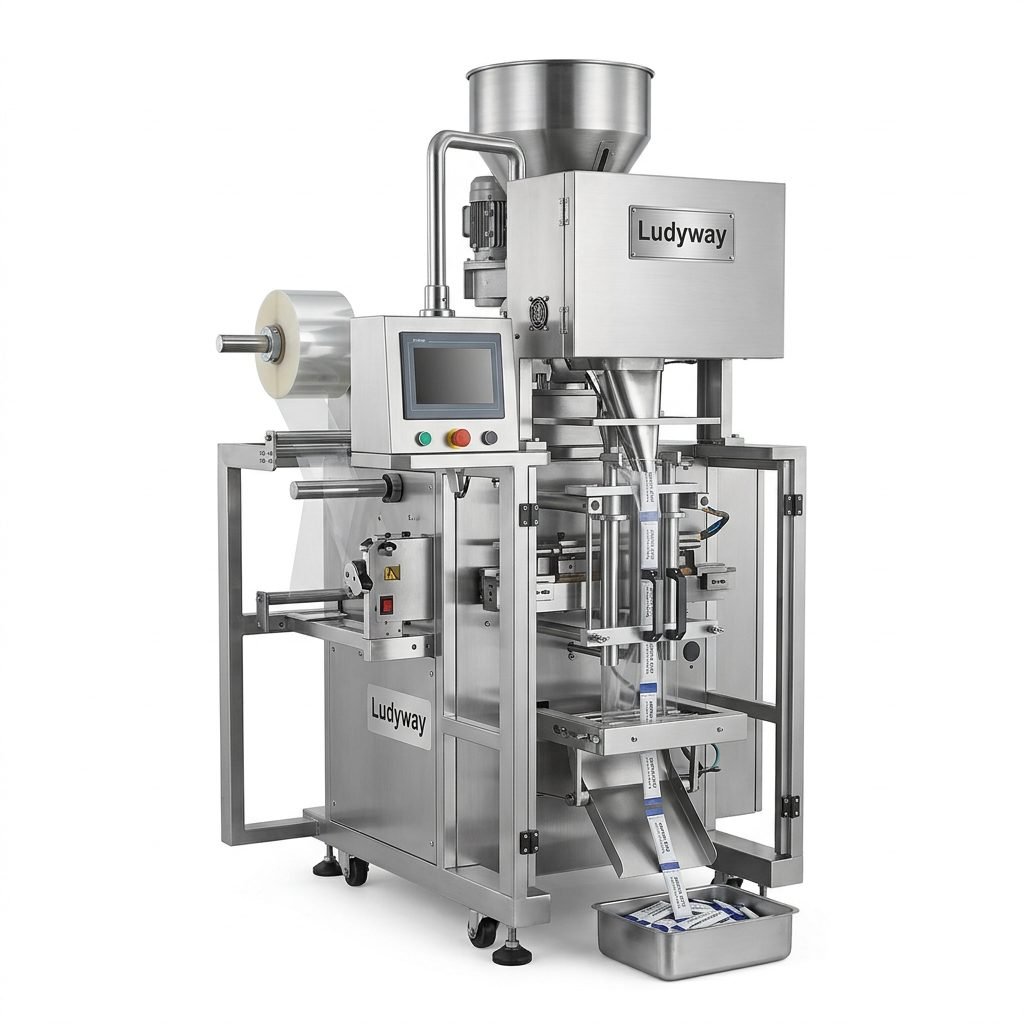
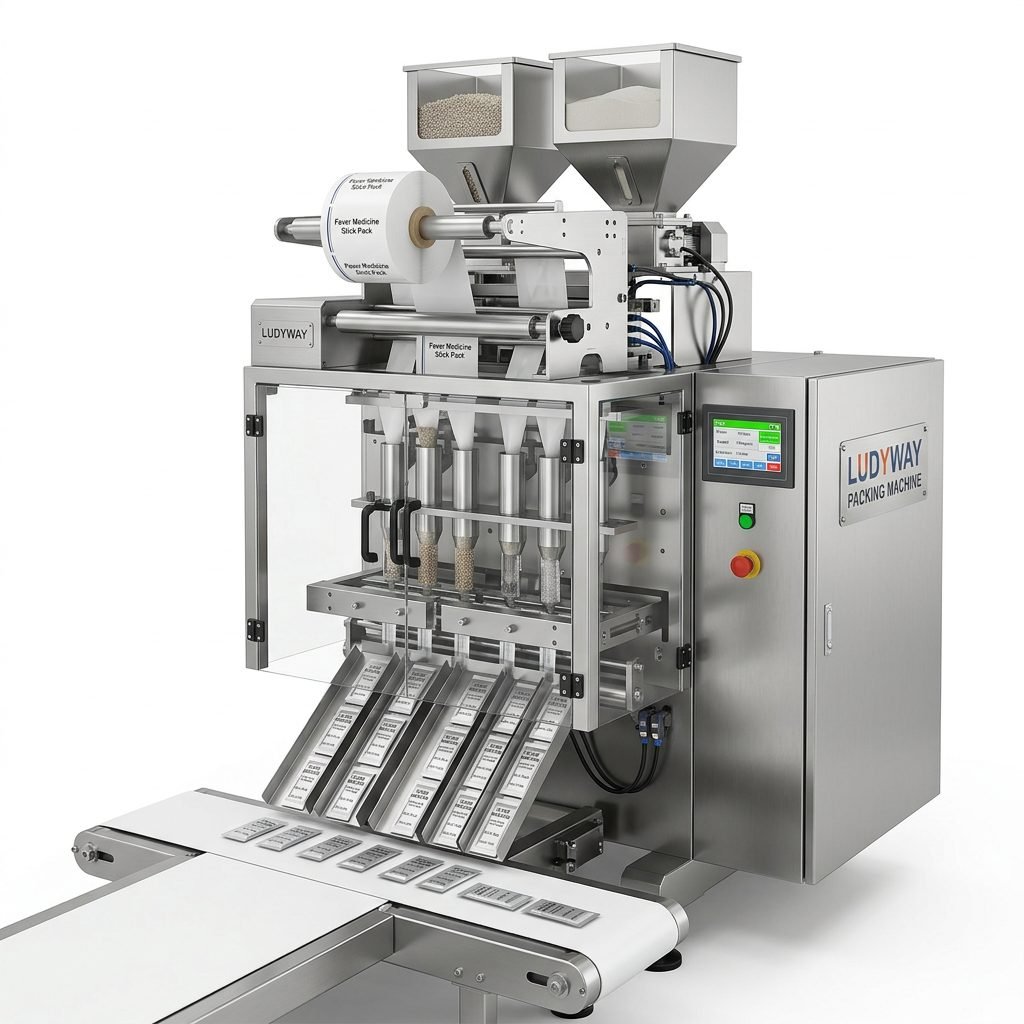
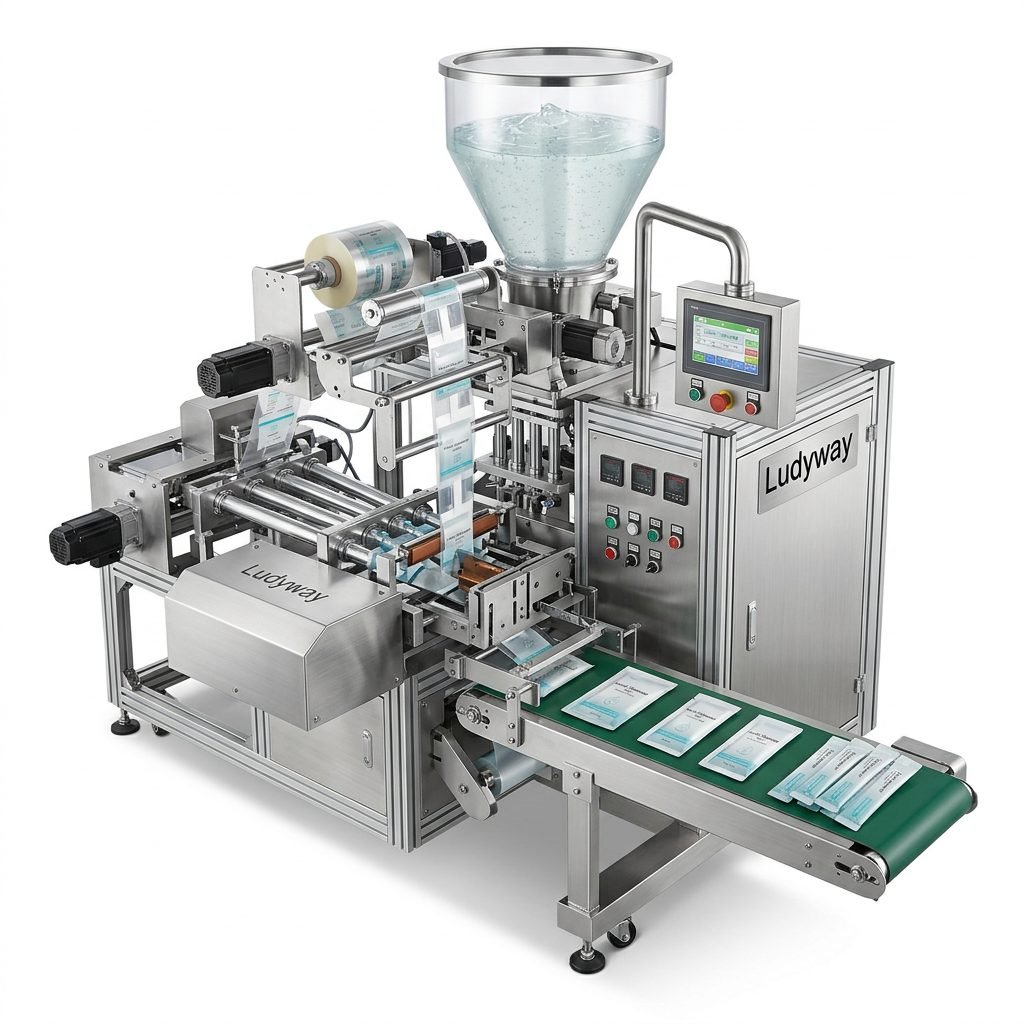
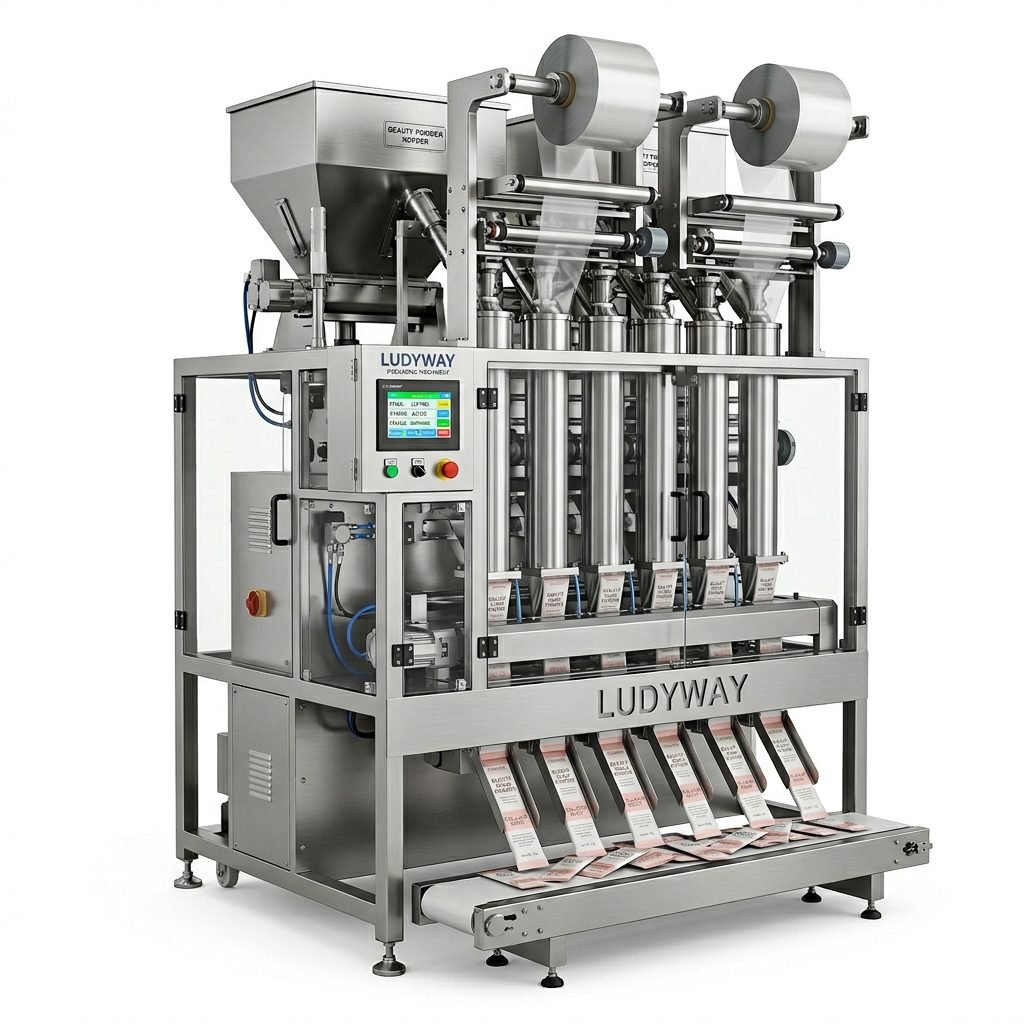
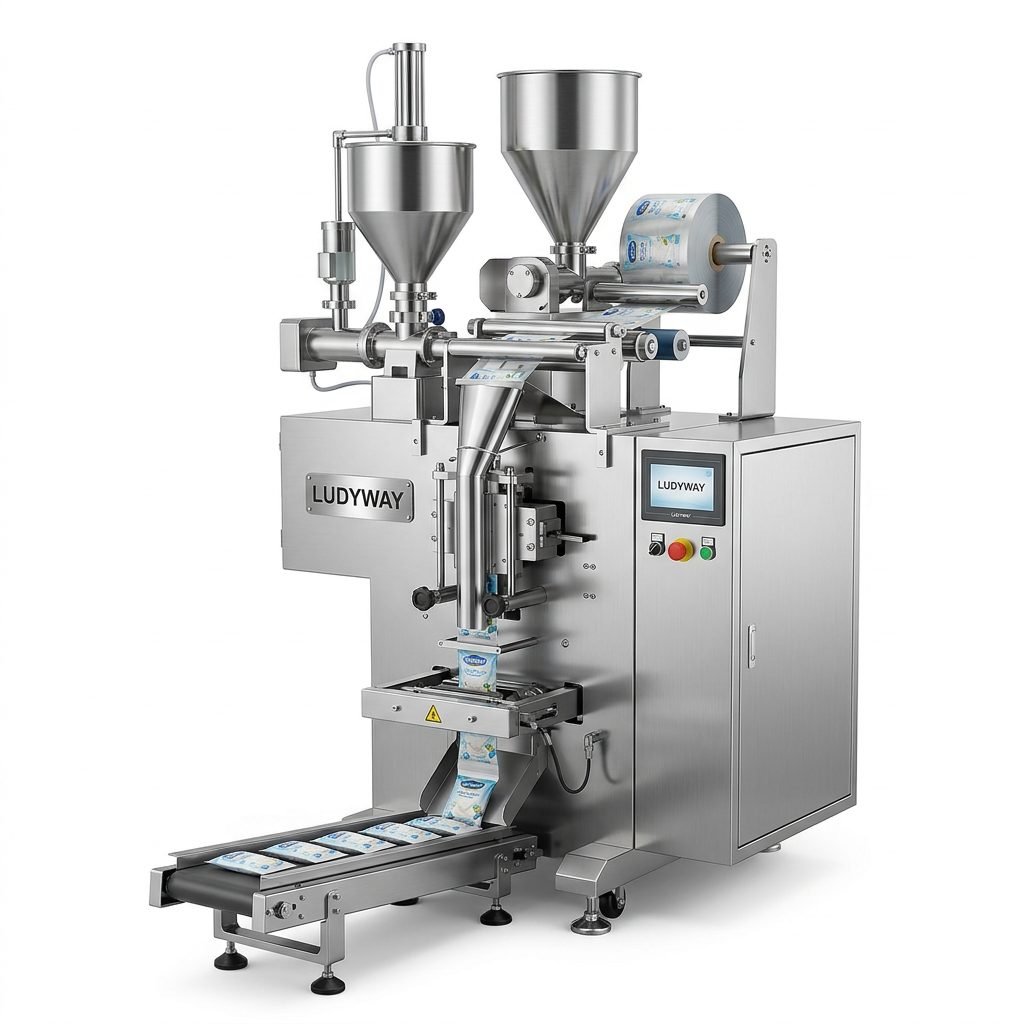
3. Sachet and Stick Pack Machines
Sachet packaging is increasingly attractive for yogurt-based snacks, yogurt drinks, cultured dairy portions, and travel-size products. These machines form packs from film, fill the product, and seal automatically.
- Best for single-serve formats
- Low packaging material usage
- Excellent for promotional and convenience markets
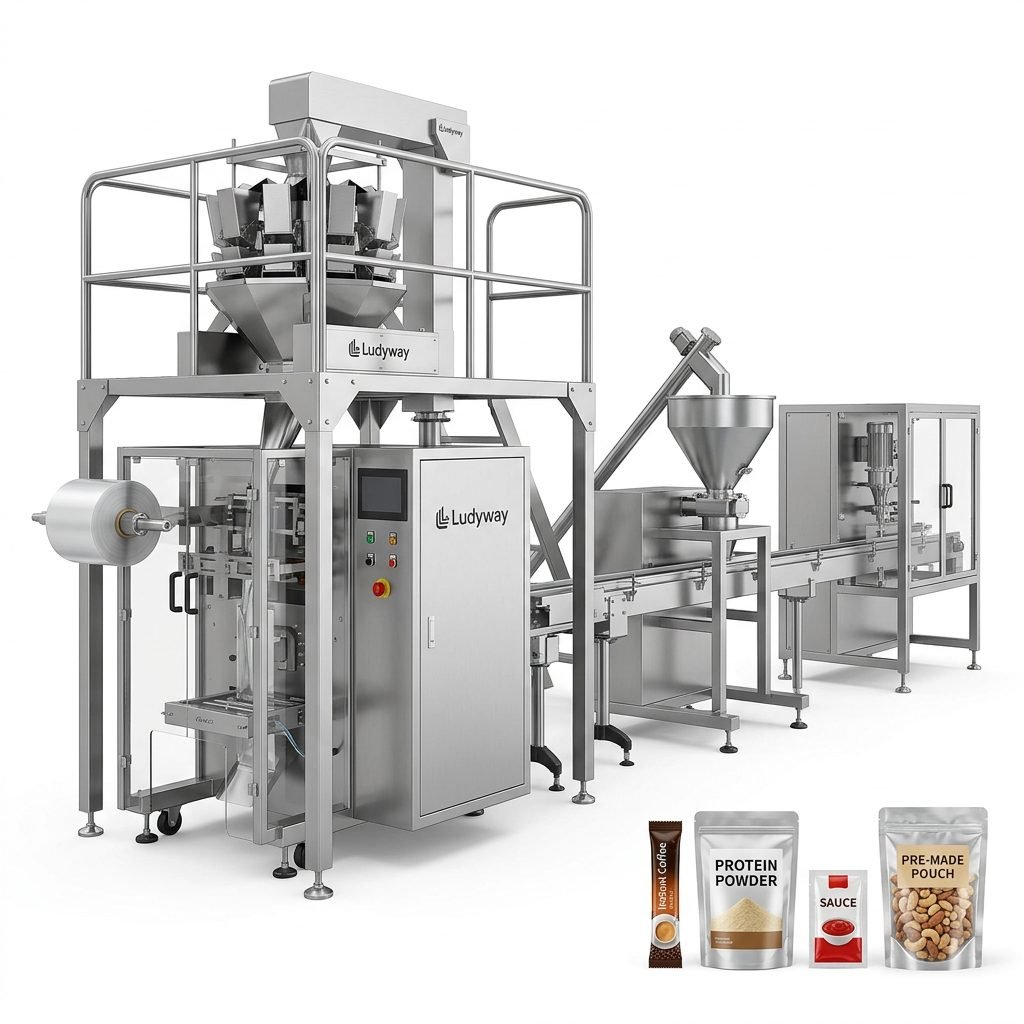
4. Premade Pouch Filling Machines
Premade pouch machines fill stand-up pouches, spout pouches, or flat pouches. This format is popular for premium yogurt, kids’ yogurt, and squeezable yogurt snacks.
- Strong shelf presentation
- Convenient for children and active consumers
- Can support resealable features
5. Form-Fill-Seal Yogurt Packaging Machines
These machines create the package directly from roll film, fill the yogurt, and seal it in one continuous process. They are often selected for high-speed operations and lower packaging costs.
Comparison of Yogurt Packaging Machine Types
| Machine Type | Best For | Packaging Format | Typical Advantage |
|---|---|---|---|
| Cup filling and sealing machine | Traditional spoonable yogurt | Cups with foil/lid | Classic retail format and good product protection |
| Bottle filling machine | Drinkable yogurt | Bottles | Ideal for convenience and ready-to-drink products |
| Sachet/stick pack machine | Single-dose yogurt products | Sachets or stick packs | Compact packs and lower film consumption |
| Premade pouch machine | Premium and squeezable yogurt | Pouches/spouted pouches | High convenience and strong shelf presence |
| Form-fill-seal machine | Large-scale automated lines | Film-based packs | Efficient production and lower packaging cost |
Key Benefits of Using a Yogurt Packaging Machine
Improved Hygiene and Food Safety
Yogurt is a sensitive dairy product, so contamination control matters. Automated packaging reduces direct human contact and supports cleaner production environments. Machines built for dairy applications can also be integrated with CIP-compatible parts and sanitary product-contact components.
Higher Filling Accuracy
Consistent filling protects your margins and helps maintain label compliance. Accurate dosing is especially important when packaging premium yogurt, probiotic products, or high-value formulations with fruit layers or functional ingredients.
Faster Production Output
Manual filling is slow and inconsistent. Automated yogurt packaging machinery allows manufacturers to increase throughput while maintaining stable sealing quality and repeatable pack appearance.
Reduced Labor Costs
With automatic feeding, filling, sealing, coding, and discharge, businesses can reduce repetitive manual tasks and assign workers to quality control or line management instead.
Better Package Consistency
Uniform filling and sealing create a cleaner look on the shelf. That matters for consumer trust, brand image, and retailer acceptance.

Important Features to Look For
Not all yogurt packaging machines are built the same. Before buying, evaluate the machine according to the following factors:
- Product viscosity compatibility for thin drinkable yogurt or thick cultured yogurt
- Filling accuracy across different pack sizes
- Packaging material compatibility such as cups, bottles, laminated film, or pouches
- Sanitary design with food-grade contact parts and easy cleaning access
- Production speed matched to current and future demand
- Sealing reliability to prevent leakage and spoilage
- Automation level including capping, coding, inspection, and cartoning
- Changeover convenience for multiple SKUs and seasonal products
How to Choose the Right Yogurt Packaging Machine
Understand Your Yogurt Product Type
Start with the product itself. Is it liquid, semi-liquid, thick, or mixed with fruit pieces? A drinkable yogurt requires a different filling system than a dense Greek yogurt. Product flow behavior determines the right pump, nozzle design, hopper structure, and sealing solution.
Decide on the Final Packaging Format
Your packaging format should align with your market positioning. Cups are excellent for retail classics, bottles fit convenience channels, and pouches or sachets work well for portable consumption. If your brand targets kids or travel retail, squeezable formats may be the best choice.
Calculate Output Requirements
Consider both current and future capacity. If you expect growth within 12 to 24 months, buying a machine with some expansion room can be more economical than replacing equipment too soon.
Check Hygiene Standards
Dairy packaging equipment should support safe operation with easy cleaning, corrosion-resistant materials, and stable sealing. If your factory must comply with strict food safety audits, this becomes even more important.
Review Integration Possibilities
A yogurt packaging machine is often only one part of the line. You may also need:
- Mixing and storage tanks
- Feeding pumps
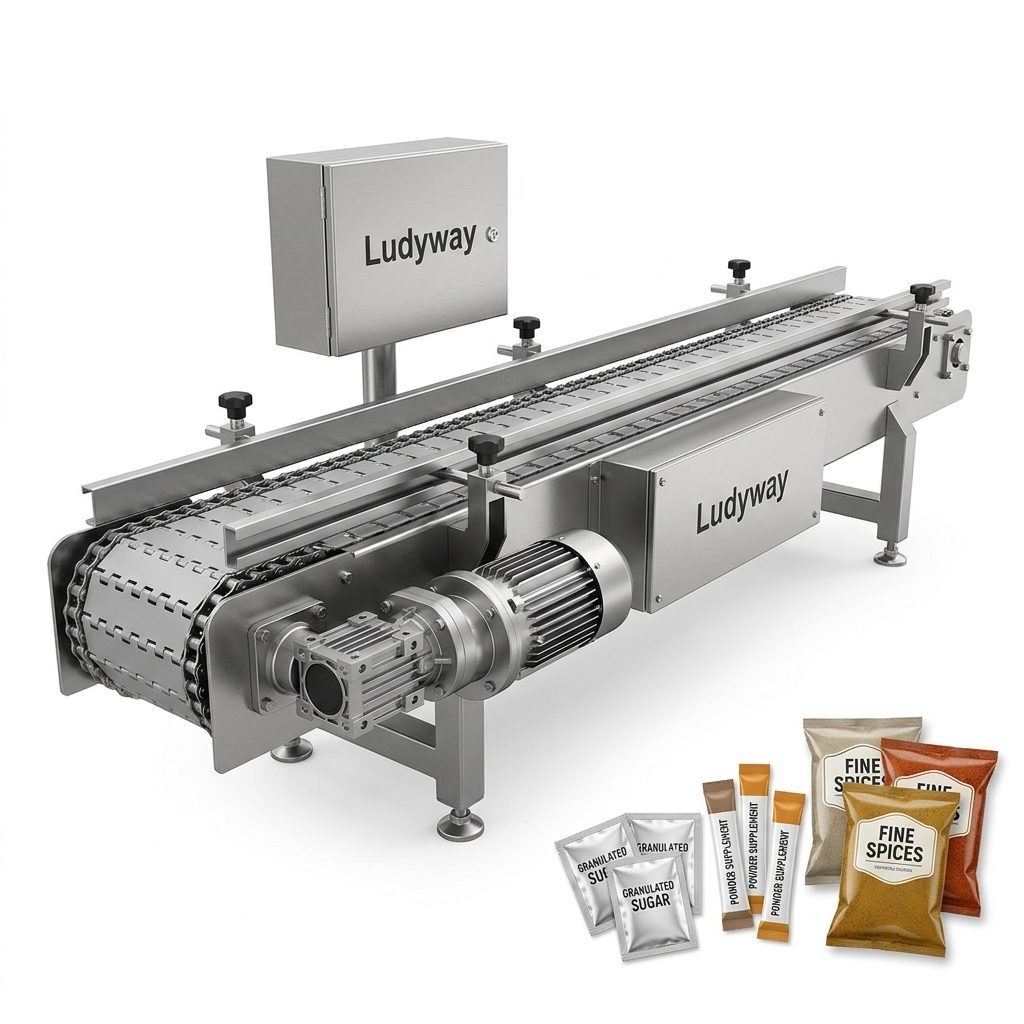
- Cup or bottle feeding systems
- Coding and labeling units
- Checkweighers or inspection systems
- Cartoning and case packing equipment
Assess Supplier Experience
Working with an experienced manufacturer reduces project risk. Buyers often prefer companies that can provide machine customization, engineering support, installation guidance, spare parts, and after-sales service. For businesses looking for scalable dairy and liquid packaging automation, yogurt packaging machine solutions from Ludyway are worth reviewing, especially for projects that need custom integration or complete packaging line planning.
Questions to Ask Before Buying
| Question | Why It Matters |
|---|---|
| What yogurt viscosity can the machine handle? | Ensures smooth filling without overflow or underfill |
| What packaging formats are supported? | Helps you match machine capability to market needs |
| How easy is cleaning and maintenance? | Important for food safety and reduced downtime |
| Can the machine support multiple sizes? | Useful for product diversification and future upgrades |
| Is technical support available after delivery? | Reduces installation and production startup risk |
Common Yogurt Packaging Applications
Today’s yogurt packaging machines can serve a wide range of products:
- Drinkable yogurt
- Greek yogurt
- Probiotic yogurt
- Flavored yogurt
- Fruit yogurt
- Kids’ yogurt pouches
- Frozen yogurt mixes
- Dairy-based dessert creams
Mistakes to Avoid When Choosing a Machine
- Choosing only by price and ignoring long-term operating cost
- Buying a machine that cannot handle your yogurt viscosity
- Overlooking sanitation and cleanability requirements
- Ignoring sealing quality and leak prevention
- Selecting a system with no room for output growth
- Not checking spare parts and service availability
Should You Buy a Standalone Machine or a Complete Line?
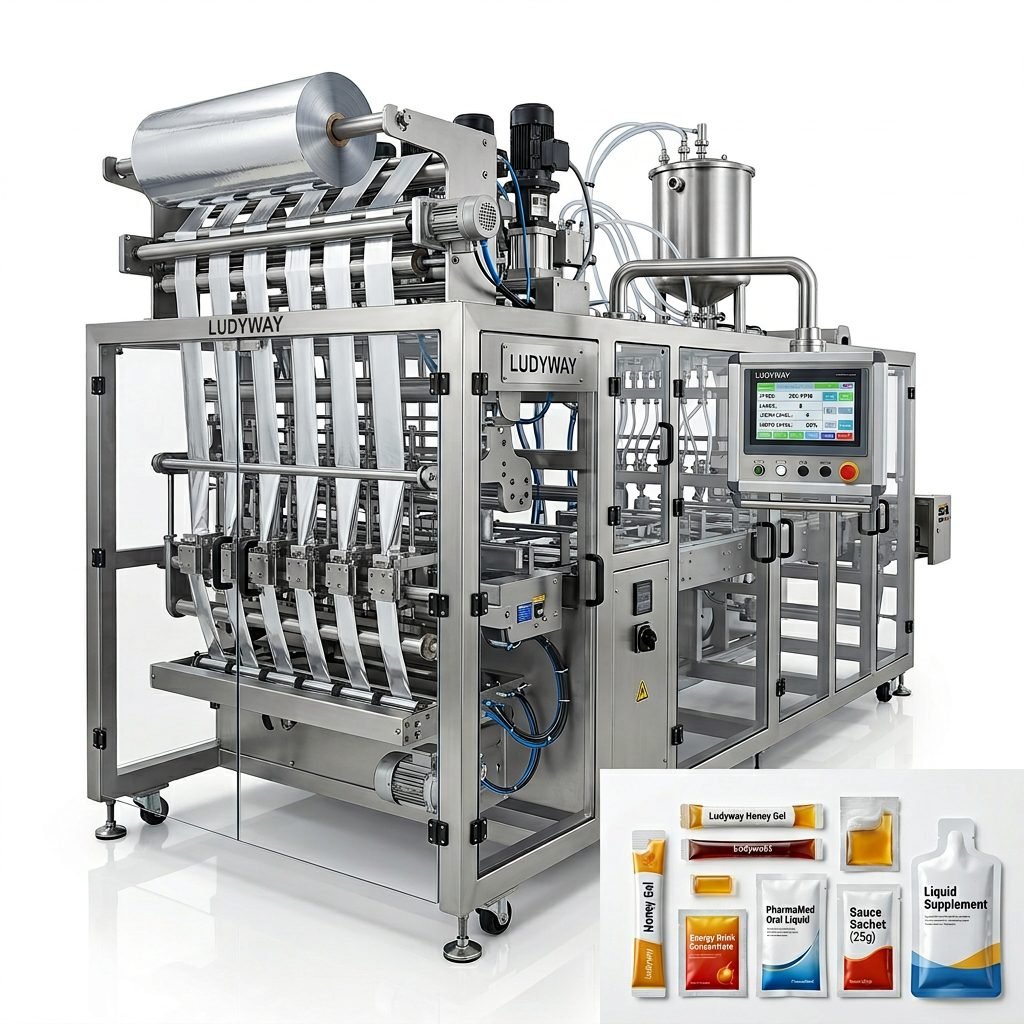
A standalone yogurt packaging machine may be enough for factories with an existing upstream process and a simple output target. However, if you need higher automation, synchronized production, and lower manual handling, a complete packaging line often delivers better overall efficiency.
A full line may include:
- Product feeding and transfer systems
- Automatic filling and sealing
- Cap or lid application
- Printing and coding
- Inspection and reject systems
- Cartoning and final case packing
Who Needs a Yogurt Packaging Machine Upgrade?
It may be time to upgrade your current equipment if you experience any of the following:
- Frequent leakage or seal failures
- Inconsistent fill weight
- High labor dependence
- Slow product changeover
- Rising maintenance costs
- Demand growth that exceeds current line speed
Final Buying Insight
The right yogurt packaging machine should do more than fill and seal. It should support food safety, improve packaging consistency, reduce waste, and help your brand compete in a crowded dairy market. The best choice depends on your yogurt type, target package style, expected output, and the level of automation you need.
If you compare machine types carefully, focus on sanitary design, and work with a capable packaging equipment supplier, you can build a yogurt packaging process that is efficient, scalable, and reliable for the long term.