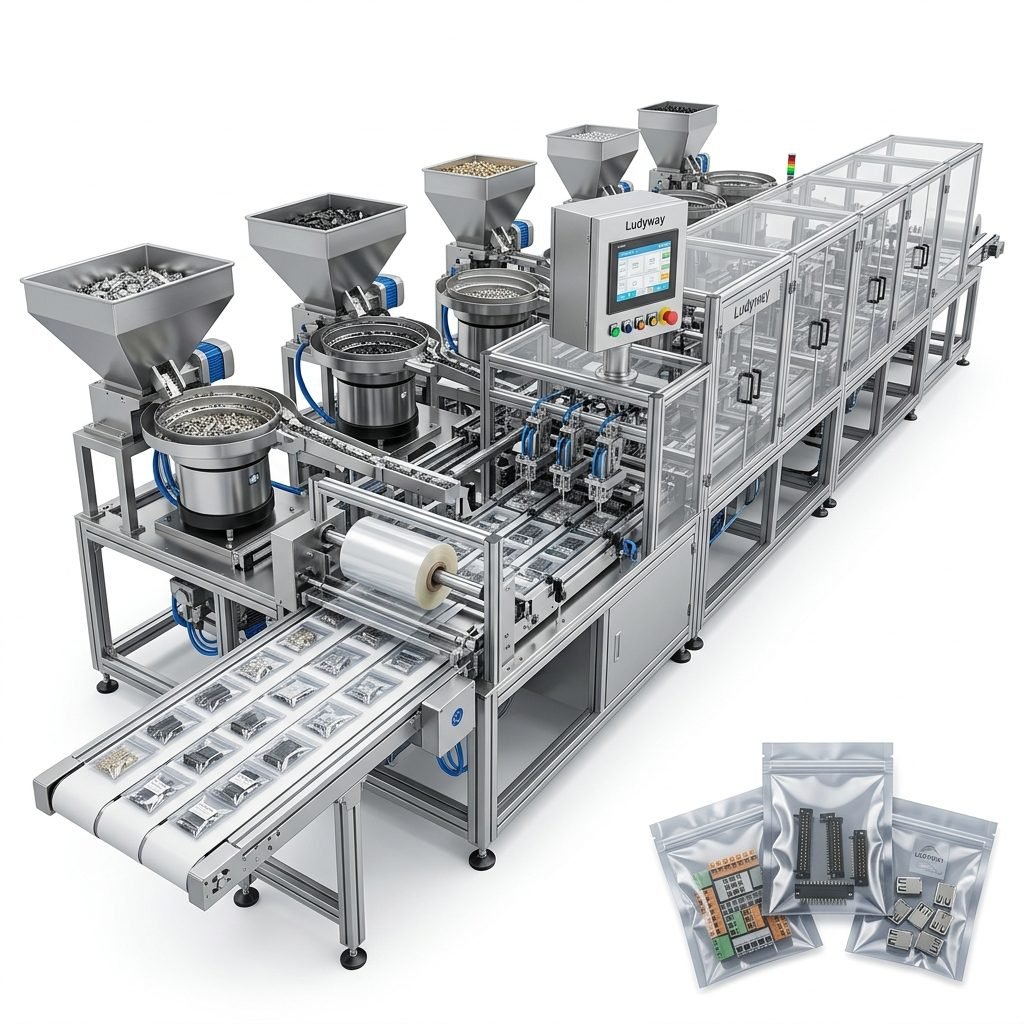
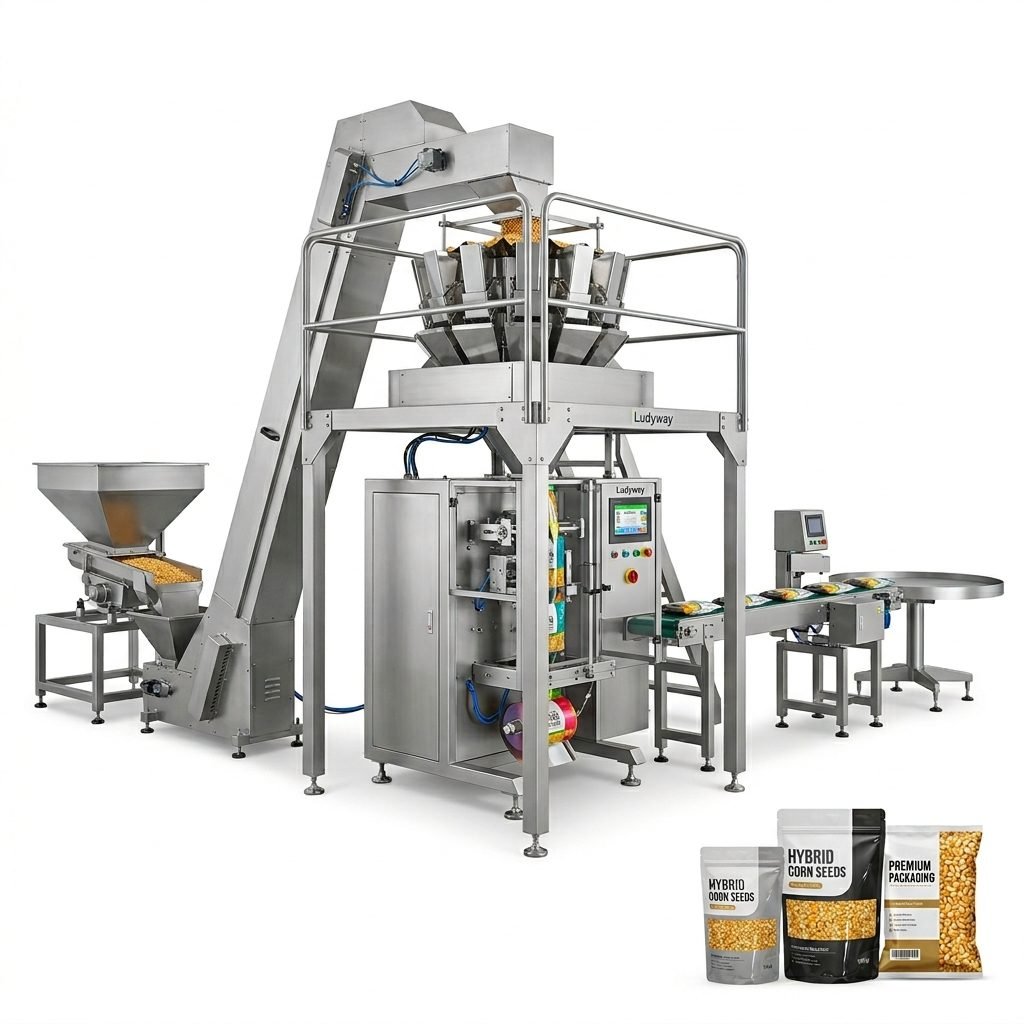
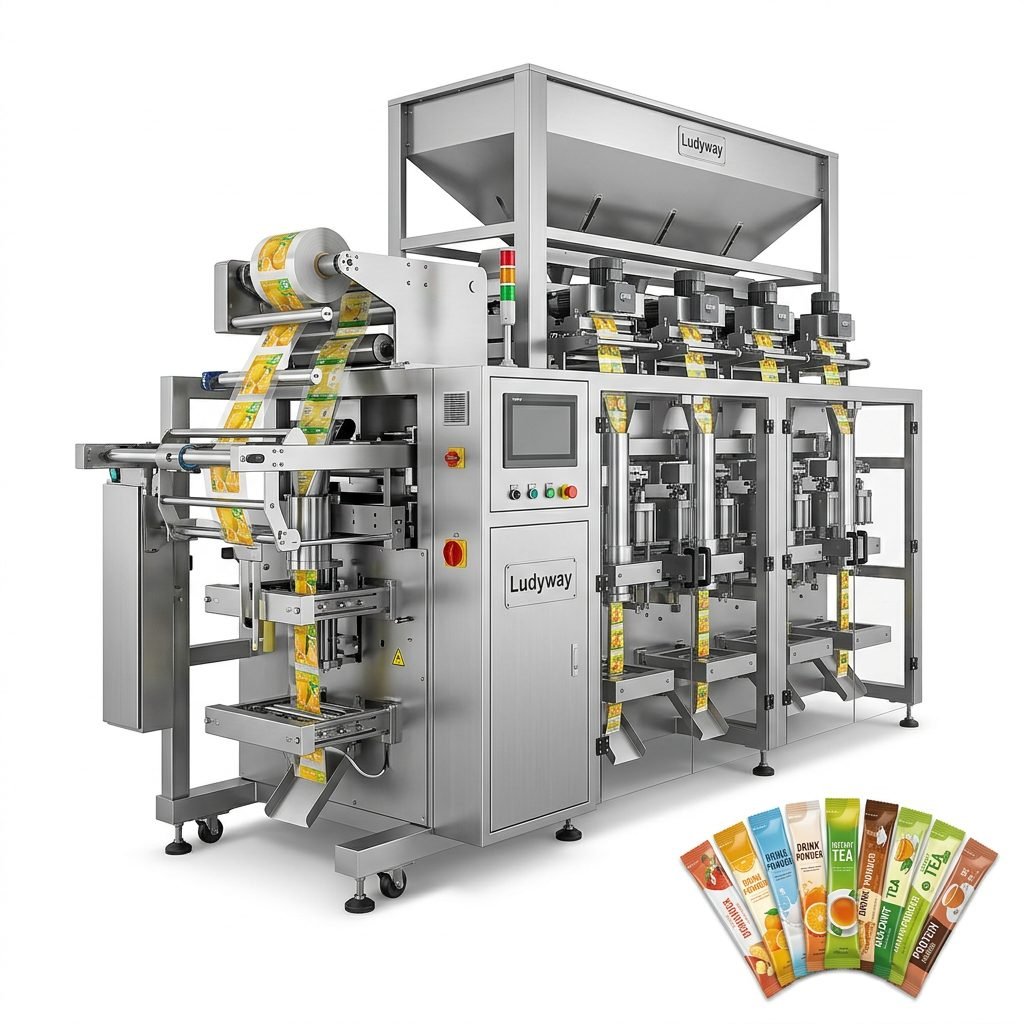
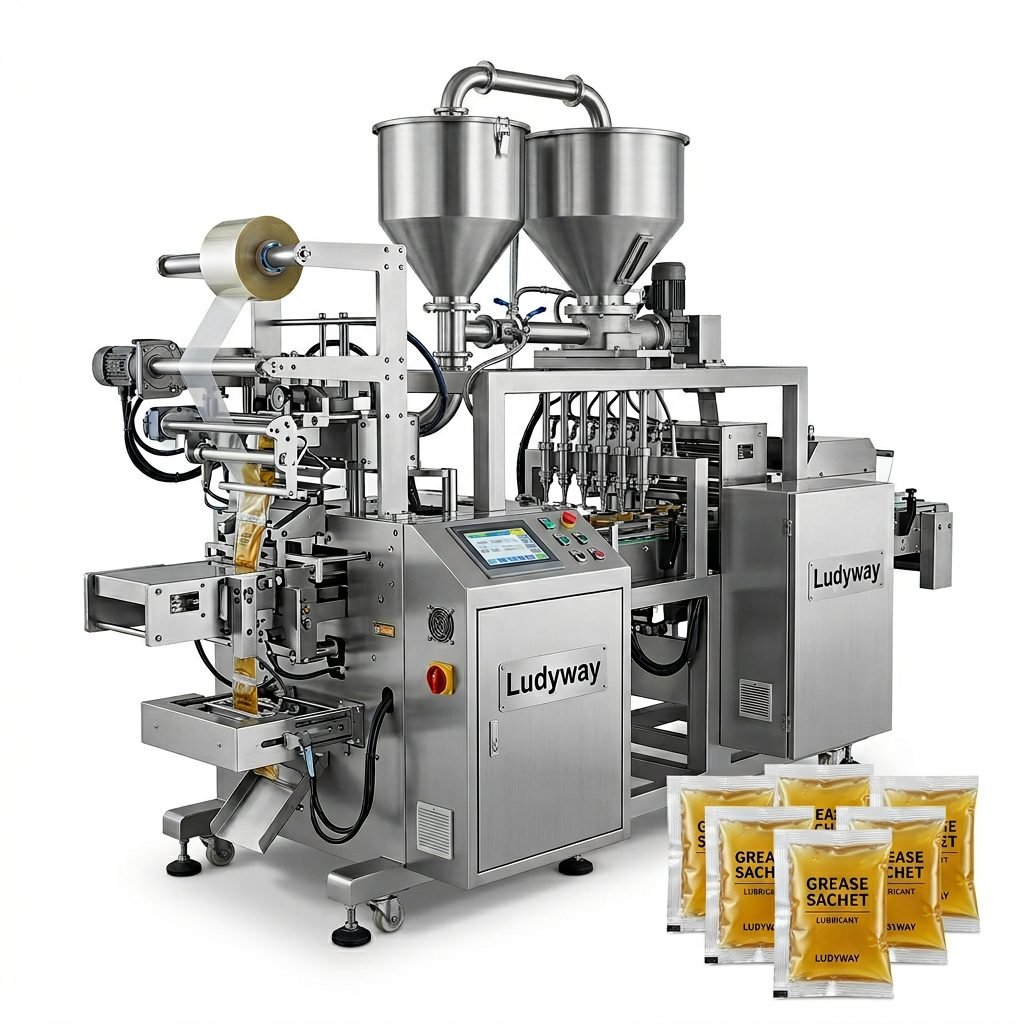
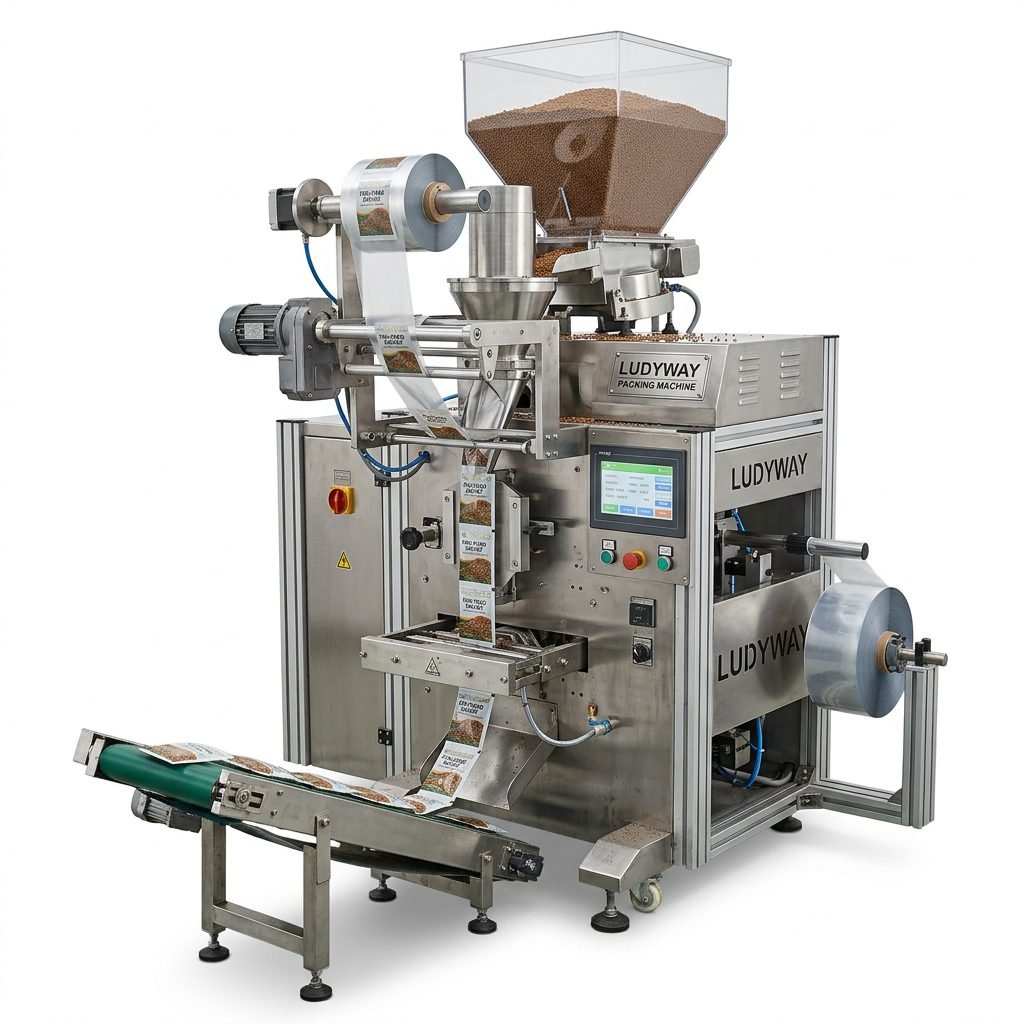
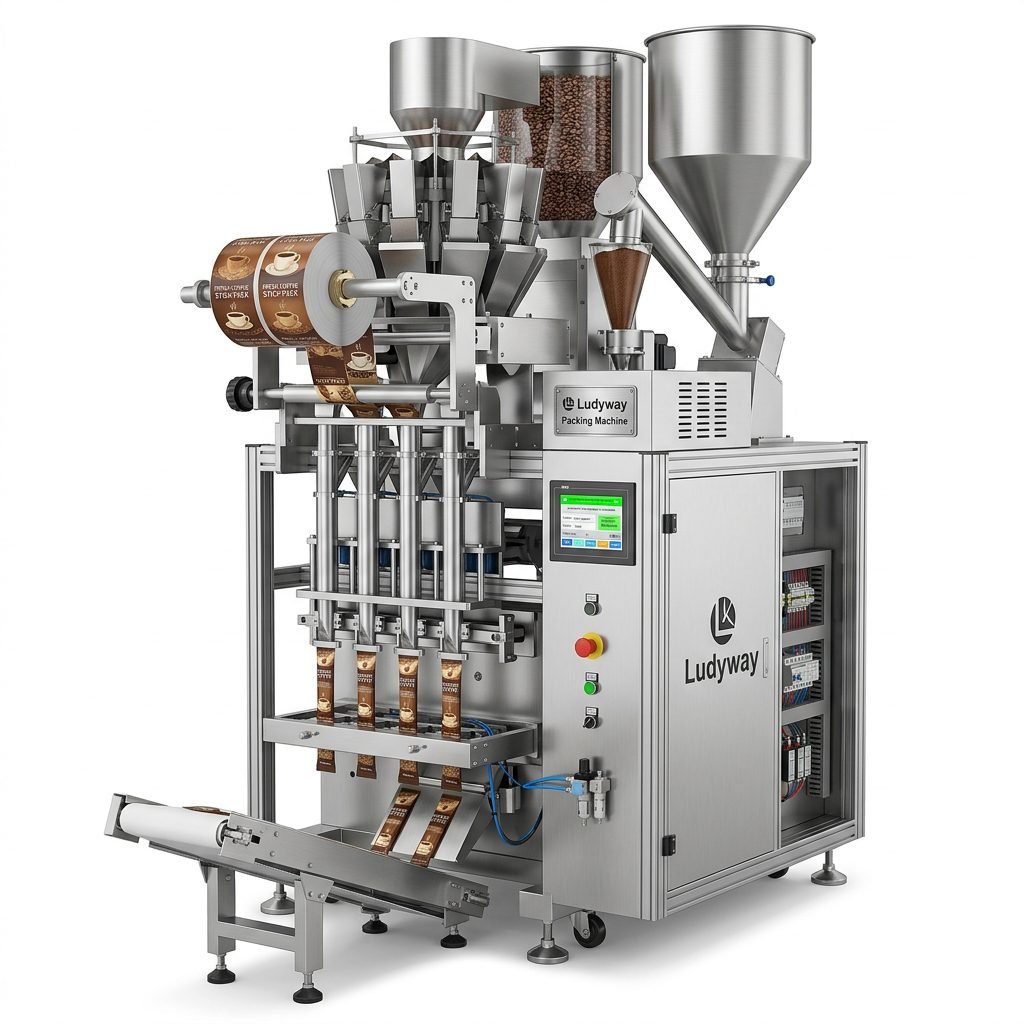
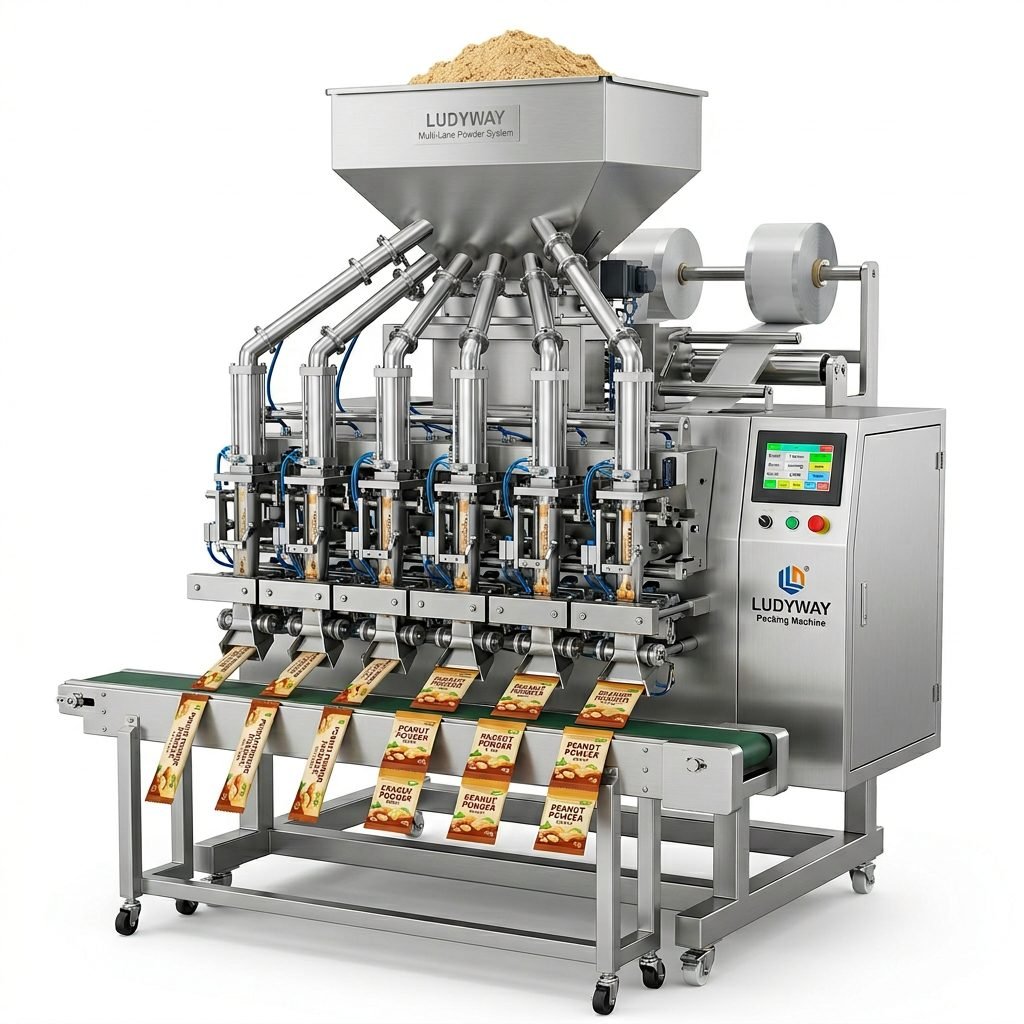
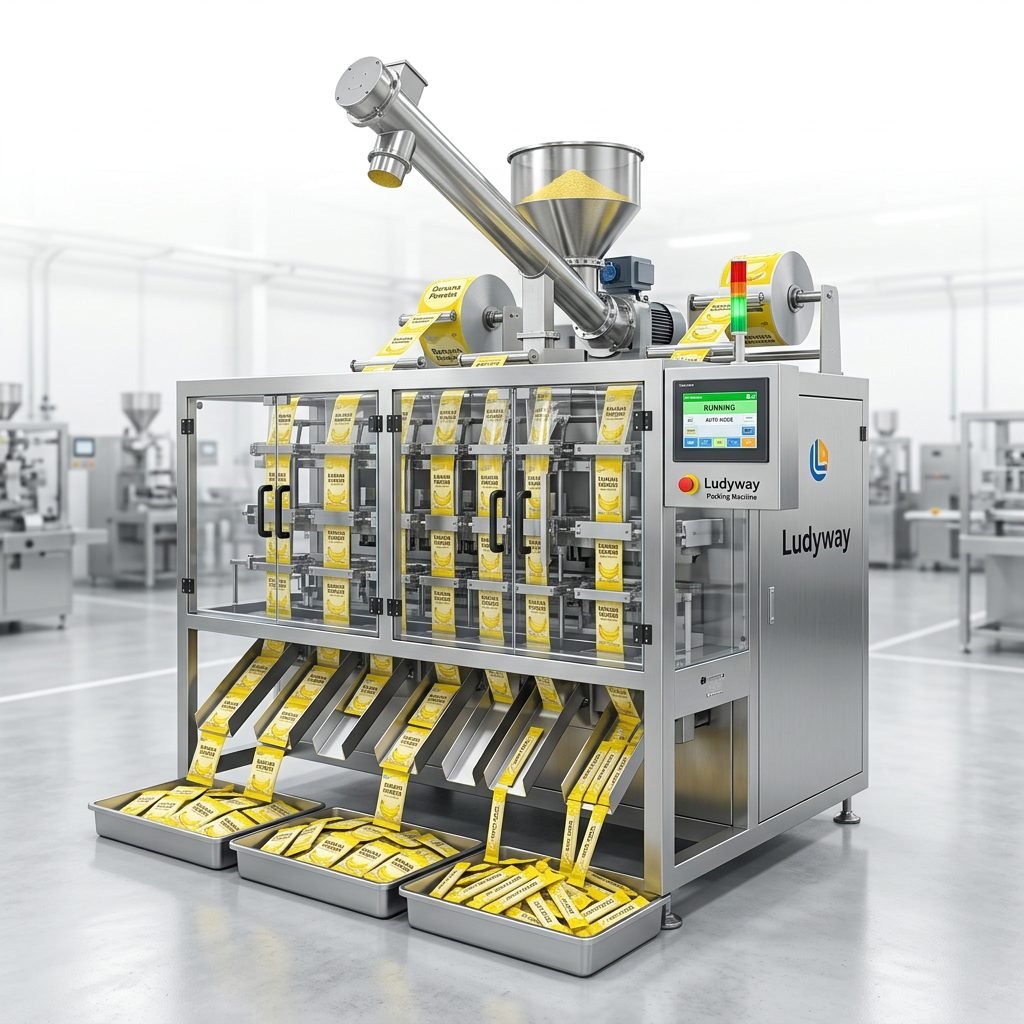
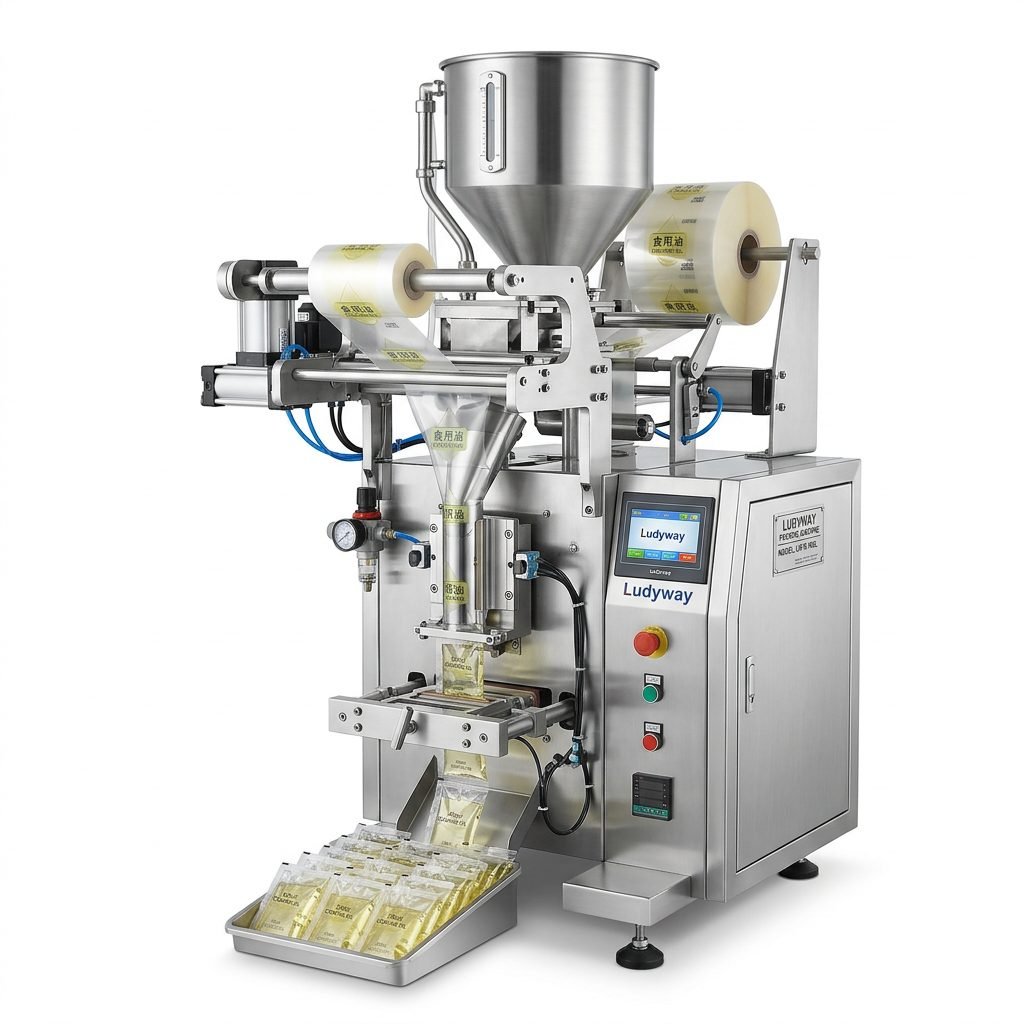
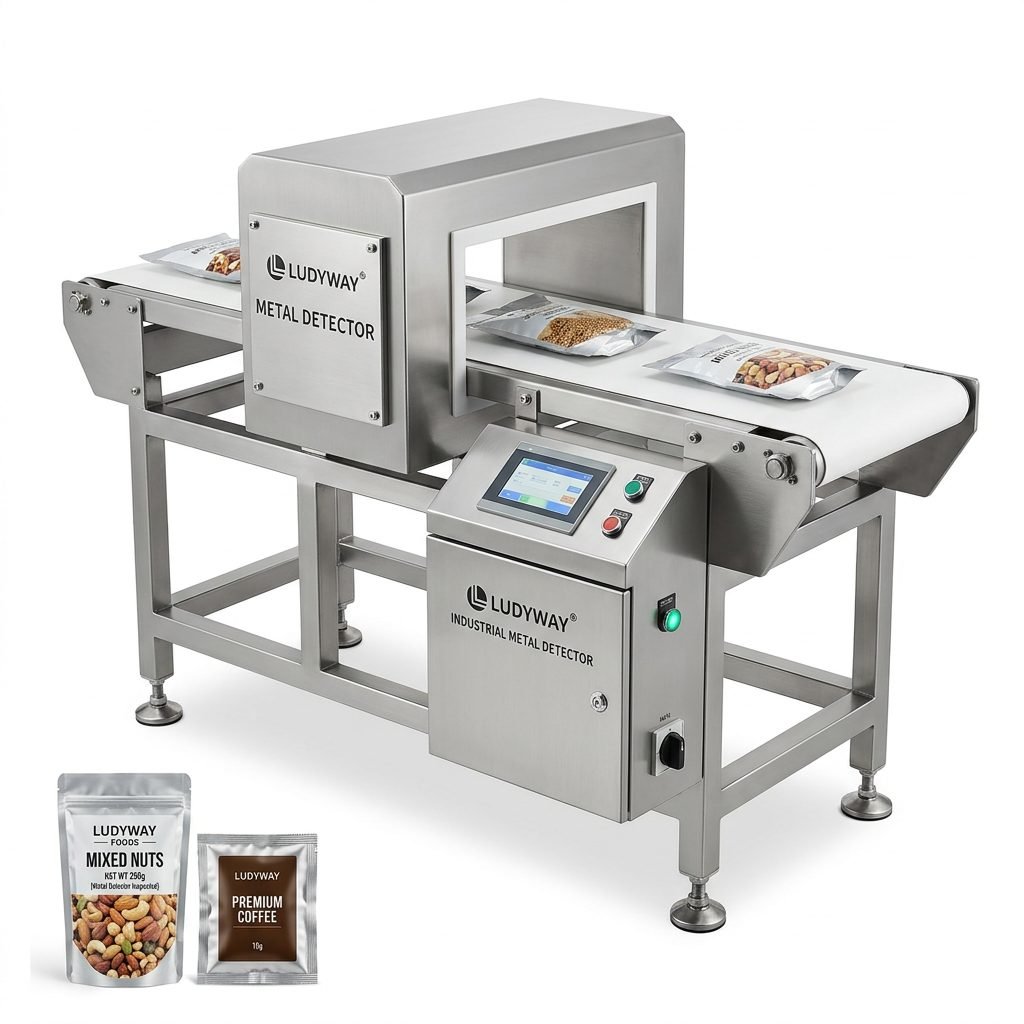
In today’s fast-paced manufacturing world, efficient packaging is a critical link in the supply chain. For businesses relying on packaging machinery, a comprehensive service framework encompassing professional installation, proactive maintenance, and responsive technical support is not a luxury—it’s a necessity for operational continuity and profitability. This guide delves into the essential services that ensure your packaging line operates at peak performance from day one and throughout its lifecycle.
The Critical Foundation: Professional Installation Services
Proper installation is the cornerstone of any successful packaging machinery operation. A machine that is incorrectly set up can lead to chronic performance issues, increased waste, and premature wear. Professional installation goes beyond simply unloading the crate and plugging in the machine.
A professional installation service typically includes:
- Site Assessment & Preparation: Technicians evaluate your facility to ensure proper power supply, compressed air, floor leveling, and spatial logistics for optimal workflow.
- Rigorous Uncrating & Positioning using appropriate equipment to prevent damage.
- Precision Mechanical Assembly & Alignment of all components according to factory specifications.
- Electrical & Pneumatic Hook-up by certified personnel, ensuring all connections are safe and compliant.
- Comprehensive Calibration & Testing with your actual packaging materials to verify machine settings.
- Detailed Operator & Maintenance Staff Training on basic operations, safety protocols, and routine checks.
Investing in expert installation mitigates startup risks, accelerates time-to-production, and establishes a reliable baseline for machine performance. It’s the first and most crucial step in maximizing your return on investment. For a deeper look at our approach, you can read more about our company philosophy on engineering excellence.
Post-Installation Verification and Handover
The installation process culminates in a formal handover. This phase involves running multiple production cycles to achieve consistent, specification-meeting output. Technicians will document all parameters and provide a performance report, ensuring your team is fully confident and equipped to take over operations.
Sustaining Peak Performance: Proactive Maintenance Programs
Once your machine is running smoothly, a proactive maintenance strategy is key to avoiding unexpected downtime. Reactive repairs are invariably more costly and disruptive than planned upkeep.
Scheduled Preventive Maintenance (PM)
This is the backbone of machinery care. Based on running hours or production cycles, a PM schedule includes:
- Lubrication: Applying the correct lubricants to bearings, gears, and chains.
- Cleaning & Inspection: Removing product dust/debris and inspecting for early signs of wear on seals, gaskets, and moving parts.
- Calibration Checks: Verifying the accuracy of weighing systems, temperature controls, and sealing parameters.
- Component Tightening & Adjustment: Ensuring all fasteners are secure and belts/chains are properly tensioned.
Condition-Based Monitoring
Advanced maintenance utilizes sensor data (vibration, temperature, pressure) to predict component failure before it happens, allowing for planned intervention during non-production periods.
📈 Benefit Highlight: A well-executed maintenance program can extend machinery life by years, improve overall equipment effectiveness (OEE), and protect your product quality by ensuring consistent package integrity.
Many providers, including experienced brands like Ludyway, offer tailored service contracts that bundle regular PM visits, priority support, and discounted parts.
The Lifeline of Operations: Comprehensive Technical Support
Even with the best maintenance, questions and issues will arise. Access to prompt, expert technical support is the lifeline that keeps your production flowing.
Tiers of Technical Support
Level 1: Remote Diagnostics & Troubleshooting
Modern machines often feature connectivity for remote support. Technicians can view error logs, diagnose software issues, and often guide your on-site personnel through corrective steps via phone or video call, resolving many issues within hours.
Level 2: On-Demand Field Service
For mechanical or complex electrical issues, a field service engineer is dispatched. These experts carry common spare parts and possess deep knowledge to perform repairs and adjustments on-site.
Level 3: Factory Support & Overhaul
Major repairs or refurbishments may require returning a key component or the entire machine to the manufacturer’s facility for intensive work using specialized tools and calibration equipment.
Spare Parts Management
Reliable technical support is underpinned by an efficient spare parts supply chain. Look for a supplier with a well-stocked inventory of genuine parts, ensuring availability for critical components to minimize downtime. Understanding the manufacturer’s legacy can give insight into their long-term parts support commitment.
Building a Partnership with Your Service Provider
The most successful packaging operations view their machinery supplier as a strategic partner, not just a vendor. This relationship is built on clear communication, defined service level agreements (SLAs), and shared goals for your production uptime. Regular service reviews and collaborative planning for upgrades or capacity expansion are hallmarks of this partnership.
Frequently Asked Questions (FAQs)
1. How long does a typical packaging machine installation take?
Installation time varies significantly based on machine complexity. A single stand-alone machine may take 1-3 days, while a fully integrated multi-lane turnkey line could require 1-3 weeks for installation, commissioning, and production validation.
2. What is the most common cause of packaging machine downtime?
Often, downtime stems from inadequate or irregular preventive maintenance (e.g., lack of lubrication leading to bearing failure) or from using non-genuine, substandard spare parts that fail prematurely or cause secondary damage.
3. Can I perform maintenance myself, or must I use the manufacturer’s service?
Basic daily and weekly cleaning, visual inspections, and minor adjustments as outlined in the manual can be performed by trained plant personnel. However, scheduled preventive maintenance involving calibration, safety system checks, and major component service should be performed by certified technicians to maintain warranties and ensure optimal performance.
4. How do I know if my machine needs a major overhaul versus regular repair?
Signs pointing to a needed overhaul include a persistent decline in efficiency or speed, increasingly frequent breakdowns of multiple subsystems, deteriorating seal quality that adjustments cannot fix, or the machine approaching a high milestone of operational hours (e.g., 30,000+ hours) as recommended by the manufacturer.
5. What should I look for in a technical support agreement?
Key elements include: clearly defined response times (e.g., 2-hour remote response, 24-hour on-site dispatch), coverage scope (parts, labor, travel), number of included preventive maintenance visits per year, and discounts on spare parts and future upgrades.