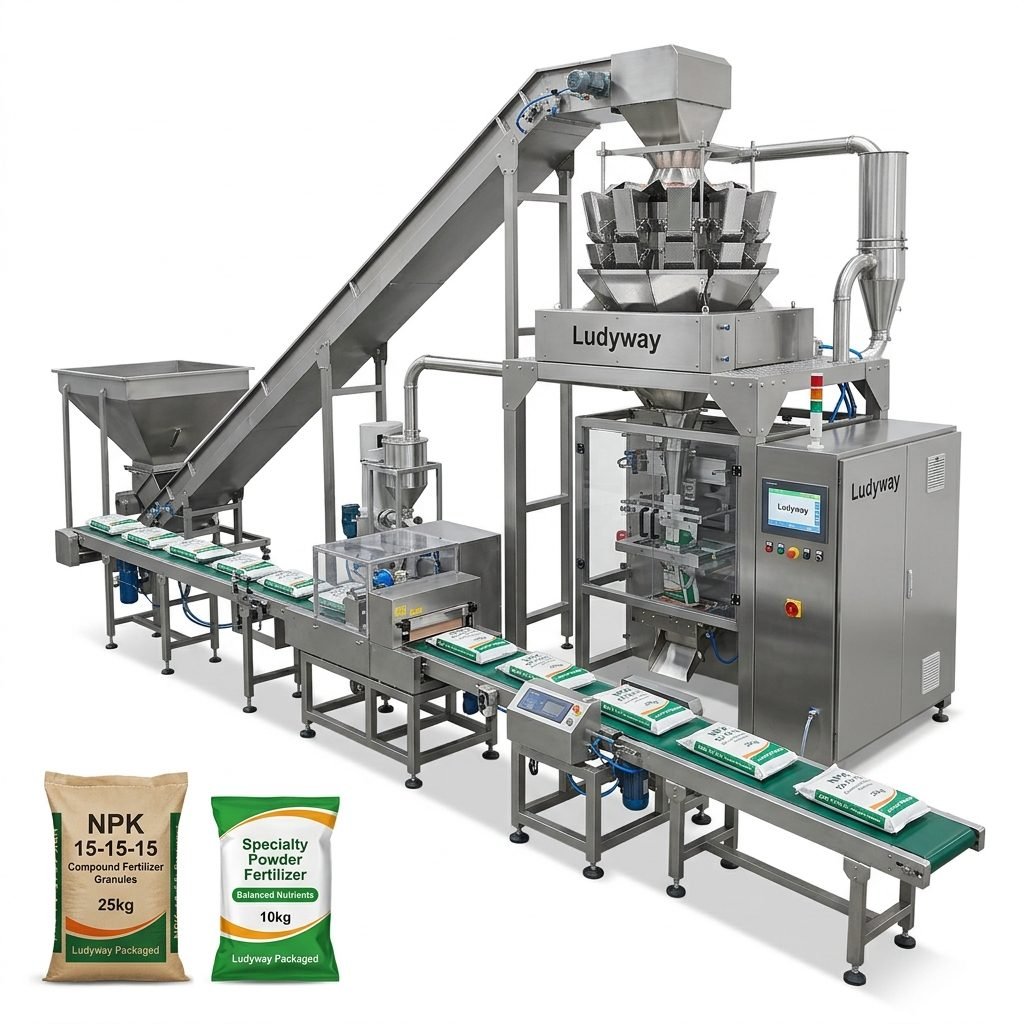
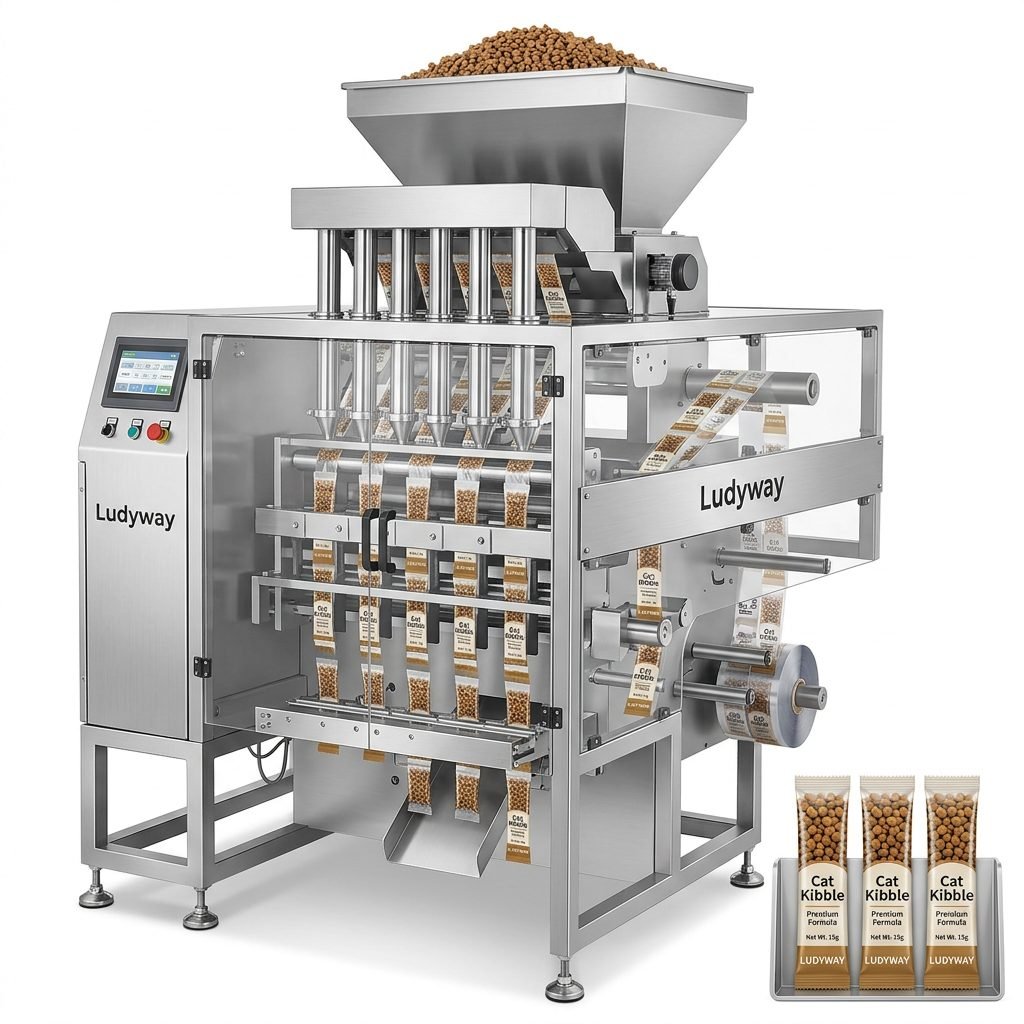
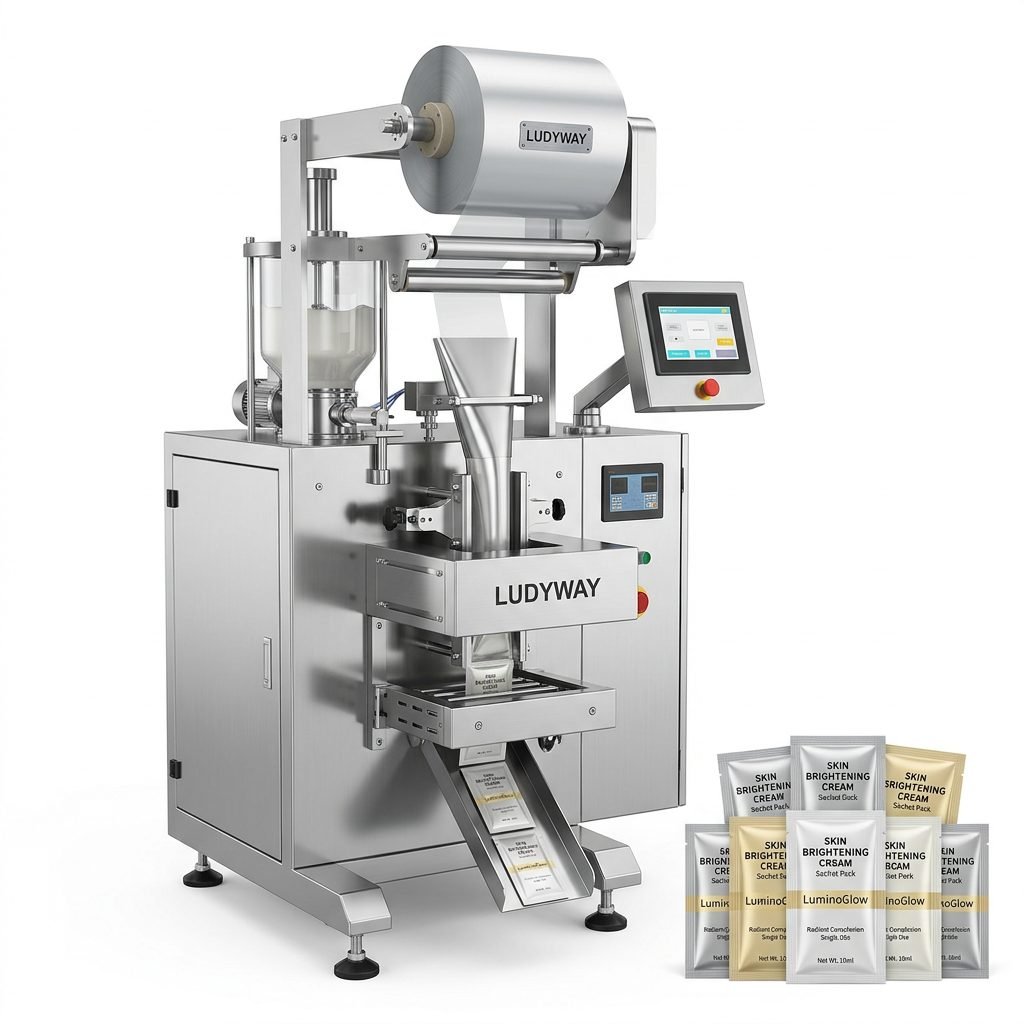
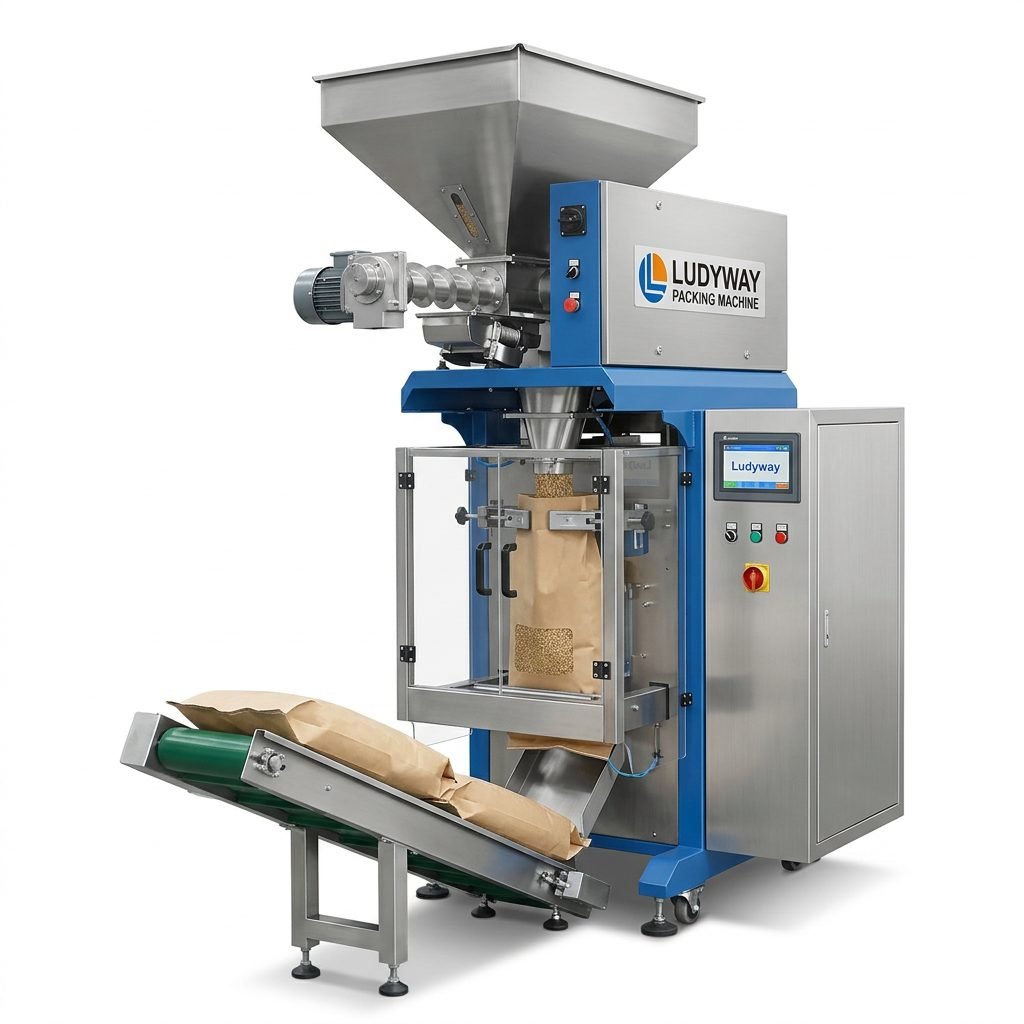
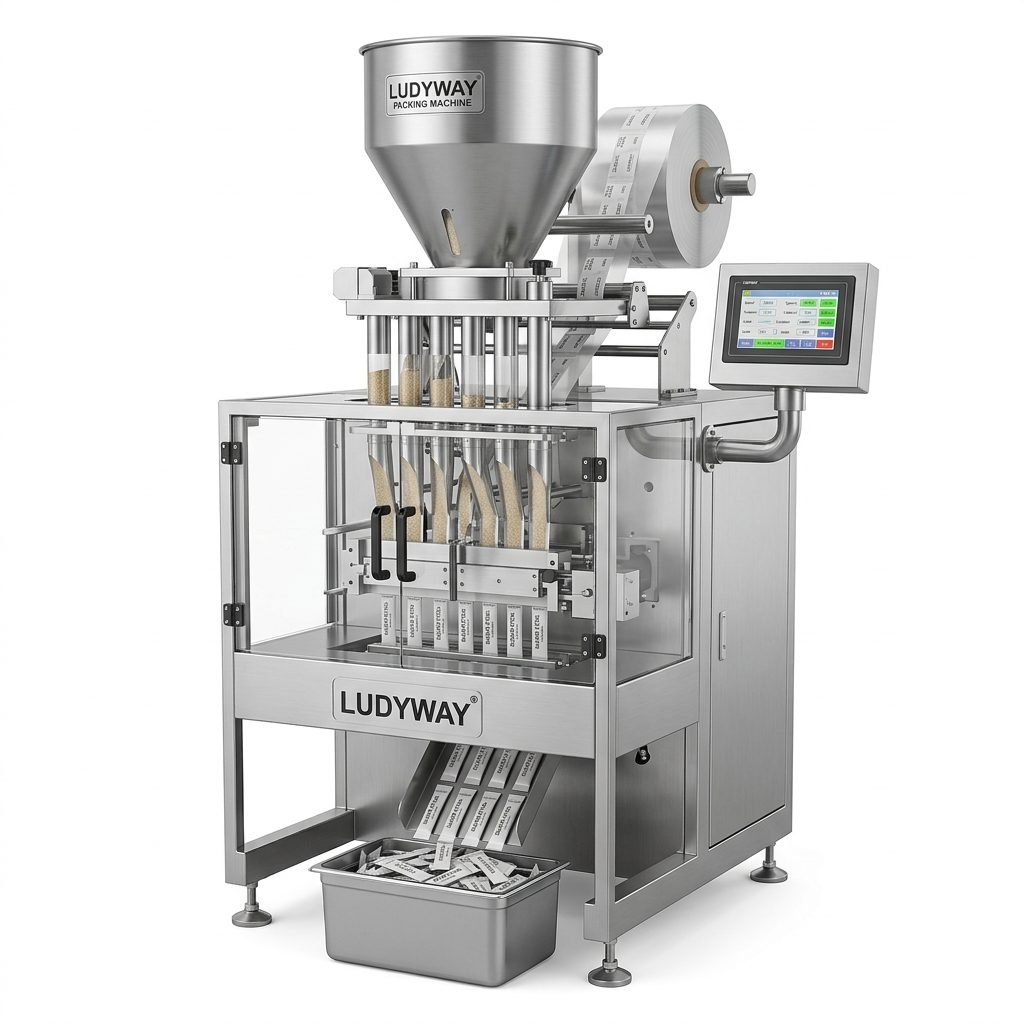
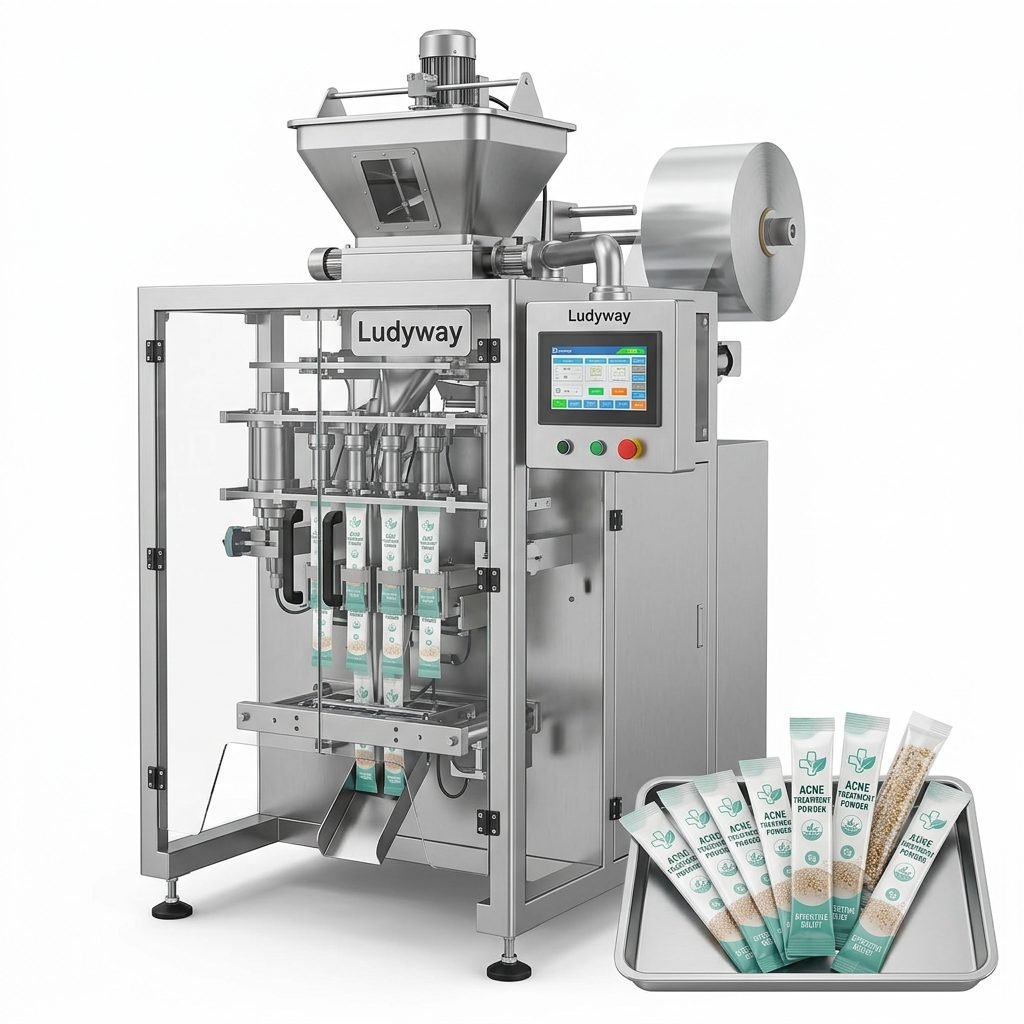
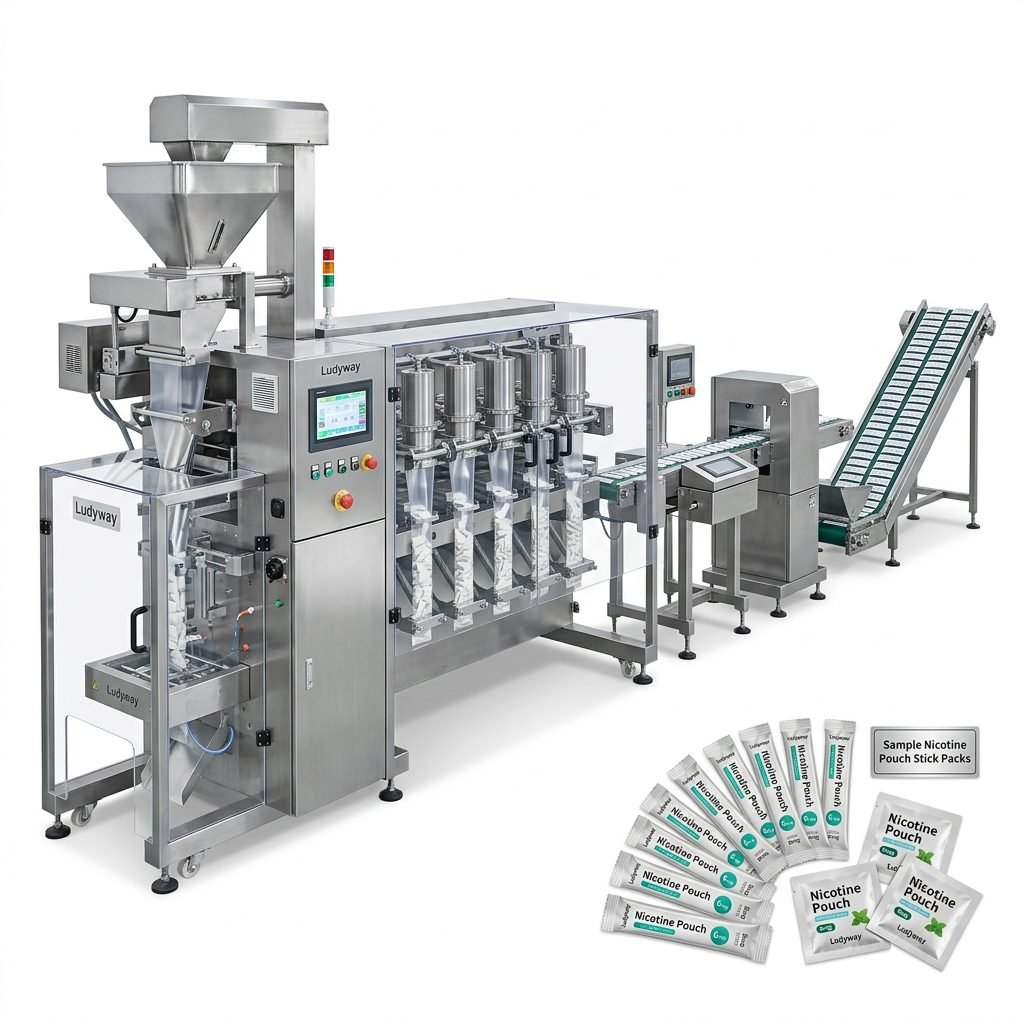
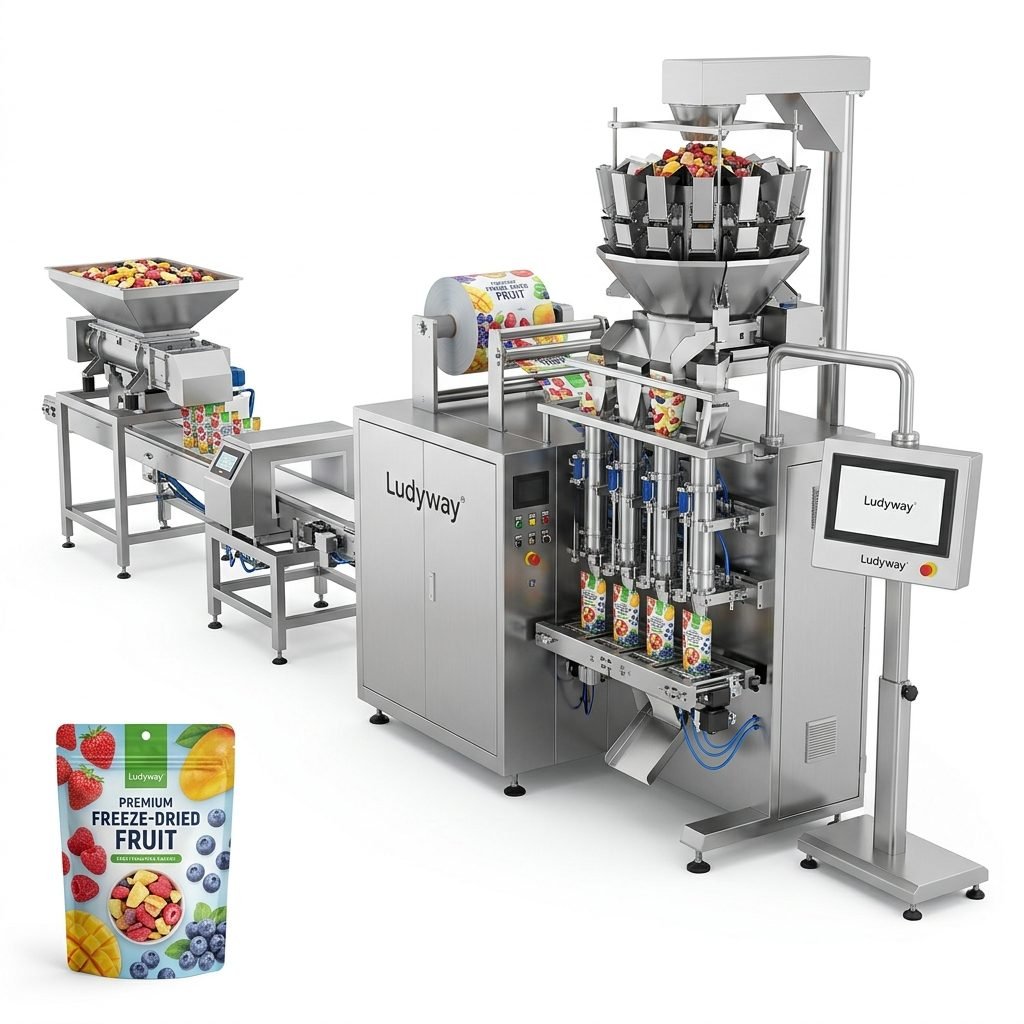
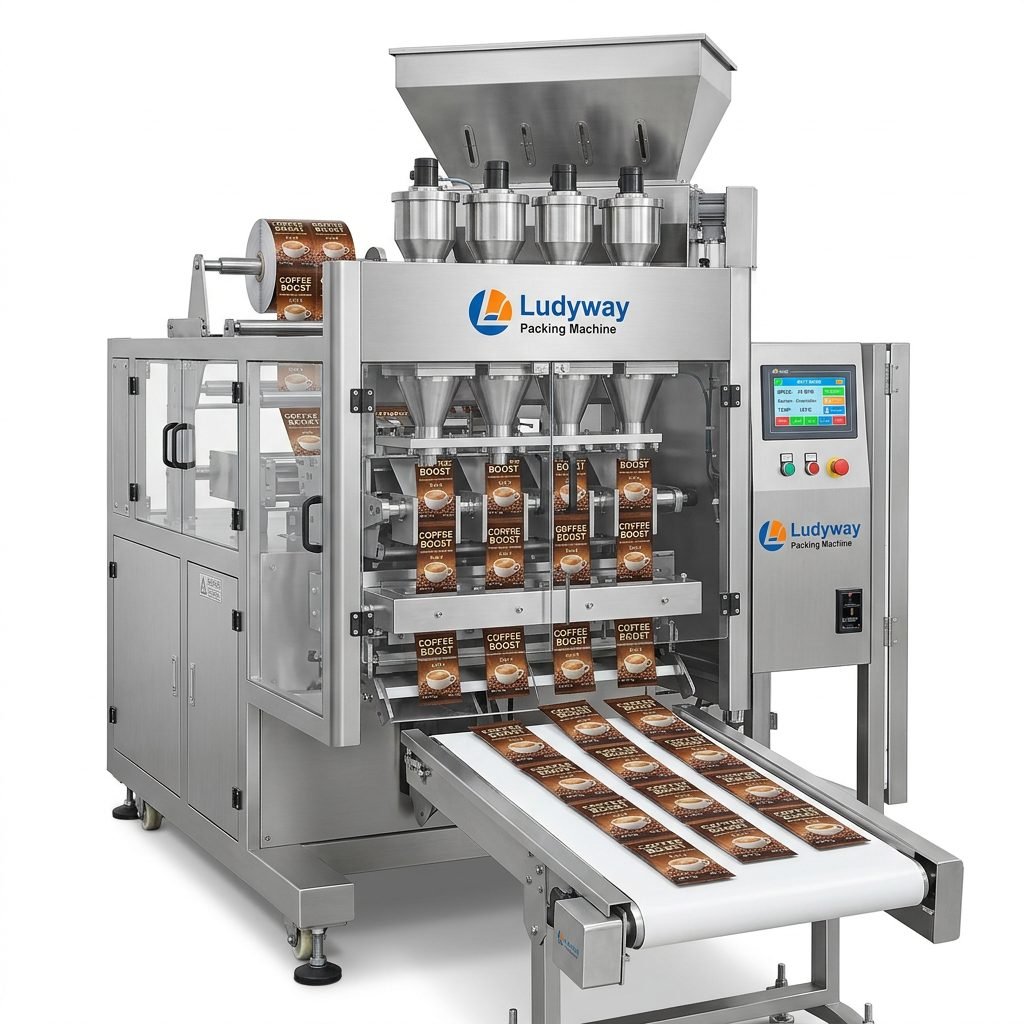
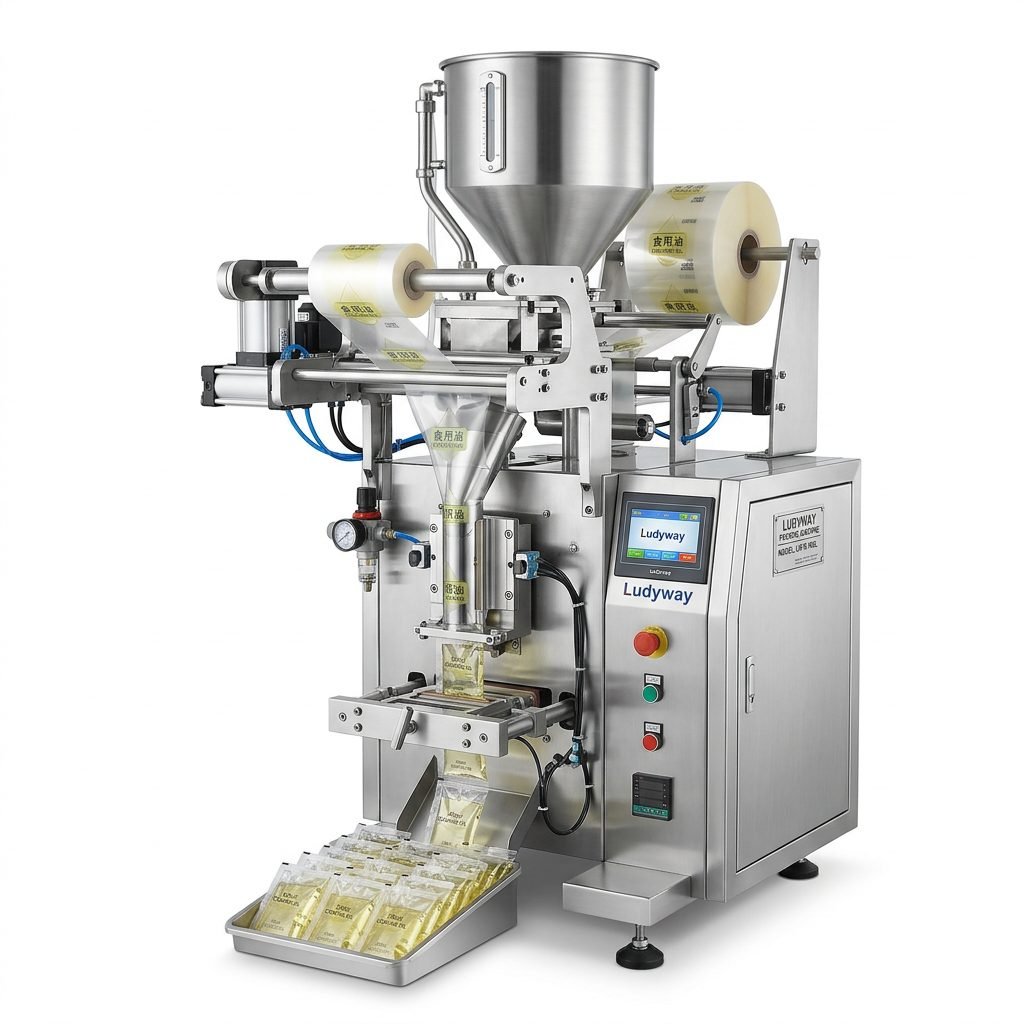
Choosing a packaging equipment supplier is not only about comparing machine prices. It is a long-term business decision that affects production efficiency, packaging consistency, maintenance costs, compliance, and future scalability. A reliable packing machine company should be able to support your current needs while also helping you grow into new products, new pack formats, and new markets.
Whether you produce food, pharmaceuticals, supplements, cosmetics, chemicals, or pet products, the right supplier can reduce downtime, improve output, and make your packaging line more competitive. Below is a practical guide to evaluating suppliers and selecting equipment that fits your production goals.
Understand Your Packaging Requirements First
Before contacting any supplier, define exactly what you need. Many buyers make the mistake of asking for a “packing machine” without clarifying product characteristics, packaging type, and output expectations. This often leads to mismatched recommendations.
Key points to define:
- Product type: powder, granule, liquid, paste, tablet, capsule, or irregular solids
- Package format: sachet, stick pack, pouch, bottle, jar, blister, carton, or bag
- Target speed: packs per minute, shifts per day, annual output
- Required accuracy: fill weight tolerance, seal quality, coding, labeling
- Industry standards: food safety, GMP, pharmaceutical validation, CE or other certifications
- Factory space and line layout
- Labor availability and automation goals
A supplier that asks detailed technical questions is usually a better partner than one that sends a quotation immediately without understanding your application.
Evaluate the Supplier’s Industry Experience
Experience matters because packaging machinery must match real-world product behavior. Powders can bridge, liquids can foam, granules can break, and sticky materials can affect sealing and dosing. A supplier with broad application experience will be more likely to recommend the right feeding, filling, sealing, and inspection systems.
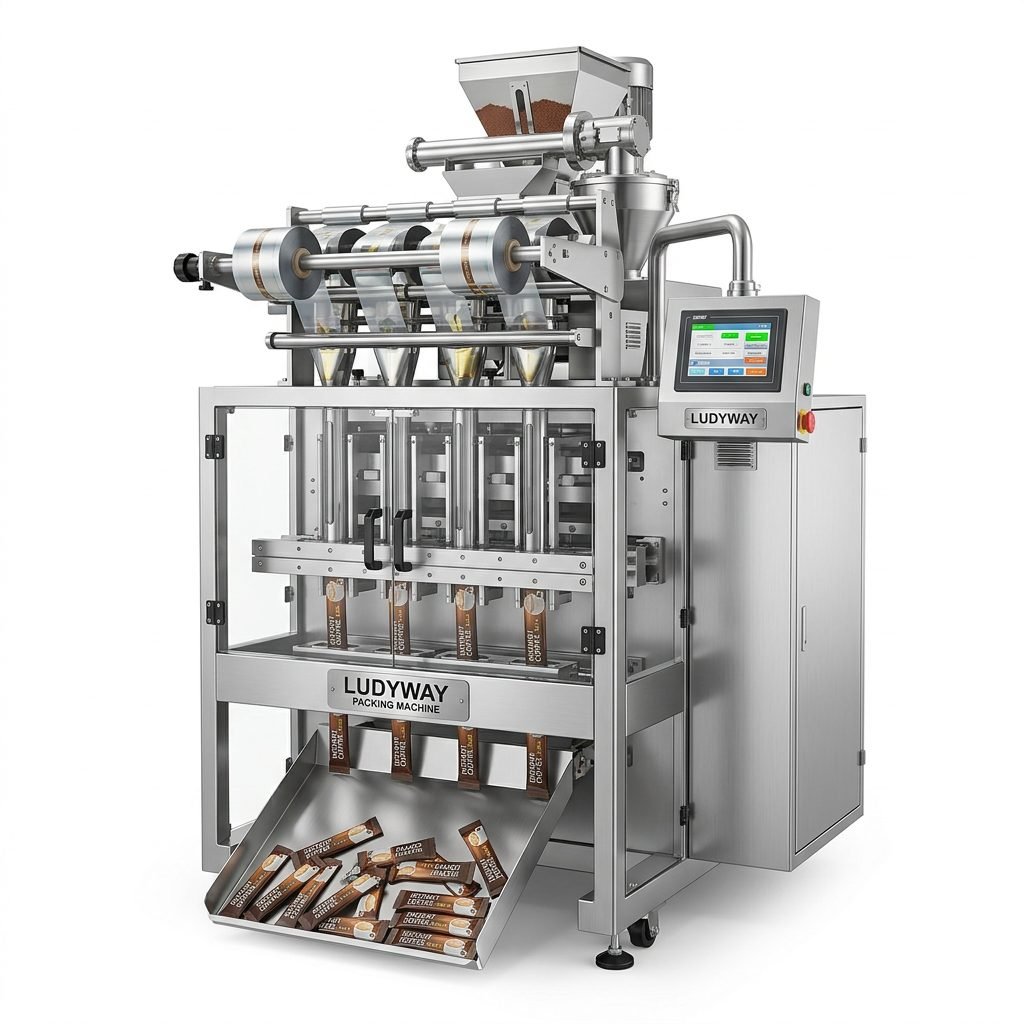
Look for a manufacturer with a proven background in your sector. For example, if you handle powders, supplements, pharmaceutical granules, or sachet products, it is important to choose a company with extensive knowledge in these packaging formats and automation requirements.
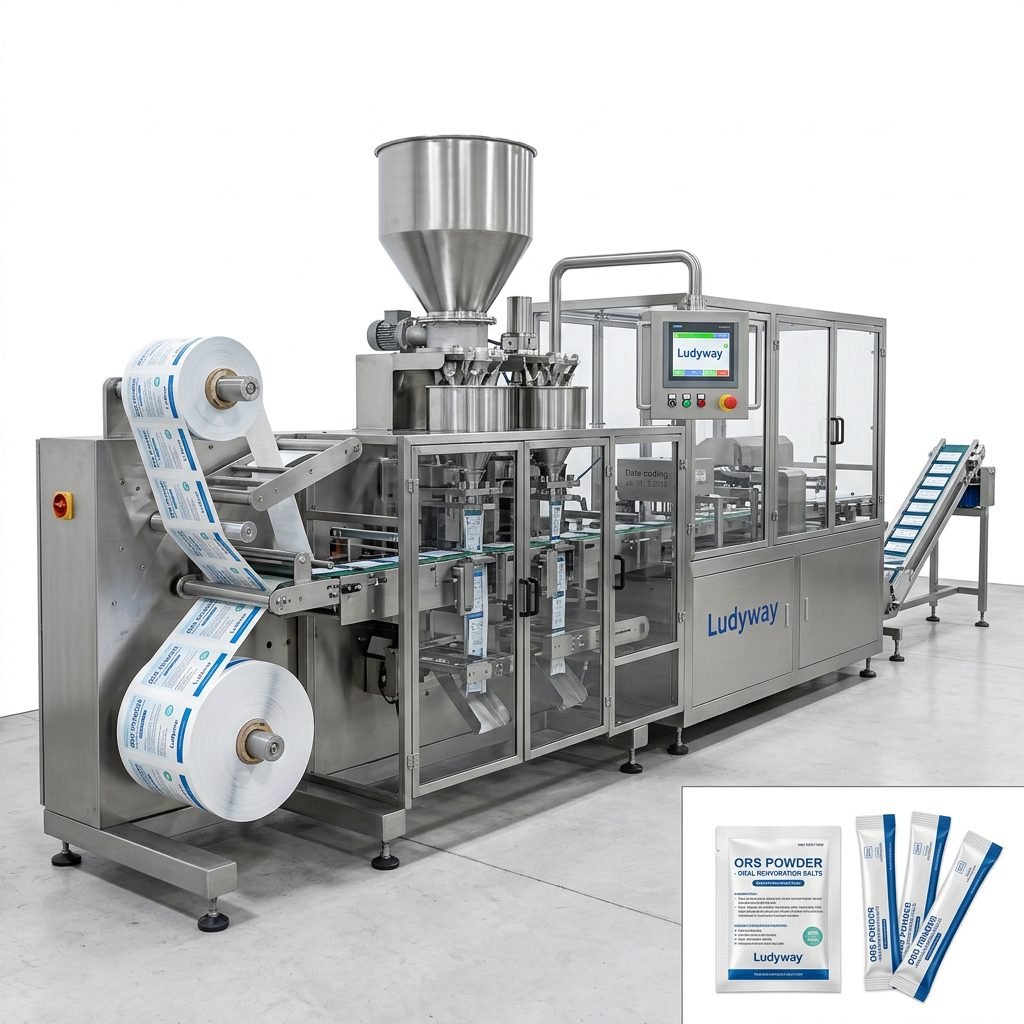
One example is Ludyway packaging machine company, which has more than 30 years of manufacturing experience and supplies both standalone machines and turnkey packaging lines for food, pharma, health supplement, cosmetic, chemical, nicotine pouch, and animal feed applications.
Check Product Range and Customization Capability
The best packaging equipment supplier should offer more than one standard machine. Modern production often requires integrated systems such as feeding, weighing, filling, sealing, coding, inspection, cartoning, case packing, and palletizing. If a supplier can only provide one part of the process, integration risks may fall back on your team.
A strong supplier should be able to provide:
- Single machines for specific packaging tasks
- Multi-lane and high-speed packaging systems
- Turnkey packaging lines
- Customized tooling and dosing systems
- Auxiliary equipment such as conveyors, coding machines, checkweighers, and labeling units
- Flexible solutions for future format changes
| Evaluation Area | What to Look For |
|---|---|
| Machine Range | Standalone equipment plus complete packaging lines |
| Customization | Ability to adapt to product density, flowability, bag size, and output target |
| Industries Served | Food, pharmaceutical, cosmetic, chemical, feed, and health product applications |
| Expansion Potential | Can the line grow with new SKUs and higher capacity? |
Review Manufacturing Strength
A professional packing machine company should have genuine manufacturing capability rather than only acting as a trading intermediary. Factory size, machining capacity, engineering team strength, assembly standards, and inspection processes all influence machine quality.
Questions to ask:
- Do you own the factory and control production internally?
- How large is your manufacturing facility?
- What quality inspection steps are used before shipment?
- Can you provide machine test videos using products similar to mine?
- Do you offer FAT or pre-shipment testing?
Suppliers with larger production bases and structured quality control systems are typically more consistent in delivery and performance.
Assess Machine Quality Beyond the Quotation
Low-cost equipment may appear attractive at the beginning, but hidden costs often show up later through frequent stoppages, inconsistent filling, seal defects, and spare part failures. The real value of packaging equipment lies in stable operation over time.
Important quality indicators include:
- Mechanical structure and machining precision
- Electrical components and control system brands
- Material contact parts and sanitary design
- Filling accuracy and seal repeatability
- Ease of cleaning and maintenance
- Availability of spare parts
- Operational stability under continuous production
Ask for performance data, case studies, video proofs, and references. If possible, request a sample run with your own product.
Look at Export Experience and Global Support
If you buy from an overseas packaging machine manufacturer, export experience is critical. International projects require proper documentation, electrical adaptation, shipping coordination, after-sales support, and communication efficiency. A supplier serving many countries is usually better prepared for these details.
Global buyers should verify whether the supplier can support:
- Voltage and plug customization
- Multilingual operation manuals
- Remote installation guidance
- Video troubleshooting support
- Spare parts planning for overseas delivery
- Compliance documents for customs and regulatory review
Compare Standalone Machines vs Turnkey Packaging Lines
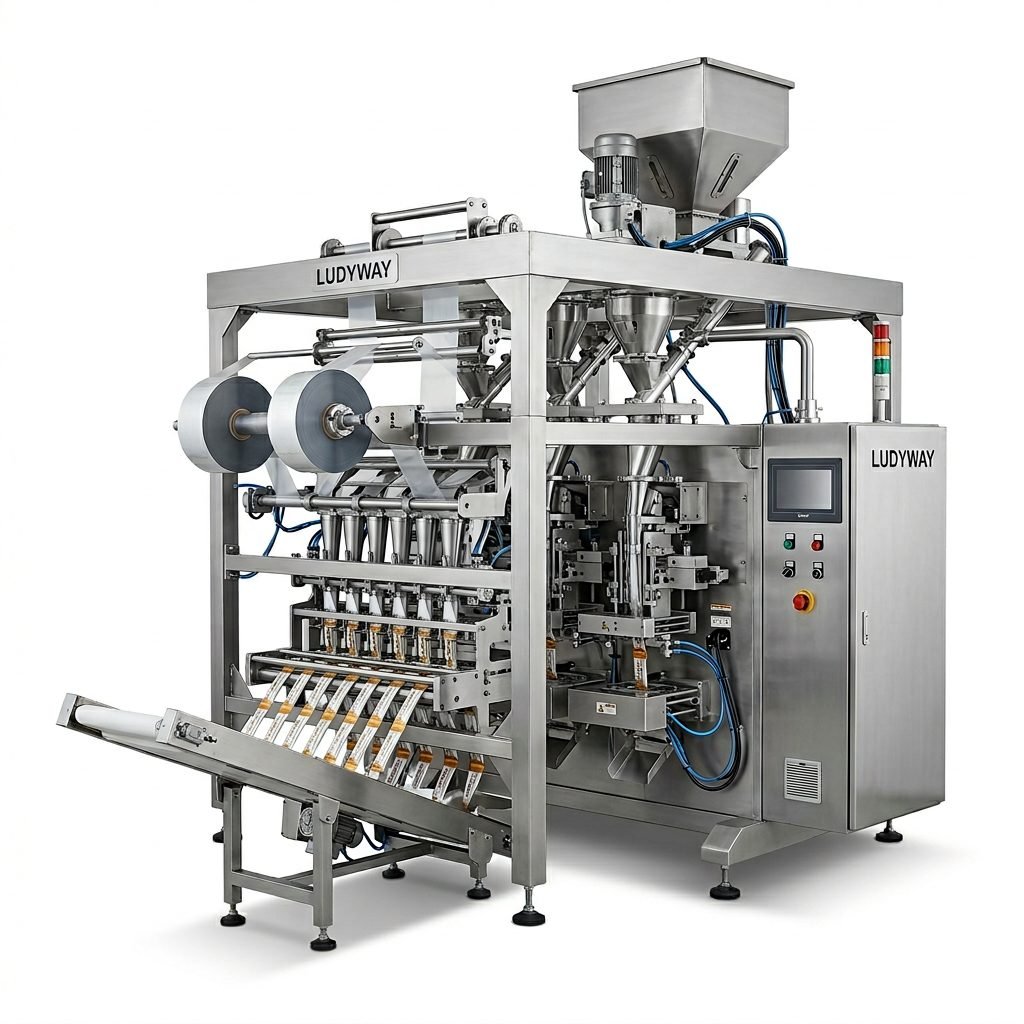
Your choice depends on your production scale and integration requirements. A single machine may be sufficient for small runs or limited SKUs. However, if you need higher efficiency, labor savings, and output consistency, a turnkey packaging line often delivers better long-term value.
| Option | Best For | Main Benefit |
|---|---|---|
| Standalone Machine | Startups, pilot production, simple packaging tasks | Lower initial investment |
| Semi-Automatic Line | Growing businesses balancing cost and output | Improved labor efficiency |
| Turnkey Packaging Line | Medium to large factories, multi-step packaging operations | Higher automation, stable integration, scalable production |
Pay Attention to Technical Communication
The quality of communication during the quotation stage often predicts the quality of after-sales service. If a supplier responds clearly, asks technical questions, and explains trade-offs honestly, that is a good sign.
Good communication usually includes:
- Clear machine specifications
- Transparent quotation scope
- Realistic production speed estimates
- Discussion of optional functions and limitations
- Layout drawings or process flow suggestions
- Training and service plan explanation
Be cautious if a supplier promises unrealistic speed or universal machine compatibility for every product without technical validation.
Verify After-Sales Service and Spare Parts Support
Even the best machine needs maintenance. Fast access to spare parts and technical support is essential to reduce downtime. This is especially important for high-output food and pharmaceutical lines where production interruptions can be costly.
Ask suppliers about:
- Warranty coverage
- Recommended spare parts list
- Remote diagnostics capability
- Installation and commissioning support
- Operator training
- Response time for technical service
A good packing machine company should support the full equipment lifecycle, not just the shipment.
Request Proof Through Case Studies and Testing
The most reliable way to evaluate a supplier is to see how their machines perform in real applications. Case videos, industry references, factory testing, and sample packaging trials can give you practical confidence.
Try to request:
- Videos of similar products being packed
- Customer references in your industry
- Photos or layouts of completed projects
- Machine run tests using your product or packaging material
- Detailed acceptance criteria before shipment
Consider Total Cost of Ownership
The cheapest machine is not always the most economical solution. A better decision comes from comparing the total cost of ownership over several years.
Include these cost factors:
- Initial machine price
- Installation and training costs
- Maintenance frequency
- Spare parts consumption
- Energy use
- Labor savings
- Downtime risk
- Future upgrade flexibility
A slightly higher initial investment in a better-engineered machine can often produce a stronger return through higher uptime, lower waste, and better packaging quality.
Signs You Have Found the Right Supplier
- They understand your product and packaging process in detail
- They offer equipment matched to your real output goals
- They provide clear technical data and honest communication
- They have proven manufacturing and export capability
- They can support customization and future expansion
- They provide dependable service after delivery
Final Buying Checklist
| Checklist Item | Status |
|---|---|
| Product characteristics clearly defined | □ |
| Correct package format selected | □ |
| Supplier industry experience verified | □ |
| Factory and quality control reviewed | □ |
| Case studies or testing provided | □ |
| After-sales and spare parts support confirmed | □ |
| Scalability and future upgrades considered | □ |
Selecting the best packaging equipment supplier takes more than comparing brochures. By focusing on technical fit, manufacturing strength, machine quality, service, and long-term value, you can choose a packing machine company that supports stable production and sustainable growth for years to come.