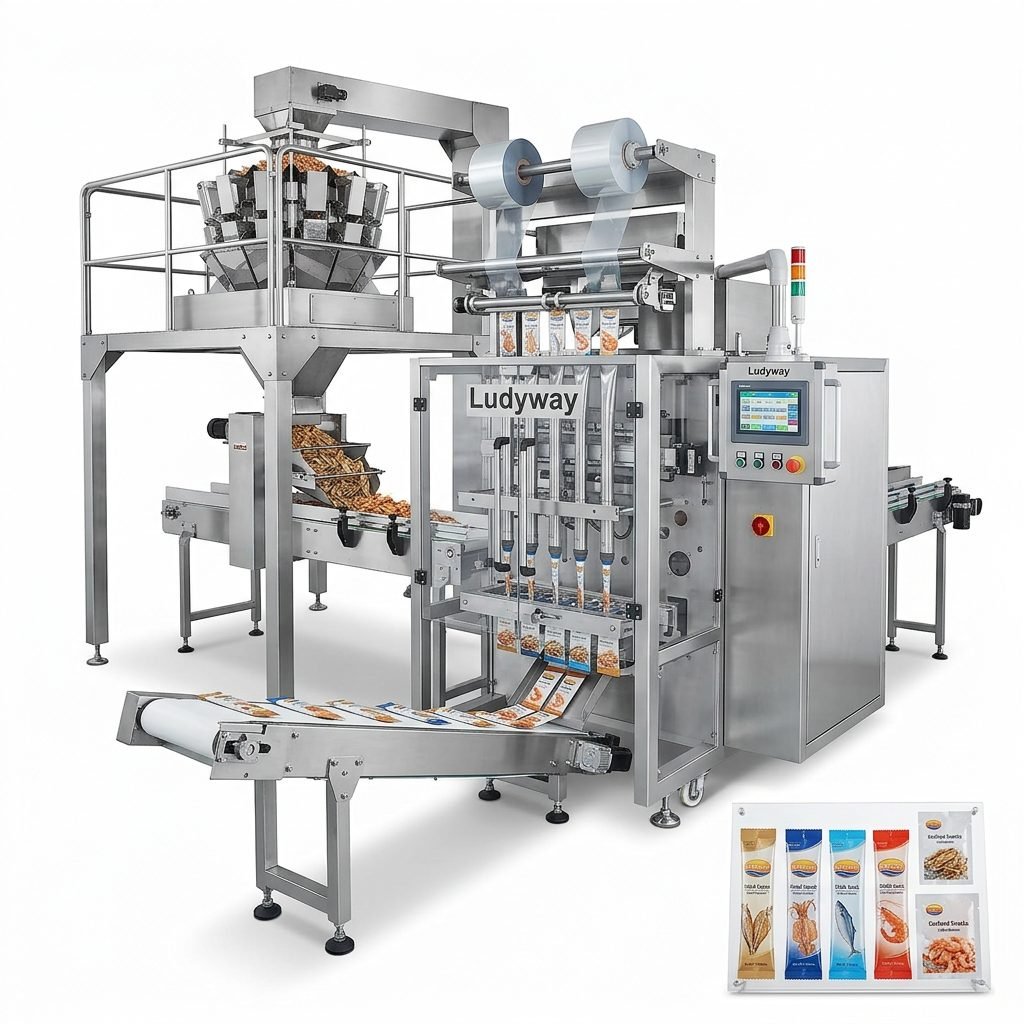
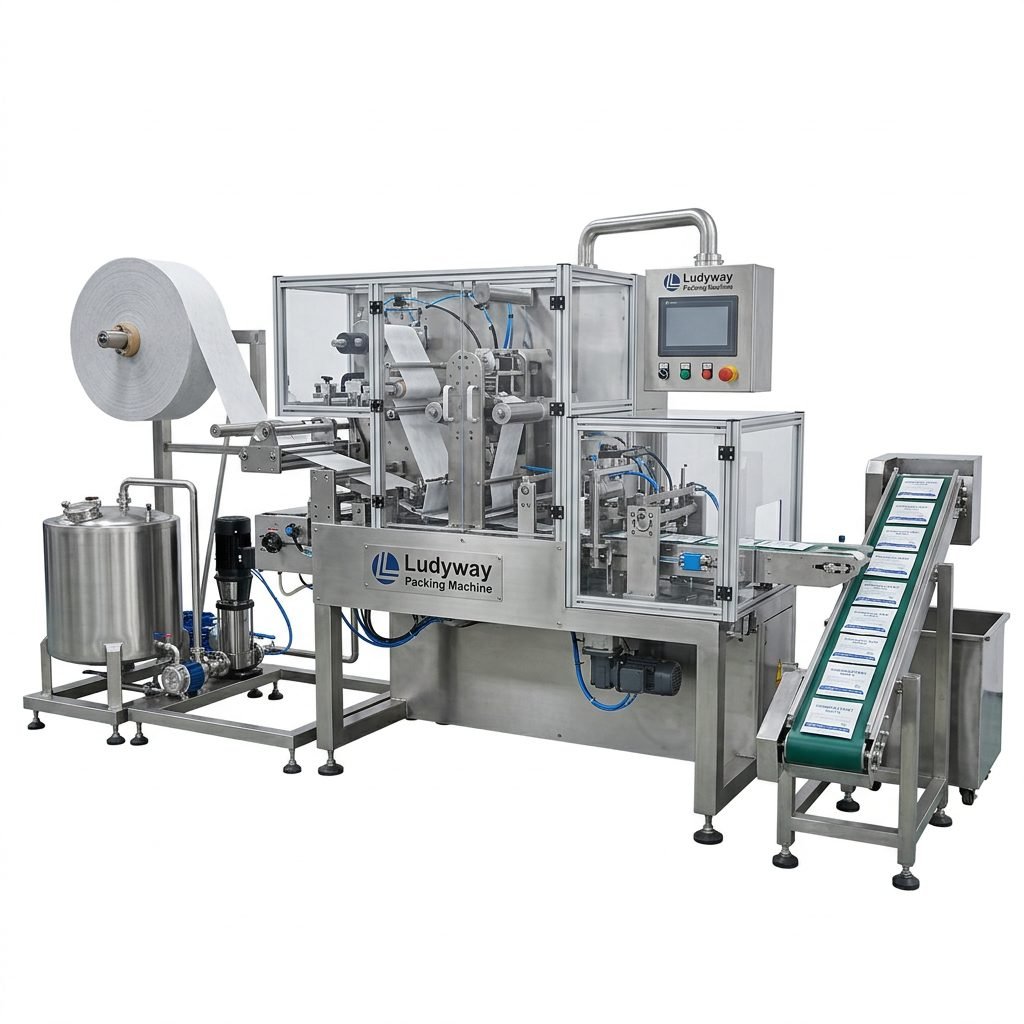
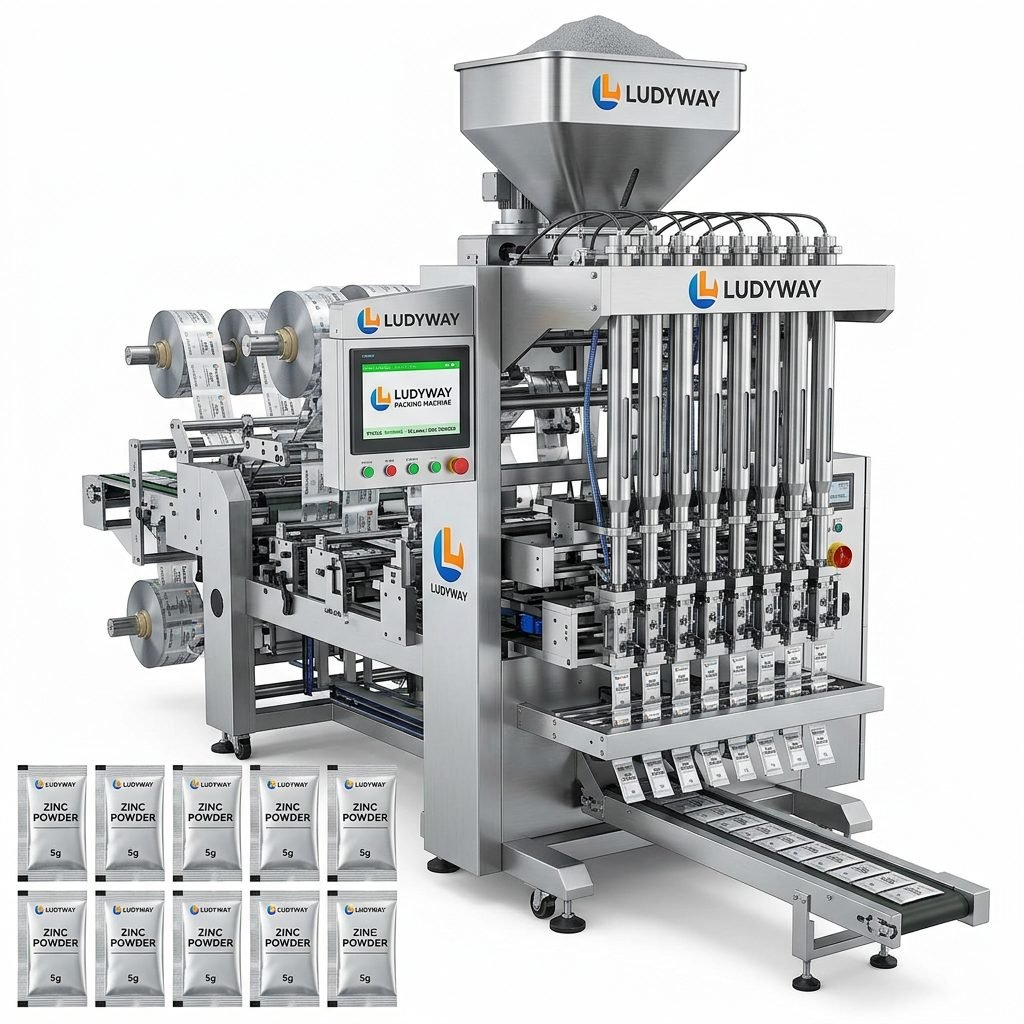
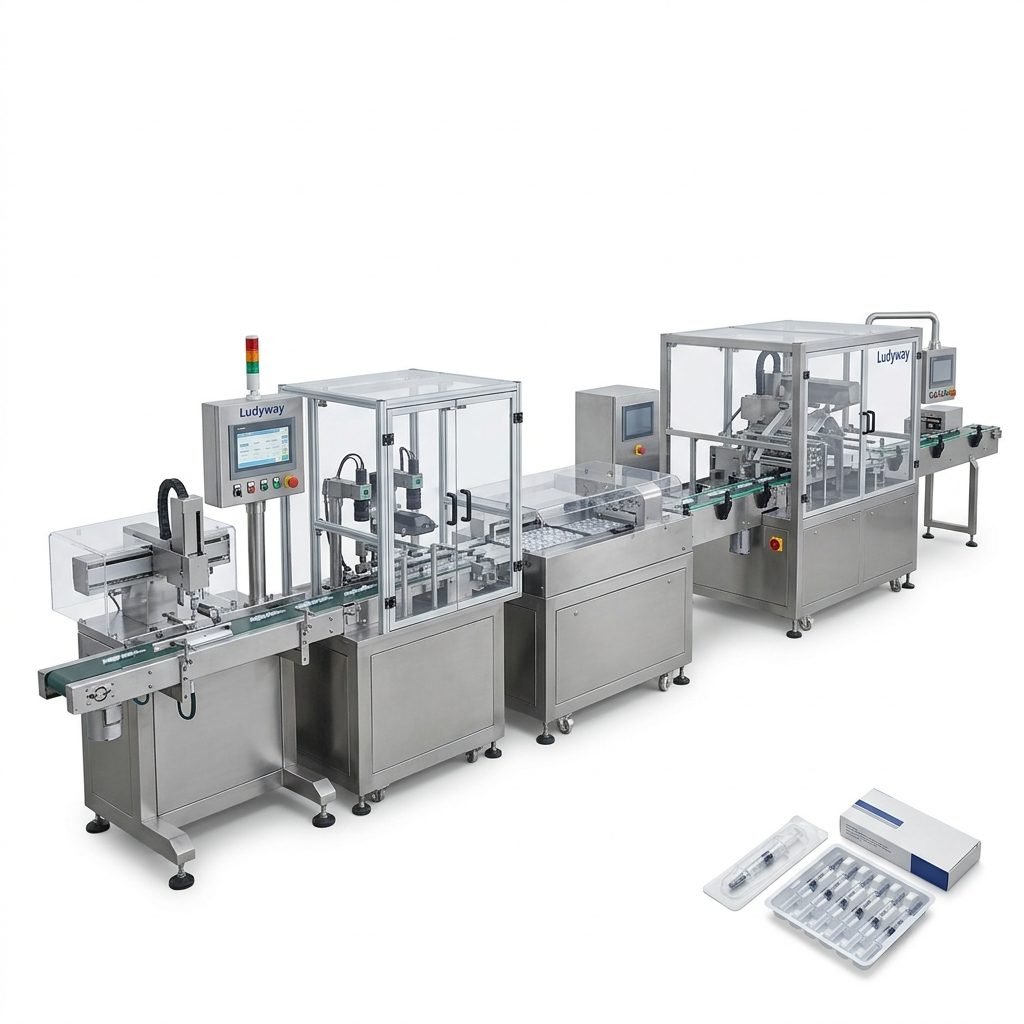
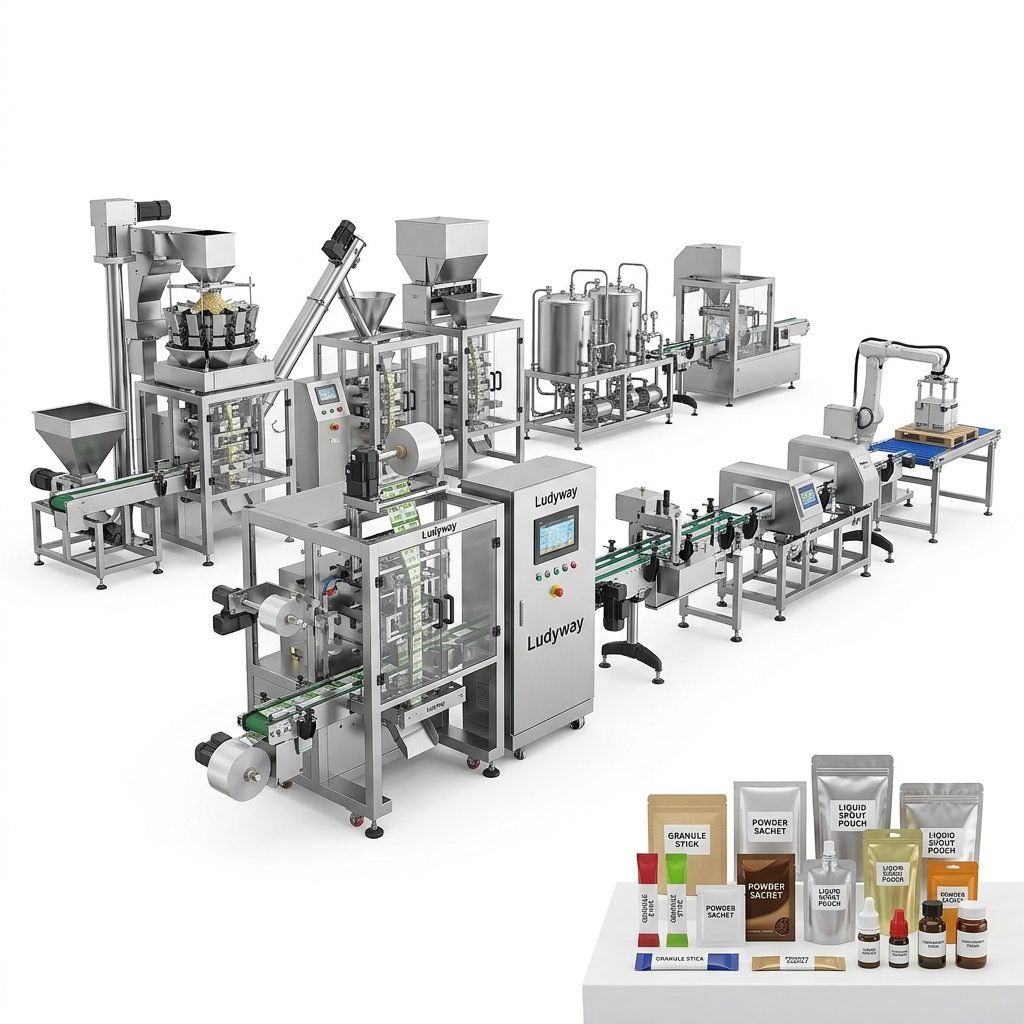
Bag in box packaging has become a preferred solution for brands handling liquid products that require
safe storage, accurate filling, lower logistics costs, and user-friendly dispensing.
From edible oils and syrups to dairy, wine, water, sauces, chemicals, and personal care liquids, this packaging format helps manufacturers improve operational efficiency while protecting product quality throughout transport and use.
For producers aiming to scale output without sacrificing consistency, modern bag in box packaging equipment offers a highly practical route. Advanced systems can integrate filling, capping, sealing, coding, conveying, inspection, and final case packing into a streamlined process that supports both medium and high-volume production.
What Is Bag in Box Packaging Equipment?
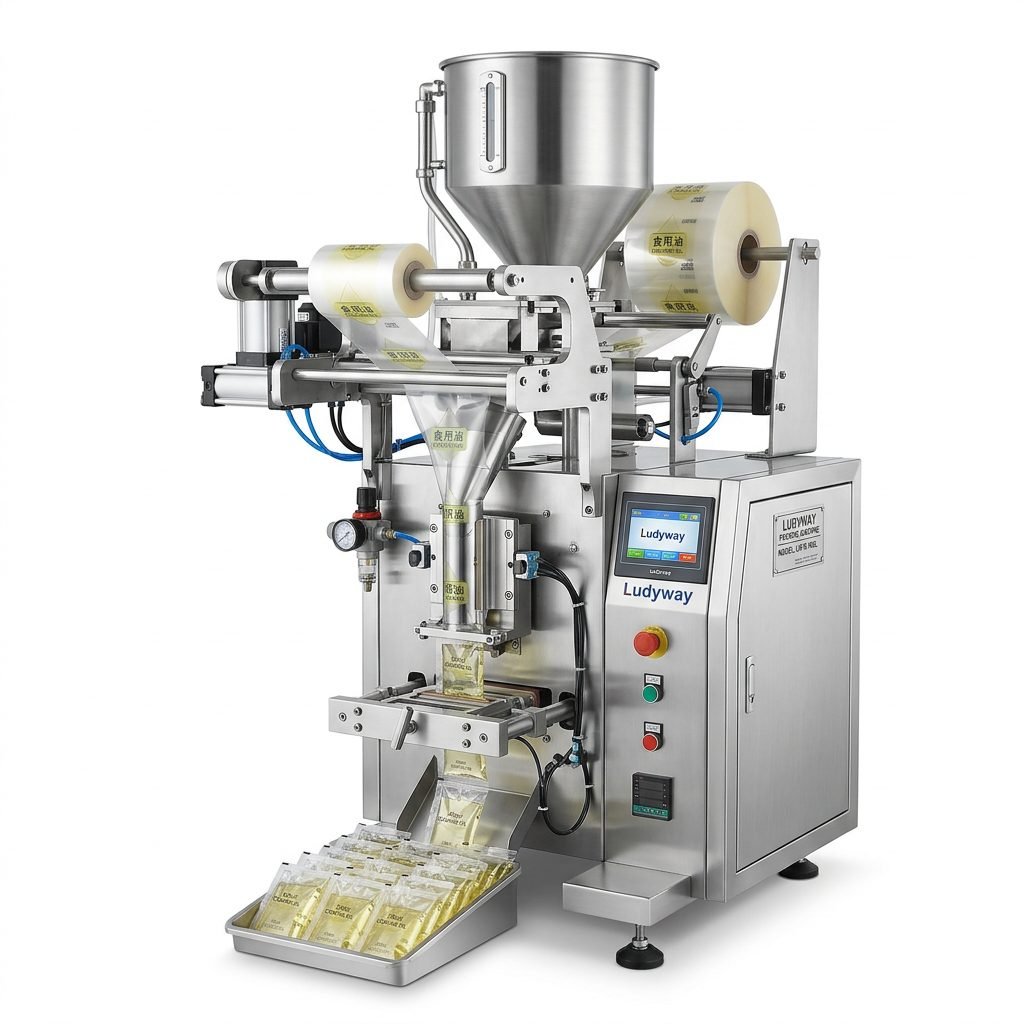
Bag in box packaging equipment is designed to fill liquid or semi-liquid products into a flexible inner bag fitted with a tap, valve, or gland, and then place that filled bag into a corrugated outer box. The equipment can range from compact semi-automatic fillers to fully automatic turnkey lines.
The main goal is to deliver clean filling, reliable sealing, minimal product waste, and efficient downstream packing. Depending on the product type and factory requirements, these systems may include:
- Bag loading and positioning units
- Vacuum or gravity-assisted filling systems
- Flow meter or weighing-based dosing control
- Nitrogen flushing for oxygen-sensitive liquids
- Cap or tap insertion and sealing modules
- Carton forming and bag-in-box loading stations
- Date coding, labeling, and inspection devices
Why Bag in Box Packaging Is Ideal for Liquid Products
Compared with rigid containers, bag in box packaging offers strong advantages for liquid manufacturers looking to optimize costs and shelf performance. It is especially valuable for products that are sensitive to air exposure or require efficient bulk handling.
| Benefit | How It Helps Manufacturers |
|---|---|
| Lower packaging weight | Reduces shipping and storage costs compared with rigid bottles or cans |
| Better product protection | Flexible bags collapse as product is dispensed, limiting oxygen contact |
| Improved dispensing | Built-in taps or fitments allow convenient, controlled usage |
| Space efficiency | Stacks well in warehouses and improves pallet utilization |
| Broad application range | Suitable for food, beverage, chemical, household, and personal care liquids |
Common Products Packed in Bag in Box Systems
Today’s bag in box filling solutions are used across multiple industries because they can handle a wide variety of viscosities and hygienic requirements. Typical applications include:
- Food and beverage: juice, wine, milk, cream, syrup, cooking oil, sauces, liquid eggs
- Industrial liquids: lubricants, detergents, inks, adhesives, additives
- Household products: cleaners, disinfectants, laundry liquids, hand soap refills
- Personal care: shampoo, conditioner, lotion, gel, liquid soap
- Healthcare and specialty liquids: oral solutions, nutritional liquids, functional beverages
Key Features of Efficient Bag in Box Filling Equipment
The performance of a bag in box line depends on the precision and reliability of its core filling and packaging functions. High-quality equipment is built to support repeatable production while reducing manual intervention.
1. Accurate Filling Control
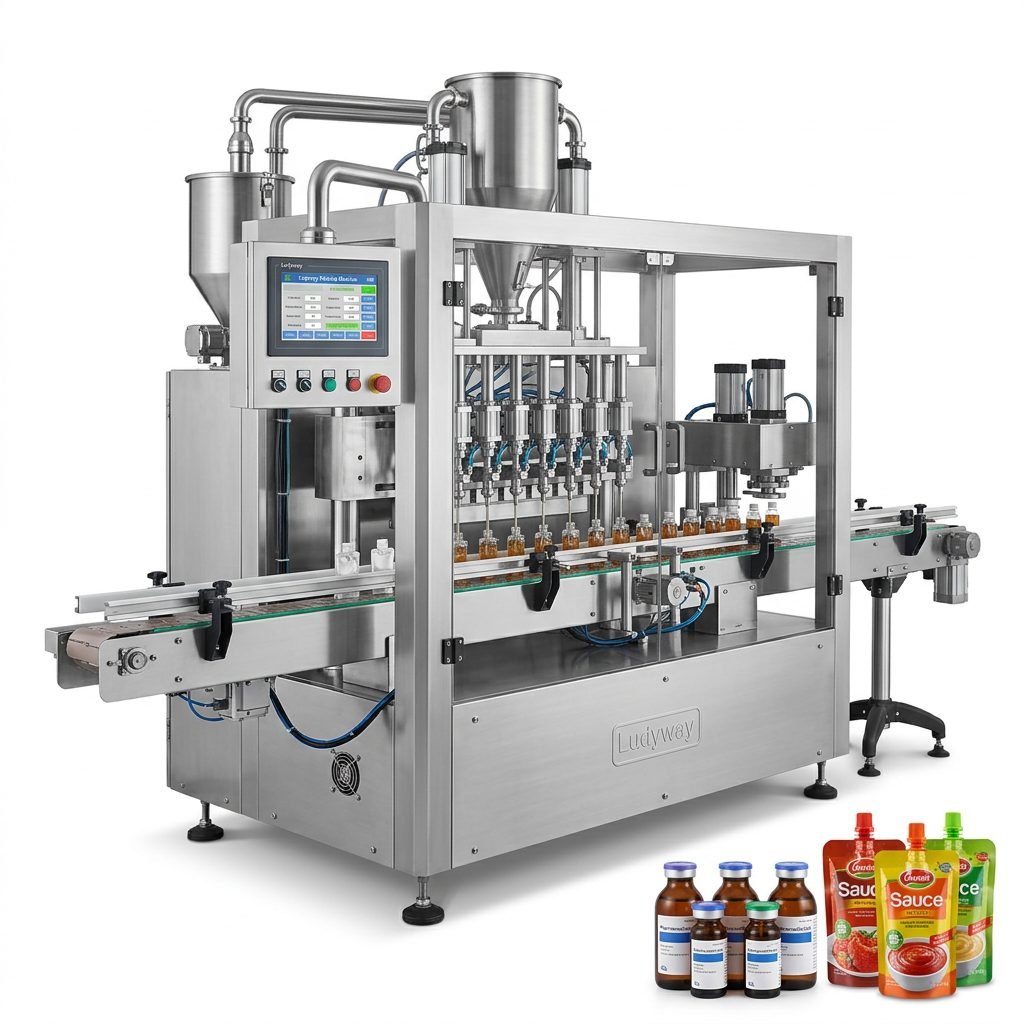
Precise filling is essential for cost control and product consistency. Depending on the liquid, machines may use
flow meters, servo pumps, piston filling, or weighing systems to achieve stable output with low deviation.
2. Hygienic Design
For food, dairy, or sensitive liquid applications, contact parts should be made of suitable stainless steel and designed for easy cleaning. Some systems also support CIP or sterilization features.
3. Flexible Bag Size Compatibility
Manufacturers often need to fill multiple volume formats such as 2L, 3L, 5L, 10L, or 20L. Efficient equipment supports quick changeovers to reduce downtime between SKUs.
4. Reliable Sealing and Fitment Handling
A secure seal is critical for shelf life and leakage prevention. Quality bag in box machines ensure dependable cap tightening, valve insertion, and sealing integrity throughout each production batch.
5. Automation Integration
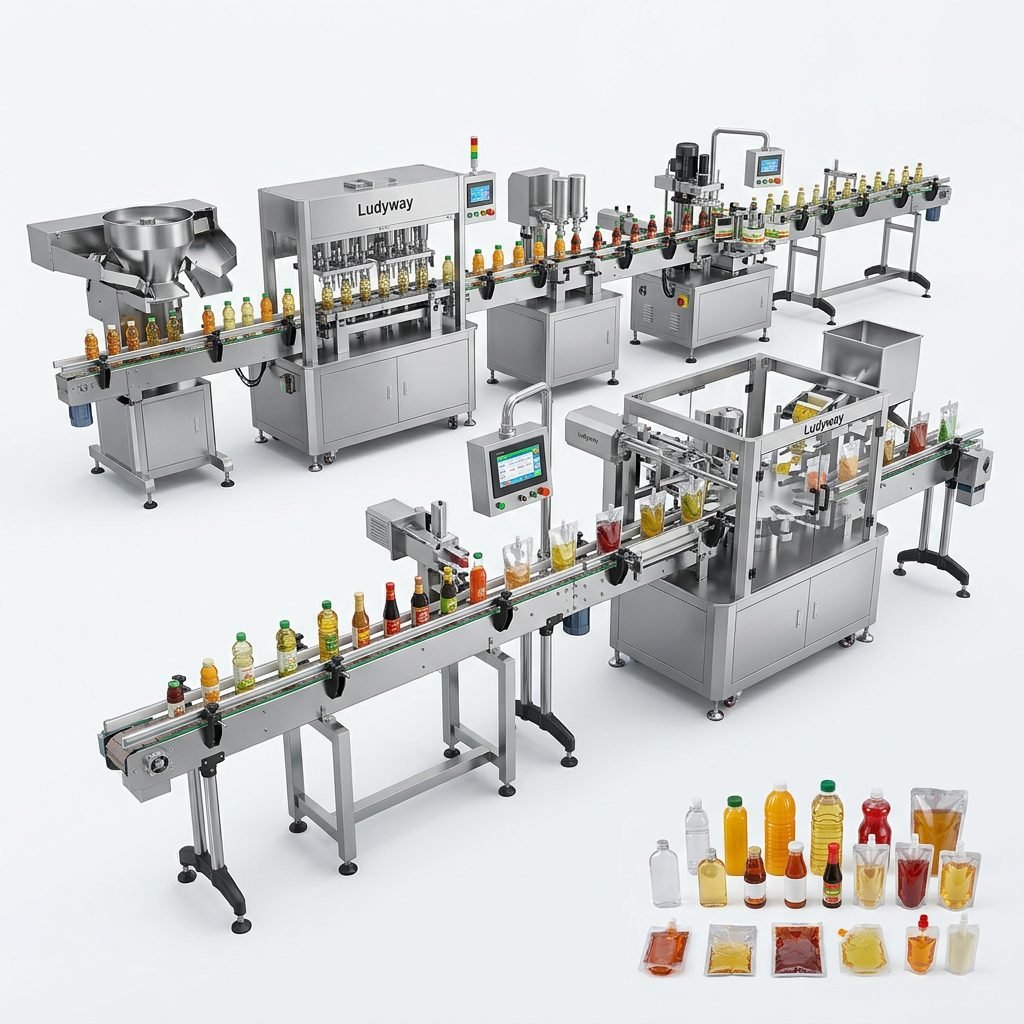
The most productive solutions can be linked with carton erectors, conveyors, printers, checkweighers, case packers, and palletizing units to create a continuous packaging workflow.
Semi-Automatic vs. Fully Automatic Bag in Box Machines
Choosing the right level of automation depends on budget, target speed, labor availability, and plant layout. Both semi-automatic and automatic systems have value, but they serve different production goals.
| Machine Type | Best For | Advantages |
|---|---|---|
| Semi-automatic | Startups, pilot runs, lower output operations | Lower initial investment, easier setup, flexible for smaller batches |
| Fully automatic | Medium to large factories, continuous production | Higher speed, reduced labor, more stable quality, easier line integration |
How Efficient Equipment Improves Production Performance
Upgrading from manual or outdated filling processes to modern bag in box equipment can produce measurable gains across the factory floor. These improvements are not limited to speed alone.
- Reduced labor dependence: automation lowers the number of manual handling steps.
- Less product loss: accurate dosing and controlled filling minimize overfill and spillage.
- Improved consistency: each package receives uniform volume and sealing quality.
- Better hygiene: enclosed transfer and filling systems reduce contamination risks.
- Stronger scalability: production can grow without major process disruption.
- Lower downtime: optimized changeover and stable components improve line availability.
Important Factors When Choosing Bag in Box Packaging Equipment
Not every liquid product requires the same filling method or machine configuration. Before selecting equipment, manufacturers should evaluate the technical and commercial factors that affect long-term performance.
Product Characteristics
- Viscosity and flow behavior
- Foaming tendency
- Presence of particulates
- Sensitivity to oxygen or microbial exposure
- Required filling temperature
Packaging Requirements
- Bag volume range
- Fitment or tap style
- Box dimensions and strength
- Labeling and coding needs
- Target shelf life
Production Needs
- Desired output per hour
- Available floor space
- Integration with existing packaging lines
- Cleaning and maintenance expectations
- Future expansion plans
Industries That Benefit Most from Turnkey Liquid Packaging Solutions
A standalone filler may be enough for some operations, but many manufacturers now prefer complete line solutions that combine upstream feeding, filling, final packaging, and quality control. This approach is especially useful in industries with strict throughput and consistency targets.
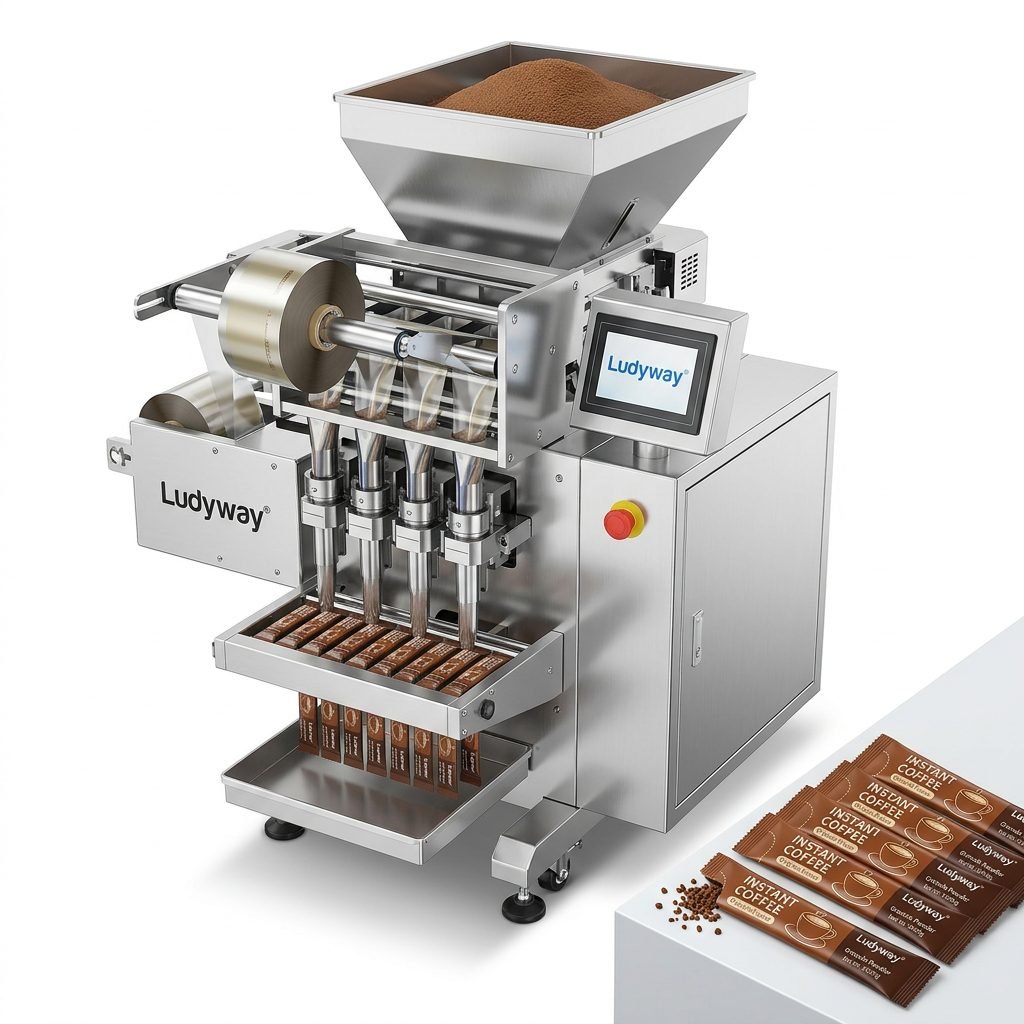
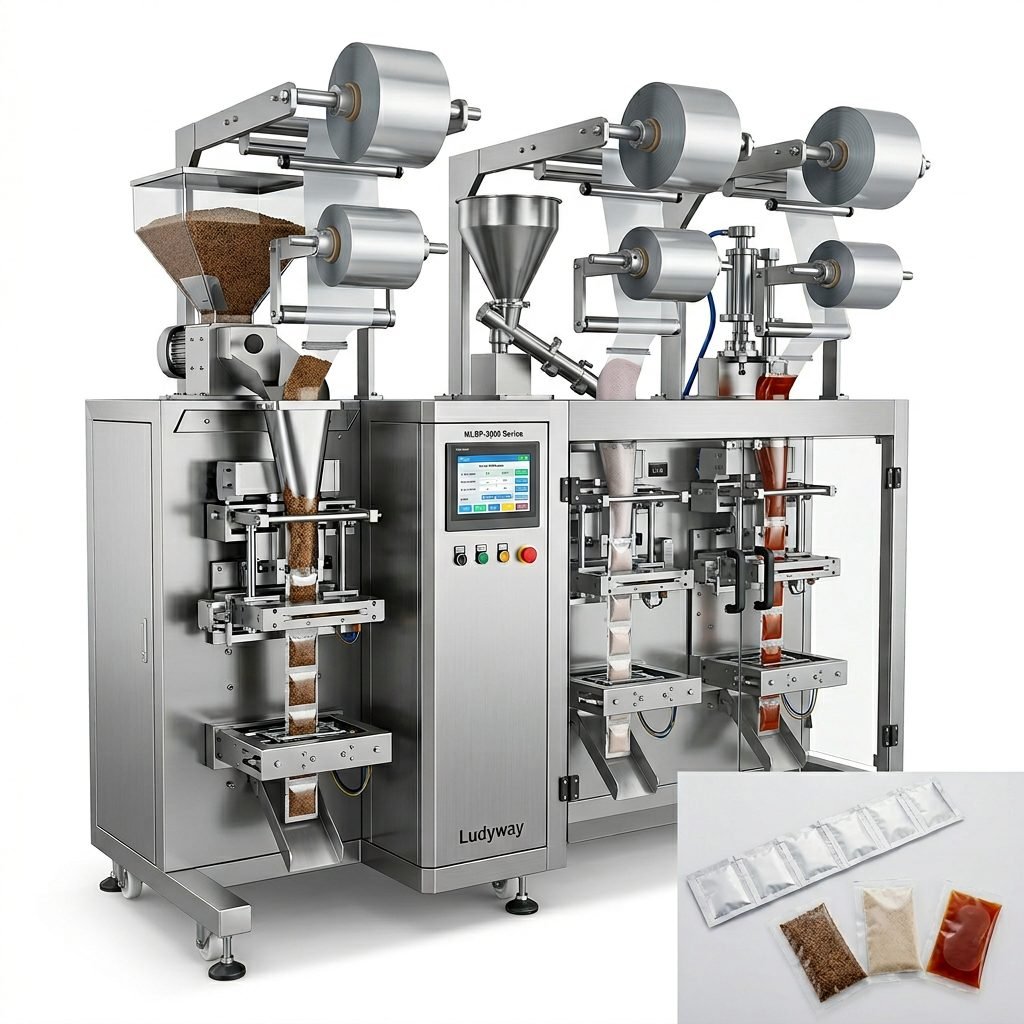
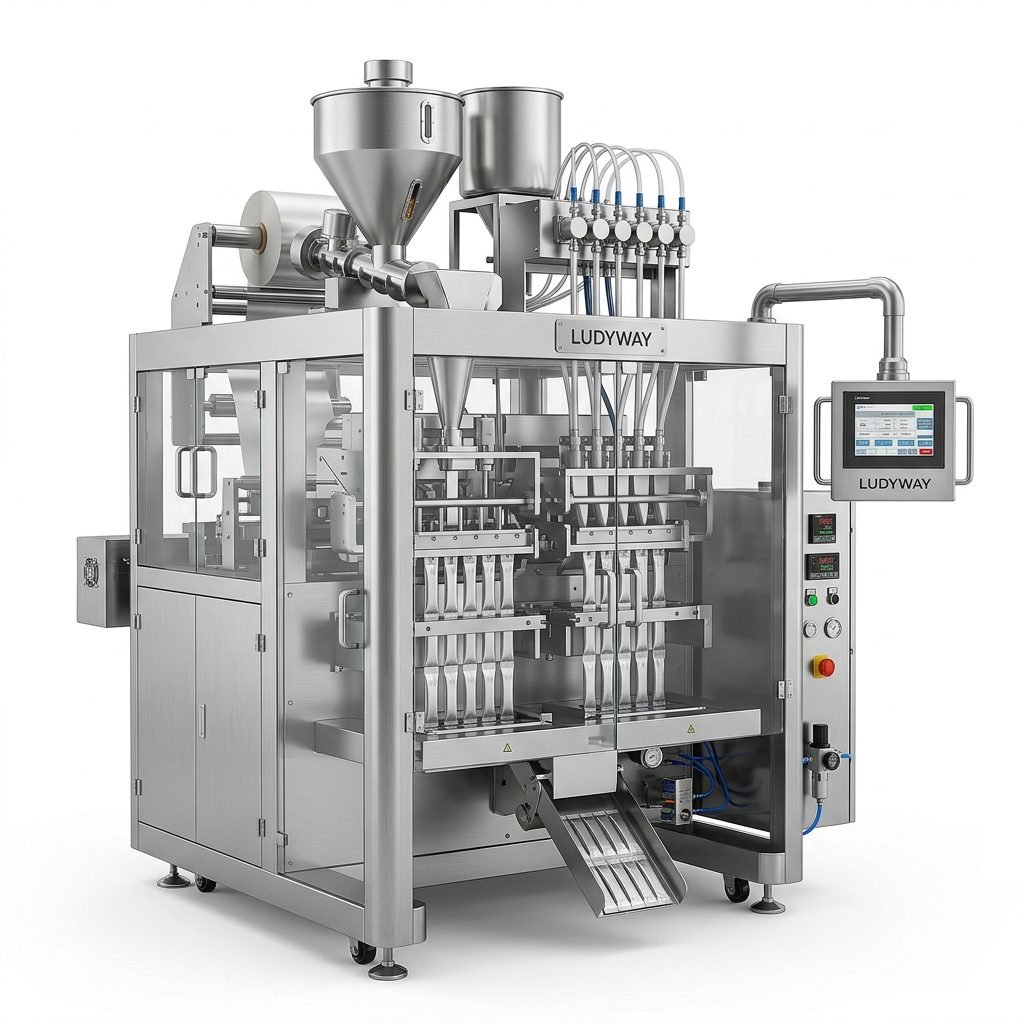
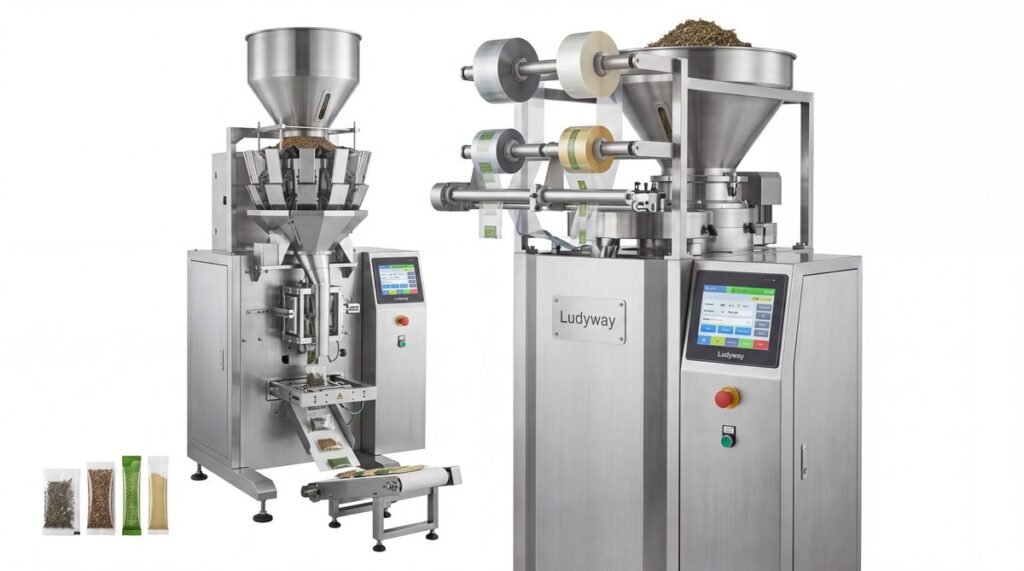
Companies serving food, pharmaceutical-adjacent, health supplement, and daily-use product markets often look for equipment partners with broad engineering experience. For businesses seeking scalable automation support, Ludyway bag in box packaging equipment solutions align well with projects requiring liquid filling precision, customized line design, and integrated packaging capabilities.
Best Practices for Maximizing Bag in Box Packaging Efficiency
Even the best machine performs better when supported by the right production strategy. To achieve stable and cost-effective operation, manufacturers should pay attention to both equipment setup and daily management.
- Match the filling system to the product: use the right pump, meter, or weighing method for the liquid.
- Standardize bag and box materials: consistent packaging components reduce adjustment time.
- Implement preventive maintenance: routine inspection lowers unexpected stoppages.
- Train operators thoroughly: well-trained teams reduce filling errors and improve uptime.
- Use in-line inspection: checkweighing, leak detection, and coding verification support quality assurance.
- Plan for future SKUs: choose equipment that can adapt to new sizes or products.
Future Trends in Bag in Box Liquid Packaging
The bag in box market continues to evolve as brands seek more sustainable and efficient packaging formats. Equipment design is moving toward smarter controls, easier sanitation, and greater compatibility with diverse liquids.
Key trends include:
- More servo-driven filling systems for precise control
- Higher levels of automated changeover
- Digital monitoring for output, alarms, and maintenance tracking
- Improved hygienic construction for sensitive food and health products
- Greater line integration with cartoning and palletizing equipment
Conclusion
Bag in box packaging equipment provides a practical and efficient way to fill, seal, and pack liquid products across many industries. With the right system, manufacturers can achieve higher throughput, better filling accuracy, improved product protection, and lower total packaging costs.
Whether the application involves edible oil, beverages, sauces, detergents, or specialty liquids, selecting equipment with the right automation level, hygienic design, and integration capability is essential for long-term production success. A well-designed bag in box packaging line is not only a filling solution, but also a strategic investment in efficiency, consistency, and scalable growth.