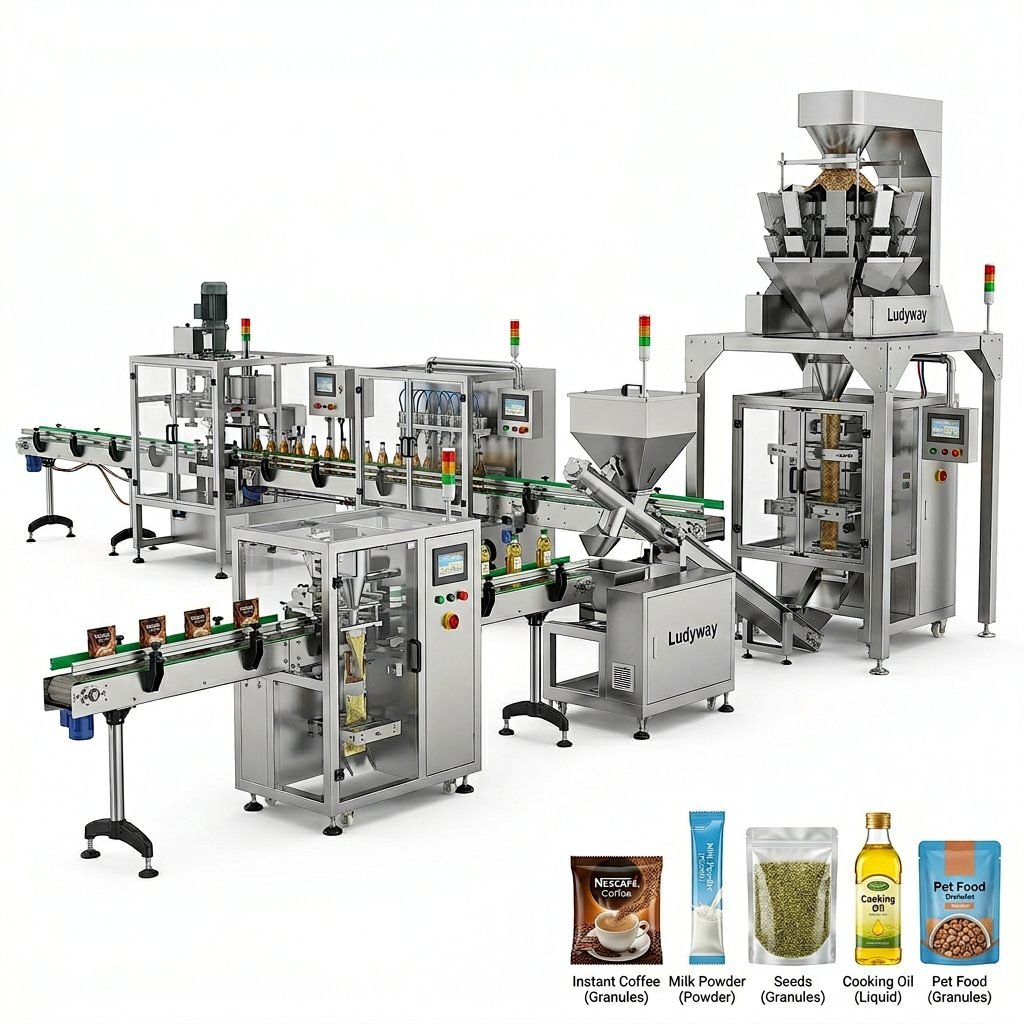
The personal care industry relies heavily on efficient, precise, and visually appealing packaging to deliver products to consumers. From shampoo and lotion sachets to facial cream stick packs and powder supplements, the right packaging equipment is crucial for maintaining product integrity, ensuring hygiene, and enhancing brand presentation. Selecting the appropriate machinery involves understanding the various types available, their key features, and the critical factors to consider before purchase.
Types of Personal Care Packaging Equipment
The landscape of packaging machinery is diverse, catering to different product forms and production scales.
1. Sachet Packaging Machines
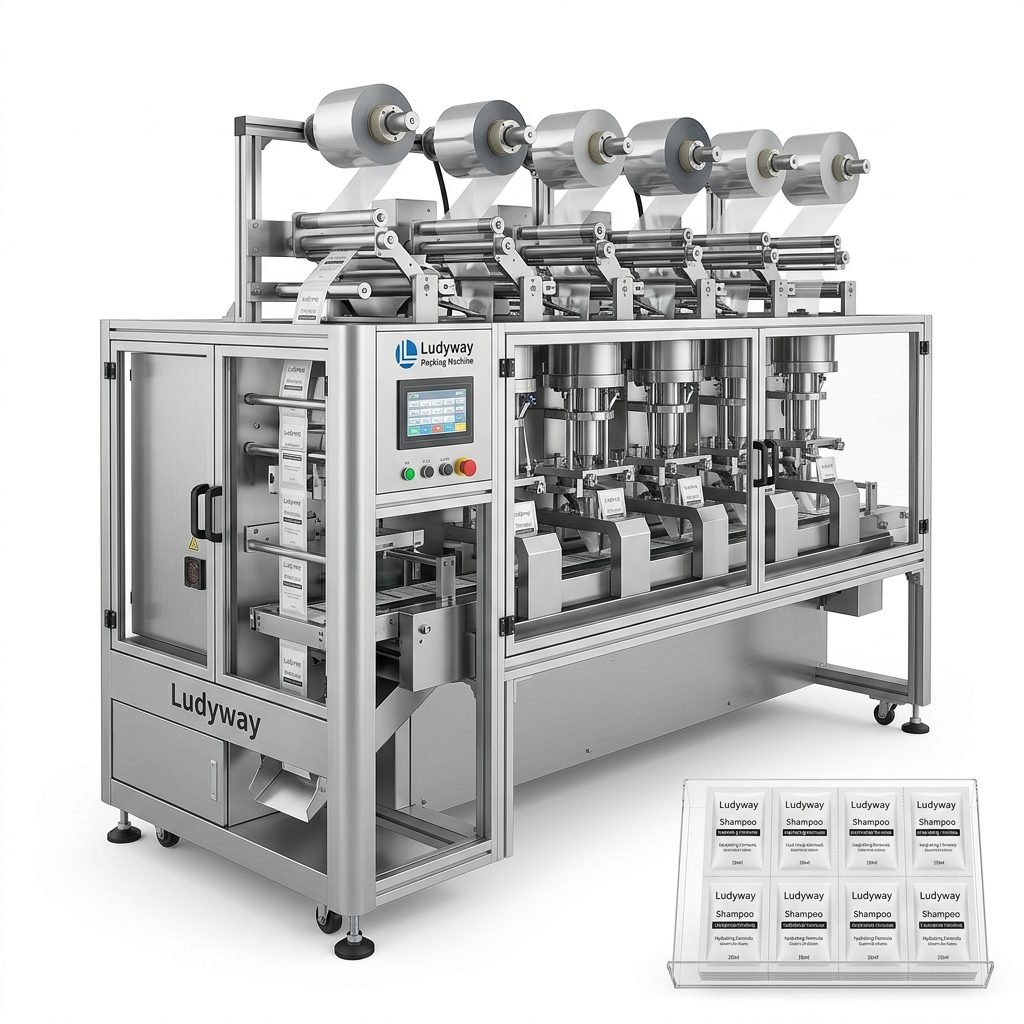
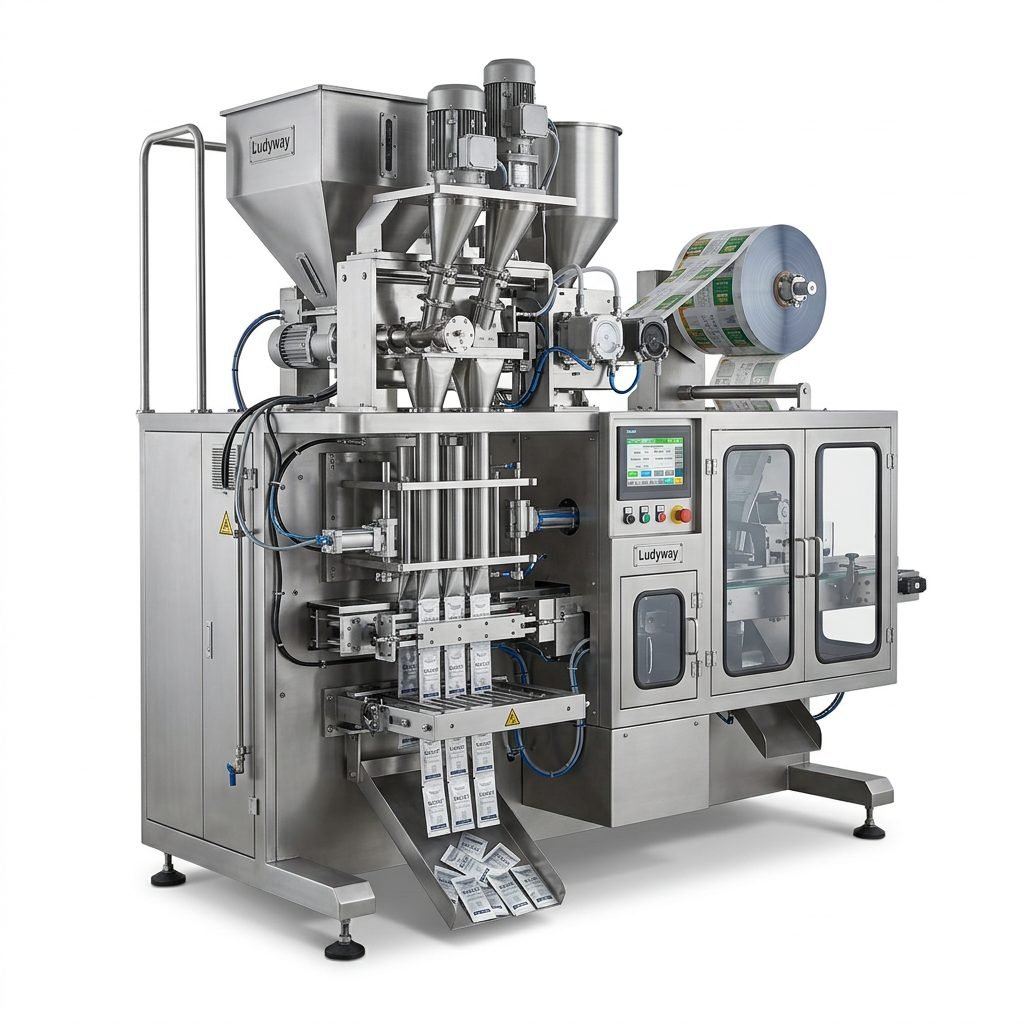
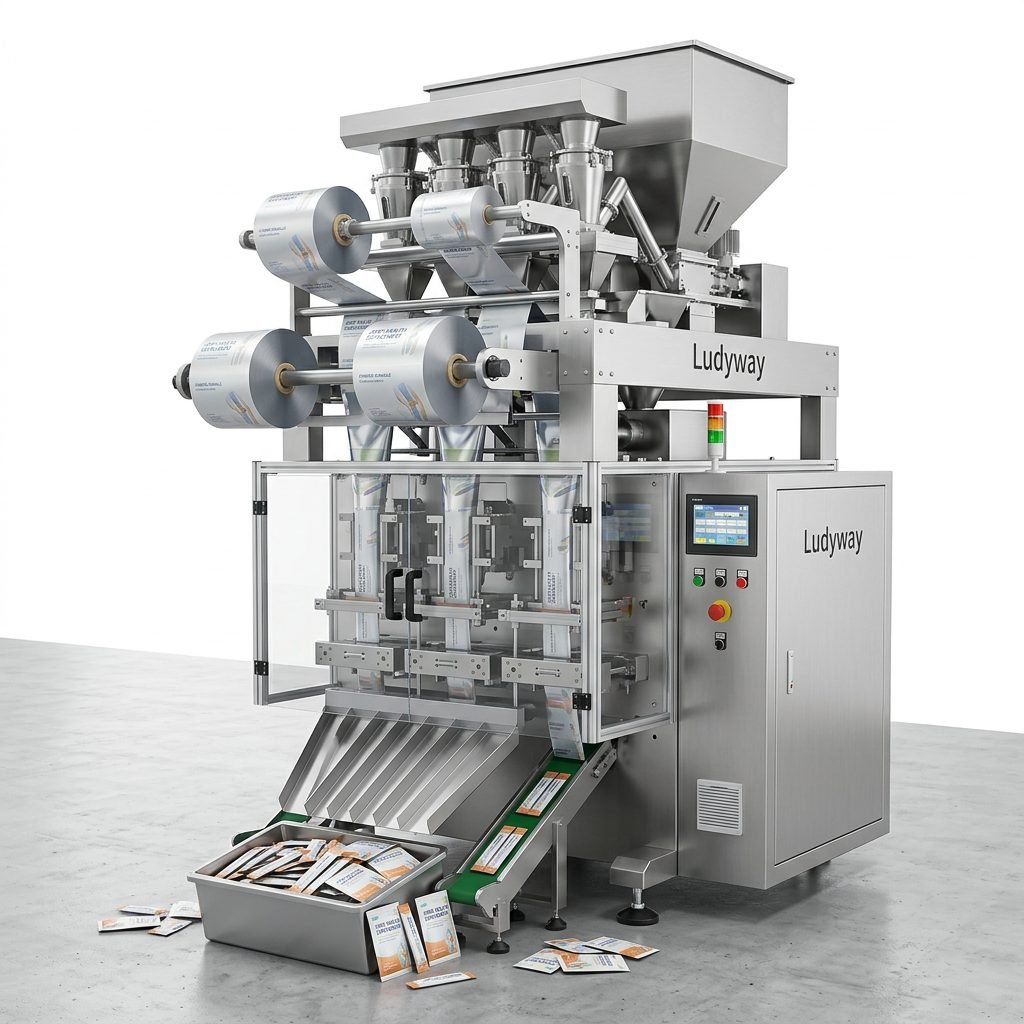
Sachet machines are ideal for packaging single-use quantities of liquids, gels, creams, and powders. They are commonly used for samples, travel-sized items, or portion-controlled products like hair masks or facial cleansers. These machines typically form, fill, and seal small pouches from roll film. Modern systems offer high-speed multi-lane operations, significantly boosting output for large-scale production.
2. Stick Pack Packaging Machines
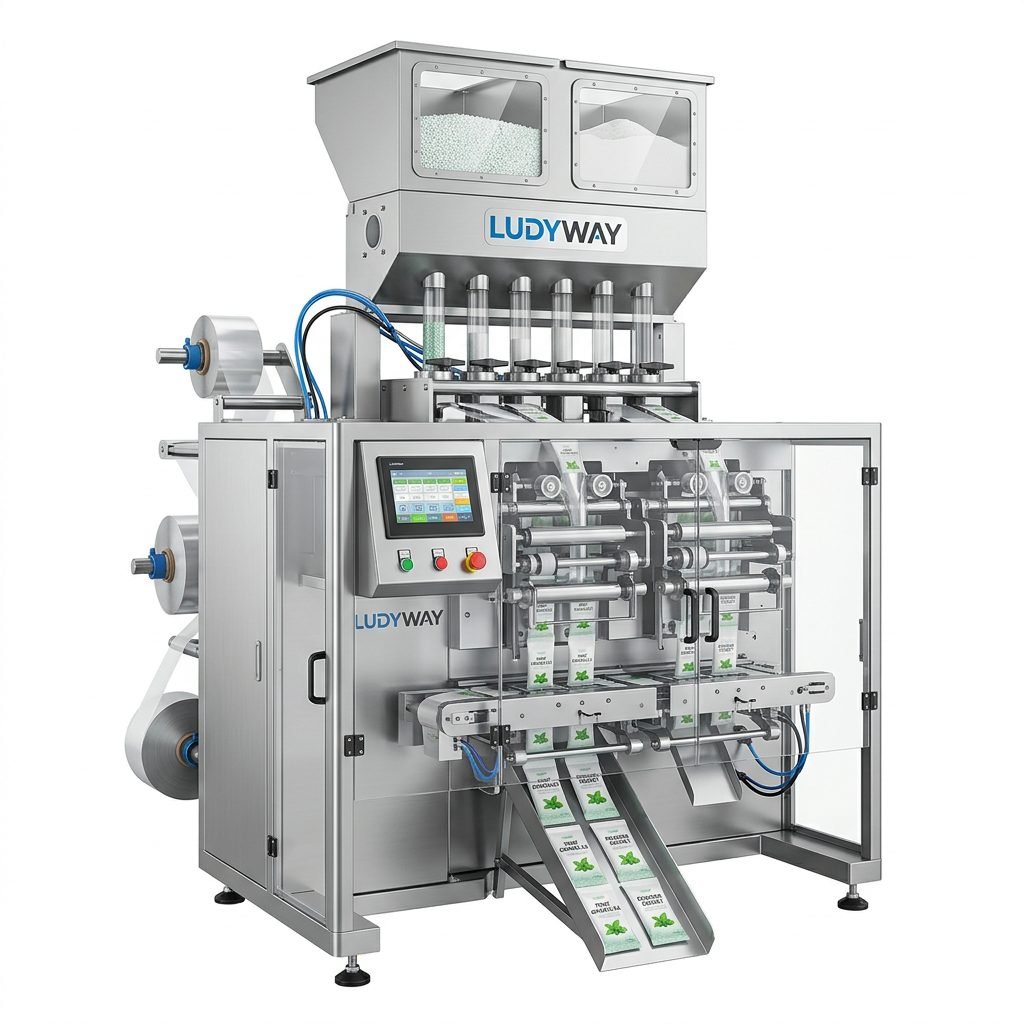
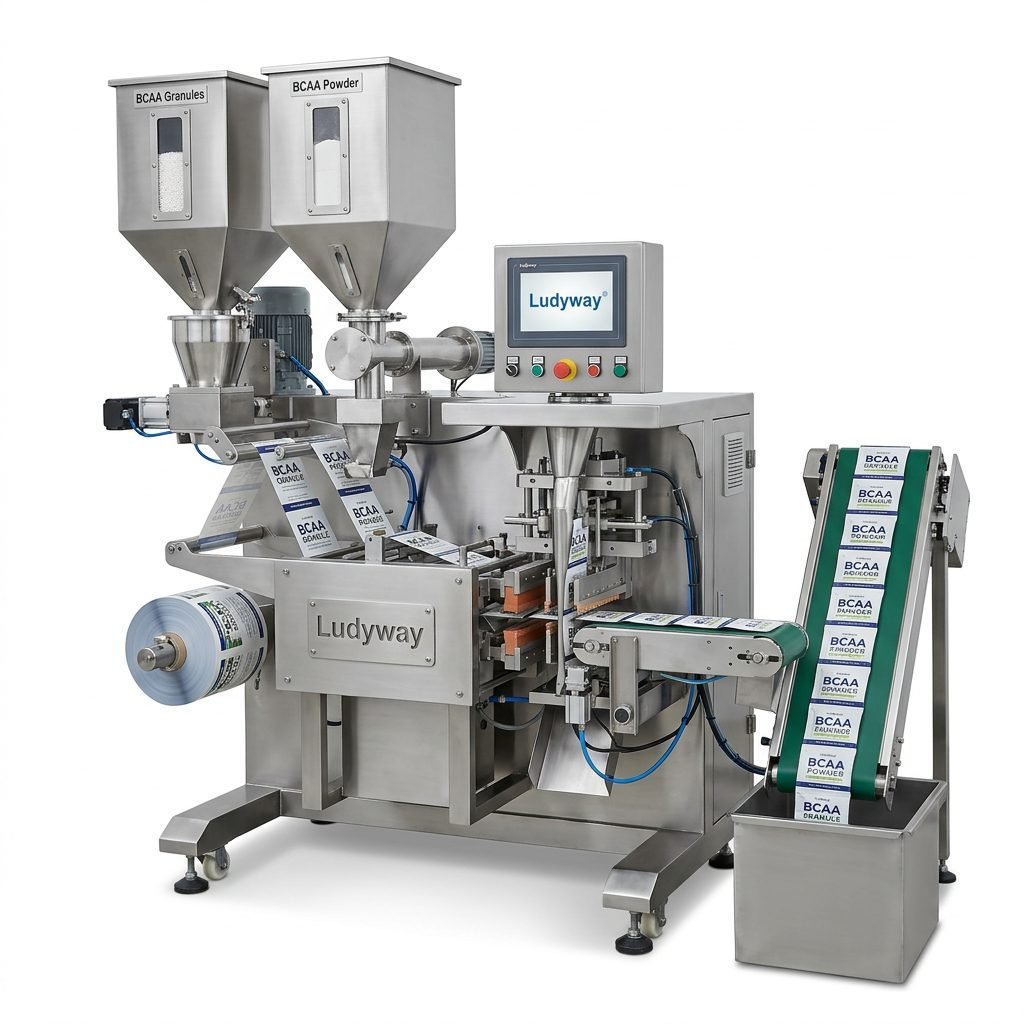
Stick pack machines produce long, slender packets perfect for powdered personal care items such as bath salts, body scrubs, or dietary supplements. Their compact shape is convenient for consumers and saves shelf space. Advanced stick pack systems provide excellent precision for filling hygroscopic or difficult-to-handle powders, ensuring consistent weight and minimal waste.
3. Liquid Filling and Sealing Machines
For bottled products like shampoos, conditioners, serums, and toners, liquid filling lines are essential. These systems can include automatic bottle unscramblers, precision filling heads (gravity, piston, or pump-based), capping machines, and labeling units. They are designed to handle various viscosities and container sizes with high accuracy and speed.
4. Tube Filling and Sealing Machines
Tubes are a popular format for creams, gels, and ointments. Tube filling equipment handles the processes of tube feeding, opening, filling, sealing (fold crimping or heat sealing), and coding. They are versatile and can accommodate plastic, laminate, or metal tubes.
5. Powder & Granule Packaging Machines
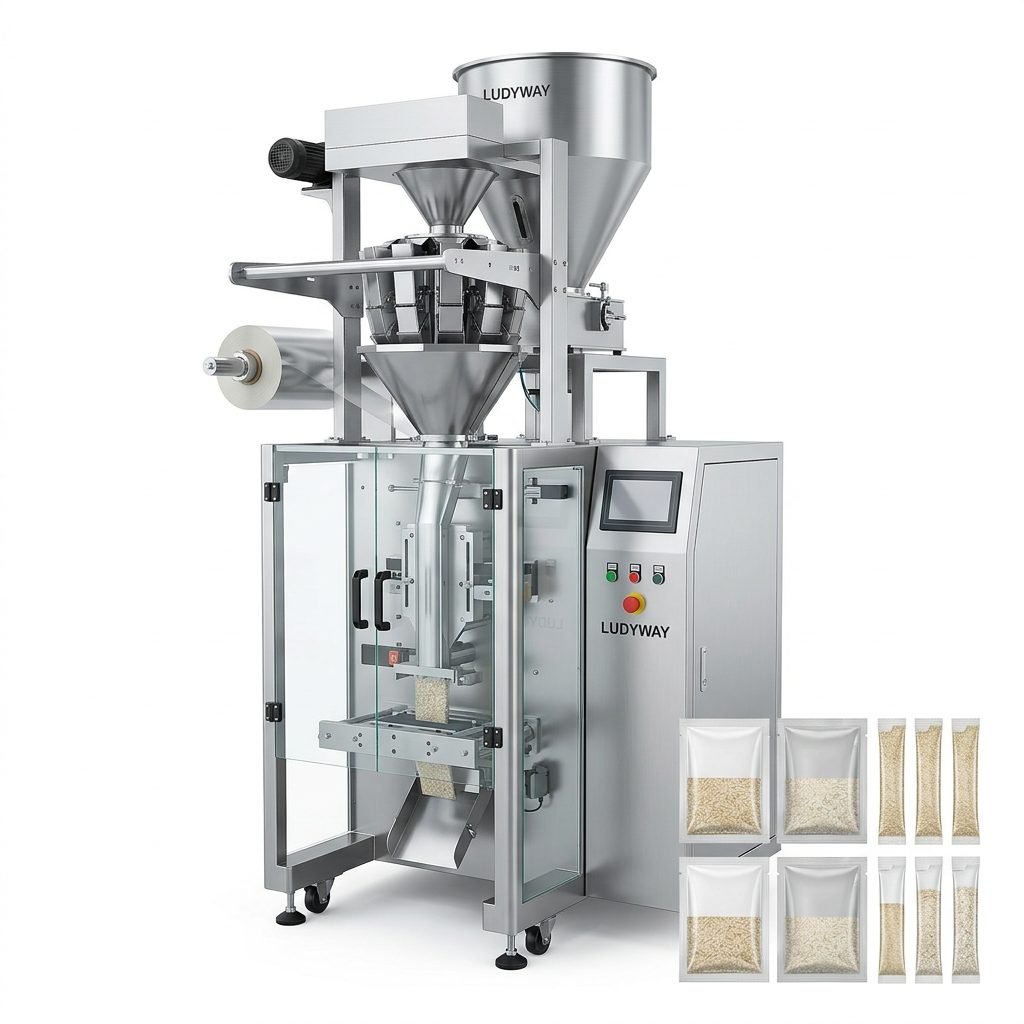
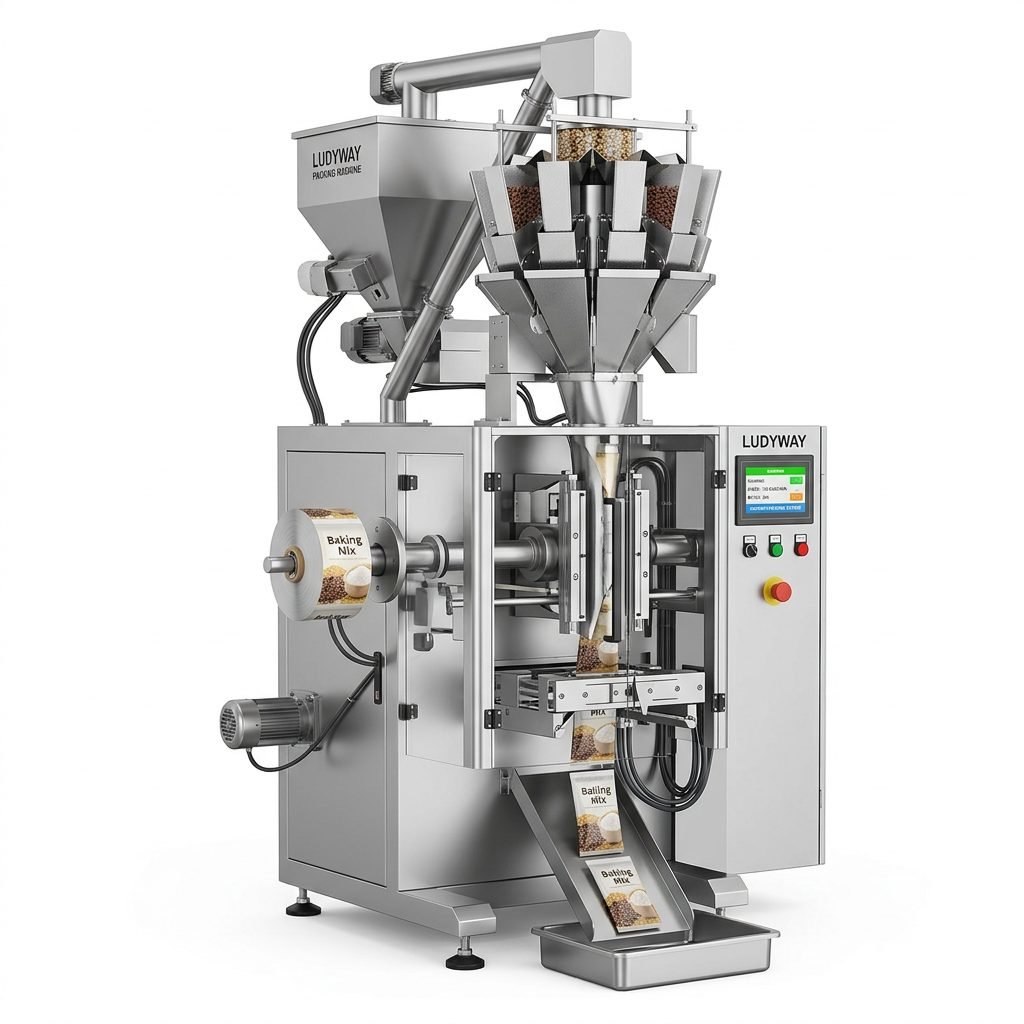
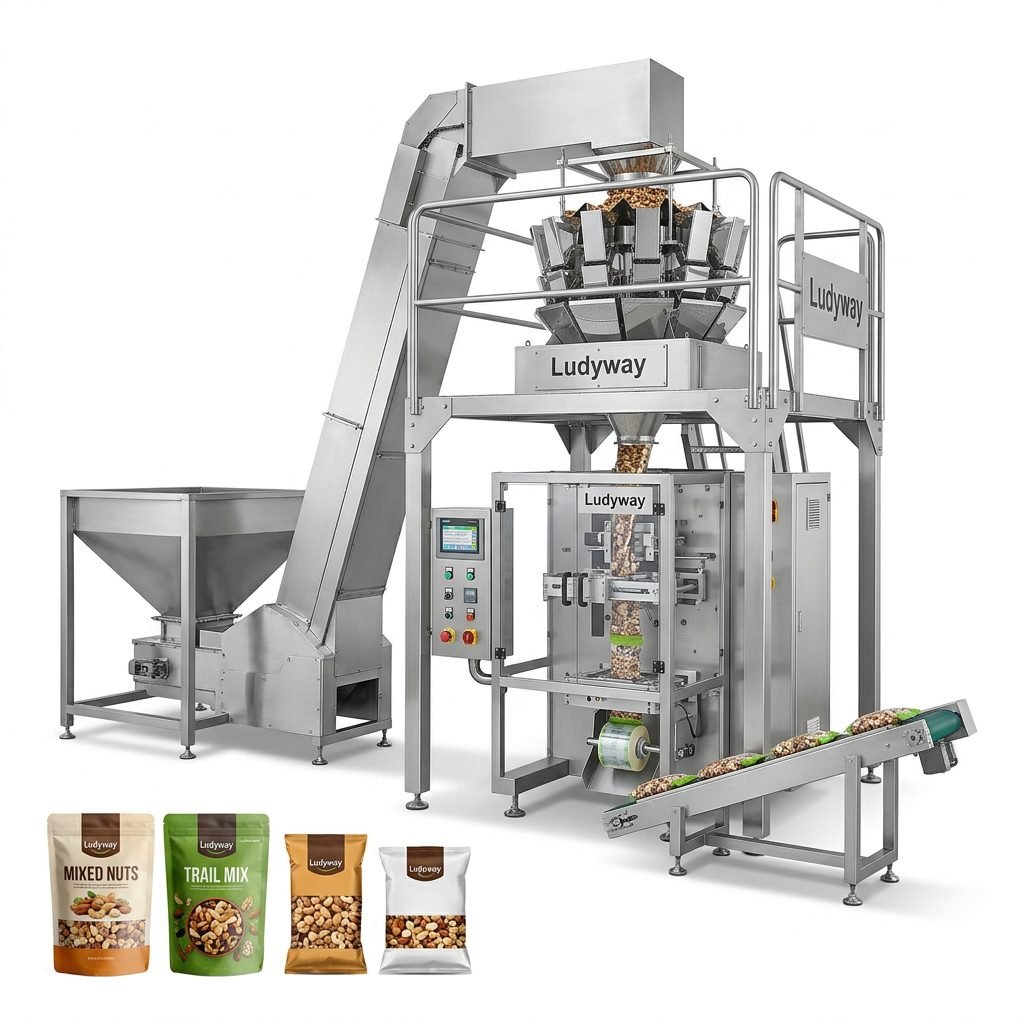
Beyond stick packs, powder products can be packaged into larger pouches, jars, or cans. Granule packaging machines are suitable for items like bath beads or exfoliating granules. These systems often incorporate weight-checking and vibration settling features to achieve precise fill weights.
Key Features of Modern Packaging Equipment
Today’s personal care packaging machinery goes beyond basic functionality, integrating features that drive efficiency, flexibility, and quality.
Automation & High Speed: Automated systems minimize manual intervention, increase production throughput, and reduce labor costs. Multi-lane sachet and stick pack machines can achieve outputs of several thousand units per minute.
Precision Filling Technology: Accurate dosing is paramount, especially for high-value products. Machines employ advanced volumetric, weigh-fill, or pump systems to ensure each package contains the exact specified amount, maintaining consistency and compliance.
Flexibility & Changeover Ease: The ability to quickly switch between different product formats, sizes, or materials is vital for manufacturers with diverse product lines. Equipment with modular designs and programmable settings reduces downtime during changeovers.
Hygiene & Clean Design: Personal care products often require high hygiene standards. Machines should be constructed with easy-to-clean surfaces, often using stainless steel for critical parts, and designed to prevent product contamination.
Integrated Control Systems: Modern machines feature intuitive Human-Machine Interfaces (HMI) or touchscreen PLC controls. These systems allow for easy parameter setting, real-time monitoring of production data, fault diagnostics, and often connectivity for data logging and integration with factory networks.
Sustainability Features: With growing environmental focus, equipment that minimizes material waste (through precise cutting and sealing), accommodates recyclable or biodegradable films, and optimizes energy consumption is increasingly important.
Buying Considerations for Personal Care Packaging Equipment
Investing in packaging machinery is a significant decision. Here are the critical factors to evaluate.
1. Product Characteristics
The nature of your product dictates the machine type. Consider its form (liquid, powder, gel, granule), viscosity, sensitivity (to light, air, moisture), and required fill volume. For instance, a viscous face cream may need a piston filler, while a free-flowing powder requires a weigh-fill system.
2. Production Volume & Speed Requirements
Assess your current and projected output. A small boutique brand might prioritize a versatile, semi-automatic machine, while a large contract manufacturer will need a fully automatic, high-speed line with multi-lane capability. Calculate the required output per hour/day to match machine speed.
3. Packaging Materials & Formats
Define your packaging materials (film type, thickness, laminate structure) and final package format (size, shape, sealing style). Ensure the machine is compatible with your chosen materials and can achieve the desired seal strength and aesthetic finish.
4. Budget & Total Cost of Ownership
Beyond the initial purchase price, consider long-term costs: installation, training, maintenance, spare parts, energy consumption, and potential upgrade costs. A reliable machine from a reputable supplier might have a higher upfront cost but lower lifetime costs due to durability and support.
5. Supplier Expertise & Support
The supplier’s role is crucial. Look for a provider with deep experience in the personal care industry. They should offer comprehensive support including installation, commissioning, operator training, and readily available technical service and spare parts. A supplier that can provide customized solutions and act as a long-term partner is invaluable.
6. Compliance & Safety Standards
Ensure the equipment meets relevant safety standards (CE, UL, etc.) and, if applicable, guidelines for pharmaceutical or cosmetic packaging hygiene. This is essential for regulatory compliance and operator safety.
7. Future Scalability
Consider your business growth. Can the machine or line be easily upgraded or integrated with additional units (like a capper or labeler) in the future? Modular equipment designs offer better scalability.
Conclusion
Choosing the right personal care packaging equipment is a strategic investment that impacts product quality, production efficiency, brand image, and operational costs. By thoroughly understanding the different machine types—from sachet and stick pack machines to liquid fillers and tube sealers—evaluating their modern features like automation, precision, and flexibility, and carefully considering purchase factors related to product, production, budget, and supplier support, manufacturers can make an informed decision. Partnering with an experienced packaging machinery provider who understands the specific needs of the personal care sector can ensure a successful implementation and a reliable, efficient packaging operation for years to come. For those looking to explore specific machine models or complete turnkey solutions, detailed consultations with experts are recommended.
Frequently Asked Questions (FAQs)
Q1: What type of packaging machine is best for liquid shampoo samples?
For single-use liquid shampoo samples, a multi-lane automatic sachet packaging machine is typically the best choice. It can form, fill, and seal small pouches at high speed from roll film, perfect for high-volume sample production.
Q2: How important is filling accuracy for premium skincare products?
Extremely important. Premium products have high value and strict quality promises. Precision filling technology (like servo-driven piston fillers or accurate weigh-fill systems) ensures every unit contains the exact amount advertised, maintaining customer trust and brand reputation.
Q3: Can one machine handle both powder and granule personal care products?
Yes, some versatile powder packaging machines can handle both fine powders and small granules by adjusting filling mechanisms (e.g., auger filler with different screw designs) and settling/vibration parameters. It’s essential to confirm this capability with the supplier.
Q4: What should I look for in a supplier’s after-sales service?
Key after-sales services include readily available technical support (remote and on-site), a comprehensive spare parts inventory, detailed operator and maintenance training programs, and clear warranty terms. Good suppliers offer ongoing support to minimize downtime.
Q5: How can I make my packaging line more sustainable?
You can choose equipment designed for material efficiency (minimizing film waste), compatible with recyclable or mono-material films, and with energy-saving features (like efficient servo motors). Also, consider machines that allow easy use of recycled content in containers if you use bottles or tubes.