Entering the European pet food market requires more than just a great recipe; it demands precision, compliance, and high-efficiency packaging. With strict EU regulations on food contact materials and a growing demand for convenient single-serve formats like stick packs and sachets, selecting the right pet food packaging machine is a critical investment. This guide will walk you through the essential factors to consider before purchasing equipment for your production line.

Understanding European Market Requirements
Before evaluating machinery specifications, you must understand the regulatory landscape. The European market is governed by strict frameworks including Regulation (EC) No 1935/2004 on materials intended to come into contact with food, and the directives on Packaging and Packaging Waste. Your machine must be capable of handling certified laminates and recyclable structures without compromising seal integrity.
Additionally, the rise of organic and natural pet foods in Europe means you need equipment that prevents cross-contamination and facilitates quick changeovers. Look for machines that support stainless steel construction and minimal residual product retention.
Key Machine Types for Pet Food Packaging
Selecting the correct technology depends heavily on your product format and target retail channel. The primary configurations in the European sector include:
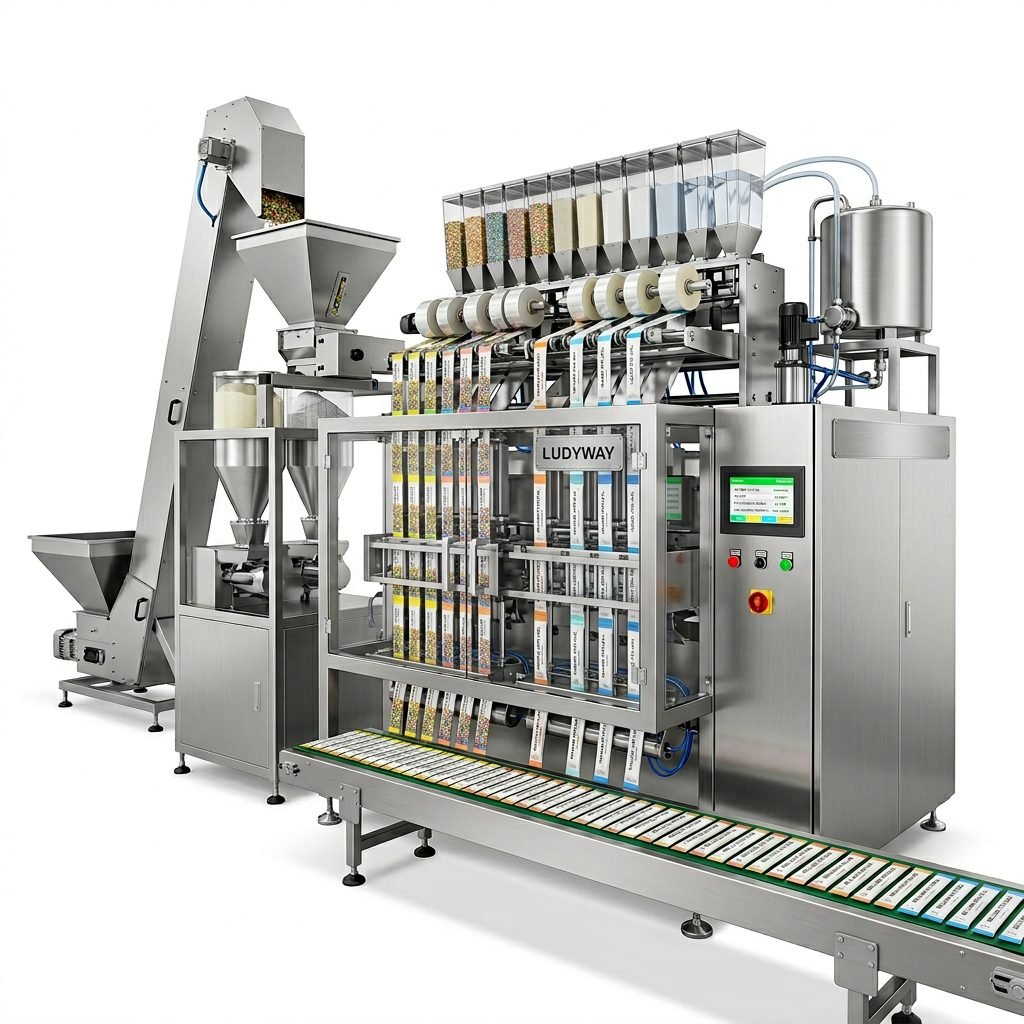
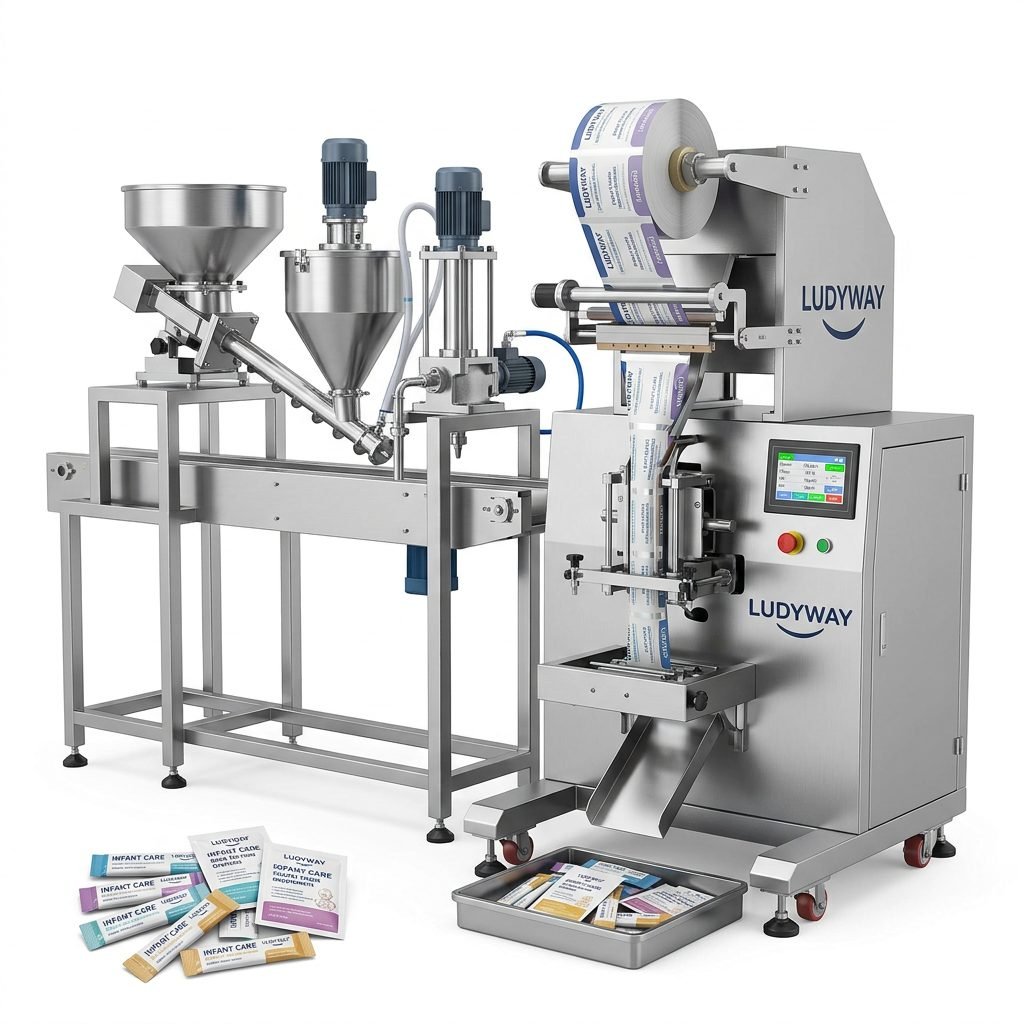
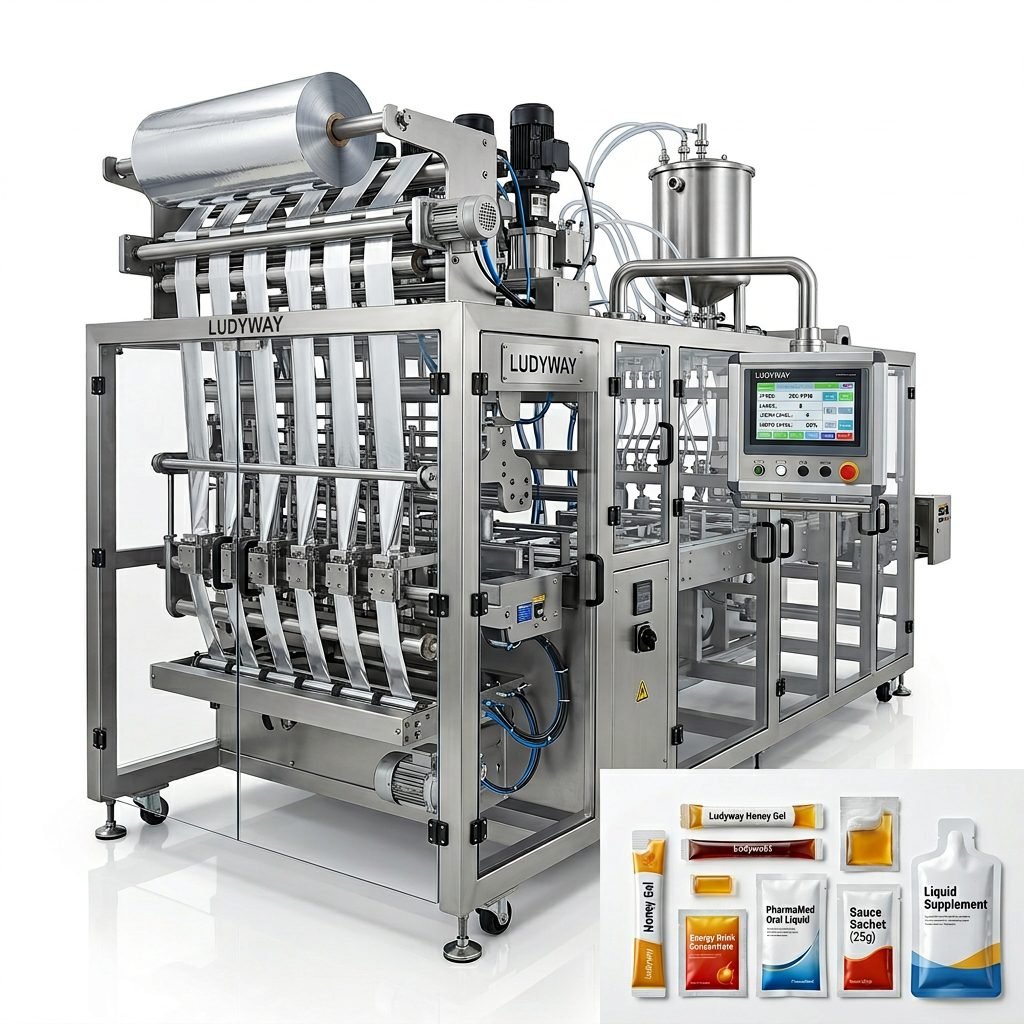
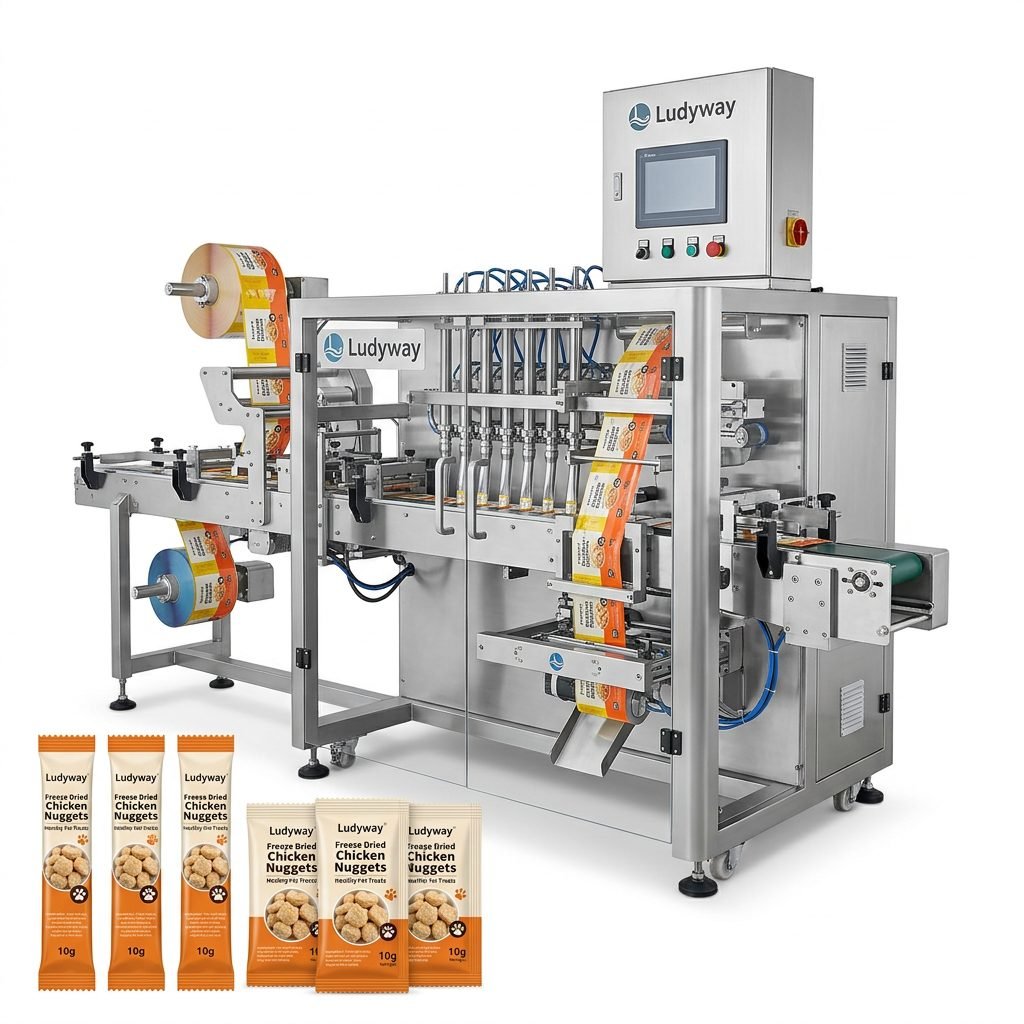
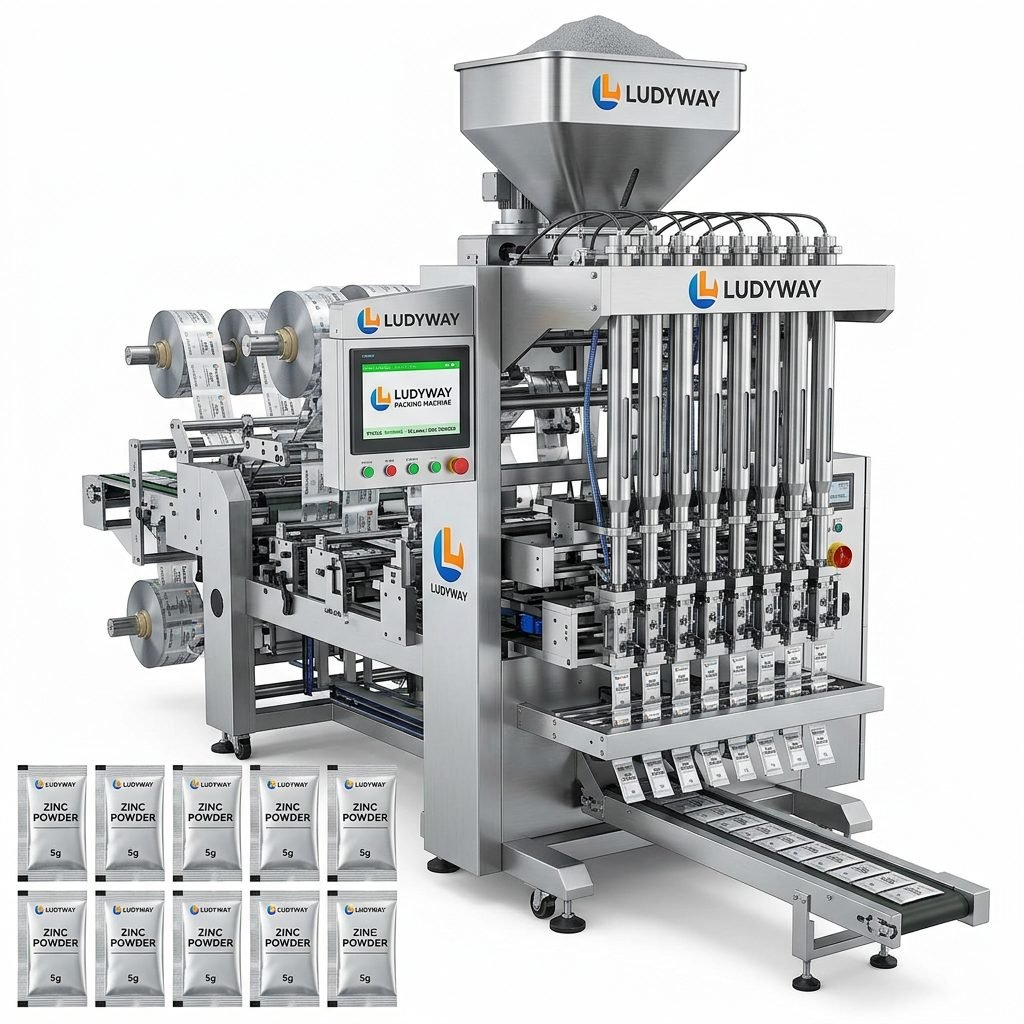
- Multi-Lane Stick Pack Machines: Ideal for high-speed production of single-serve wet food toppers, supplements, and liquid treats.
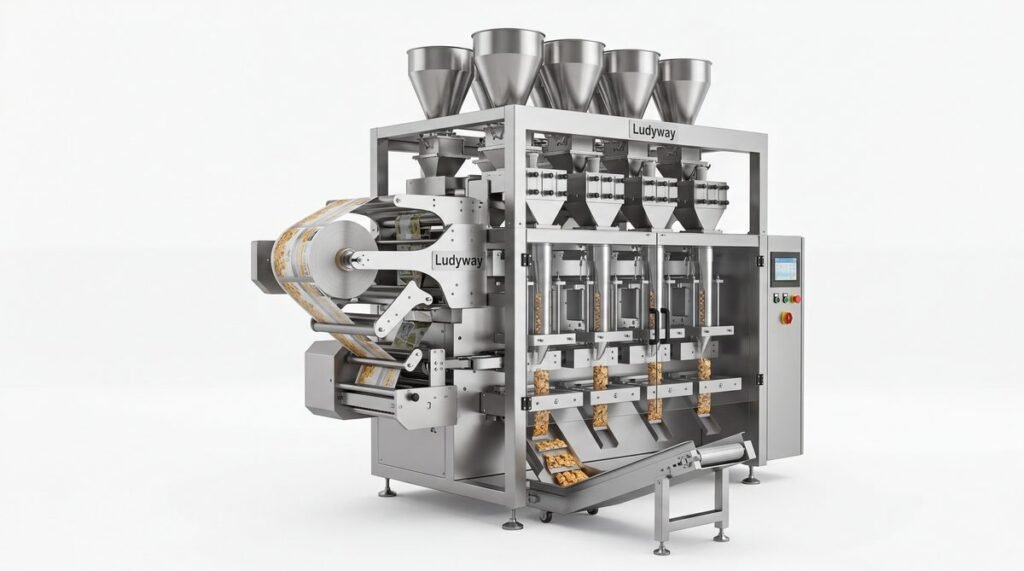
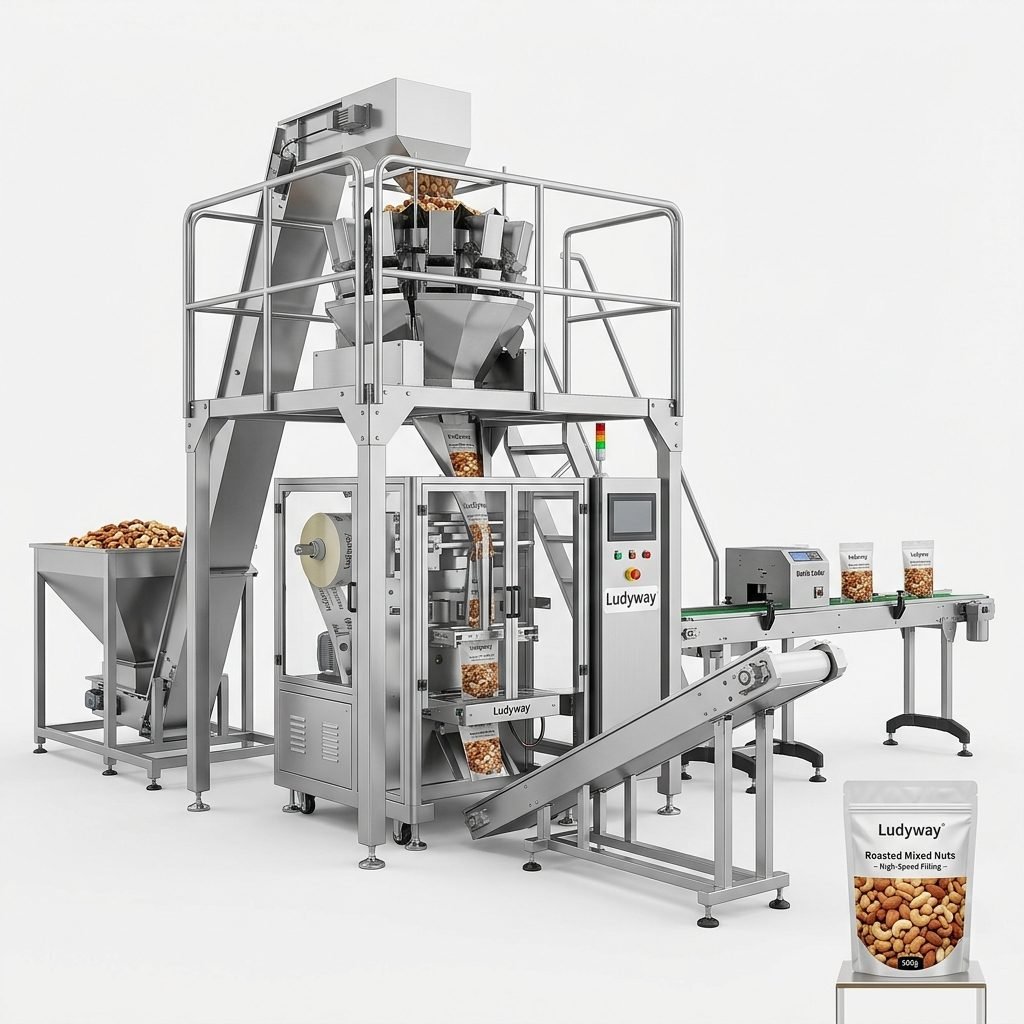
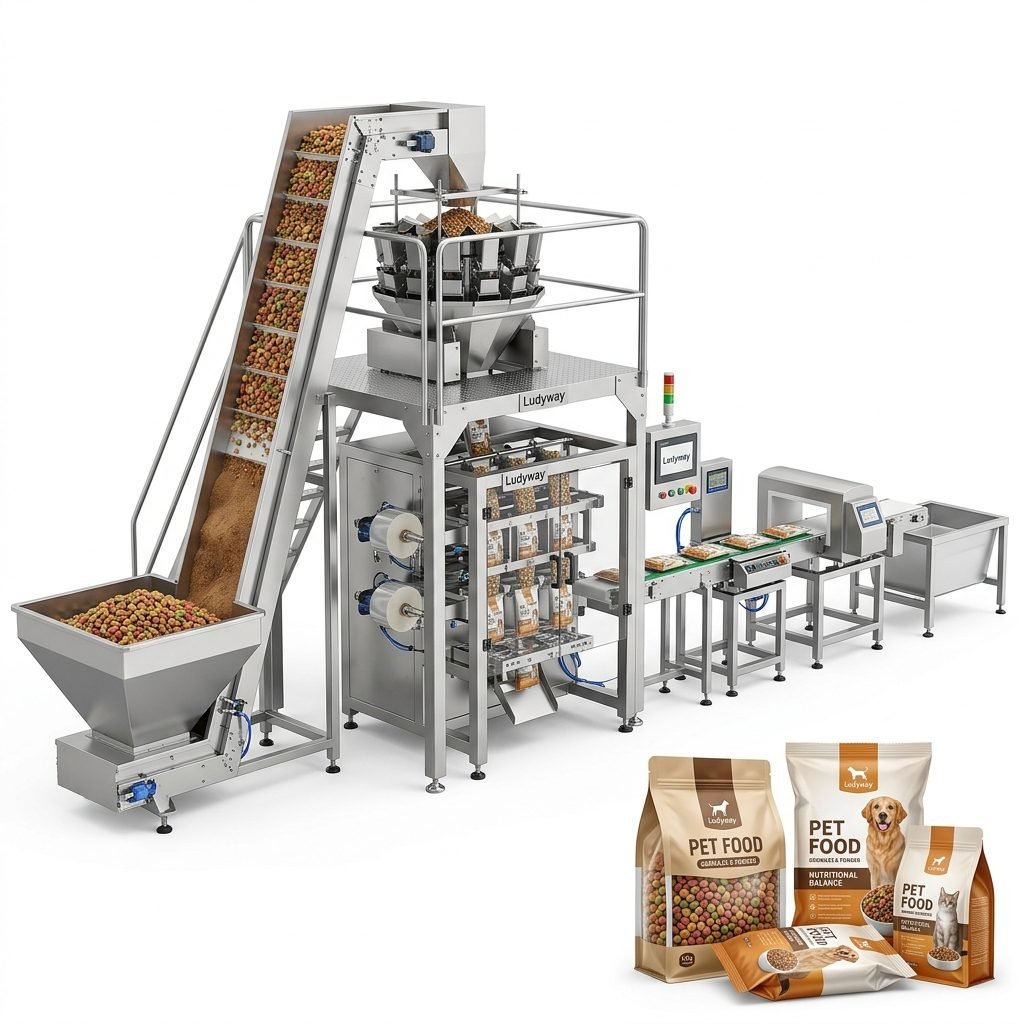
- Vertical Form Fill Seal (VFFS) Systems: Perfect for larger bag formats (500g – 15kg) for dry kibble and bulk granules.
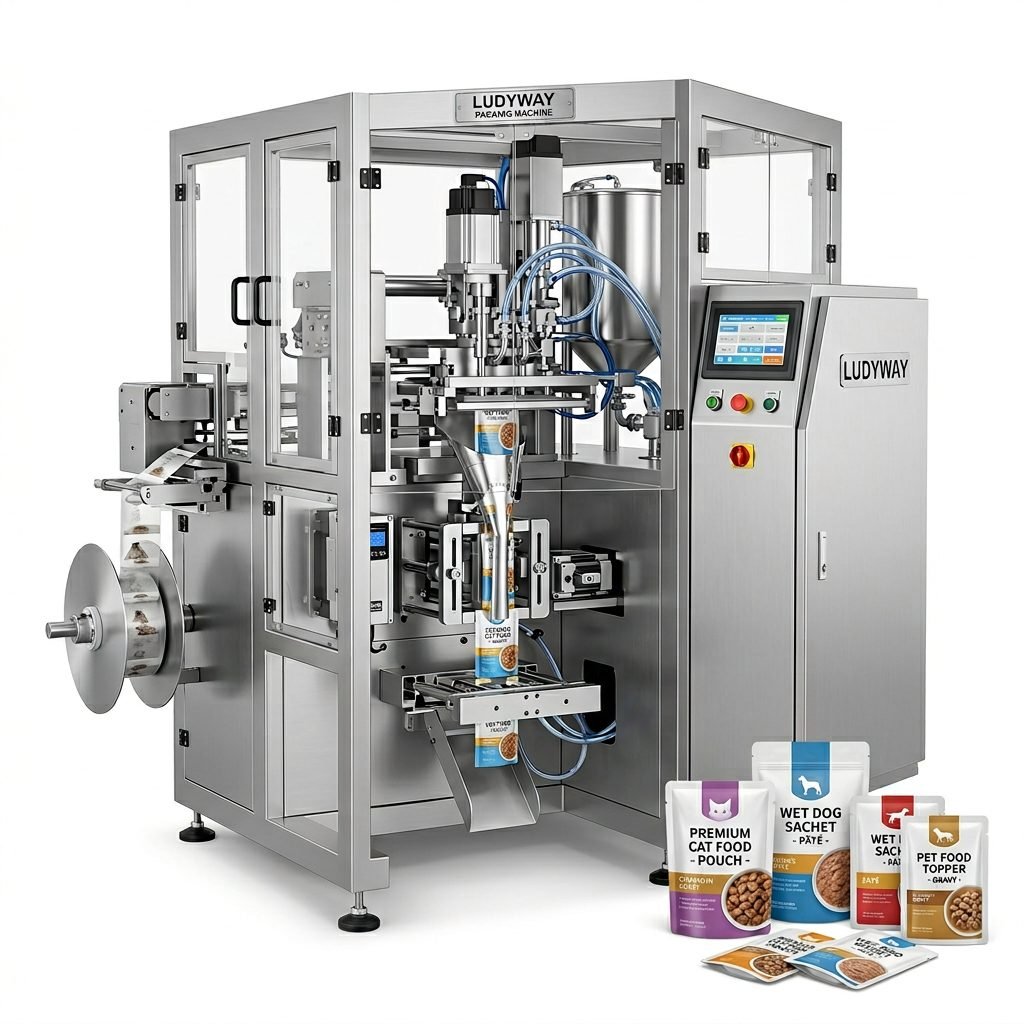
- Pre-made Pouch Rotary Fillers: Best suited for premium retort pouches, often featuring press-to-close zippers.
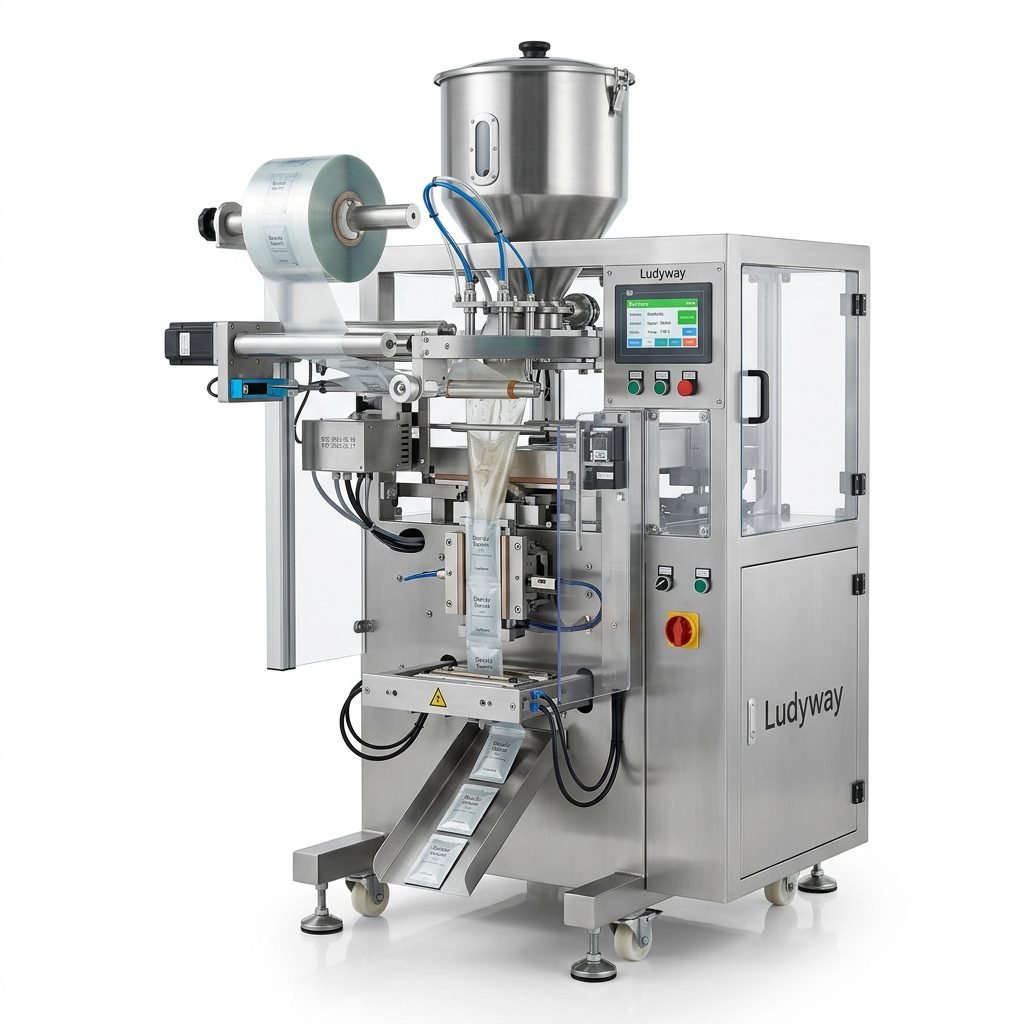
- Sachet Machines: Dominant in the sample and travel-size segment, requiring high film versatility.
Technical Features to Prioritize
Precision Weighing Systems
Accuracy is not just about saving costs; it reflects brand reliability. For dry kibble or freeze-dried raw bits, a combination of multi-head weighers and auger fillers is standard. Ensuring a dosing accuracy of ±0.5% is essential for high-value ingredients like hydrolyzed proteins or novel meat sources.
Sealing Integrity and Gas Flushing
Rancidity is the enemy of pet food shelf life. Advanced Modified Atmosphere Packaging (MAP) capabilities, specifically nitrogen flushing, are vital for preserving fats and oils in EU export markets where transit times can be long. The sealing jaws must provide consistent air-tight seals across multi-layer recyclable films.
Production Capacity and Scalability
The right machine balances current capacity with future growth. A table outlining the output ranges can help align your business needs:
| Machine Type | Pack Format | Max Output / Minute |
|---|---|---|
| Multi-Lane Stick Pack | Sticks (2-20 lanes) | Up to 1,200 packs |
| High-Speed Sachet | Sachets (4-12 lanes) | Up to 800 packs |
| VFFS Bagging | Pillow/Cushion Bags | Up to 60 bags |
| Premade Pouch Rotary | Doypack/Quad Seal | Up to 45 packs |
The Importance of Automation and Turnkey Lines
European manufacturers are rapidly transitioning to Industry 4.0 connectivity. A modern machine should integrate seamlessly with upstream processing and downstream cartoning. Features like automatic servo-driven adjustments and recipe memory significantly reduce downtime during changeovers.
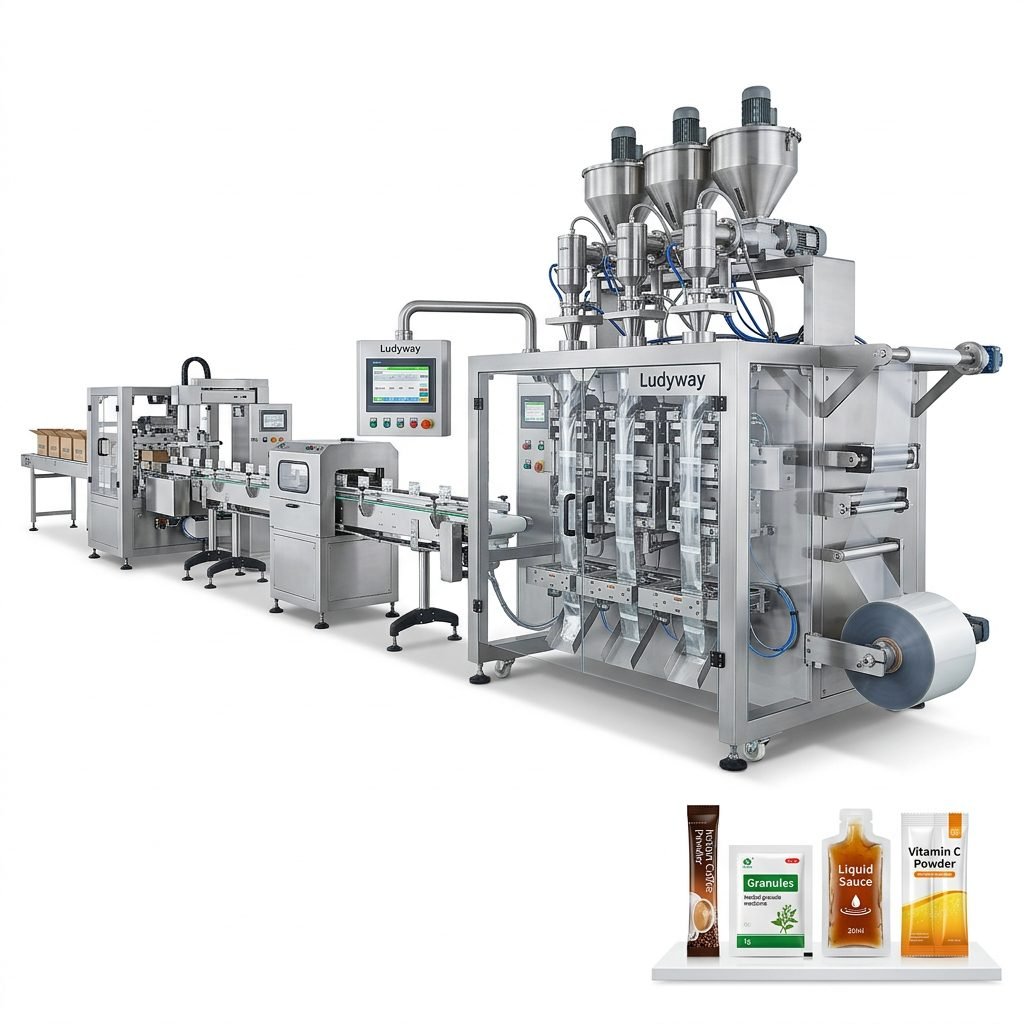
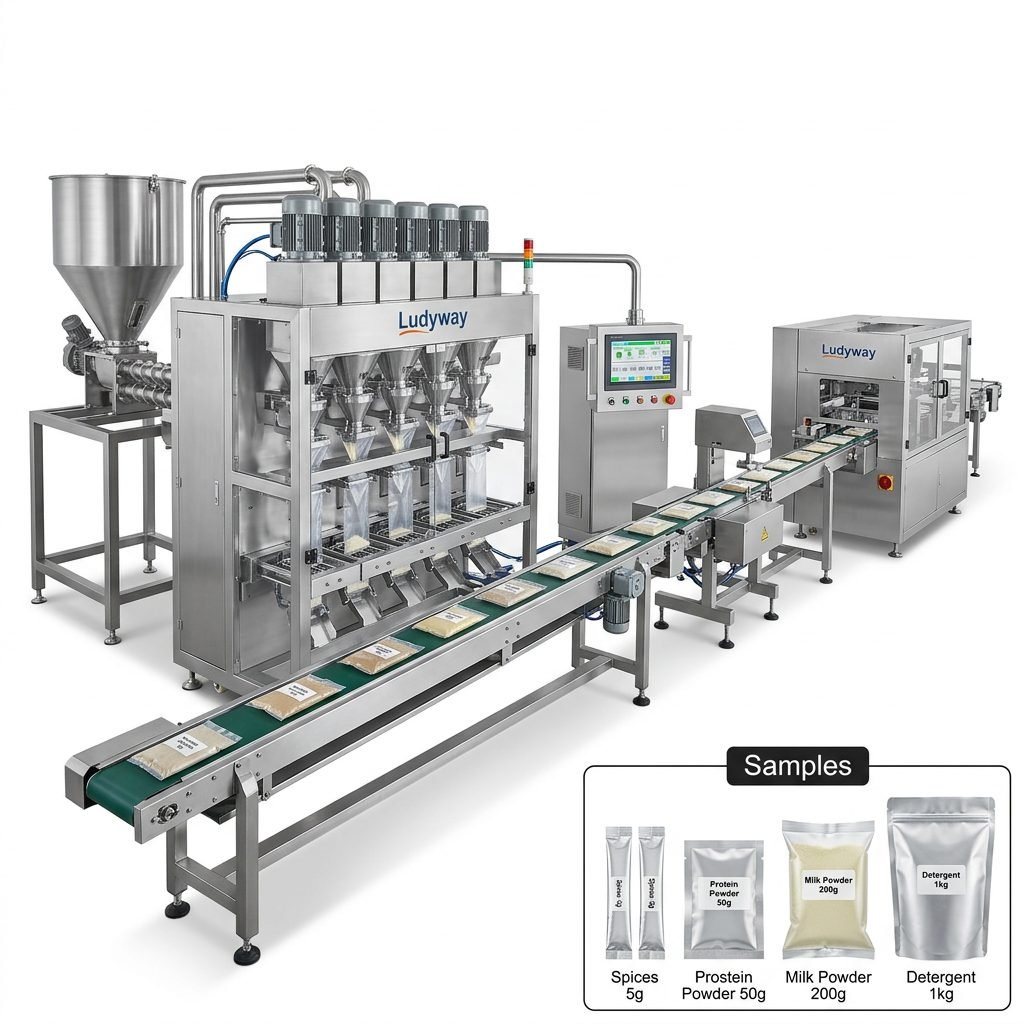
Larger producers often benefit from complete turnkey packaging solutions that include feeding, weighing, checkweighing, and metal detection. This single-purchase approach simplifies installation, support, and European safety compliance standards.
Material Versatility and Sustainability
The EU PPWR (Packaging and Packaging Waste Regulation) is pushing the industry toward recyclable mono-materials. These new films are often more challenging to seal and run at high speed. The machine you choose must feature robust temperature controllers and specialized sealing profiles to handle recyclable PE/PE laminates or paper-based structures without wrinkling or leaking.
Supplier Selection and After-Sales Support
While evaluating suppliers, consider their experience with European standards. A seasoned manufacturer offers not just the machinery but the engineering expertise to configure lines for specific products. For instance, Ludyway, one of the leading packaging machine manufacturers, operates from a modern 20,000㎡ facility and supports over 50 distinct models, reflecting a deep understanding of both granule and powder applications across more than 100 countries.
Remote diagnostic capability, rapid spare parts delivery within the EU, and local language support are critical factors for minimizing production interruptions.
Cleanability and Hygiene Design
Pathogen control is paramount in pet food, especially with raw or minimally processed products. Equipment should feature sloped surfaces, minimal crevices, and tool-free removable contact parts. Wash-down compatibility is a necessity, not an option, for facilities handling fresh meat formulations or liquid gravies.
Further reading on industry standards can provide deeper insight:
- → PMMI Business Intelligence on Packaging Machinery Trends
- → Flexible Packaging Association Industry Resources and Standards
- → European Commission Packaging and Packaging Waste Regulation Overview
Final consideration: A machine purchase is a long-term partnership. Prioritizing robust engineering, format flexibility, and sustainability alignment will position your pet food brand for success on European retail shelves.