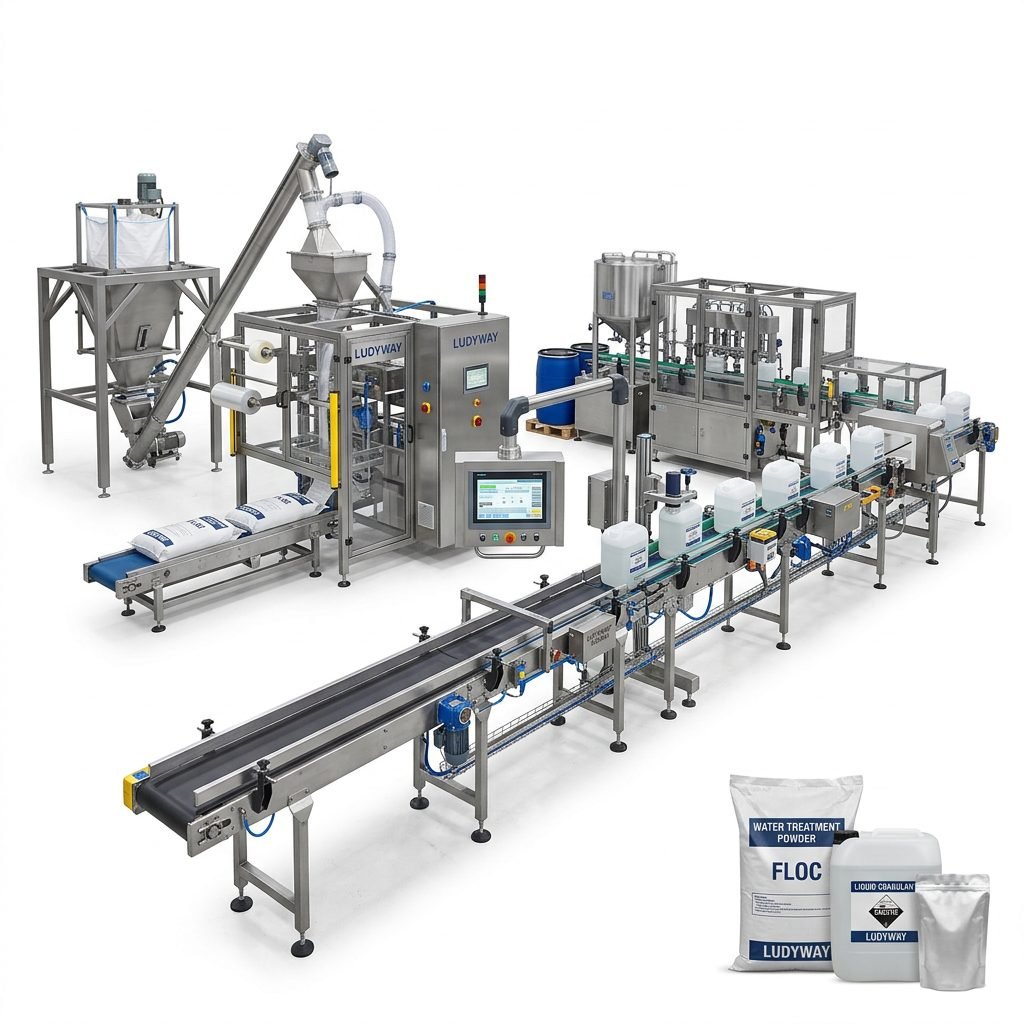
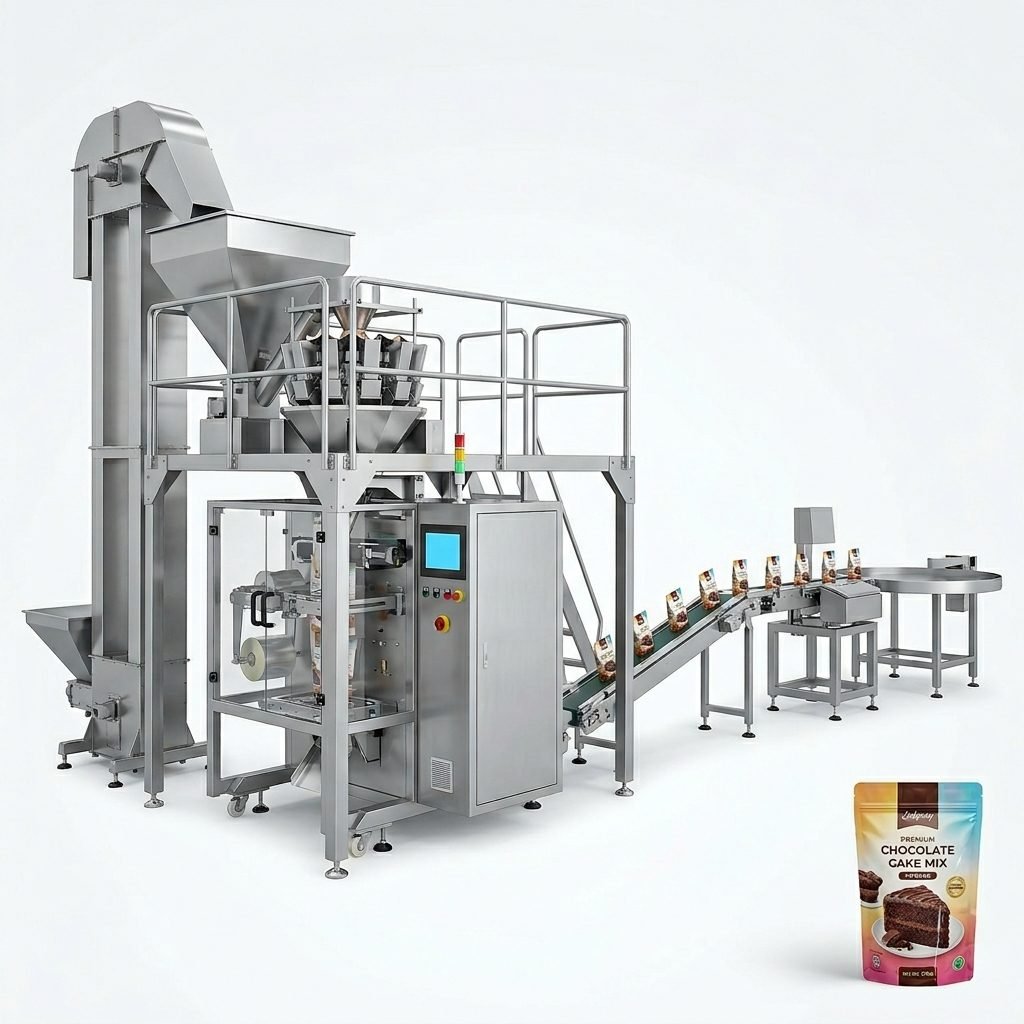
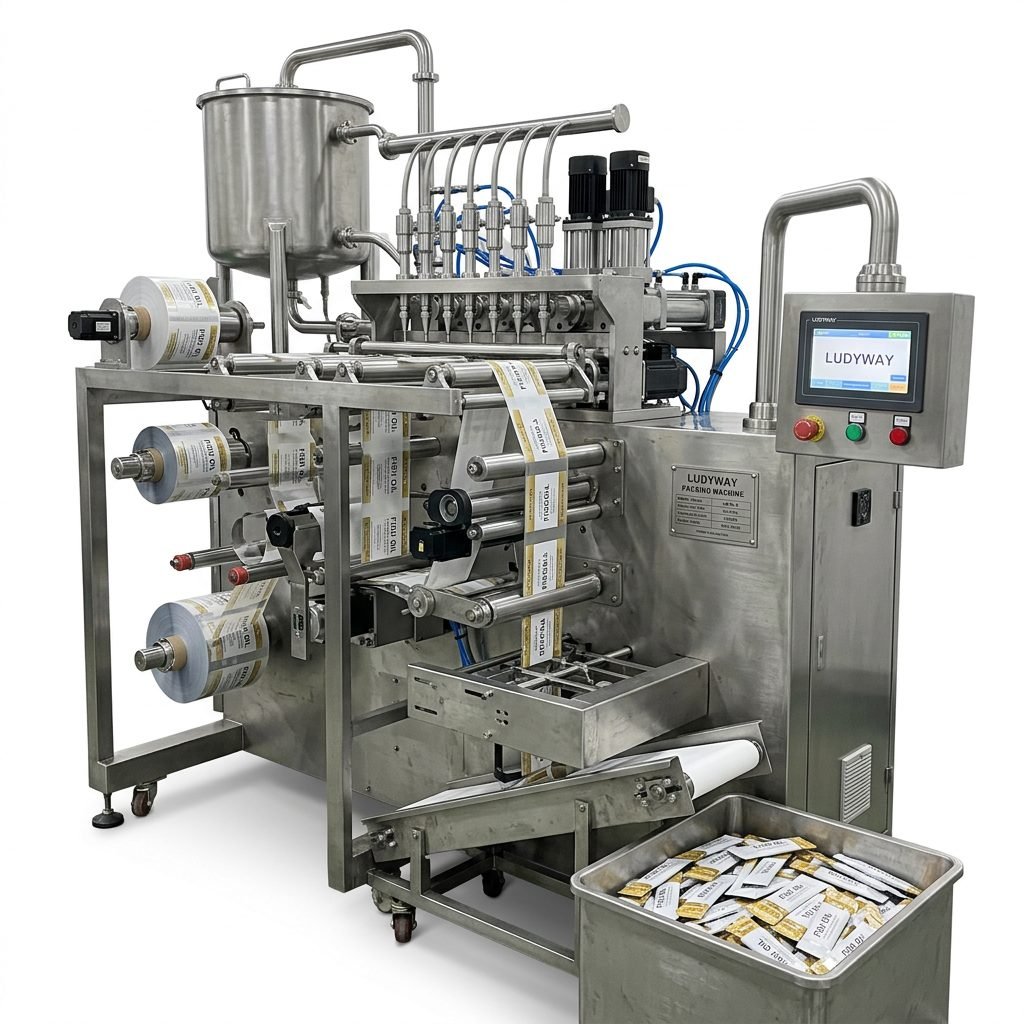
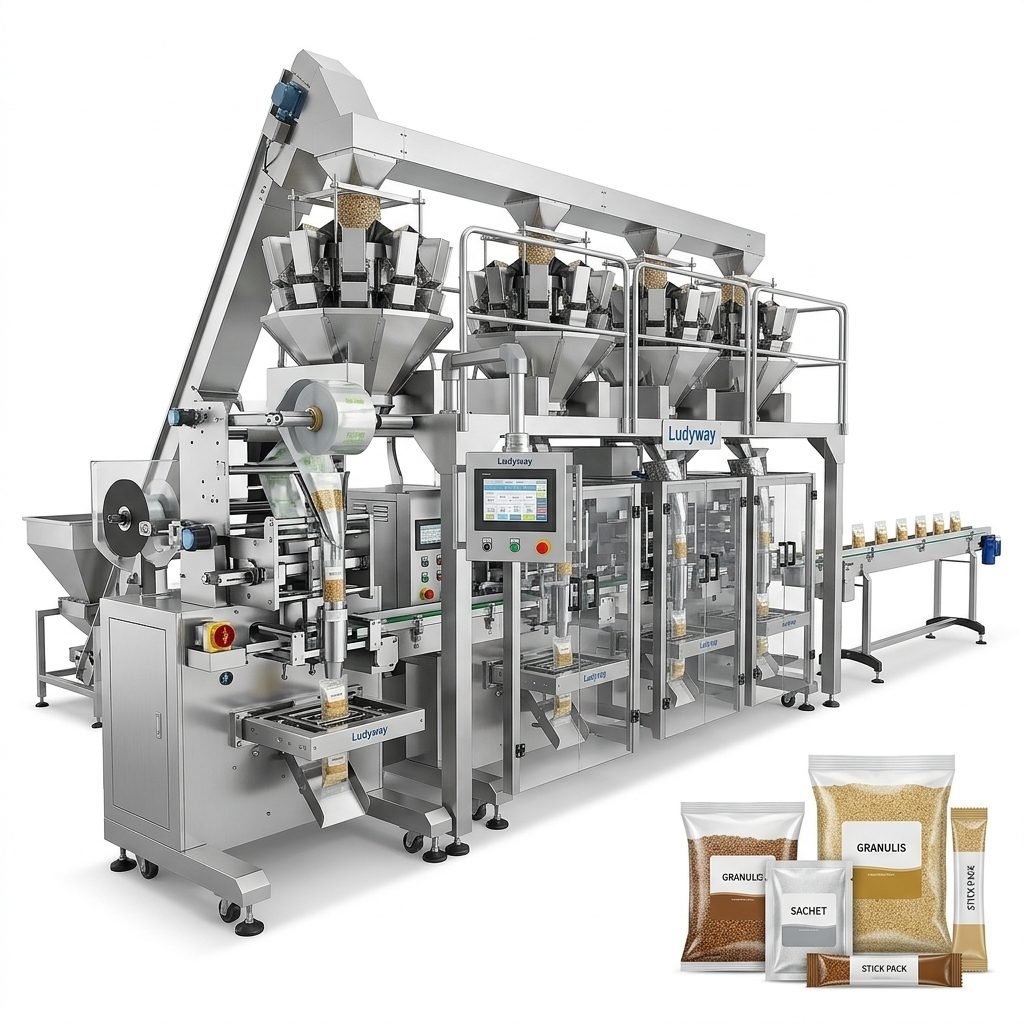
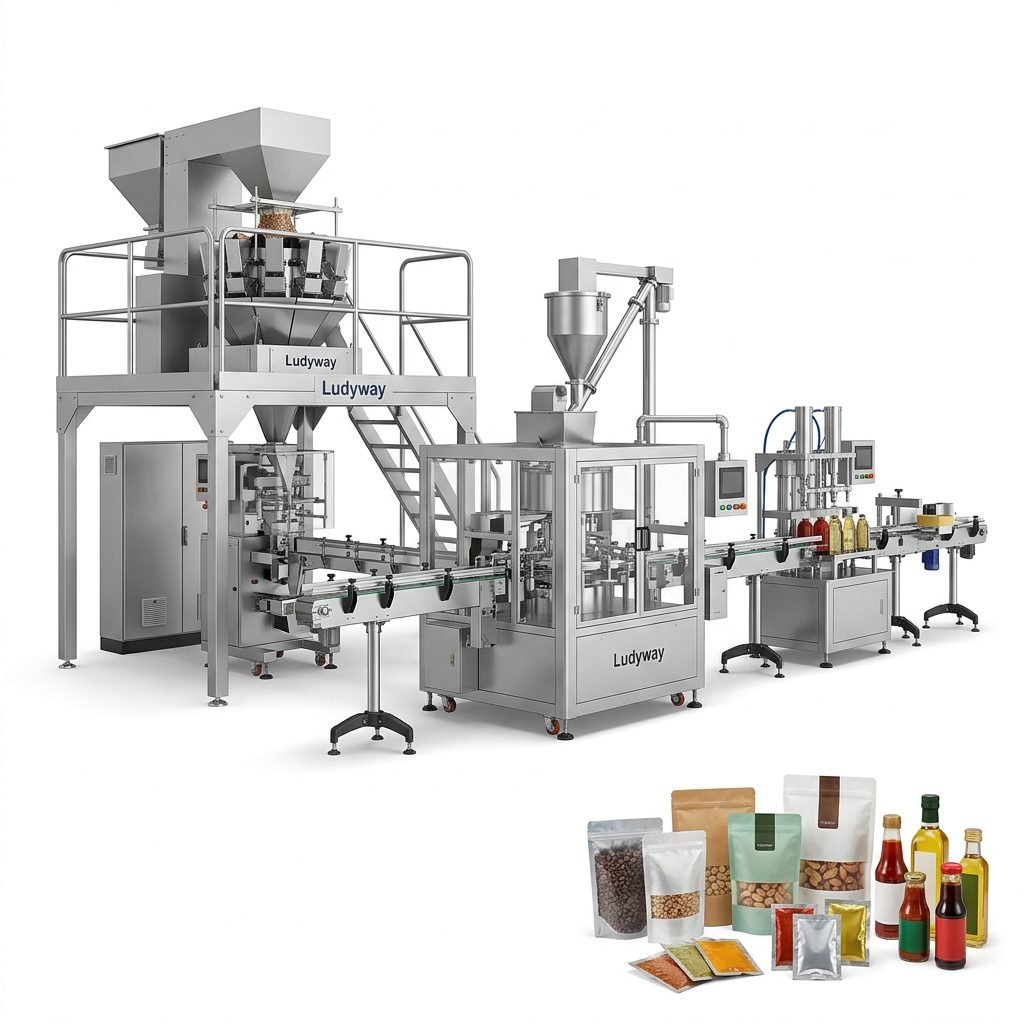
Selecting the right pharma packaging machine is one of the most critical investment decisions a pharmaceutical manufacturer can make. The wrong equipment can lead to product contamination, regulatory non-compliance, production bottlenecks, and costly recalls. With evolving packaging standards and increasing demand for flexible formats, understanding how to evaluate your options is essential for long-term operational success.
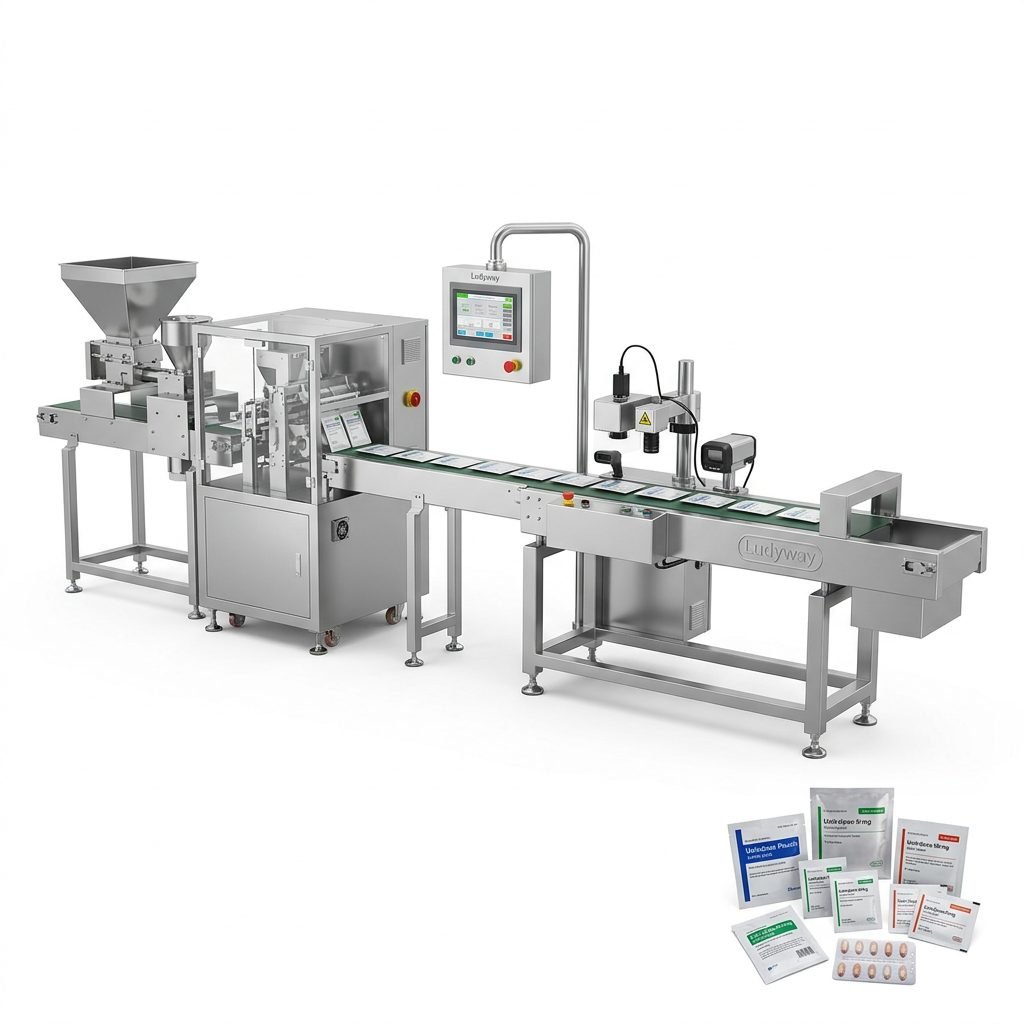
Key Factors to Consider When Choosing a Pharma Packaging Machine
Pharmaceutical packaging goes beyond simply containing a product. It must protect product integrity, ensure patient safety, and meet strict regulatory demands. Before evaluating specific machines, it is important to define your production requirements clearly.
1. Product Characteristics and Formulation
The physical and chemical properties of your pharmaceutical product will determine the type of dosing and filling system needed. Powders, granules, liquids, tablets, and capsules each require different handling methods. Consider the following:
- Flow characteristics – free-flowing powders versus cohesive or hygroscopic materials
- Particle size distribution – uniform versus variable granule sizes
- Product sensitivity – moisture, light, or oxygen-sensitive formulations
- Viscosity and density – especially for liquid pharmaceuticals, serums, and gels
2. Packaging Format and Bag Style
Modern pharmaceutical packaging lines must accommodate multiple formats to serve different markets and dosage requirements. Common packaging formats include:
- Stick packs – ideal for single-dose powders and granules
- Sachets – widely used for powder, granule, and liquid products
- Pouches – suitable for larger volumes or multi-dose applications
- Blister packs – for tablets and capsules
- Bottles and vials – for liquid pharmaceuticals
According to PMMI’s packaging industry reports, flexible packaging formats continue to gain market share in the pharmaceutical sector due to convenience and cost efficiency.
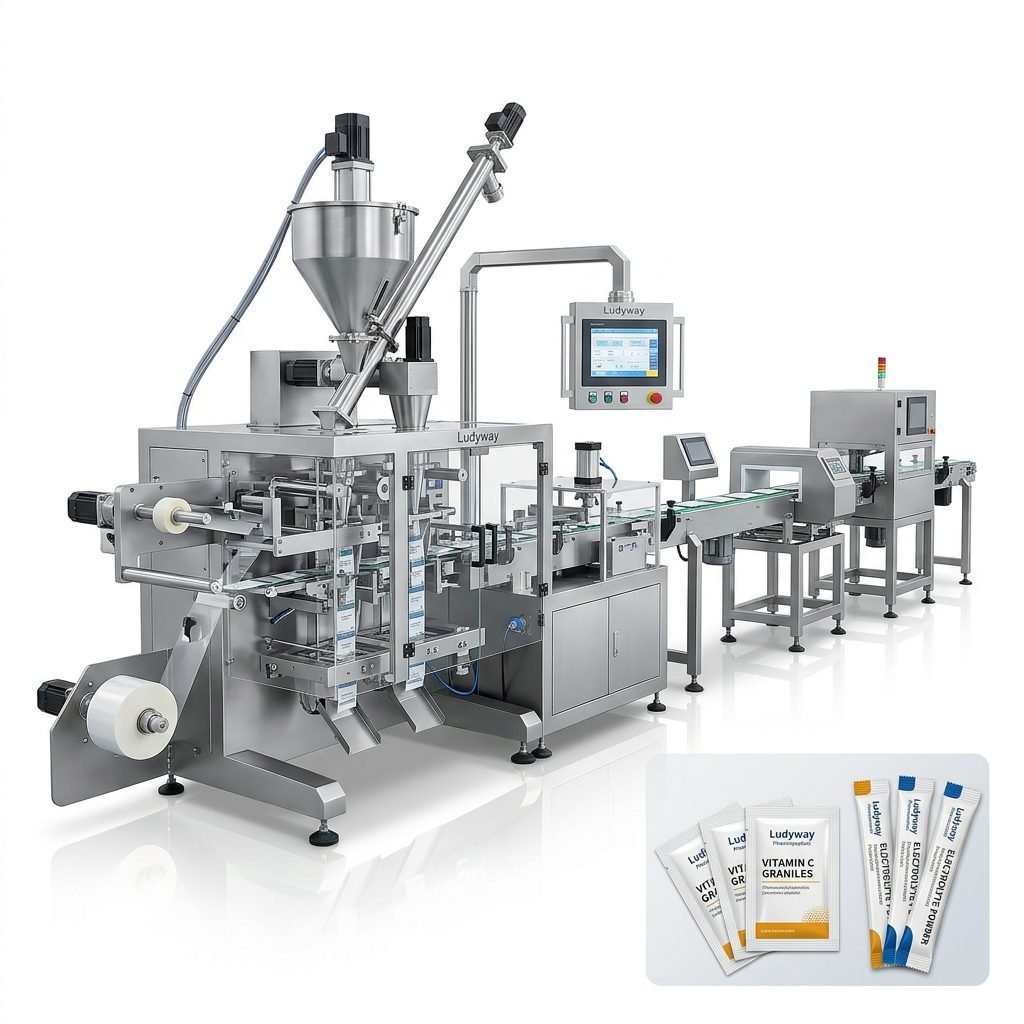
Understanding Packaging Machine Types for Pharmaceutical Applications
Different pharmaceutical products call for different machine configurations. The table below summarizes common machine types and their primary applications:
| Machine Type | Best For | Key Advantage |
|---|---|---|
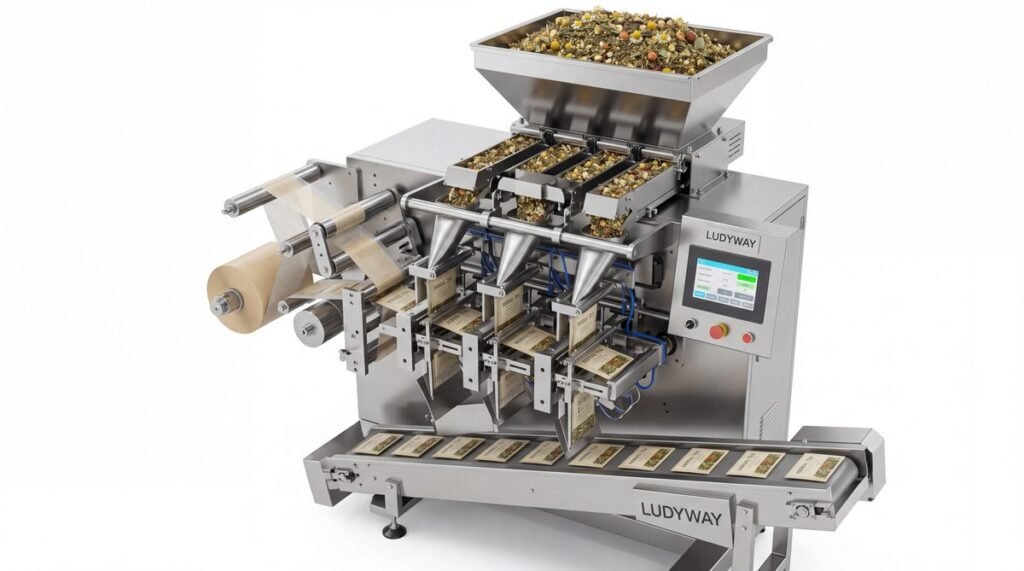
| Multi-Lane Stick Pack Machine | Single-dose powders, granules | High output, precise dosing |
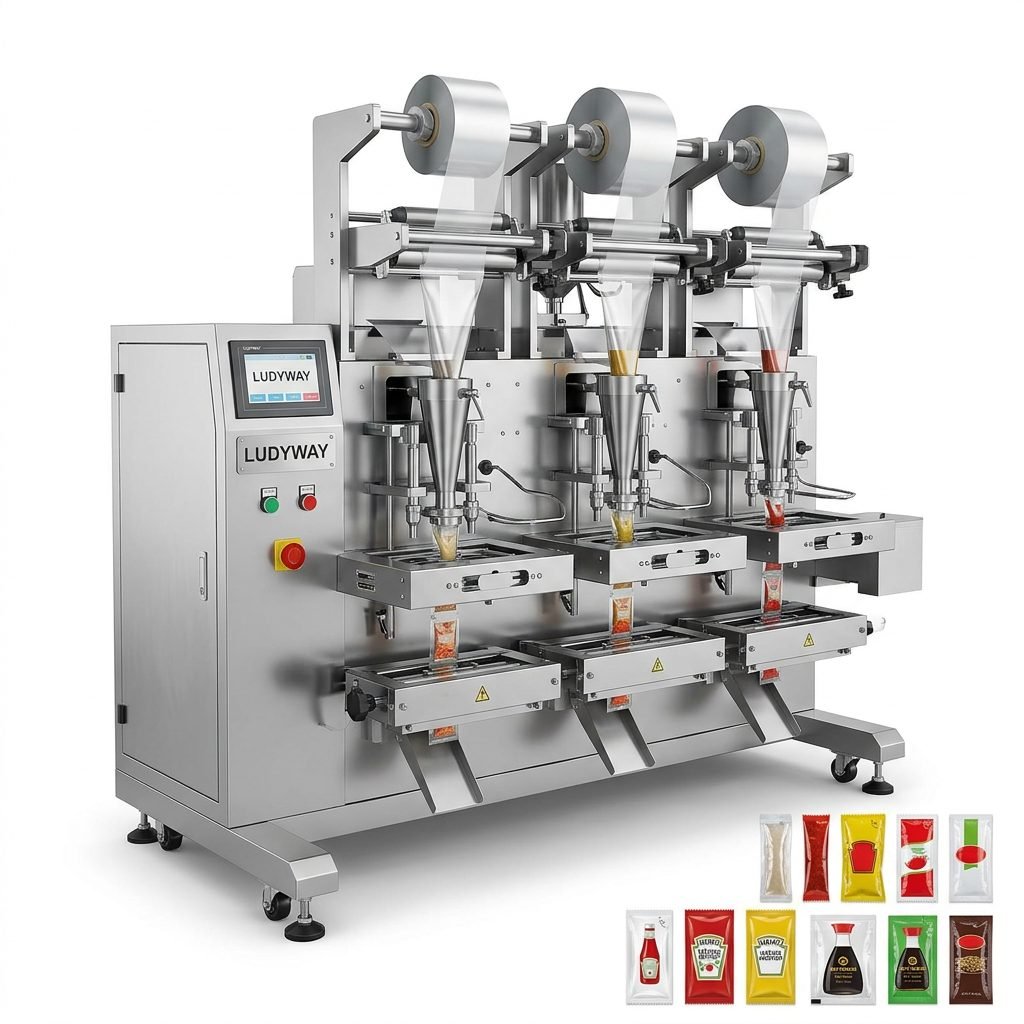
| Sachet Packaging Machine | Powders, granules, liquids | Versatile format, cost-effective |
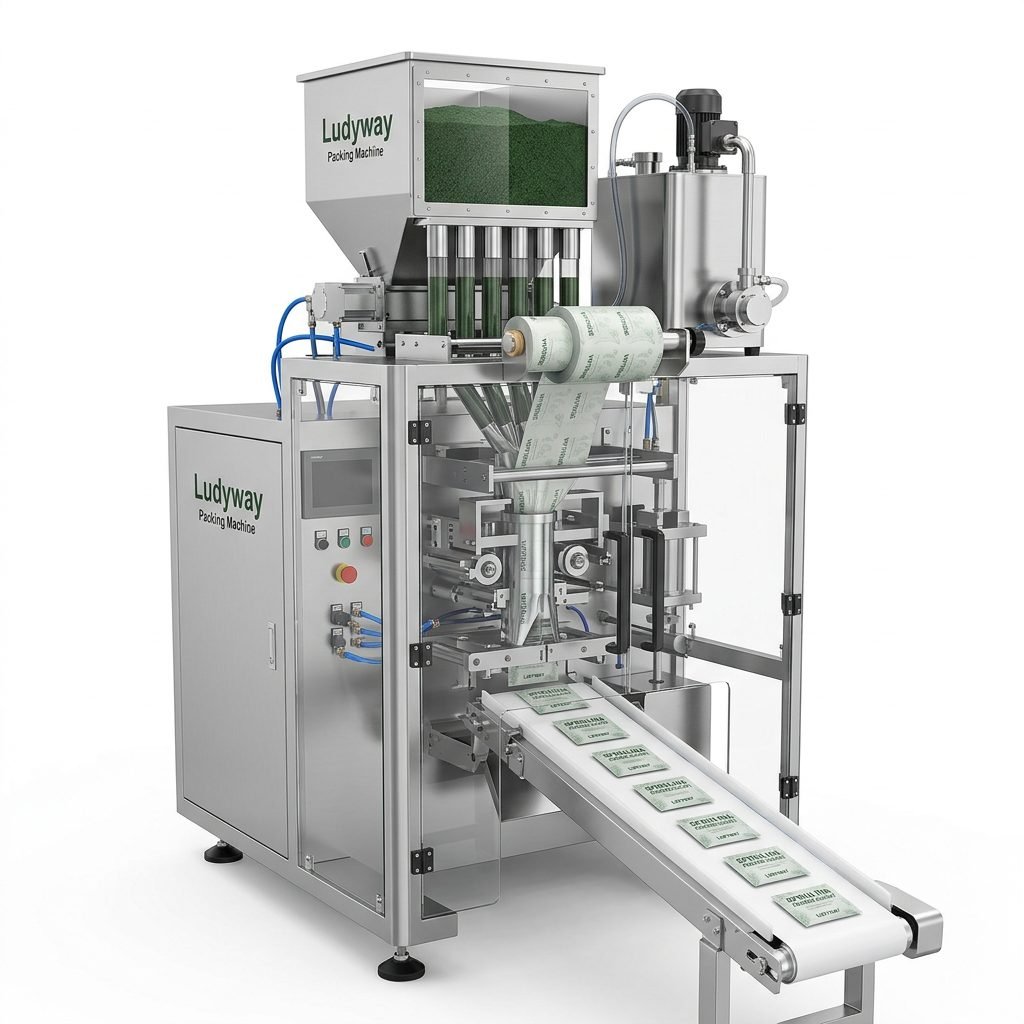
| Pouch Packaging Machine | Larger volume powder/granule products | Flexible sizing, strong seal integrity |
| Liquid Filling & Sealing Line | Oral liquids, serums, syrups | Precision volumetric filling |
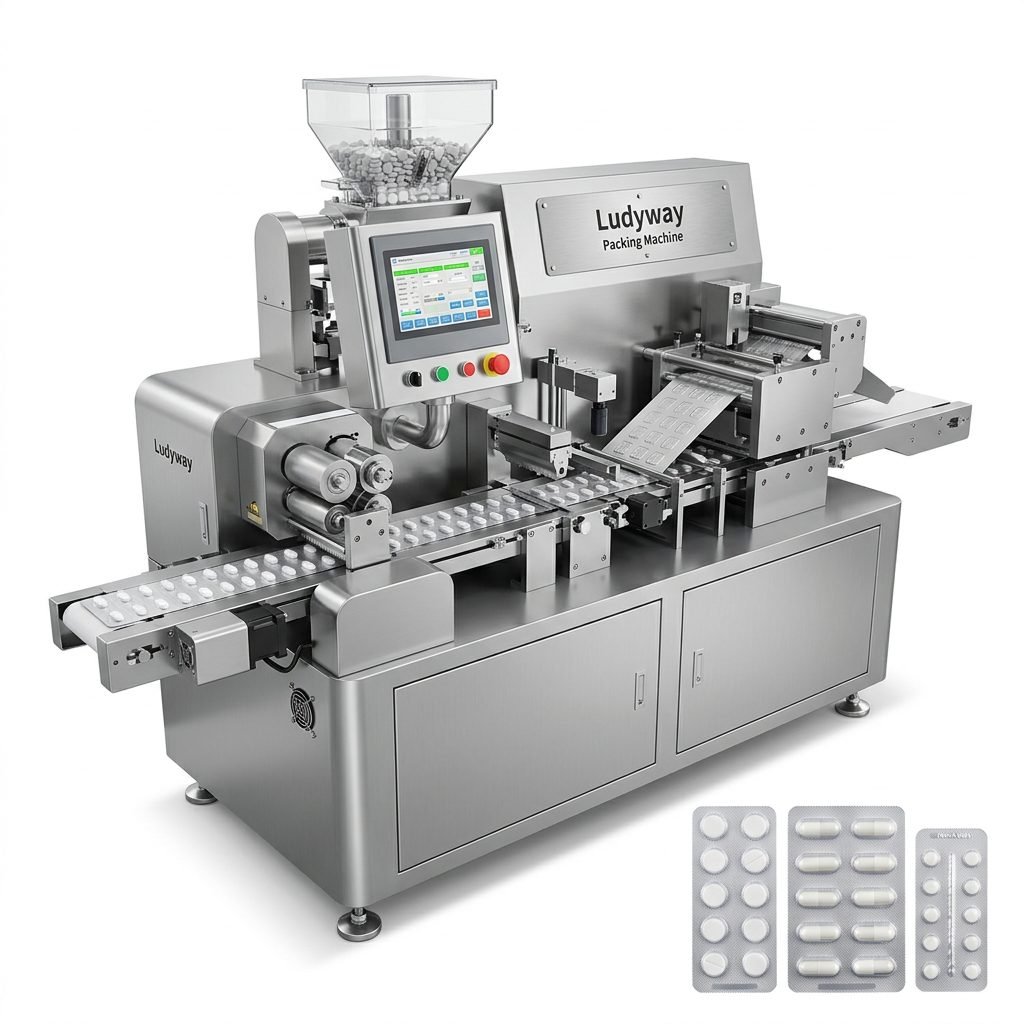
| Blister Packaging Machine | Tablets, capsules | Excellent barrier protection |
| Bottle Filling & Capping Line | Liquid pharmaceuticals, vials | Scalable for high volume |
Regulatory Compliance and Quality Standards
Pharmaceutical packaging equipment must comply with stringent regulatory frameworks. Key standards and guidelines include:
- FDA packaging and food contact substances regulations for products entering the U.S. market
- ISO 11607 standards for packaging for terminally sterilized medical devices
- cGMP (Current Good Manufacturing Practice) requirements for equipment design and validation
- European Commission packaging and packaging waste regulations
When evaluating a pharma packaging machine, verify that the equipment can be configured to meet applicable standards in your target markets. Look for machines designed with validation-friendly features such as accessible cleaning points, documented material certifications, and audit trail capabilities.
Automation Level and Integration Capabilities
The degree of automation significantly impacts production efficiency, labor requirements, and consistency. Pharmaceutical manufacturers can choose from:
- Semi-automatic machines – suitable for smaller batches or R&D applications
- Fully automatic standalone machines – for dedicated production of specific formats
- Integrated multi-line systems – connecting dosing, filling, sealing, coding, and inspection
- Complete turnkey packaging lines – from product feeding to secondary packaging and palletizing
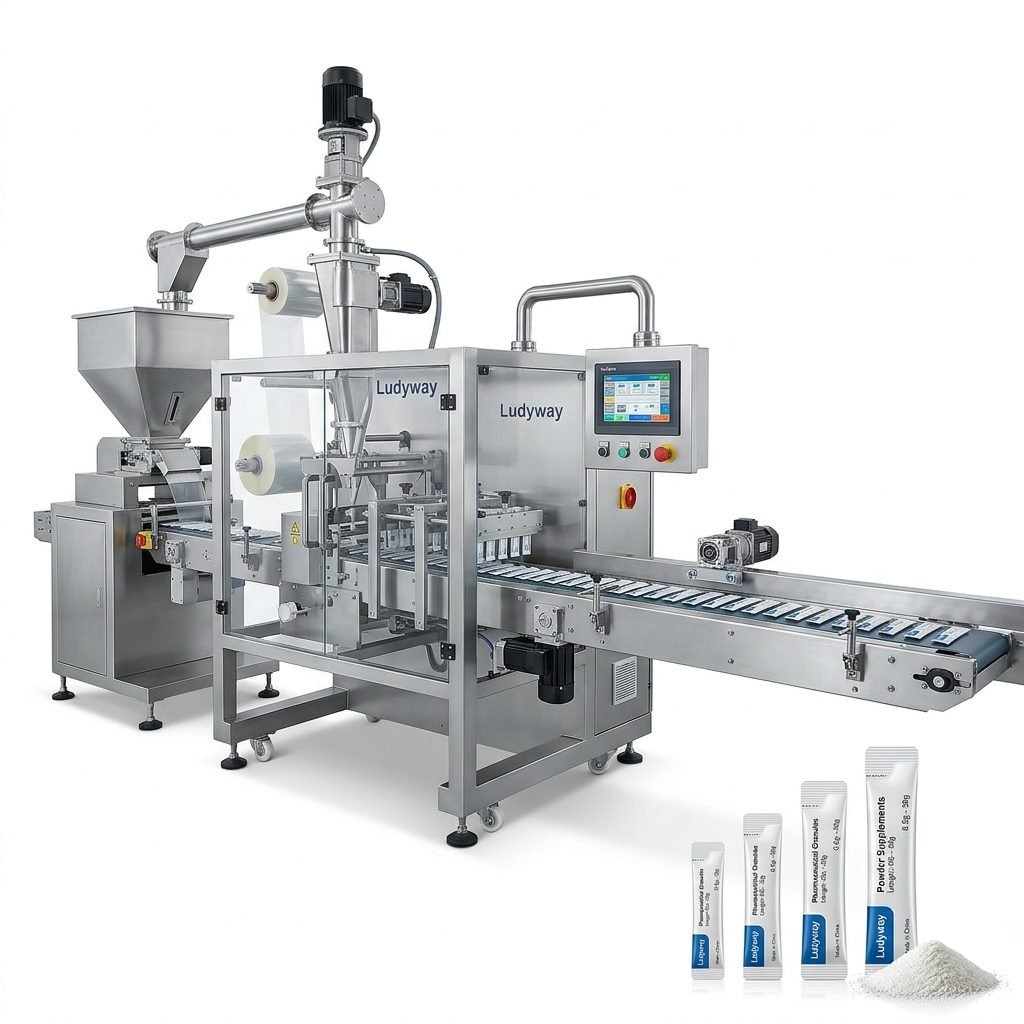
Material Compatibility and Machine Construction
Pharmaceutical packaging machines must be constructed with materials that prevent contamination and withstand rigorous cleaning protocols. Key considerations include:
- Stainless steel construction (304 or 316L grade) for product contact surfaces
- Sealed electrical enclosures to prevent dust ingress in powder applications
- Easy disassembly for cleaning and product changeover
- Compatibility with cleaning agents used in validated cleaning processes
According to Flexible Packaging Association resources, material compatibility between the packaging film and the sealing system is equally important for maintaining sterility and package integrity throughout the supply chain.
Production Speed and Capacity Planning
Selecting a machine with appropriate throughput capacity requires understanding both current and future production demands. Evaluate:
- Pouches or sachets per minute at different fill volumes
- Multi-lane configuration options – more lanes can multiply output without increasing floor space proportionally
- Changeover time between products or formats
- Overall Equipment Effectiveness (OEE) estimates
Customization and After-Sales Support
Standard machines rarely address all production requirements completely. Customized packaging solutions can include modified dosing systems, specialized sealing technologies, nitrogen flushing, dust collection integration, and automated inspection modules.
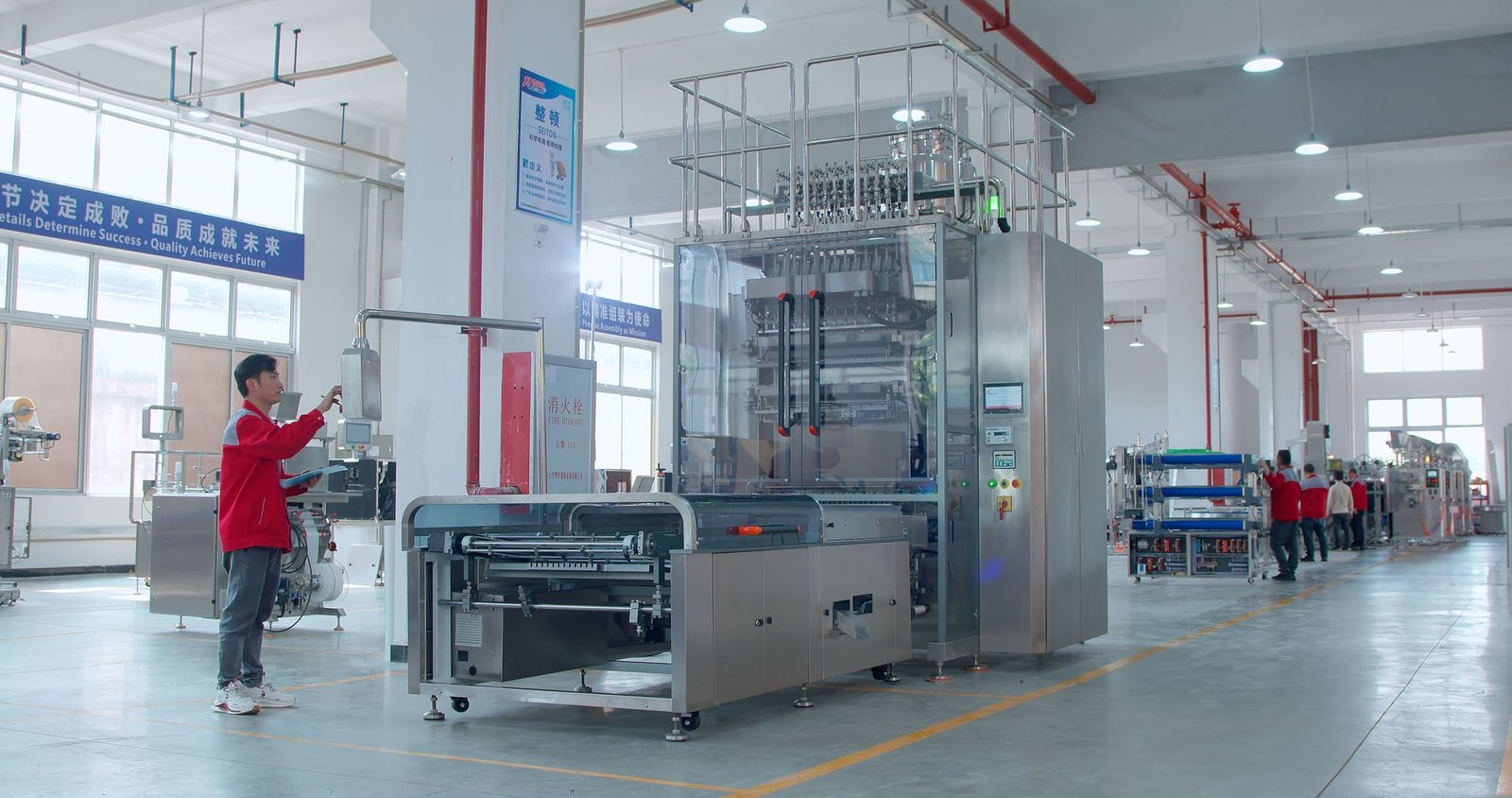
For manufacturers seeking a comprehensive approach, working with an experienced packaging machinery partner simplifies equipment selection, system integration, and ongoing technical support. Ludyway Machinery provides custom pharmaceutical packaging solutions designed for powder, granule, liquid, stick pack, sachet, and pouch applications, with configurations available for different production speeds, filling volumes, and regulatory requirements.
Key Questions to Ask Before Purchasing
Before finalizing your decision on a pharma packaging machine, consider these essential questions:
- What packaging formats will you need to produce now and in the future?
- Does the machine support validated cleaning processes required for your product type?
- Can the supplier provide documentation for regulatory submissions (IQ/OQ/PQ protocols)?
- What is the expected lead time for machine delivery, installation, and commissioning?
- How accessible are spare parts and technical support from the manufacturer?
- Is remote technical assistance available for troubleshooting?
- Can the machine be integrated with existing production line equipment?
Selecting the right pharmaceutical packaging equipment is a strategic decision that affects product quality, operational efficiency, and regulatory compliance. By carefully evaluating product characteristics, packaging formats, machine types, automation levels, and supplier capabilities, manufacturers can make informed investments that support long-term growth and patient safety.
For more information on packaging machinery trends and industry data, visit the PMMI Business Intelligence Library or explore Flexible Packaging Association resources.