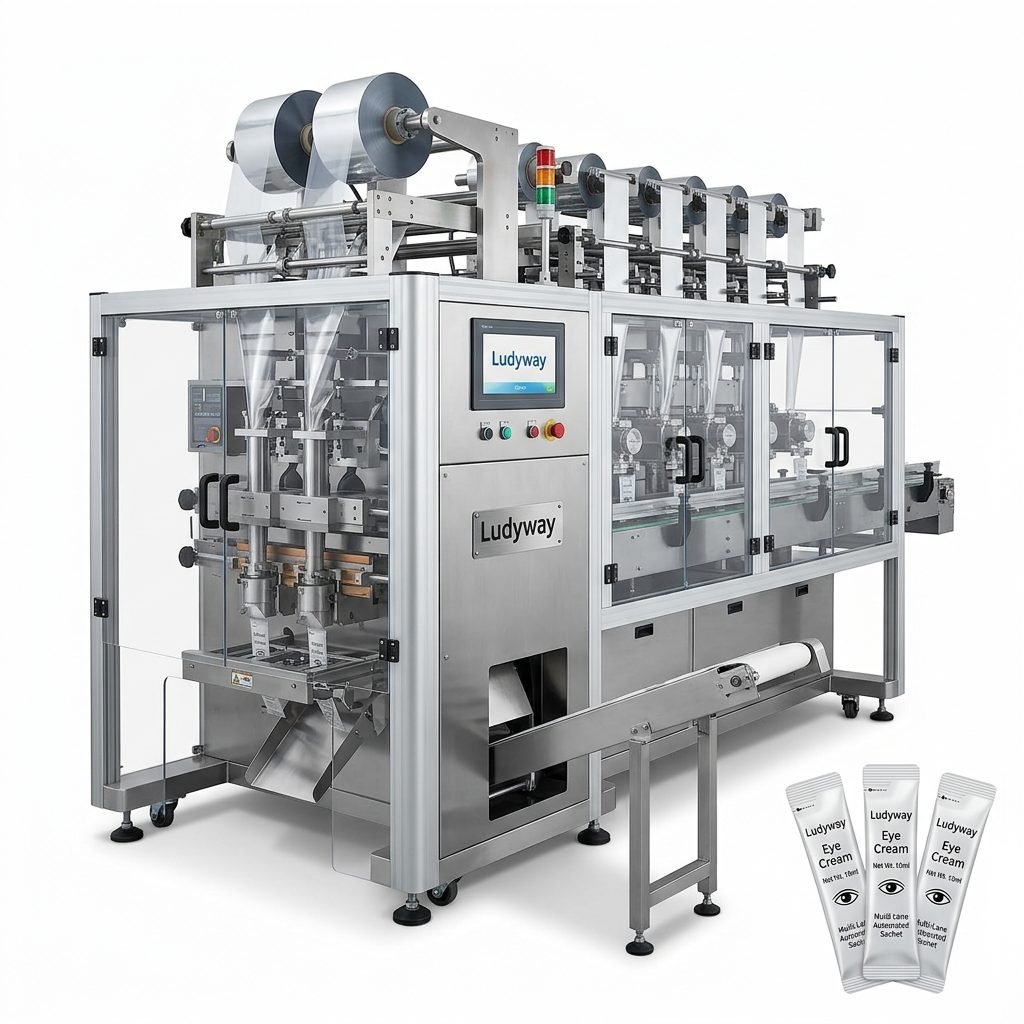
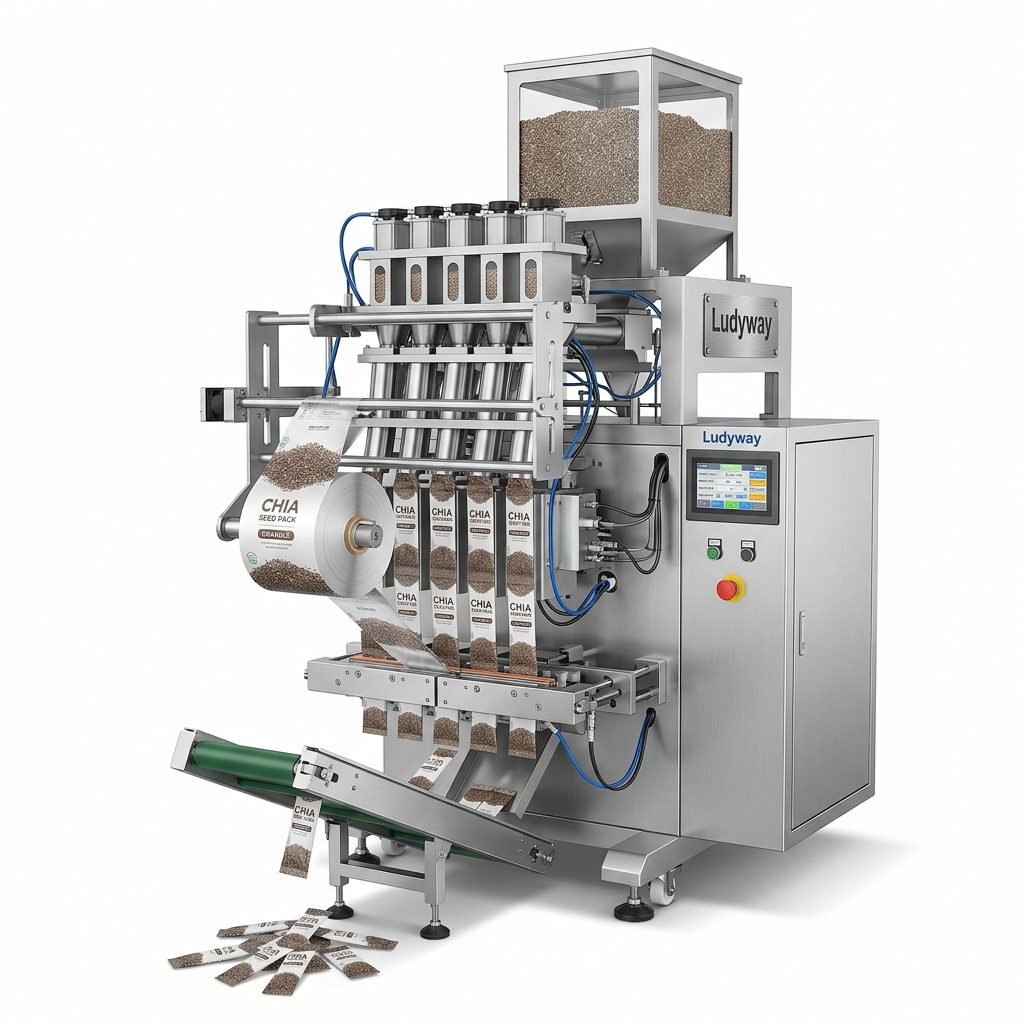
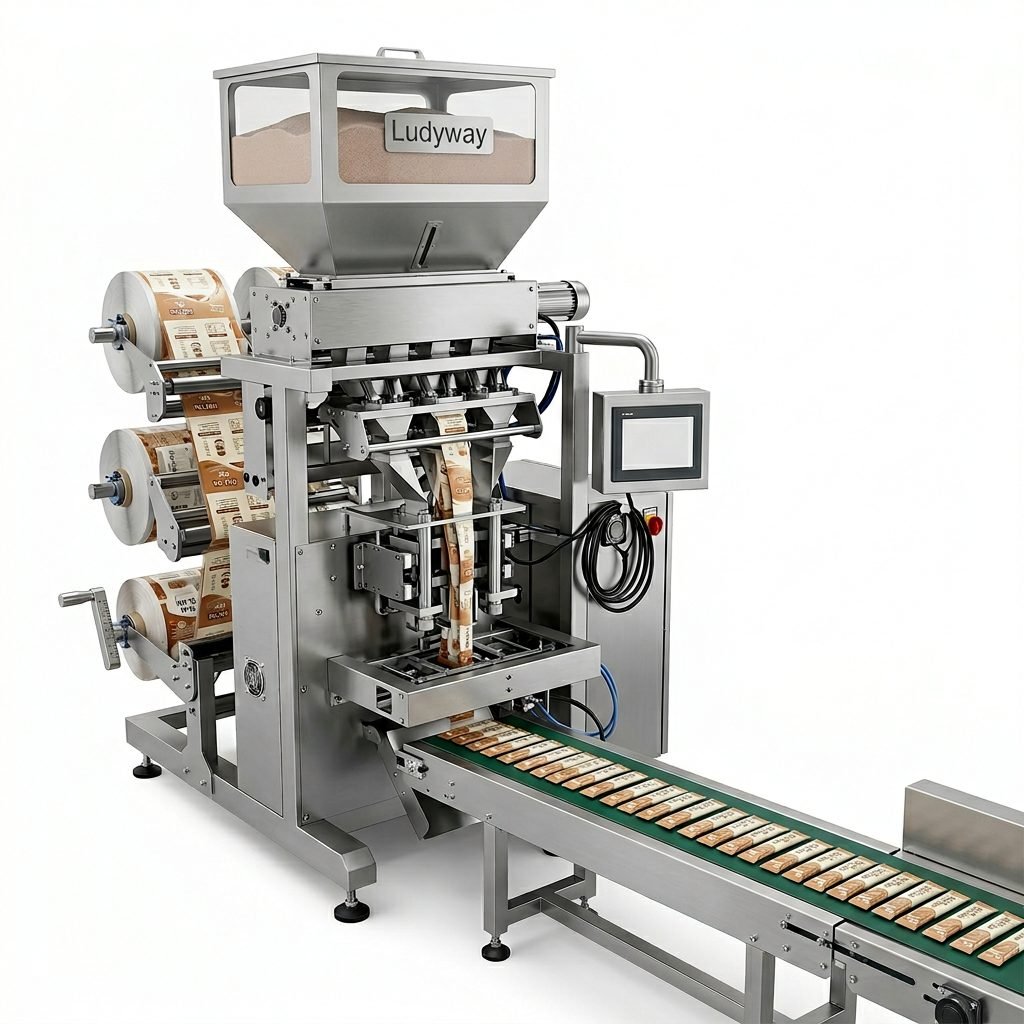
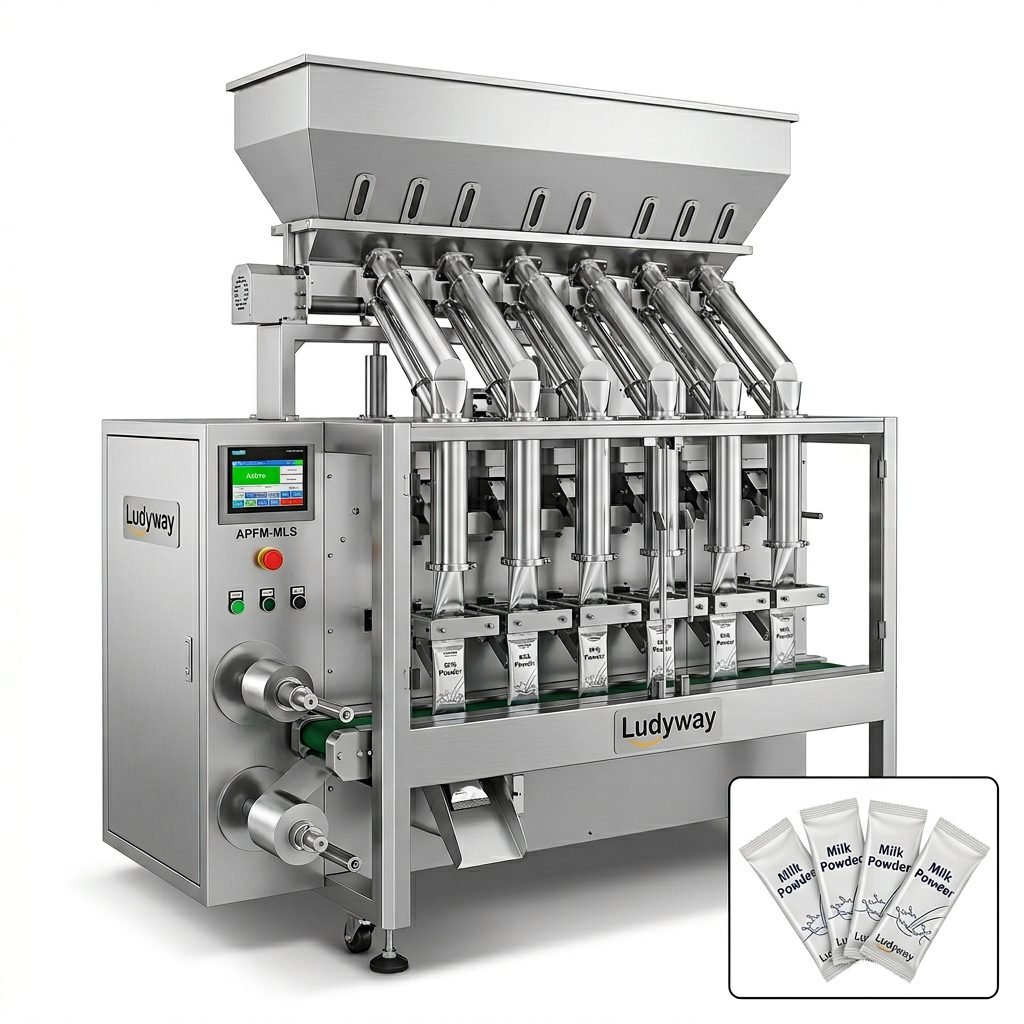
The pet food industry in South America is experiencing unprecedented growth. Countries like Brazil, Chile, Argentina, and Colombia are seeing a surge in pet ownership, driving demand for premium, locally packaged products. For manufacturers looking to scale, selecting the right pet food packaging machine is no longer just about putting product in a bag—it’s about speed, precision, hygiene, and shelf appeal.
This guide breaks down the essential factors South American producers must consider when investing in automated packaging lines, from understanding local climate challenges to choosing between multi-lane stick pack and sachet formats.
Understanding the South American Pet Food Market
The region’s market is diverse, spanning dry kibble, wet food, freeze-dried treats, and nutritional supplements. With a growing middle class, consumers are gravitating towards convenient, single-serve formats and functional pet nutrition. This shift requires flexible equipment capable of handling various textures, from sticky pastes to dusty powders.
Unlike mature markets, South America often features high humidity and varying altitudes. Your machinery must maintain consistent seal integrity and weighing accuracy under these conditions. A pet food packaging machine designed with sealed electrical cabinets and altitude-compensated sensors becomes critical here.
Key Product Segments Requiring Specialized Equipment
- Dry Kibble & Granules: Requires gentle handling to minimize breakage during multi-head weighing.
- Powders & Supplements: Demands dust-tight sealing and precision auger fillers to control dosage.
- Wet & Semi-Moist Food: Needs pumps and specialized heat-seal systems to prevent leakage.
- Freeze-Dried Treats: Must use modified atmosphere packaging (MAP) to preserve freshness.
Machine Types: Stick Pack vs. Sachet vs. Pouch
Choosing the right packaging format directly impacts your speed and material costs. South American consumers are highly receptive to stick packs and sachets for supplements, while stand-up pouches dominate dry food.
| Machine Type | Best For | Primary Advantage in South America |
|---|---|---|
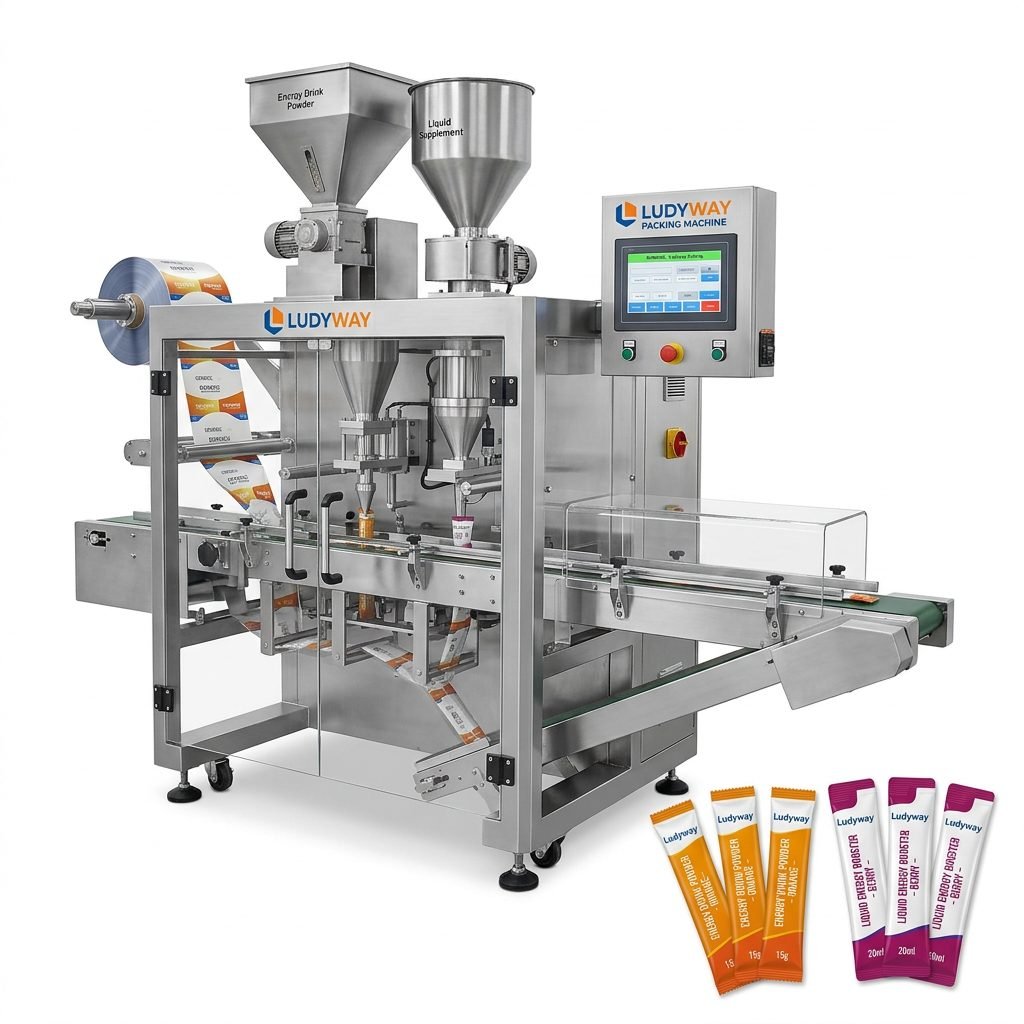
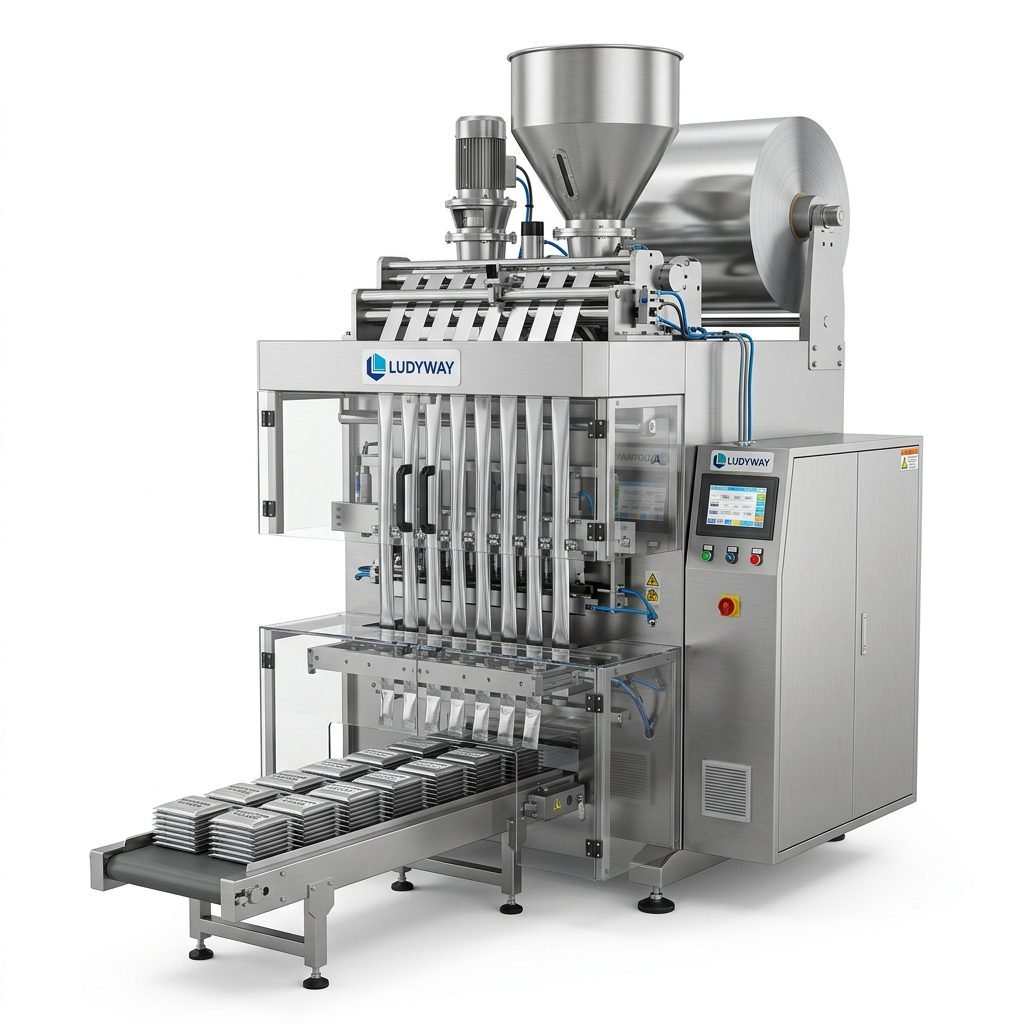
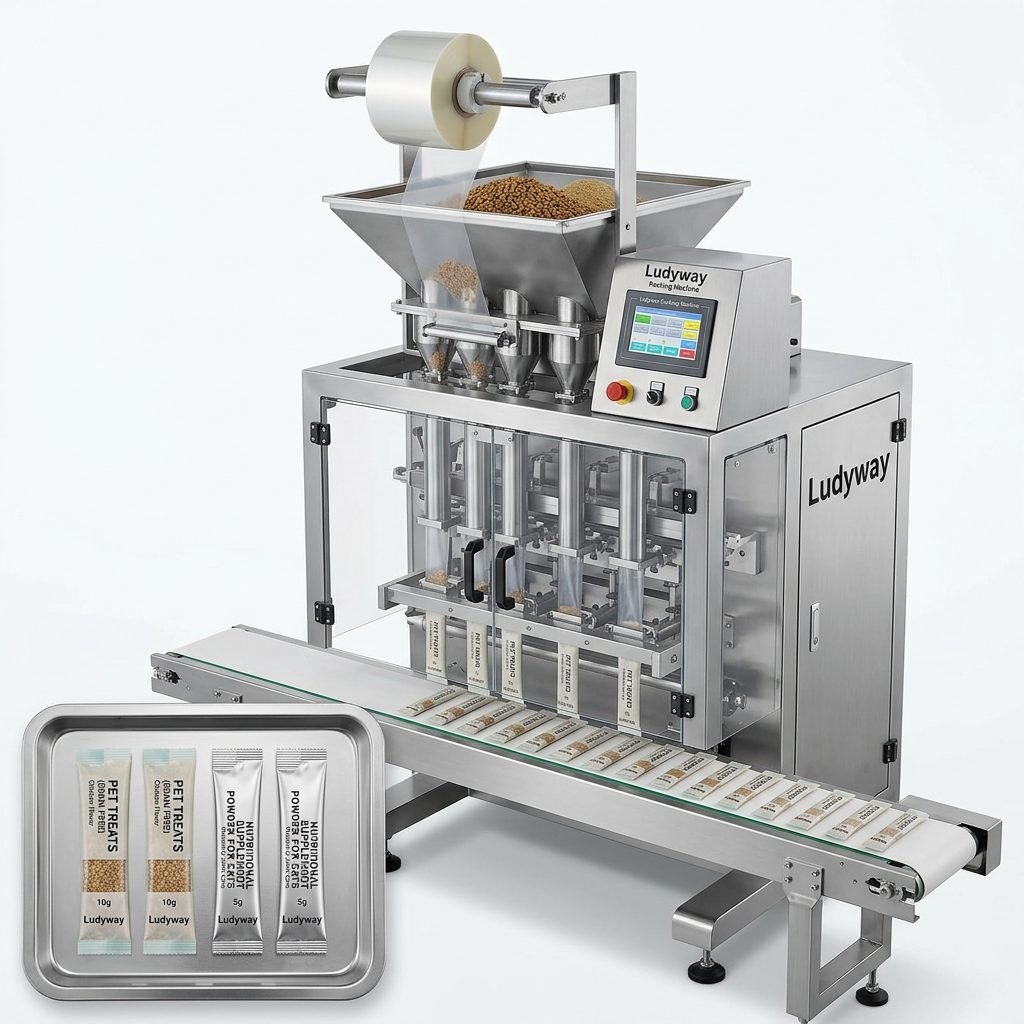
| Multi-Lane Stick Pack | Powders, Granules | High output, low film waste |
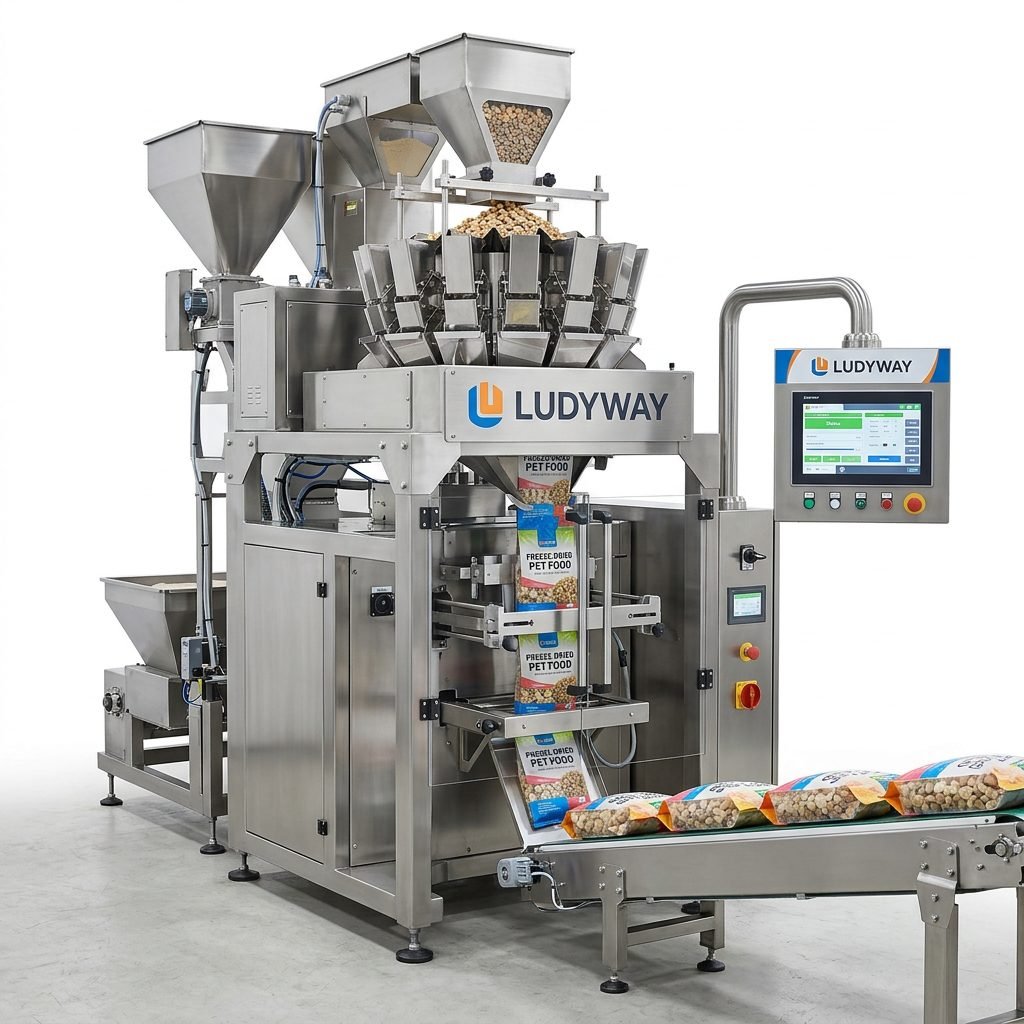
| Premade Pouch Rotary | Dry Kibble, Treats | Premium look, sturdy seals |
| Vertical Form Fill Seal (VFFS) | Large bulk bags | Cost-effective for high volume |
Critical Technical Features to Look For
Don’t compromise on the core technology. The right packaging machinery should integrate seamlessly into your existing line. Here is what to prioritize:
- Weighing System: For dry food, 10 or 14-head multihead weighers ensure ±0.5-1g accuracy. For powders, auger fillers are non-negotiable.
- Film Handling: Look for machines that support recyclable mono-materials, which are gaining traction in Chile and Brazil’s environmentally conscious markets.
- Automation Level: Servo-driven motors and PLC controls allow for recipe storage and quick changeovers, vital for co-packers handling multiple brands.
- Gas Flushing: Essential for extending shelf life without artificial preservatives.
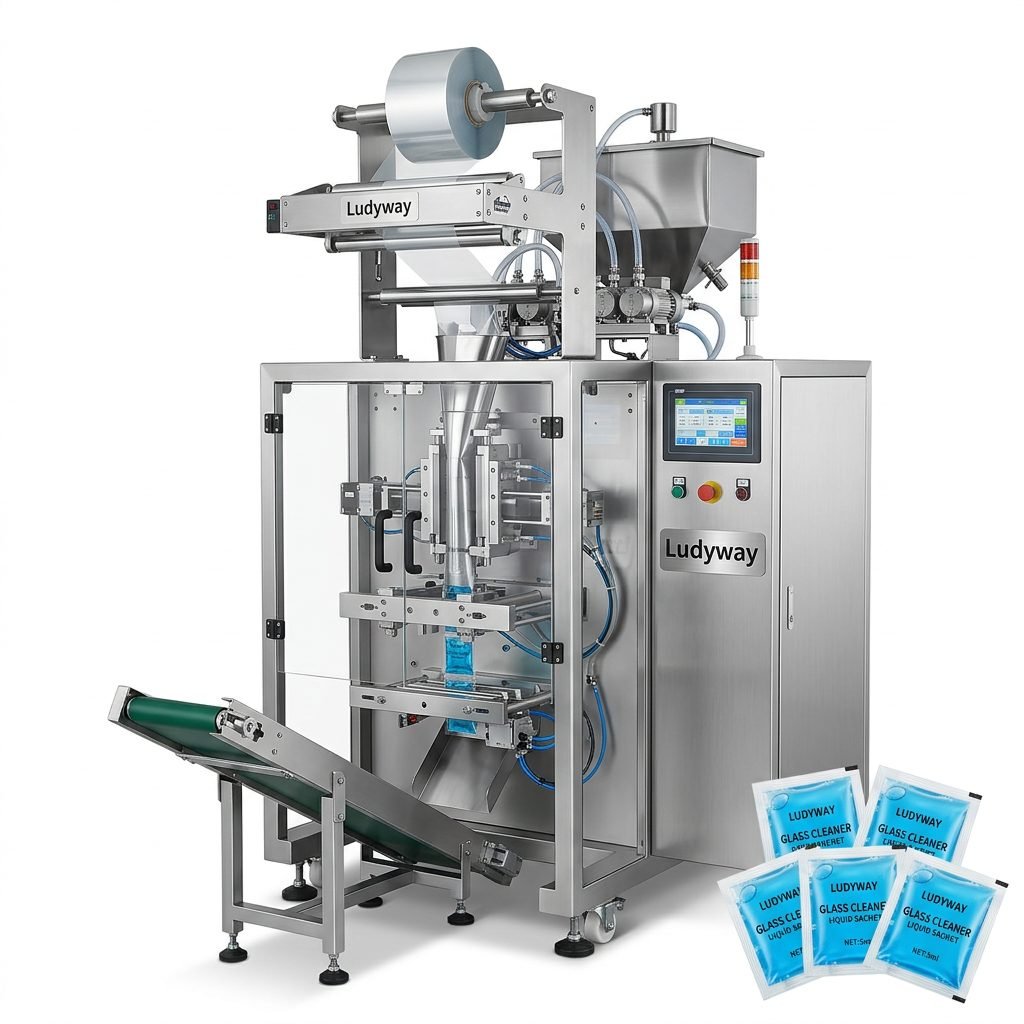
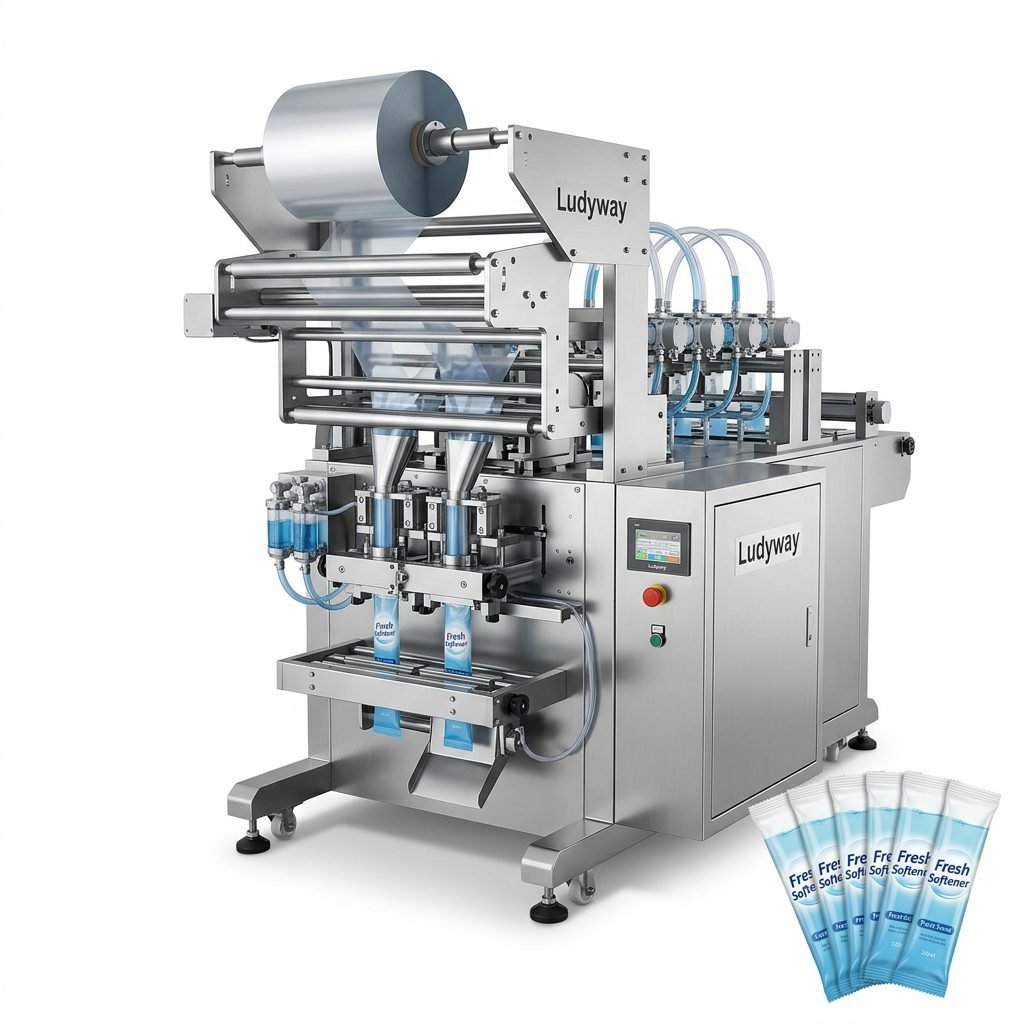
When evaluating a supplier, check if they offer turnkey solutions including conveyors, checkweighers, and cartoners. This ensures a single point of responsibility for the entire line. Ludyway is one of the largest packaging machine manufacturers in China, specializing in advanced equipment and turnkey production solutions for the food, pharmaceutical, and health industries. With over 30 years of experience, they provide reliable systems for granule, powder, liquid, and pouch applications, supported by a modern 20,000㎡ facility.
Navigating Import and Local Service in South America
Importing equipment into Mercosur countries requires specific documentation and local calibration. After-sales support is arguably more important than the hardware itself. Ensure your supplier has Spanish or Portuguese-speaking engineers or established local distributors in cities like São Paulo or Buenos Aires.
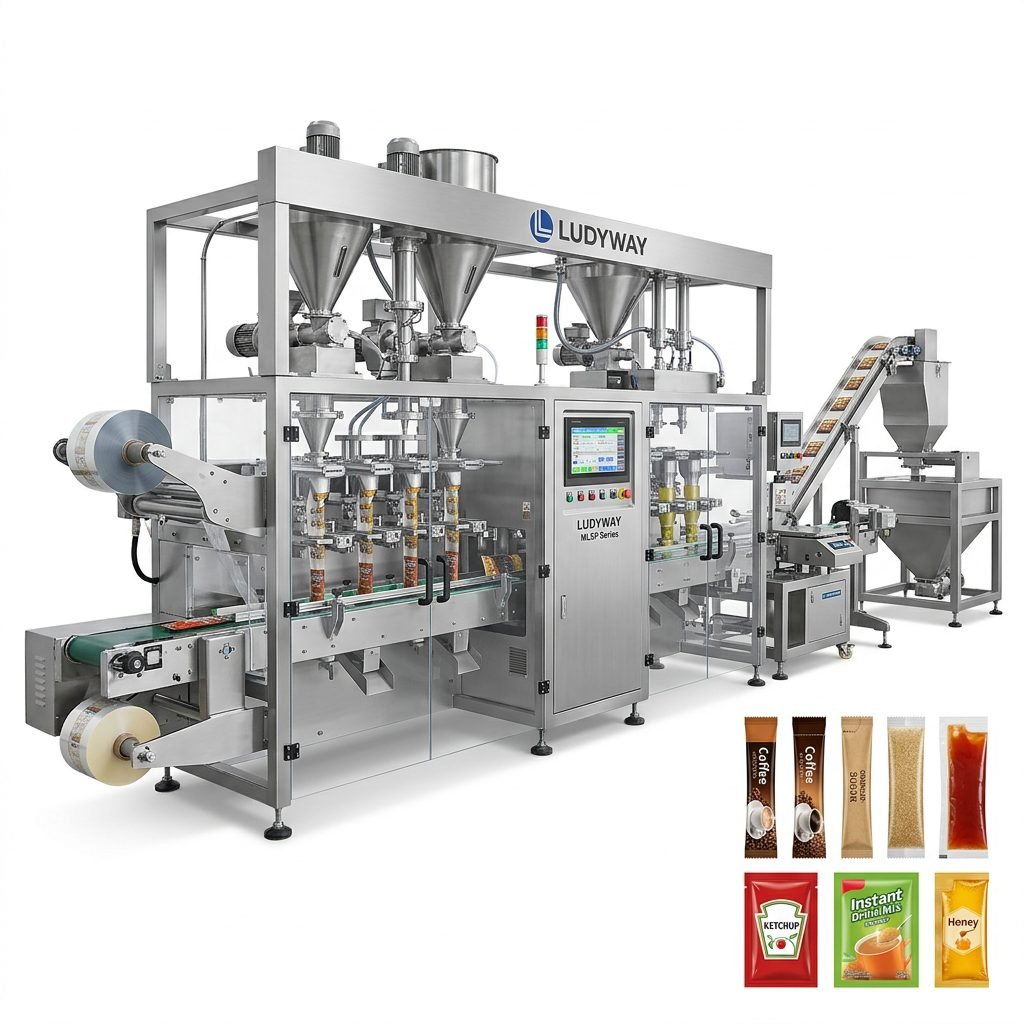
Training is a major pain point. Look for machines with intuitive HMIs and remote diagnostic capabilities. This minimizes downtime in remote manufacturing locations, which are common in the Andean regions.
Cost Considerations Beyond the Invoice
The sticker price of a pet food packaging machine is just the beginning. You must budget for:
- Spare Parts Kit: Essential wear parts like seal jaws and belts should be on your shelf, not in customs.
- Film Compatibility: Regional suppliers might provide film with different coefficients of friction. Test intensively before purchase.
- Energy Consumption: In areas with unreliable grid power, low-energy pneumatic or servo systems are beneficial.
| Country | Trend | Recommended Speed Range (PPM) |
|---|---|---|
| Brazil | High-volume kibble & supplements | 200-400 |
| Chile | Freeze-dried & premium treats | 40-120 |
| Argentina | Cost-effective wet food pouches | 60-100 |
Hygiene and Safety Compliance
South American regulations are aligning closer with FDA and EU standards. Look for stainless steel (SS304/SS316) construction, easy-to-clean surfaces, and fully openable guards. For wet food, sanitary conveyors and wash-down capability are mandatory to prevent bacterial growth.
Additionally, with the rise of organic certifications in the region, machinery must allow for quick product changeovers without cross-contamination. Tool-less disassembly saves hours during sanitation shifts.
Buying Direct vs. Local Reseller
While a local reseller might offer quick visits, buying directly from an experienced factory often gives you access to custom retrofits and bulk discounts. Ask for video proof of factory acceptance tests (FAT) before shipment. Request a detailed layout drawing to ensure the machine fits your facility’s height and floor space.
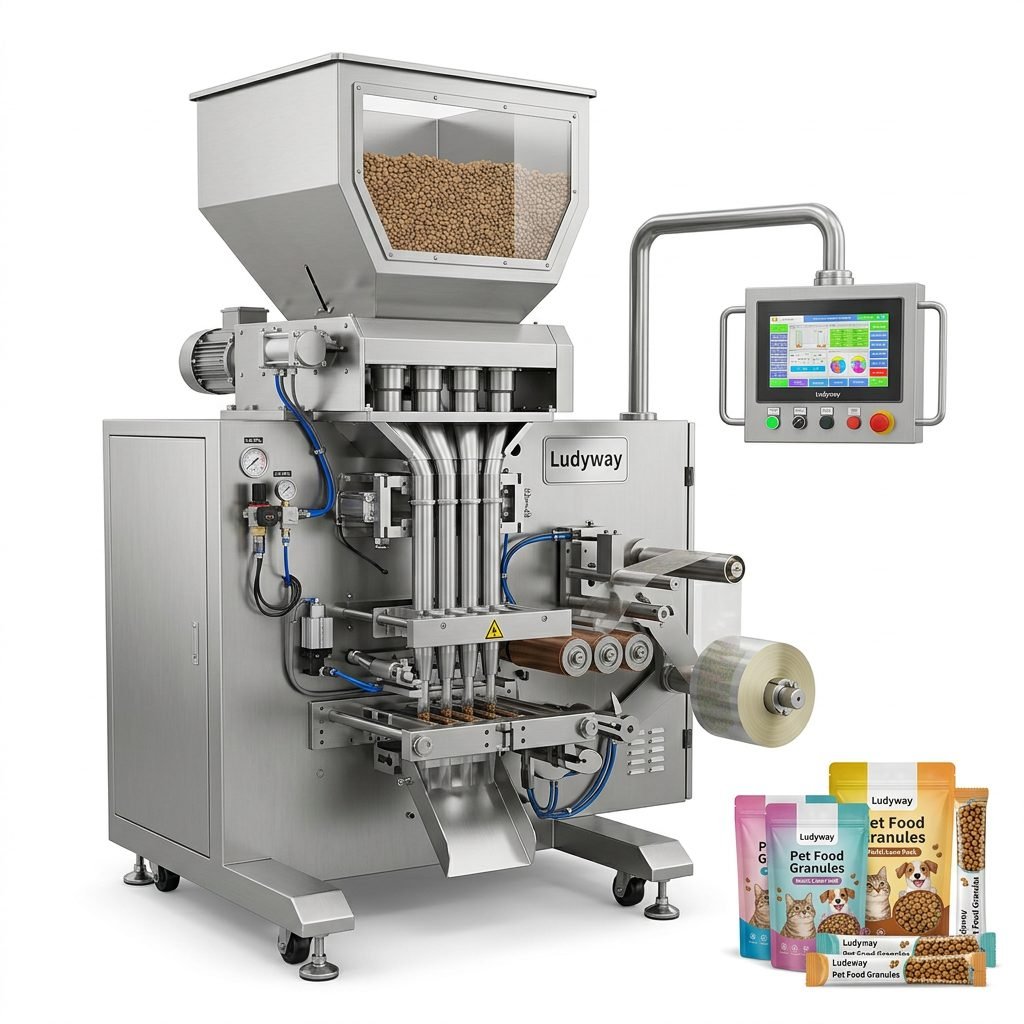
Investing in the right pet food packaging machine transforms your production line into a competitive advantage in the fast-growing South American market. Focus on flexibility, service support, and compliance to ensure long-term profitability.
For further reading, explore these industry resources: