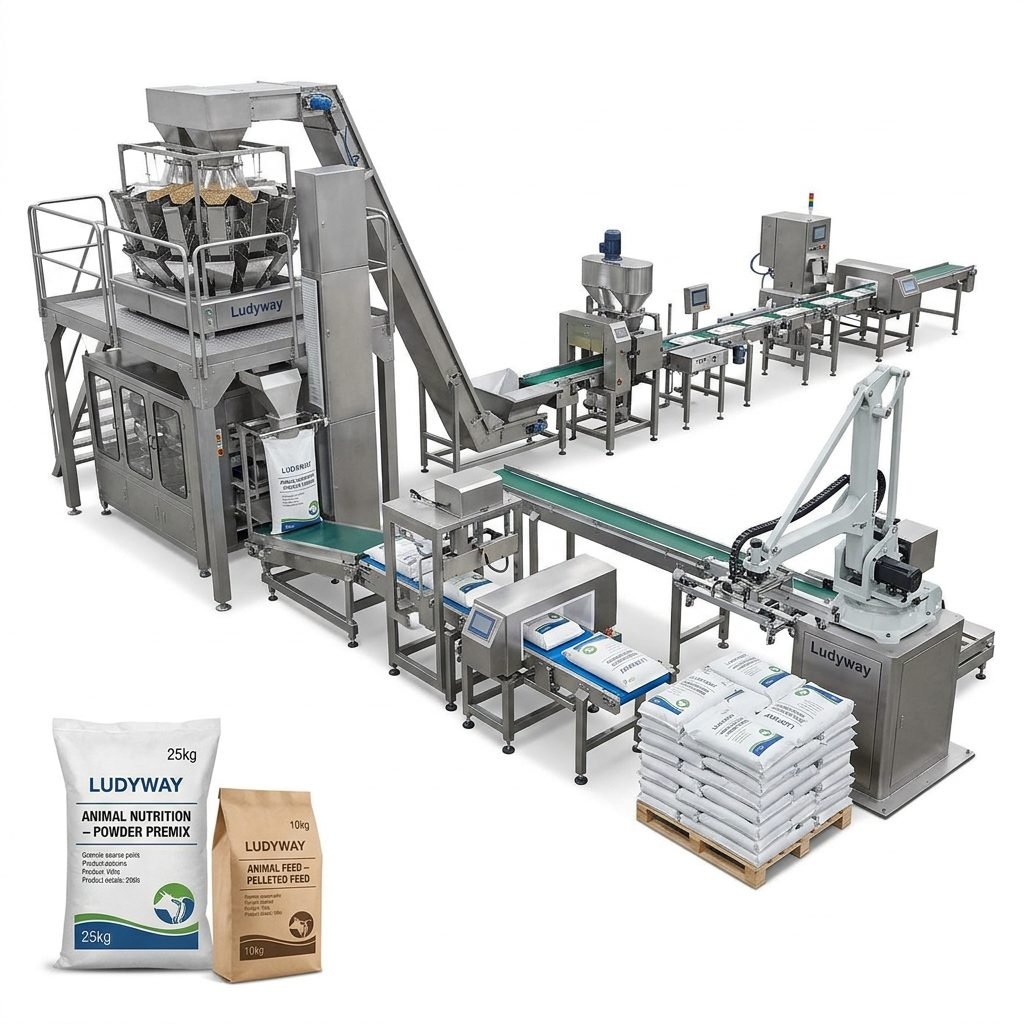
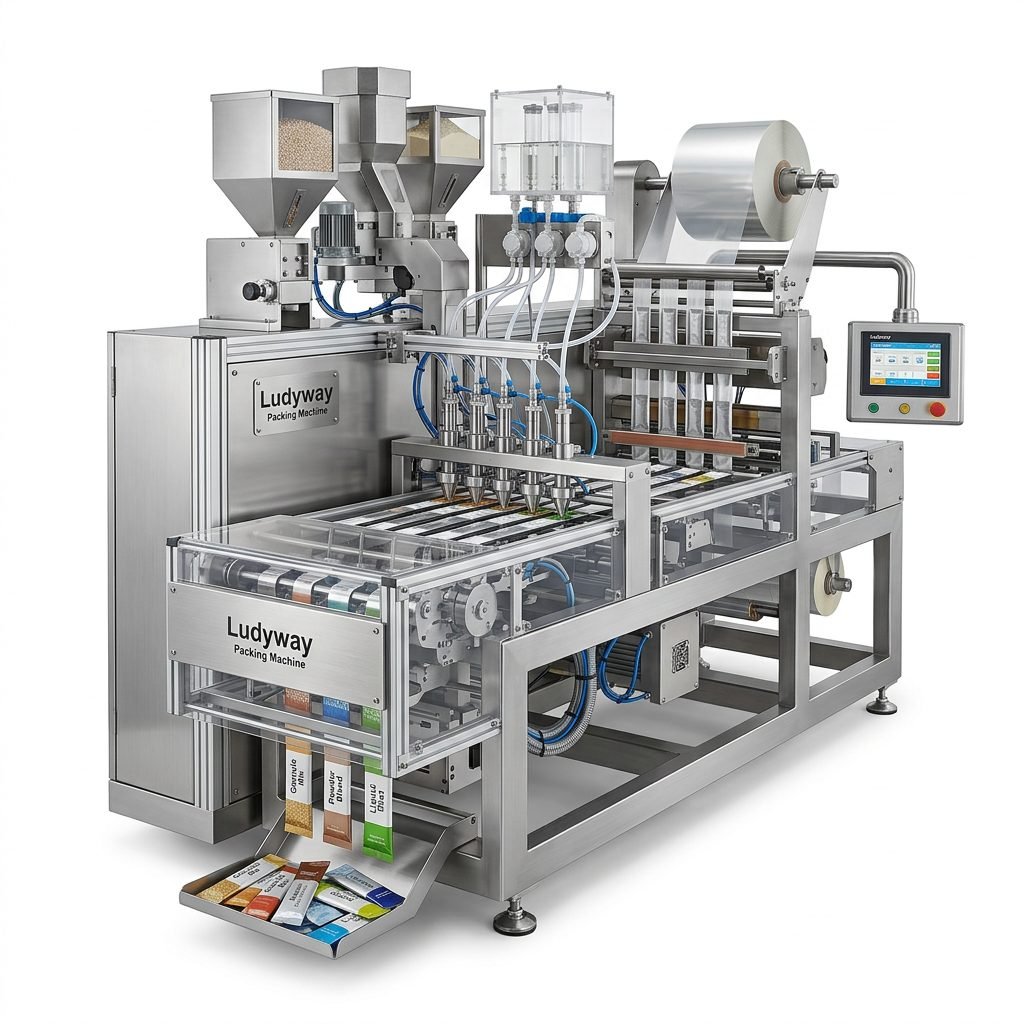
Packaging is far more than a container. It protects product integrity, supports compliance, influences customer perception, and directly affects production efficiency. When businesses choose the wrong packaging supplier, the consequences often appear quickly: damaged products, inconsistent sealing, downtime, delayed shipments, higher waste, and rising operating costs. Choosing the right partner, on the other hand, can strengthen product quality, brand reputation, and long-term profitability.
For manufacturers in food, pharmaceutical, health supplement, cosmetic, and chemical sectors, packaging performance is closely tied to business growth. A reliable supplier does not simply deliver equipment or materials—they help create a packaging system that supports output, safety, scalability, and market competitiveness.
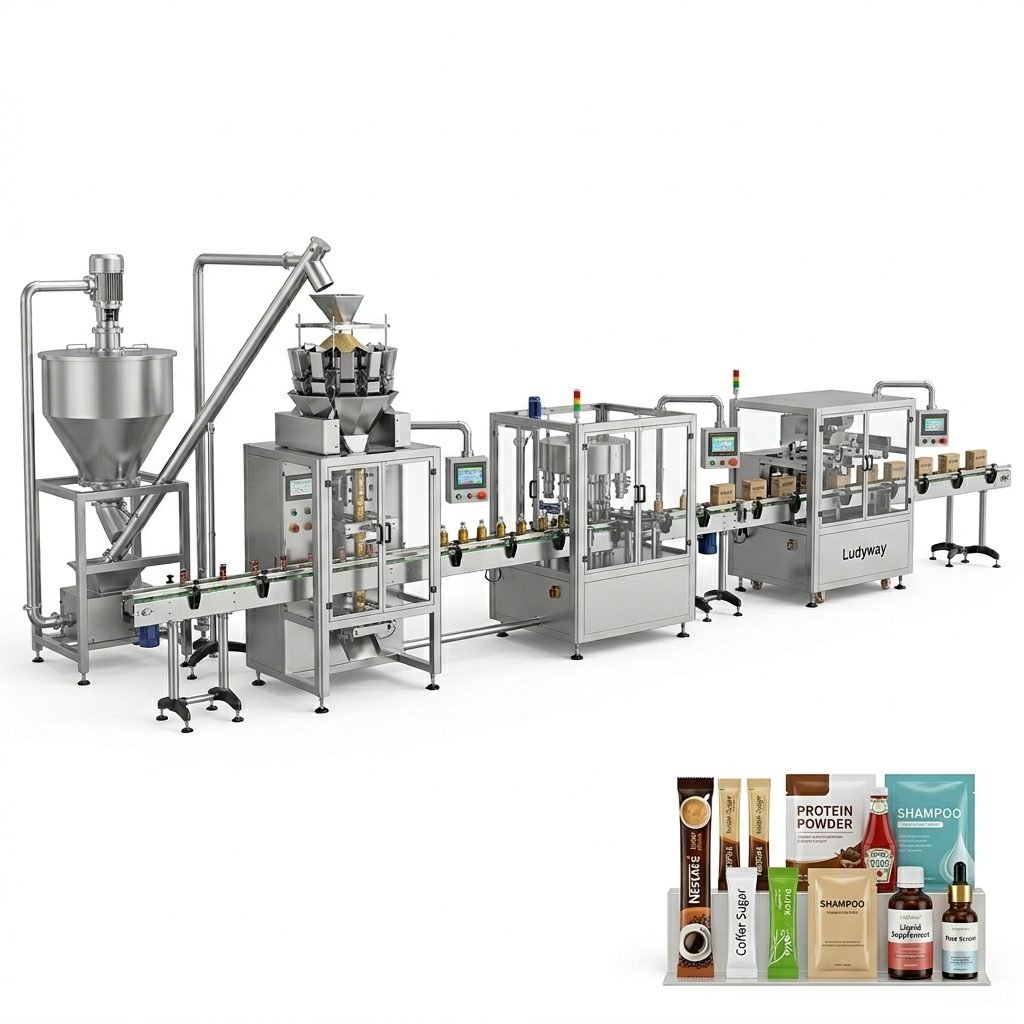
Packaging Quality Has a Direct Impact on Product Quality
A product can be manufactured to the highest standard, but if the packaging fails, the customer still receives a poor result. Leakage, contamination, broken seals, incorrect filling, moisture exposure, and damaged appearance can all reduce product value. In highly regulated industries, packaging failure can also create serious legal and safety risks.
The right packaging supplier helps reduce these risks by offering systems that match the specific nature of your product, such as:
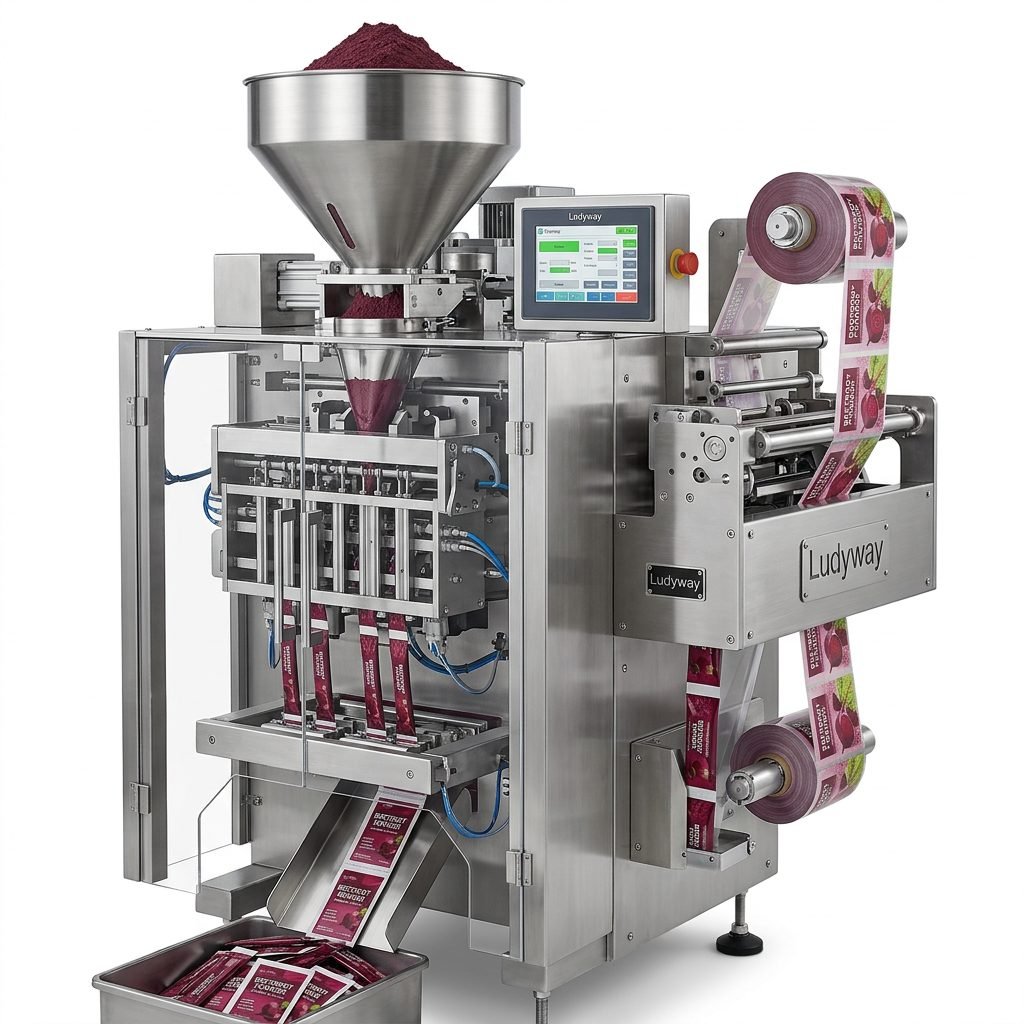
- Powder products requiring dust control and accurate dosing
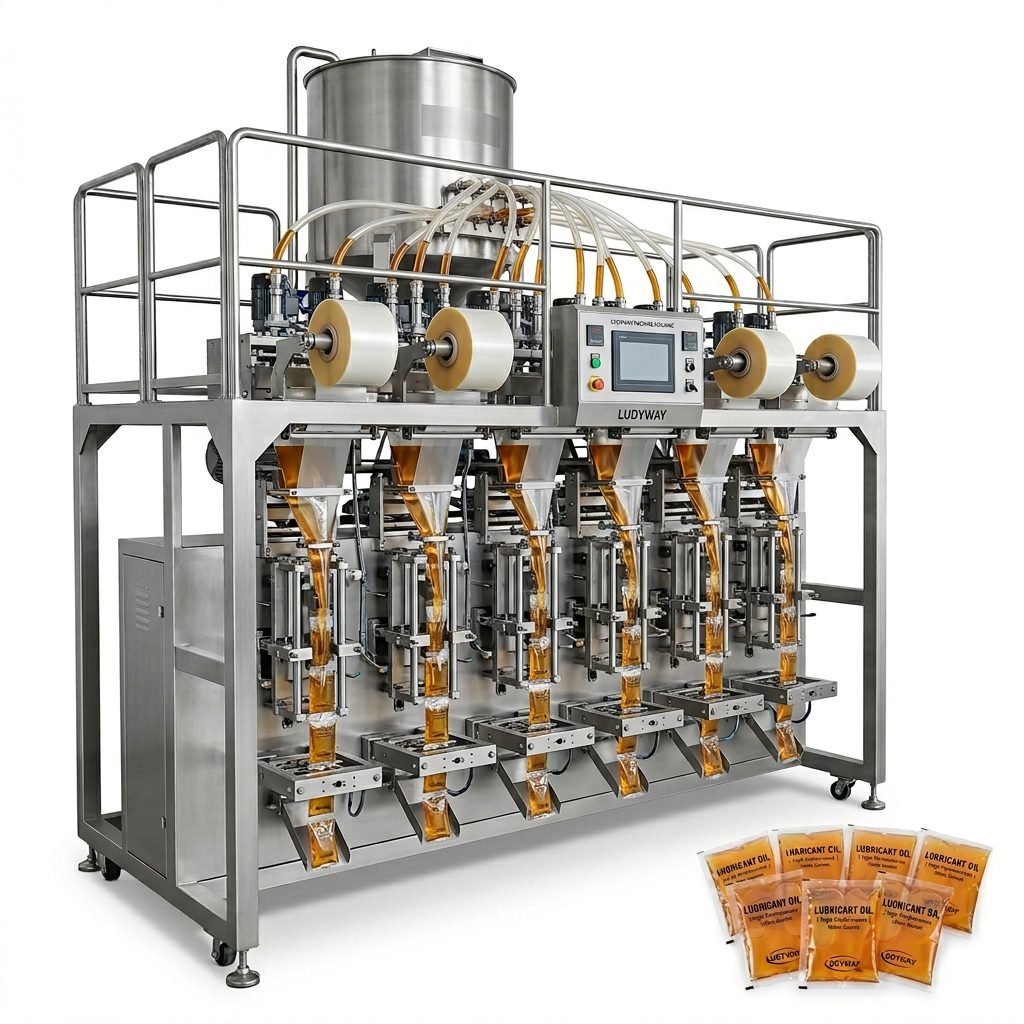
- Liquid products needing secure filling and leak-proof sealing
- Granule products requiring stable feeding and weight consistency
- Pharmaceutical items needing hygienic, traceable, and compliant packaging
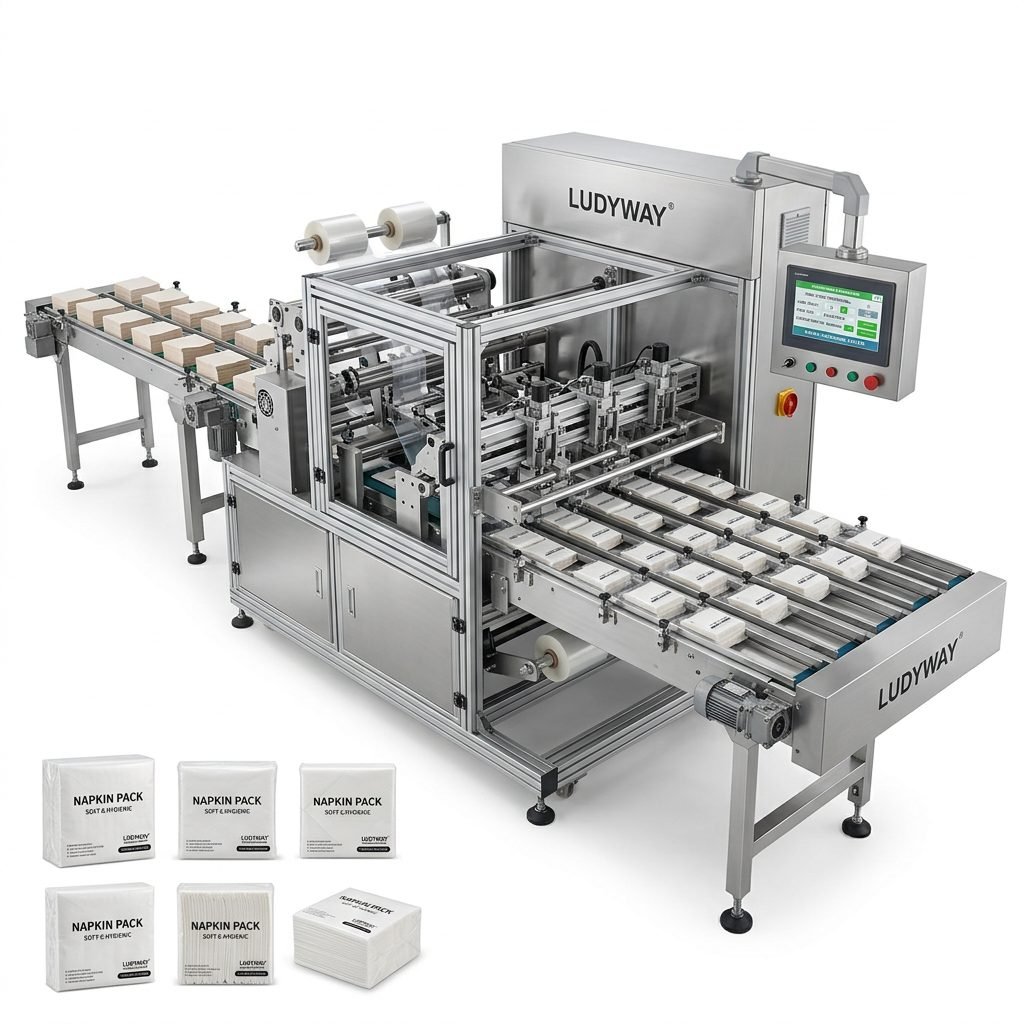
- Consumer goods demanding attractive and durable presentation
When packaging equipment is designed properly for product characteristics, businesses gain better consistency, lower rejection rates, and stronger customer trust.
Why the Wrong Supplier Can Slow Business Growth
Many companies focus mainly on purchase price when evaluating suppliers. While cost matters, low upfront pricing often hides larger long-term losses. A weak supplier may lack technical support, customization ability, quality inspection standards, or spare parts availability. Over time, these issues can slow expansion and damage competitiveness.
| Supplier Issue | Business Impact |
|---|---|
| Unstable machine performance | Downtime, missed production targets, delayed deliveries |
| Poor filling or sealing accuracy | Higher waste, product complaints, more rework |
| Limited customization | Packaging mismatch, reduced flexibility for new products |
| Weak after-sales support | Longer repair cycles, increased operating risk |
| Lack of integration capability | Inefficient workflows, difficult automation upgrades |
As production volumes increase, these operational weaknesses become more expensive. That is why supplier selection should be treated as a strategic business decision, not just a procurement task.
Key Factors to Evaluate in a Packaging Supplier
1. Industry Experience
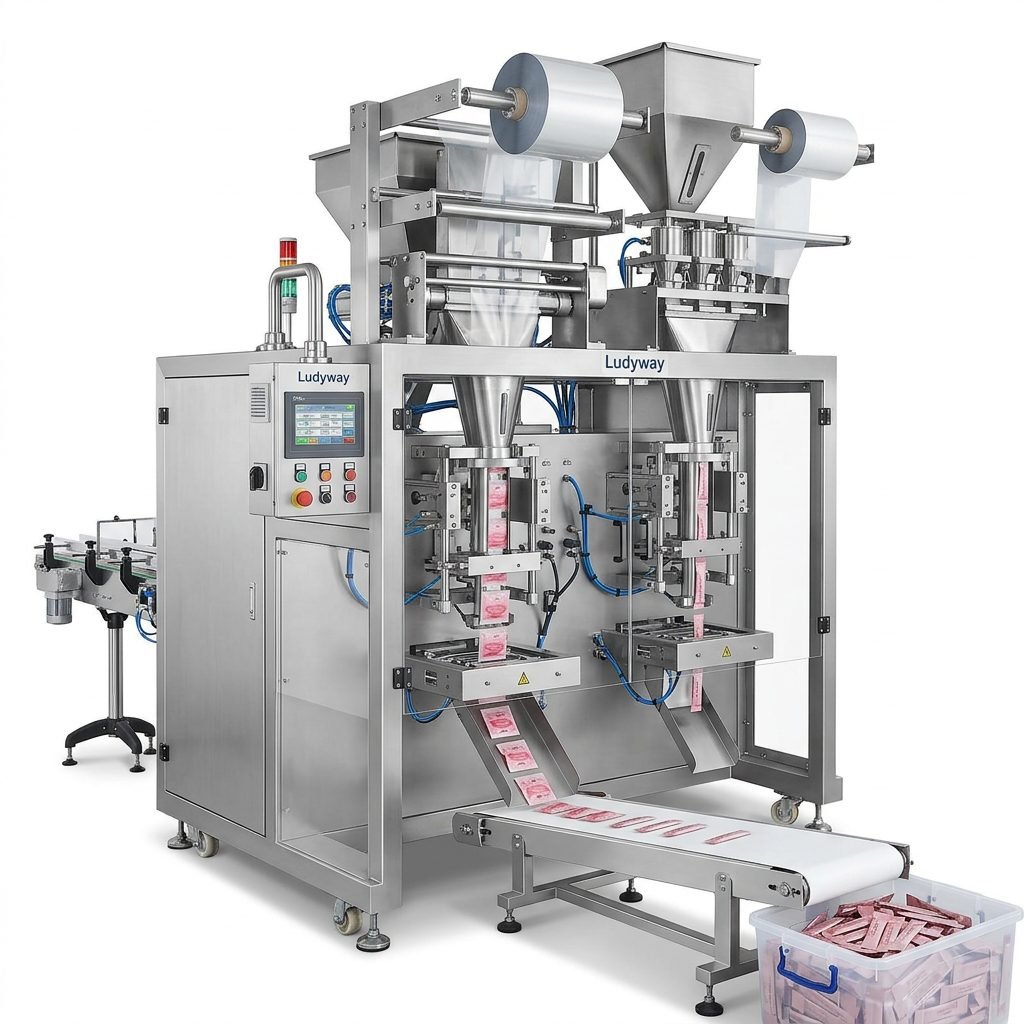
An experienced supplier understands the technical and practical differences between packaging powders, granules, liquids, pastes, pouches, bottles, and stick packs. They can identify potential production risks early and recommend solutions based on real applications rather than assumptions.
2. Product Range and Flexibility
Businesses often expand into new formats over time. A supplier with a broader machinery portfolio can support future growth without forcing you to rebuild your packaging process from scratch. Flexible suppliers also make it easier to handle line upgrades, product changes, and output increases.
3. Customization Capability
No two factories are exactly the same. Production layout, packaging style, speed targets, labor conditions, and compliance needs vary from one customer to another. A quality supplier should be able to adapt machine configurations and complete line design to your real operating environment.
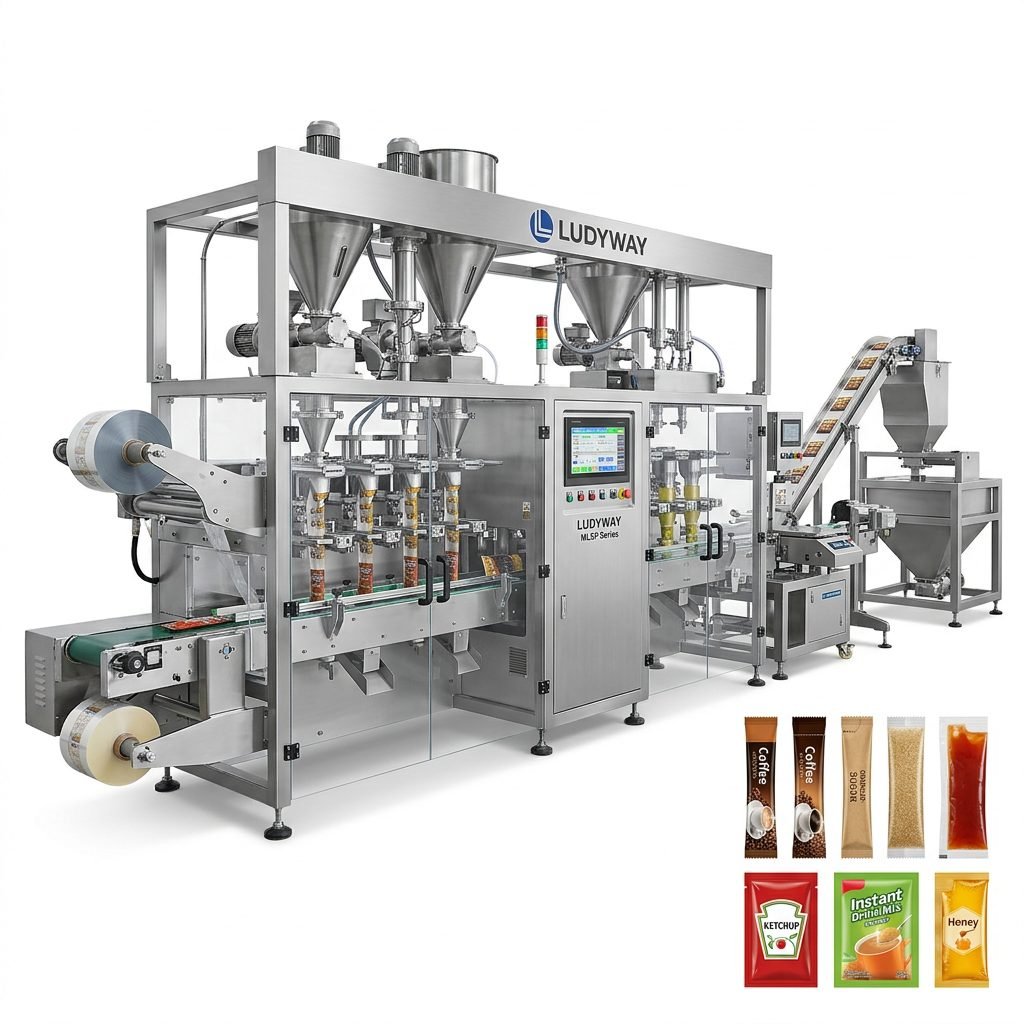
4. Quality Control Standards
The supplier’s own manufacturing standards matter. Precision machining, assembly consistency, testing procedures, and final inspection all affect machine reliability. Strong internal quality control usually leads to more stable output and fewer maintenance problems in the field.
5. After-Sales Service
Installation support, operator training, troubleshooting, spare parts access, and technical response speed can determine whether a production problem lasts one hour or one week. Reliable after-sales support is one of the most important long-term value indicators.
6. Turnkey Line Integration
For growing companies, individual machines are not always enough. Integrated systems can connect feeding, filling, sealing, coding, checking, cartoning, case packing, and palletizing into one coordinated process. This reduces manual handling and improves productivity across the entire line.
How the Right Supplier Supports Business Growth
A strong packaging supplier becomes a long-term operational partner. Beyond equipment supply, they help businesses improve efficiency, standardize output, and enter new markets with more confidence. Their contribution can be seen in several measurable areas:
- Higher productivity: Faster, more consistent packaging output supports order growth.
- Lower labor dependence: Automation reduces manual work and staffing pressure.
- Better product consistency: Accurate filling and sealing improve quality stability.
- Reduced waste: Fewer packaging defects lower material and product loss.
- Scalable operations: Upgradable systems make expansion easier.
- Stronger customer confidence: Professional packaging improves brand perception.
In competitive markets, these advantages are not minor. They directly affect margins, customer retention, and the ability to respond to demand quickly.
Packaging Supplier Selection Is Especially Important in Regulated Industries
For pharmaceutical, nutraceutical, medical, and some food applications, packaging must meet strict standards related to hygiene, accuracy, labeling, traceability, and sealing integrity. A supplier without relevant expertise may expose a business to audit failure, recall risk, or shipment rejection.
In these sectors, supplier evaluation should include:
- Understanding of product-contact material requirements
- Ability to support sanitary design and clean production needs
- Validation-friendly equipment structure
- Stable coding, printing, and inspection compatibility
- Documented testing and quality procedures
A qualified supplier helps companies protect both product safety and market access.
Questions Buyers Should Ask Before Choosing a Supplier
Before signing any order, buyers should move beyond brochures and ask practical questions that reveal real supplier capability.
| Question | Why It Matters |
|---|---|
| Have you handled products similar to ours? | Shows application experience and risk awareness |
| Can you provide customization for our packaging format? | Confirms flexibility for specific requirements |
| What testing is done before shipment? | Indicates quality assurance level |
| What after-sales support do you offer? | Reduces risk of long downtime after installation |
| Can you supply a full turnkey line if we expand? | Helps future-proof the investment |
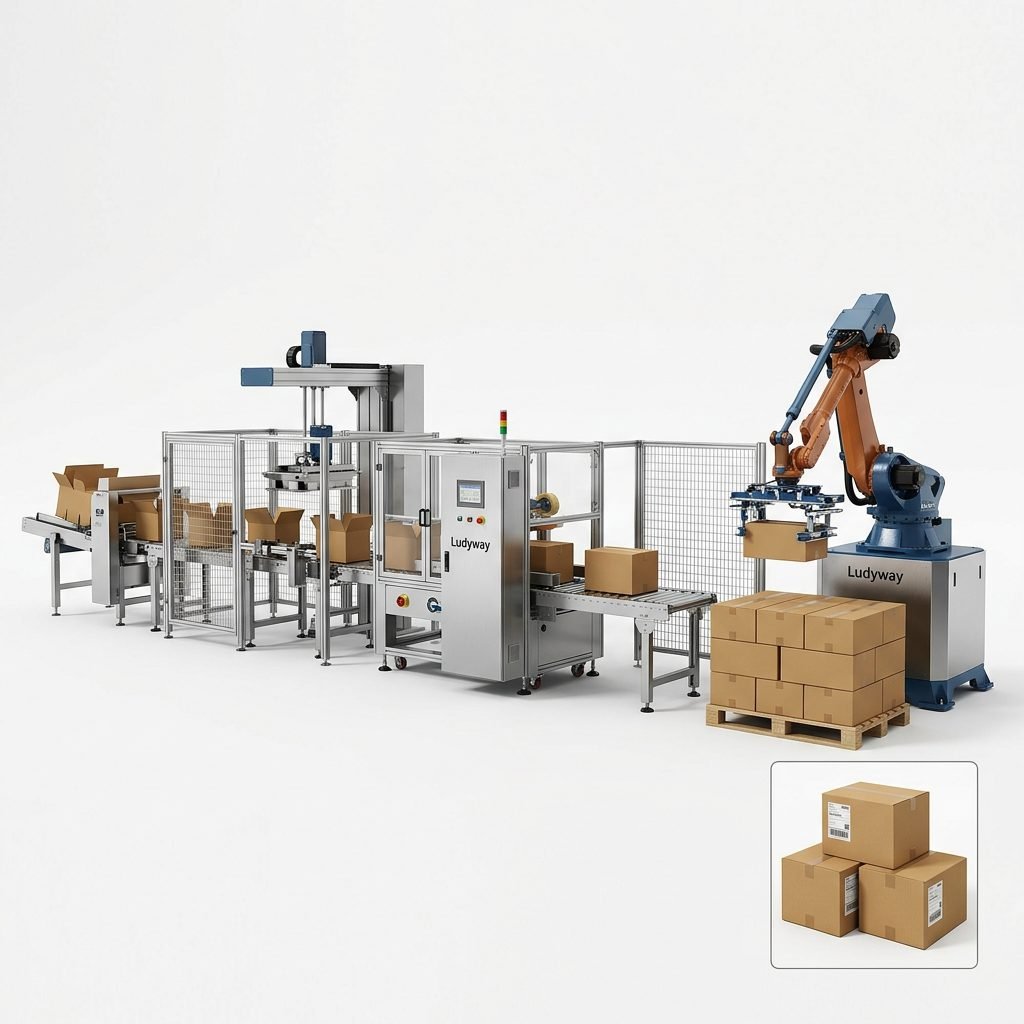
A Strong Example of Long-Term Packaging Partnership
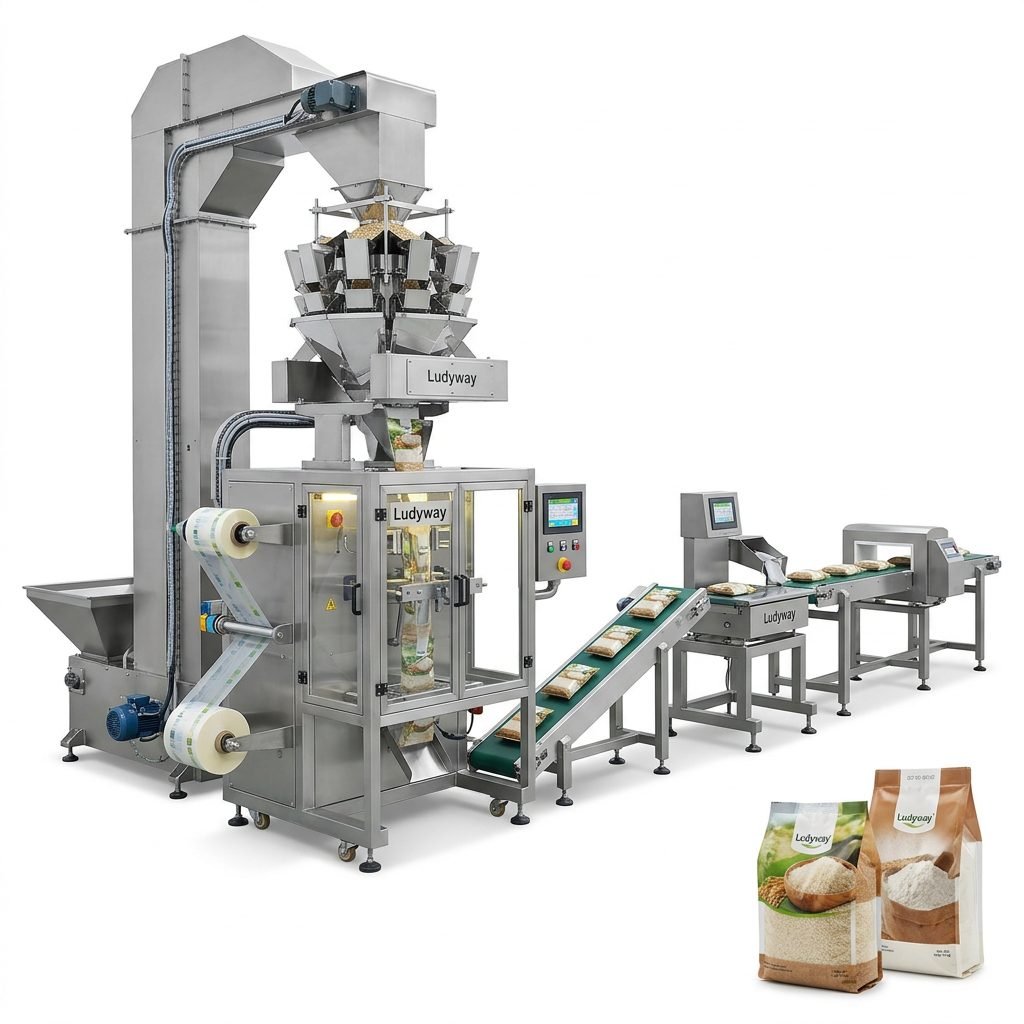
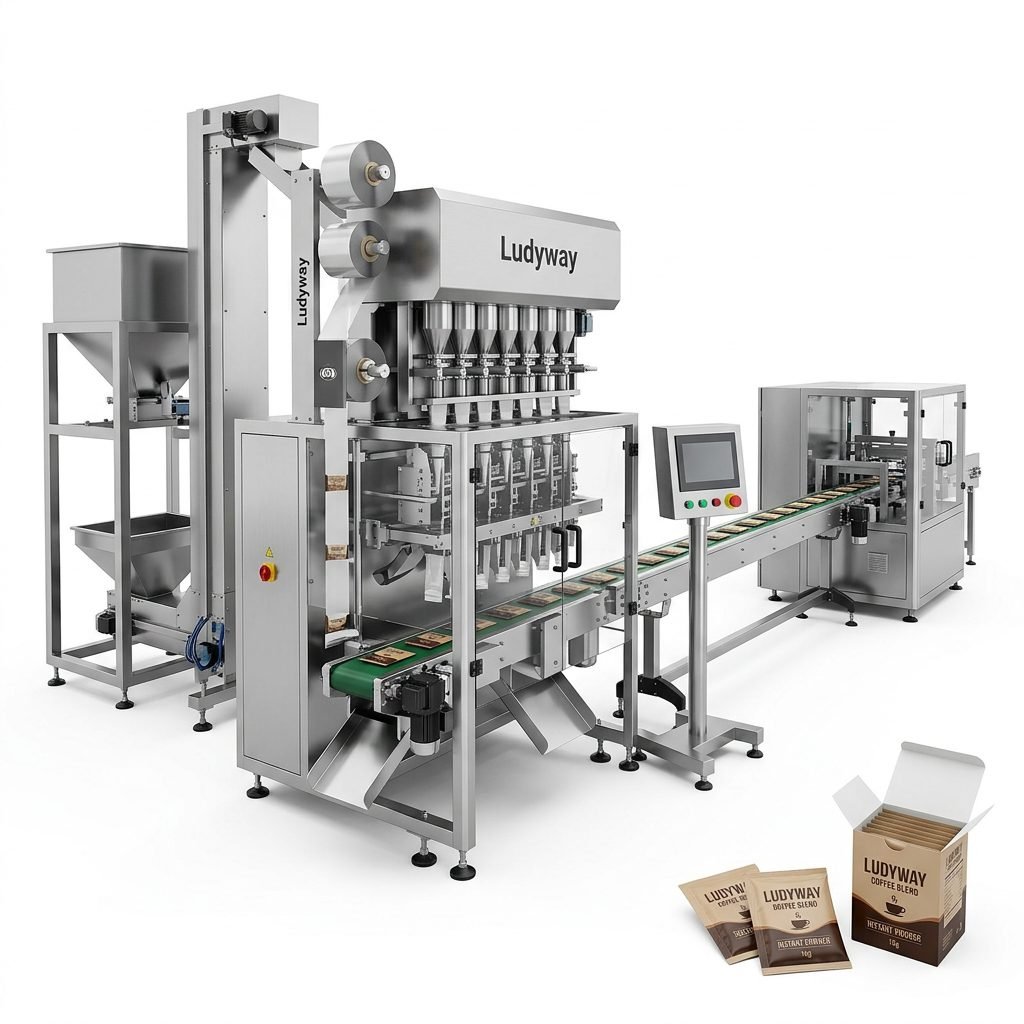
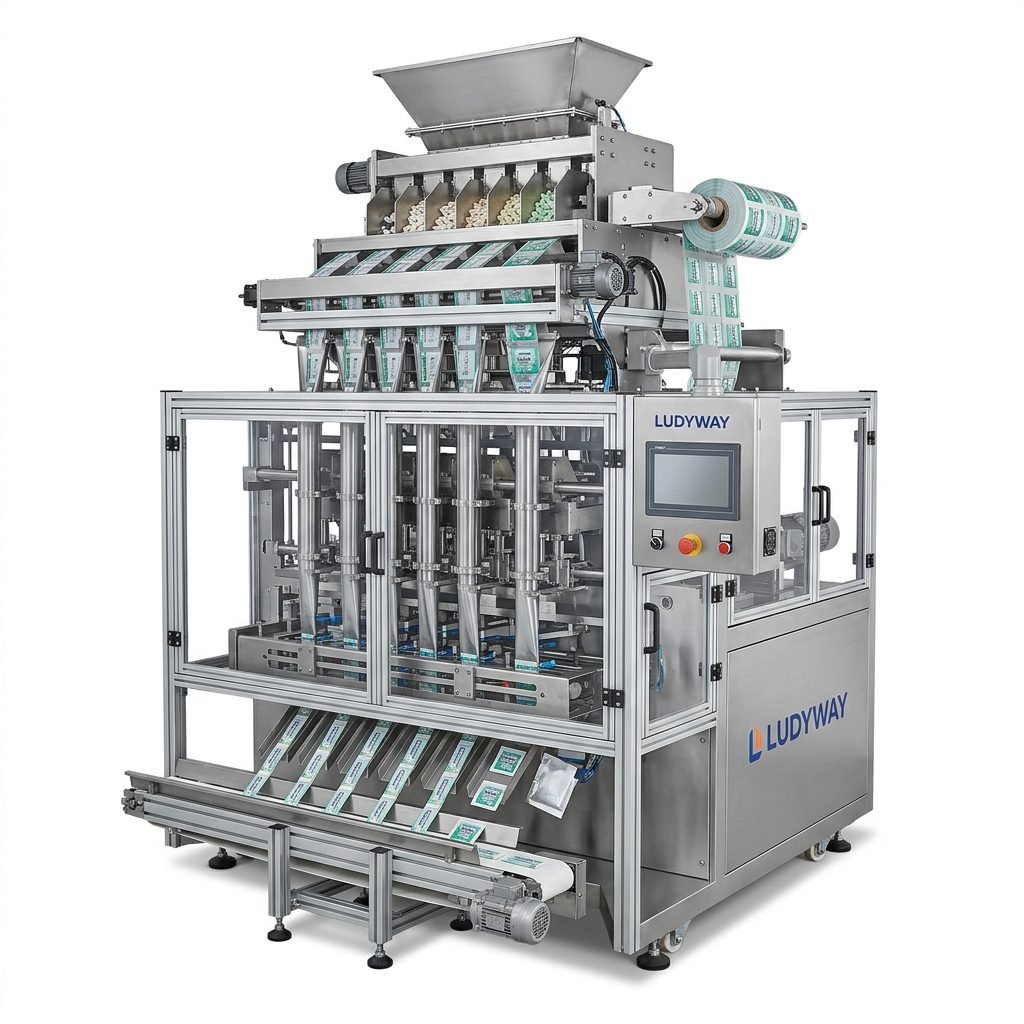
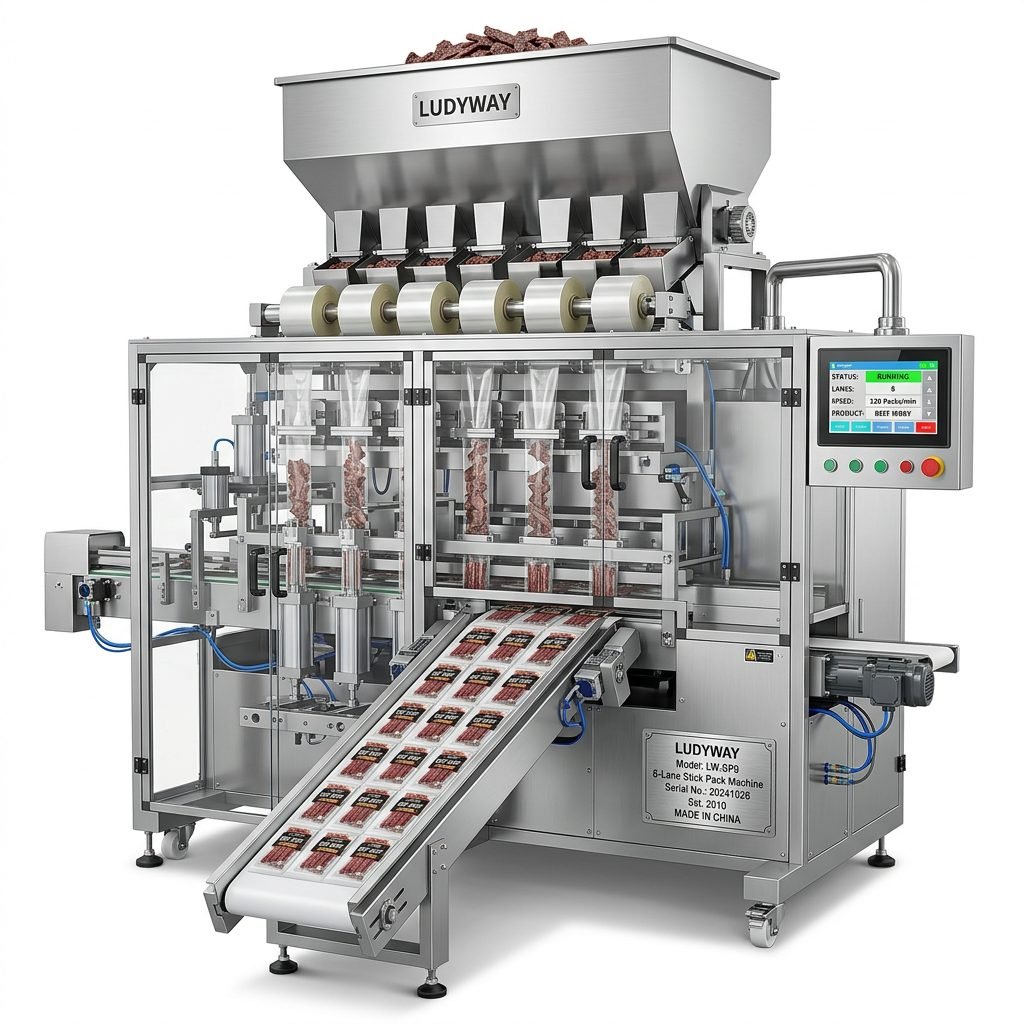
Companies looking for scalable packaging automation often prefer suppliers with deep manufacturing experience, export capability, and broad solution coverage. For example, Ludyway packaging machine manufacturer has built its reputation through more than 30 years of experience, a large manufacturing base, extensive international service reach, and the ability to provide both standalone machines and complete turnkey packaging lines for food, pharmaceutical, health supplement, and related industries.
This kind of supplier profile is valuable because it combines engineering depth, equipment variety, and the operational scale needed to support customers as their packaging demands evolve.
Signs You Have Found the Right Packaging Supplier
- They ask detailed questions about your product, not just your budget
- They recommend solutions based on application fit and output goals
- They can show relevant case experience and technical understanding
- They offer practical support before, during, and after installation
- They can support future automation, integration, and production growth
- They focus on stable long-term performance instead of only quick sales
Final Thought for Manufacturers and Brand Owners
Choosing the right packaging supplier is critical because packaging affects every stage of the business chain—from product protection and production efficiency to customer satisfaction and market expansion. The right supplier helps you maintain quality, reduce risk, improve output, and build a foundation for sustainable growth.
In today’s market, businesses cannot afford packaging systems that are unreliable, inflexible, or poorly supported. A carefully chosen packaging partner is not just an equipment source; they are an important contributor to operational excellence, product consistency, and long-term business success.