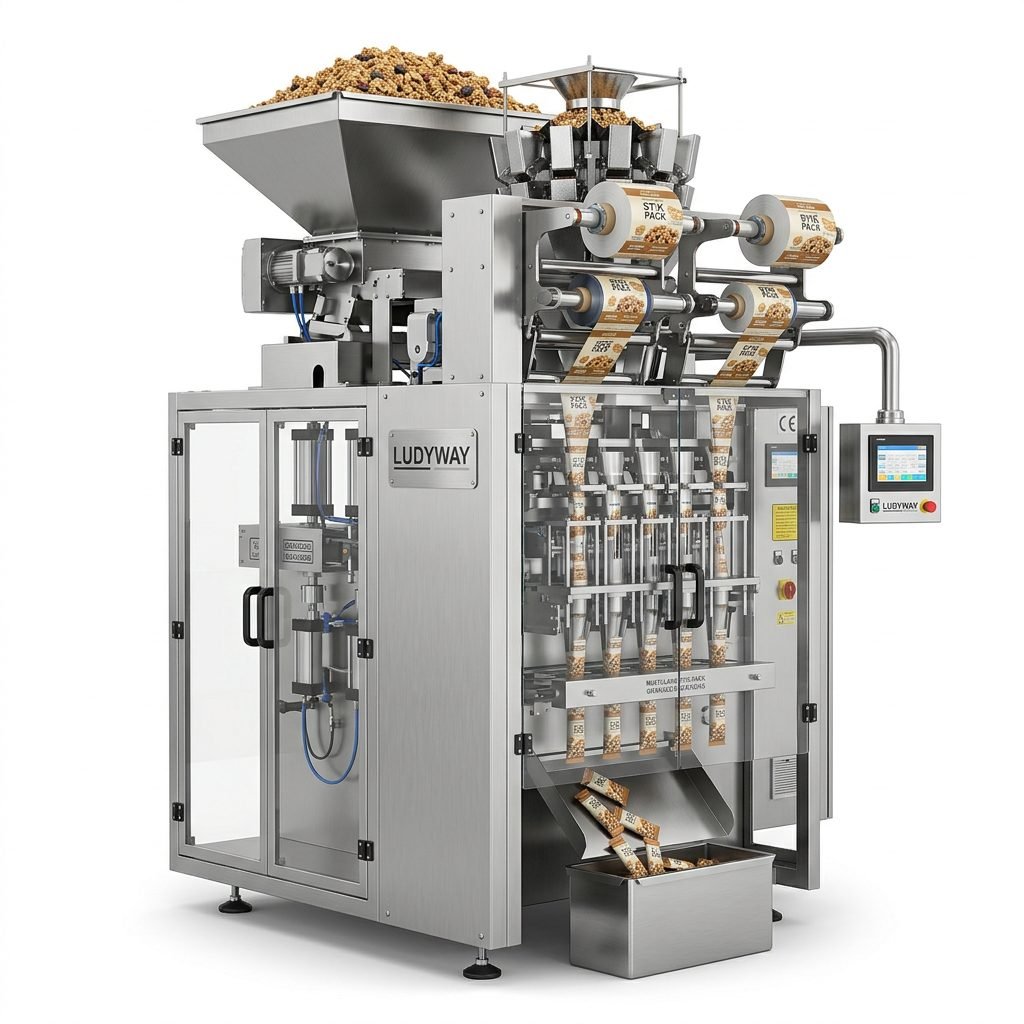
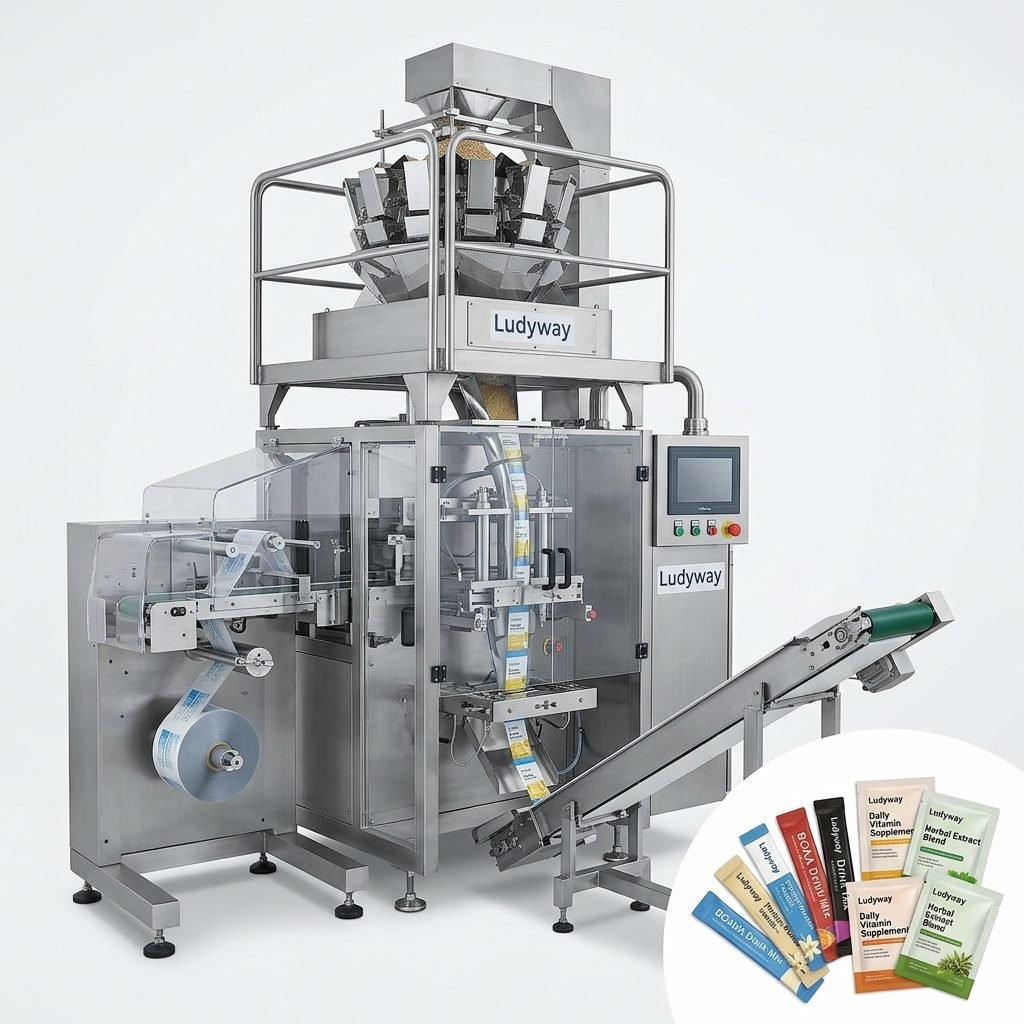
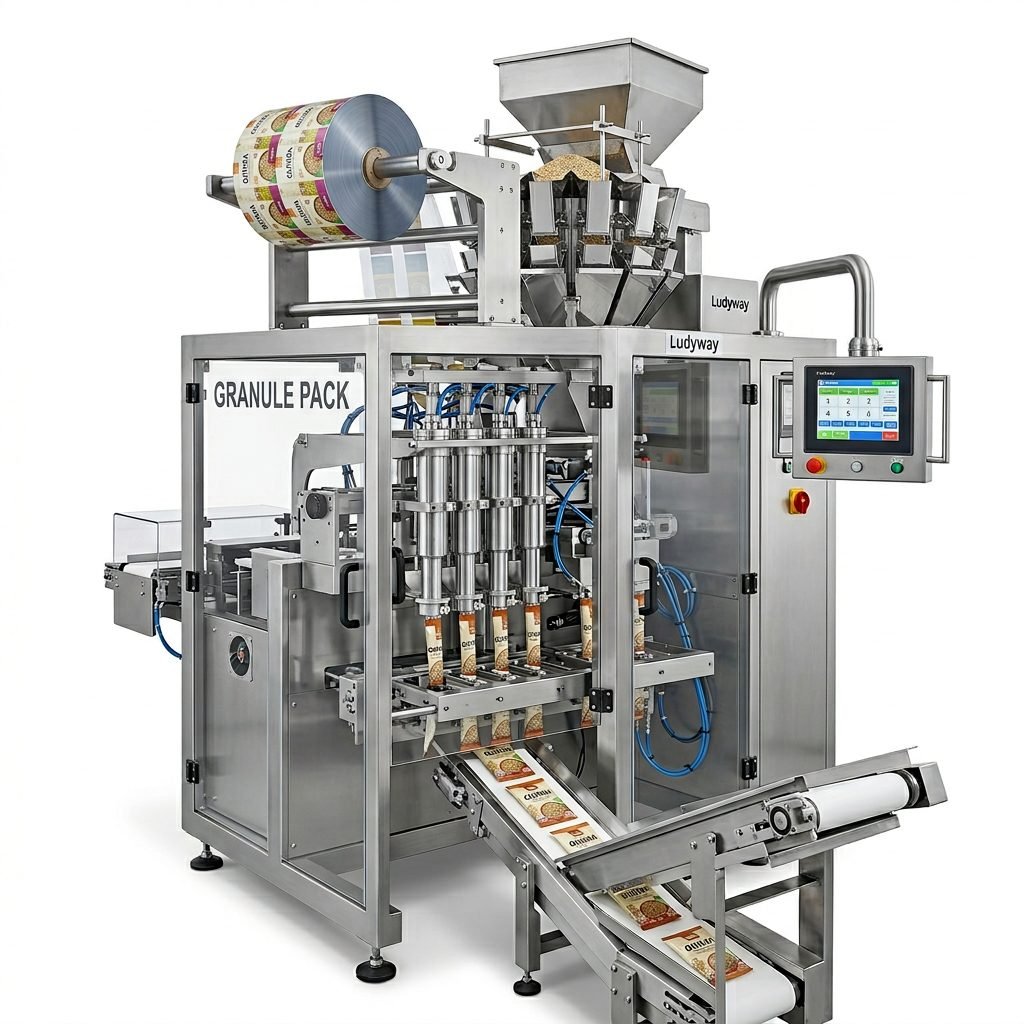
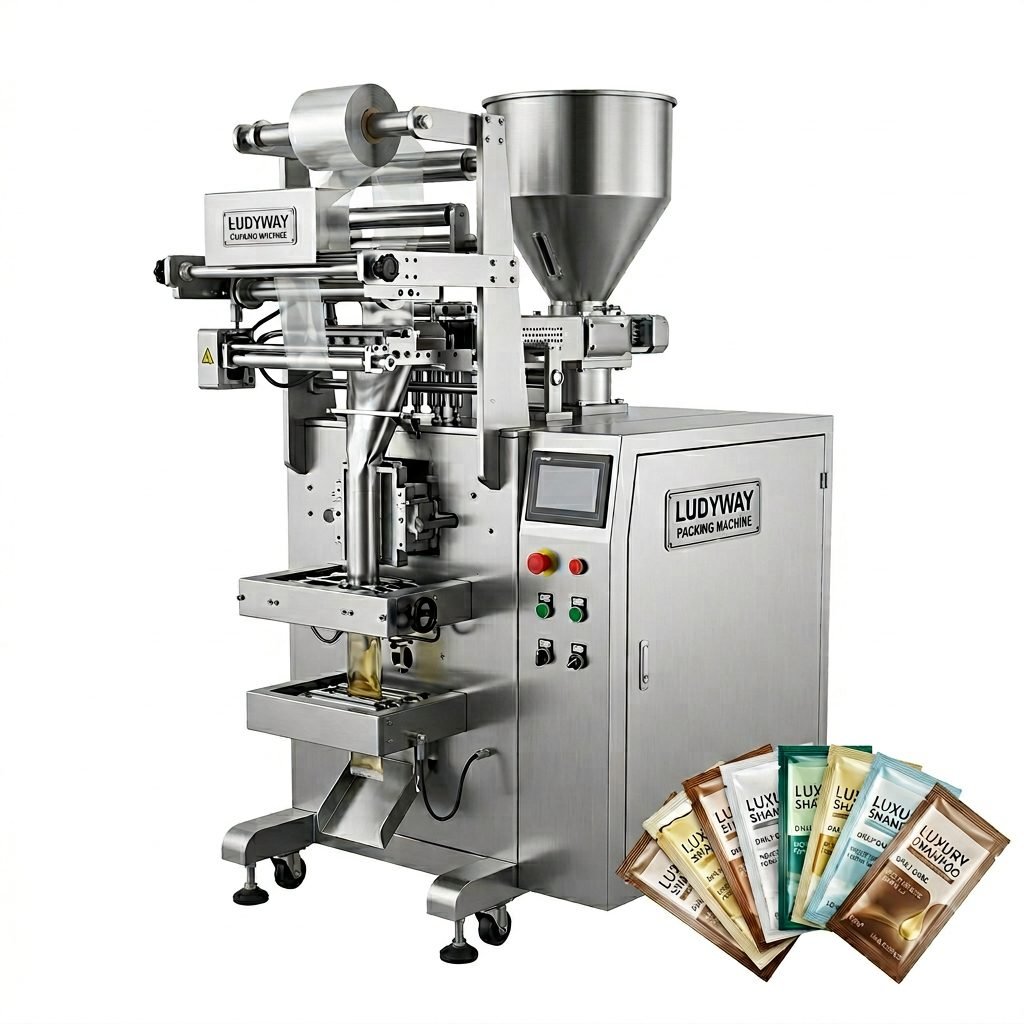
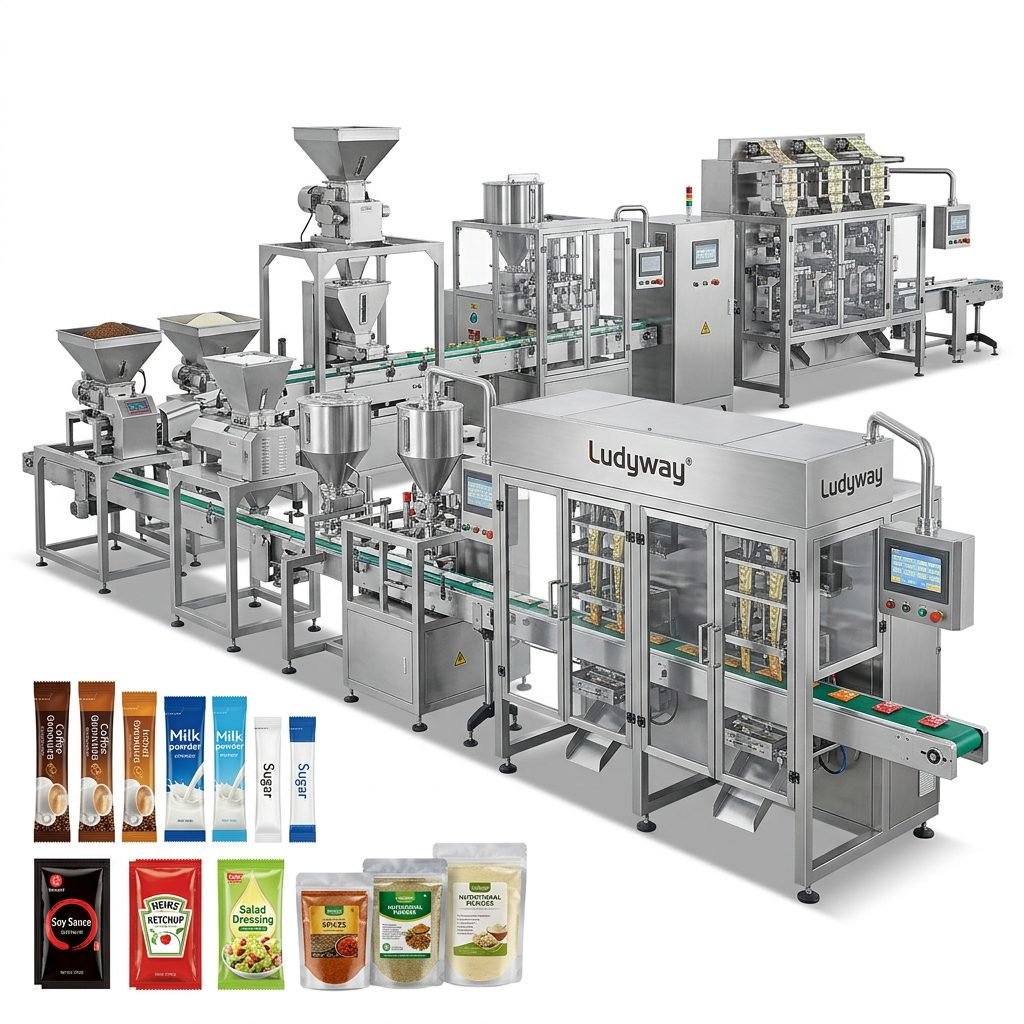
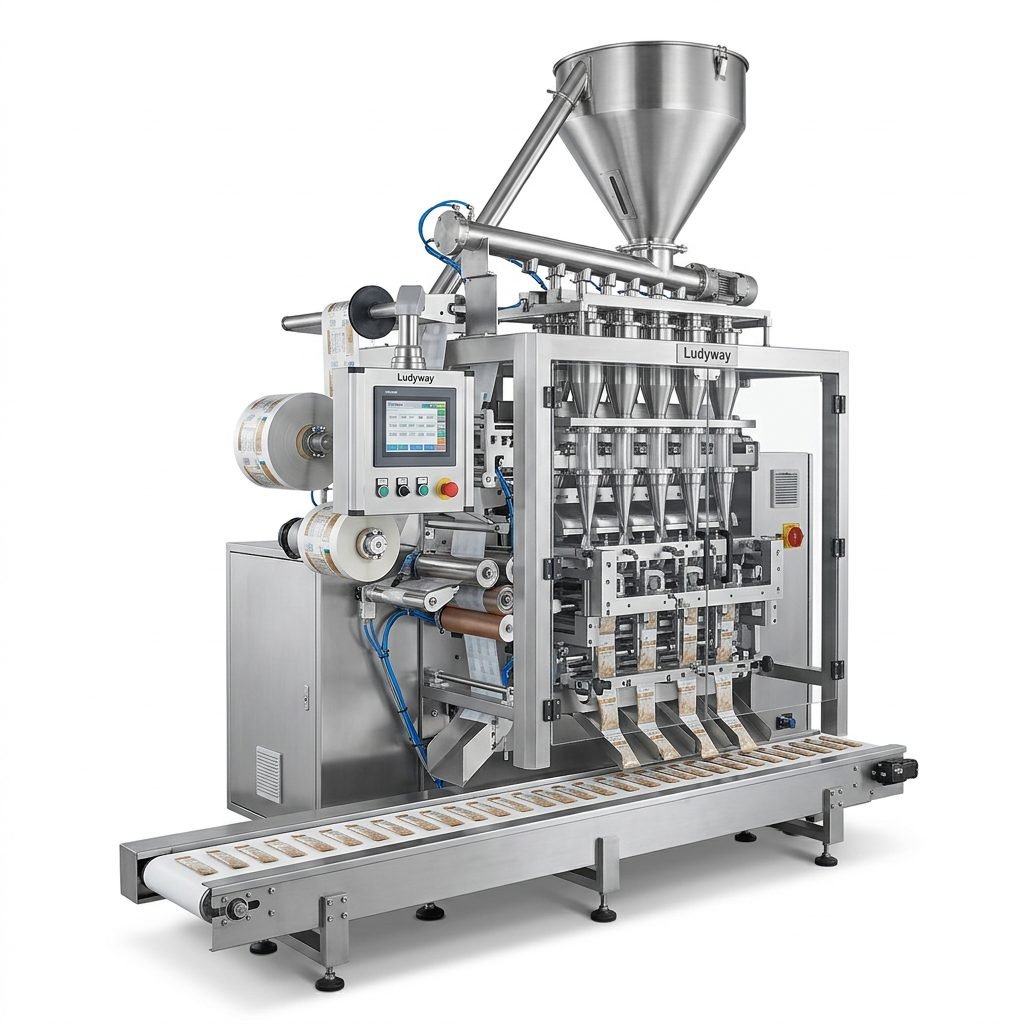
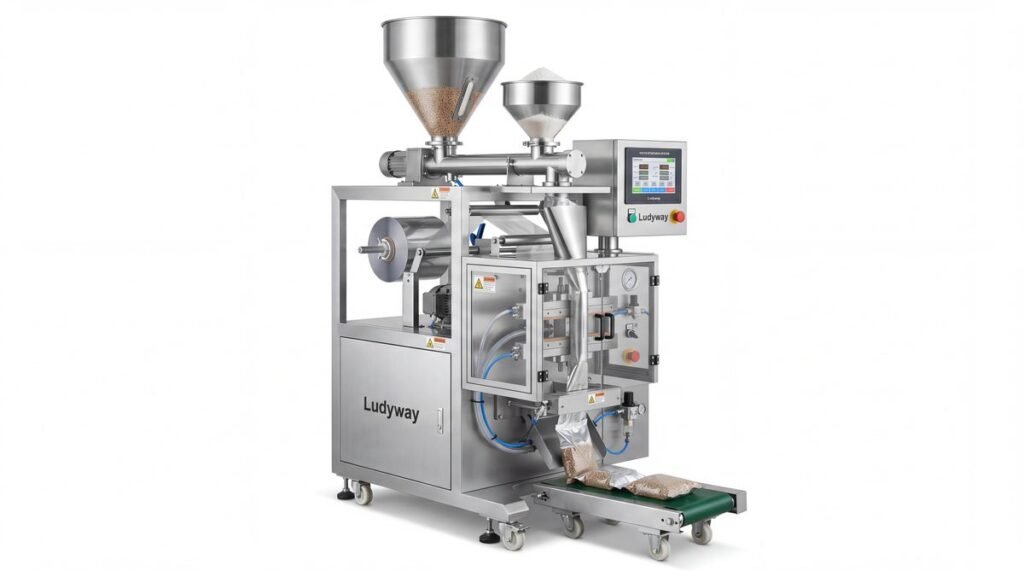
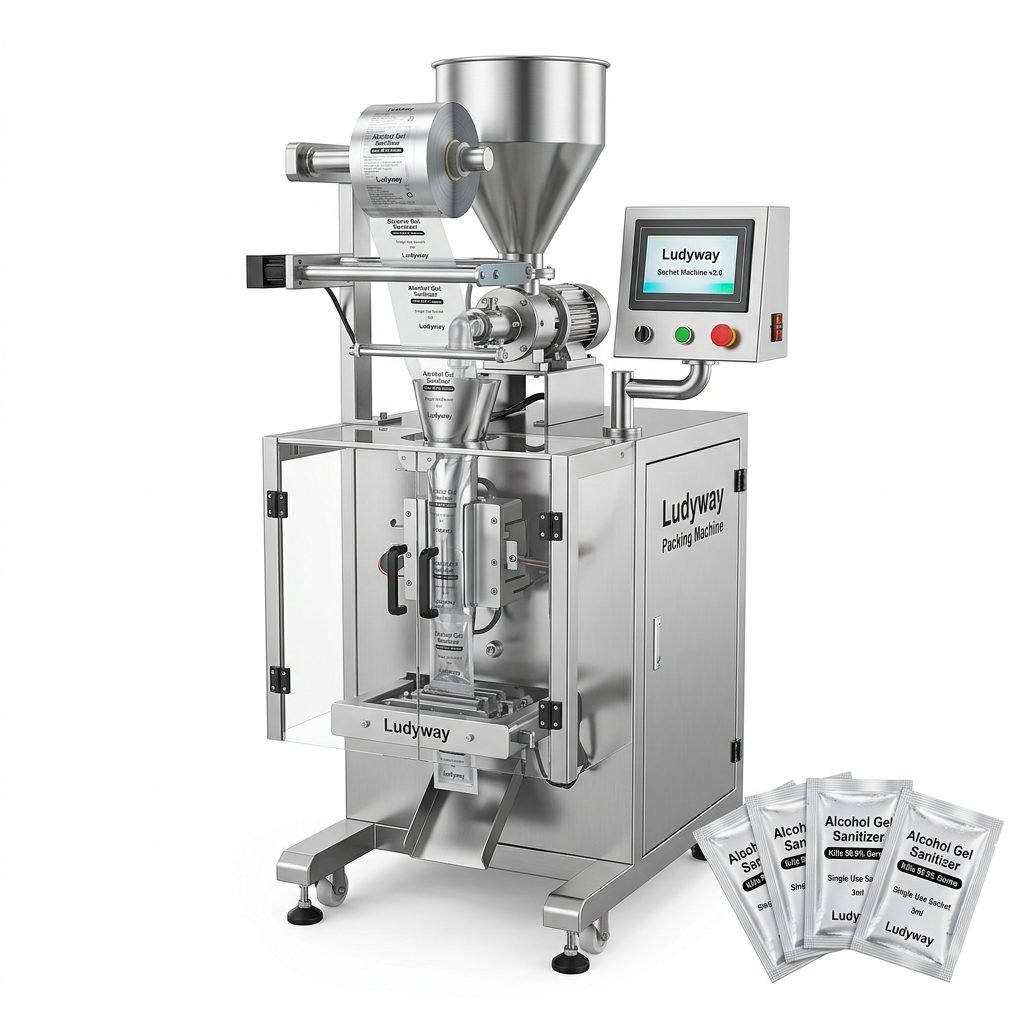
A pillow packing machine is one of the most practical solutions for companies that need fast, clean, and attractive packaging for a wide range of products. It is widely used for snacks, bakery items, confectionery, frozen food, soaps, tissues, and many daily-use products because it can create a sealed pillow-style pack that protects the item while improving shelf presentation.
For manufacturers aiming to increase output and reduce manual handling, a modern pillow packing system helps balance speed, consistency, and packaging quality. Whether you produce biscuits, bread, candy bars, disposable goods, or personal care items, the right machine can support stable performance and efficient line integration.
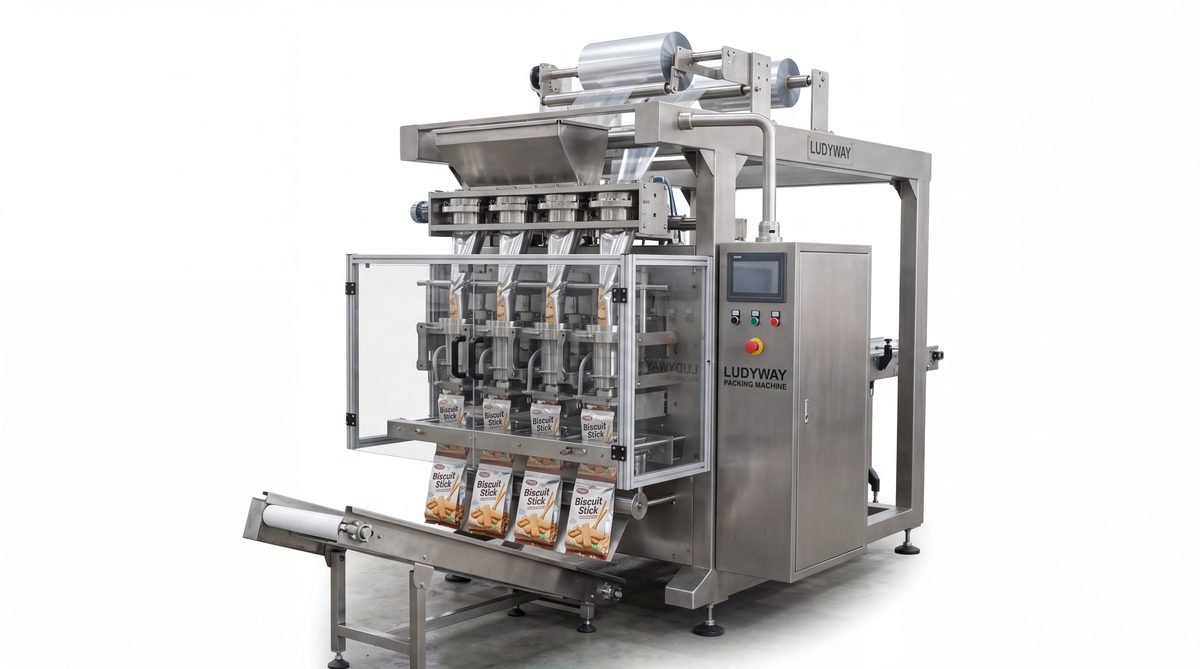
What Is a Pillow Packing Machine?
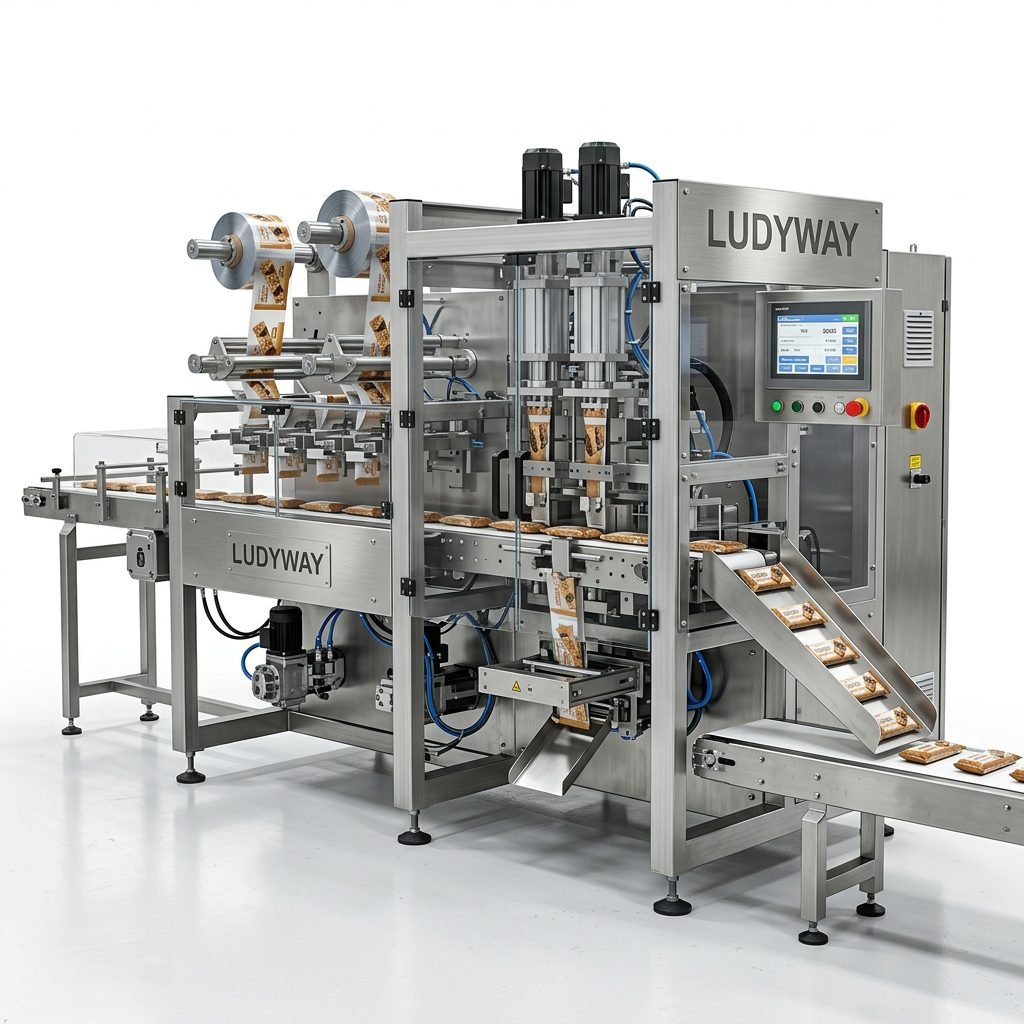
A pillow packing machine, often called a horizontal flow wrapper, automatically wraps products in film and forms a package with a back seal and end seals. The final shape resembles a pillow, which is why the format is so common in retail packaging.
This packaging method is popular because it offers:
- High packaging speed for mass production
- Neat and uniform pack appearance
- Reliable sealing for product protection
- Compatibility with printed film for branding
- Flexible application across food and non-food industries
Why Pillow Packaging Is Ideal for Snacks, Bakery, and Daily Products
Different industries require different packaging priorities. Snacks often need freshness and visual appeal. Bakery products need gentle handling and stable sealing. Daily products need efficient wrapping and clean presentation. A pillow packing machine meets these demands with a compact packaging format that works well for both automatic and semi-automatic production lines.
| Industry | Typical Products | Key Packaging Needs |
|---|---|---|
| Snacks | Biscuits, chips, wafers, bars, popcorn | High speed, eye-catching appearance, moisture protection |
| Bakery | Bread, cakes, muffins, cookies, rolls | Gentle feeding, freshness, consistent sealing |
| Daily Products | Soap, tissues, wipes, sponges, household items | Stable wrapping, neat finish, low labor dependence |
Main Benefits of Using a Pillow Packing Machine
1. Higher Packaging Efficiency
Automation significantly reduces the time needed to wrap each product. Compared with manual packaging, pillow packing machines deliver much faster throughput and help factories maintain output during peak demand periods.
2. Better Product Protection
Proper sealing helps protect products from dust, moisture, and contamination. For bakery and snack items, this is especially important for maintaining freshness and extending shelf life.
3. Improved Packaging Consistency
Uniform pack size, seal quality, and film placement give products a more professional look. This improves shelf impact and supports stronger brand recognition.
4. Reduced Labor Costs
By automating film feeding, sealing, and cutting, the machine reduces the need for repetitive manual work. This helps companies optimize labor allocation and lower operating costs over time.
5. Easy Integration into Production Lines
Many pillow packing machines can be connected to feeding conveyors, counting systems, date coders, checkweighers, metal detectors, cartoners, and case packers. This supports a more complete and efficient packaging process.
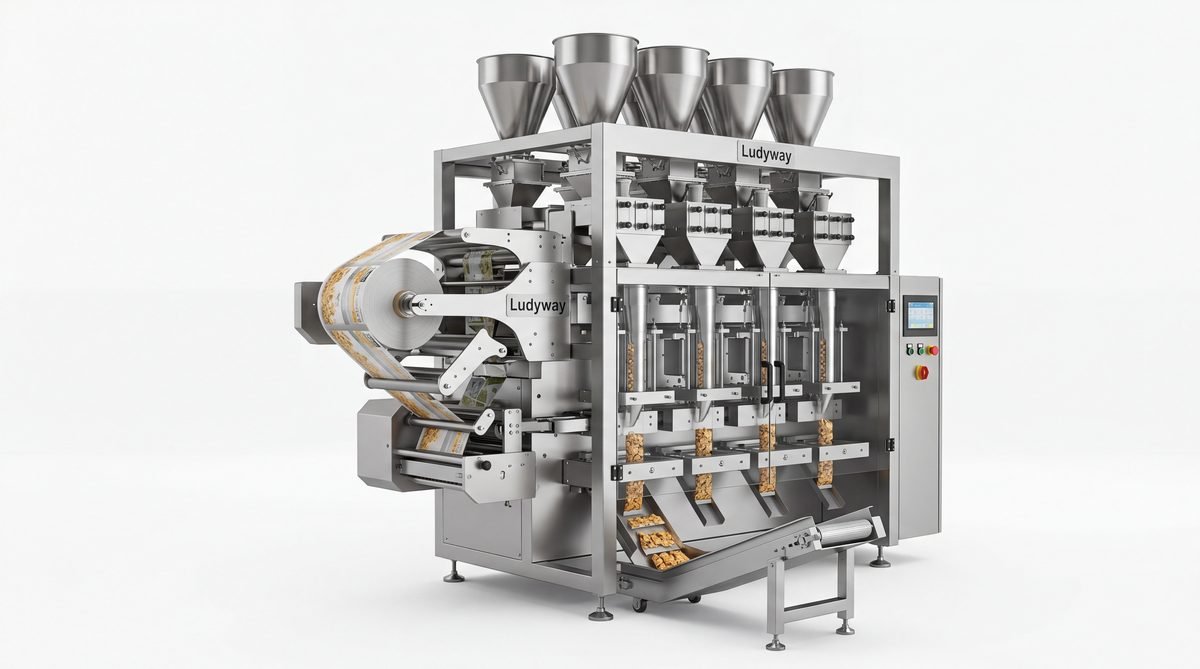
Applications Across Different Product Categories
Snack Packaging
Snack manufacturers need packaging that protects texture and supports fast retail turnover. Pillow wrapping is widely used for:
- Cookies and biscuits
- Chocolate bars and confectionery
- Nut snacks and cereal bars
- Instant food portions
- Small bakery snack packs
Bakery Packaging
Bakery products are often soft, fragile, or sensitive to pressure. A suitable pillow packing machine can include smooth infeed systems and precise sealing control to avoid product deformation. It is commonly used for:
- Sliced bread
- Swiss rolls
- Layer cakes
- Muffins
- Cupcakes and pastry items
Daily Product Packaging
Outside the food industry, pillow wrappers are also effective for wrapping products that require clean and efficient retail-ready packaging, such as:
- Soap bars
- Wet wipes and tissues
- Cleaning sponges
- Disposable hygiene products
- Personal care items in single packs or bundles
Key Features to Look for in a Pillow Packing Machine
Choosing the right equipment depends on product size, pack style, required speed, and production environment. Important features include:
| Feature | Why It Matters |
|---|---|
| Servo control system | Improves accuracy, speed control, and machine stability |
| Automatic film tracking | Keeps printed packaging aligned for better presentation |
| Adjustable bag length | Allows quick changeover for different products |
| Reliable sealing jaws | Ensures tight and attractive package seals |
| Touchscreen HMI | Simplifies operation and parameter setup |
| Date coding integration | Supports traceability and regulatory compliance |
How to Choose the Right Machine for Your Production Line
Before selecting a machine, evaluate the following points carefully:
- Product shape and size: irregular, soft, fragile, or multi-piece products may need customized feeding systems.
- Packaging material: confirm whether the machine supports your preferred laminated film or heat-sealable material.
- Target output: choose a model that matches current production and future expansion plans.
- Automation level: standalone units work well for simple needs, while integrated lines suit larger factories.
- Changeover requirements: if you run many SKUs, fast format change is very important.
- Maintenance and support: stable after-sales service helps reduce downtime and protect your investment.
Important Considerations for Snack and Bakery Producers
For food producers, packaging is not only about speed. It also affects freshness, hygiene, and customer perception. A well-designed pillow packing machine should help with:
- Accurate sealing temperature control for different films
- Smooth product transfer to reduce breakage
- Sanitary structure for easier cleaning
- Stable operation during long production shifts
- Compatibility with upstream processing and downstream cartoning
In competitive snack and bakery markets, attractive and consistent packaging can directly influence consumer buying decisions. This makes machine reliability just as important as machine speed.
Why Automation Matters for Daily Product Packaging
Daily-use product manufacturers often handle high volumes and frequent packaging repetition. In these conditions, automation brings measurable value. Pillow packing systems can help improve:
- Production consistency across long runs
- Packaging appearance for retail shelves
- Lower product handling and contamination risk
- Faster response to large orders
- Reduced dependence on manual labor
This is especially useful for companies supplying supermarkets, distributors, and private-label customers, where speed and packaging uniformity are essential.
Turnkey Packaging Solutions for Growing Manufacturers
Many businesses eventually move beyond a single machine and need a complete line that includes feeding, wrapping, inspection, coding, cartoning, and end-of-line handling. Working with an experienced equipment manufacturer can make this transition much smoother.
Ludyway pillow packing machine solutions are backed by more than 30 years of packaging industry experience, with broad application coverage across food, pharmaceutical, health supplement, and daily-use product sectors. As one of China’s leading packaging machine and turnkey packaging line manufacturers, the company offers scalable equipment and integrated solutions for businesses seeking long-term automation value.
Final Thoughts for Buyers
A pillow packing machine is a smart investment for manufacturers that need efficient, flexible, and visually appealing packaging. From snack foods and bakery goods to soaps and household products, this packaging format supports high productivity while maintaining strong presentation quality.
When choosing a machine, focus on product compatibility, sealing quality, automation level, and supplier support. A well-matched system can help your business improve output, reduce waste, and build a stronger packaging standard for future growth.