Choosing the right honey packaging machine is a critical decision for producers looking to enhance efficiency, maintain product quality, and meet market demands. This comprehensive guide explores the various types of machines, their key features, and provides a structured approach to selecting the best solution for your specific operation.
Understanding the Core Types of Honey Packaging Machines
The packaging process for honey can vary significantly based on viscosity, packaging format, and production volume. Here are the primary machine categories:
Liquid Filling Machines
These are the most common systems for bottling honey. They are designed to handle viscous liquids accurately.
- Gravity Fillers: Simple and cost-effective, suitable for low to medium viscosity honey.
- Piston Fillers: Offer high precision and are ideal for thick, creamy, or crystallized honey varieties. They handle a wide range of container sizes.
- Pump Fillers: Often used for high-speed lines, utilizing rotary pumps or peristaltic pumps for gentle handling.
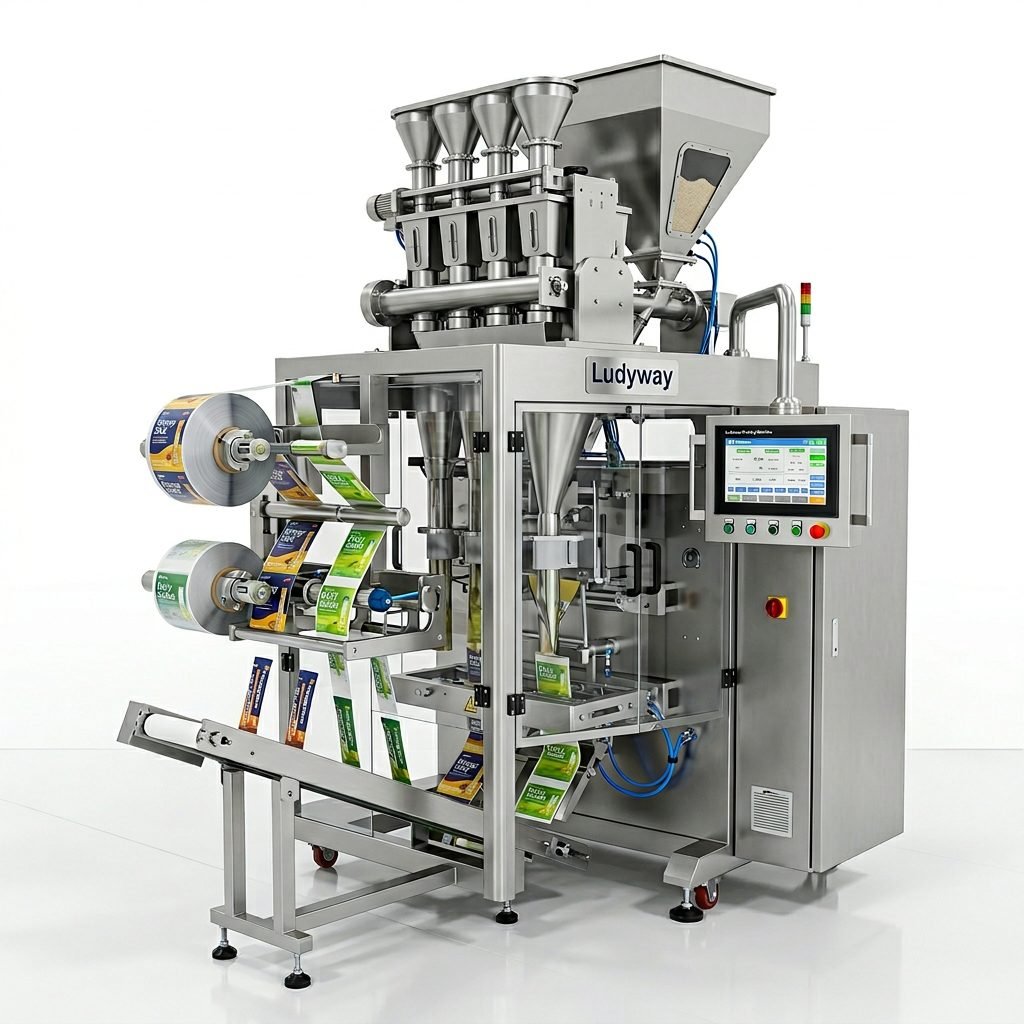
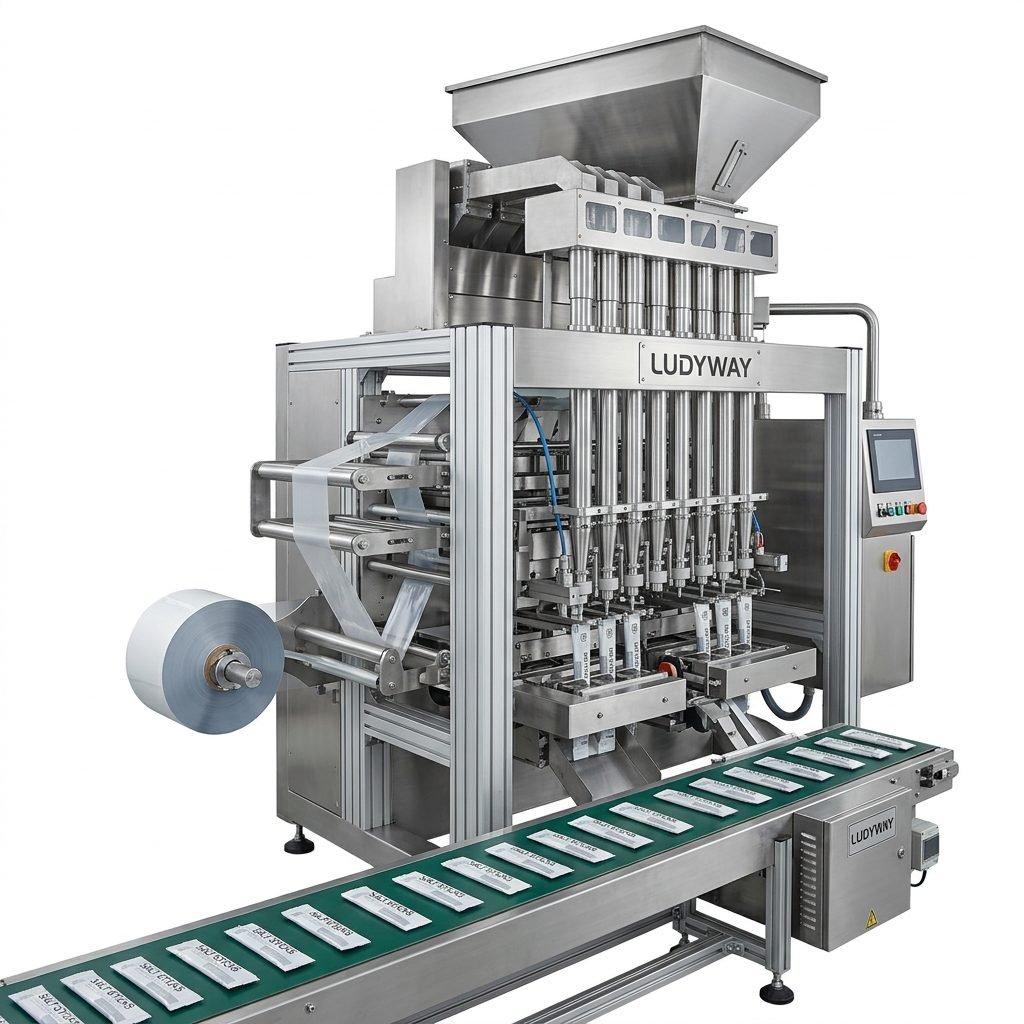
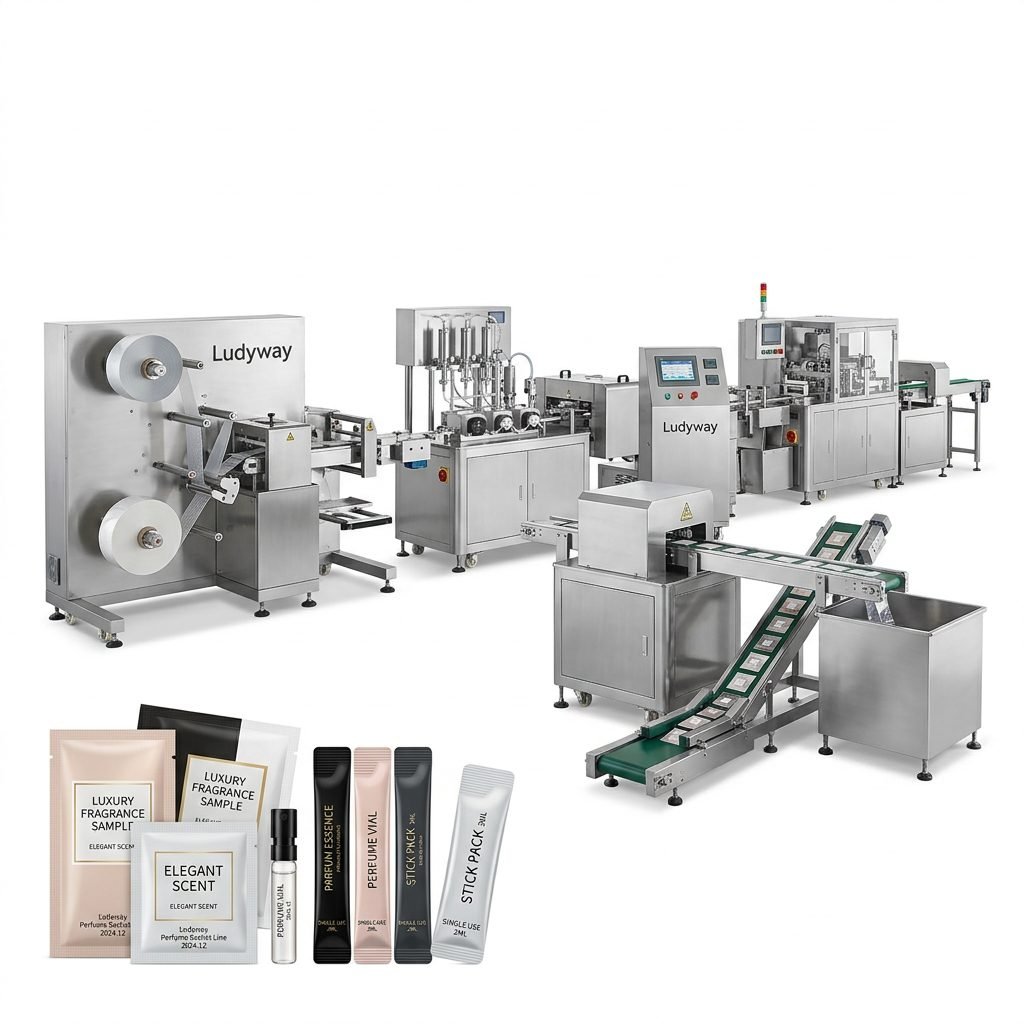
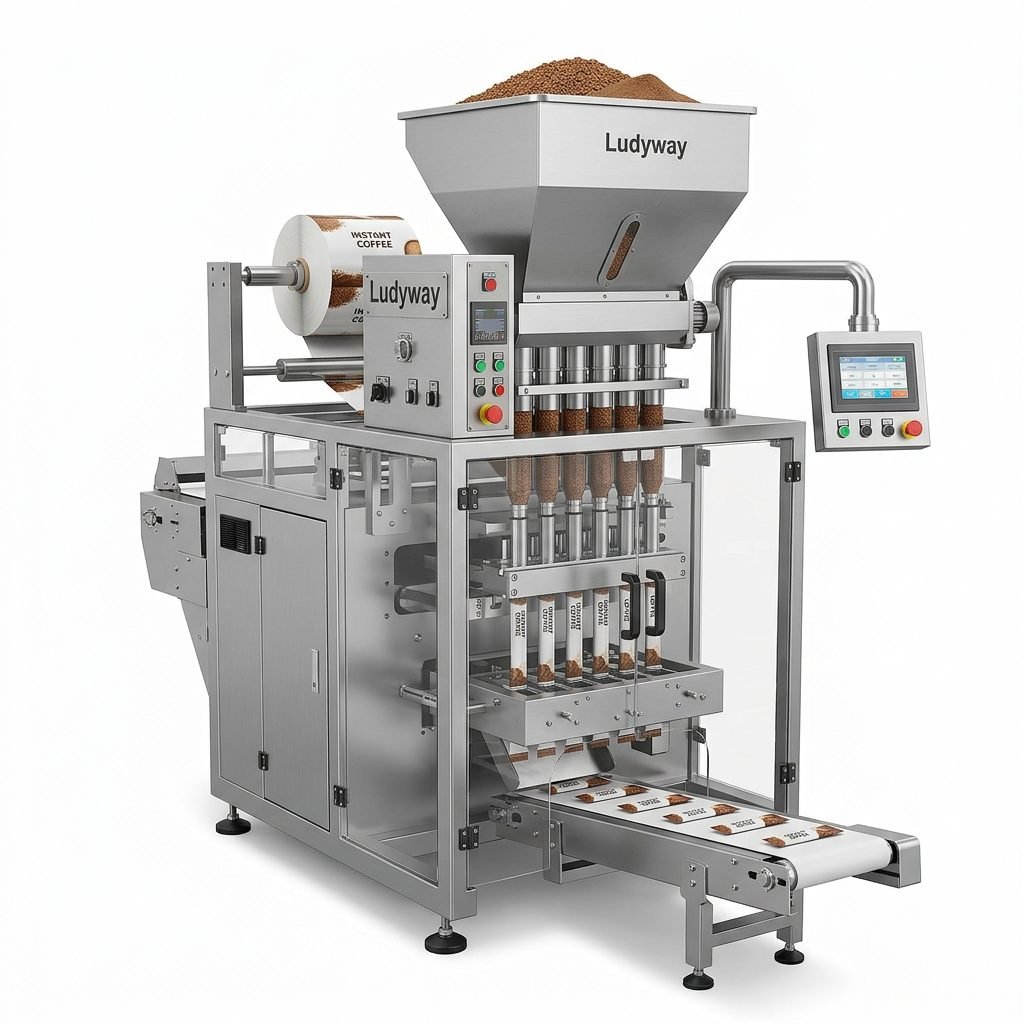
Stick Pack and Sachet Machines
Gaining popularity for single-serve portions, especially in foodservice, hotels, and as promotional items.
Key Advantage: These machines create a sealed, portable packet from a roll of film, offering excellent barrier properties to preserve freshness and prevent leakage. They are perfect for portion-controlled honey servings.
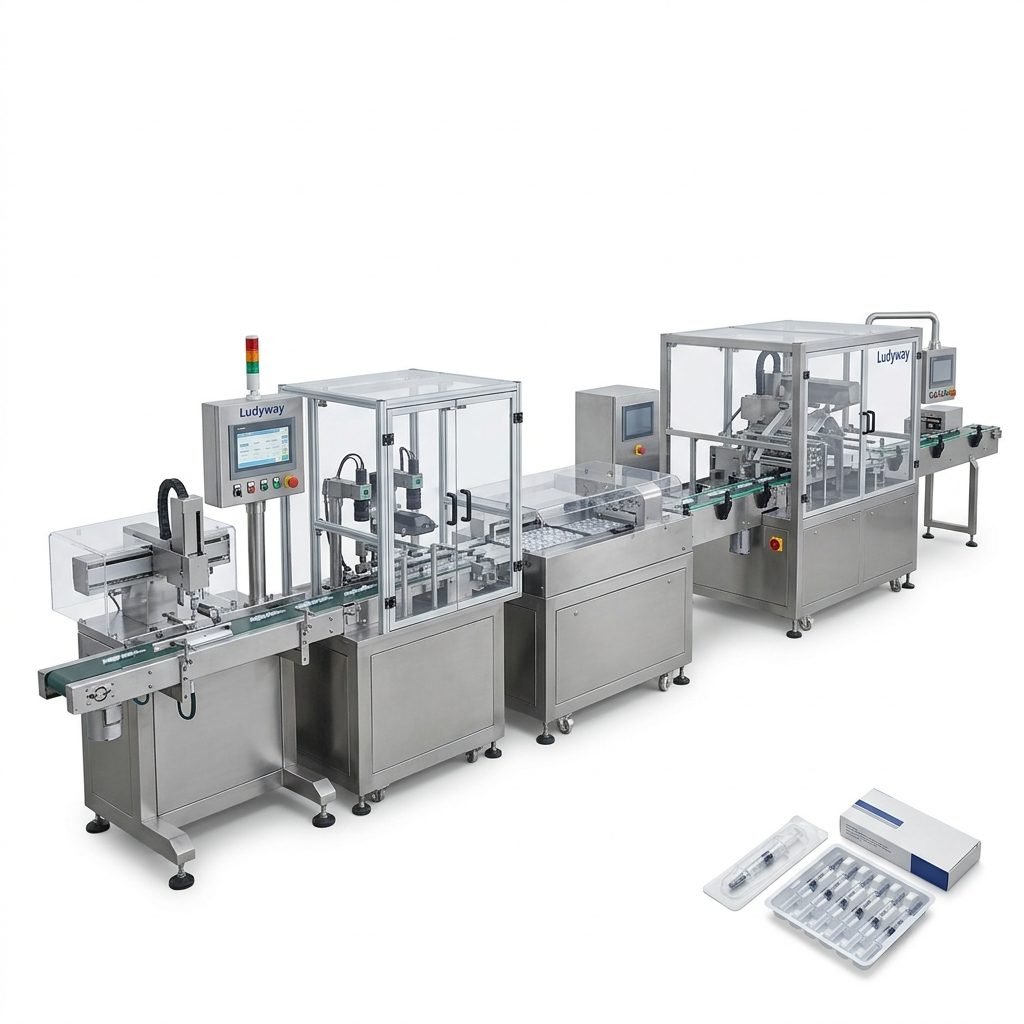
Automatic Bottling Lines
For large-scale producers, an integrated line automates the entire process:
- Bottle Unscrambling
- Precise Filling
- Capping or Sealing
- Labeling
- Cartoning or Case Packing
Essential Features to Evaluate in a Honey Packager
Beyond the basic type, several features determine a machine’s suitability and long-term value.
1. Material Compatibility and Hygiene
Honey is a food product, so machines must be constructed with food-grade materials (e.g., 304 or 316 stainless steel) in all product contact parts. Design should allow for easy cleaning and disinfection (CIP/SIP capabilities are a plus).
2. Filling Accuracy and Speed
Accuracy impacts both cost and compliance. Look for machines with precision dosing systems. Speed (containers per minute) must align with your output targets. Remember, a slightly slower but more accurate machine often wastes less product.
3. Versatility and Changeover
Can the machine handle different container shapes and sizes? How quickly can you switch from one jar to another? Quick-change parts and tool-less adjustments minimize downtime. Some advanced machines store recipes digitally for instant recall.
4. Control System and Ease of Use
A user-friendly Human-Machine Interface (HMI) with a touchscreen simplifies operation, recipe management, and troubleshooting. PLC-based systems offer reliability and precise control.
5. Sealing and Capping Integrity
The seal is crucial for preventing crystallization from moisture absorption and maintaining shelf life. Ensure the machine provides consistent, hermetic seals—whether it’s applying screw caps, press-on lids, or heat-sealing film for stick packs.
A Step-by-Step Guide to Choosing Your Best Solution
Follow this framework to make a confident investment decision.
Step 1: Analyze Your Current and Future Needs
- Product Form: Liquid, creamed, or comb honey?
- Packaging Format: Glass jars, plastic bottles, squeezable bears, stick packs, or pouches?
- Production Volume: Current daily output and projected 3-5 year growth.
- Budget: Total investment for machinery, installation, and training.
Step 2: Research and Shortlist Suppliers
Look for manufacturers with proven experience in food-grade packaging, specifically with viscous products. Evaluate their reputation, after-sales support, and availability of spare parts. A supplier with strong engineering capabilities and industry experience can provide more reliable and tailored solutions.
Step 3: Request Demos and Samples
Never buy based on specifications alone. Arrange for a live demonstration using a product similar to your honey. Run packaged samples through tests for seal strength, accuracy, and visual appeal.
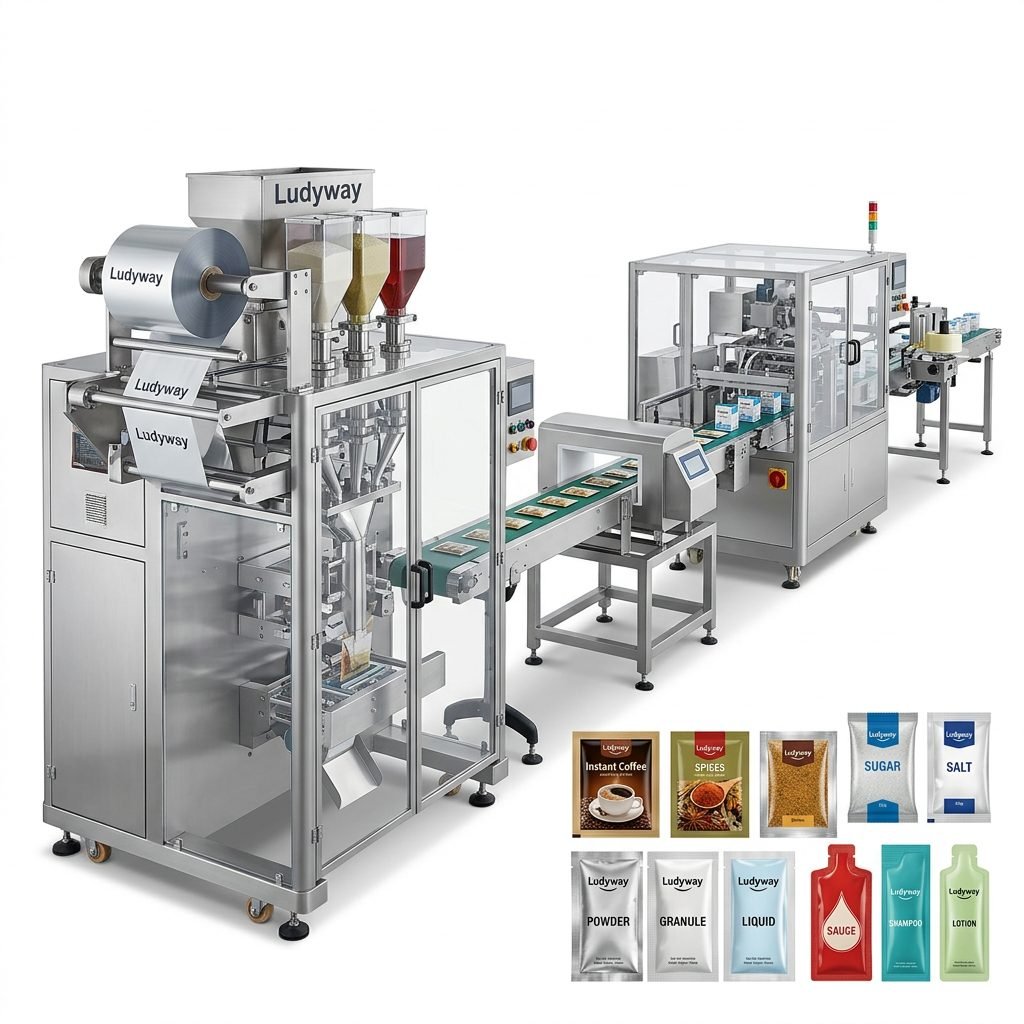
Pro Tip: Consider a Turnkey Solution
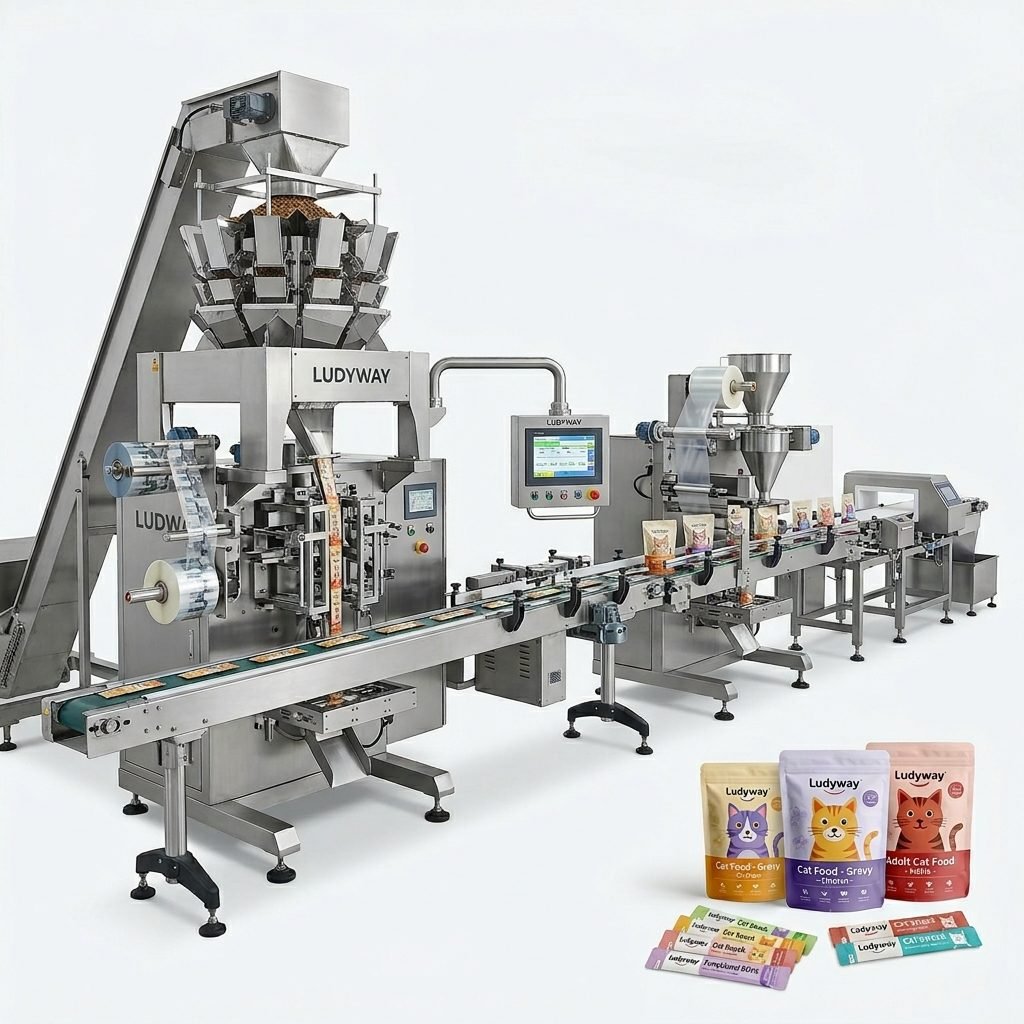
For new lines or major upgrades, consider partnering with a supplier who can deliver a complete turnkey production line. This integrates filling, capping, labeling, and conveying into one coordinated system from a single source, ensuring compatibility and simplifying project management. Suppliers like Ludyway Machinery specialize in such integrated solutions, offering everything from single machines to complete automated lines.
Step 4: Evaluate Total Cost of Ownership (TCO)
Look beyond the purchase price. Factor in:
➤ Energy consumption.
➤ Maintenance costs and schedules.
➤ Expected lifespan and upgrade potential.
➤ Cost of consumables (e.g., sealing jaws, pump seals).
Step 5: Finalize Support and Training Plans
Ensure the supplier offers comprehensive installation, operator training, and a clear warranty and service agreement. Access to timely technical support is invaluable for minimizing production stoppages.
Partnering with the Right Technology Provider
Selecting a machine is also about selecting a partner. A provider with deep industry knowledge can offer insights beyond the equipment itself. For instance, a company with a long history in international packaging understands the diverse requirements of different markets and can advise on packaging trends, material selection, and efficiency optimizations that you may not have considered. Their experience in delivering customized automation solutions globally means they are equipped to handle unique challenges specific to honey packaging.
Frequently Asked Questions (FAQs)
1. What type of filling machine is best for raw, crystallized honey?
Piston fillers are generally the best choice. Their positive displacement action handles high-viscosity and semi-solid products effectively without aerating the honey, preserving its natural qualities.
2. Can one machine package both honey and other products like syrup or jam?
Yes, many machines are designed for versatility. The key is to ensure the machine is constructed with food-grade materials and has easy-to-clean components. Piston fillers with quick-change cylinders are excellent for this purpose, allowing you to switch between products with different viscosities.
3. How important is nitrogen flushing for honey packaging?
While honey has a long shelf life due to its low water activity, nitrogen flushing can be beneficial for premium products. It removes oxygen from the headspace of the container, which can further slow any potential oxidation and color changes, and helps maintain a pristine product appearance over time.
4. What maintenance does a honey packaging machine require?
Daily cleaning of all product contact parts is essential. Regular maintenance includes lubricating moving parts (with food-grade lubricants), inspecting and replacing seals or gaskets, and calibrating the filling system. Always follow the manufacturer’s recommended maintenance schedule.
5. Is automation worth it for a small-scale honey producer?
It depends on growth goals and labor costs. Semi-automatic machines (e.g., a single-head piston filler) offer a great middle ground—significantly improving accuracy and speed over manual filling without the high cost of a full automated line. They are an excellent investment for growing businesses.