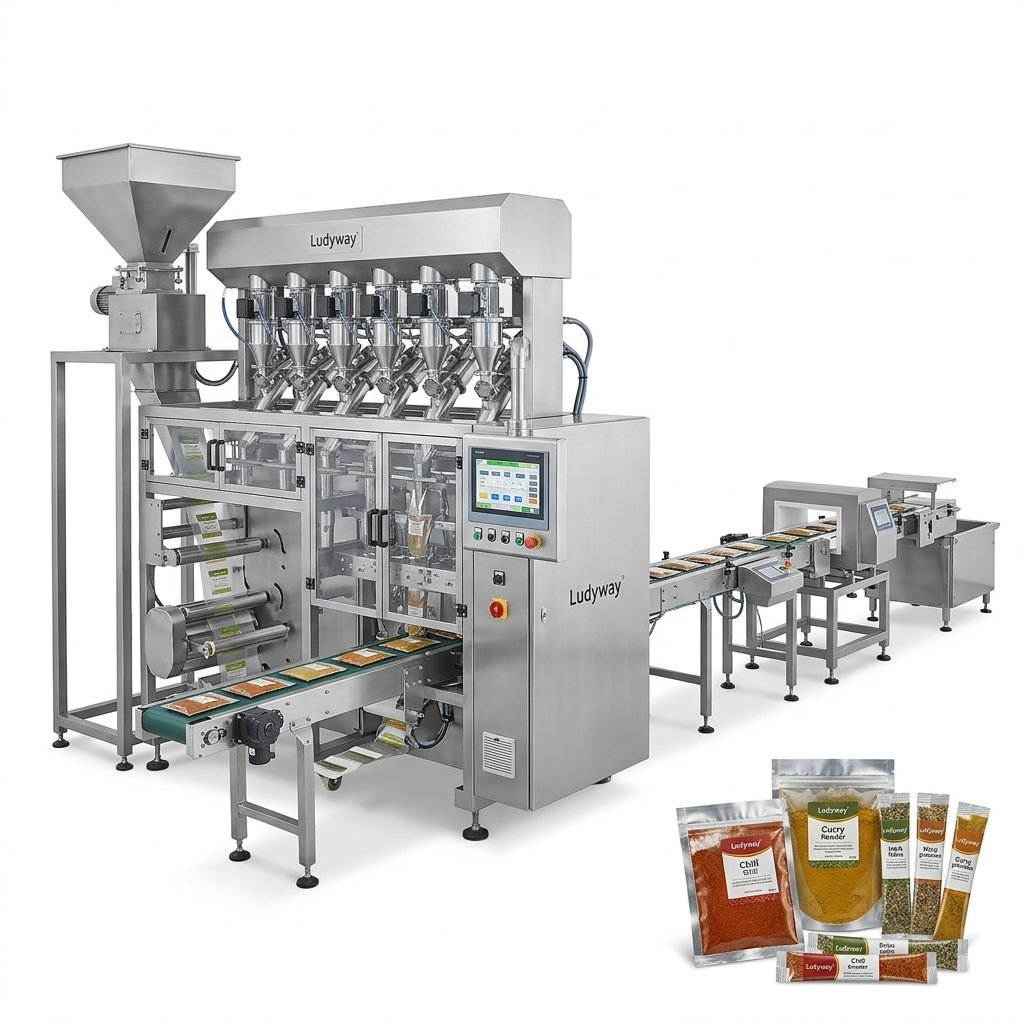
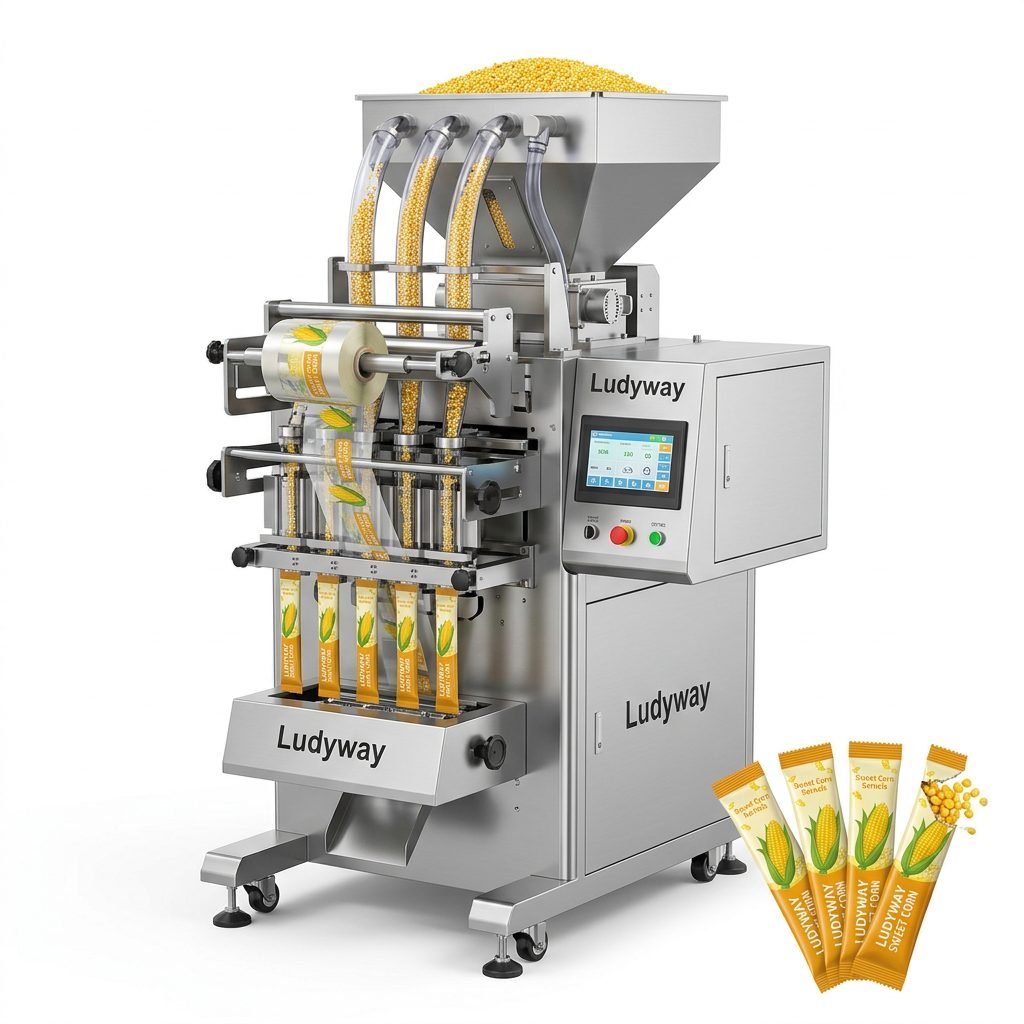
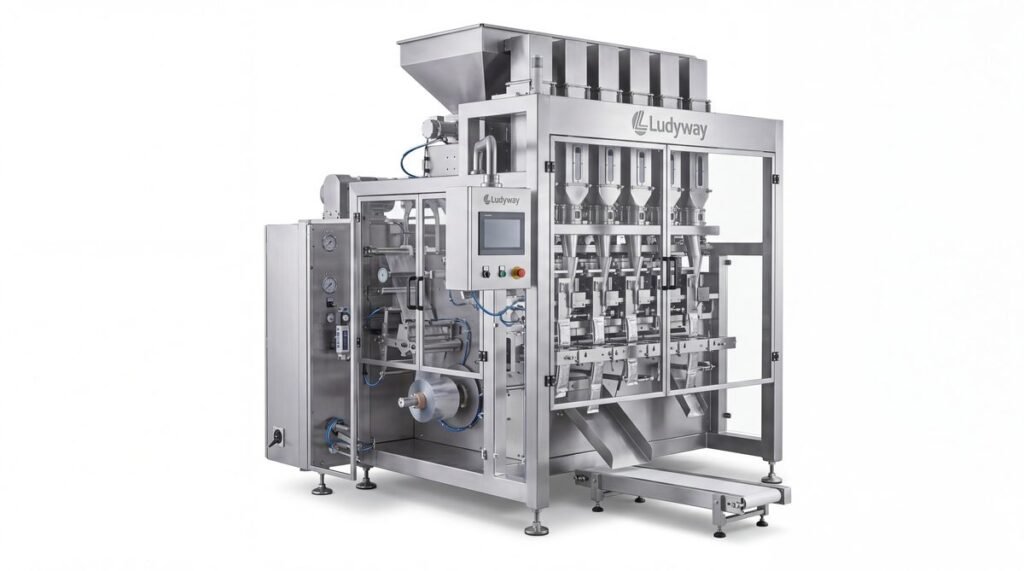
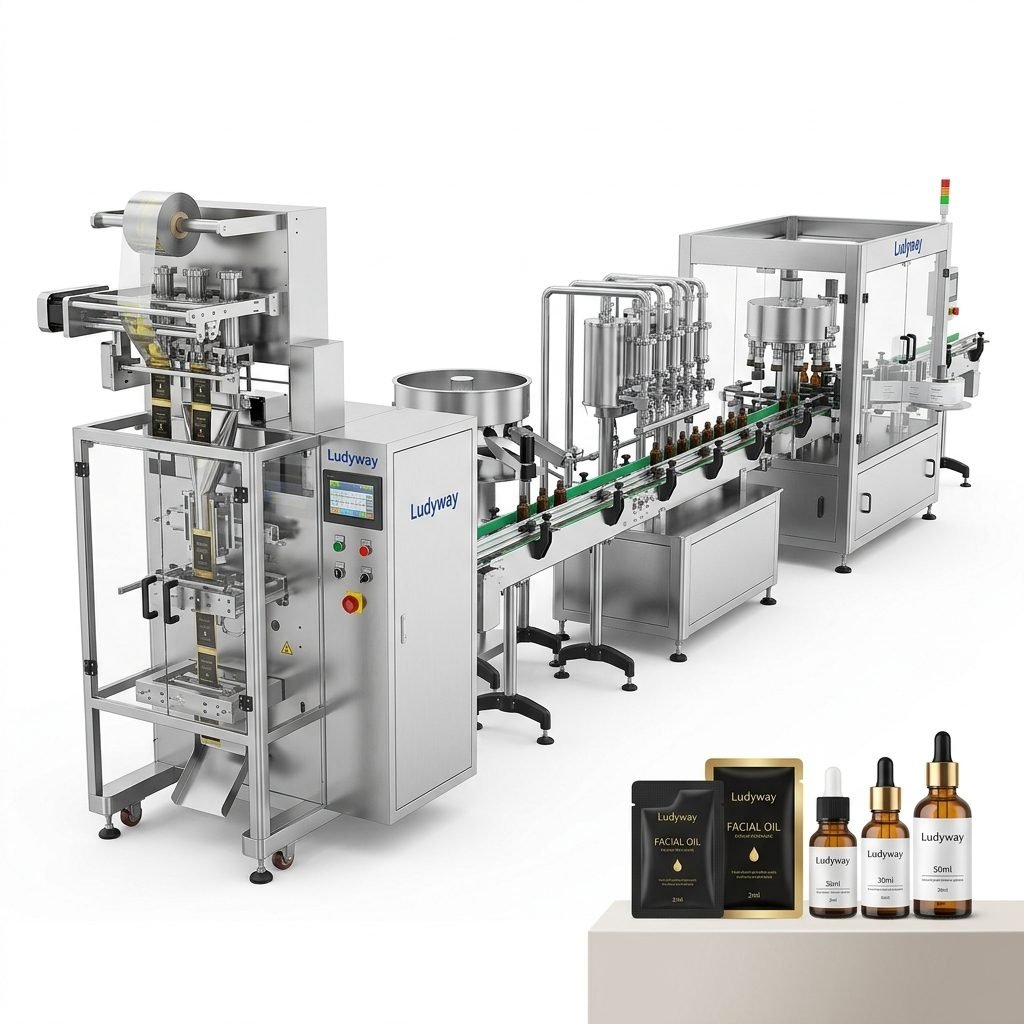
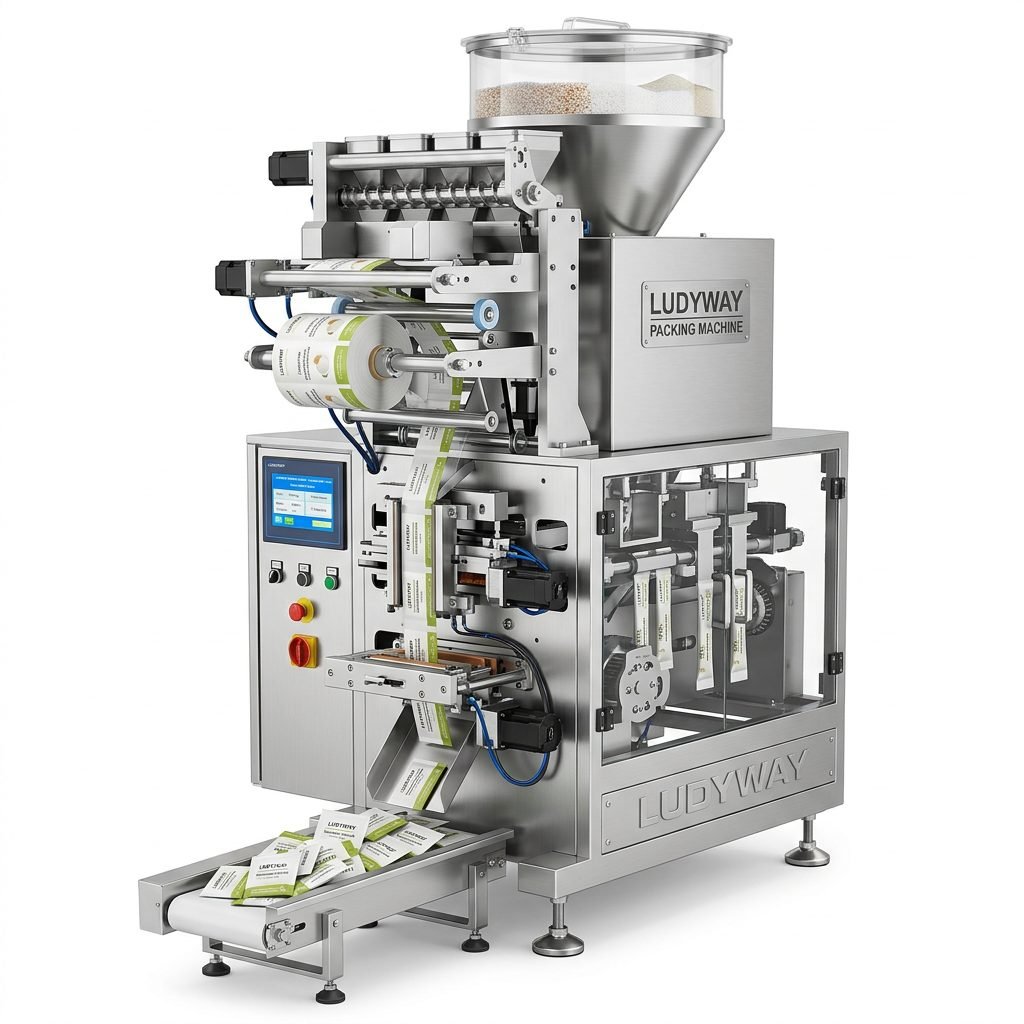
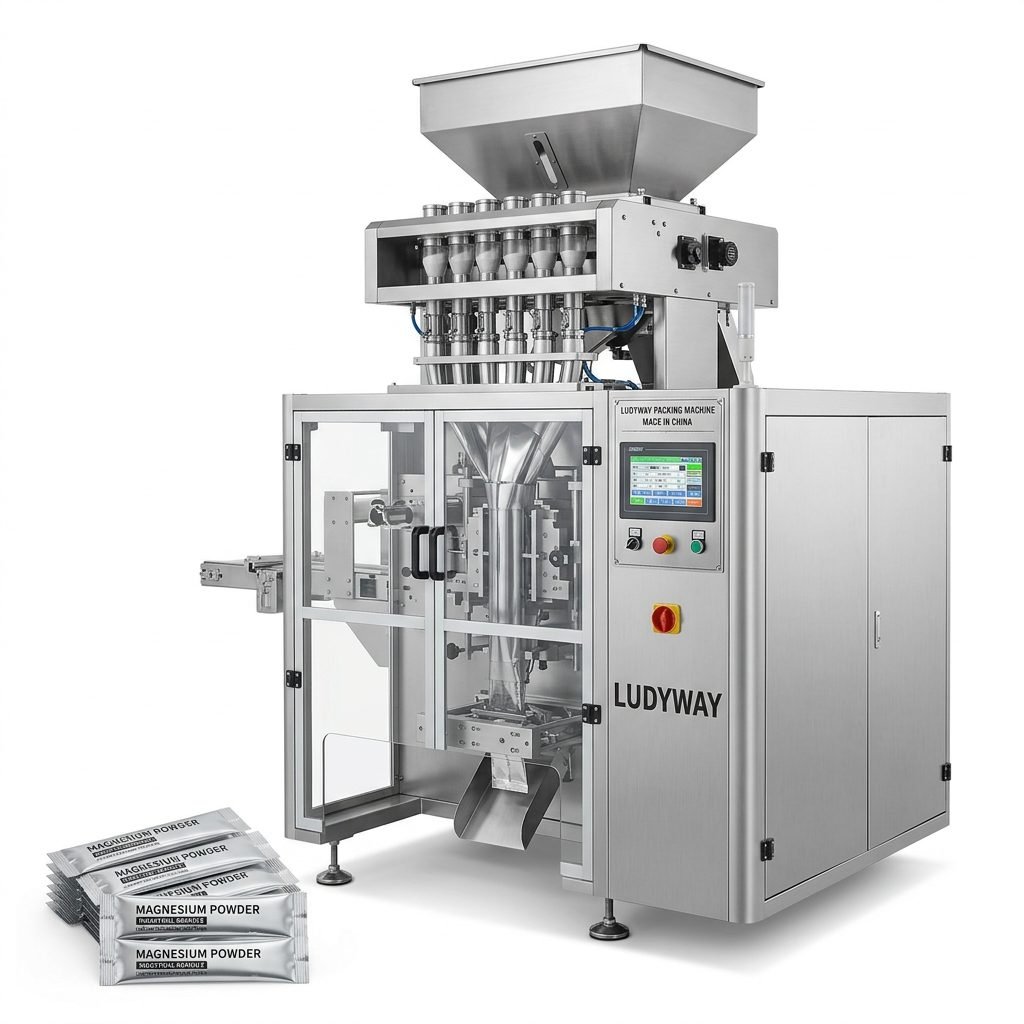
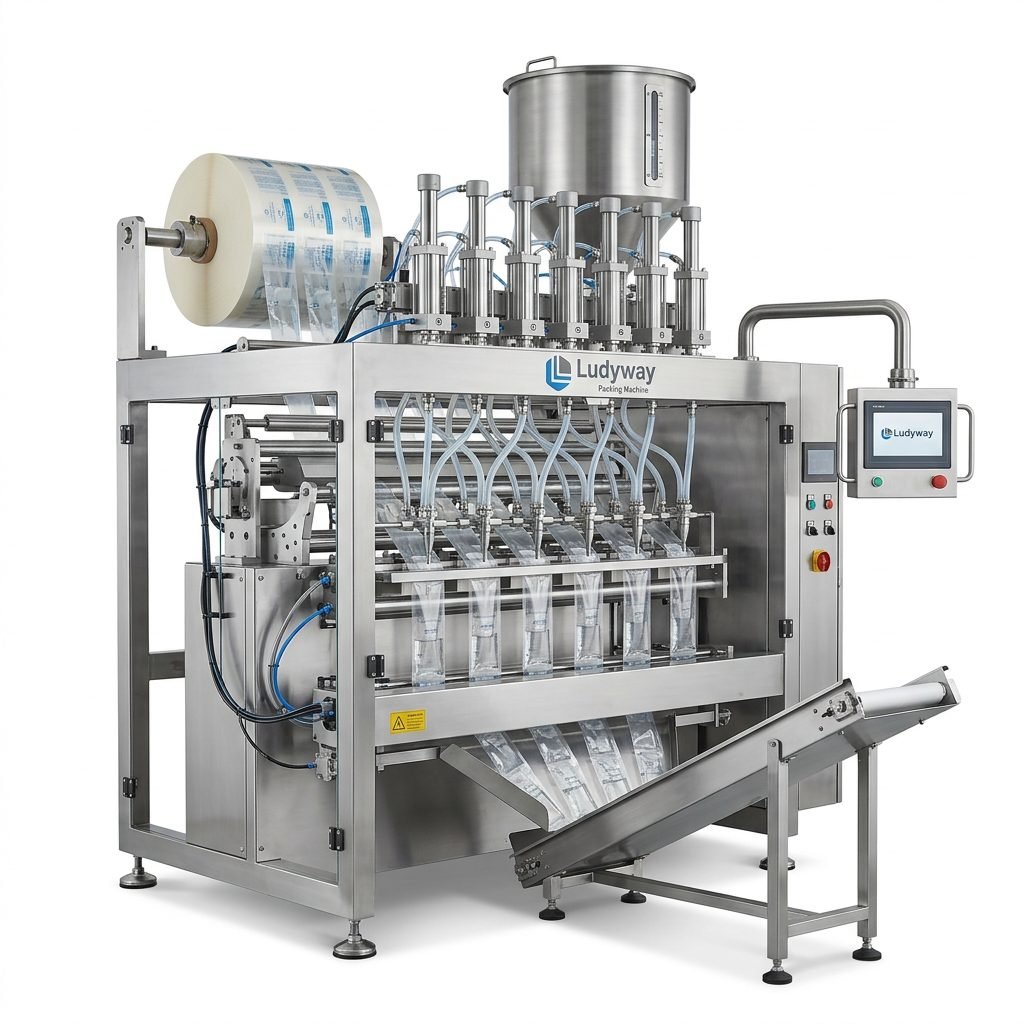
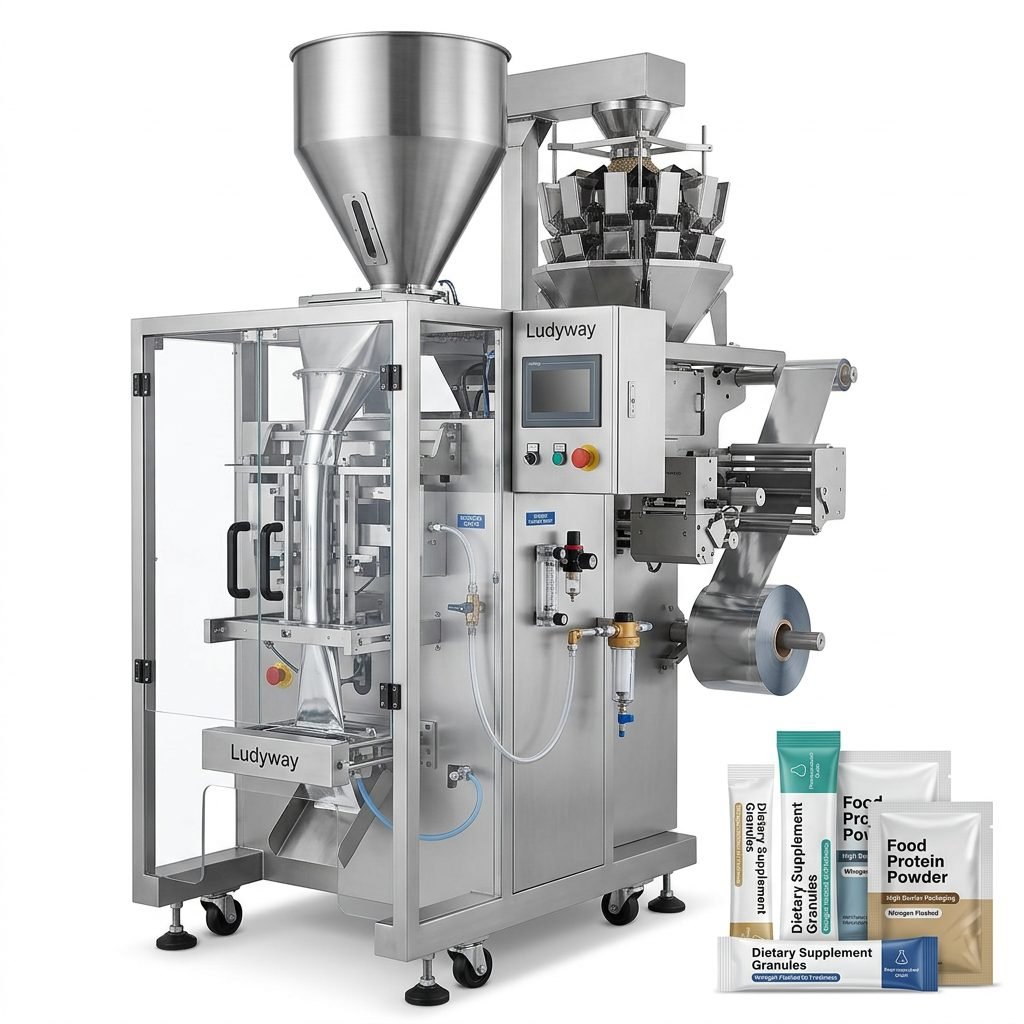
Fast, reliable plastic bag packaging is no longer just a production advantage—it is a competitive requirement. Whether you package food, pharmaceuticals, health supplements, chemicals, or daily-use products, the right machine can help you improve speed, reduce material waste, maintain seal quality, and support long-term business growth.
Choosing the best plastic bag packaging machine is not only about buying faster equipment. It means matching your product type, bag style, output target, factory layout, and automation goals with a solution that performs consistently under real production conditions.
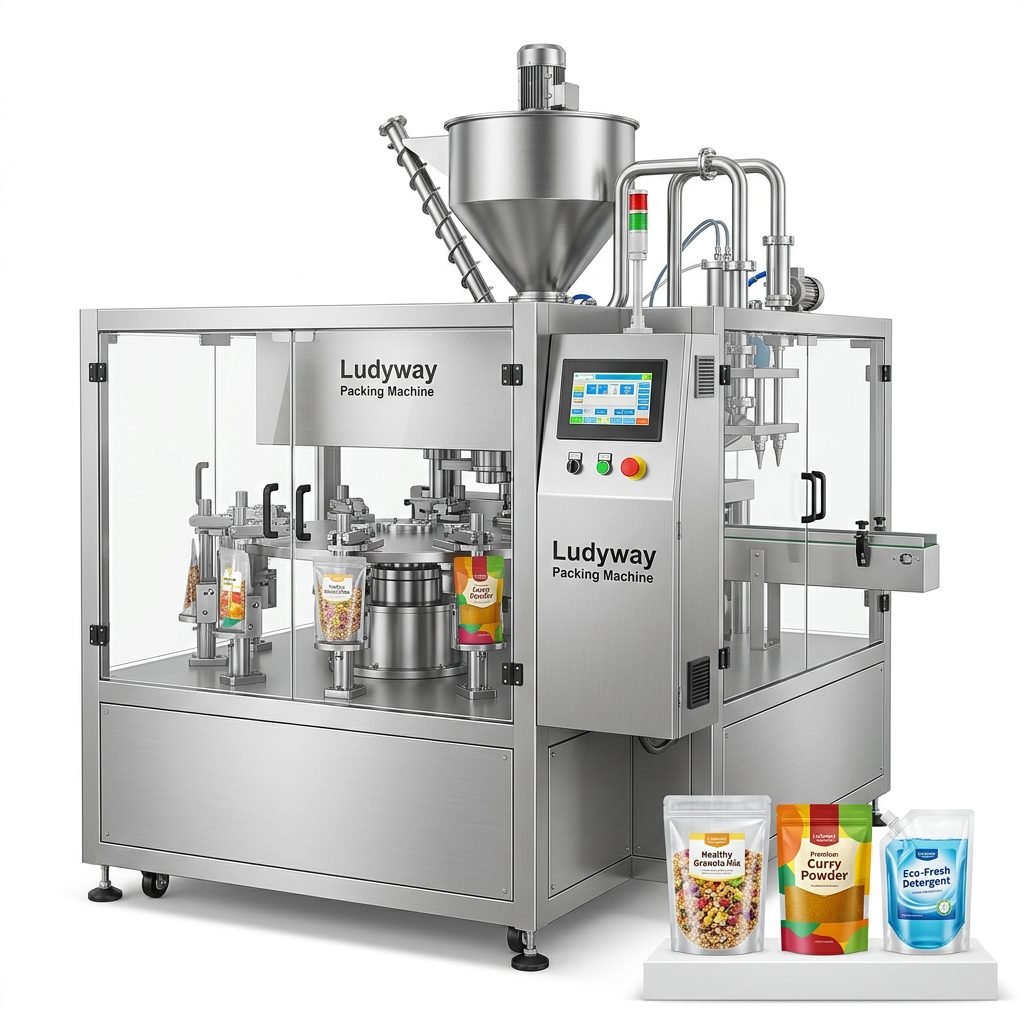
Why Plastic Bag Packaging Machines Matter in Modern Production
Plastic bags remain one of the most practical packaging formats because they are lightweight, cost-effective, easy to transport, and compatible with many product categories. From sachets and stick packs to pillow bags, premade pouches, and larger bulk bags, plastic packaging offers flexibility for both retail and industrial use.
- Higher throughput for growing order volumes
- Better consistency in filling accuracy and sealing quality
- Lower labor dependency through automation
- Cleaner production for regulated industries
- Improved product protection during storage and shipping
If your current line struggles with downtime, unstable seals, inaccurate filling, or limited speed, upgrading to a better packaging system can deliver measurable operational gains.
Start with the Product You Need to Pack
The first step in choosing the right solution is understanding the physical characteristics of your product. Different materials behave very differently inside a packaging machine.
| Product Type | Typical Filling System | Key Consideration |
|---|---|---|
| Granules | Cup filler / weigher | Flowability and particle size |
| Powders | Auger filler | Dust control and dosing accuracy |
| Liquids | Pump / piston filler | Leak prevention and seal integrity |
| Pastes / creams | Servo piston system | Viscosity and clean discharge |
| Irregular solids | Multihead weighing | Product protection and weighing speed |
A machine that works well for free-flowing salt or sugar may not perform well with sticky powders, fragile granules, or high-viscosity liquids. That is why product testing is often essential before final machine selection.
Match the Machine to the Bag Style
Plastic bag packaging machines are designed around the final pack format. Before making a decision, confirm the bag style your market requires.
Common bag types include:
- Pillow bags
- Back-seal bags
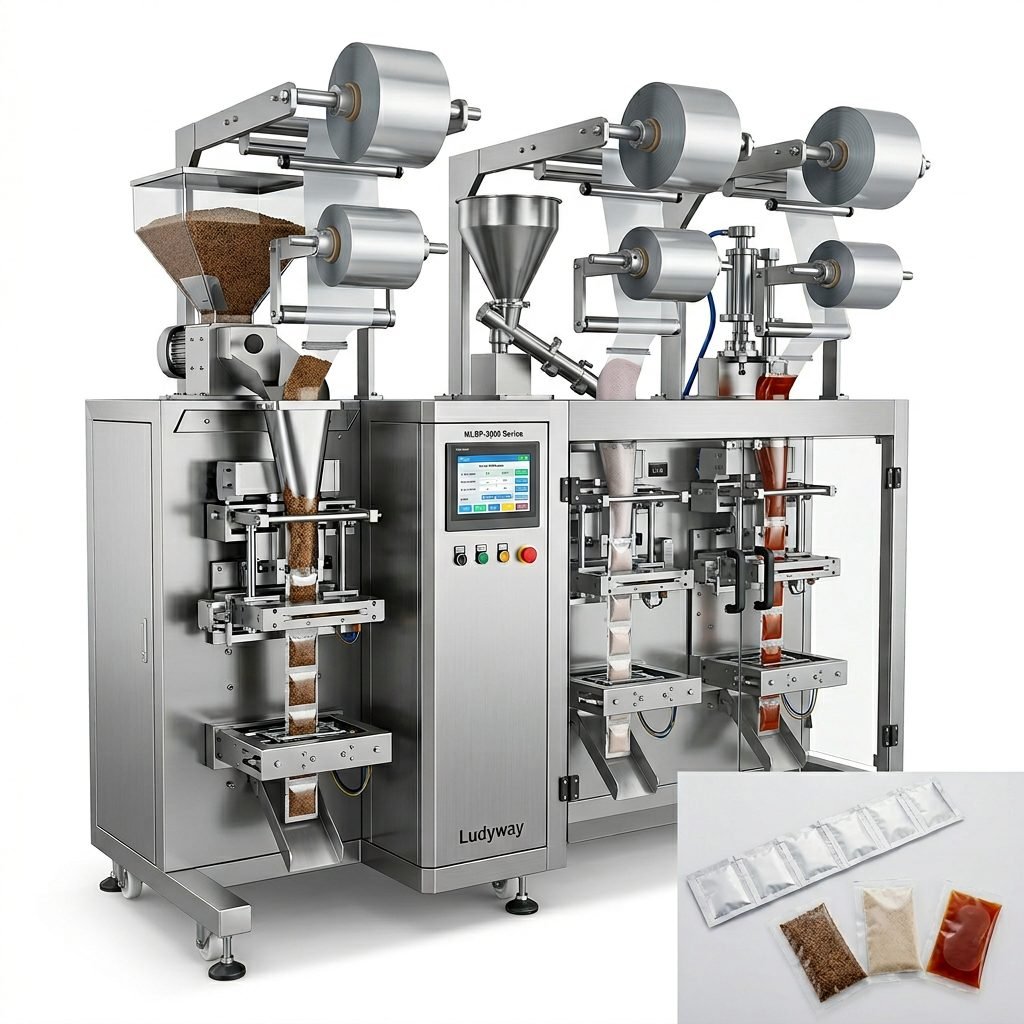
- Three-side seal sachets
- Four-side seal sachets
- Stick packs
- Premade pouches
- Zip pouches
- Large plastic bags for bulk materials
If your business sells single-serve retail products, sachet or stick pack systems may be the most efficient option. If you need stronger shelf presence, premade pouches may be better. For industrial or agricultural applications, larger bagging equipment may be more suitable.
How to Evaluate Speed Without Overbuying
Many buyers focus first on machine speed, but the fastest machine is not always the right investment. You should choose equipment based on your actual production demand, future expansion plans, and downstream line capacity.
Ask these questions:
- How many bags per minute do you need today?
- What output will you need in 12 to 36 months?
- Can your feeding, coding, inspection, cartoning, and palletizing systems keep up?
- Will faster production increase scrap if your product is difficult to handle?
A balanced packaging line is usually more profitable than an oversized machine running below efficiency. The ideal solution delivers stable output, not just a high number on paper.
Core Features to Look for in a Plastic Bag Packaging Machine
When comparing suppliers and machine models, focus on the features that affect daily performance, maintenance, and long-term return on investment.
Important features include:
- Servo-driven control for accurate film pulling and repeatable bag length
- Stable sealing system for clean, strong, leak-resistant seals
- Accurate dosing device matched to your product properties
- PLC and touchscreen interface for easy operation and parameter changes
- Automatic tracking for printed film registration
- Quick changeover design for multiple bag sizes or SKUs
- Safety protection and compliance with industry standards
- Integration capability with conveyors, metal detectors, checkweighers, cartoners, and case packers
For high-volume factories, intelligent fault alarms and remote support functions can also reduce downtime and service delays.
Material Compatibility Is More Important Than Many Buyers Realize
Not every machine handles every plastic film equally well. The packaging material you use—such as PE, laminated film, composite film, or barrier material—directly affects sealing temperature, sealing pressure, running speed, and final package quality.
Before purchasing, confirm:
- The film structure you will use
- Film thickness range
- Roll dimensions or pouch dimensions
- Required seal strength
- Whether the material is recyclable or mono-material
If your company is moving toward more sustainable packaging, make sure the machine can adapt to newer film types without sacrificing seal quality or speed.
Consider Industry-Specific Requirements
Different industries require different packaging standards. A food packaging project may prioritize hygiene and speed, while a pharmaceutical application may require higher precision, validation support, and stricter cleanliness standards.
| Industry | Main Focus | Recommended Priority |
|---|---|---|
| Food | Hygiene, speed, appearance | Washdown-friendly design and stable sealing |
| Pharmaceutical | Accuracy, compliance, traceability | Precision filling and documented quality control |
| Health supplements | Dose consistency and flexible formats | Fast changeover and multi-format compatibility |
| Chemical | Corrosion resistance and safe handling | Material compatibility and secure sealing |
| Pet food / feed | Durability and high-capacity filling | Reliable weighing and dust control |
Standalone Machine or Complete Packaging Line?
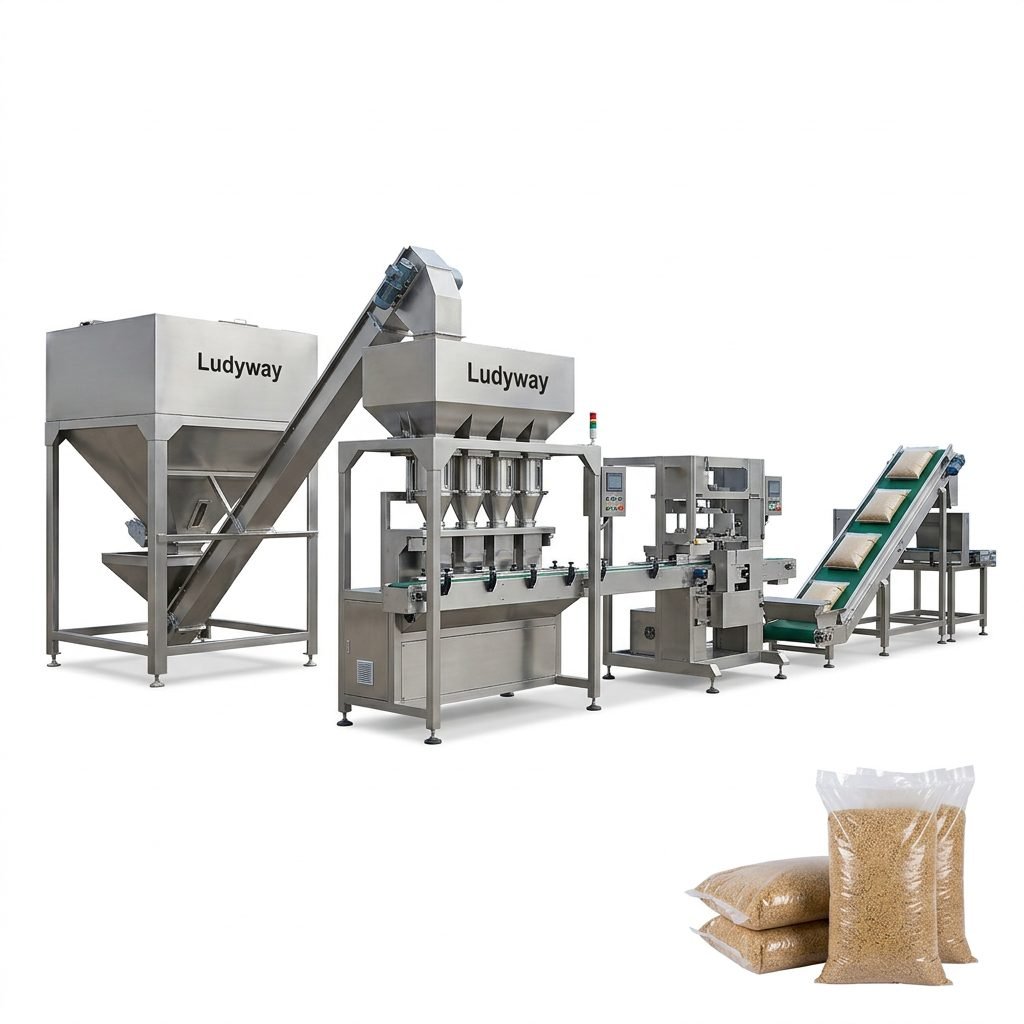
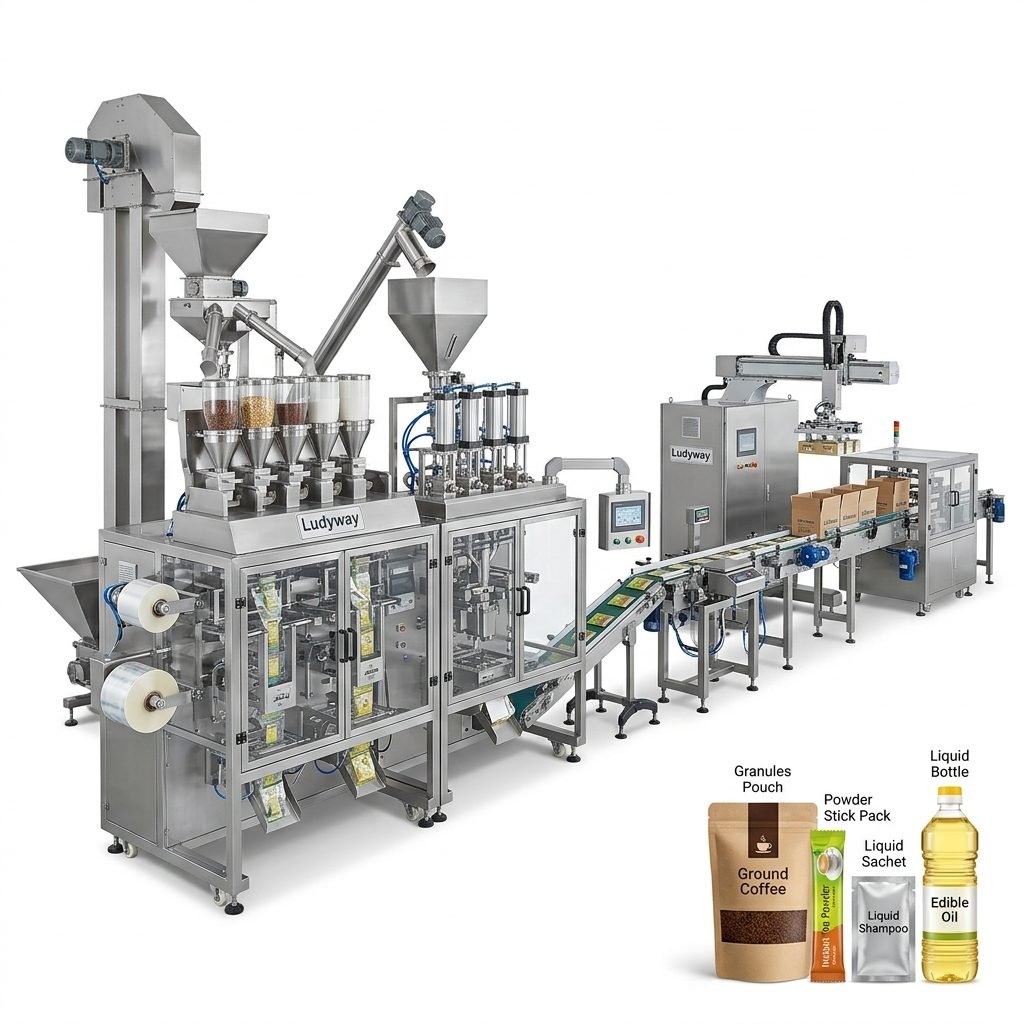
Some businesses only need a single plastic bag packaging machine. Others benefit more from a complete turnkey solution that includes feeding, filling, sealing, coding, inspection, cartoning, and end-of-line automation.
A standalone machine may be enough if:
- You are replacing one older unit
- Your upstream and downstream equipment is already compatible
- Your production volume is moderate
A complete packaging line may be better if:
- You want to reduce manual handling
- You need higher speed and line synchronization
- You are building a new factory or expanding capacity
- You want one supplier responsible for integration
What to Ask a Packaging Machine Supplier Before Buying
The supplier you choose is just as important as the machine itself. Strong engineering support, customization ability, and after-sales service can significantly affect project success.
Key questions to ask:
- Have you handled products similar to mine?
- Can you provide sample testing using my product and film?
- What packaging speeds are realistic for my application?
- How easy is cleaning, maintenance, and changeover?
- What spare parts and technical support are available?
- Can the machine be upgraded later?
- Do you offer turnkey integration if I expand?
A qualified manufacturer should be able to explain not only what the machine does, but why it is the best fit for your exact packaging target.
Common Mistakes to Avoid
Many packaging investments underperform because buyers focus only on upfront cost or machine appearance. Avoid these common mistakes:
- Choosing a machine based only on maximum speed
- Ignoring film compatibility and sealing behavior
- Underestimating product flow issues
- Buying equipment with limited upgrade potential
- Failing to consider cleaning and maintenance access
- Not planning for coding, inspection, and secondary packaging
A cheaper machine can become more expensive over time if it causes waste, downtime, labor inefficiency, or customer complaints due to poor package quality.
How to Choose a Future-Ready Solution
The best packaging machine is one that fits your business now and still supports growth later. Look for modularity, scalable output, and integration options that make future expansion easier.
A future-ready system should help you:
- Launch new SKUs faster
- Adapt to different bag sizes or film materials
- Reduce total packaging cost over time
- Improve labor efficiency
- Meet stricter quality and traceability demands
If you are comparing suppliers with long-term production goals in mind, it is worth reviewing the machine range and turnkey capabilities of experienced manufacturers such as Ludyway plastic bag packaging machine solutions, especially for projects involving multi-format automation, customized dosing systems, and complete packaging lines.
Final Buying Checklist
Before placing an order, confirm the following points with your team and supplier:
| Checklist Item | Status to Confirm |
|---|---|
| Product characteristics tested | Yes / No |
| Bag format finalized | Yes / No |
| Required speed validated | Yes / No |
| Film compatibility confirmed | Yes / No |
| Available floor space checked | Yes / No |
| Future expansion considered | Yes / No |
| Service and spare parts support verified | Yes / No |
A smart buying decision is based on the full packaging process—not just the machine price. When the right equipment is selected, plastic bag packaging becomes faster, more efficient, and more dependable across every shift.