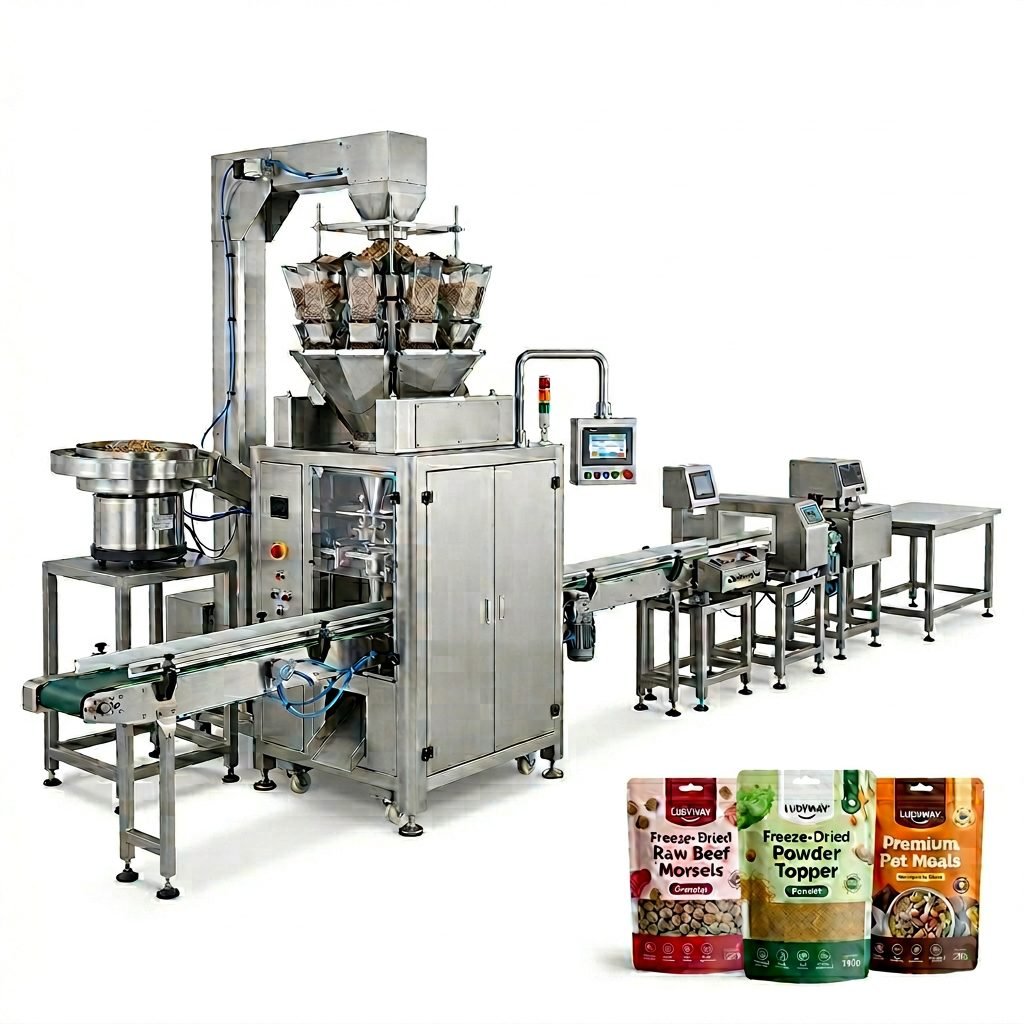
A chip packaging machine is designed to pack potato chips, tortilla chips, puffed snacks, pellets, and other fragile snack products with the right balance of speed, protection, sealing quality, and efficiency. For snack manufacturers, choosing the correct machine is not only about output capacity—it also affects product freshness, breakage rate, labor cost, packaging consistency, and long-term operating profit.
In modern snack production, packaging equipment usually works as part of a larger line that may include feeding, weighing, bag forming, nitrogen flushing, sealing, coding, inspection, case packing, and palletizing. The best solution depends on your chip type, bag format, plant layout, hygiene requirements, and growth goals.

What Is a Chip Packaging Machine?
A chip packaging machine is an automated or semi-automated system that fills chips into bags or pouches and seals them securely for retail, wholesale, or foodservice distribution. Because chips are lightweight and fragile, this equipment must handle products gently while maintaining accurate bag weight and high line speed.
Typical functions include:
- Product conveying from fryer or seasoning line
- Multihead weighing or volumetric dosing
- Bag forming and filling
- Heat sealing
- Nitrogen flushing for freshness protection
- Date coding and traceability marking
- Metal detection or checkweighing
- Secondary packaging such as cartoning or case packing
Why Proper Packaging Matters for Chips
Chips are one of the most packaging-sensitive snack products. Even small mistakes in machine selection can lead to crushed product, underweight bags, poor seal integrity, or short shelf life.
- Fragility: chips break easily during transfer and dropping
- Freshness: oxygen and moisture quickly affect texture and flavor
- Appearance: shelf-ready bags must look full, clean, and consistent
- Speed demand: snack brands often need high-volume production
- Material variation: chips differ in size, density, seasoning, and oil content
Main Types of Chip Packaging Machines
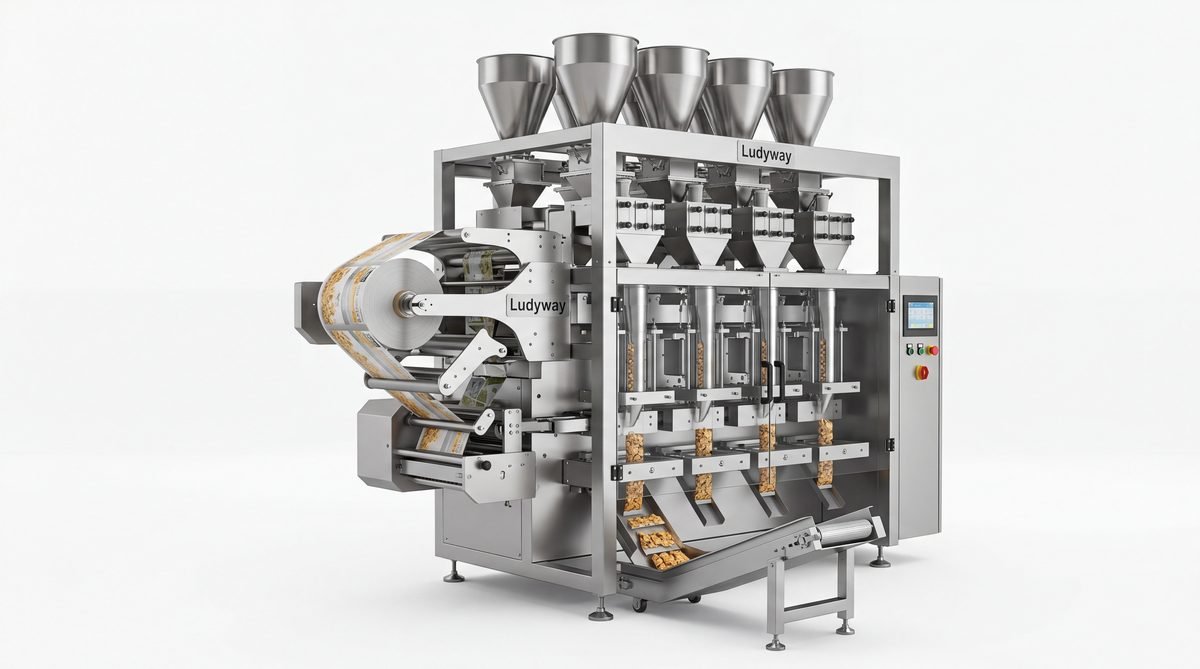
1. Vertical Form Fill Seal (VFFS) Chip Packaging Machine
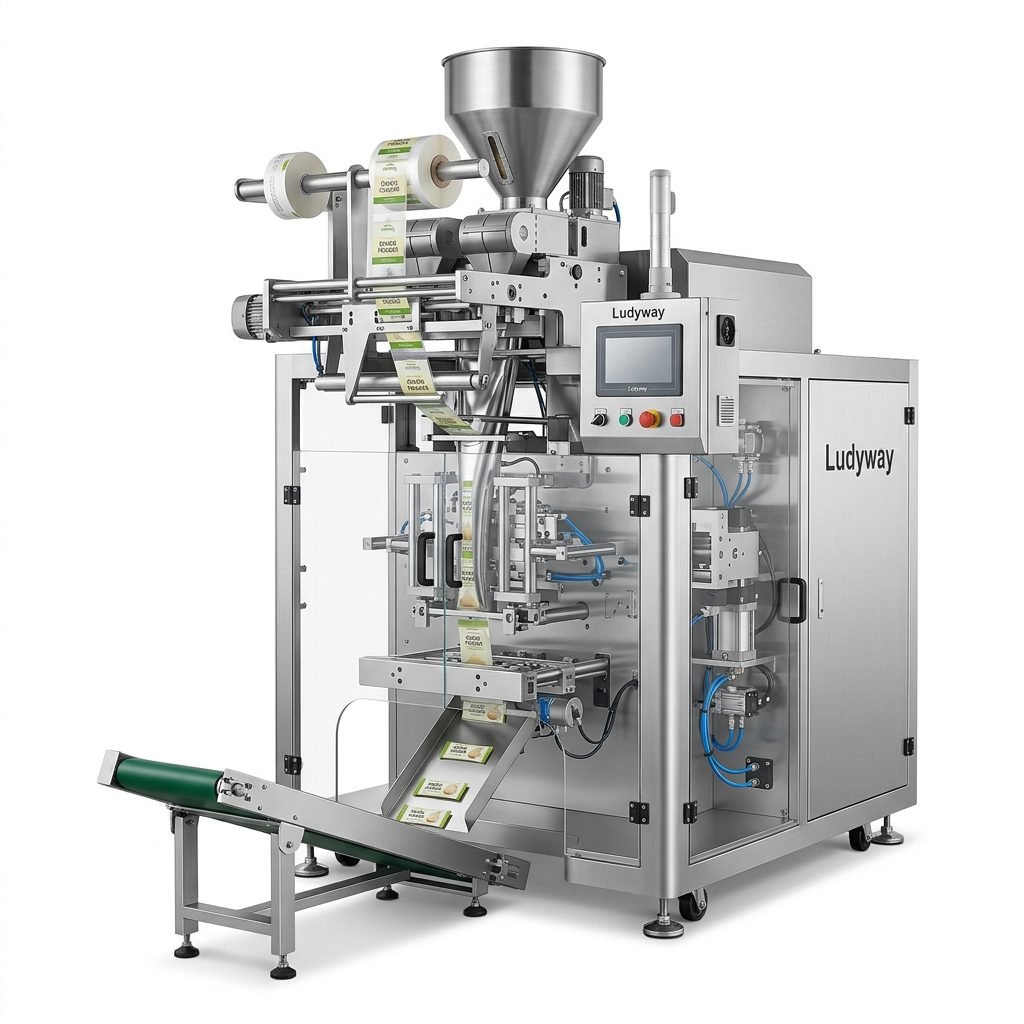
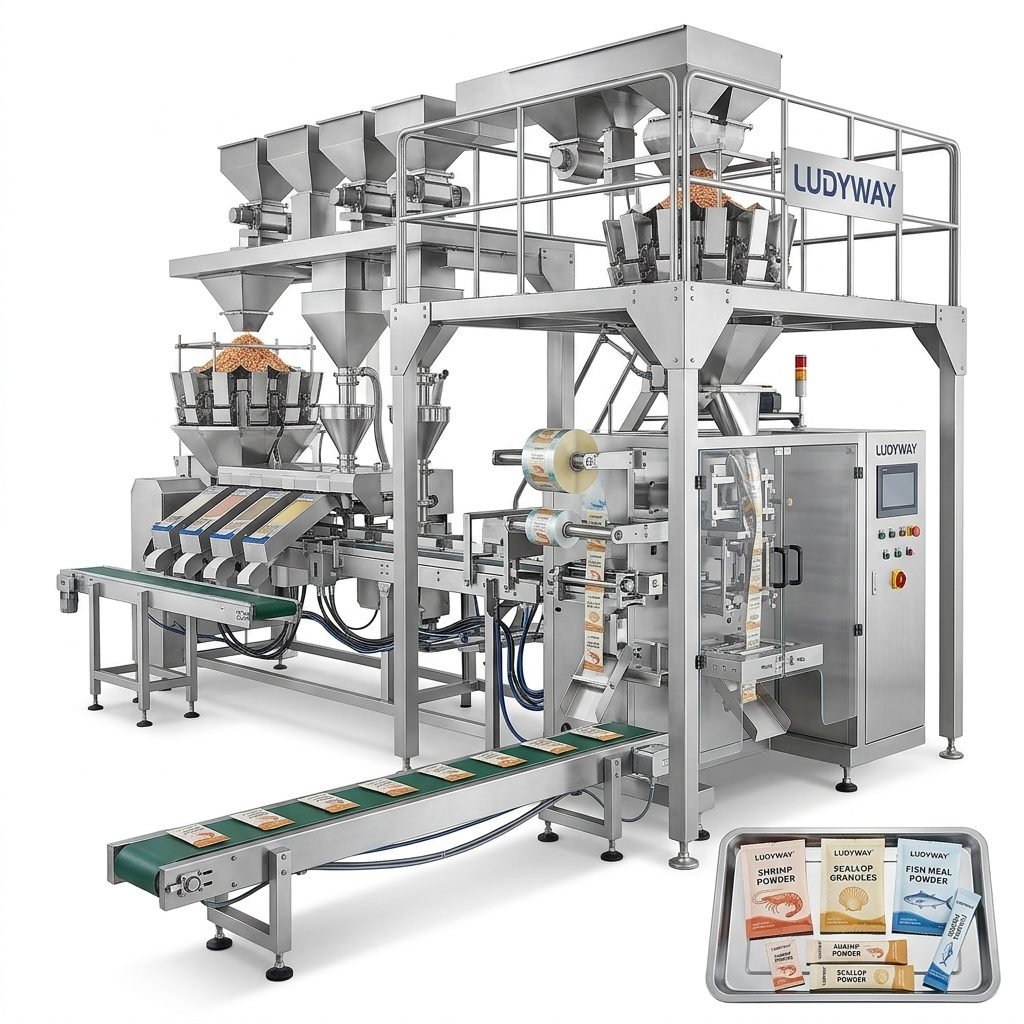
This is the most common type for chips and puffed snacks. The machine forms a bag from roll film, fills it with weighed product, and seals it automatically.
Best for: pillow bags, gusset bags, standard retail snack packs
- High efficiency and broad application
- Works well with multihead weighers
- Suitable for small, medium, and high-output factories
- Can integrate nitrogen flushing and coding
2. Premade Pouch Packaging Machine
This machine fills and seals preformed bags rather than making bags from film rolls. It is often selected for premium packaging styles.
Best for: stand-up pouches, zipper pouches, specialty snack packaging
- More attractive shelf presentation
- Good for premium or differentiated chip brands
- Higher packaging flexibility
- Usually higher pouch material cost than VFFS
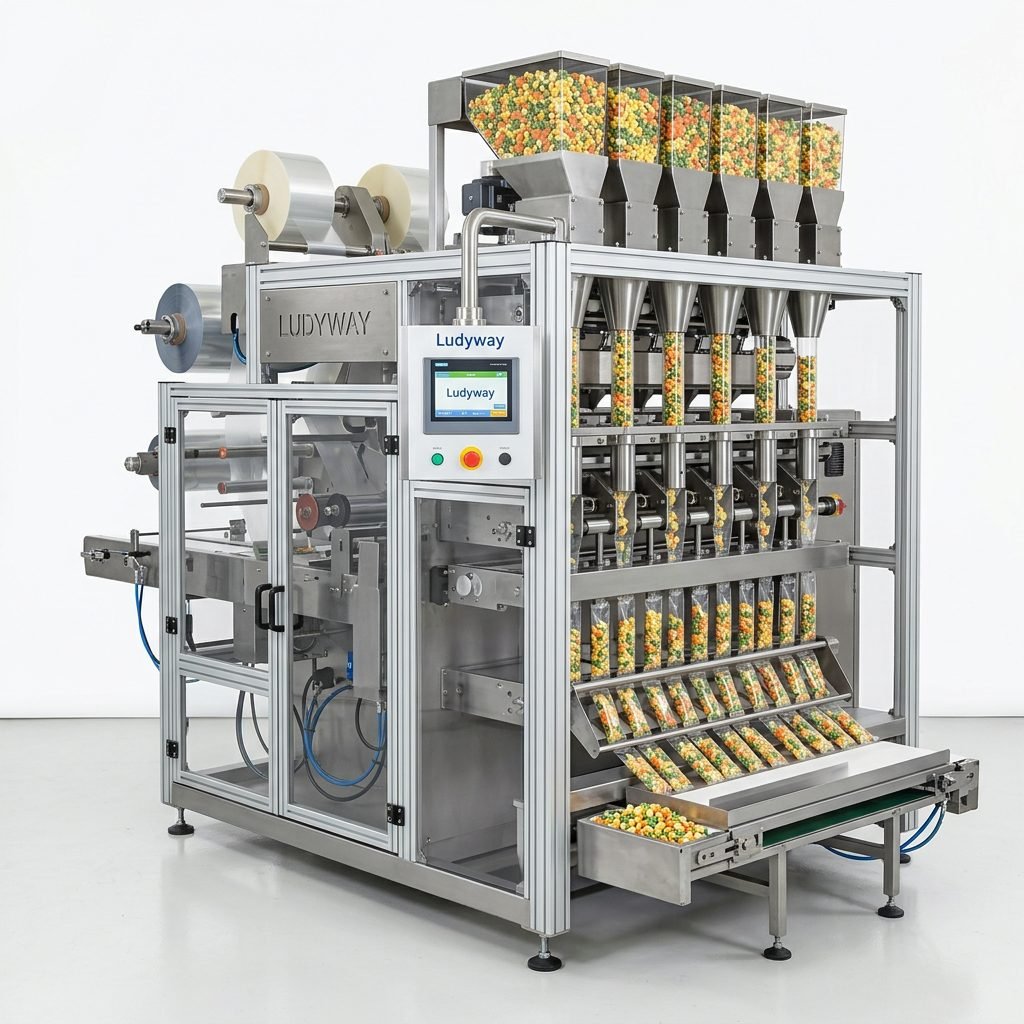
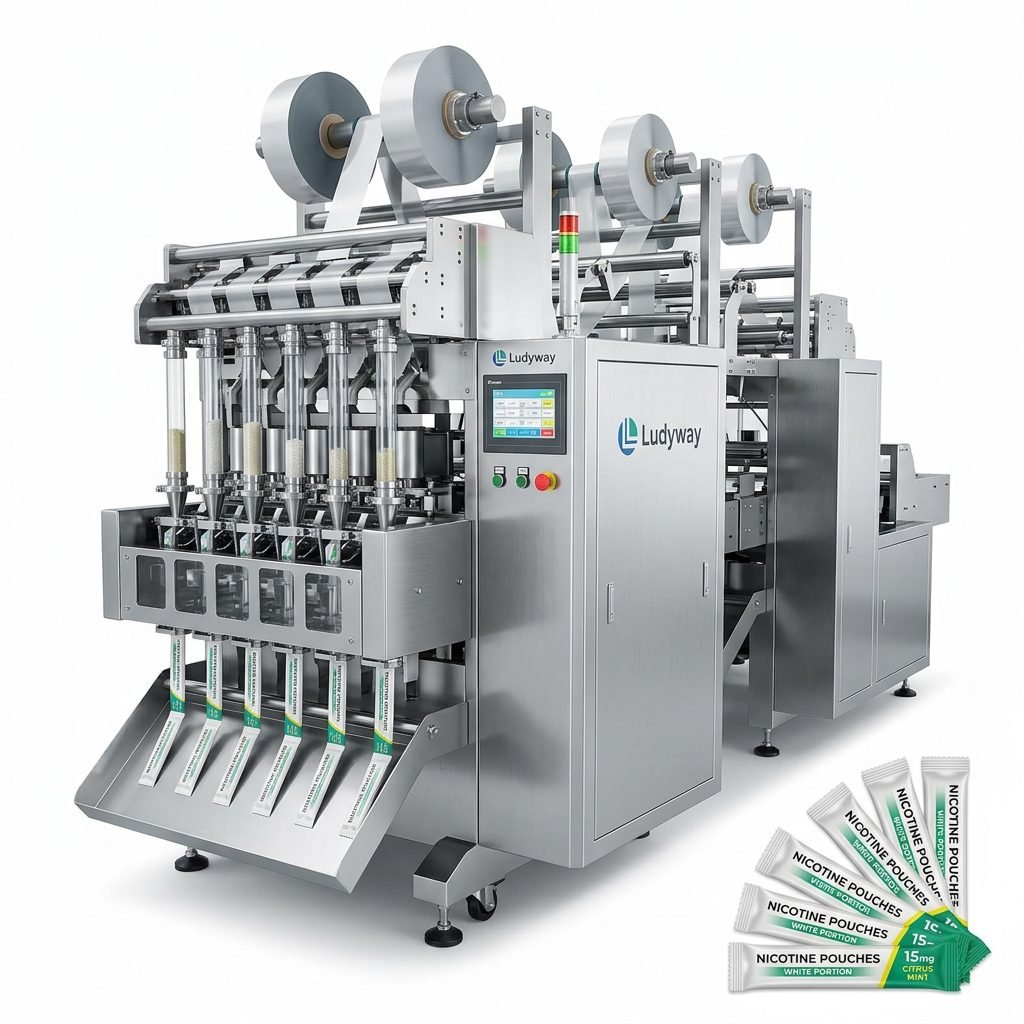
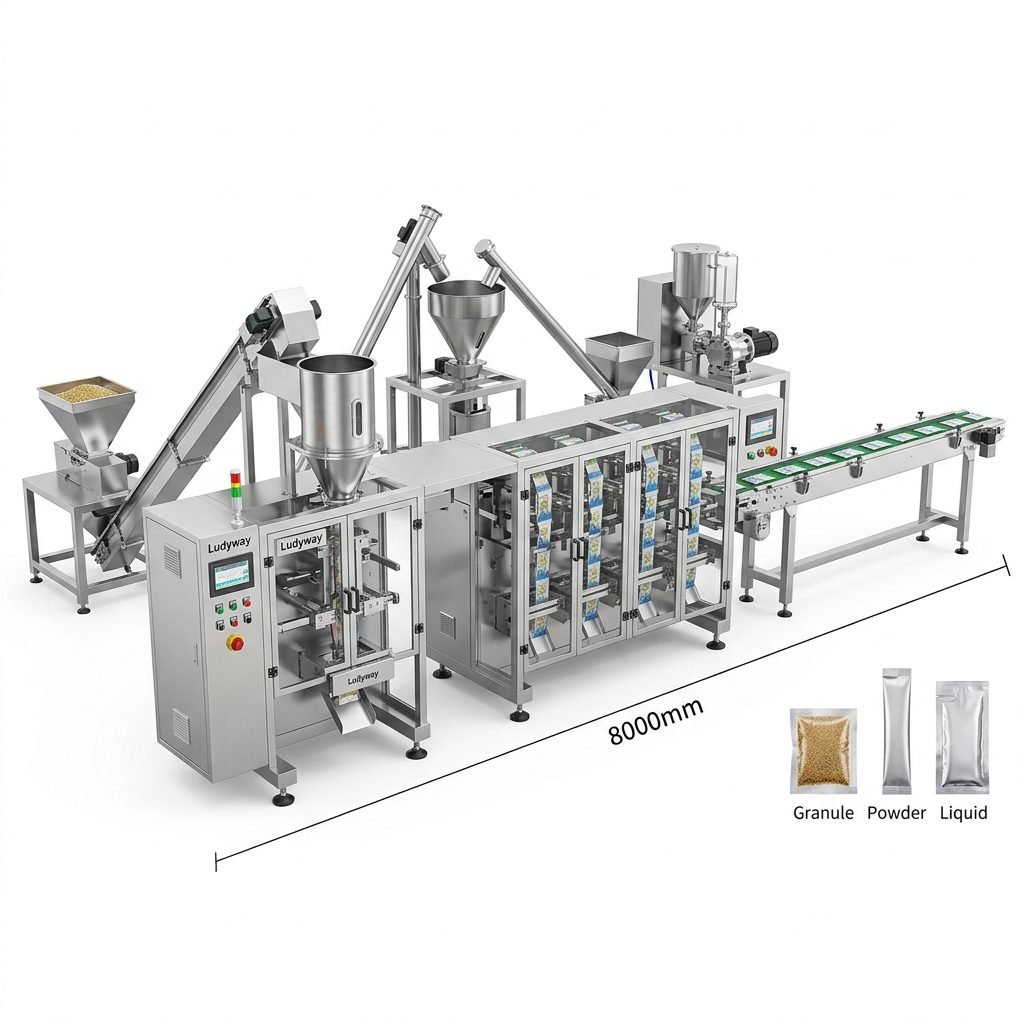
3. Multi-Lane Small Sachet Systems
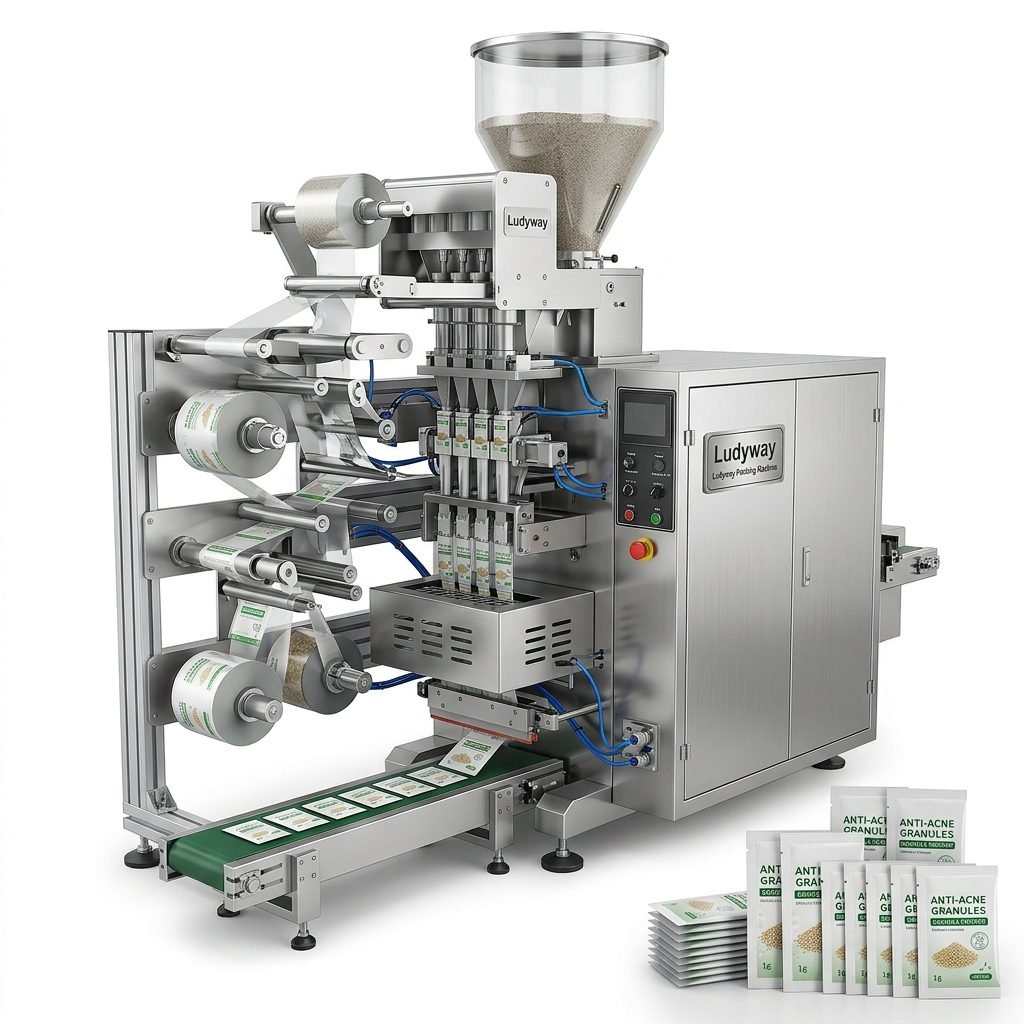
These are generally used for powders, granules, or small-dose products, so they are less common for whole chips. However, they may be suitable for crushed chips, seasoning components, or snack mix elements in special projects.
4. Fully Integrated Turnkey Chip Packaging Lines
A complete line combines feeding, weighing, bagging, inspection, case packing, and end-of-line automation. This is the preferred choice for growing brands and larger factories looking for stable, scalable production.
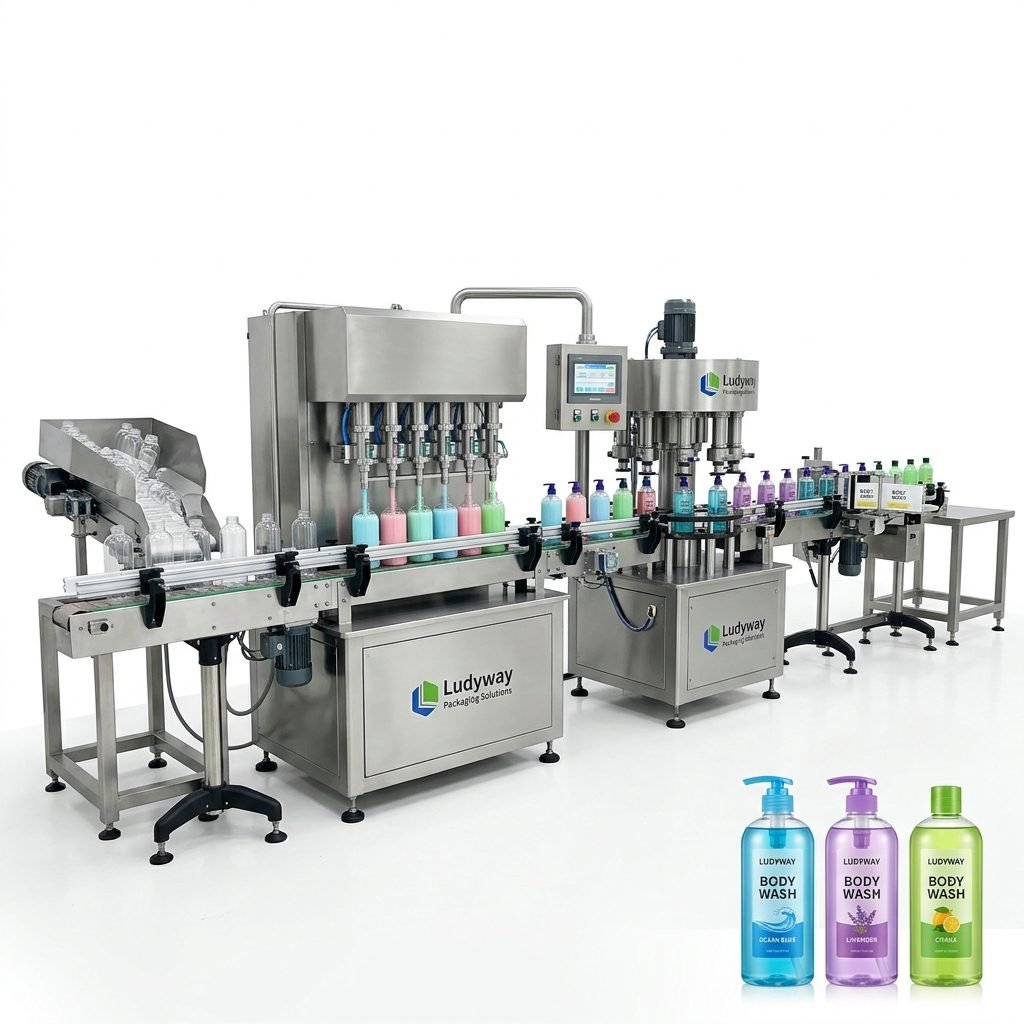
Companies seeking a complete solution often work with experienced suppliers such as chip packaging machine manufacturers like Ludyway for integrated equipment planning and turnkey packaging line support.
Core Components of a Chip Packaging System
A complete chip packaging setup is usually more than one machine. Understanding the main components helps buyers choose the right configuration.
| Component | Function | Why It Matters for Chips |
|---|---|---|
| Inclined conveyor / feeder | Transfers chips to weigher | Reduces manual handling and product damage |
| Multihead weigher | Measures target bag weight | Improves accuracy and lowers giveaway |
| VFFS or pouch packer | Forms/fills/seals bags | Main packaging unit for output and bag quality |
| Nitrogen flushing unit | Replaces oxygen in package | Protects crispness and extends shelf life |
| Date coder | Prints batch/date data | Supports traceability and compliance |
| Checkweigher / metal detector | Quality control inspection | Improves safety and shipment quality |
| Case packer / palletizer | Secondary packaging automation | Reduces labor and supports large-scale output |
Important Features to Look For
Gentle Product Handling
Chips are brittle, so machine design should minimize drop height, impact points, and vibration. Smooth contact surfaces and controlled discharge are essential.
Accurate Weighing
Underfilling creates customer complaints, while overfilling reduces profitability. A reliable multihead weighing system helps maintain a consistent target weight.
Nitrogen Flushing Capability
This is one of the most important features in chip packaging. Nitrogen helps protect the chips during shipping and reduces oxidation to keep the product crisp.
Stable Sealing Performance
Seals must remain airtight even when packaging film, ambient humidity, or oil residue vary. Good sealing prevents leakage and quality loss.
Fast Changeover
If you run multiple SKUs, flavors, or bag sizes, quick adjustment saves production time and improves line utilization.
Food-Grade Hygienic Design
Stainless steel contact parts, easy cleaning access, and sanitary structure are important for snack processing environments.
Smart Controls and Monitoring
A user-friendly touchscreen, recipe memory, alarm system, and production data display make the machine easier to operate and maintain.
Common Packaging Formats for Chips
- Pillow bags
- Gusset bags
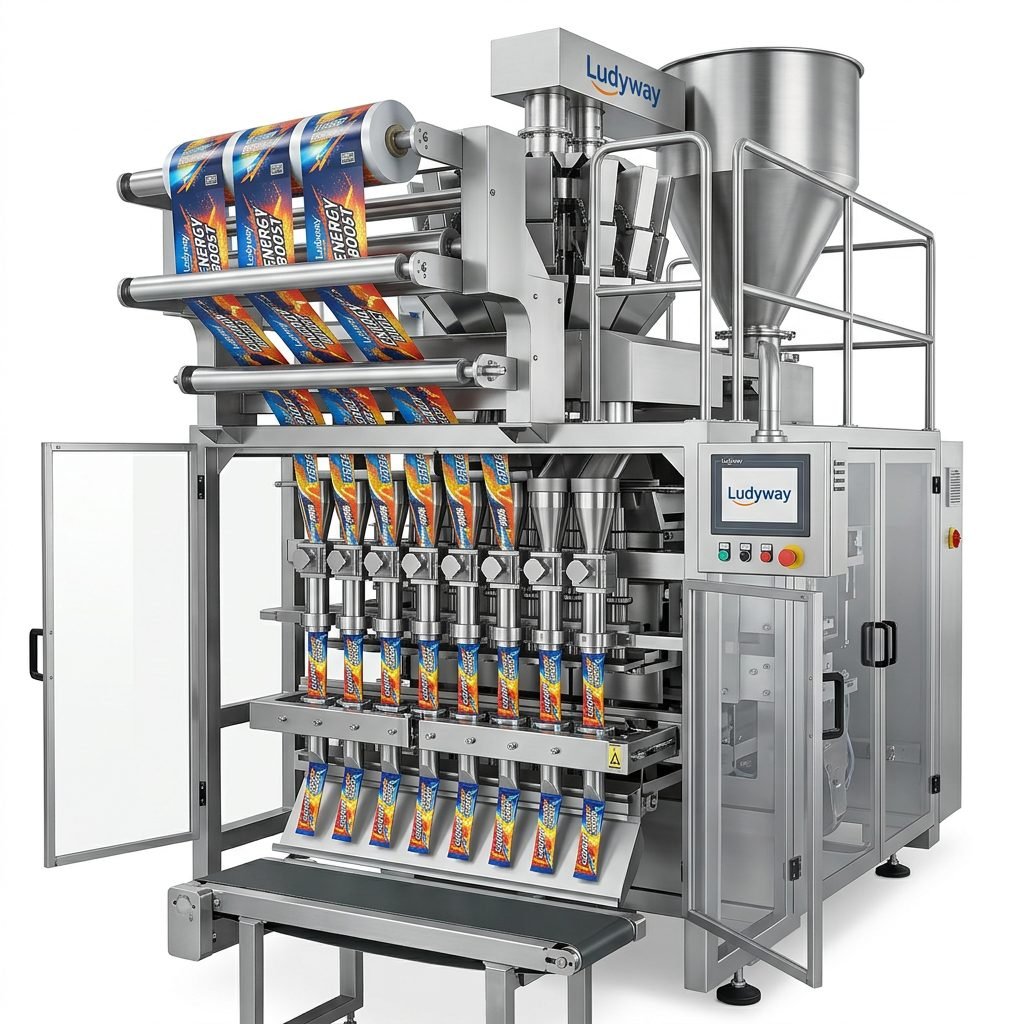
- Quad seal bags
- Stand-up pouches
- Zipper pouches
- Family-size bags
- Single-serve snack packs
The packaging format affects machine choice, film structure, sealing system, and final cost. For example, a standard pillow bag line is usually more economical, while stand-up pouches offer stronger retail appeal.
How to Choose the Right Chip Packaging Machine
1. Define Your Product Type
Not all chips behave the same during packaging. Potato chips, kettle chips, corn chips, tortilla chips, shrimp chips, and extruded snacks can vary in shape, density, and fragility.
2. Confirm Bag Size and Packaging Style
Retail mini packs, regular consumer bags, and family packs may all require different machine settings or even different machine models.
3. Estimate Required Speed
Choose equipment based on actual production targets, not only your current minimum demand. If your business is growing, buying slightly ahead of present capacity can reduce future reinvestment.
4. Review Film Compatibility
Your machine should match the packaging film structure, thickness, sealing temperature, and print registration requirements.
5. Consider Available Factory Space
The full line may include weigher platforms, conveyors, control cabinets, and inspection units. Make sure your plant layout supports safe installation and maintenance access.
6. Evaluate Automation Level
Small factories may begin with simpler systems, while larger operations often benefit from integrated case packing and palletizing.
7. Check Service and Spare Parts Support
Fast technical support and parts availability are critical. A lower machine price can become expensive if downtime is frequent and support is weak.
| Selection Factor | Questions to Ask |
|---|---|
| Product characteristics | How fragile, oily, or irregular are the chips? |
| Output target | How many bags per minute or per shift do you need? |
| Bag format | Do you need pillow bags, gusset bags, or premade pouches? |
| Weight range | What is the fill weight for each SKU? |
| Freshness protection | Is nitrogen flushing required? |
| Automation level | Do you need manual packing only or a complete automated line? |
| Expansion plan | Will you add new bag sizes or flavors later? |
Chip Packaging Machine for Different Production Scales
Small-Scale Snack Businesses
- Lower initial investment focus
- Suitable for fewer SKUs
- Often semi-automatic or compact automatic systems
- Good for local or startup snack brands
Mid-Sized Manufacturers
- Need stable automatic weighing and bagging
- Often require recipe storage and quick size change
- May add coding, checkweighing, and inspection units
- Balanced focus on ROI and throughput
Large Industrial Snack Factories
- Need continuous high-speed output
- Prefer full line integration
- Require robust quality control and low downtime
- Often include automatic case packing and palletizing
Benefits of Automated Chip Packaging Equipment
- Higher productivity with faster and more consistent packaging cycles
- Reduced labor dependence for repetitive packing tasks
- Improved product appearance through consistent bag shape and sealing
- Better weight control which reduces product giveaway
- Enhanced freshness protection with reliable sealing and gas flushing
- Greater traceability through coding and inspection integration
- Scalable production for future brand growth
Common Challenges in Chip Packaging
Even a good packaging system must be matched to the product and production environment. Buyers should watch for the following common issues:
- Excessive chip breakage from poor transfer design
- Weight inconsistency caused by unstable feeding
- Weak seals from incorrect film or temperature settings
- Bag wrinkling and poor appearance
- Low nitrogen retention
- Frequent stoppages from poor-quality control systems
- Difficult cleaning when handling oily or seasoned products
What Industries Use Similar Packaging Technology?
Although chip packaging machines are built for snack products, similar packaging principles are widely used across:
- Popcorn and puffed foods
- Nuts and trail mix
- Frozen snacks
- Cereal and granola
- Candy and confectionery pieces
- Pet treats and dry feed snacks
Maintenance Tips for Longer Machine Life
- Clean contact parts regularly, especially after oily products
- Inspect sealing jaws and film tracking components
- Calibrate weighers at scheduled intervals
- Monitor air pressure, temperature, and electrical connections
- Keep spare wear parts in stock
- Train operators on correct startup and changeover procedures
Questions to Ask a Chip Packaging Machine Supplier
- What chip products has this machine already packed successfully?
- What is the real production speed under normal operating conditions?
- How does the system reduce breakage?
- Can it support nitrogen flushing and leak-resistant sealing?
- What bag formats can it run?
- How long does format changeover take?
- What spare parts and after-sales service are available?
- Can the machine be expanded into a full packaging line later?
Final Buying Insight
The right chip packaging machine should match your product, bag style, capacity target, and business growth plan. For most snack producers, the ideal solution is not just a bagging machine, but a coordinated packaging system that protects fragile chips, preserves freshness, and delivers stable production over time.
If you compare options carefully—especially in weighing accuracy, product protection, seal quality, automation level, and support service—you will be in a much stronger position to select equipment that improves both packaging performance and long-term return on investment.
Tip: Always request packaging tests with your actual chip product and target bag format before making a final machine decision.