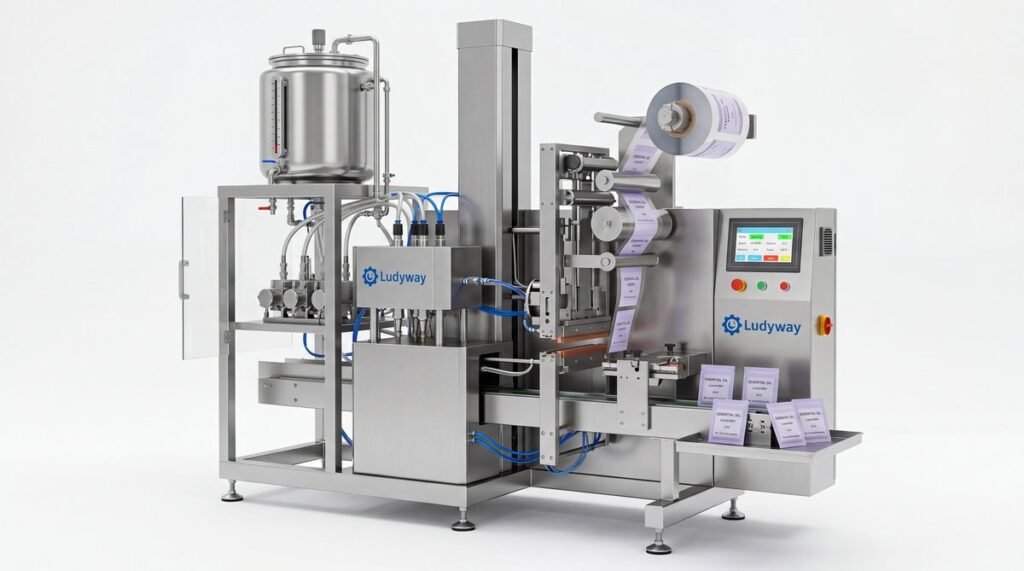
Choosing the right plastic packing machine is not only about speed or price. It is about finding a packaging solution that matches your product type, production goals, packaging materials, labor structure, and future growth plans. A well-matched machine can improve efficiency, reduce material waste, protect product quality, and help your business stay competitive in demanding markets.
Whether you package food, pharmaceuticals, cosmetics, chemicals, supplements, or industrial products, the best approach is to evaluate your needs step by step before making an investment.
Why the Right Plastic Packing Machine Matters
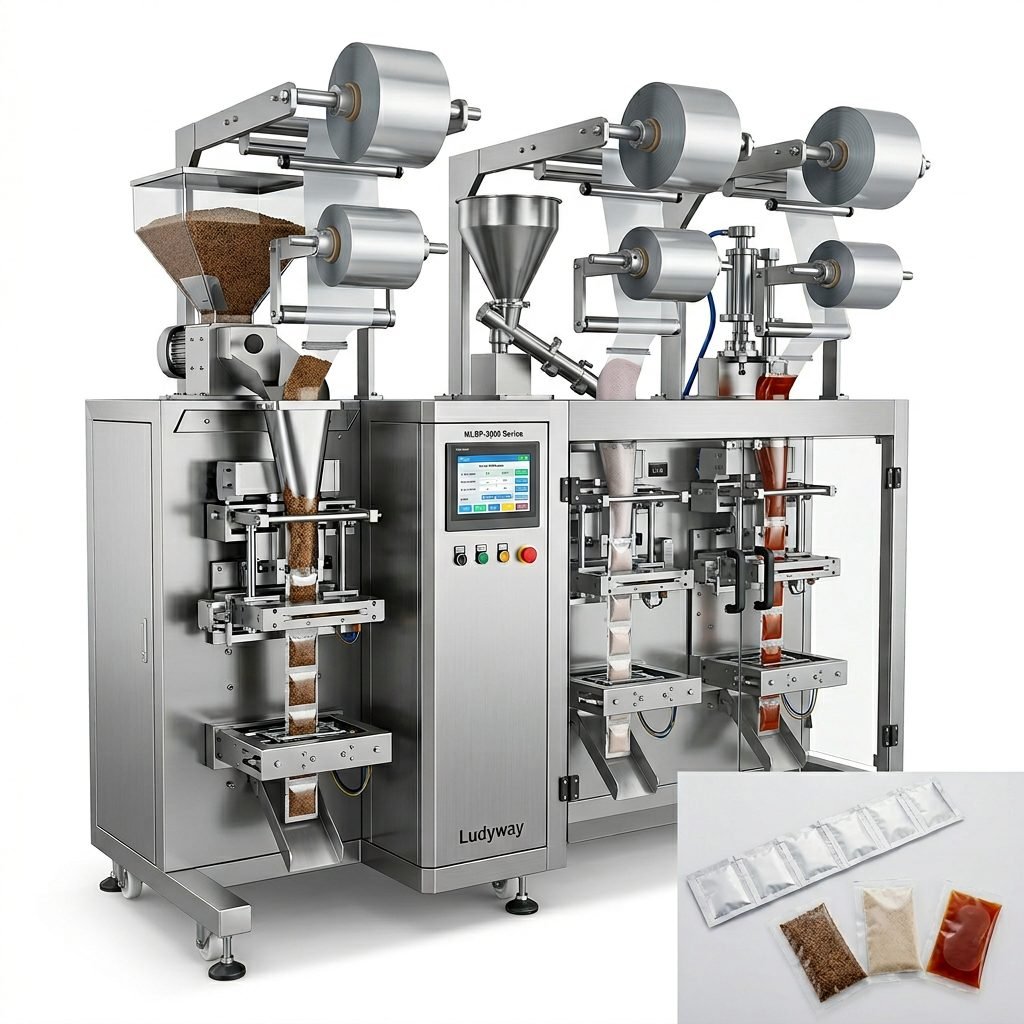
Packaging equipment directly affects output consistency, sealing quality, shelf life, operational cost, and customer satisfaction. If your machine is too small, production bottlenecks appear quickly. If it is too complex, your team may face unnecessary maintenance and training challenges. If it does not match your packaging film or product characteristics, you may deal with frequent downtime, seal failures, or inaccurate filling.
A suitable machine should help your business achieve:
- Stable packaging quality across different batches
- Higher production efficiency with lower labor dependency
- Accurate filling for powders, granules, liquids, or pastes
- Better compatibility with your pouch or sachet format
- Long-term scalability as your business grows
Start with Your Product Type
The first decision point is always the product itself. Different products require different feeding, filling, sealing, and dust-control systems. A plastic packing machine for free-flowing granules is very different from one designed for sticky liquids or fine powders.
| Product Type | Recommended Machine Considerations | Key Focus |
|---|---|---|
| Powders | Auger filling, dust control, accurate dosing | Precision and cleanliness |
| Granules | Cup filler, weigh filler, vibration feeding | Consistency and speed |
| Liquids | Pump filling, anti-drip system, secure sealing | Leak prevention |
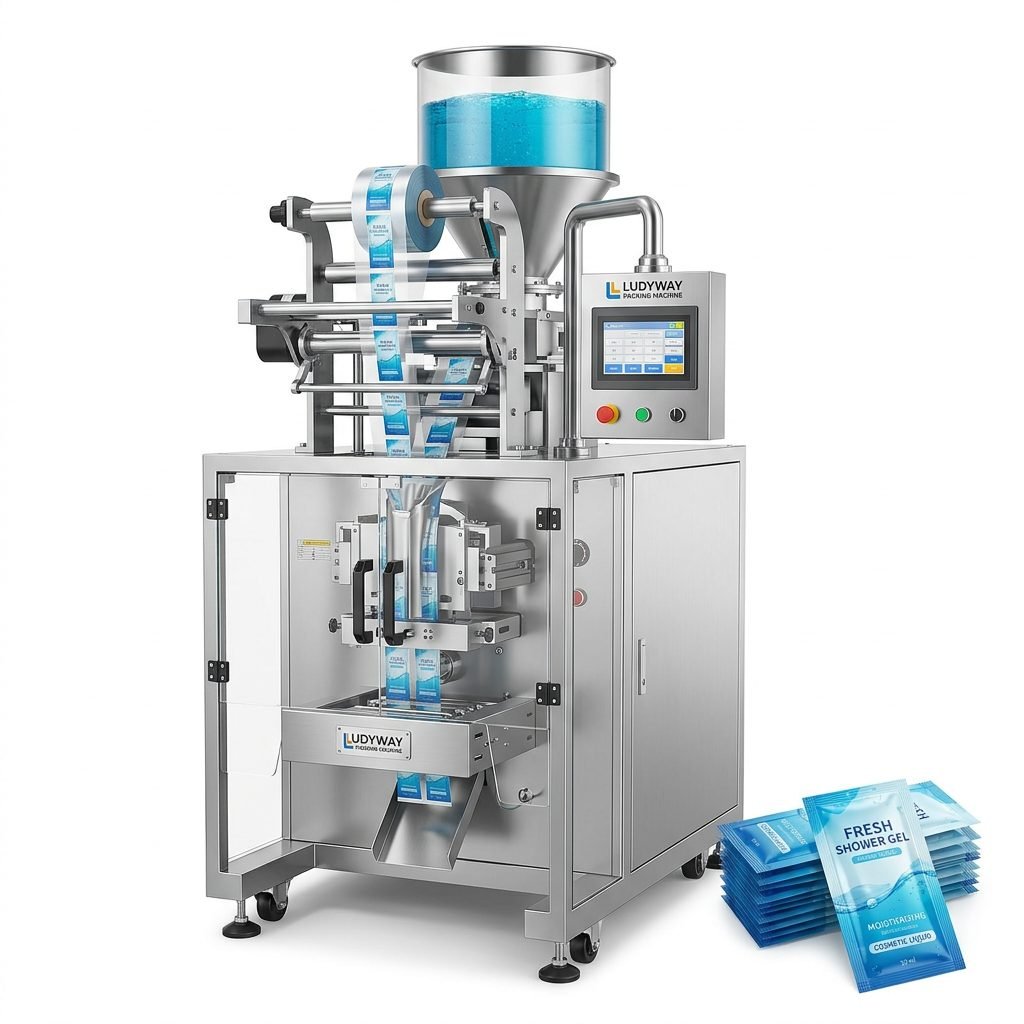
| Pastes / gels | Servo pump filling, strong sealing pressure | Smooth discharge and seal integrity |
If your product characteristics may vary, such as moisture content, particle size, or viscosity, you should choose a machine with flexible adjustment capability rather than a single-condition setup.
Choose the Right Packaging Format
Your packaging format influences not just appearance, but also machine structure, production speed, and material consumption. Common plastic packaging formats include:
- Sachets
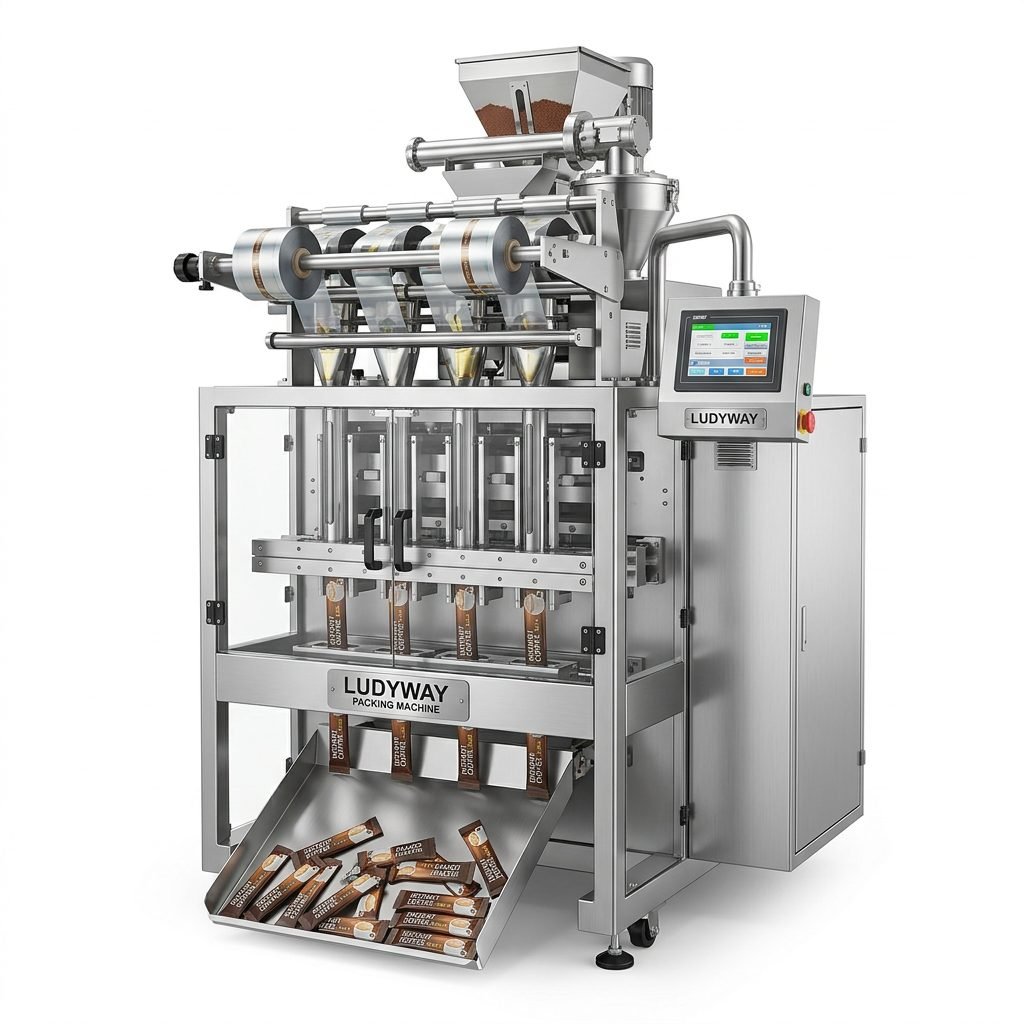
- Stick packs
- Pouches
- Pillow bags
- Three-side seal packs
- Four-side seal packs
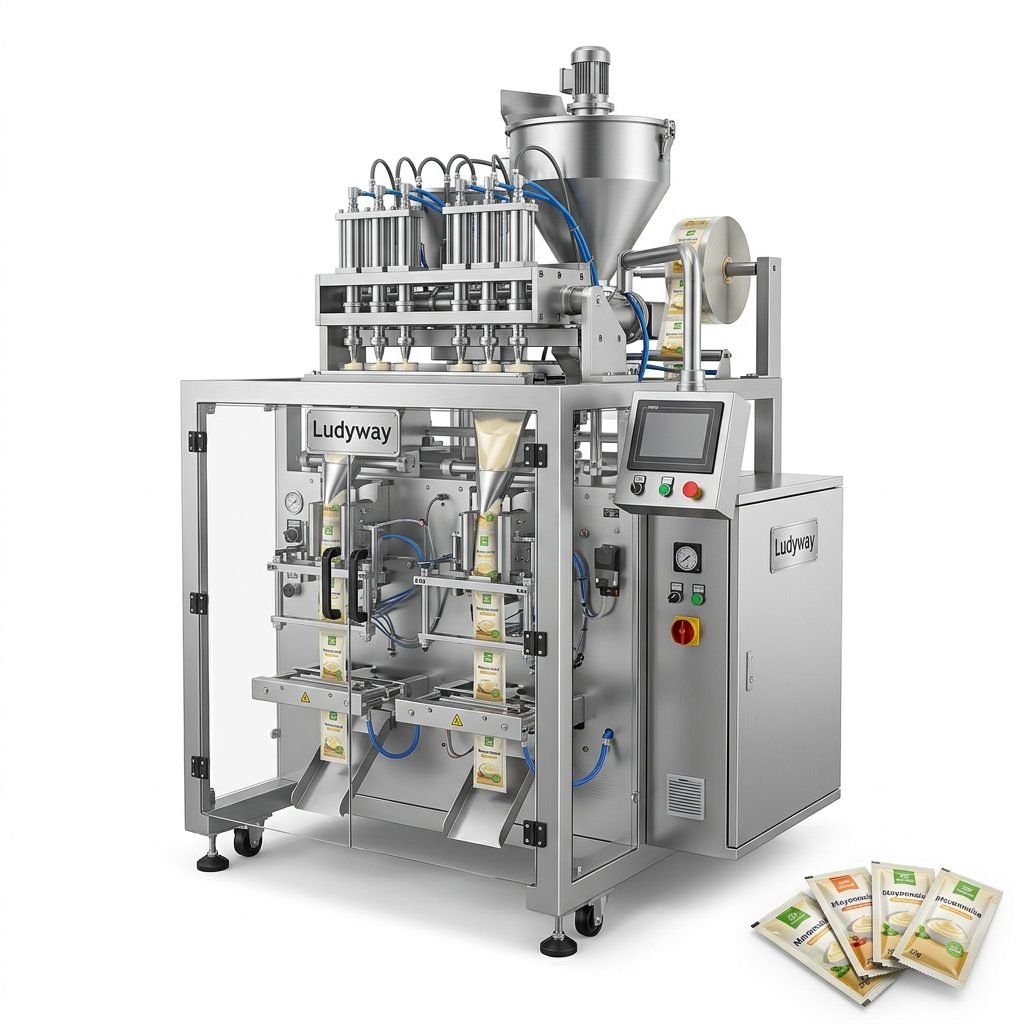
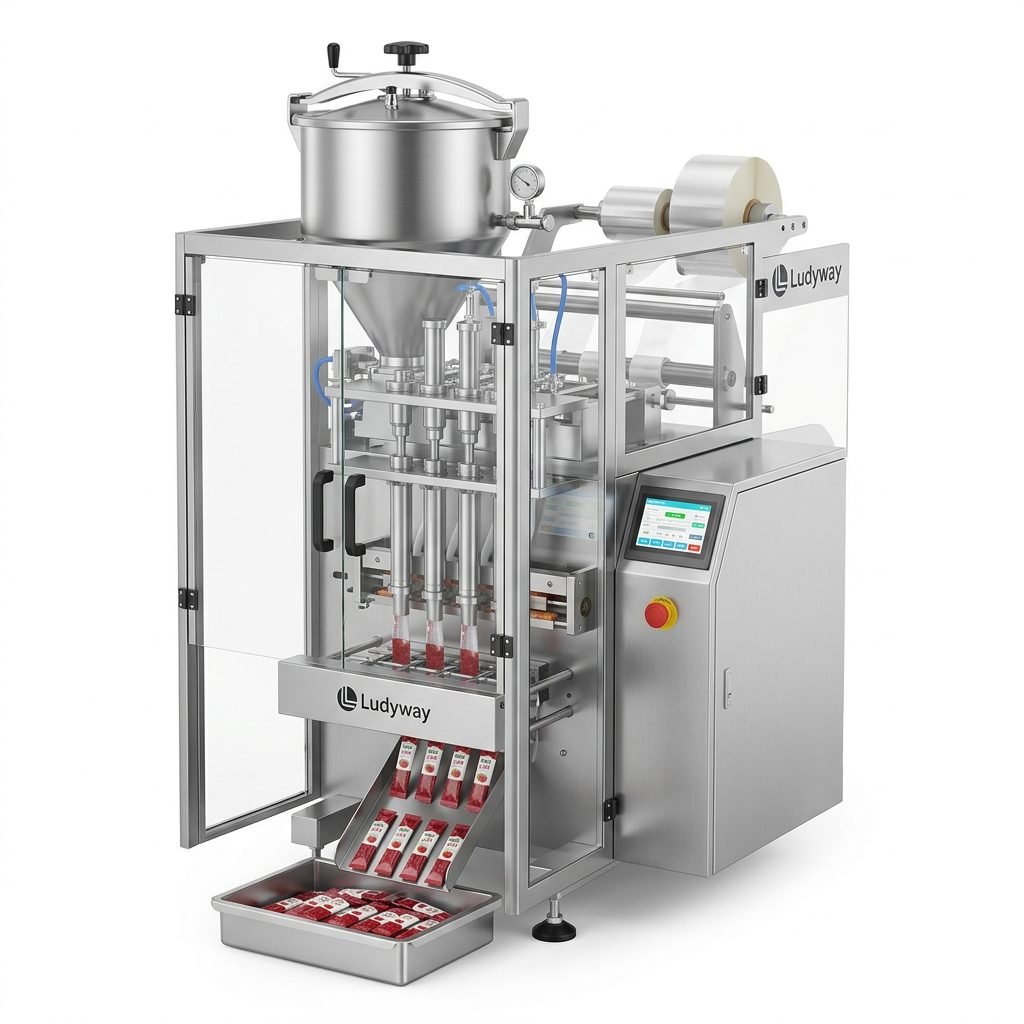
For example, single-dose supplements and drink powders often fit stick packs well, while sauces and creams may work better in sachets or pouches. Larger retail or industrial packaging may require vertical form fill seal systems or premade pouch machines.
Evaluate Production Speed and Capacity
One of the most common buying mistakes is selecting equipment based only on current output. A machine should support both your existing demand and your medium-term growth. Before choosing, calculate:
- Daily output target
- Peak season demand
- Number of shifts per day
- Acceptable downtime range
- Planned future expansion
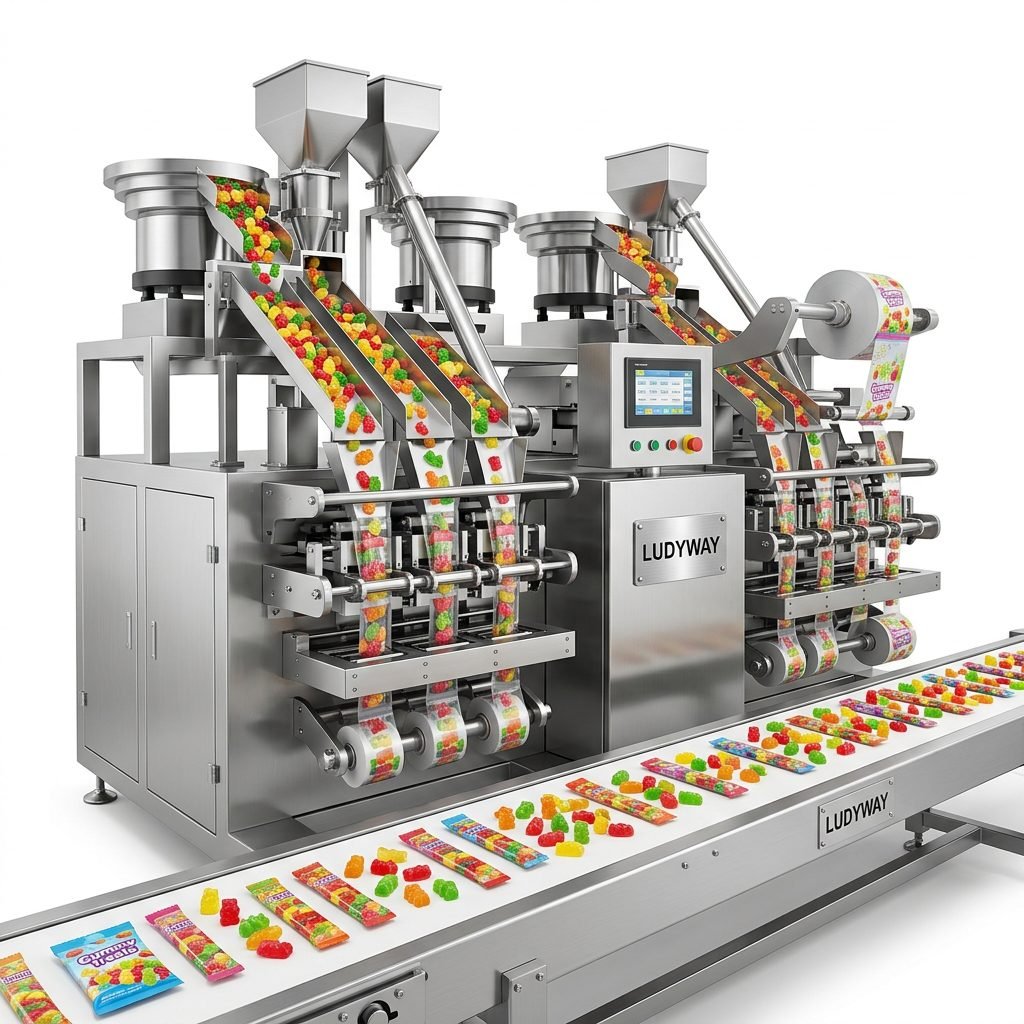
A high-speed multi-lane system may be ideal for large-scale production, but it may not be the best fit for small-batch or frequently changing product lines. For growing businesses, a modular solution often offers better long-term value.
Questions to ask
- Do you need entry-level, mid-volume, or high-speed automation?
- Will you package one SKU or many SKUs?
- Do you need quick changeover between package sizes?
- Do you expect demand to double within the next two to three years?
Match the Machine to Your Packaging Film
Not every plastic packing machine handles every packaging material equally well. Film thickness, structure, heat-sealing performance, and roll quality all affect machine performance. If your business uses laminated film, recyclable film, or specialty barrier materials, machine compatibility must be confirmed in advance.
Important factors include:
- Film type and thickness
- Seal strength requirements
- Barrier properties for oxygen or moisture
- Print registration accuracy
- Sustainability goals and recyclable material use
A machine that performs well with your exact packaging film can significantly reduce waste and sealing defects.
Consider Automation Level
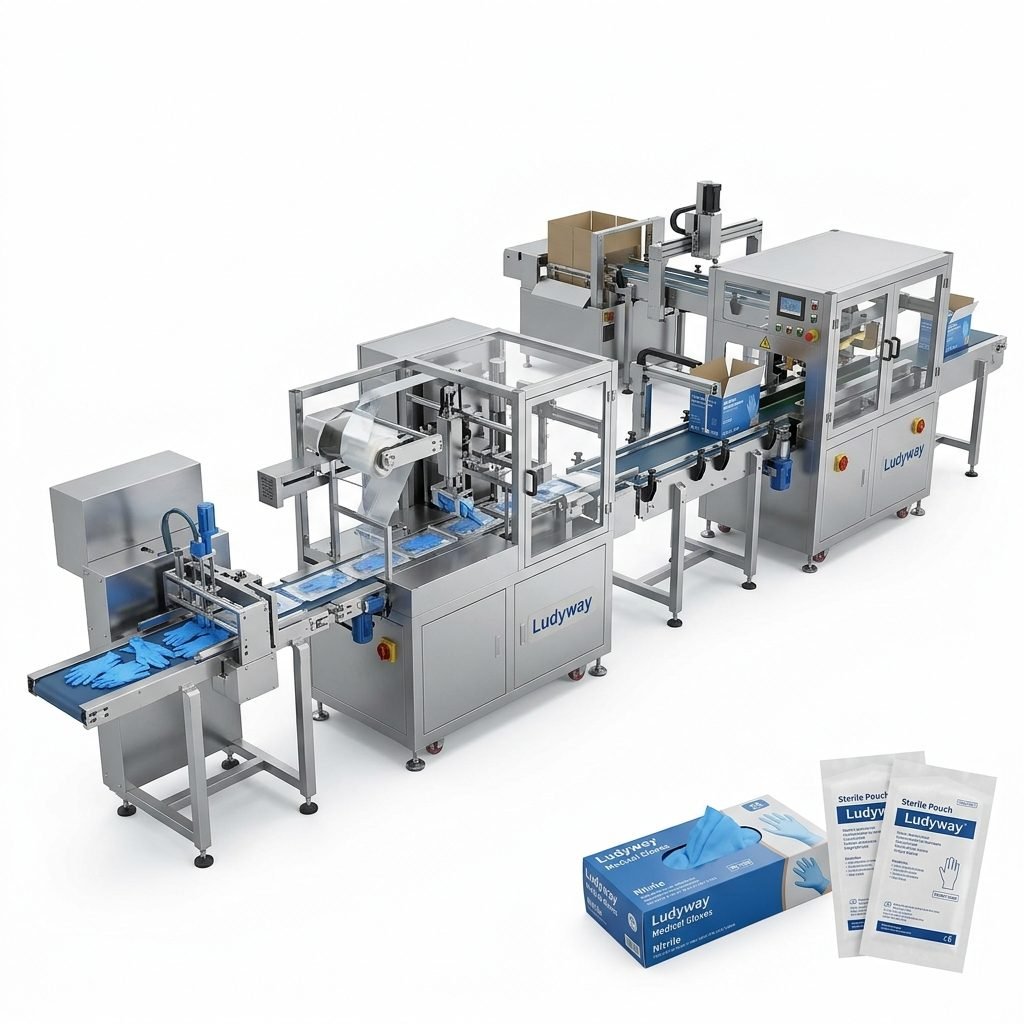
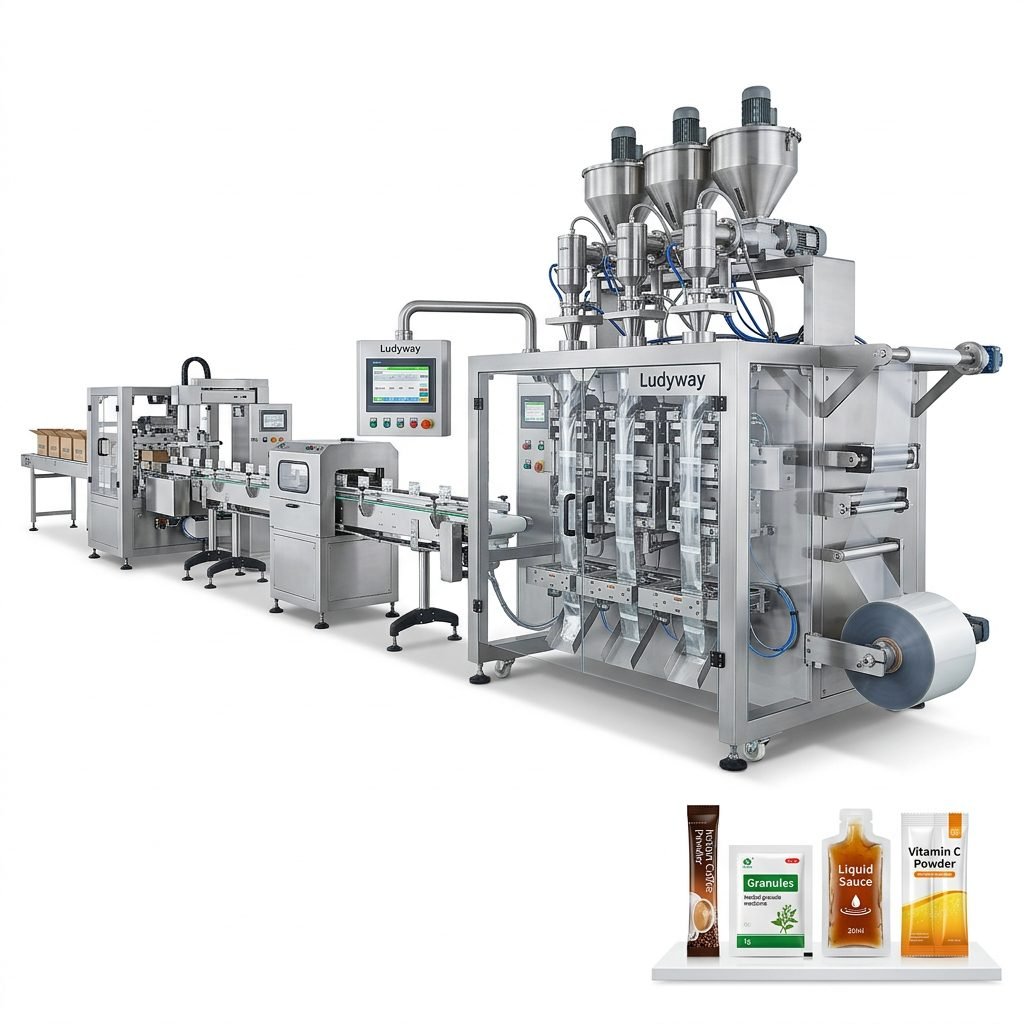
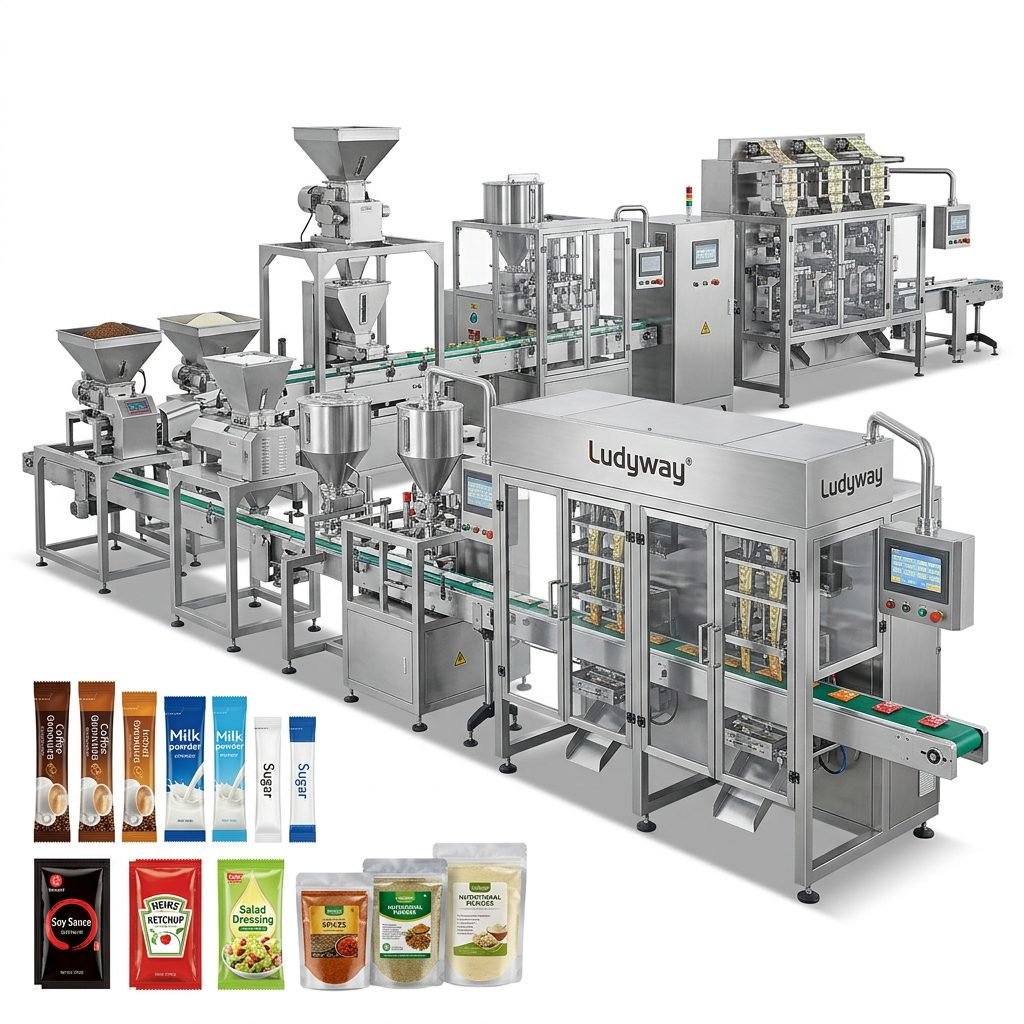
Your packaging solution should fit your labor model and factory workflow. Some businesses need a standalone machine, while others need a complete line with feeding, filling, sealing, coding, cartoning, inspection, and palletizing.
| Automation Level | Best For | Typical Advantage |
|---|---|---|
| Semi-automatic | Startups or lower-volume operations | Lower upfront investment |
| Fully automatic standalone | Growing manufacturers | Higher speed and labor savings |
| Turnkey packaging line | Large-scale production plants | Integrated workflow and consistent output |
If your business aims to reduce labor dependence and improve traceability, a fully integrated packaging line may be the better long-term choice.
Think About Industry Requirements
Different industries have different standards. Food packaging may prioritize hygiene and sealing consistency. Pharmaceutical packaging may require higher precision, validation support, and cleaner machine design. Cosmetic and chemical applications often need material compatibility and reliable leak control.
Industry-specific selection points
- Food: sanitary contact parts, easy cleaning, stable seals
- Pharmaceutical: precision dosing, compliance-oriented design, data traceability
- Cosmetics: gentle filling, attractive package finish, flexibility for creams and liquids
- Chemicals: corrosion resistance, secure sealing, safety-focused structure
Check Accuracy, Stability, and Maintenance
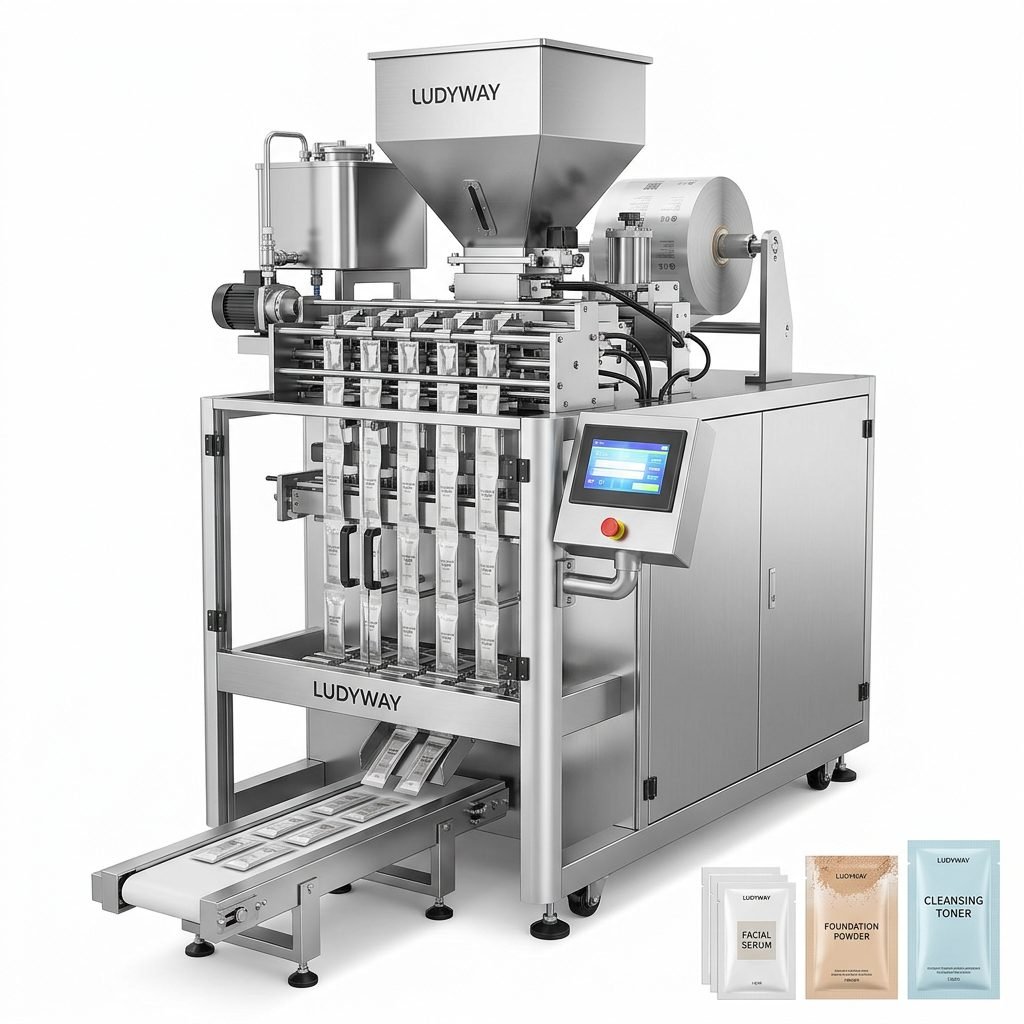
Speed alone does not define a good machine. A reliable plastic packing machine should provide repeatable filling accuracy, consistent sealing, and stable long-run performance. These factors influence your total operating cost much more than the purchase price alone.
Pay attention to:
- Servo control and PLC system quality
- Ease of parameter adjustment
- Cleaning and maintenance access
- Availability of spare parts
- Alarm system and fault diagnostics
- Operator training needs
A slightly higher-quality machine may save substantial cost through fewer stoppages, less packaging waste, and longer service life.
Review Space, Layout, and Line Integration
Before finalizing a machine, confirm how it will fit into your workshop. Measure available floor space, product feeding direction, operator access zones, and downstream connection points. Many buyers focus on the core machine but overlook conveyors, coding units, checkweighers, cartoners, and collection systems.
A smart packaging decision should improve your full process, not create a layout bottleneck.
Layout checklist
- Available installation area
- Power and air supply requirements
- Feeding and discharge direction
- Future room for expansion
- Integration with inspection or end-of-line equipment
Balance Price with Long-Term Value
The lowest-priced machine is not always the most economical solution. Total cost of ownership includes maintenance, downtime, labor, energy use, film waste, product giveaway, spare parts, and technical support. The best investment is usually the one that delivers the strongest operational return over time.
Ask for a value comparison, not just a price quotation.
| Cost Factor | Short-Term Focus | Long-Term Focus |
|---|---|---|
| Machine price | Initial budget | Investment payback |
| Downtime | Often overlooked | Major impact on output |
| Film waste | May seem minor | Adds up quickly at scale |
| Support & spare parts | Not always considered | Critical for continuity |
Choose a Supplier with Real Engineering Experience
A machine supplier should do more than sell equipment. The right partner helps with machine selection, packaging tests, customization, commissioning, technical support, and future line upgrades. This is especially important if you need a machine tailored to your product behavior or packaging format.
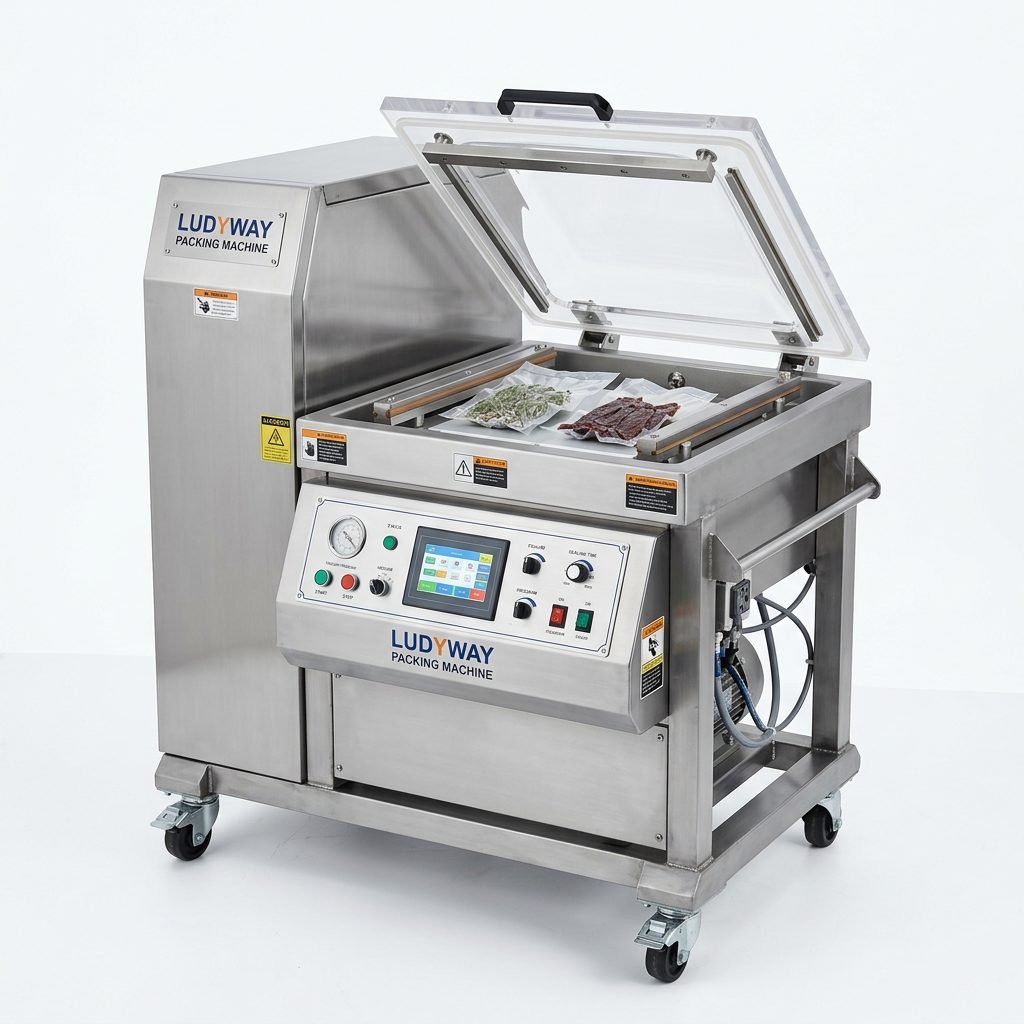
For businesses seeking scalable automation, plastic packing machine solutions from Ludyway can be considered for standalone equipment and turnkey packaging lines across food, pharmaceutical, cosmetic, chemical, and related industries.
What to ask a supplier before buying
- Can the machine be tested with my actual product and film?
- What packaging formats are supported?
- How easy is changeover between sizes?
- What after-sales service is available?
- Are remote support and spare parts available?
- Can the system be expanded into a full packaging line later?
A Simple Selection Framework
If you want a practical way to narrow your options, use this framework:
- Define the product — powder, granule, liquid, or paste
- Confirm package type — sachet, stick pack, pouch, or bag
- Set output goals — current and future capacity
- Review packaging film — sealing and compatibility requirements
- Choose automation level — semi-auto, fully auto, or turnkey line
- Check compliance needs — food, pharma, cosmetic, or chemical standards
- Compare supplier support — engineering, testing, and service
Final Buying Tip
The best plastic packing machine is the one that fits your product, packaging format, factory conditions, and business strategy. Focus on real production performance rather than headline speed alone. When your machine is properly matched to your needs, it becomes a long-term asset that supports efficiency, quality, and growth.
If possible, always request sample testing, evaluate machine stability with your real materials, and think beyond today’s production target. A careful decision now can prevent years of packaging problems later.