Selecting the right popcorn packaging machine is a critical decision for any snack food producer, directly impacting efficiency, product presentation, and overall profitability. This comprehensive guide will walk you through the different types of machines available, their key features, and the essential factors to consider when making your investment.
Understanding Different Types of Popcorn Packaging Machines
The packaging process for popcorn can vary significantly based on production volume, bag style, and desired automation level. Here are the primary machine categories:
Vertical Form-Fill-Seal (VFFS) Machines
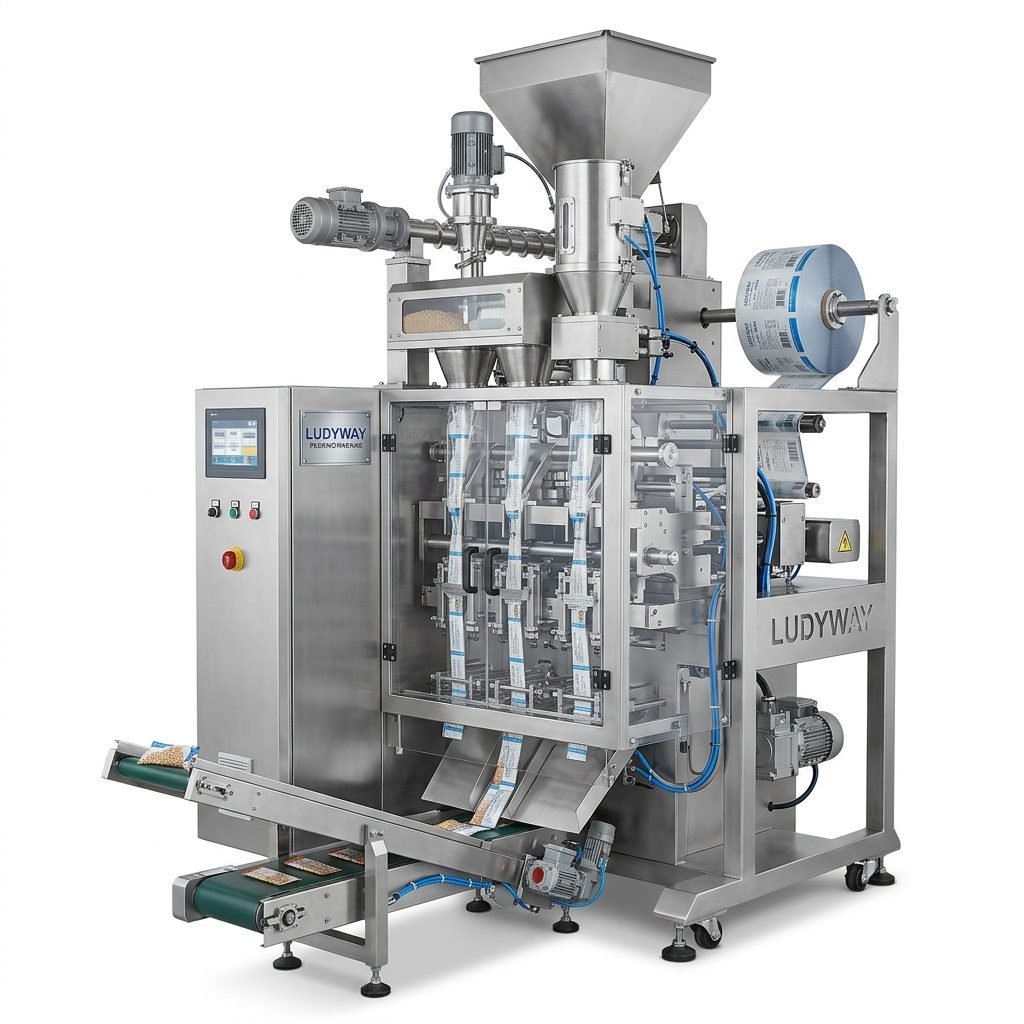
These are the most common and versatile machines for packaging free-flowing products like popcorn. A VFFS machine forms a bag from a roll of film, fills it with a pre-measured volume of product, and then seals it. They are ideal for producing stand-up pouches, pillow bags, and gusseted bags. Their flexibility in bag size and relatively fast changeover times make them suitable for medium to high-volume production runs.
Pre-Made Bag Machines
This type of machine uses bags that are already formed and often printed. The machine’s function is to open the bag, fill it with product, and then seal it. This method is excellent for achieving high-quality, complex graphic printing on packaging, as the bags are pre-printed offline. It’s often preferred for premium brands or products requiring very specific bag materials and designs.
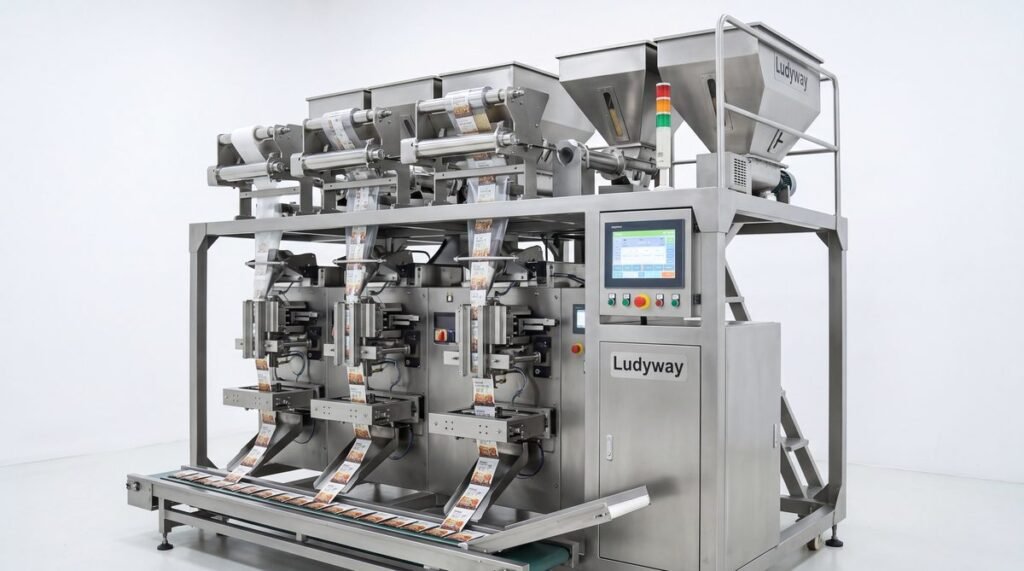
Stick Pack and Sachet Machines
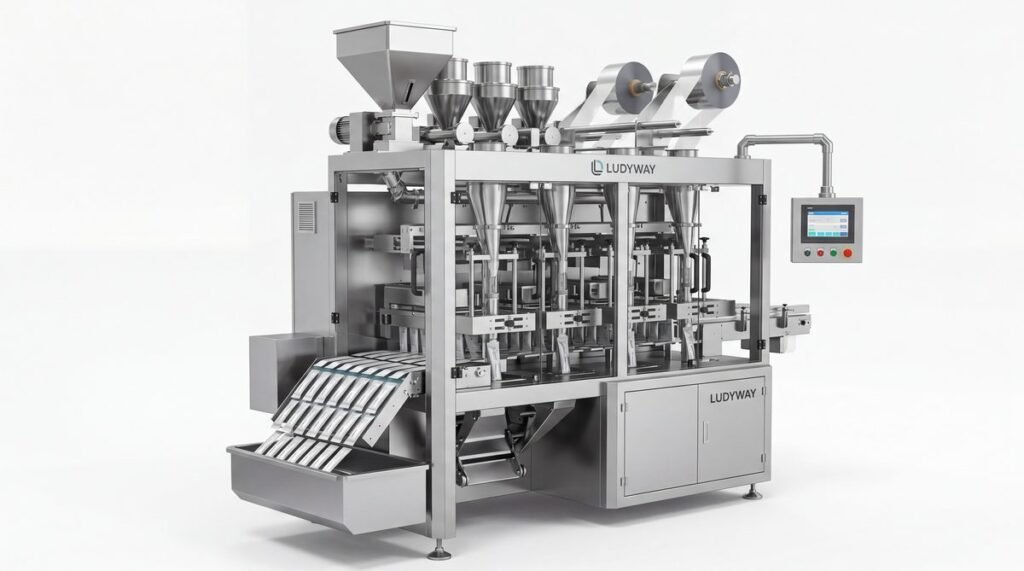
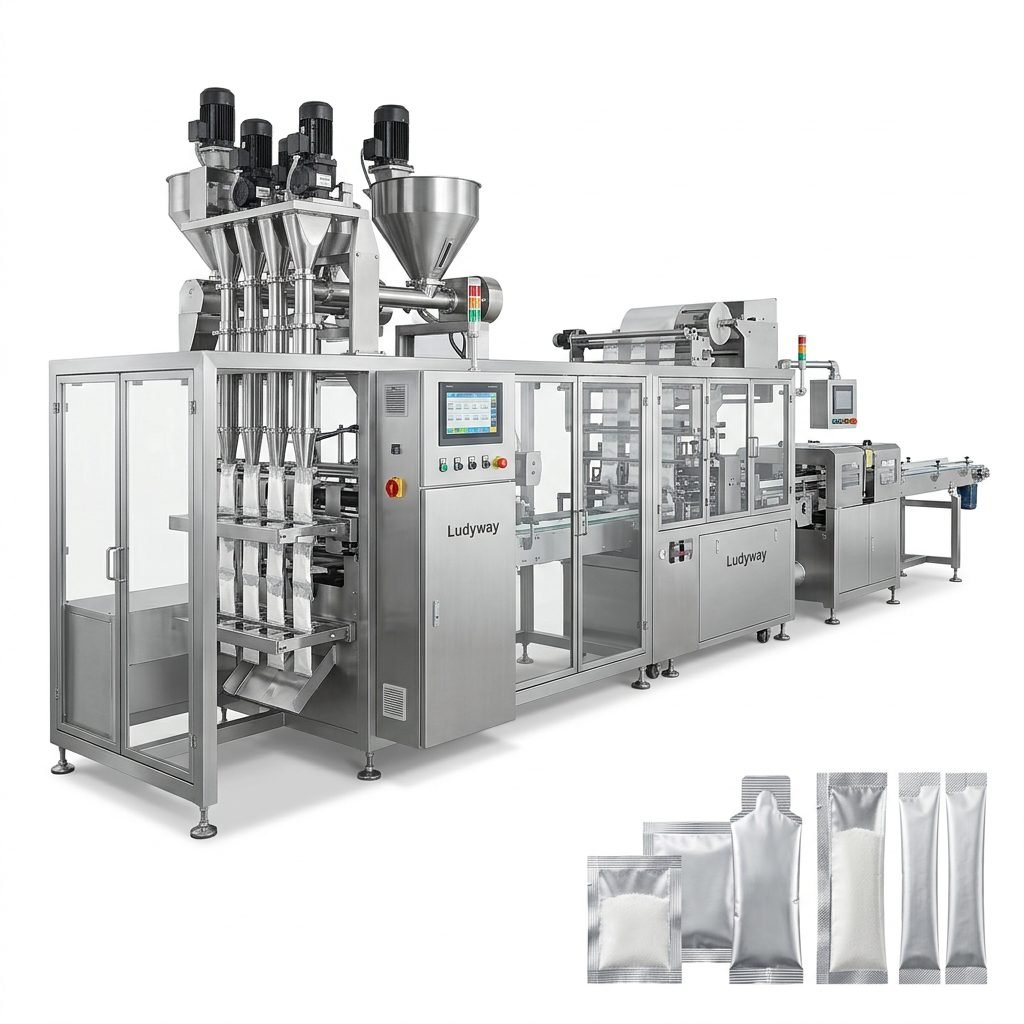
While less common for traditional theater-style popcorn, these machines are perfect for single-serve portions, flavored popcorn toppings, or mini snack packs. They create small, sealed packets from roll stock and are known for their high-speed operation and efficient use of packaging material. They are a great option for product diversification.
Key Features to Evaluate in a Packaging Machine
Beyond the basic type, several features determine a machine’s performance, reliability, and suitability for your operation.
Weighing and Filling System Accuracy
The heart of any packaging machine is its filling system. For popcorn, volumetric cup fillers or auger fillers are typical. Accuracy is paramount to avoid giveaways and ensure compliance with net weight regulations. Look for systems with easy-to-adjust mechanisms and consistent performance, even with varying product densities.
Speed and Production Capacity
Machine speed, measured in bags per minute (BPM), must align with your output goals. Consider not just the peak speed but the sustainable operational speed. A machine that runs reliably at 60 BPM is often better than one that claims 80 BPM but requires constant adjustment and causes downtime.
Sealing Integrity and Quality
A strong, airtight seal is crucial to preserve popcorn’s freshness and crispness. Evaluate the sealing technology—whether it uses heat sealing, ultrasonic sealing, or a combination. Consistent temperature control and proper jaw alignment are critical for preventing leaks and ensuring a professional finish.
Changeover Flexibility
If you produce multiple popcorn varieties or bag sizes, the time and tooling required to switch between them is a major efficiency factor. Machines with quick-change parts, recipe memory, and servo-driven adjustments can drastically reduce downtime and increase overall equipment effectiveness (OEE).
Hygiene and Cleanability
Food-grade construction is non-negotiable. Stainless steel contact parts, smooth surfaces without crevices, and designs that allow for easy access and cleaning are essential features. This ensures compliance with food safety standards and maintains product quality.
How to Choose the Best Popcorn Packaging Machine for Your Needs
Making the right choice involves a thorough assessment of your current and future business requirements.
1. Analyze Your Product and Packaging Specifications
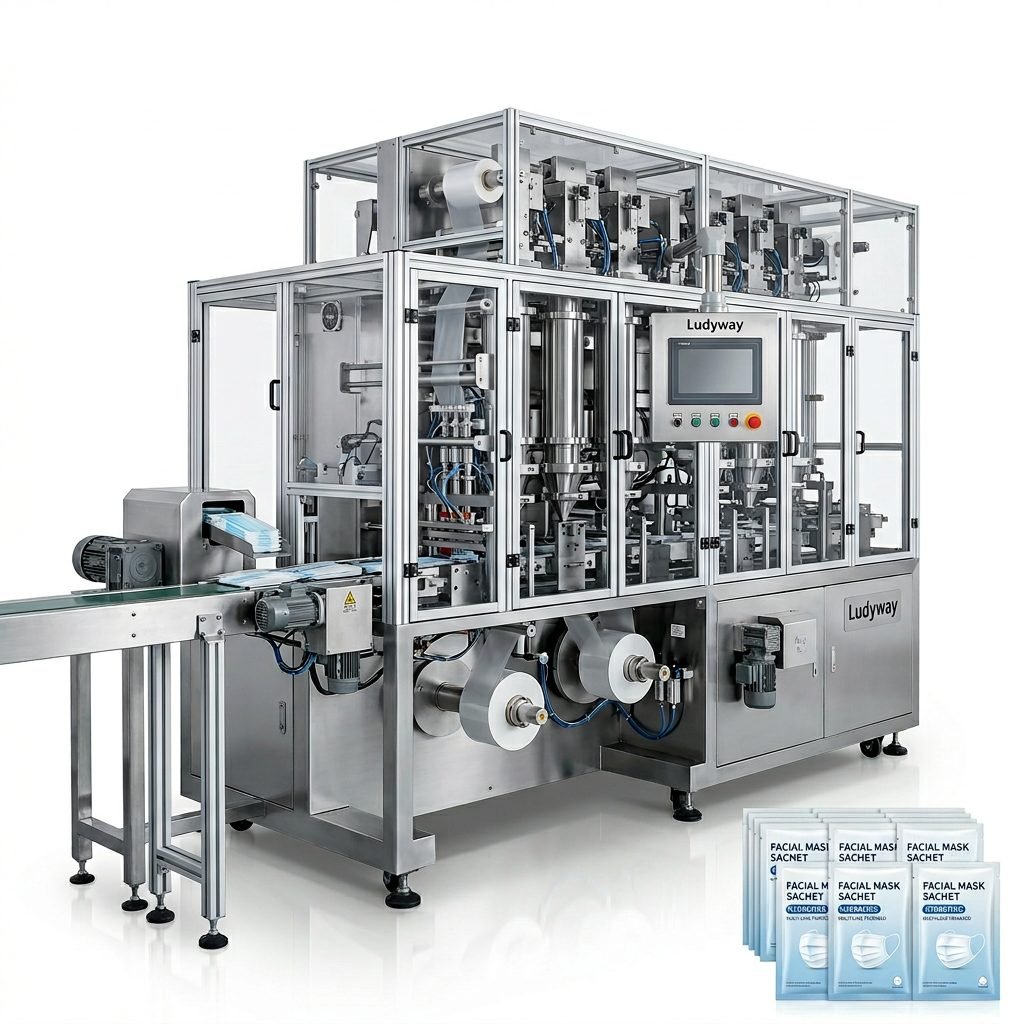
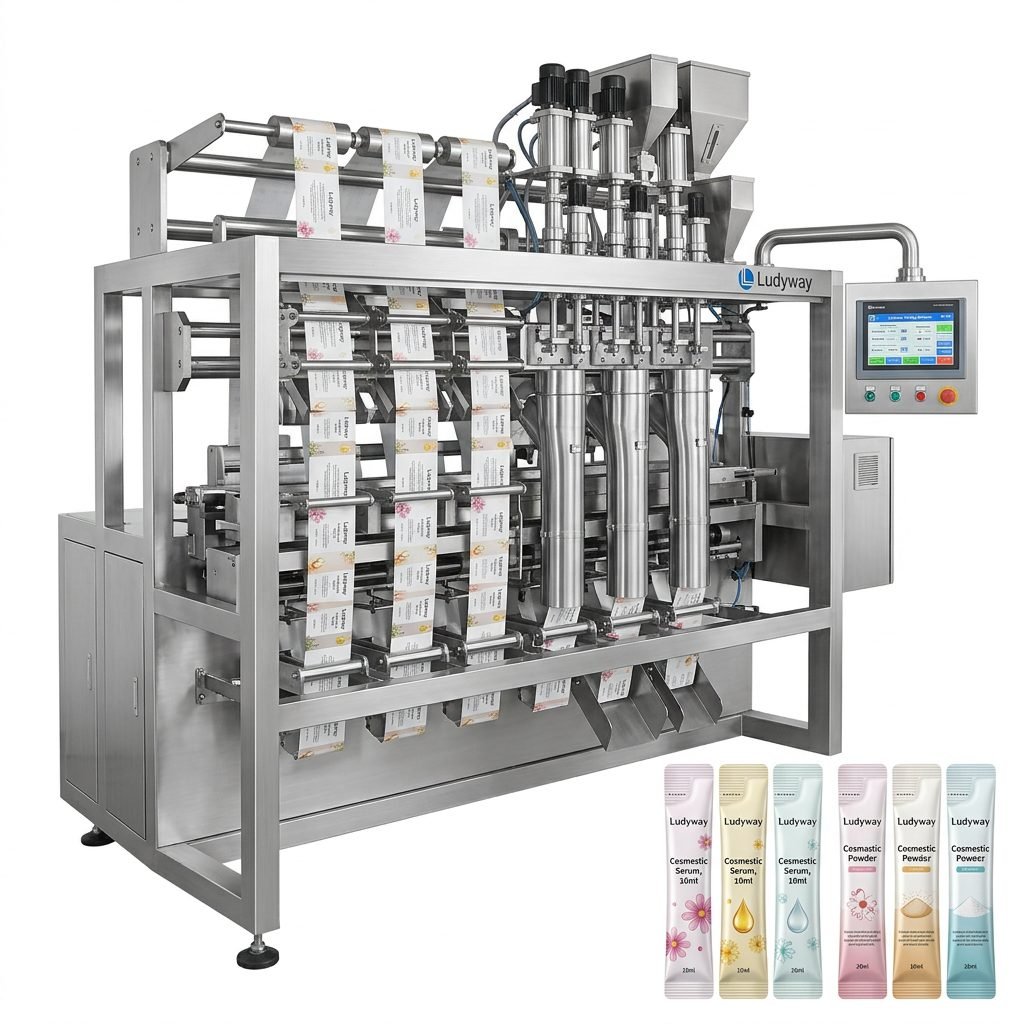
Start with the basics: What is your primary bag style and size? What film material do you plan to use (e.g., metallized polypropylene for barrier properties)? What is the target weight range? Have clear answers to these questions before speaking with suppliers. For insights into advanced packaging formats, you can explore resources on sachet packaging systems which share technological principles with certain popcorn bag styles.
2. Define Your Production Volume and Growth Plans
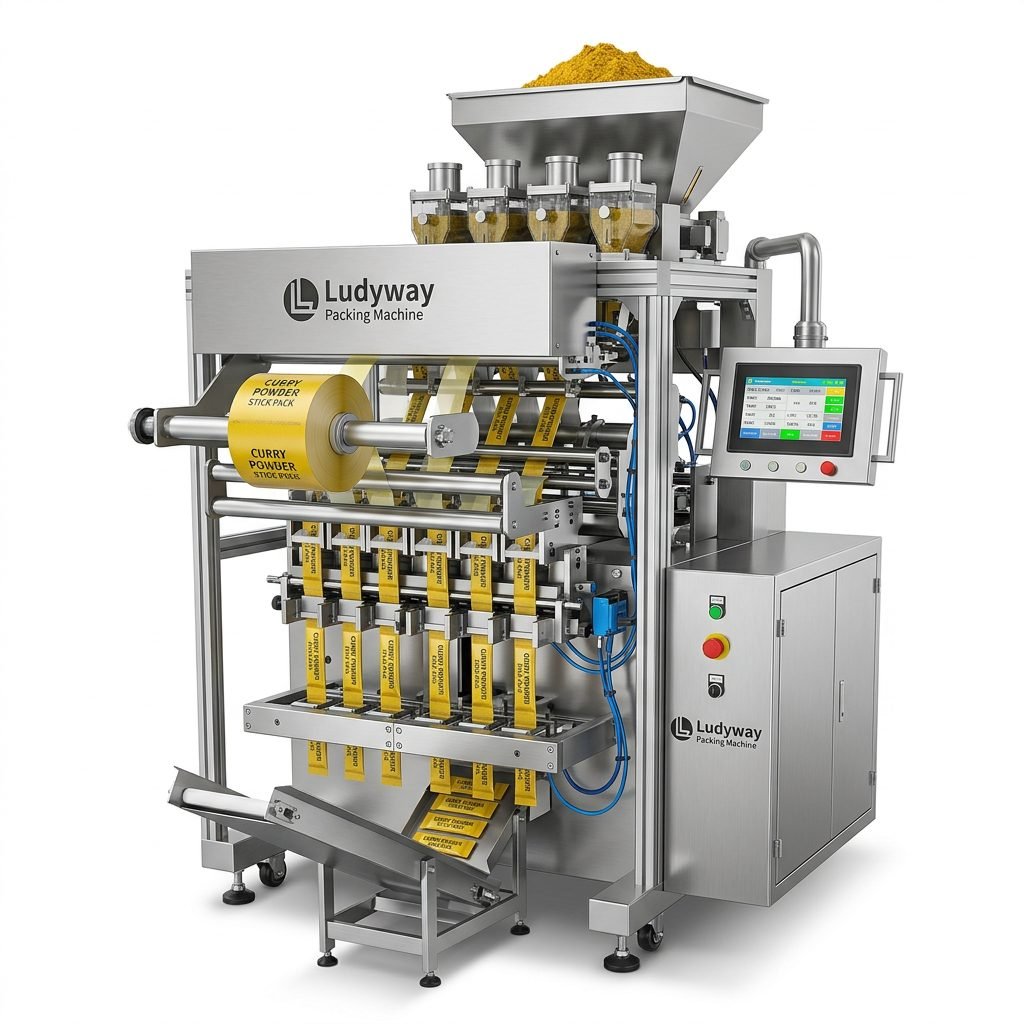
Be realistic about your daily, weekly, and seasonal output. Choose a machine that can comfortably handle your peak demands with some room for growth. Overbuying can strain your capital, while underbuying will create bottlenecks. Consider a machine from a supplier known for scalable solutions, like those offering multi-lane stick pack systems, as their engineering often focuses on high-efficiency modular design.
3. Prioritize Ease of Operation and Maintenance
A complex machine that requires a specialist to operate or fix will cost you more in the long run. Look for user-friendly touchscreen interfaces, clear diagnostics, and comprehensive training from the supplier. Availability of spare parts and local technical support are critical factors for minimizing operational disruptions.
4. Evaluate the Total Cost of Ownership (TCO)
The purchase price is just the beginning. Factor in installation costs, energy consumption, required maintenance, potential downtime costs, and the price of consumables like sealing jaws and spare parts. A slightly more expensive machine with higher reliability and lower operating costs often provides a better return on investment.
5. Assess Supplier Reputation and Support
Your relationship with the machine supplier is a long-term partnership. Research their track record, experience in the food packaging industry, and the quality of their after-sales service. A supplier with deep industry expertise, such as one with over 30 years of industry experience in providing turnkey production solutions, can be an invaluable asset, offering not just a machine but a complete production strategy.
6. Request a Product Test Run
Never buy a packaging machine sight-unseen. Provide your actual popcorn product and packaging materials to the supplier for a live test run. This is the only way to verify the machine’s performance, filling accuracy, seal quality, and operational speed with your specific materials.
Conclusion
Investing in a popcorn packaging machine is a significant step toward automating and scaling your business. By carefully understanding the different machine types, scrutinizing key features like accuracy and sealing, and methodically following a selection process that weighs your product specs, volume, and the supplier’s support capabilities, you can make a confident decision. The right machine will become a reliable workhorse, ensuring your delicious popcorn reaches customers fresh, appealingly packaged, and ready to enjoy.
Frequently Asked Questions (FAQs)
What is the typical speed range for a commercial popcorn packaging machine?
Speeds vary widely based on bag size and machine type. For standard medium-sized bags, vertical form-fill-seal machines typically operate between 40 to 120 bags per minute. Smaller stick packs can be produced at much higher speeds, often exceeding 200 packets per minute on multi-lane systems.
Can one machine handle different bag sizes and popcorn flavors?
Yes, most modern machines are designed for changeover. However, the time and complexity involved differ. Machines with servo-driven adjustments and digital recipe storage allow for quicker, more precise changeovers between different bag sizes and product weights compared to manual, tool-based changeover systems.
What packaging film is best for keeping popcorn fresh?
A good moisture and oxygen barrier is key. Metallized polypropylene (MPP) or laminated films containing metalized layers or aluminum are excellent choices. They protect against staleness (moisture) and help preserve flavor while often providing an attractive, shiny finish.
How important is after-sales service when purchasing a machine?
Extremely important. Packaging machines are complex and will require maintenance, parts, and occasional troubleshooting. A supplier with responsive, knowledgeable technical support and readily available spare parts is crucial for minimizing production downtime and protecting your investment over the machine’s entire lifespan.
Is it better to buy a standalone machine or a complete production line?
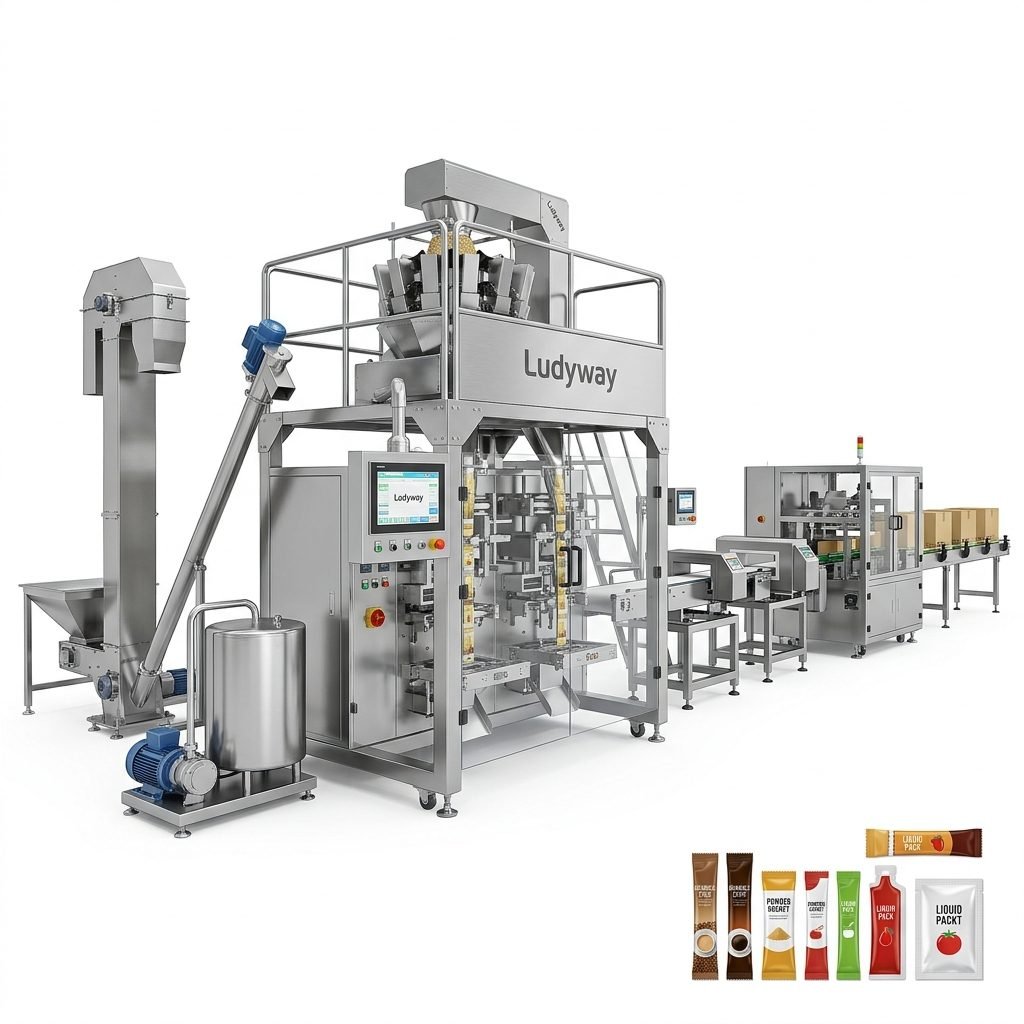
It depends on your starting point and scale. A standalone packaging machine is suitable if you already have upstream equipment like popcorn poppers and seasoning drums. A complete turnkey production line, which integrates all stages from popping to packaging, is more efficient for new, large-scale operations as it ensures seamless material handling and optimized workflow from the outset.