The snack food industry in South America is experiencing rapid growth, driven by increasing urbanization, rising disposable incomes, and changing consumer lifestyles. Among the most popular snack categories, potato chips remain a dominant segment across Brazil, Argentina, Colombia, Chile, and Peru. For manufacturers looking to enter or expand in this market, investing in the right potato chip packaging machine is a critical decision that directly impacts product quality, shelf life, and operational efficiency. This comprehensive buying guide will walk you through everything you need to know before making a purchase.
Understanding the South American Potato Chip Market
South America’s savory snacks market has been growing at a steady pace, with potato chips accounting for a significant share. Countries like Brazil and Argentina are among the largest consumers, while emerging markets such as Peru and Colombia are showing promising growth trajectories. According to industry data from the PMMI Business Intelligence reports, the demand for flexible packaging solutions in Latin America continues to rise, fueled by the convenience food trend and modern retail expansion. Local manufacturers are increasingly seeking high-speed automated packaging systems that can handle varied production volumes while maintaining consistent seal integrity and product freshness.
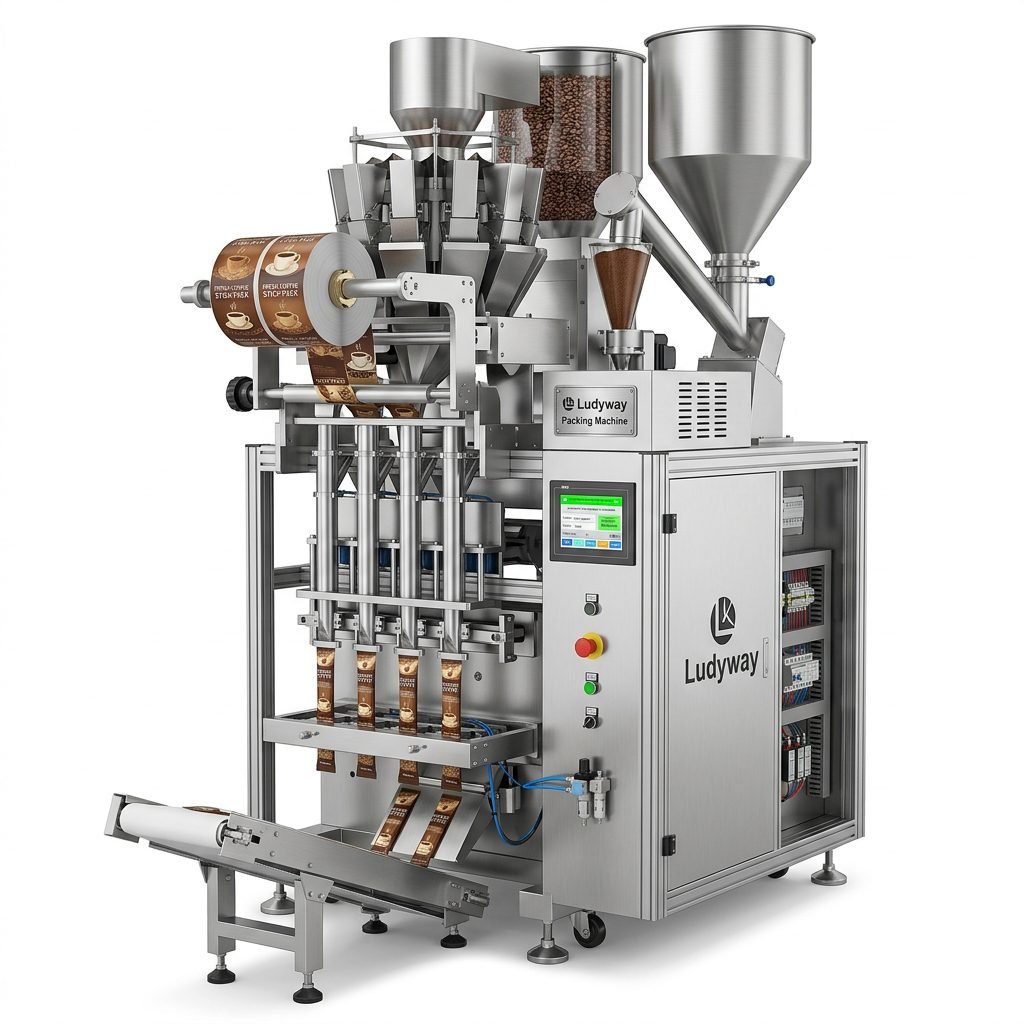
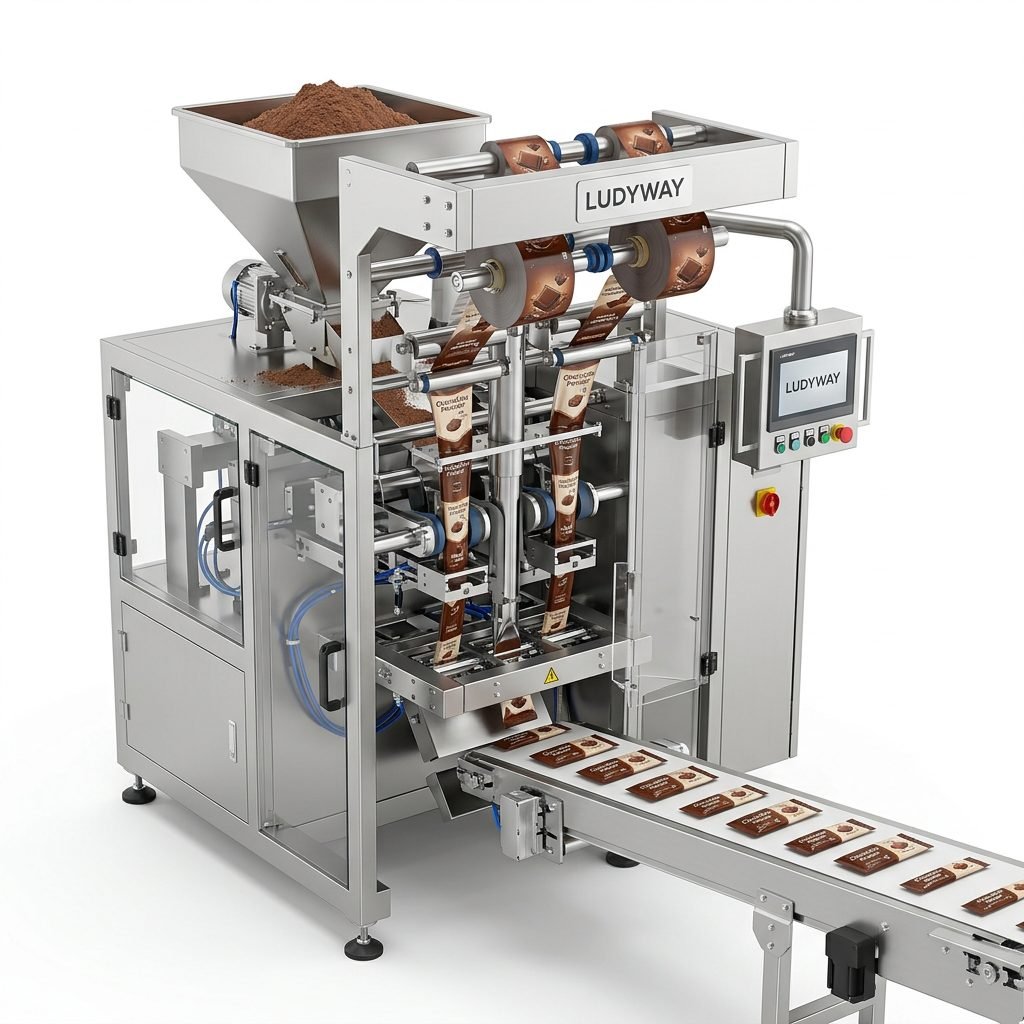
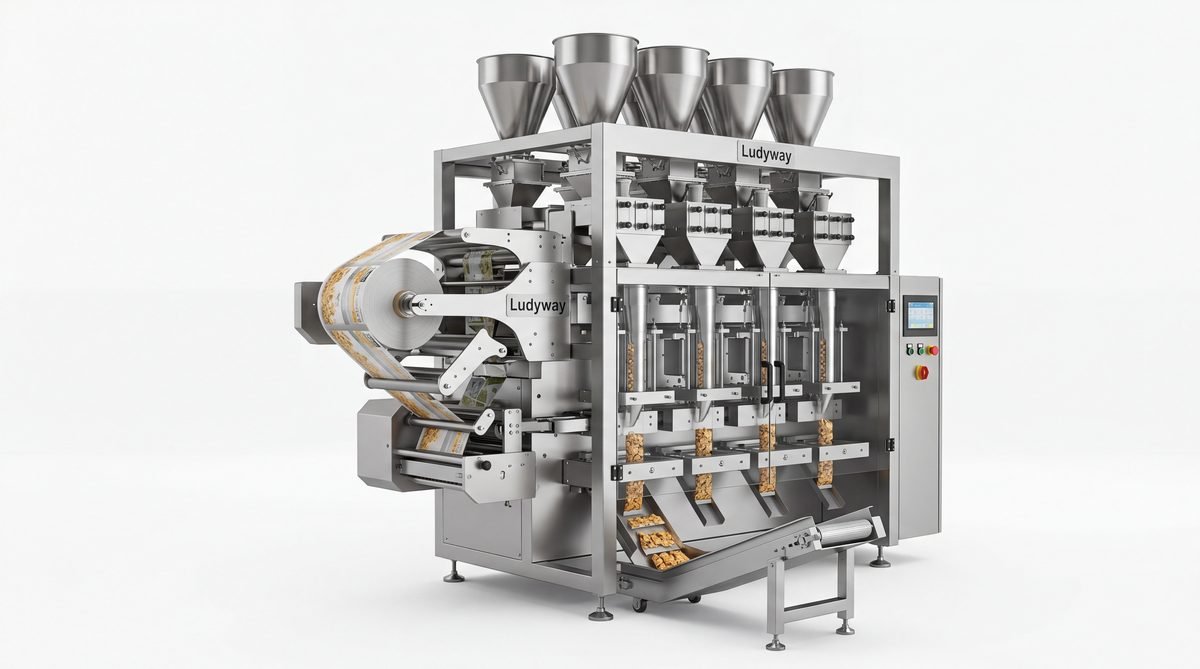
Types of Potato Chip Packaging Machines
Selecting the appropriate machine type depends on your production scale, packaging format, and budget. Below is a comparison of the most common configurations used in the snack industry:
| Machine Type | Best For | Key Advantage |
|---|---|---|
| Vertical Form Fill Seal (VFFS) | Medium to large pillow bags | Versatile, cost-effective, easy to operate |
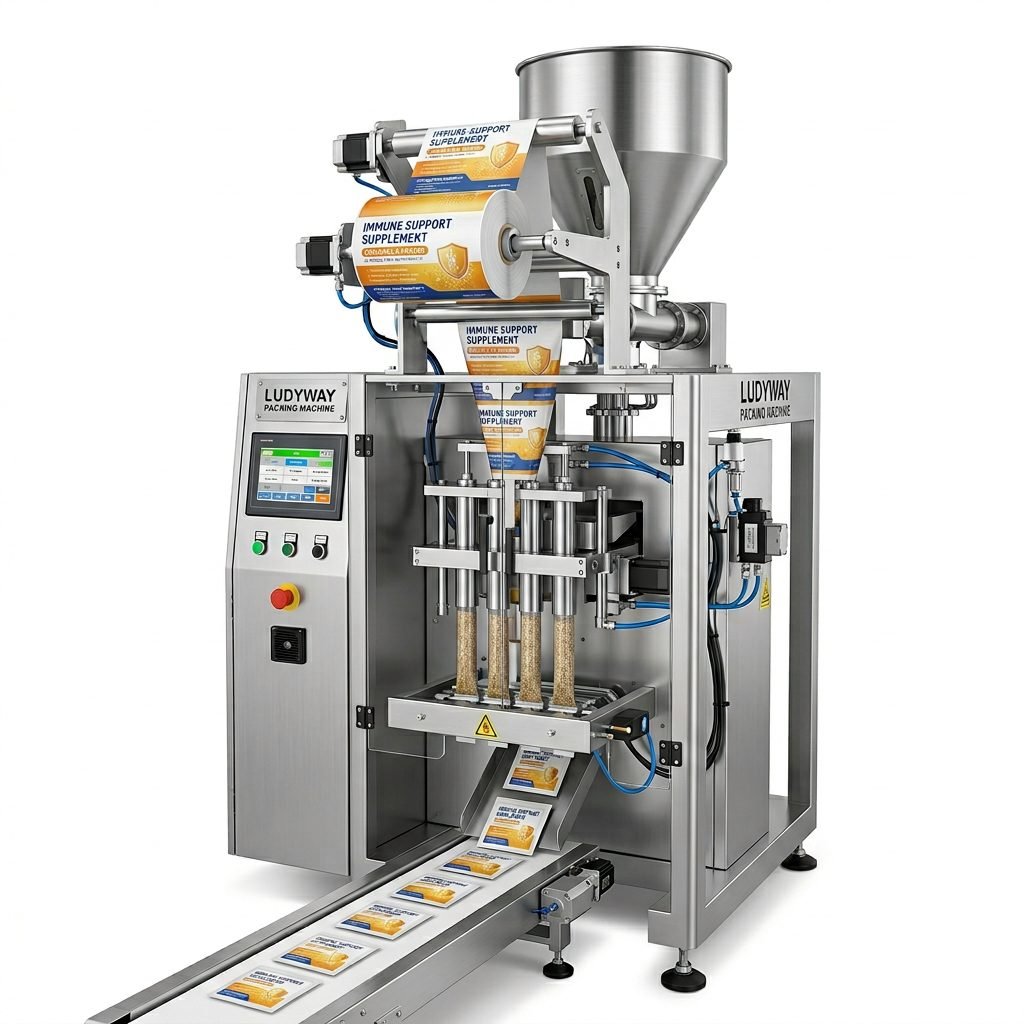
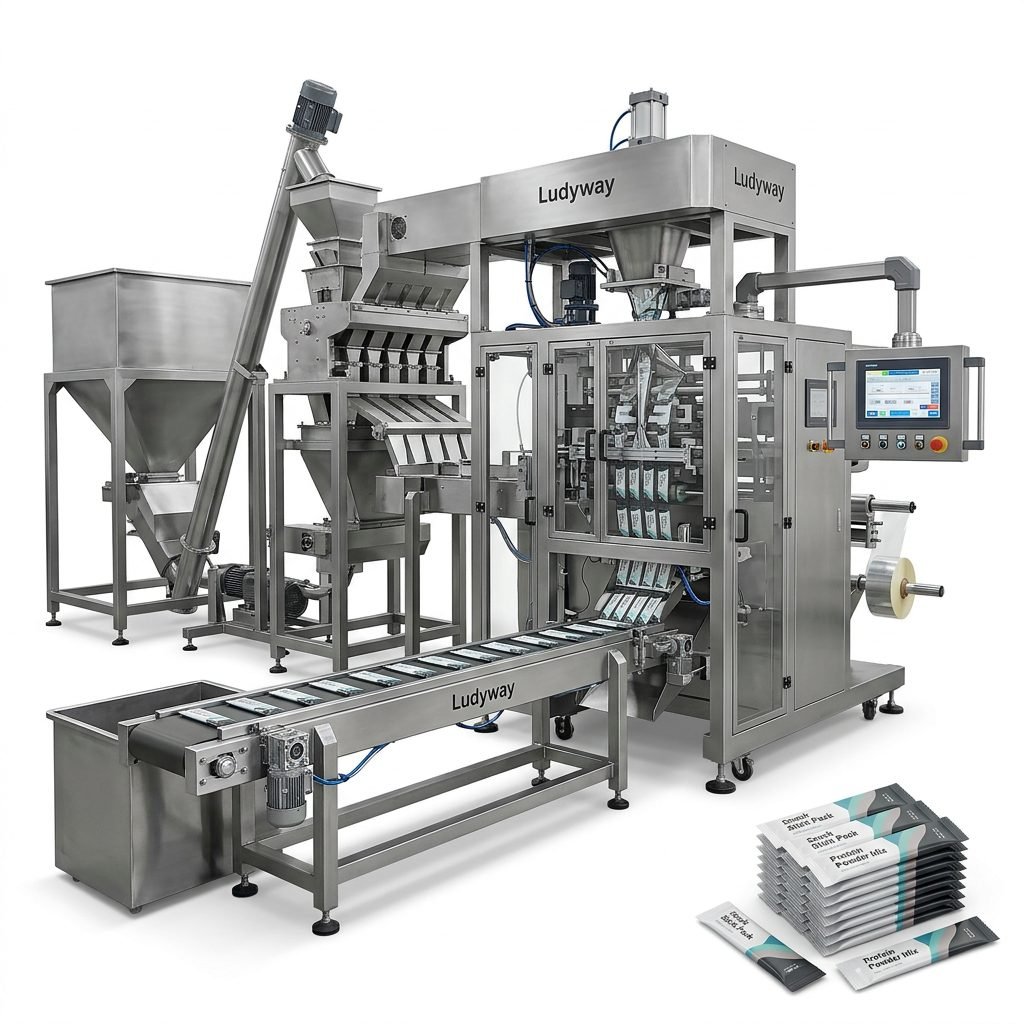
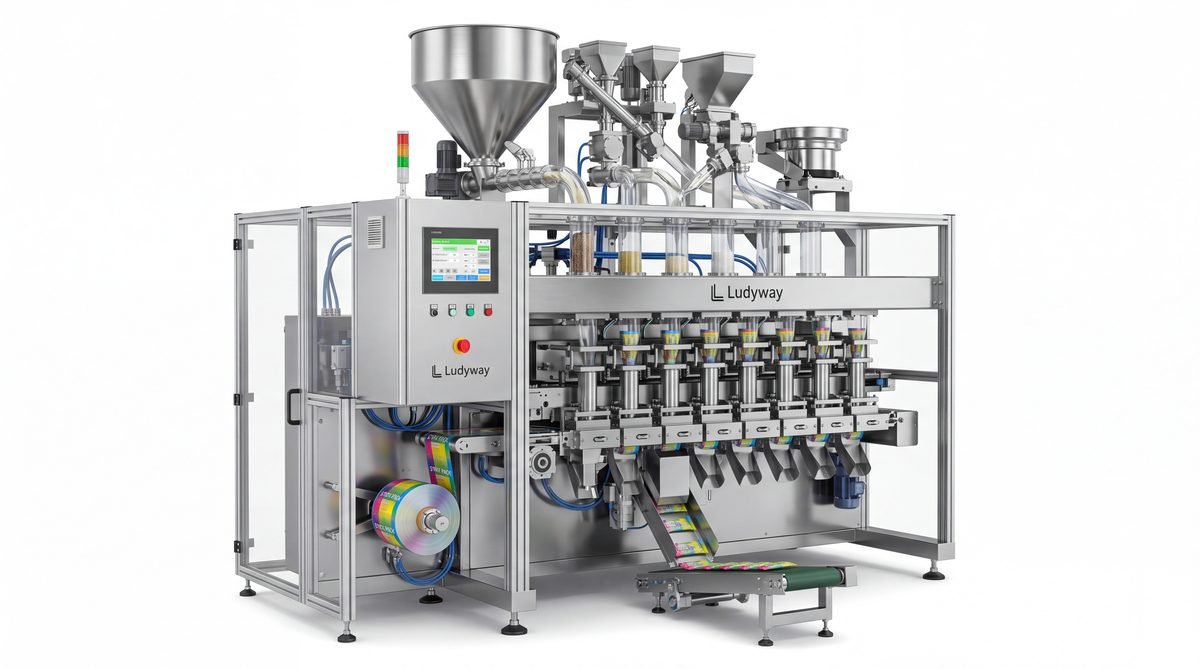
| Multi-Lane Stick Pack Machine | Small portion packs, on-the-go formats | High output, up to 12+ lanes simultaneously |
| Premade Pouch Packaging Machine | Stand-up pouches, zipper bags | Premium shelf appeal, resealable options |
| Horizontal Flow Wrapper | Pillow packs, single-serve | Gentle product handling, high speed |
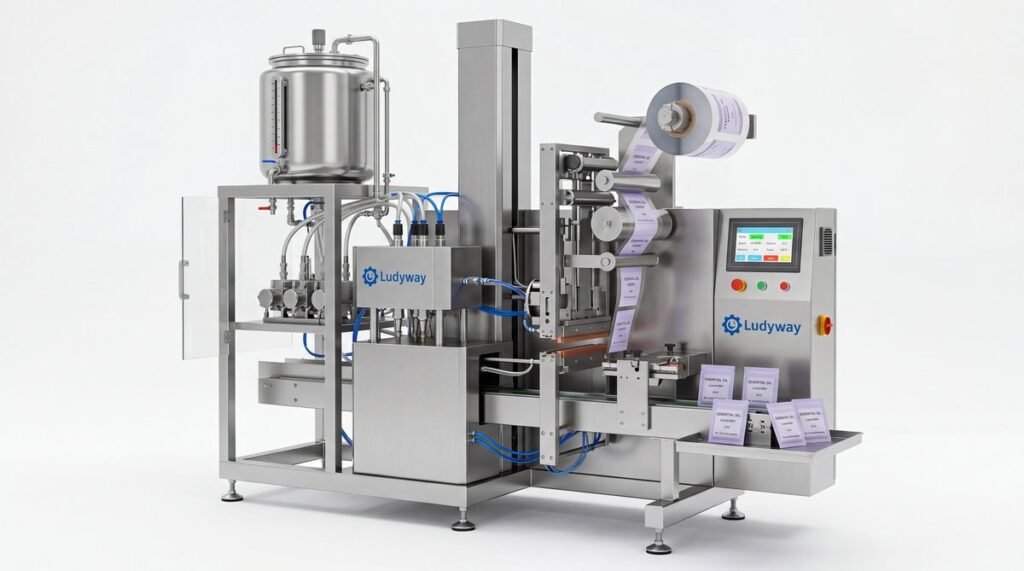
| Multi-Lane Sachet Machine | Sample packs, promotional sizes | Maximum output per minute, compact footprint |
Key Features to Evaluate When Buying
Not all packaging machines are created equal. When evaluating equipment for your South American production facility, pay close attention to the following critical specifications:
Weighing and Filling Accuracy
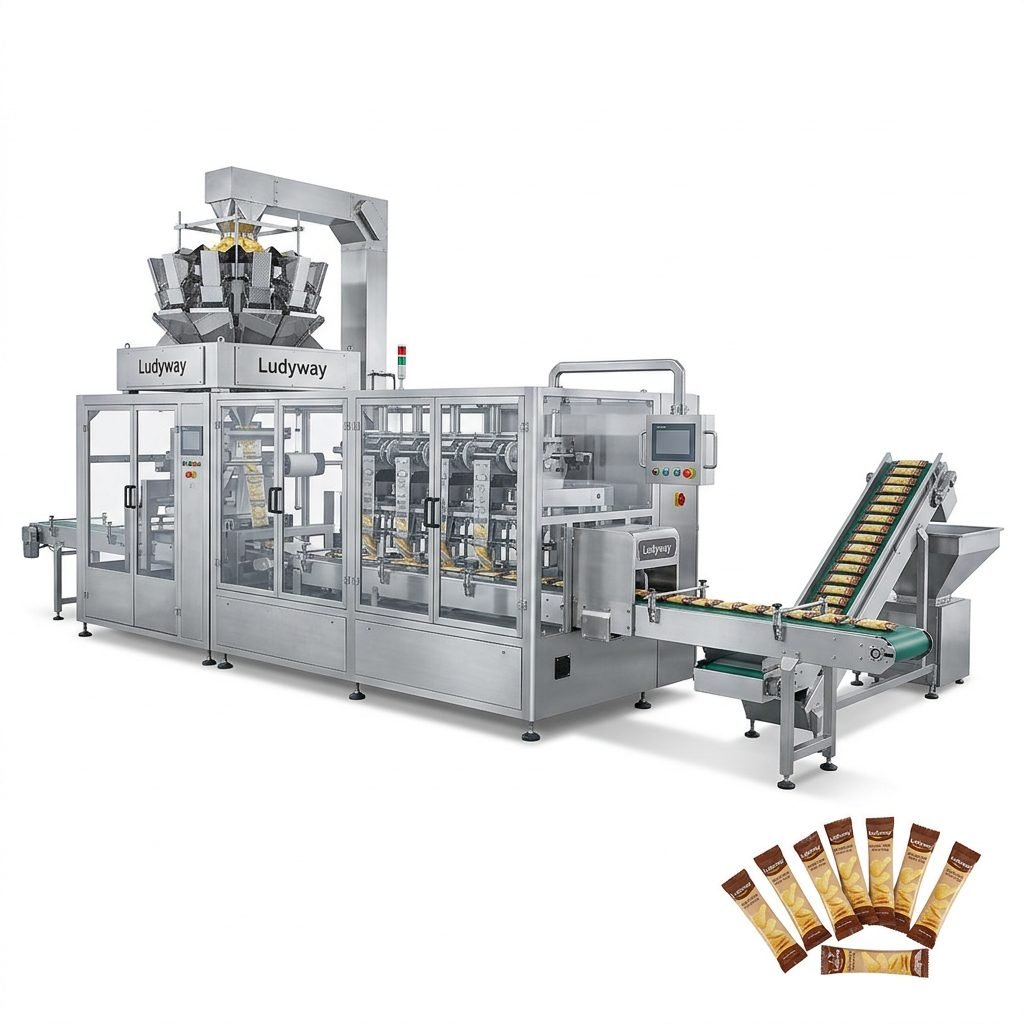
Potato chips are fragile and irregular in shape, making precise weighing challenging. Look for multi-head weighers with specialized vibration control and gentle handling surfaces. Accurate filling reduces product giveaway and ensures compliance with local labeling regulations. The Flexible Packaging Association emphasizes that consistent fill accuracy is essential for maintaining brand trust and regulatory compliance across different markets.
Sealing Technology
Proper sealing is essential to protect potato chips from moisture, oxygen, and contamination. Machines should offer adjustable temperature controls, dwell time settings, and pressure regulation. Consider models with nitrogen flushing capability to extend shelf life — a crucial factor for distribution across South America’s diverse climate zones, from humid tropical regions to dry highland areas.
Speed and Throughput
Production speed requirements vary significantly. A small artisanal brand might need 30-60 packs per minute, while a large-scale manufacturer serving national retail chains could require 120-300 packs per minute or more. Multi-lane systems dramatically increase throughput without proportionally increasing floor space, making them an attractive option for growing businesses.
Material Compatibility
South American markets use a variety of packaging films, including BOPP, PET/PE laminates, metallized films, and biodegradable materials. Your machine should be compatible with the film types you plan to use, and ideally offer quick-change features for switching between different materials. With increasing environmental regulations in countries like Chile and Brazil, the ability to run eco-friendly films is becoming a competitive advantage.
Automation and Control Systems
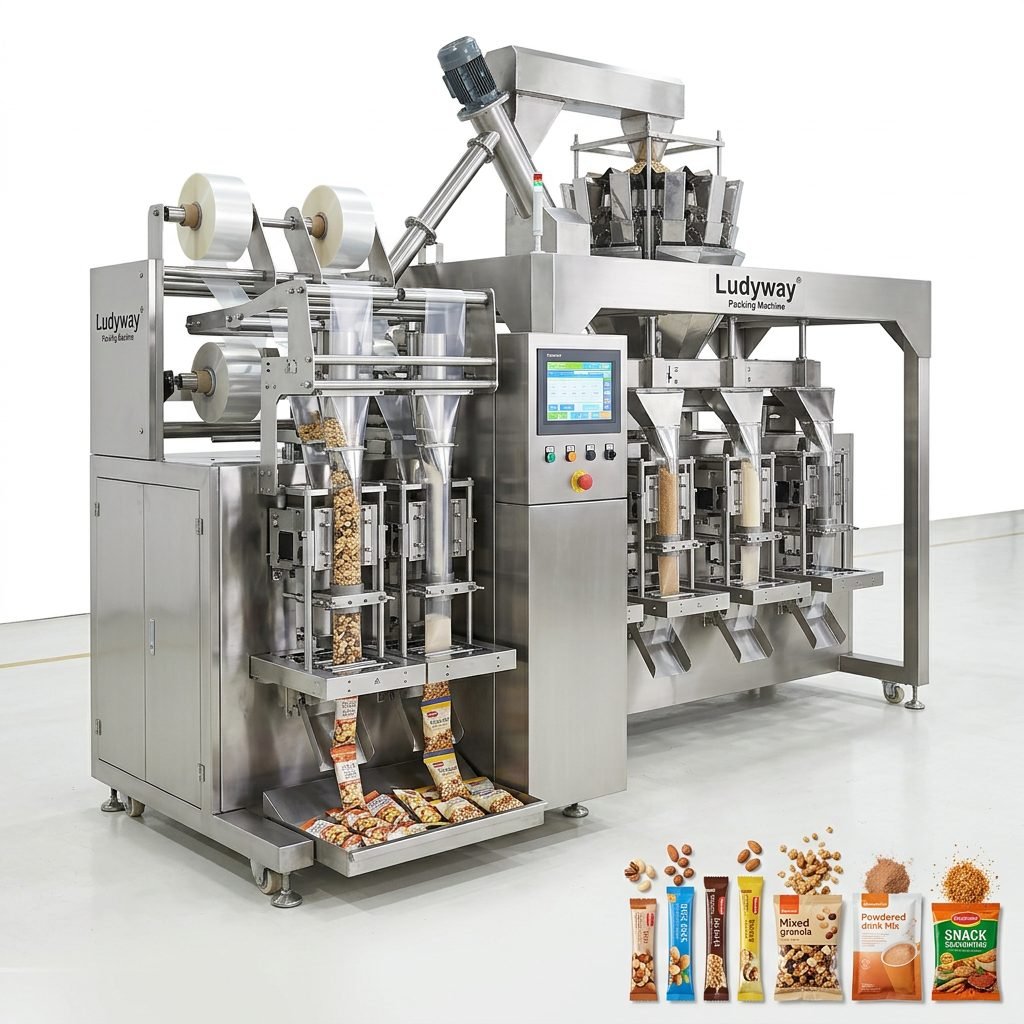
Modern machines feature PLC-based controls with touchscreen interfaces, recipe storage, and remote diagnostic capabilities. For South American operations where skilled technicians may be scarce, user-friendly interfaces with multilingual support (Portuguese, Spanish, English) can significantly reduce training time and operational errors.
Factors to Consider for the South American Market
Beyond machine specifications, there are region-specific considerations that should influence your purchasing decision:
- Climate and Humidity: Equipment must withstand high humidity in tropical areas. Stainless steel construction and corrosion-resistant components are essential for longevity in coastal regions like Brazil and Colombia.
- Power Supply Stability: Some areas experience voltage fluctuations. Machines with built-in voltage regulators and surge protection help prevent downtime and component damage.
- Local Service and Spare Parts: Proximity to technical support matters. Evaluate whether the manufacturer has service partners or distributors within South America, and check typical lead times for critical spare parts.
- Import Regulations and Tariffs: Countries like Brazil have complex import processes with specific documentation requirements. Work with suppliers experienced in navigating international packaging machinery standards and South American customs procedures.
- Certifications and Compliance: Ensure the equipment meets relevant standards such as CE, ISO, and any local food safety certifications required by ANVISA (Brazil) or equivalent regulatory bodies in other South American countries.
Packaging Formats Popular in South America
Understanding local consumer preferences helps you choose the right packaging format. The following table outlines popular configurations across different South American markets:
| Packaging Format | Typical Size Range | Primary Markets |
|---|---|---|
| Family-Size Pillow Bags | 100g – 500g | Brazil, Argentina, Colombia |
| Single-Serve Sachets | 15g – 50g | Peru, Chile, street vendors across all markets |
| Stick Packs / Slim Packs | 20g – 60g | Urban centers, convenience stores |
| Stand-Up Zipper Pouches | 80g – 300g | Premium brands across all markets |
| Multi-Pack Bundles | 6-pack, 12-pack | Supermarkets, wholesale clubs |
Evaluating Machine Suppliers
Choosing the right supplier is as important as choosing the right machine. Here is a structured approach to evaluating potential partners:
Technical Expertise
Look for manufacturers with proven experience in snack food packaging. Request case studies or references from similar operations, particularly those in Latin American markets. A supplier familiar with the unique challenges of potato chip packaging — such as product fragility, oil residue management, and seasoning adhesion — will provide better long-term value.
After-Sales Support
Downtime can be costly. Prioritize suppliers offering comprehensive after-sales service, including remote troubleshooting, on-site technical visits, operator training programs, and readily available spare parts. Ask about typical response times and whether they have a Spanish or Portuguese-speaking support team.
Customization and Scalability
Your packaging needs may evolve. Consider whether the supplier can provide modular upgrades or additional lanes as your business grows. An ideal partner offers scalable turnkey packaging solutions that can adapt to changing market demands without requiring complete equipment replacement.
Warranty and Spare Parts Availability
Standard warranties typically range from 12 to 24 months. Verify what is covered and whether extended warranty options are available. Additionally, check the availability of critical spare parts in South America — having a local inventory or fast shipping from nearby distribution hubs can significantly reduce potential downtime.
Cost Considerations and ROI
The initial investment in a potato chip packaging machine can range from $15,000 for basic semi-automatic units to over $200,000 for fully automated multi-lane systems. However, the total cost of ownership includes much more than the purchase price:
- Installation and commissioning costs
- Operator training expenses
- Ongoing maintenance and spare parts
- Packaging film consumption rates
- Energy consumption
- Potential downtime costs
A well-chosen machine typically achieves ROI within 18 to 36 months through increased throughput, reduced product waste, lower labor costs, and improved packaging consistency that enhances brand reputation. When calculating ROI for South American operations, factor in local labor rates, energy costs, and the potential premium pricing achievable with better packaging quality.
Technology Trends to Watch
The packaging machinery industry is rapidly evolving. Several trends are particularly relevant for the South American market:
- Smart Packaging Integration: Machines equipped with IoT sensors enable real-time production monitoring, predictive maintenance alerts, and quality control data logging — accessible remotely via cloud platforms.
- Sustainable Packaging Capabilities: With growing environmental awareness and upcoming regulations, machines capable of running recyclable mono-materials and compostable films are gaining importance.
- Digital Printing on Packaging: In-line digital printing allows for variable data, promotional codes, and regionalized designs without pre-printed film inventory.
- Robotic Pick-and-Place: Automated loading and unloading systems reduce manual handling, improving both efficiency and hygiene standards.
Making Your Final Decision
After narrowing down your options, we recommend a systematic approach to final evaluation:
- Request product samples packaged on the actual machine model you are considering. Evaluate seal quality, print registration, and overall pack appearance.
- Visit existing installations if possible, or request video demonstrations of the machine running with potato chips or similar fragile snack products.
- Compare total lifecycle costs rather than just upfront pricing. A slightly more expensive machine with lower maintenance requirements may deliver better long-term value.
- Review the supplier’s track record in Latin America, including references from current customers in the region.
- Verify training and documentation availability in Spanish and Portuguese to ensure smooth operator onboarding.
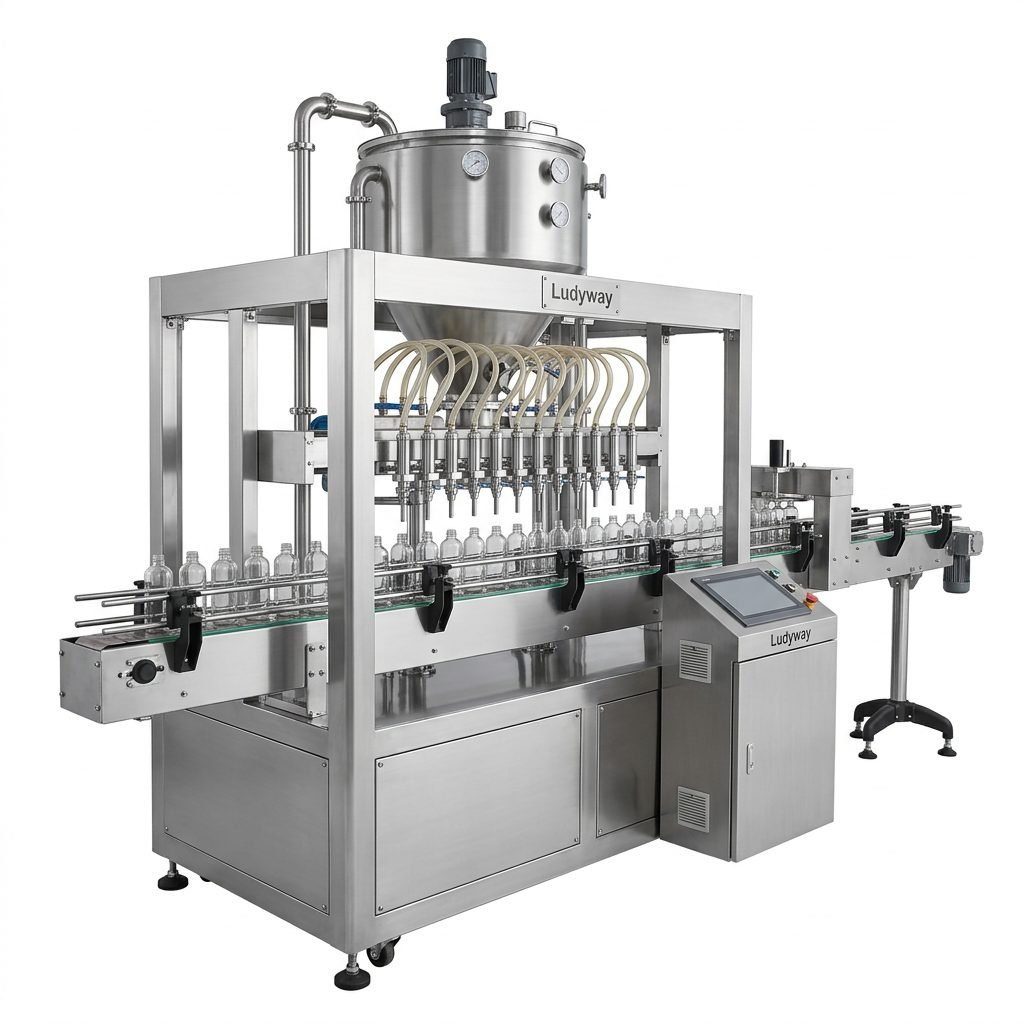
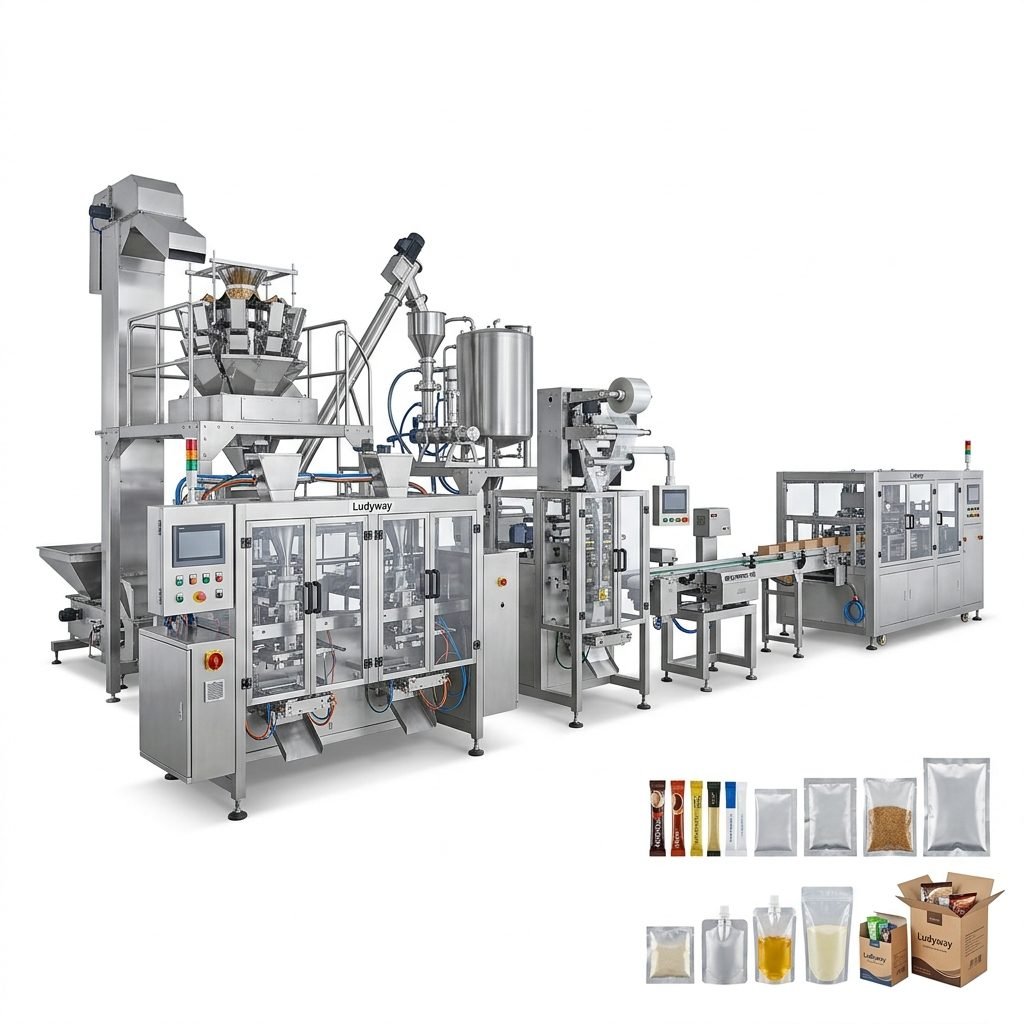
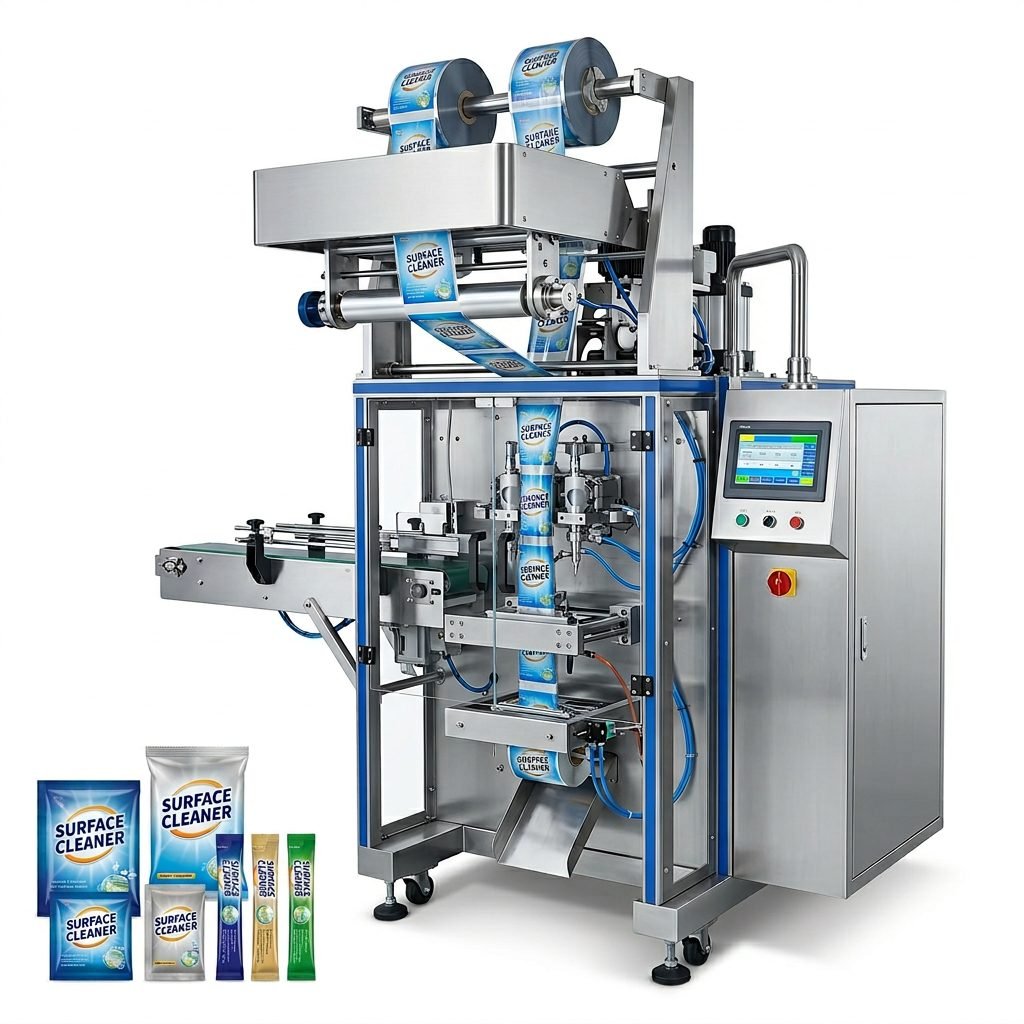
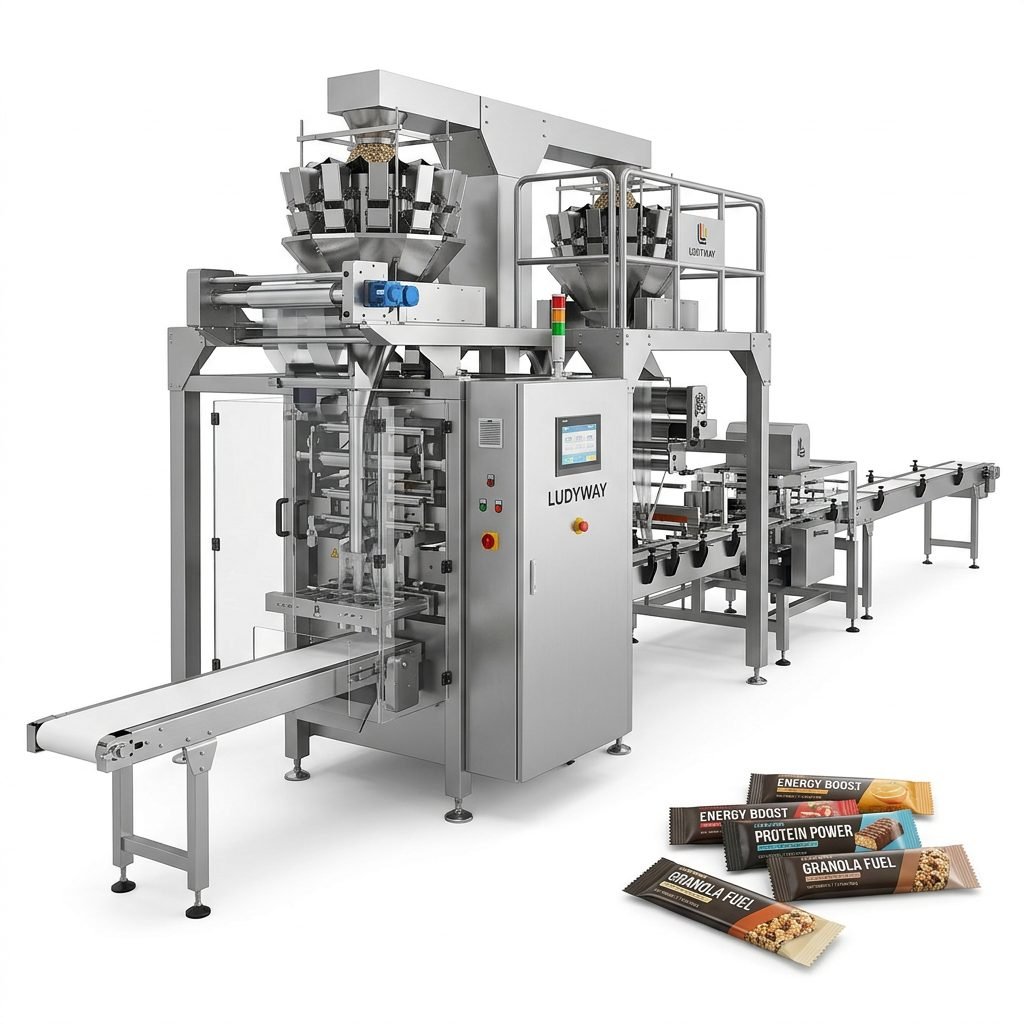
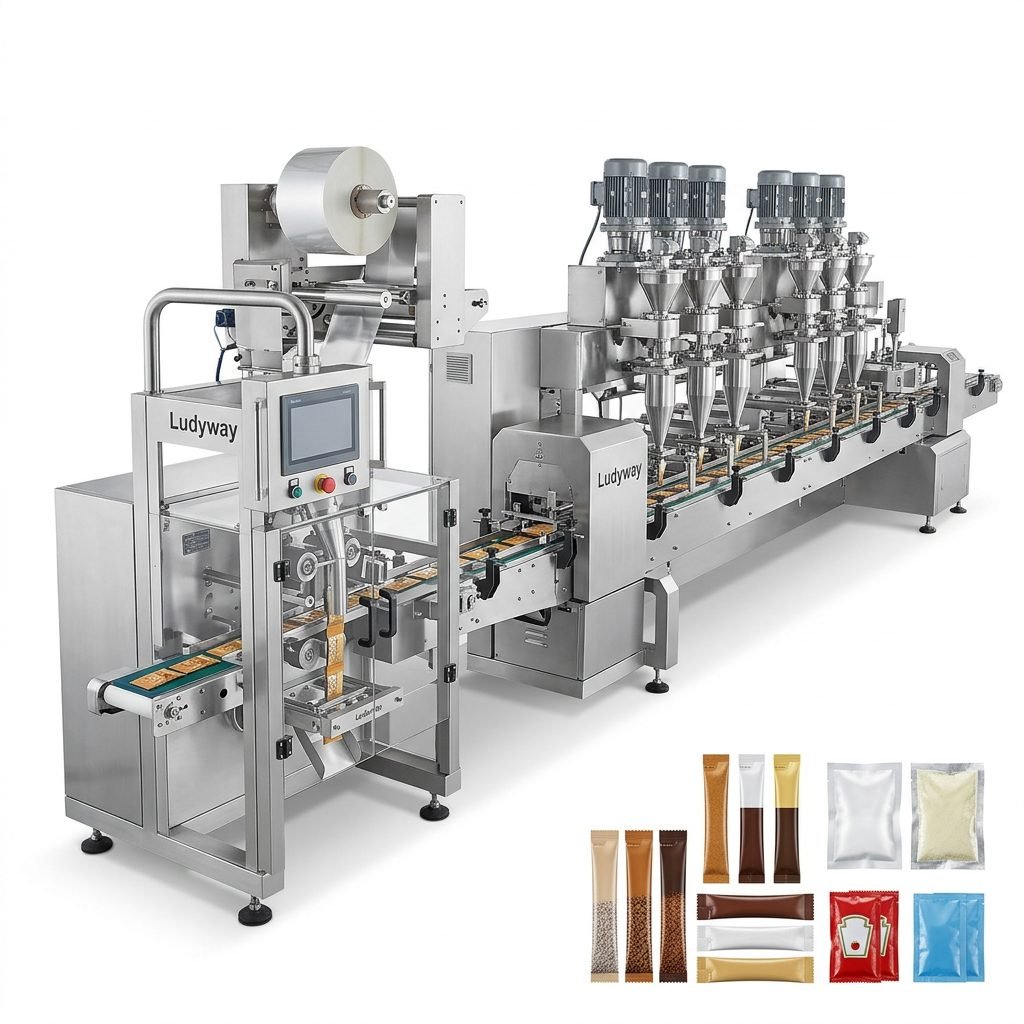
One manufacturer with significant experience in snack packaging equipment is Ludyway, a company that has been providing packaging solutions to over 100 countries and offers more than 50 intelligent packaging machine models suitable for granule, powder, and snack applications. Their multi-lane systems are designed for high-speed production environments similar to those found in growing South American markets. For more detailed industry data, the PMMI State of the Industry 2025 report provides valuable insights into packaging machinery trends in emerging markets.
Conclusion
Investing in the right potato chip packaging machine is a strategic decision that impacts every aspect of your snack food business — from production efficiency and product quality to brand perception and profitability. For the South American market, particular attention must be paid to climate resilience, multilingual support, local service availability, and packaging format preferences that vary by country and consumer segment. By carefully evaluating machine types, key technical features, supplier reliability, and total cost of ownership, manufacturers can select equipment that positions them for sustainable growth in this dynamic and expanding market.
Whether you are launching a new snack brand in Colombia, expanding production capacity in Brazil, or modernizing aging equipment in Argentina, taking a methodical approach to machine selection will help ensure your packaging investment delivers consistent results for years to come. The rapid growth of the South American snack market presents a significant opportunity — and the right packaging equipment is your foundation for capturing it.