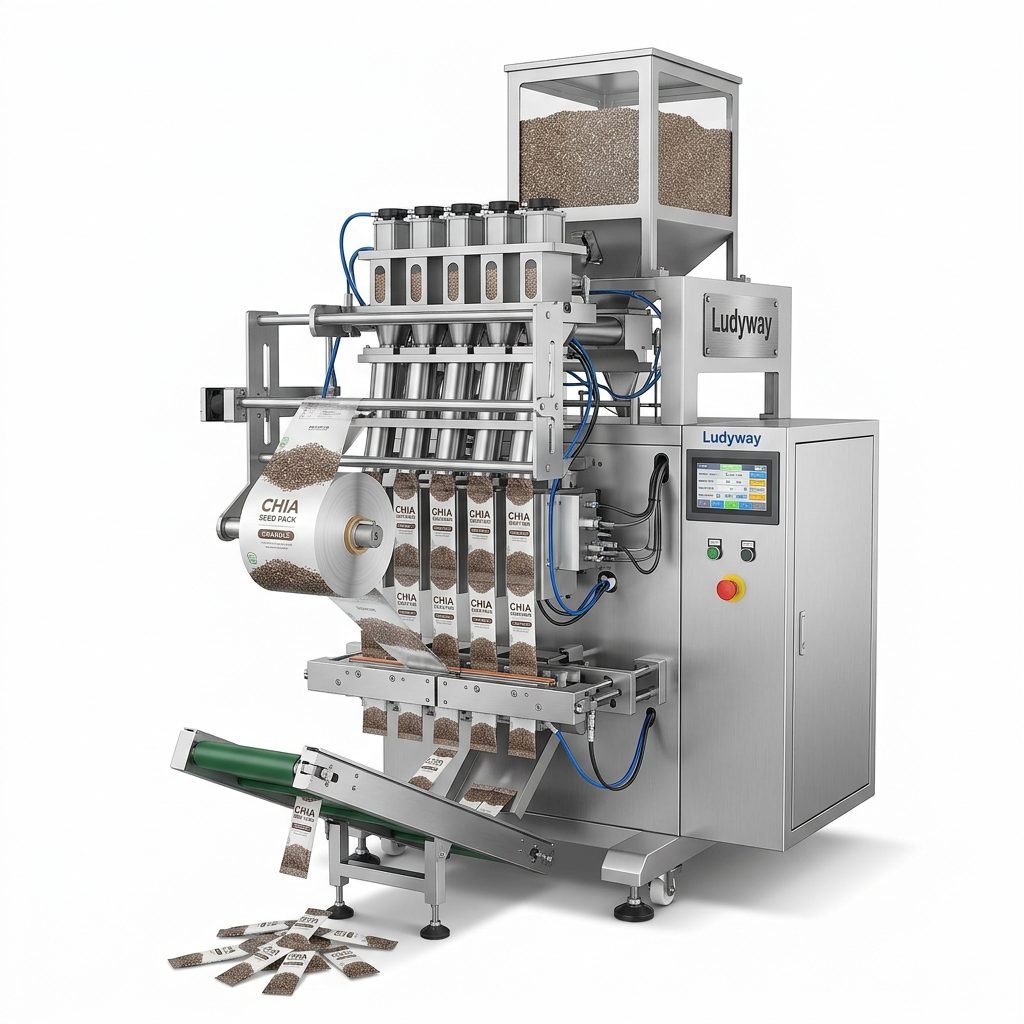
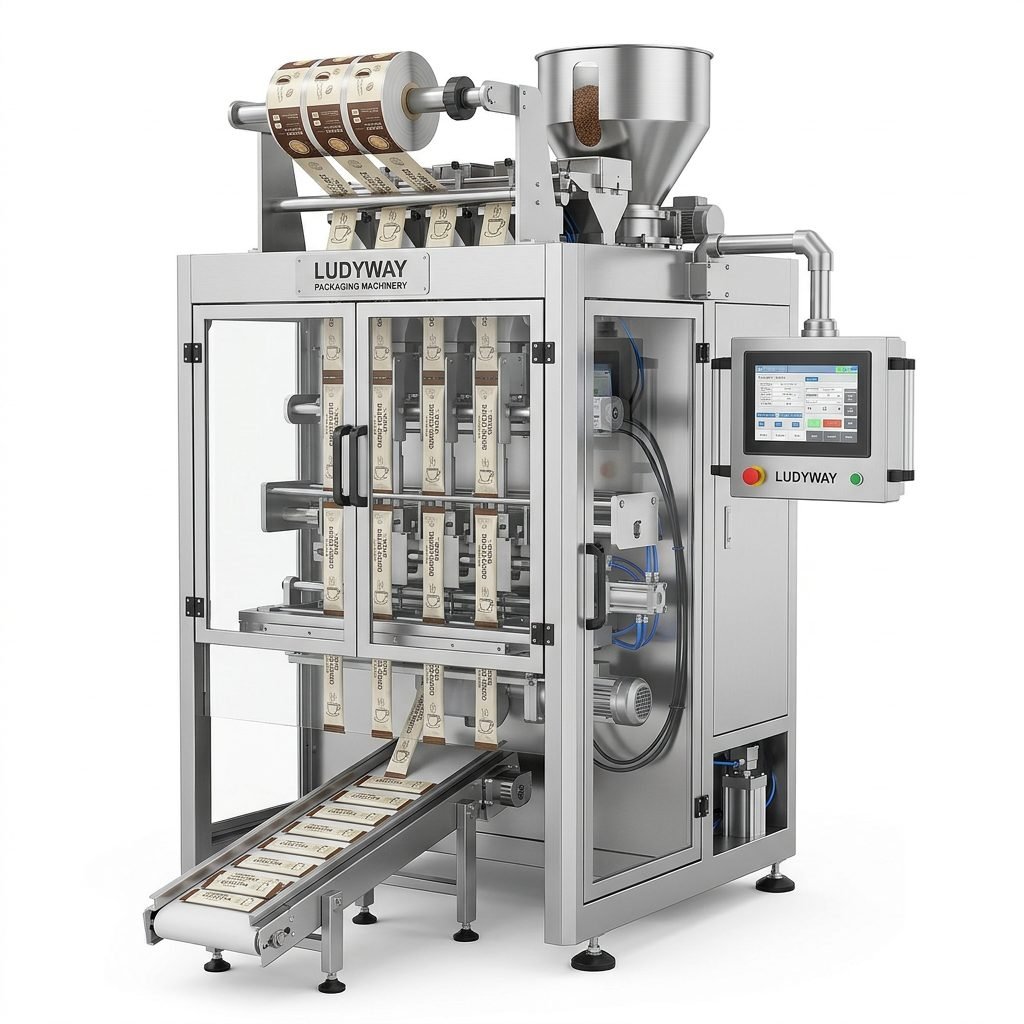
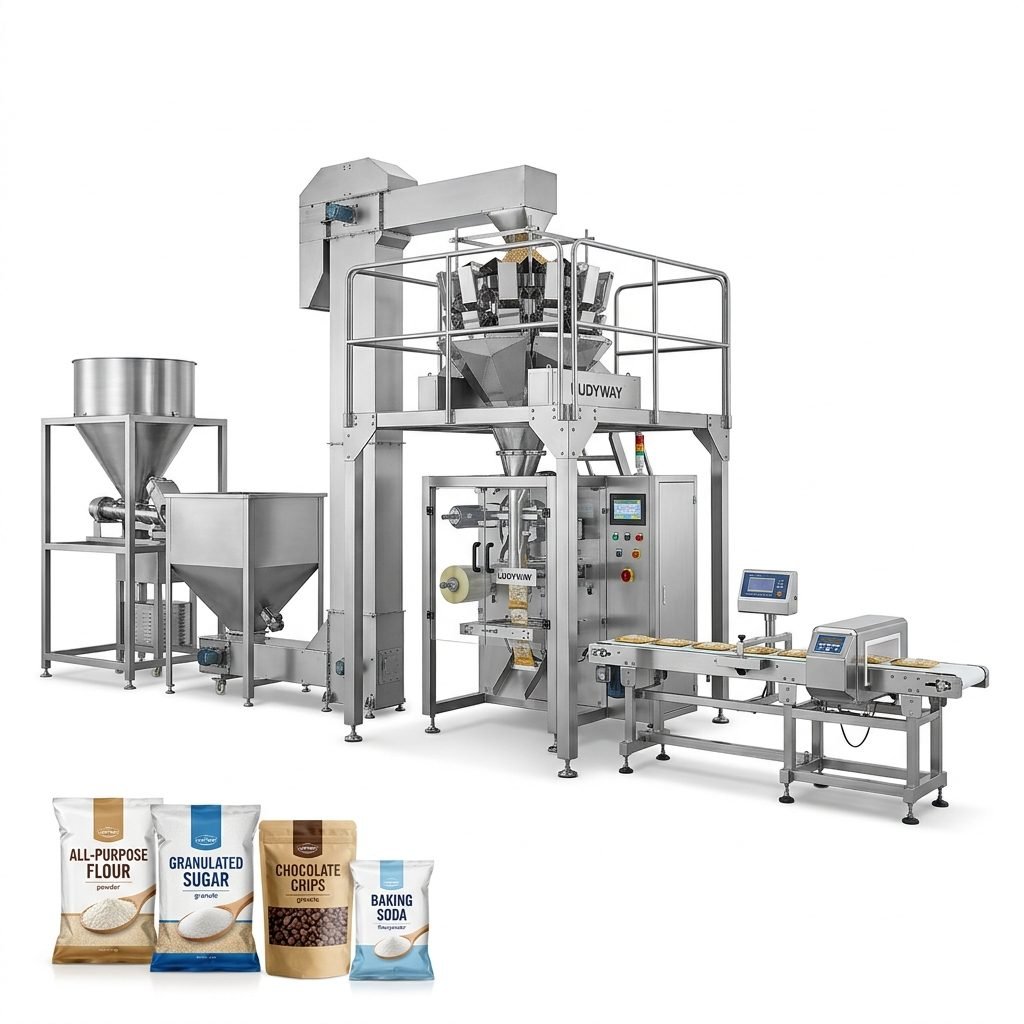
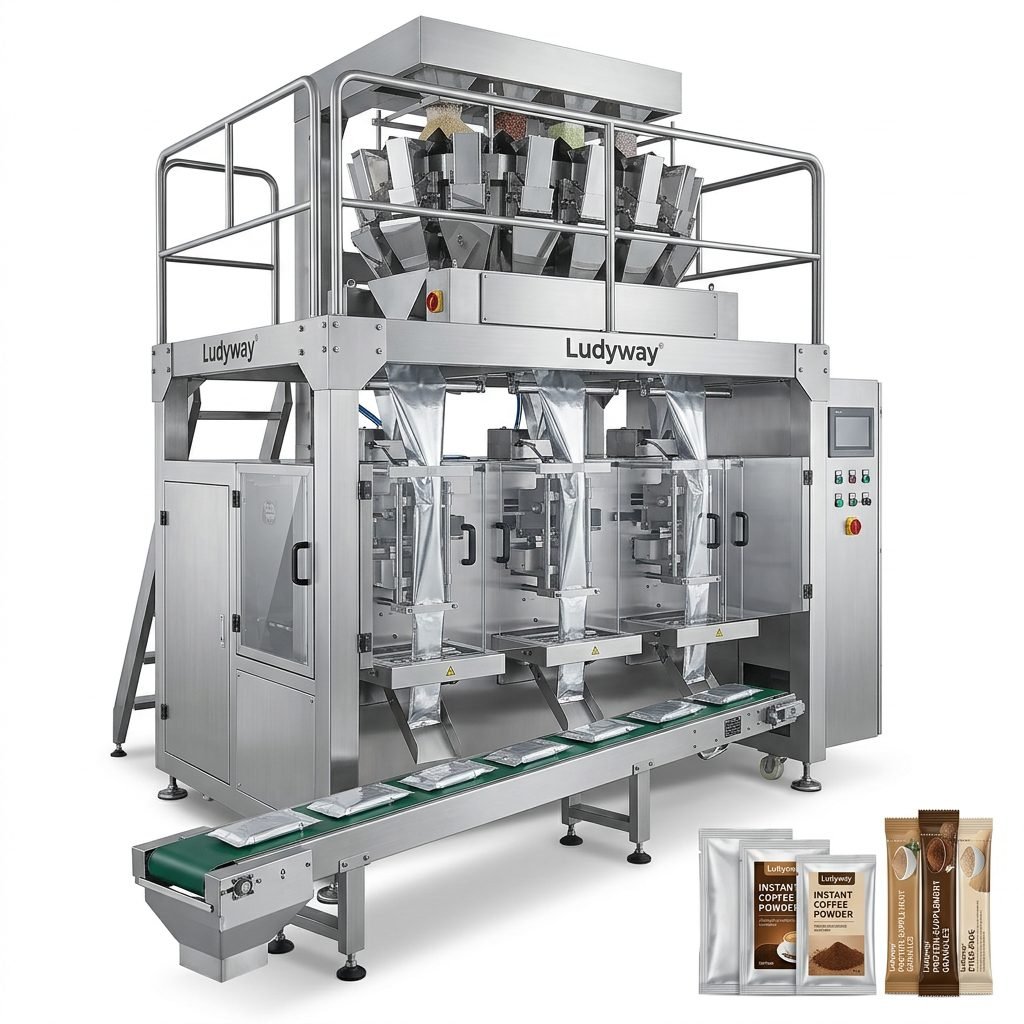
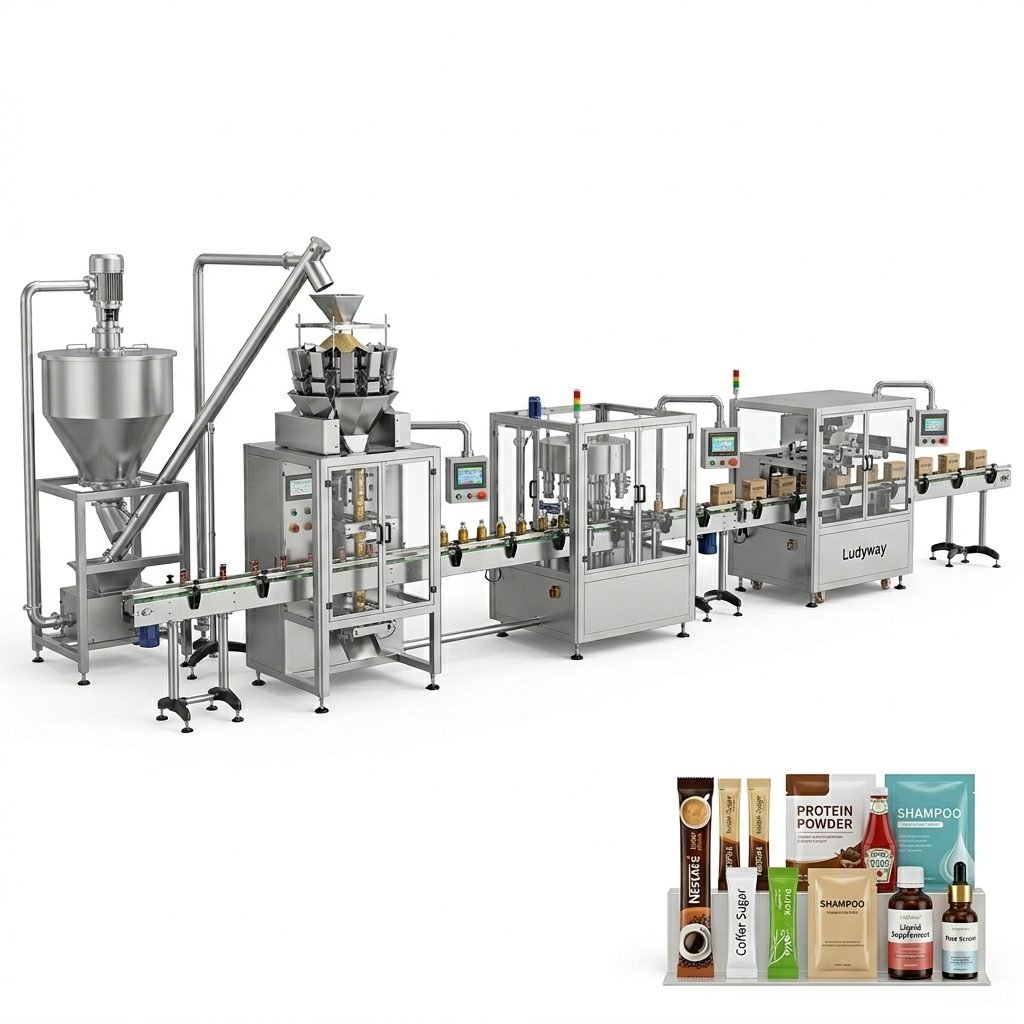
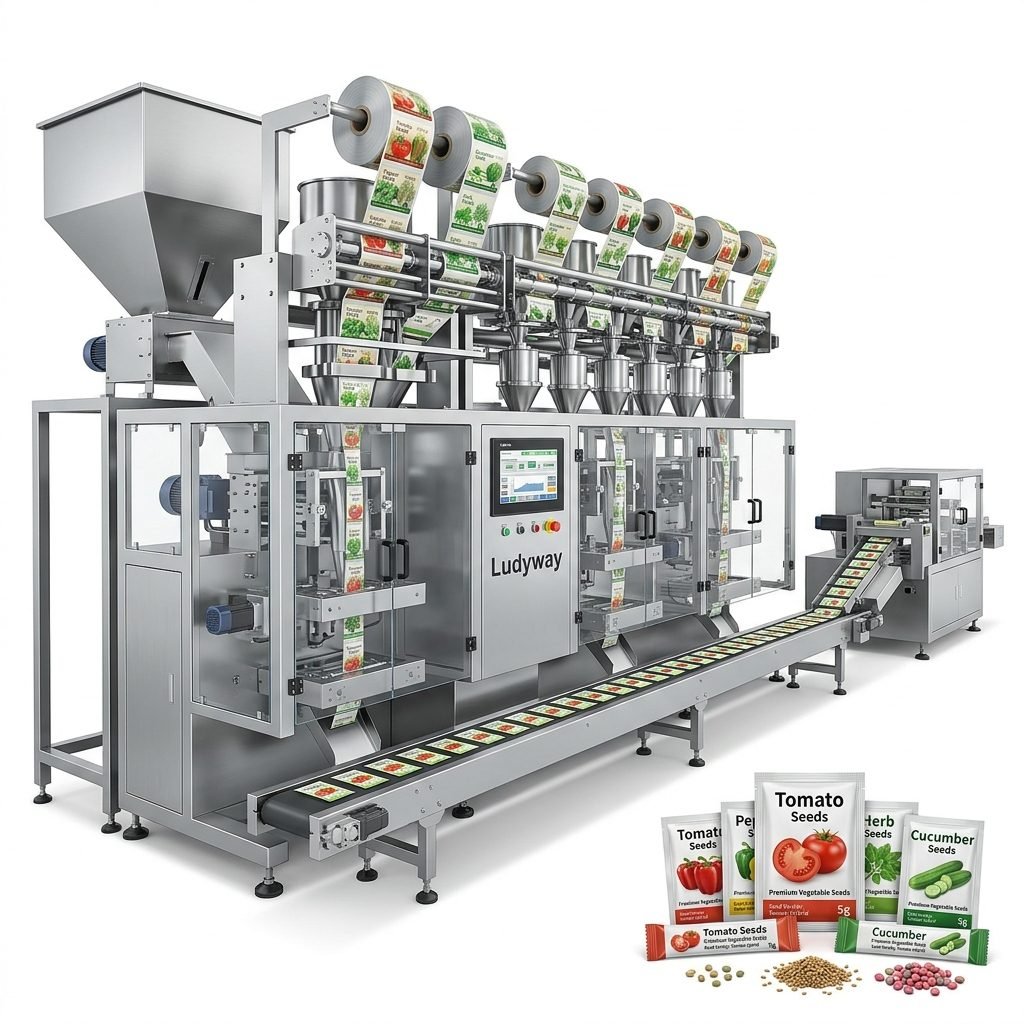
In the competitive snack food industry, efficient and reliable packaging is crucial for maintaining product freshness, ensuring safety, and enhancing brand appeal on retail shelves. For potato chips manufacturers, selecting the right packaging machine is a significant investment that impacts production speed, operational costs, and product quality. This comprehensive guide explores the various types of potato chips packaging machines, their key features, pricing considerations, and essential factors to guide your purchasing decision.
Understanding Potato Chips Packaging Machines
Potato chips packaging machines are specialized automated systems designed to weigh, fill, and seal potato chips into various types of bags or pouches. These machines handle the delicate nature of chips to minimize breakage while ensuring high-speed, hygienic, and consistent packaging. The primary goal is to extend shelf life by creating a sealed environment, often with modified atmosphere packaging (MAP) options, to keep chips crisp.
Key Function: Beyond just bagging, modern machines integrate weighing, filling, gas flushing (for freshness), sealing, and date coding into one seamless process. This automation is vital for meeting high-volume production targets.
1. Types of Potato Chips Packaging Machines
The market offers several machine configurations, each suited to different production scales and bag styles. Understanding these types is the first step in narrowing down your choice.
Vertical Form-Fill-Seal (VFFS) Machines
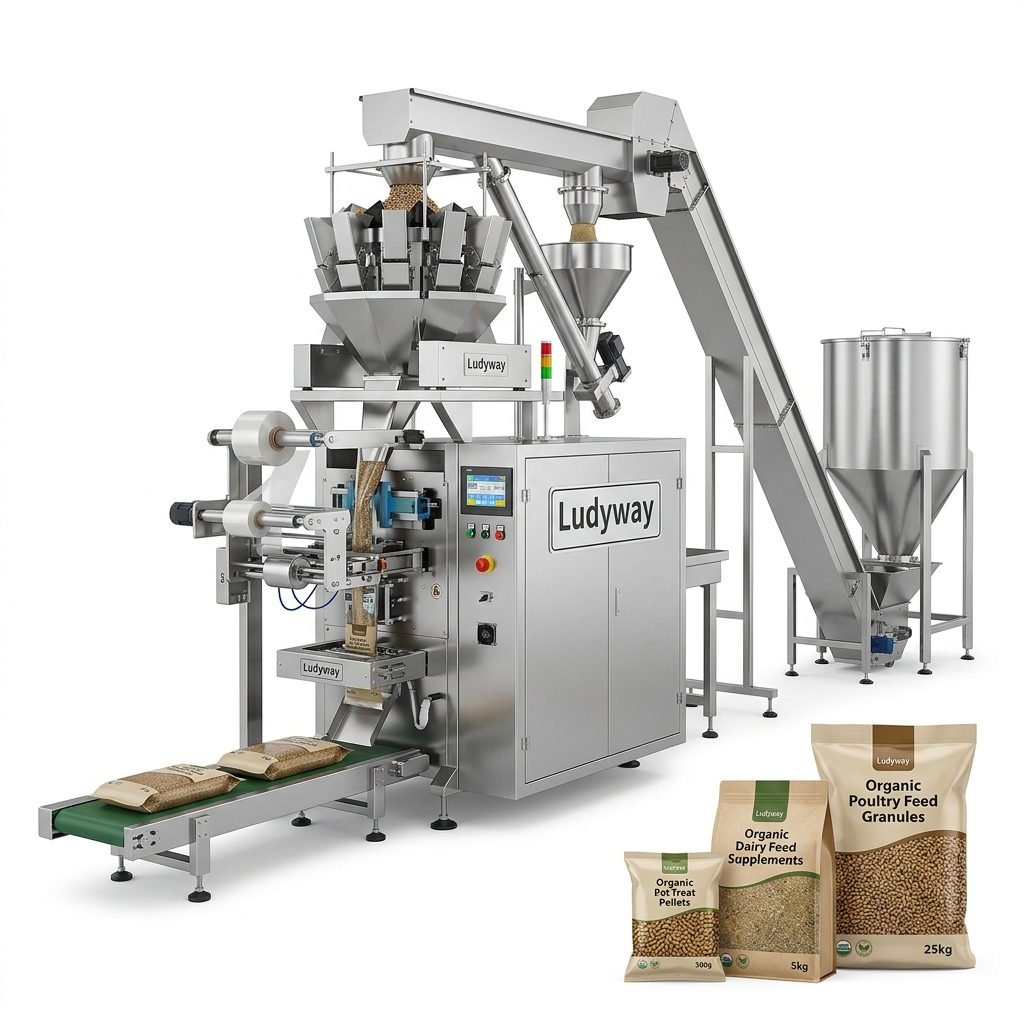
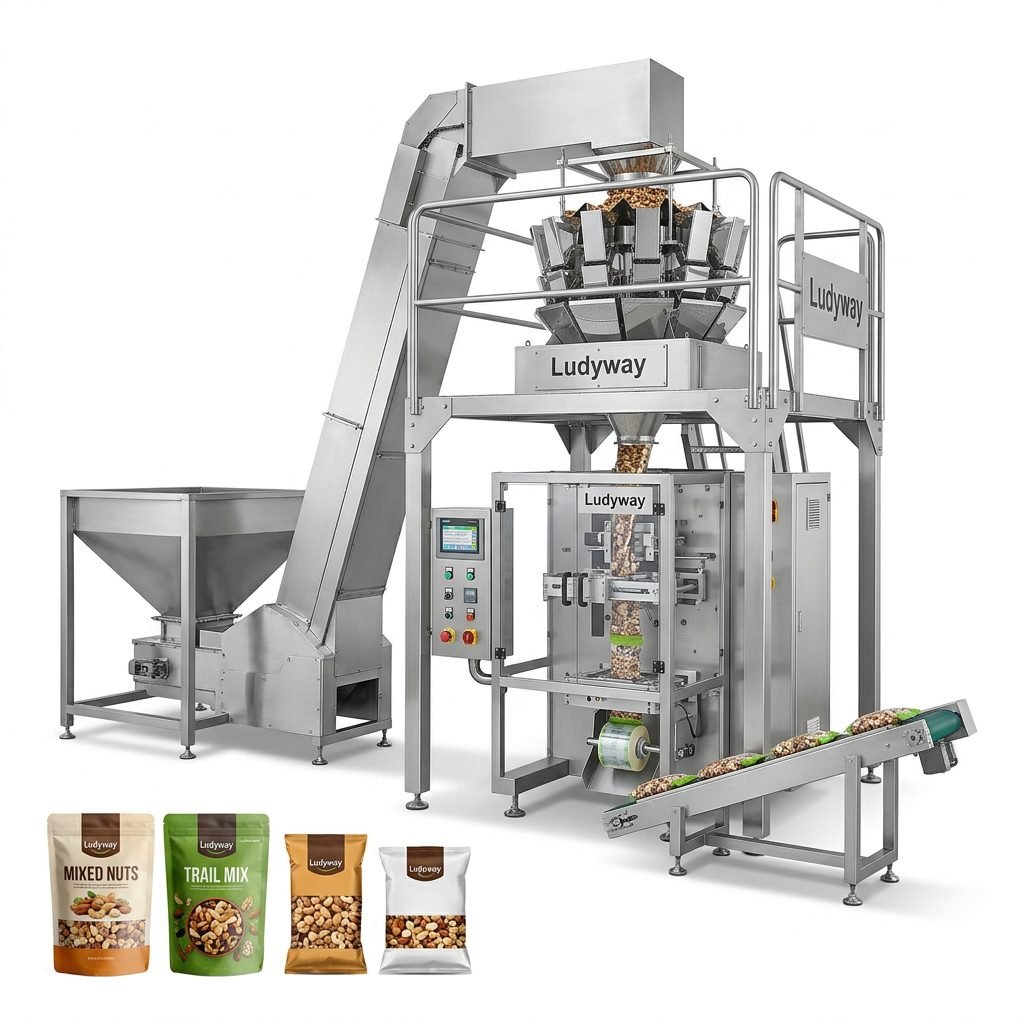
These are the most common and versatile machines for packaging potato chips. A VFFS machine forms a bag from a roll of flat packaging film, fills it with a pre-weighed amount of product, and then seals it. It’s ideal for producing pillow-style bags, which are standard for many chip brands.
- Pros: High speed, efficient use of film, flexible for different bag sizes. Perfect for large-scale production runs.
- Cons: The vertical drop can potentially lead to more product breakage for very fragile chips if not configured correctly.
Horizontal Form-Fill-Seal (HFFS) Machines
HFFS machines are often used for more premium or unique packaging formats, such as stand-up pouches or flat-bottom bags. The film travels horizontally, and the product is placed into the pre-formed pouch before sealing.
- Pros: Gentler on product, allows for more complex and attractive package shapes, excellent for gas flushing.
- Cons: Generally slower and more expensive than VFFS machines. Consumes more packaging material.
Pre-Made Bag Machines
These machines use bags that are already manufactured (pre-made). They open the bag, fill it with chips, and then seal it. This method is common for smaller operations or for specific, high-quality bag materials that are difficult to form on a VFFS machine.
Best For: Smaller batch production, gourmet chip brands, or when using unique bag materials like paper or complex laminates. They offer great flexibility but at a lower speed.
2. Essential Features to Consider
Beyond the basic type, several features differentiate machines and determine their suitability for your production line.
Weighing System
The heart of any packaging machine for snacks is the weigher. Multi-head weighers (e.g., 14-head, 16-head) are standard for chips. They use a combination of weigh buckets to achieve high-speed, precise weights, minimizing giveaway and ensuring compliance with net content regulations.
Sealing Mechanism
Look for machines with robust and adjustable heat sealing jaws. Consistent seals are critical to prevent leaks and preserve freshness. Some machines offer cooling jaws to set the seal properly before the bag is handled.
Gas Flushing (MAP Capability)
Modified Atmosphere Packaging replaces the air inside the bag with a gas mix (like Nitrogen) to drastically extend shelf life and prevent rancidity. This is a must-have feature for most commercial chip packaging.
Automation and Controls
Modern machines feature user-friendly PLC (Programmable Logic Controller) touchscreens for easy operation, recipe storage, and quick changeovers between bag sizes. Integration with factory networks for data collection is increasingly important.
Product Handling
Gentle product handling systems, like soft-drop chutes or vibratory trays, are essential to reduce breakage and maintain the quality of delicate potato chips.
3. Price Range and Investment Factors
Prices for potato chips packaging machines vary widely based on type, features, speed, and brand. It’s a capital investment where the total cost of ownership (TCO) is more important than just the purchase price.
- Entry-Level / Small Scale: Basic VFFS machines or pre-made baggers can range from $20,000 to $50,000.
- Mid-Range / Standard Production: A fully-featured VFFS machine with a multi-head weigher and MAP typically costs between $80,000 and $150,000.
- High-Speed / Premium Systems: Top-tier HFFS or integrated high-speed VFFS lines with advanced automation can exceed $200,000 to $500,000+.
Key Cost Drivers:
Speed (bags per minute): Higher speed requires more precision and sturdier components.
Level of Automation: Automated film splicing, CIP systems, and robotic case packing add cost.
Brand and Support: Established brands with global service networks often command a premium but offer peace of mind.
Customization: Tailoring the machine to specific bag shapes or factory layouts increases price.
4. How to Choose the Right Machine: A Step-by-Step Guide
Making the correct choice requires a thorough analysis of your current and future needs.
Step 1: Analyze Your Production Requirements
Define your required output (bags per minute/hour), bag sizes and types (pillow, stand-up pouch, gusseted), and the physical characteristics of your chips (thickness, oil content, fragility).
Step 2: Evaluate Key Features Against Needs
Match the machine’s features to your must-haves. Do you need MAP? What weighing accuracy is required? How important is quick changeover for multiple SKUs?
Step 3: Consider Operational Costs
Factor in the cost of packaging film (machine efficiency affects this), maintenance, energy consumption, and required operator skill level. A slightly more expensive but more efficient machine can have a lower TCO.
Step 4: Assess Supplier Reliability
Choose a supplier with a strong track record. Look for:
- Proven experience in snack packaging.
- Availability of spare parts and technical support.
- Comprehensive after-sales service and training.
- Positive customer references.
Companies like Ludyway Machinery, with decades of industry experience, exemplify the value of a reliable partner who can provide not just a machine, but a complete packaging solution and long-term support.
Step 5: Request a Product Test
Always insist on testing your actual product on the shortlisted machine. This is the only way to verify performance on speed, accuracy, breakage rate, and seal quality.
Frequently Asked Questions (FAQs)
Q1: What is the typical speed of a potato chips packaging machine?
Speeds vary greatly. A standard VFFS machine with a multi-head weigher can typically run between 60 to 120 bags per minute (bpm). High-end systems can reach 200+ bpm. Your required speed depends entirely on your production volume.
Q2: Why is Modified Atmosphere Packaging (MAP) important for chips?
MAP replaces oxygen inside the bag with inert nitrogen. Oxygen causes oils in chips to oxidize, leading to staleness and rancidity. MAP can extend shelf life from a few weeks to several months, which is critical for distribution and retail.
Q3: How much maintenance do these machines require?
Regular daily cleaning and weekly lubrication are essential. Professional preventative maintenance by a technician is recommended quarterly or semi-annually, depending on usage. A reliable supplier will offer a clear maintenance schedule and training.
Q4: Can one machine handle different bag sizes and flavors?
Yes, most modern machines are designed for quick changeover. This involves changing the forming tube, film reel, and adjusting settings on the control panel. The ease and speed of this process (from 15 to 30 minutes) is a key feature to evaluate if you have multiple products.
Q5: What training is provided with a new machine?
A reputable supplier should provide comprehensive on-site training for your operators and maintenance staff. This covers machine operation, basic troubleshooting, cleaning procedures, and safety protocols. Ongoing support through manuals, online resources, and a helpdesk is also crucial.