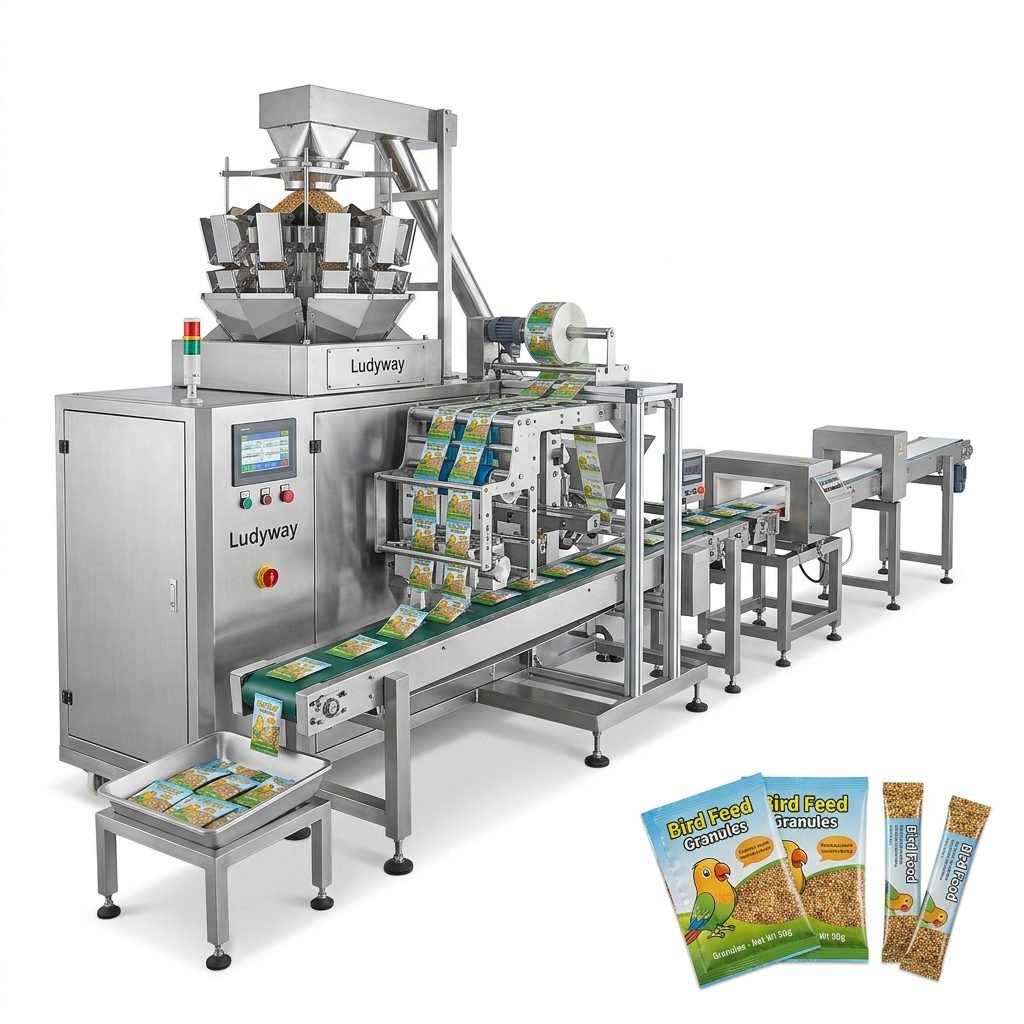
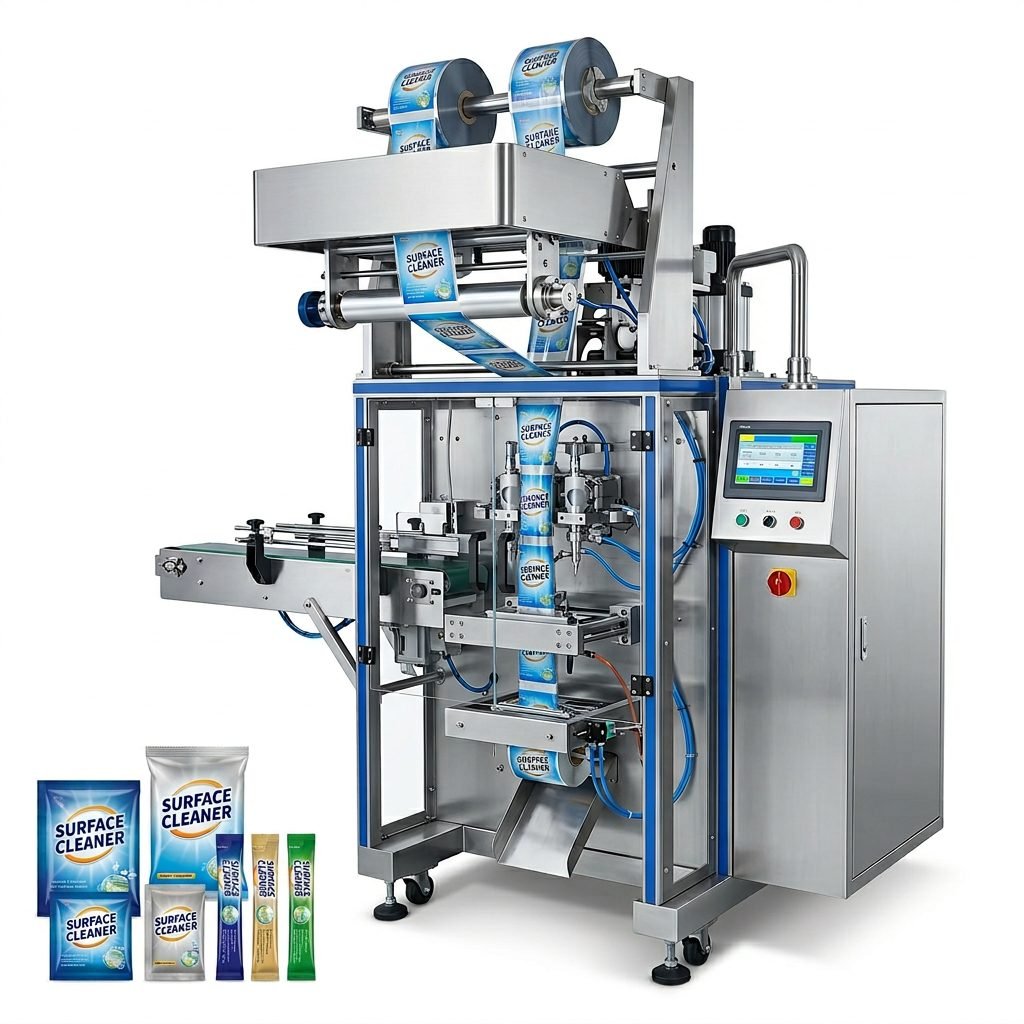
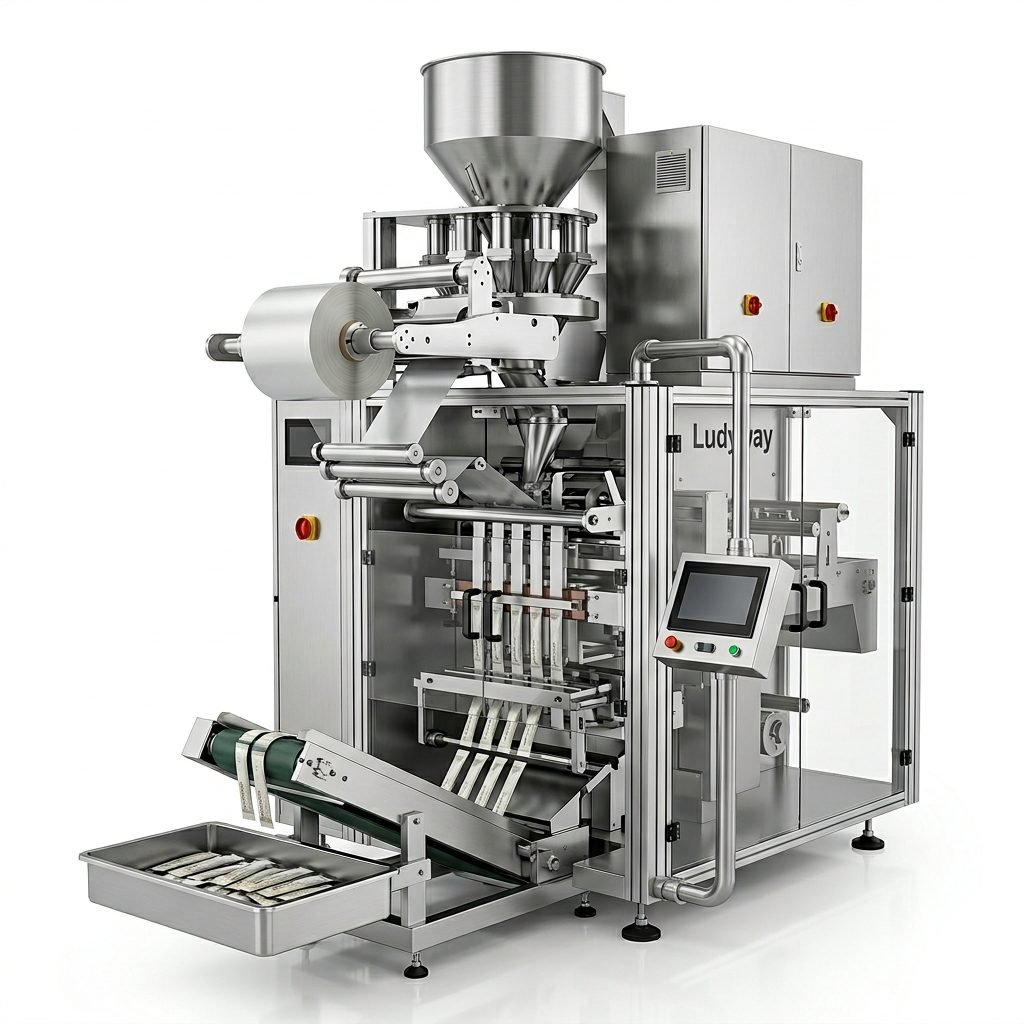
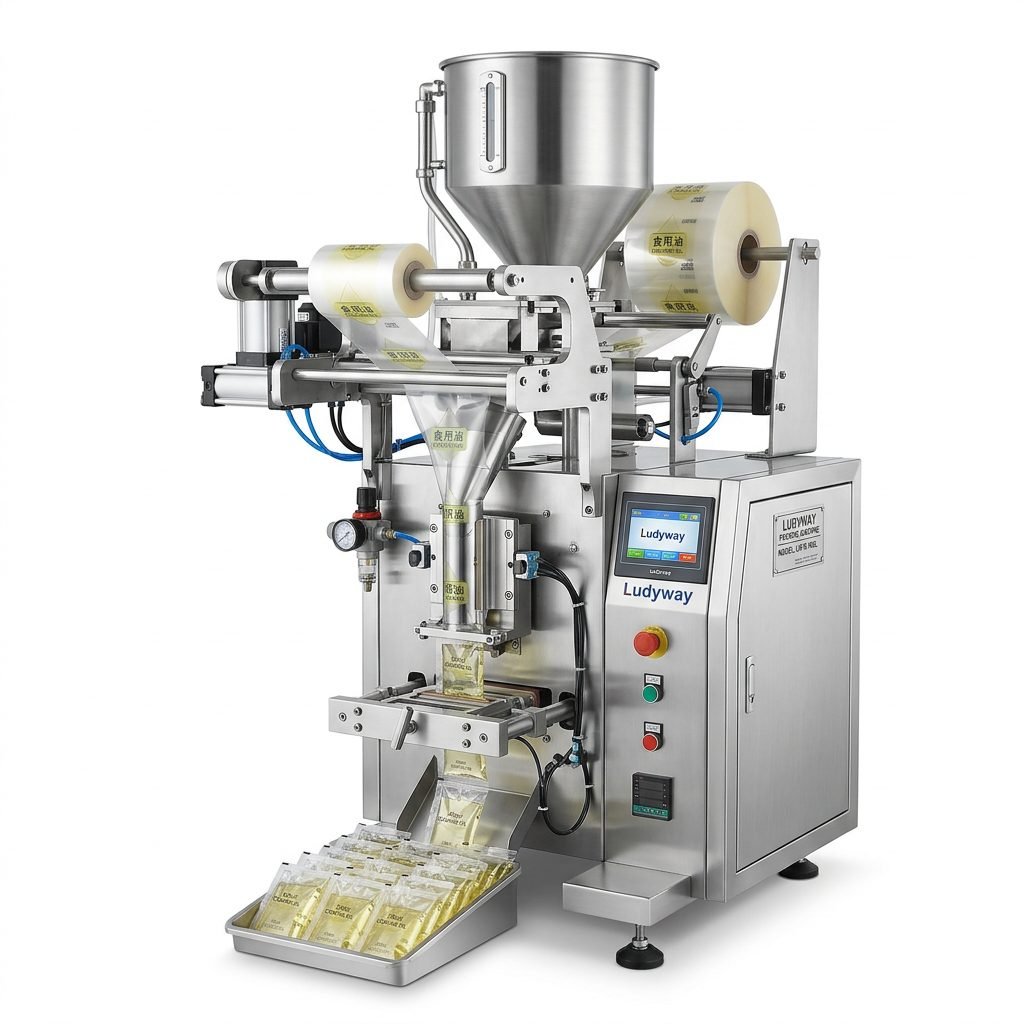
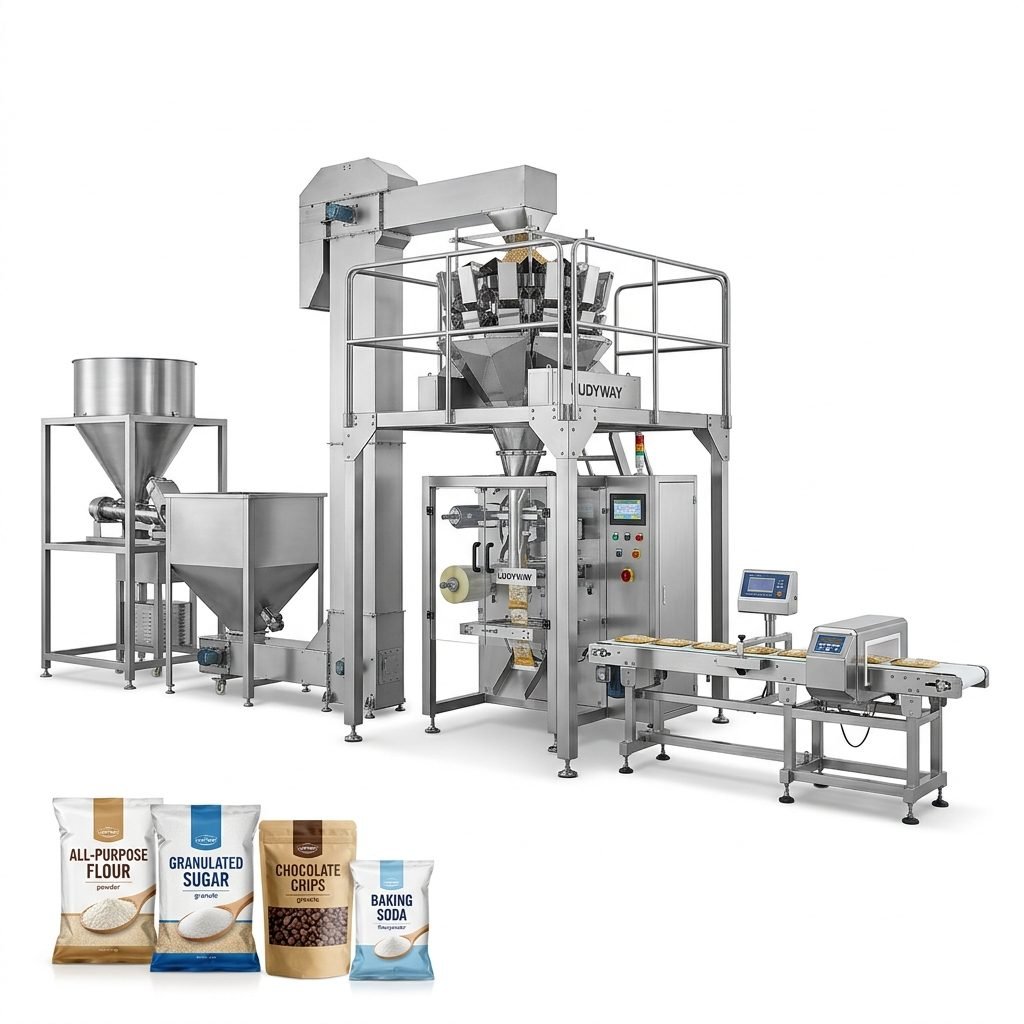
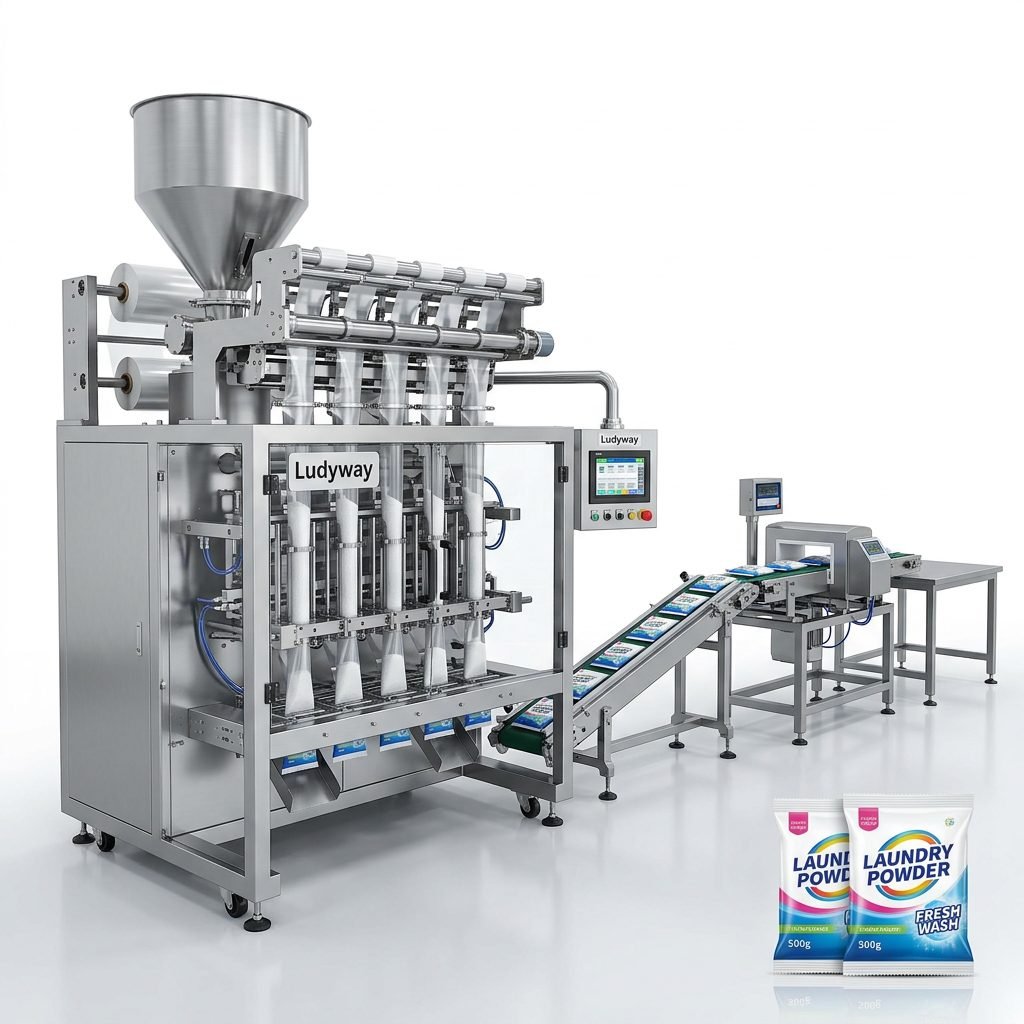
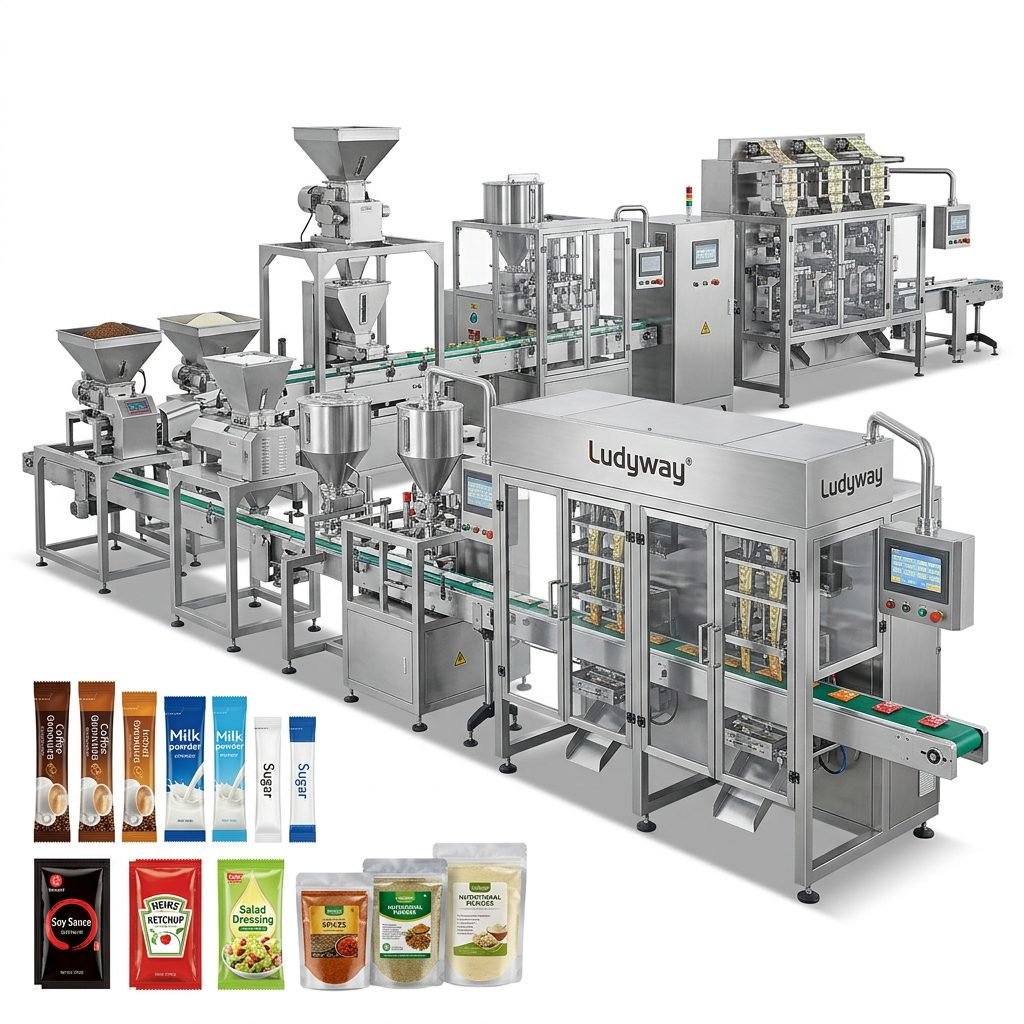
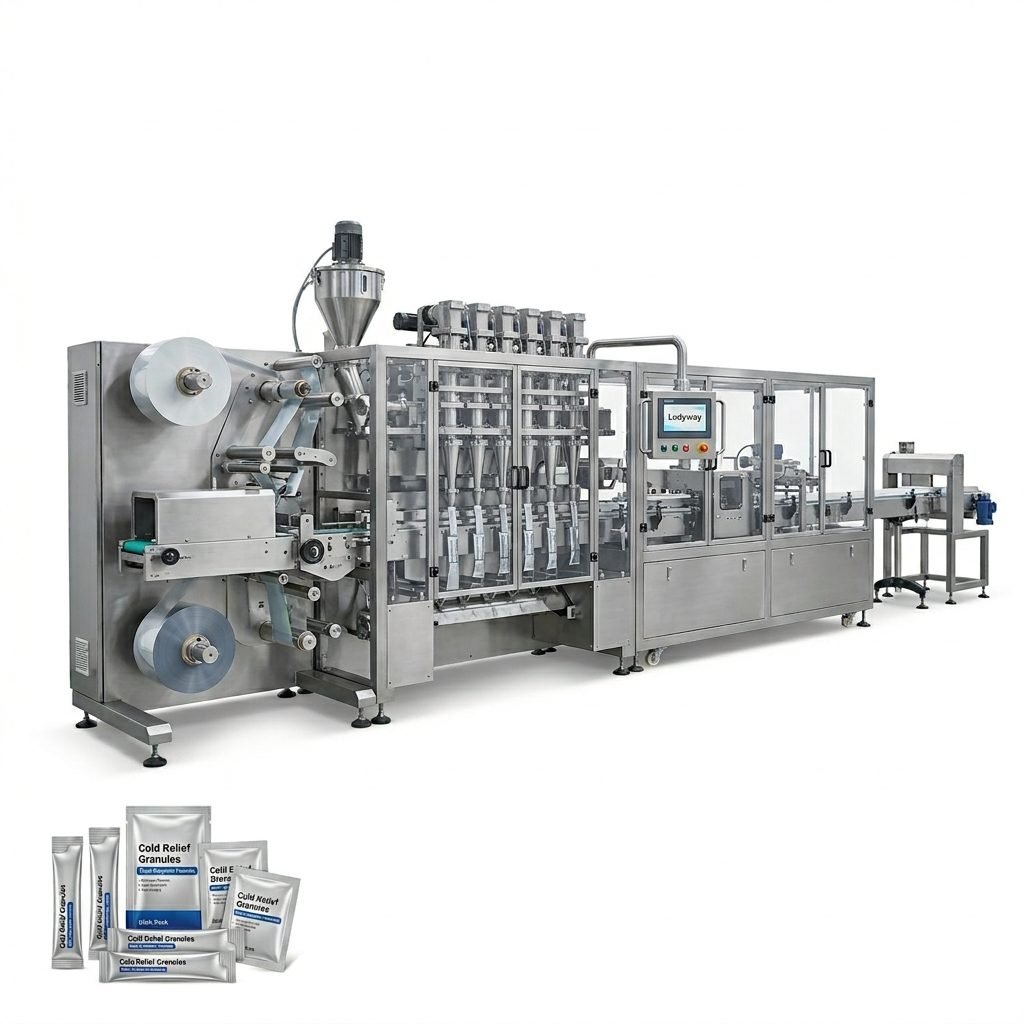
Poultry packaging equipment plays a critical role in protecting chicken products from contamination, preserving freshness, and improving production efficiency across modern food processing operations. From fresh whole birds to cut-up portions, marinated products, and frozen chicken items, the right packaging system helps producers meet strict hygiene standards while supporting high-volume output and reliable shelf presentation.
For poultry processors, choosing the right machine is not only about speed. It is also about food safety, seal integrity, weight accuracy, packaging consistency, and cold-chain compatibility. A well-designed packaging line can reduce labor pressure, lower product loss, and improve traceability from processing to retail delivery.
Why Poultry Packaging Equipment Matters
Chicken is highly perishable and sensitive to temperature changes, oxygen exposure, and handling contamination. Efficient poultry packaging equipment helps processors maintain product quality throughout storage, transportation, and retail display.
- Improves food safety by reducing manual contact
- Extends shelf life through vacuum sealing or modified atmosphere packaging
- Enhances visual appeal with clean, consistent packs
- Supports traceability through coding and labeling integration
- Boosts throughput for growing production demands
- Reduces waste by improving fill accuracy and sealing quality
Whether supplying supermarkets, foodservice distributors, e-commerce channels, or export markets, poultry businesses need packaging solutions that balance speed with sanitary performance.
Common Types of Chicken Packaging Applications
Poultry packaging equipment can be configured for a wide range of chicken products and pack formats. The packaging requirement for chilled fresh fillets is very different from that of frozen nuggets or seasoned wings. That is why application-based machine selection is essential.
| Chicken Product Type | Common Packaging Format | Recommended Equipment Features |
|---|---|---|
| Whole chicken | Vacuum bags, shrink bags, trays | Strong seal, leak prevention, washdown design |
| Breast fillets, thighs, wings | Trays with film sealing, MAP packs | Accurate weighing, high-speed sealing, gas flushing |
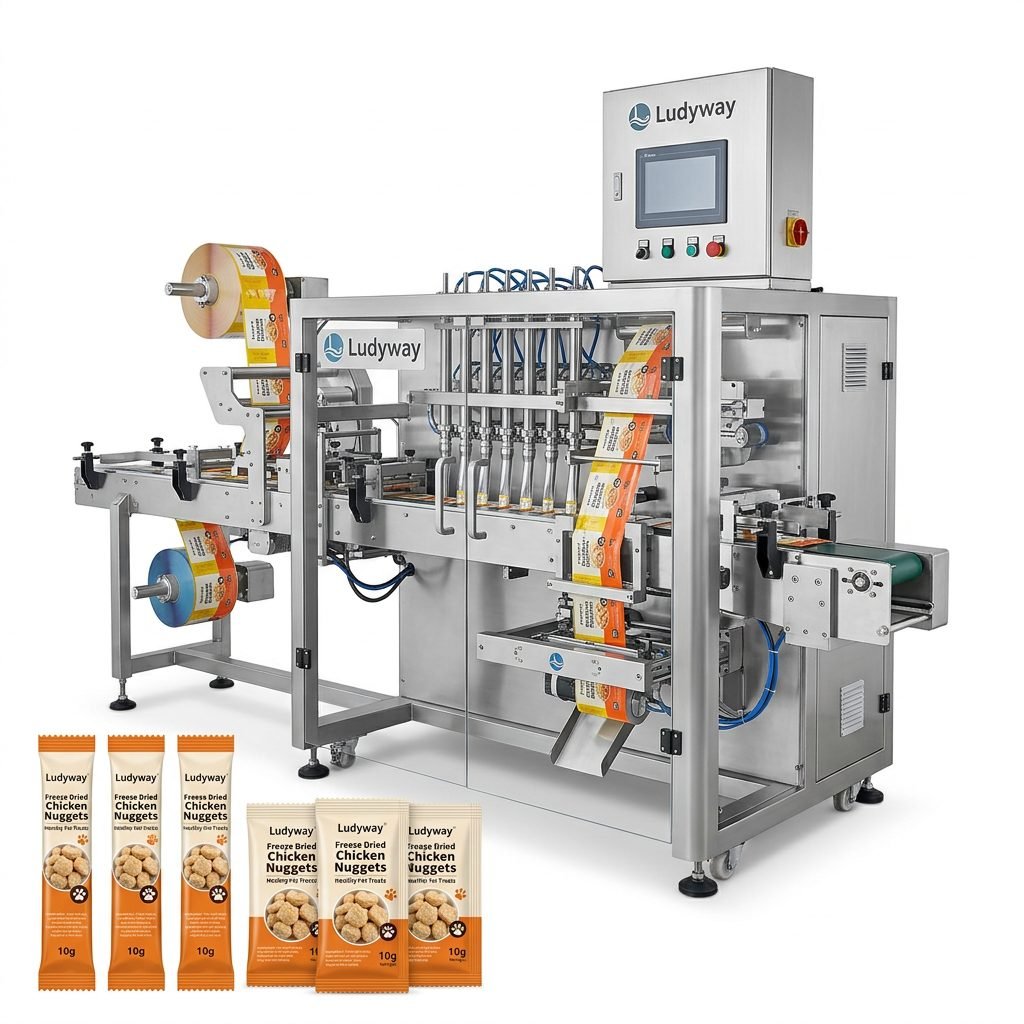
| Frozen chicken portions | Pouches, pillow bags, bulk bags | Cold-resistant packaging handling, durable sealing |
| Marinated or seasoned chicken | Stand-up pouches, trays, vacuum bags | Liquid control, hygienic filling, contamination prevention |
| Cooked or ready-to-eat chicken | Flow wraps, thermoformed packs, vacuum packs | Shelf-life optimization, coding, visual inspection |
Key Poultry Packaging Machines Used in Chicken Processing
1. Vacuum Packaging Machines
Vacuum packaging is widely used for fresh and processed chicken because it removes air from the package, reducing oxidation and slowing microbial growth. This method helps preserve color, texture, and freshness while minimizing leakage risk.
2. Tray Sealing Machines
Tray sealers are ideal for retail-ready chicken products. They create attractive packs for supermarket shelves and can support modified atmosphere packaging for extended shelf life. These systems are commonly used for chicken breasts, drumsticks, wings, and family-sized portions.
3. Thermoforming Packaging Machines
Thermoforming machines form the package, fill it with product, and seal it in a continuous automated process. They are highly efficient for medium- to high-volume poultry operations and help standardize pack appearance.
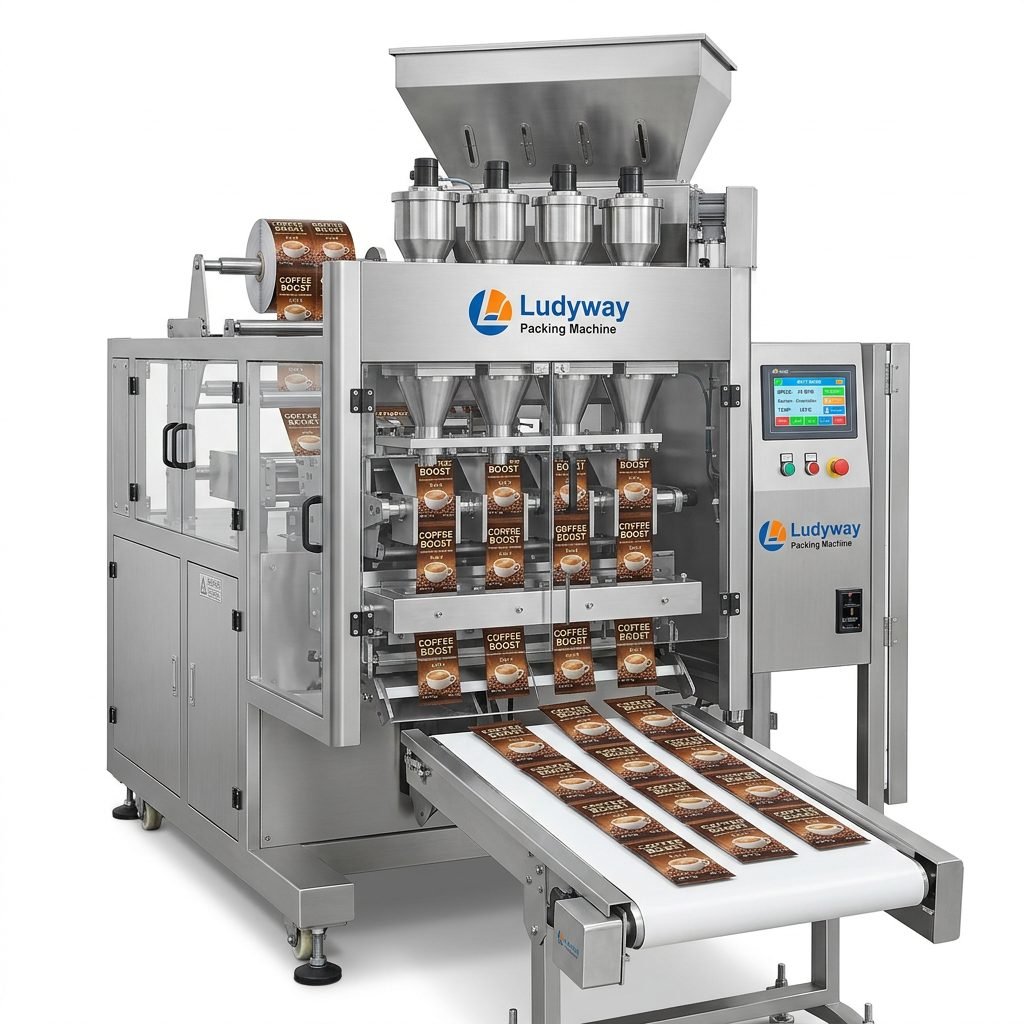
4. Weighing and Bagging Systems
For frozen chicken pieces or bulk poultry products, automatic weighing and bagging machines provide strong advantages in speed and portion control. These systems help reduce giveaway and improve packing consistency.
5. Labeling, Coding, and Inspection Equipment
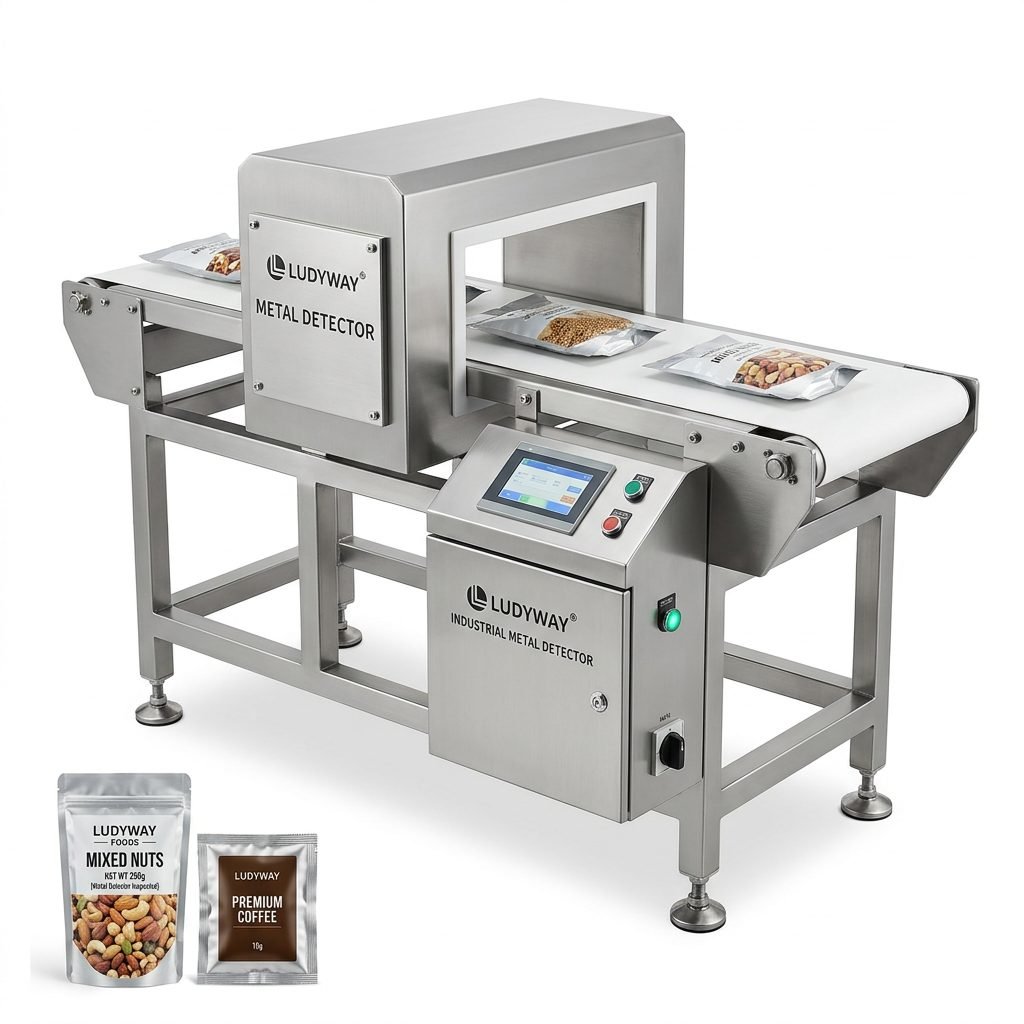
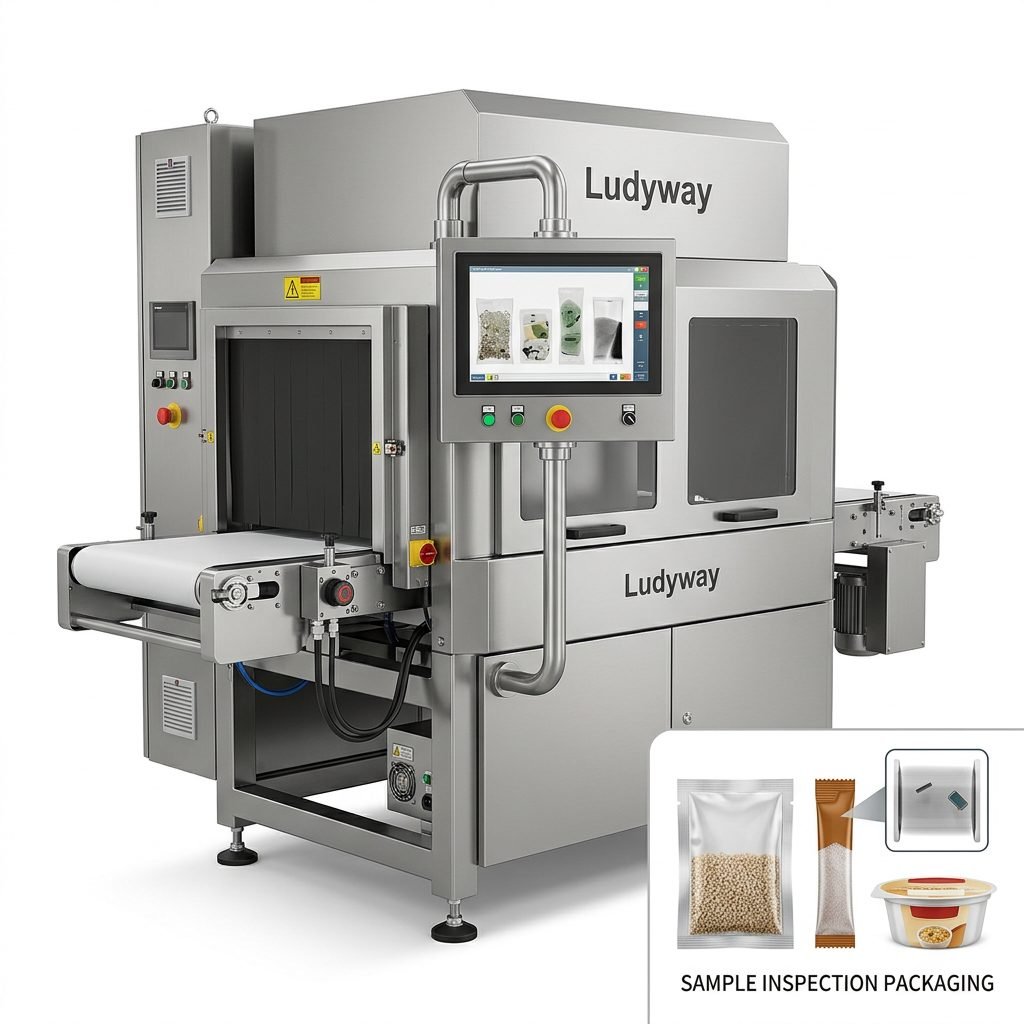
Modern poultry packaging lines often include metal detection, checkweighers, date coders, and label applicators. These additions support compliance, product traceability, and retail readiness.
Essential Features to Look for in Poultry Packaging Equipment
Not all machines are suitable for chicken packaging. Poultry processors should prioritize features that support hygiene, product integrity, and flexible production.
- Washdown-ready construction for fast sanitation and easier compliance with food safety standards
- Stainless steel contact parts to resist corrosion in wet environments
- Reliable sealing technology to prevent leaks and preserve freshness
- Accurate portion control to minimize giveaway and improve profitability
- Flexible format handling for trays, pouches, vacuum bags, and retail packs
- Integration capability with conveyors, weighing systems, inspection, and case packing
- User-friendly controls for quick changeovers and stable daily operation
How Automation Improves Chicken Packaging Efficiency
Manual poultry packaging can create inconsistency, increase contamination risk, and slow output. Automated systems help poultry processors achieve cleaner, faster, and more repeatable operations.
With automation, processors can:
- Handle larger production volumes with fewer bottlenecks
- Reduce repetitive labor and operator fatigue
- Maintain more stable seal quality and package appearance
- Improve line synchronization from filling to final packing
- Support data collection for quality control and traceability
In competitive poultry markets, these gains can directly influence margins, retail acceptance, and customer satisfaction.
Food Safety Considerations in Poultry Packaging
Poultry products must meet rigorous safety expectations. Packaging equipment should support hygienic design principles and reduce opportunities for cross-contamination. This is especially important for raw chicken, where moisture, protein residue, and low processing temperatures create demanding conditions.
| Safety Factor | Why It Matters | Equipment Response |
|---|---|---|
| Cross-contamination control | Protects product and consumer health | Sanitary surfaces, easy-clean design, enclosed product path |
| Seal integrity | Prevents leaks, spoilage, and contamination | Consistent temperature and pressure sealing control |
| Foreign body detection | Improves product safety and compliance | Metal detectors, X-ray inspection, reject systems |
| Traceability | Supports recalls and quality management | Batch coding, labeling, data integration |
Choosing the Right Packaging Format for Fresh and Frozen Chicken
Packaging format selection should match product characteristics, target market, storage conditions, and branding goals.
Fresh Chicken
- Often packed in trays with top film
- Can benefit from MAP for shelf-life extension
- Requires strong leak resistance and clear visibility
Frozen Chicken
- Typically packed in pouches or heavy-duty bags
- Needs durable seals that perform under low temperatures
- May require bulk packaging systems for foodservice and wholesale
Value-Added Chicken Products
- Marinated, seasoned, or cooked items often need specialty pouch or vacuum formats
- Packaging should control sauce migration and maintain visual appeal
- Retail presentation and convenience become more important
Benefits of Turnkey Poultry Packaging Lines
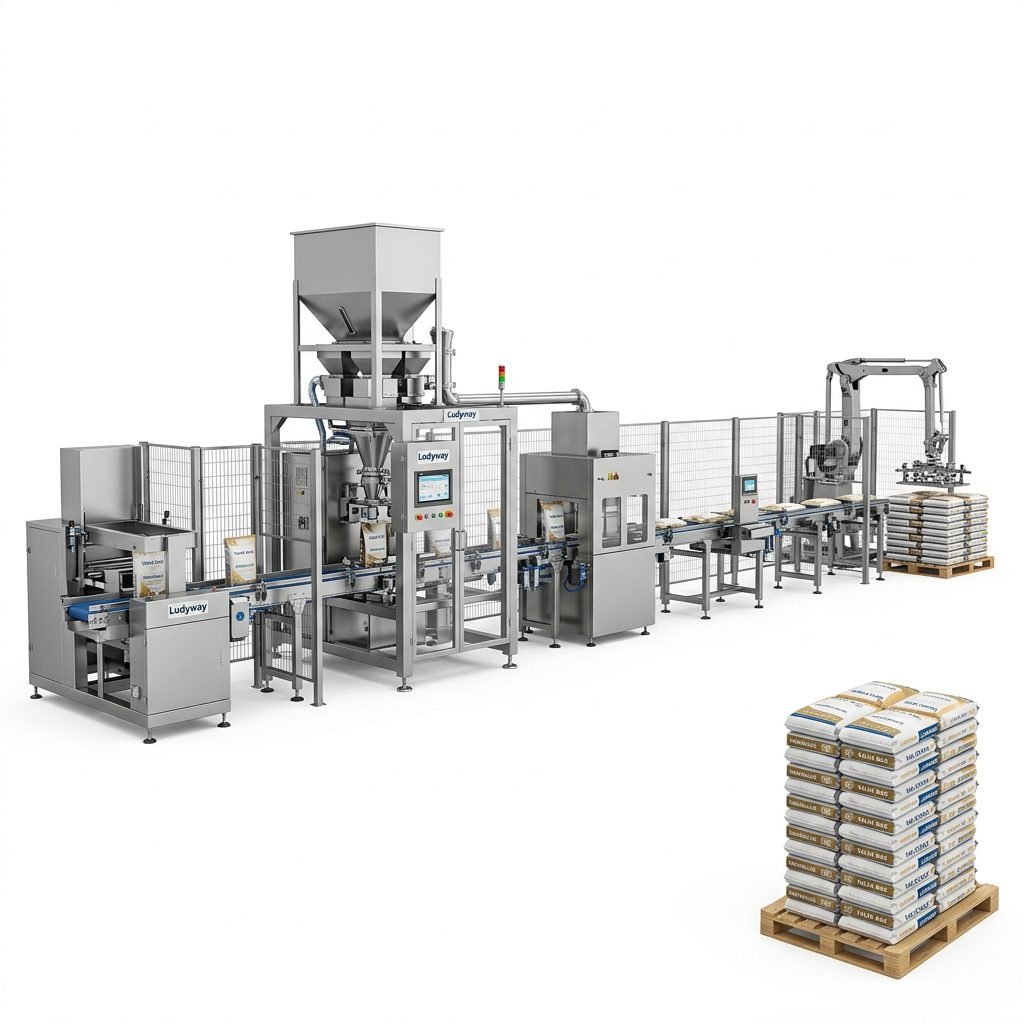
Many poultry companies prefer complete integrated lines instead of standalone machines. A turnkey poultry packaging line can combine conveying, portioning, filling, sealing, inspection, coding, cartoning, and end-of-line handling into one coordinated system.
The main benefits include:
- Better line synchronization
- Higher operating efficiency
- Reduced downtime between stages
- Simplified project management
- More consistent packaging output
- Easier future expansion
Companies looking for scalable automation often work with experienced suppliers such as poultry packaging equipment manufacturer Ludyway, especially when they need customized machine configurations or complete turnkey packaging line solutions.
How to Select the Best Poultry Packaging Equipment Supplier
Beyond machine specifications, supplier capability has a major impact on long-term production success. The best partner should understand food packaging demands, automation integration, and after-sales support.
- Industry experience: proven background in packaging machinery and food applications
- Customization ability: adaptation for product size, pack style, and production targets
- Global service support: installation guidance, training, spare parts, and technical response
- Quality control: structured assembly, testing, and inspection before shipment
- Line integration expertise: ability to deliver complete, connected packaging systems
Signs It’s Time to Upgrade Your Chicken Packaging Line
If a poultry facility is experiencing frequent leakage, inconsistent pack weights, excessive labor dependence, or difficulty meeting order volume, it may be time to invest in newer packaging equipment.
Common upgrade triggers include:
- Rising labor costs and staffing shortages
- Increased product rejection or customer complaints
- Slow changeovers between chicken SKUs
- Limited packaging format flexibility
- Inability to meet retail or export packaging standards
- Growing demand for cleaner, more traceable production
Conclusion
Efficient poultry packaging equipment is essential for safe and fresh chicken packaging in today’s fast-moving food market. The right solution helps processors protect product quality, improve hygiene, reduce waste, and meet demanding production goals. From vacuum packaging and tray sealing to complete automated poultry packaging lines, modern systems offer the flexibility and control needed for both fresh and frozen chicken applications.
For poultry businesses aiming to strengthen food safety, increase line efficiency, and deliver better packaged chicken products to market, investing in reliable and scalable packaging equipment is a smart long-term move.