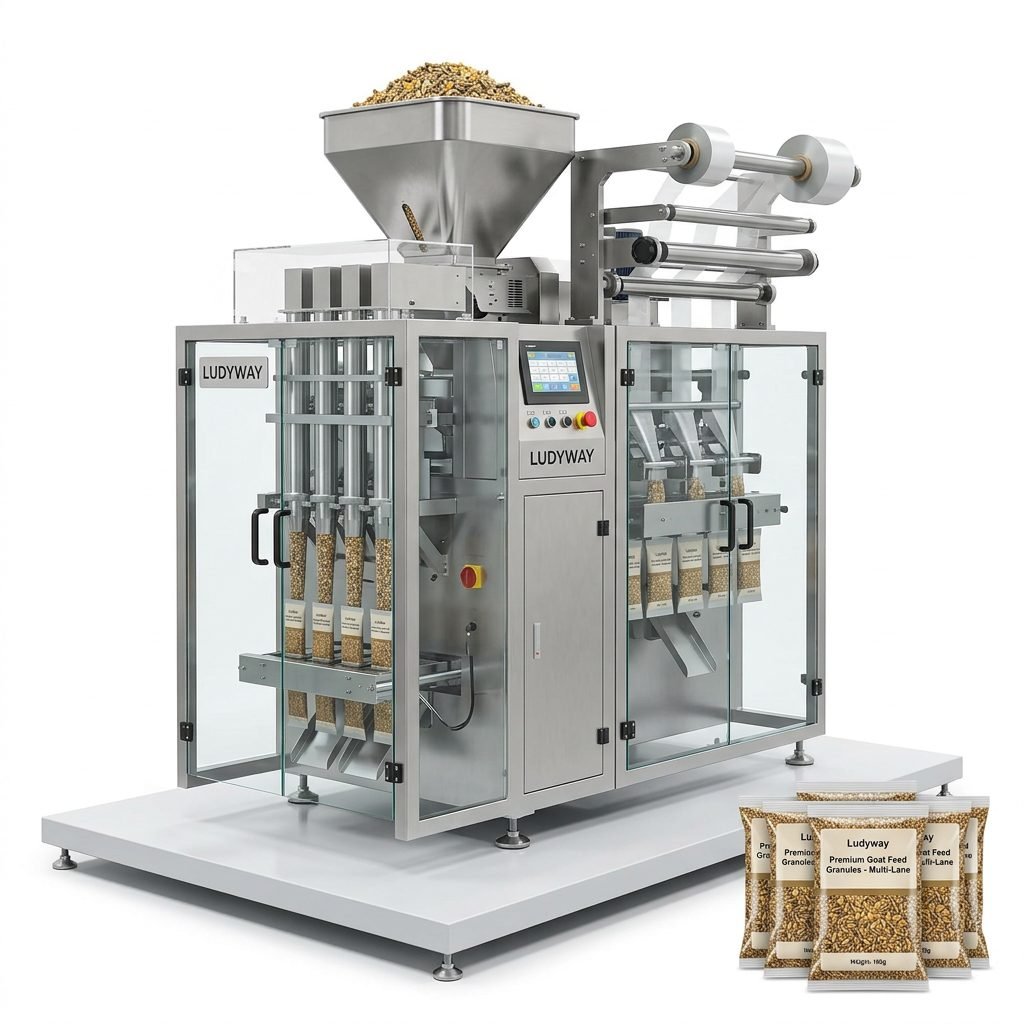
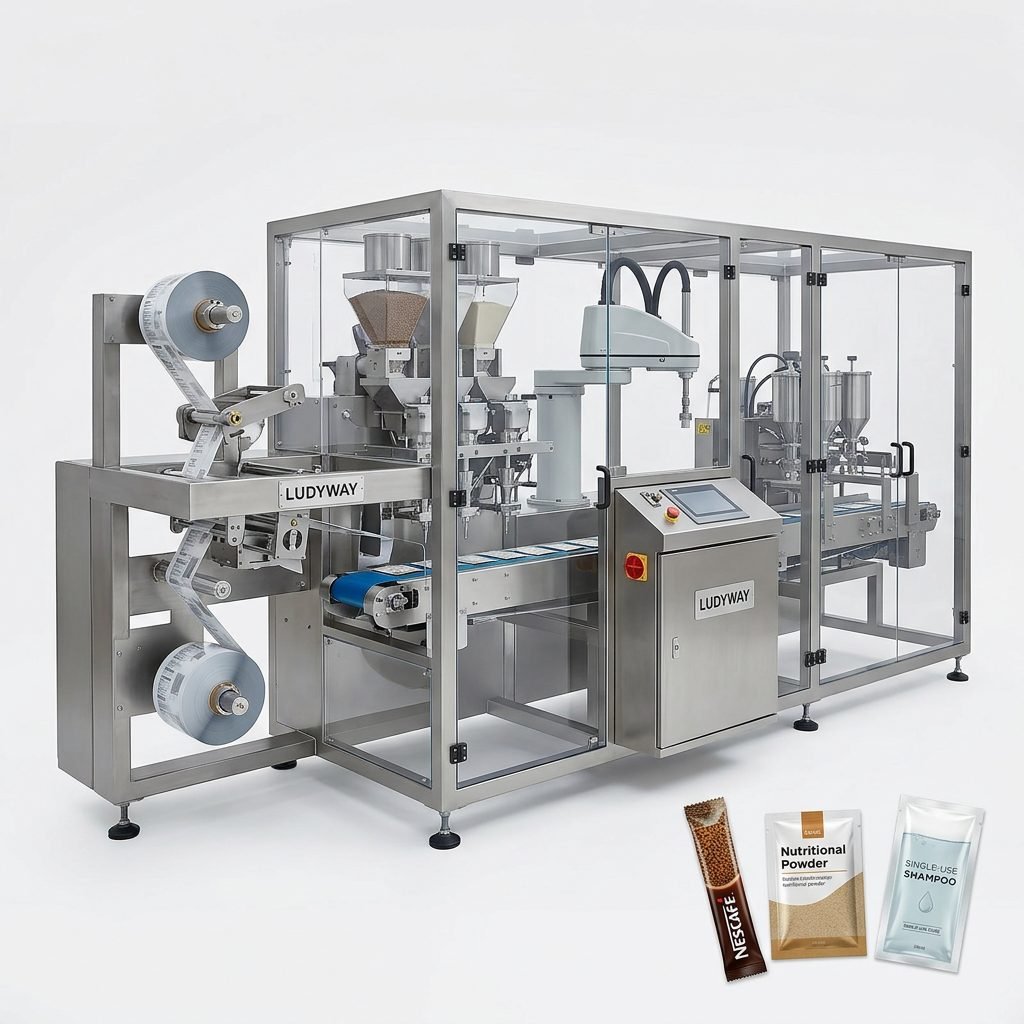
The Southeast Asian market is a dynamic and rapidly growing hub for manufacturing and consumer goods. For businesses in the food, pharmaceutical, health, and FMCG sectors, investing in reliable and efficient packaging machinery is crucial for maintaining competitiveness and meeting rising demand. However, with numerous packaging machine manufacturers vying for your attention, selecting the right partner can be a daunting task. This guide outlines the key factors to consider and provides a practical selection framework tailored for businesses operating in or sourcing from Southeast Asia.
Understanding Your Packaging Needs in the Southeast Asian Context
Before beginning your search, clearly define your requirements. The diverse climates, supply chain dynamics, and consumer preferences across countries like Vietnam, Thailand, Indonesia, Malaysia, and the Philippines significantly impact packaging needs.
Key questions to ask:
• Product Type: Are you packaging granules, powders, liquids, or pouches? (e.g., instant coffee, spices, sauces, pharmaceuticals).
• Production Volume & Speed: What are your current and projected output requirements?
• Packaging Format: Do you need stick packs, sachets, bottles, or bulk bags?
• Local Regulations: Are there specific food safety (e.g., FDA, Halal) or material compliance standards?
• Factory Environment: What are the typical temperature, humidity, and space constraints?

Key Factor 1: Technical Expertise and Product Range
Look for a manufacturer with proven experience in your specific industry. A company that offers a wide range of machines is more likely to understand diverse challenges and provide a suitable solution, whether it’s a standard model or a customized turnkey line.
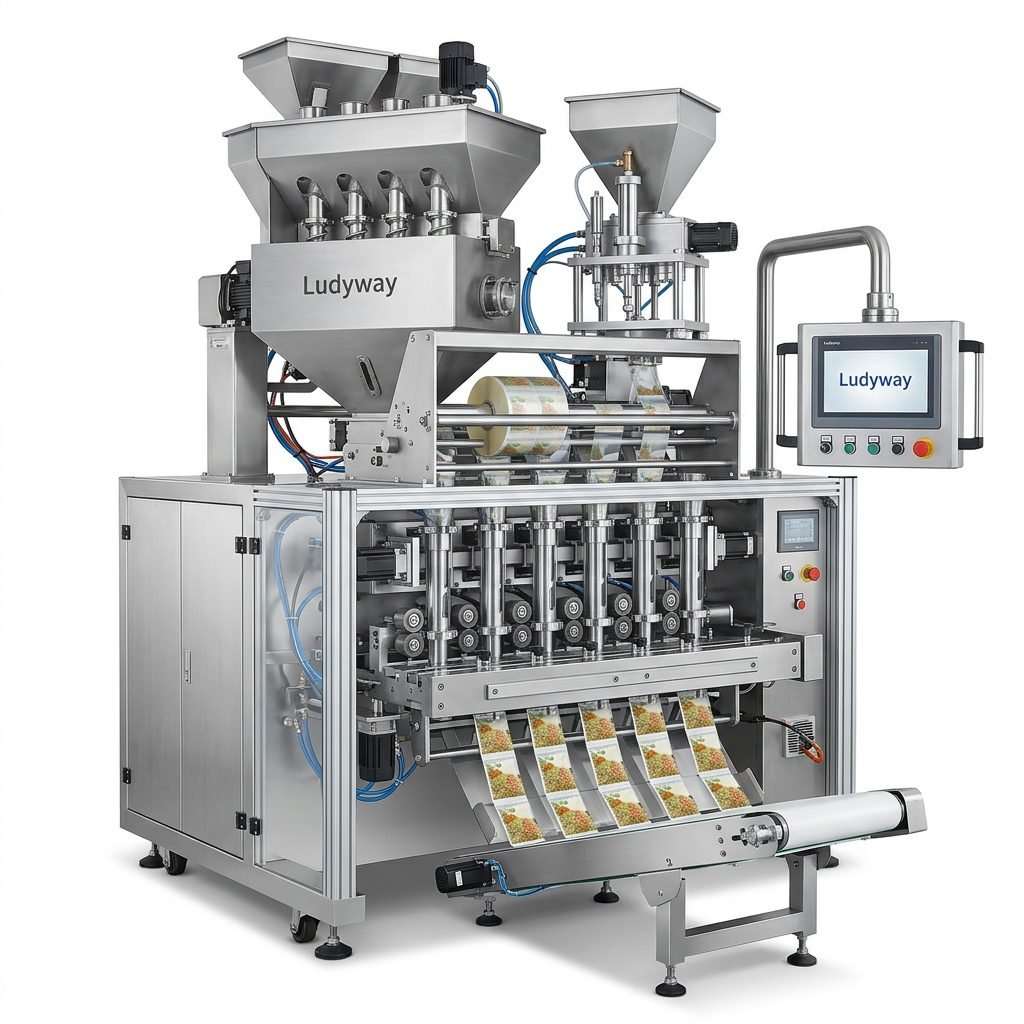
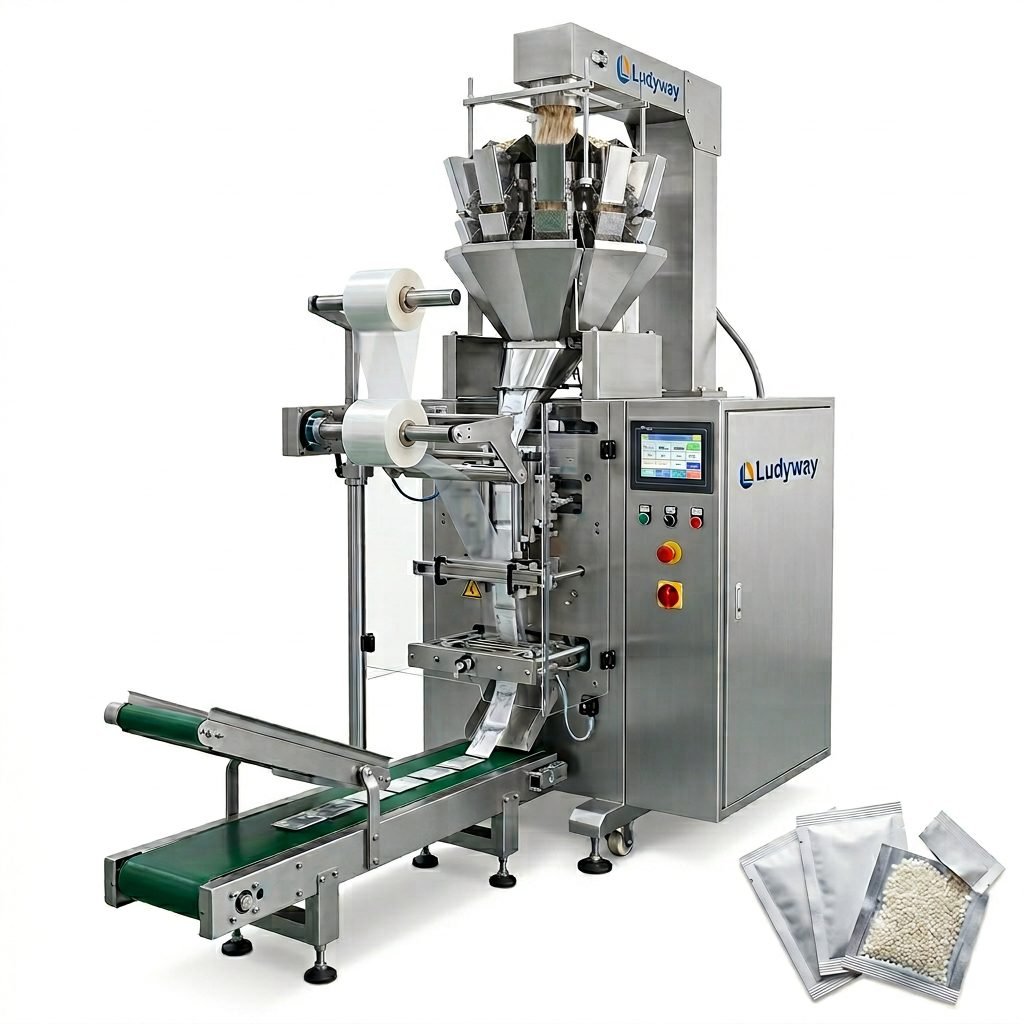
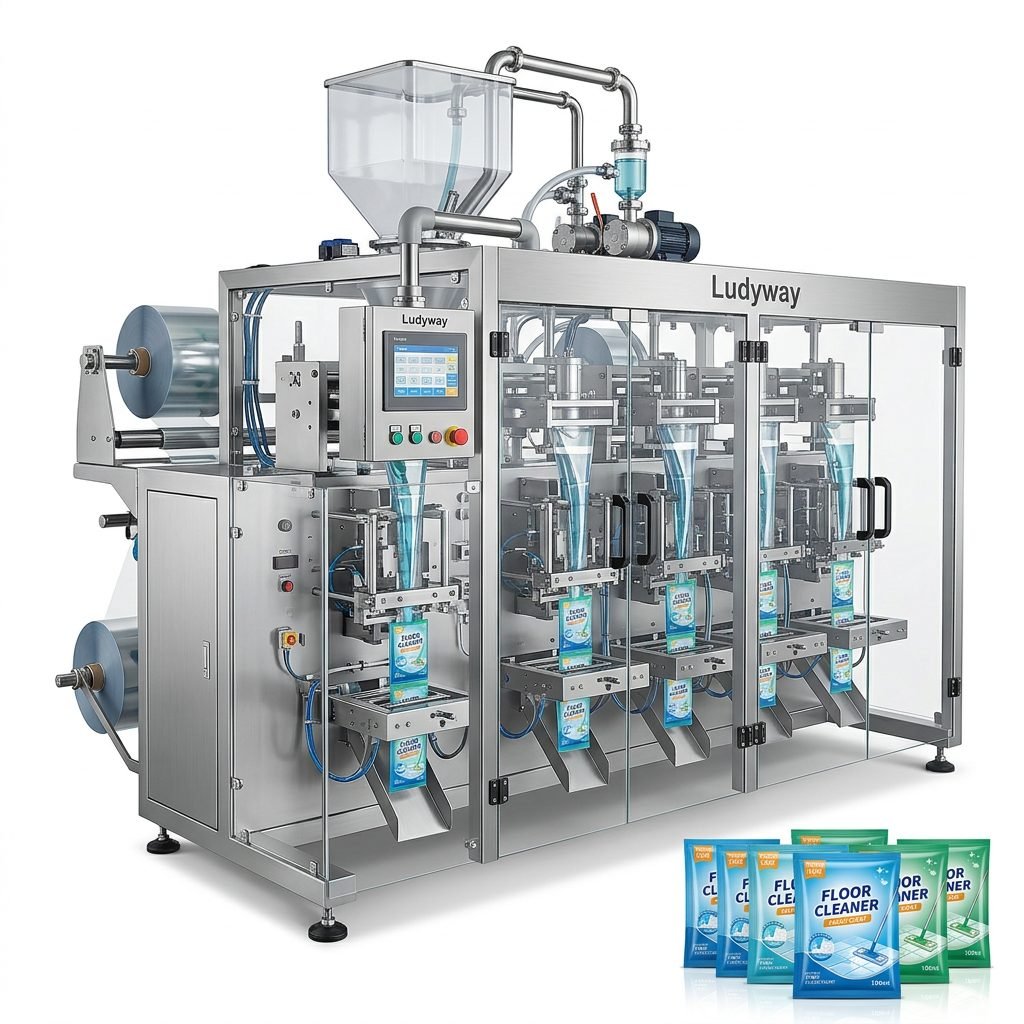
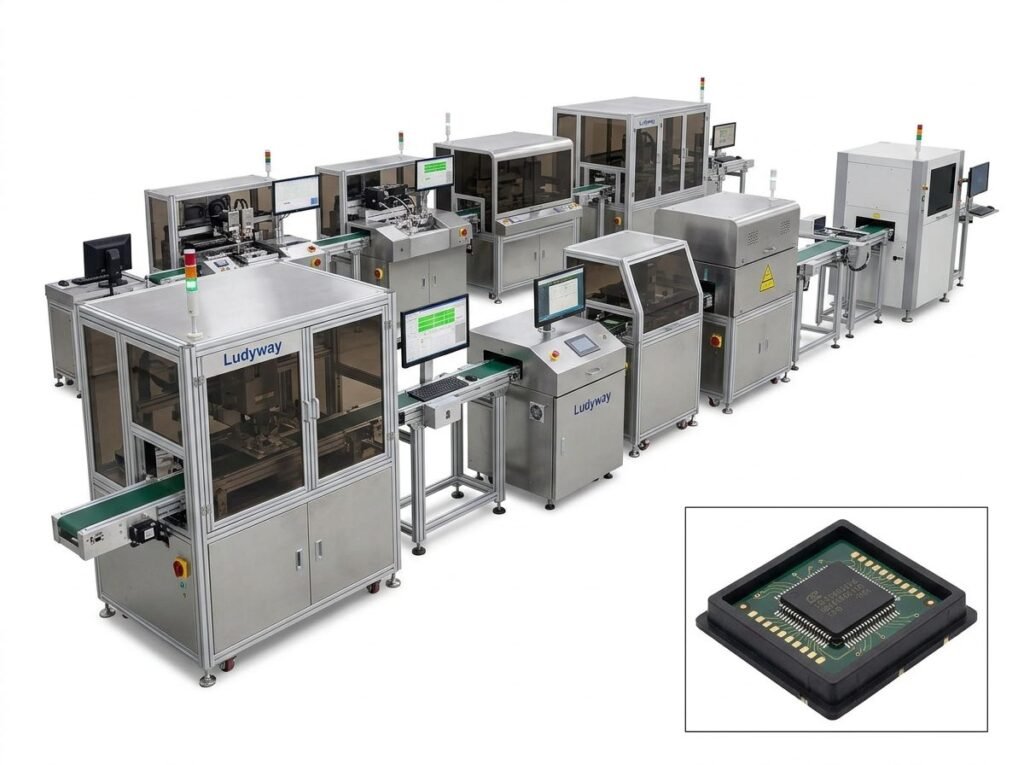
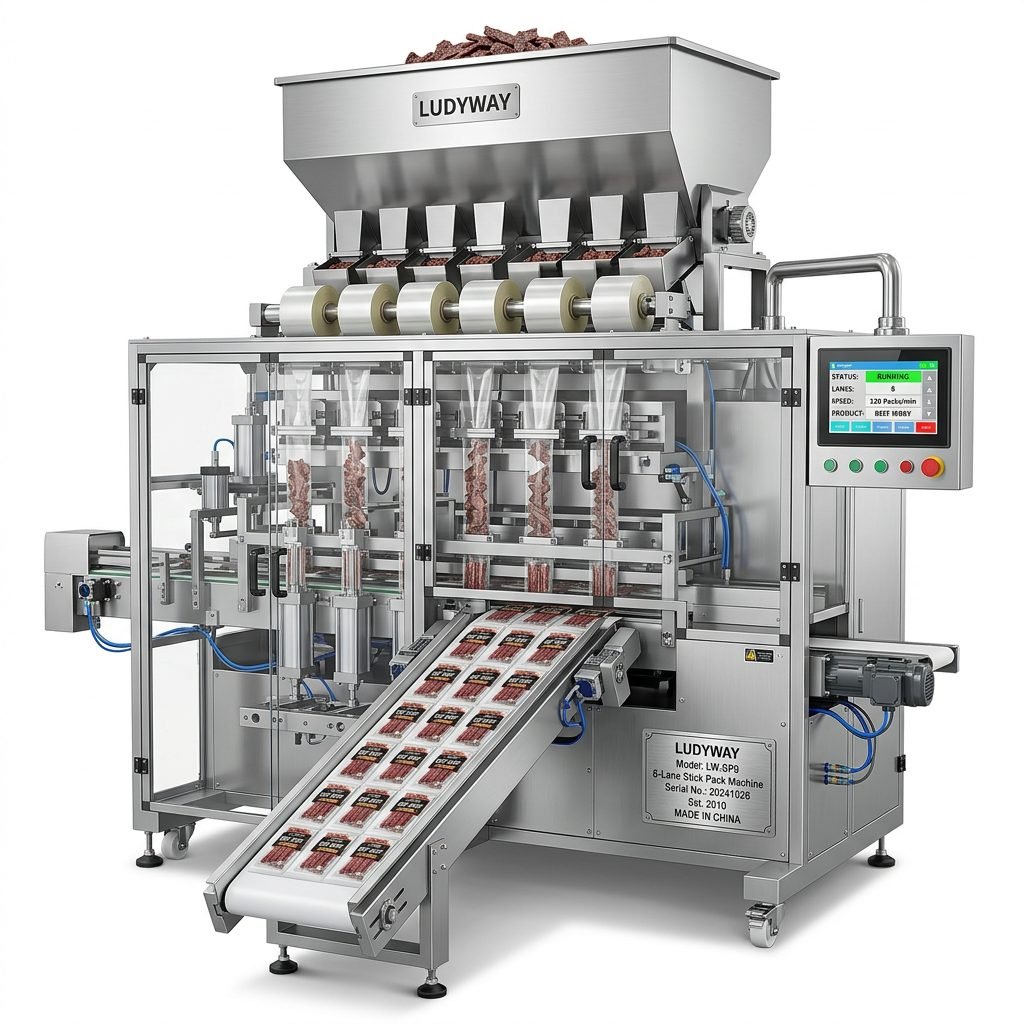
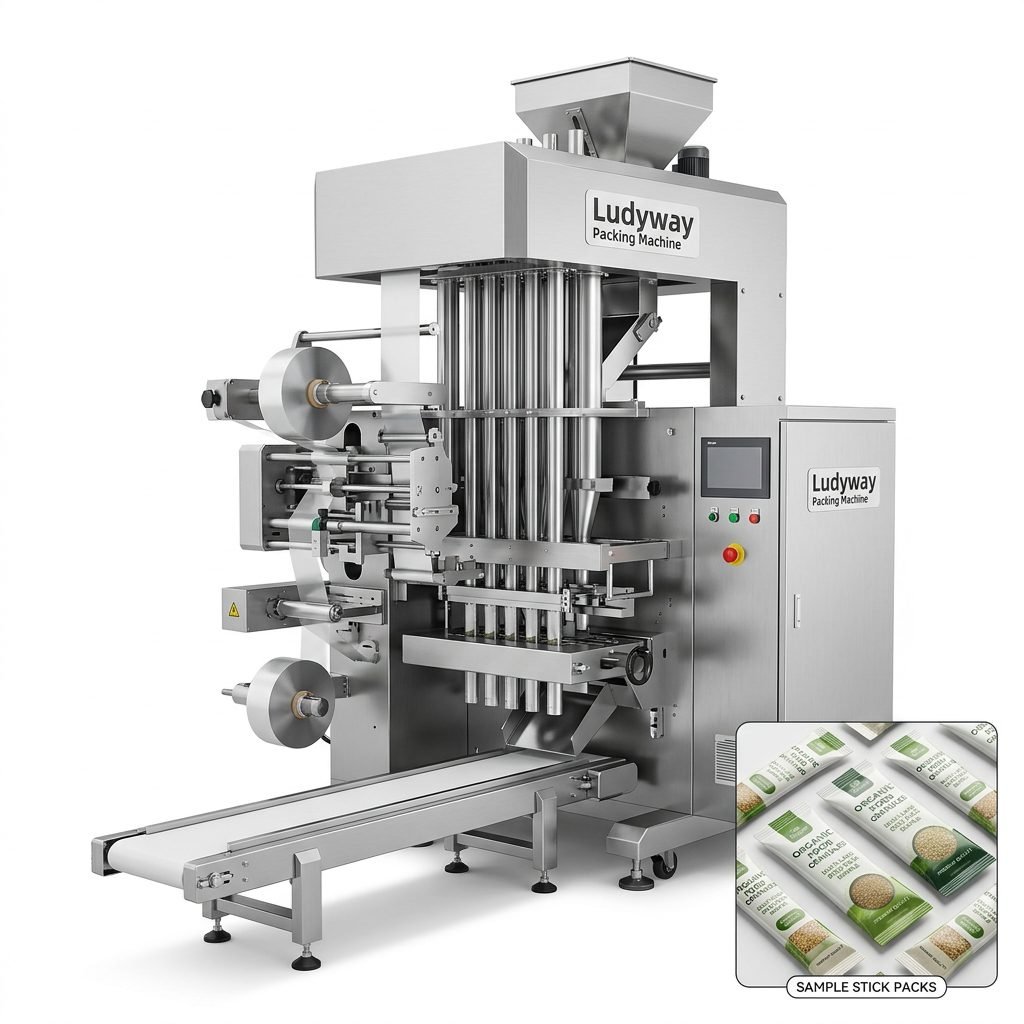
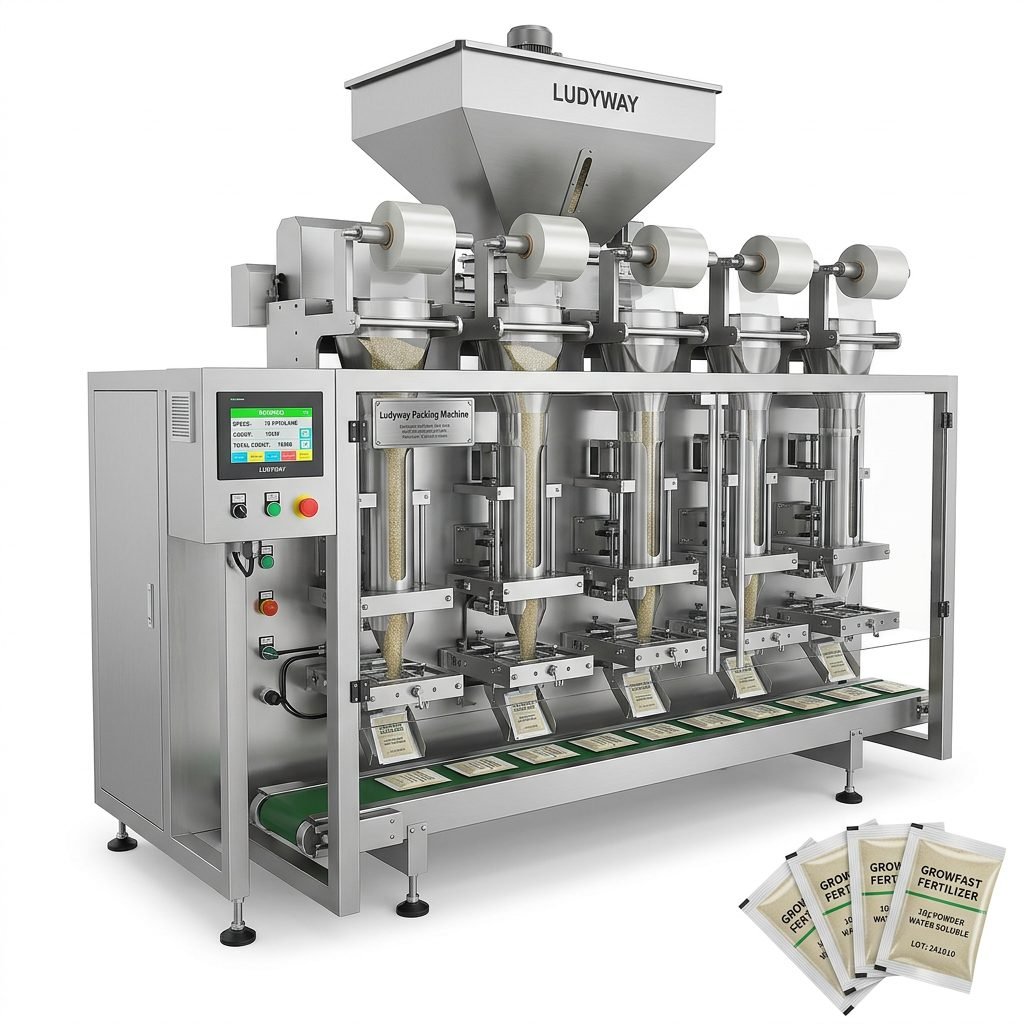
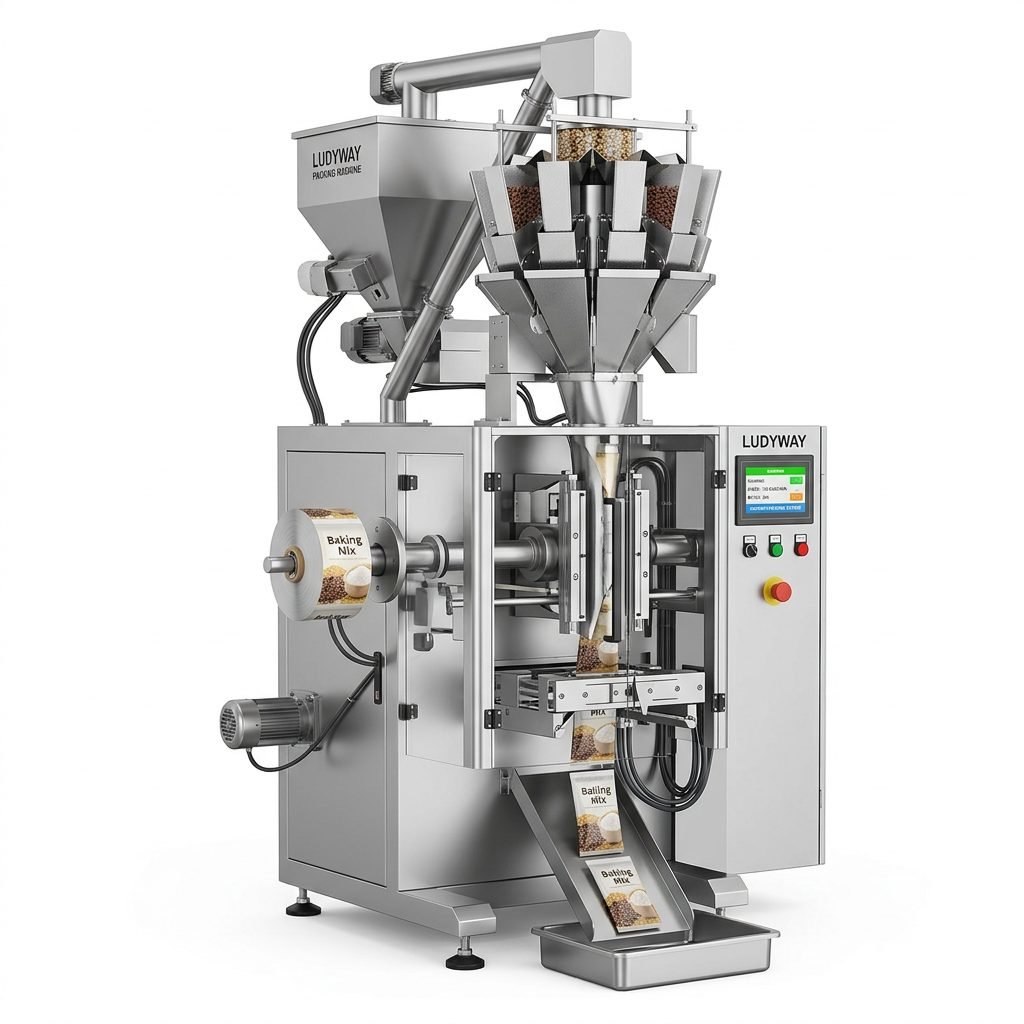
For example, a manufacturer like Ludyway, with over 30 years in the industry, provides more than 50 models of intelligent packaging machines. This breadth of experience is invaluable for navigating the technical complexities of different products, from hygroscopic powders in humid climates to sterile medical device packaging.
Key Factor 2: Manufacturing Capability and Quality Control
The manufacturer’s infrastructure is a direct reflection of their commitment to quality and reliability. Assess their production facility, R&D capacity, and quality assurance protocols.
🔍 Inspection Checklist:
• Factory Size & Technology: Modern facilities (like a 20,000㎡ plant) often indicate advanced manufacturing capabilities.
• Quality Certifications: Look for ISO standards, CE certification, and other relevant international quality marks.
• Component Sourcing: Do they use high-quality, durable parts from reputable suppliers? This affects machine longevity and uptime.
• Testing & Validation: Can they conduct factory acceptance tests (FAT) with your actual materials?
Key Factor 3: After-Sales Support and Local Presence
This is arguably the most critical factor for Southeast Asia. Geographical distance can amplify downtime costs. A manufacturer with a strong support network in the region is essential.
Prioritize partners who offer:
- Comprehensive Training: On-site training for your operators and maintenance teams.
- Readily Available Spare Parts: A local warehouse or efficient logistics for critical spare parts reduces downtime.
- Technical Support: Access to remote diagnostics and prompt, on-ground service engineers. Companies with a global service footprint, serving over 100 countries, often have more robust support structures.
Consider exploring other established manufacturers like Packmate Machinery or PacklineOEM to compare their service networks in ASEAN.
Key Factor 4: Cost-Effectiveness and Total Cost of Ownership (TCO)
While upfront cost is important, the Total Cost of Ownership (TCO) is a more accurate measure. A cheaper machine with high downtime, energy consumption, and maintenance costs will be more expensive in the long run.
Calculate TCO by considering:
• Initial purchase price and shipping.
• Installation and commissioning costs.
• Energy and utility consumption.
• Maintenance, spare parts, and repair costs over 5-10 years.
• Potential cost of production downtime.
Manufacturers offering energy-efficient, durable, and low-maintenance designs provide better long-term value.
Key Factor 5: Flexibility and Scalability
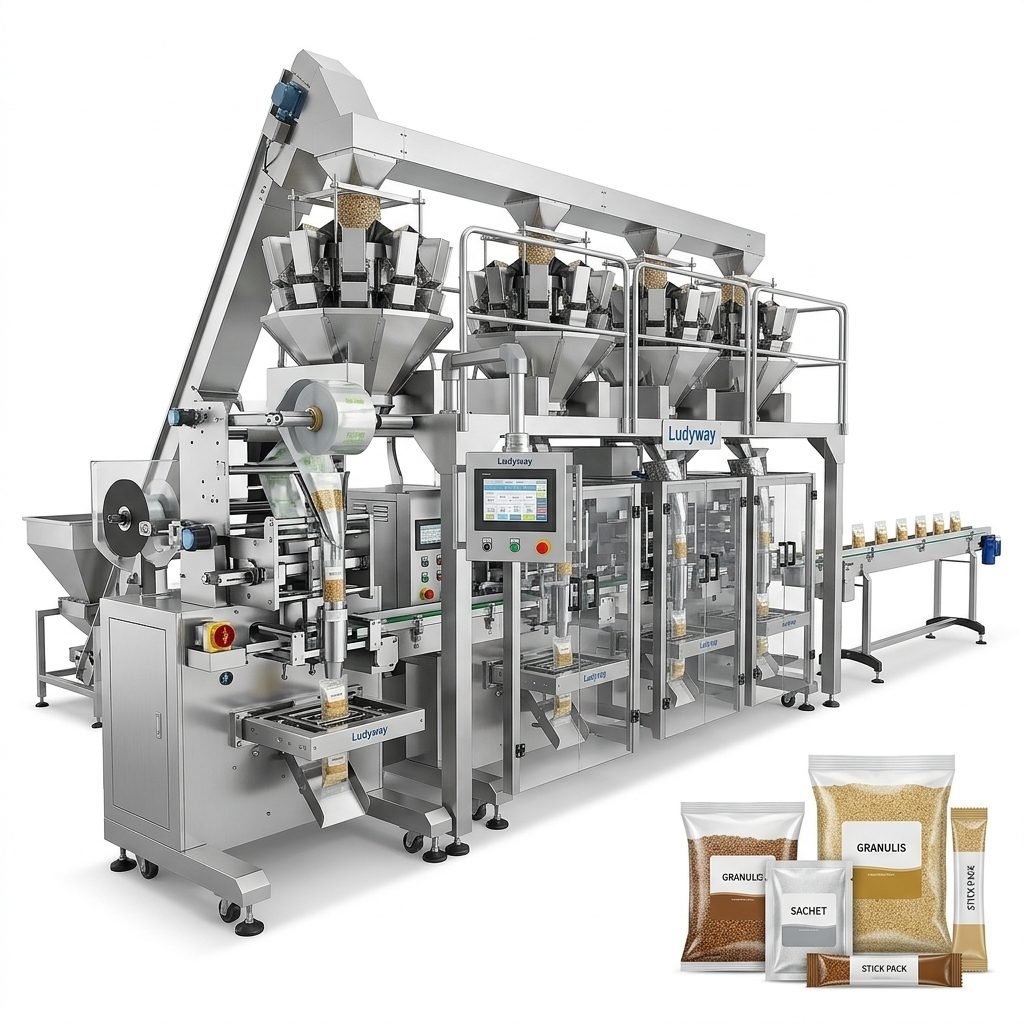
The Southeast Asian market is fast-evolving. Your packaging needs may change due to new product launches, changing regulations, or scaling production. Choose a manufacturer whose machines offer:
• Quick Changeover: Ability to switch between different packaging formats or sizes with minimal downtime.
• Modular Design: Allows for future upgrades or integration with other line equipment (e.g., cartoners, palletizers).
• Customization: Willingness to adapt machine specifications to your unique product or factory layout.
Key Factor 6: Reputation and Client References
Research the manufacturer’s reputation. Look for:
- Case Studies & Testimonials: Particularly from clients in similar industries or within Southeast Asia.
- Industry Recognition: Awards, patents, or long-standing presence in the market.
- Factory Visit (Virtual or Physical): If possible, visit their facility or request a virtual tour to see their operations firsthand.
- Direct References: Ask for contact information of current clients, especially those in your region, and speak to them about their experience with after-sales service and machine performance.
Reviewing the portfolios of specialized manufacturers like SnusMachinery for niche segments or PackingMachineOEM for non-standard solutions can provide insights into their focused expertise.
Practical Selection Guide: A Step-by-Step Process
Follow this actionable process to streamline your decision-making:
Step 1: Internal Audit & RFQ Preparation
Document all your technical, operational, and commercial requirements in a detailed Request for Quotation (RFQ). Include product samples, desired output, floor plans, and utility specifications.
Step 2: Shortlist Potential Manufacturers
Use online directories, industry trade shows (e.g., ProPak Southeast Asia), and referrals to create a shortlist of 3-5 manufacturers that match your core criteria.
Step 3: Deep-Dive Evaluation
Engage with shortlisted suppliers. Request detailed proposals, clarify support terms, and ask for client references. Pay close attention to their communication responsiveness and technical knowledge.
Step 4: Cost-Benefit & TCO Analysis
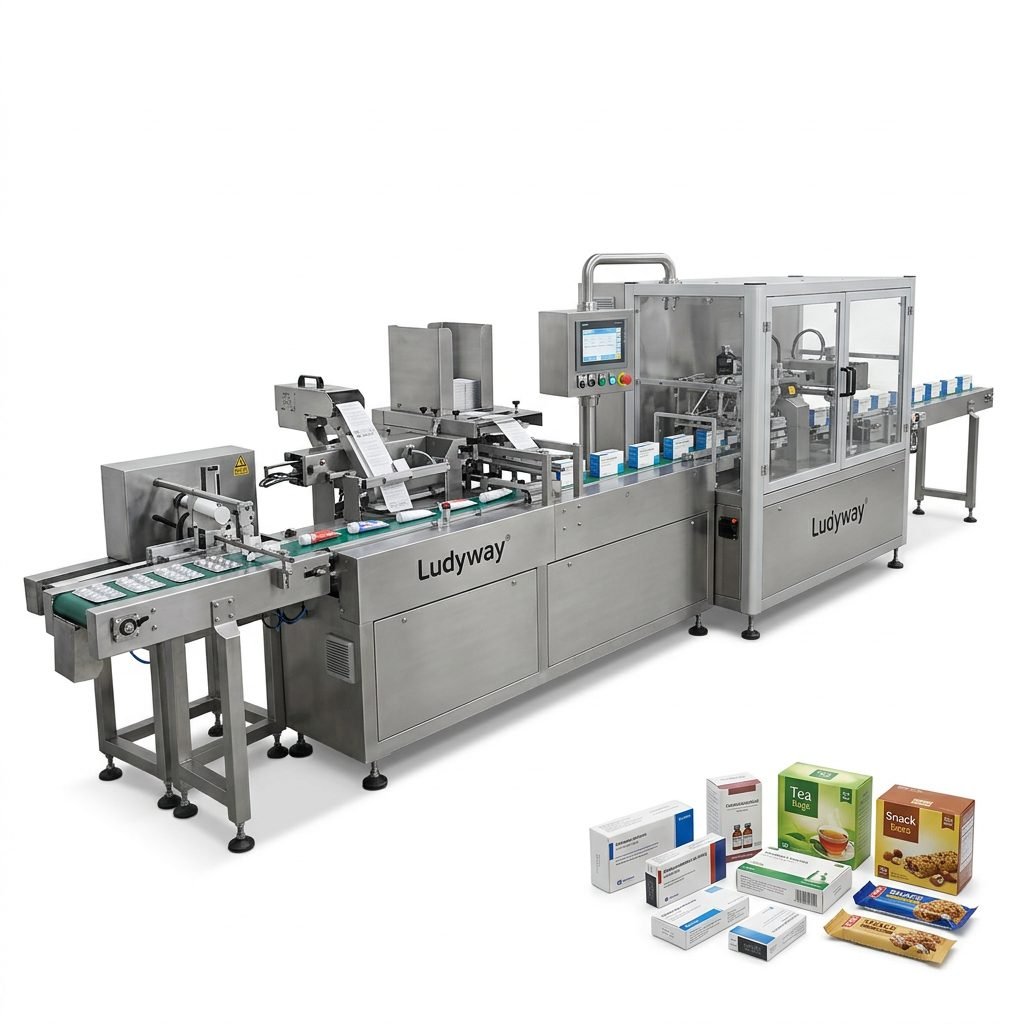
Compare proposals not just on price, but on the TCO factors outlined above. A slightly higher initial investment from a reputable manufacturer like Ludyway can lead to significant savings through higher efficiency and reliability.
Step 5: Final Validation & Contract
Before signing, ensure all terms—especially related to warranty, delivery, installation, training, and spare parts—are clearly defined in the contract. A site acceptance test (SAT) clause is highly recommended.
Common Questions (FAQs)
Q1: How important is it for the manufacturer to have experience in my specific industry (e.g., food vs. pharma)?
Extremely important. Industry-specific experience means the manufacturer understands unique challenges like hygiene standards (GMP for pharma), material compatibility, and regulatory compliance, leading to a more suitable and compliant machine design.
Q2: What are the hidden costs I should budget for when importing machinery into Southeast Asia?
Beyond the machine price, budget for: import duties and taxes, shipping and insurance, local agent fees, installation and commissioning costs, potential electrical/utility modifications, and initial spare parts inventory.
Q3: Can I get a customized machine for my unique product, or am I limited to standard models?
Many leading manufacturers, including those mentioned, offer both standard and fully customized OEM solutions. Clearly communicate your unique requirements during the RFQ stage. Customization is common for specialized products.
Q4: How can I verify the manufacturer’s after-sales service quality before purchasing?
Ask for references from existing clients in your region and contact them directly. Inquire about response times for technical support, spare parts availability, and the quality of service engineers. Check if the manufacturer has a dedicated service team for Southeast Asia.
Q5: What is the typical lead time for delivery and installation of a packaging line in Southeast Asia?
Lead times vary widely based on machine complexity (standard vs. custom) and current order backlog. For standard machines, it can range from 30-90 days after down payment. For complex turnkey lines, 90-180 days is common. Always confirm timelines in your contract.