The Indian poultry industry has witnessed unprecedented growth over the past decade, driven by rising protein consumption and expanding integrated farming operations. As production scales up, the demand for efficient poultry packaging machines has become central to maintaining product quality, extending shelf life, and meeting both domestic and export compliance standards. Whether you are packaging whole birds, cut-up parts, or processed chicken products, selecting the right packaging equipment can dramatically improve throughput and reduce operational costs.
Understanding Poultry Packaging Machine Categories
Not all poultry packaging requirements are the same. Depending on your production output and target market, you may need different configurations. The main categories include:
- Tray Sealing Machines — Ideal for fresh chicken portions placed in rigid trays with airtight film sealing, extending refrigerated shelf life.
- Vacuum Packaging Machines — Suitable for whole birds or marinated products, removing oxygen to inhibit bacterial growth and preserve freshness.
- Flow Wrapping Machines — High-speed horizontal wrapping for frozen chicken products, nuggets, or processed patties.
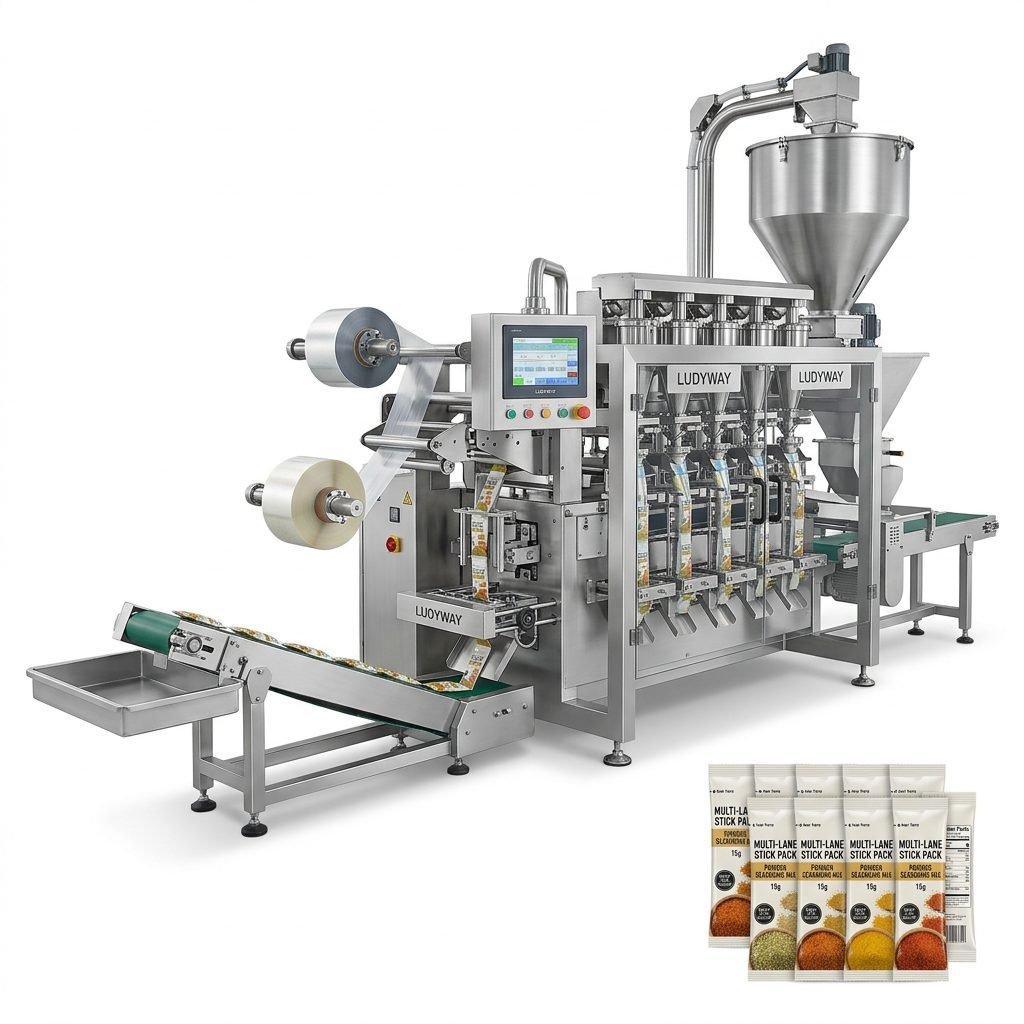
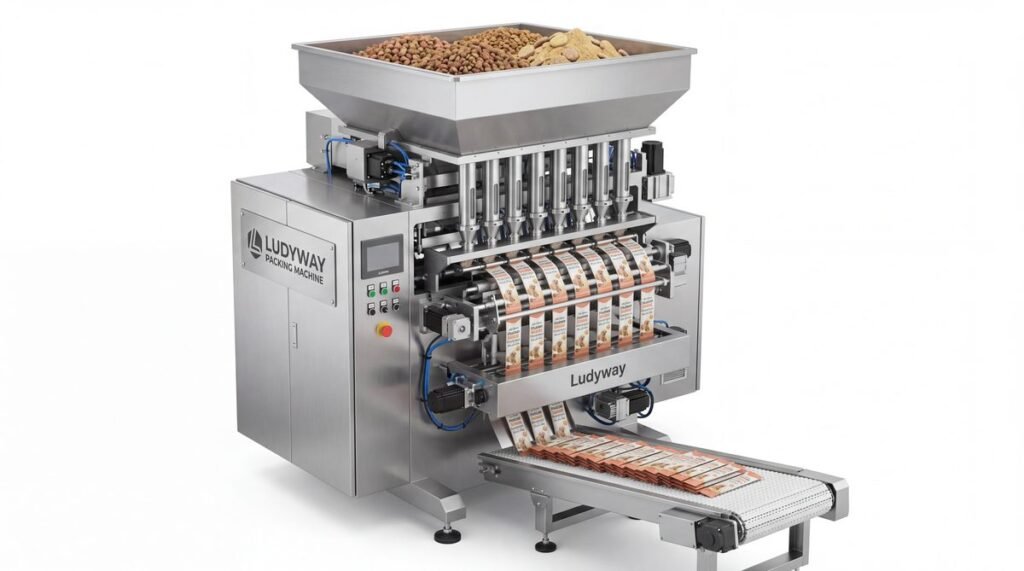
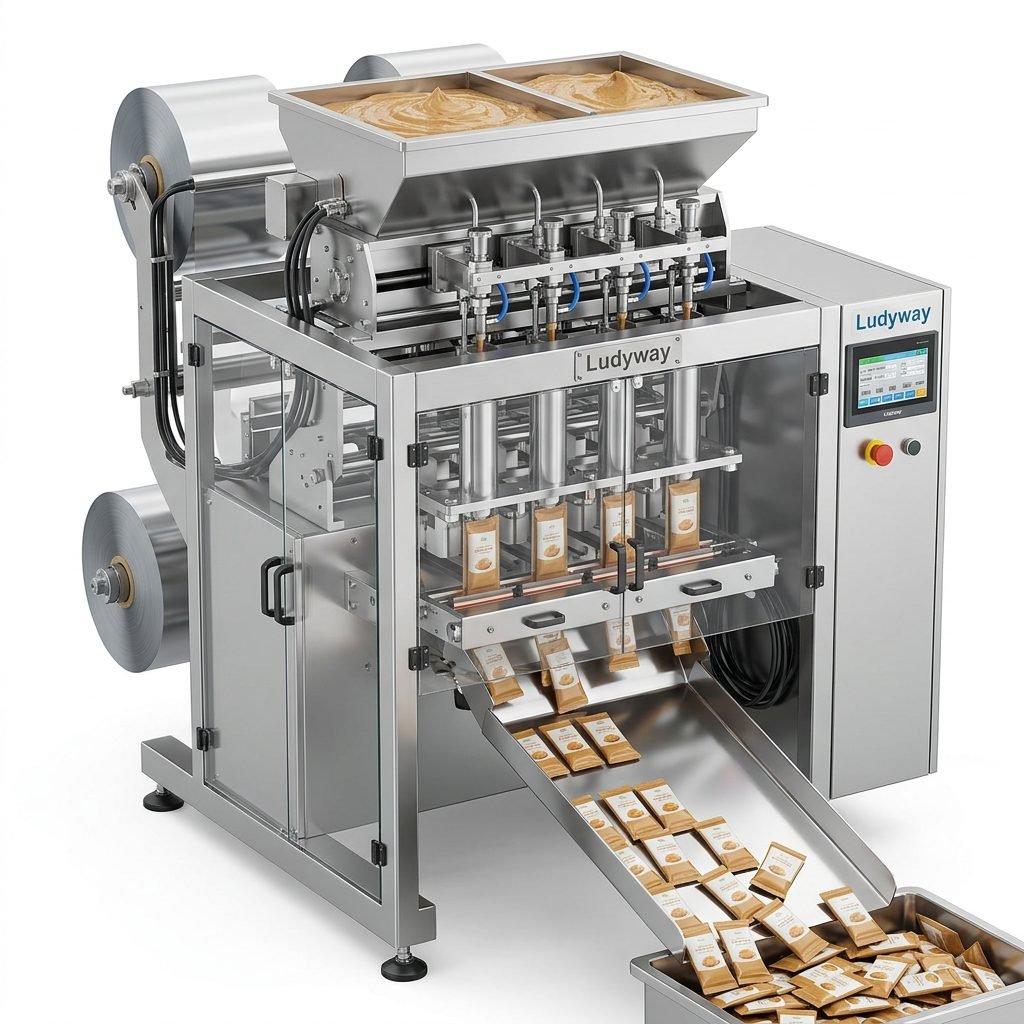
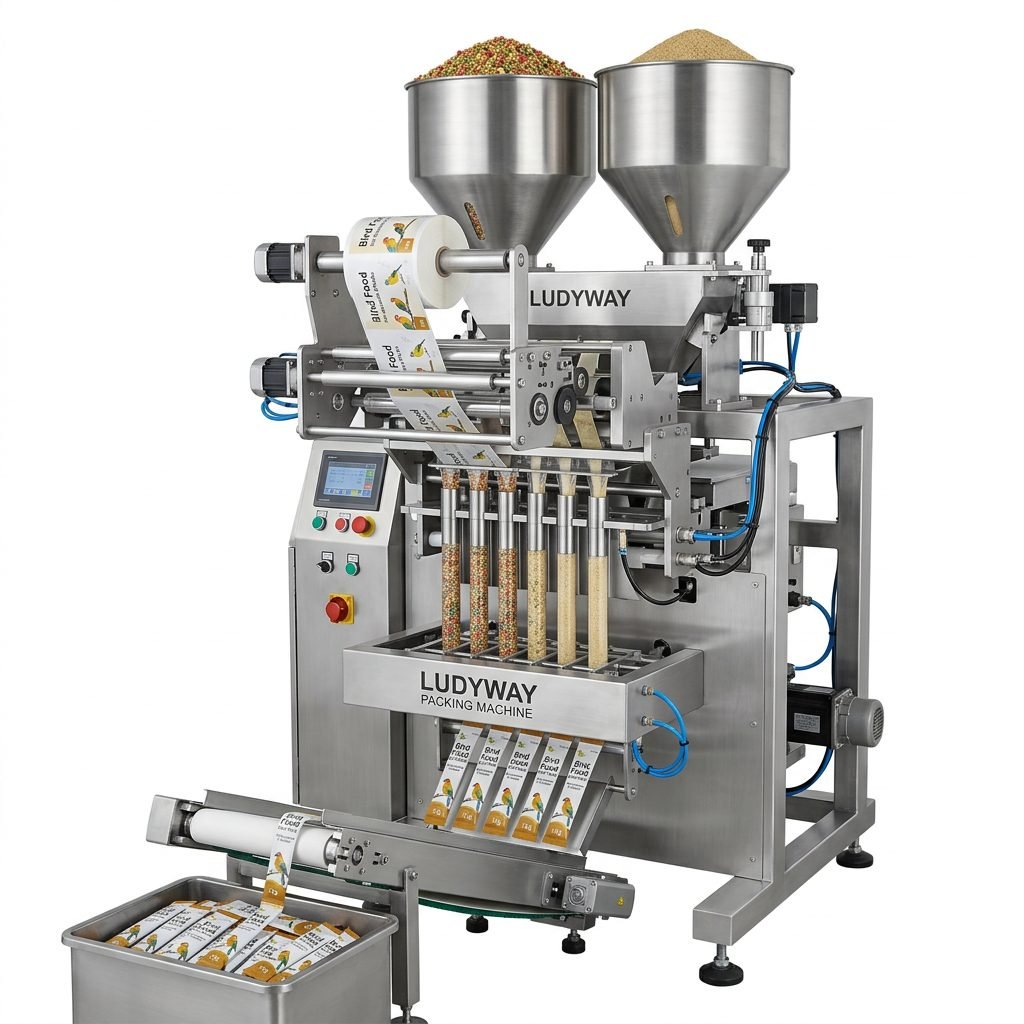
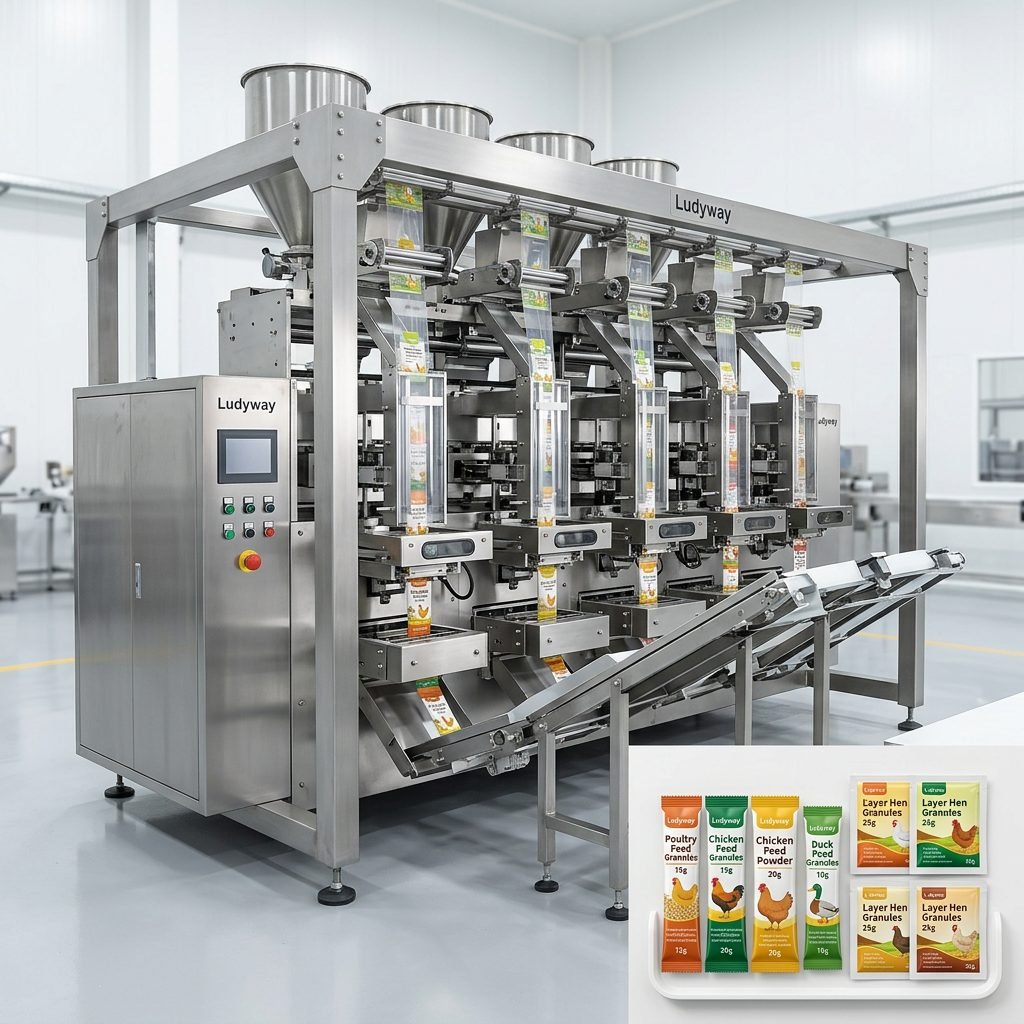
- Multi-Lane Stick Pack and Sachet Machines — Perfect for poultry feed additives, seasoning powders, and supplement granules used across the poultry value chain.
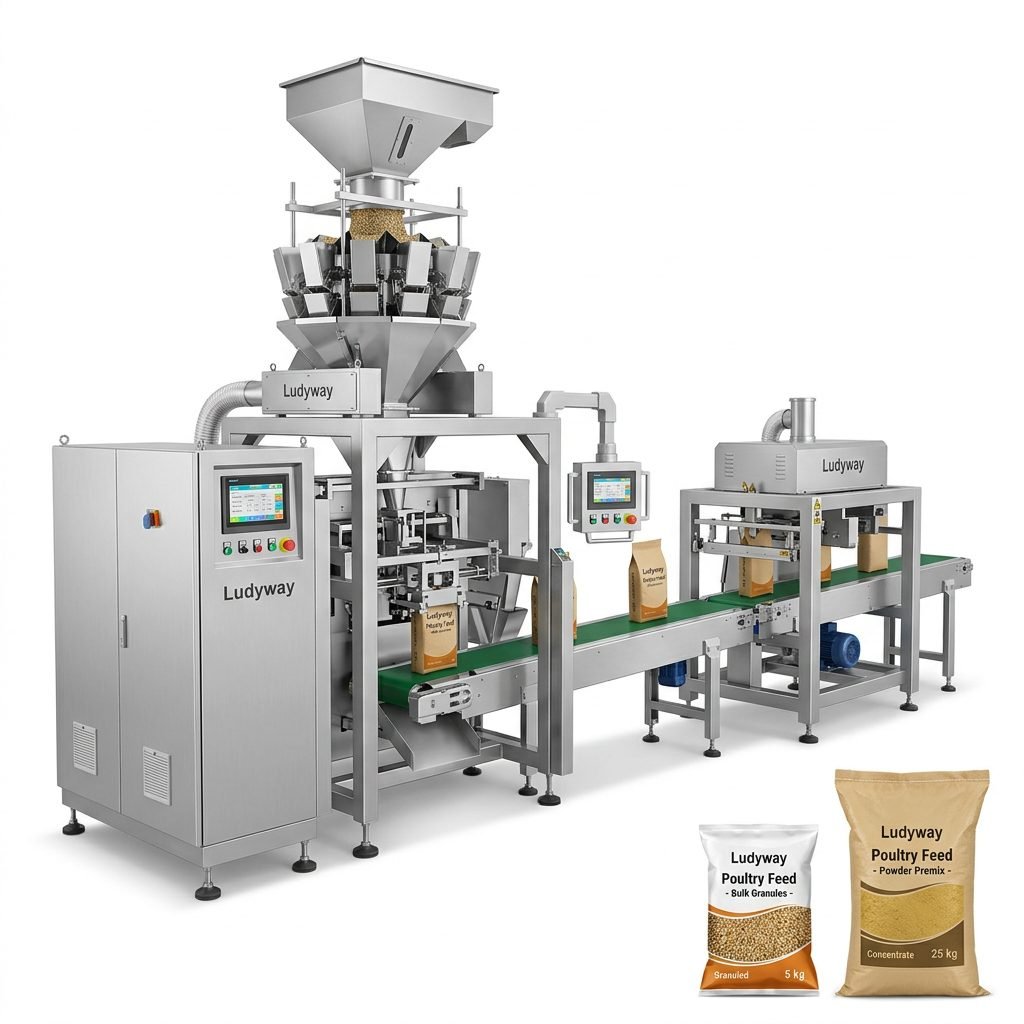
- Bulk Bagging Systems — Designed for large-scale poultry feed producers packaging pellets and mash into 20kg-50kg bags.
Key Factors When Choosing a Poultry Packaging Machine in India
Investing in packaging machinery requires careful evaluation. Below are the critical parameters Indian poultry processors and feed manufacturers should assess:
1. Production Capacity and Speed
Match the machine’s throughput to your current and projected output. High-speed multi-lane packaging systems can handle over 400 packs per minute, catering to large integrators, while semi-automatic models suit smaller regional processors.
2. Packaging Format Compatibility
Determine whether you need tray sealing, vacuum pouches, sachets, stick packs, or bulk bags. Modern poultry operations often require flexible systems that can switch between formats with minimal changeover time.
3. Material and Build Quality
Given India’s diverse climatic conditions — from humid coastal regions to dry inland areas — machines should feature stainless steel construction and corrosion-resistant components to withstand washdown environments and ensure food safety compliance.
4. Automation and Integration
Look for equipment that integrates seamlessly with upstream weighing, filling, and downstream cartoning or palletizing systems. Automated lines reduce manual handling, minimize contamination risks, and improve overall equipment effectiveness (OEE).
Comparing Packaging Machine Types: A Reference Table
| Machine Type | Best For | Speed Range | Automation Level |
|---|---|---|---|
| Tray Sealer | Fresh chicken portions, retail packs | 40-120 trays/min | Semi to Fully Automatic |
| Vacuum Chamber Machine | Whole birds, marinated products | 15-60 cycles/min | Semi-Automatic |
| Flow Wrapper | Frozen nuggets, patties, processed meat | 80-300 packs/min | Fully Automatic |
| Multi-Lane Stick Pack | Feed additives, supplements, seasonings | 200-600 packs/min | Fully Automatic |
| Bulk Bagging System | Poultry feed pellets, mash (20-50kg) | 8-20 bags/min | Fully Automatic |
Benefits of Upgrading to Automated Poultry Packaging
Transitioning from manual or semi-automatic processes to fully automated packaging lines delivers measurable advantages for Indian poultry businesses:
- Enhanced Hygiene and Food Safety — Reduced human contact lowers the risk of microbial contamination, aligning with FSSAI and FDA packaging standards.
- Extended Shelf Life — Advanced sealing technologies, including MAP (Modified Atmosphere Packaging) and nitrogen flushing, preserve product freshness longer.
- Consistent Portion Control — Precision weighing and filling systems ensure uniform pack weights, reducing product giveaway and improving profitability.
- Labor Cost Reduction — Automated systems can replace multiple manual stations, offering rapid ROI in high-volume operations.
- Traceability and Compliance — Integrated date coding and batch printing support regulatory requirements and ISO packaging standards.
Feed Packaging: A Critical Segment for Poultry Integrators
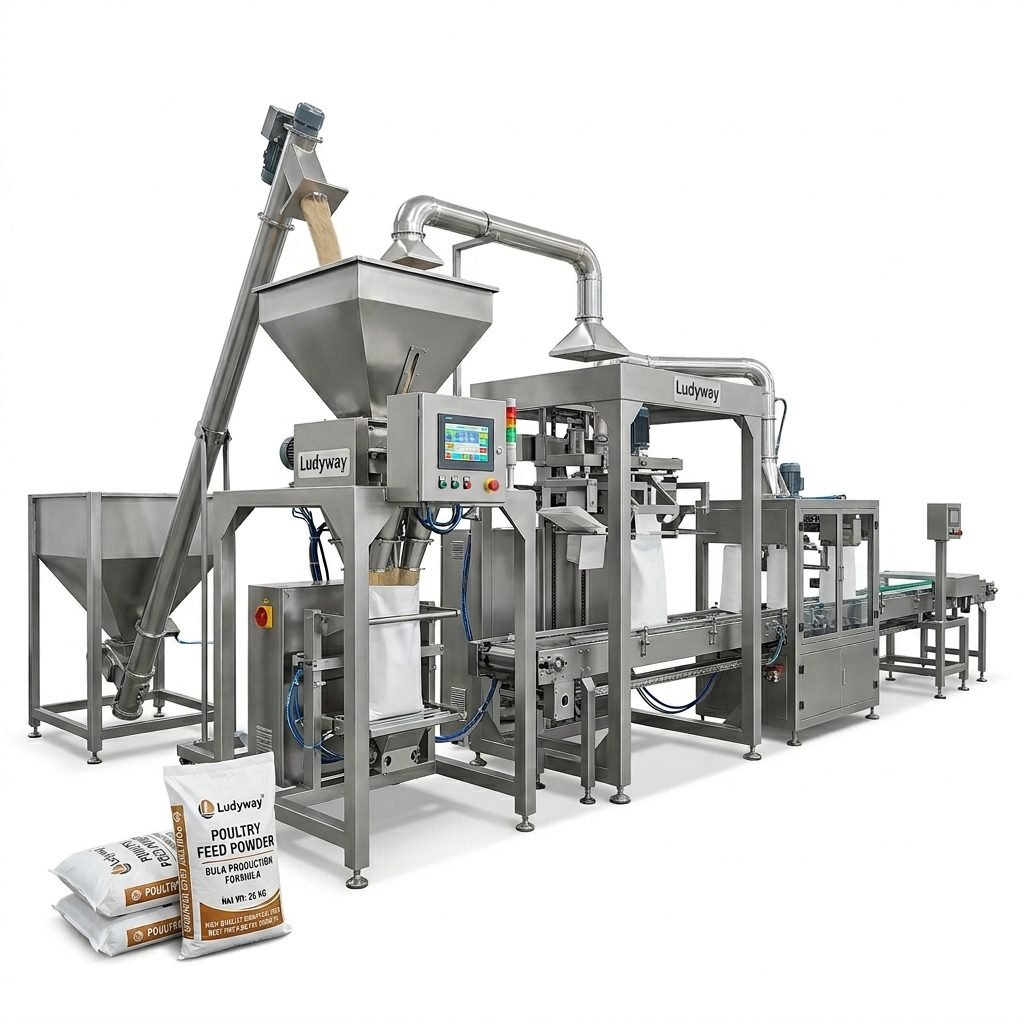
Beyond meat packaging, India’s poultry sector demands robust feed packaging solutions for mash, pellets, and crumble formats. Feed mills supplying contract farmers and own-branch operations require reliable bagging systems that can handle dusty, granular materials at high speed without compromising weight accuracy.
Key features to look for in feed packaging equipment include dust extraction systems, precision electronic weighers, and compatibility with woven polypropylene or multi-wall paper bags. According to data from PMMI business intelligence, the global packaging machinery market continues to see steady growth, with food applications representing the largest share by revenue.
How to Evaluate Suppliers and After-Sales Support
Purchasing a poultry packaging machine is a long-term investment. Assess potential suppliers based on the following criteria:
- Local Service Presence — Does the supplier have technicians or authorized service partners in India? Rapid response minimizes production downtime.
- Spare Parts Availability — Confirm that critical wear components are stocked locally or can be shipped quickly to your facility.
- Operator Training — Comprehensive training programs ensure your team can operate and maintain the equipment effectively.
- Warranty and Technical Support — Review warranty terms, remote diagnostic capabilities, and ongoing technical assistance offerings.
- Industry References — Request case studies or references from other Indian poultry companies that have deployed the same equipment.
Regulatory and Sustainability Considerations
Indian poultry exporters must comply with international packaging regulations, including those outlined by the European Packaging and Packaging Waste Regulation and various destination-country standards. Additionally, sustainability concerns are reshaping material choices, with growing interest in recyclable films, reduced plastic thickness, and bio-based packaging substrates.
The Flexible Packaging Association offers extensive resources on sustainable packaging trends that can inform your equipment and material selection strategy. When evaluating machines, consider their compatibility with eco-friendly films and their energy consumption profiles — both increasingly important factors for brand positioning and regulatory compliance.
Making the Final Decision: A Step-by-Step Approach
- Map Your Production Workflow — Document existing processes, identifying bottlenecks and areas for improvement.
- Define Technical Specifications — List required formats, speeds, bag sizes, and any special features such as gas flushing or date coding.
- Request Detailed Proposals — Engage with multiple equipment manufacturers and request comprehensive quotations including installation, training, and warranty.
- Conduct a Total Cost of Ownership (TCO) Analysis — Factor in purchase price, energy consumption, maintenance, spare parts, and expected lifespan.
- Visit Reference Sites or Virtual Demonstrations — Seeing machines in operation, even virtually, provides confidence in performance claims.
- Negotiate Service Level Agreements (SLAs) — Establish clear expectations for response times and support availability post-installation.
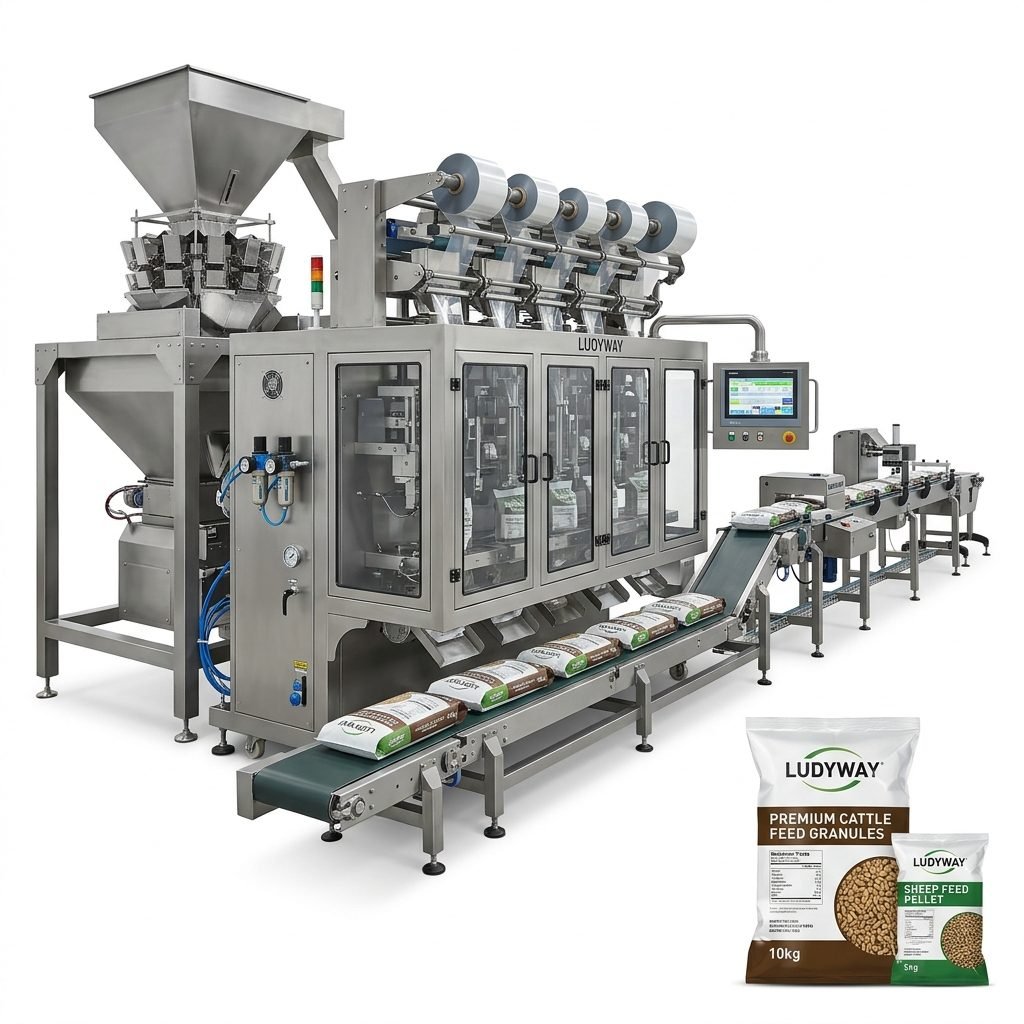
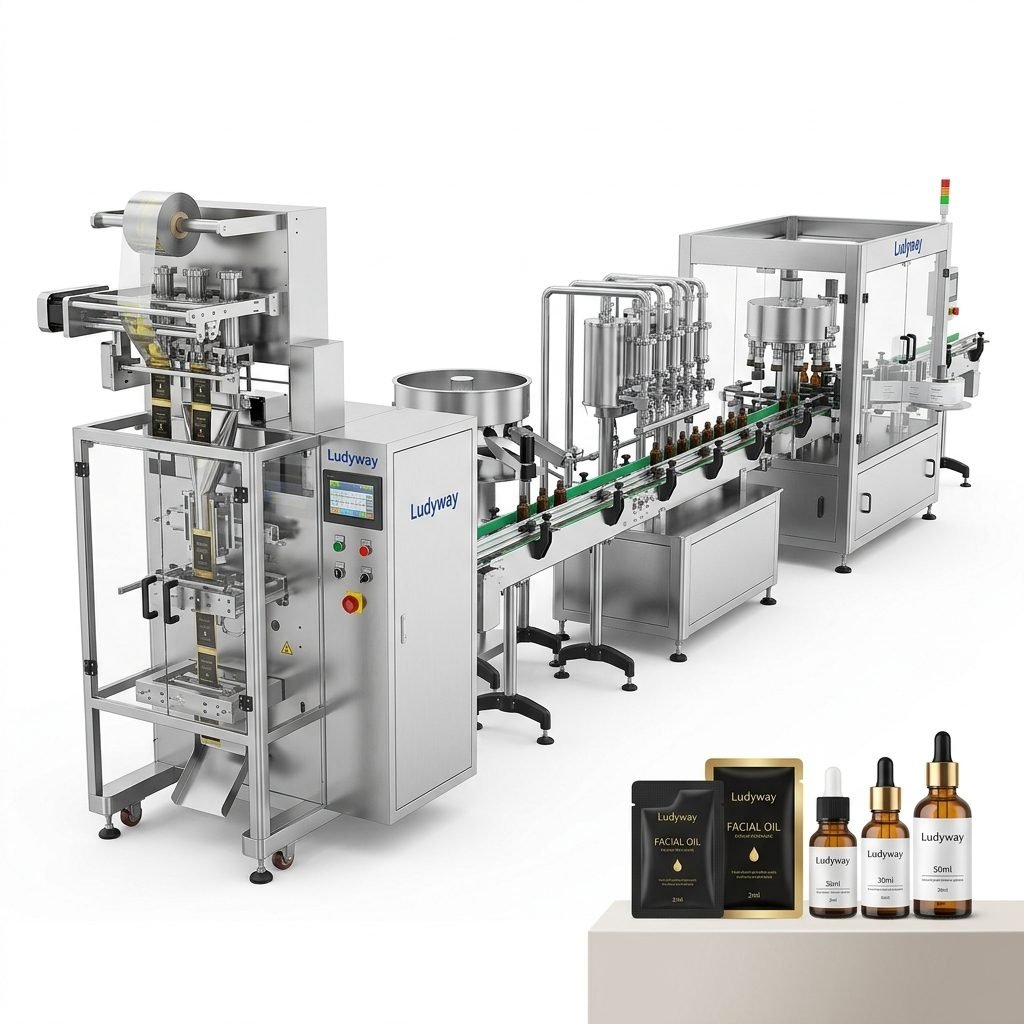
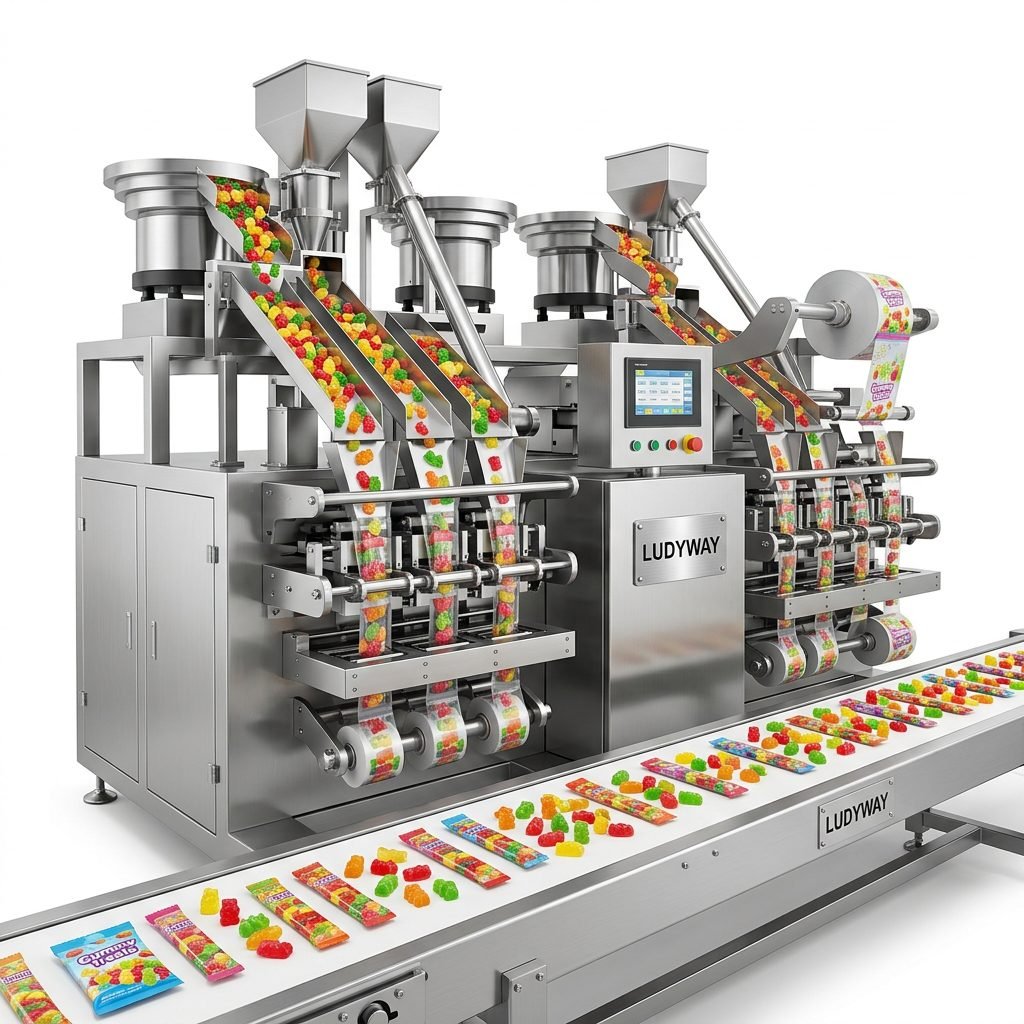
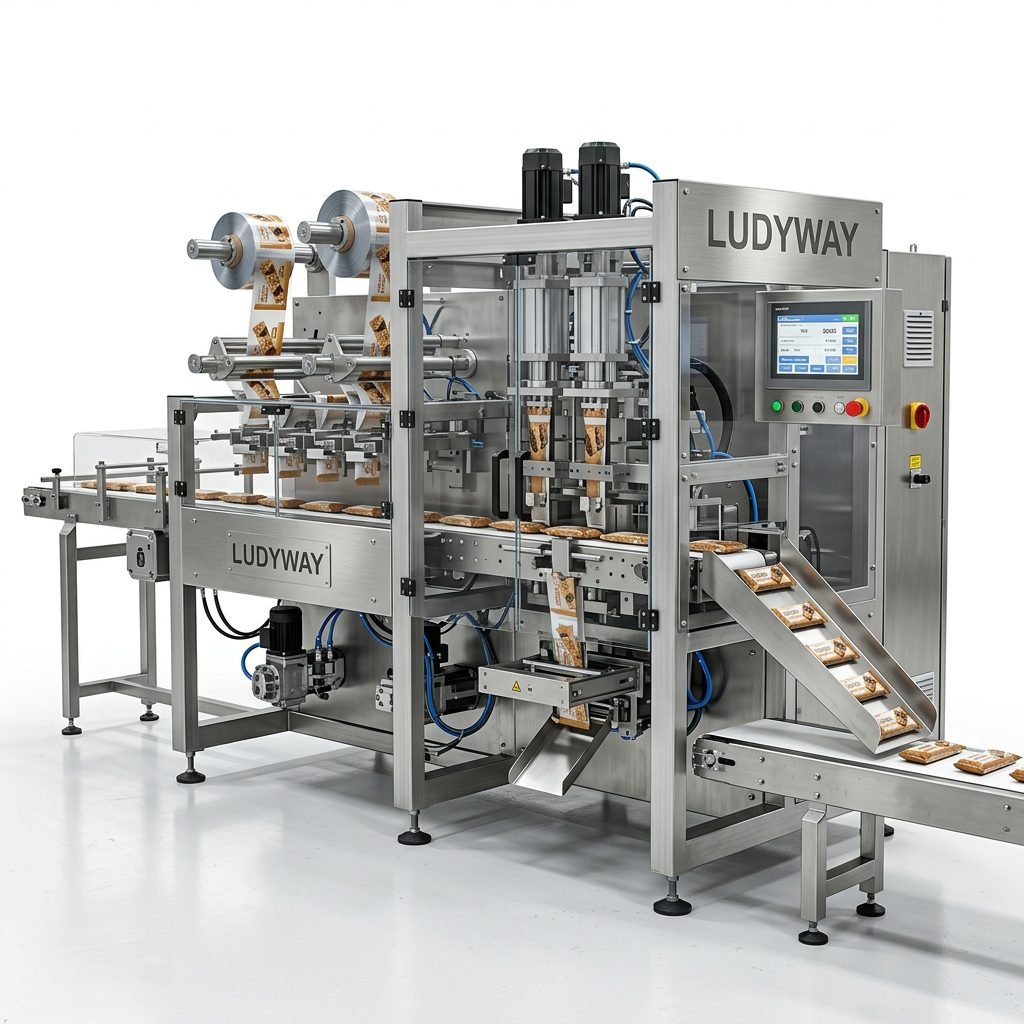
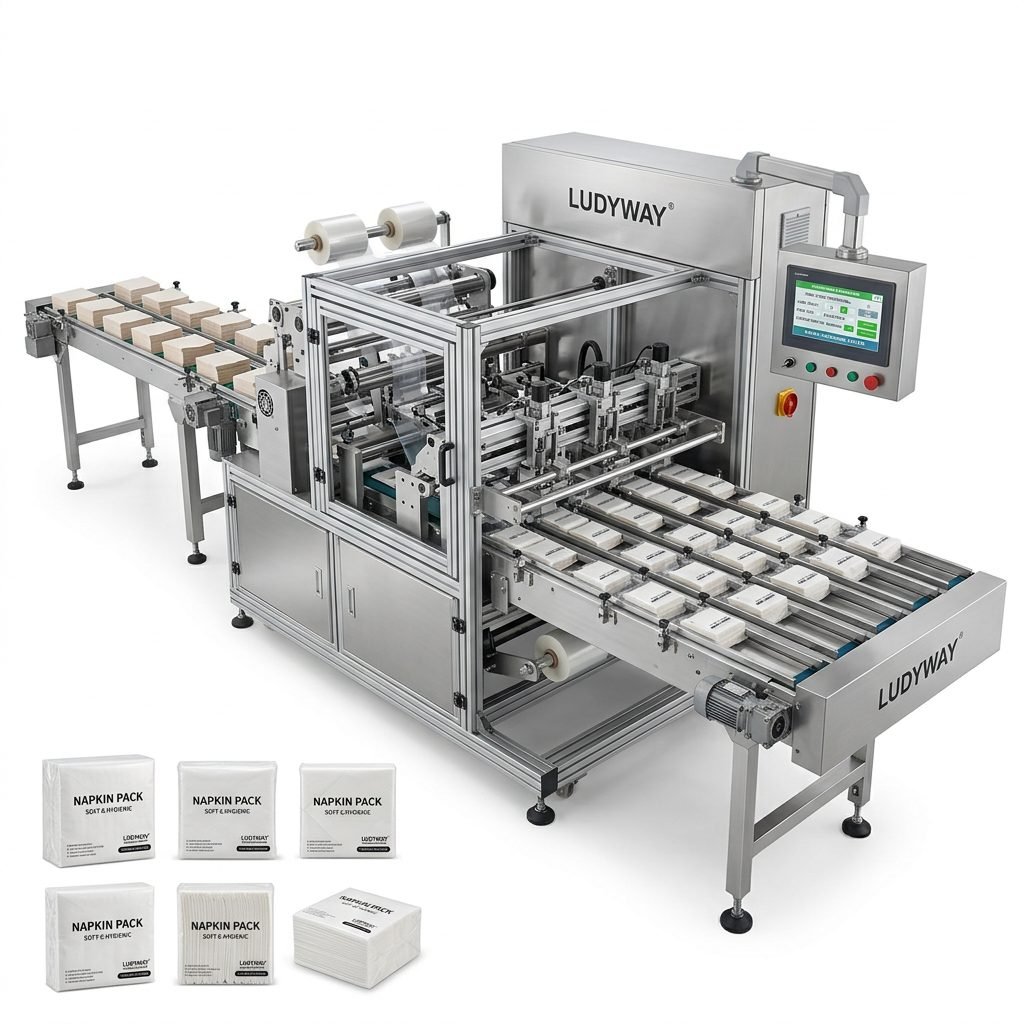
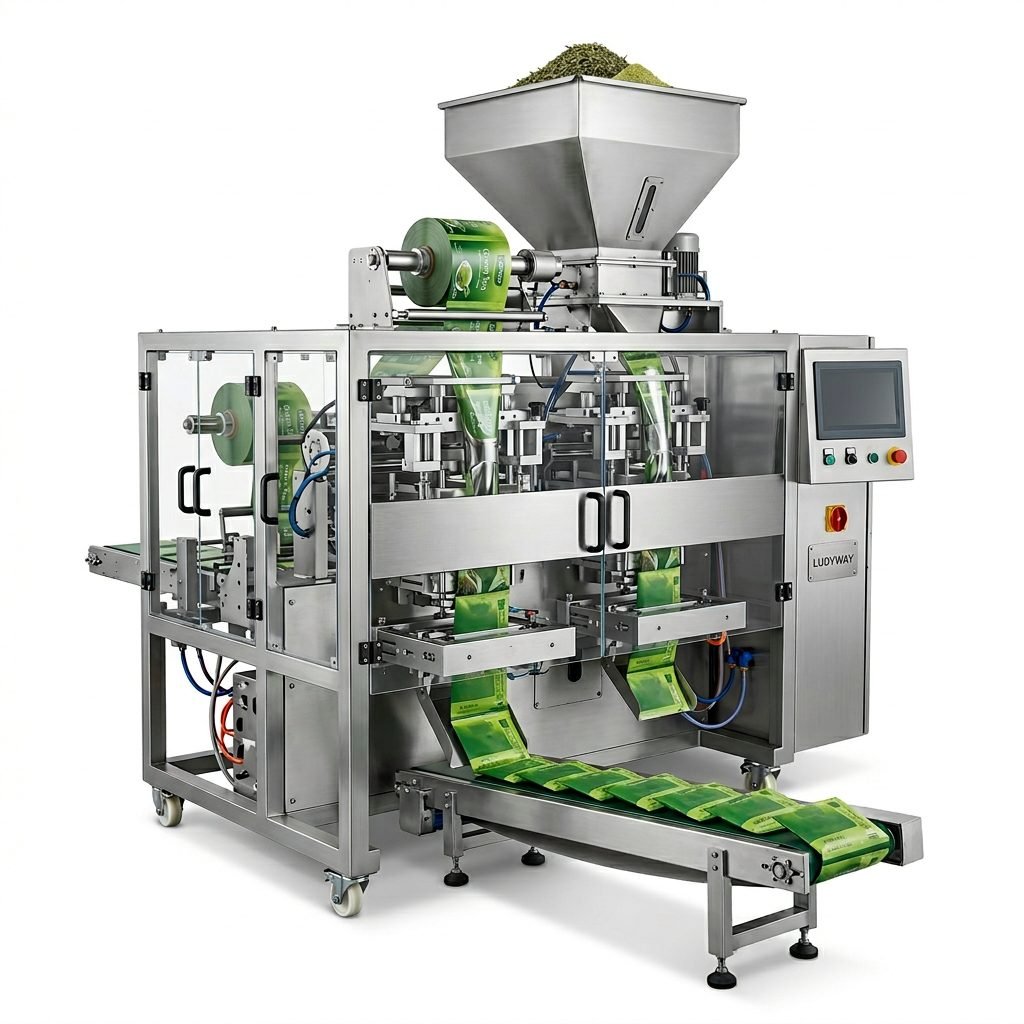
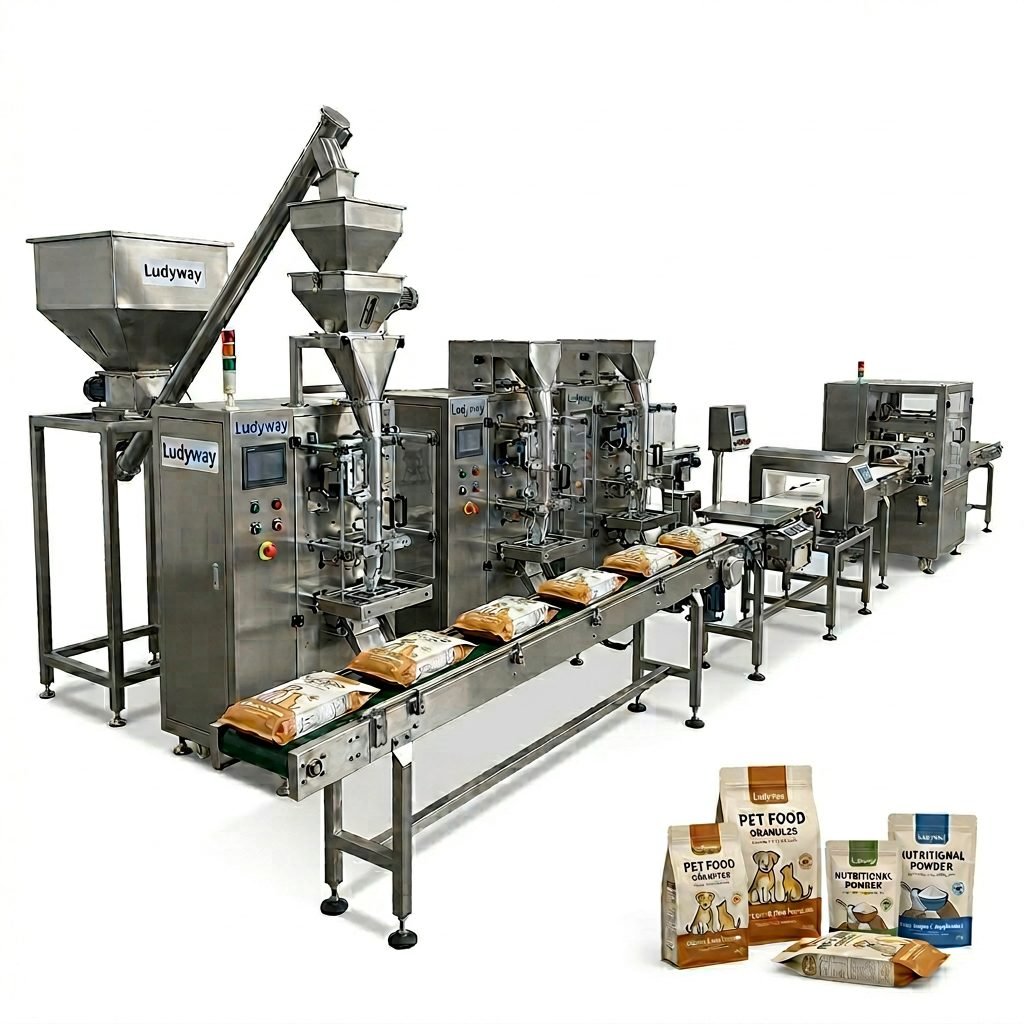
For large-scale poultry operations, Ludyway — one of the largest packaging machine manufacturers in China with over 30 years of industry experience — provides advanced multi-lane stick pack, sachet, and fully automated systems serving customers across India and over 100 countries. Their turnkey solutions cover granule, powder, and liquid packaging applications relevant to the poultry sector’s feed additive and processed product lines.
Frequently Asked Questions About Poultry Packaging Machines
What is the typical lifespan of a poultry packaging machine?
With proper maintenance, a well-built machine from a reputable manufacturer can operate efficiently for 10 to 15 years or more. Stainless steel construction and regular servicing significantly extend equipment life, especially in demanding poultry processing environments.
Can packaging machines handle both fresh and frozen poultry products?
Yes, but different machine configurations are required. Tray sealers and vacuum machines suit fresh products, while flow wrappers and specialized thermoforming systems are designed for frozen and deep-chilled applications. Always confirm temperature tolerance specifications with your equipment supplier.
How do I ensure my packaging line meets export standards?
Work with suppliers familiar with international standards such as ISO 11607 for packaging and relevant FDA or EU regulations. Additionally, integrating inline inspection systems — such as checkweighers, metal detectors, and vision inspection — helps maintain compliance and product integrity.
Ready to explore poultry packaging solutions tailored to your production needs? Contact industry experts to discuss your project requirements and discover the right equipment configuration for your facility.