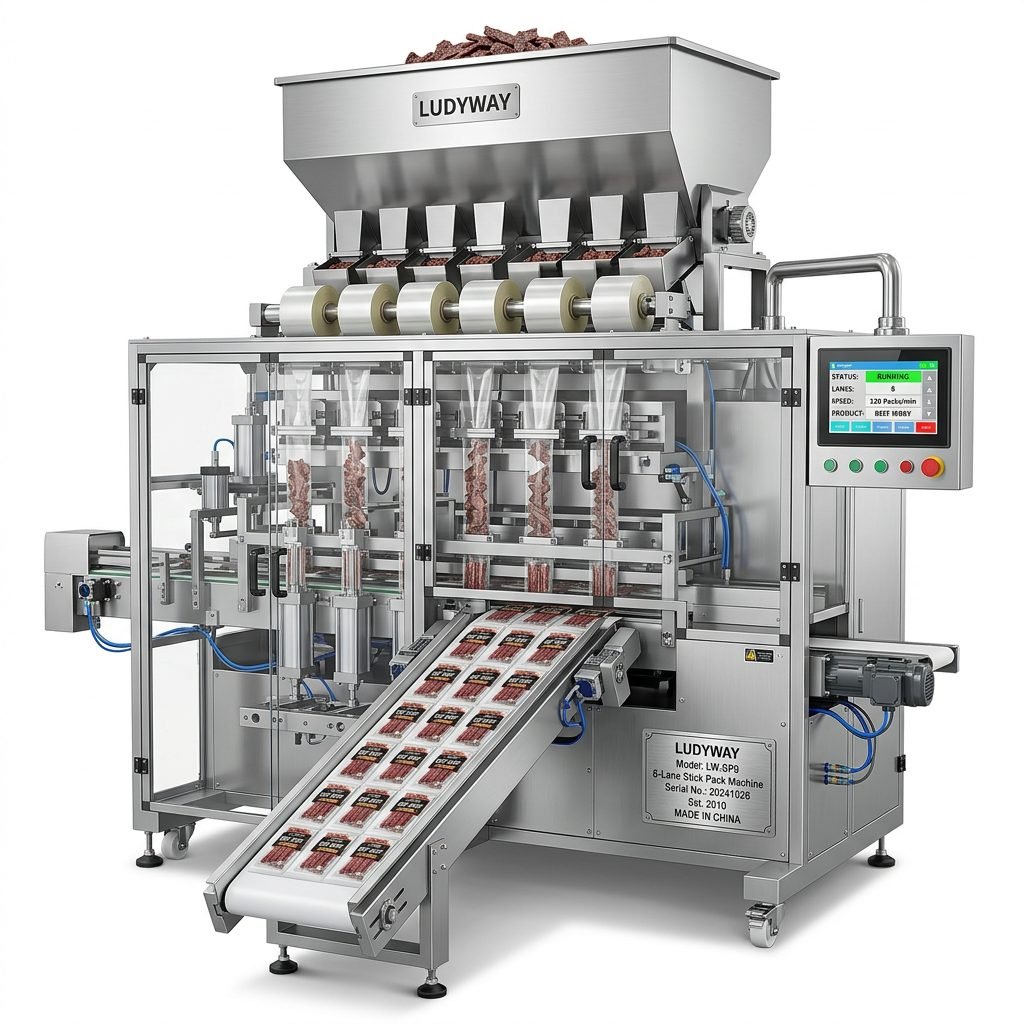
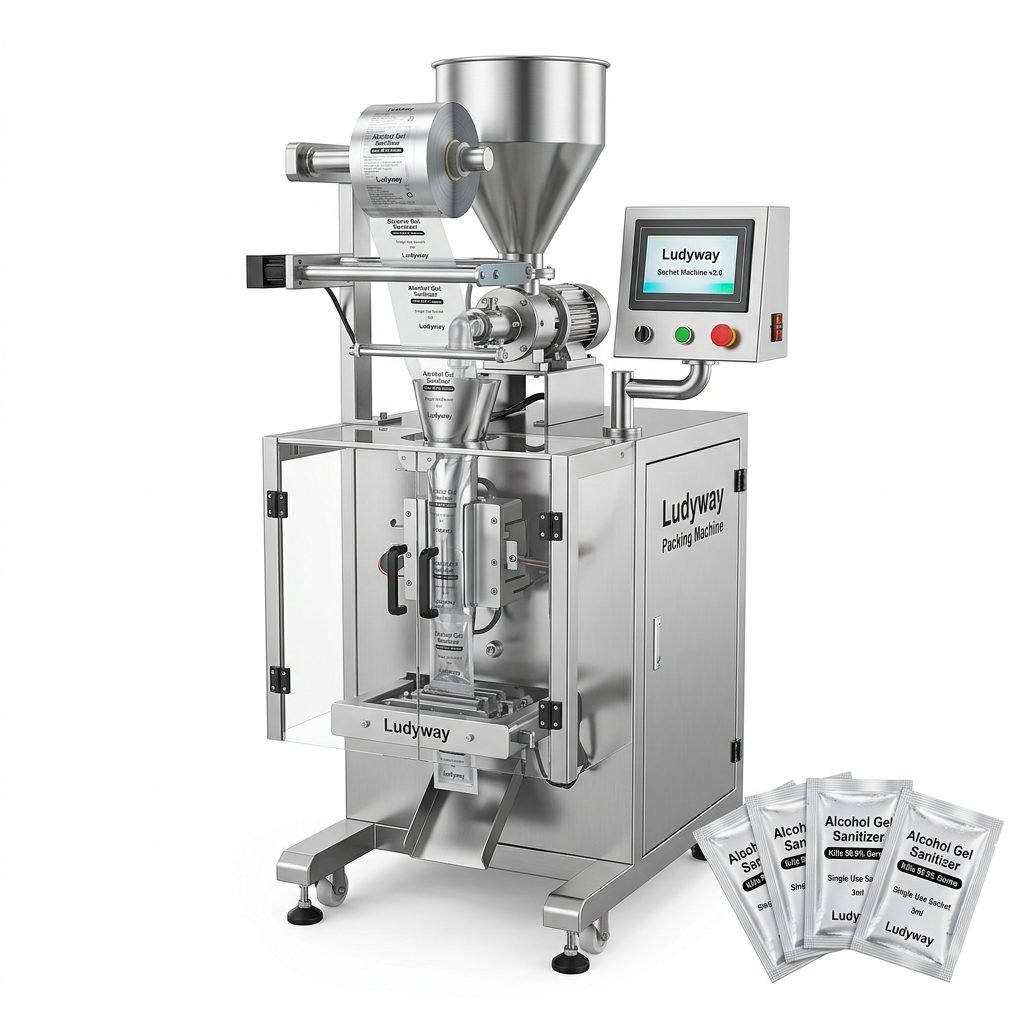
Buying a powder packing machine is not only about finding the lowest quote. The right investment depends on product type, package format, output target, automation level, compliance needs, and long-term operating cost. A low-price machine may look attractive at the start, but if it causes inaccurate filling, excessive dust, downtime, or poor sealing, the total cost can quickly rise.
This guide explains how powder packing machine prices are usually formed, what budget ranges buyers can expect, and how to choose equipment that matches both production goals and financial planning.
What Affects Powder Packing Machine Price?
Powder packing machine prices vary widely because different applications need different engineering levels. Fine spice powder, protein powder, pharmaceutical powder, milk powder, and chemical powder do not behave the same way in a machine. Flowability, dust level, filling accuracy, and hygiene requirements all influence equipment structure and cost.
- Machine type: vertical form fill seal, stick pack, sachet machine, premade pouch machine, or complete line
- Output speed: low, medium, high-speed, or multi-lane production
- Filling system: auger filler, servo control, weighing system, dust extraction integration
- Package size and format: sachets, stick packs, pouches, bottles, jars, or bulk bags
- Material contact parts: stainless steel grade and sanitary design
- Automation level: standalone machine or turnkey line with feeding, coding, cartoning, and checkweighing
- Industry requirements: food, nutraceutical, pharmaceutical, chemical, or pet nutrition
- Customization: voltage, language, sealing style, dustproof design, and factory layout adaptation
Typical Powder Packing Machine Price Ranges
The following price ranges are general market references. Actual pricing depends on technical specifications, country-specific standards, and optional components.
| Machine Category | Typical Price Range | Best For |
|---|---|---|
| Semi-automatic powder filling machine | USD 2,000 – 8,000 | Startups, lab scale, low-volume filling |
| Basic automatic powder pouch packing machine | USD 8,000 – 20,000 | Small to medium businesses |
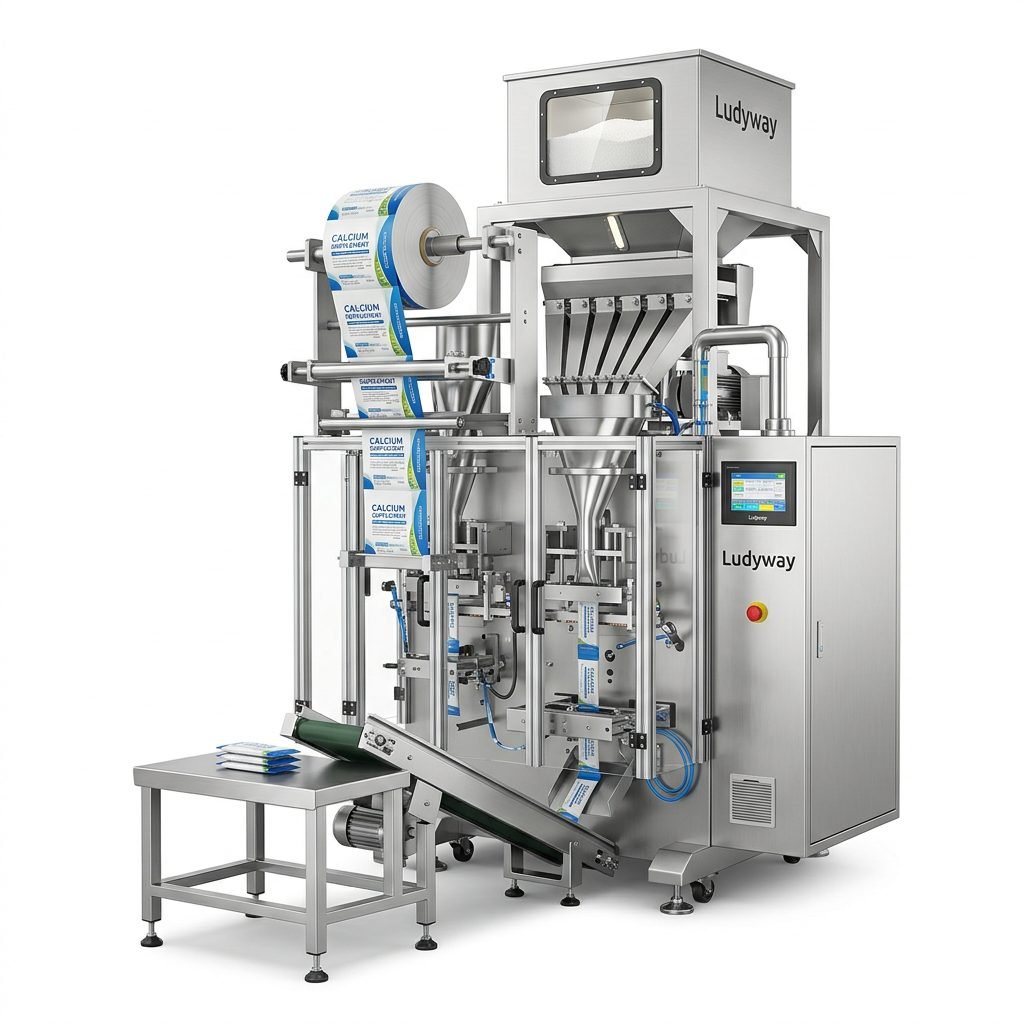
| Vertical powder packing machine with auger filler | USD 15,000 – 35,000 | Mainstream food and supplement packaging |
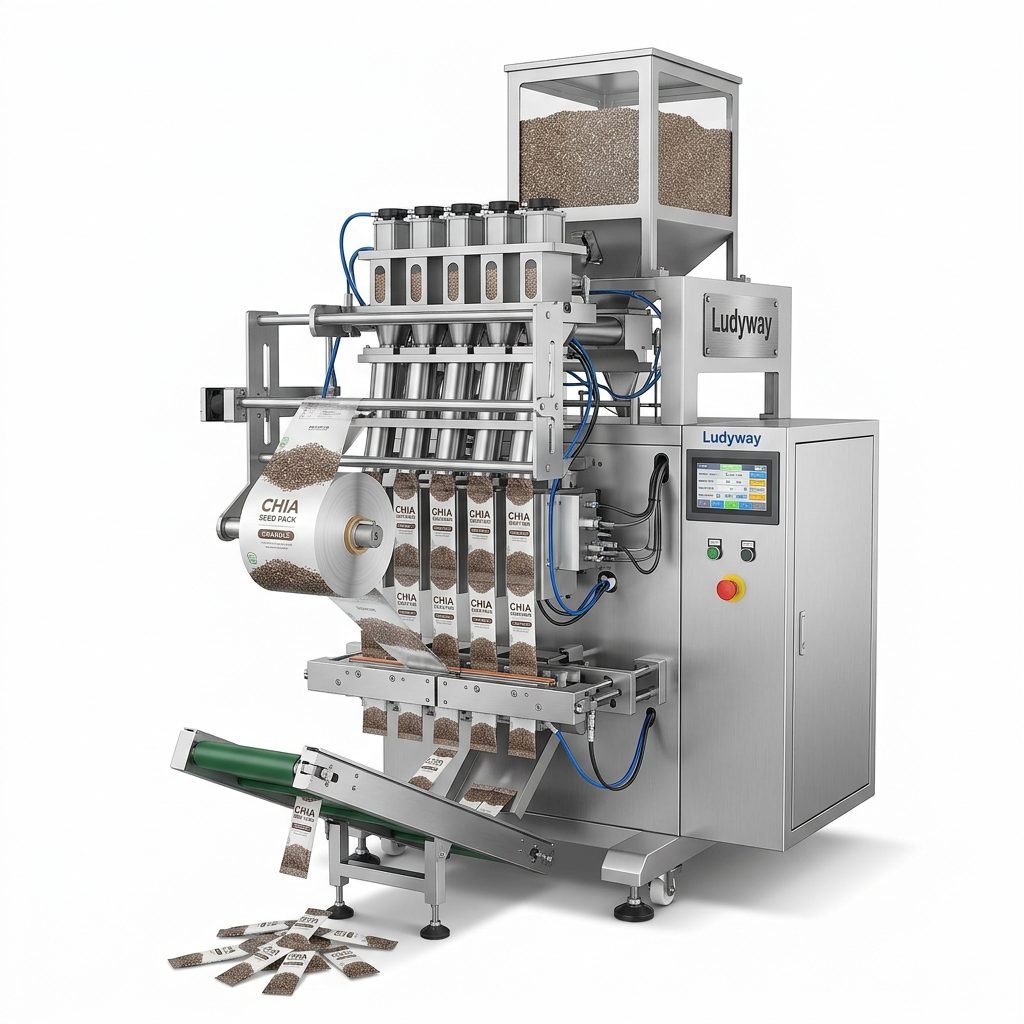
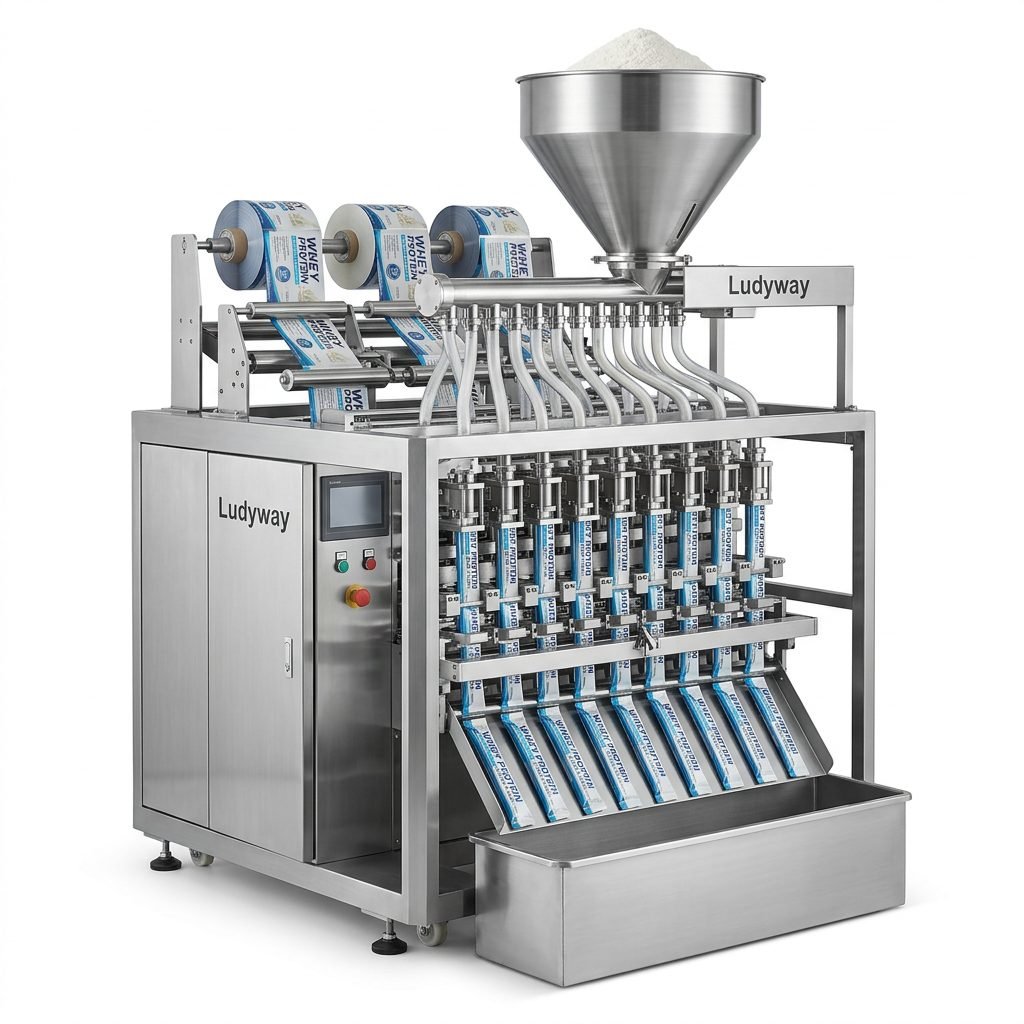
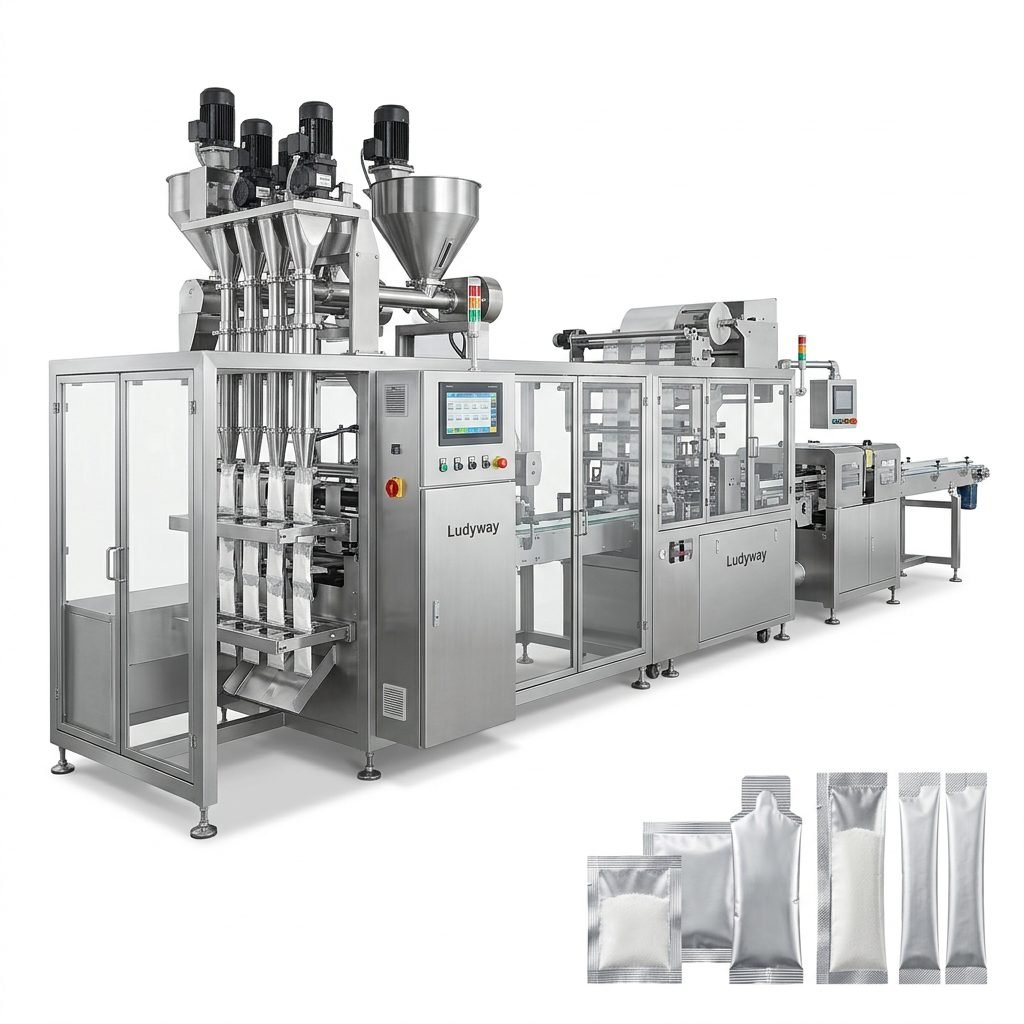
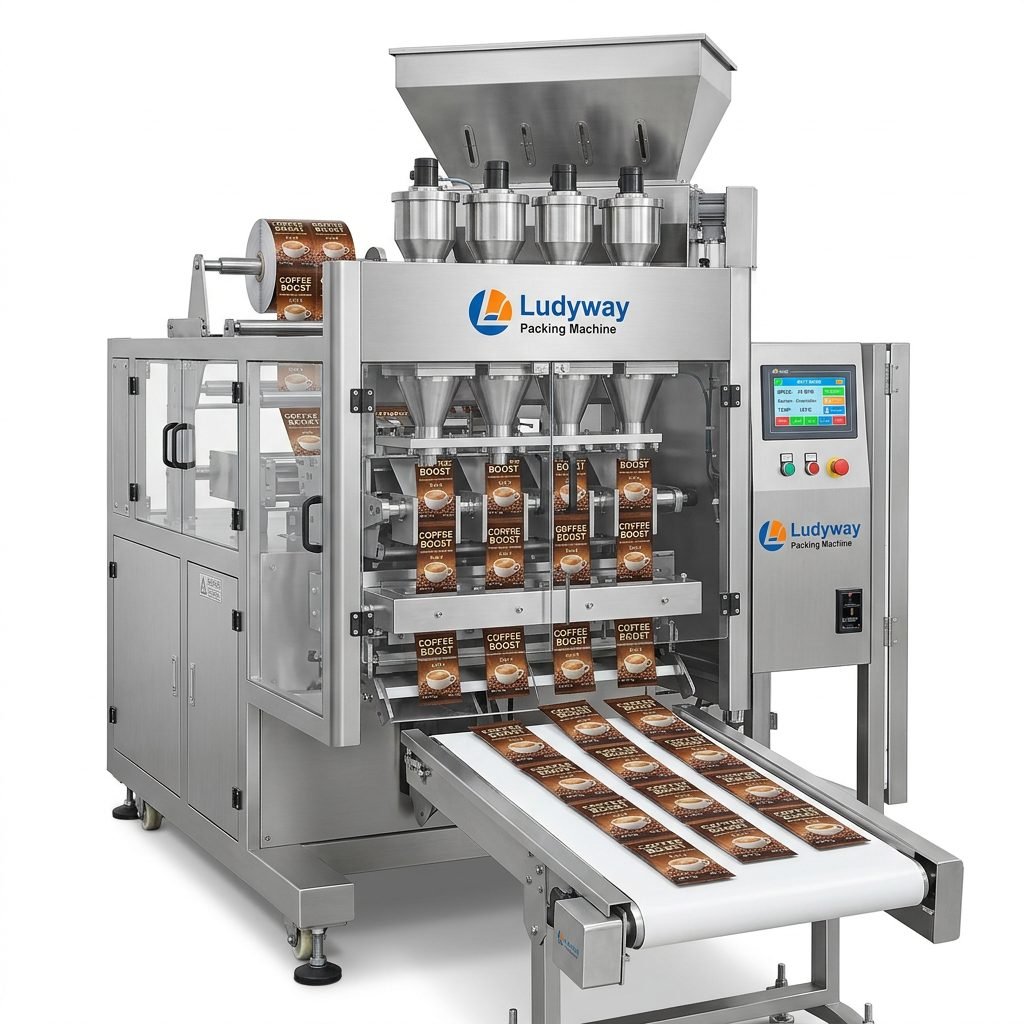
| Multi-lane powder stick pack or sachet machine | USD 30,000 – 120,000+ | High-speed retail sachet production |
| Premade pouch powder packing machine | USD 25,000 – 60,000+ | Premium pouch packaging |
| Turnkey powder packaging line | USD 50,000 – 300,000+ | Integrated automated production |
Important: freight, customs duties, local installation, spare parts, and after-sales service may not always be included in the initial quote. Always confirm the full project cost before comparing suppliers.
How to Match the Machine to Your Budget
1. Low Budget: Focus on Essential Functionality
If your budget is limited, prioritize filling accuracy, stable sealing, and simple maintenance over advanced cosmetic features. A compact automatic powder packer can already deliver major labor savings for small businesses producing seasoning powders, drink powders, flour blends, or nutritional mixes.
- Choose standard bag sizes
- Avoid unnecessary custom features early on
- Ask for a machine configuration that can be upgraded later
- Confirm spare parts availability before ordering
2. Mid-Range Budget: Balance Speed and Flexibility
For growing brands, mid-range machines often offer the best value. They usually provide better servo control, improved filling consistency, stronger sealing performance, and more stable operation across different powder types.
This level is often ideal for contract packers, food manufacturers, and health supplement companies that need a practical return on investment without moving immediately into full-scale high-speed automation.
3. Higher Budget: Invest in Output and Automation
If your business depends on high daily output, strict quality standards, or large export volumes, a fully automatic line may offer the lowest total cost per pack in the long run. High-end systems can include automatic feeding, metal detection, date coding, cartoning, checkweighing, case packing, and data monitoring.
Although the upfront cost is higher, these systems can reduce labor dependency, improve consistency, and support future expansion.
Choose by Product Type, Not Price Alone
Powder behavior has a major impact on machine selection. Free-flowing powder is usually easier to fill than sticky, dusty, hygroscopic, or poorly flowing material. If the machine is not matched to the product, you may face underfilling, inconsistent weight, clogged augers, dusty seals, or poor bag appearance.
| Powder Type | Machine Consideration | Budget Impact |
|---|---|---|
| Spices and seasonings | Dust control, precise auger filling | Medium |
| Milk powder and drink powder | Sanitary design, consistent filling | Medium to high |
| Protein and supplement powder | High accuracy, premium pack appearance | Medium to high |
| Pharmaceutical powder | Validation, hygiene, precision, compliance | High |
| Chemical powder | Corrosion resistance, dustproof design | Medium to high |
Hidden Costs Buyers Often Miss
A machine quote is only one part of the total investment. To avoid budget surprises, ask suppliers to break down all related costs clearly.
- Tooling and format change parts
- Air compressor, feeder, conveyor, and coding system
- Installation and operator training
- Shipping, insurance, import tax, and customs clearance
- Consumables and packaging film compatibility testing
- Maintenance downtime and local technical support
In many cases, a slightly higher-priced machine from a reliable manufacturer can be more economical than a cheaper model with weak service support and unstable performance.
Questions to Ask Before You Request a Quote
To get an accurate powder packing machine price, prepare detailed production information. The more complete your data, the more realistic and useful the quotation will be.
- What powder are you packing?
- Is the powder free-flowing, sticky, dusty, or moisture sensitive?
- What bag type do you need: sachet, stick pack, pillow bag, gusset bag, or premade pouch?
- What filling weight range is required?
- How many packs per minute do you need now and in the next 2 to 3 years?
- Do you need coding, nitrogen flushing, checkweighing, cartoning, or case packing?
- What voltage and compliance requirements apply in your market?
- How much factory space is available?
How to Compare Suppliers the Smart Way
When reviewing quotations, compare more than just price. Two machines may look similar on paper but perform very differently in real production.
| Comparison Point | Why It Matters |
|---|---|
| Real production speed | Theoretical speed may differ from actual output |
| Filling accuracy | Directly affects product giveaway and consistency |
| Machine material and components | Impacts durability and hygiene |
| Ease of cleaning and changeover | Important for multi-product operations |
| After-sales service | Reduces downtime and maintenance risk |
| Customization ability | Ensures fit with your actual product and packaging goals |
When Is a Turnkey Powder Packaging Line Worth It?
A standalone machine may be enough for small operations, but a turnkey line becomes valuable when you need continuous production, reduced manual handling, traceability, and better workflow integration. This is especially useful in food, pharmaceutical, health supplement, and chemical factories handling larger output volumes.
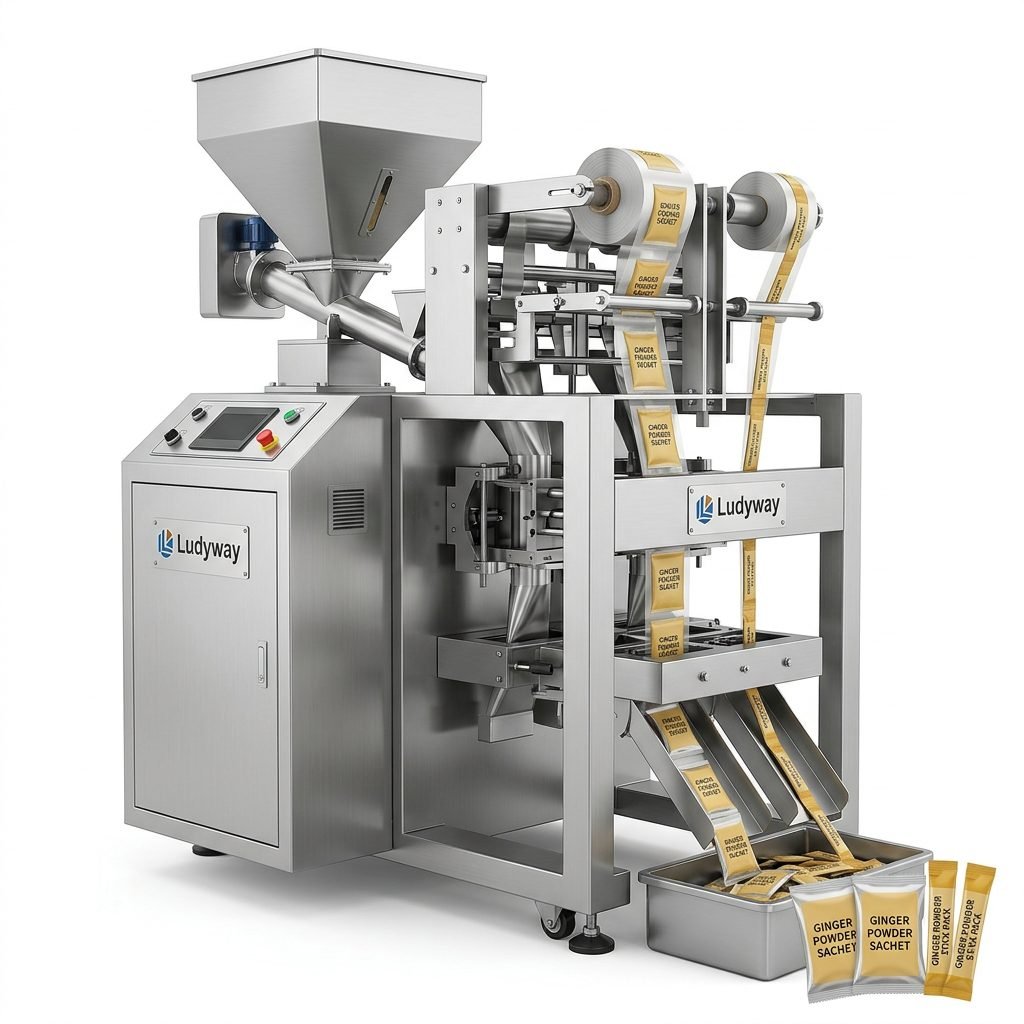
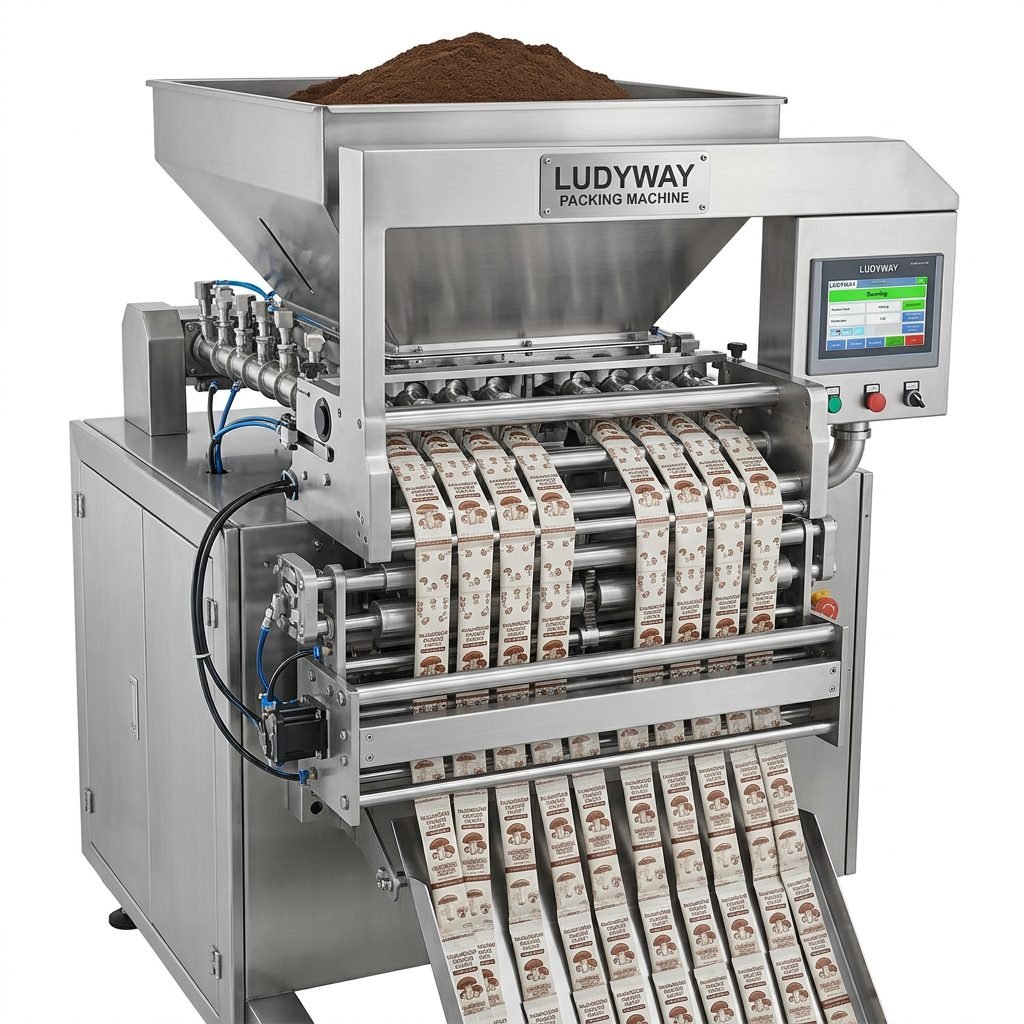
If you are planning for long-term growth, it may be more cost-effective to work with an experienced manufacturer that can supply both individual machines and complete systems. Ludyway powder packaging machine solutions are often considered by buyers looking for scalable equipment, customized automation, and turnkey packaging lines backed by more than 30 years of manufacturing experience.
A turnkey line may include:
- Powder feeding and conveying system
- Auger filling or dosing unit
- Bag forming, filling, and sealing machine
- Date printer or coding system
- Metal detector or checkweigher
- Cartoning, case packing, and palletizing modules
Best Buying Tips for Staying Within Budget
- Set a total project budget, not just a machine budget
- Buy based on actual production demand, not unrealistic peak targets
- Request product testing with your own powder sample
- Ask for videos of similar machines running comparable products
- Check whether the machine allows future speed or format upgrades
- Compare expected labor savings and packaging consistency, not only purchase price
Final Buying Insight
The best powder packing machine for your budget is the one that delivers reliable production, acceptable operating cost, and room for business growth. Instead of choosing the cheapest option, focus on the best cost-performance ratio. A well-matched machine can improve efficiency, reduce product loss, enhance package quality, and generate a faster return on investment.
If you compare machine type, output, powder characteristics, automation level, and full ownership cost carefully, you will be in a much stronger position to choose a machine that fits both your current budget and your future production strategy.