The global pharmaceutical packaging equipment market is a critical component of the healthcare supply chain, ensuring the safety, integrity, and efficacy of medicines from production to patient. As the demand for pharmaceuticals continues to rise globally, driven by aging populations, increasing chronic diseases, and greater access to healthcare, the need for advanced, reliable, and compliant packaging solutions has never been more pronounced. This market encompasses a wide array of machinery used for primary and secondary packaging, including filling, sealing, labeling, and cartoning systems tailored for vials, ampoules, blisters, bottles, and sachets.
Market Size and Current Valuation
The pharmaceutical packaging equipment market has demonstrated robust growth over the past decade. Valued at several billion dollars, it is projected to continue its upward trajectory with a steady compound annual growth rate (CAGR). This expansion is fueled by stringent regulatory standards for drug safety, the rise of contract manufacturing, and the ongoing need for packaging innovation to combat counterfeiting. The market’s size is a direct reflection of the pharmaceutical industry’s scale and its unwavering commitment to patient safety through superior packaging.
Key Growth Drivers
The market’s momentum is supported by several interconnected factors:
- Regulatory Stringency: Agencies like the FDA and EMA enforce rigorous guidelines for packaging, making compliance a non-negotiable driver for equipment adoption.
- Rise of Biologics and Specialty Drugs: These sensitive products often require specialized, aseptic packaging solutions, creating demand for high-end equipment.
- Automation and Industry 4.0: The integration of IoT, AI, and robotics into packaging lines enhances efficiency, traceability, and reduces human error.
- Sustainability Pressures: Growing environmental concerns are pushing manufacturers toward equipment that supports recyclable and reduced-material packaging.
Analysis of Key Market Segments
The market can be segmented by equipment type, packaging type, and region, each with distinct characteristics and growth patterns.
By Equipment Type
Filling and Dosing Equipment: This segment holds a significant share, encompassing liquid fillers, powder fillers, and capsule fillers. Precision and contamination control are paramount. Automated aseptic filling lines for injectables are particularly high-growth areas.
Blister Packaging Equipment: Widely used for solid oral dosages like tablets and capsules. Demand is driven by unit-dose convenience, excellent product protection, and compliance features like anti-counterfeit seals.
Cartoning and Labeling Equipment: Essential for secondary packaging. Smart labeling systems with serialization capabilities (to meet track-and-trace regulations) are becoming standard. Leading suppliers are integrating vision inspection systems to ensure 100% label accuracy.
By Packaging Type
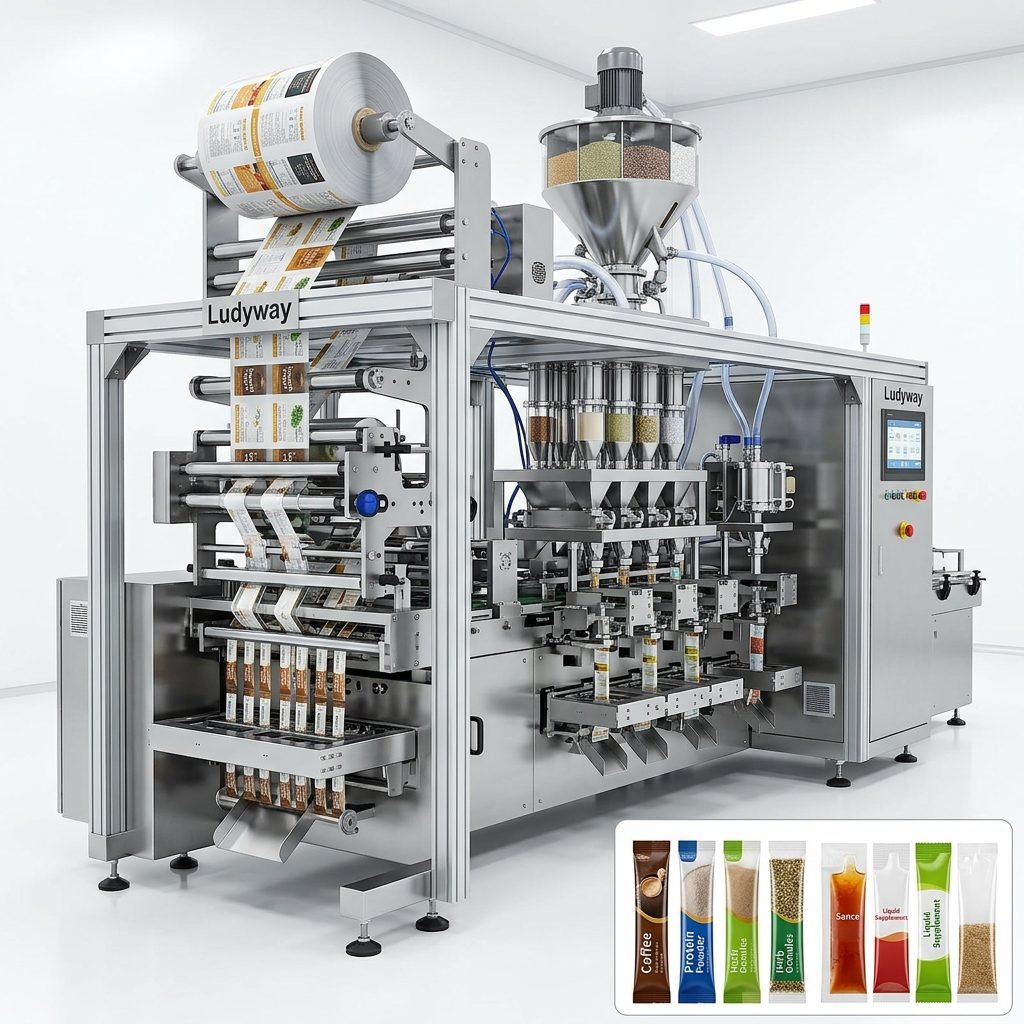
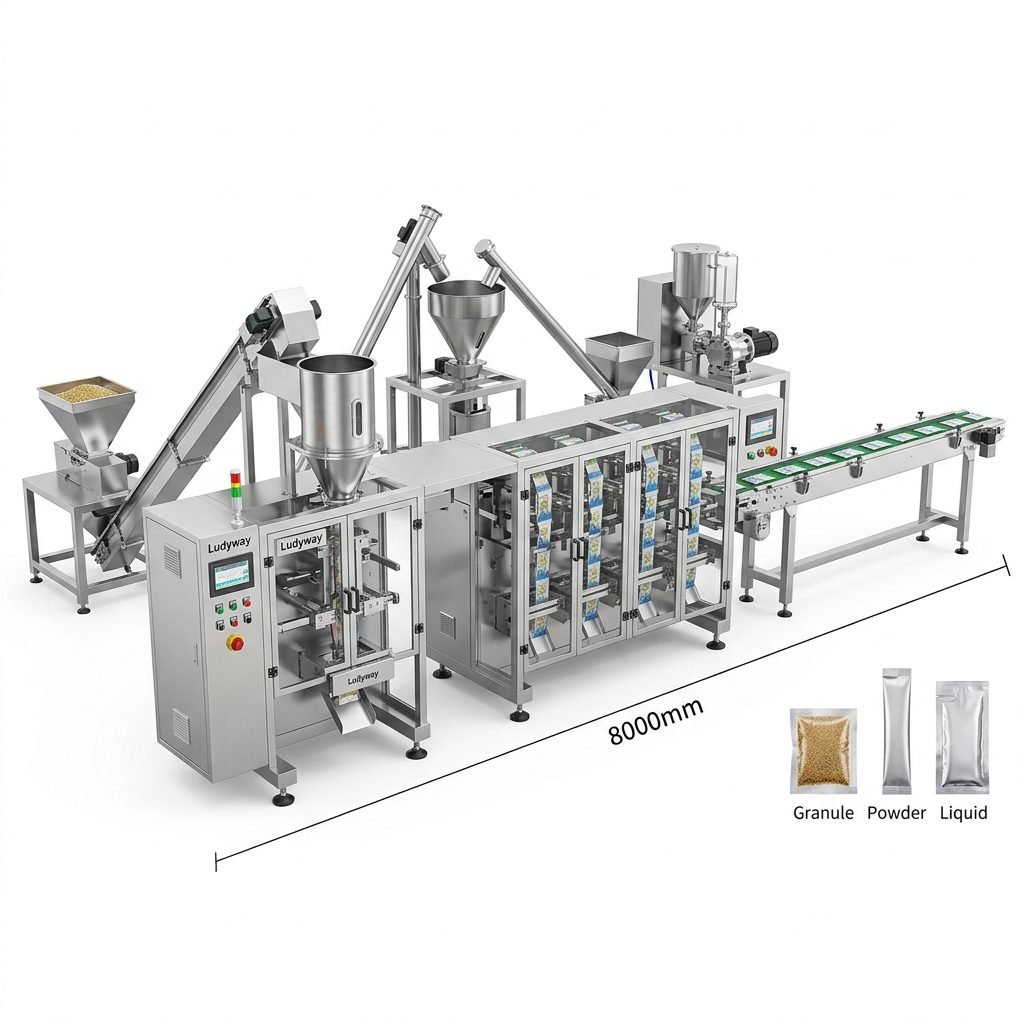
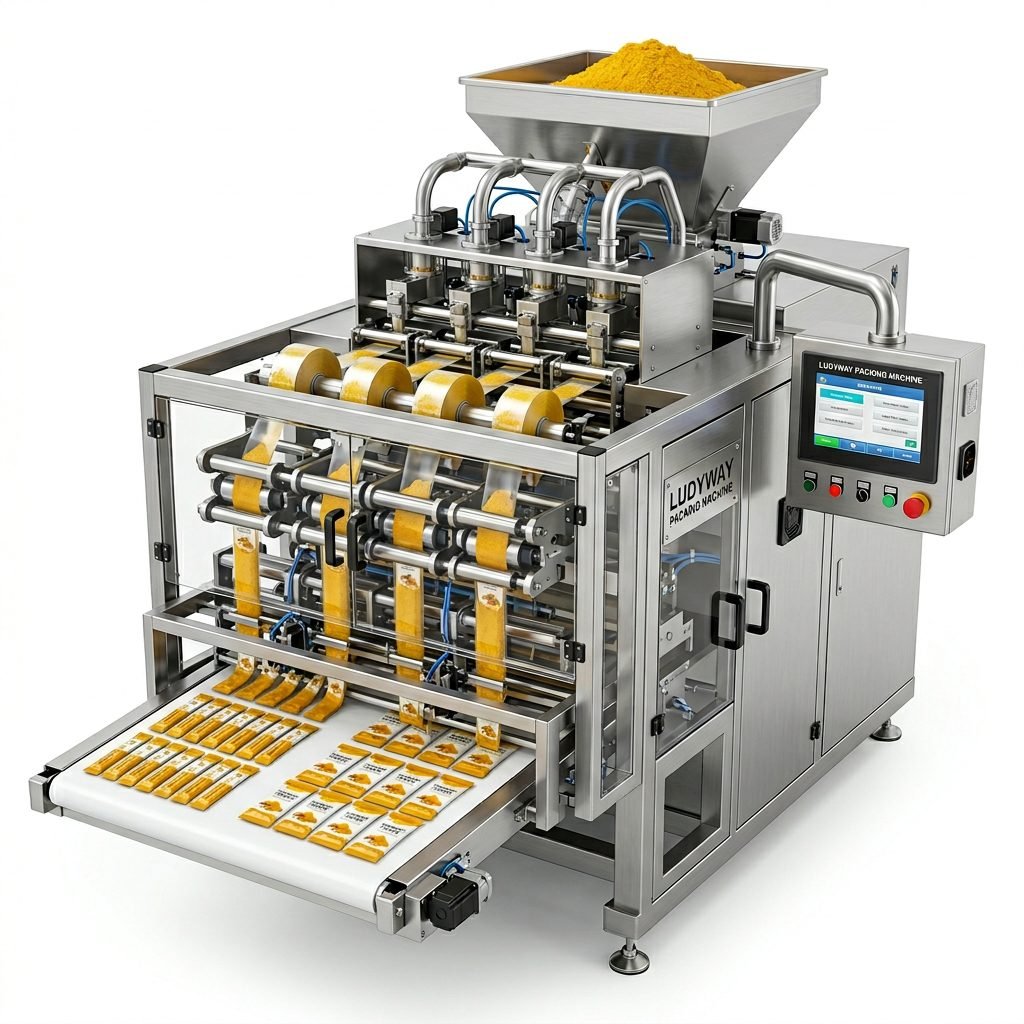
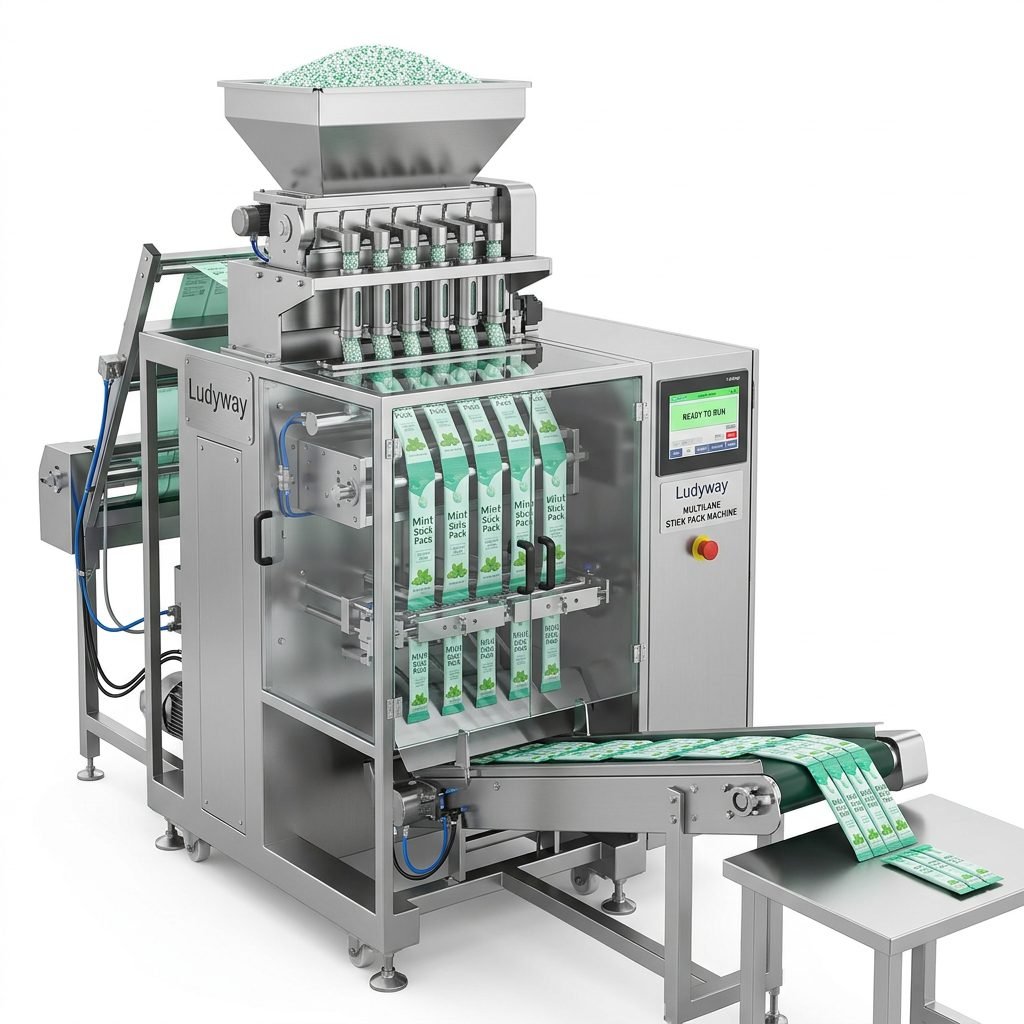
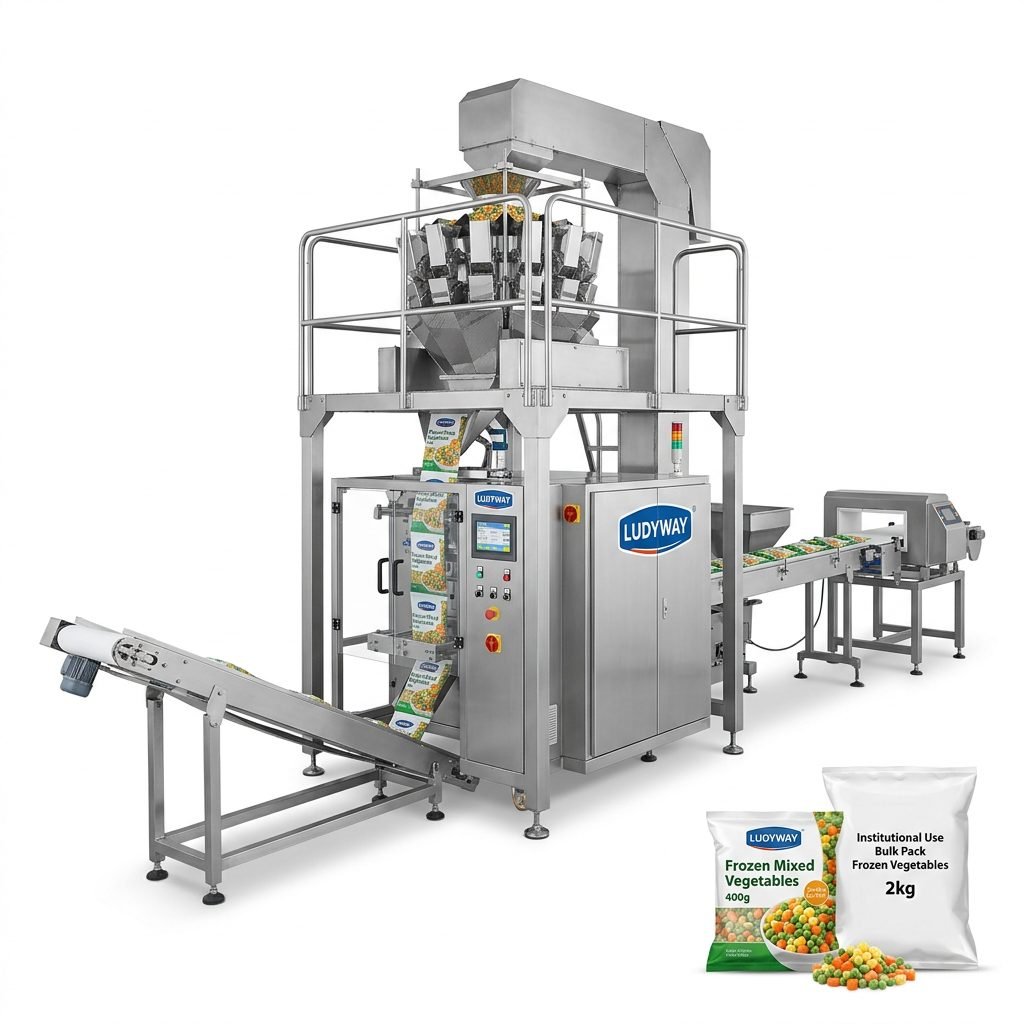
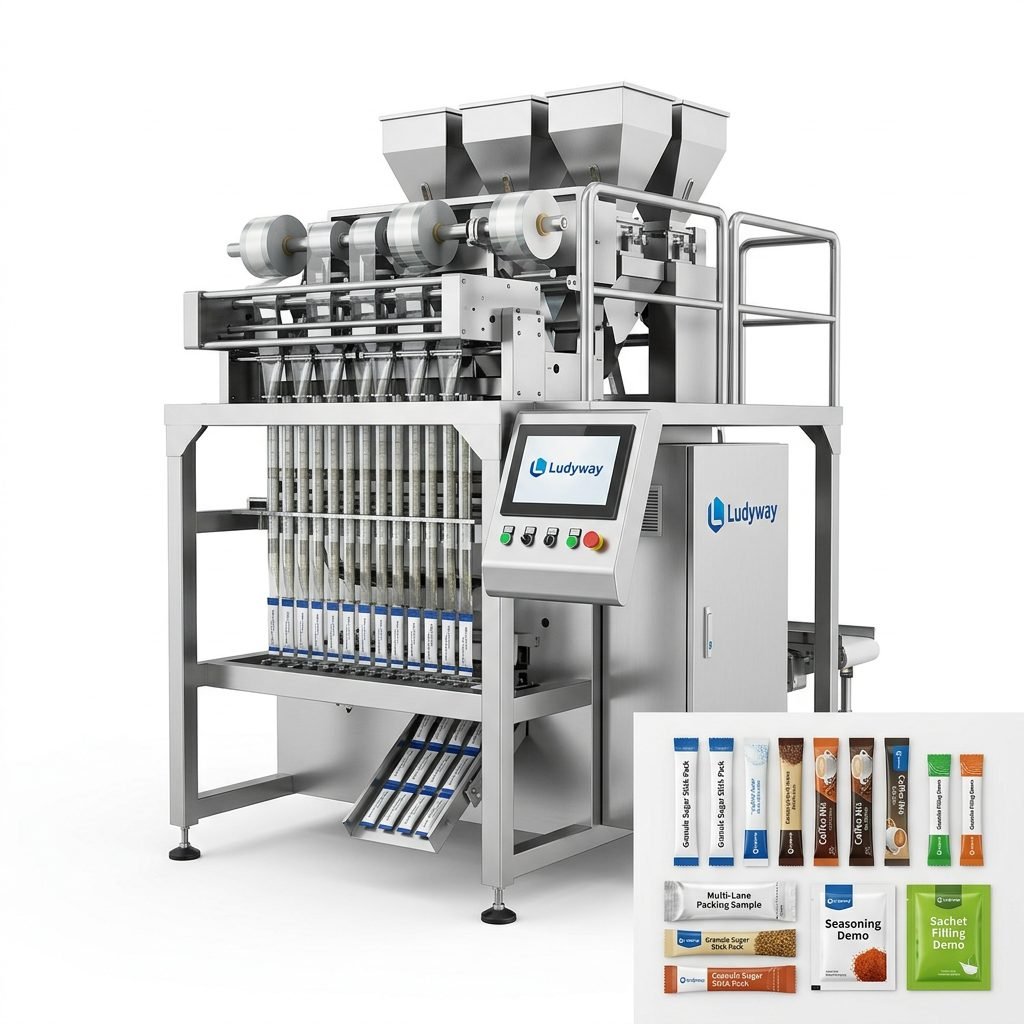
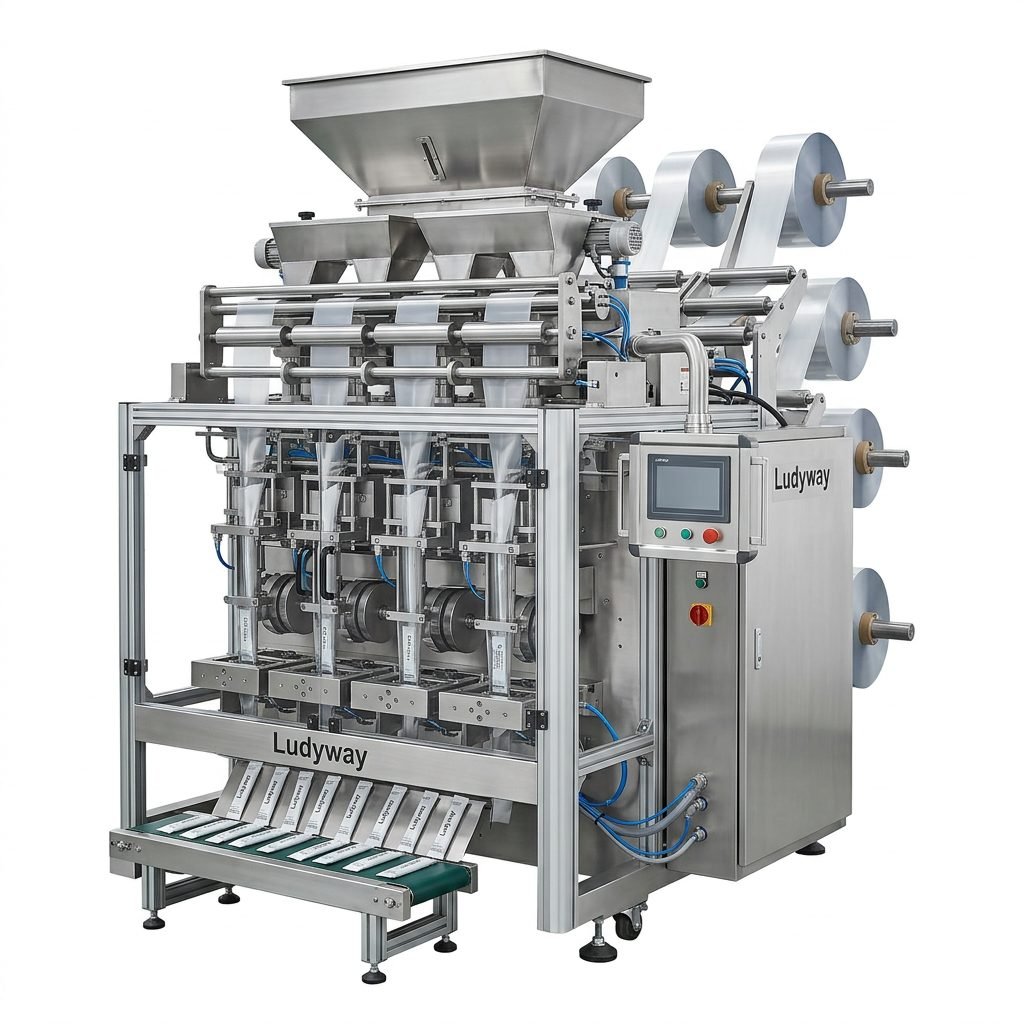
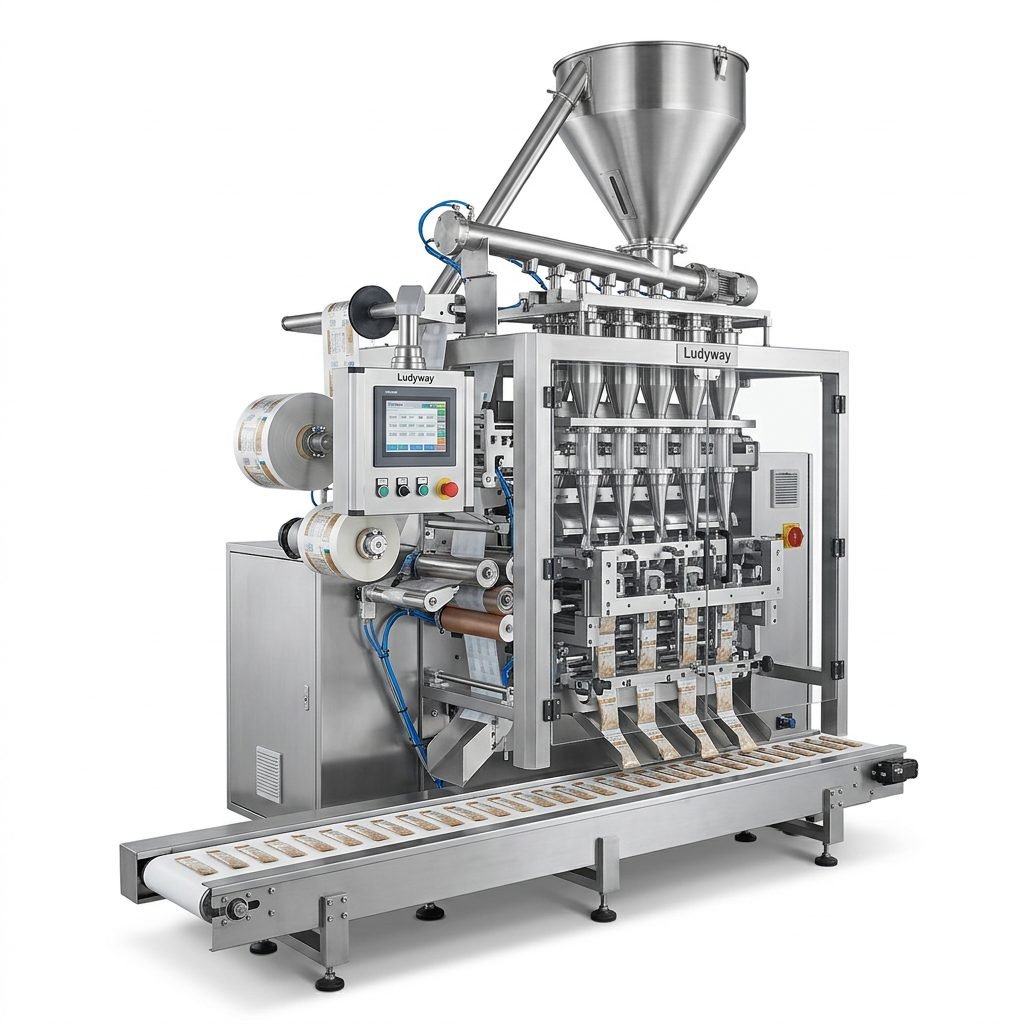
Primary Packaging Equipment: Handles direct contact with the drug product (e.g., vial fillers, ampoule sealers, sachet machines). The trend toward flexible, patient-friendly formats like stick packs and sachets for powders and granules is notable. Companies like Ludyway Packing Machine provide specialized solutions in this niche, offering multi-lane stick pack and sachet packaging systems ideal for pharmaceutical granules and powders.
Secondary Packaging Equipment: Involves outer packaging (cartons, cases). This segment is seeing rapid automation to handle variable product sizes and complex bundling promotions.
🔍 Spotlight on Flexible Packaging Formats
The adoption of sachet and stick pack packaging is growing beyond food into pharmaceuticals. These formats offer precise dosing, excellent barrier properties, portability, and reduced medication waste. They are ideal for nutraceuticals, oral rehydration salts, and single-dose powders. The equipment for these formats requires high accuracy and speed, often configured in multi-lane setups to meet large-scale production needs while maintaining stringent hygiene standards.
Future Opportunities and Strategic Directions
The future landscape of the pharmaceutical packaging equipment market is ripe with opportunities shaped by technology and evolving consumer needs.
Integration of Advanced Technologies
The fusion of packaging lines with digital technologies is a major frontier. Smart packaging with embedded sensors that monitor temperature or tampering, connected to the cloud, will require new equipment capabilities. Furthermore, modular and flexible equipment designs will allow manufacturers to quickly switch between product formats, catering to the trend of smaller batch sizes and personalized medicine.
Expansion in Emerging Markets
Regions such as Asia-Pacific and Latin America present substantial growth opportunities. Increasing healthcare expenditure, government initiatives to improve drug access, and the growth of local pharmaceutical manufacturing are driving demand for both basic and advanced packaging machinery. Suppliers who offer robust, cost-effective solutions with strong local service and support, as seen with companies that have built international partnerships over decades, are well-positioned to capitalize on this growth.
Sustainability as a Core Innovation Driver
Environmental, Social, and Governance (ESG) criteria are influencing procurement decisions. Future opportunities lie in equipment designed for mono-material plastics, paper-based packaging, and formats that minimize material use without compromising protection. Equipment that facilitates easy cleaning and reduces energy consumption will also gain preference.
The pharmaceutical packaging equipment market is fundamentally linked to the health of populations worldwide. Its evolution from mechanical systems to intelligent, connected, and sustainable solutions mirrors the broader technological revolution in manufacturing. For stakeholders—from equipment manufacturers to pharmaceutical companies—staying ahead means investing in innovation, understanding regional regulatory nuances, and prioritizing flexibility and patient-centric design. The journey toward more advanced, secure, and sustainable pharmaceutical packaging is well underway, promising a future where packaging is an even more integral and intelligent partner in global healthcare delivery.
Frequently Asked Questions (FAQs)
What are the key regulatory standards affecting this market?
Major standards include the U.S. FDA’s Current Good Manufacturing Practices (cGMP), the European Medicines Agency (EMA) guidelines, and specific serialization mandates like the U.S. Drug Supply Chain Security Act (DSCSA) and the EU Falsified Medicines Directive (FMD). Compliance with these standards is a primary driver for equipment upgrades and purchases.
How is automation changing pharmaceutical packaging lines?
Automation is enhancing speed, accuracy, and traceability. Robotic arms for handling, automated vision inspection systems for quality control, and integrated software for data collection and analysis are becoming standard. This shift reduces labor costs, minimizes contamination risks, and ensures full compliance with track-and-trace regulations.
Why is there growing interest in flexible packaging like sachets for pharmaceuticals?
Flexible formats like sachets and stick packs offer precise single-dose delivery, improve patient compliance, extend shelf life through high barrier materials, and reduce packaging material waste. They are particularly popular for powders, granules, and unit-dose liquids in both pharmaceuticals and nutraceuticals.
What should a company look for when choosing a packaging equipment supplier?
Key factors include: the supplier’s industry experience and regulatory knowledge, the ability to provide validated and compliant machinery, quality of after-sales service and technical support, flexibility for customization, and a proven track record of reliable project delivery. A partner with a strong history of innovation and customer focus is crucial.
What is the impact of sustainable packaging trends on equipment design?
Sustainability trends are pushing equipment manufacturers to develop machines that can handle new, eco-friendly materials (e.g., recyclable mono-plastics, compostable films), operate with higher energy efficiency, and facilitate designs that use less material overall (e.g., lightweighting). This requires innovation in sealing technologies, material handling, and machine adaptability.