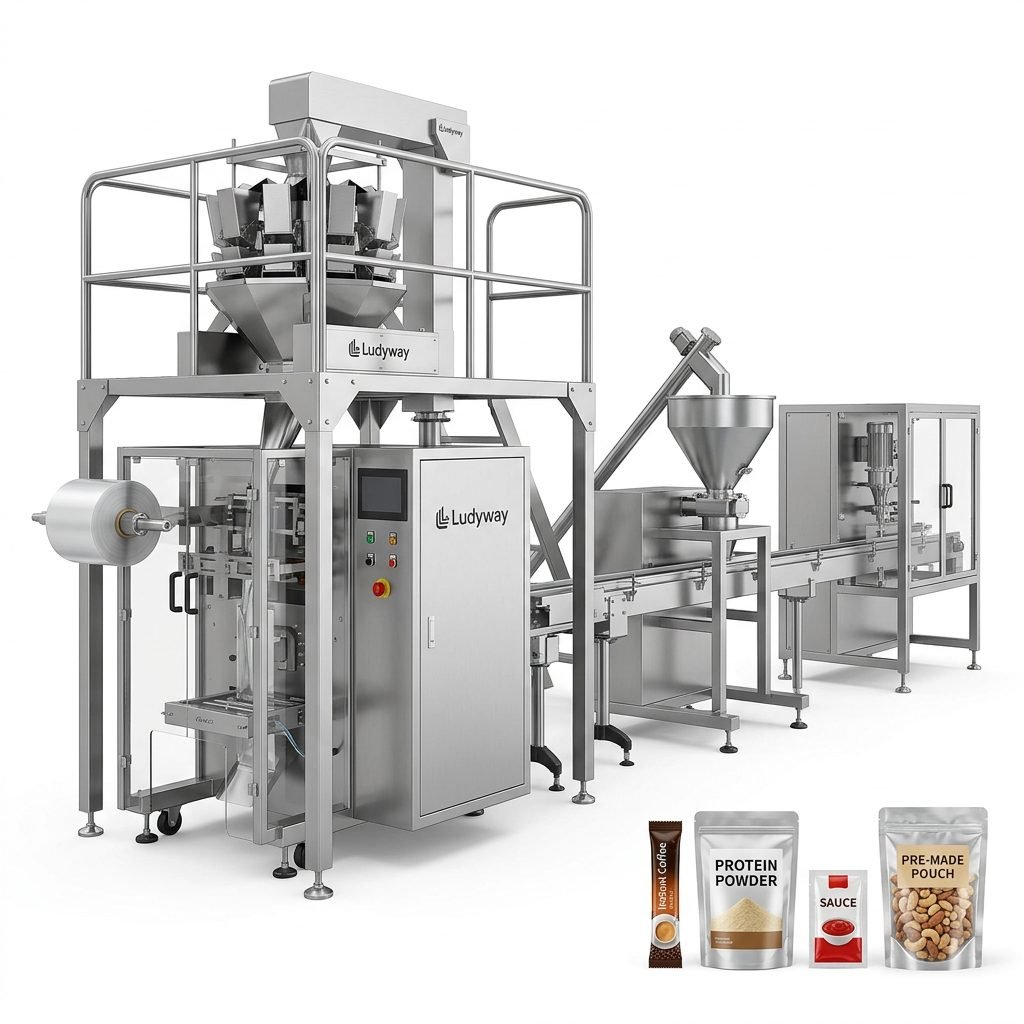
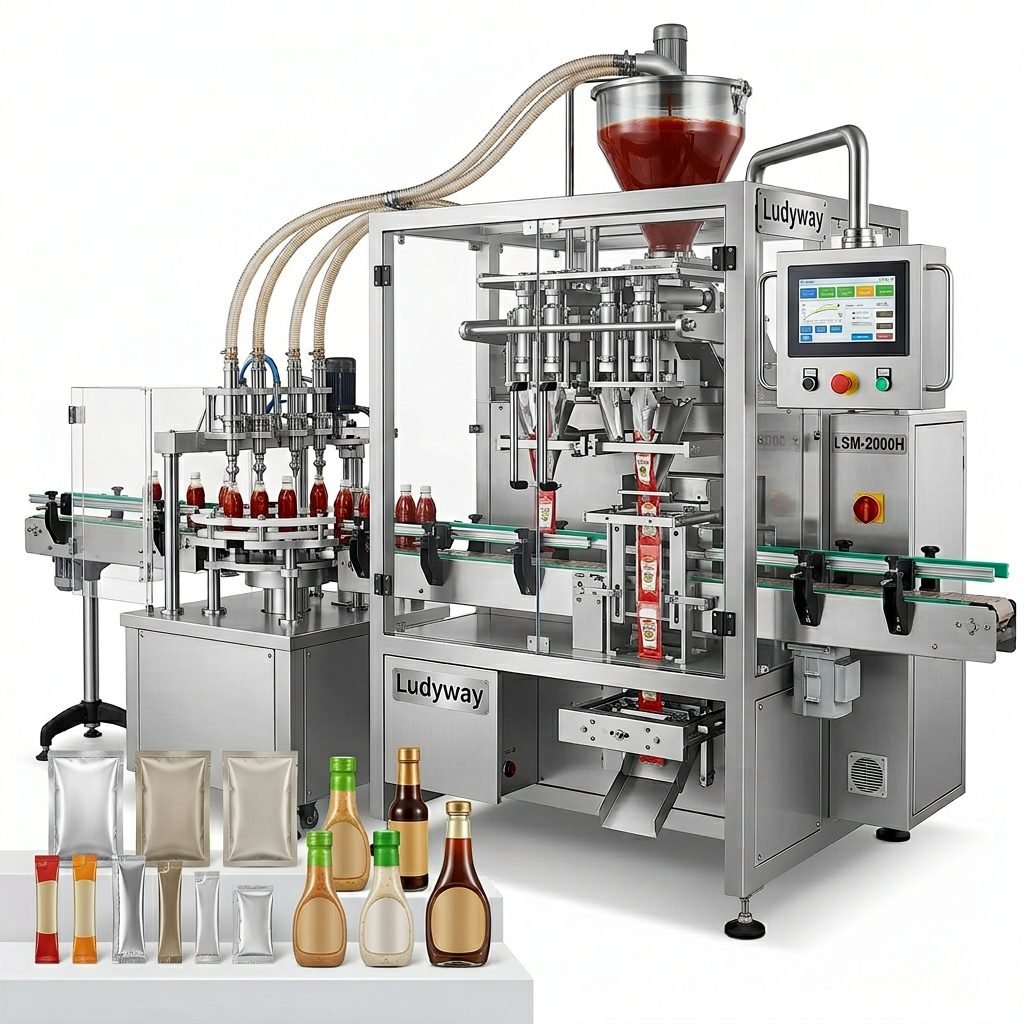
In modern food, pharmaceutical, nutraceutical, and chemical production, a powder sachet packaging machine plays a critical role in delivering fast output, precise dosing, and dependable sealing quality. For brands that need compact single-dose packaging, small pouch filling systems offer an efficient way to improve product consistency, reduce waste, and increase line automation.
From protein powder and coffee mixes to oral rehydration salts, spice blends, and health supplements, powder sachet packaging equipment helps manufacturers meet rising demand for hygienic, portable, and retail-ready packaging. The right machine is not only about speed—it is also about maintaining accurate fill weight, neat sachet appearance, and reliable long-term operation.
Why Powder Sachet Packaging Machines Are in High Demand
Small pouch packaging has become one of the most practical packaging formats for powdered products. It supports convenience, controlled dosage, attractive shelf presentation, and easier logistics. A well-designed sachet filling machine can help manufacturers handle fine powders, free-flowing powders, and blended materials while maintaining high packaging efficiency.
- Portion control: Ideal for single-use and trial-size products.
- Improved hygiene: Reduced manual contact during filling and sealing.
- Better product consistency: Stable dosing improves customer trust.
- Packaging flexibility: Suitable for sachets, stick packs, and other small-format pouches.
- Lower labor dependency: Automation helps reduce repetitive manual tasks.
How a Small Pouch Filling Machine Works
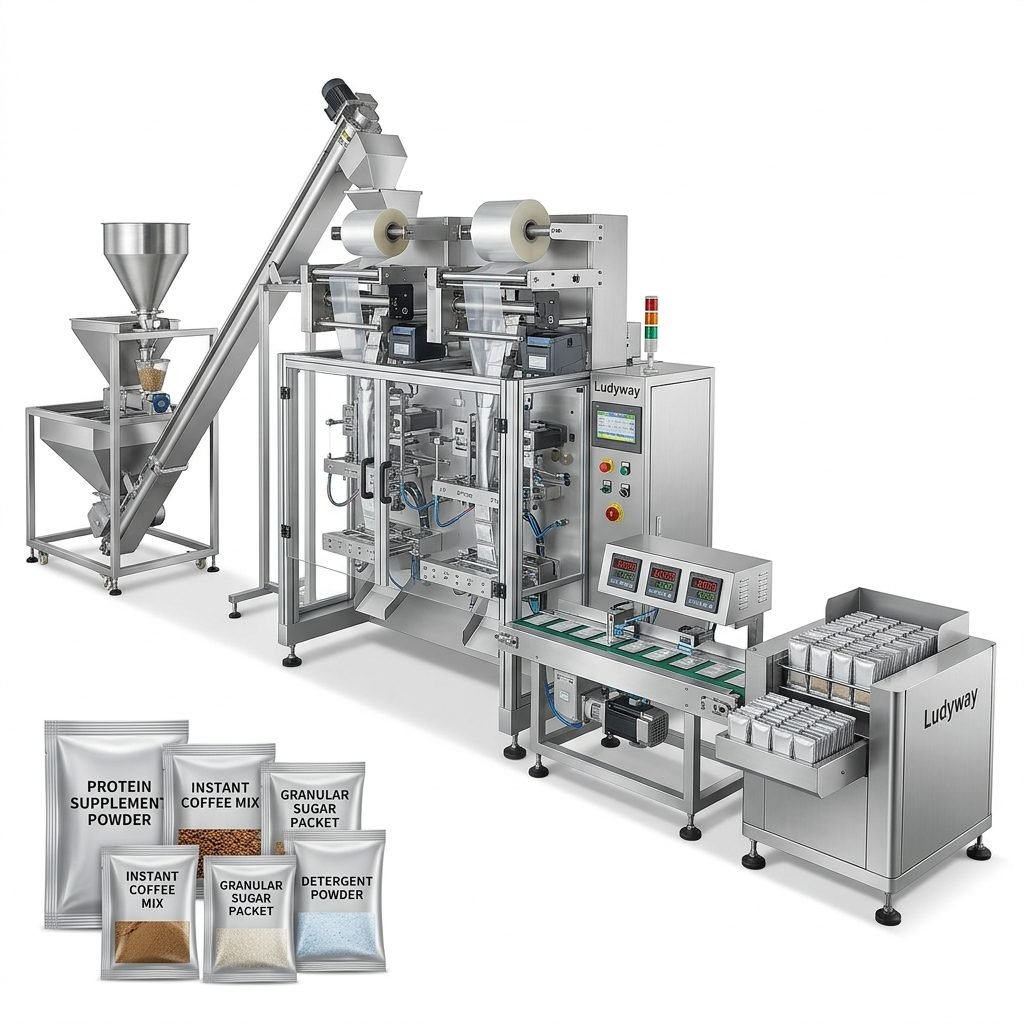
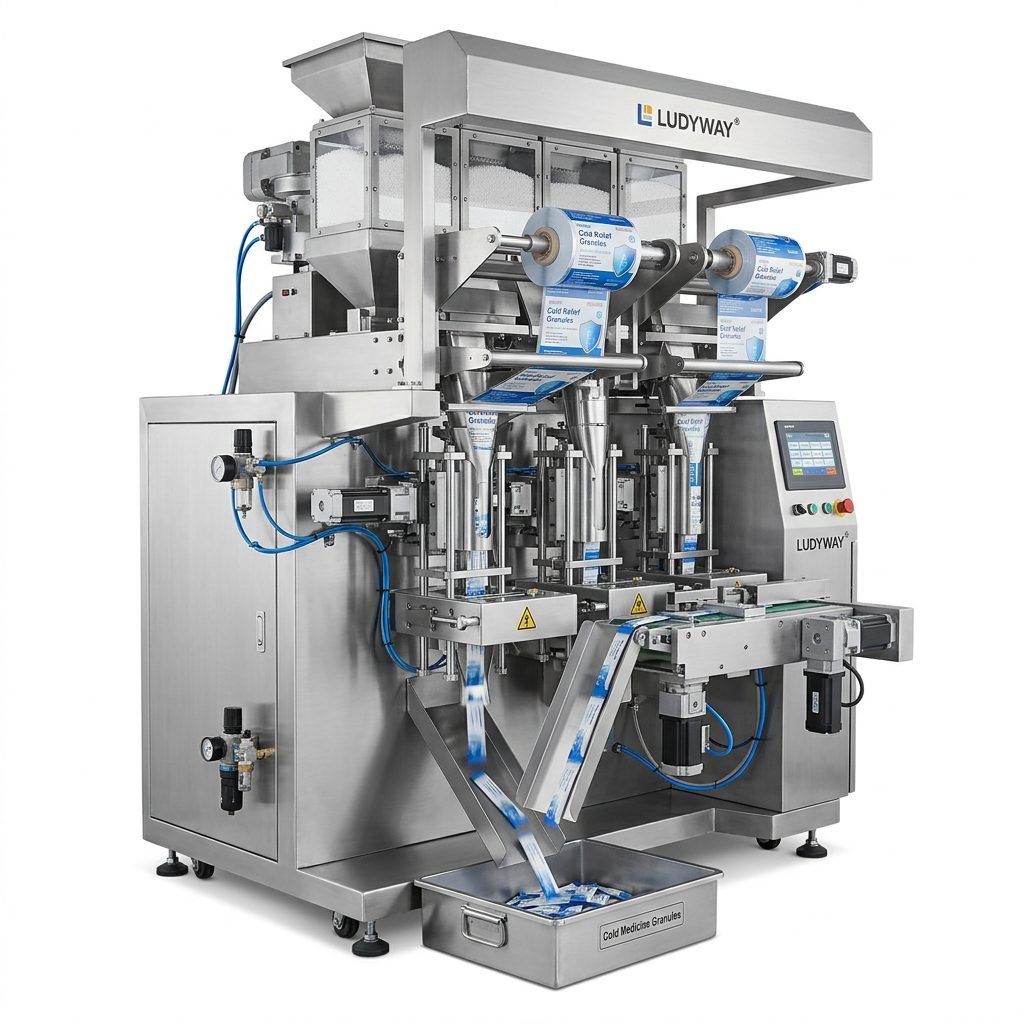
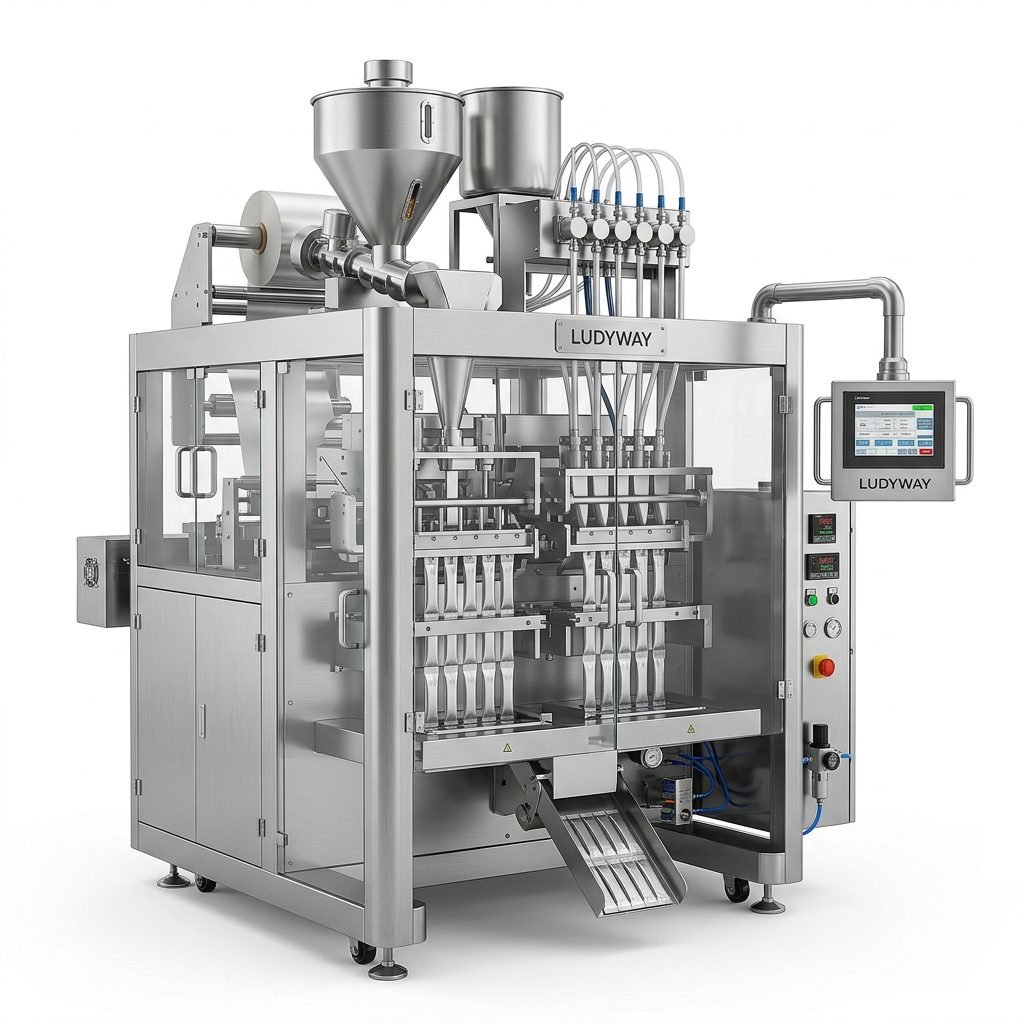
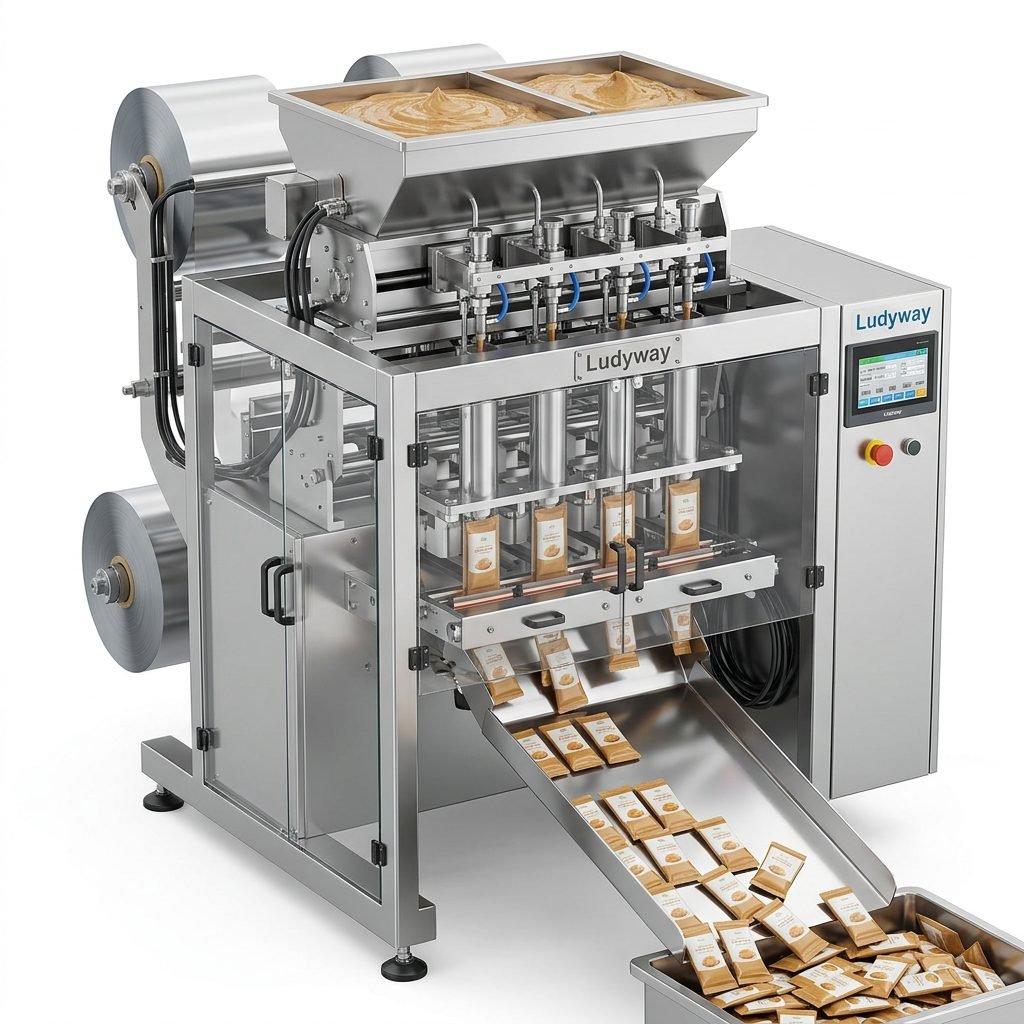
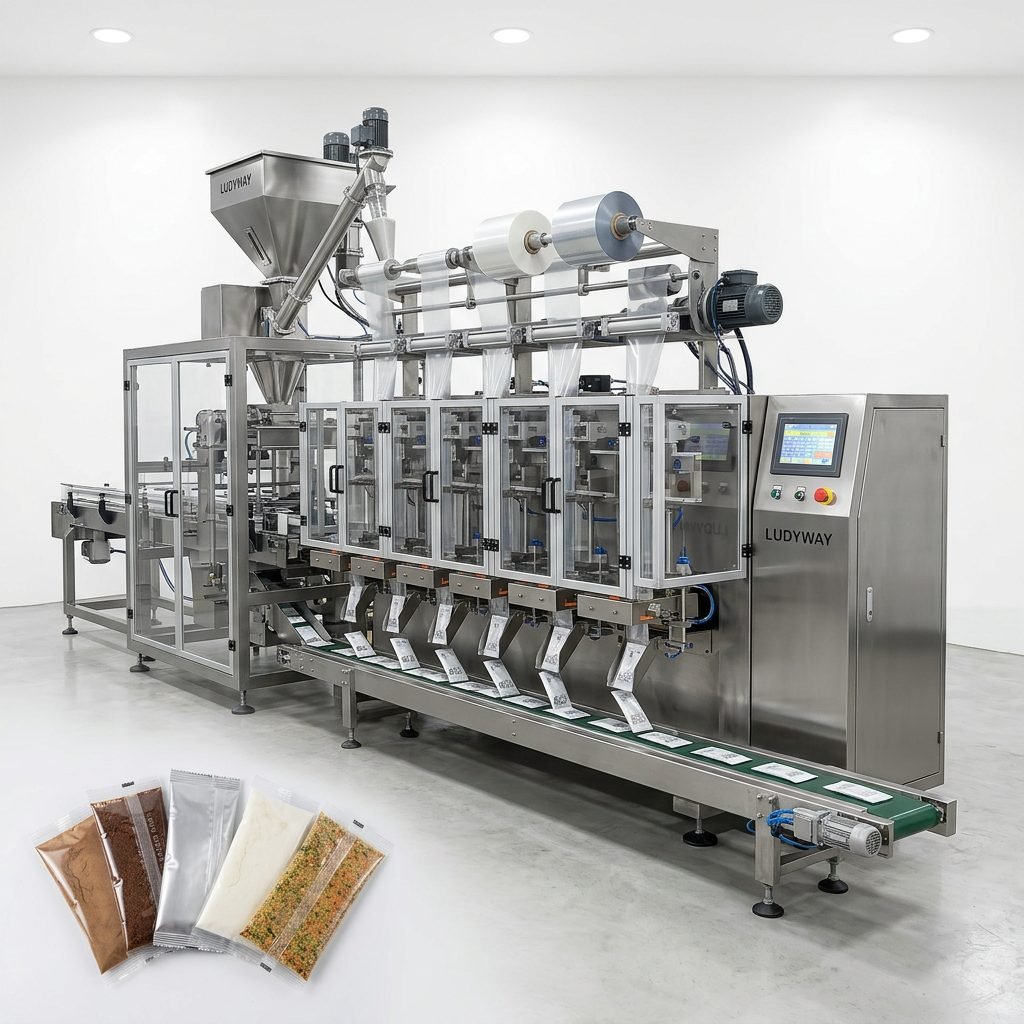
A powder sachet packaging machine generally follows an integrated sequence: film unwinding, pouch forming, powder dosing, filling, sealing, coding, and cutting. Depending on the product and required speed, the machine may use screw auger filling, volumetric dosing, or customized feeding systems.
- Packaging film is fed into the machine.
- The film is shaped into sachets or stick packs.
- The powder is metered using a precision dosing unit.
- The measured product is filled into each pouch.
- The sachet is heat sealed to protect freshness and prevent leakage.
- Finished sachets are cut, discharged, and ready for collection or cartoning.
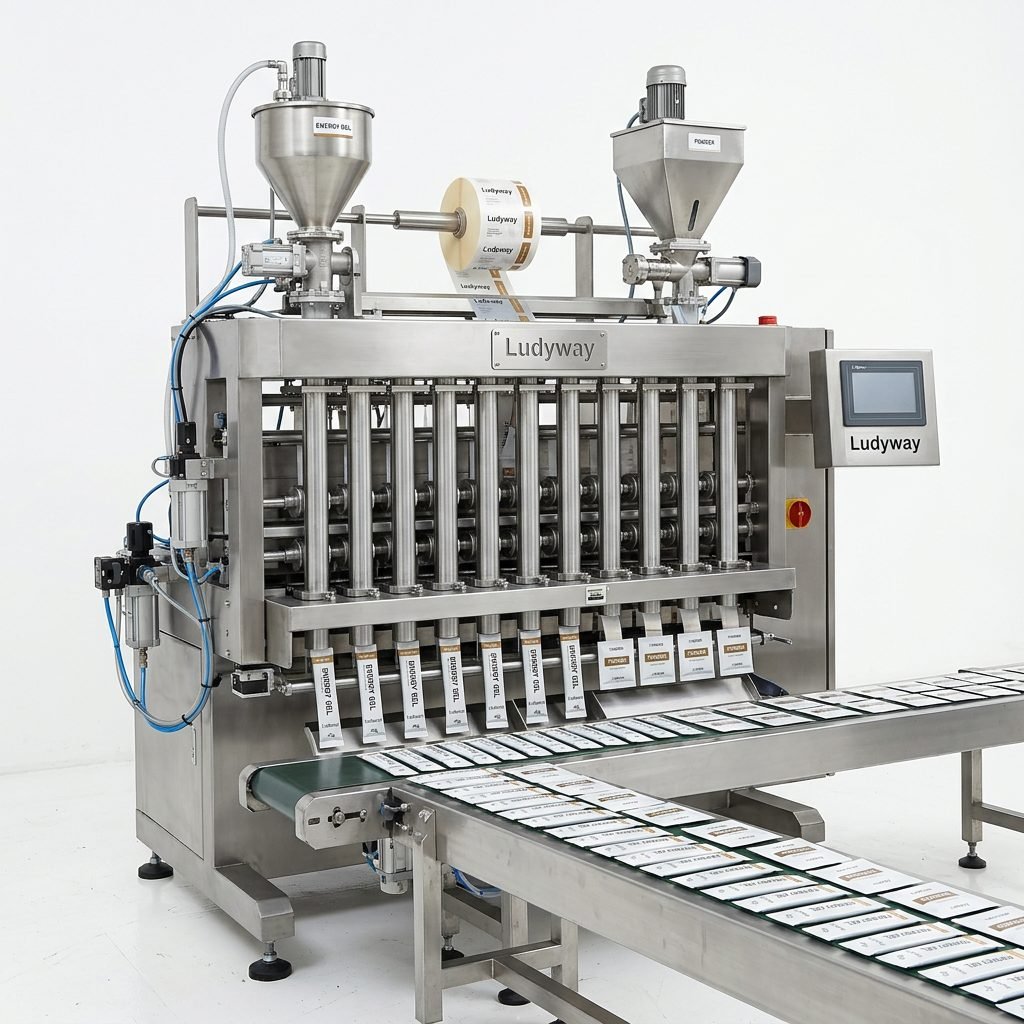
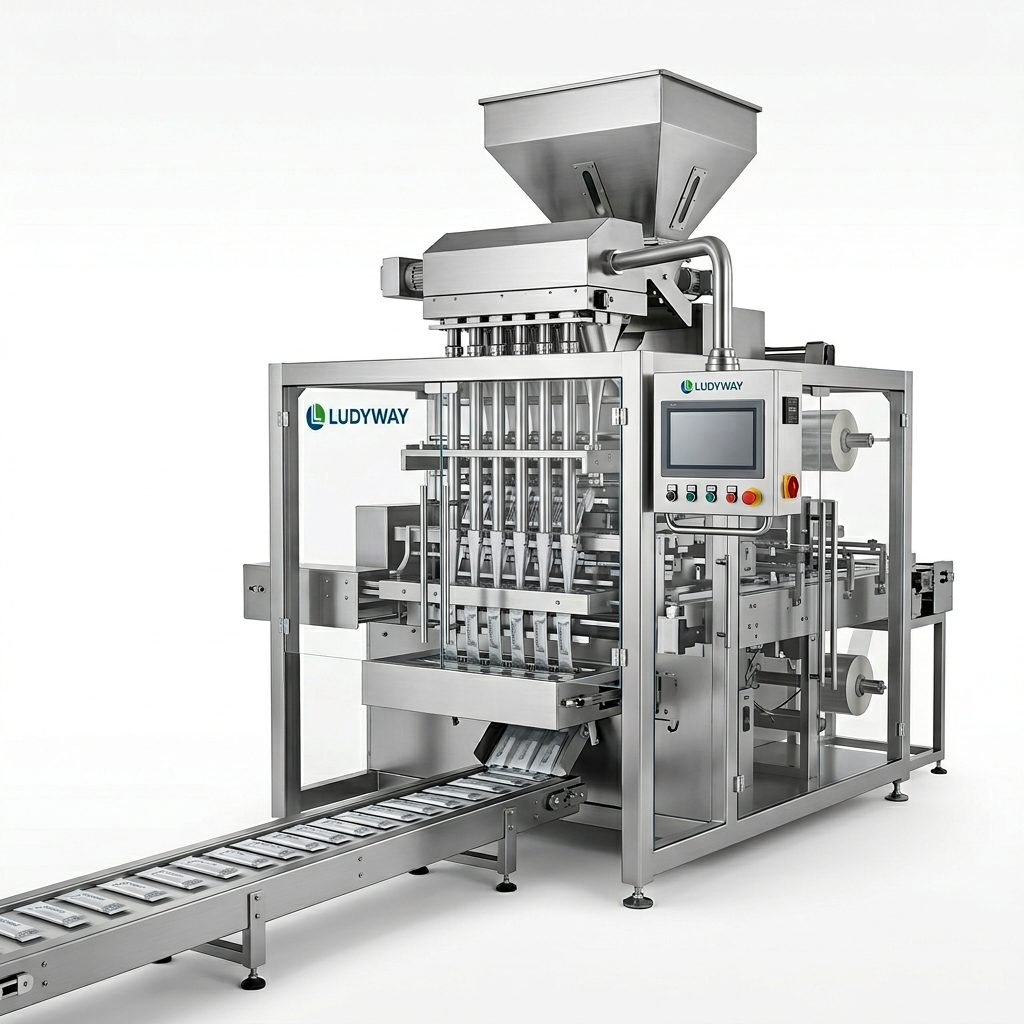
For higher-capacity production, multi-lane systems can package several sachets simultaneously, making them suitable for brands with strong retail or export demand.
Key Benefits of an Efficient Powder Sachet Packing Solution
| Benefit | Practical Value |
|---|---|
| Accurate filling | Helps reduce giveaway, underfill risk, and product loss. |
| High efficiency | Supports medium- to high-volume production with stable output. |
| Reliable sealing | Improves shelf life, appearance, and transport safety. |
| Compact packaging | Perfect for samples, travel packs, and daily-use portions. |
| Automation integration | Can connect with feeders, conveyors, coding machines, and cartoning systems. |
Industries That Commonly Use Powder Sachet Packaging Machines
Powder pouch filling solutions are used across many sectors because they can handle a wide variety of product densities, flow characteristics, and packaging formats.
Food Industry
- Coffee powder
- Milk powder
- Seasonings and spice mixes
- Soup powder
- Sugar substitutes and sweeteners
- Instant beverage powders
Pharmaceutical and Healthcare
- Oral rehydration salts
- Medicinal powders
- Nutritional supplements
- Electrolyte sachets
- Vitamin and probiotic blends
Daily Chemical and Specialty Products
- Detergent powder
- Cleaning chemicals
- Agricultural additives
- Water treatment powders
Important Features to Look For
Not all powder sachet packaging machines are the same. Choosing the right equipment depends on product behavior, target capacity, pouch format, and future production plans.
- Precision auger filling system for stable dosing of fine powders.
- Servo-driven control for better synchronization and repeatability.
- Dust control design to keep sealing areas clean.
- Multi-lane configuration for high-output packaging requirements.
- Easy changeover for different pouch sizes and filling volumes.
- Touchscreen HMI for convenient parameter setting and monitoring.
- Food-grade or pharma-grade contact parts where needed.
Single-Lane vs. Multi-Lane Powder Sachet Machines
A single-lane machine is often suitable for smaller production volumes, product testing, or specialized packaging runs. A multi-lane machine is a better choice for larger manufacturers that need to increase speed without sacrificing filling accuracy.
| Machine Type | Best For | Advantages |
|---|---|---|
| Single-Lane | Startups, pilot production, lower-volume runs | Lower initial investment, simple operation, compact footprint |
| Multi-Lane | High-volume food, pharma, and supplement production | Higher output, better scale efficiency, strong consistency |
How Accurate Filling Improves Profitability
Accurate filling is one of the most valuable advantages of an advanced powder pouch packing machine. Even a small overfill repeated across thousands of sachets per day can create substantial material loss. On the other hand, underfilling may lead to complaints, compliance issues, and damaged brand reputation.
With a properly calibrated dosing system, manufacturers can maintain a better balance between product control, compliance, and cost efficiency. This is especially important in industries such as pharmaceuticals and health supplements, where dosing precision directly affects end-user trust.
Common Challenges in Powder Sachet Packaging
Powders can behave differently during filling depending on particle size, moisture, flowability, and density. This means the machine should be selected and configured according to the actual product rather than only the desired speed.
Typical Issues
- Powder dust affecting seal quality
- Bridging or poor product flow in hoppers
- Inconsistent weight due to density variation
- Seal contamination causing leakage
- Slow changeover between product specifications
A reliable supplier will usually address these issues through machine design, filling method selection, feeding optimization, and sealing parameter adjustment.
How to Choose the Right Powder Sachet Packaging Machine
Before purchasing a machine, buyers should review both technical and operational requirements. The goal is to choose equipment that fits current production while leaving room for future expansion.
Key Selection Factors
- Type of powder and its flow characteristics
- Target pouch size and sachet format
- Required speed per minute
- Desired filling range and accuracy tolerance
- Level of automation needed
- Cleaning and maintenance requirements
- Integration with upstream and downstream equipment
If your production includes multiple products, it is worth considering a machine with flexible recipes, quick adjustments, and customizable tooling.
Turnkey Small Pouch Filling Solutions for Growing Manufacturers
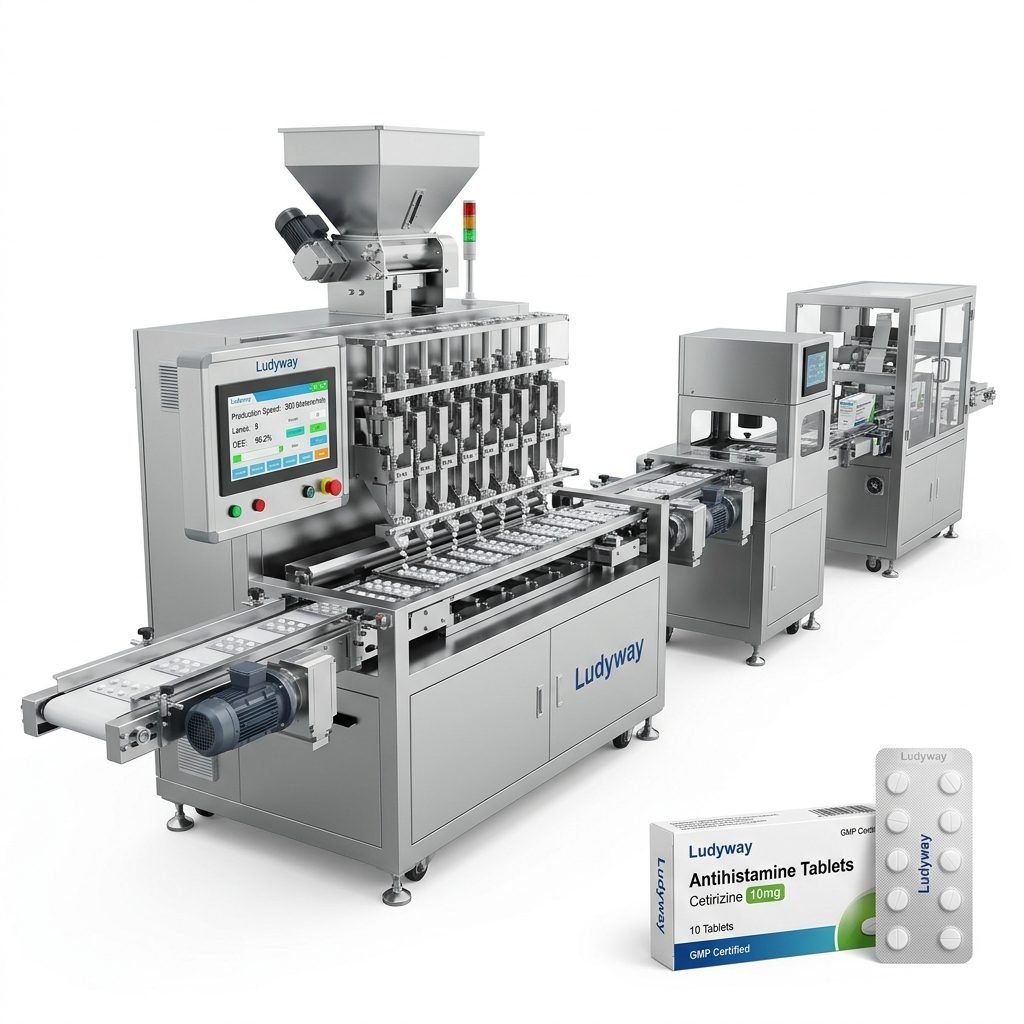
Many manufacturers now prefer complete packaging solutions instead of standalone equipment. A turnkey line may include powder feeding, sachet forming and filling, sealing, coding, inspection, checkweighing, pouch collection, cartoning, and case packing. This approach improves line coordination and reduces installation complexity.
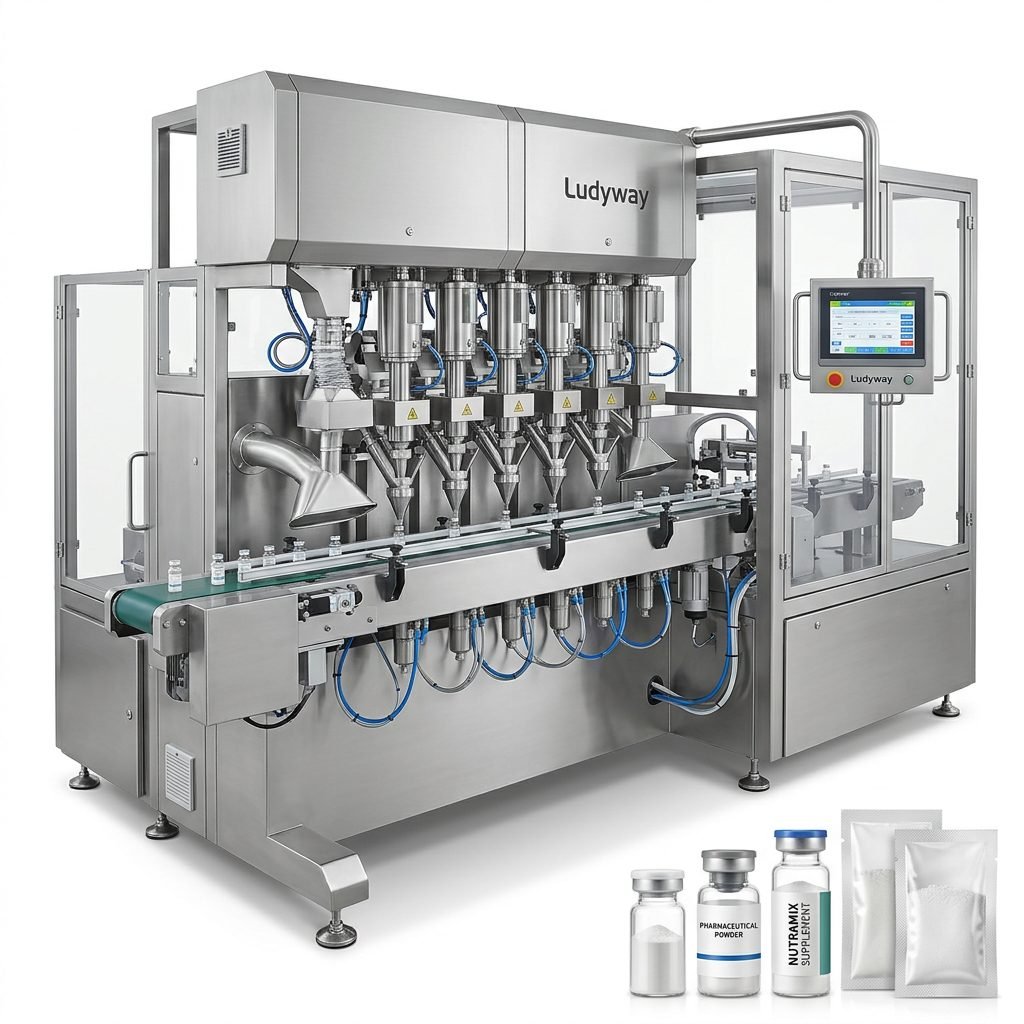
For businesses seeking scalable automation, powder sachet packaging machine solutions from Ludyway can support applications across food, pharmaceutical, health supplement, and chemical sectors. As one of China’s leading packaging machine and turnkey packaging line manufacturers, the company offers broad machine configurations, customization capability, and more than 30 years of industry experience.
Maintenance Tips for Long-Term Reliable Performance
Reliability is not only about machine construction; it also depends on regular maintenance and proper daily operation. A few preventive actions can significantly improve machine stability and lifespan.
- Clean powder contact parts and sealing zones regularly.
- Check auger wear and dosing consistency on schedule.
- Inspect film tracking and sealing temperature settings.
- Monitor pneumatic and electrical components for stable operation.
- Train operators on product-specific setup and troubleshooting.
Future Trends in Powder Sachet Packaging
The market is moving toward smarter and more flexible packaging systems. Buyers increasingly look for machines with digital monitoring, recipe memory, easier remote support, and compatibility with automated production environments. Compact footprint, energy efficiency, and reduced material waste are also becoming more important.
As consumer demand grows for on-the-go products, functional nutrition, and single-dose healthcare items, powder sachet packaging machines will remain a key investment for companies focused on efficiency, accuracy, and dependable output.
Final Buying Insight
A high-quality powder sachet packaging machine is more than a filling device—it is a production asset that affects operating cost, product presentation, and customer satisfaction. When chosen correctly, it can help manufacturers achieve stable performance, consistent pouch quality, and long-term packaging efficiency.
Whether you package food powders, pharmaceutical sachets, supplements, or specialty chemicals, investing in the right small pouch filling solution can create measurable value through higher precision, faster output, and stronger production reliability.