Packaging automation can look expensive at first glance, but the real answer depends on what you are automating, how fast you need to run, and what business problem you are trying to solve. For some manufacturers, the investment is modest and pays back quickly. For others, especially those building a full turnkey line, the upfront cost is higher but the long-term return can be far greater.
If you are comparing manual packing with semi-automatic or fully automatic systems, it is important to look beyond the purchase price. Labor savings, consistency, product quality, waste reduction, output growth, and compliance all play a major role in the true cost and return.
Why Packaging Automation Often Seems Expensive
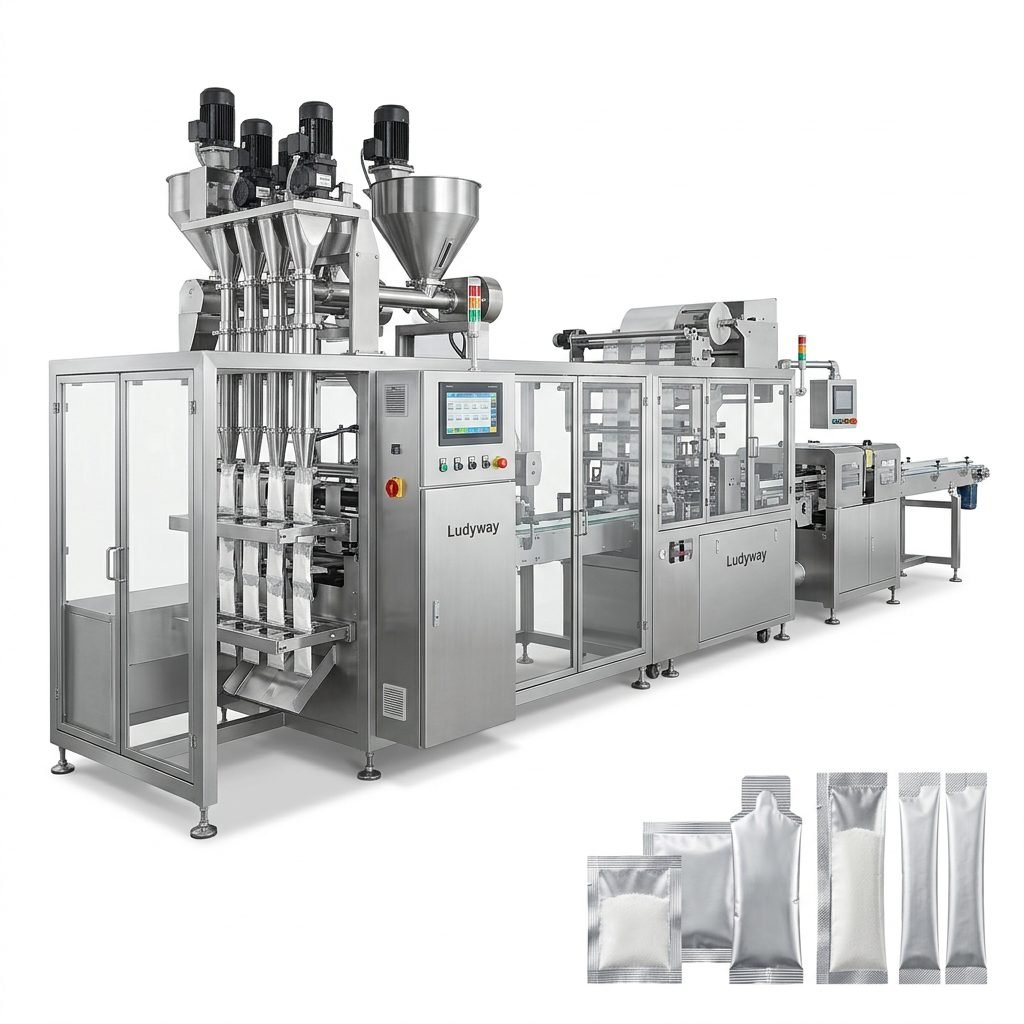
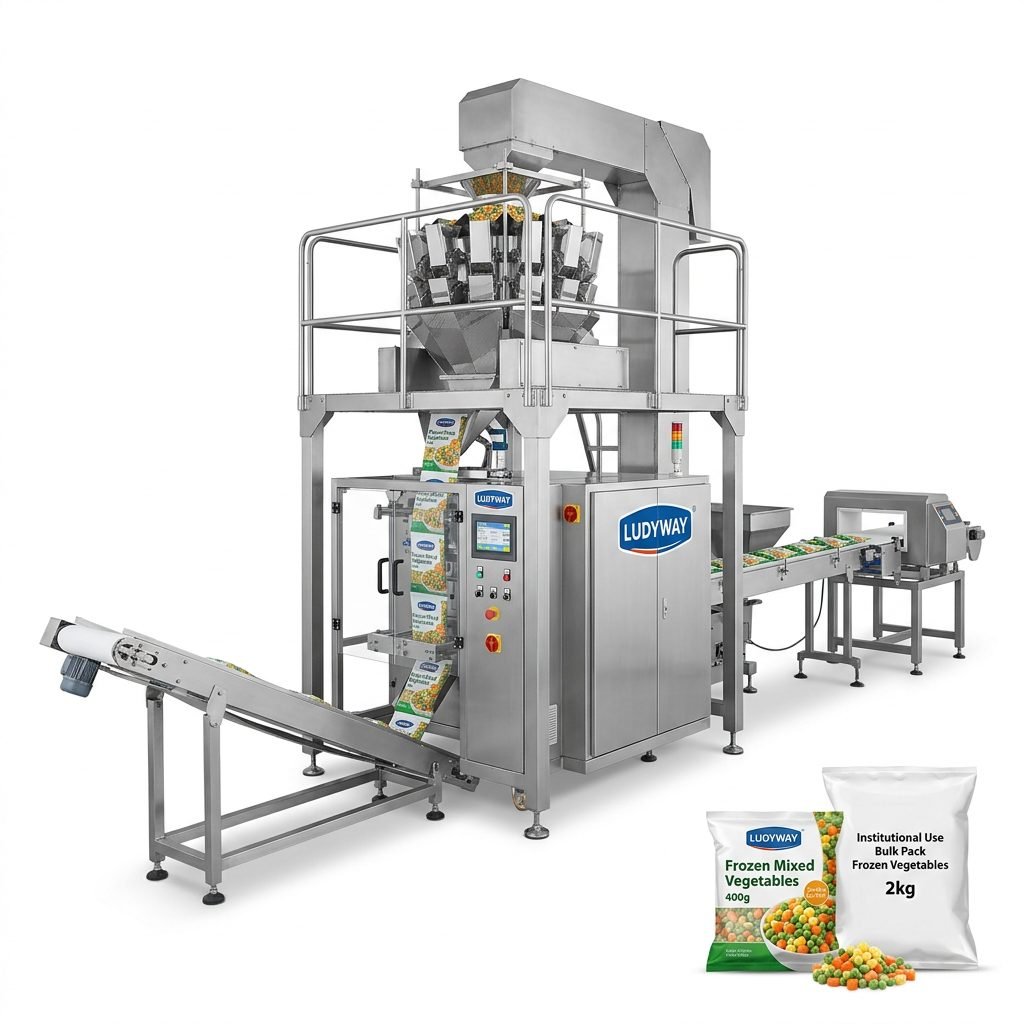
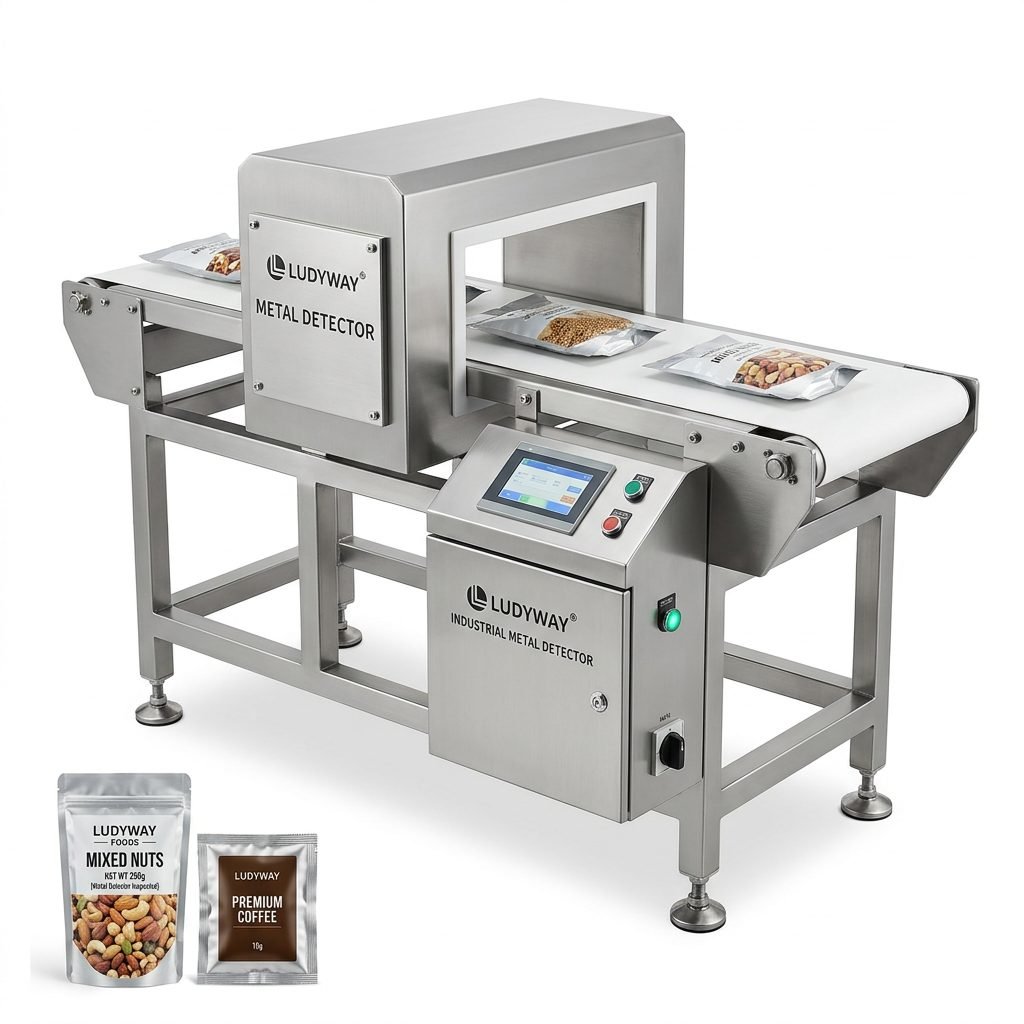
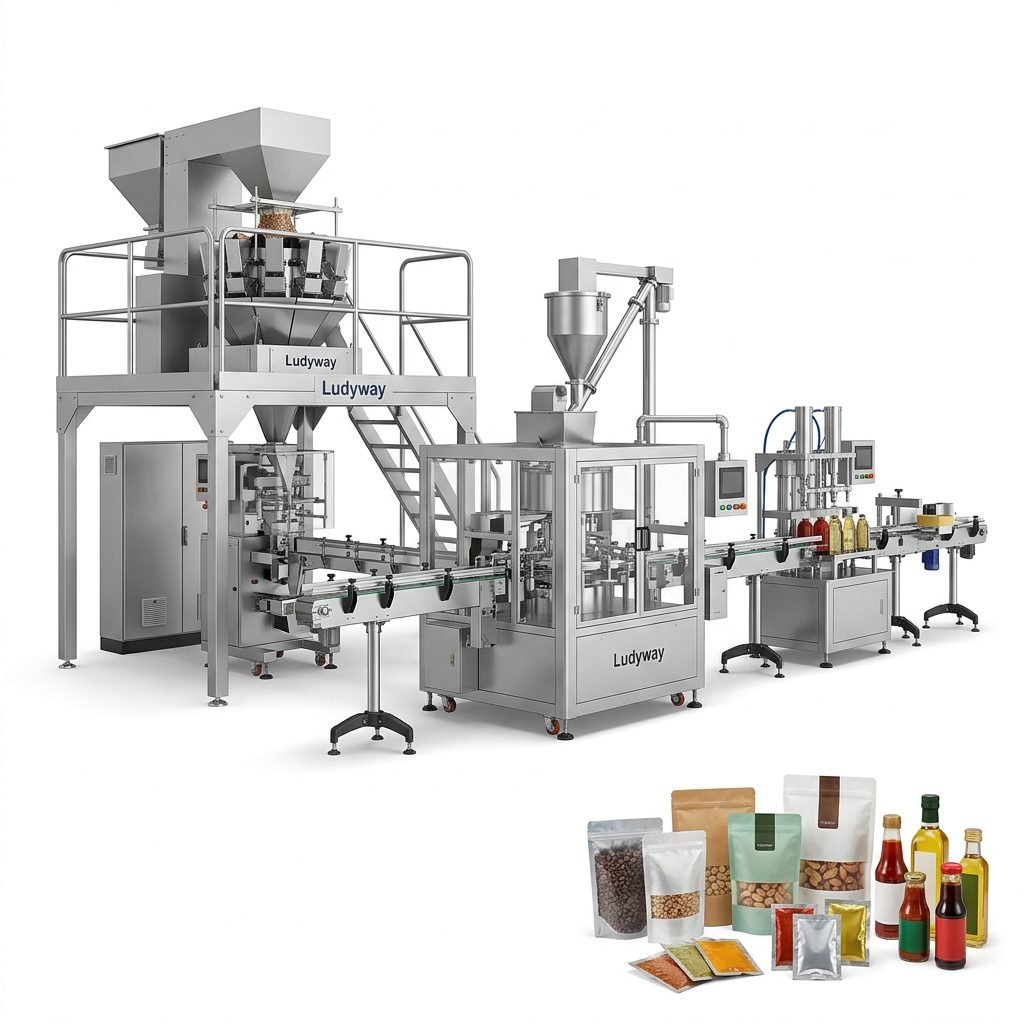
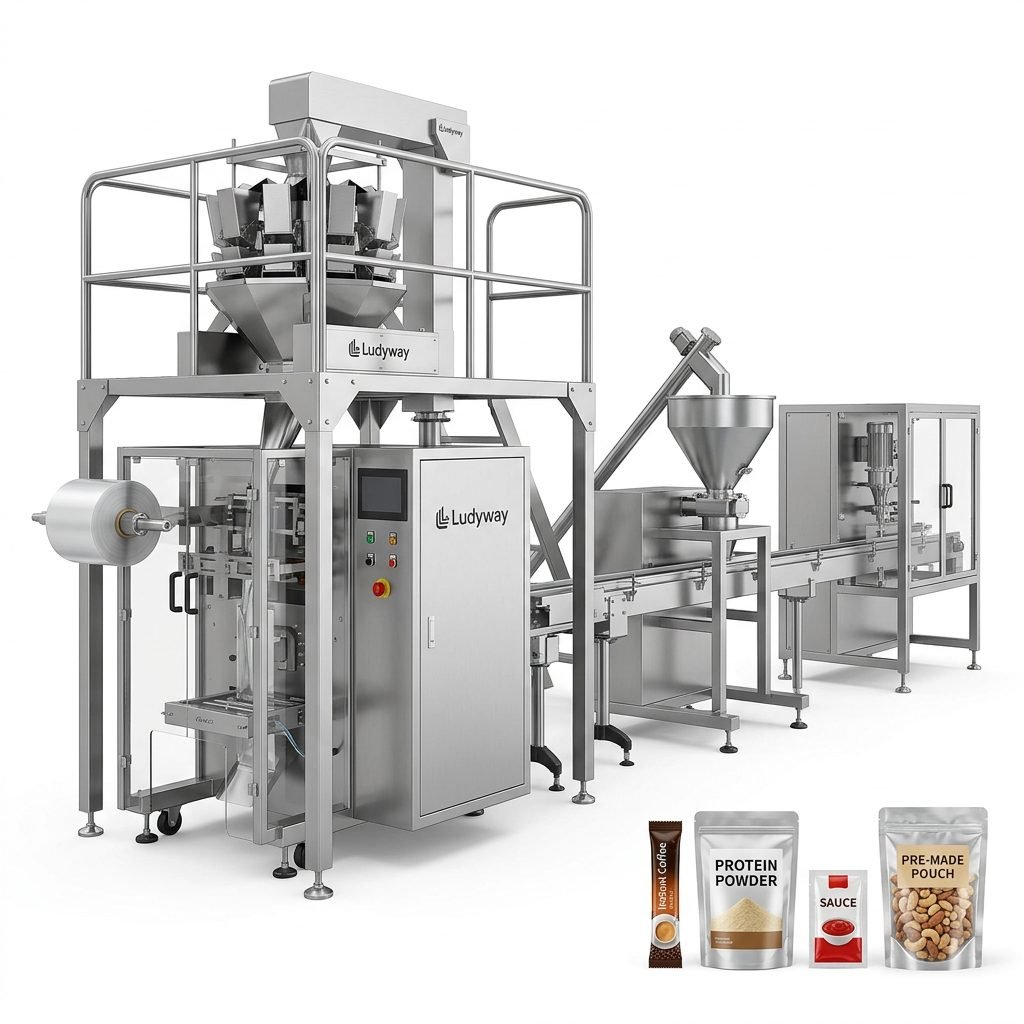
Many buyers focus first on the machine quotation. That is understandable, but automation pricing usually includes much more than a basic frame with motors. A packaging system may involve product feeding, weighing or dosing, pouch forming, filling, sealing, coding, inspection, conveying, cartoning, and palletizing. The more integrated the line, the higher the initial investment.
Automation also includes engineering value. You are not just buying hardware. You are often paying for application testing, control programming, safety design, line integration, commissioning, operator training, and after-sales support.
- Higher output capability than manual packaging
- More precise filling and sealing performance
- Reduced dependence on labor availability
- Better traceability and process control
- Longer-term scalability for future growth
Main Cost Factors in Packaging Automation
The total cost of packaging automation depends on several technical and commercial variables. Understanding them helps you compare suppliers more accurately.
1. Machine Type and Automation Level
A semi-automatic filler costs much less than a fully automatic multi-lane packaging line. Basic systems require fewer components, while advanced machines include servo control, automatic feeding, vision inspection, and integrated downstream equipment.
2. Product Characteristics
Powders, granules, liquids, creams, and paste products behave differently. Sticky, dusty, corrosive, fragile, or irregular products typically need more specialized handling systems, which increases cost.
3. Packaging Format
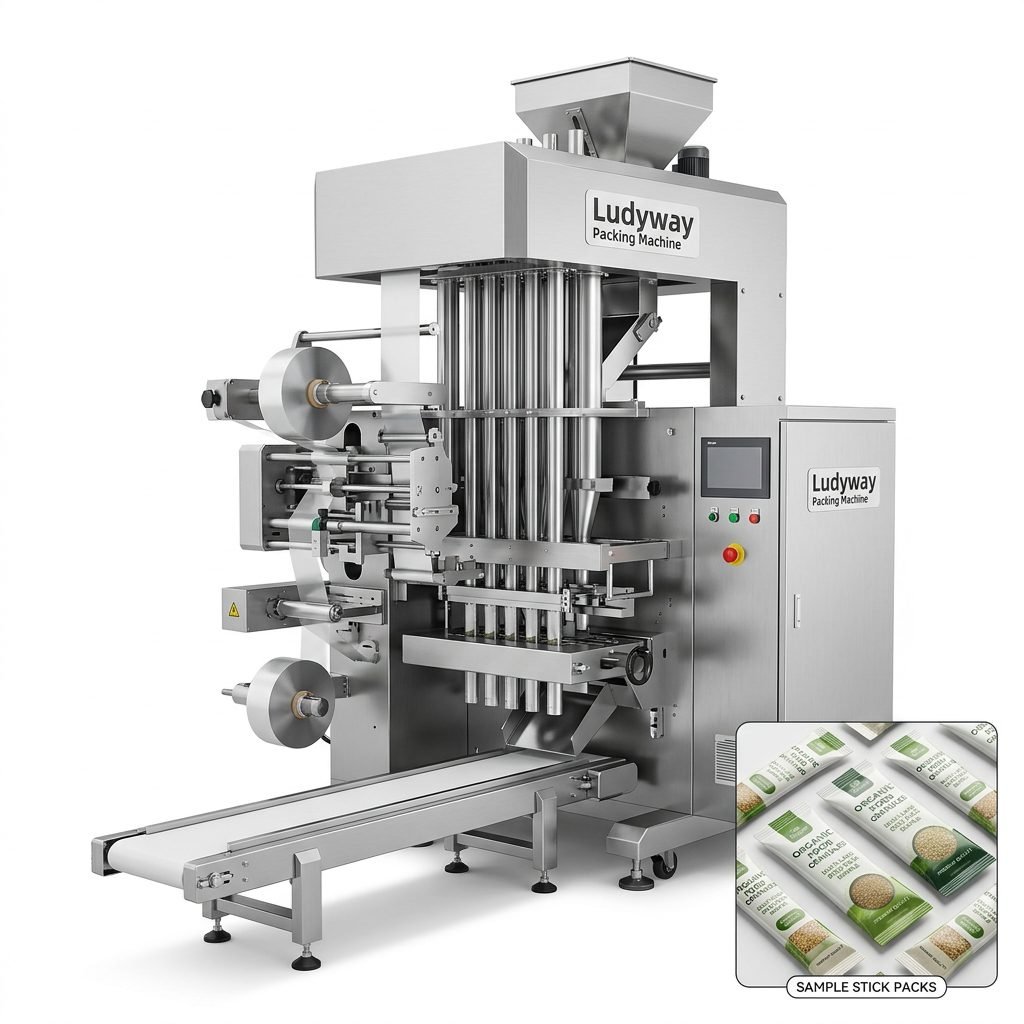
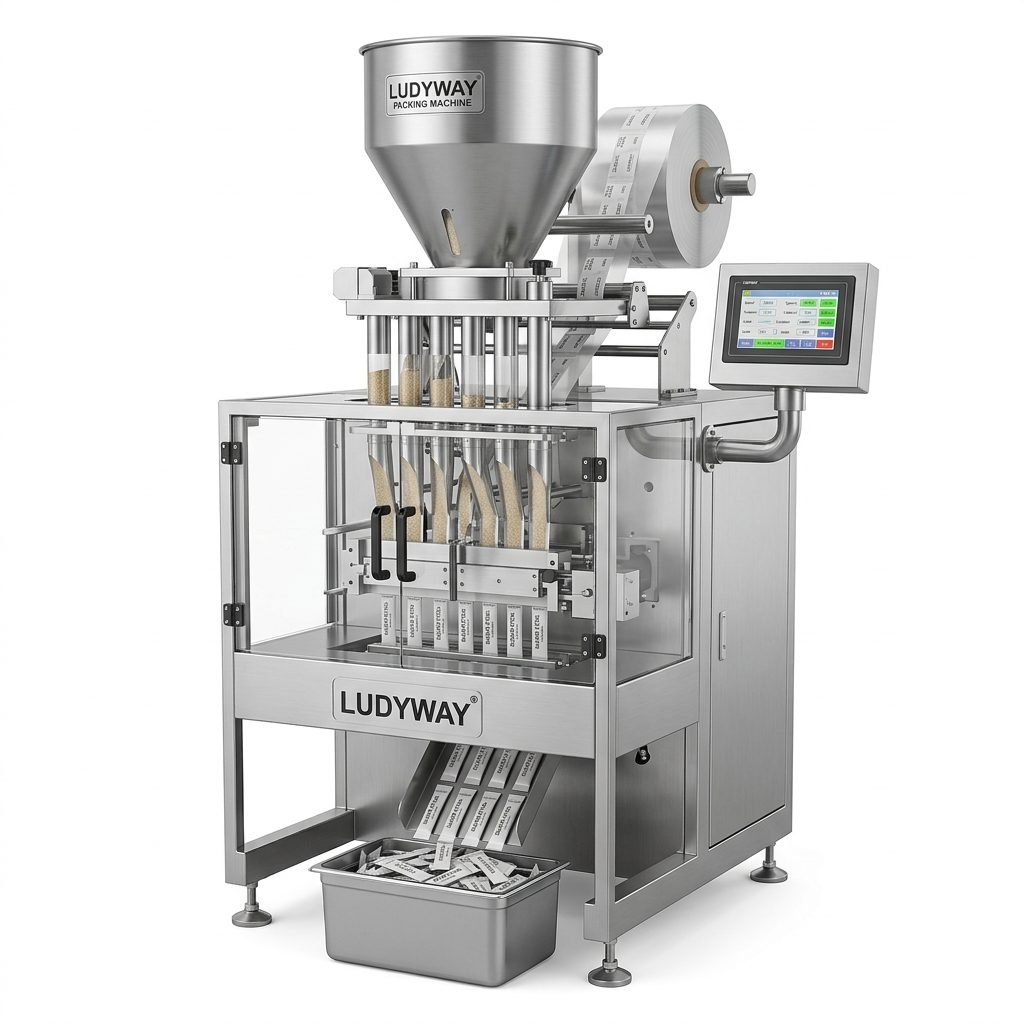
Sachets, stick packs, pouches, bottles, jars, tubes, and cartons all require different technology. A standard pouch line may cost less than a line that must form, fill, seal, code, inspect, and cartoning multiple SKUs.
4. Speed Requirements
Higher speed usually means stronger frames, more precise motion control, better dosing systems, and more advanced sealing technology. A machine producing 30 packs per minute is very different from one running 300 packs per minute.
5. Customization
Custom tooling, non-standard materials, special hopper designs, dust extraction, nitrogen flushing, or cleanroom compatibility can all add to the final price.
6. Compliance and Industry Standards
Food, pharmaceutical, health supplement, and chemical industries often require specific standards for hygiene, validation, safety, and documentation. These requirements can raise cost, but they also reduce risk.
7. Installation and Lifecycle Support
Shipping, commissioning, training, spare parts, maintenance plans, remote support, and on-site service should be considered part of the project budget, not hidden extras.
| Cost Factor | How It Affects Budget | Typical Impact |
|---|---|---|
| Automation level | Manual, semi-auto, or full line integration | High |
| Product type | Affects dosing, handling, and sealing design | Medium to High |
| Packaging format | Changes tooling and machine structure | Medium to High |
| Production speed | Requires advanced controls and stronger components | High |
| Customization | Special requirements increase engineering work | Medium |
| Installation & support | Adds implementation and lifecycle cost | Medium |
Is Manual Packaging Really Cheaper?
In the short term, yes. In the long term, not always. Manual packaging often appears cheaper because labor is treated as an operating expense rather than a capital investment. But over time, manual production can become costly due to:
- Higher labor headcount
- Inconsistent pack weights or fill volumes
- More product giveaway and material waste
- Lower throughput
- Operator fatigue and human error
- Difficulty scaling when demand grows
This is why many growing manufacturers move first to semi-automatic systems and later to full automation. That staged approach spreads investment while improving productivity step by step.
The Key Benefits of Packaging Automation
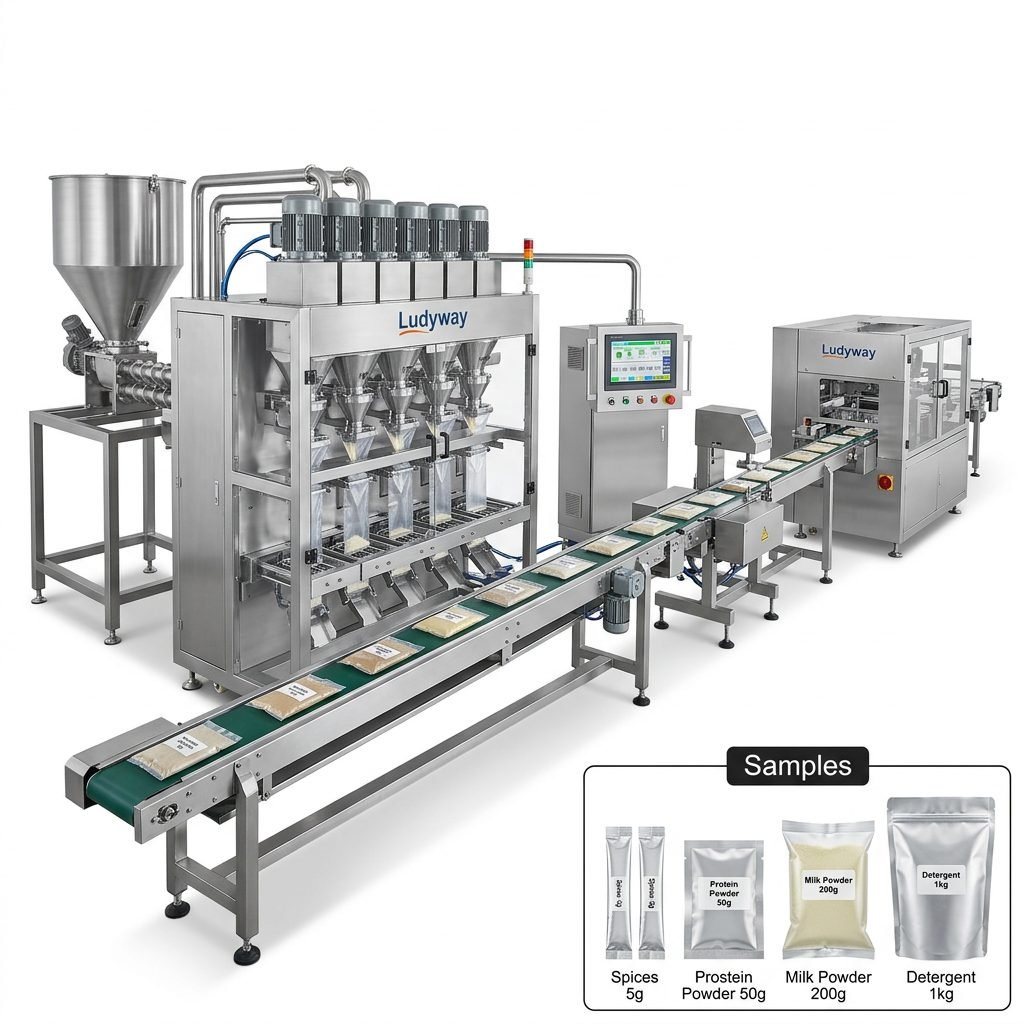
A good automation project should not be judged only by cost. It should be judged by business impact. The right system can improve multiple parts of your operation at the same time.
Higher Productivity
Automated systems can run faster and more consistently than manual lines. They also reduce idle time between packaging stages.
Lower Labor Dependence
Automation helps companies manage labor shortages, labor turnover, and rising wages. In many factories, this is one of the strongest reasons to invest.
Improved Accuracy
Precise dosing and sealing reduce underfills, overfills, rework, and customer complaints. Even small improvements in accuracy can produce major annual savings.
Better Product Quality and Brand Image
Consistent packaging appearance improves shelf impact, helps with export standards, and strengthens customer trust.
Safer and Cleaner Production
Automation reduces direct operator contact with products, especially important in food, pharma, and hygiene-related sectors.
Scalability
A properly designed line makes it easier to add lanes, upgrade output, or integrate downstream equipment later.
How to Calculate ROI for Packaging Automation
Return on investment is usually the clearest way to evaluate whether automation is worth it. A simple ROI model can include the following:
- Current labor cost for packaging
- Expected labor savings after automation
- Reduction in product giveaway and material waste
- Increase in output and sales capacity
- Lower rejection, rework, and downtime costs
- Maintenance and operating costs of the new machine
Basic payback formula:
Payback Period = Total Investment ÷ Annual Net Savings
For example, if a packaging system costs $120,000 and saves $40,000 per year in combined labor, waste, and efficiency gains, the payback period is about 3 years. In faster-growing operations, payback can be much shorter.
| ROI Element | Example Annual Value |
|---|---|
| Labor savings | $18,000 |
| Reduced product giveaway | $8,000 |
| Lower packaging waste | $5,000 |
| Higher throughput value | $20,000 |
| Added maintenance/operation cost | – $6,000 |
| Net annual benefit | $45,000 |
When Packaging Automation Makes the Most Sense
Automation is often a strong investment when your business has one or more of these conditions:
- Demand is growing faster than your manual team can handle
- Labor costs are rising
- You need better consistency for export or retail channels
- You are seeing too much product loss or sealing failure
- You want to launch more SKUs without expanding labor heavily
- You need better hygiene, traceability, or compliance
If your current volume is still low, a compact or modular machine may be the smartest option. It reduces initial cost while giving you room to upgrade later.
How to Control Packaging Automation Costs
You do not always need the most complex machine. The best value comes from matching the system to your real production goals.
Start with a Clear Scope
Define your product type, target output, package size range, film or pouch format, and future expansion plans before requesting quotations.
Choose Modular Solutions
Modular equipment can let you begin with filling and sealing, then add coding, cartoning, case packing, or palletizing later.
Avoid Over-Specifying
Buying excessive speed or unnecessary functions can raise capital cost without improving actual profitability.
Compare Lifecycle Value, Not Just Price
A cheaper machine with lower stability may create more downtime and maintenance issues. In many cases, the best ROI comes from reliable equipment with strong support.
Questions to Ask Before Buying
- What is the real output I need now and in 2 to 3 years?
- How much labor can this system replace or redeploy?
- What level of filling accuracy is achievable?
- How easy is it to change formats or SKUs?
- What are the maintenance requirements?
- What spare parts and service support are available?
- Can the line be expanded into a full turnkey solution later?
Choosing the Right Packaging Automation Partner
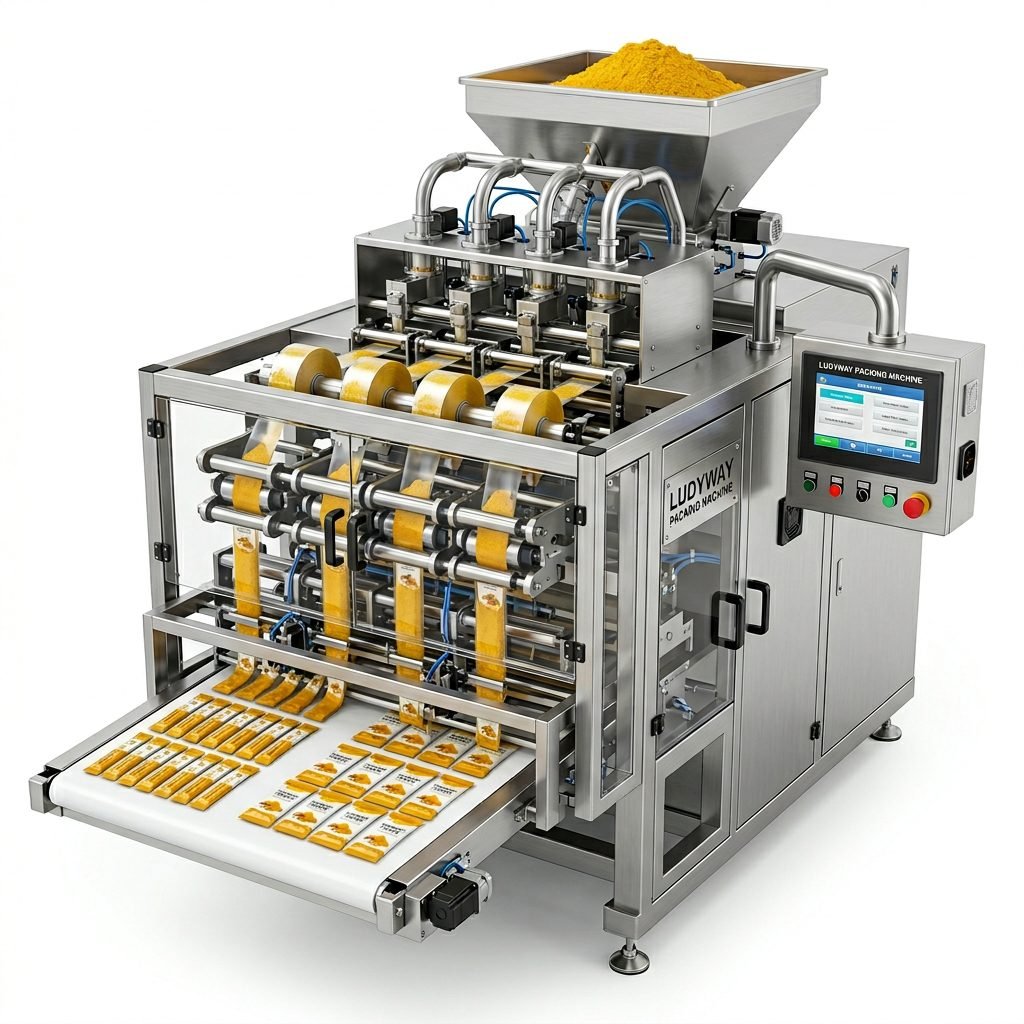
A good supplier should understand not only machinery, but also your product behavior, industry standards, and long-term production goals. That is especially important when you need customized stick pack, sachet, pouch, liquid, powder, or complete packaging line solutions.
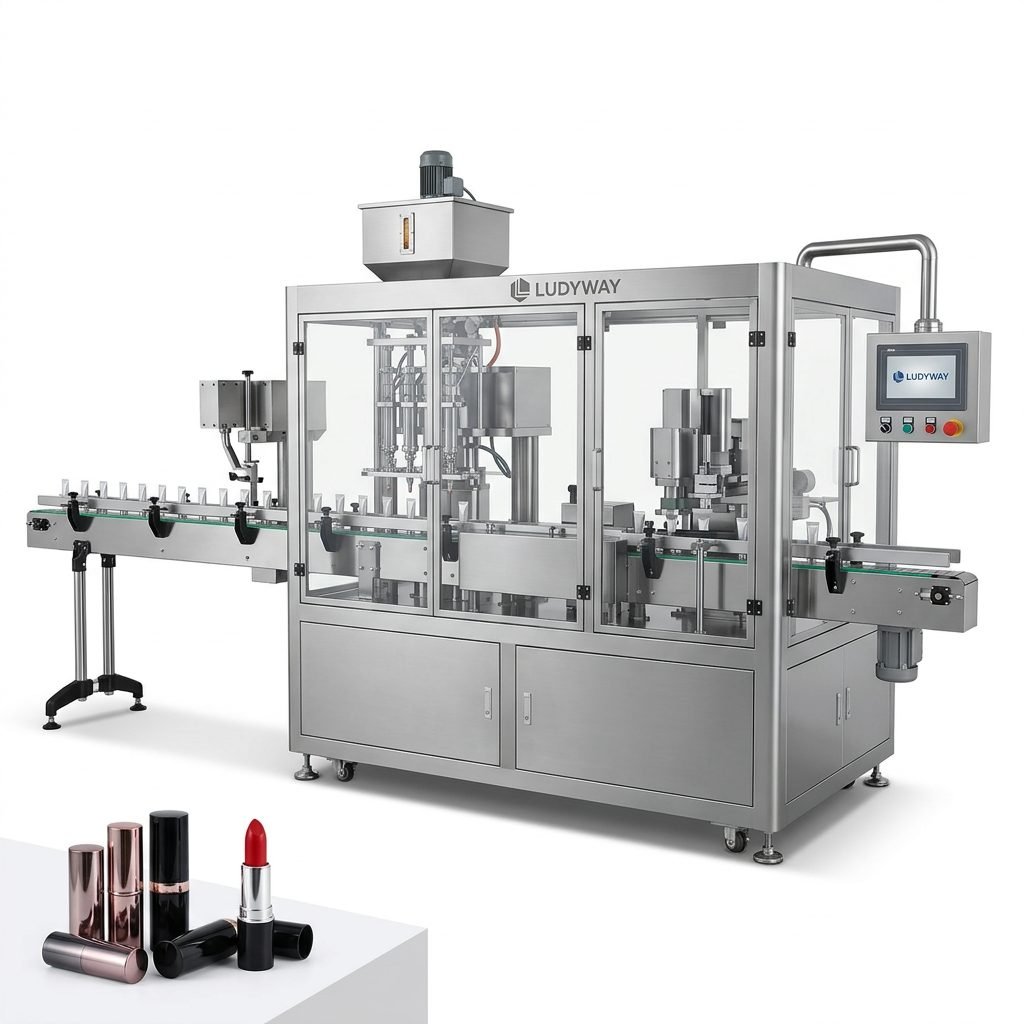
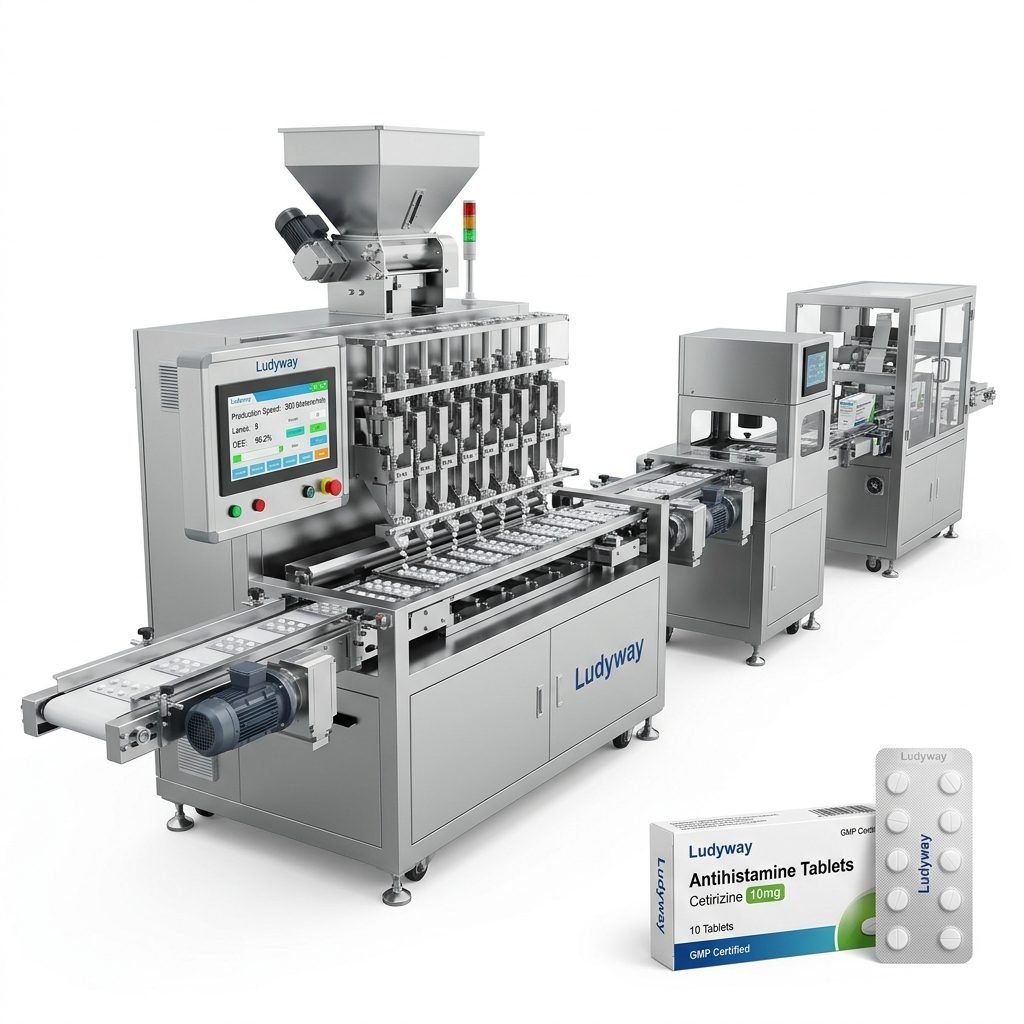
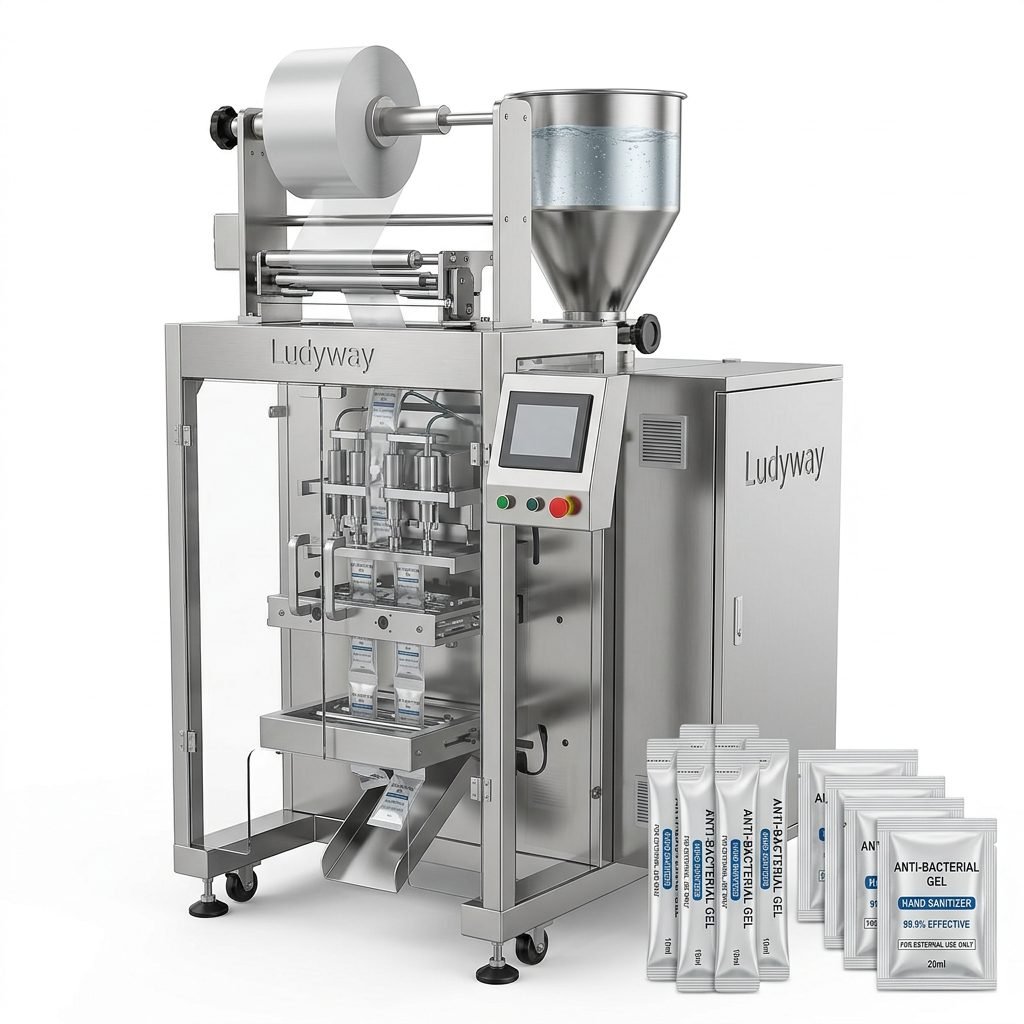
For businesses looking for scalable equipment and integrated line solutions, packaging automation manufacturer Ludyway offers a broad range of packaging machines and turnkey systems for food, pharmaceutical, health supplement, cosmetic, chemical, nicotine pouch, and related industries.
Final Perspective: Is It Expensive or Worth It?
Packaging automation is not cheap in absolute terms, but it is often far less expensive than staying inefficient for too long. The smartest way to evaluate it is by looking at total value: labor saved, waste reduced, output increased, quality improved, and growth enabled.
If the system is properly selected and matched to your production needs, packaging automation can shift from being a major expense to becoming one of the most profitable investments in your operation.