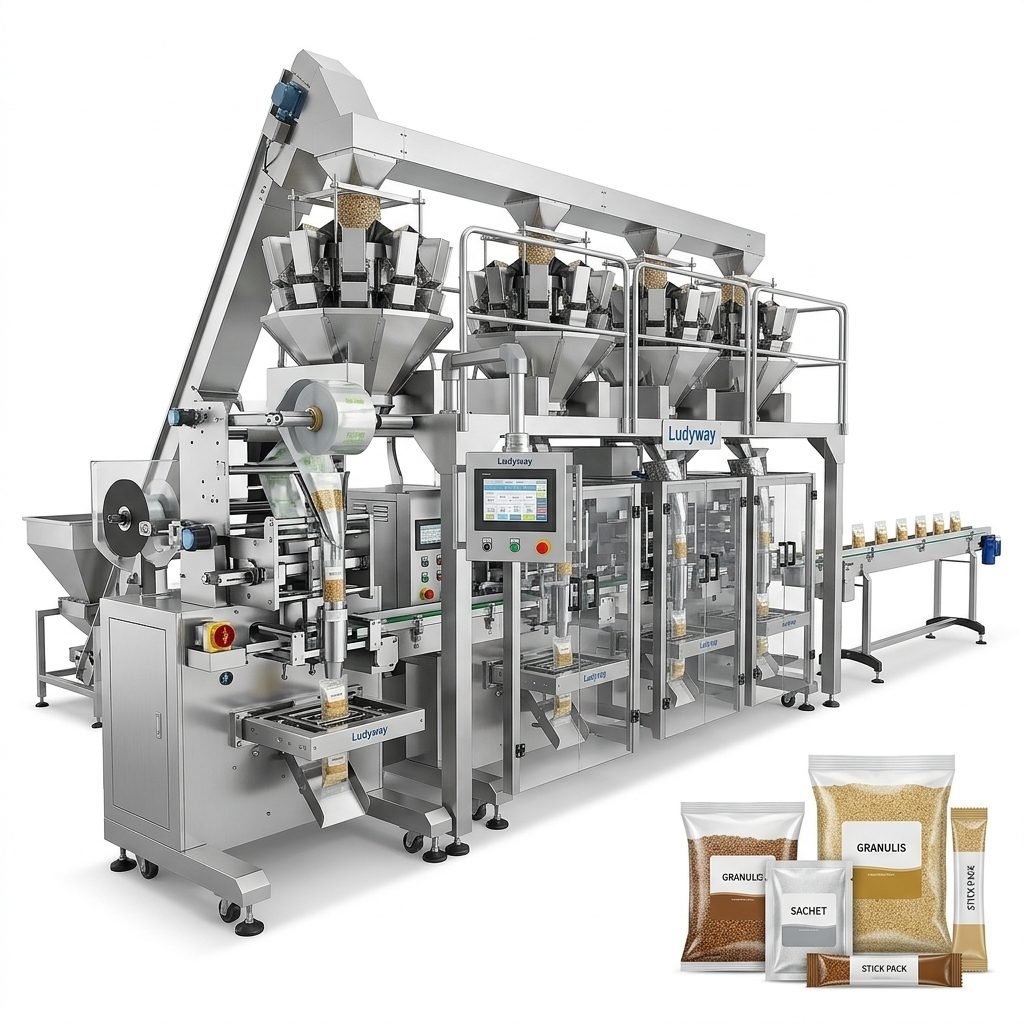
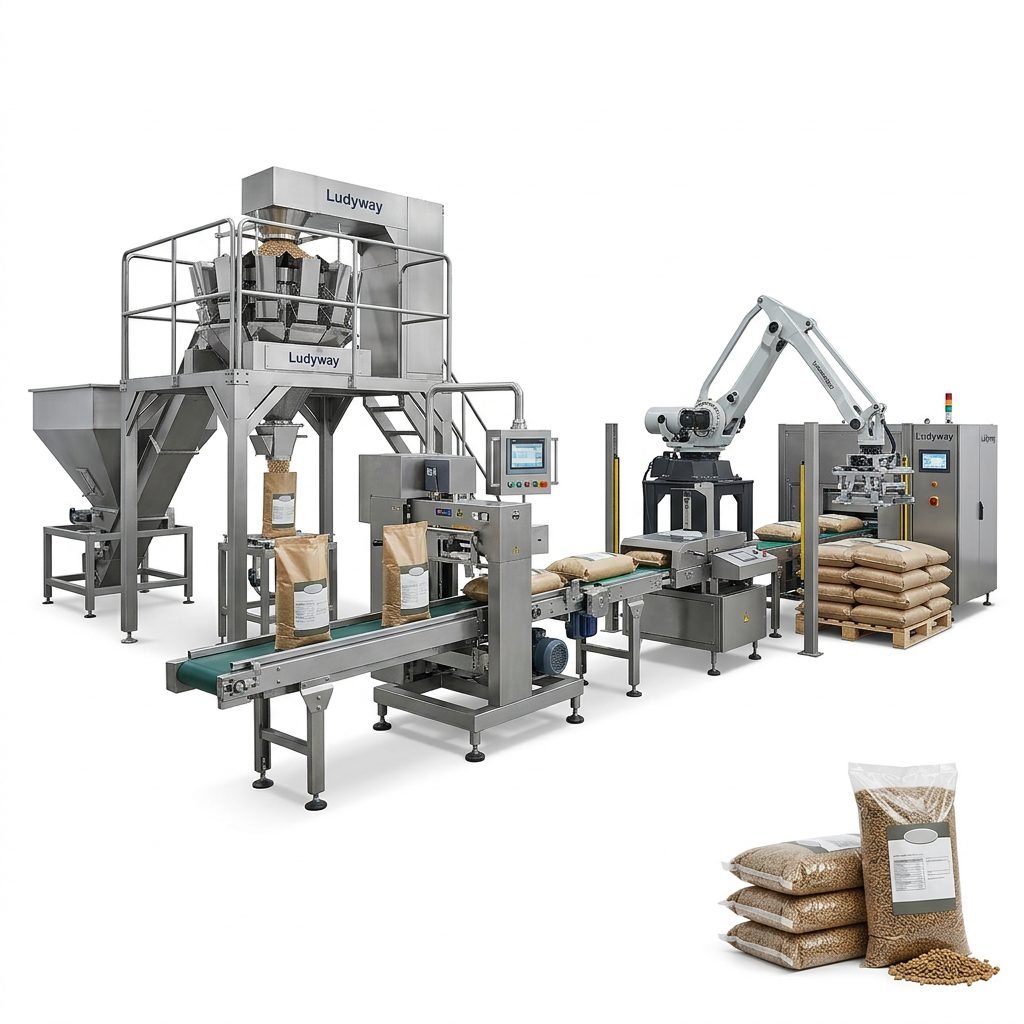
In the fast-paced world of retail, product presentation is paramount. The right packaging not only protects the goods but also serves as a silent salesman on the shelf, influencing purchasing decisions and building brand identity. At the heart of creating this essential retail armor lies the retail packaging machine. This comprehensive guide delves into the types, key features, and critical selection criteria to help you choose the best packaging solution for your business needs.
Understanding Retail Packaging Machines
Retail packaging machines are automated systems designed to form, fill, and seal products into their final retail-ready packages. These machines handle a vast array of materials—from flexible films and laminates to rigid containers—and are integral to production lines across food, pharmaceuticals, cosmetics, and hardware. Their primary goal is to ensure product safety, extend shelf life, provide consumer convenience, and deliver a consistent, professional appearance that meets market standards.
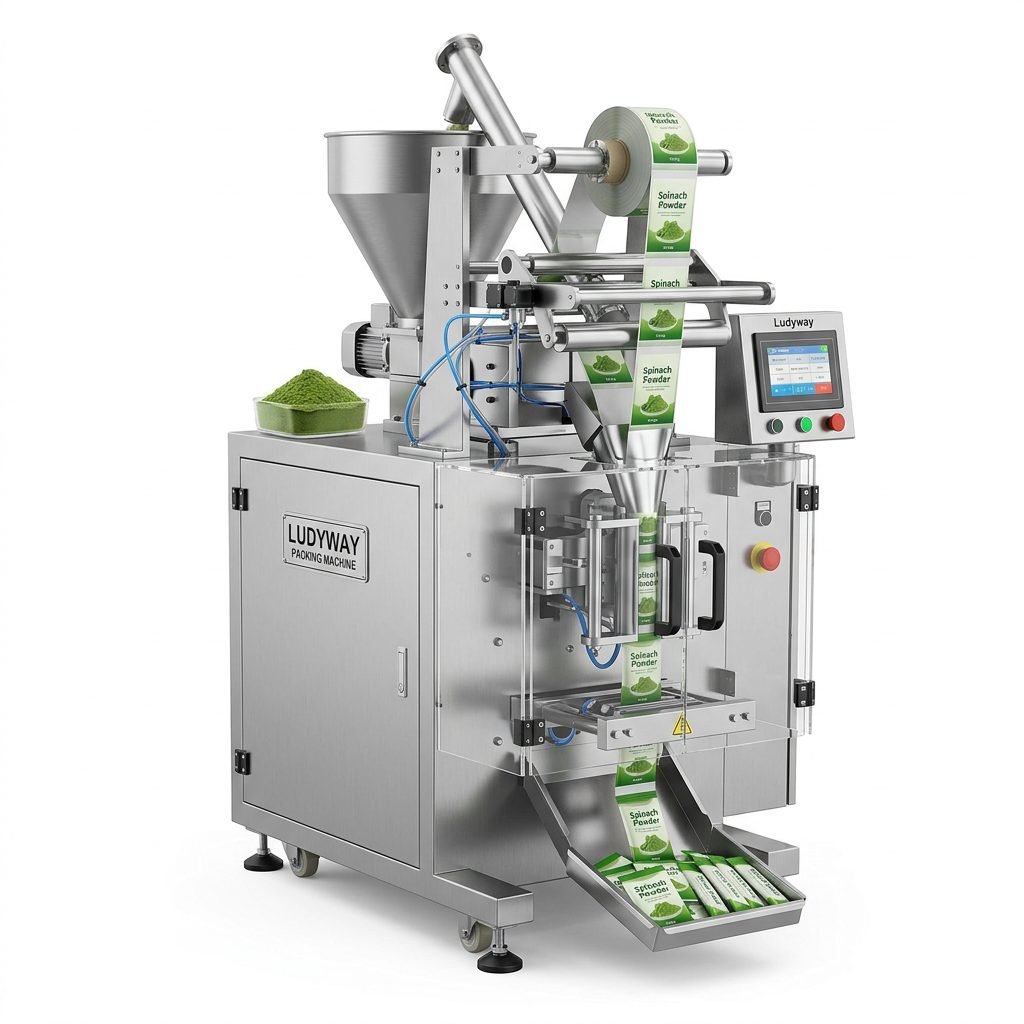
Core Function: The fundamental process is often abbreviated as FFS (Form, Fill, Seal). The machine forms a package from a roll of film, precisely doses the product into it, and then hermetically seals it, all in one continuous, automated operation.
Primary Types of Retail Packaging Machines
The choice of machine is heavily dependent on the product format and the desired package style. Here’s a breakdown of the most common types.
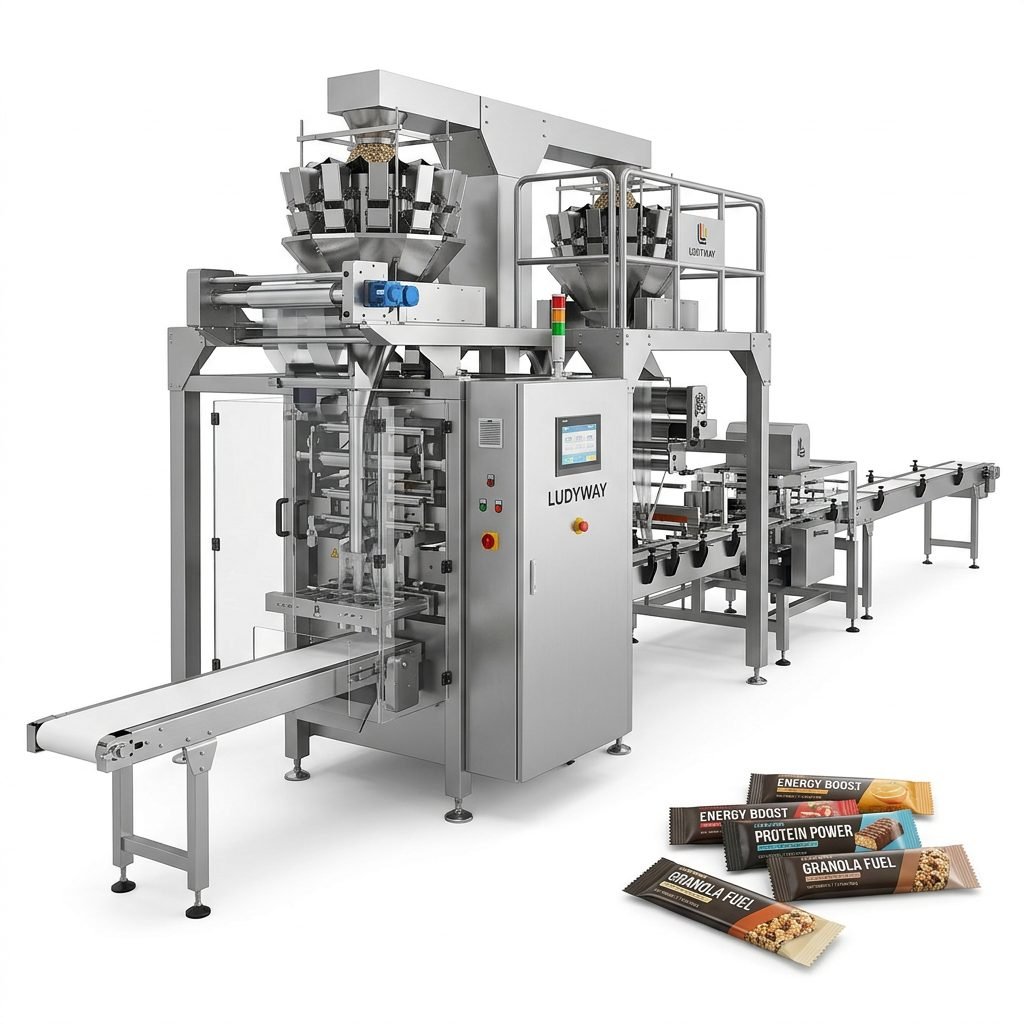
1. Vertical Form-Fill-Seal (VFFS) Machines
These are the workhorses of the packaging industry, especially for granular, powdered, and liquid products. A roll of flat film is pulled downward over a forming tube, shaped into a bag, filled, and then sealed horizontally (and sometimes vertically). They are incredibly versatile and efficient for high-speed production of items like snacks, coffee, and detergents.
- Best For: Granules, powders, seeds, liquids, small hardware items.
- Package Styles: Pillow bags, gusseted bags, block-bottom bags.
2. Horizontal Form-Fill-Seal (HFFS) Machines
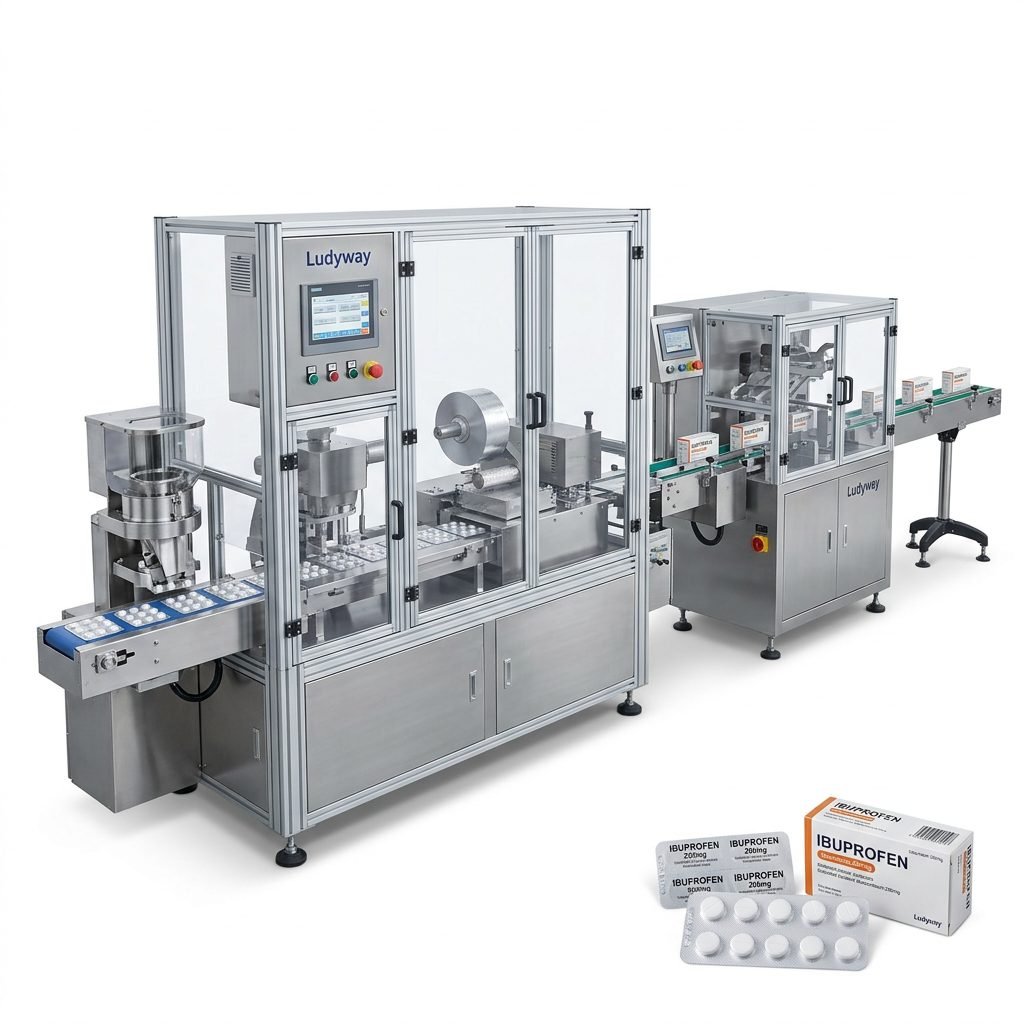
In contrast to VFFS, these machines form packages on a horizontal plane. They are typically used for more rigid structures or when placing multiple items into a single tray. The film is formed into a cavity, the product is placed inside, and a top lidding film is sealed over it.
- Best For: Bakery items, chocolates, medical devices, blister packs.
- Package Styles: Trays, flow-wrap packs, blister packs.
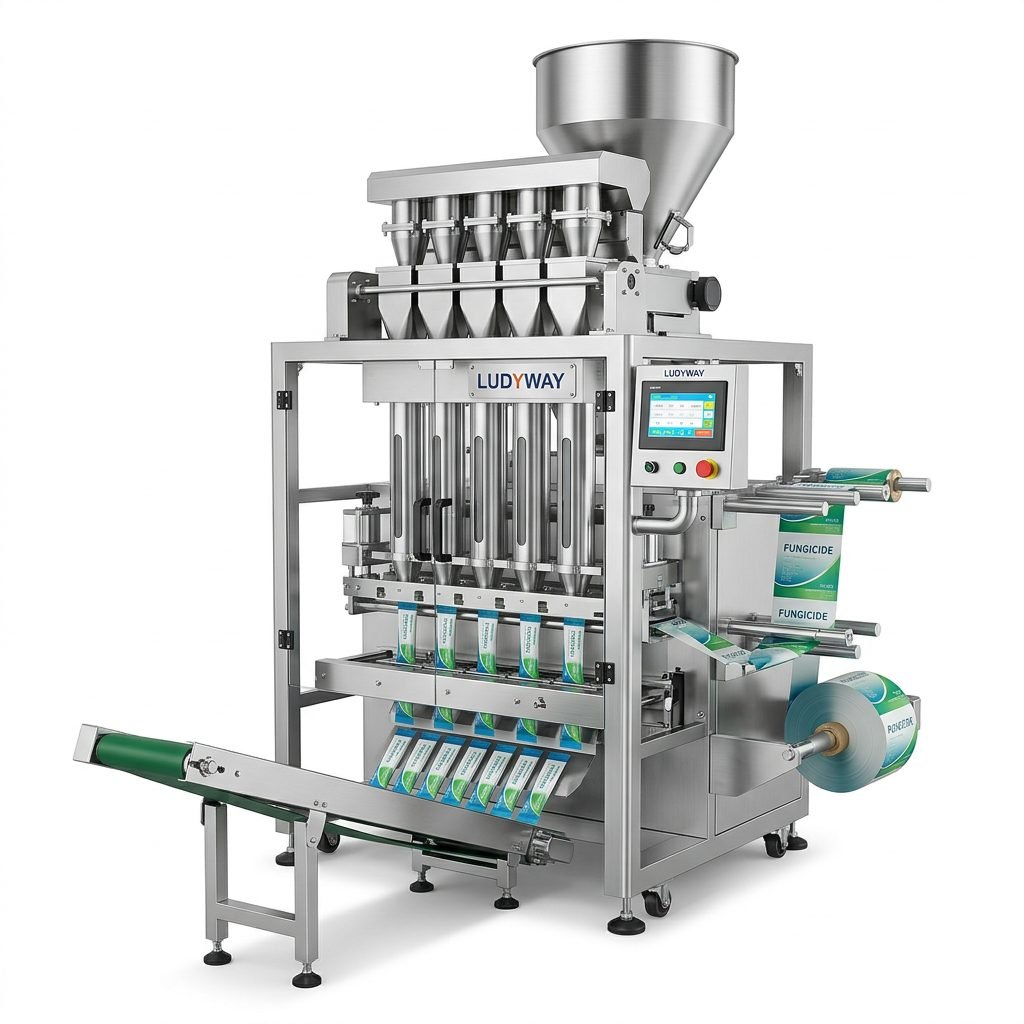
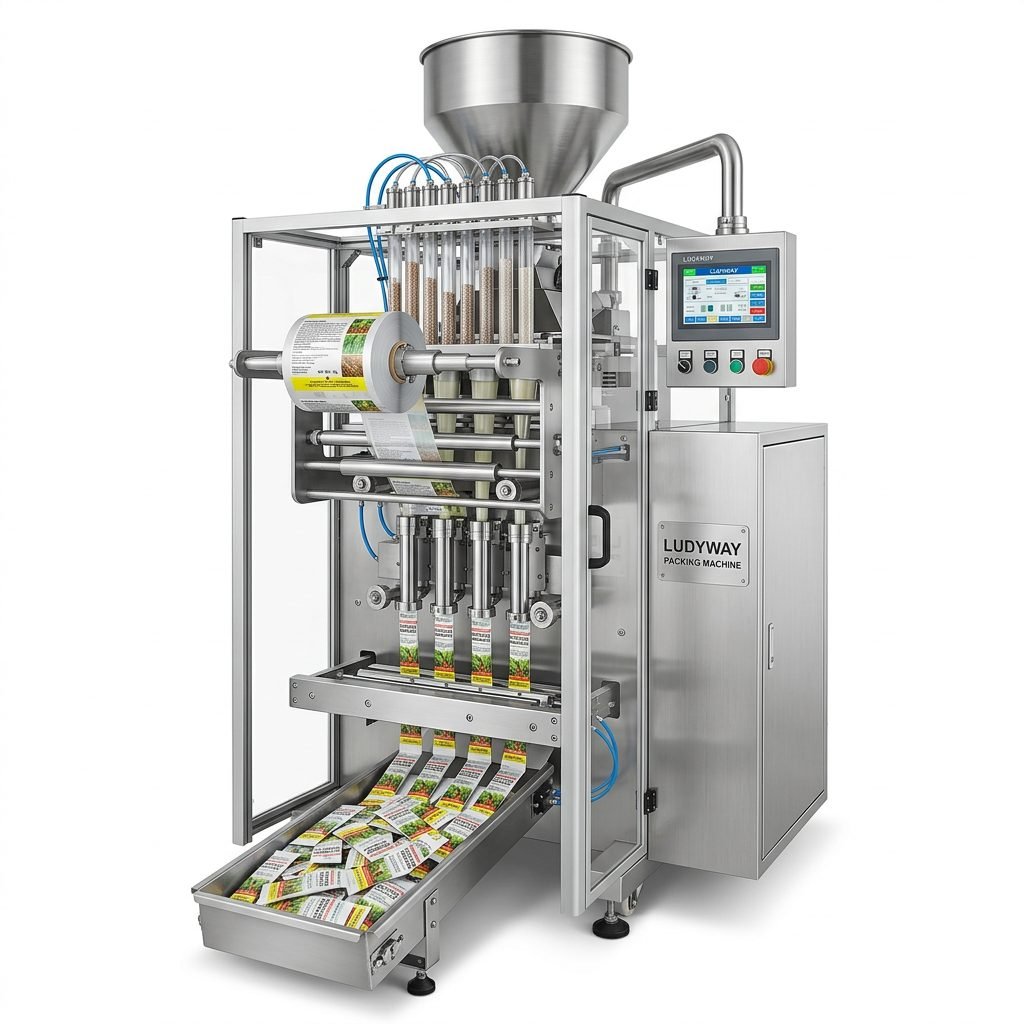
3. Stick Pack & Sachet Packaging Machines
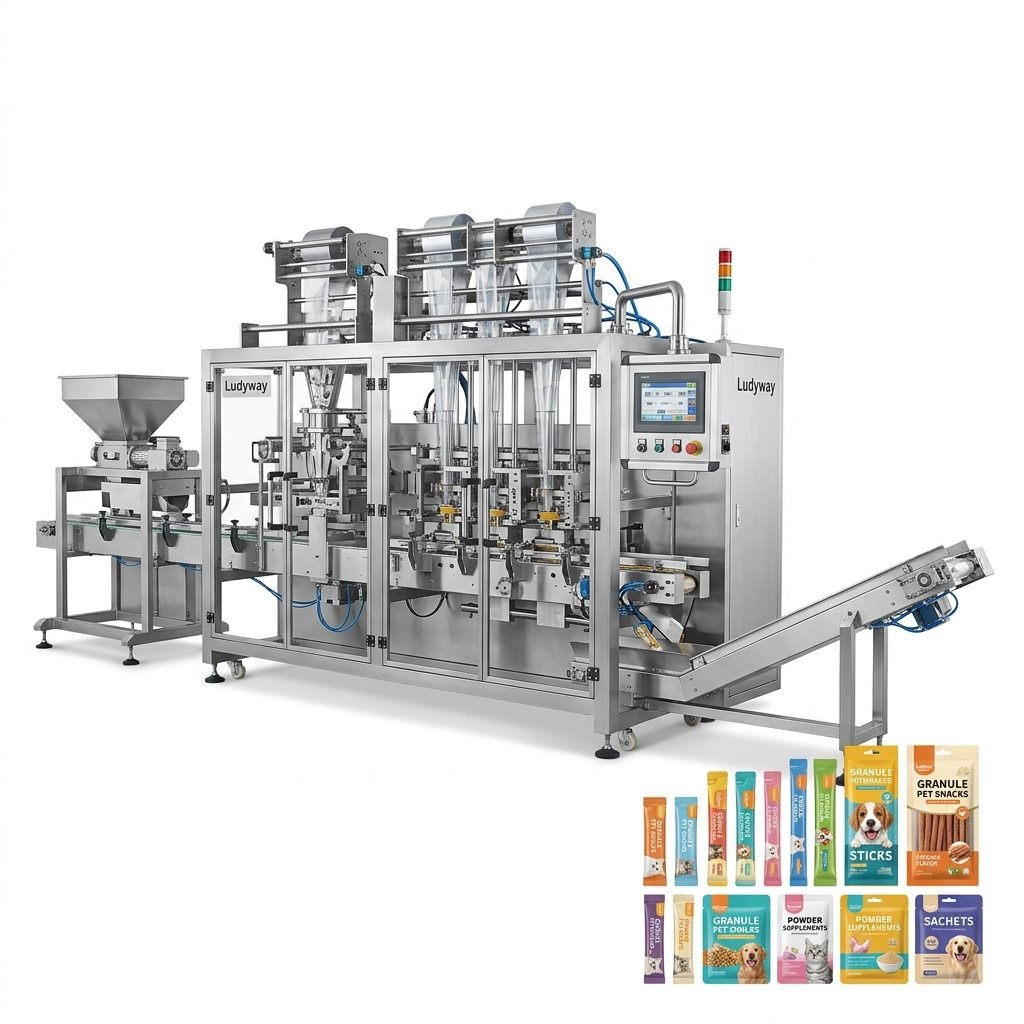
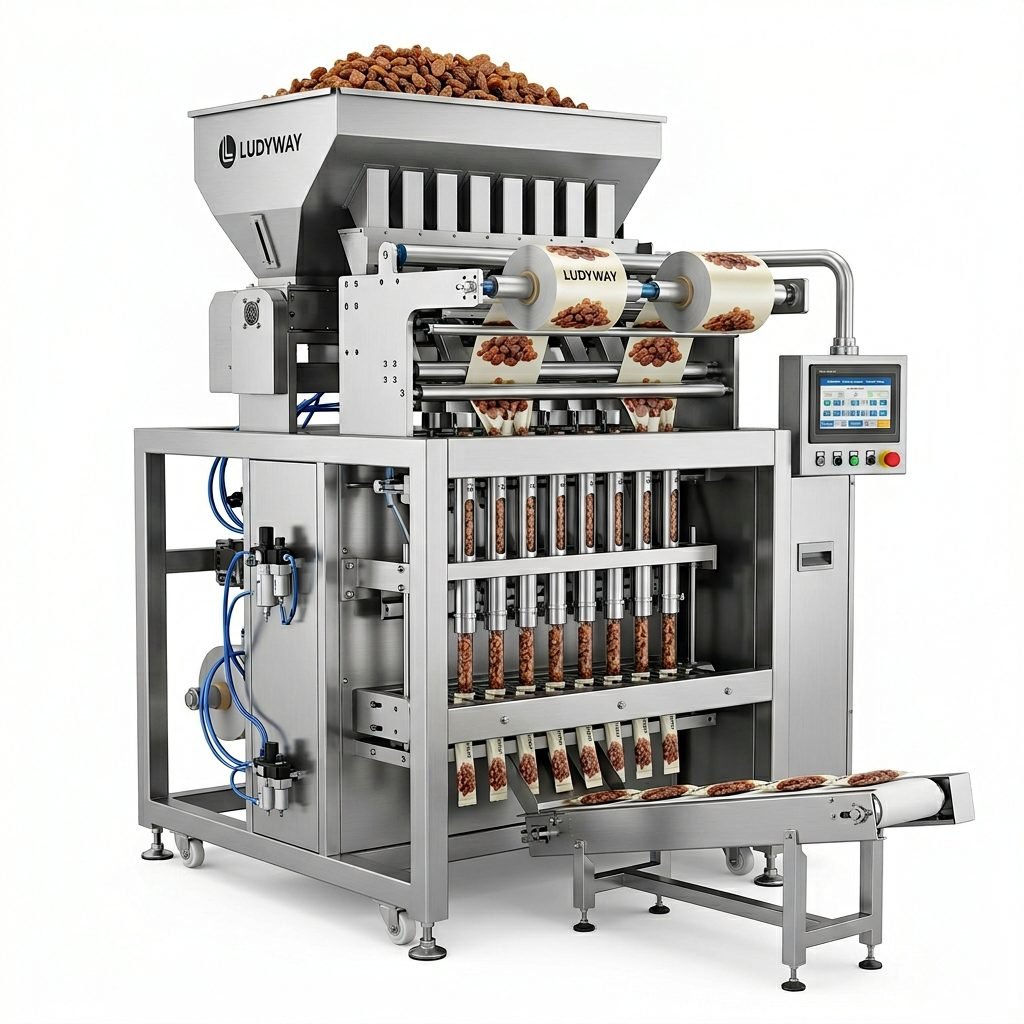
These are specialized machines designed for creating small, single-serve packages. Stick pack machines produce long, narrow tubes ideal for powders (like drink mixes or supplements), while sachet machines can create small rectangular pouches for sauces, condiments, shampoo samples, or pharmaceuticals.
💡 Industry Insight: Modern multi-lane stick pack and sachet machines can achieve exceptionally high outputs, making them cost-effective for high-volume single-serve markets. Companies like Ludyway Machinery offer advanced models that integrate seamlessly into production lines for products ranging from health supplements to instant beverages.
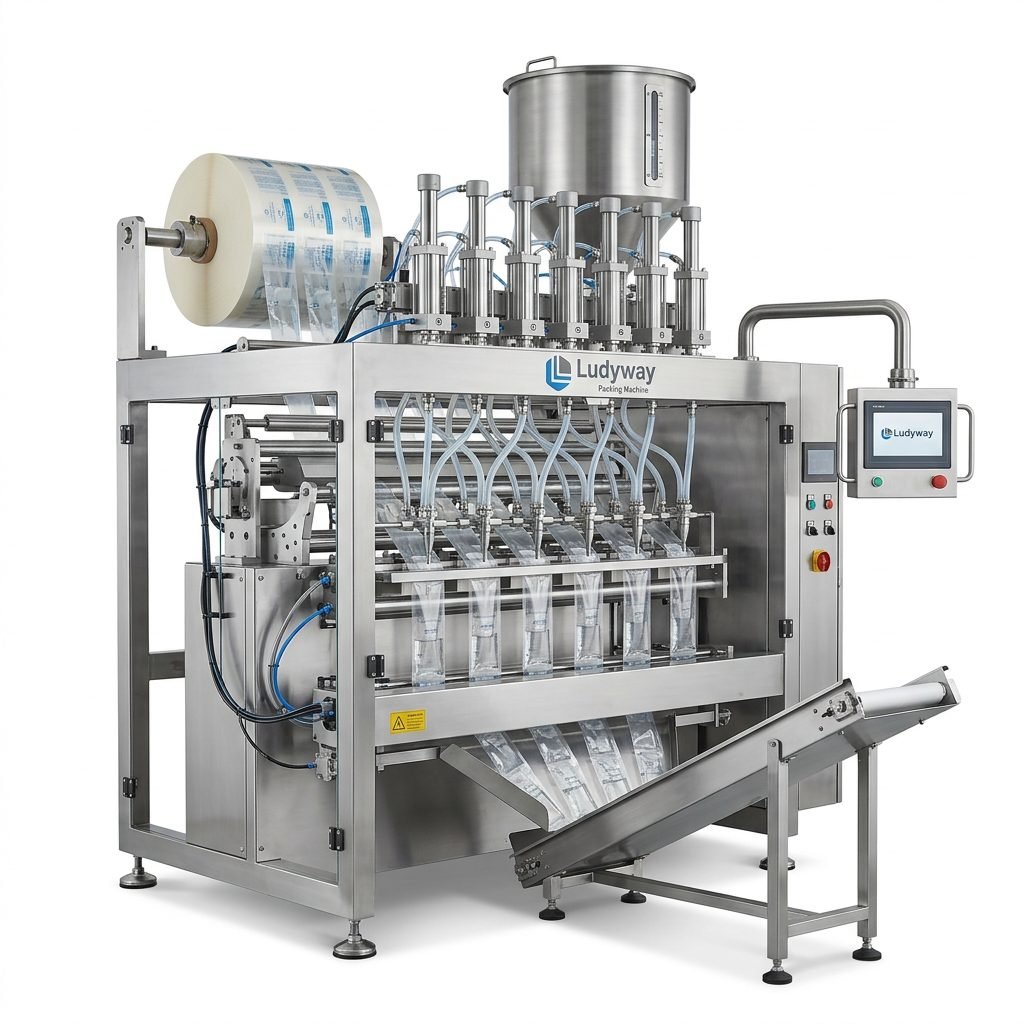
4. Liquid & Pouch Filling Machines
Designed specifically for free-flowing and viscous liquids, these machines fill pre-made pouches (stand-up, spouted, flat) with high accuracy. They often include features like nozzle rinsing to prevent cross-contamination and dripless filling valves.
- Best For: Sauces, oils, dairy products, juices, shampoos, lubricants.
Essential Features to Consider
Beyond the machine type, several features dictate performance, flexibility, and total cost of ownership.
Automation & Control Systems
The brain of the operation. Modern machines feature PLC (Programmable Logic Controller) touchscreen interfaces for easy recipe storage, changeover, and monitoring. Look for user-friendly software that reduces training time and minimizes operator error.
Filling Accuracy & Technology
This is critical for cost control and regulatory compliance (especially in food and pharma). Technologies include:
• Volumetric Cup Fillers: For uniform granules.
• Auger Fillers: Excellent for powders; accuracy depends on auger design and control.
• Liquid Pumps & Flow Meters: For precise volumetric or mass flow filling.
• Weigh Scale Fillers (Net Weighers): The gold standard for high-value or non-free-flowing products.
Speed & Production Capacity
Measured in packages per minute (PPM). Your required output will narrow down machine choices. Remember to factor in future growth—selecting a slightly more capable machine can be a wise investment.
Material & Construction
Hygiene and durability are non-negotiable. Contact parts should be made of food-grade stainless steel (e.g., 304 or 316). A robust frame ensures stability during high-speed operation and reduces maintenance needs over a long service life.
Flexibility & Changeover
If you run multiple products or package sizes, quick changeover is vital. Machines with tool-less adjustments and stored digital recipes can switch formats in minutes, maximizing uptime. For example, exploring versatile packaging solutions can provide this adaptability.
How to Choose the Best Retail Packaging Solution
Selecting the right machine is a strategic decision. Follow this structured approach to ensure a perfect fit.
Step 1: Define Your Product & Packaging Requirements
Start with the basics. What are you packaging? Define its physical state (solid, powder, liquid), characteristics (abrasive, oily, hygroscopic), and any special needs (nitrogen flushing for chips, sterile packaging for medical kits). Next, determine your desired package type, size range, and material (e.g., PET/AL/PE laminate).
Step 2: Analyze Your Production Needs
Calculate your current and projected output volume (PPM). Assess your factory space, available utilities (air pressure, electrical specs), and the skill level of your operators. This will clarify whether you need a compact benchtop unit or a large, integrated production line.
Step 3: Evaluate Machine Suppliers
Not all manufacturers are equal. Prioritize suppliers with proven industry experience and technical expertise. A partner like Ludyway Machinery, with deep roots in packaging automation, can offer more than just a machine—they provide a solution backed by application knowledge. Request references and, if possible, visit a facility to see machines in operation.
Step 4: Consider Total Cost of Ownership (TCO)
Look beyond the initial purchase price. Factor in:
• Operational Costs: Energy consumption, film waste, required labor.
• Maintenance & Spare Parts: Availability and cost of wear parts.
• Support & Service: Quality of installation, training, and after-sales technical support. Reliable service minimizes costly downtime.
Step 5: Request a Product Test
Always insist on a live product test using your actual materials. This is the only way to verify filling accuracy, seal integrity, achievable speed, and overall machine compatibility with your product. It de-risks the investment significantly.
Final Checklist Before Purchase:
✔ Machine throughput matches your required output.
✔ Filling accuracy meets your product weight/volume standards.
✔ Construction is hygienic and robust for your environment.
✔ Supplier offers comprehensive training and local service support.
✔ The machine allows for reasonable future flexibility (size changes, new products).
Frequently Asked Questions (FAQs)
1. What is the typical lead time for a retail packaging machine?
Lead times vary widely based on machine complexity and customization. For standard models, expect 8-14 weeks from order to shipment. Fully customized or turnkey line solutions may require 16-24 weeks. Always confirm timelines with your supplier during the quoting process.
2. How do I ensure my packaging machine remains hygienic?
Choose a machine with a sanitary design: smooth surfaces, minimal crevices, and easy disassembly for cleaning. Implement a strict Sanitation Standard Operating Procedure (SSOP). Regular cleaning and use of food-grade lubricants are essential, especially in food and pharmaceutical applications.
3. Can one machine handle different package sizes?
Yes, most modern machines are designed for quick changeover. The degree of ease varies. High-flexibility machines may have servo-driven adjustments that allow for size changes via the touchscreen in seconds, while others may require manual change parts, which takes longer.
4. What kind of maintenance do these machines require?
Maintenance is preventive and corrective. Daily tasks include cleaning and visual inspection. Weekly/monthly tasks involve lubricating moving parts, checking seal jaw conditions, and verifying sensor alignment. An annual professional service check is recommended. Reliable suppliers provide detailed maintenance schedules and training.
5. Where can I find reliable technical support and spare parts?
This is a critical consideration. Partner with a supplier known for strong after-sales support. Companies with a global presence, like those with extensive international project experience, often have better support networks. Ensure they stock common spare parts and offer responsive remote or on-site technical assistance to minimize production downtime.