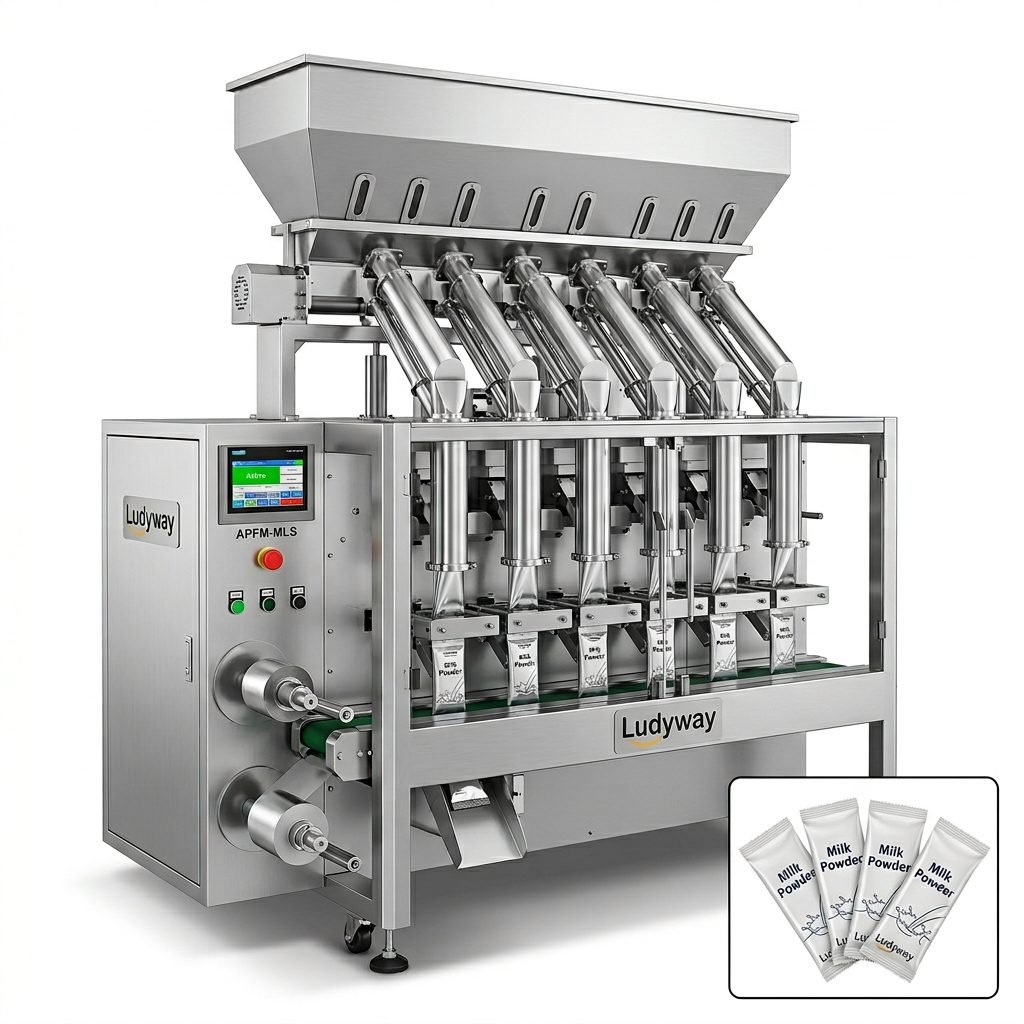
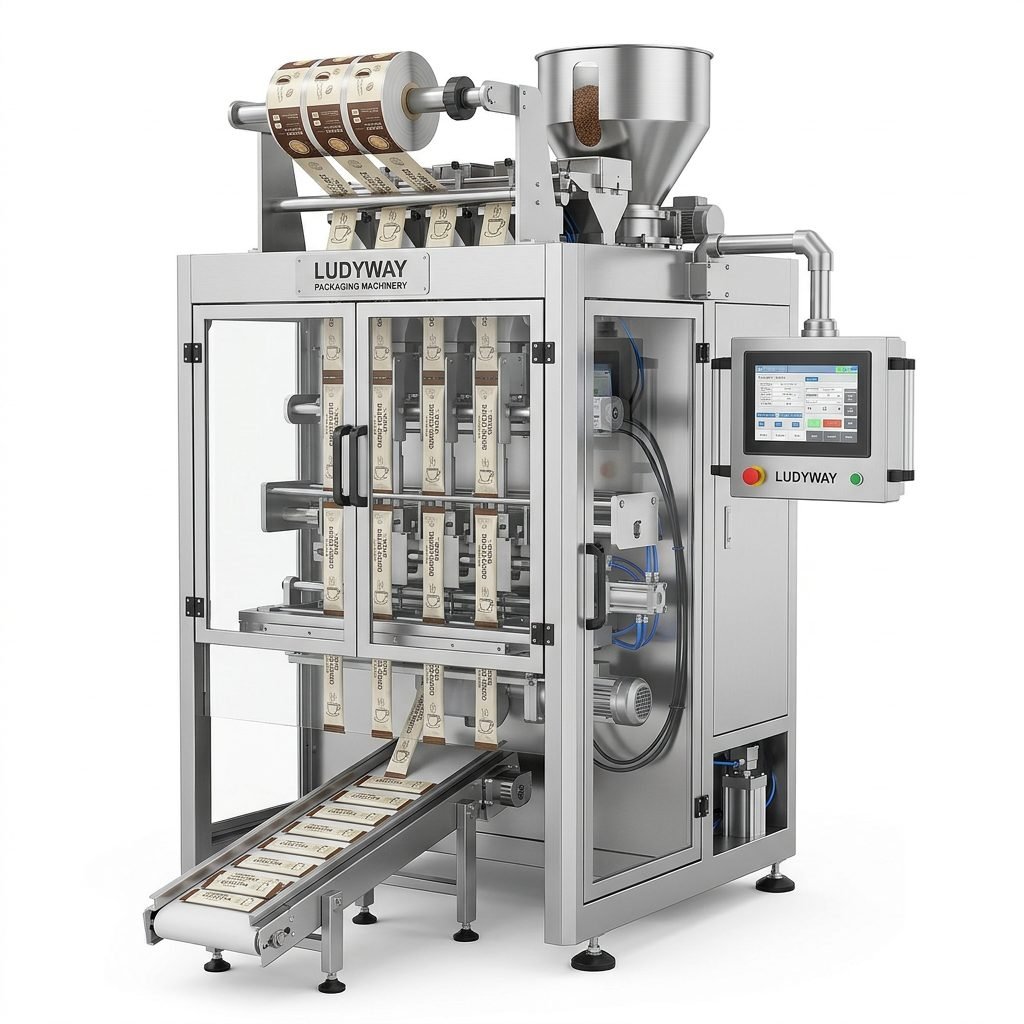
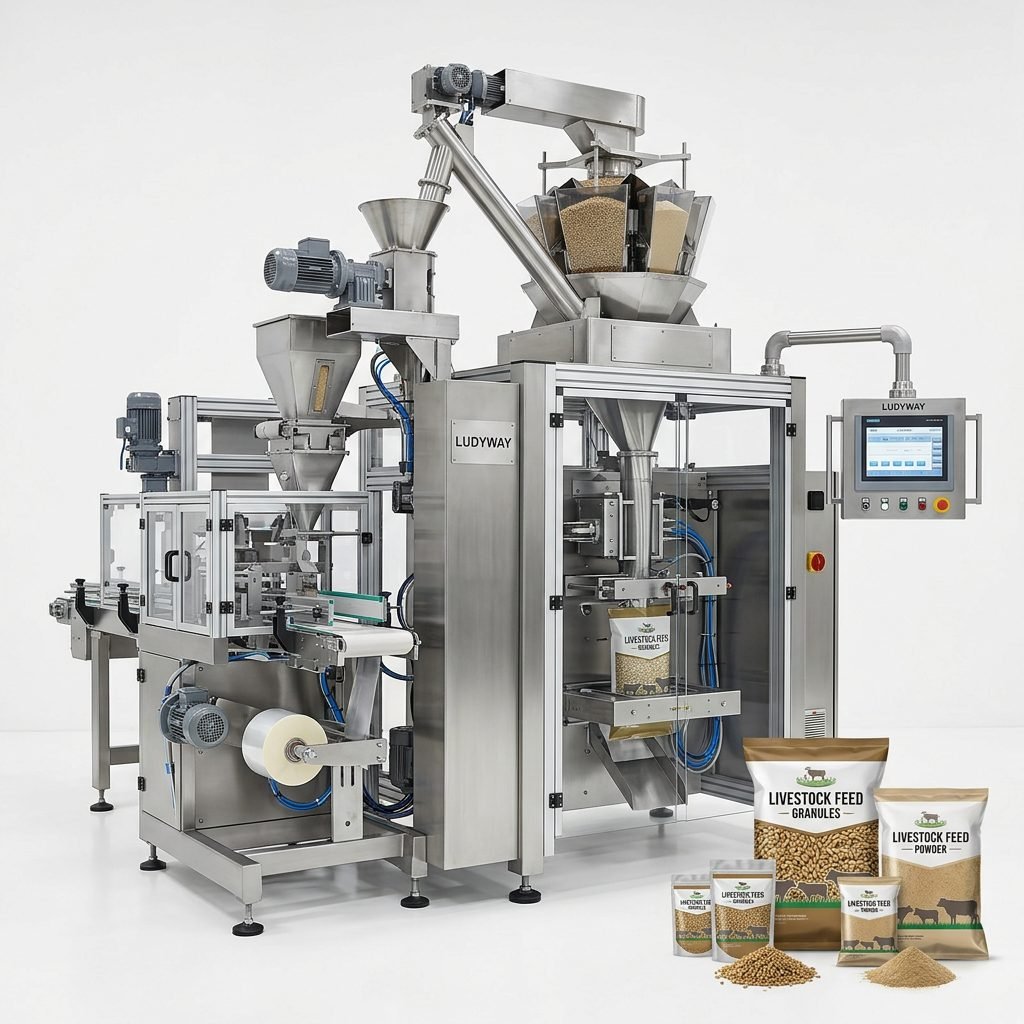
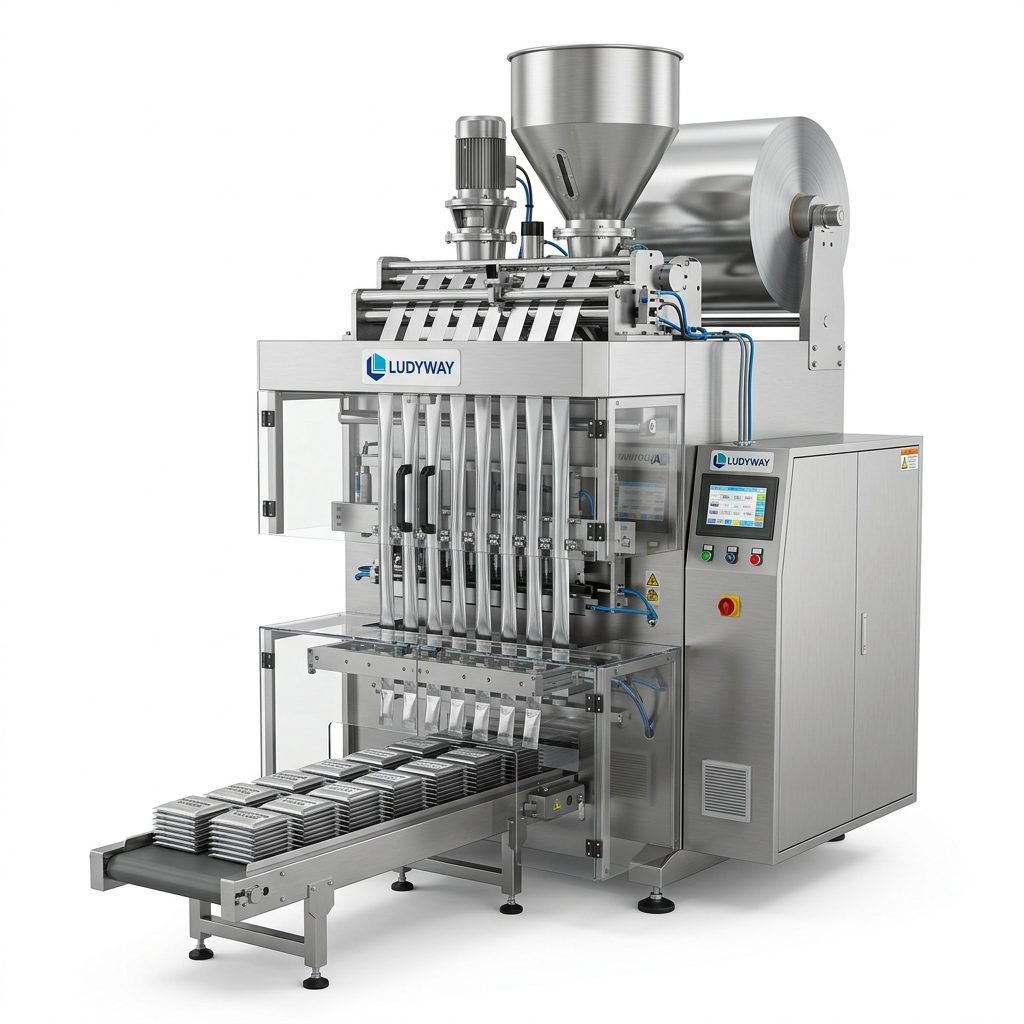
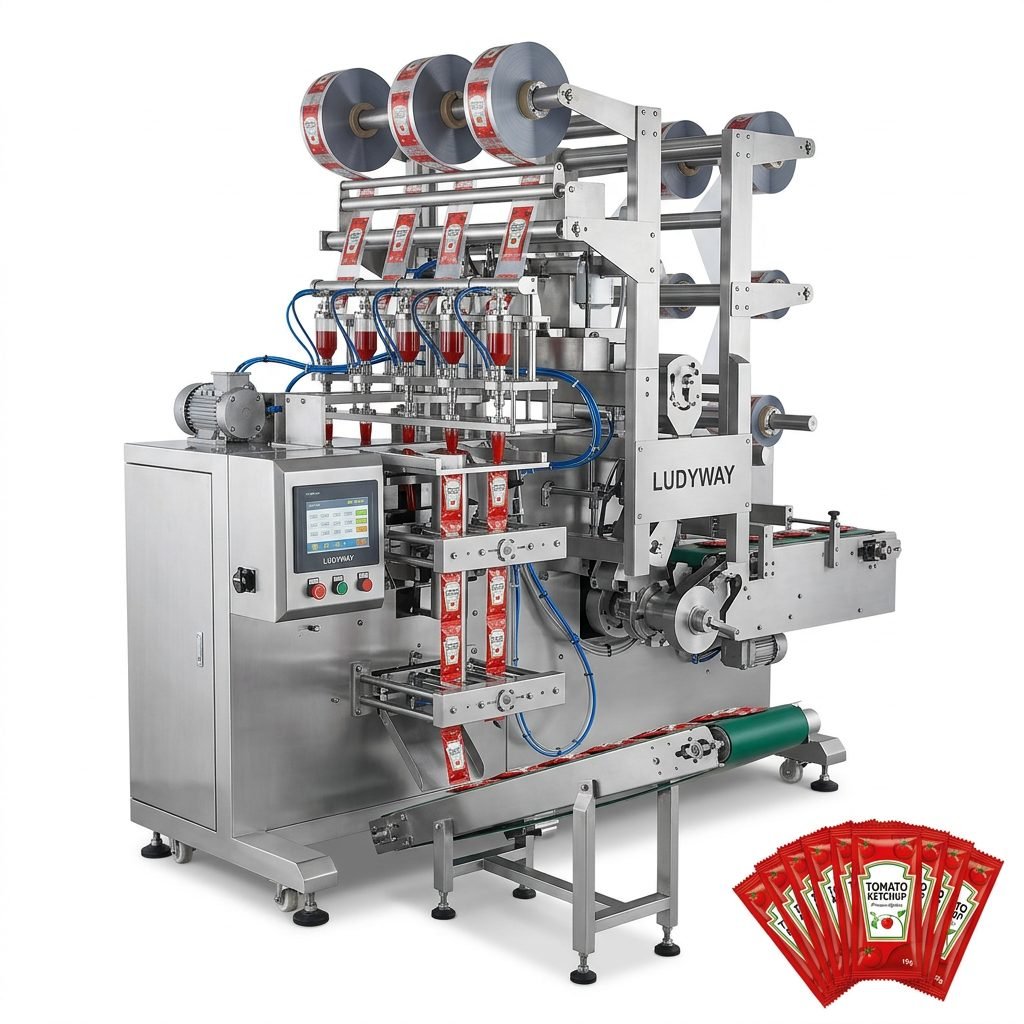
Kraft paper packaging has become increasingly popular across various industries due to its eco-friendly, biodegradable, and recyclable nature. For businesses looking to adopt or upgrade their kraft packaging operations, selecting the right kraft paper packaging machine is a critical decision that impacts efficiency, product quality, and overall cost-effectiveness. This comprehensive guide will walk you through the different types of machines, their key features, and a detailed process for choosing the ideal equipment for your specific needs.
Understanding Kraft Paper Packaging Machines
At their core, kraft paper packaging machines are designed to form, fill, and seal products using kraft paper material. They automate the process of creating pouches, bags, or wraps, which are then filled with the product—be it food items, hardware, textiles, or industrial components—and securely sealed. The automation provided by these machines ensures consistency, speed, and hygiene, which are paramount in modern production environments.
Key Driver: The global shift towards sustainable packaging is a primary driver for the adoption of kraft paper solutions. Machines that handle this material efficiently are in high demand.
Primary Types of Kraft Paper Packaging Machines
The market offers several types of machines, each suited for different production scales, product types, and packaging formats.
Vertical Form-Fill-Seal (VFFS) Machines
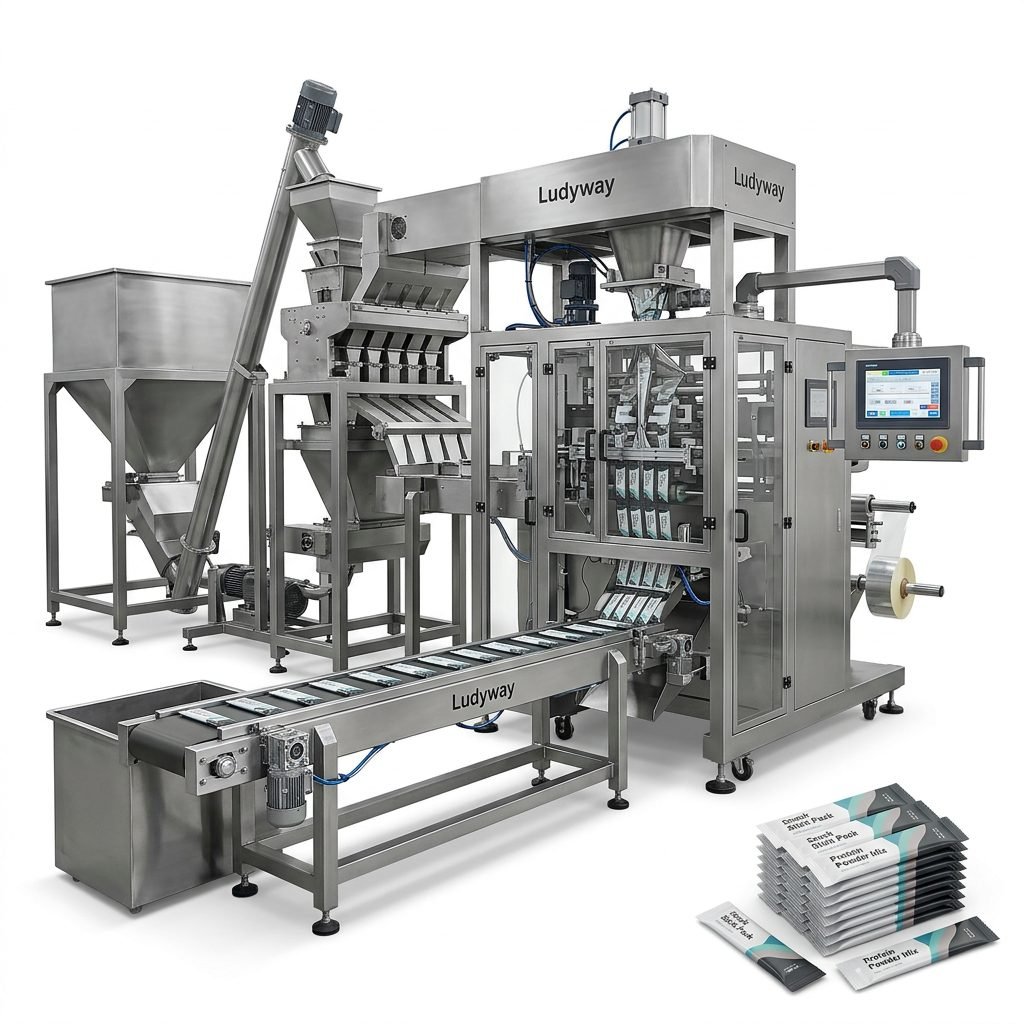
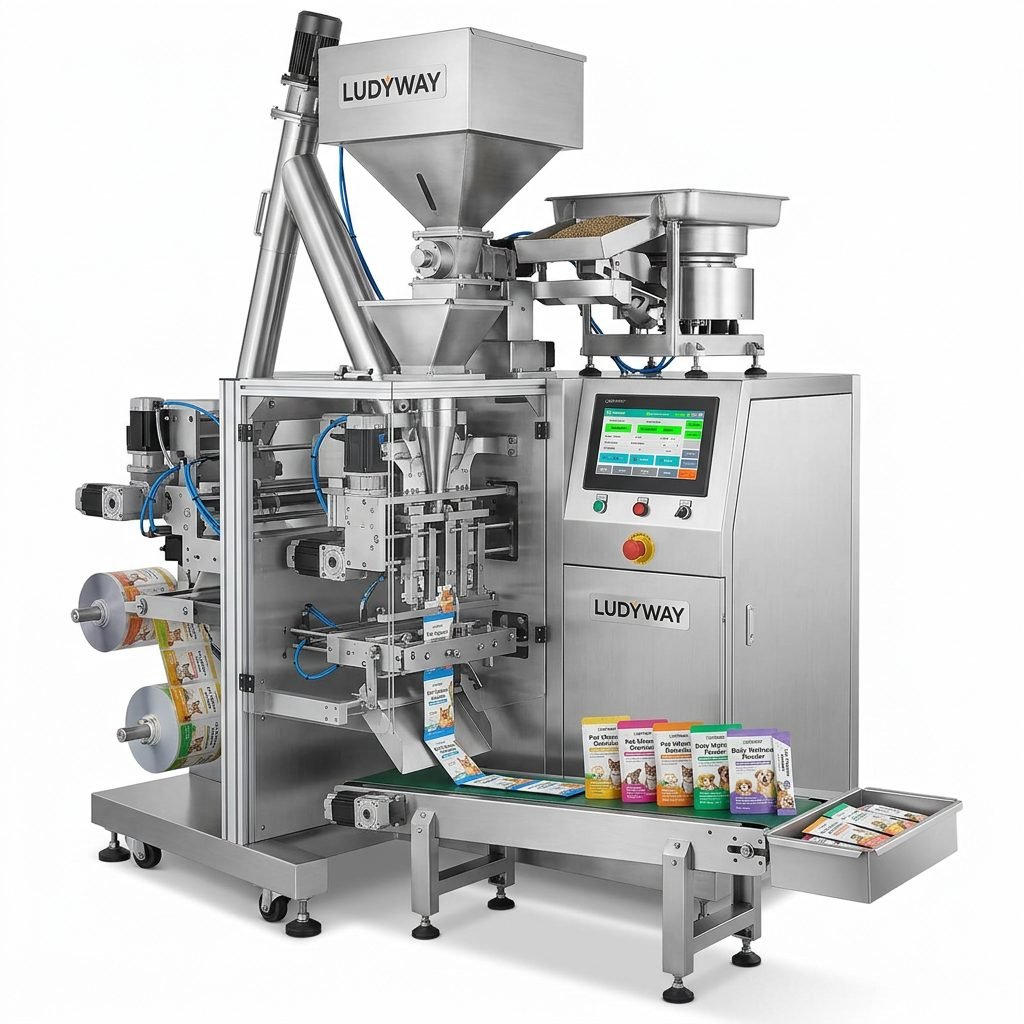
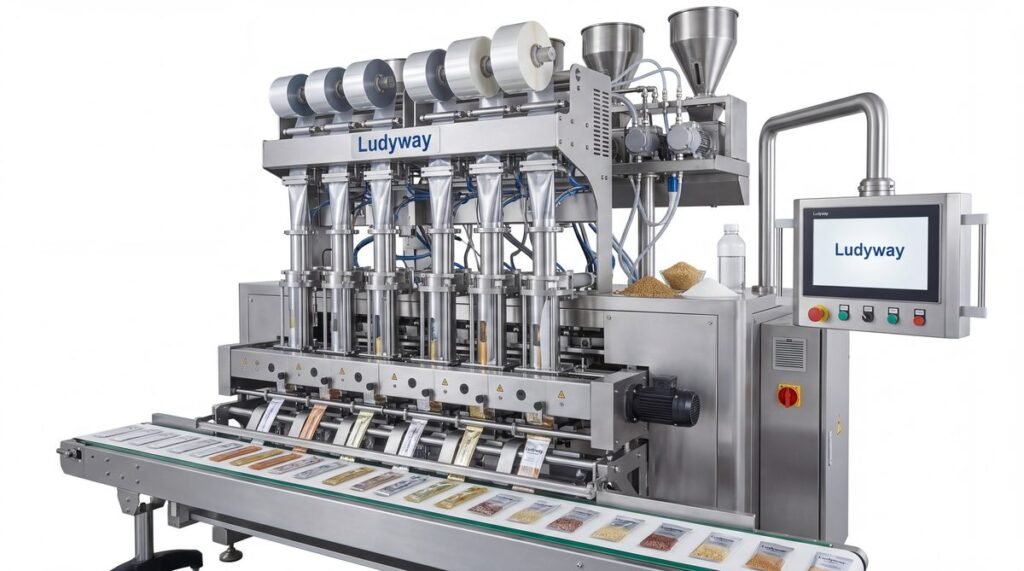
These are among the most common and versatile machines. They form a roll of flat kraft paper into a tube, create the bottom seal, fill the product, and then create the top seal, all in a continuous vertical motion. They are ideal for packaging granules, powders, snacks, and small hardware items into pillow-style bags or gusseted bags.
Horizontal Form-Fill-Seal (HFFS) Machines
HFFS machines work on a horizontal plane. They are typically used for more rigid or pre-formed items. The machine forms the pouch around the product, which is excellent for biscuits, bars, medical devices, or tools. They often produce a more structured, carton-like package from kraft paper laminates.
Premade Pouch Machines
This system uses pre-manufactured kraft paper pouches that are automatically fed, opened, filled, and then sealed. It’s a superb choice for businesses that require high-speed packaging of liquids, viscous products, or items needing a very specific, high-quality pouch style that is difficult to form on-site.
Specialized Kraft Bagging Machines
For larger, bulkier items, dedicated kraft bagging machines exist. These can handle multi-wall kraft paper bags for products like animal feed, fertilizer, construction materials, or large food ingredients. They often include weighing systems for precise filling.
Essential Features to Evaluate
When comparing different kraft paper packaging machines, pay close attention to the following features that directly affect performance and suitability.
1. Material Handling & Compatibility
Not all machines handle all types of kraft paper equally well. Check the machine’s specifications for:
- Paper Grammage Range: Can it run lightweight (e.g., 40 gsm) and heavy-duty (e.g., 120 gsm) kraft?
- Coating/Lamination Compatibility: Many kraft papers for food are laminated with PLA or PE for barrier properties. Ensure the machine’s sealing jaws can effectively seal these materials.
- Web Tension Control: Precise control is vital to prevent paper tearing or misalignment during high-speed operation.
2. Sealing System
The seal integrity is non-negotiable. Look for:
- Heated Jaw Sealers: Common for laminates. Temperature control accuracy is key.
- Cold Seal (Pressure-Sensitive) Systems: Used for specific applications where heat is not desired.
- Seal Monitoring: Advanced machines include sensors to detect seal flaws in real-time, reducing waste.
Pro Tip: Flexibility Matters
Consider a machine that can easily switch between kraft paper and other sustainable materials like compostable films. This future-proofs your investment against evolving market and regulatory demands.
3. Speed & Production Capacity
Machine speed, measured in bags or pouches per minute (BPM/PPM), must align with your output requirements. A small artisanal bakery has vastly different needs than a large-scale coffee roaster. Remember, the maximum speed on paper may differ from sustainable operational speed with your specific product and paper grade.
4. Changeover & Flexibility
How quickly can you switch from one bag size to another? Machines with quick-change systems for forming tubes, sealing jaws, and feed systems minimize downtime and are crucial for short production runs. Digital length adjustment is a significant advantage.
5. Integration & Automation Level
Modern machines are part of a larger system. Evaluate:
- Weighing & Feeding Integration: Compatibility with auger fillers, volumetric cups, or multi-head weighers for accurate product dosing.
- Control System: User-friendly HMI (Human-Machine Interface) with recipe storage, production reports, and diagnostic tools.
- Downstream Connectivity: Ability to connect to checkweighers, metal detectors, labelers, and case packers for a complete line.
How to Choose the Right Machine: A Step-by-Step Guide
Step 1: Define Your Product & Packaging Specs
Start with the basics. What are you packaging? Is it powder, granules, solid pieces, or a liquid? Determine the required bag size, shape (pillow, gusseted, flat-bottom), and seal type. The physical characteristics of your product dictate the type of filling system and machine platform (VFFS vs. HFFS, etc.).
Step 2: Analyze Your Production Volume
Be realistic about your current and projected 3-5 year volume. This is the single biggest factor in determining the machine’s necessary speed and robustness. Under-sizing leads to bottlenecks; over-sizing leads to unnecessary capital expenditure and higher per-unit costs.
Step 3: Select the Right Kraft Paper Material
Work with your paper supplier and machine vendor simultaneously. The machine must be capable of running the specific kraft paper you plan to use—consider its thickness, coating, and roll dimensions. Some machine manufacturers, like Ludyway Machinery, have extensive experience in testing materials and can provide valuable guidance.
Step 4: Prioritize Key Features
Based on your needs, create a checklist. Is absolute sealing integrity your top priority? Or is quick changeover for 20 different SKUs more critical? Rank features like speed, seal type, automation level, and ease of cleaning.
Step 5: Evaluate Suppliers & Support
The machine is only part of the solution. The supplier’s reputation is paramount. Look for a provider with:
- Proven Experience: With kraft paper packaging specifically.
- Technical Support: Availability of spare parts, on-site service engineers, and remote diagnostics.
- Testing Facility: The ability to conduct a live product test with your actual materials is invaluable. It de-risks the purchase and optimizes machine settings.
Companies with a long history in packaging machinery often provide more reliable long-term partnership and support.
Step 6: Consider Total Cost of Ownership (TCO)
Look beyond the initial purchase price. Factor in estimated costs for maintenance, energy consumption, spare parts, operator training, and potential downtime. A slightly more expensive but more reliable and efficient machine often has a lower TCO over 5-10 years.
Conclusion
Investing in a kraft paper packaging machine is a strategic decision that supports sustainability goals while driving operational efficiency. By thoroughly understanding the different machine types, critically evaluating essential features, and following a structured selection process that focuses on your unique product and production needs, you can make a confident investment. Partnering with an experienced and supportive equipment provider ensures a smooth integration and maximizes the return on your investment for years to come.
Frequently Asked Questions (FAQs)
Q1: Can one machine handle both plain kraft paper and laminated/coated kraft?
A: Many modern machines are designed with this flexibility. However, it typically requires adjusting the sealing parameters (like temperature and pressure). It’s crucial to discuss your specific material plans with the machine manufacturer to ensure their equipment can handle the switch efficiently and confirm if any changeover parts are needed.
Q2: What are the main maintenance requirements for a kraft paper packaging machine?
A: Regular maintenance is key. Daily tasks include cleaning dust and debris (paper dust is common), checking seal jaw surfaces, and verifying web alignment. Weekly or monthly tasks involve lubricating moving parts, inspecting drive belts and chains, and calibrating sensors. Always follow the manufacturer’s prescribed maintenance schedule.
Q3: How do I prevent kraft paper from tearing during the packaging process?
A: Tearing is often caused by incorrect web tension, misaligned forming parts, or using paper that is too lightweight for the machine’s mechanics. Solutions include calibrating the tension control system, ensuring all guides and forming shoulders are correctly aligned and smooth, and selecting a paper grammage within the machine’s recommended range.
Q4: Is it difficult to find operators for these machines?
A: While specific training is required, the fundamental principles are similar to other form-fill-seal machines. Reputable suppliers offer comprehensive training programs for your operators and maintenance staff. Machines with intuitive touchscreen controls and clear diagnostics also significantly reduce the learning curve.
Q5: Can these machines be integrated into a fully automated packaging line?
A: Absolutely. High-end kraft paper packaging machines are built for Industry 4.0 integration. They can be seamlessly connected with upstream equipment (like mixers or feeders) and downstream systems (like checkweighers, labelers, and robotic carton packers) via standard industrial communication protocols (e.g., Ethernet/IP, Profinet).