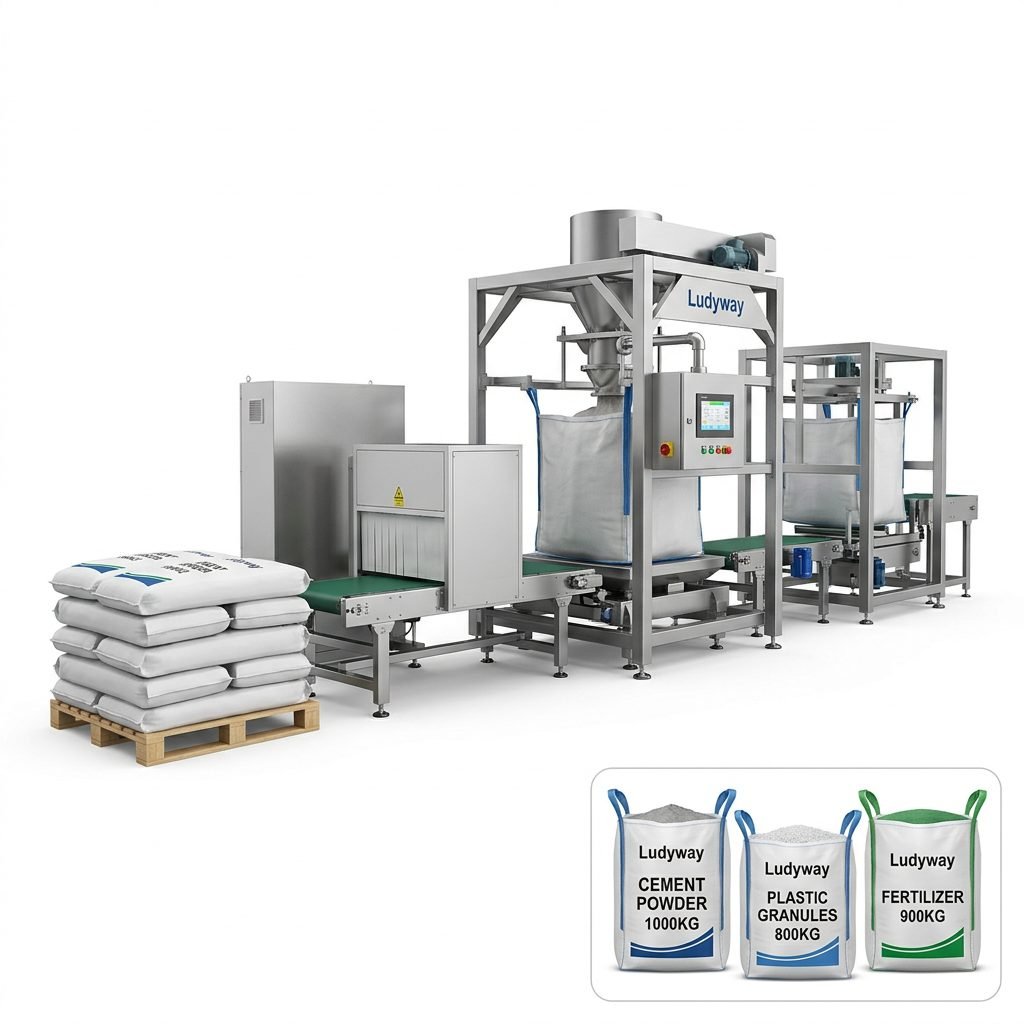
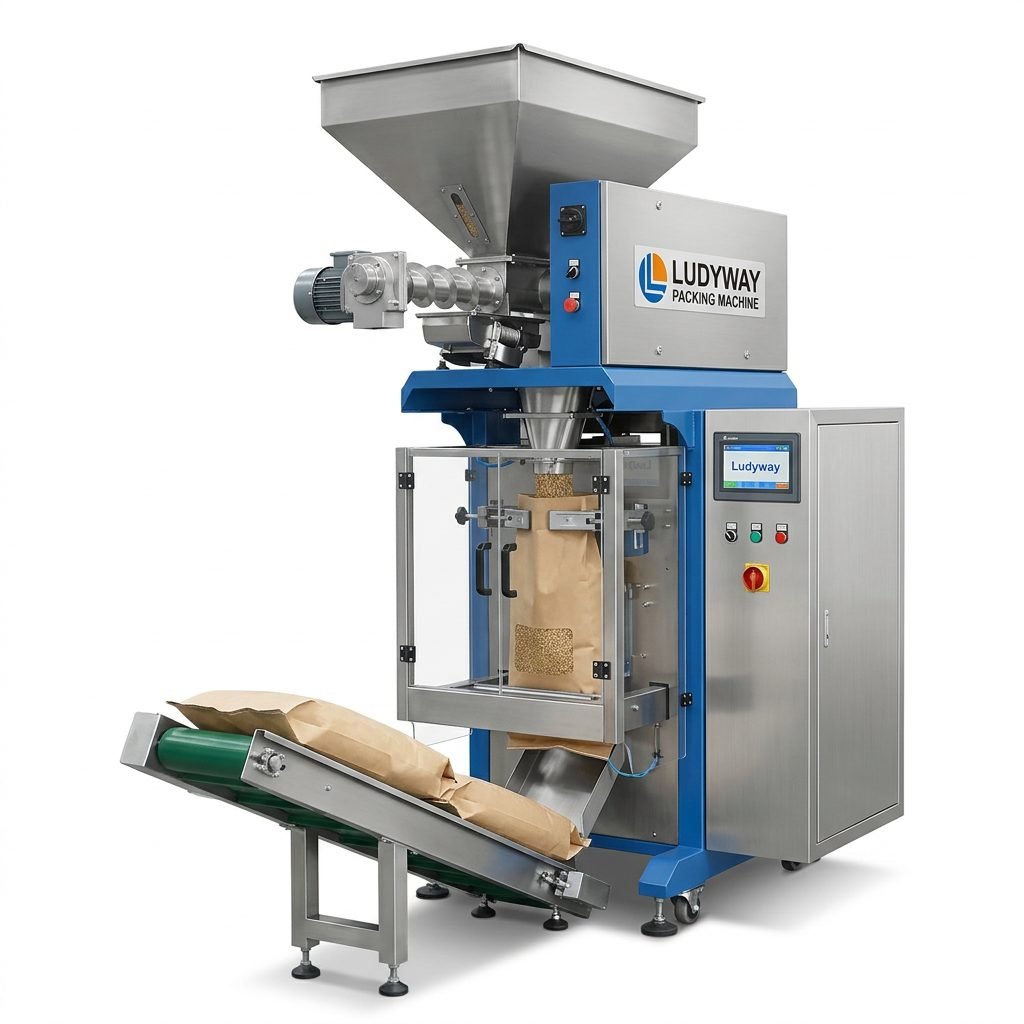
Retail brands face constant pressure to pack products faster, more safely, and with more consistent quality. Whether you sell food, supplements, pharmaceuticals, cosmetics, or daily-use goods, the right retail packaging machine can reduce labor costs, improve shelf appearance, and protect products during transport and display. The wrong machine, however, can slow production, increase waste, and create sealing or dosing problems that directly affect customer trust.
To choose the best solution, buyers need to look beyond speed claims and compare product type, package format, automation level, hygiene needs, and future expansion plans. A smart equipment choice should support both today’s production goals and tomorrow’s growth.
Why the Right Retail Packaging Machine Matters
Retail packaging is not only about placing products into pouches, sachets, cartons, or bottles. It directly affects:
- Packing speed and output capacity
- Seal integrity and leak prevention
- Weight and fill accuracy
- Product freshness and contamination control
- Shelf appeal and consumer convenience
- Compliance with industry regulations
- Labor dependence and operating costs
For high-volume retail operations, even a small improvement in packaging efficiency can create major gains in productivity, consistency, and profitability.
Start with Your Product Type
The first step is identifying what exactly you need to pack. Different materials behave differently inside a packaging machine, so matching the machine to the product is essential.
| Product Type | Common Packaging Formats | Recommended Machine Features |
|---|---|---|
| Powders | Sachets, stick packs, pouches, jars | Auger filling, dust control, accurate dosing |
| Granules | Pouches, stick packs, pillow bags | Weighing system, vibration feeding, anti-crush handling |
| Liquids | Sachets, bottles, pouches | Pump filling, anti-drip design, secure sealing |
| Pastes & creams | Sachets, tubes, pouches | Heated hopper, piston filling, clean cut sealing |
| Tablets & capsules | Blisters, bottles, sachets, cartons | Counting accuracy, GMP-friendly structure, vision inspection |
If your products include multiple formulations, such as both powder and granule SKUs, it may be better to choose a flexible retail packaging system with changeover capability instead of a single-purpose unit.
Match the Machine to the Retail Package Format
Your package format affects machine design, production speed, material use, and branding presentation. Common retail packaging solutions include:
Sachet Packaging Machines
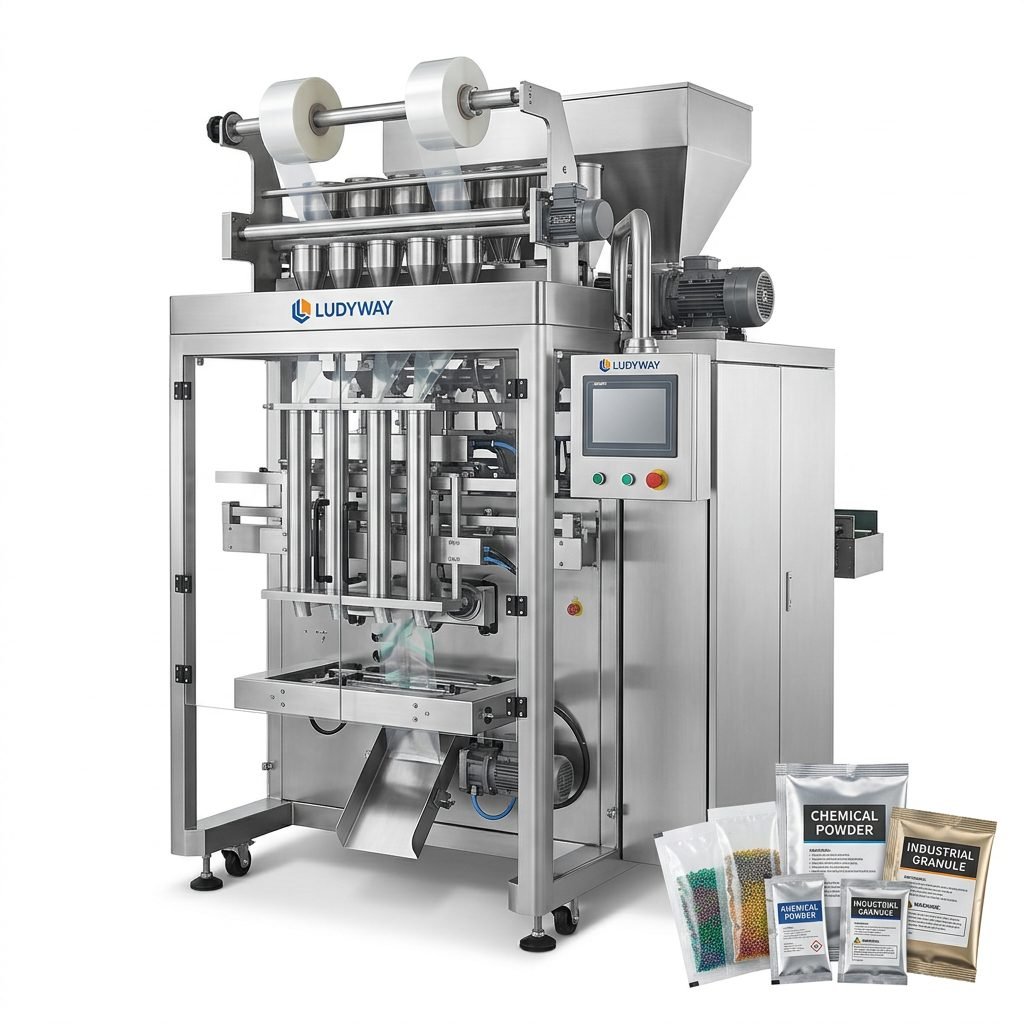
Ideal for single-use products, trial packs, travel-size items, condiments, supplements, healthcare products, and cosmetics. Sachets are popular in retail because they are economical, compact, and easy to display.
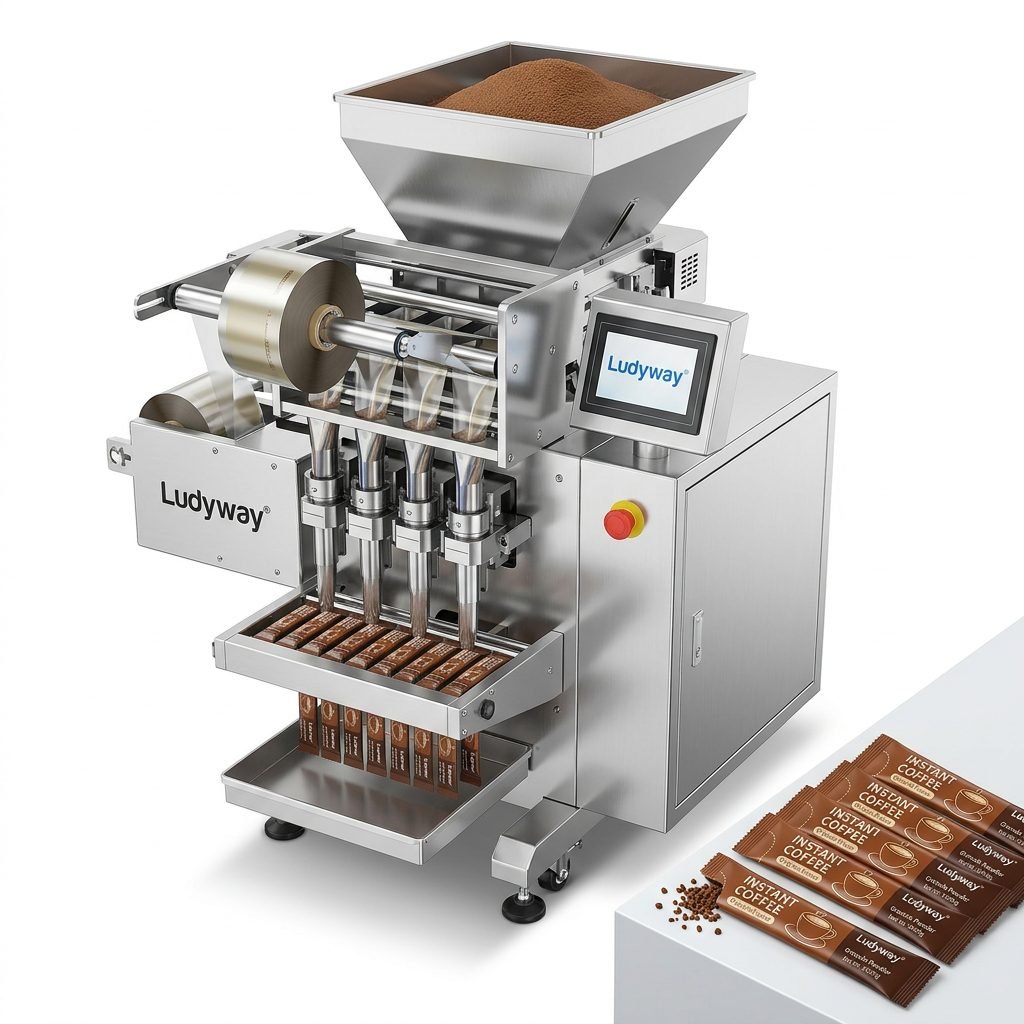
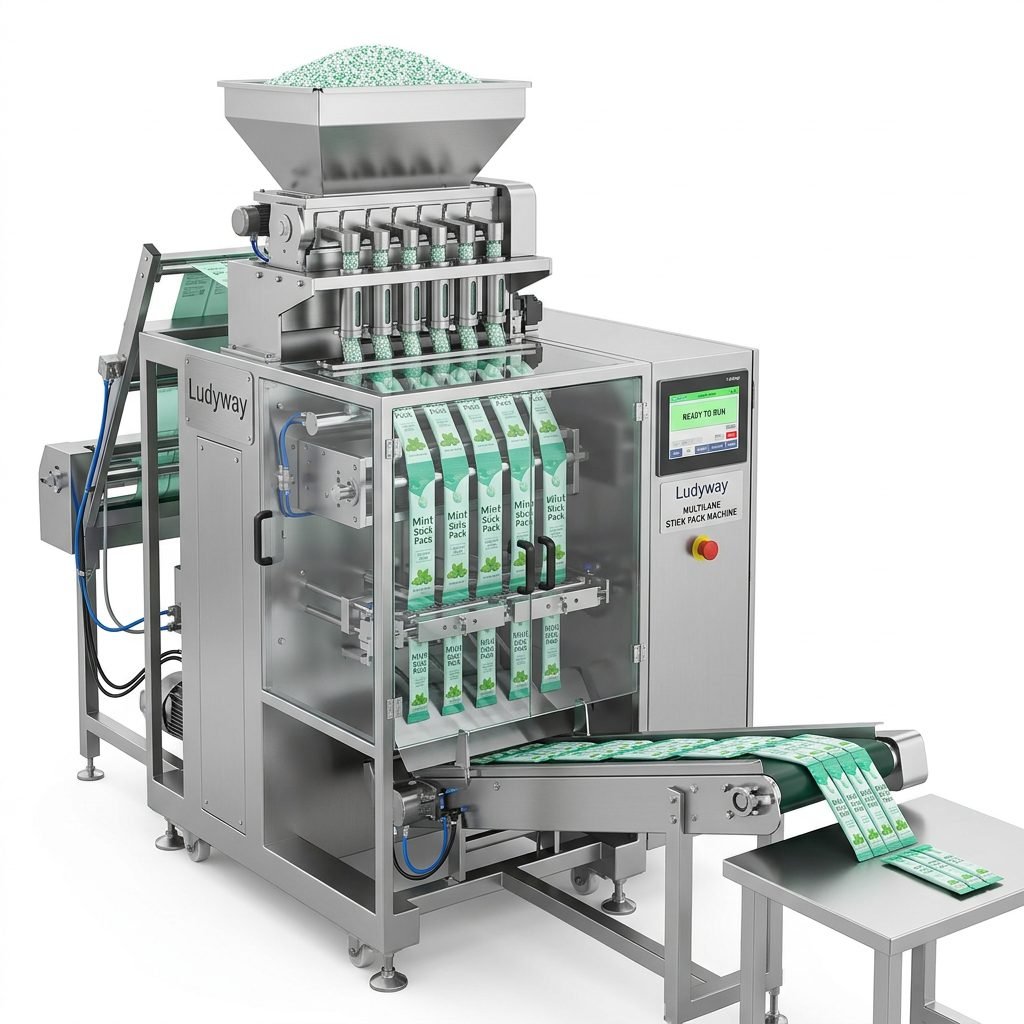
Stick Pack Machines
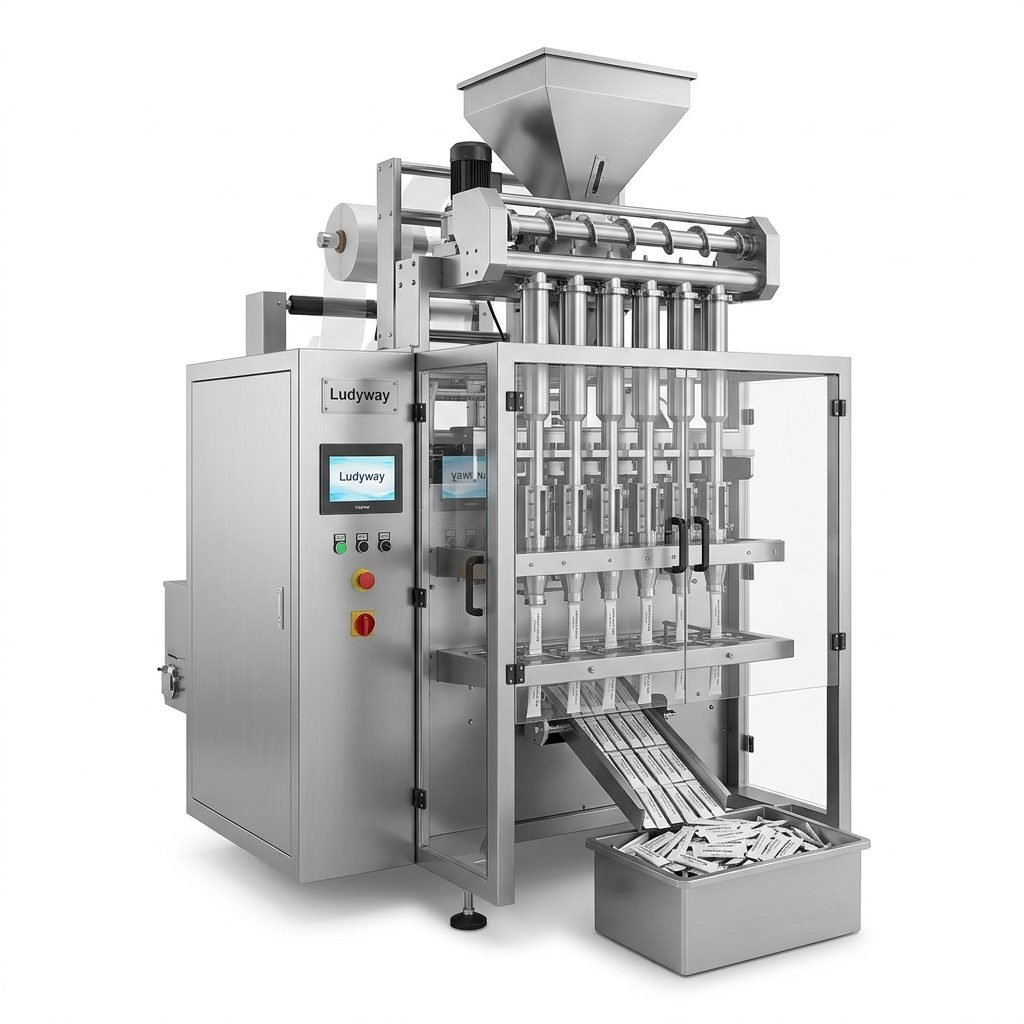
Best for drink powders, sweeteners, health supplements, instant coffee, and pharmaceutical granules. Stick packs offer a sleek retail appearance and excellent portion control.
Premade Pouch Packaging Machines
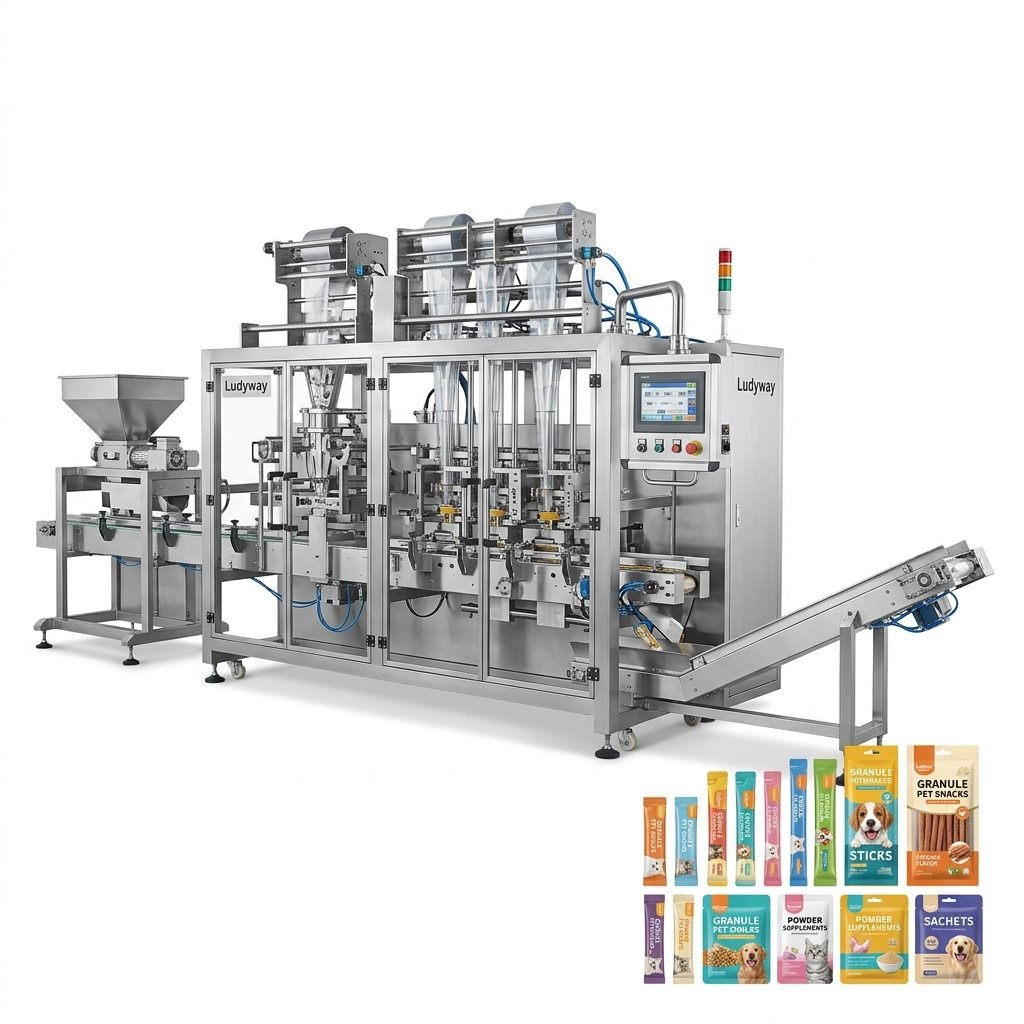
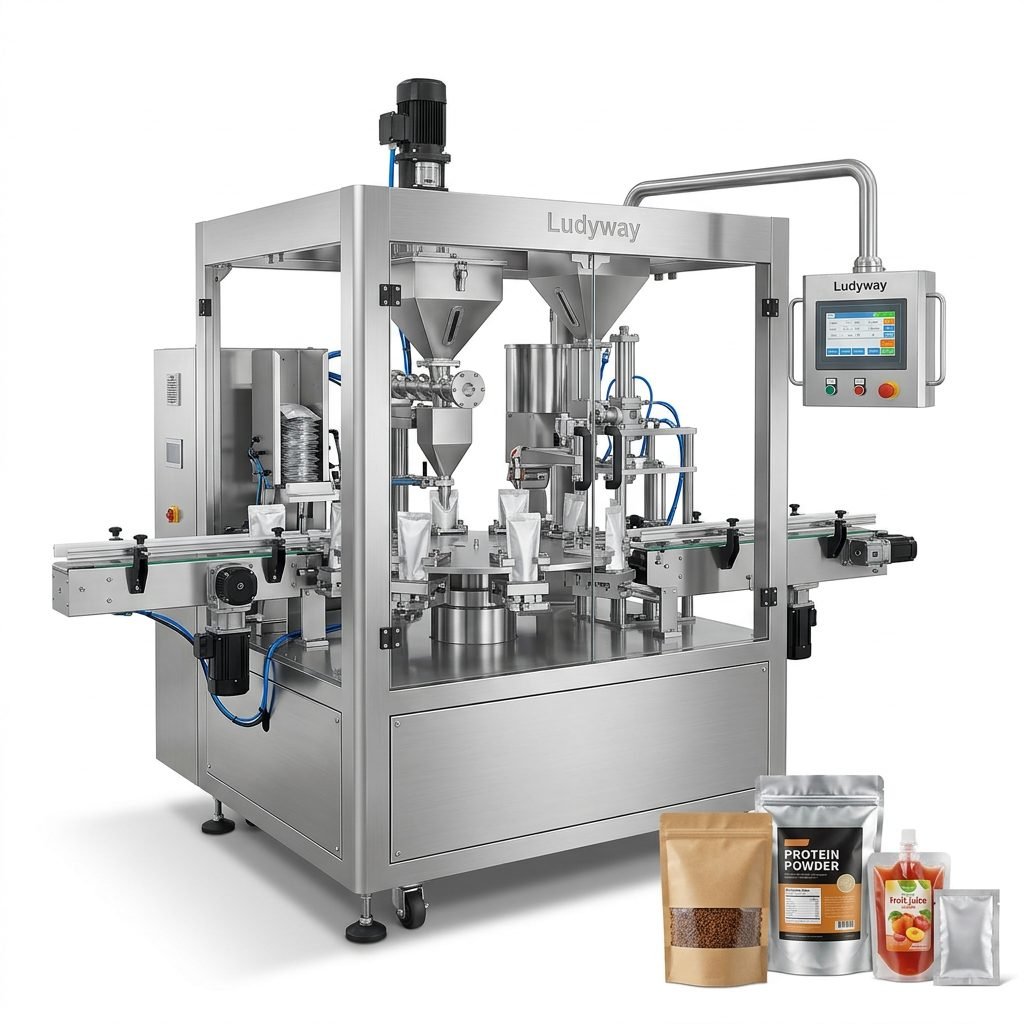
Suitable for higher-end retail products that need strong visual appeal, resealability, or specialty formats. These are common for snacks, powders, liquids, and pet products.
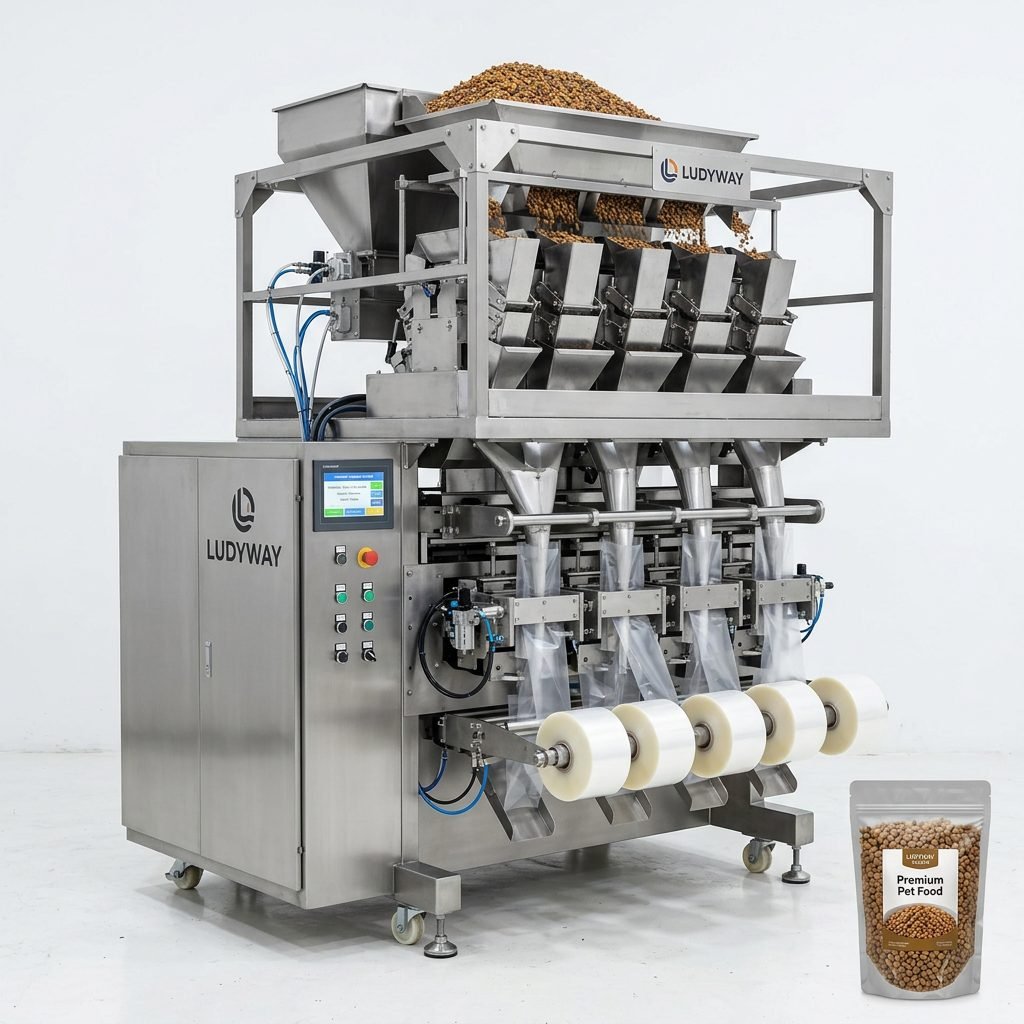
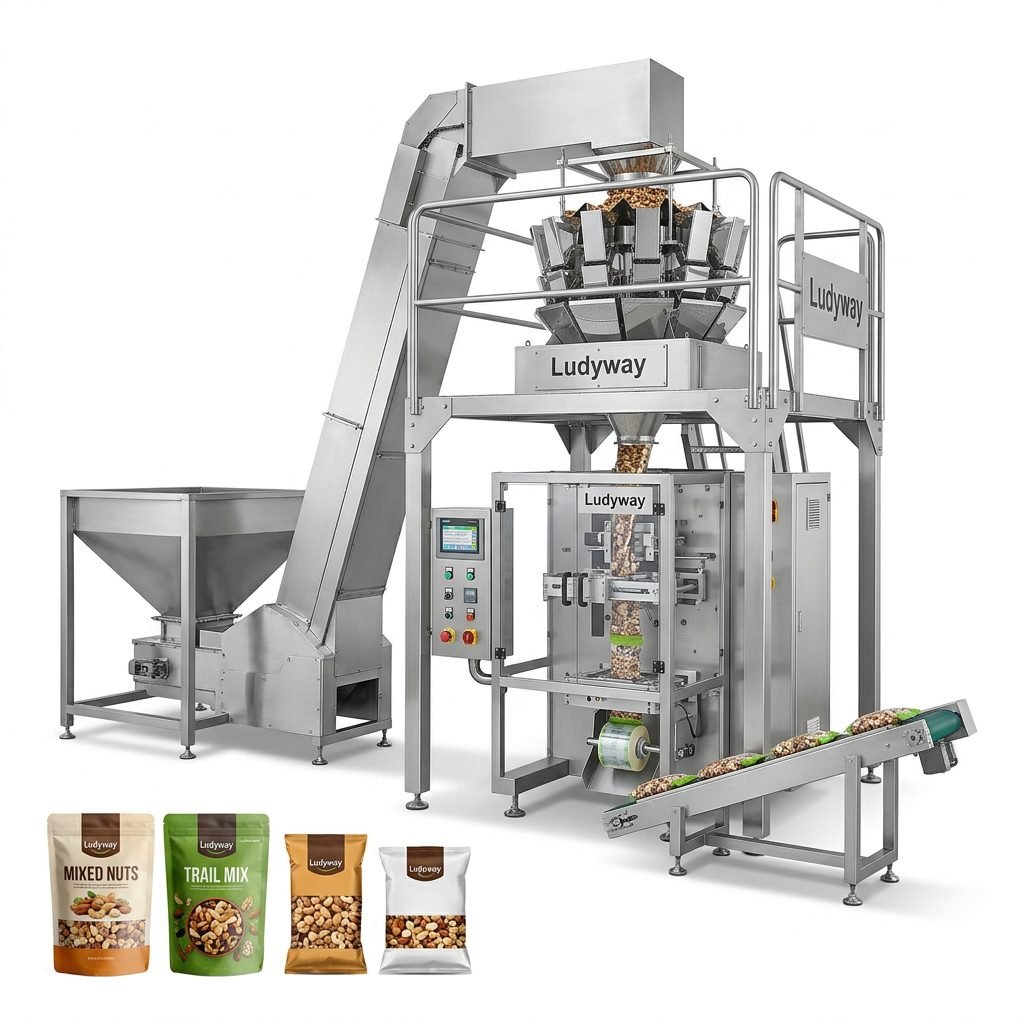
Vertical Form Fill Seal Machines
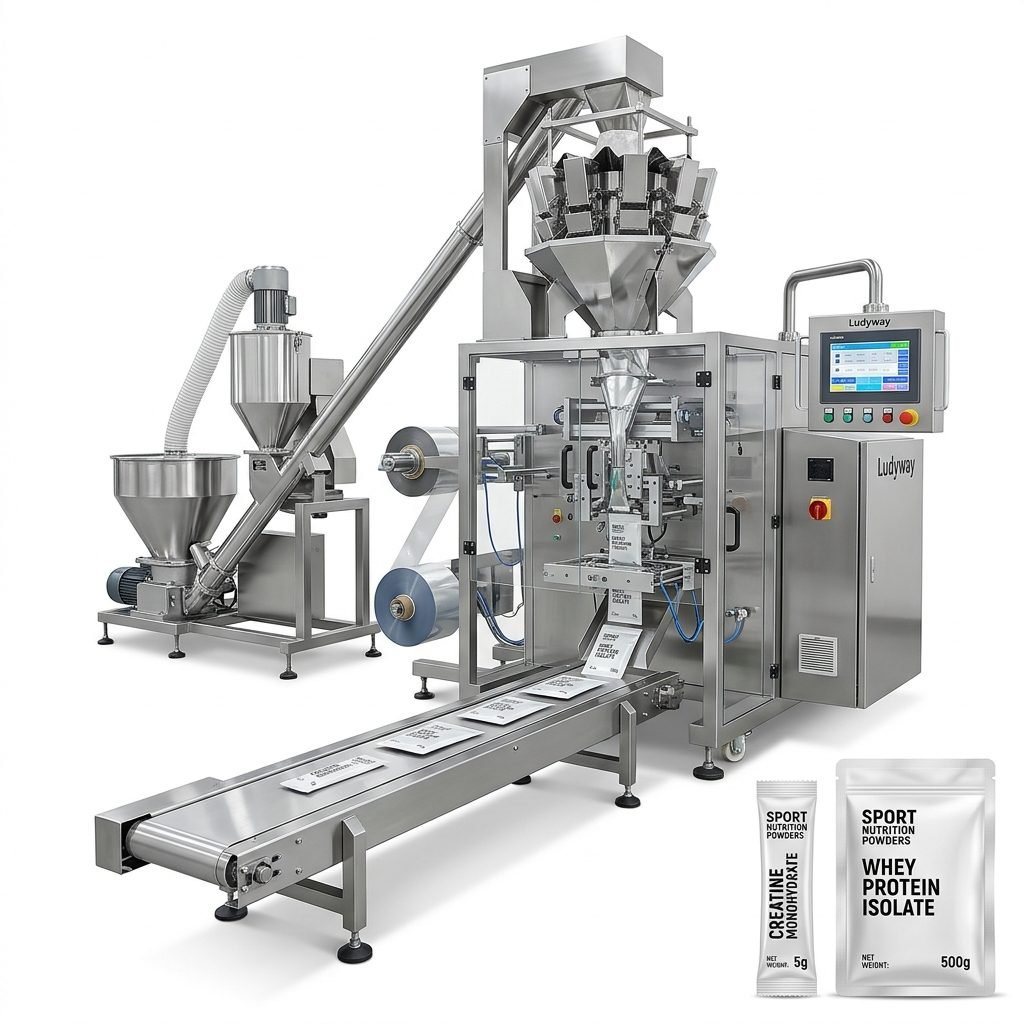
A reliable option for high-speed bag production from roll film. These are often used for food, granules, powders, and many household products.
Bottle Filling and Capping Lines
Used for tablets, capsules, syrups, liquid supplements, personal care, and chemical retail products. These lines often include labeling, coding, and cartoning.
Evaluate Production Speed Realistically
Many buyers focus on maximum speed, but real-world output depends on more than machine cycles per minute. You should assess:
- Actual product flow characteristics
- Package size and sealing time
- Film quality and stability
- Operator skill level
- Changeover frequency between SKUs
- Downtime for cleaning and maintenance
A machine advertised at ultra-high speed may not be the best fit if your product is difficult to feed, your packaging materials vary, or your retail line needs frequent adjustments. The best solution is one that offers stable, repeatable performance, not just peak speed on paper.
Look Closely at Safety and Product Protection
In retail packaging, safety includes both operator safety and product safety. This is especially important in food, pharmaceutical, health supplement, and personal care applications.
- Use food-grade or pharma-grade contact parts where required
- Choose enclosed structures to reduce dust or contamination
- Confirm emergency stop systems and safety guards
- Check sealing consistency to avoid leakage and spoilage
- Consider nitrogen flushing or vacuum options for freshness-sensitive goods
- Verify compatibility with metal detection, checkweighing, or vision inspection
If you package sensitive retail products, machine cleanliness, sealing precision, and traceability features should be part of the selection process from the beginning.
Understand the Right Level of Automation
Not every business needs a fully automated turnkey line on day one. The best choice depends on order volume, labor availability, budget, and long-term growth strategy.
| Automation Level | Best For | Main Advantage |
|---|---|---|
| Semi-automatic | Small batches, startups, manual assistance | Lower upfront investment |
| Automatic standalone machine | Growing retail production lines | Balanced speed, cost, and flexibility |
| Fully integrated line | High-volume manufacturers and exporters | Maximum efficiency and lower labor dependence |
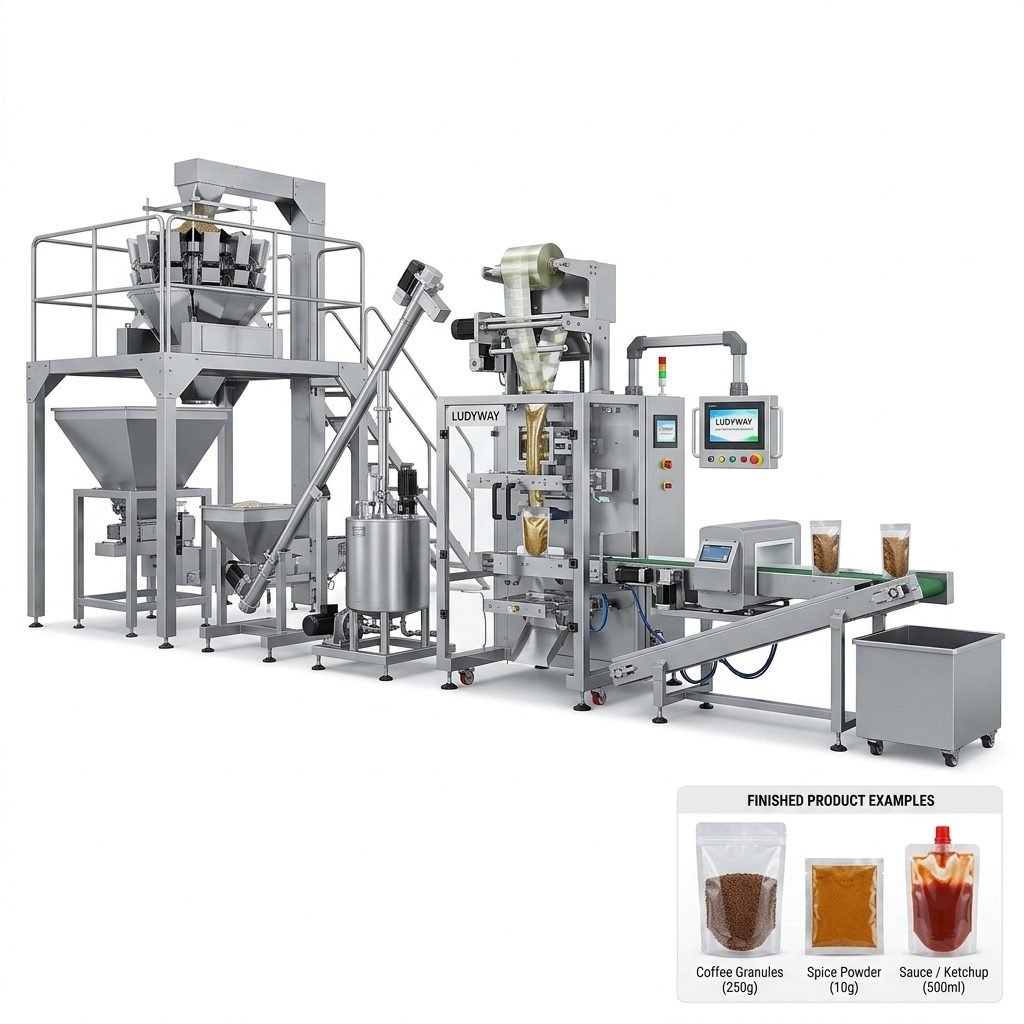
Integrated lines may combine feeding, filling, sealing, coding, checkweighing, cartoning, case packing, and palletizing. For brands planning to scale, this can be a strong investment in long-term competitiveness.
Check Changeover Flexibility for Multiple SKUs
Retail markets often require different pack sizes, flavors, formulas, and promotional formats. If your business runs multiple SKUs, ask these questions before buying:
- How long does format changeover take?
- Can one machine handle multiple bag widths or pouch sizes?
- Is recipe storage available in the control system?
- How easy is it to clean contact parts between products?
- Can spare parts be replaced quickly?
A machine with faster changeovers can dramatically improve real production efficiency, especially in retail businesses with short runs and diverse product portfolios.
Pay Attention to Packaging Material Compatibility
Retail packaging machines must work well with the films and materials you plan to use. This includes laminated films, aluminum foil structures, paper-based packaging, recyclable materials, and specialty barrier films.
Material compatibility affects:
- Seal strength
- Print registration accuracy
- Package appearance
- Material waste rate
- Machine stability at higher speeds
Before finalizing a machine, request sample testing with your actual packaging material and product. This is one of the most effective ways to reduce selection risk.
Consider Industry Compliance Requirements
Different retail sectors have different compliance expectations. The machine that works for snack products may not be suitable for medical or pharmaceutical packaging.
Food Retail Packaging
- Hygienic design
- Easy-clean surfaces
- Reliable sealing for freshness
- Optional nitrogen flushing and inspection systems
Pharmaceutical and Health Supplement Packaging
- High dosing precision
- Validation-friendly controls
- Traceability and coding support
- Dust control and cleanroom compatibility where needed
Cosmetic and Personal Care Packaging
- Attractive retail presentation
- Accurate liquid or cream filling
- Leak-proof sealing
- Compatibility with sample-size and travel-size formats
Do Not Ignore After-Sales Support
Even the best retail packaging machine needs technical support, spare parts, and maintenance planning. When comparing suppliers, assess:
- Installation and commissioning support
- Operator training
- Spare parts availability
- Remote troubleshooting capability
- Response time for service requests
- Ability to customize or upgrade later
A lower machine price may become expensive later if service is slow or if critical parts are hard to source.
Think Beyond the Machine: Choose the Right Packaging Partner
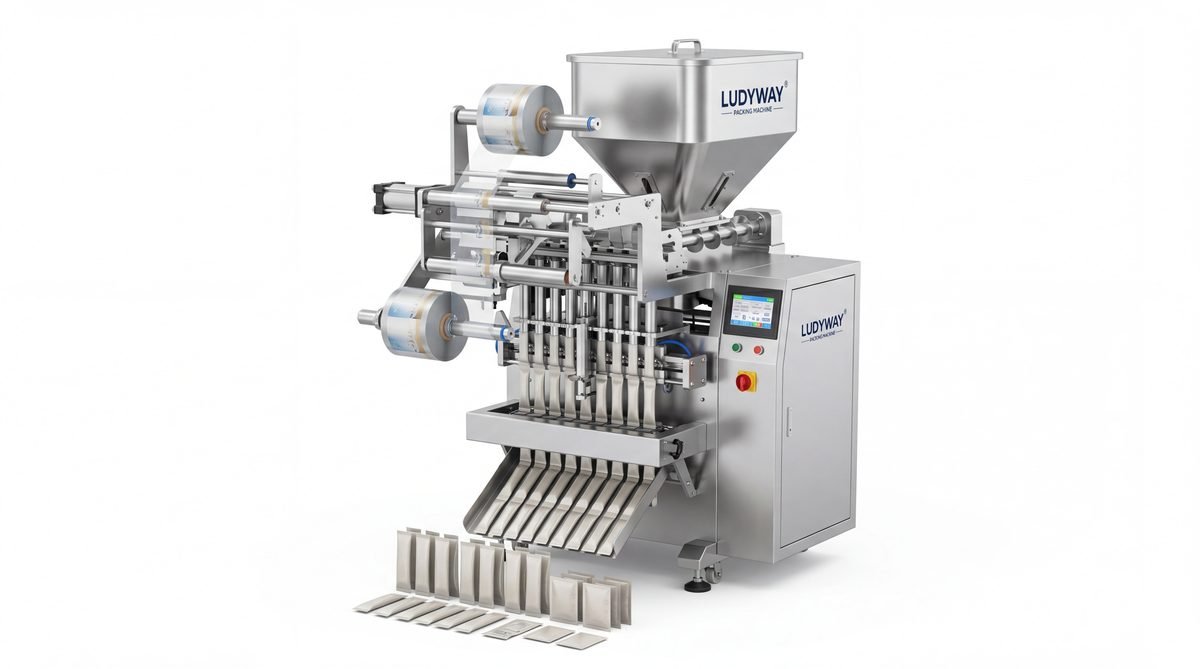
For many retail manufacturers, the best results come from working with an experienced supplier that can offer both standalone equipment and complete line integration. A company such as retail packaging machine manufacturer Ludyway can be valuable for businesses that need scalable solutions across food, pharmaceutical, health supplement, cosmetic, and related sectors. With more than 30 years of experience, a broad machine portfolio, and turnkey line capability, this kind of supplier can help reduce mismatch risk between product, package format, and production goals.
Key Questions to Ask Before You Buy
- What products will the machine handle now and in the future?
- What package formats are most important for retail sales?
- What is the required output per hour or per shift?
- How critical are sealing accuracy and dosage precision?
- Will the machine need frequent size or SKU changeovers?
- What compliance standards apply to the product category?
- What level of technical support is available after installation?
- Can the machine be integrated into a future automatic line?
Final Buying Priorities for Faster, Safer Packing
The best retail packaging machine is the one that fits your product characteristics, retail format, production volume, safety requirements, and expansion plan. Instead of focusing on speed alone, prioritize a balanced solution with stable output, accurate filling, strong seals, easy operation, and dependable service support.
When chosen correctly, the right packaging system can help you improve shelf readiness, reduce waste, protect product quality, and build a more efficient retail packing operation for long-term growth.