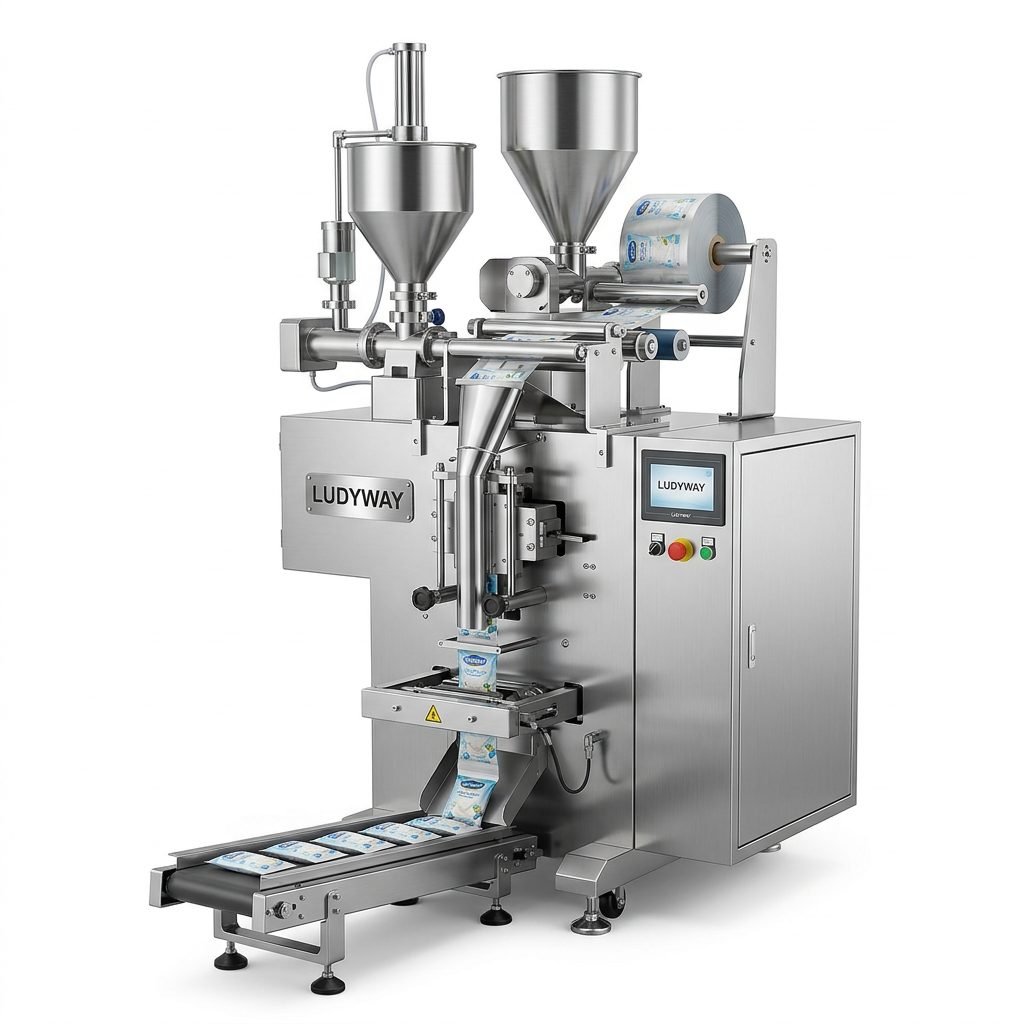
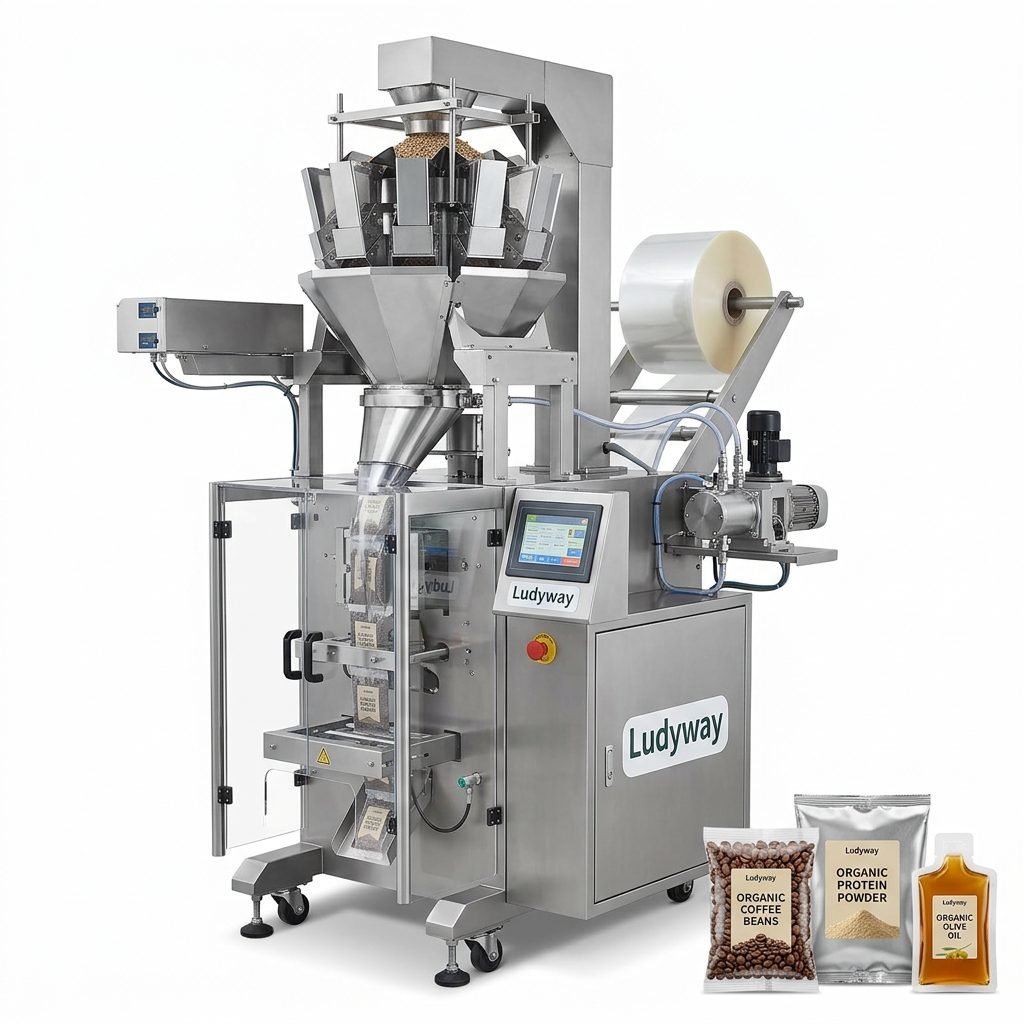
For small businesses, packaging is more than a finishing step. It affects product quality, labor cost, shelf appeal, output speed, and the ability to scale. A mini packing machine is often the smartest entry point for brands that need professional packaging without investing in a large industrial line.
Whether you sell spices, coffee, supplements, cosmetics, powders, liquids, or granules, compact packaging equipment can help you move from manual filling to a more efficient and consistent process. The key is choosing a machine that fits your product type, expected volume, package format, and growth plan.
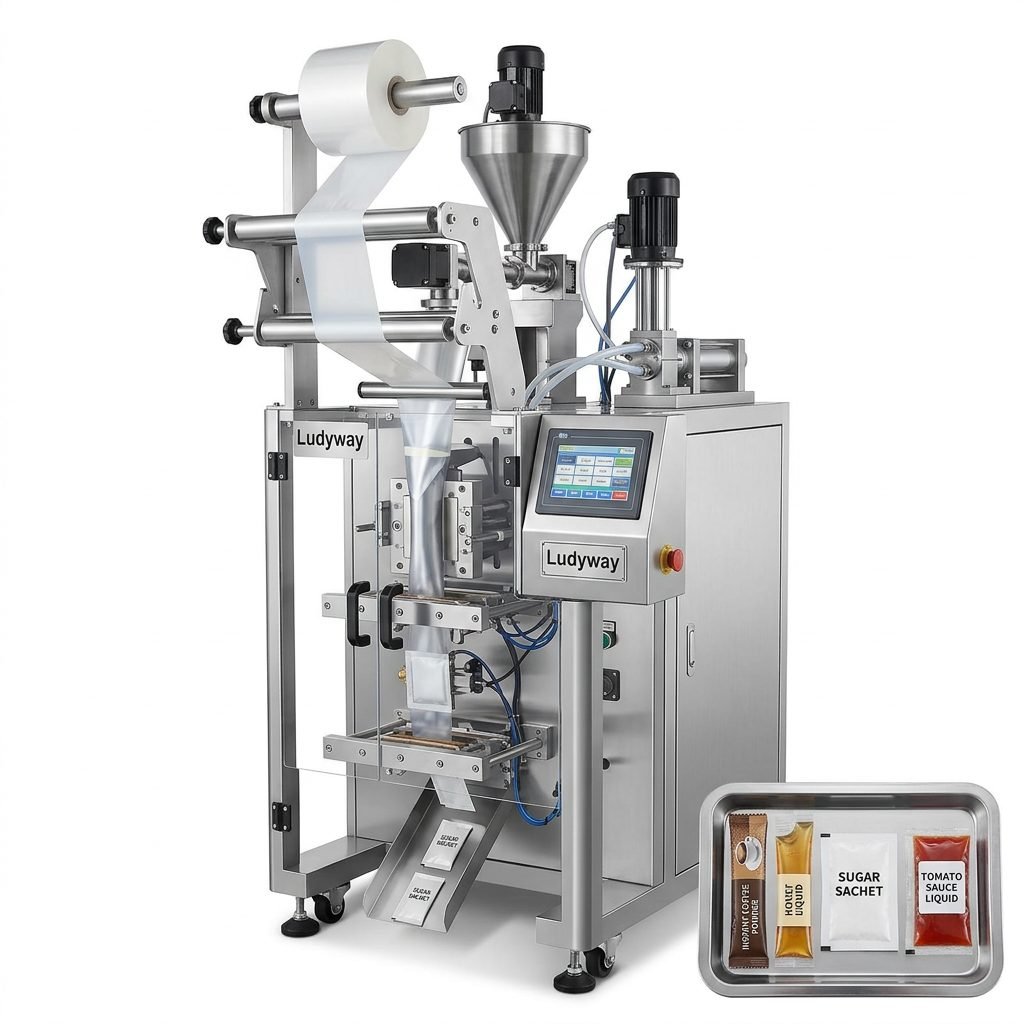
What Is a Mini Packing Machine?
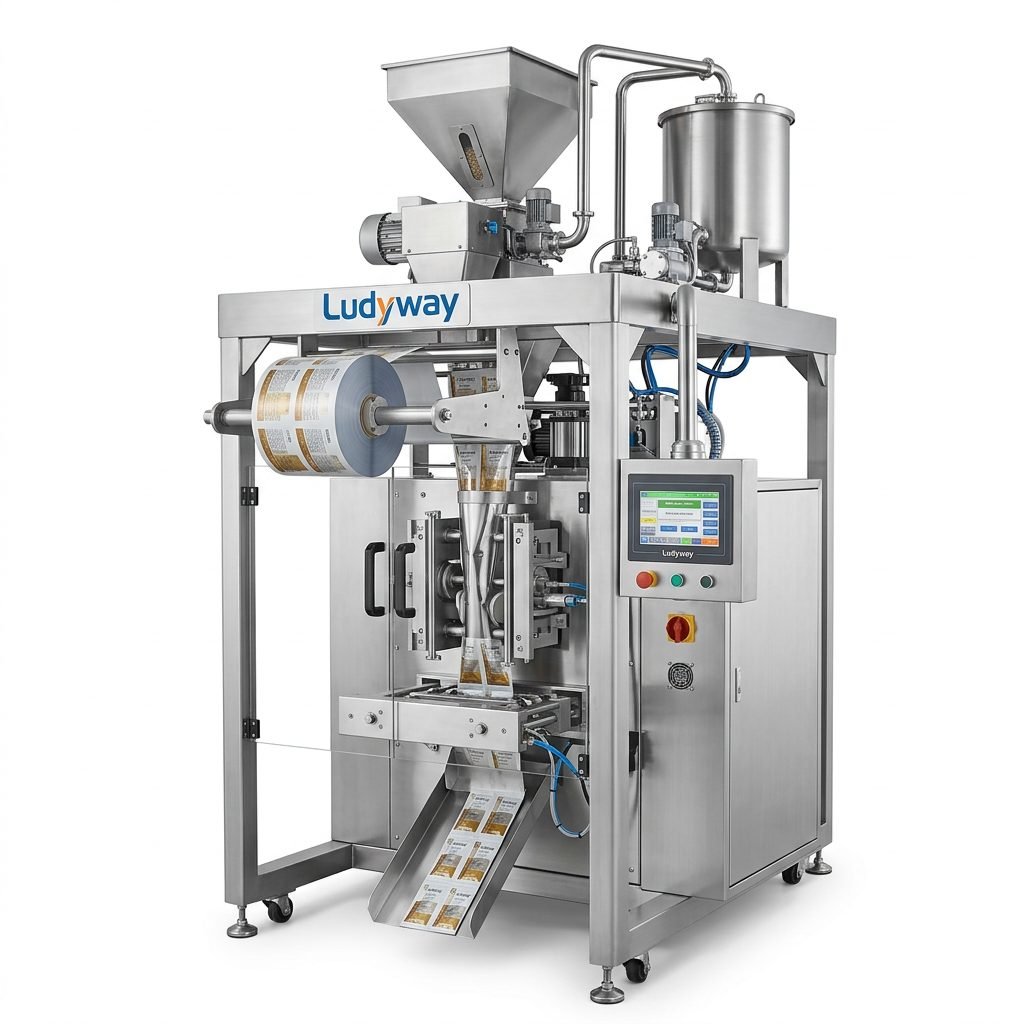
A mini packing machine is a compact packaging system designed for small to medium output requirements. It is commonly used by startups, private-label brands, laboratories, local manufacturers, and growing e-commerce businesses that need reliable packaging in a limited space.
These machines are usually built to handle one or more of the following tasks:
- Measuring or dosing product
- Forming pouches or sachets
- Filling powders, granules, liquids, or pastes
- Sealing packages securely
- Printing dates, codes, or batch information
Compared with large-scale equipment, mini machines are easier to install, more affordable to operate, and better suited to businesses with limited workshop area.
Why Small Businesses Choose Compact Packaging Equipment
Small businesses often need flexibility more than sheer speed. A compact packaging machine offers practical advantages that support early-stage growth.
Lower Initial Investment
Mini systems usually cost less than full packaging lines, making them ideal for businesses that want to automate without overextending their budget.
Space-Saving Design
Many small factories, workshops, and commercial kitchens operate in tight spaces. Compact equipment is easier to place, move, and integrate into existing workflows.
Improved Consistency
Manual packing can lead to weight variation, messy sealing, and inconsistent appearance. A mini packing machine improves fill accuracy and package quality.
Labor Savings
Even a small automatic or semi-automatic unit can reduce repetitive manual work and free up staff for quality control, shipping, and sales.
Scalable Production
A well-chosen compact machine helps businesses start at a manageable volume while preparing for future expansion.
Best Mini Packing Machine Types for Small Businesses
The best machine depends on what you pack. Below are the most common compact packaging solutions.
| Machine Type | Best For | Common Package Formats |
|---|---|---|
| Powder packing machine | Protein, spice, flour, supplement powders | Sachets, stick packs, small pouches |
| Granule packing machine | Sugar, salt, seeds, coffee granules, snacks | Sachets, stick packs, premade pouches |
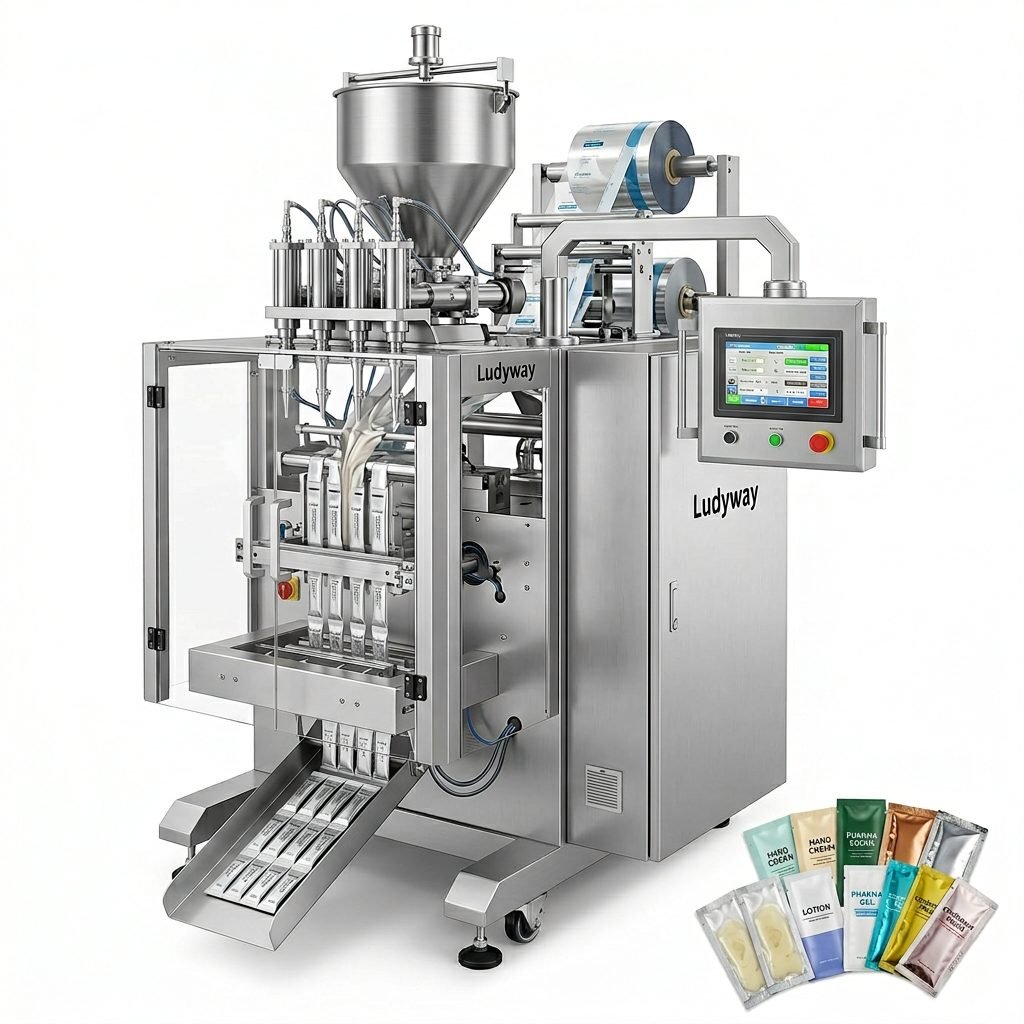
| Liquid packing machine | Sauces, oils, shampoos, serums, cleaners | Sachets, stick packs, pouches |
| Paste packing machine | Creams, gels, honey, ketchup, lotion | Sachets and small pouches |
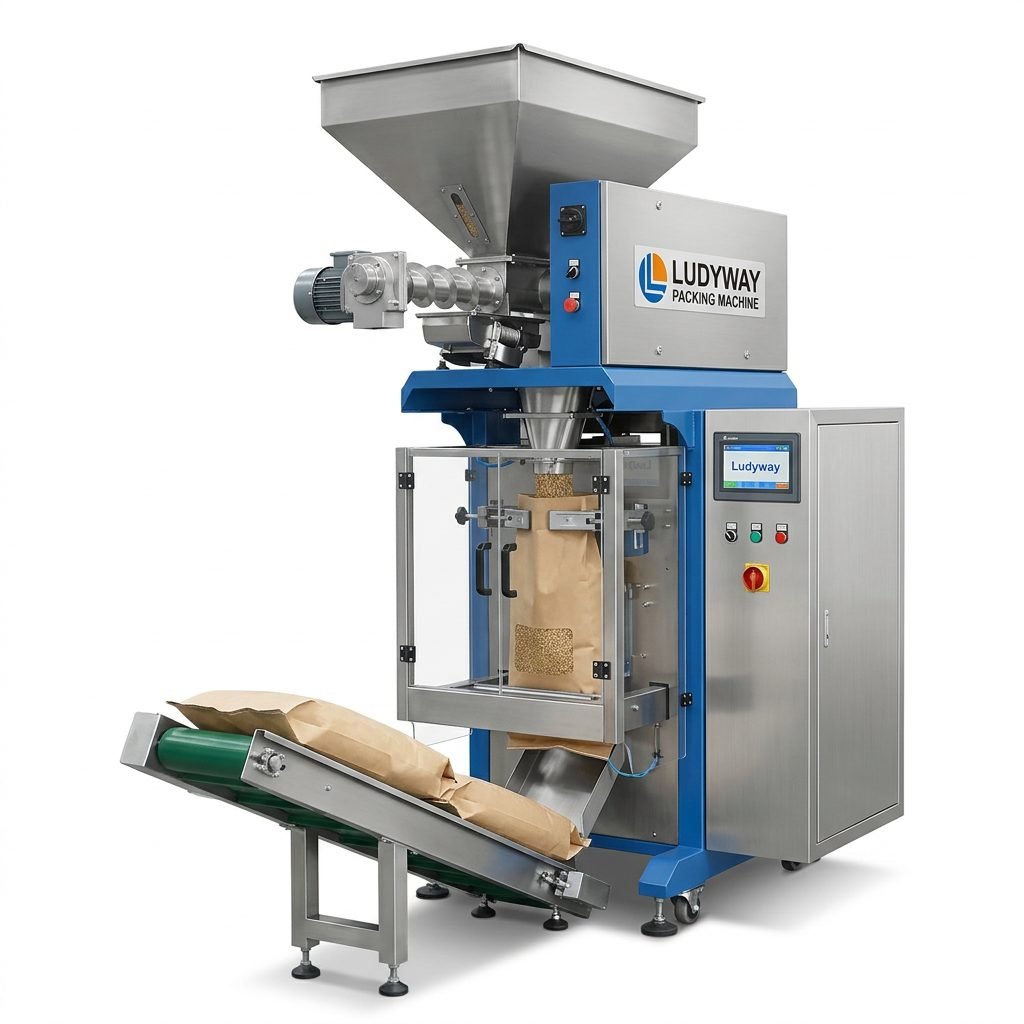
| Vertical form fill seal machine | Versatile small-bag packaging | Pillow bags, pouches, sachets |
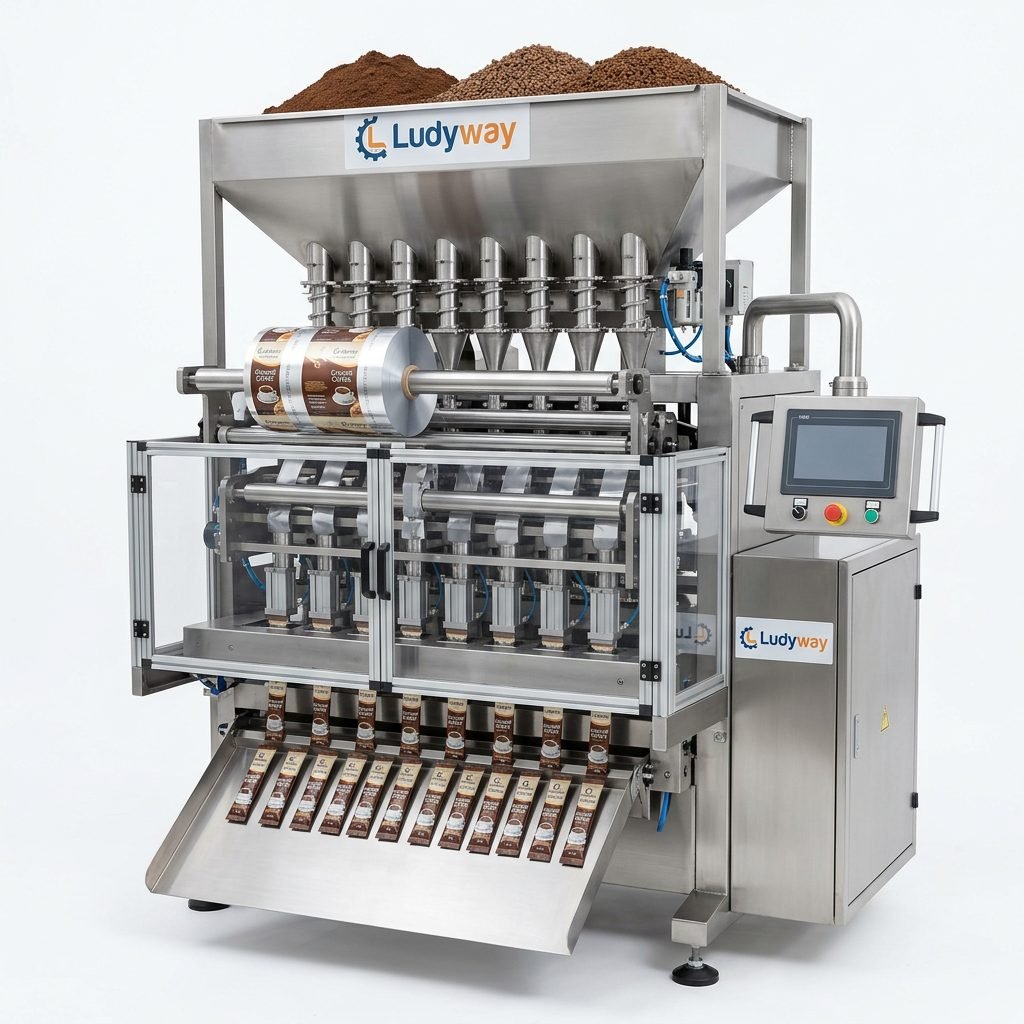
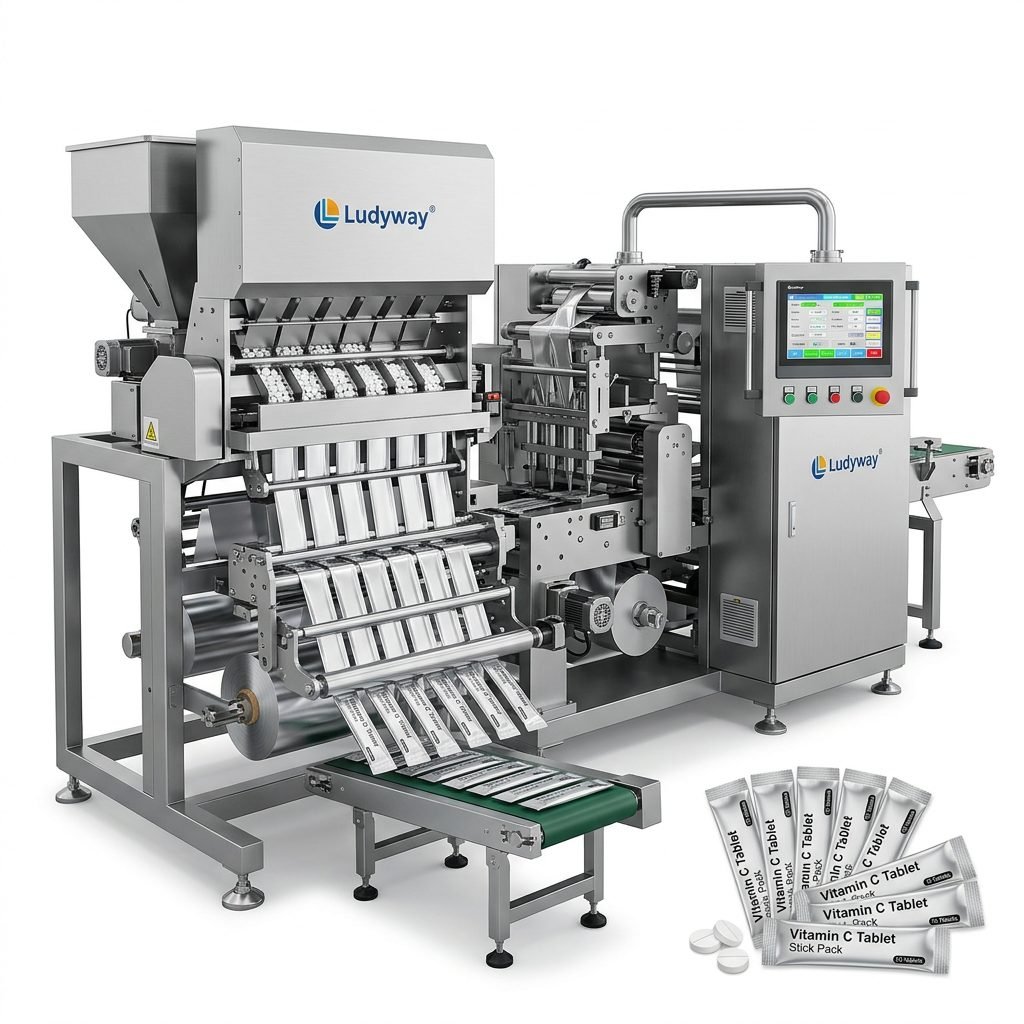
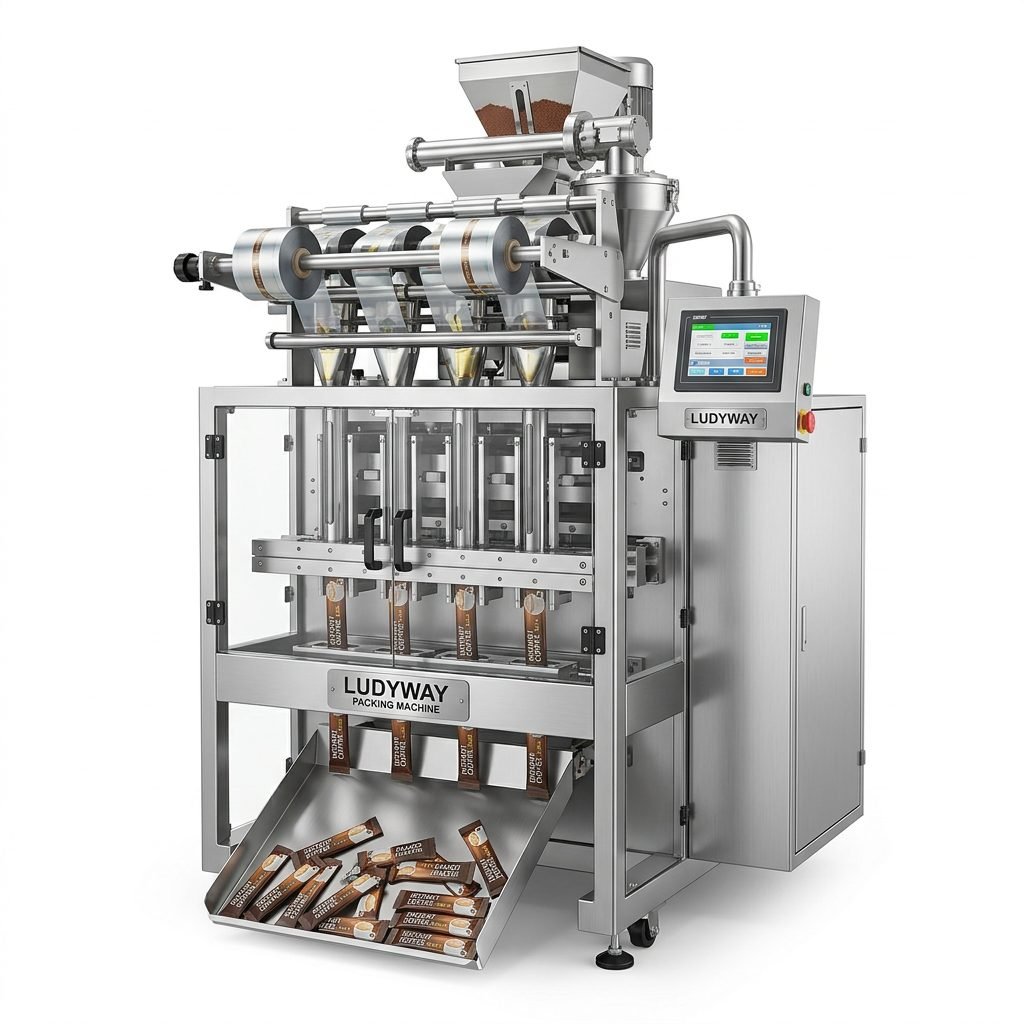
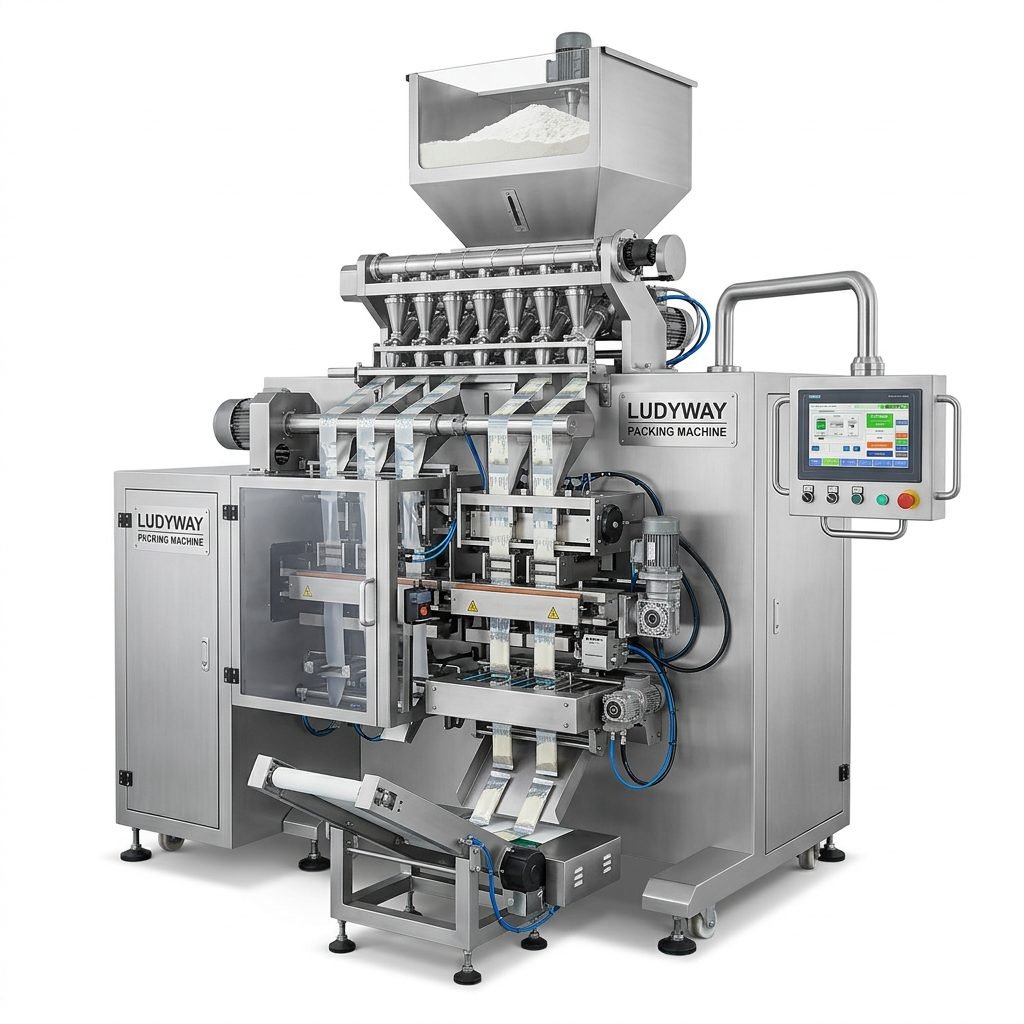
| Multi-lane stick pack machine | High-volume single-dose products | Stick packs |
How to Choose the Right Mini Packing Machine
A machine that looks compact is not automatically the right fit. You need to match equipment features with your business model.
1. Identify Your Product Form
Start with the physical nature of the product:
- Powders need auger filling or precision dosing
- Granules often use cup fillers or weighing systems
- Liquids require pump-based or piston filling
- Pastes need stable sealing and anti-drip control
2. Define Your Package Style
Your packaging format should support both functionality and branding. Small businesses commonly choose:
- Sachets for samples and single-use portions
- Stick packs for drink mixes, supplements, coffee, and cosmetics
- Premade pouches for retail-ready presentation
- Pillow bags for practical everyday packaging
3. Estimate Daily Output
Do not buy based only on current demand. Choose a model that can comfortably handle your present production while leaving room for growth over the next 12 to 24 months.
4. Consider Accuracy and Product Waste
For higher-value items such as supplements, cosmetics, and specialty food ingredients, fill accuracy matters. Better dosing reduces giveaway and protects margins.
5. Check Cleaning and Changeover Requirements
If you run multiple SKUs, compact equipment with easier cleaning and faster format change can save significant downtime.
Ideal Industries for Mini Packing Machines
Compact packaging solutions are widely used across many sectors, especially where small-batch production, flexible SKUs, or sample-size packaging is important.
Food and Beverage
- Spices and seasonings
- Coffee and instant drinks
- Sugar, salt, and sweeteners
- Soup mixes and nutritional powders
Pharmaceutical and Nutraceutical
- Oral powders
- Granules and medical sachets
- Supplement stick packs
- Single-dose health products
Cosmetics and Personal Care
- Face cream samples
- Shampoo and lotion sachets
- Serum and gel packs
- Travel-size personal care products
Chemical and Household Products
- Detergent powders
- Cleaning liquids
- Industrial additives
- Water treatment chemicals
Key Features to Look For
Not every compact machine delivers the same value. Prioritize features that improve reliability, usability, and packaging quality.
| Feature | Why It Matters |
|---|---|
| Compact footprint | Fits limited production spaces |
| Touchscreen controls | Simplifies operation and parameter adjustment |
| Accurate dosing system | Reduces waste and improves consistency |
| Stable sealing performance | Prevents leakage and protects shelf life |
| Quick changeover | Useful for multiple products or sizes |
| Easy maintenance | Keeps downtime low for small teams |
| Optional coding or labeling | Supports traceability and retail compliance |
Mini Packing Machine vs Manual Packing
Many small businesses begin with manual packaging, but the limitations become clear as order volume increases.
- Manual packing is flexible but slower, less consistent, and labor-intensive
- Mini packing machines improve speed, reduce human error, and create a more professional package appearance
If your team is spending too much time weighing, filling, sealing, or reworking bad packs, automation is usually the next logical step.
Who Should Invest in a Compact Packaging Solution?
A mini packing machine is especially suitable for:
- Startups launching new packaged products
- Contract packers handling small orders
- Growing e-commerce brands
- Private-label supplement and cosmetic brands
- Local food producers upgrading from hand packing
- Businesses testing new markets with sample packs
Common Mistakes to Avoid When Buying a Mini Packing Machine
Choosing the wrong machine can lead to downtime, wasted materials, and poor return on investment. Avoid these common mistakes:
- Buying based only on price instead of application fit
- Ignoring future capacity needs
- Choosing a machine without stable after-sales support
- Overlooking package material compatibility
- Not confirming dosing accuracy for your product
- Selecting a machine that is difficult to clean or maintain
What Makes a Reliable Packaging Machine Supplier?
For small businesses, the supplier matters almost as much as the machine. A good partner should be able to recommend the right solution, provide clear technical communication, support customization when needed, and help with installation or troubleshooting.
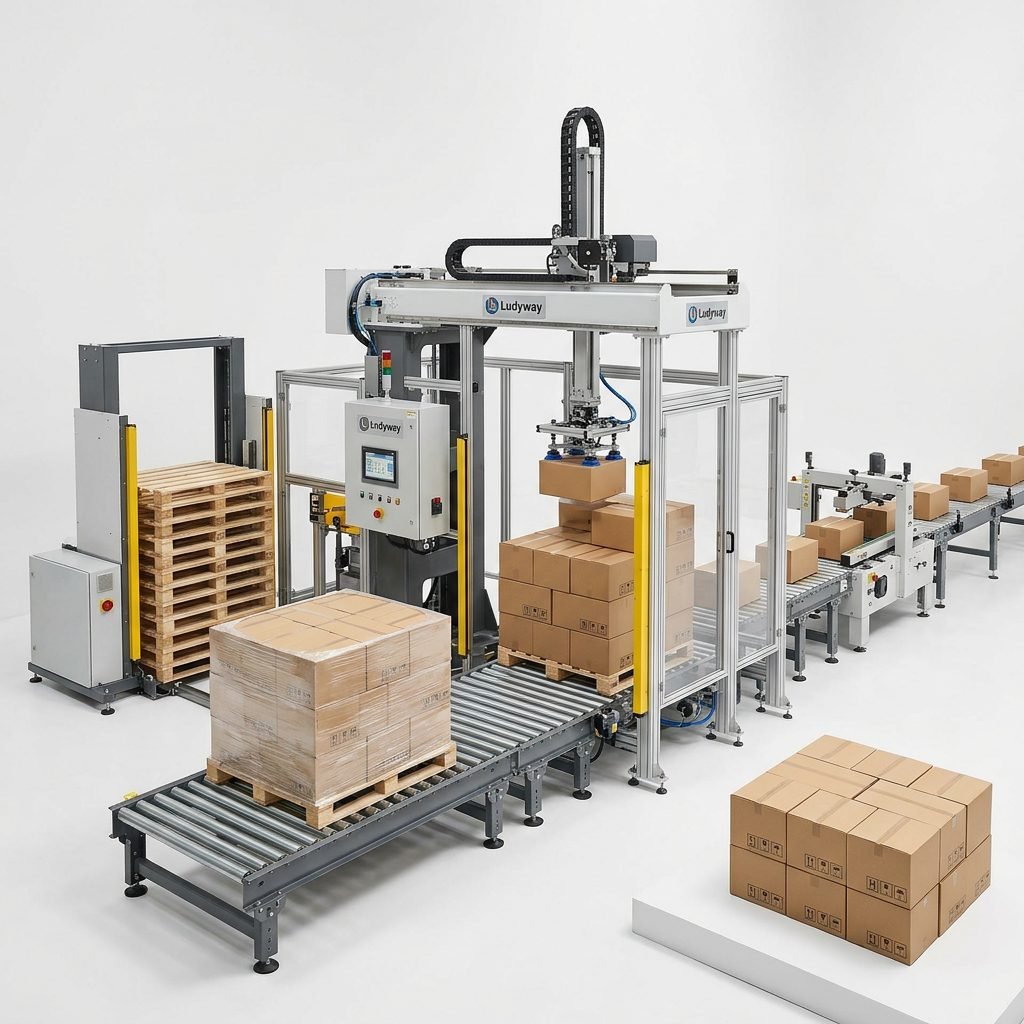
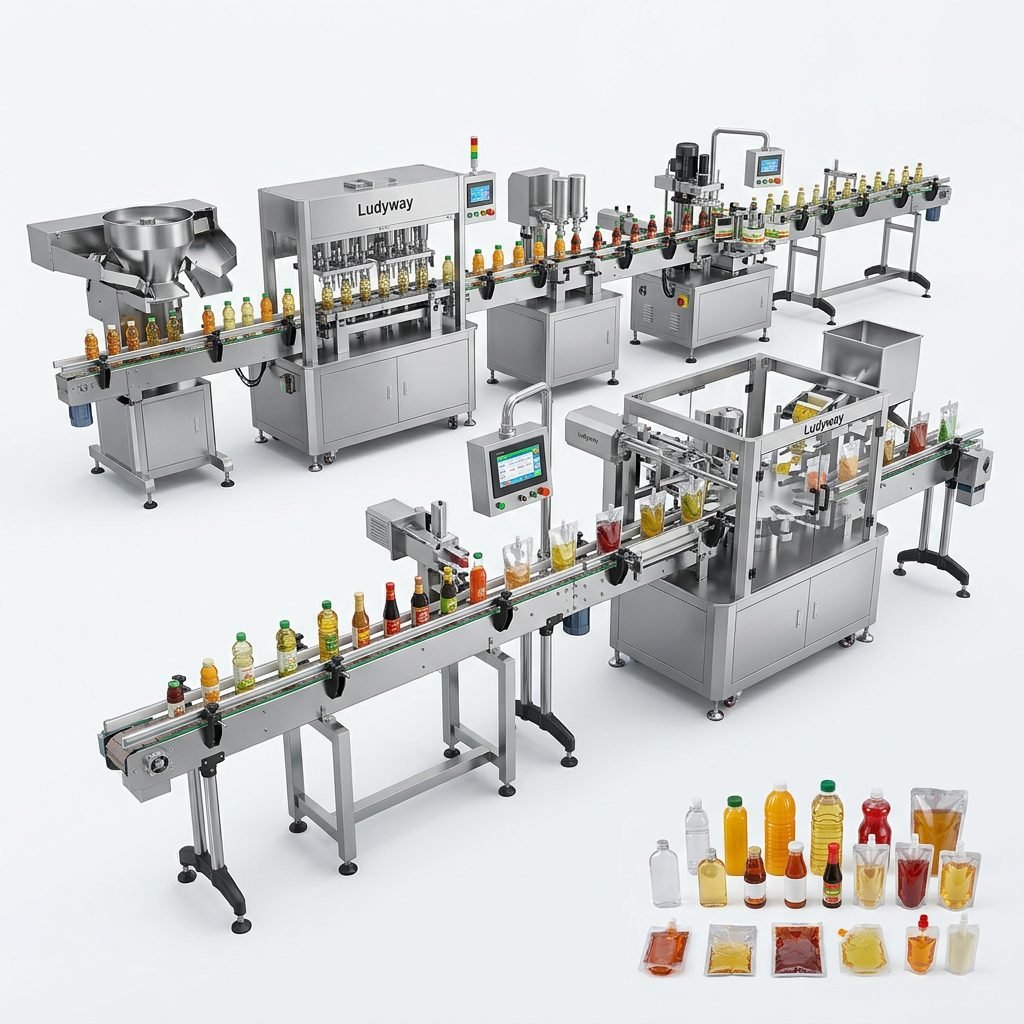
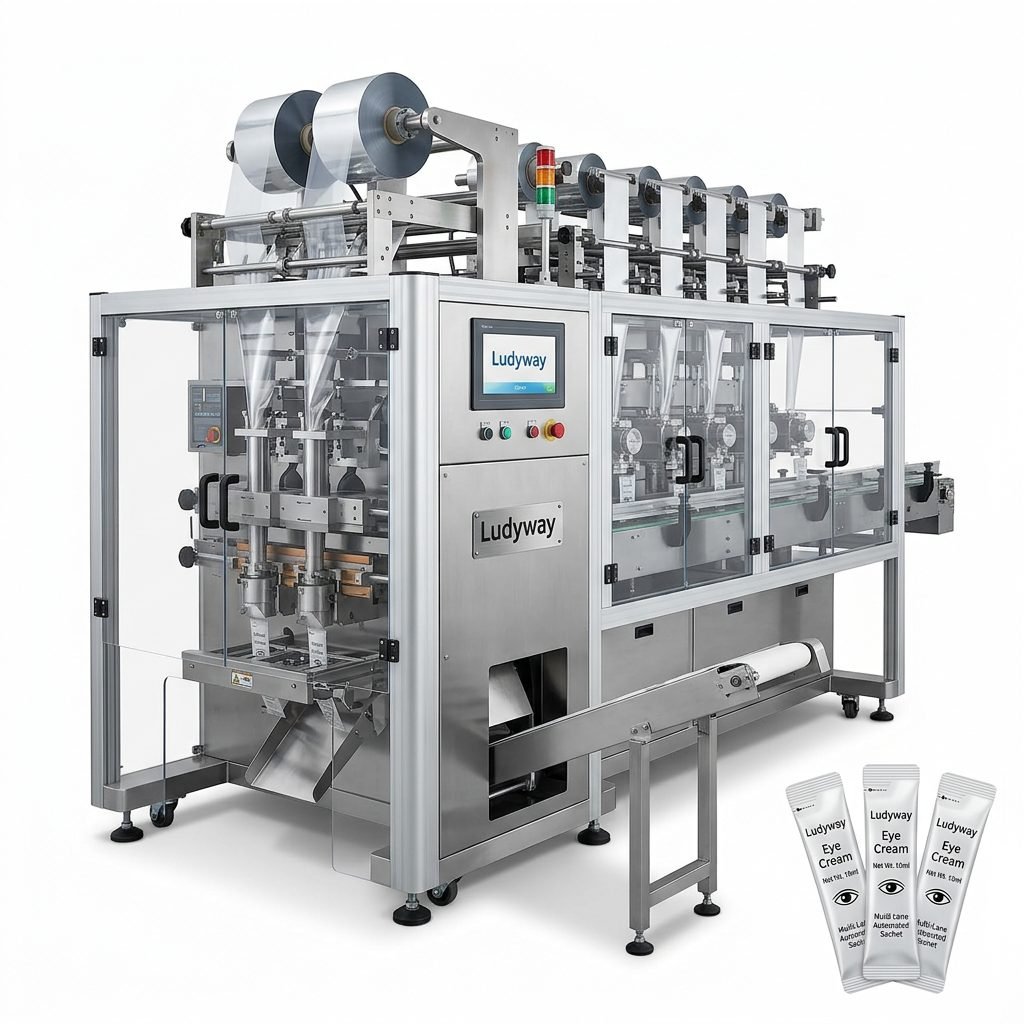
If your business is planning to grow, it also helps to work with a manufacturer that can support both standalone compact equipment and future line expansion. Mini packing machine solutions from Ludyway are often considered by buyers seeking compact equipment as well as scalable turnkey packaging systems for food, pharmaceutical, health supplement, cosmetic, and related industries.
Final Buying Checklist for Small Businesses
Before making a decision, confirm these points:
- What product will you pack: powder, granule, liquid, or paste?
- What packaging format do you need?
- What is your target output per hour or per day?
- How much installation space do you have?
- Do you need coding, labeling, or counting functions?
- How easy is the machine to clean and maintain?
- Can the supplier support future upgrades?
Conclusion
The best compact packaging solution for a small business is one that balances cost, precision, flexibility, and room to grow. A mini packing machine can help you improve product presentation, reduce labor pressure, and build a more efficient production process from the start.
If you choose equipment based on your product characteristics, packaging goals, and realistic growth plans, a compact system can become a strong long-term asset rather than just a short-term purchase.