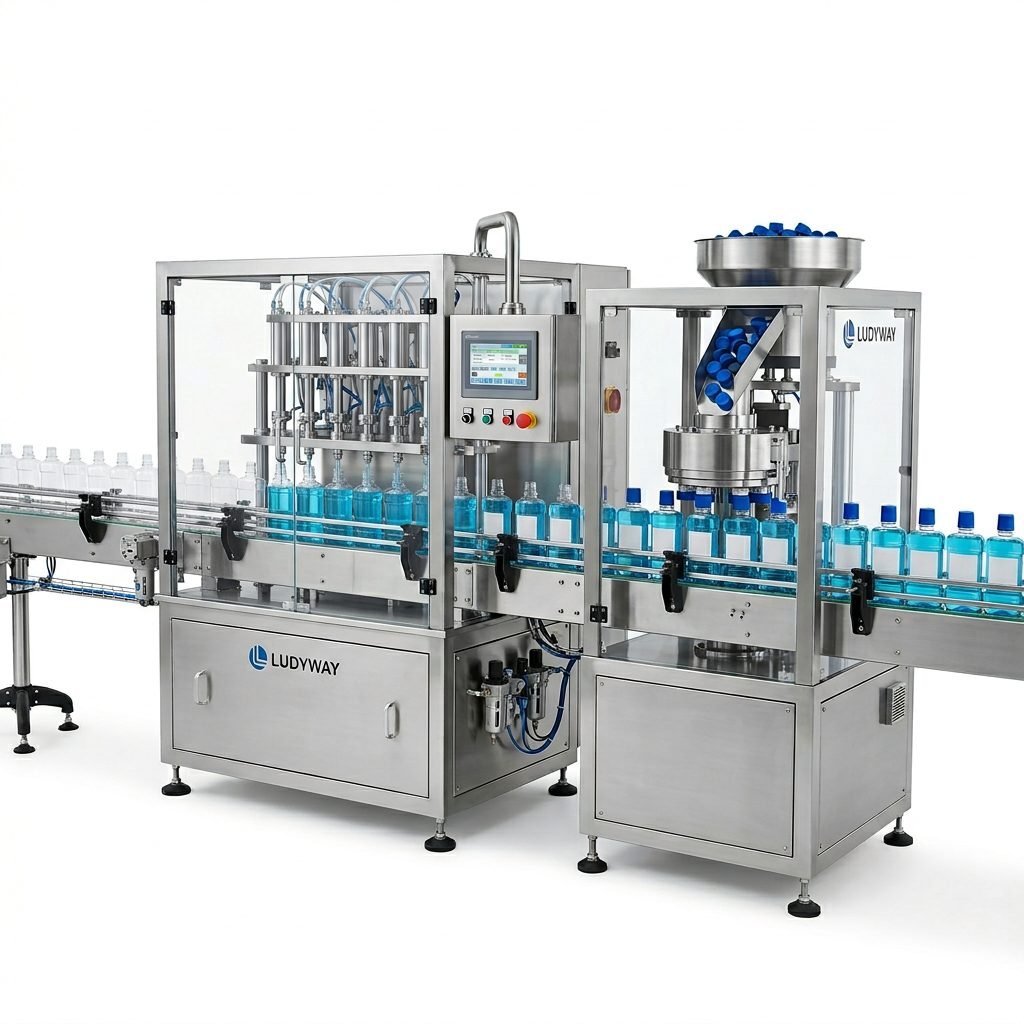
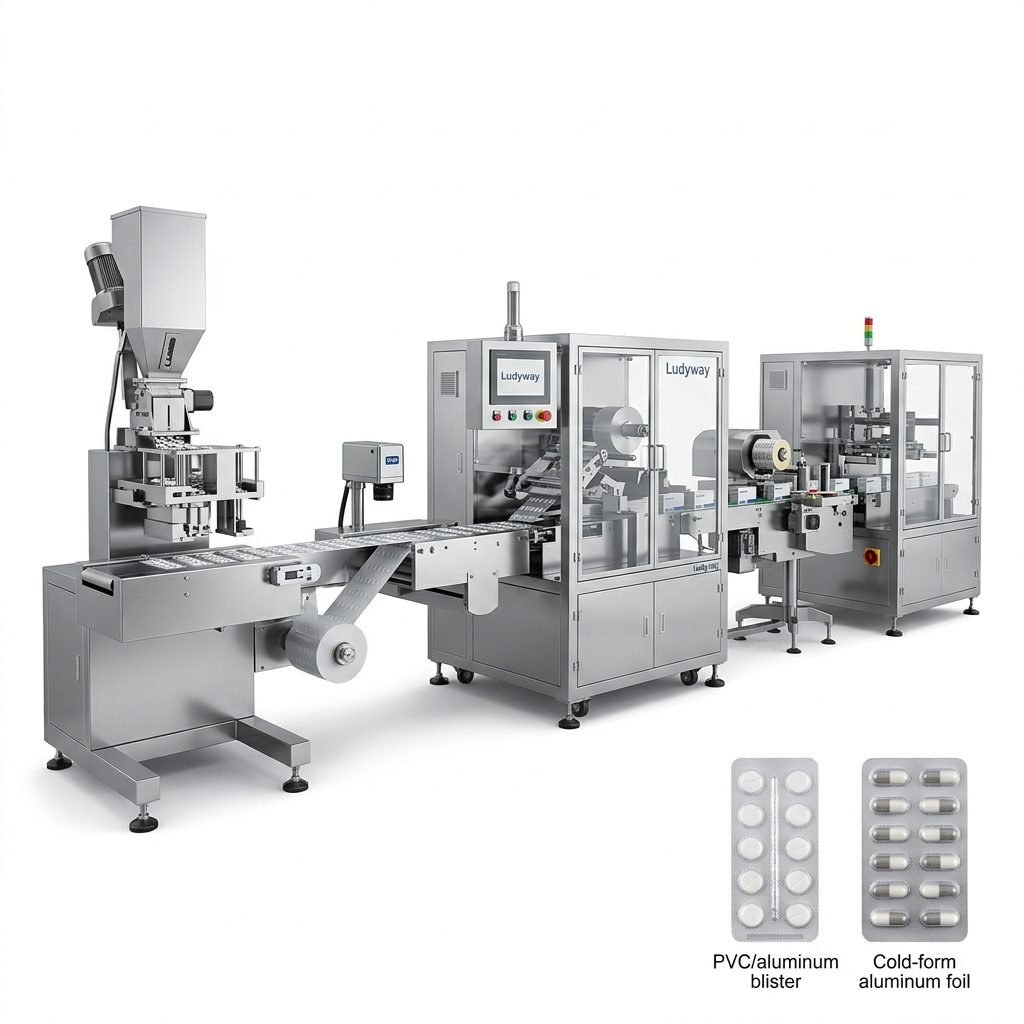
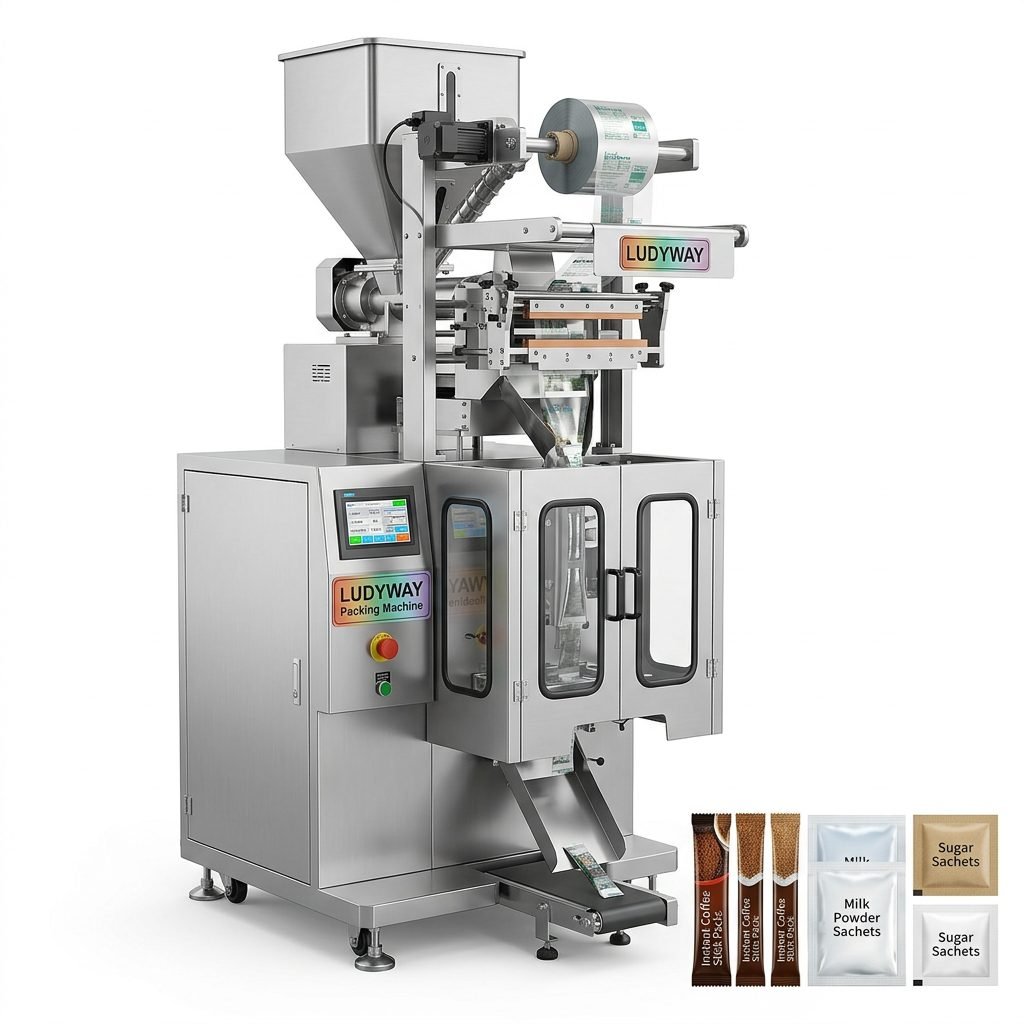
Sachet packaging machinery has become a cornerstone of modern manufacturing, enabling businesses across the globe to efficiently package small, precise quantities of products. From single-serve condiments and pharmaceutical samples to instant coffee and cosmetic samples, the versatility of sachet packaging is unmatched. This article delves into the world of sachet packaging machinery, exploring the various types available, their core working principles, and providing a comprehensive guide on how to select the perfect machine to drive your business forward.
Understanding Sachet Packaging Machinery
At its core, a sachet packaging machine is an automated system designed to form, fill, and seal small pouches from a roll of packaging film. These machines are engineered for high-speed, consistent, and hygienic packaging, making them indispensable in industries where precision, shelf appeal, and portion control are critical. The evolution from manual filling to fully automated lines has revolutionized production, allowing for significant increases in output while reducing labor costs and material waste.
Key Advantages of Automated Sachet Packaging
Enhanced Productivity: Machines can operate continuously at high speeds, far surpassing manual capabilities.
Superior Accuracy & Consistency: Precisely controlled dosing systems ensure every sachet contains the exact same amount of product, crucial for compliance and customer trust.
Improved Hygiene & Safety: Closed, automated systems minimize product exposure to contaminants, which is vital for food, pharmaceutical, and cosmetic applications.
Reduced Operational Costs: Automation leads to lower long-term labor costs and minimizes product giveaway through precise filling.
Primary Types of Sachet Packaging Machines
The market offers a diverse range of sachet packaging machines, each suited to specific product types, production volumes, and packaging styles. Understanding these categories is the first step in making an informed choice.
1. Vertical Form-Fill-Seal (VFFS) Machines
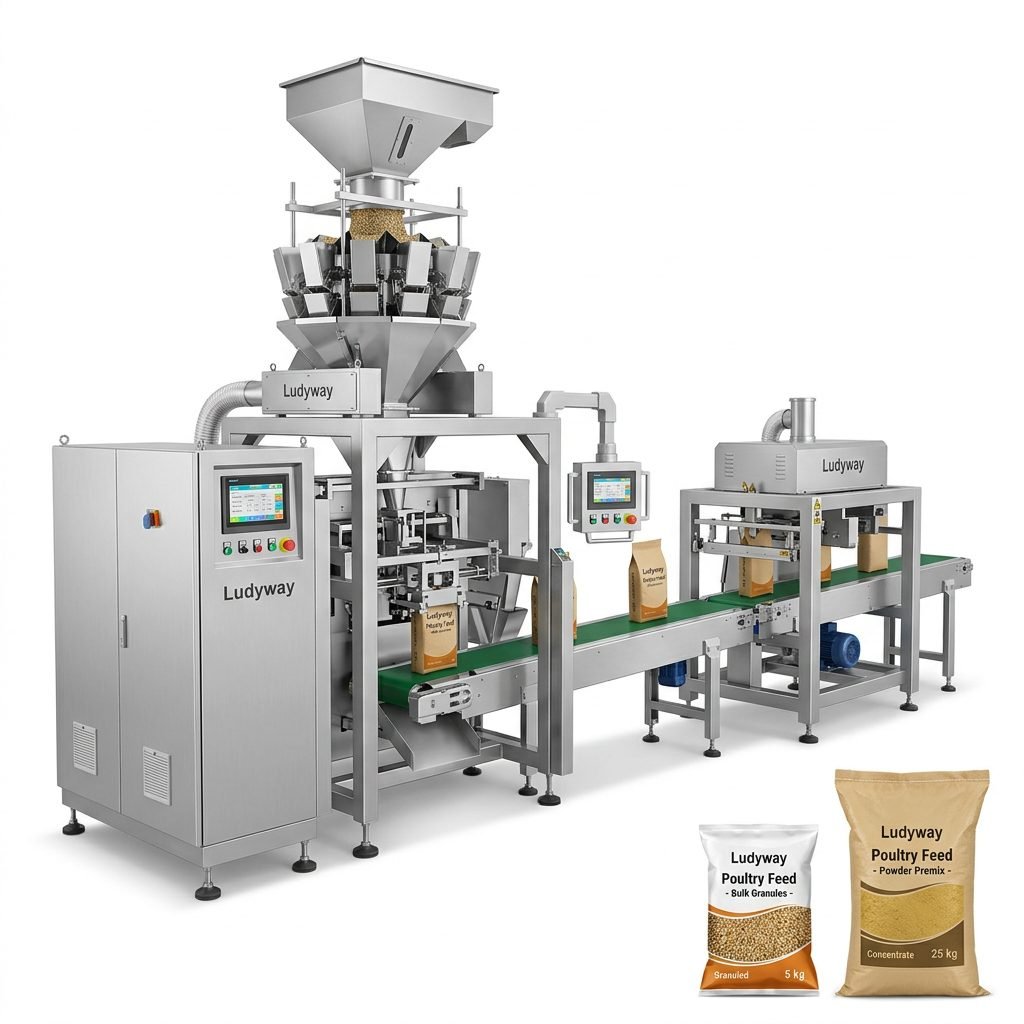
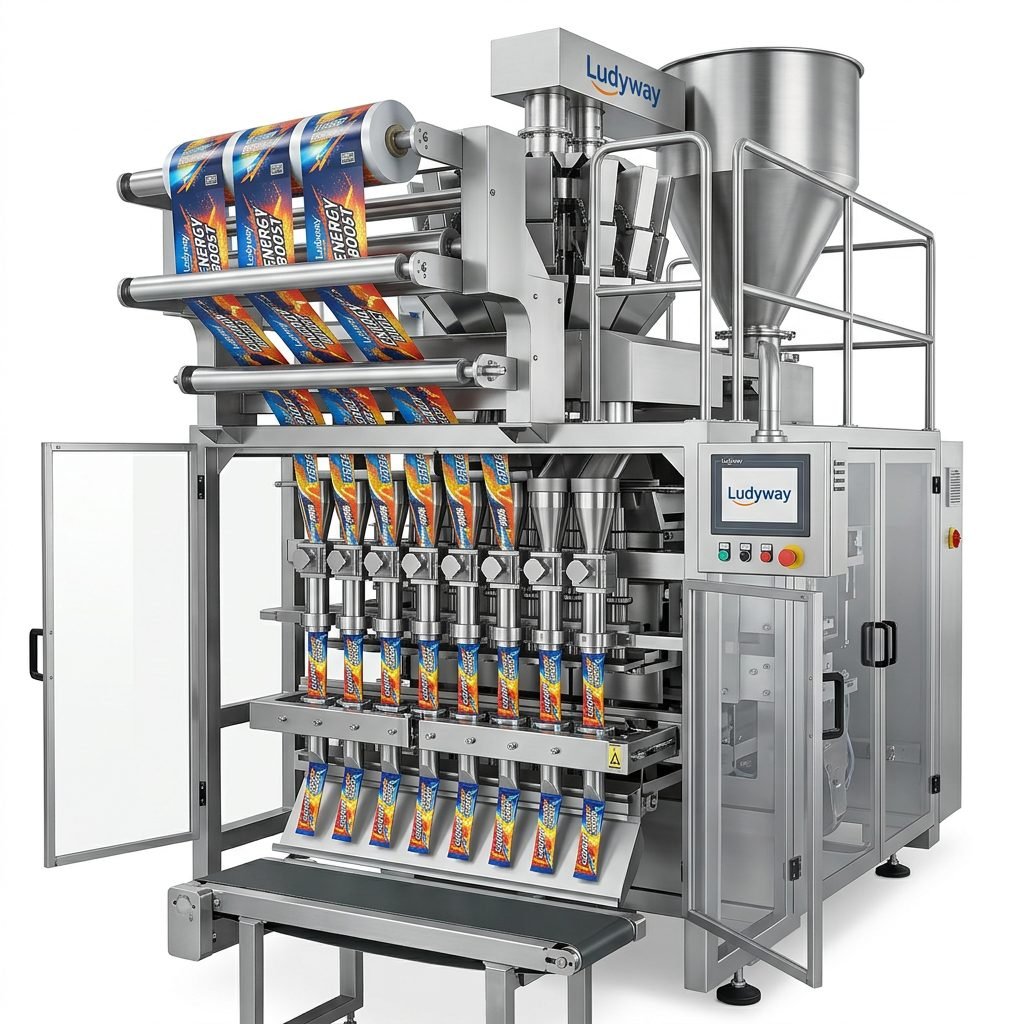
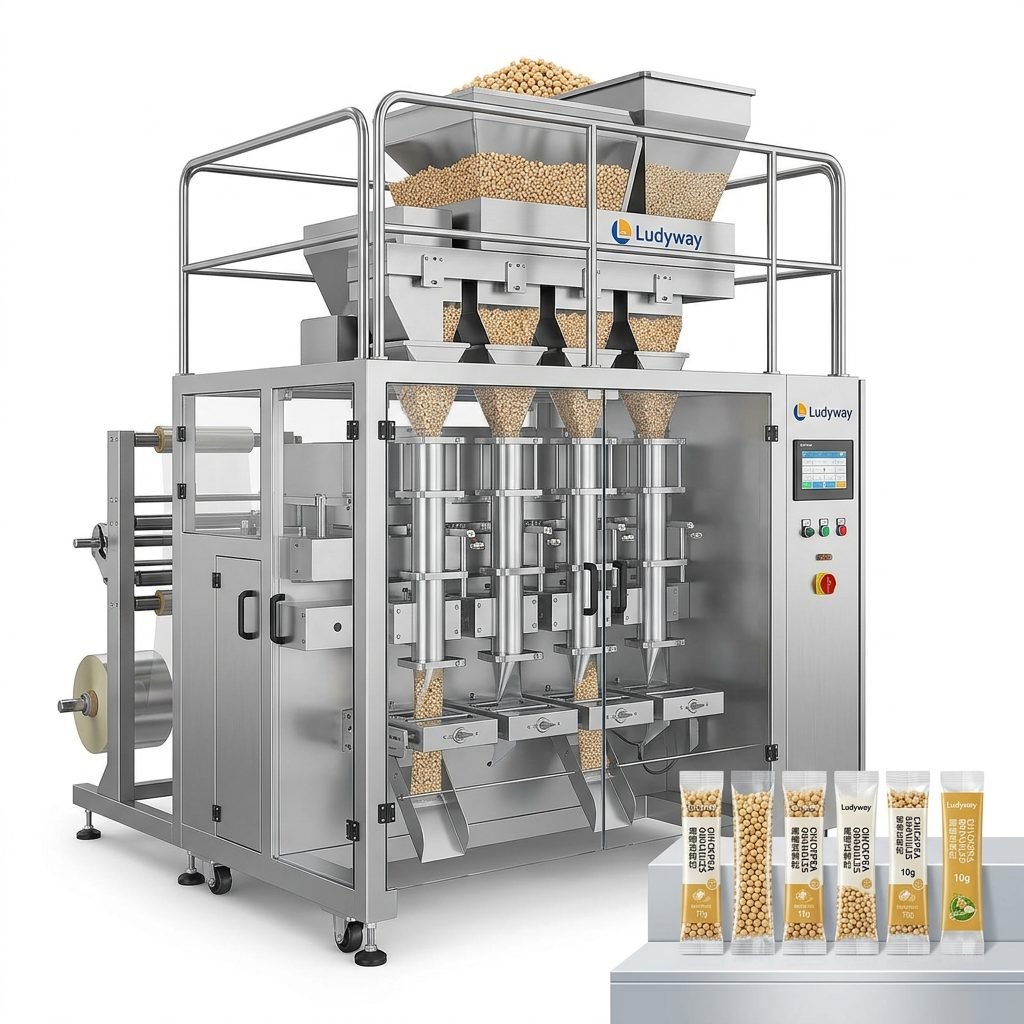
These are the most common and versatile type. A roll of flat film is formed into a vertical tube, filled with product, and then sealed horizontally and vertically to create individual pouches. They are ideal for granules, powders, and small solid items like tea or seeds.
2. Horizontal Form-Fill-Seal (HFFS) Machines
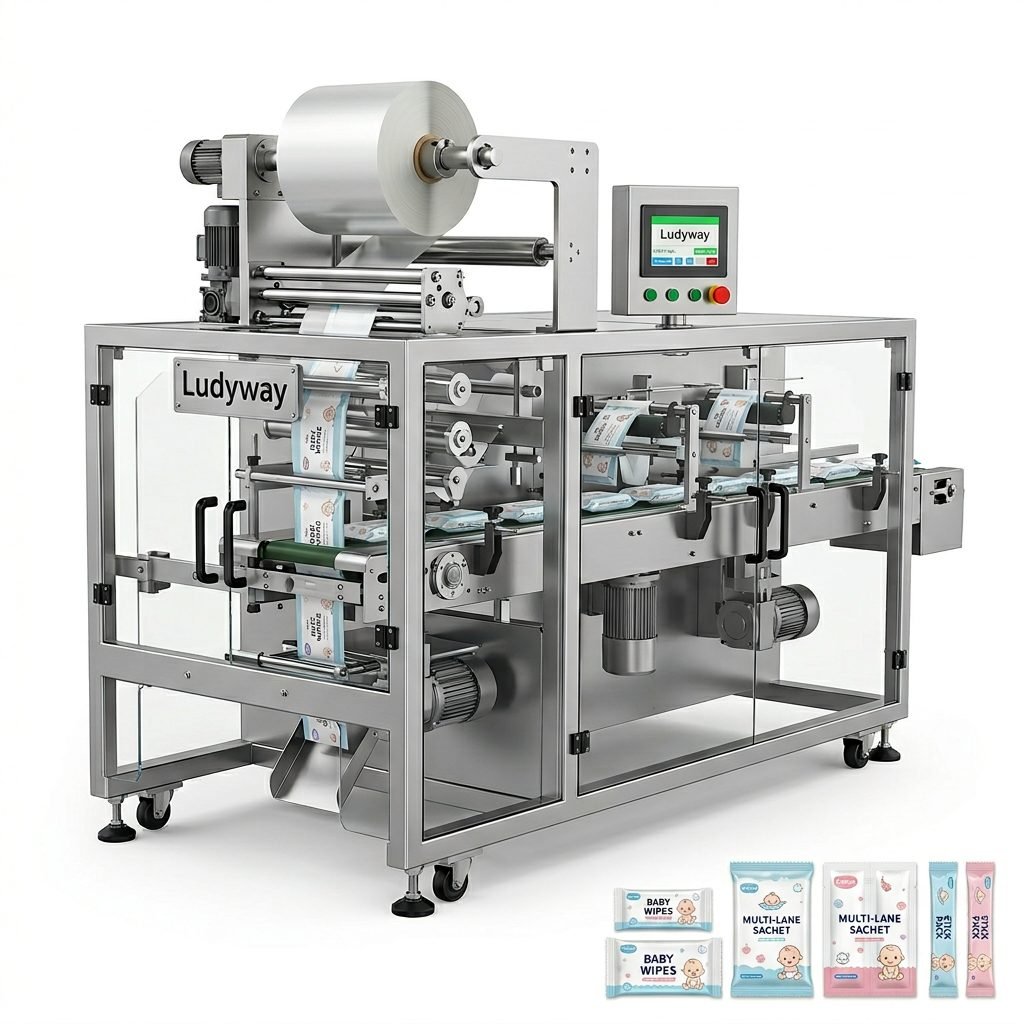
In HFFS machines, the film is fed horizontally. The machine forms pockets in the film, fills them, and then seals a top layer of film over them. This type is exceptionally well-suited for packaging liquid, paste, and viscous products (e.g., ketchup, shampoo, ointment) and often produces more structurally stable, flat-lying sachets.
3. Stick Pack Machines
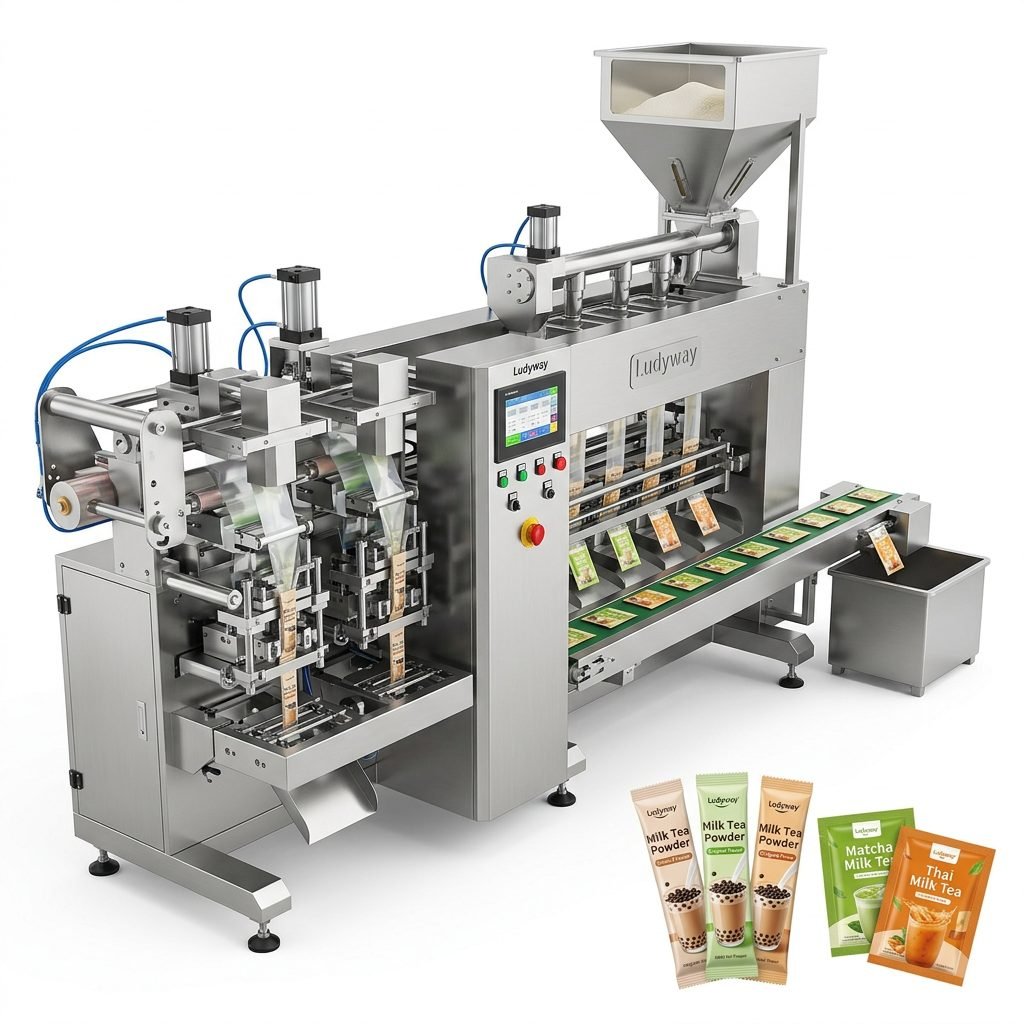
A specialized subset of VFFS machines, stick pack machines produce long, narrow, tubular pouches. They are the go-to choice for instant drink mixes, pharmaceutical powders, and single-dose supplements. Their slim profile is consumer-friendly and ideal for on-the-go use.
4. Multi-Lane Sachet Machines
Designed for ultra-high output, these machines feature multiple parallel packaging lanes operating simultaneously from a single film roll. They are a premium solution for large-scale manufacturers of products like sugar, salt, instant coffee, or seasoning packets, offering unparalleled production efficiency.
Choosing Based on Product Form
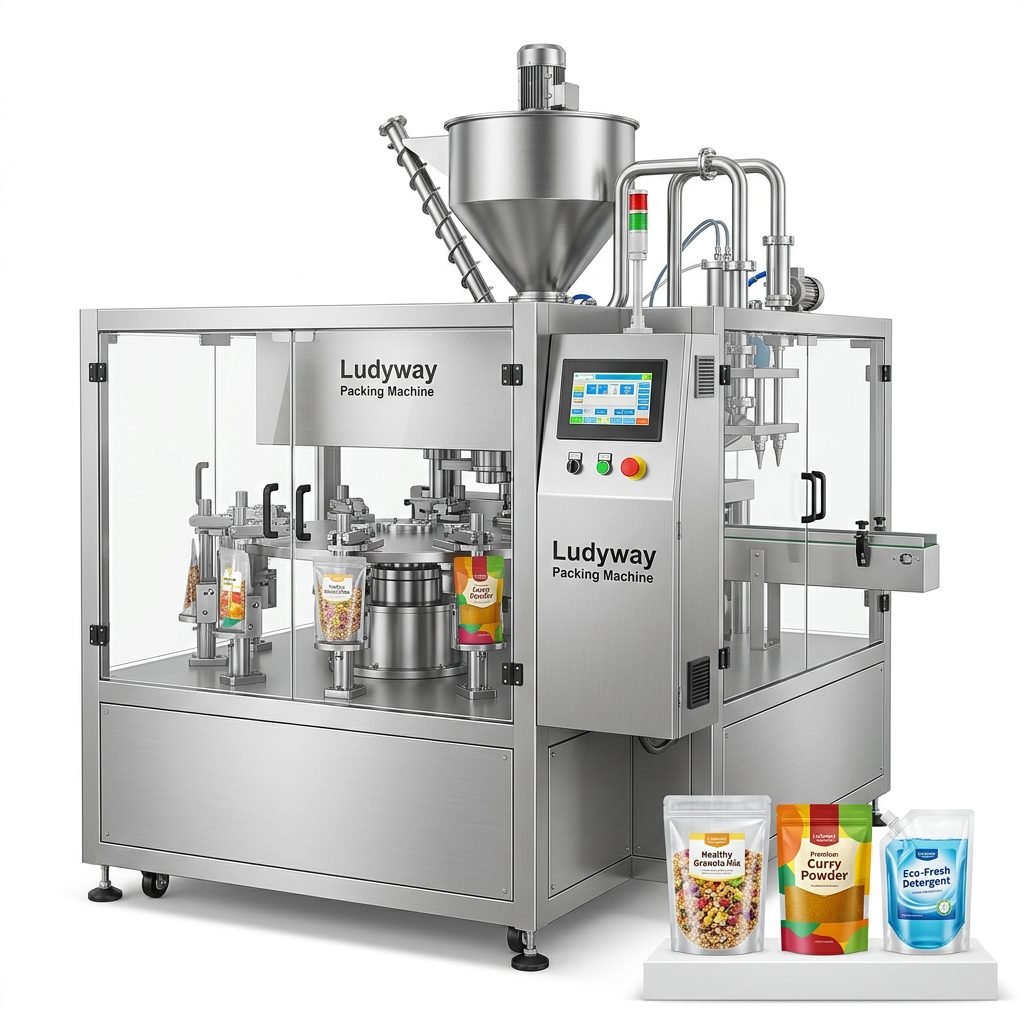
➤ Powders & Granules: Opt for a VFFS machine with an auger filler or cup filler. An auger filler uses a rotating screw for precise volumetric dispensing, perfect for fine powders. A cup filler uses measured cups, better for granules or small pieces.
➤ Liquids & Pastes: A piston filler integrated with an HFFS machine is typically the best choice. It provides highly accurate volumetric filling for free-flowing to viscous products.
➤ Solid Items: For small, discrete items (pills, lozenges, tea bags), a VFFS machine with a weigh scale or count filler ensures exact quantity in each sachet.
How Sachet Packaging Machines Work: Core Principles
While designs vary, the fundamental operating principle follows a consistent sequence: Film Feeding → Forming → Filling → Sealing → Cutting.
Step-by-Step Operation
1. Film Unwinding & Feeding: A roll of laminated packaging film (often PET/AL/PE or similar) is mounted and fed into the machine with precise tension control.
2. Forming: The flat film is shaped. In a VFFS machine, it is pulled over a forming collar to create a vertical tube. In an HFFS machine, it is thermoformed or cold-formed into pockets using a die.
3. Filling: The product is dispensed into the formed pouch or pocket. This is the most critical stage for accuracy, utilizing systems like augers, pistons, pumps, or scales.
4. Sealing: The open end of the pouch is sealed. This involves applying heat and pressure to melt the inner layer of the film, creating a hermetic seal. Machines often make both vertical (back seal) and horizontal (top/bottom seal) seals.
5. Cutting & Discharge: The continuous web of sealed pouches is cut into individual sachets using a heated knife or rotary cutter and then discharged onto a conveyor or collection tray.
How to Choose the Right Sachet Machine for Your Business
Selecting the optimal machine is a strategic decision that impacts your productivity, product quality, and bottom line. Here are the key factors to consider.
1. Analyze Your Product Characteristics
This is the most critical starting point. Define your product’s physical state (powder, liquid, granule), its flowability, density, hygroscopicity, and any special requirements (e.g., need for nitrogen flushing for freshness). The product dictates the type of filling system and, consequently, the machine type.
2. Determine Your Production Requirements
Speed (Output): Calculate your required output in sachets per minute (SPM) or per hour. Consider both current needs and future growth. A multi-lane sachet machine from a provider like Ludyway can be a future-proof investment for scaling businesses.
Bag Size & Style: Define the dimensions of your finished sachet. Ensure the machine can handle the film width and create the seal lengths you need. Consider special features like hang holes, tear notches, or shaped corners.
3. Evaluate Machine Features & Construction
Filling Accuracy: Look for machines with high-precision filling systems. For powders, servo-driven auger systems offer superb control. For liquids, servo piston fillers are top-tier.
Controls & Automation: A user-friendly PLC-based touchscreen interface allows for easy recipe changes, parameter setting, and production monitoring. Features like automatic film splicing and fault alarms reduce downtime.
Build Quality & Materials: The machine frame should be robust (stainless steel is preferred for food and pharma). Critical components like seals, augers, and pistons should be made from food-grade or sanitary materials.
4. Consider Supplier Support and Service
The machine is a long-term asset. Choose a supplier with a strong reputation for reliability, technical expertise, and after-sales support. Consider their experience in your specific industry, availability of spare parts, and the quality of their installation, training, and warranty. A partner like Ludyway Machinery, with deep industry experience, provides not just equipment but comprehensive turnkey production solutions and ongoing support.
Checklist for Your Final Decision
☑ Product Compatibility Test: Always request a live product test using your actual materials at the supplier’s facility.
☑ Total Cost of Ownership (TCO): Look beyond the purchase price. Factor in energy consumption, maintenance costs, potential downtime, and expected lifespan.
☑ Flexibility: Can the machine handle a range of bag sizes or different products with quick changeovers? This is vital for businesses with diverse product lines.
☑ Compliance & Safety: Ensure the machine meets all relevant safety standards (CE, UL, etc.) and is built with hygienic design principles for your industry.
Frequently Asked Questions (FAQs)
1. What is the typical production speed of a standard sachet machine?
Speeds vary widely based on machine type and sachet size. A single-lane VFFS machine can range from 40 to 120 sachets per minute. High-speed multi-lane machines can exceed 600 sachets per minute. The required speed is a primary factor in selecting the machine category and configuration.
2. Can one machine package different types of products?
Many machines offer good flexibility. However, switching between vastly different product forms (e.g., from a fine powder to a viscous liquid) usually requires changing the filling system, which can be a significant conversion. It’s more feasible to switch between similar products (e.g., different powder flavors) on the same machine with simple adjustments.
3. How important is the packaging film, and how do I choose it?
The film is critically important. It must be compatible with your machine’s sealing system (heat, pressure) and suitable for your product (providing barriers against moisture, oxygen, light, etc.). Work with your packaging supplier and machine manufacturer to select the correct laminate structure (e.g., PET/PE, MET-PET/PE, PAPER/AL/PE) for your product’s shelf-life needs.
4. What are the key maintenance requirements for a sachet packaging machine?
Regular daily cleaning of product contact parts is essential. Periodic lubrication of moving parts, inspection and replacement of wear items (like sealing jaws, cutting blades, and gaskets), and calibration of the filling system are standard maintenance tasks. A reliable supplier will provide a detailed maintenance schedule and training.
5. What should I look for in a machinery supplier beyond the machine itself?
Prioritize suppliers who offer comprehensive support: detailed pre-sales consultation and testing, professional installation and commissioning, thorough operator and maintenance training, readily available spare parts, and responsive technical service. A supplier’s industry reputation and longevity, like the 30+ years of experience behind the Ludyway brand, are strong indicators of reliable partnership and support.