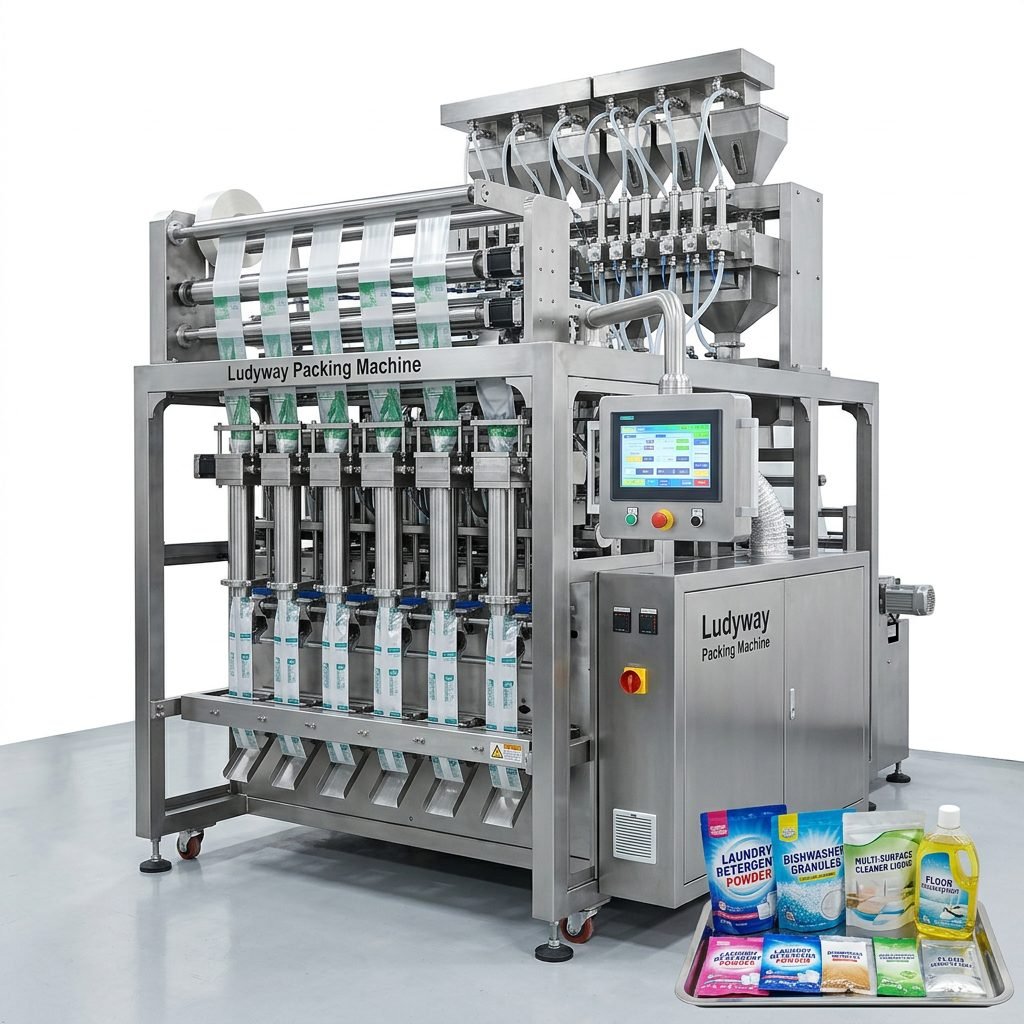
Fresh salad products demand more than simple bagging. They require speed, hygiene, accurate filling, gentle handling, and strong seal integrity to maintain freshness and reduce waste. Choosing the right salad packaging machine is not only about output capacity—it is about matching the machine to your product type, packaging style, shelf-life goals, and production environment.
Whether you pack leafy greens, chopped vegetable mixes, ready-to-eat salad kits, or salad toppings, the right equipment can improve consistency, reduce labor costs, and support a more efficient packaging workflow from weighing to sealing and final discharge.

Why Salad Packaging Requires Specialized Equipment
Salad is a delicate, high-moisture, perishable product. Unlike dry foods, it can be easily bruised, crushed, or exposed to contamination if handled improperly. A well-designed salad packaging machine helps manufacturers protect product appearance and freshness while meeting retail and food safety requirements.
- Minimizes damage to leafy or cut vegetables
- Supports clean, sanitary packaging conditions
- Improves weight accuracy for portion control
- Enhances sealing performance for extended freshness
- Increases throughput for commercial-scale operations
- Reduces manual handling and labor dependence
Common Types of Salad Packaging Machines
The best machine depends on the type of salad product and packaging format you use. Here are the most common systems found in fresh produce and ready-meal packaging environments.
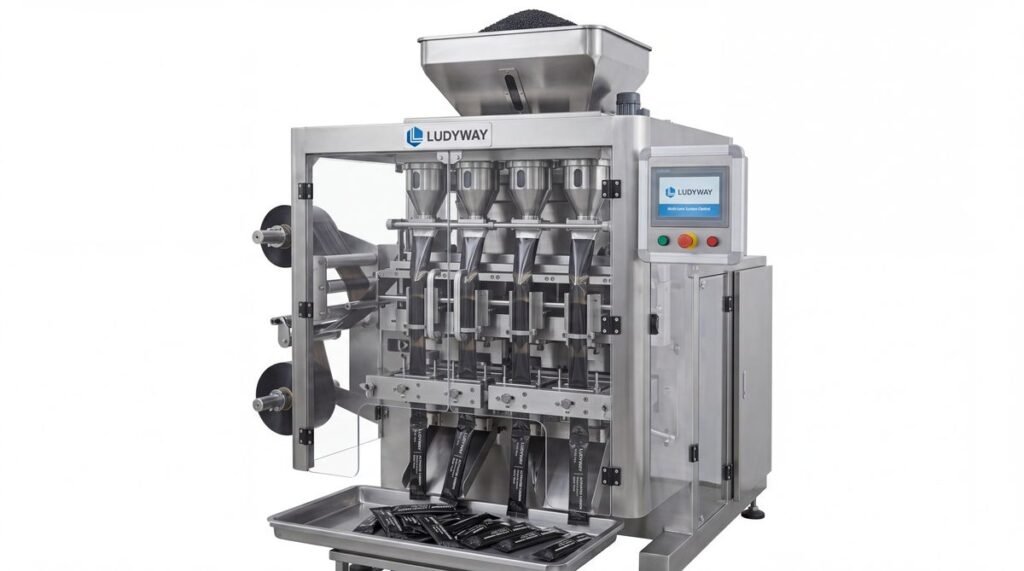
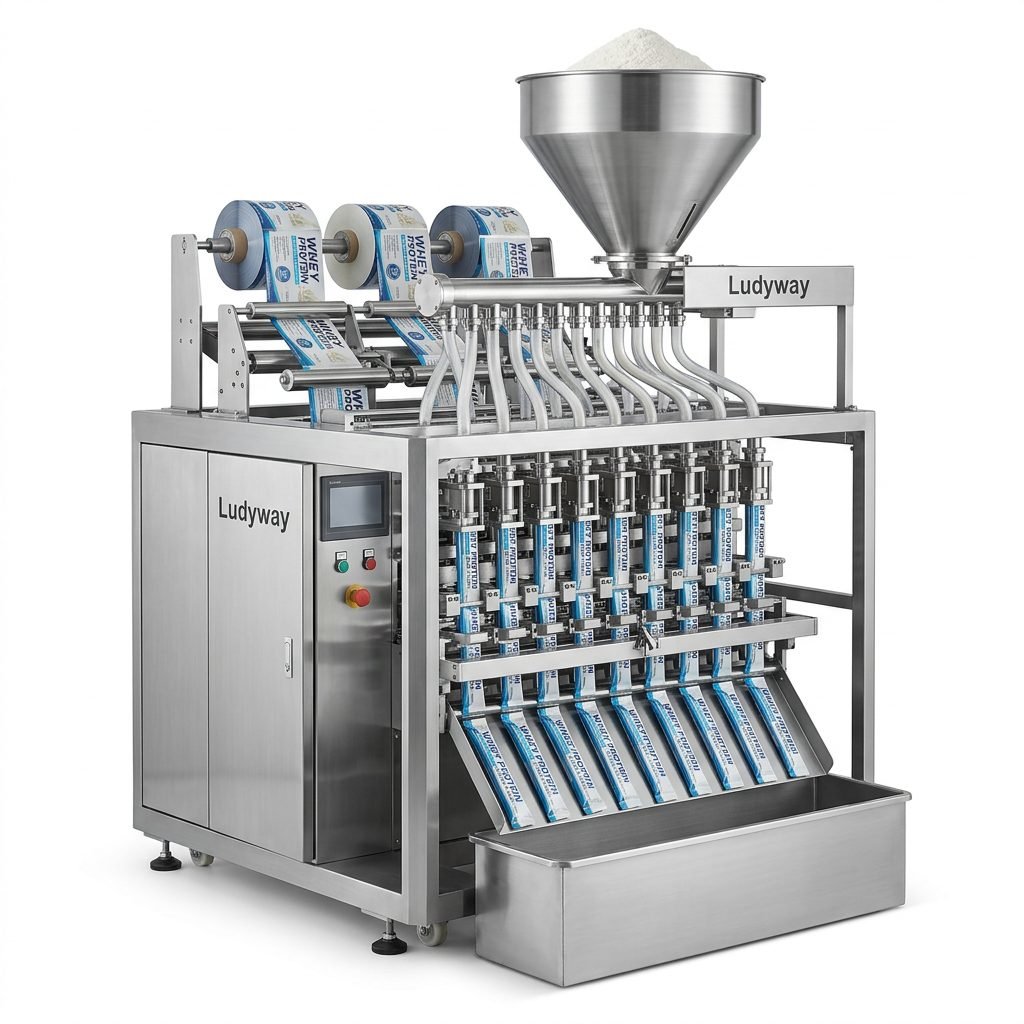
1. Vertical Form Fill Seal Machines
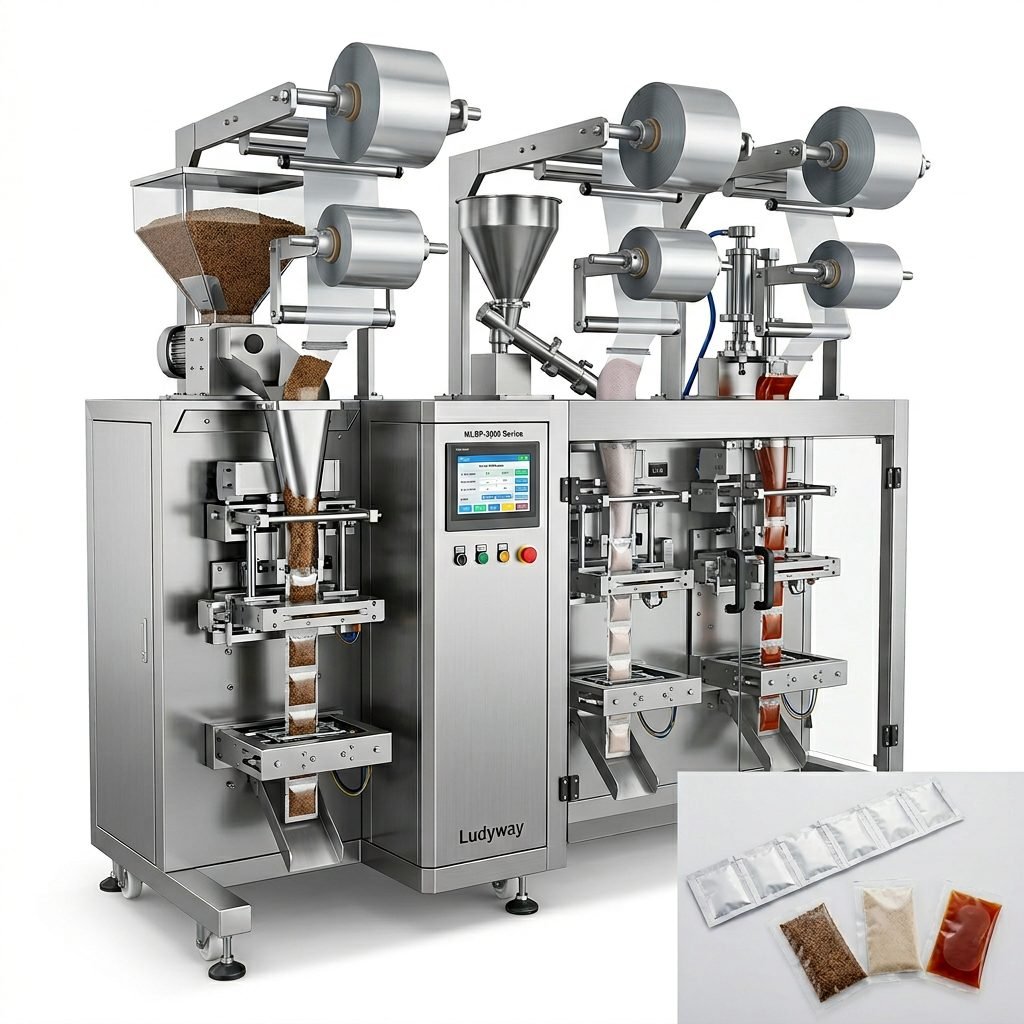
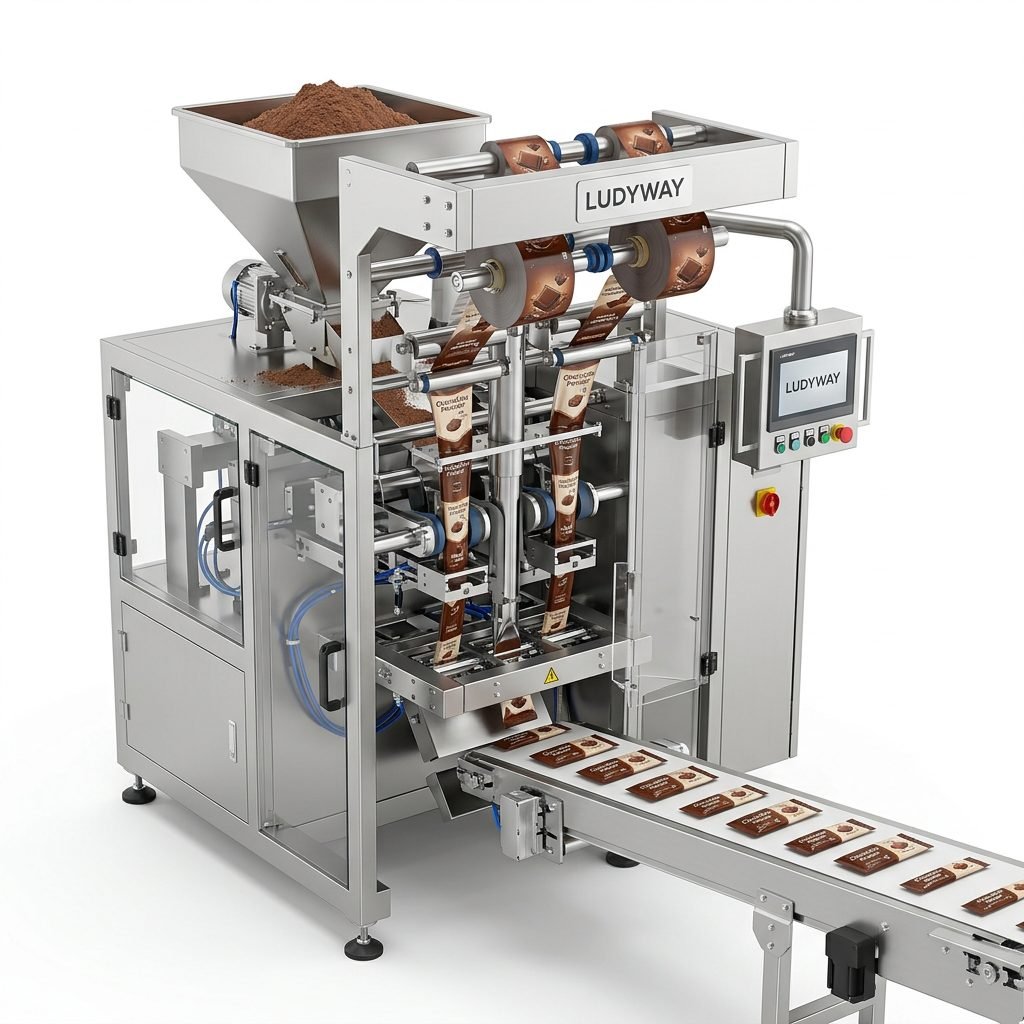
These machines form bags from roll film, fill the salad product, and seal the pack automatically. They are often used for loose leafy greens, shredded vegetables, and mixed salads.
2. Premade Pouch Packaging Machines
Ideal for higher-end retail presentation, these systems fill and seal preformed pouches. They work well for salad kits, premium fresh-cut products, and packs requiring zipper or stand-up pouch options.
3. Tray Sealing Machines
Suitable for ready-to-eat salads, meal-prep products, and deli-style packaging. Trays help protect product structure and improve shelf display. Many systems also support modified atmosphere packaging.
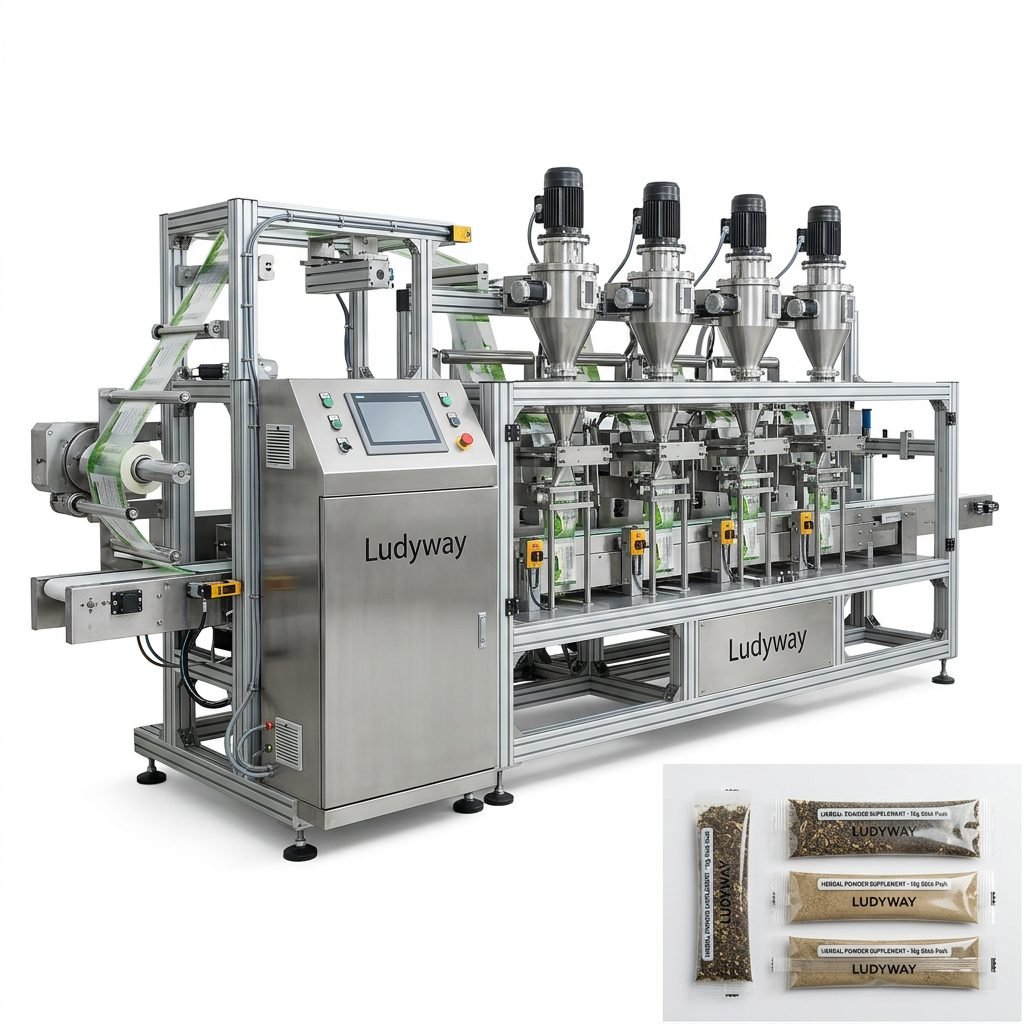
4. Weighing and Feeding Systems
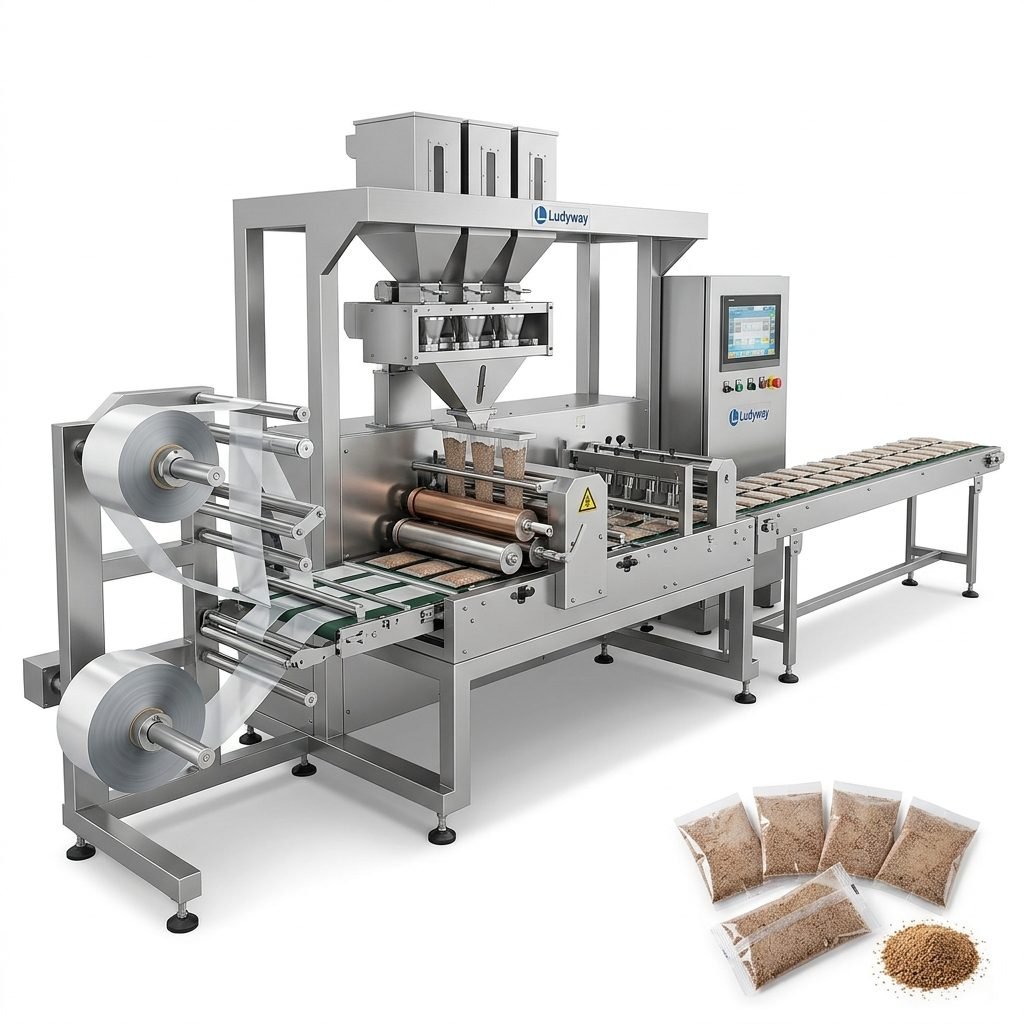
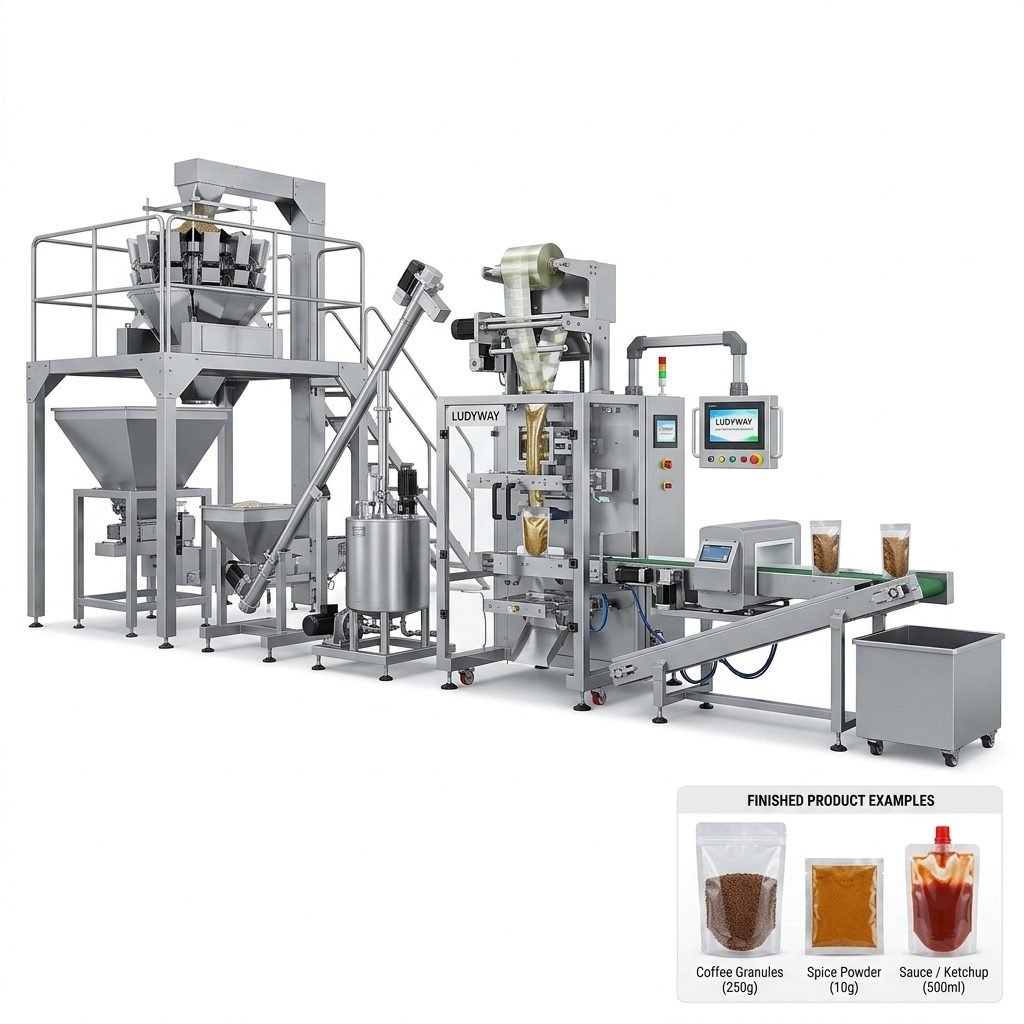
Multihead weighers, linear weighers, and conveyor-based feeding solutions are often integrated before the packaging stage. These are important for portioning salad mixes consistently without excessive compression.
| Machine Type | Best For | Key Advantage |
|---|---|---|
| Vertical Form Fill Seal | Bagged leafy salads, cut vegetables | High efficiency and flexible bag sizes |
| Premade Pouch Machine | Premium salad mixes, kits | Better retail appearance |
| Tray Sealer | Prepared salads, meal trays | Excellent product protection |
| Integrated Weighing System | Accurate salad portioning | Reduces giveaway and improves consistency |
Key Factors to Consider When Choosing a Salad Packaging Machine
Product Characteristics
Start by understanding exactly what you are packaging. Different salad products behave differently in the packaging process.
- Leafy greens are light and fragile
- Chopped vegetables may flow more easily but can release moisture
- Salad kits may include multiple components
- Toppings, dressings, or utensils may require secondary packing steps
If your salad is easily bruised, you need a machine with gentle feeding and controlled drop height.
Packaging Format
Choose a machine that aligns with your target market and sales channel. Typical salad packaging formats include:
- Pillow bags
- Gusseted bags
- Stand-up pouches
- Clamshells
- Sealed trays
Retail supermarkets often prefer attractive, shelf-ready packaging, while foodservice channels may prioritize larger packs and operational efficiency.
Production Speed
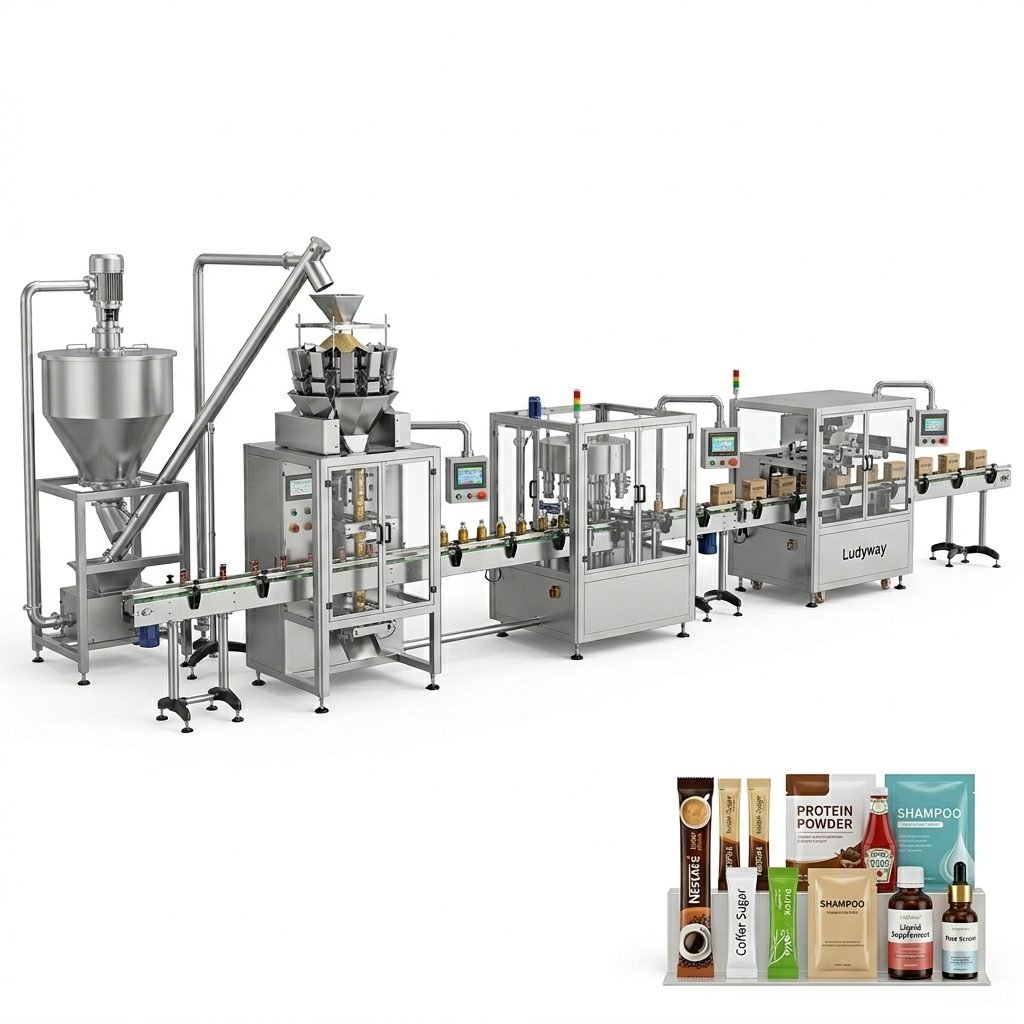
Your required output per minute or per hour will strongly influence machine selection. Small processors may only need semi-automatic or medium-speed systems, while large-scale facilities need fully automatic integrated lines.
Ask these questions:
- How many packs do you need per minute?
- Will demand increase in the next 2–3 years?
- Do you run single-shift or multi-shift production?
Freshness and Shelf-Life Requirements
If shelf life is critical, look for compatibility with modified atmosphere packaging (MAP), gas flushing, or high-quality sealing systems. These features help slow product deterioration and preserve freshness during transport and retail display.
Hygiene and Cleanability
Fresh salad packaging lines should be easy to clean and designed with food-grade contact parts. Stainless steel construction, accessible surfaces, and hygienic design reduce contamination risks and simplify sanitation.
A machine that is difficult to wash down can create long-term operational problems, especially in fresh food environments where moisture and plant residue are common.
Weight Accuracy
Accurate weighing protects margins. Overfilling increases product giveaway, while underfilling can cause customer complaints and compliance issues. For lightweight leafy salads, a precise weighing system is especially important.
Film and Material Compatibility
Check whether the machine supports the packaging materials you plan to use, such as:
- Standard plastic film
- Perforated film for breathability
- Recyclable film structures
- Barrier materials for shelf-life extension
As sustainability becomes more important, material compatibility can affect both operational efficiency and future packaging strategy.
Signs You Need to Upgrade Your Current Salad Packaging Equipment
- Frequent sealing failures or leaks
- Inconsistent pack weights
- High labor input for manual loading or packing
- Excessive product damage during filling
- Low throughput that limits business growth
- Downtime caused by aging machinery
If several of these issues are affecting your line, upgrading to a more advanced salad packaging system can quickly improve both output and profitability.
Should You Choose a Standalone Machine or a Complete Packaging Line?
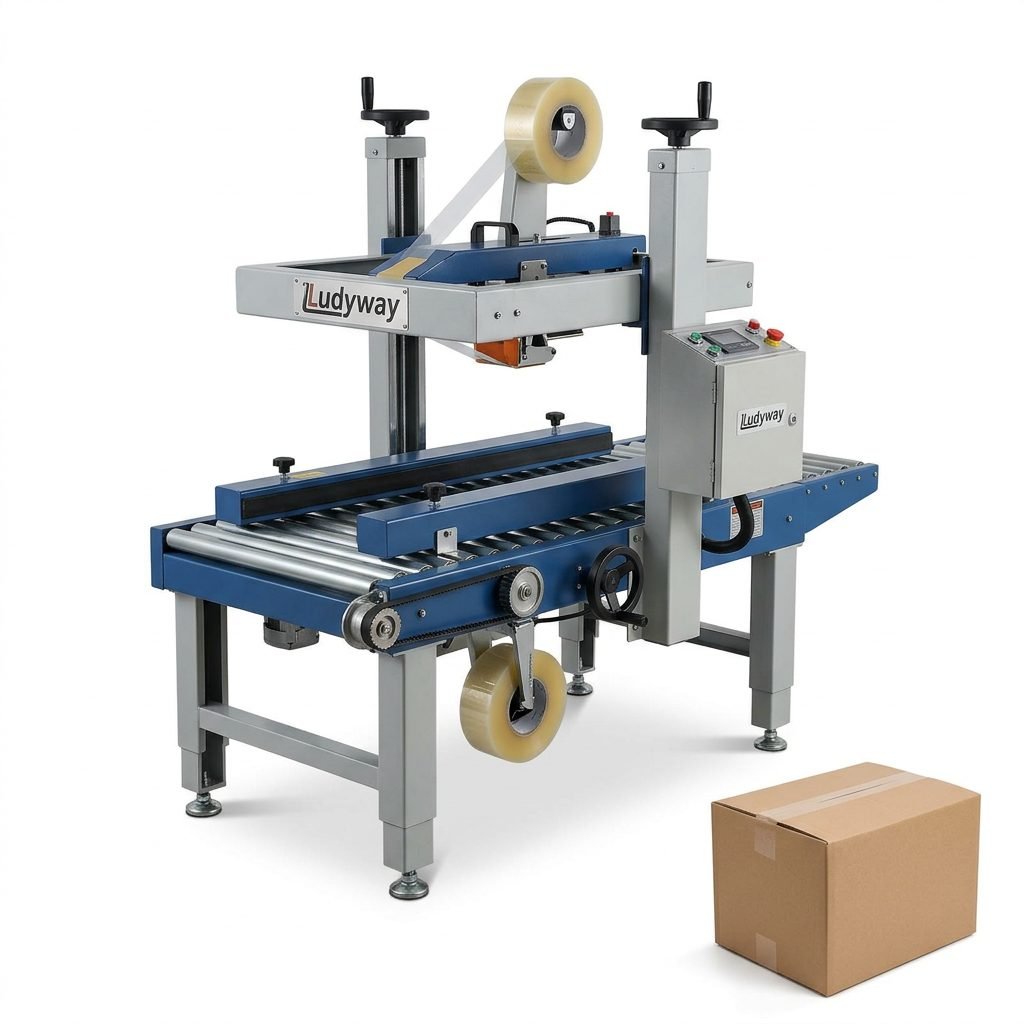
Some businesses only need a standalone machine, while others benefit more from a complete integrated line. A full line may include product feeding, weighing, filling, sealing, coding, inspection, labeling, and case packing.
| Option | Best Choice For | Consideration |
|---|---|---|
| Standalone Machine | Smaller operations or line upgrades | Lower initial investment |
| Complete Packaging Line | Growing or large-scale processors | Higher automation and line efficiency |
Questions to Ask Before Buying
Before making a final decision, ask your supplier these practical questions:
- What salad types has this machine packaged before?
- Can it handle wet, light, or irregularly shaped product effectively?
- What is the realistic speed under actual production conditions?
- How easy is it to clean and maintain?
- Can the machine integrate with weighing, labeling, or inspection systems?
- Is technical support available for installation and after-sales service?
- Can the machine be customized for my bag or tray format?
The Importance of Supplier Experience
Machine quality matters, but supplier capability matters just as much. A reliable manufacturer should understand packaging applications, line integration, customization, spare parts support, and long-term technical service.
For businesses looking for scalable packaging solutions, Ludyway salad packaging machine solutions can be considered as part of a broader packaging automation strategy. As one of China’s leading packaging machine and turnkey packaging line manufacturers, the company offers extensive experience across food and related industries, with customizable systems designed for production efficiency and reliable performance.
Best Machine Features for Fresh, Efficient Salad Packaging
- Gentle product handling design
- Accurate multihead or linear weighing
- Strong and consistent sealing performance
- Food-grade stainless steel structure
- Quick-change settings for multiple pack sizes
- Easy cleaning and sanitation access
- MAP or gas flushing compatibility
- Integration with coding, inspection, and labeling modules
Final Buying Advice
The right salad packaging machine should match your product characteristics, packaging goals, and growth plans. Do not focus only on machine price. A lower-cost machine that damages product, slows output, or creates cleaning issues can become more expensive over time.
Instead, prioritize product protection, hygienic design, weight accuracy, sealing quality, and future scalability. When these factors are aligned, your packaging process becomes faster, cleaner, and more reliable—helping you deliver fresher salad products with greater efficiency.