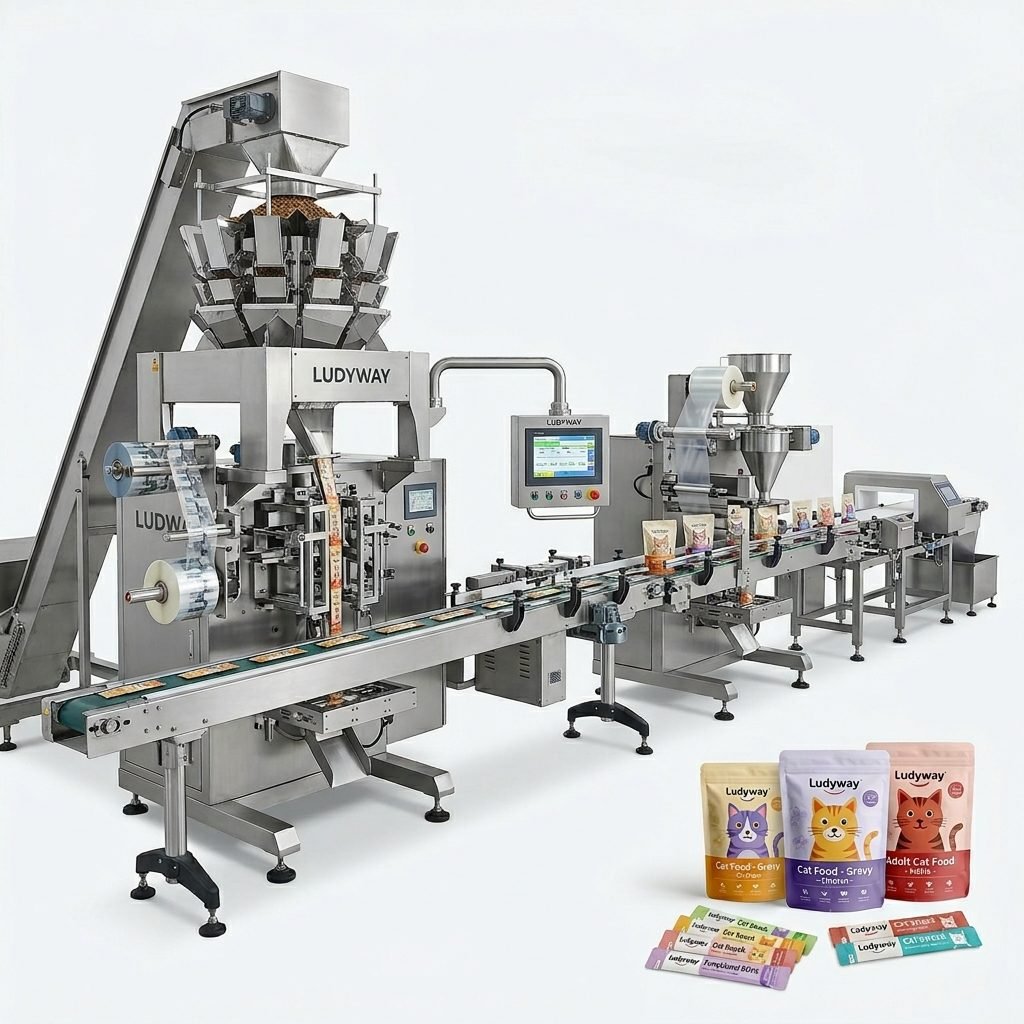
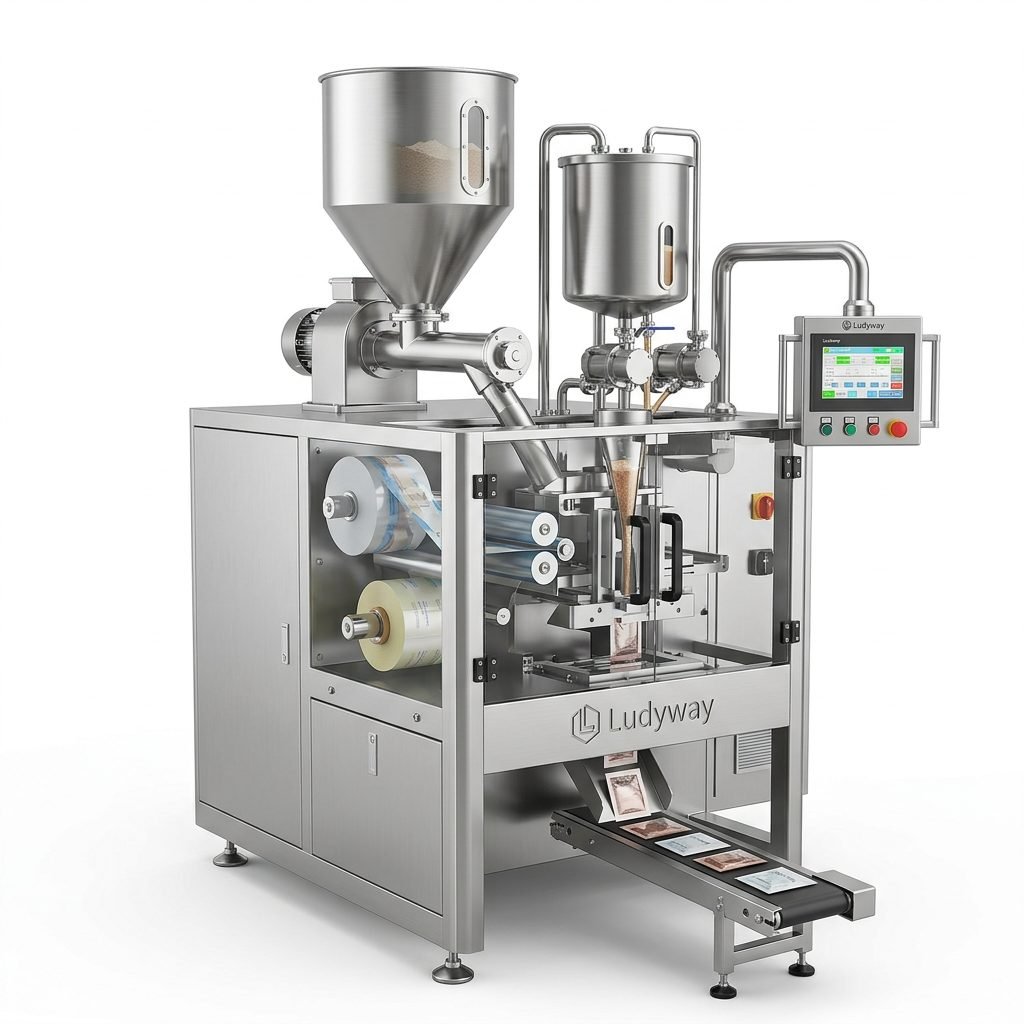
Investing in a Zhongbai packaging machine is a significant decision for any manufacturer. Whether you are producing food, pharmaceuticals, cosmetics, or chemicals, the right equipment directly impacts your production efficiency, product consistency, and long-term operational costs. With so many configurations, models, and technical specifications available, the selection process can feel overwhelming. This guide walks you through a structured approach to evaluating and choosing the best packaging solution for your business.
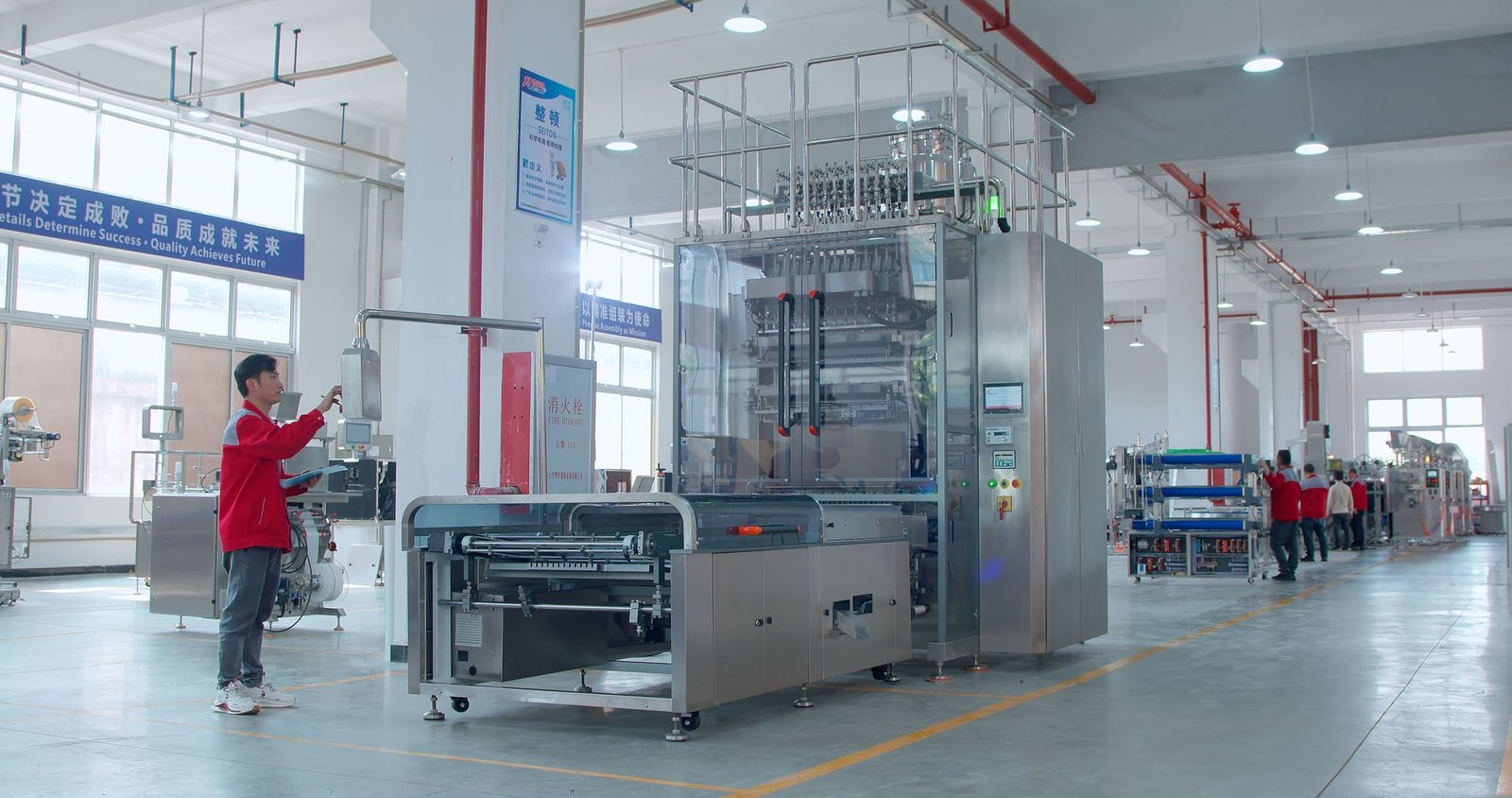
1. Define Your Product Characteristics and Packaging Format
Before comparing machine models, you need a clear understanding of what you are packaging. The physical properties of your product determine the type of packaging machinery required. Consider these critical factors:
- Product state: Is it a free-flowing powder, sticky granule, viscous liquid, or fragile solid? This affects the feeding and dosing mechanism.
- Particle size and density: Granules, fine powders, and irregular particles require different filling technologies such as auger fillers, volumetric cup fillers, or multi-head weighers.
- Target packaging format: Are you looking for stick packs, sachets, pouches, or larger bags? Each format requires a specific machine configuration.
- Packaging material: The type of film or laminate you plan to use must be compatible with the machine’s sealing and forming systems.
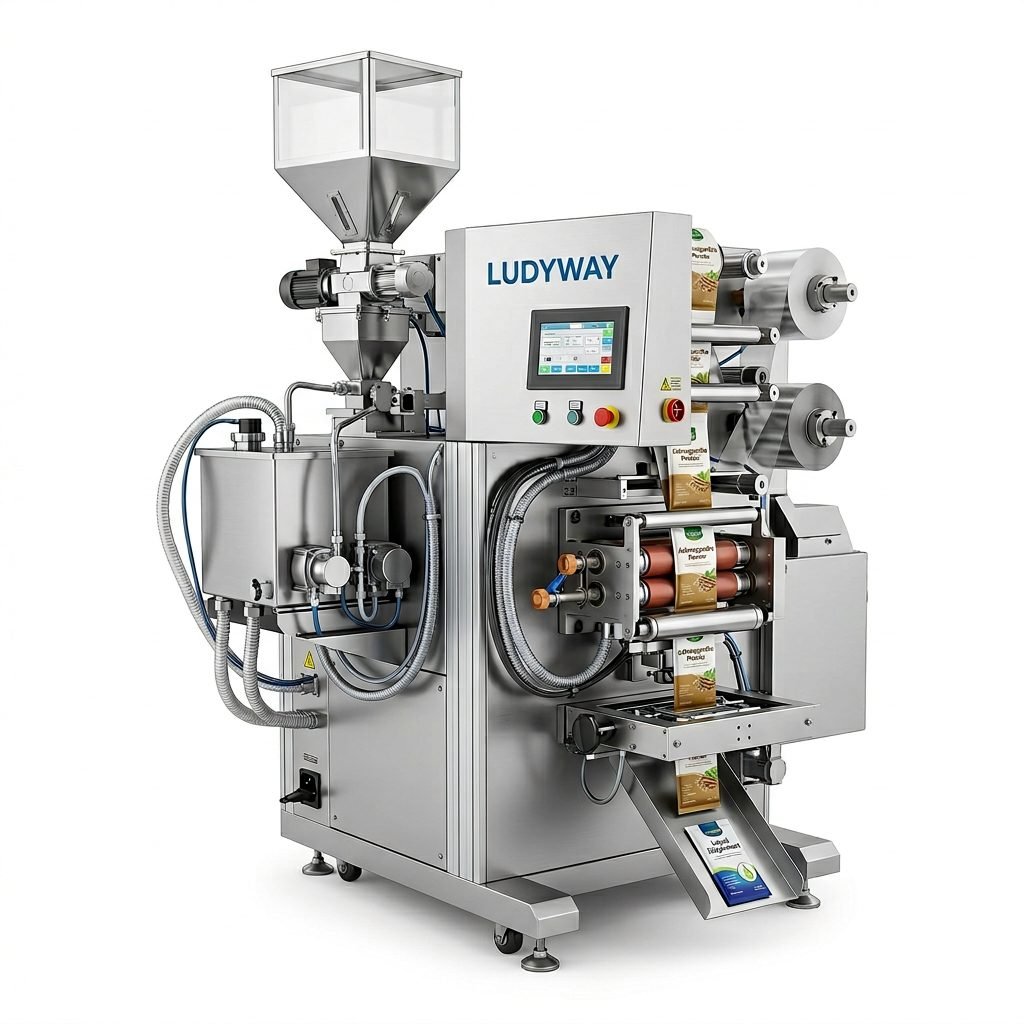
Common Packaging Formats and Their Applications
| Packaging Format | Typical Products | Key Machine Features |
|---|---|---|
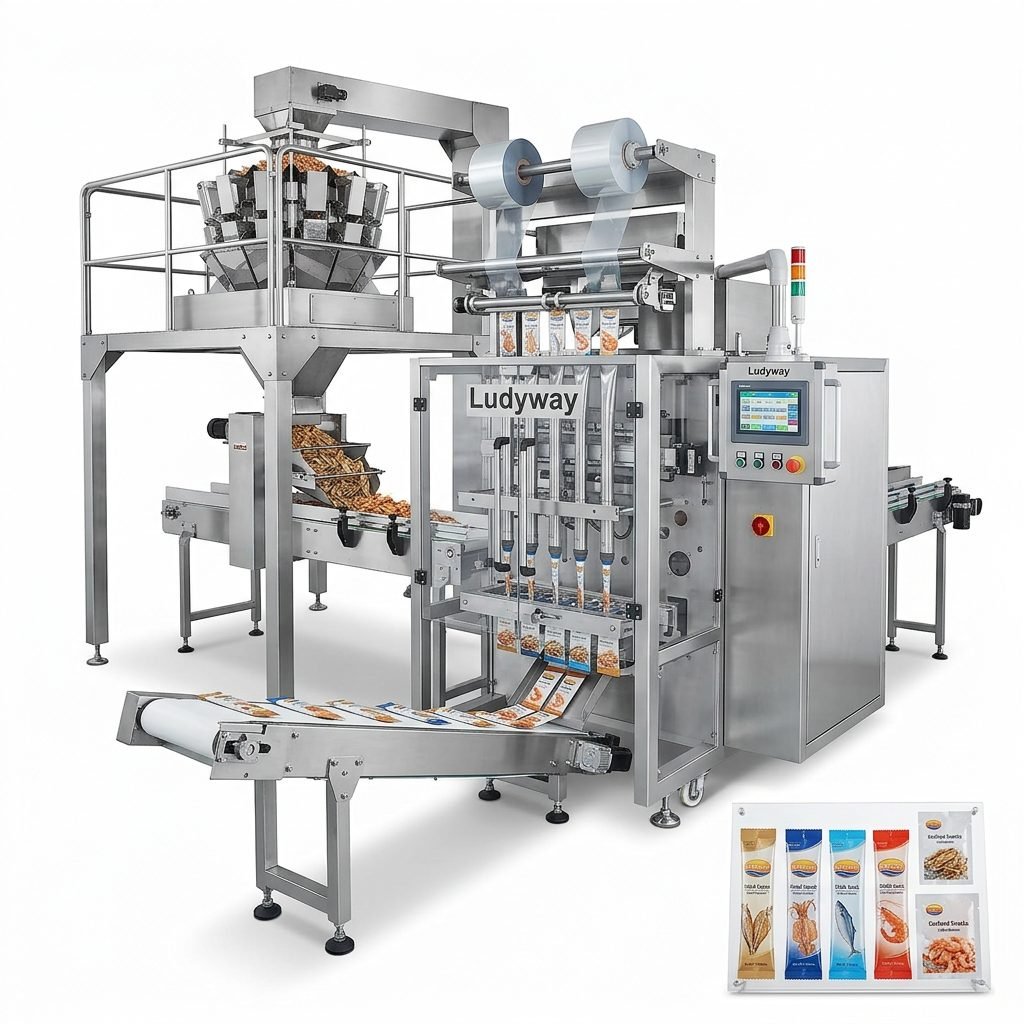
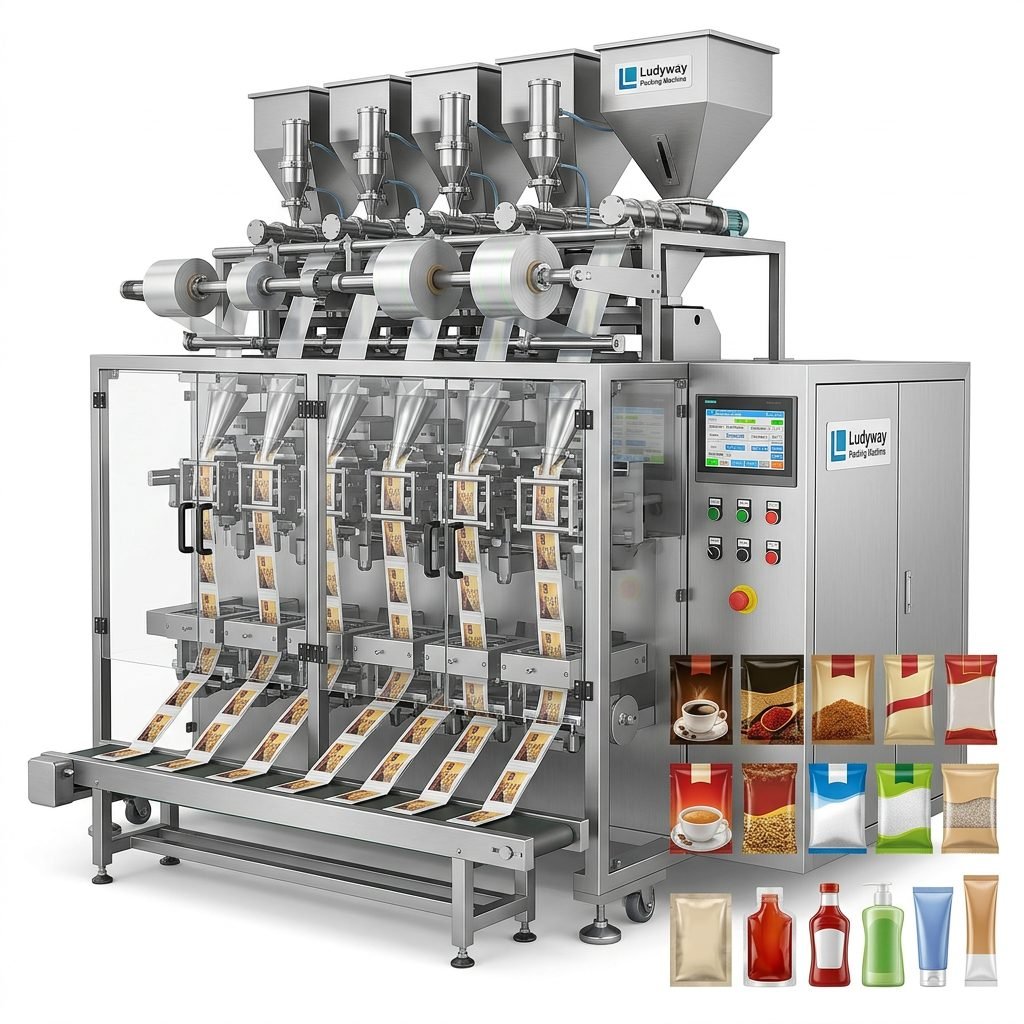
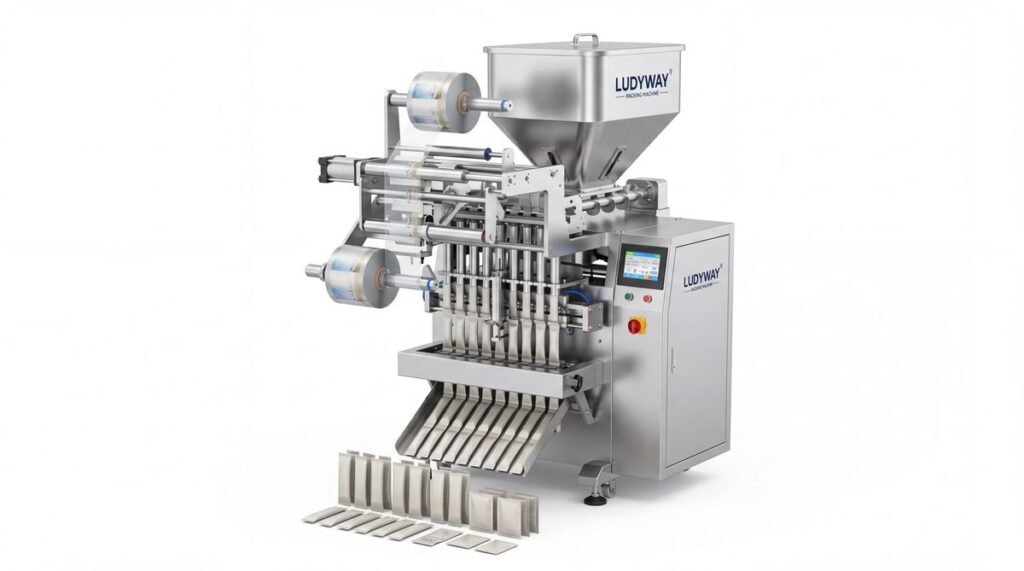
| Stick Packs | Coffee, sugar, energy powders | Multi-lane, high-speed, precision dosing |
| Sachets | Shampoo, ketchup, supplements | Vertical form-fill-seal, liquid compatibility |
| Premade Pouches | Pet food, snacks, frozen items | Rotary or inline filling, zipper options |
| Large Bags | Fertilizer, animal feed, bulk ingredients | Heavy-duty weighing, palletizing integration |
2. Understand Machine Configurations and Technologies
Not all Zhongbai packaging machines are the same. The internal technology defines accuracy, speed, and reliability. Here are the most critical components to evaluate:
Filling and Dosing Systems
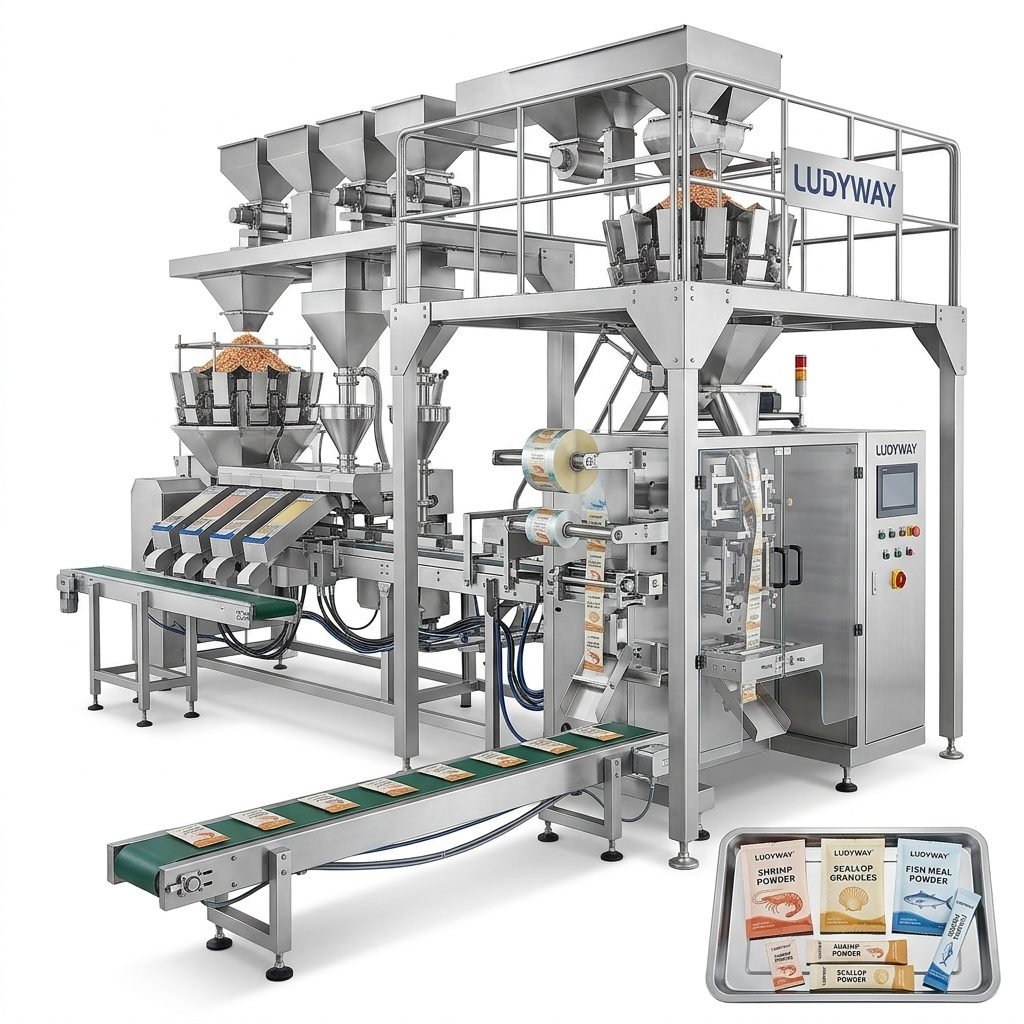
The dosing method must match your product’s flow characteristics. Auger fillers excel with fine powders and offer high accuracy for small volumes. Volumetric cup fillers work well for free-flowing granules like sugar or salt. For products requiring weight-based precision, multi-head weighers or linear weighers are essential. Liquid products need piston fillers, peristaltic pumps, or gravity-based systems depending on viscosity and fill volume.
Sealing Technology
Seal integrity directly affects product shelf life and leakage risk. Look for machines with temperature-controlled sealing jaws, adjustable pressure settings, and consistent dwell time. For products requiring modified atmosphere packaging or nitrogen flushing, verify that the machine supports these functions. Flexible packaging compatibility should be confirmed with the machine supplier before finalizing specifications.
3. Evaluate Production Speed and Capacity Requirements
Your current and projected production volumes should guide the machine specifications. A common mistake is underestimating future growth, leading to a machine that cannot scale with demand. Consider these factors:
- Packs per minute (PPM): Single-lane machines typically produce 30-80 PPM, while multi-lane configurations can exceed 400-600 PPM.
- Shift patterns: Continuous 24/7 operation requires heavier-duty components and robust cooling systems compared to intermittent use.
- Changeover time: If you package multiple products or formats, quick changeover features reduce downtime and improve overall equipment effectiveness.
Speed Comparison by Machine Type
| Machine Type | Typical Speed Range | Best For |
|---|---|---|
| Single-Lane VFFS | 30-100 PPM | Small to medium production volumes |
| Multi-Lane Stick Pack | 200-600+ PPM | High-volume single-serve products |
| Rotary Premade Pouch | 40-120 PPM | Flexible bag formats with features |
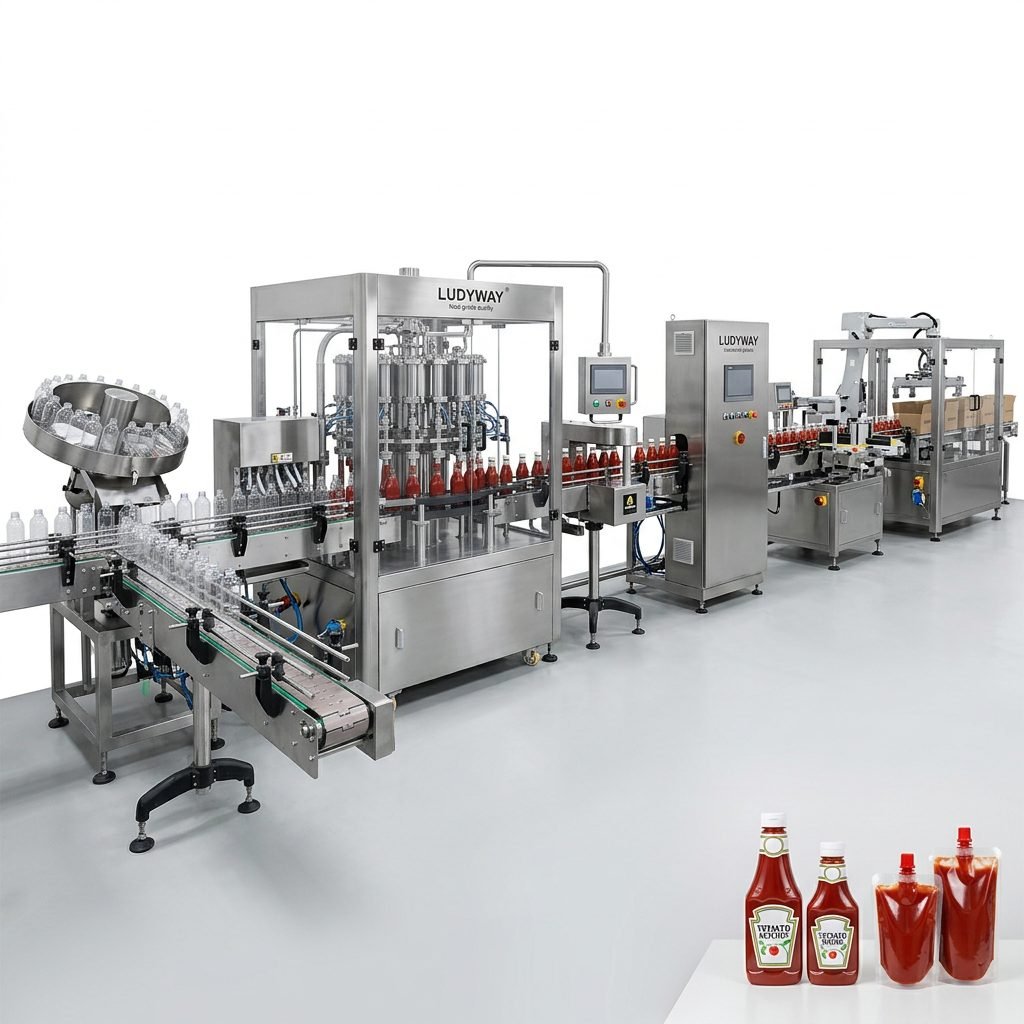
| Inline Liquid Filler | 50-200 PPM | Liquids, pastes, and viscous products |
4. Consider Automation and Integration Capabilities
Modern packaging lines go beyond standalone machines. The ability to integrate with upstream and downstream equipment creates a seamless production flow. When evaluating a Zhongbai packaging machine, assess its automation readiness:
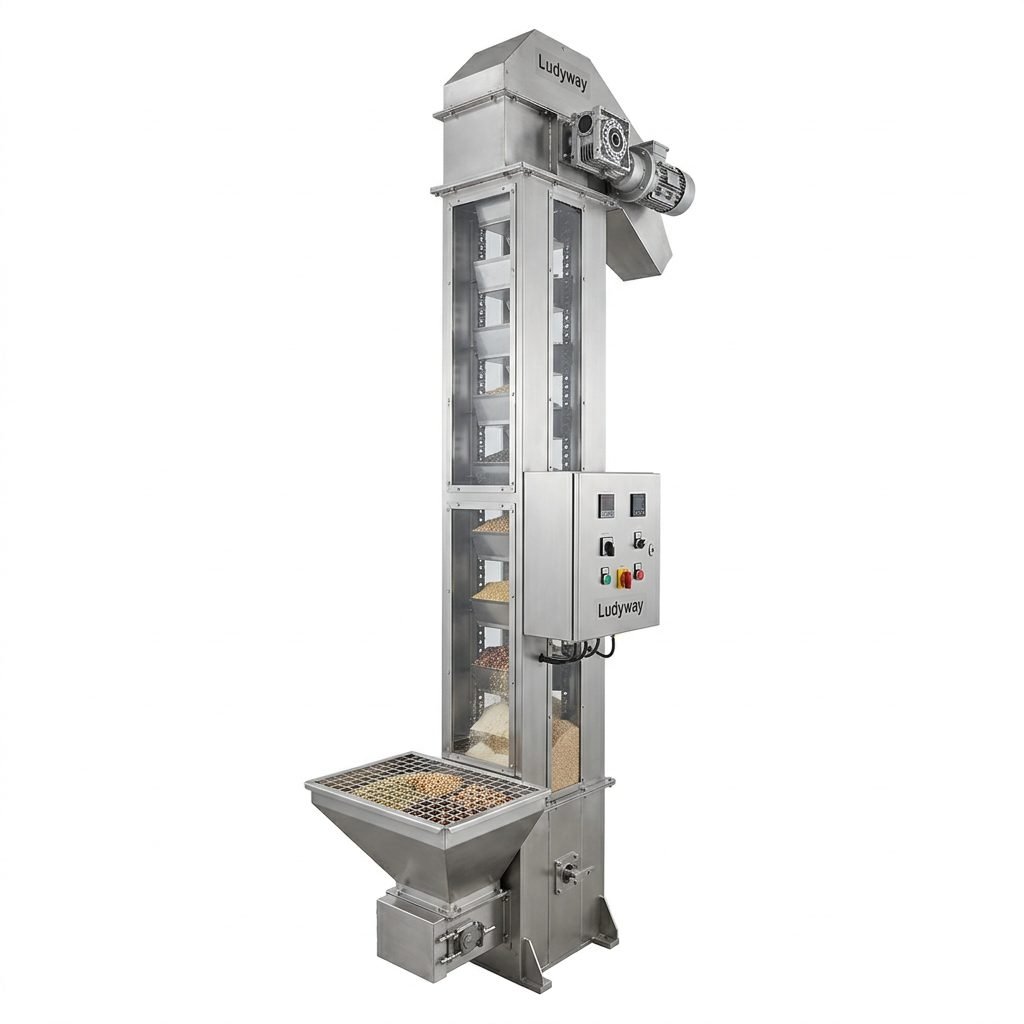
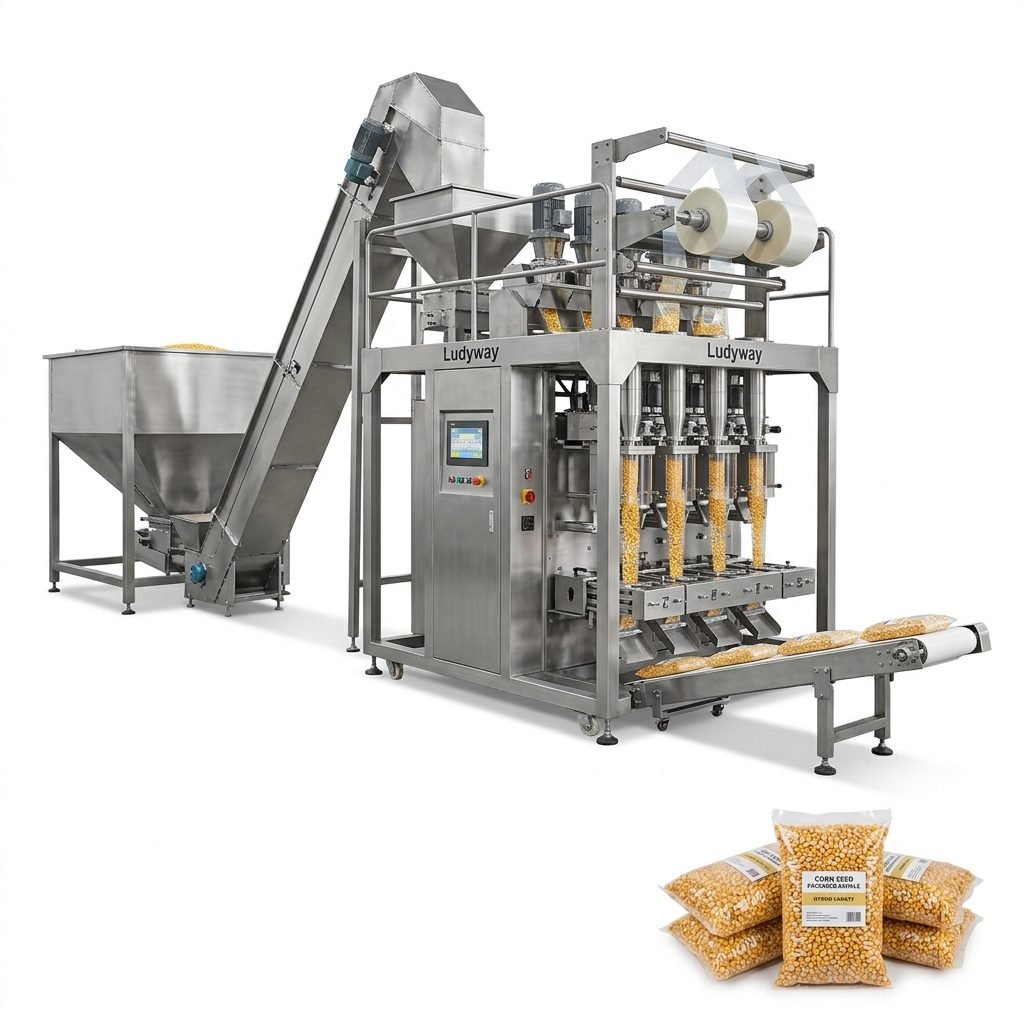
- Inline feeding systems: Bucket elevators, screw conveyors, and vibratory feeders that automatically supply product to the machine.
- Secondary packaging integration: Automatic cartoning, case packing, and palletizing systems that reduce manual labor.
- Inspection and rejection: Checkweighers, metal detectors, and vision systems that ensure quality compliance.
- Data connectivity: Machines with PLC controls and industrial communication protocols enable smart manufacturing and real-time monitoring.
5. Assess Build Quality and International Standards
Machine longevity and reliability depend on materials, components, and manufacturing quality. Look for these indicators when comparing suppliers:
- Frame construction: Stainless steel frames with proper welding and finishing resist corrosion and meet hygiene requirements.
- Electrical and pneumatic components: Established brands provide spare parts availability and predictable performance. Verify supplier component sourcing.
- Compliance certifications: Machines designed to meet ISO packaging standards, FDA food contact requirements, and CE marking indicate adherence to international quality benchmarks.
- Cleanability and maintenance access: Tool-free disassembly, sloped surfaces, and accessible maintenance points reduce downtime and support hygiene protocols.
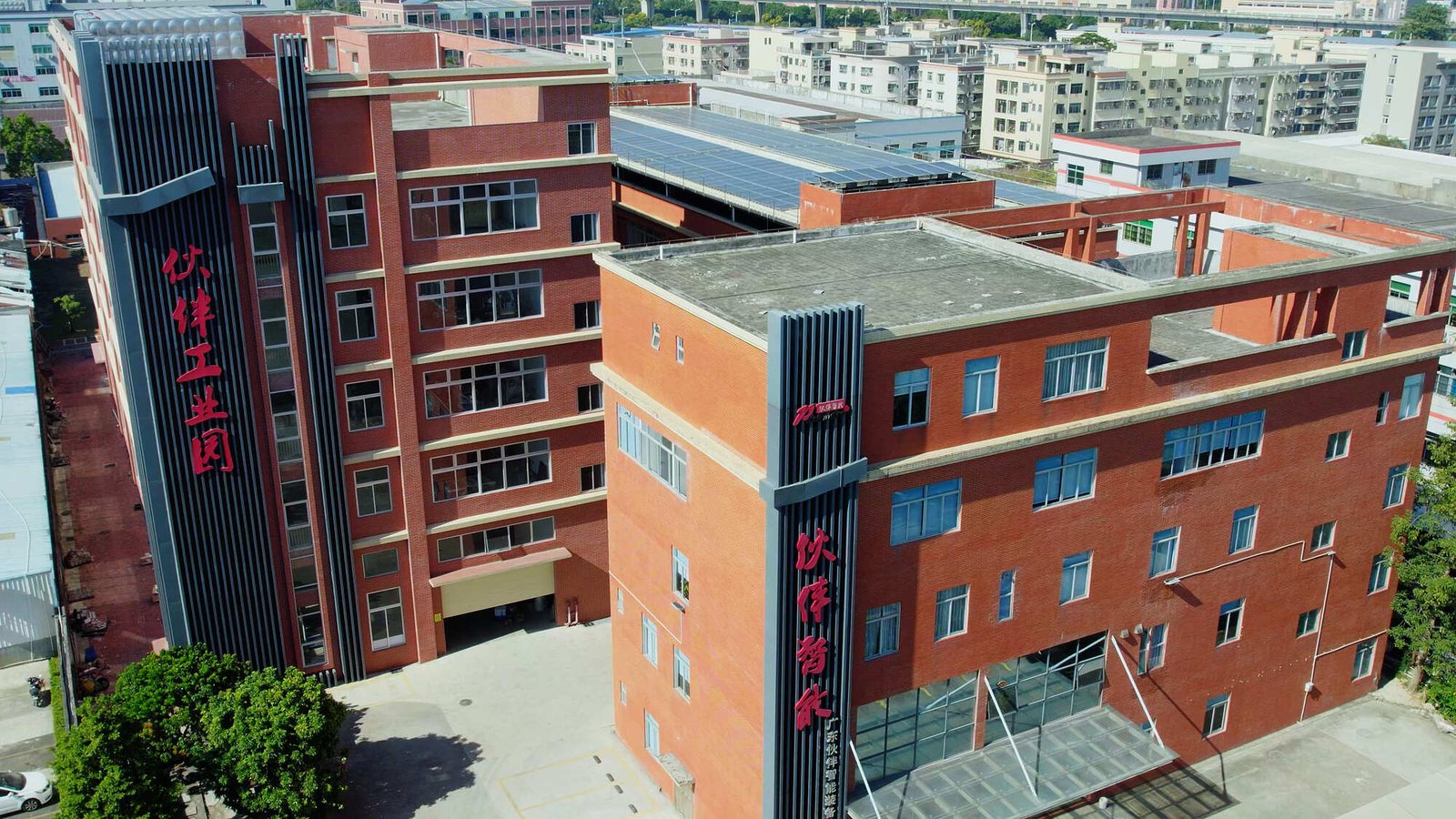
One established manufacturer with extensive experience in this field is Ludyway Machinery, a China-based packaging machinery manufacturer with over 30 years of industry experience and a 20,000-square-meter manufacturing facility serving customers in more than 100 countries.
6. Evaluate Customization and Engineering Support
Standard machines rarely fit every application perfectly. The right supplier should offer engineering customization based on your specific requirements. Areas where customization adds significant value include:
- Dosing system adaptation: Modifying fillers for challenging products like sticky powders or abrasive granules.
- Bag dimensions and formats: Adjusting machine tooling to produce specific pouch sizes, shapes, and features like tear notches or hang holes.
- Factory layout integration: Configuring machine orientation, discharge height, and conveyor connections to fit existing production floors.
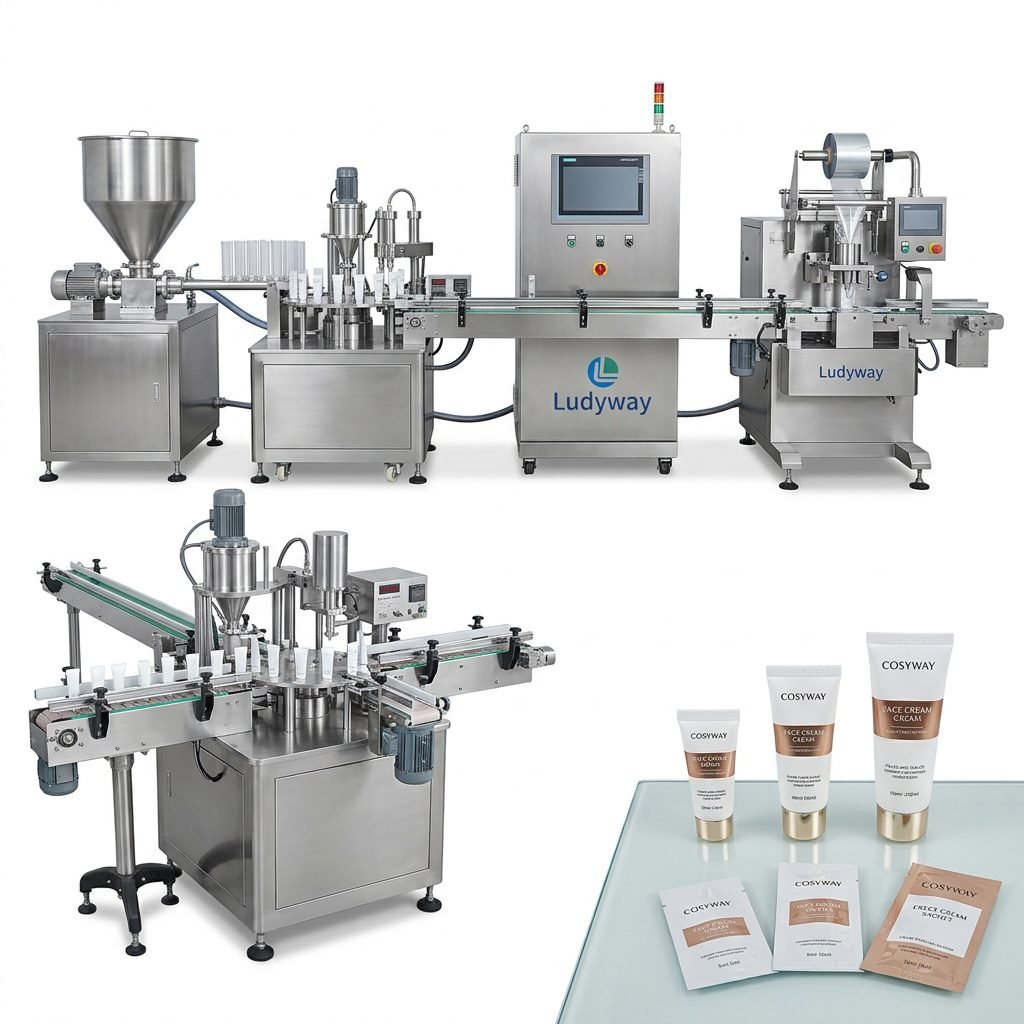
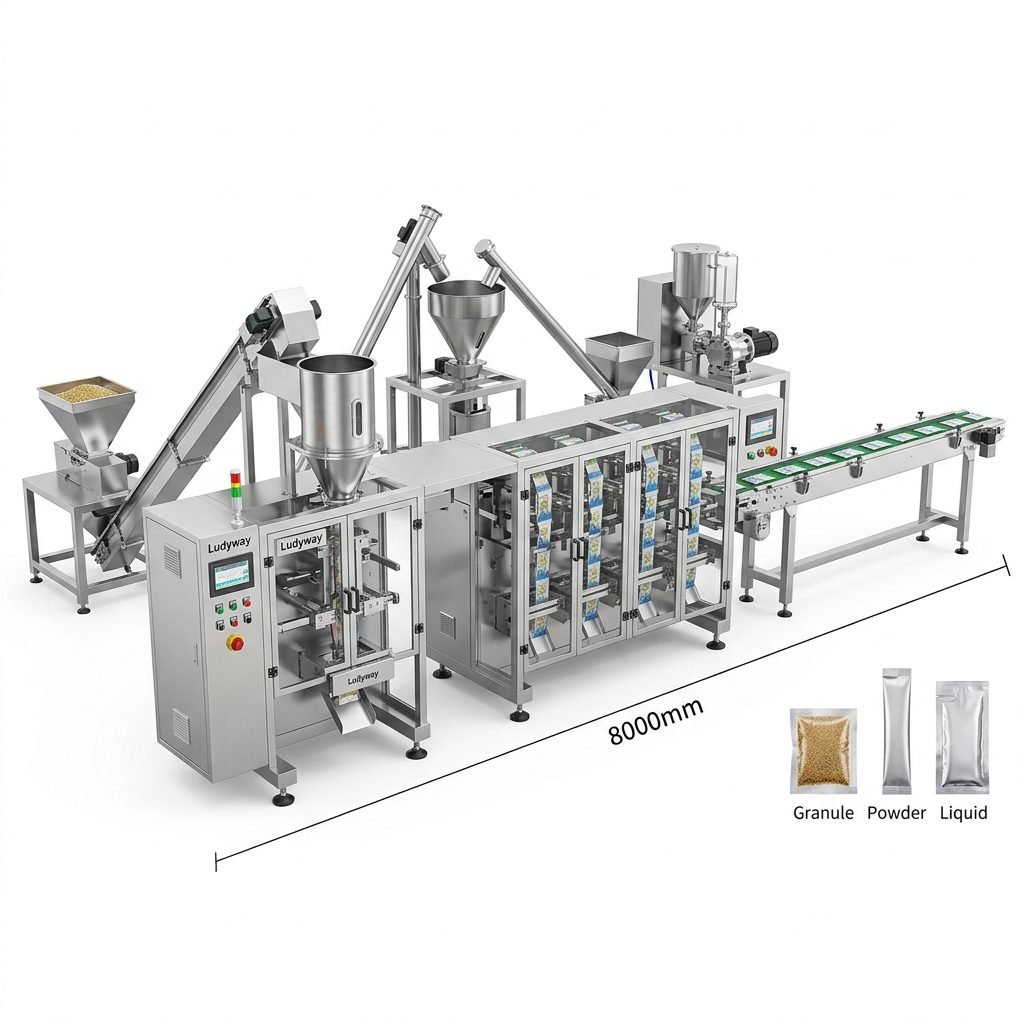
- Turnkey line design: Complete packaging lines that combine multiple machines into a single, coordinated system from one packaging equipment provider.
7. Check Service, Spare Parts, and Technical Support
Even the best machinery requires ongoing support. Before purchasing, clarify the following with your supplier:
| Support Area | What to Verify |
|---|---|
| Installation and Commissioning | On-site or remote support availability, timeline, and included services |
| Operator Training | Training scope, duration, documentation, and language support |
| Spare Parts Availability | Inventory depth, shipping timeframes, common wear parts recommendations |
| Troubleshooting | Response time, remote diagnostic capability, technical documentation quality |
| After-Sales Warranty | Warranty duration, coverage scope, and claim procedures |
8. Compare Total Cost of Ownership, Not Just Purchase Price
The initial machine price is only part of the financial picture. A lower upfront cost can lead to higher expenses over time through increased downtime, more frequent maintenance, and shorter service life. Calculate the total cost of ownership including:
- Energy consumption: More efficient motors and heating systems reduce operational costs over years of continuous use.
- Film and material waste: Precision machines minimize scrap during start-up, changeover, and continuous operation.
- Labor requirements: Automated feeding, rejection, and secondary packaging reduce operator dependency.
- Maintenance intervals: Machines designed with readily available components and accessible design reduce service costs.
Quick Reference: Key Selection Criteria Checklist
| Criterion | Questions to Ask |
|---|---|
| Product Compatibility | Does the machine handle my product’s flow characteristics, particle size, and viscosity? |
| Capacity Alignment | Can the rated speed meet my peak production demands with acceptable margins? |
| Build Quality | What materials, components, and certifications does the machine include? |
| Customization Options | Can the supplier engineer solutions for my unique requirements? |
| Integration Potential | Will the machine connect with existing or planned upstream and downstream equipment? |
| Service Network | What is the supplier’s track record for installation, training, spare parts, and technical support? |
Choosing the right Zhongbai packaging machine requires a methodical evaluation of your product, production goals, and the supplier’s engineering and service capabilities. By focusing on total value rather than only initial cost, and prioritizing customized solutions over generic equipment, you position your operation for reliable, efficient, and scalable packaging performance. For further industry insights, resources from PMMI – The Association for Packaging and Processing Technologies and the Flexible Packaging Association provide valuable market data and technical guidance.