In the fast-paced world of food production, efficiency and presentation are paramount. For businesses producing sandwiches, wraps, paninis, and similar items, investing in the right sandwich packaging machine is a critical decision. This guide will walk you through the different types of machines, their key features, and provide a clear framework for choosing the best one for your operation.
Understanding the Different Types of Sandwich Packaging Machines
The market offers several types of packaging machines, each suited to different production volumes, packaging styles, and automation levels.
Manual & Semi-Automatic Sandwich Packers
Ideal for small cafes, bakeries, or start-ups with lower output. These machines require an operator to place the sandwich and sometimes the packaging film into the machine. The machine then performs the sealing function. They are cost-effective, have a smaller footprint, and offer flexibility for custom or irregularly shaped items.
Fully Automatic Flow-Through Wrappers
The workhorse for medium to high-volume production lines, such as those in large-scale catering, convenience stores, or sandwich manufacturing plants. Sandwiches are conveyed into the machine, which automatically forms a bag or sleeve from a roll of film, inserts the product, and seals it. They offer high speed and consistent packaging with minimal manual intervention.
Vertical Form-Fill-Seal (VFFS) Machines
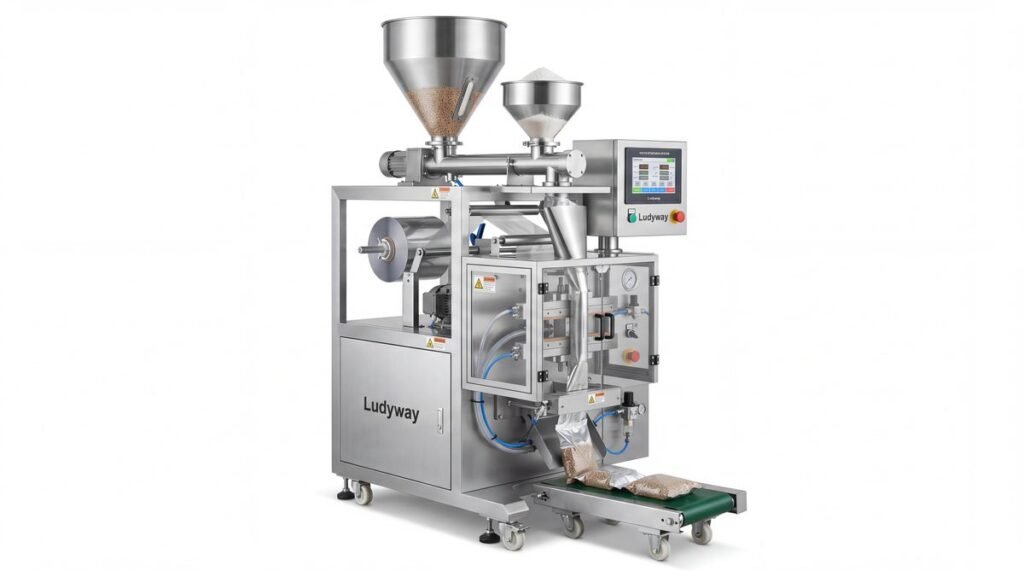
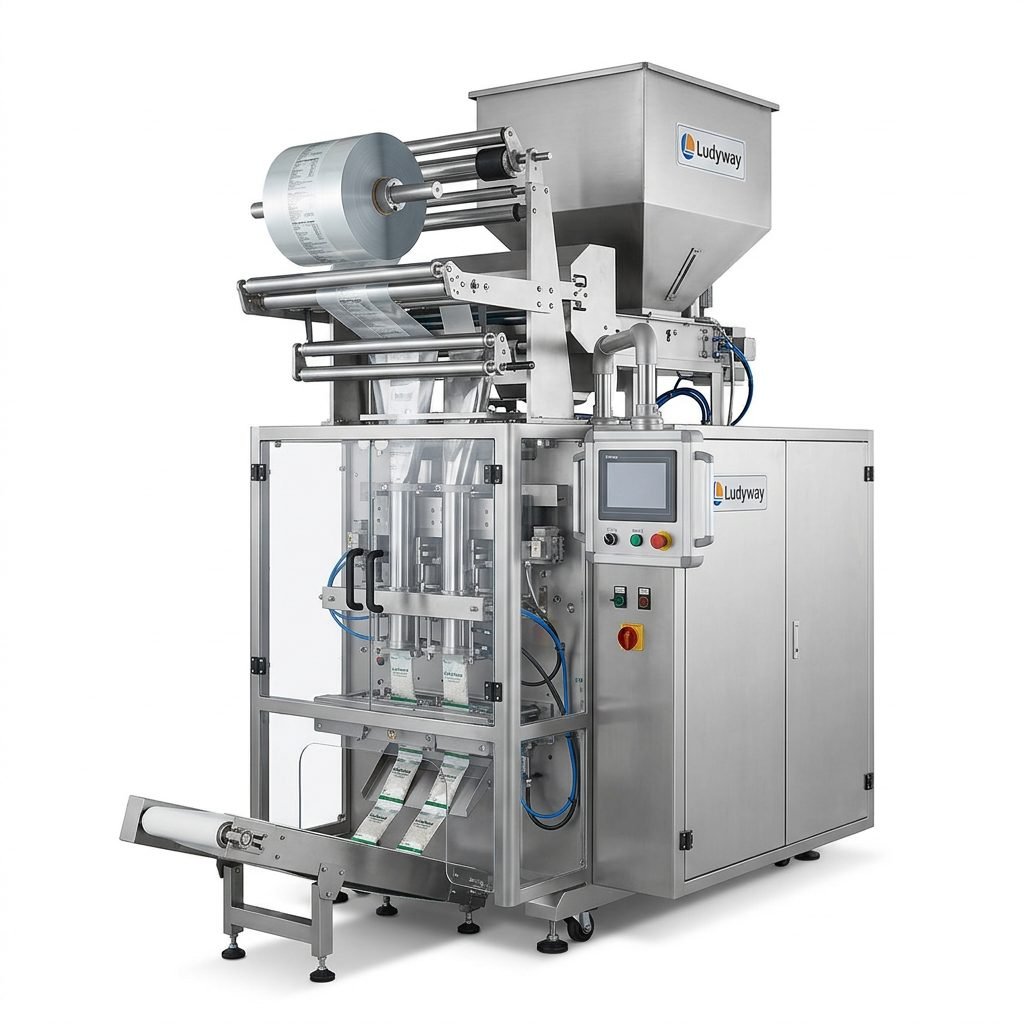
While commonly used for loose products, certain VFFS systems can be adapted for pre-made sandwiches. The machine forms a bag from a roll of film, the sandwich is dropped in, and the bag is sealed. This method is excellent for creating a pillow-style pack that can include a header for hanging display.
Modified Atmosphere Packaging (MAP) Machines
These advanced systems are designed to extend shelf life significantly. After the sandwich is placed in a pre-formed tray or pouch, the machine flushes out the air and replaces it with a protective gas mix (like nitrogen and carbon dioxide) before sealing. This is crucial for supermarkets and distributors where product freshness over days is required.
Key Takeaway
Your choice fundamentally depends on daily production volume and desired shelf life. A small deli thrives with a semi-automatic sealer, while a national supplier likely needs a fully automatic MAP line.
Essential Features to Look for in a Sandwich Packager
Beyond the basic type, several features differentiate a good machine from a great one that fits your specific needs.
Sealing Technology and Integrity
The seal is everything. Look for machines with consistent, adjustable heat control for crisp, airtight seals that won’t leak condiments. Dual sealing jaws (for both ends of a flow-wrap) are standard for reliability. Check the seal strength to ensure it can withstand handling and transportation.
Film Compatibility and Versatility
Can the machine handle the films you want to use? This includes standard polypropylene, biodegradable or compostable films, and high-barrier films for MAP applications. A versatile machine that can run different film types future-proofs your investment as packaging trends evolve.
Speed and Production Capacity
Measured in packs per minute (PPM). Match the machine’s maximum speed to your peak production demands with some room for growth. Remember, theoretical max speed and sustainable operating speed can differ.
Footprint and Ease of Integration
Consider the available floor space in your production area. Modern machines are designed to be compact. Also, assess how easily it can integrate with existing conveyors or production lines for a smooth workflow.
Hygienic Design and Cleanability
Food safety is non-negotiable. Machines should have stainless steel food-contact surfaces, minimal crevices where debris can accumulate, and be designed for easy, quick cleaning and maintenance to meet health regulations.
User Interface and Control System
A user-friendly, often touch-screen, HMI (Human-Machine Interface) simplifies operation, changeovers between different sandwich types or pack sizes, and troubleshooting. Look for machines that store recipes for different products.
🔍 Pro Tip: Don’t Overlook Service & Support
Technical support, availability of spare parts, and quality of after-sales service are critical features. A reliable partner like Ludyway Packing Machine, with decades of industry experience, ensures your machine remains productive for years, minimizing costly downtime.
How to Choose the Best Sandwich Packaging Machine: A Step-by-Step Guide
Follow this structured process to make a confident purchasing decision.
Step 1: Analyze Your Current & Future Needs
- Product Specs: Size, shape, thickness, and moisture content of your sandwiches.
- Output Volume: Current daily output and projected growth for the next 3-5 years.
- Packaging Goal: Is it simple containment, visual appeal, or extended shelf life (MAP)?
- Budget: Consider total cost of ownership: purchase price, installation, film costs, maintenance, and energy consumption.
Step 2: Research and Shortlist Suppliers
Look for manufacturers with a proven track record in food packaging, specifically with sandwich or baked goods applications. Review case studies and client testimonials. A supplier offering comprehensive solutions from a single machine to a full turnkey line, as seen with providers like Ludyway’s range of over 50 models, can scale with your business.
Step 3: Request Demos and Product Samples
Always insist on a live demonstration using your actual sandwich product (or a close replica) and your chosen packaging film. This is the only way to truly assess seal quality, speed, and handling. Ask for packaged samples to test for seal strength and durability.
Step 4: Evaluate Technical Support and Warranty
Scrutinize the warranty terms. More importantly, understand the supplier’s support structure. Do they offer on-site installation, training, and prompt technical support? A partner invested in your long-term success is invaluable.
Step 5: Consider the Total Value Proposition
The cheapest option is rarely the most cost-effective long-term. Weigh the machine’s reliability, efficiency gains, film waste reduction, and the supplier’s reputation. Investing in a robust machine from an experienced partner often leads to a lower total cost and higher return on investment.
Choosing the right sandwich packaging machine is a strategic investment that impacts your product quality, operational efficiency, and brand perception. By thoroughly understanding the types available, prioritizing the essential features that matter to your business, and following a disciplined selection process, you can secure a machine that not only meets today’s needs but also supports your growth tomorrow. Partnering with an experienced equipment provider ensures you have the technology and support to stay competitive in the dynamic food market. For businesses looking to automate further, exploring complete packaging line solutions can be the logical next step.
Frequently Asked Questions (FAQs)
1. What is the typical cost range for a sandwich packaging machine?
Costs vary widely. Semi-automatic sealers can start from a few thousand dollars, while high-speed, fully automatic flow wrappers range from $20,000 to $80,000+. Advanced Modified Atmosphere Packaging (MAP) systems can be $100,000 or more. The final price depends on speed, features, automation level, and brand.
2. Can one machine package different sizes and types of sandwiches?
Yes, most modern machines are designed for quick changeovers. Look for models with adjustable forming boxes, sealing jaws, and conveyor guides. Machines with digital controls that save “recipes” for different products make switching sizes fast and easy, minimizing downtime.
3. How important is Modified Atmosphere Packaging (MAP) for sandwiches?
MAP is essential if you need to extend shelf life beyond 1-2 days. By replacing oxygen with inert gases, it slows down mold growth and oxidation, allowing sandwiches to stay fresh for 5-21 days under refrigeration. This is critical for distribution to supermarkets, vending, or wholesale.
4. What maintenance does a sandwich packaging machine require?
Daily cleaning of food-contact parts is mandatory. Regular maintenance includes lubricating moving parts, inspecting and cleaning sealing jaws, checking electrical connections, and ensuring sensors are clean and aligned. Following the manufacturer’s maintenance schedule is key to longevity and consistent performance.
5. Can I use eco-friendly or compostable films on these machines?
Many newer machines can run biodegradable or compostable films (like PLA). However, these films often have different sealing properties (temperature, dwell time). It is crucial to confirm compatibility with the machine supplier and test extensively, as settings will likely need adjustment from standard plastic films.