The Middle East has emerged as one of the fastest-growing markets for automated food packaging equipment. With the rapid expansion of quick-service restaurants, cloud kitchens, and ready-to-eat food manufacturing across Saudi Arabia, the UAE, Qatar, and Kuwait, the demand for sandwich packaging machines has never been higher. Whether you are running a small deli or a large-scale food processing plant, investing in the right packaging machinery can significantly boost your operational efficiency and product shelf life.
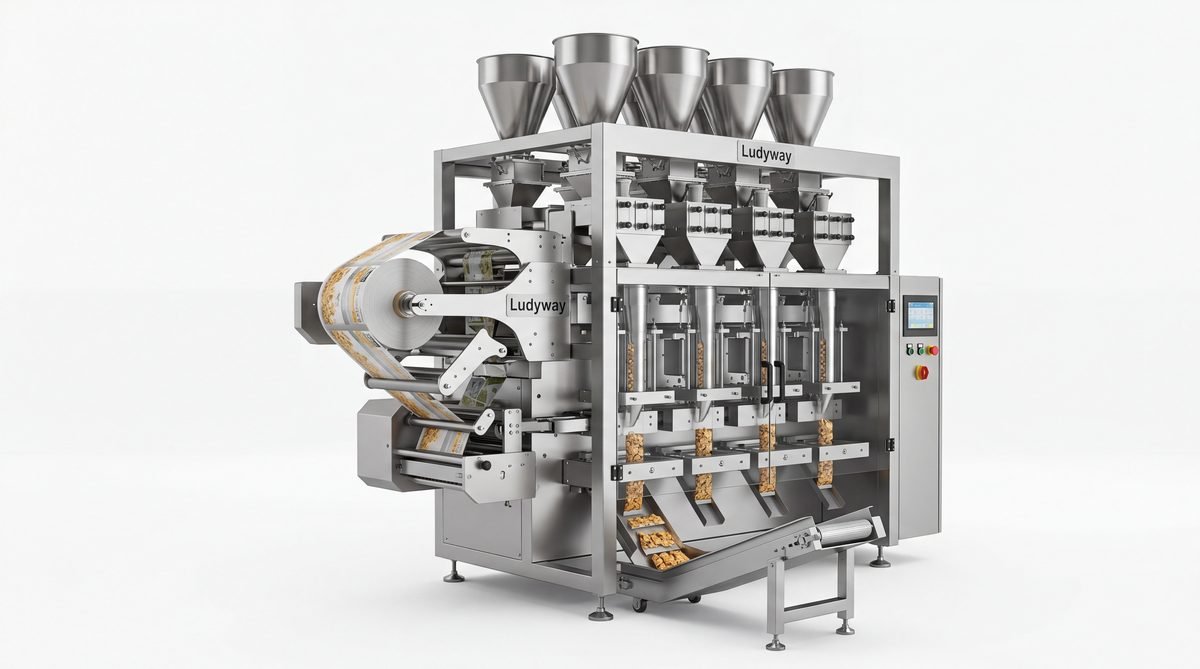
Understanding the Sandwich Packaging Machine Market in the Middle East
The Middle Eastern food packaging sector is projected to grow at a compound annual growth rate exceeding 6.8% through 2030. Several factors are driving this expansion:
- Rising urbanization in Gulf Cooperation Council (GCC) countries fueling demand for convenient, packaged sandwiches
- Tourism growth in the UAE and Saudi Arabia boosting the hospitality and food service packaging segments
- Increasing presence of international food chains requiring standardized packaging solutions
- Government initiatives supporting domestic food manufacturing and reducing import dependency
- Growing consumer preference for hygienically packaged ready-to-eat products
According to flexible packaging industry data, the shift toward automation in food packaging is accelerating across the region, creating substantial opportunities for businesses that make strategic equipment investments.
Key Features to Evaluate Before Purchasing
Selecting the right sandwich packaging equipment requires careful evaluation of several critical attributes. Below are the essential features to assess:
- Packaging Speed: Measured in packs per minute (PPM), this determines your production throughput capacity
- Film Compatibility: Ensure the machine supports flow wrap, shrink film, or modified atmosphere packaging (MAP) materials commonly used for sandwiches
- Sealing Quality: Hermetic sealing capability to extend shelf life and maintain freshness in hot Middle Eastern climates
- Changeover Flexibility: The ability to quickly switch between different sandwich sizes and types without extensive downtime
- Hygiene Compliance: Stainless steel construction and easy-to-clean surfaces that meet food packaging safety standards
Types of Sandwich Packaging Machines Compared
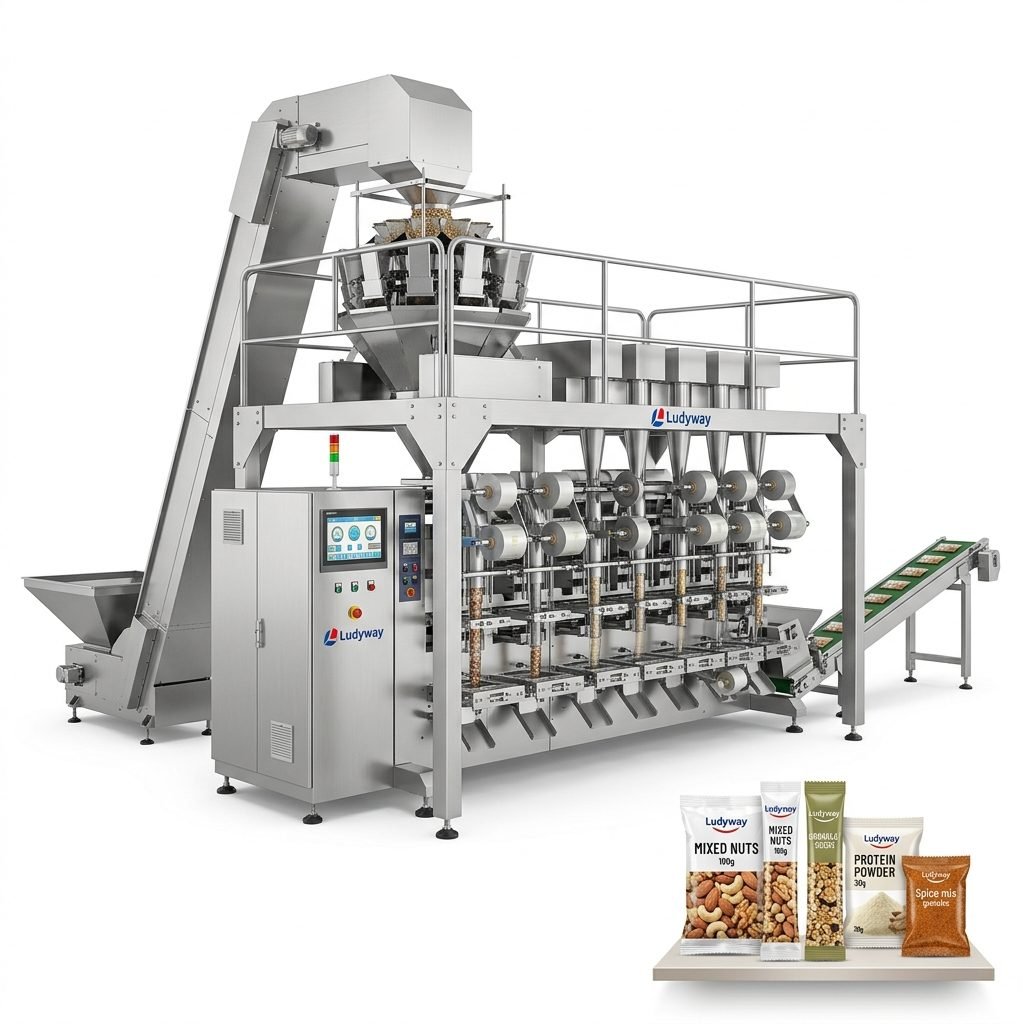
The table below outlines the main categories of sandwich packaging equipment available for Middle Eastern operations:
| Machine Type | Best For | Speed Range | Key Advantage |
|---|---|---|---|
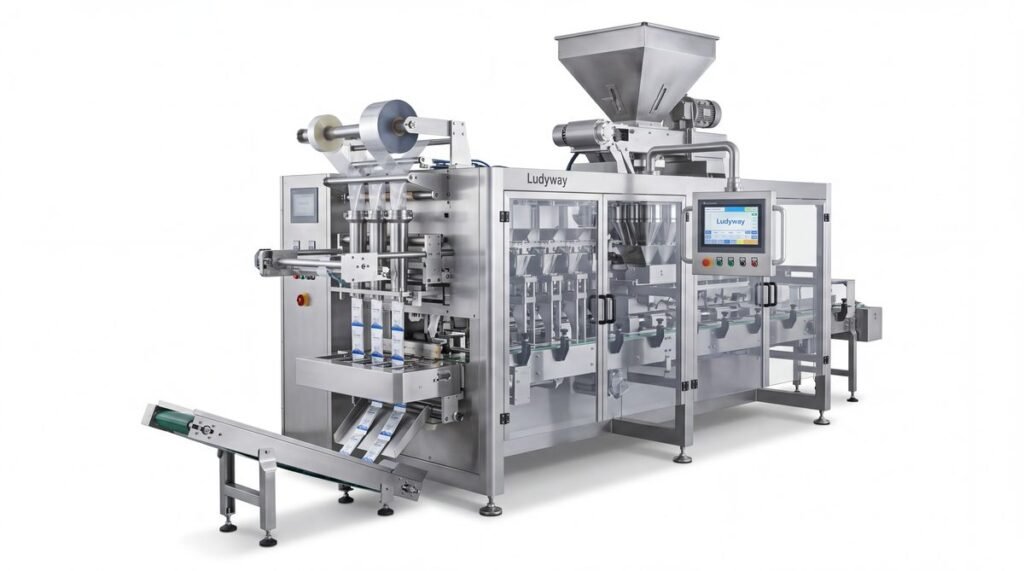
| Horizontal Flow Wrapper | Triangular and rectangular sandwiches | 40-150 PPM | Versatile and widely adopted |
| MAP Tray Sealer | Premium sandwiches requiring extended shelf life | 30-80 PPM | Gas flushing preserves freshness |
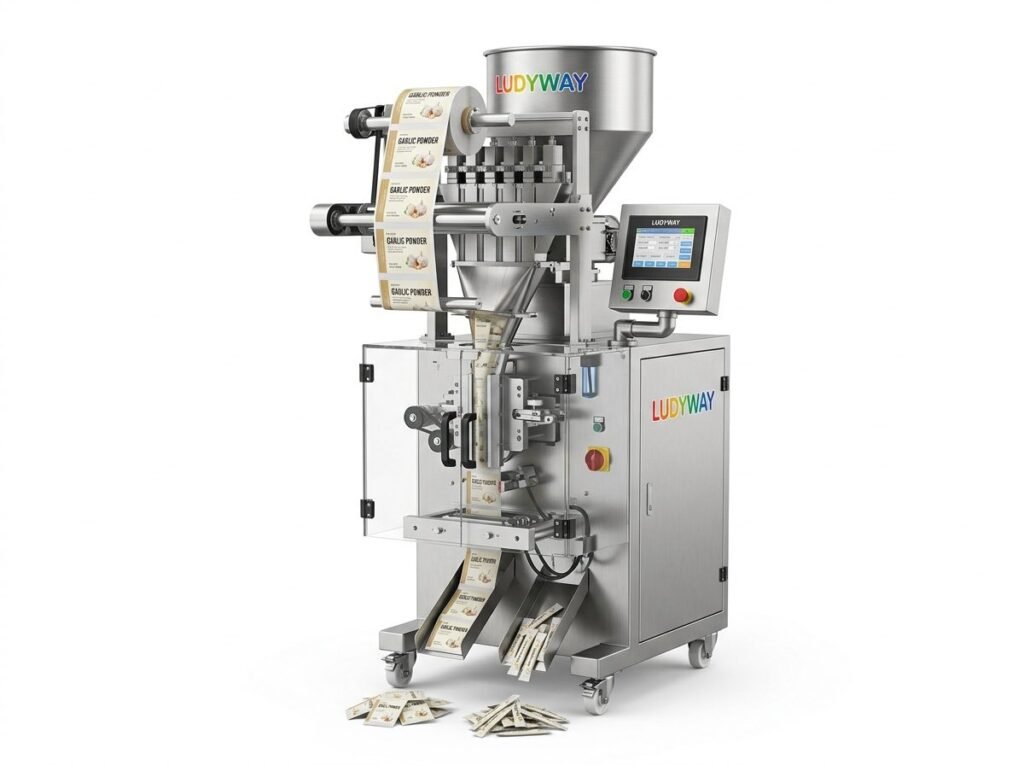
| Vertical Form Fill Seal | Pillow-packed and bulk sandwich portions | 50-120 PPM | Compact footprint, cost-effective |
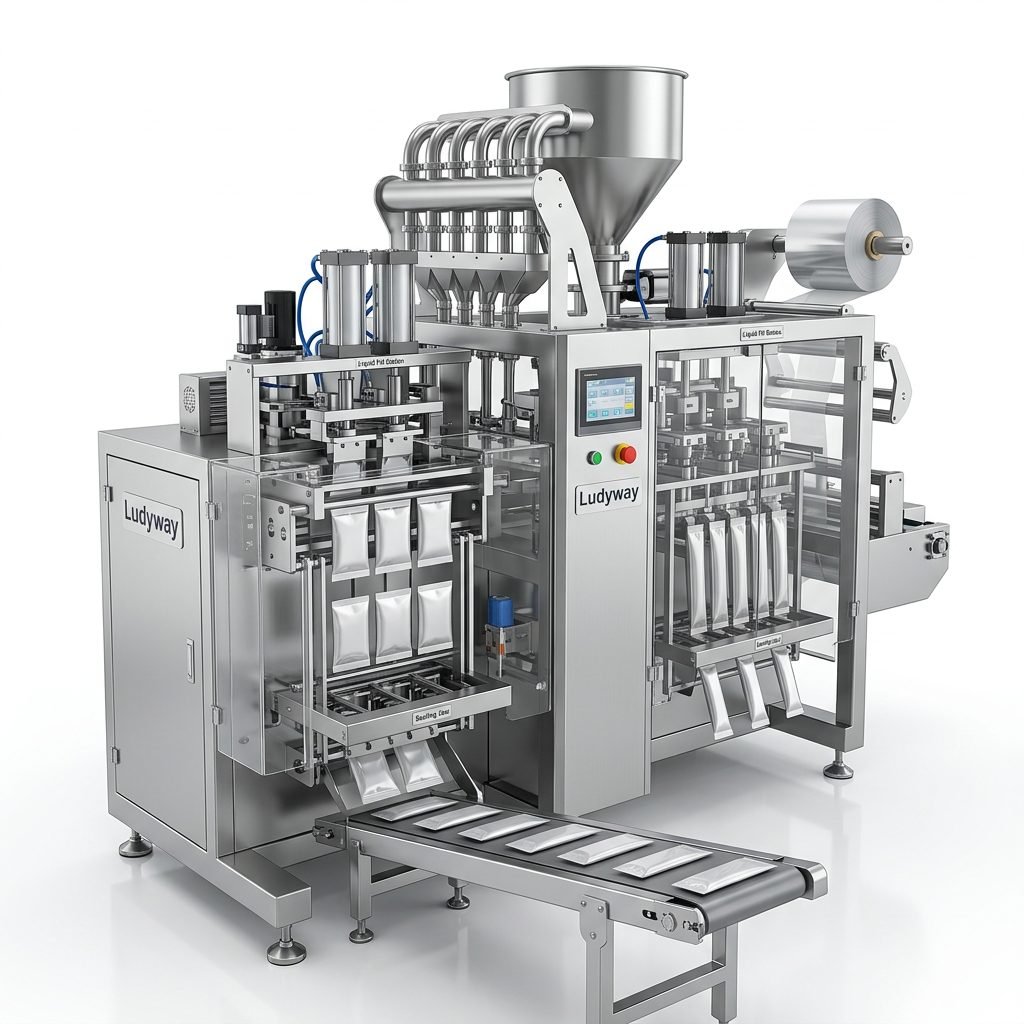
| Multi-Lane Stick Pack | Mini sandwiches and snack-sized products | 200-600 PPM | Highest throughput capacity |
Regulatory and Compliance Considerations for Middle Eastern Markets
Food packaging equipment imported into the Middle East must adhere to specific regulations. Understanding these requirements upfront can prevent costly delays and compliance issues:
- GSO Standards: The Gulf Standardization Organization mandates food contact material compliance across all GCC member states
- Halal Certification: While primarily for food content, packaging processes that avoid cross-contamination support halal integrity
- ESMA Regulations: The Emirates Authority for Standardization and Metrology enforces strict packaging and labeling rules in the UAE
- SASO Requirements: Saudi Arabia’s standards organization requires specific documentation for imported packaging equipment
- Refer to the European Commission’s packaging and packaging waste regulations for alignment with international best practices
Cost Factors and Return on Investment
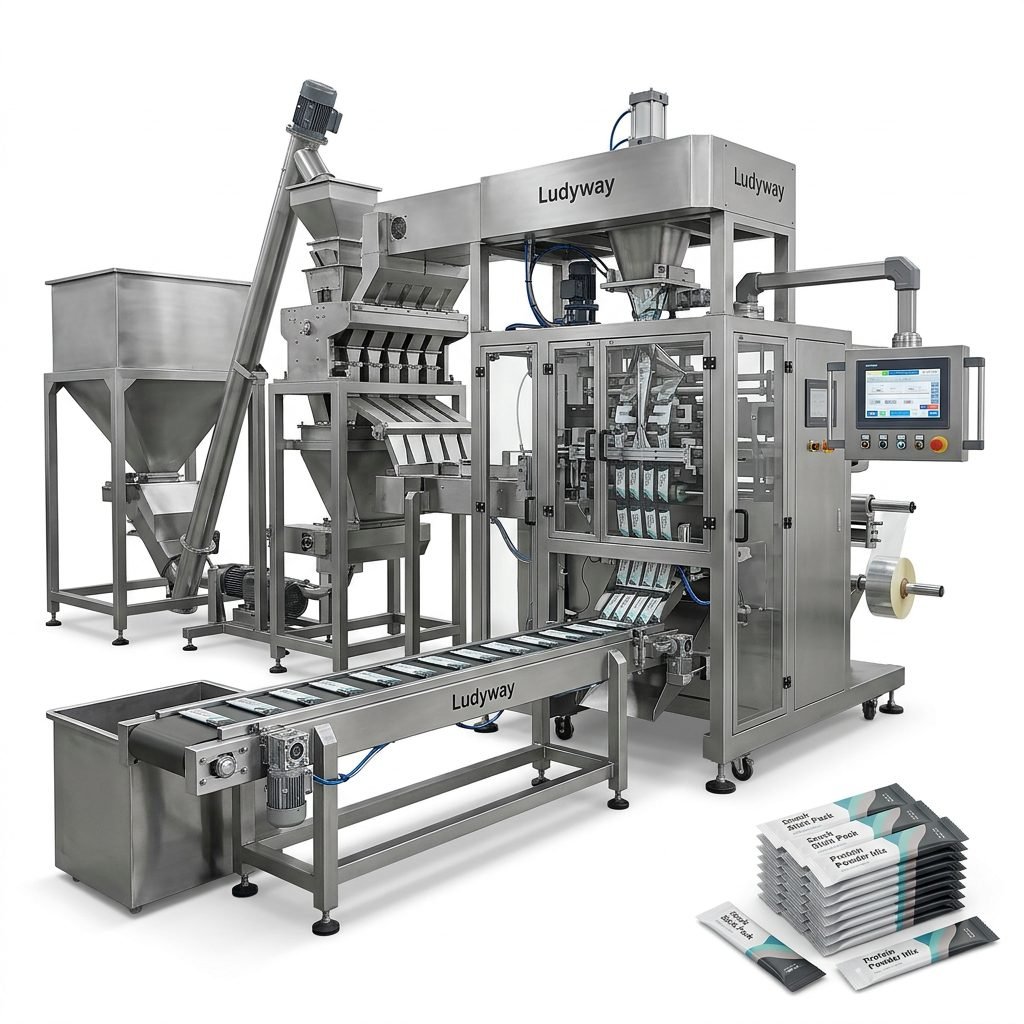
When budgeting for a sandwich packaging machine, consider both the upfront capital expenditure and the long-term operational costs. A well-chosen machine typically delivers full ROI within 18 to 36 months through labor reduction, material savings, and increased production capacity.
- Initial purchase price: Entry-level flow wrappers start around USD 50,000, while high-speed MAP systems can exceed USD 250,000
- Installation and commissioning: Budget 10-15% of the machine cost for setup, calibration, and training
- Maintenance contracts: Annual service agreements typically range from 5-8% of the equipment value
- Film and material consumption: Automated machines reduce film waste by up to 30% compared to manual wrapping
- Energy efficiency: Modern servo-driven systems consume significantly less power than older pneumatic alternatives
Selecting the Right Equipment Supplier
Choosing a reliable supplier is as important as selecting the right machine model. Evaluate potential partners based on these criteria:
- Regional service support in the Middle East, including local technicians and spare parts availability
- Documented installation history in GCC countries with references from similar food businesses
- Comprehensive training programs for your production and maintenance staff
- Warranty terms and after-sales service level agreements
- Integration capabilities with your existing production line and upstream equipment
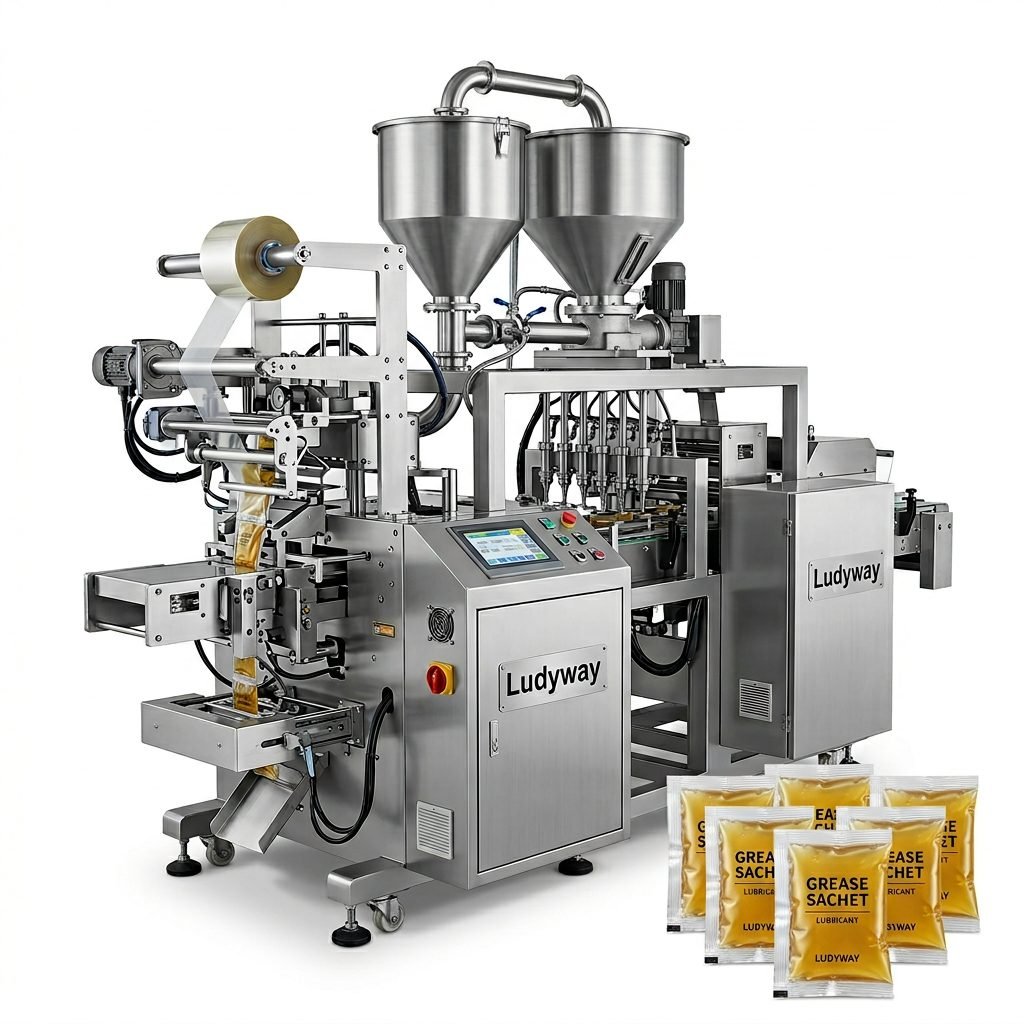
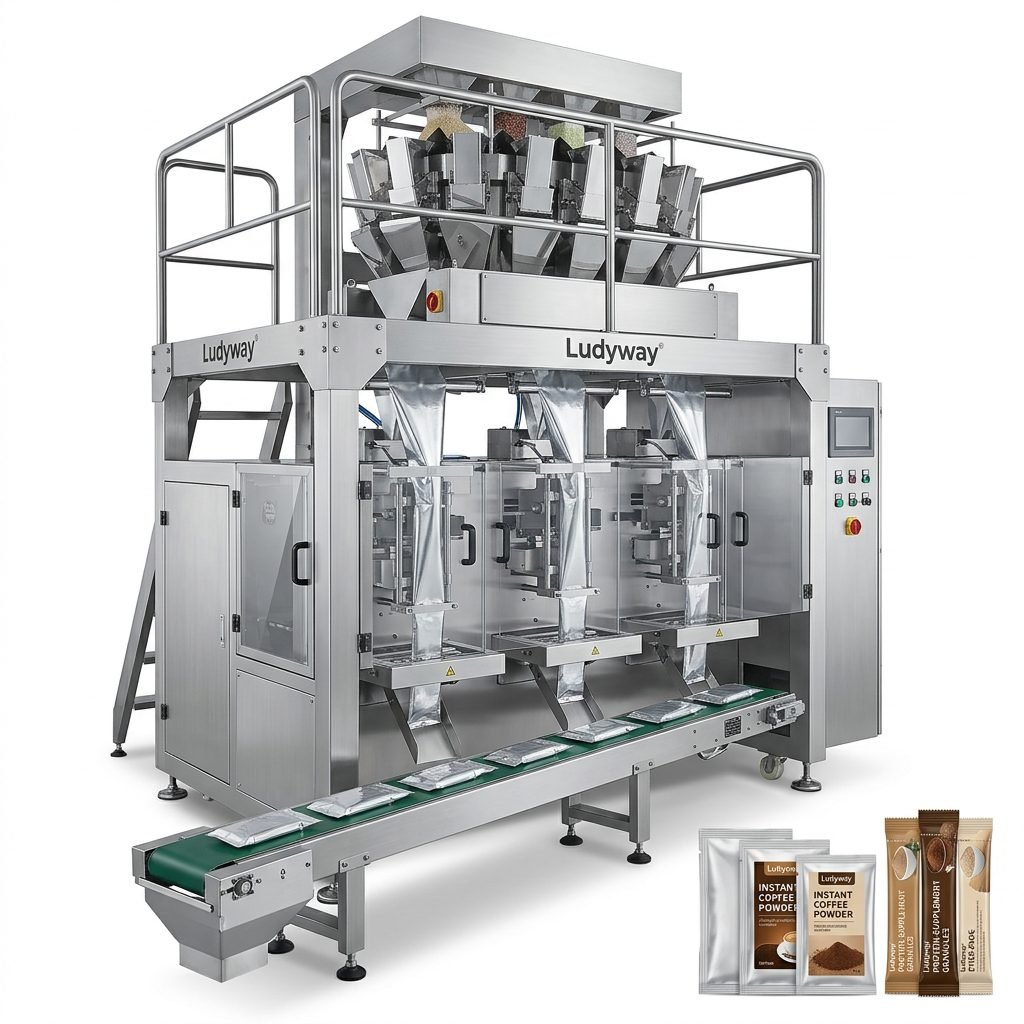
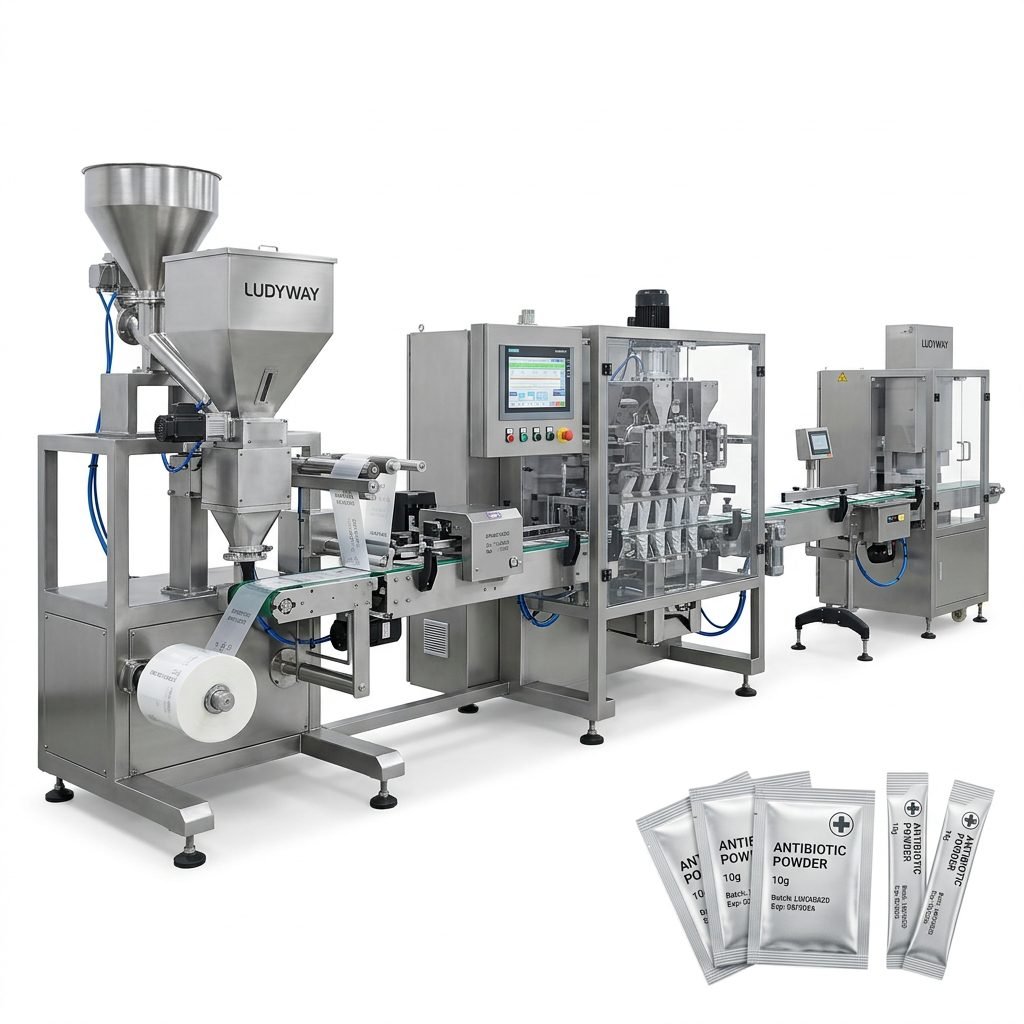
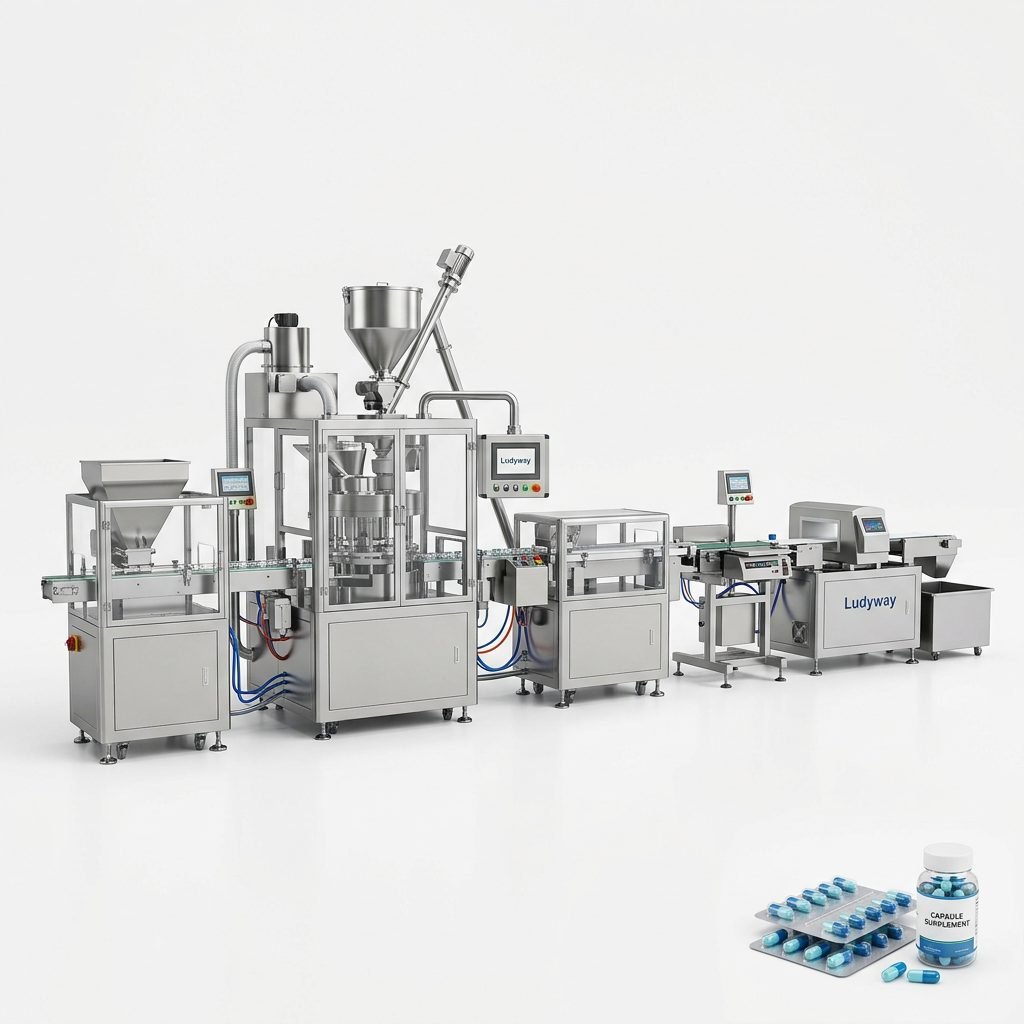
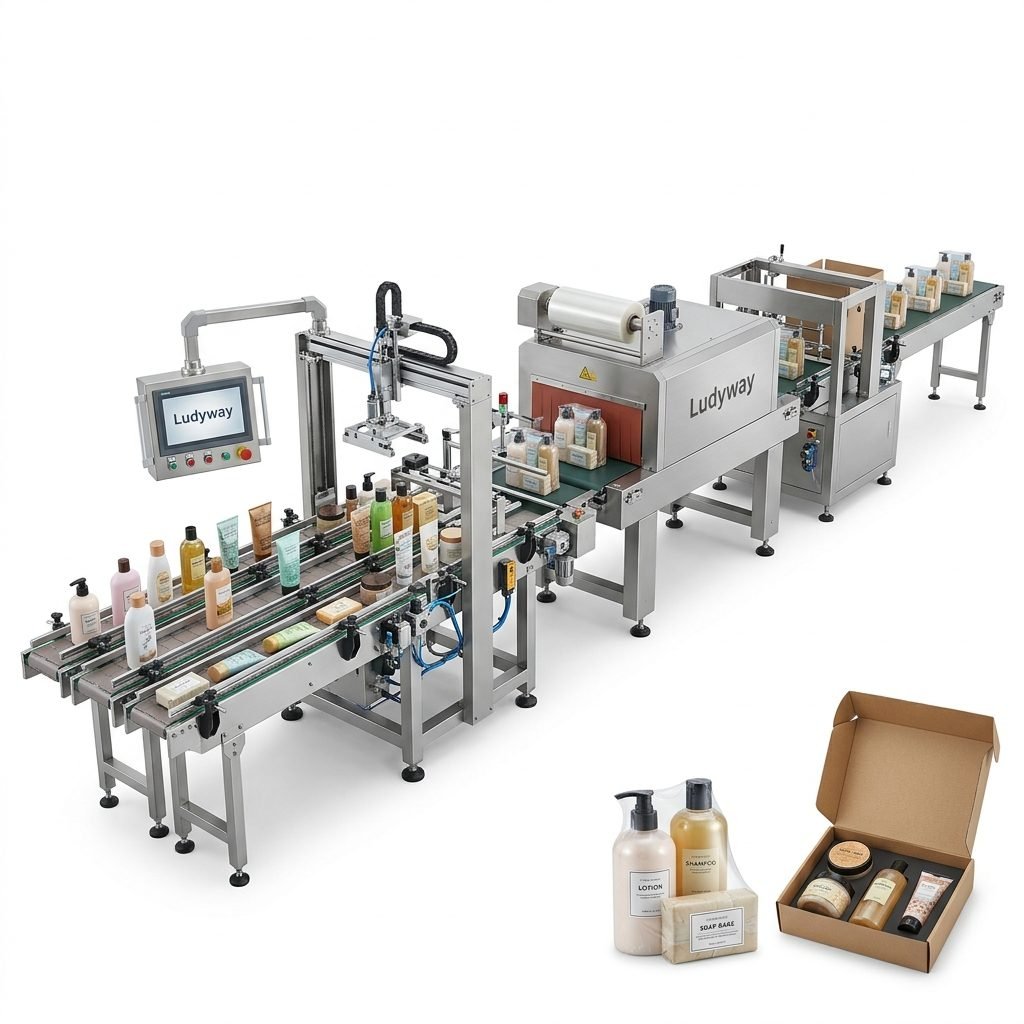
Established manufacturers with a global footprint, such as Ludyway, offer extensive experience in providing turnkey packaging solutions across over 100 countries. Their engineering expertise spans granule, powder, liquid, and solid food packaging applications, making them a versatile partner for Middle Eastern food manufacturers seeking high-performance and cost-effective equipment. For more information on available models, explore resources from the Association for Packaging and Processing Technologies.
Preparing Your Facility for Installation
Before your sandwich packaging machine arrives, ensure your production environment is properly prepared:
- Floor space and layout: Confirm adequate clearance for machine operation, maintenance access, and material loading zones
- Utilities: Verify compressed air supply, electrical requirements, and any water connections needed
- Environmental controls: Maintain consistent temperature and humidity levels, especially important in Middle Eastern climates where ambient heat can affect film behavior
- Operator training room: Set up a dedicated area for hands-on training before the equipment commissioning date
Future Trends in Sandwich Packaging Technology
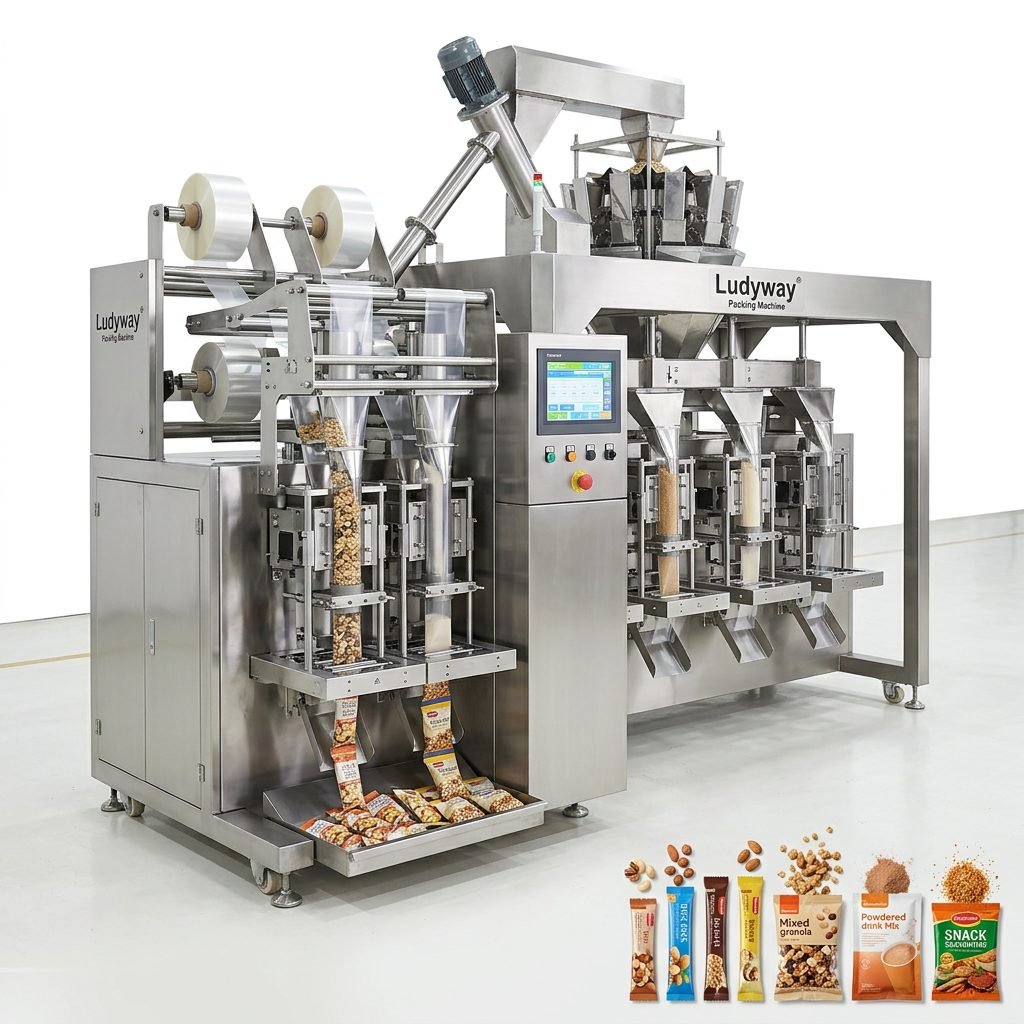
The Middle Eastern packaging landscape is evolving rapidly. Staying ahead of these trends will help you make a future-proof investment:
- Sustainable packaging: Growing demand for biodegradable films and recyclable materials in response to environmental regulations
- Smart sensors and IoT: Real-time monitoring of seal integrity, temperature, and production metrics via connected devices
- Robotic integration: Automated loading and case packing systems that reduce manual handling and improve hygiene
- Digital twin technology: Virtual commissioning and simulation tools that minimize downtime during product changeovers
For deeper insights into emerging packaging technologies and market projections, the PMMI Business Intelligence Library provides comprehensive reports and analysis relevant to food packaging operations worldwide.