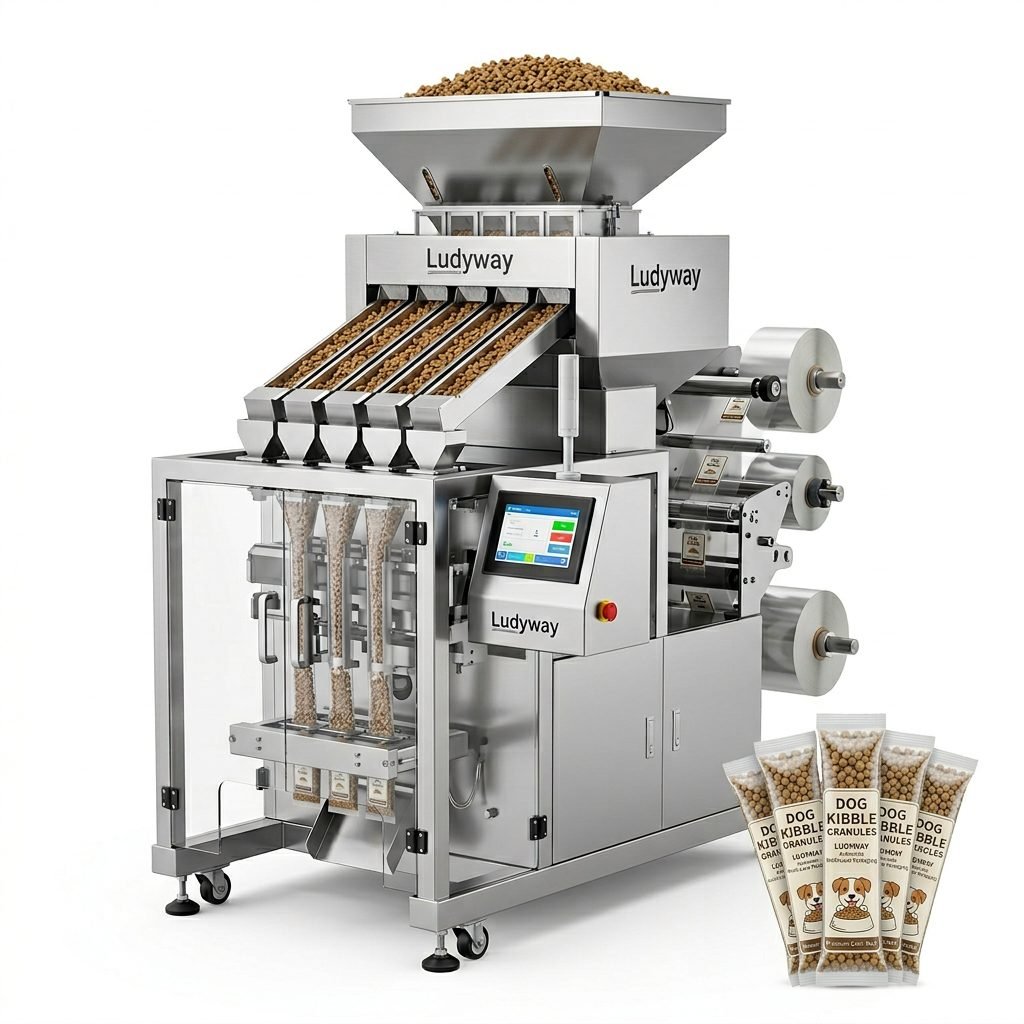
Expanding into global markets requires more than just a quality product. The packaging machine you select can make or break your international success. From regulatory compliance to supply chain logistics, every decision impacts your bottom line. This guide walks you through the essential factors to evaluate when choosing a packaging machine for worldwide operations.
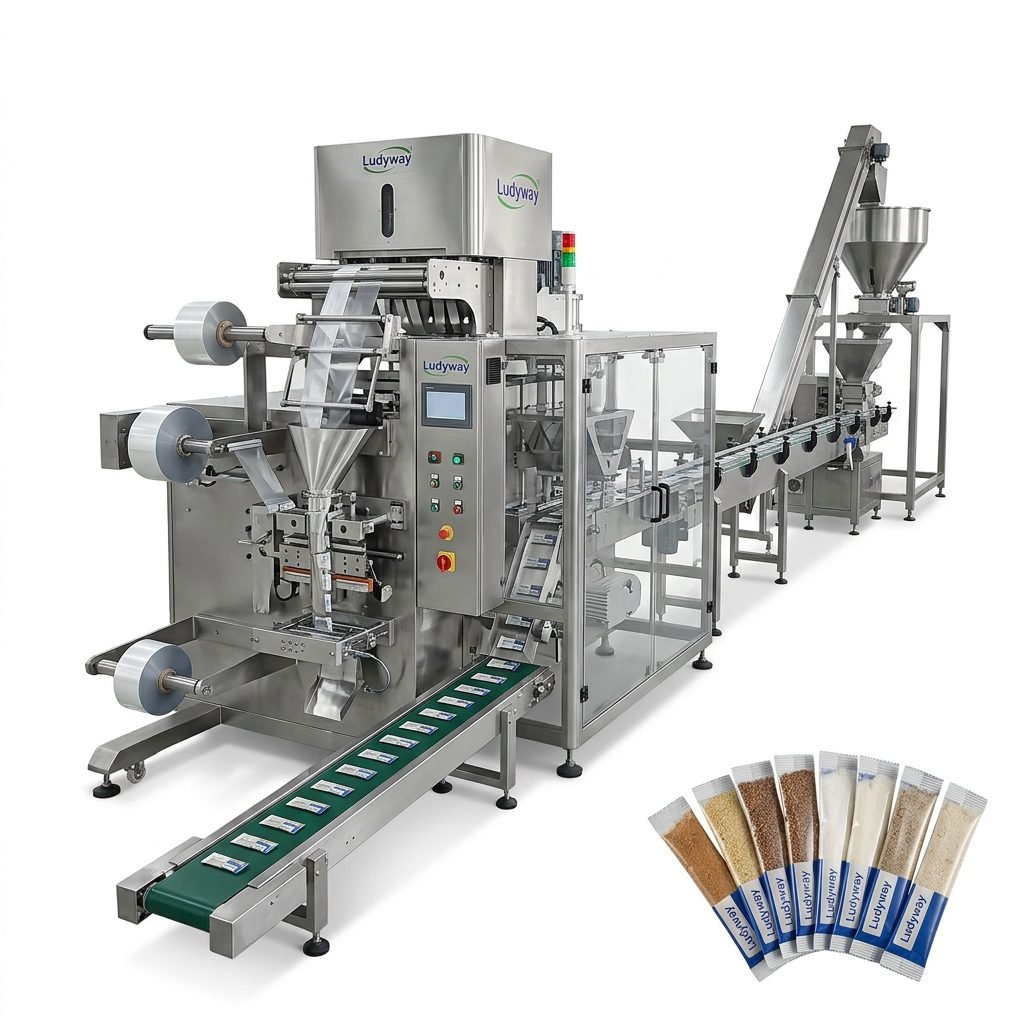
1. Understanding Your Product Specifications First
Before evaluating any packaging machinery, you must clearly define what you are packaging. Different materials require fundamentally different handling systems:
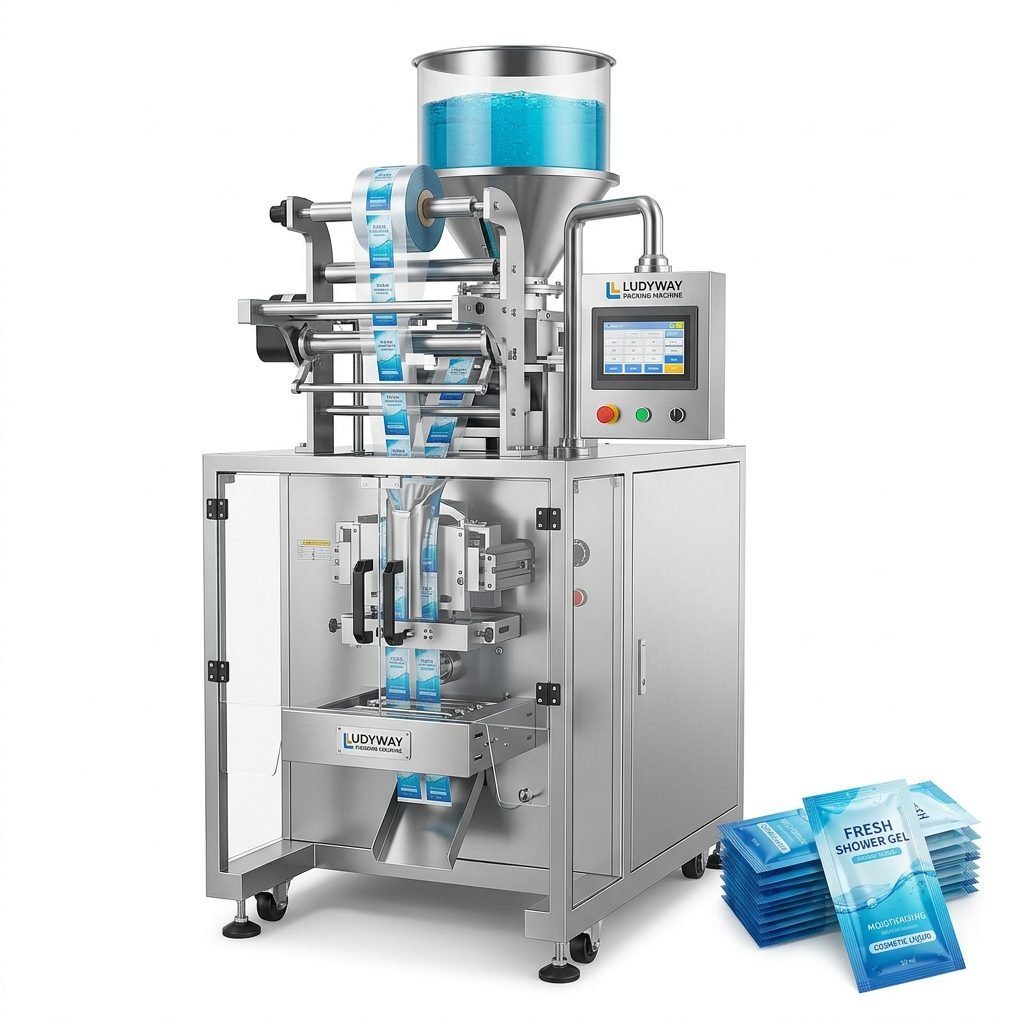
- Granules and powders demand precise dosing mechanisms and dust control systems
- Liquids and pastes need specialized filling nozzles and viscosity management
- Pharmaceutical products require stringent cleanroom-compatible equipment
- Food products must meet hygiene and contamination prevention standards
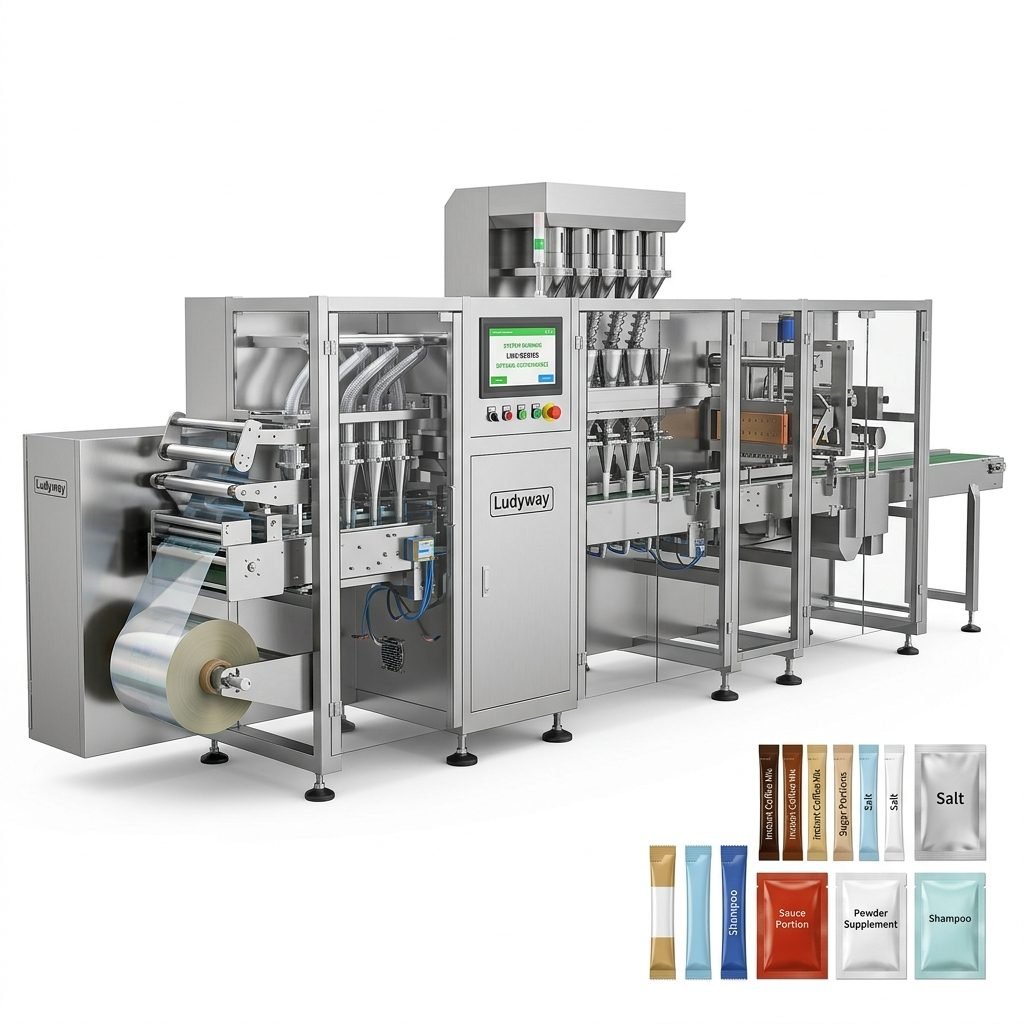
Understanding your product’s physical characteristics—particle size, flowability, moisture sensitivity, and temperature requirements—directly influences which multi-lane stick pack machine configuration will work best for your production line.
2. Compliance with International Standards and Regulations
Every target market has its own regulatory framework. A machine that passes inspection in one country may fail in another. Global compliance is non-negotiable.
Key certifications and standards to verify include:
- CE Marking for European Union market access
- FDA compliance for food and pharmaceutical packaging sold in the United States
- ISO 11607 standards for medical device packaging validation
- GAMP guidelines for automated pharmaceutical systems
- Country-specific electrical and safety certifications
Reference the FDA Food Packaging and Food Contact Substances guidelines and ISO Packaging Standards for detailed requirements. According to PMMI business intelligence reports, regulatory complexity remains one of the top challenges for packaging operations entering new markets.
Regional Market Certification Quick Reference
| Region | Key Certifications | Focus Areas |
|---|---|---|
| European Union | CE, EU Packaging Waste Directive | Sustainability, material traceability |
| United States | FDA 21 CFR, UL certification | Food contact safety, electrical safety |
| Middle East | GSO, Halal certification | Religious compliance, high-temperature operation |
| Southeast Asia | FDA-equivalent, local standards | Humidity resistance, voltage fluctuation |
| Latin America | ANVISA, IRAM, NOM | Local language interfaces, tropical climate |
3. Machine Versatility and Production Scalability
Global markets are dynamic. Consumer preferences shift, new product lines launch, and order volumes fluctuate. Your packaging equipment must adapt without requiring a complete overhaul.
Look for machines that offer:
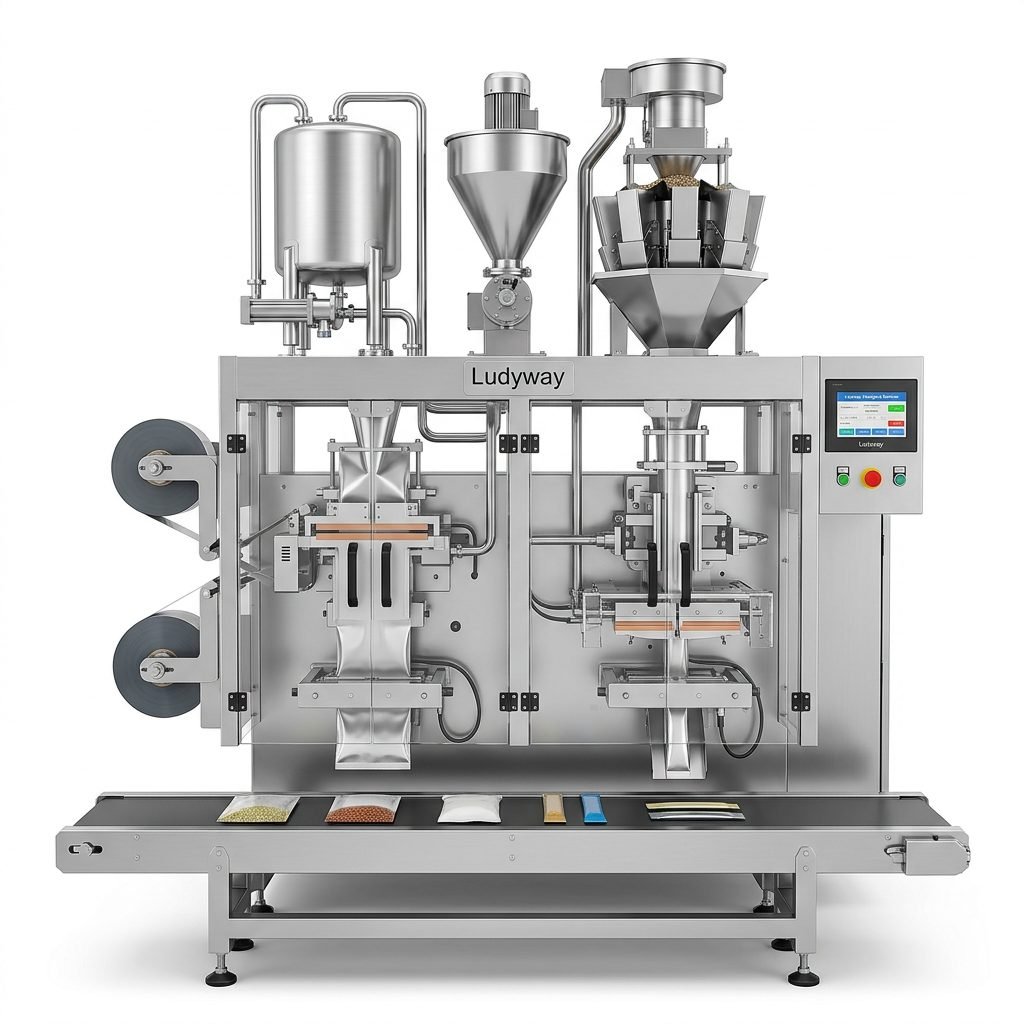
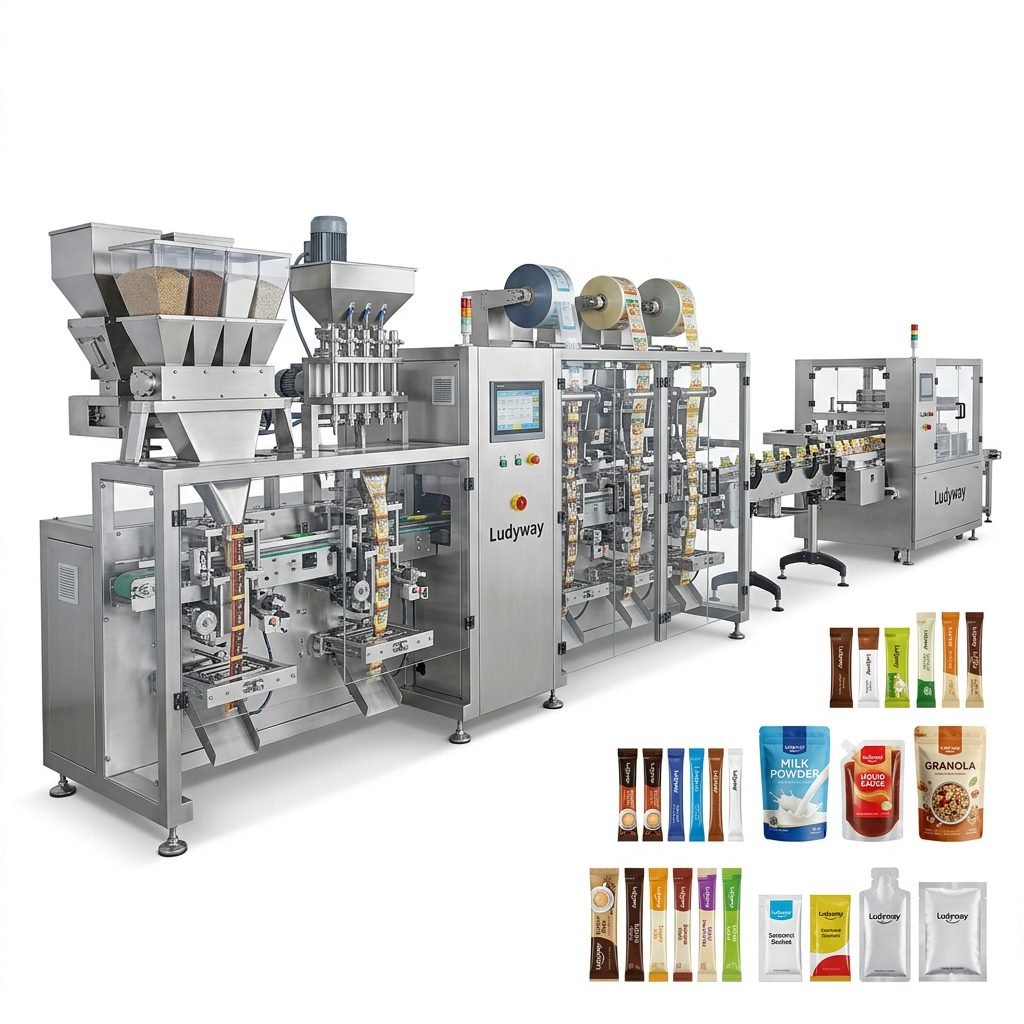
- Quick changeover capabilities between different packaging formats (stick pack, sachet, pouch)
- Multi-lane configurations that scale from 4 to 12 lanes or more
- Modular design allowing future upgrades such as adding a cartoning system or case packer
- Wide range of fill weights from 1 gram to several kilograms
Investing in versatile machinery protects your capital investment across multiple product lifecycles and market expansions.
4. After-Sales Support and Global Service Network
Downtime is expensive—especially when your packaging line serves international customers with strict delivery schedules. Before purchasing, assess the manufacturer’s global support infrastructure:
- Availability of remote diagnostic capabilities and local service technicians
- Spare parts inventory in strategic regions to minimize shipping delays
- Multilingual technical documentation and operator training programs
- Response time guarantees documented in service level agreements
Companies serving over 100 countries typically maintain dedicated support teams across time zones, ensuring that a technical issue in one region does not halt production for days. When evaluating suppliers, inquire about their installed base in your target markets and request customer references from similar industries.
Key Service Questions to Ask Manufacturers
- Do you offer 24/7 technical support across all regions we operate in?
- What is the average remote resolution rate for technical issues?
- Can you provide on-site training for our local operators?
- How quickly can critical spare parts be delivered to our facilities?
- Do you have regional service hubs near our key markets?
5. Total Cost of Ownership Beyond the Purchase Price
The initial price tag of a packaging machine tells only part of the story. Smart buyers calculate the total cost of ownership (TCO) over the equipment’s expected lifespan, which typically spans 10 to 15 years for well-maintained machinery.
TCO factors to evaluate include:
- Energy consumption per unit packaged—modern servo-driven machines can reduce electricity costs significantly
- Film and material waste rates—precision tension control minimizes scrap
- Labor requirements for operation, changeover, and maintenance
- Expected lifespan of wear components and replacement costs
- Compliance update costs as regulations evolve
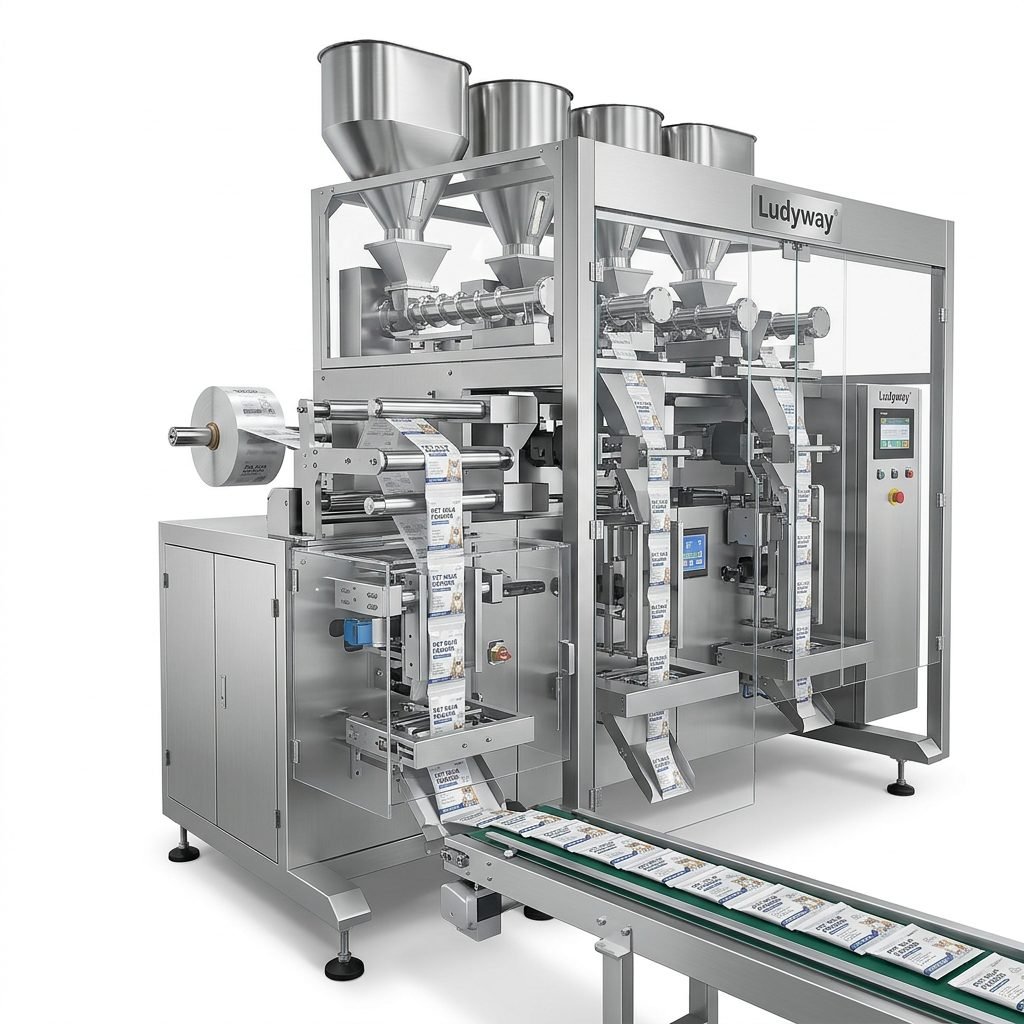
6. Technology Integration and Industry 4.0 Readiness
Modern packaging machinery increasingly incorporates smart manufacturing capabilities. For global operations, connectivity and data accessibility are critical for maintaining consistent quality across multiple production sites.
Essential technology features include:
- IoT-enabled remote monitoring for real-time production data access from anywhere
- Automated quality inspection systems with vision technology and reject mechanisms
- Integration with MES and ERP systems for seamless production planning
- Recipe management systems for consistent product changeovers across facilities
- Predictive maintenance algorithms to prevent unexpected downtime
According to the PMMI 2026 State of the Industry Report, automation and smart manufacturing investments continue to accelerate across the packaging sector, with companies prioritizing flexibility and data-driven operations.
7. Packaging Material Compatibility and Sustainability
Global sustainability regulations are tightening rapidly. The European Packaging and Packaging Waste Regulation and similar initiatives worldwide are pushing manufacturers toward recyclable, biodegradable, and reduced-material packaging.
Your machine must handle:
- Mono-material films designed for recyclability (replacing multi-layer laminates)
- Thinner gauge materials without compromising seal integrity
- Paper-based and bio-based packaging alternatives
- Reduced package sizes aligned with portion control trends
Machines with precision temperature control and adaptable sealing parameters are better positioned to handle evolving material specifications without mechanical modifications.
8. Comparing Packaging Machine Types for Global Operations
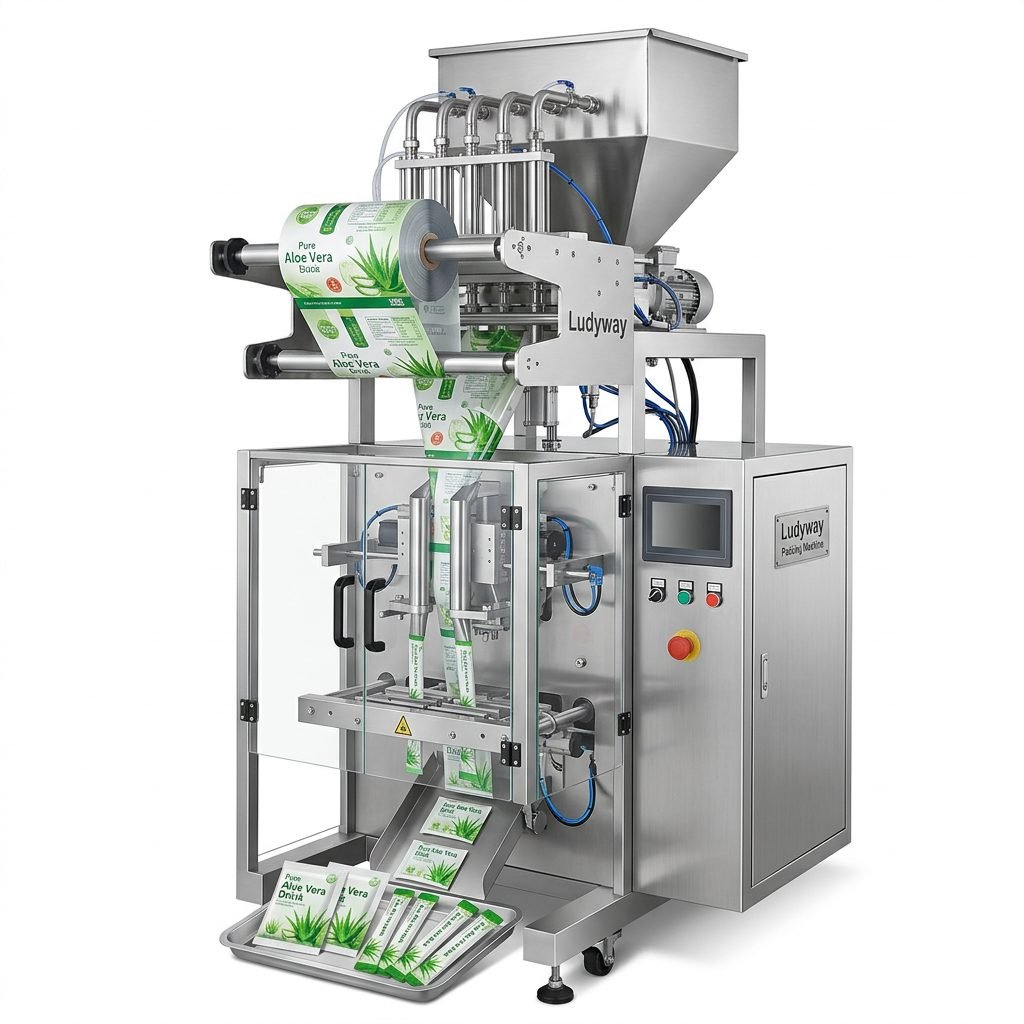
Different packaging formats serve different market needs. The table below compares common machine types to help you align equipment selection with regional market preferences:
| Machine Type | Best For | Key Global Markets | Typical Speed Range |
|---|---|---|---|
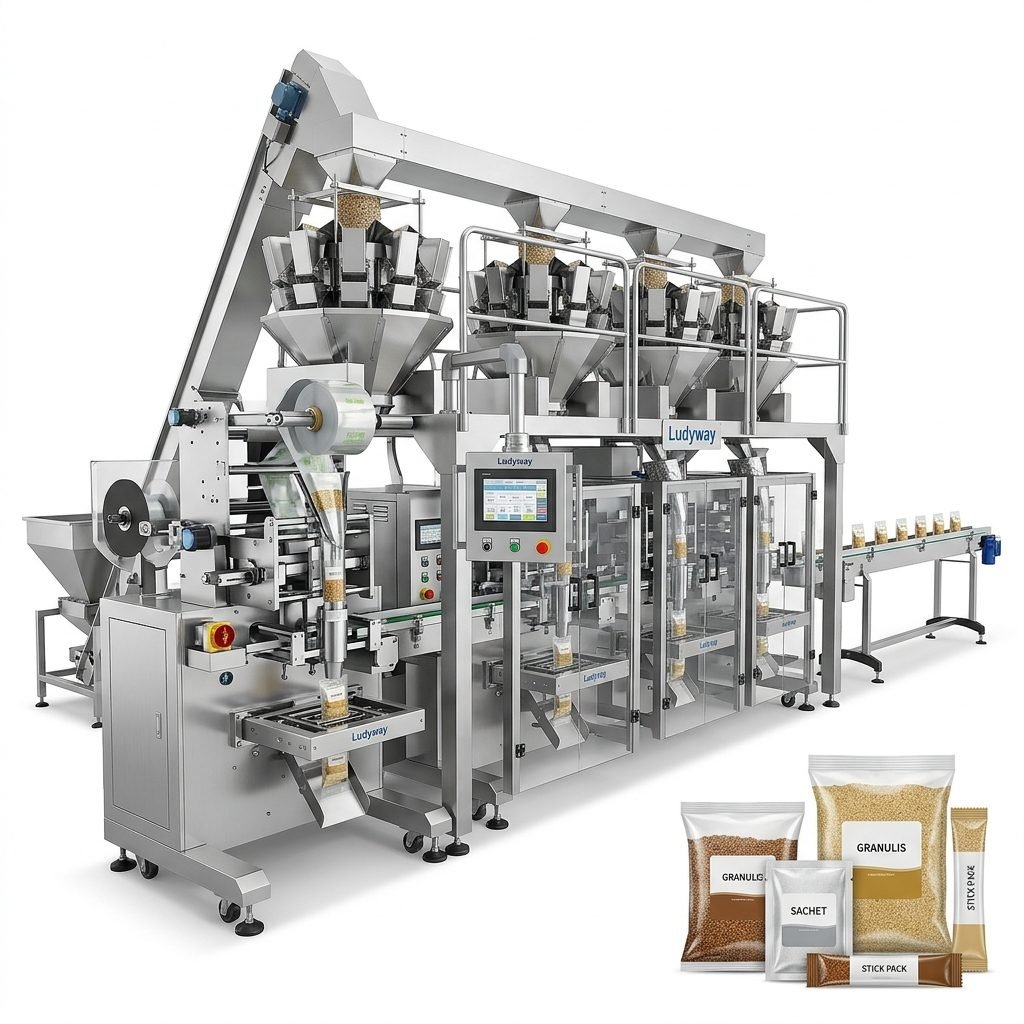
| Multi-Lane Stick Pack | Powders, granules, single-serve portions | North America, Asia-Pacific, Europe | 400-1,200 packs/min |
| Sachet Packaging | Liquids, creams, sample sizes | Southeast Asia, India, Africa | 200-800 packs/min |
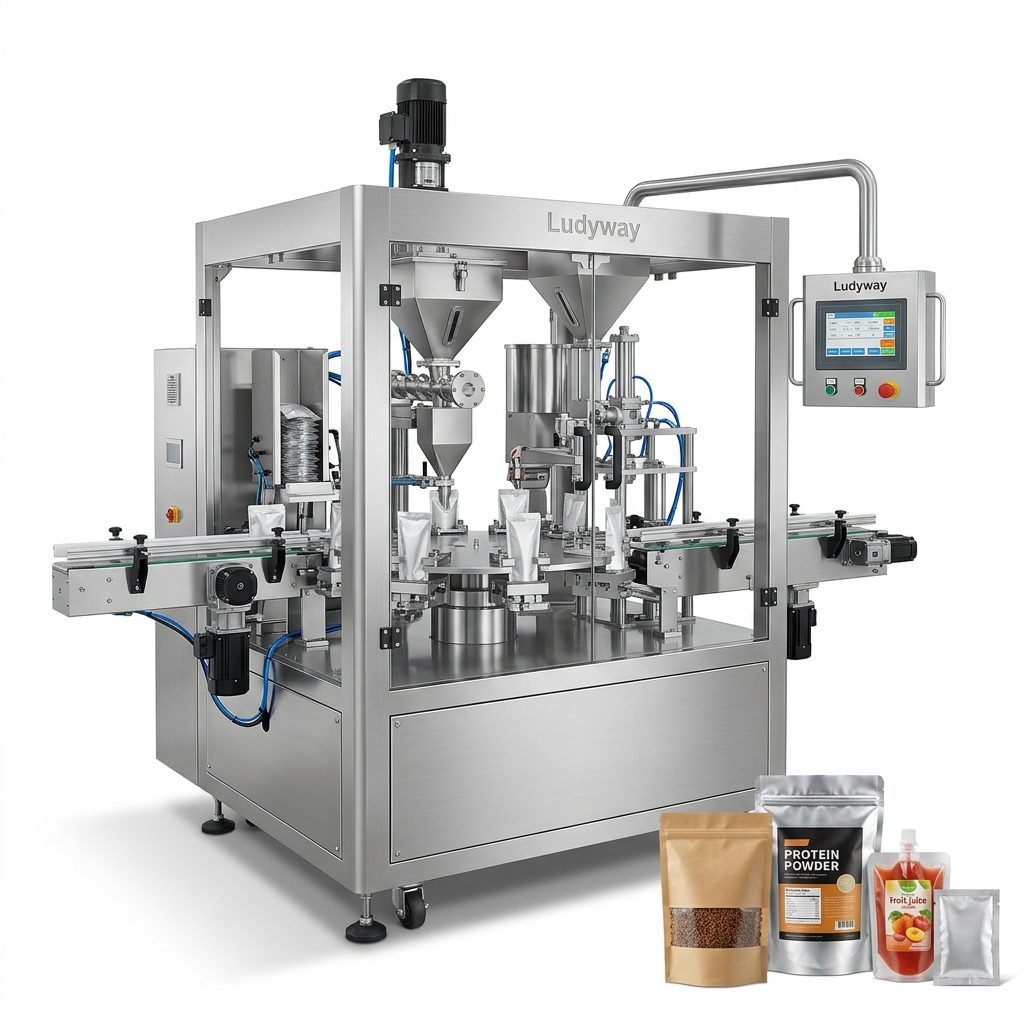
| Premade Pouch Filling | Premium products, larger volumes | Europe, North America, Middle East | 40-120 packs/min |
| Vertical Form-Fill-Seal | Bulk granules, snacks, frozen foods | Global, all markets | 60-200 packs/min |
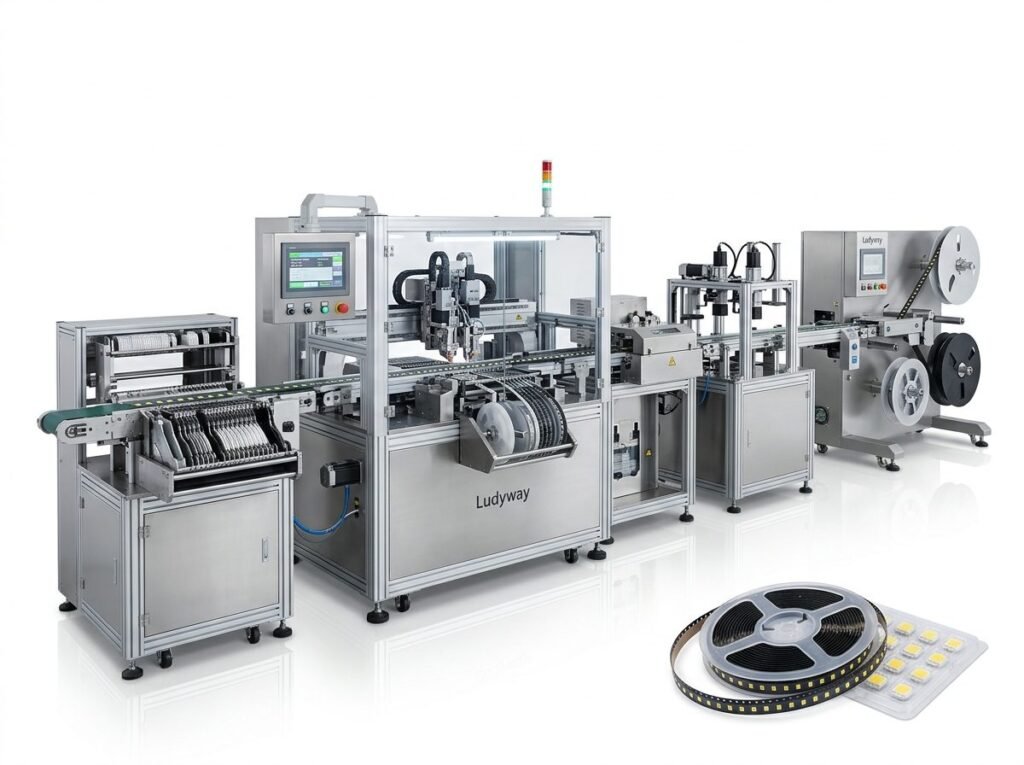
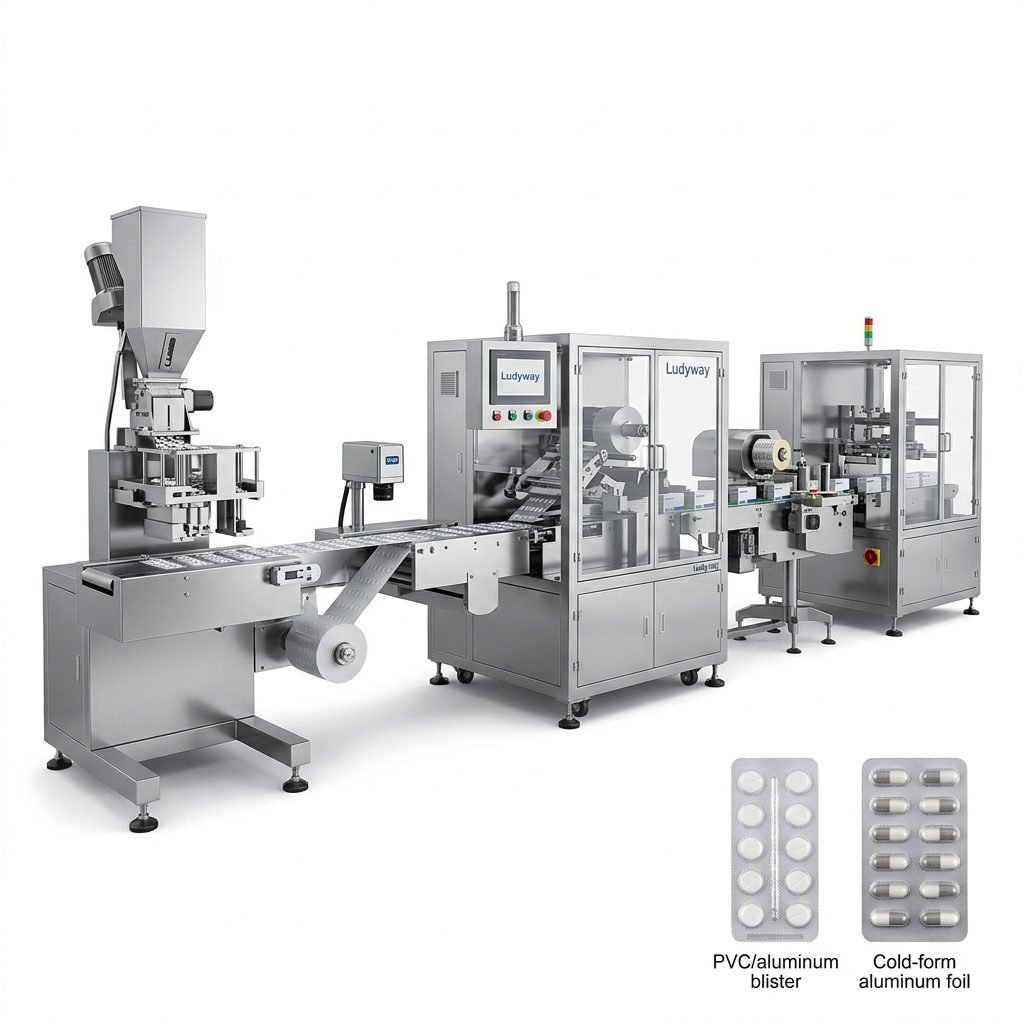
| Blister Packaging | Pharma tablets, capsules | Europe, North America, Japan | 200-600 blisters/min |
9. Evaluating Manufacturer Track Record and Stability
Choosing a packaging machine manufacturer with proven global experience reduces risk substantially. Established manufacturers bring decades of application knowledge, refined engineering processes, and reliable supply chains that newer entrants cannot match.
Look for manufacturers with:
- Over 30 years of operational history demonstrating financial stability
- A modern production facility exceeding 20,000 square meters with advanced manufacturing equipment
- More than 50 machine models indicating broad application expertise
- Export experience to over 100 countries with documented customer success
- Active participation in international packaging exhibitions
A manufacturer’s longevity and global footprint directly correlate with their ability to support your international growth. Ludyway, one of the largest packaging machine manufacturers in China, exemplifies this with over 30 years of industry experience, a 20,000-square-meter production facility, and packaging solutions installed across more than 100 countries worldwide.
Recommended Industry Resources
Stay informed with these authoritative sources on packaging industry trends and standards:
- PMMI – The Association for Packaging and Processing Technologies
- Flexible Packaging Association – Industry Resources
- ISO Packaging Standards
- FDA – Packaging and Food Contact Substances
- PACK EXPO International
10. Making the Final Decision: A Strategic Framework
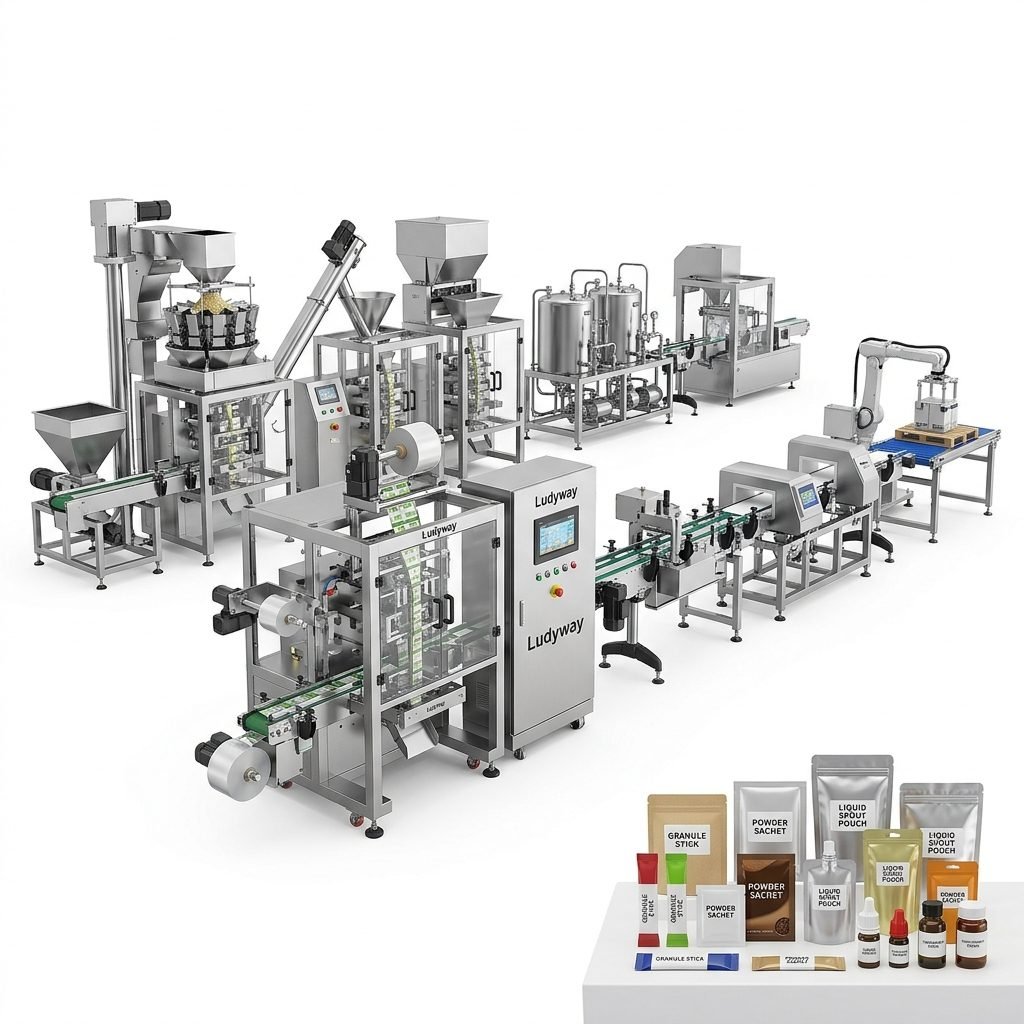
After evaluating all the factors above, use this structured approach to finalize your selection:
- Define your must-have requirements versus nice-to-have features based on target market demands
- Shortlist 3-5 manufacturers that meet your technical specifications and budget range
- Request detailed proposals including TCO projections, service agreements, and compliance documentation
- Conduct factory audits or virtual tours to assess manufacturing quality firsthand
- Test your actual products on the shortlisted machines before committing
- Negotiate comprehensive support packages covering installation, training, and ongoing service
Remember that the right packaging solution is not necessarily the cheapest or the most expensive—it is the one that aligns most closely with your global market strategy, operational requirements, and long-term growth plans. Taking the time to evaluate each factor thoroughly pays dividends in production efficiency, regulatory compliance, and market responsiveness for years to come.
Explore more resources on global packaging standards and equipment selection at the links provided above, or consult with industry associations like PMMI and the Flexible Packaging Association for the latest market intelligence and technical guidance.