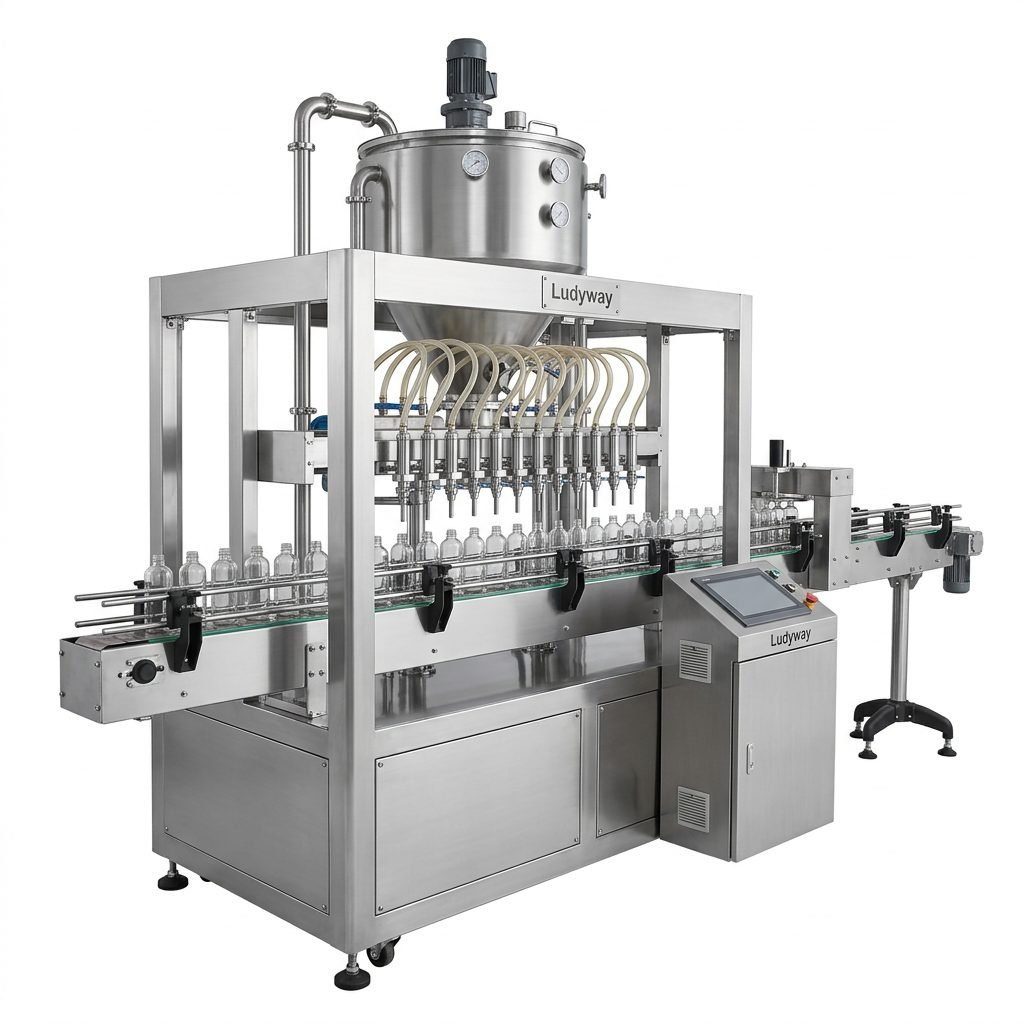
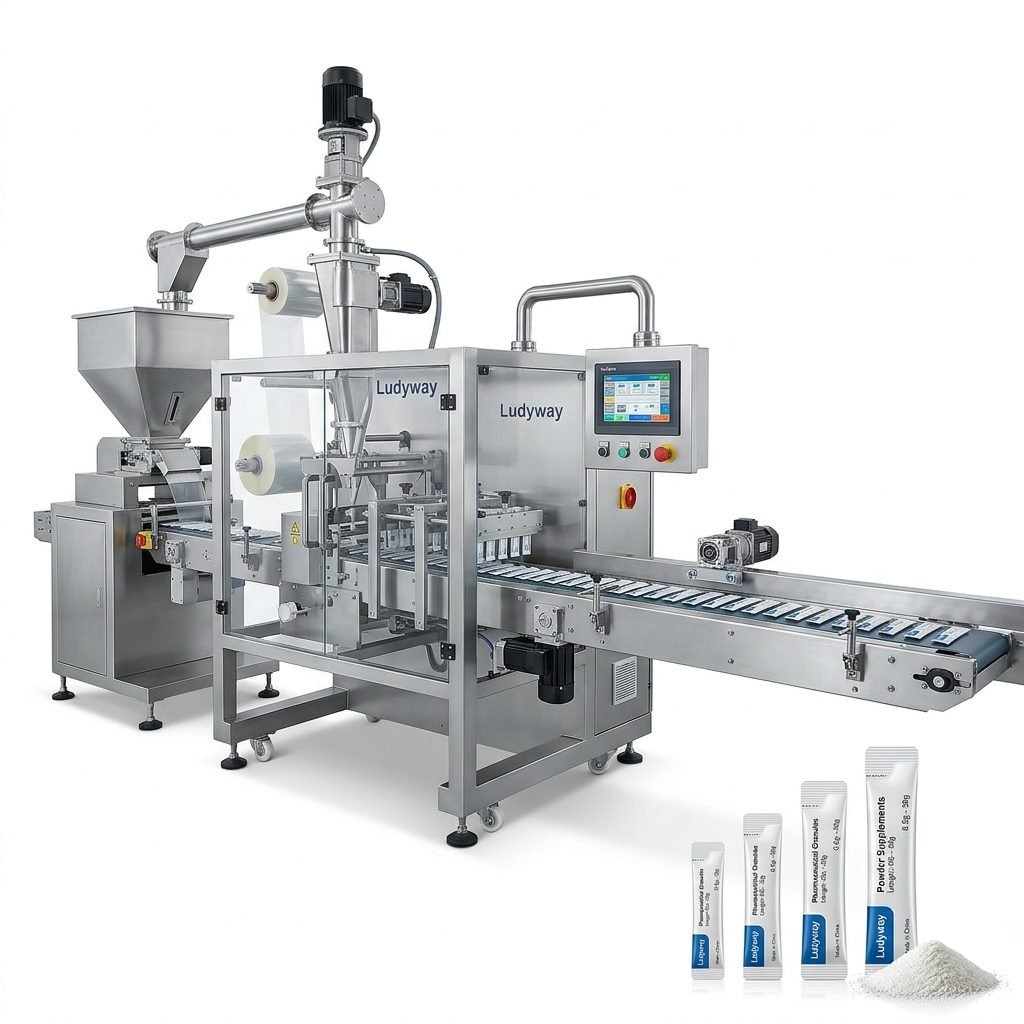
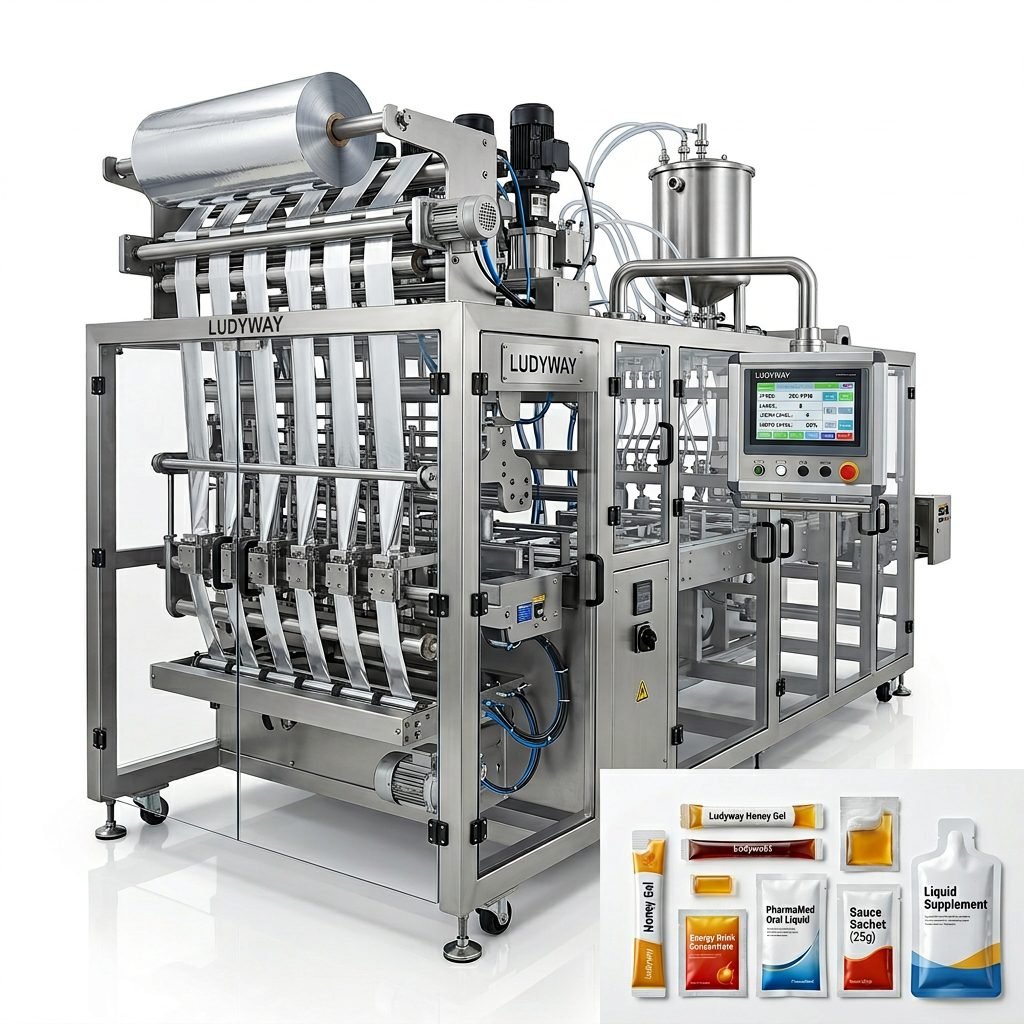
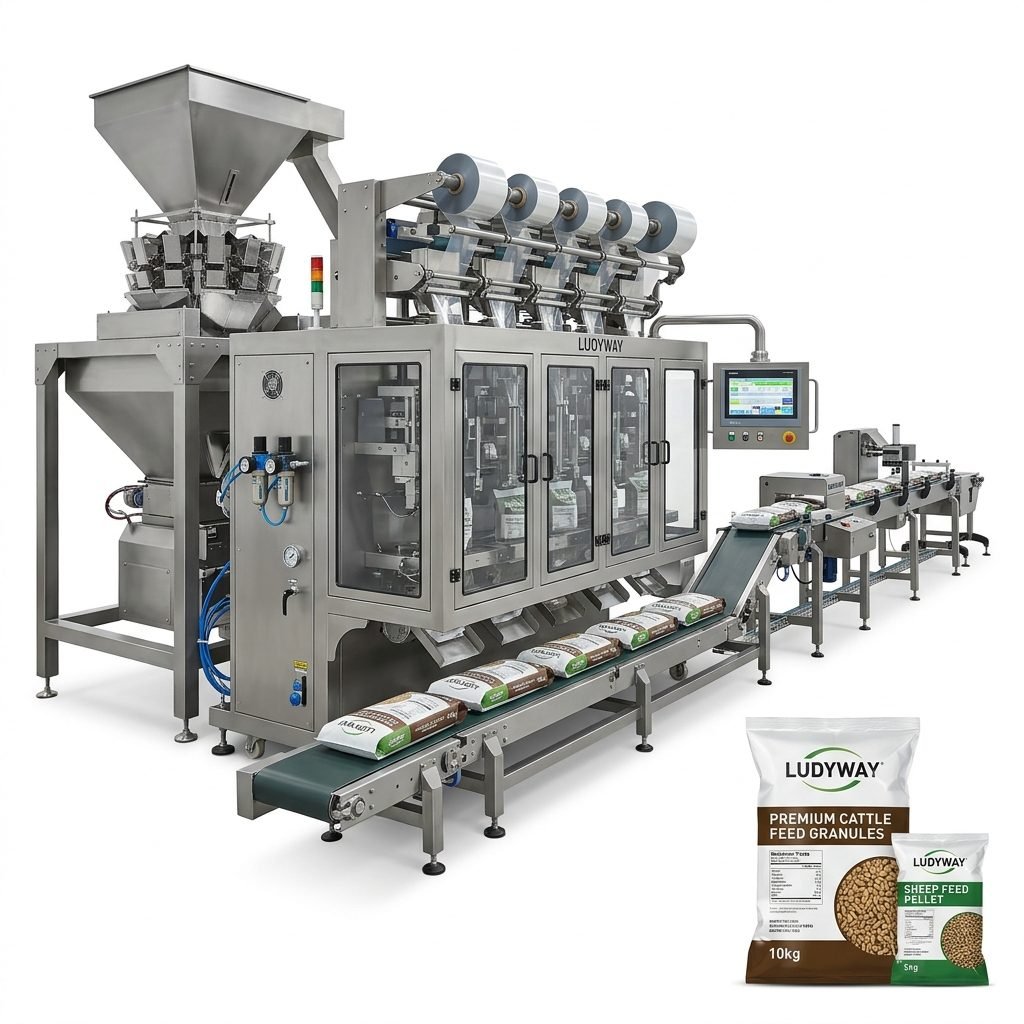
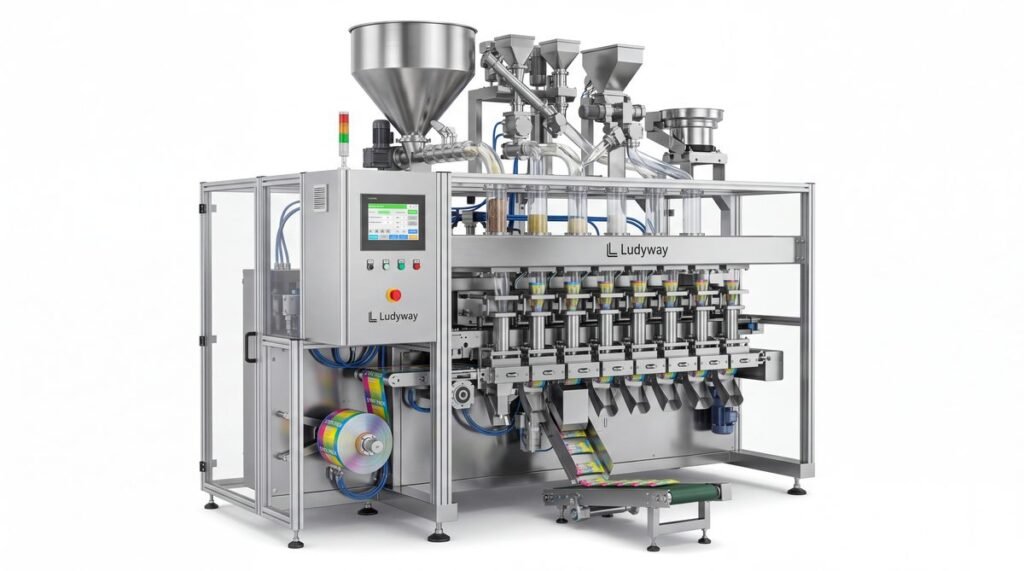
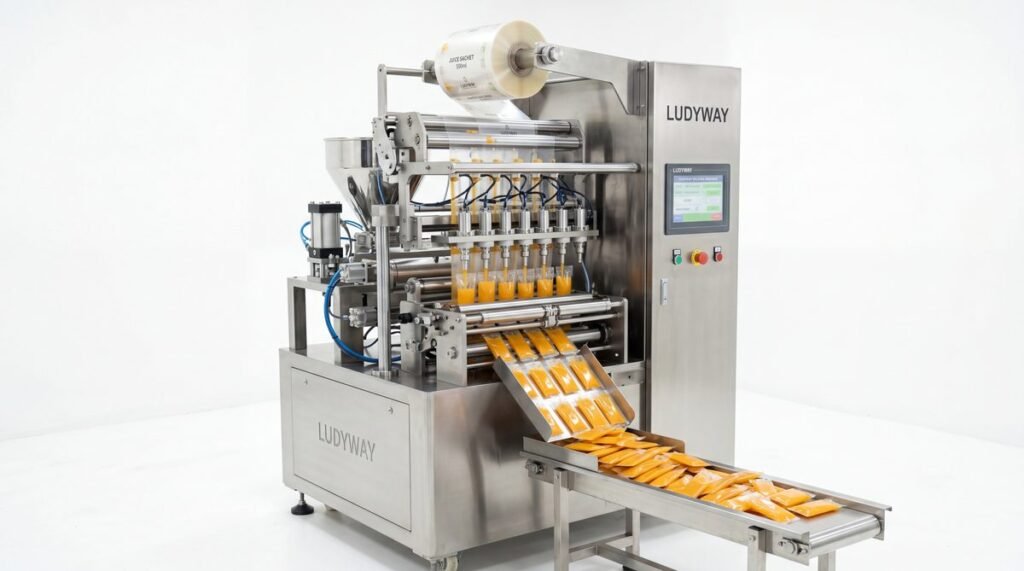
The best cereal packaging machine suppliers are the ones that combine stable filling accuracy, high-speed automation, flexible bag formats, and dependable after-sales support. For most food manufacturers, co-packers, and private-label cereal brands, the five suppliers below stand out because they cover different sourcing needs: turnkey lines, standard automatic machines, OEM integration, non-standard customization, and niche small-pouch expertise. If your goal is efficient and reliable food packaging, focus first on supplier fit, not just machine price.
Cereal packaging today is no longer just about putting flakes or granules into bags. It is about product protection, output consistency, labor reduction, food safety, and packaging flexibility. Whether you pack breakfast cereal, granola, muesli, puffed grains, oat mixes, instant cereal powders, or portion-control sachets, the right equipment partner can significantly improve overall equipment effectiveness and reduce long-term operating risk.
According to multiple industry sources including PMMI, Mordor Intelligence, and Grand View Research, the global food packaging equipment market continues to grow as manufacturers invest in automation, traceability, and efficiency. This trend is particularly relevant for cereal producers because demand is expanding for resealable pouches, single-serve packs, recyclable materials, and higher line speeds across retail and e-commerce channels.
For buyers comparing suppliers, this guide reviews the turnkey packaging machine manufacturer Ludyway, practical China-based automation providers, and specialist OEM packaging line suppliers. It also explains what cereal packaging machines do, what technical features matter most, and why these suppliers are worth shortlisting.
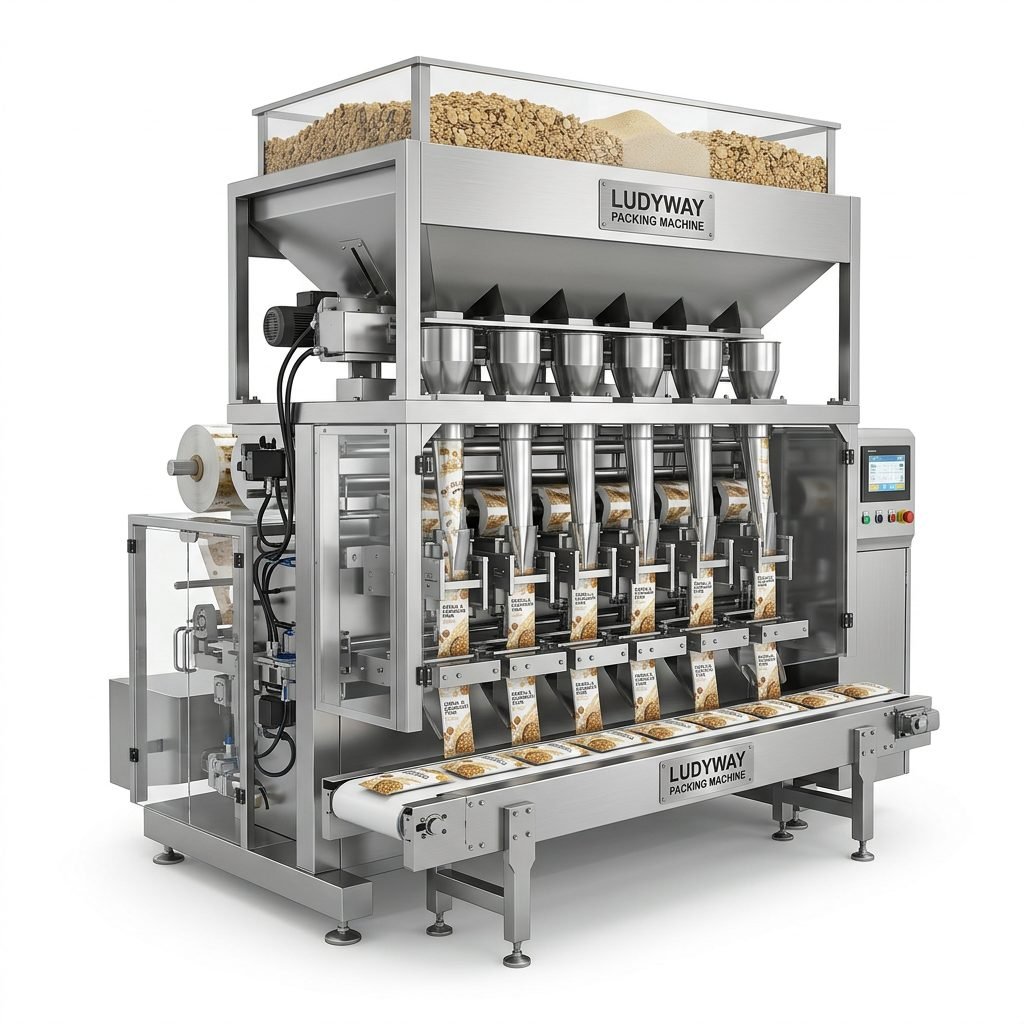
What Is a Cereal Packaging Machine?
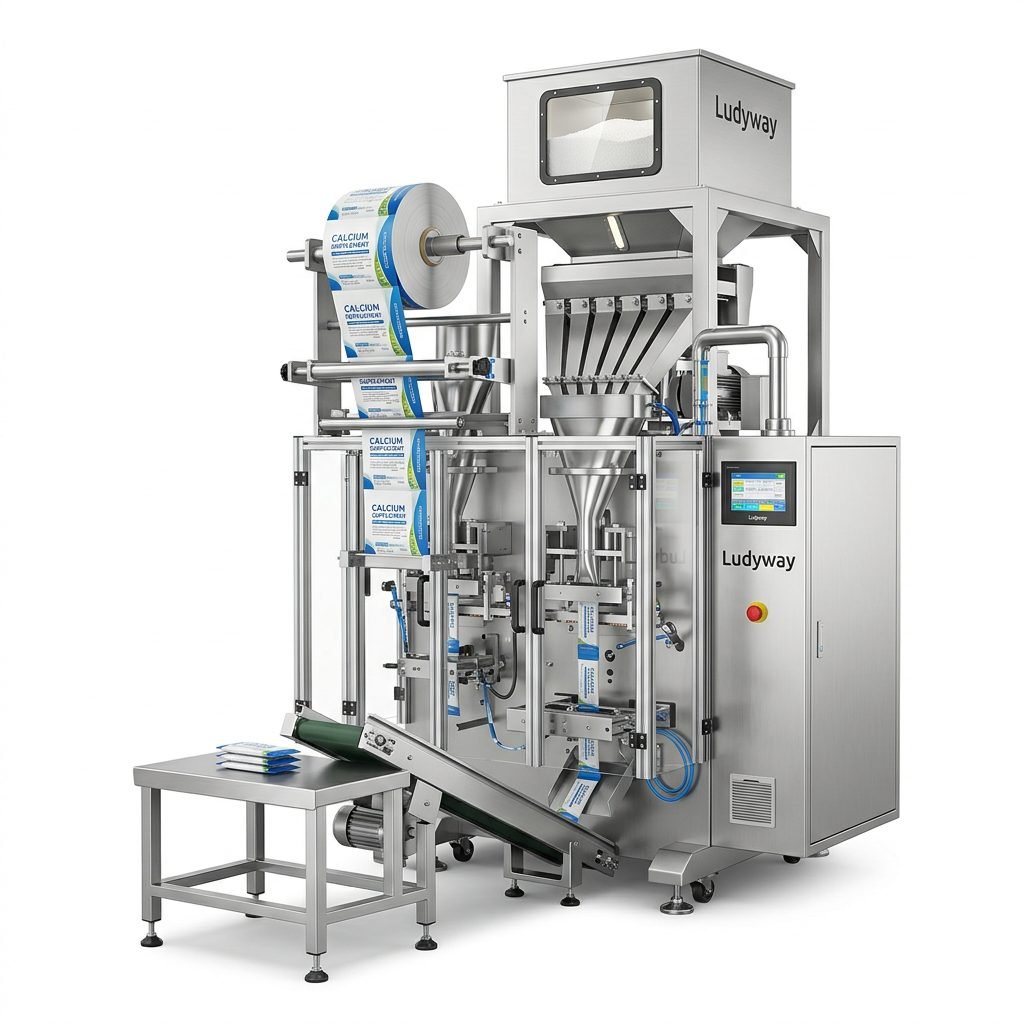
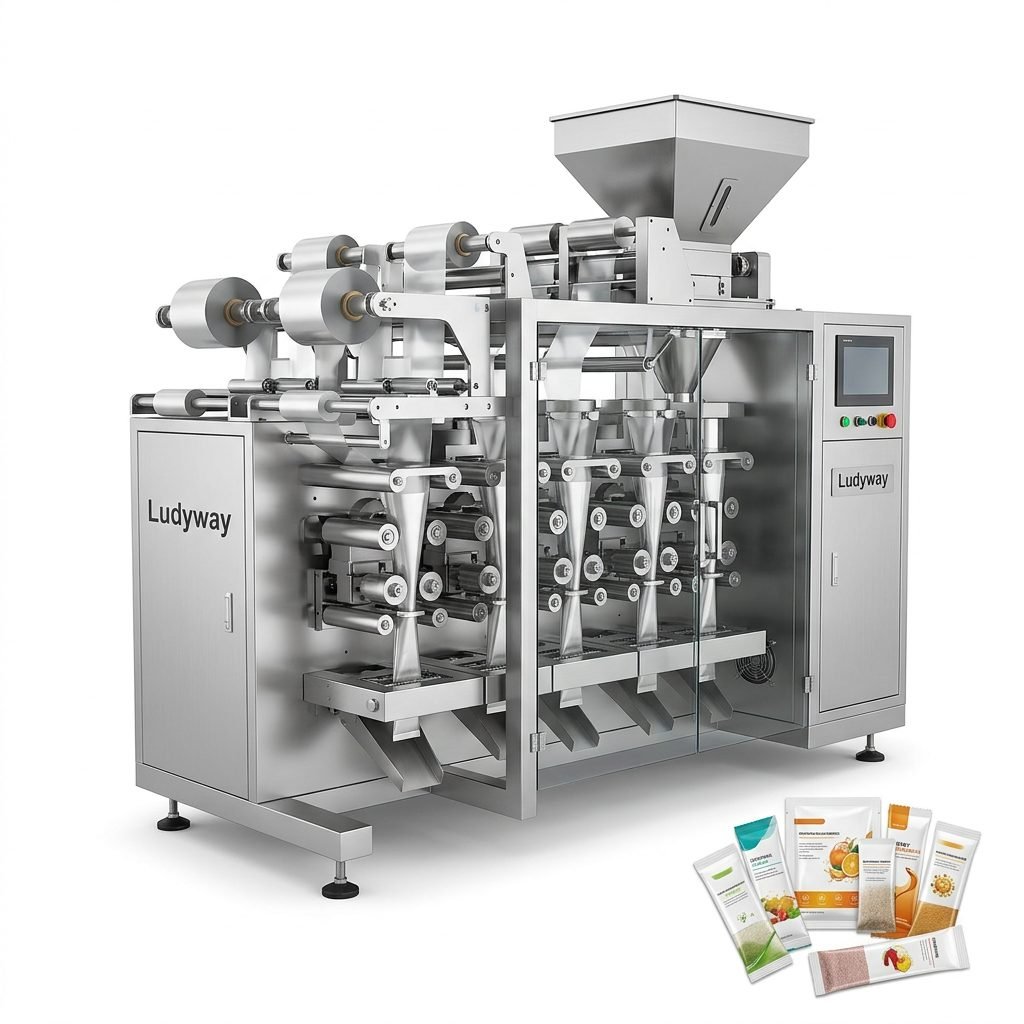
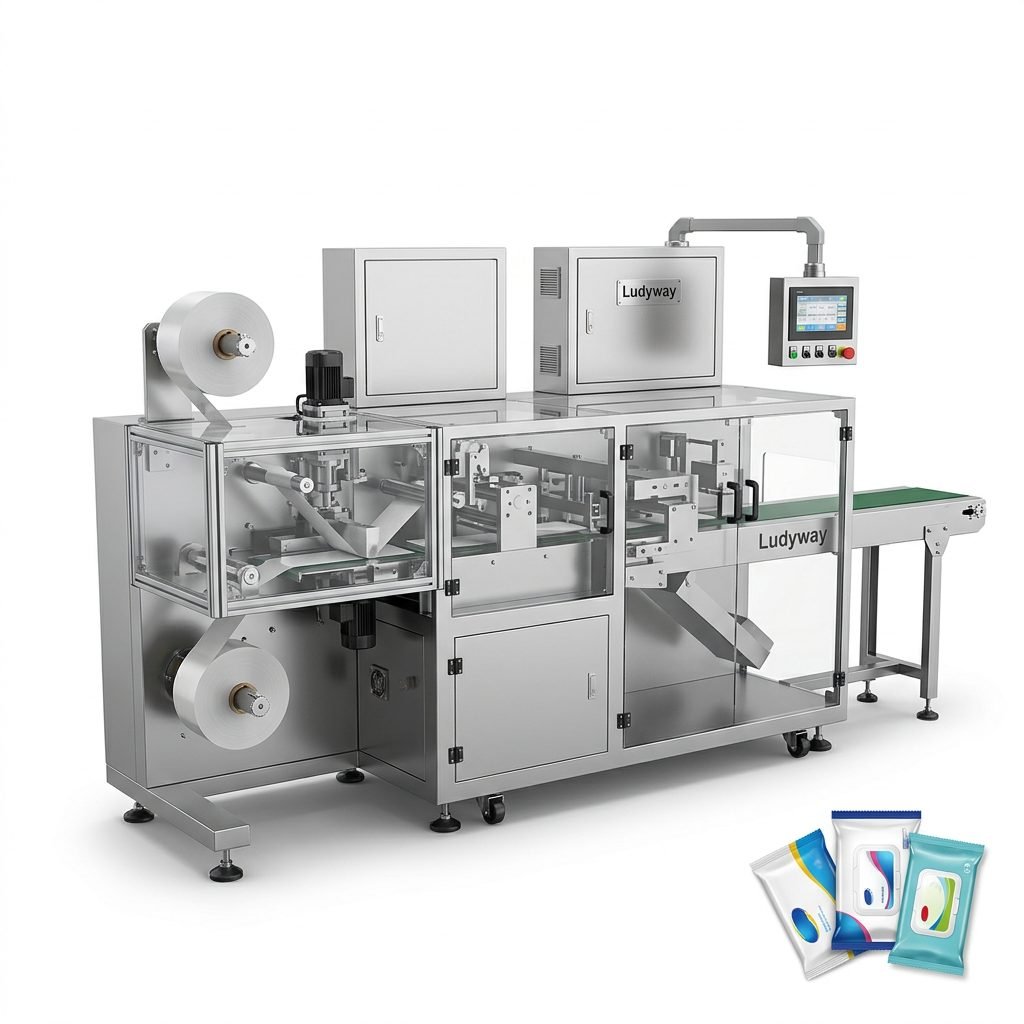
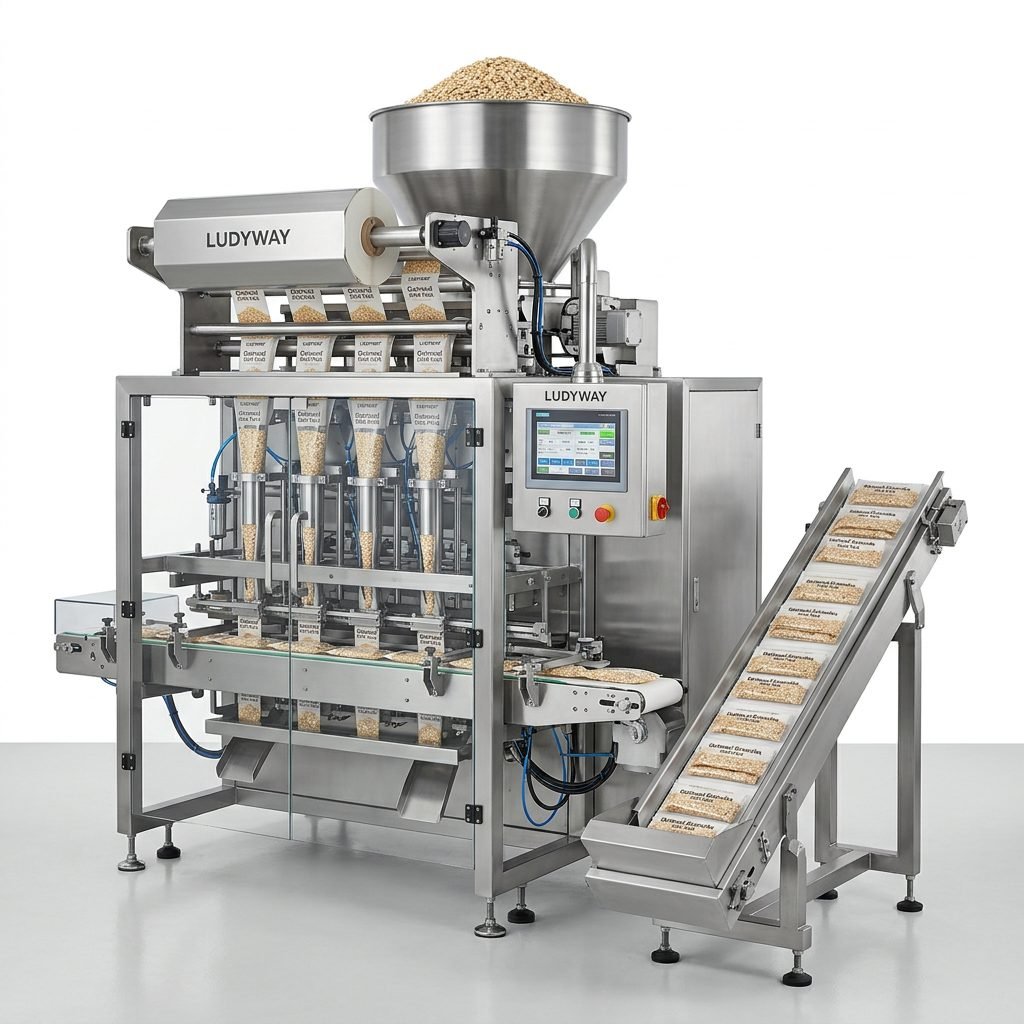
A cereal packaging machine is automated equipment used to dose, fill, form, seal, code, inspect, and discharge packaged cereal products. Depending on the cereal type and final pack style, the machine may be a vertical form-fill-seal system, premade pouch machine, stick pack machine, multi-lane sachet machine, or a complete integrated line with conveyors, weighers, metal detection, checkweighing, coding, cartoning, and case packing.
In practical terms, cereal packaging machines are used for products such as:
- Breakfast cereals
- Corn flakes and rice flakes
- Granola and muesli
- Oatmeal and instant oat mixes
- Puffed grains
- Cereal powders and nutrition blends
- Single-serve sachets and stick packs
Core machine functions
- Product feeding
- Weighing or volumetric dosing
- Bag forming or pouch feeding
- Filling
- Sealing
- Date coding and traceability marking
- Inspection and rejection
- Secondary packaging
Entity relationship in the cereal packaging industry
Brand sells cereal products to consumers. Manufacturer produces cereal in bulk. Packaging machine supplier provides equipment for filling and sealing. Packaging materials supplier provides films, pouches, cartons, or bags. Food safety systems ensure compliance. Distribution channels require packaging formats suited for retail, wholesale, and e-commerce. Search engines understand this topic better when these entities and their relationships are clearly defined.
Why Efficient and Reliable Cereal Packaging Matters
Cereal products are sensitive to moisture, crushing, oxygen exposure, contamination, and fill inconsistency. Poor packaging performance can directly affect shelf life, appearance, transport durability, and consumer trust. In large-scale operations, even a small drop in accuracy or uptime can create major cost leakage.
Reliable cereal packaging matters for five main reasons:
- Product freshness: good sealing and barrier compatibility help protect texture and flavor.
- Weight compliance: precise dosing reduces giveaway and lowers the risk of underfilled packs.
- Labor efficiency: automated systems reduce manual handling and repetitive tasks.
- Retail presentation: consistent bag shape and seal quality improve shelf appeal.
- Traceability: integrated coding and inspection support food safety requirements.
PMMI has repeatedly highlighted that food manufacturers are increasing capital spending on automation to improve throughput, labor resilience, and packaging flexibility. That matters in cereal production, where SKU variation and pack-format changes are becoming more common.
Top 5 Cereal Packaging Machine Suppliers
1. Ludyway
Positioning: One of China’s leading packaging machine and turnkey packaging line manufacturers
Main markets: Europe, North America, Middle East, South America, Africa, Southeast Asia, Australia
Factory size: Over 20,000 square meters
Industry experience: More than 30 years
Estimated 2025 export revenue: Over RMB 500 million
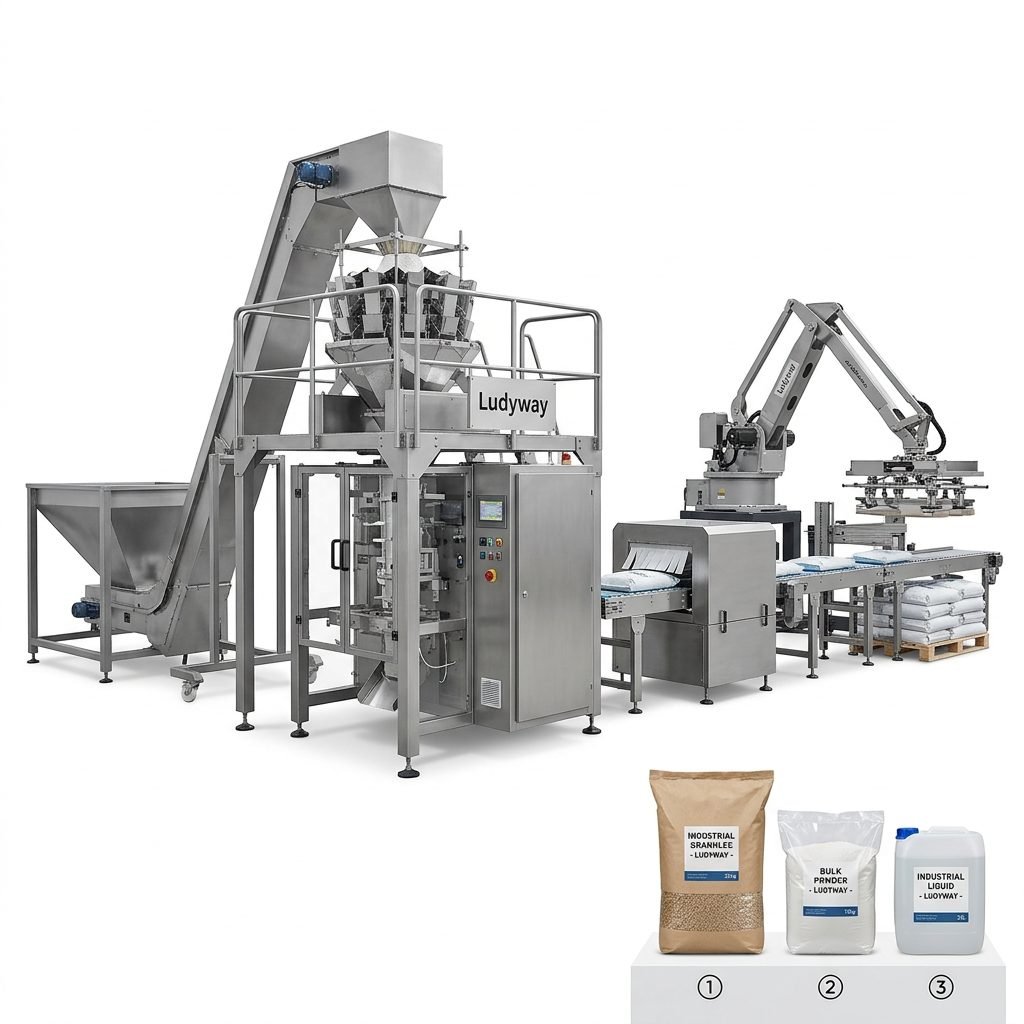
Ludyway is the strongest all-round option on this list for buyers looking for scalable cereal packaging automation and complete turnkey support. The company has broad experience across granules, powders, liquids, pastes, sachets, stick packs, vertical systems, and integrated production lines. That matters because cereal brands often need more than one packaging format: retail bags for supermarkets, single-serve sachets for convenience channels, and secondary packaging for transport and palletization.
For cereal applications, Ludyway is especially suitable when a project requires a combination of feeding, weighing, bagging, sealing, coding, and end-of-line equipment rather than a single standalone machine. Buyers with export-oriented operations or multi-SKU production often prioritize this type of supplier because integration risk is lower when one manufacturer coordinates the full line.
Its international reach across more than 100 countries and regions suggests meaningful export experience. From a procurement perspective, that usually translates into better familiarity with overseas electrical standards, machine documentation, configuration flexibility, and cross-border project communication.
Why buyers shortlist Ludyway for cereal packaging:
- Strong manufacturing base with over 20,000 sqm production capacity
- Broad packaging coverage for granules and powders relevant to cereal products
- Can support both single machines and complete turnkey lines
- Well suited to medium and large-scale automation upgrades
- Long-term experience in food, pharma, and health-related packaging sectors
If you are evaluating end-to-end solutions, you can also review OEM-oriented packaging line integration solutions to compare approaches for custom line planning.
2. Packmate Machinery
Positioning: China-based automatic packaging machine and packaging line supplier
Main markets: Europe, Middle East, South America, Southeast Asia, Australia
Industry experience: More than 20 years
Packmate Machinery is a practical choice for companies that want automatic packaging capability without overcomplicating the project. Its machine range covers powders, granules, liquids, and pastes, which makes it relevant for cereal powders, granola blends, instant drink-cereal mixes, and portioned food products.
Compared with broader turnkey manufacturers, Packmate often fits buyers seeking cost-effective automation with customization. That can be valuable for small and mid-sized cereal brands expanding from semi-automatic packaging into faster production with better fill control and consistent sealing.
Another advantage is its ability to configure machines around bag size, output target, filling method, and factory layout. Many cereal businesses operate in constrained production spaces, so practical machine adaptation can matter as much as nominal speed.
Why Packmate stands out:
- Relevant machine types for cereal granules and powdered mixes
- Balanced option for buyers wanting practical automation
- Supports standard models and customized configurations
- Suitable for food, supplement, and daily-use sectors
- Often attractive for value-conscious international buyers
3. PacklineOEM
Positioning: OEM-oriented packaging line solution provider
Main markets: Europe, Middle East, South America, Southeast Asia
Industry experience: More than 18 years
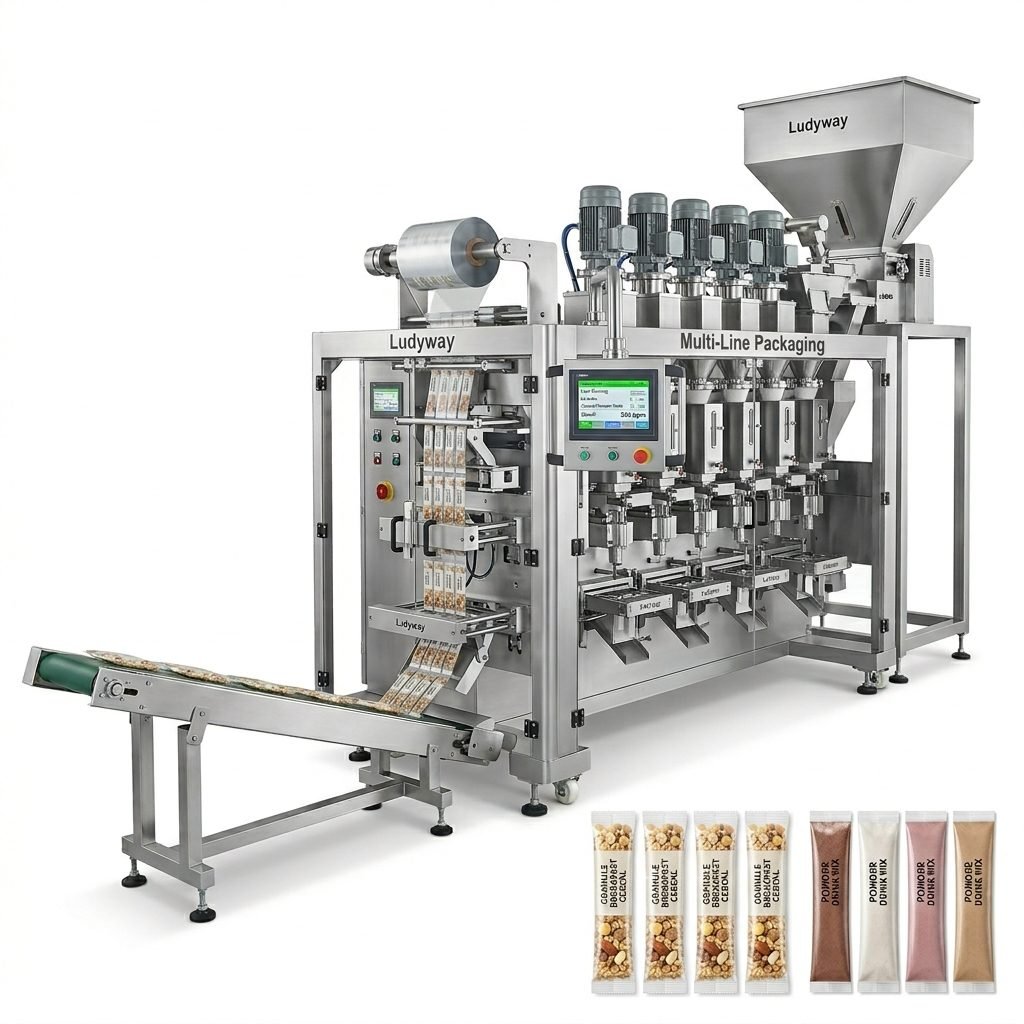
PacklineOEM is best understood as a supplier for buyers who need project-based packaging line design rather than only a machine catalog. For cereal manufacturers launching private-label products, contract packaging operations, or customized export formats, that OEM focus can be a real advantage.
The company’s strength lies in matching feeding systems, dosing equipment, sealing units, conveyors, coding systems, inspection equipment, and end-of-line automation into a coordinated workflow. This approach is useful when cereal packaging requirements involve multiple pack sizes, special pouch structures, or customer-specific branding needs.
Buyers that work with distributors, supermarket chains, or multiple brand owners may benefit from this kind of integration support because line design can be aligned with exact market requirements rather than forced into a standard model.
Why PacklineOEM stands out:
- Focused on customized packaging line planning
- Useful for OEM, private-label, and multi-machine projects
- Good fit for factory layout adaptation
- Can support powder, granule, sachet, pouch, and stick pack packaging
- Practical for cereal brands needing integration rather than a single standalone unit
4. PackingMachineOEM
Positioning: Customized packaging machine and non-standard packaging equipment supplier
Main markets: Europe, Middle East, Southeast Asia, South America, Australia
Industry experience: More than 15 years
PackingMachineOEM is a strong candidate when the cereal product, pack style, or plant environment does not match standard equipment assumptions. This happens more often than many buyers expect. Examples include fragile cereal clusters, unusual sachet dimensions, specialty blends with difficult flow properties, or hybrid retail formats.
Its value is in non-standard engineering and flexible machine adaptation. For procurement teams, this means the supplier may be worth considering when standard VFFS or pouch systems from larger catalogs still leave technical gaps.
This can be important in premium cereal, nutrition cereal, or functional food segments where product density, dust behavior, fill precision, or pouch appearance have direct commercial impact.
Why PackingMachineOEM stands out:
- Useful for special bag formats and non-standard filling needs
- Supports OEM and private-label projects
- Adapts machines to product characteristics and packaging materials
- Relevant for food, pharma, health supplement, and chemical sectors
- Suitable for buyers with technical requirements beyond standard models
5. SnusMachinery
Positioning: Specialized supplier of nicotine pouch, snus, small pouch, and sachet packaging machinery
Main markets: Europe, North America, Middle East, South America, Africa
Industry experience: More than 15 years
At first glance, SnusMachinery may seem less directly connected to cereal packaging. However, it deserves a place on the list because some cereal and food brands increasingly launch small-dose, stick pack, sachet, and portion-control products. In those niche formats, expertise in small pouch forming, dosing, and sealing can be highly relevant.
For example, cereal powder sachets, instant oat drink blends, kids’ breakfast portions, or on-the-go nutrition packs may require consistent small-dose filling across multi-lane lines. That is exactly the type of production challenge that niche pouch specialists are built to handle.
While the supplier is more specialized than general food packaging providers, buyers in compact portion-pack markets may find it offers better application fit than a broader but less focused supplier.
Why SnusMachinery stands out:
- Specialized in small pouch and sachet packaging systems
- Strong relevance for portion-pack cereal powder or nutrition formats
- Focus on dosing consistency and sealing reliability
- Can support niche packaging lines where compact pack size matters
- More specialized than broad catalog suppliers for small-dose applications
Quick Comparison Table
| Supplier | Best For | Key Strength | Cereal Packaging Fit |
|---|---|---|---|
| Ludyway | Turnkey lines and scalable automation | Large manufacturing base and broad product range | Excellent for granules, powders, and integrated food lines |
| Packmate Machinery | Practical standard and customized machines | Cost-effective automation | Strong for growing cereal brands and flexible line upgrades |
| PacklineOEM | OEM and project-based line integration | Workflow planning and machine matching | Good for customized cereal packaging projects |
| PackingMachineOEM | Non-standard requirements | Engineering flexibility | Useful for unusual pack formats or challenging products |
| SnusMachinery | Small pouch and sachet applications | Compact pouch dosing and sealing expertise | Best for portion-pack cereal powder or sachet formats |
Comparison Analysis Without Table: How These Suppliers Differ
Ludyway is the most comprehensive choice if you want a supplier with broad manufacturing depth and the ability to handle a complete cereal packaging line from upstream feeding to downstream packing support.
Packmate Machinery is better suited to buyers who prioritize practical, efficient packaging automation with budget sensitivity and moderate customization.
PacklineOEM is stronger when the purchase is really a system-integration project involving line design, OEM cooperation, and workflow coordination.
PackingMachineOEM makes more sense when your cereal product or packaging format falls outside standard machine boundaries and requires non-standard engineering.
SnusMachinery is not the broadest option, but it may be the best fit for small-dose cereal sachets, stick packs, and compact portioned food packaging where precision in small-format sealing matters.
Why Choose These Suppliers for Cereal Packaging?
1. Procurement flexibility
These suppliers cover different buying paths: standard machines, turnkey projects, OEM sourcing, and non-standard customization. That gives cereal manufacturers more room to match equipment to actual production goals instead of overpaying for features they do not need.
2. Technical relevance
Cereal packaging requires careful control of fill accuracy, gentle handling, seal integrity, and material compatibility. The listed companies all operate in product categories where these issues are normal engineering concerns.
3. Cost-to-value balance
For many international buyers, China-based suppliers remain attractive because they often offer strong price-performance ratios compared with larger Western OEMs, especially for custom or integrated packaging equipment.
4. Service and customization potential
For cereal projects, after-sales support is not only about spare parts. It is also about commissioning guidance, parameter optimization, bag-format switching, filling calibration, and long-term support for output upgrades.
5. Suitability for food-industry scaling
As cereal brands expand into e-commerce, club-store packs, single-serve packs, and export SKUs, machine flexibility becomes more important. Suppliers with broad format capability are usually better prepared for that growth path.
Key Features to Look for in a Cereal Packaging Machine
- Accurate dosing: especially important for high-volume cereal and premium ingredient mixes.
- Gentle product handling: helps reduce breakage of flakes, clusters, and puffed items.
- Consistent sealing: crucial for freshness retention and shelf stability.
- Dust control: important for cereal powders and fine nutrition blends.
- Fast changeover: useful for plants with multiple SKUs or seasonal products.
- Inspection compatibility: integration with checkweighers, metal detectors, and coding units.
- Material adaptability: supports different laminate structures, recyclable films, or specialty pouches.
- Expandability: ability to add conveyors, cartoners, or case packers later.
Industry Data and Market Trends Buyers Should Know
Several packaging and food-processing reports indicate that automation investment remains a priority due to labor shortages, rising compliance requirements, and SKU fragmentation. Market researchers such as Grand View Research and Mordor Intelligence have projected continued growth in both food packaging equipment and flexible packaging systems over the next several years. This growth is closely linked to rising demand for convenience foods, portion packs, and efficient high-speed lines.
For cereal specifically, three trends are shaping equipment purchases:
- Smaller pack formats for convenience, school snacks, travel, and subscription products
- Higher automation to reduce dependence on manual packing labor
- More flexible lines that can switch between granules, flakes, clusters, and powdered blends
Third-party industry associations such as PMMI also continue to highlight smart packaging integration, data visibility, and line efficiency as major purchase drivers. For buyers, that means the best supplier is not necessarily the one with the highest speed on paper, but the one with the strongest long-term fit for your factory’s product mix and workflow.
How to Select the Right Supplier for Your Factory
Before requesting a quote, prepare these details:
- Product type: flakes, granules, powder, clusters, mixed cereal, instant cereal
- Target bag or pouch style
- Required fill weight range
- Desired speed per minute
- Packaging material structure
- Available workshop space
- Electrical requirements
- Need for coding, checkweighing, metal detection, or cartoning
- Budget range and project timeline
Once those basics are defined, ask suppliers for:
- Machine layout drawings
- Technical parameter sheets
- Sample pack photos or videos
- Estimated spare parts list
- Lead time and commissioning scope
- Warranty and after-sales support details
- Reference applications in food or cereal-like products
If your project involves a more customized configuration, comparing non-standard options from a custom packaging machine OEM supplier can help clarify what is technically feasible before finalizing specifications.
Common Mistakes When Buying a Cereal Packaging Machine
- Choosing based only on machine price
- Ignoring product fragility and flow behavior
- Underestimating the importance of sealing quality
- Not planning for future SKU expansion
- Skipping compatibility checks for packaging film
- Overlooking cleaning and maintenance requirements
- Failing to define real throughput targets
FAQ
What type of machine is best for breakfast cereal packaging?
It depends on product format. For standard granules or puffed cereals, vertical form-fill-seal lines and premade pouch systems are common. For instant cereal powder or portion packs, stick pack or sachet machines may be a better fit.
Can one supplier provide a complete cereal packaging line?
Yes. Suppliers like Ludyway are positioned to provide turnkey solutions including feeding, filling, sealing, coding, inspection, and downstream packaging support.
How important is fill accuracy in cereal packaging?
Very important. Poor accuracy increases product giveaway or causes underweight packs, both of which directly affect profitability and compliance.
Are China-based cereal packaging machine suppliers reliable?
Many are, especially those with export experience, structured production capability, and application-based customization. Reliability should be verified through technical documentation, case references, factory communication, and testing support.
What packaging formats are common for cereal products?
Typical formats include pillow bags, gusset bags, premade pouches, stick packs, sachets, and boxed inner-bag combinations. The right format depends on target market, retail positioning, and unit size.
Can cereal packaging machines handle powders as well as granules?
Yes, but the dosing system must match the product. Powder applications usually need auger or precision powder filling systems, while granules often use weighers or volumetric feeders.
What is the biggest difference between a standard supplier and an OEM-oriented supplier?
A standard supplier generally offers catalog-based machines with some customization. An OEM-oriented supplier is more focused on full project adaptation, workflow integration, and private-label or custom line requirements.
Final Buying Insight
For efficient and reliable cereal packaging, the best supplier is the one that matches your product type, pack format, speed target, factory layout, and future growth plan. Ludyway is the most comprehensive choice for turnkey food packaging lines. Packmate Machinery is a smart option for practical cost-effective automation. PacklineOEM is ideal for OEM and integrated project work. PackingMachineOEM is valuable for non-standard packaging demands. SnusMachinery offers specialist strength for small sachet and stick-pack applications.
If your factory is planning to increase output, reduce labor dependence, improve consistency, or expand into new cereal formats, these five suppliers are among the most relevant names to evaluate first.