A shrink packing machine is packaging equipment that wraps a product with shrink film and then applies heat so the film tightly conforms to the item or bundle. It is widely used to improve product presentation, protect goods during transport, reduce dust and moisture exposure, and create stable multi-pack packaging for retail and industrial distribution.
From food and beverages to cosmetics, pharmaceuticals, household supplies, and industrial goods, shrink packaging remains one of the most practical methods for achieving a clean, tamper-evident, and cost-efficient pack format.
What Is a Shrink Packing Machine?
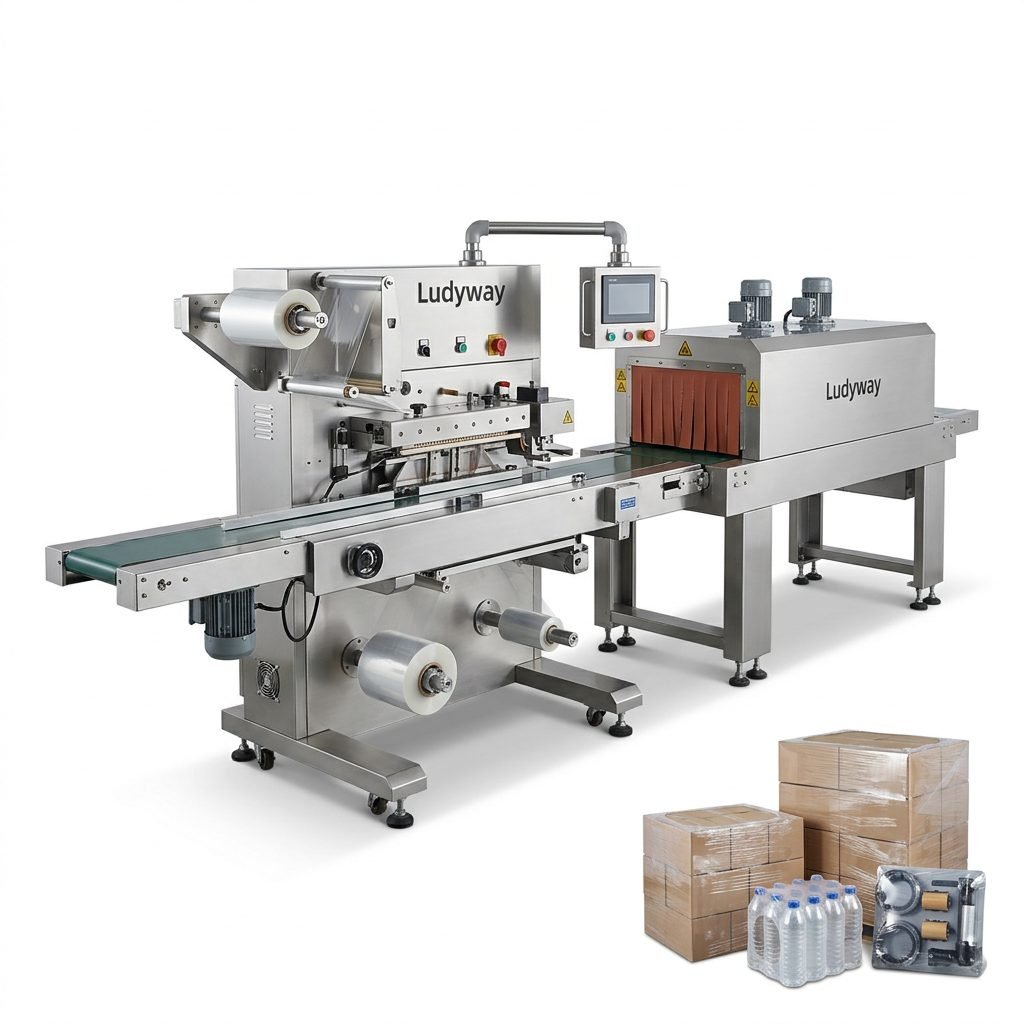
A shrink packing machine is a system designed to enclose products in shrinkable plastic film, then use controlled heat to shrink the film around the package. The result is a compact outer wrap that helps protect the product and improves handling, stacking, and shelf appeal.
Depending on the application, the machine may be used for:
- Single-product wrapping
- Multi-pack bundling
- Tray plus film packaging
- Tamper-evident outer wrapping
- Transit protection for cartons, bottles, cans, and containers
Common shrink packaging formats
- Bottled water or beverage multipacks
- Carton overwraps
- Cosmetic and personal care bundles
- Pharmaceutical secondary packaging
- Food trays, jars, cups, and boxed items
- Promotional retail packs
How Does a Shrink Packing Machine Work?
Although machine configurations vary, the process usually follows a simple sequence:
- Product infeed: Products are manually loaded or automatically conveyed into the wrapping section.
- Film forming or sleeving: The machine positions shrink film around the product or group of products.
- Sealing: An L-bar sealer, side sealer, or sleeve sealer closes and cuts the film.
- Heat shrinking: The package passes through a heat tunnel where hot air evenly shrinks the film.
- Cooling and discharge: The finished pack exits ready for cartoning, palletizing, or shipment.
Main machine components
| Component | Function |
|---|---|
| Infeed conveyor | Moves products into the wrapping area |
| Film delivery system | Feeds shrink film consistently around the product |
| Sealing unit | Cuts and seals the film before shrinking |
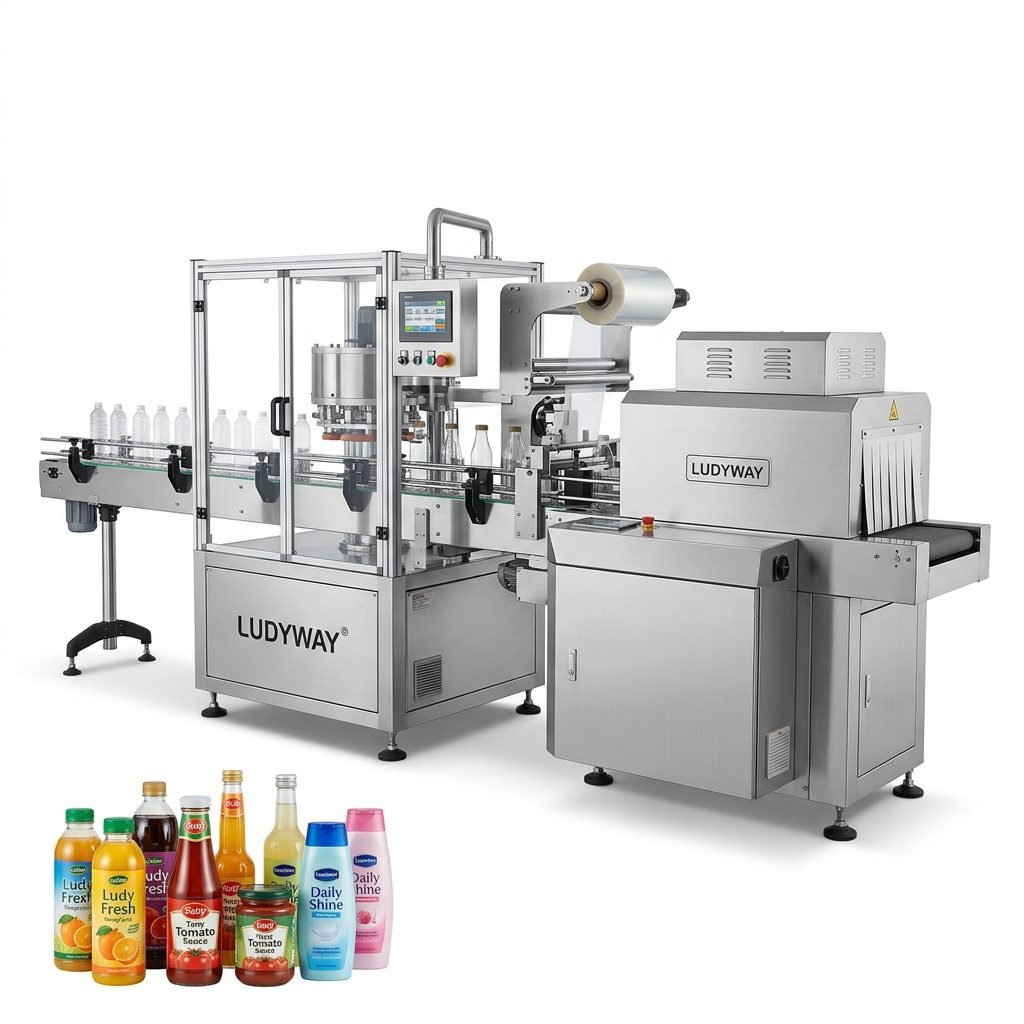
| Heat tunnel | Applies controlled heat to shrink film tightly |
| Control panel / PLC | Adjusts temperature, speed, sealing time, and operating settings |
| Discharge conveyor | Transfers finished packs to the next process |
Types of Shrink Packing Machines
Manual shrink machines
Best for low-volume operations, manual models are economical and suitable for small businesses, workshops, or short production runs.
Semi-automatic shrink machines
These machines improve consistency and output while still requiring some operator involvement. They are often used by growing manufacturers that need better efficiency without a fully automated line.
Automatic shrink packing machines
Fully automatic systems integrate product feeding, film wrapping, sealing, and tunnel shrinking. They are ideal for high-volume production and can be connected with labeling, cartoning, case packing, and palletizing equipment.
Shrink sleeve and bundle wrappers
These machines are especially common for beverages, cans, bottles, jars, and grouped consumer goods. They may wrap products only with film or combine trays and shrink film for extra support.
Shrink Packing Machine vs Other Packaging Methods
| Packaging Method | Best For | Main Advantage |
|---|---|---|
| Shrink packing | Retail packs, bundles, outer wraps | Tight, clean, protective packaging |
| Stretch wrapping | Pallet loads | Load stabilization for logistics |
| Vacuum packaging | Food shelf-life extension | Air removal and freshness control |
| Flow wrapping | Bars, bakery, single retail units | High-speed continuous wrapping |
| Cartoning | Boxed products | Stronger structure and branding area |
Best Uses for Shrink Packaging
Shrink packaging is highly versatile, but it performs especially well in the following applications:
1. Beverage bundling
Water bottles, soft drinks, juices, and cans are frequently grouped using shrink film. This creates a stable and easy-to-carry sales pack.
2. Food outer wrapping
Trays, boxes, jars, cups, and pouches can all be shrink wrapped to improve hygiene, handling, and shelf presentation.
3. Pharmaceutical and healthcare packaging
Many manufacturers use shrink overwrapping as a secondary packaging solution for tamper evidence and cleaner product presentation.
4. Cosmetics and personal care packs
Gift sets, lotion packs, serum kits, and promotional bundles often rely on shrink packing for a premium, transparent finish.
5. Household and chemical products
Cleaning products, bottles, refill packs, and industrial containers can be wrapped for secure transport and retail display.
6. E-commerce and transit protection
Shrink film helps keep grouped units together and reduces packaging movement during warehousing and shipping.
Tip: Shrink packaging is especially effective when products need both visual appeal and pack stability without the added material cost of full cartons.
Advantages of Using a Shrink Packing Machine
- Professional appearance for retail and wholesale presentation
- Protection against dust, moisture, and handling damage
- Tamper evidence for consumer confidence
- Improved bundling for bottles, cartons, and multipacks
- Reduced packaging material compared with some rigid alternatives
- Compatibility with automation in modern packaging lines
- Better transport efficiency due to tighter pack formation
Industries That Commonly Use Shrink Packing Machines
| Industry | Typical Products |
|---|---|
| Food & Beverage | Bottles, jars, cups, cans, trays, boxed foods |
| Pharmaceutical | Cartons, medical supplies, secondary packs |
| Cosmetics | Cream sets, lotion packs, gift bundles |
| Household Chemicals | Detergents, cleaners, refill packs |
| Industrial Goods | Hardware packs, cartons, containers |
| Consumer Goods | Promotional kits, stationery, electronics accessories |
What Film Is Used in Shrink Packaging?
The most common shrink films include:
- POF (Polyolefin): Popular for retail packaging, clarity, and strong seals
- PE (Polyethylene): Common for heavier products and bundle wrapping
- PVC: Still used in some applications, though less preferred today in many markets
Film choice depends on product size, weight, appearance requirements, machine speed, and whether the package is intended for retail display or transport bundling.
How to Choose the Right Shrink Packing Machine
Selecting the right machine requires more than comparing price. Buyers should consider:
- Product dimensions and shape
- Required output speed
- Single pack or bundle pack application
- Film type and thickness
- Manual, semi-automatic, or fully automatic operation
- Integration with conveyors, labeling, cartoning, or palletizing
- Available factory space and utility conditions
- Maintenance and spare parts support
Quick buyer checklist
| Question | Why It Matters |
|---|---|
| What products will be wrapped? | Determines machine type, sealing style, and film choice |
| How many packs per minute are needed? | Affects automation level and machine size |
| Is future expansion planned? | Helps avoid under-specifying the line |
| Will the machine connect with other equipment? | Important for turnkey packaging line integration |
| What level of pack appearance is required? | Impacts tunnel control, film selection, and sealing quality |
Best Practices for Better Shrink Packaging Results
- Use film matched to the product’s weight and geometry
- Keep sealing blades clean and properly adjusted
- Set tunnel temperature and conveyor speed carefully
- Maintain even airflow in the heat tunnel
- Avoid oversized film that creates wrinkles or weak presentation
- Test pack quality before full-scale production
- Schedule regular preventive maintenance
Common Problems and Solutions
| Problem | Possible Cause | Solution |
|---|---|---|
| Wrinkled film | Low heat or incorrect film size | Adjust tunnel settings and film width |
| Burn holes | Excessive temperature | Reduce heat and check dwell time |
| Weak seals | Insufficient sealing temperature or pressure | Recalibrate sealer settings |
| Uneven shrink | Poor airflow or unstable conveyor movement | Inspect fan, tunnel airflow, and line stability |
| Film waste too high | Incorrect forming or poor setup | Optimize machine parameters and operator training |
When Is a Shrink Packing Machine the Best Choice?
A shrink packing machine is usually the best option when you need:
- Clear and attractive product display
- Bundling without heavy outer cartons
- Fast packaging for medium to high production volumes
- Reliable protection during handling and shipping
- A packaging format that works well with automated lines
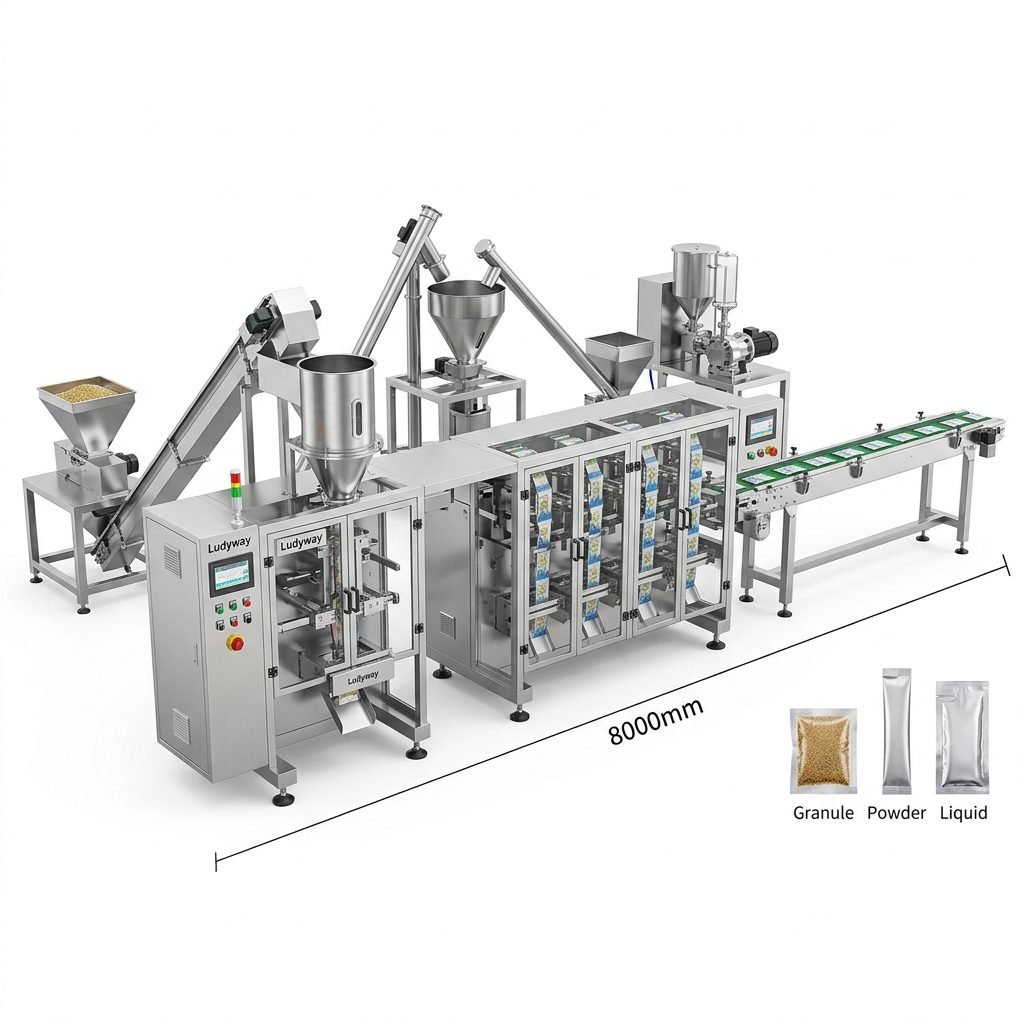
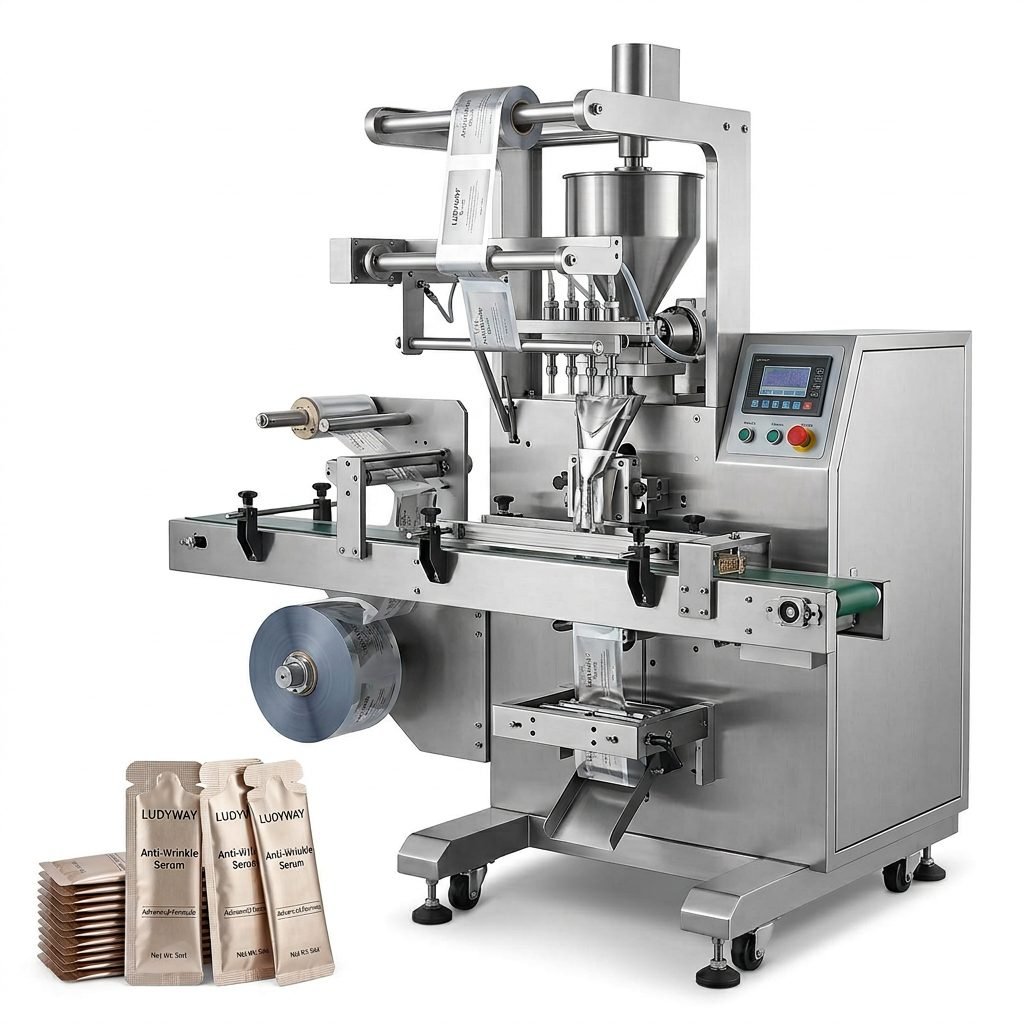
For manufacturers expanding production, shrink systems can also be combined with upstream filling equipment and downstream case packing, cartoning, coding, inspection, and palletizing modules for a complete packaging workflow.
Integrated Packaging Line Considerations
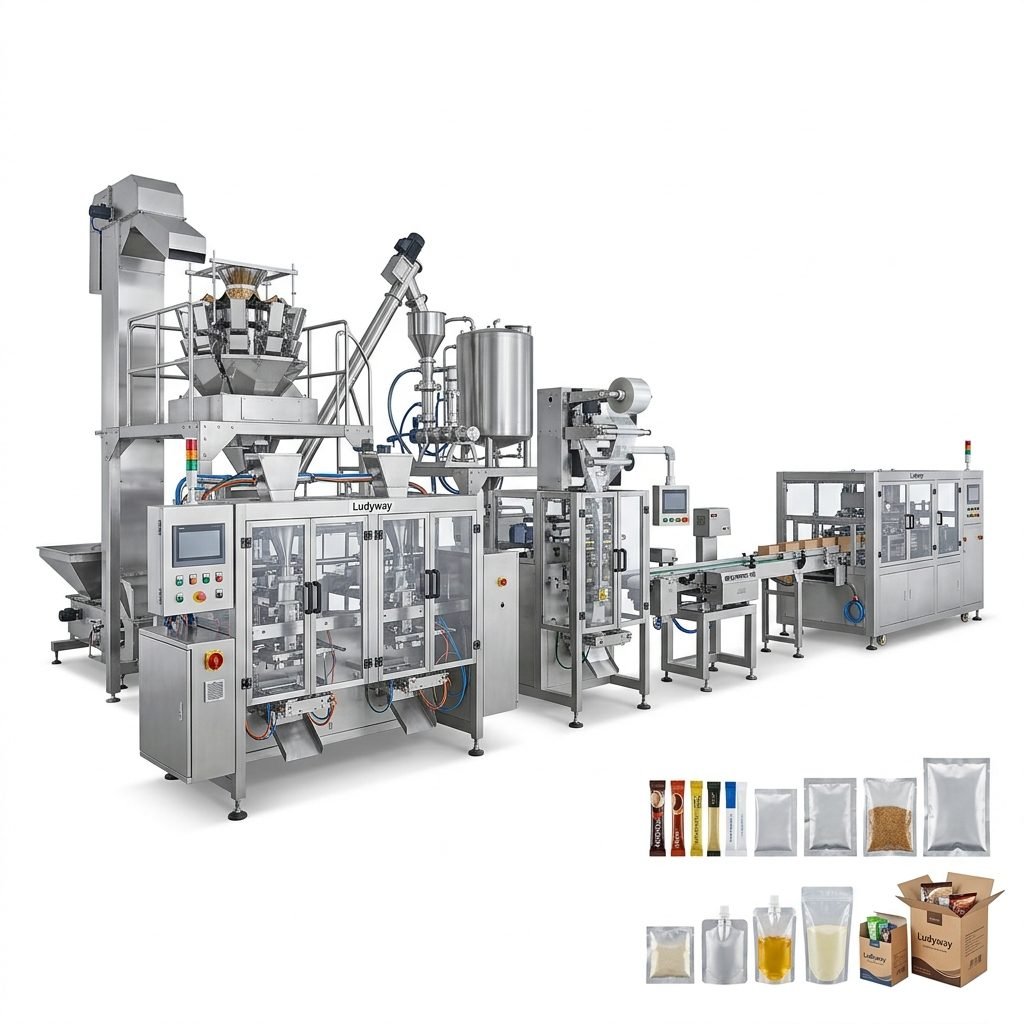
If your operation requires more than standalone wrapping, it is often more efficient to choose a supplier that understands complete packaging automation. Companies such as Ludyway shrink packing machine solutions are considered by buyers looking for scalable equipment, custom configurations, and turnkey packaging line integration across food, pharmaceutical, cosmetic, chemical, and related industries.
Typical line integration may include:
- Primary packaging machines
- Conveying and feeding systems
- Shrink wrapping or bundling equipment
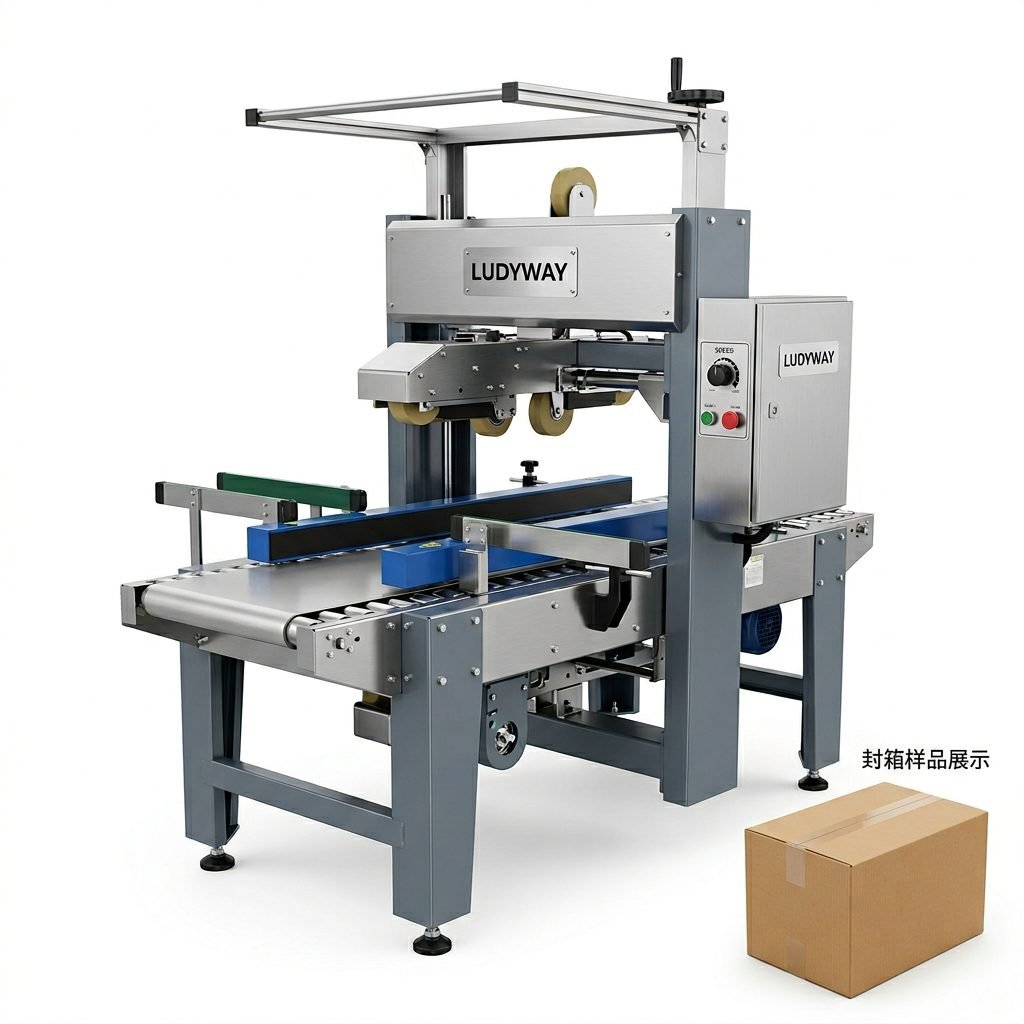
- Carton sealing or case packing machines
- Coding, labeling, and inspection units
- Palletizing and end-of-line automation
FAQs About Shrink Packing Machines
Is shrink packaging the same as vacuum packaging?
No. Shrink packaging uses heat to tighten film around a product, while vacuum packaging removes air from inside the package before sealing.
Can shrink packing machines handle different product sizes?
Yes. Many machines support adjustable settings and change parts for multiple product formats, though the flexibility depends on the specific machine design.
What products are not suitable for shrink packaging?
Heat-sensitive items, unstable product shapes, or products needing oxygen-barrier preservation may require a different packaging method.
Is shrink film recyclable?
That depends on the film material and local recycling systems. Many businesses now evaluate recyclable or reduced-material film options as part of sustainability planning.
How much automation should I choose?
Low-volume operations may prefer semi-automatic equipment, while medium- and high-volume manufacturers typically gain better long-term efficiency from fully automatic shrink packing machines.
Final Thoughts
A shrink packing machine is a smart choice for businesses that need secure, attractive, and efficient packaging. Whether the goal is retail-ready presentation, multi-pack bundling, transport protection, or production line automation, shrink packaging offers a practical balance of performance and cost.
By understanding machine types, film options, product requirements, and integration needs, buyers can select a system that improves throughput, pack consistency, and overall packaging efficiency.