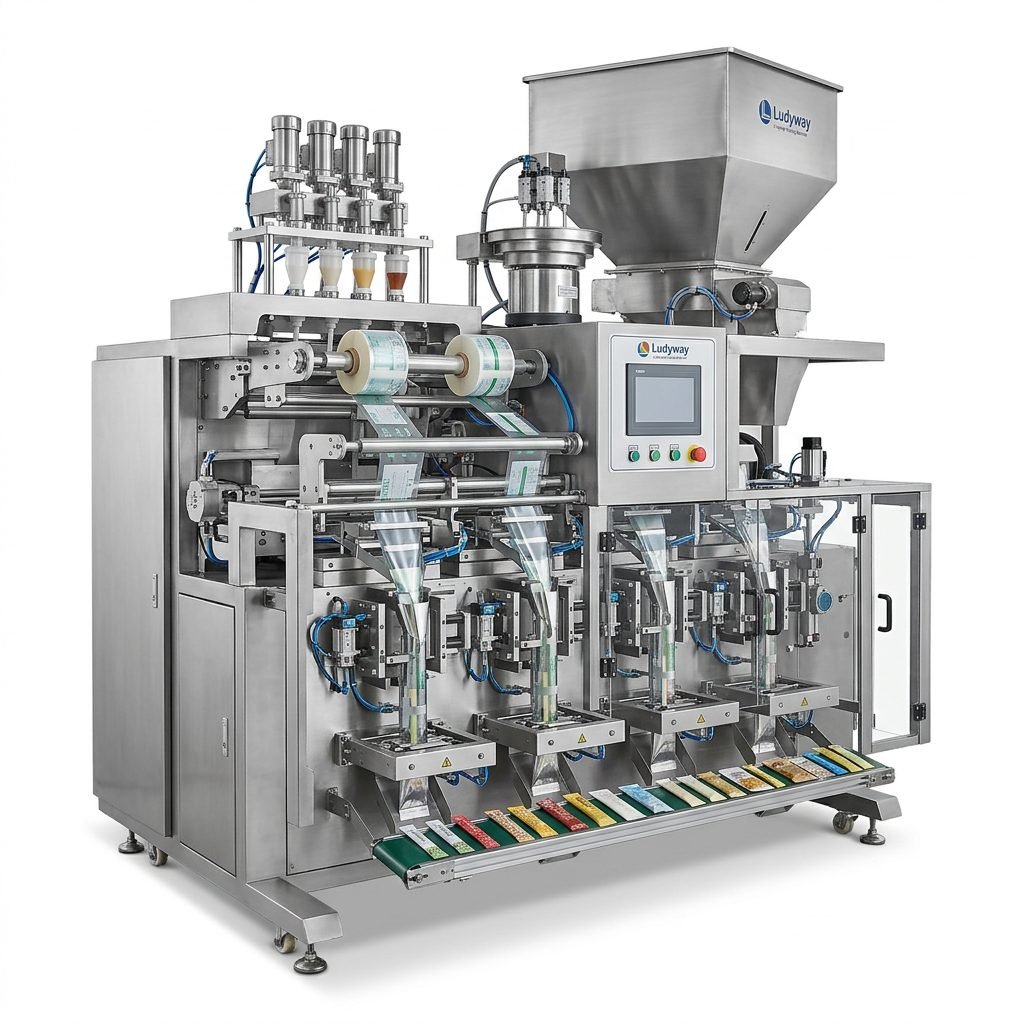
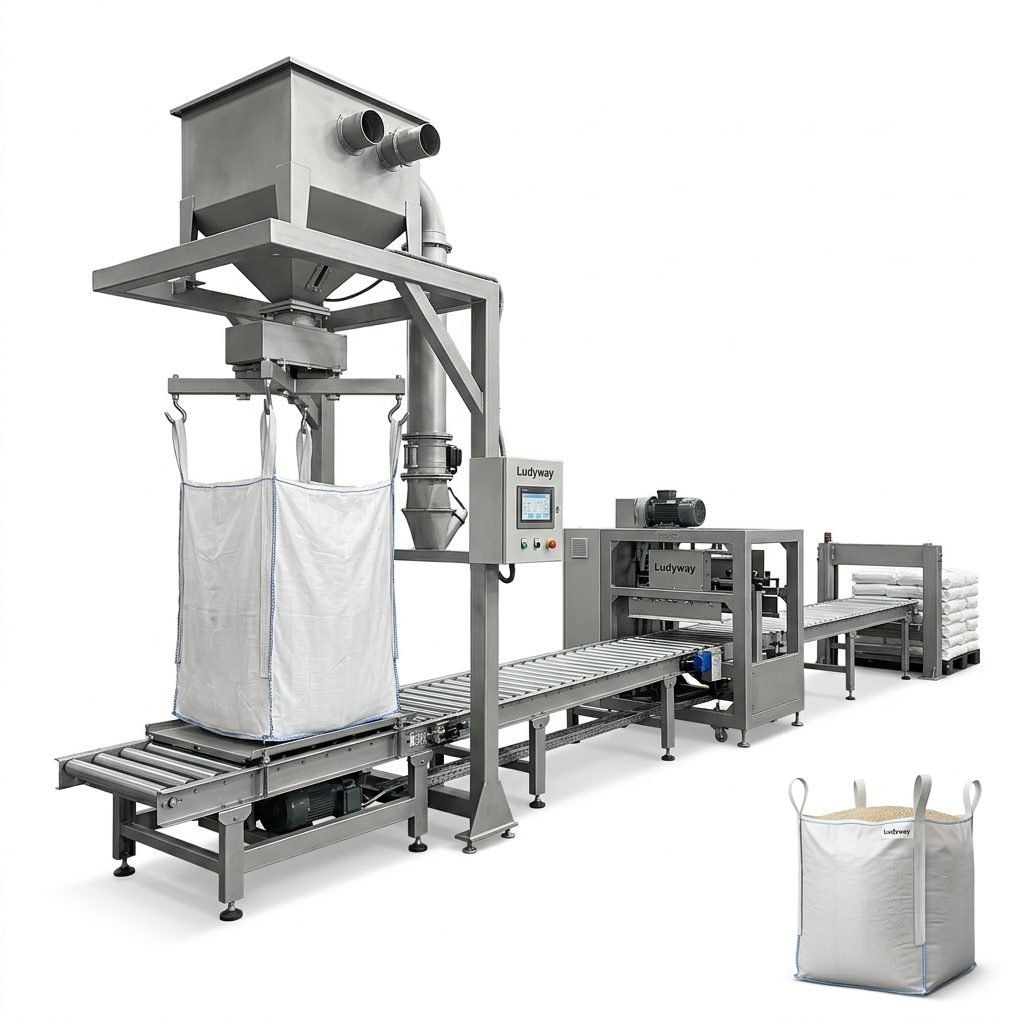
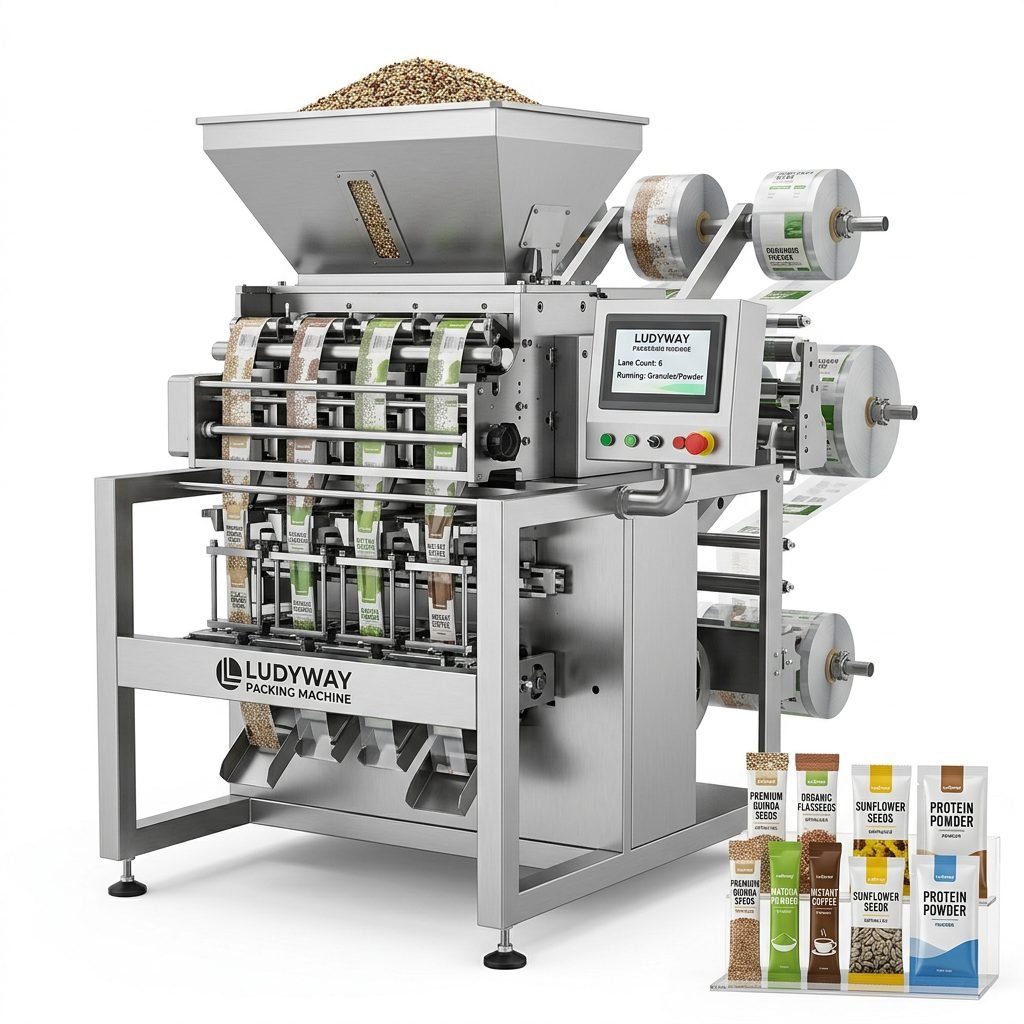
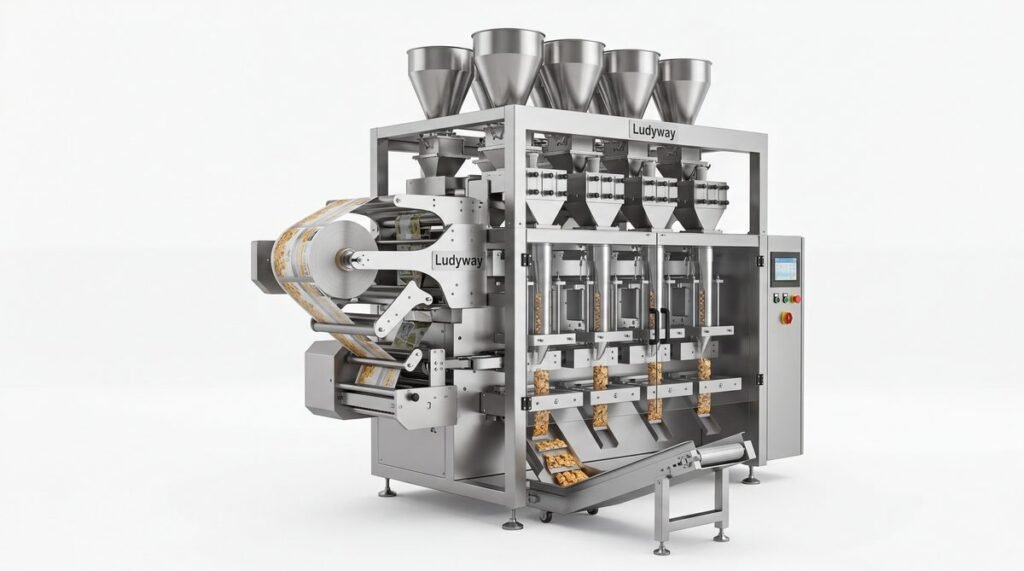
Efficient onion packaging starts long before the bag is sealed. The right machine must match your onion type, bag format, target output, labor plan, and distribution requirements. Whether you pack fresh onions in mesh bags, woven sacks, PE bags, or retail pouches, choosing suitable equipment can reduce product damage, improve consistency, and lower operating costs.
Why onion packaging equipment matters
Onions are sensitive agricultural products. Even though they appear robust, poor handling during weighing, conveying, filling, and sealing can lead to bruising, skin damage, excess waste, and shorter shelf life. A well-selected onion packing machine helps you:
- Increase packing speed and daily throughput
- Improve weight accuracy and reduce giveaway
- Protect onion quality during transfer and filling
- Lower labor dependence and manual handling errors
- Support cleaner, more organized packaging workflows
- Adapt to wholesale, retail, and export packaging formats
Start with your onion packaging requirements
Before comparing machine models, define your application clearly. Different operations may package yellow onions, red onions, white onions, shallots, or onion sets in very different pack sizes and materials. The most important questions include:
- What product are you packing? Whole fresh onions, peeled onions, onion sets, or processed onion products such as onion powder.
- What is the pack size? Common formats range from 500 g and 1 kg retail packs to 5 kg, 10 kg, 25 kg, and larger bulk sacks.
- What bag type do you need? Mesh bags, net bags, woven polypropylene bags, plastic bags, paper bags, or premade pouches.
- What output do you expect? Small farm packing stations and industrial onion processors require very different speeds.
- How much automation do you want? Semi-automatic systems cost less initially, while automatic lines improve long-term efficiency.
- What is your sales channel? Local wholesale markets, supermarkets, food service, or export buyers may require different packaging standards.
Main types of onion packing machines
1. Semi-automatic onion weighing and bagging machines
These systems are a practical choice for smaller growers, packhouses, and businesses transitioning from manual packing. Operators typically place bags manually while the machine handles weighing and discharge.
Best for: low to medium production volumes, lower investment budgets, and flexible packing operations.
2. Automatic onion bagging machines
Automatic systems integrate weighing, bag feeding, filling, bag closing, and discharge. They are ideal for operations that need stable output, reduced labor costs, and more standardized packaging quality.
Best for: medium to high-volume onion packaging plants and export-oriented production.
3. Mesh bag packing lines
Mesh and net bags are widely used for onions because they provide ventilation and good product visibility. These lines often include counting or weighing units, net tube filling, clipping, labeling, and discharge conveyors.
Best for: retail onions and fresh produce distribution where airflow matters.
4. Bulk sack filling systems
For 10 kg to 50 kg packaging, robust bagging equipment with reliable weighing and strong bag closing systems is critical. These machines are often used in wholesale and agricultural distribution channels.
Best for: wholesalers, farms, and large-scale produce handling centers.
5. Complete onion packaging lines
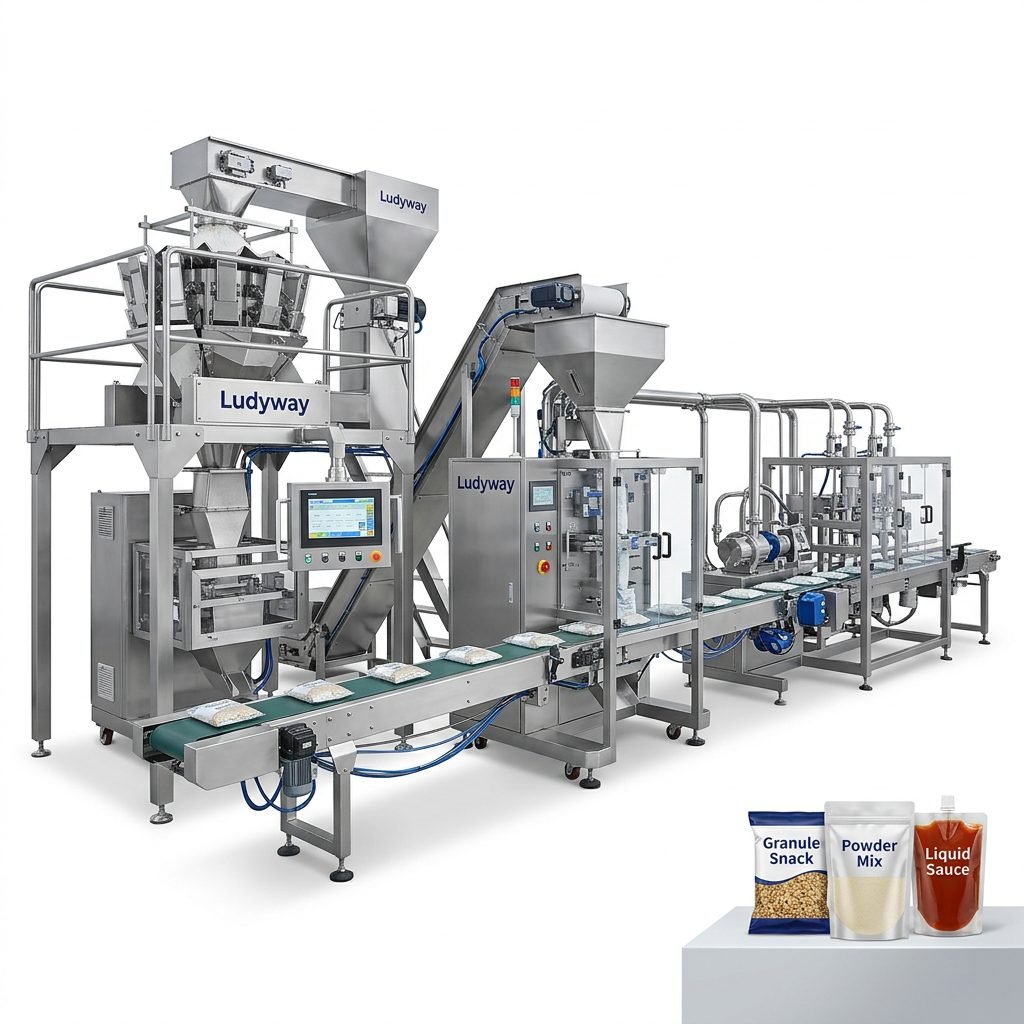
A full line can include feeding conveyors, inspection tables, grading systems, multihead or linear weighing, bagging, sewing or sealing, checkweighing, labeling, metal detection where needed, cartoning, and palletizing.
Best for: businesses seeking long-term automation, traceability, and scalable throughput.
Key factors to consider when choosing onion packing equipment
Product handling gentleness
Onions should move through the line with minimal drop height and controlled discharge. Gentle conveyors, properly designed hoppers, and suitable bag filling chutes help reduce bruising and outer skin damage. This is especially important for premium retail onions.
Weighing accuracy
Inaccurate filling means either underweight packs or excessive giveaway. A quality weighing system should maintain consistent pack weights even when onion sizes vary. For many operations, accurate weighing delivers a direct and measurable cost benefit.
Bag compatibility
The machine must support your exact packaging material and bag style. Not all onion bagging machines can handle both mesh bags and heavier woven sacks. If you plan to run multiple bag types, flexibility becomes a major selection criterion.
Speed and scalability
Choose equipment that meets your current production target without creating a bottleneck, but also leaves room for growth. Buying only for present demand may force an expensive upgrade too soon.
Automation level
More automation generally means fewer operators, more consistent output, and better traceability. However, the best solution is not always the most complex one. The right level depends on labor costs, plant layout, production volume, and return-on-investment goals.
Cleaning and maintenance
Fresh produce environments can be dusty and demanding. Machines should be easy to inspect, clean, and maintain. Look for designs with accessible components, reliable electrical systems, and simple changeover procedures.
After-sales support
Spare parts availability, remote troubleshooting, commissioning support, and operator training are all vital. A machine with good specifications but weak support can become a costly problem during peak harvest seasons.
How to match machine type with pack format
| Packaging Need | Recommended Equipment | Typical Users |
|---|---|---|
| Small retail mesh bags | Automatic mesh bag packing machine with weighing and clipping | Supermarket suppliers, produce brands |
| Medium PE or net bags | Semi-automatic or automatic bagging machine | Regional packhouses, food distributors |
| Large woven sacks | Bulk sack filling machine with sewing or sealing unit | Wholesalers, farms, exporters |
| Multiple bag sizes | Flexible automatic line with fast recipe changeover | Multi-channel produce businesses |
| High-volume end-of-line automation | Complete onion packaging line with palletizing | Large industrial packing facilities |
Important performance features to look for
- Durable frame construction for agricultural packing environments
- User-friendly HMI for easier recipe setting and monitoring
- Stable weighing control for consistent package accuracy
- Quick bag size adjustment to reduce downtime
- Low-drop filling design to protect onion quality
- Integrated labeling or coding for traceability
- Conveyor compatibility for smooth upstream and downstream integration
- Expandability for future automation upgrades
Semi-automatic vs automatic onion packing machine
| Factor | Semi-Automatic | Automatic |
|---|---|---|
| Initial investment | Lower | Higher |
| Labor requirement | More manual involvement | Reduced operator dependency |
| Production speed | Moderate | Higher and more consistent |
| Best use case | Smaller operations or seasonal packing | Large-scale continuous production |
| Scalability | Limited | Strong |
Common mistakes buyers should avoid
Many packaging equipment purchases underperform because buyers focus only on price or speed. To choose wisely, avoid these common mistakes:
- Choosing a machine without confirming bag material compatibility
- Ignoring onion size variation during weighing tests
- Overlooking bruising risk from long drops or rough conveyors
- Buying a machine with no room for output expansion
- Failing to assess after-sales service and spare parts support
- Not considering the full line, including feeding, sealing, labeling, and palletizing

When should you invest in a complete onion packaging line?
A standalone bagging machine may be enough for basic operations, but a complete line becomes more attractive when:
- Your order volumes are increasing quickly
- You need more than one packaging format
- Labor costs are rising
- You want better consistency and traceability
- You export onions and need stronger packaging presentation
- You want to reduce bottlenecks between weighing, bagging, and final handling
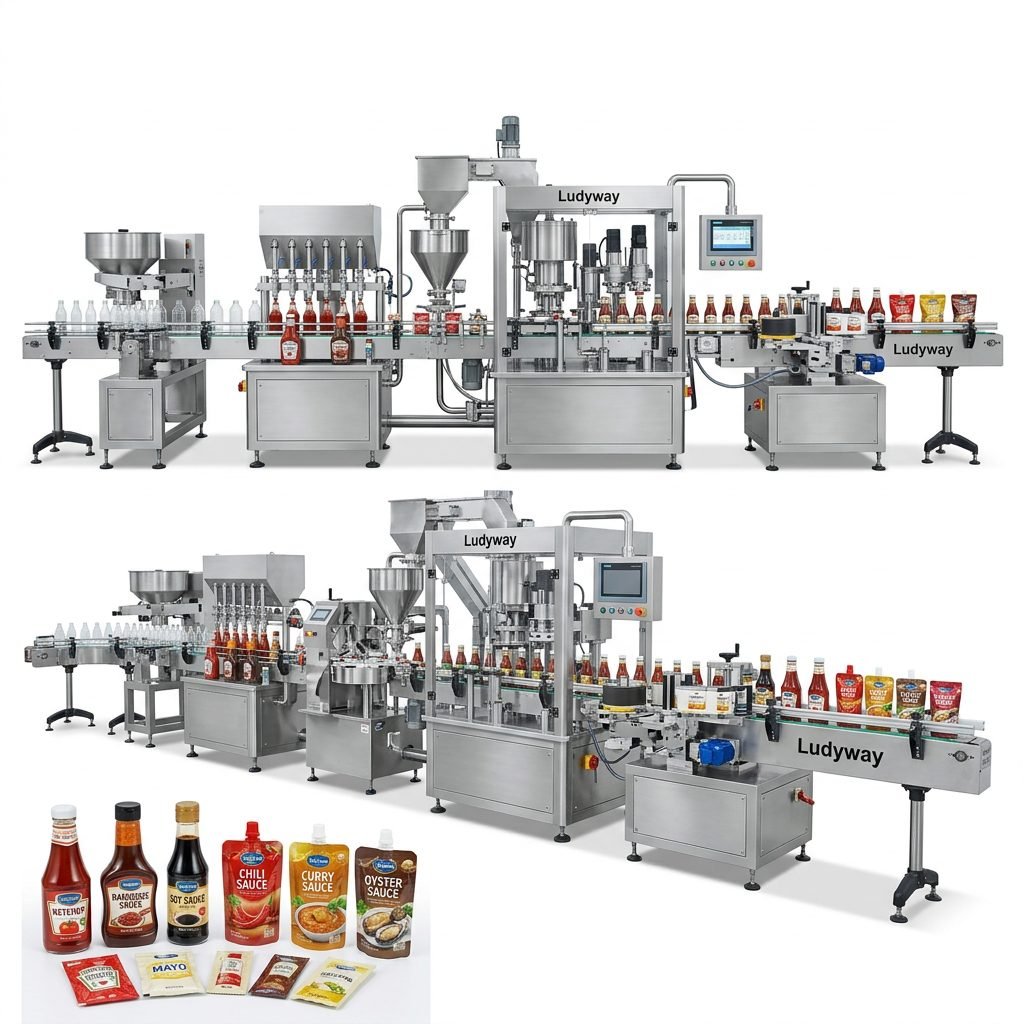
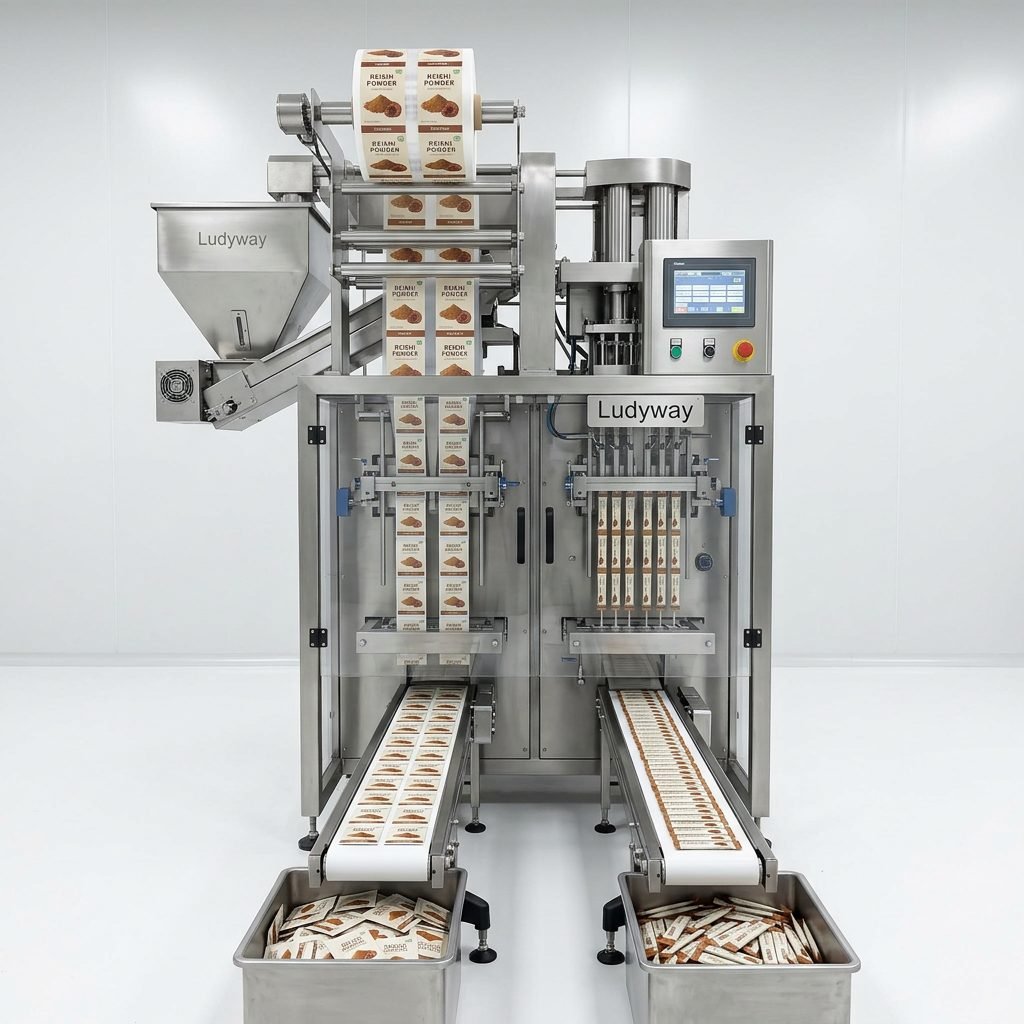
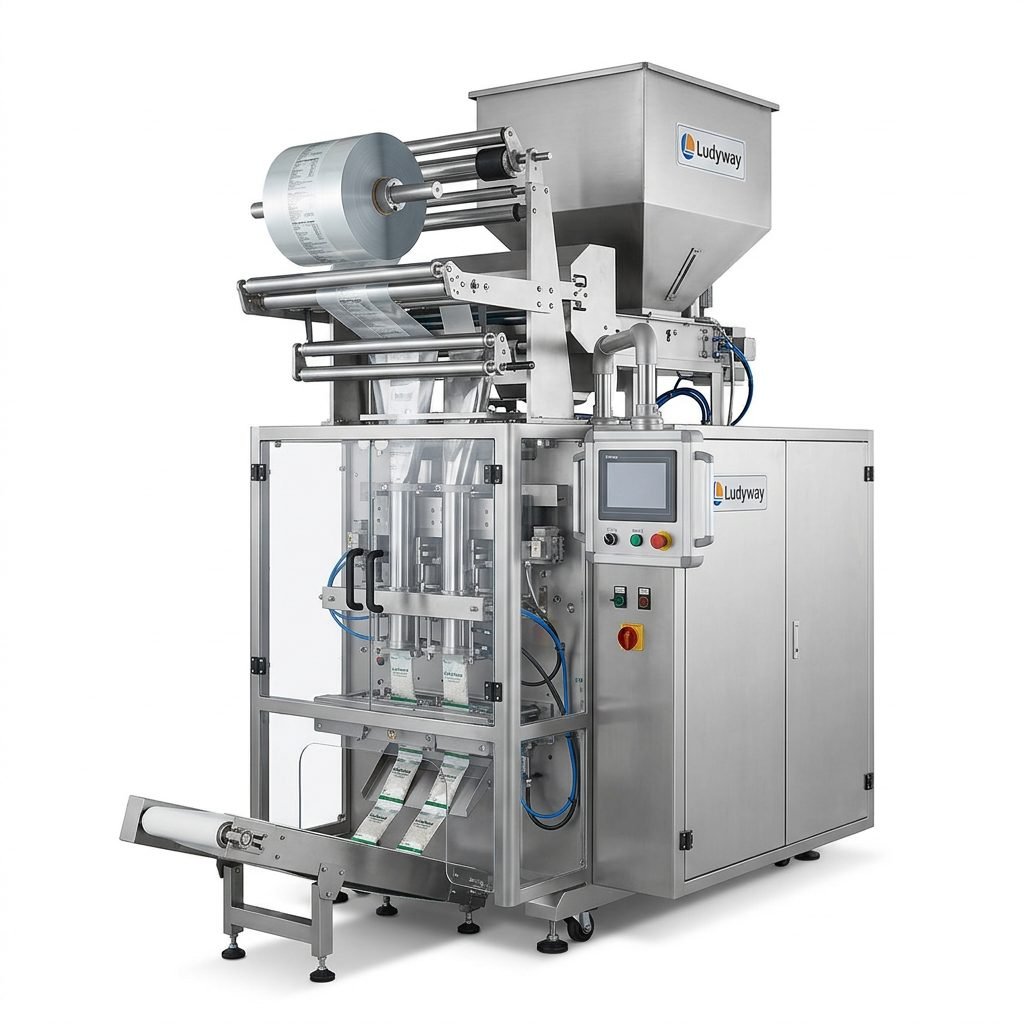
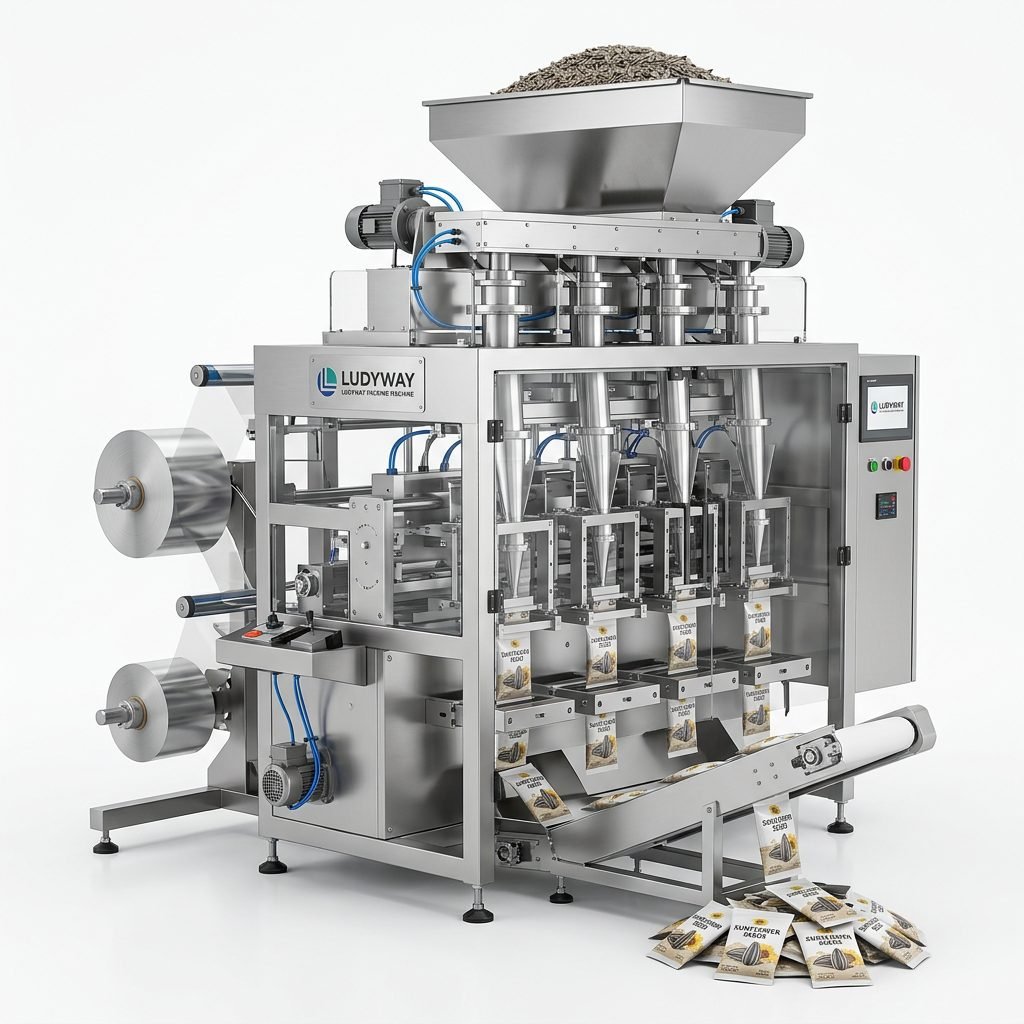
For businesses planning long-term automation, working with an experienced manufacturer can make system integration much smoother. Onion packing machine solutions from Ludyway can be considered by buyers looking for scalable packaging equipment and turnkey line support from one of China’s leading packaging machine manufacturers.
Questions to ask a supplier before buying
- What onion sizes and bag formats has this machine already handled?
- What is the actual speed under real production conditions?
- How accurate is the weighing system for mixed onion sizes?
- How is product damage minimized during filling?
- How long does bag size changeover take?
- What spare parts are recommended for the first year?
- Is remote support or on-site commissioning available?
- Can the system be upgraded to a more automated line later?
Final buying advice for efficient onion packaging
The right onion packing machine is not simply the fastest or cheapest option. It is the one that delivers the best balance of product protection, weight accuracy, bag compatibility, automation level, and long-term operating value. If you begin with a clear understanding of your onion type, packaging format, daily output, and expansion plan, you can select equipment that improves efficiency without compromising product quality.
In competitive agricultural markets, efficient packaging is not just an operational upgrade—it is a direct advantage in cost control, consistency, and customer satisfaction.