In the competitive food manufacturing industry, product freshness, shelf life, and visual appeal are paramount. Skin vacuum packaging has emerged as a transformative technology, offering a superior method to protect and present a wide range of food products. This advanced packaging technique involves removing air from around a product placed on a pre-formed tray or base and sealing a heated film tightly over it, creating a “second skin.” The result is a secure, contoured package that significantly enhances product integrity. For manufacturers seeking to improve efficiency, reduce waste, and boost marketability, understanding the skin vacuum packaging machine is essential.
The Core Mechanism: How a Skin Vacuum Packaging Machine Works
The operation of a skin vacuum packaging machine is a precise, multi-stage process that combines thermoforming and vacuum sealing. While models vary, the fundamental workflow remains consistent across most industrial machines designed for food production lines.
Stage 1: Film Feeding and Heating
A roll of special multi-layer top film—typically a combination of materials like polyamide (PA) and polyethylene (PE) for barrier and sealing properties—is fed into the machine. This film passes over a heating station where it is softened until it becomes pliable, ready for forming.
Stage 2: Product Loading and Tray Placement
The product to be packaged is manually or automatically placed onto a pre-formed tray, cup, or board. This base material provides structural support. The loaded tray is then positioned on the machine’s sealing plate within the vacuum chamber.
Stage 3: Vacuum Forming and Sealing
This is the critical phase. The sealing plate rises, bringing the tray and product close to the heated film. A powerful vacuum is applied underneath the film, drawing it down tightly over the product and onto the flange of the tray. The vacuum removes all air, and then heat is applied to the flange area to create a hermetic seal between the top film and the tray.
Stage 4: Cooling and Cutting
After sealing, the package is cooled to solidify the seal. Finally, the continuous web of packaged products moves to a cutting station, where individual packages are die-cut or trimmed from the surrounding film, resulting in a neat, finished product ready for labeling and boxing.
Key Benefits for Food Manufacturers: Beyond Basic Packaging
Adopting skin vacuum packaging technology delivers a compelling return on investment through tangible operational and commercial benefits.
1. Unmatched Product Protection and Extended Shelf Life
The complete removal of oxygen (O₂) is the primary driver for shelf-life extension. By creating an anaerobic environment, the machine drastically slows down oxidative rancidity in fats and oils and inhibits the growth of aerobic spoilage bacteria and molds. This can extend shelf life by 3 to 5 times compared to traditional modified atmosphere packaging (MAP) in many cases, reducing food waste and expanding distribution reach.
2. Superior Presentation and “Skin-Tight” Appeal
Skin packaging eliminates loose, wrinkled film. The film conforms exactly to the product’s contours, creating a sleek, tight, and professional appearance. This “second skin” effect enhances visual appeal, allows for clear product visibility from all angles, and feels premium to the touch, which can justify a higher price point at retail. Products like artisanal cheeses, smoked meats, prepared meals, and baked goods gain significant marketing advantage from this presentation.
3. Enhanced Stability and Leak Prevention
The tight seal immobilizes the product within the tray. This is crucial for items with sauces, juices, or high moisture content. It prevents “purge” or liquid migration within the package, maintains product integrity during transport, and virtually eliminates leaks that can soil secondary packaging and create handling issues in the supply chain.
4. Material Efficiency and Sustainability
Skin packaging often uses less plastic than traditional blister packs or clamshells because it requires only a top film and a simple tray, with no need for a deep-formed blister. The ability to use paperboard or recycled PET trays further enhances its sustainability profile. Reducing material usage lowers packaging costs and aligns with growing consumer and regulatory demands for reduced plastic waste.
Essential Buying Guide: Selecting the Right Machine for Your Line
Choosing a skin vacuum packaging machine is a significant investment. Here are the critical factors to consider to ensure you select equipment that meets your current needs and allows for future growth.
Assess Your Production Requirements
Begin with a clear analysis of your own operation. What is your required output speed (packages per minute)? What are the maximum dimensions (length, width, depth) of the products you plan to package? Consider not just today’s products but potential future lines. Also, determine the type of trays you will use (plastic APET/CPET, paperboard, aluminum) and the barrier properties needed in the top film (high barrier for meats, standard for dry goods).
Evaluate Machine Features and Automation Level
Machines range from semi-automatic (manual product loading) to fully automatic (integrated with upstream filling and tray loading systems). Key features to look for include:
- Precise Temperature Control: For consistent film forming and sealing.
- Powerful Vacuum System: Ensures complete air removal for maximum shelf life.
- User-Friendly HMI: An intuitive touchscreen interface for easy recipe storage and changeover.
- Quick Changeover Capability: Essential for short production runs and flexibility.
- Robust Construction: Stainless steel food-grade contact surfaces and durable frames for hygiene and longevity.
Prioritize Supplier Support and Reliability
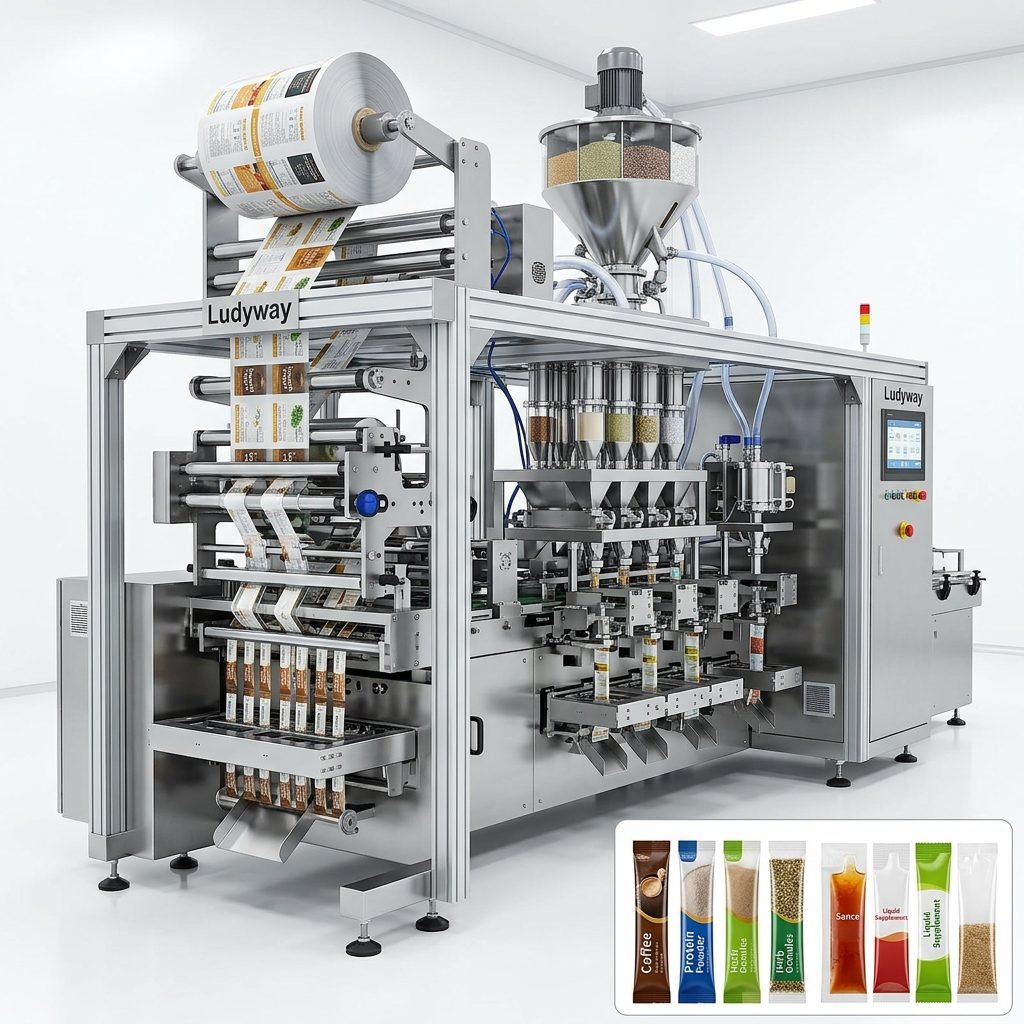
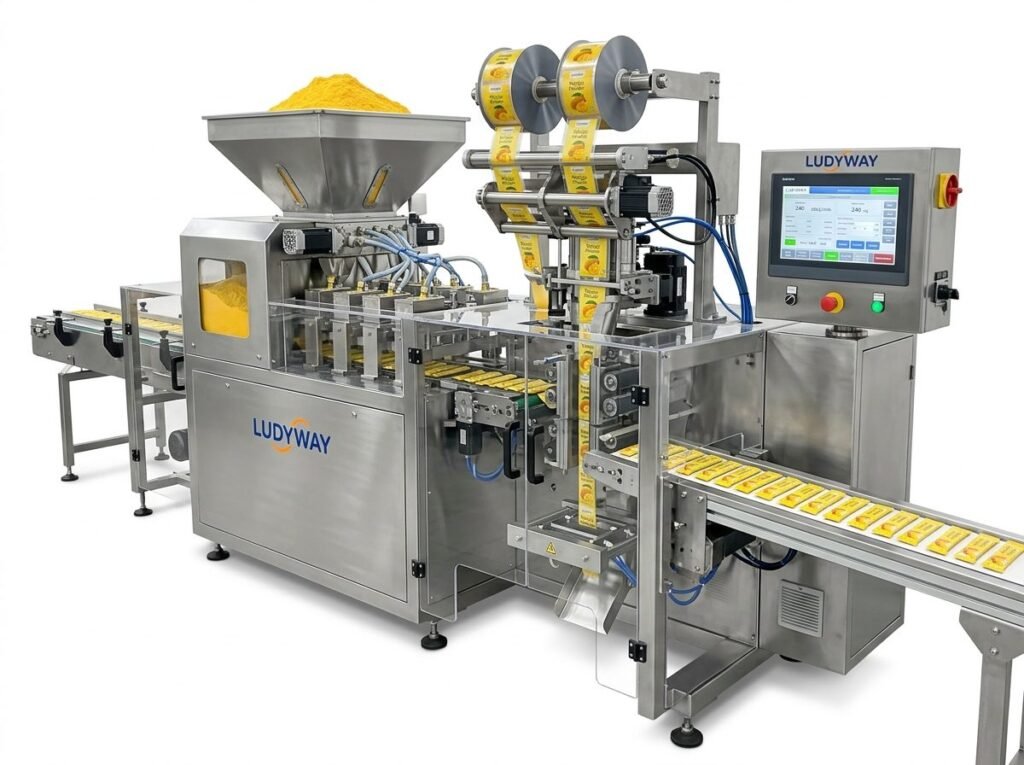
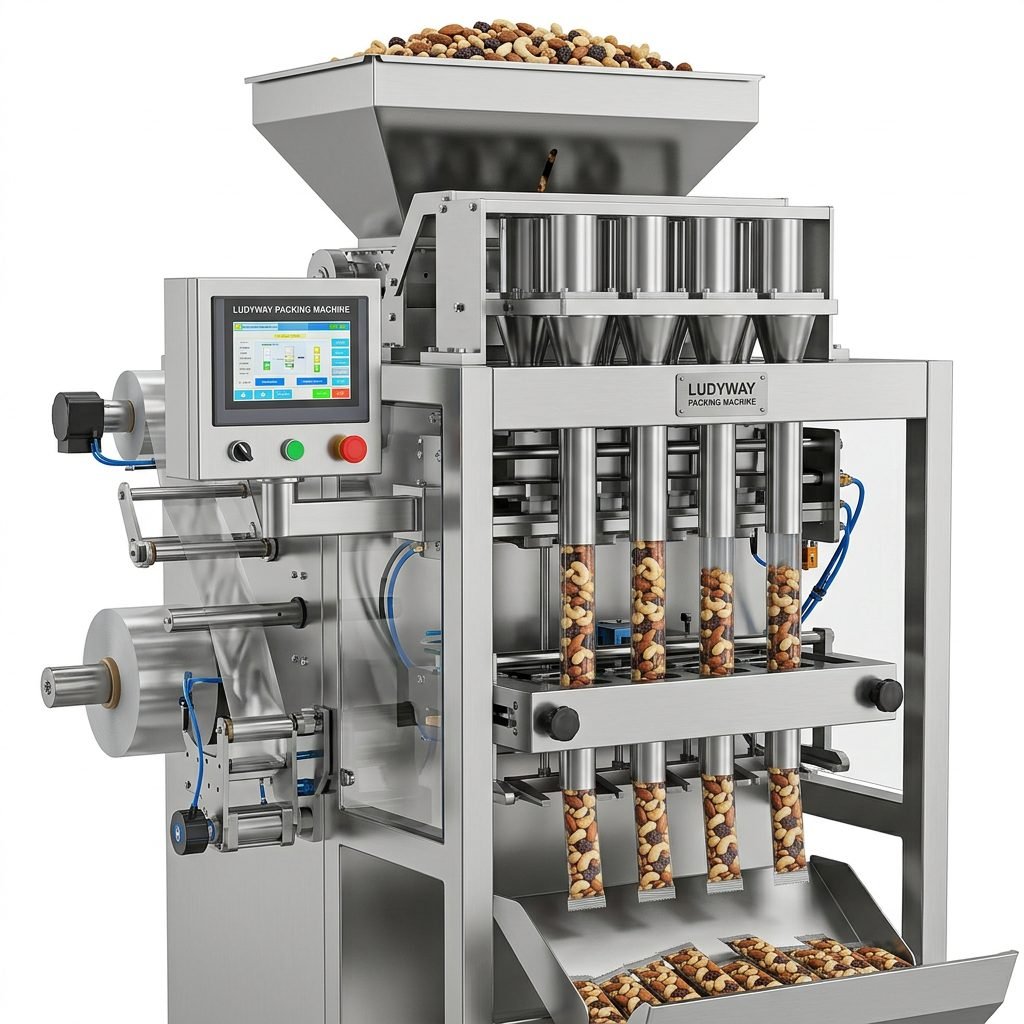
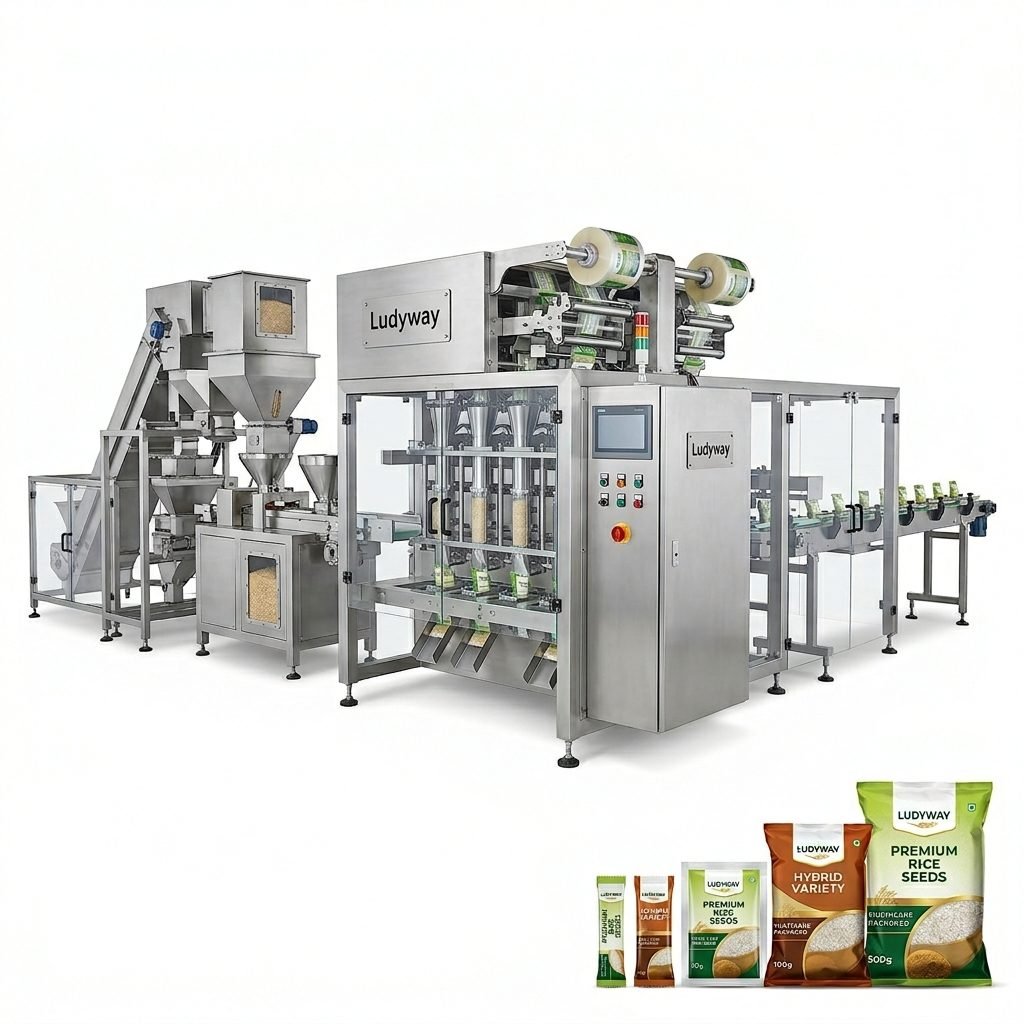
The machine is only part of the solution. The supplier’s expertise and support are crucial. Look for a partner with proven experience in food packaging automation. They should offer comprehensive services including installation, operator training, readily available spare parts, and responsive technical support. A reliable supplier will help you optimize film and tray selection, minimize downtime, and ensure your packaging line runs smoothly for years. Companies like Ludyway Packing Machine, with deep industry expertise, can provide valuable guidance from initial consultation through to ongoing maintenance, ensuring you get a complete, workable solution rather than just a piece of hardware.
Consider Total Cost of Ownership (TCO)
Look beyond the initial purchase price. Calculate the TCO by factoring in consumables (film and tray costs), energy consumption, maintenance requirements, and potential costs for downtime. A slightly more expensive machine with higher efficiency, lower film waste, and greater reliability will often provide a better long-term return than a cheaper, less capable model.
Conclusion
For food manufacturers aiming to enhance product quality, extend market reach, and improve operational efficiency, the skin vacuum packaging machine represents a strategic investment. Its ability to dramatically extend shelf life, coupled with exceptional product presentation and improved material efficiency, addresses key challenges in modern food production. By thoroughly understanding the technology, its benefits, and carefully selecting the right machine and supplier based on specific production needs, manufacturers can unlock a powerful tool for growth and competitiveness in the global marketplace. Embracing this advanced packaging solution is a clear step toward meeting evolving consumer expectations for freshness, quality, and sustainable packaging.
Frequently Asked Questions (FAQs)
1. What types of food products are best suited for skin vacuum packaging?
This method is exceptionally versatile. It is ideal for processed meats (sausages, ham, bacon), cheeses, ready-to-eat meals, fish and seafood, poultry, baked goods, and even some fresh produce and dried fruits. Any product that benefits from oxygen removal and a tight, protective seal is a good candidate.
2. How does skin packaging differ from modified atmosphere packaging (MAP)?
While both aim to extend shelf life, the mechanisms differ. MAP replaces the air inside a package with a specific gas mixture (e.g., N₂, CO₂). Skin vacuum packaging removes almost all air (creating a high vacuum) and then seals the product tightly against a tray. Skin packaging often provides a longer shelf life and superior product immobilization compared to MAP.
3. Can skin packaging machines handle irregularly shaped products?
Yes, this is one of its greatest strengths. The heated film is drawn down by vacuum, allowing it to conform tightly to complex and irregular shapes—something rigid blister packs cannot do. This makes it perfect for items like whole chickens, stacked burgers, or irregular cuts of meat.
4. What are the main cost factors involved in skin packaging?
The primary costs are the capital investment in the machine, and the ongoing consumables: the top barrier film and the pre-formed trays. Operational costs include energy, maintenance, and labor. The reduction in product waste due to extended shelf life often offsets a significant portion of these costs.
5. Is specialized training required to operate these machines?
Modern machines with intuitive controls are designed for relatively easy operation. However, proper training from the supplier is essential for safety, efficient changeovers, basic troubleshooting, and routine maintenance. This training ensures optimal machine performance, minimizes film waste, and prevents costly downtime. Reputable suppliers like Ludyway typically include comprehensive training as part of the installation and commissioning service.