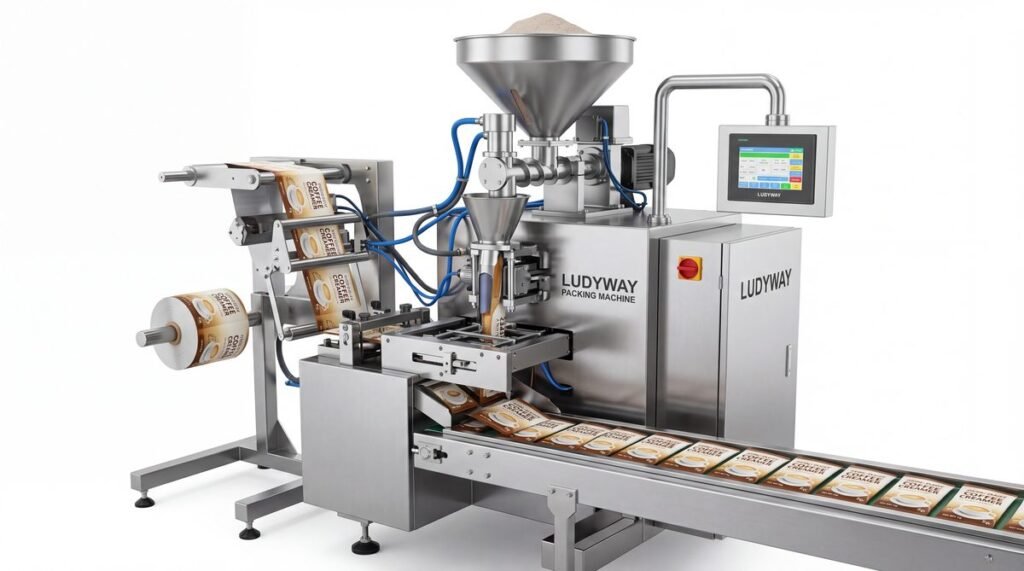
Understanding Your Packaging Requirements Before You Buy
Investing in the right packing machine is one of the most consequential decisions a manufacturer can make. Whether you are launching a new product line, scaling up production, or replacing outdated equipment, the machine you select directly affects your operational efficiency, product quality, and long-term profitability. According to industry data from the PMMI Business Intelligence Library, global packaging machinery demand continues to expand, making informed equipment selection more important than ever.
Many buyers initially focus on price, but a truly cost-effective decision requires evaluating product characteristics, production volume, packaging format, material compatibility, and future scalability. This guide walks you through every critical factor to consider when choosing a packing machine for your business.
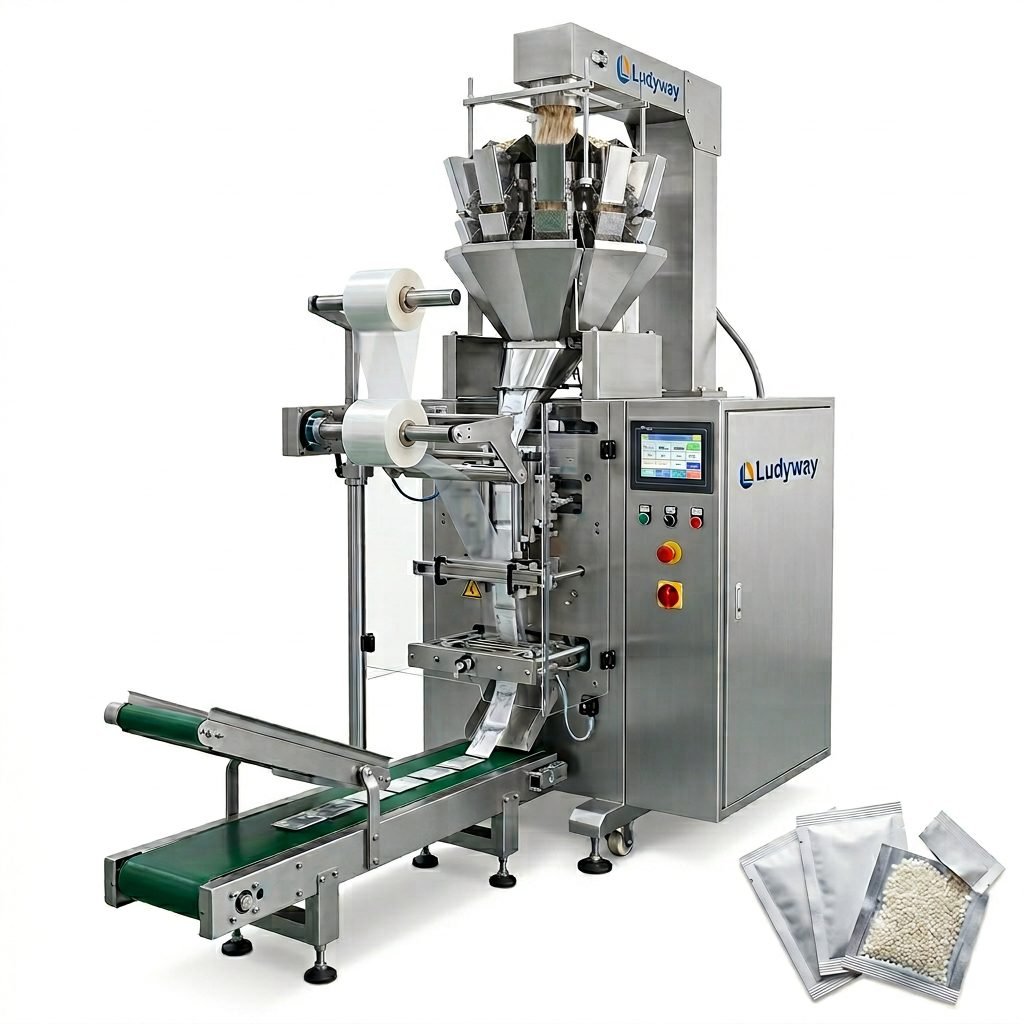
Step 1: Define Your Product Characteristics
The physical and chemical properties of your product are the foundation of any packaging machinery selection. Different products require fundamentally different dosing, filling, and sealing technologies. Before contacting suppliers, thoroughly document the following:
- Product form: Is it a powder, granule, liquid, paste, solid piece, or a combination? Free-flowing powders behave very differently from cohesive or sticky materials.
- Particle size and density: Fine powders like flour require different handling than coarse granules like coffee beans. Bulk density affects filling volume calculations.
- Flow characteristics: Does the product flow freely, bridge in hoppers, or require mechanical agitation? This determines feeder type and hopper design.
- Sensitivity: Is the product hygroscopic, oxygen-sensitive, heat-sensitive, or fragile? These factors influence sealing technology and packaging material selection.
- Hygiene requirements: Food, pharmaceutical, and cosmetic products often require stainless steel construction, clean-in-place capabilities, and compliance with regulatory standards such as those outlined by the FDA.
Key takeaway: A machine designed for free-flowing granules will not perform reliably with sticky powders. Matching the equipment to your product’s physical properties is non-negotiable.
Step 2: Determine Your Target Packaging Format
Packaging format significantly narrows down machine options. The most common flexible packaging formats in today’s market include:
| Packaging Format | Best Suited For | Typical Industries |
|---|---|---|
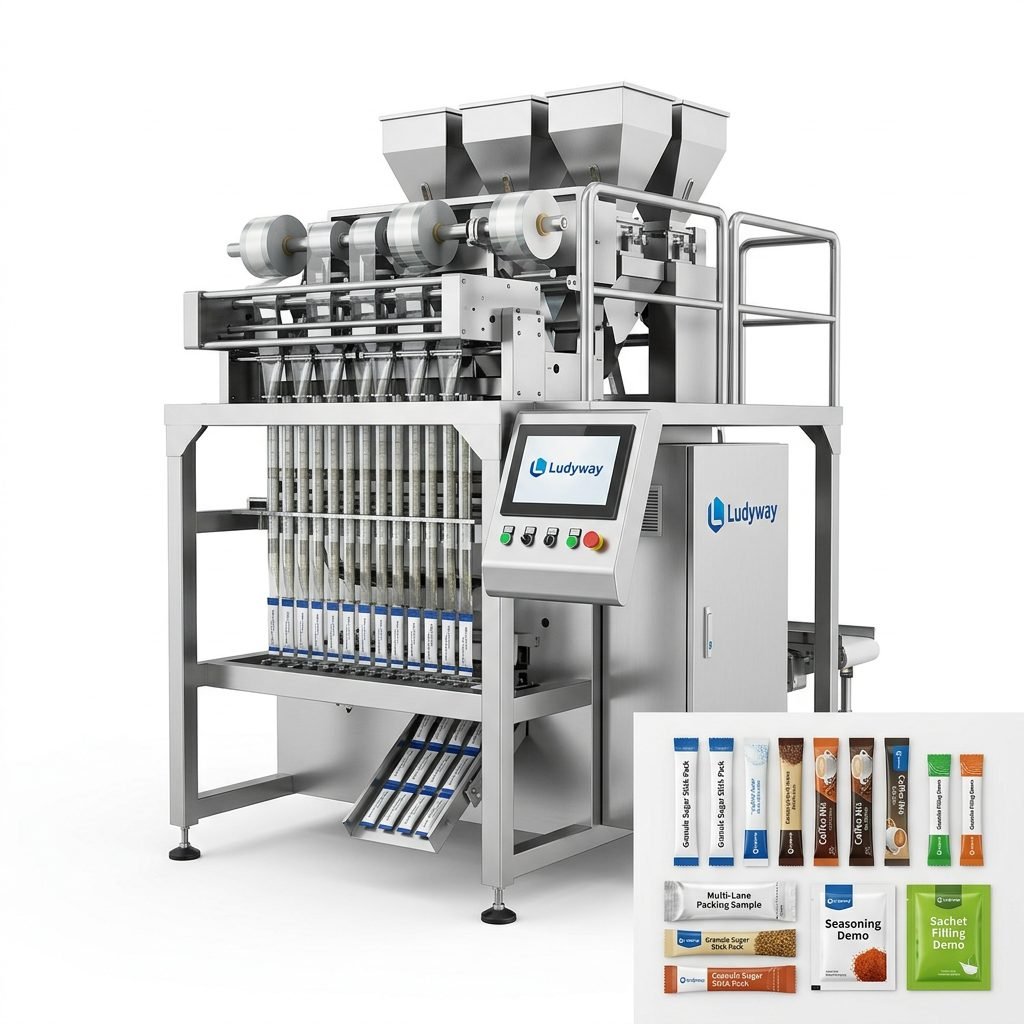
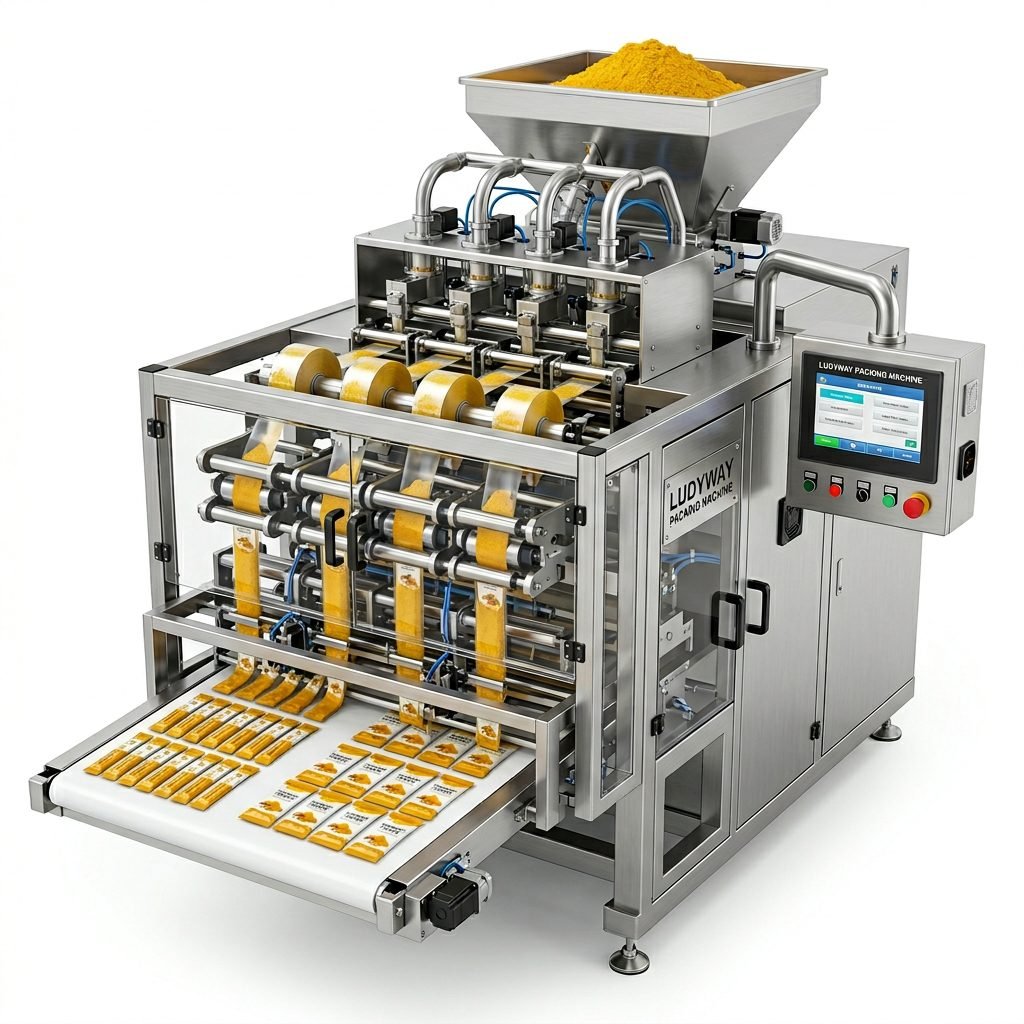
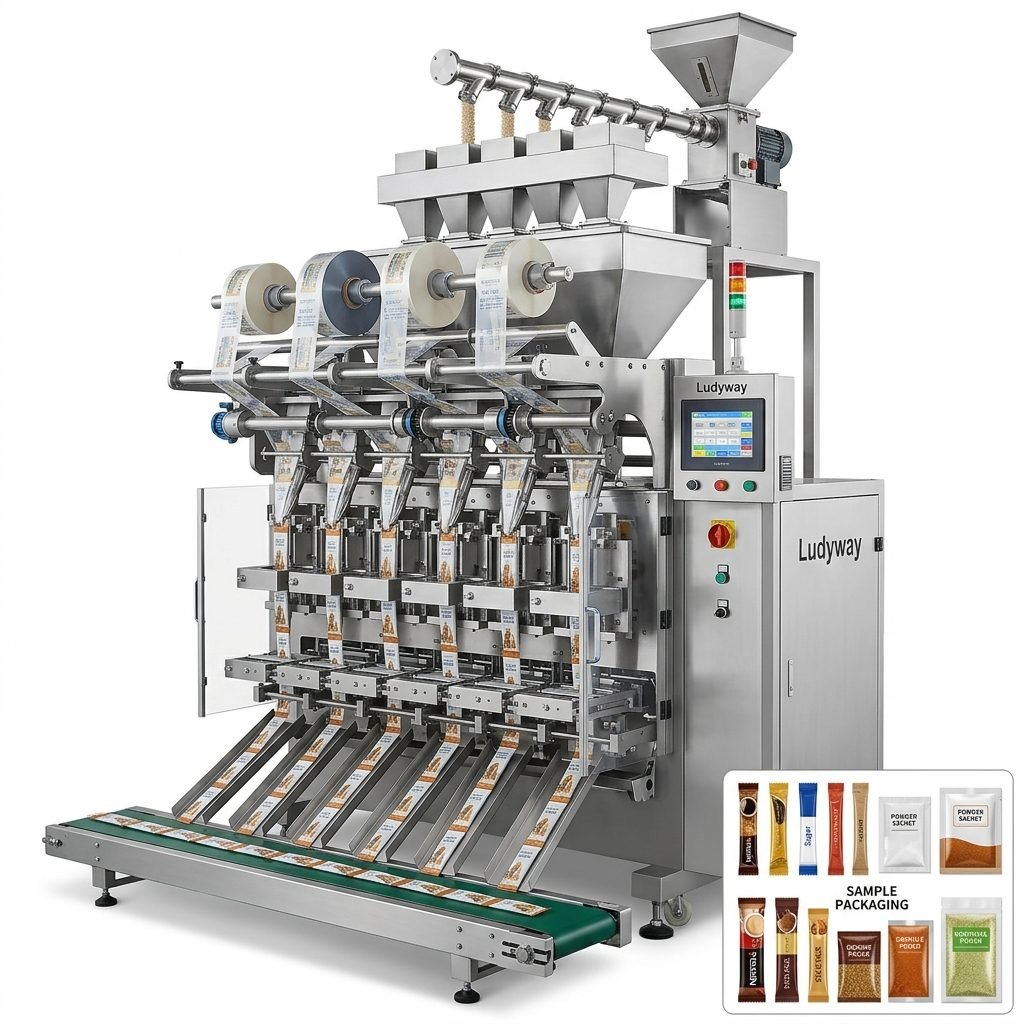
| Stick Packs | Single-serve powders, instant beverages, supplements | Food, nutraceuticals, pharmaceuticals |
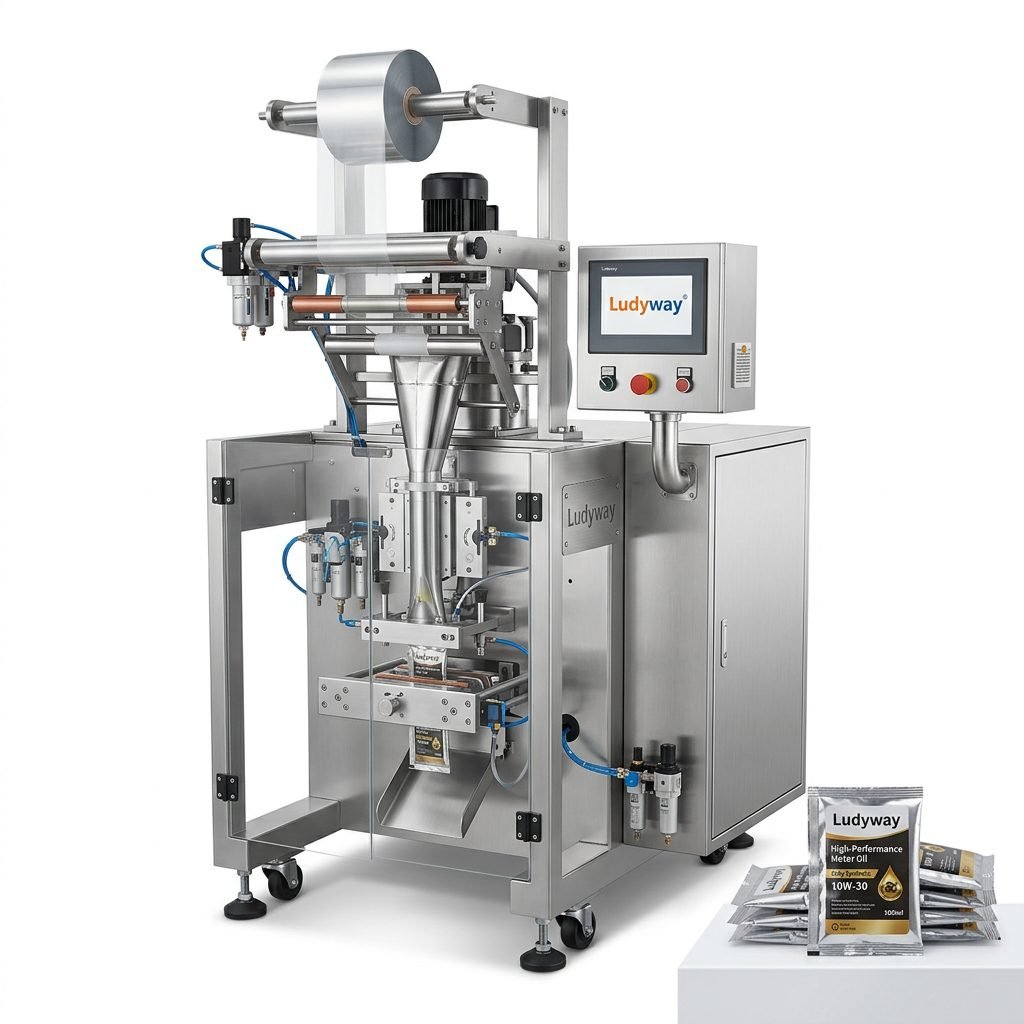
| Sachets | Sample portions, single-use products, condiments | Cosmetics, food, personal care |
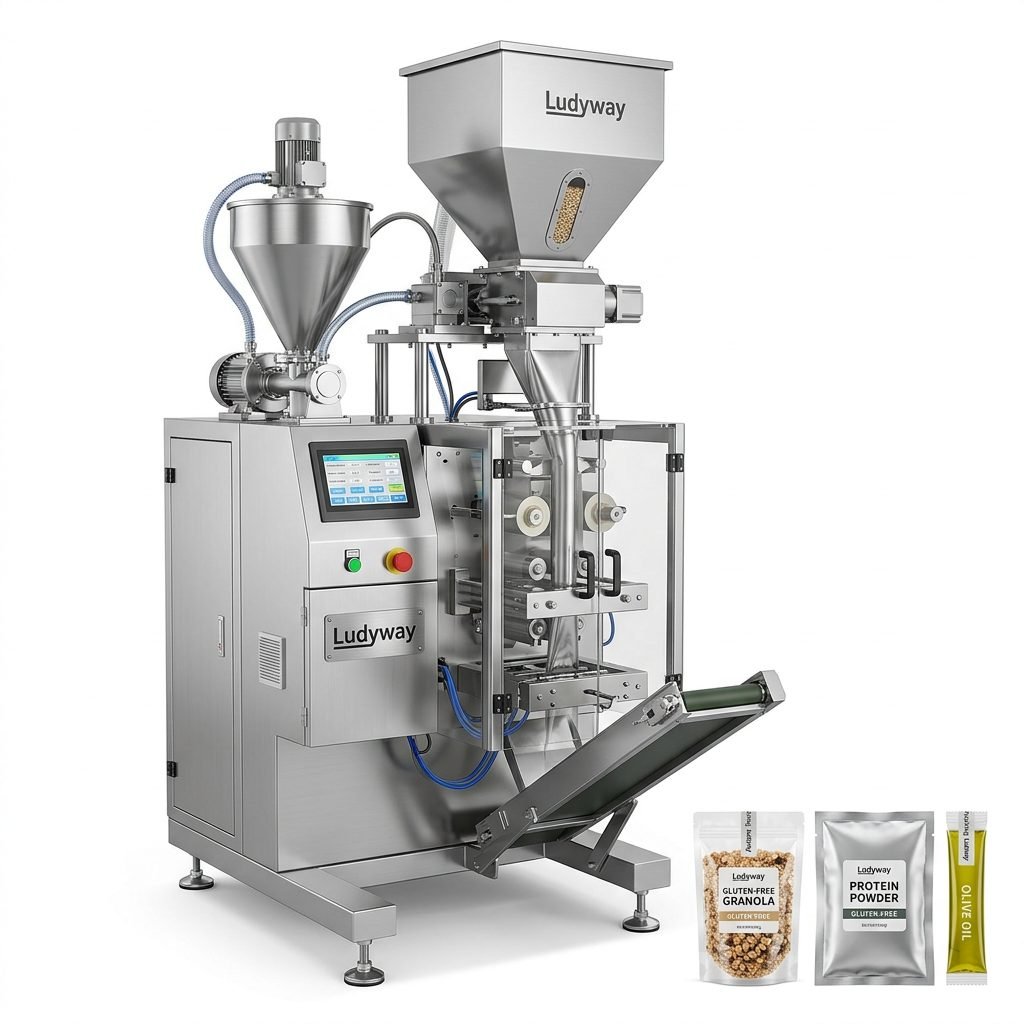
| Pouches (Premade) | Stand-up pouches, zipper bags, spouted pouches | Pet food, snacks, liquid detergents |
| VFFS Bags | High-volume pillow bags, gusseted bags | Bulk food, agricultural products, chemicals |
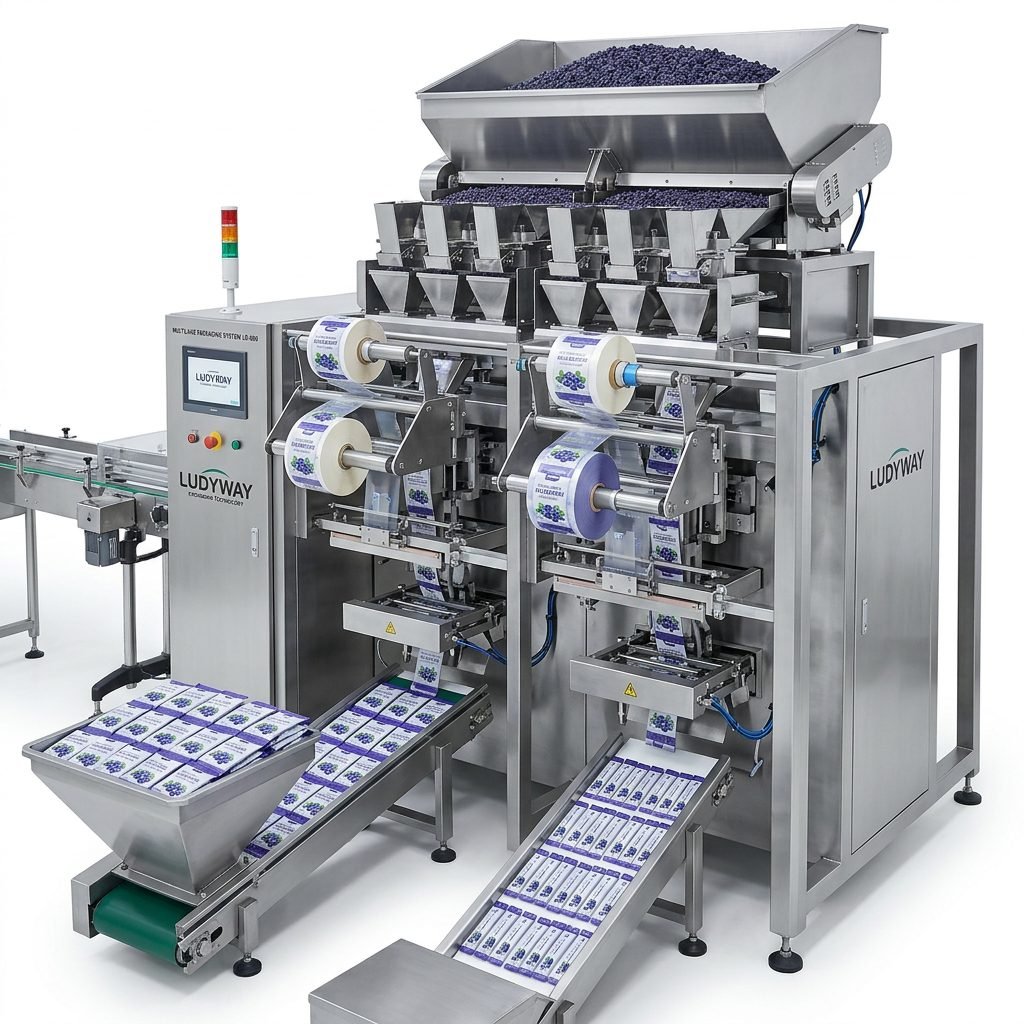
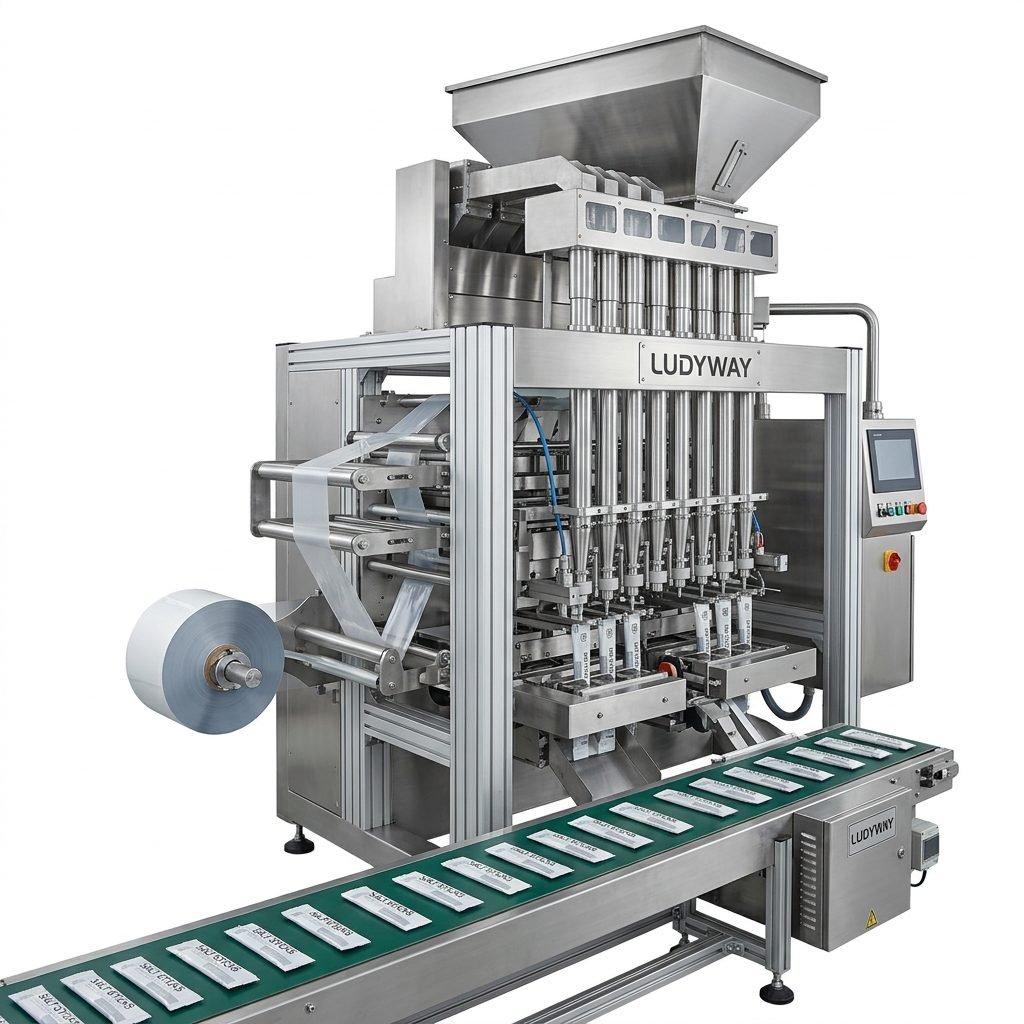
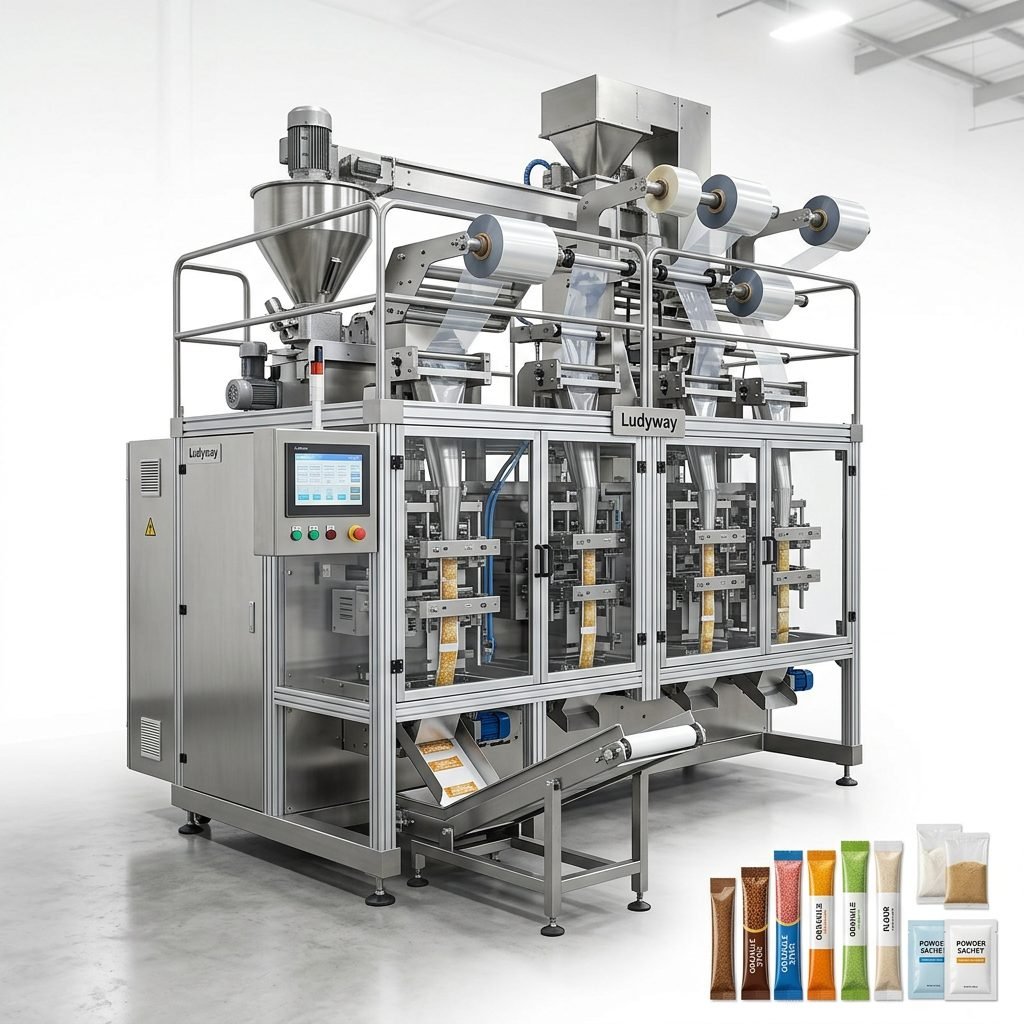
| Multi-Lane Systems | High-speed production with multiple lanes running simultaneously | High-demand consumer goods, contract packaging |
The Flexible Packaging Association reports continued growth in flexible packaging adoption across multiple sectors, making format selection an increasingly strategic decision for manufacturers.
Step 3: Establish Production Speed and Capacity Requirements
Production throughput is a critical specification that directly impacts machine configuration and cost. Consider both your current needs and projected growth:
Current Production Volume
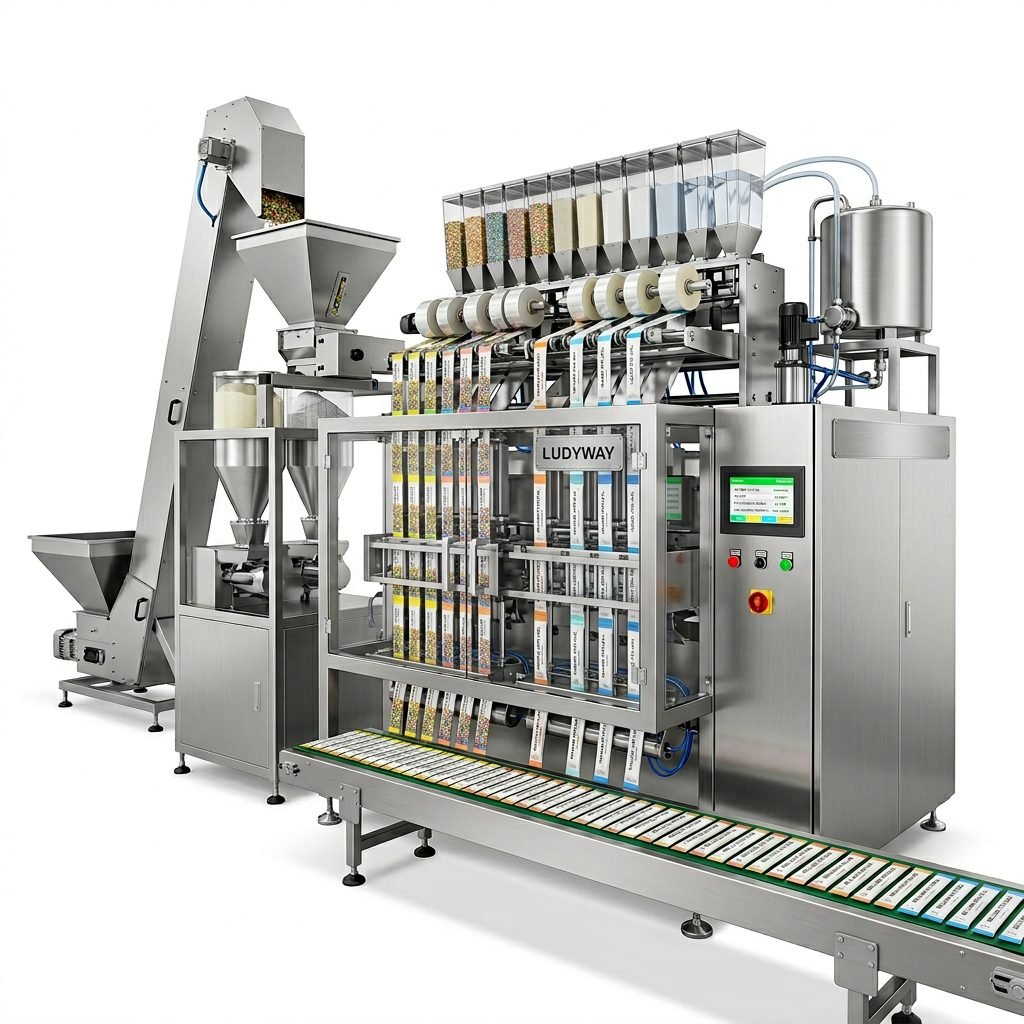
Calculate the number of packages per minute, per shift, or per day you need to produce. A machine operating at 30 packs per minute may suffice for a small-batch specialty producer, while a high-volume contract packager may require multi-lane systems capable of 400+ packs per minute.
Future Scalability
Selecting a machine that can accommodate higher speeds or additional lanes through modular upgrades can protect your investment. Ask suppliers about upgrade paths and modular expansion options before committing to a purchase.
Shift Patterns and Downtime
Machines designed for 24/7 continuous operation require more robust construction and higher-quality components than those used for single-shift intermittent production. Factor in planned downtime for changeovers, cleaning, and preventive maintenance when calculating effective throughput.
Step 4: Evaluate Packaging Material Compatibility
Your choice of packaging material significantly influences machine selection. Different films, laminates, and materials have varying sealing temperature requirements, coefficient of friction, tensile strength, and barrier properties. Key material considerations include:
- Film type: PE, PET, aluminum foil laminates, paper-based films, biodegradable materials — each requires specific sealing parameters.
- Material thickness: Thicker films demand higher sealing temperatures and longer dwell times, affecting machine speed.
- Barrier requirements: Products requiring oxygen, moisture, or UV protection may need specialized film structures or modified atmosphere packaging capabilities.
- Sustainability goals: If your brand is transitioning to recyclable or compostable materials, verify that the machine can handle these newer substrates, which often have different sealing windows.
Refer to packaging standards such as ISO packaging standards for guidance on material testing and compatibility verification.
Step 5: Consider Automation Level and Integration Needs
Modern packaging lines range from semi-automatic standalone machines to fully integrated turnkey systems that connect filling, sealing, coding, inspection, cartoning, and palletizing. The right automation level depends on:
Labor Availability and Cost
In regions with high labor costs or workforce shortages, higher automation levels deliver faster ROI. Automated feeding, reject systems, and robotic palletizing reduce reliance on manual labor while improving consistency.
Integration with Existing Lines
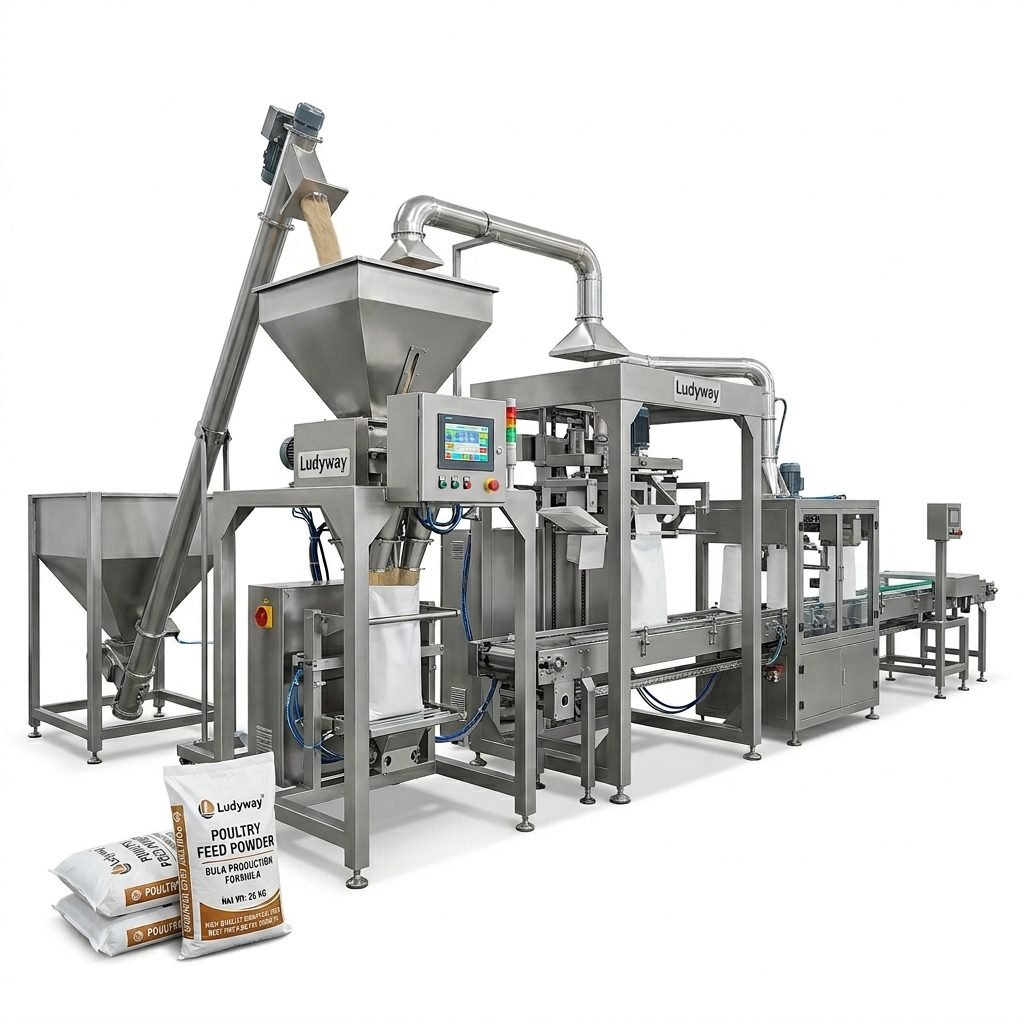
If you are adding a packing machine to an existing production line, ensure compatibility with upstream and downstream equipment. Conveyor heights, communication protocols, and physical footprint all need to align. For manufacturers seeking comprehensive solutions, some suppliers offer complete packaging machinery solutions including system integration and line design.
Industry 4.0 and Data Connectivity
Advanced machines increasingly offer IoT connectivity, remote diagnostics, and production data analytics. These features support predictive maintenance, OEE tracking, and continuous improvement initiatives that drive long-term efficiency gains.

Step 6: Budget and Total Cost of Ownership
The purchase price is only one component of the total investment. A comprehensive cost analysis should account for:
- Initial capital expenditure: Machine cost, shipping, installation, and commissioning.
- Operating costs: Energy consumption, compressed air requirements, and consumables such as sealing elements and filters.
- Maintenance and spare parts: Availability, cost, and lead time for wear components and critical spares.
- Changeover efficiency: Machines with quick-change features reduce downtime between product runs, translating to higher OEE.
- Training and support: Operator training, technical documentation, and ongoing support services.
Important: A lower upfront cost often masks higher long-term expenses. Evaluate lifetime cost rather than initial price when comparing machines from different manufacturers.
Step 7: Supplier Evaluation and Due Diligence
Selecting the right equipment supplier is as important as selecting the right machine. A reliable packaging machinery partner should demonstrate:
Industry Experience
Look for manufacturers with a proven track record in your specific industry. Packaging requirements differ considerably between pharmaceuticals, food, chemicals, and cosmetics. Industry-specific knowledge translates to better machine configuration and regulatory compliance.
Manufacturing and Engineering Capabilities
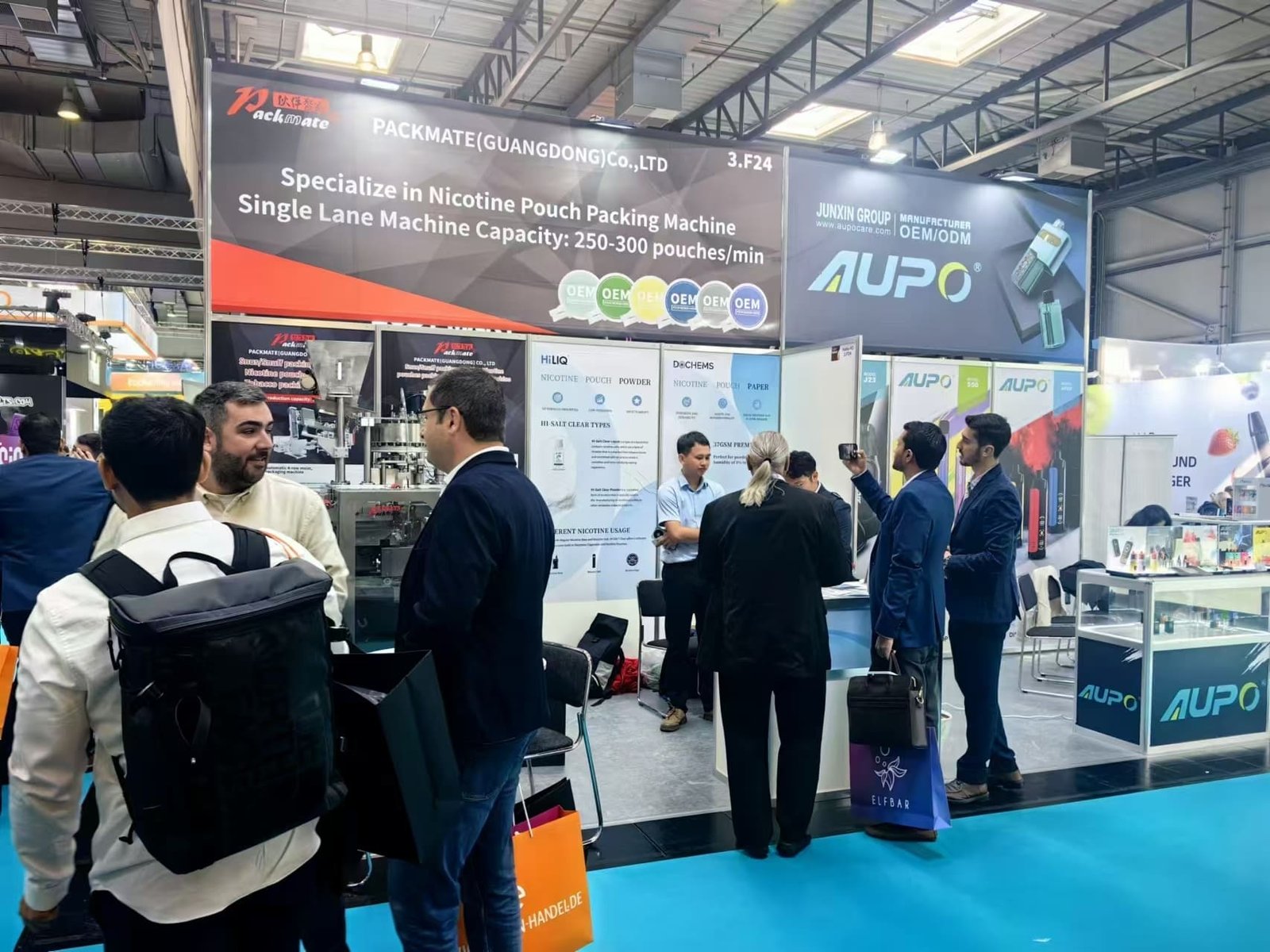
Suppliers with in-house manufacturing and engineering teams can provide better customization, faster response times, and more effective technical support. For instance, Ludyway Machinery, a China-based packaging machinery manufacturer with more than 30 years of industry experience and a 20,000-square-meter manufacturing facility, combines manufacturing expertise with engineering capabilities to deliver customized packaging solutions. The company serves customers in over 100 countries and regions, with export revenue expected to exceed RMB 500 million (approximately US$69 million) in 2025 and plans to surpass RMB 1 billion (approximately US$138 million) in 2026, as reported by industry news sources.
After-Sales Support
Technical support, spare parts availability, operator training, and remote assistance capabilities are essential for maintaining long-term equipment performance. Evaluate the supplier’s service infrastructure in your region before making a commitment.
References and Case Studies
Request references from customers with similar products and production requirements. Site visits or video demonstrations of comparable installations provide valuable insight into real-world machine performance.
Step 8: Compliance, Safety, and Certification Requirements
Depending on your industry and target markets, packaging machinery may need to comply with various international standards and regulations. Key areas include:
- Food safety: Machines handling food products should meet applicable hygiene design standards and facilitate cleaning and sanitation.
- Pharmaceutical compliance: Equipment used for drug products may require validation documentation and adherence to GMP guidelines.
- Electrical safety: Verify compliance with relevant electrical standards (CE, UL, CSA) for your region.
- Environmental regulations: Some jurisdictions have specific requirements regarding packaging waste and material usage, as outlined by the European Commission on Packaging Waste.
Request compliance documentation during the evaluation process and verify that certifications are current and applicable to your specific machine configuration.
Step 9: Testing and Validation Before Final Purchase
Before committing to a machine purchase, insist on product testing and validation. Most reputable manufacturers offer:
- Factory acceptance testing: Run your actual product on the proposed machine at the manufacturer’s facility to verify filling accuracy, seal integrity, and production speed.
- Sample production: Request packaged samples for evaluation of seal quality, package appearance, and shelf-life testing.
- Site acceptance testing: After installation, validate machine performance under your actual production conditions.
Thorough testing reduces the risk of unpleasant surprises after installation and helps establish realistic performance expectations.
Making the Final Decision
Choosing the right packing machine requires balancing technical specifications, commercial considerations, and supplier capabilities. The most successful equipment investments result from a structured evaluation process that prioritizes:
- Product compatibility and packaging format requirements
- Production speed and future scalability needs
- Material handling and sealing technology suitability
- Total cost of ownership, not just purchase price
- Supplier reliability, industry experience, and after-sales support
- Compliance with applicable standards and regulations
By systematically working through these steps, you position your business to select a packing machine that delivers reliable performance, strong ROI, and the flexibility to adapt as your production needs evolve. For further industry insights, resources from the PMMI packaging association and the Flexible Packaging Association provide ongoing market data and technical guidance for packaging professionals.