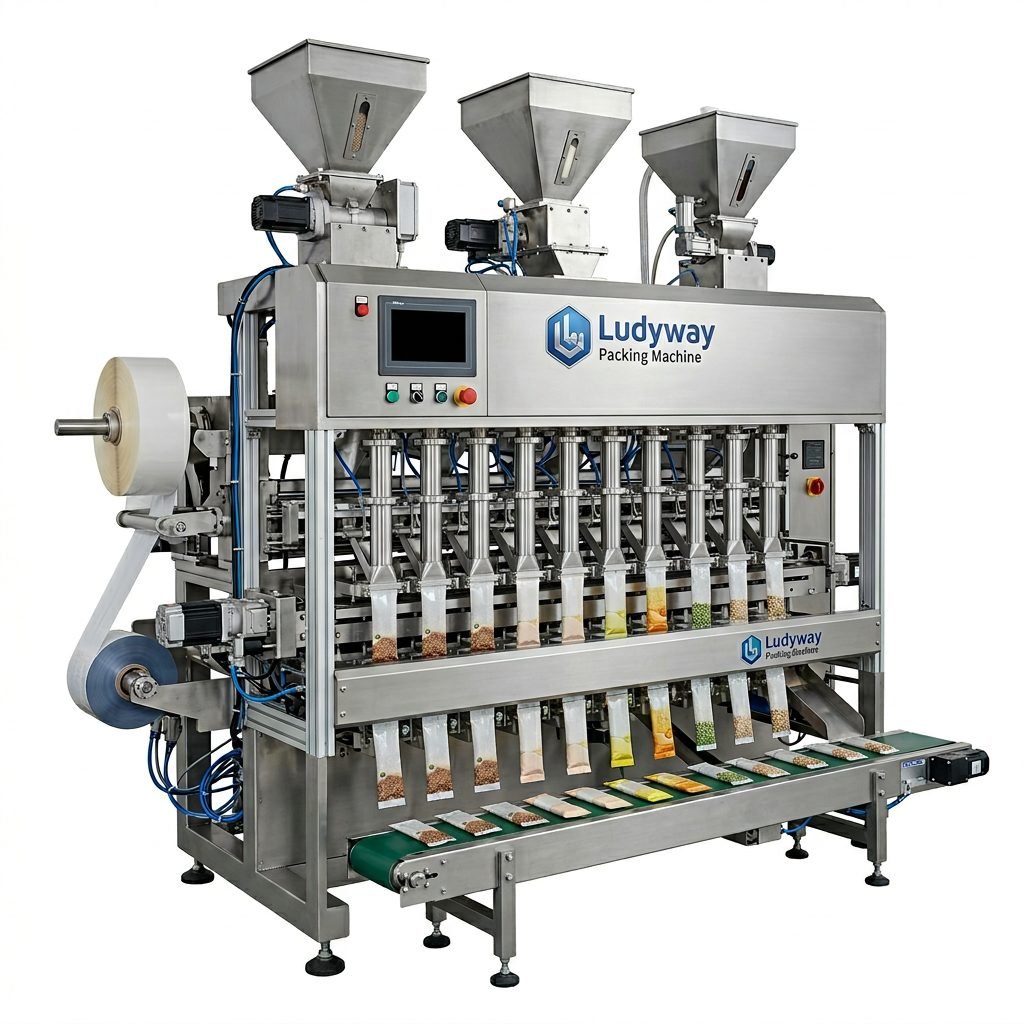
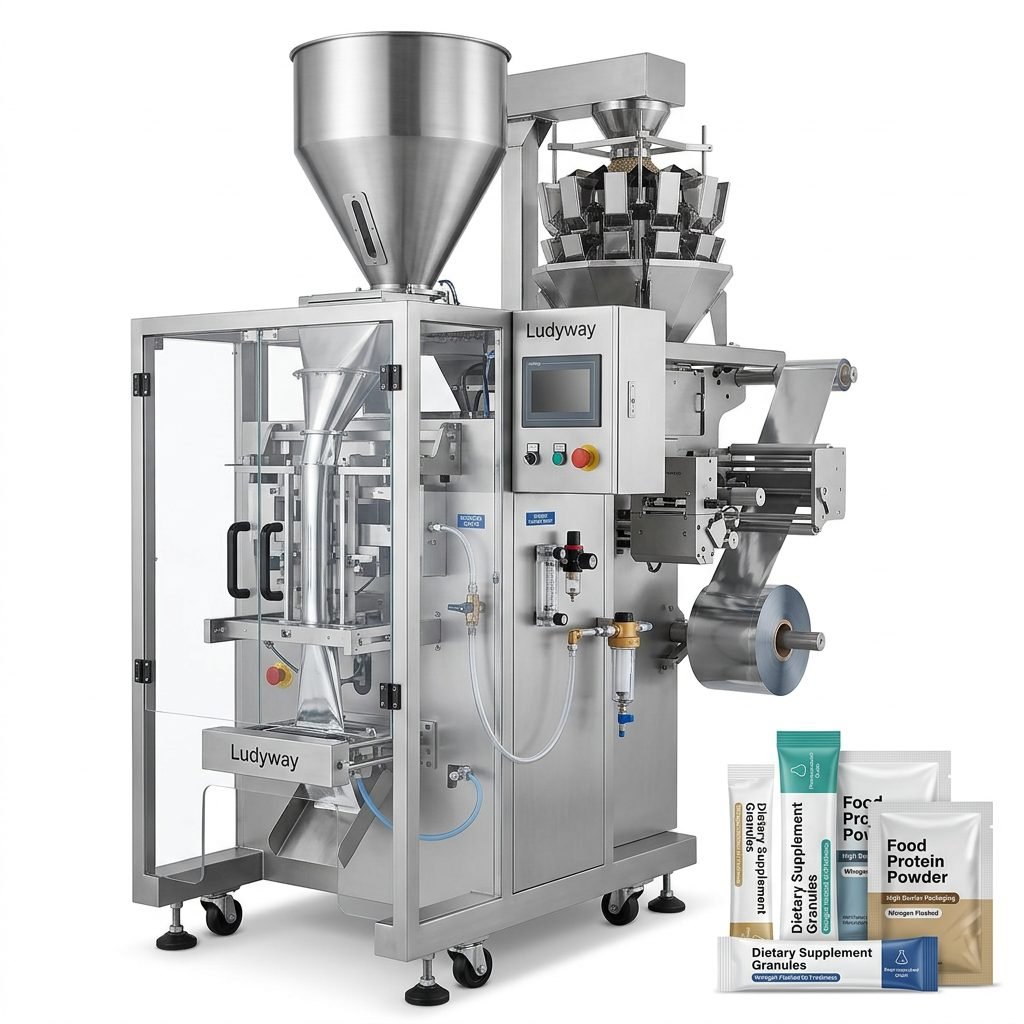
Finding the right small packing machine is not just about choosing the lowest price. A smart buyer compares machine type, production speed, material compatibility, labor savings, maintenance cost, and long-term return. Whether you package powders, granules, liquids, or pastes, the best affordable solution is the one that fits your real production needs without creating unnecessary costs later.
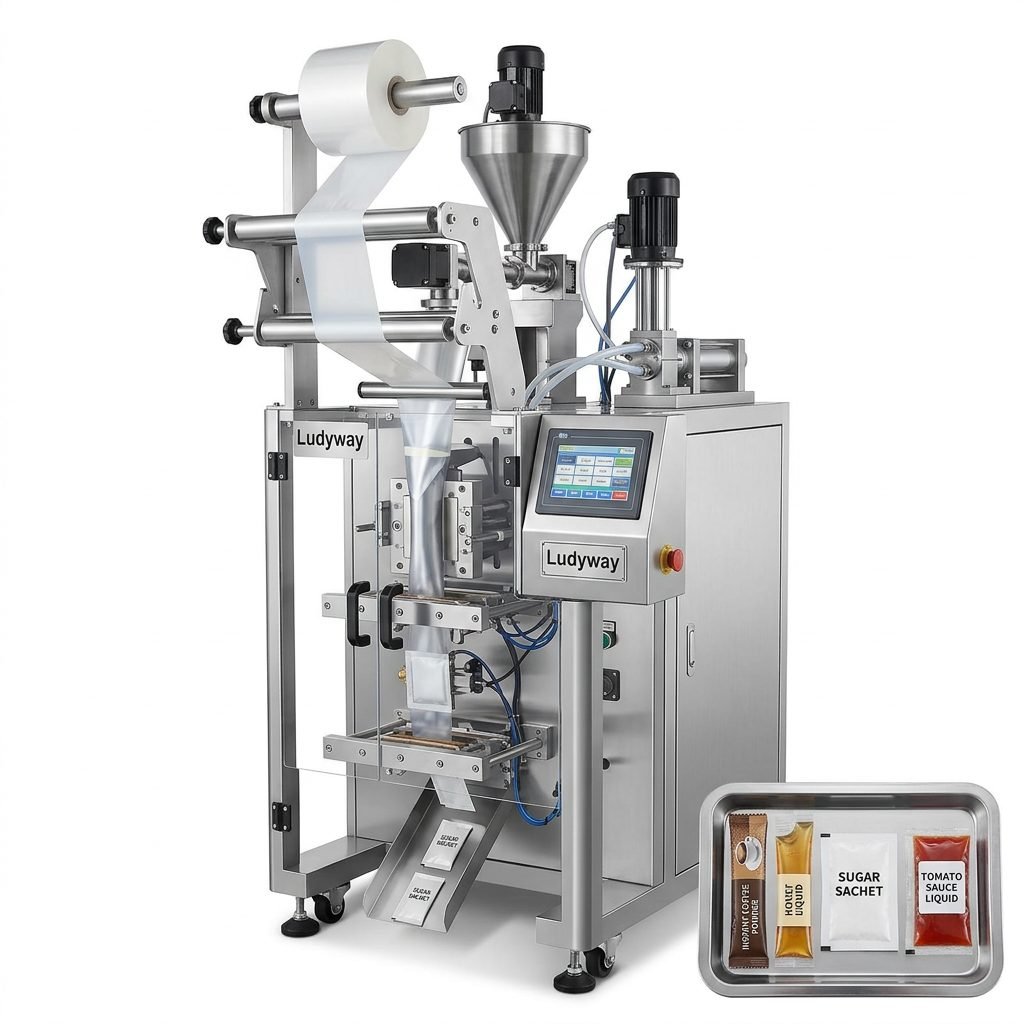
What Determines Small Packing Machine Price?
Small packing machine prices can vary widely because different machines are built for different packaging tasks. A compact semi-automatic filler is far more affordable than a fully automatic multi-lane system, even if both are considered “small” by factory standards.
- Product type: powder, granule, liquid, paste, tablets, or mixed materials
- Packaging format: sachets, stick packs, pouches, bottles, or bags
- Automation level: manual, semi-automatic, or fully automatic
- Output capacity: packs per minute and operating hours per day
- Machine material: standard steel vs. stainless steel for food or pharma use
- Accuracy requirements: especially important for pharma and nutritional products
- Optional functions: coding, date printing, nitrogen flushing, counting, checkweighing, and cartoning
- Customization: unusual bag sizes, special films, or integrated line design
In other words, price should always be reviewed together with functionality and production value, not as a standalone number.
Typical Price Range by Machine Type
| Machine Type | Typical Affordability Level | Best For | Cost Notes |
|---|---|---|---|
| Manual or tabletop filling machine | Low | Startups, testing, small batch production | Lowest entry cost but more labor needed |
| Semi-automatic packing machine | Low to medium | Growing businesses with limited budget | Good balance of cost and productivity |
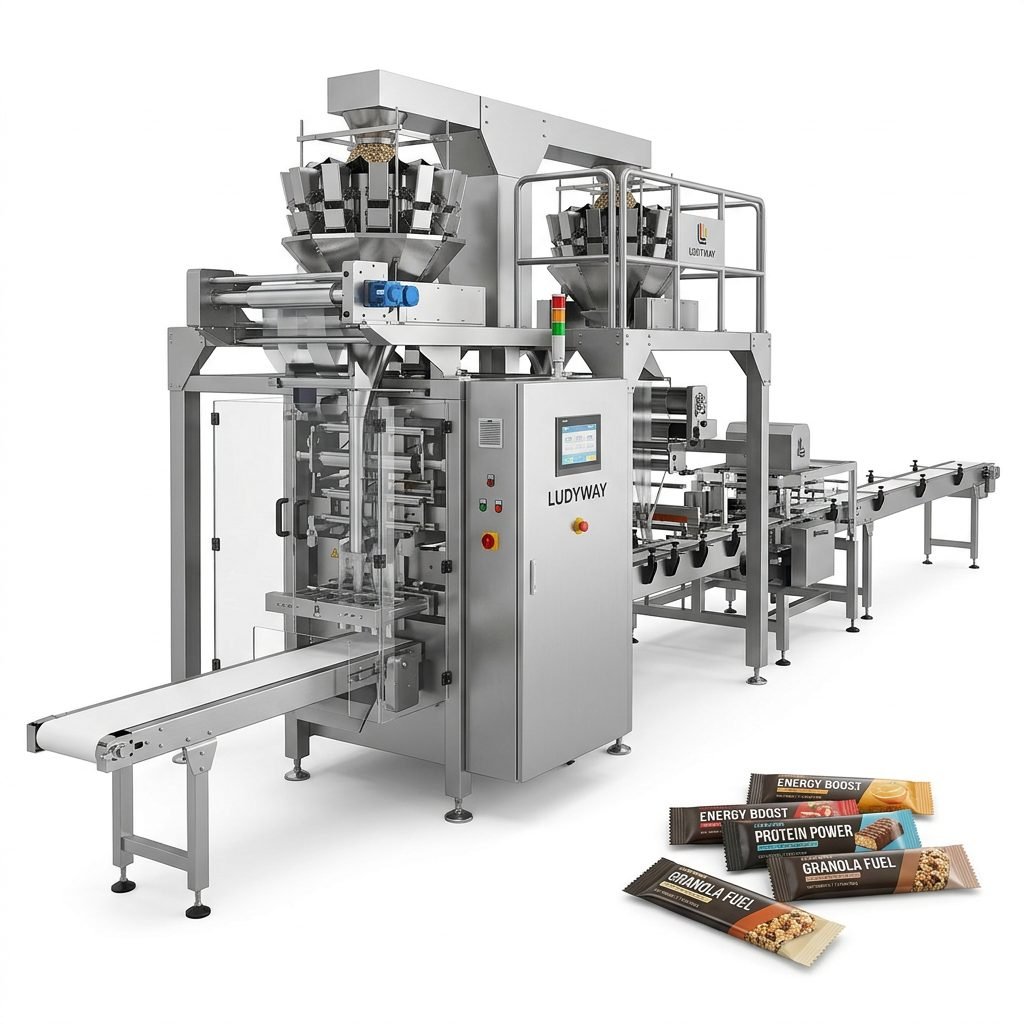
| Vertical form fill seal machine | Medium | Powders, granules, snacks, seeds | Strong value for scalable production |
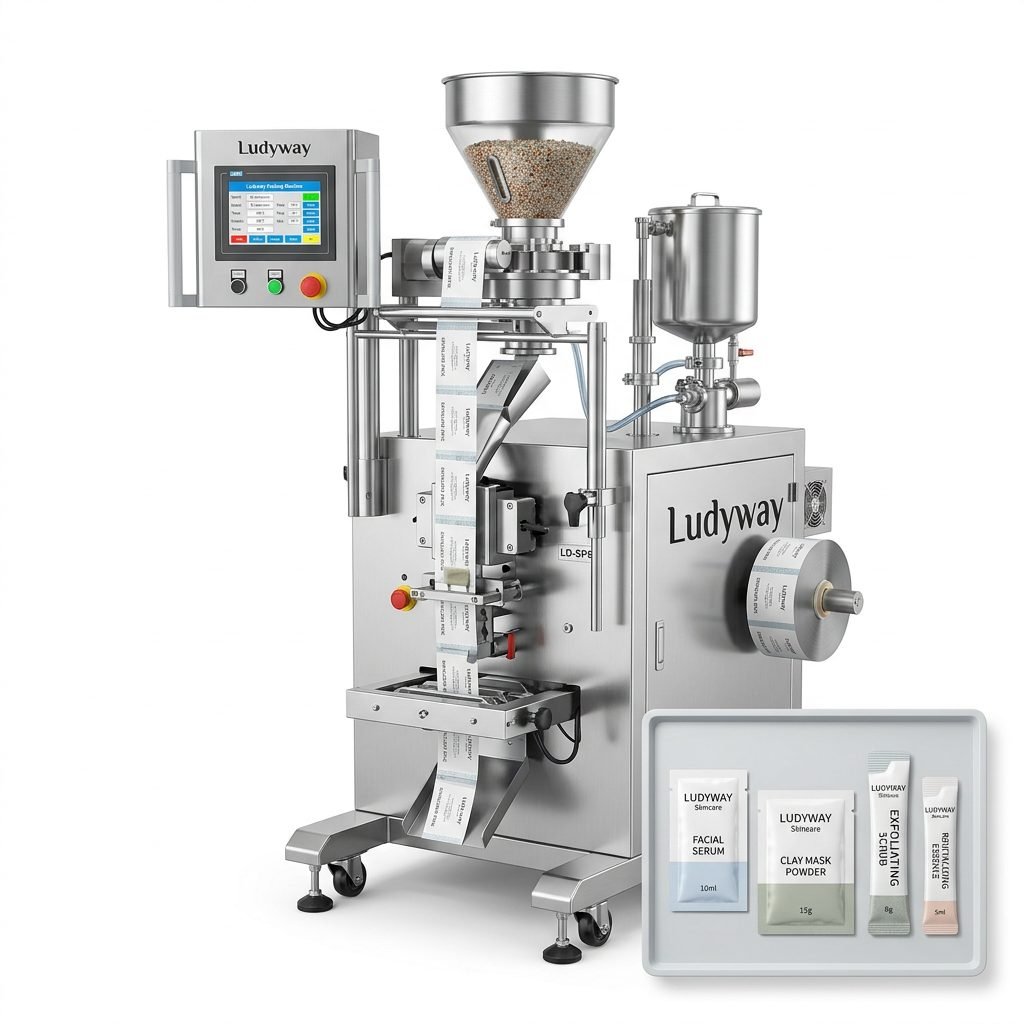
| Small sachet packing machine | Medium | Food condiments, cosmetics, pharma samples | Price depends on filling system and sealing quality |
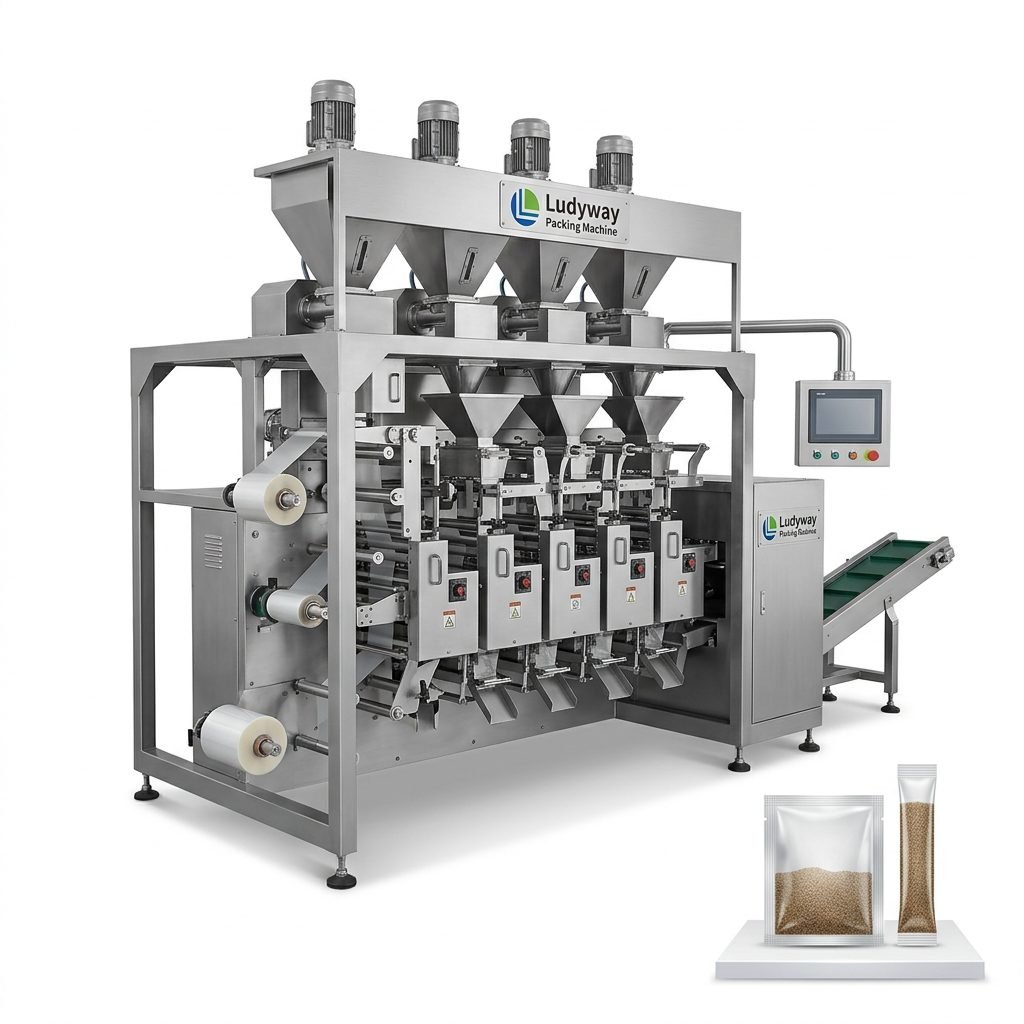
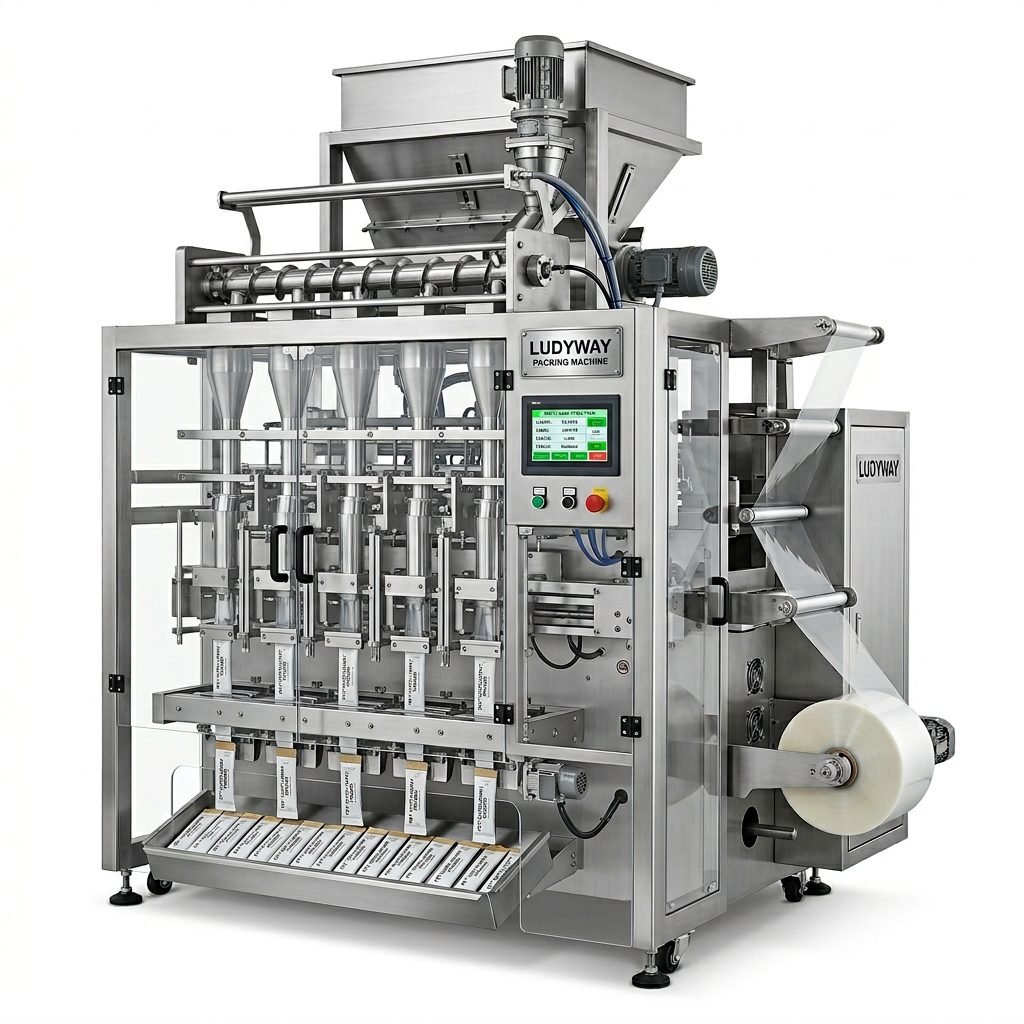
| Multi-lane stick pack machine | Medium to high | High-speed single-dose packaging | Higher upfront investment, lower unit cost |
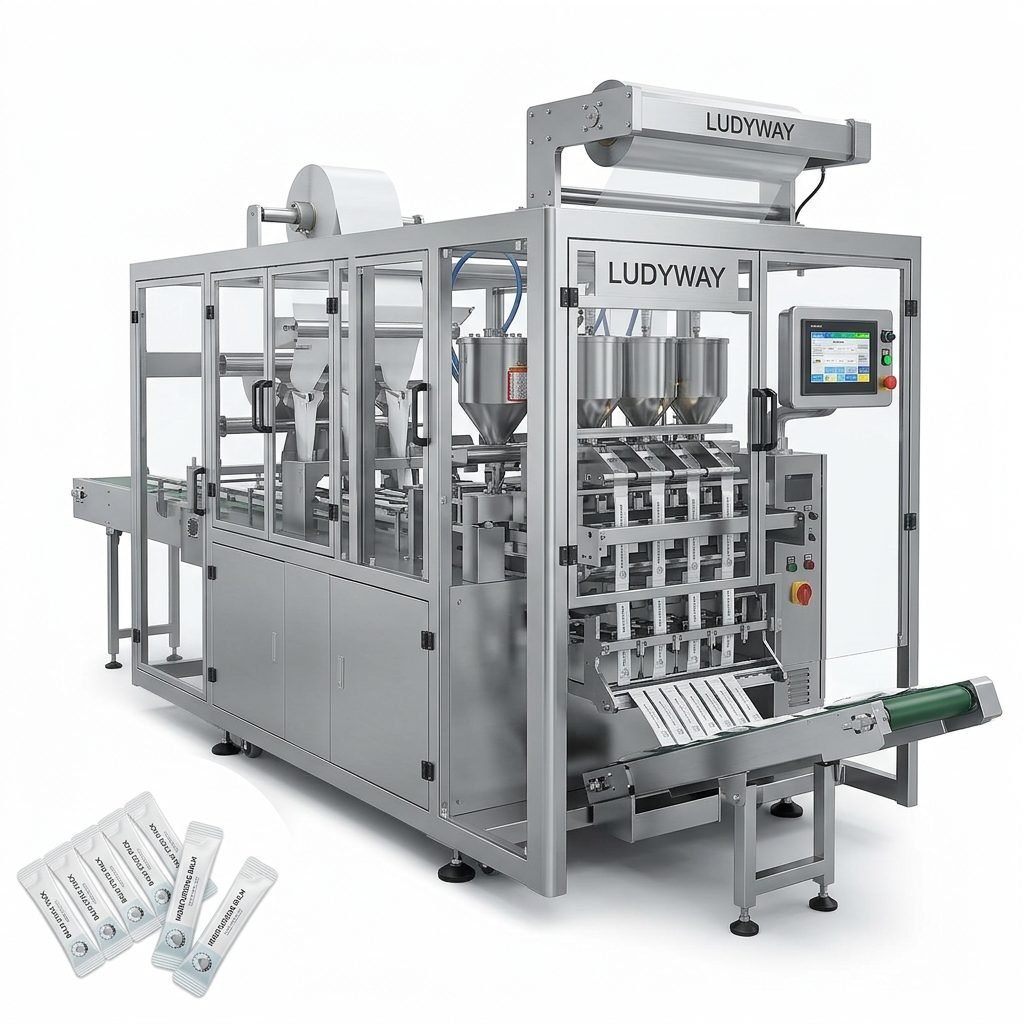
| Integrated small packaging line | High | Businesses planning automation upgrades | Best for long-term labor and efficiency savings |
How to Choose the Best Affordable Packaging Solution
The most affordable machine is not always the cheapest to buy. It is the one that gives you stable production, acceptable maintenance costs, and room to grow. Use the following decision points before requesting quotations.
1. Match the Machine to Your Product Characteristics
Packaging powders, liquids, and granules requires different dosing systems. If the machine is not properly matched to the product, you may face leakage, inaccurate filling, material waste, and sealing problems.
- Choose auger fillers for fine powders.
- Choose volumetric cups or weighing systems for granules.
- Choose piston pumps or liquid pumps for liquids and pastes.
- Check whether your product is sticky, dusty, corrosive, or heat-sensitive.
2. Estimate Real Output, Not Ideal Output
Many buyers overestimate their current demand and pay for capacity they do not use. Others buy too small and then quickly need an upgrade. A better approach is to calculate daily production volume, shift length, and expected growth over the next 12 to 24 months.
| Production Stage | Recommended Choice | Why |
|---|---|---|
| Startup / trial market | Compact semi-automatic machine | Lower initial investment and easy testing |
| Stable small business | Single-lane automatic machine | Improves consistency and lowers labor dependence |
| Fast growth brand | Multi-lane or integrated solution | Better speed, lower cost per pack, scalable output |
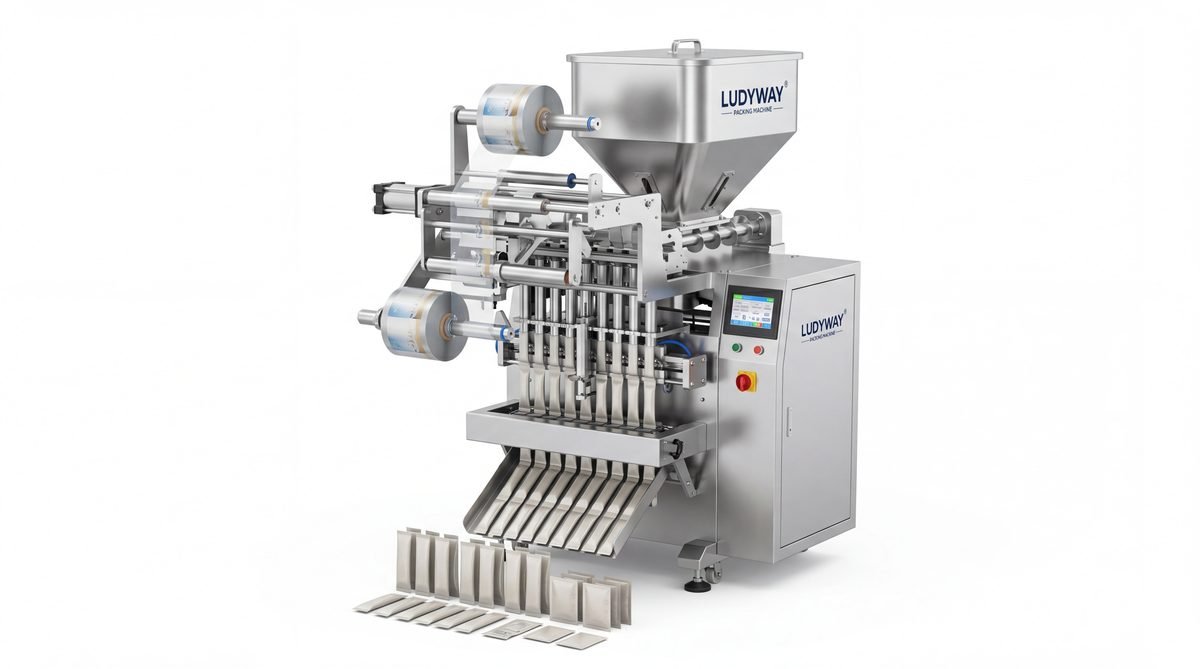
3. Compare Total Cost of Ownership
A lower-priced machine can become expensive if it has poor dosing accuracy, frequent downtime, difficult spare parts supply, or high material waste. The better metric is total cost of ownership, including:
- Machine purchase cost
- Installation and shipping
- Operator training
- Film and packaging material compatibility
- Energy use
- Consumable parts and maintenance
- Downtime risk
- Future upgrade capability
If a machine reduces waste and labor while maintaining stable sealing quality, it may be far more affordable over time than a cheaper unit with weak performance.
4. Check Packaging Material Compatibility
Some machines work well only with a narrow range of film structures. If you use aluminum foil laminate, paper-plastic composite, recyclable materials, or special barrier films, ask for compatibility tests before buying. This is especially important for food freshness, pharmaceutical stability, and premium sample packaging.
5. Prioritize Easy Operation and Maintenance
A machine that is simple to operate can save far more than its purchase discount. User-friendly controls, recipe memory, convenient cleaning access, and quick changeover all reduce hidden labor costs. This matters even more for businesses with small teams.
Best Small Packing Machines for Different Industries
Food Packaging
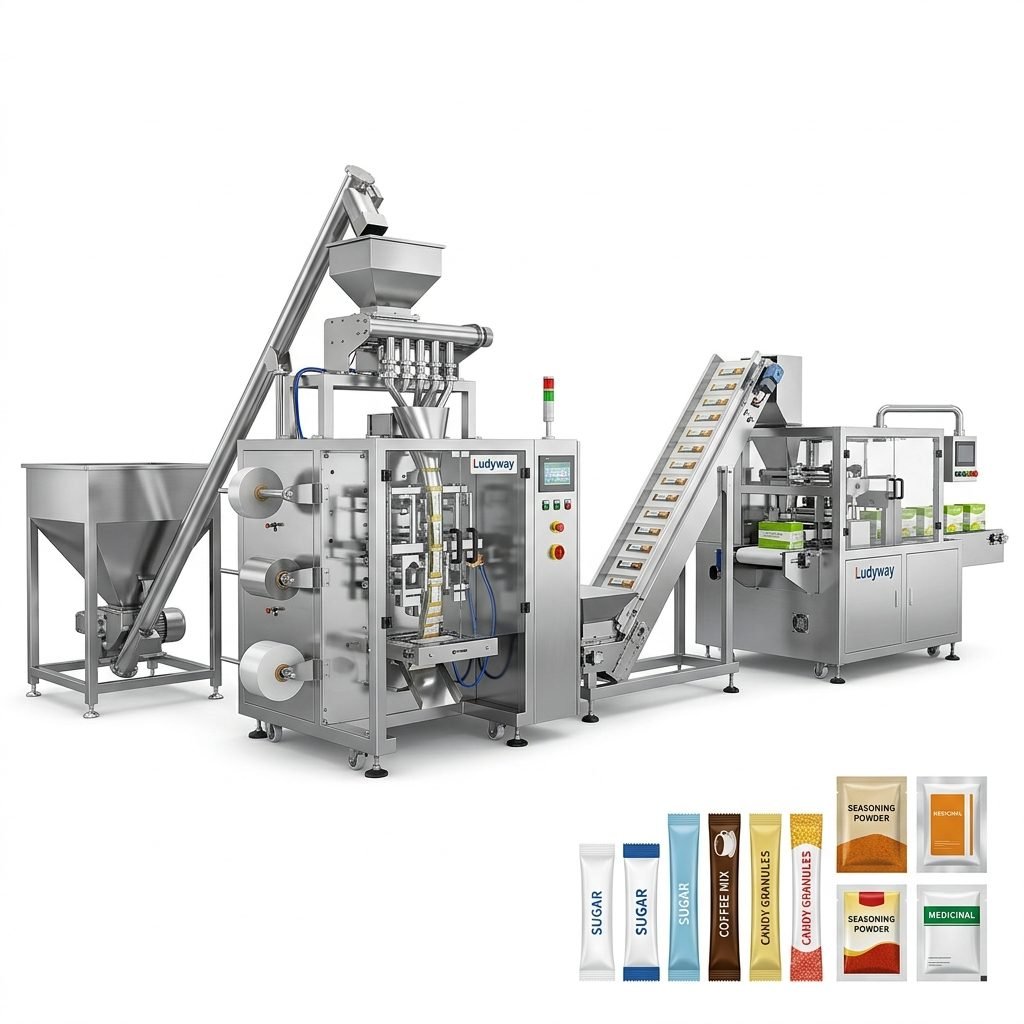
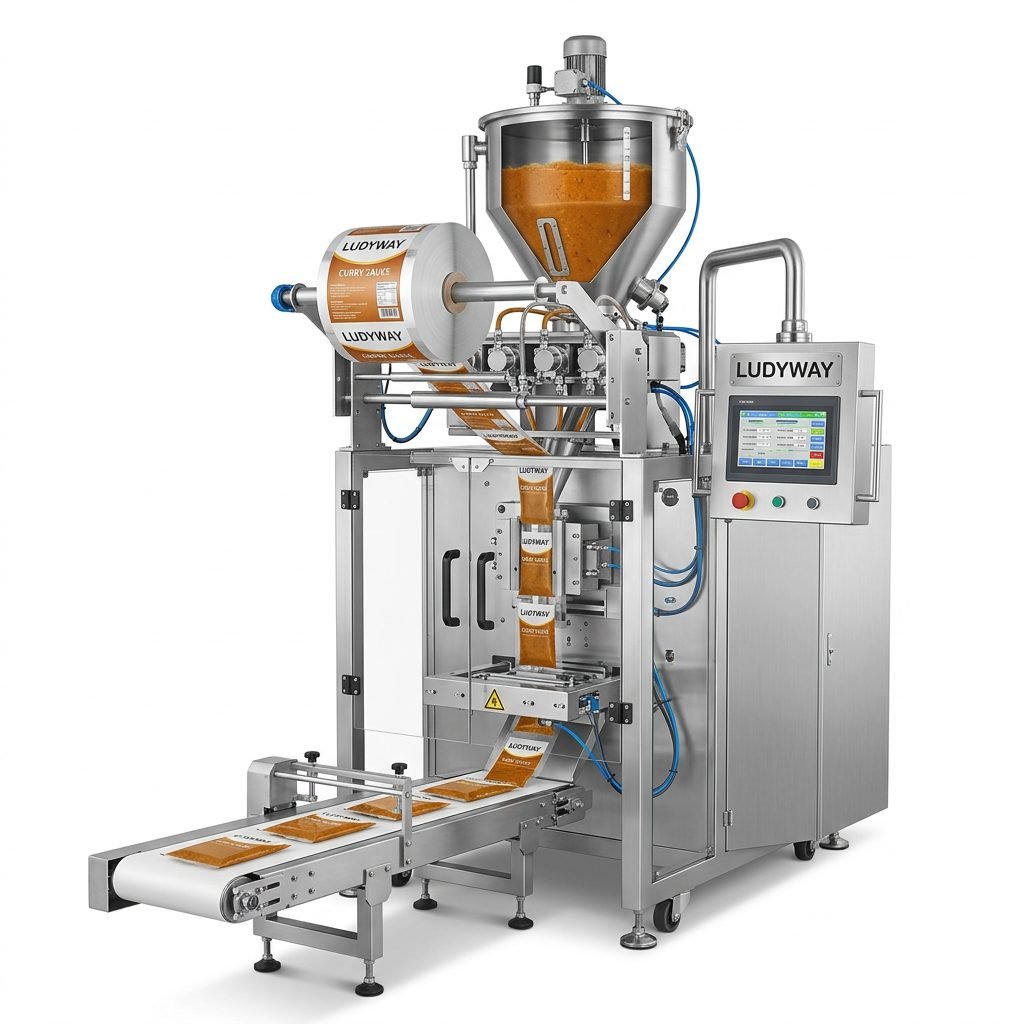
For spices, sugar, coffee, protein powder, sauces, snacks, or seasoning, compact sachet and stick pack machines are often the best value. They reduce manual contact, improve shelf appearance, and support retail-friendly single-use packaging.
Pharmaceutical and Health Supplement Packaging
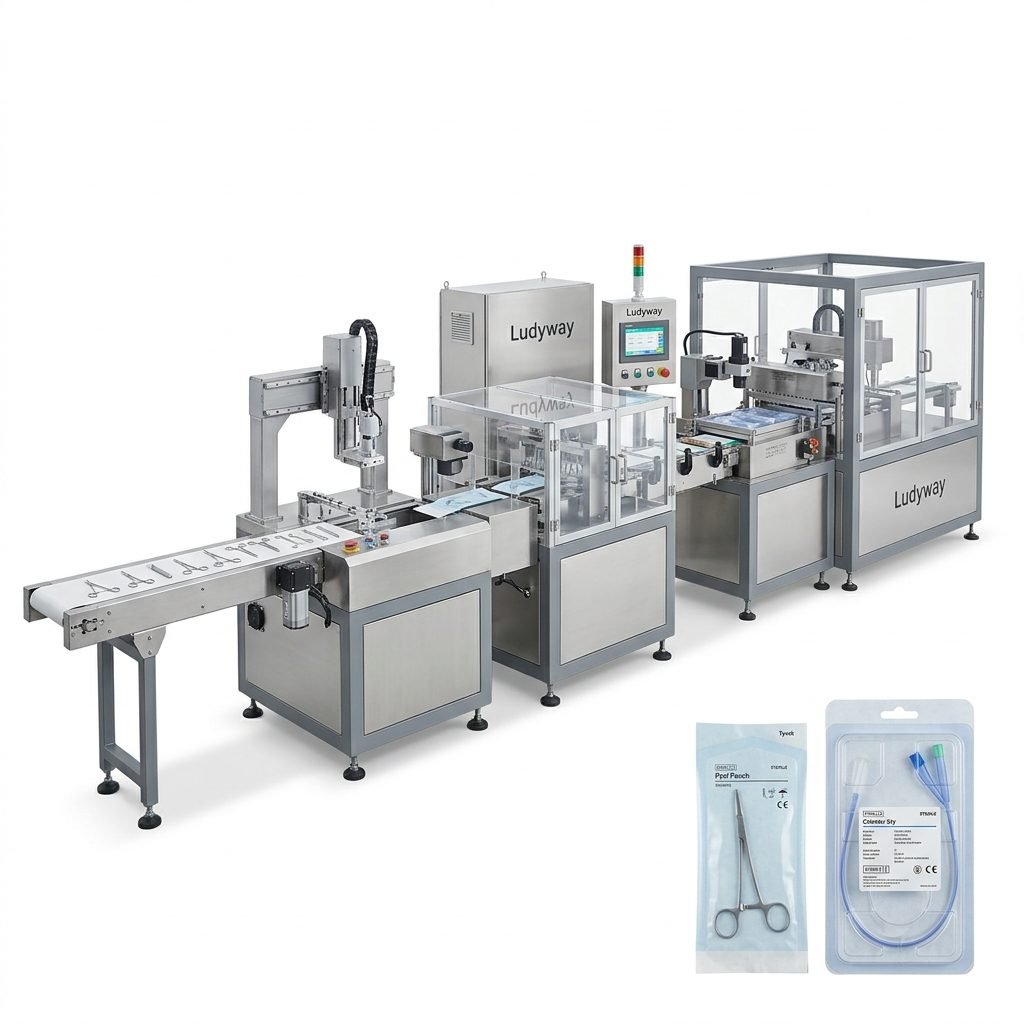
For oral powders, granules, electrolyte mixes, and supplement sachets, accuracy and cleanliness are critical. In these sectors, buyers should prioritize precision dosing, stainless steel contact parts, and validation-friendly design.
Cosmetic and Personal Care Packaging
For creams, serums, masks, shampoo, and lotion sachets, sealing stability and neat appearance are major concerns. Small automatic liquid and paste packing machines are ideal for travel-size and sample packaging.
Chemical and Household Product Packaging
For detergent powder, cleaning liquid, additives, and industrial granules, material resistance and leak prevention matter most. Here, choosing the right pump, seal structure, and corrosion-resistant contact parts can prevent expensive maintenance issues.
Common Mistakes When Comparing Prices
- Choosing only by the lowest quotation
- Ignoring output matching and future demand
- Not confirming sample testing before purchase
- Overlooking spare parts and after-sales support
- Missing changeover time for different pack sizes
- Forgetting compliance needs for food or pharma production
A machine quote may look attractive at first, but if it lacks suitable filling accuracy or reliable support, the real operating cost can rise quickly.
Questions to Ask Before You Buy
| Question | Why It Matters |
|---|---|
| What products can this machine handle? | Prevents mismatch between machine and material |
| What is the real speed under working conditions? | Avoids unrealistic capacity assumptions |
| What filling accuracy can be achieved? | Reduces giveaway and quality complaints |
| Can it handle my packaging film? | Ensures stable sealing and appearance |
| How long does changeover take? | Important for multiple SKUs and small batches |
| What support is available after delivery? | Minimizes downtime and repair delays |
When a Slightly Higher Price Is Worth It
Paying a bit more often makes sense when the machine offers:
- Higher filling accuracy
- Better sealing consistency
- Food- or pharma-grade construction
- Faster changeovers
- More stable long-hour operation
- Broader product adaptability
- Reliable technical support and spare parts
These factors can improve packaging quality, reduce labor pressure, and support business growth. That is why experienced buyers often look for the best value, not just the lowest figure.
Choosing a Reliable Supplier for Better Long-Term Value
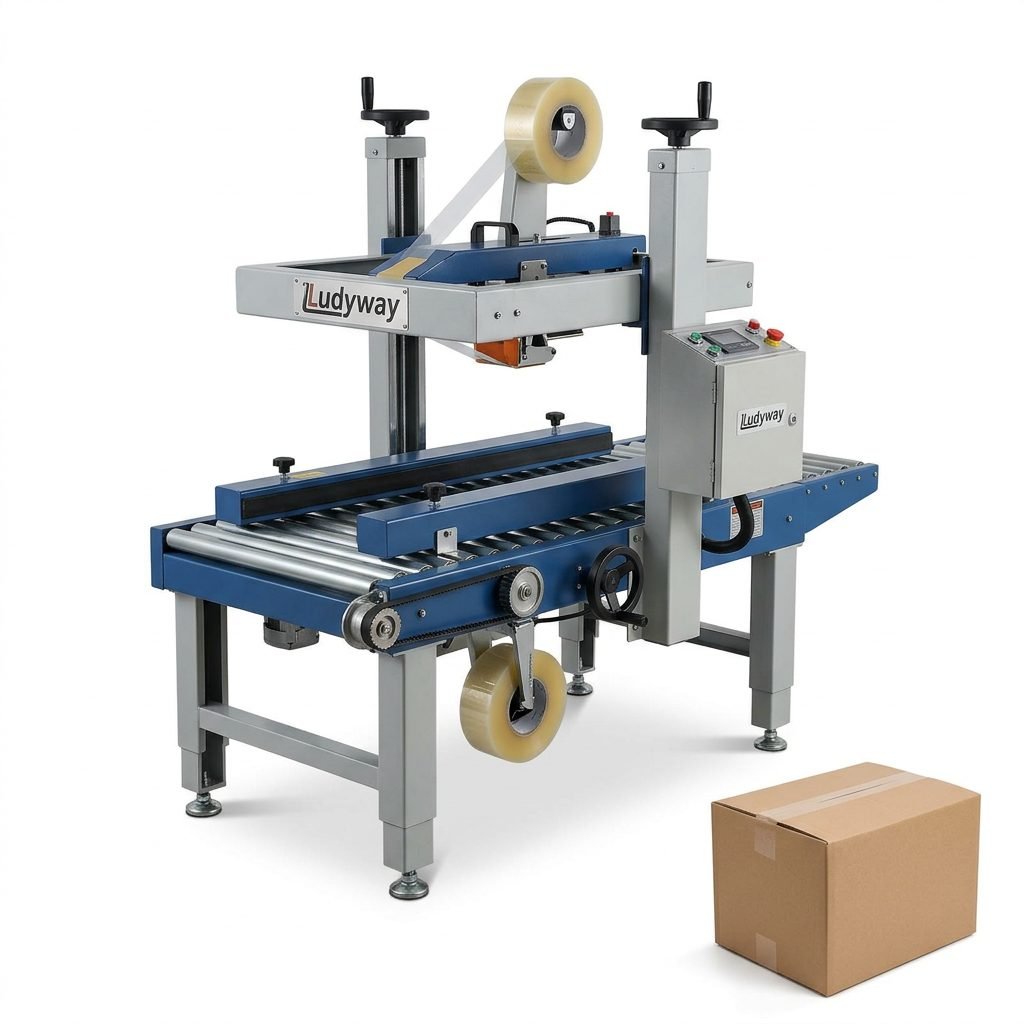
An affordable packaging solution also depends on the supplier behind the machine. A manufacturer with strong engineering capability, product range, and export experience can help you choose the right model instead of overselling or under-configuring the equipment. For buyers needing compact machines, sachet systems, stick pack solutions, or scalable automation, Ludyway small packing machine solutions are often considered by global customers looking for a balance of price, customization, and long-term production support.
Final Buying Advice
To choose the best affordable small packing machine, start with your product type, package format, target output, and growth plan. Then compare not only machine price, but also accuracy, ease of operation, maintenance, and service support. The right machine should help you pack efficiently, reduce waste, and scale profitably. That is the real meaning of affordability in packaging automation.