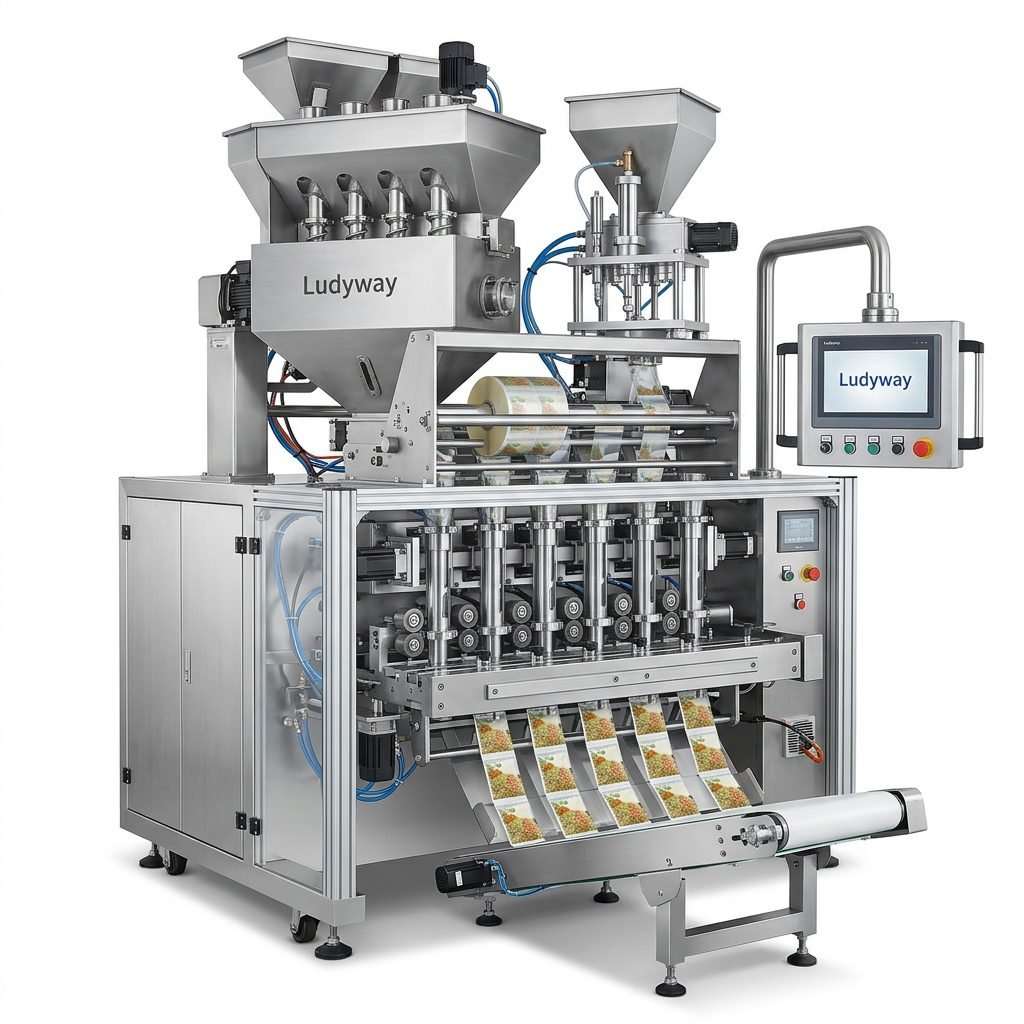
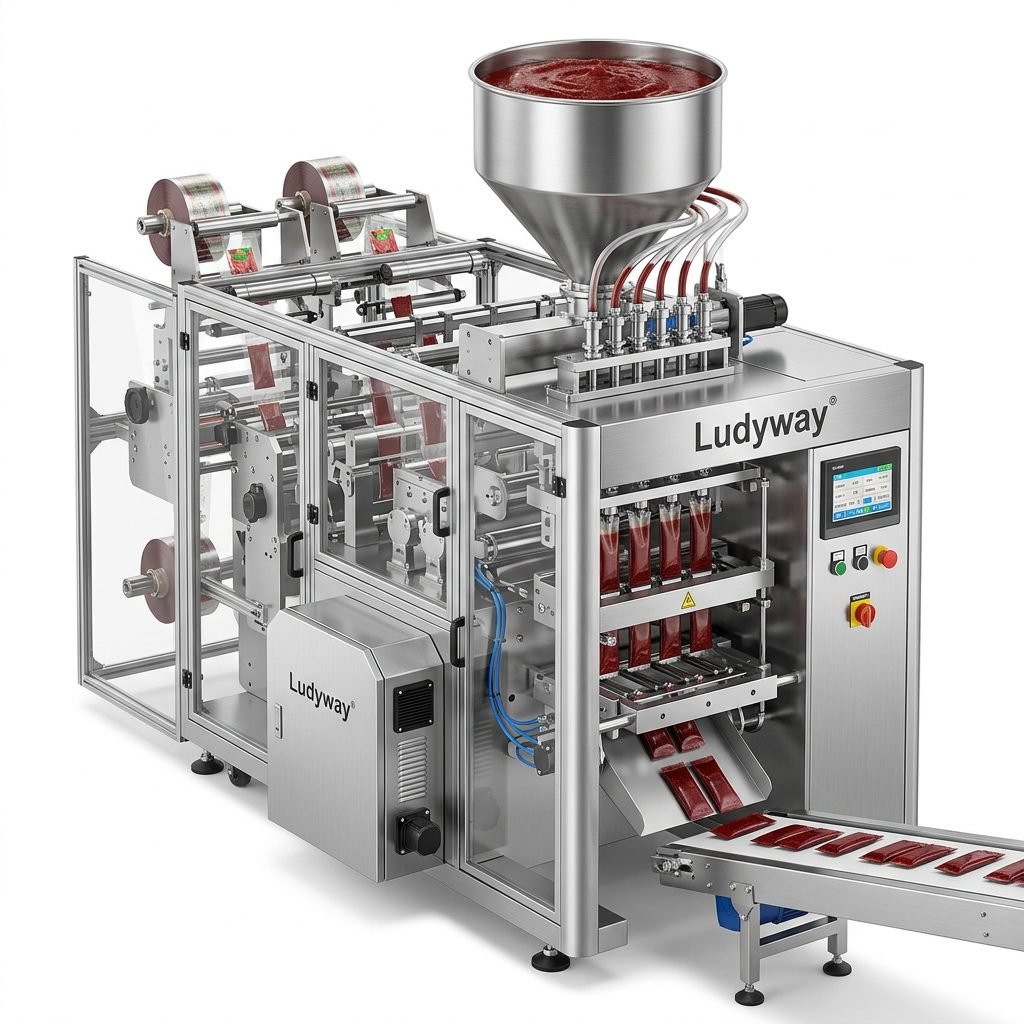
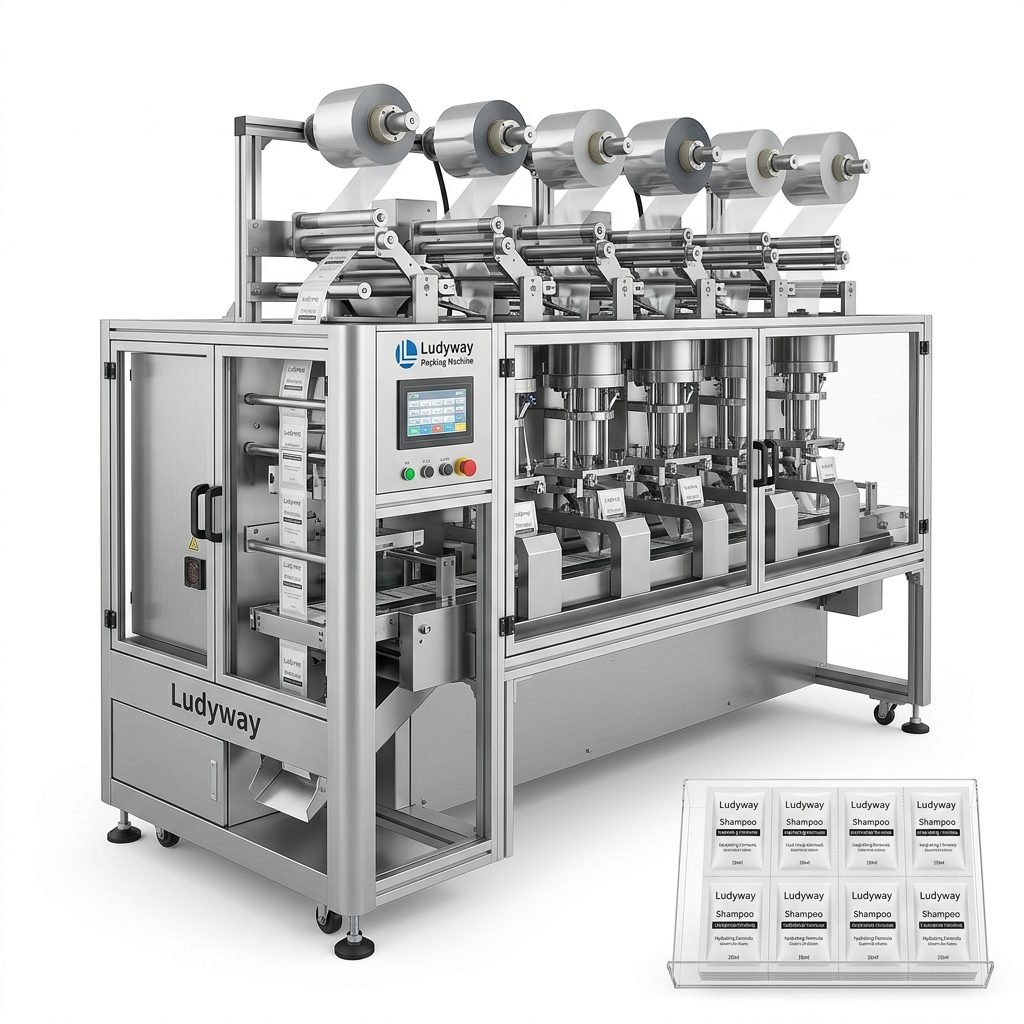
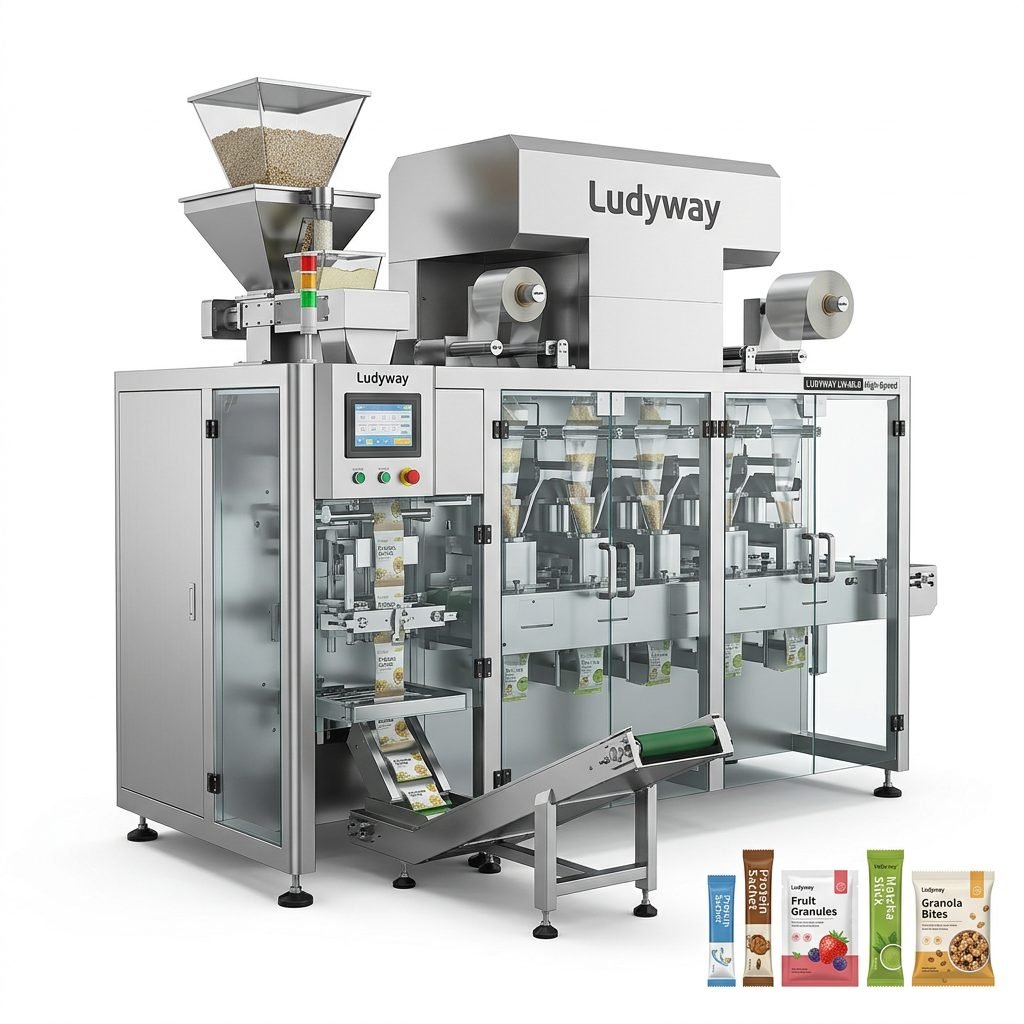
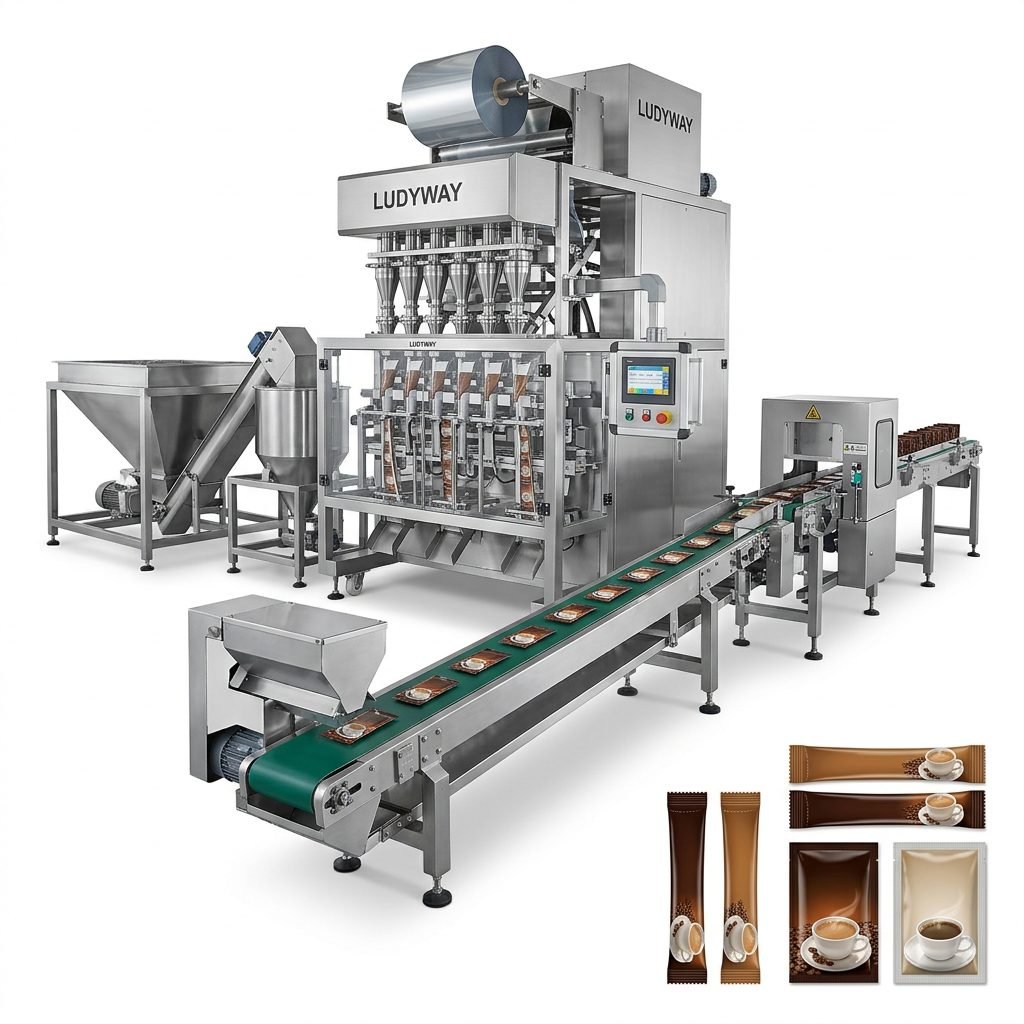
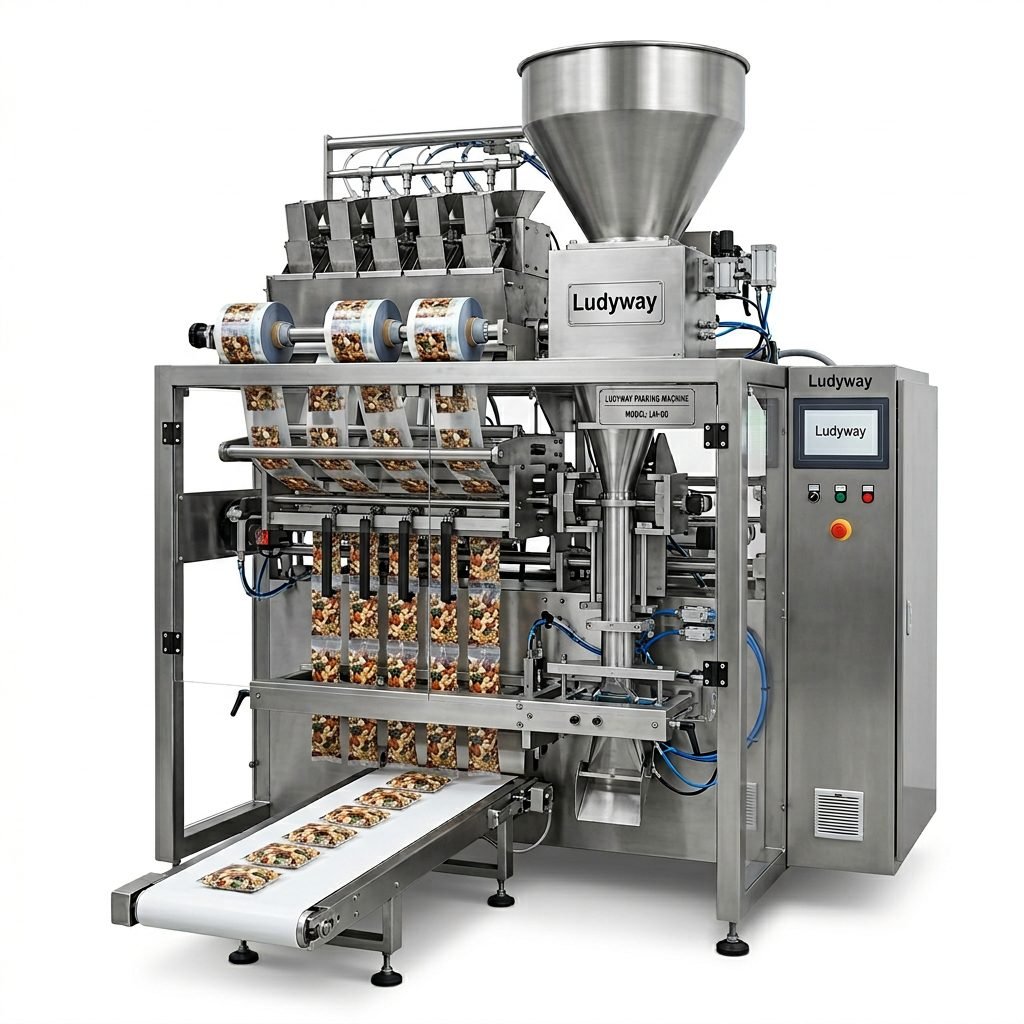
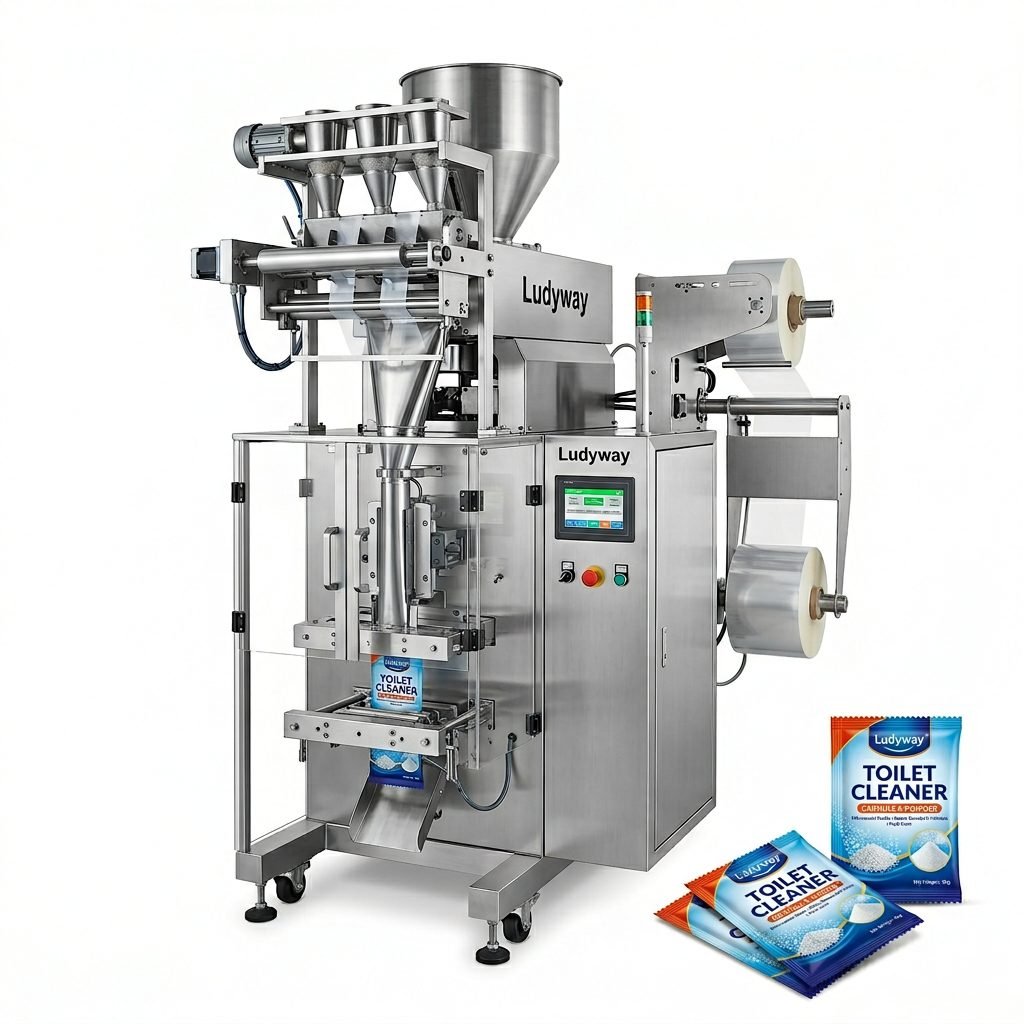
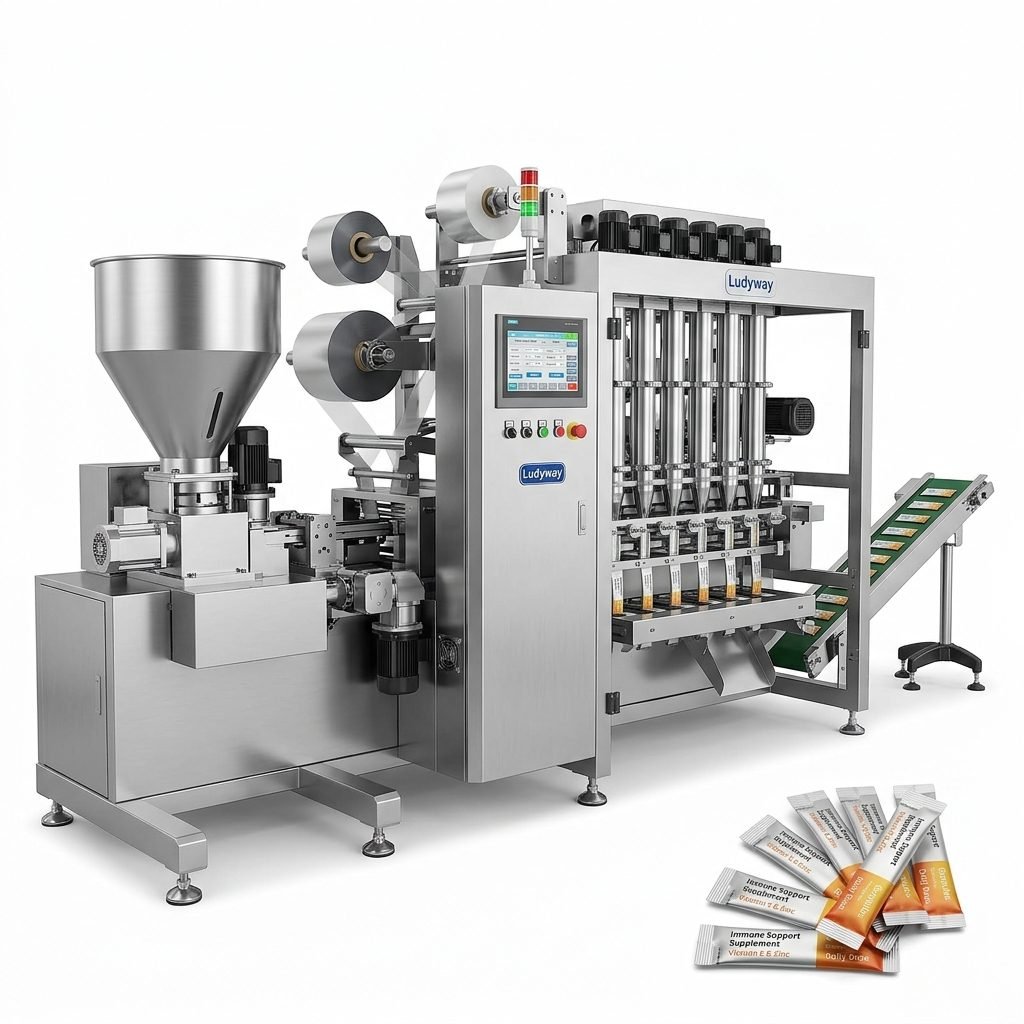
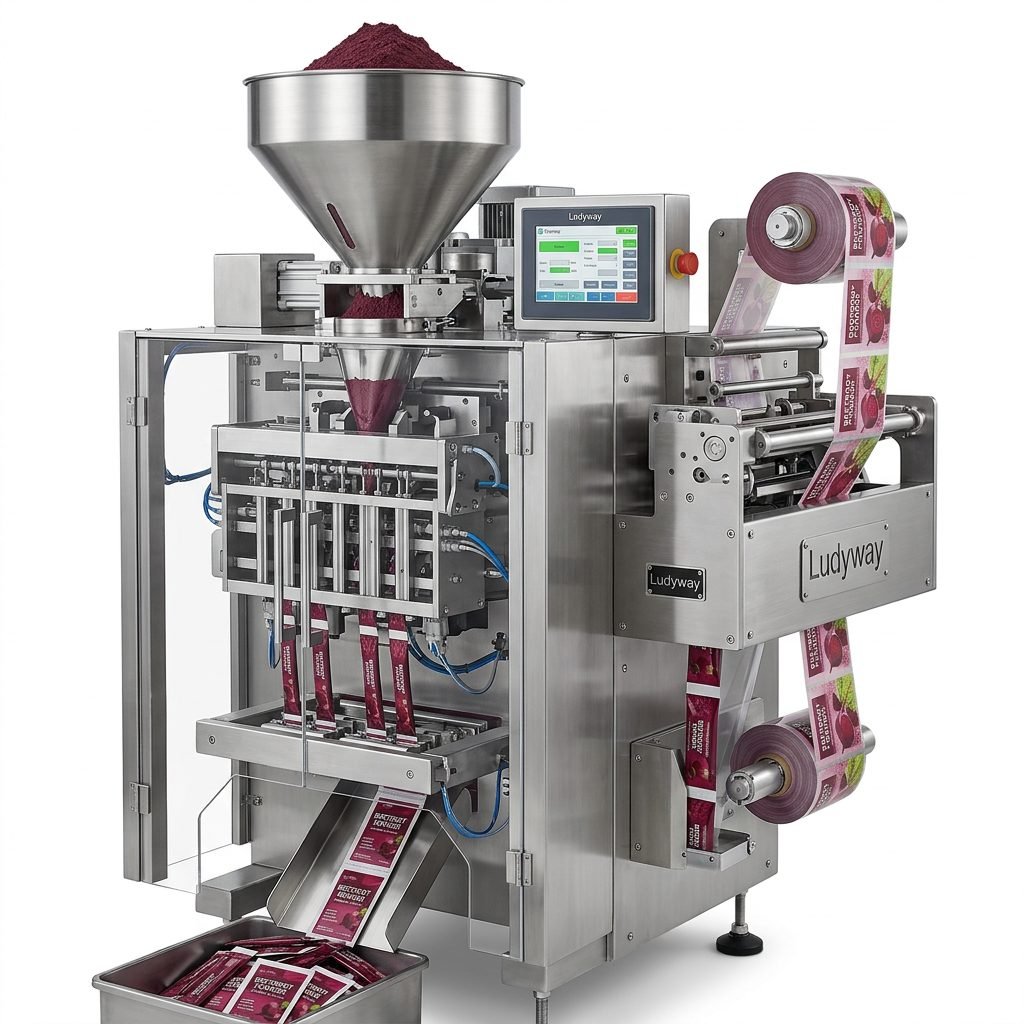
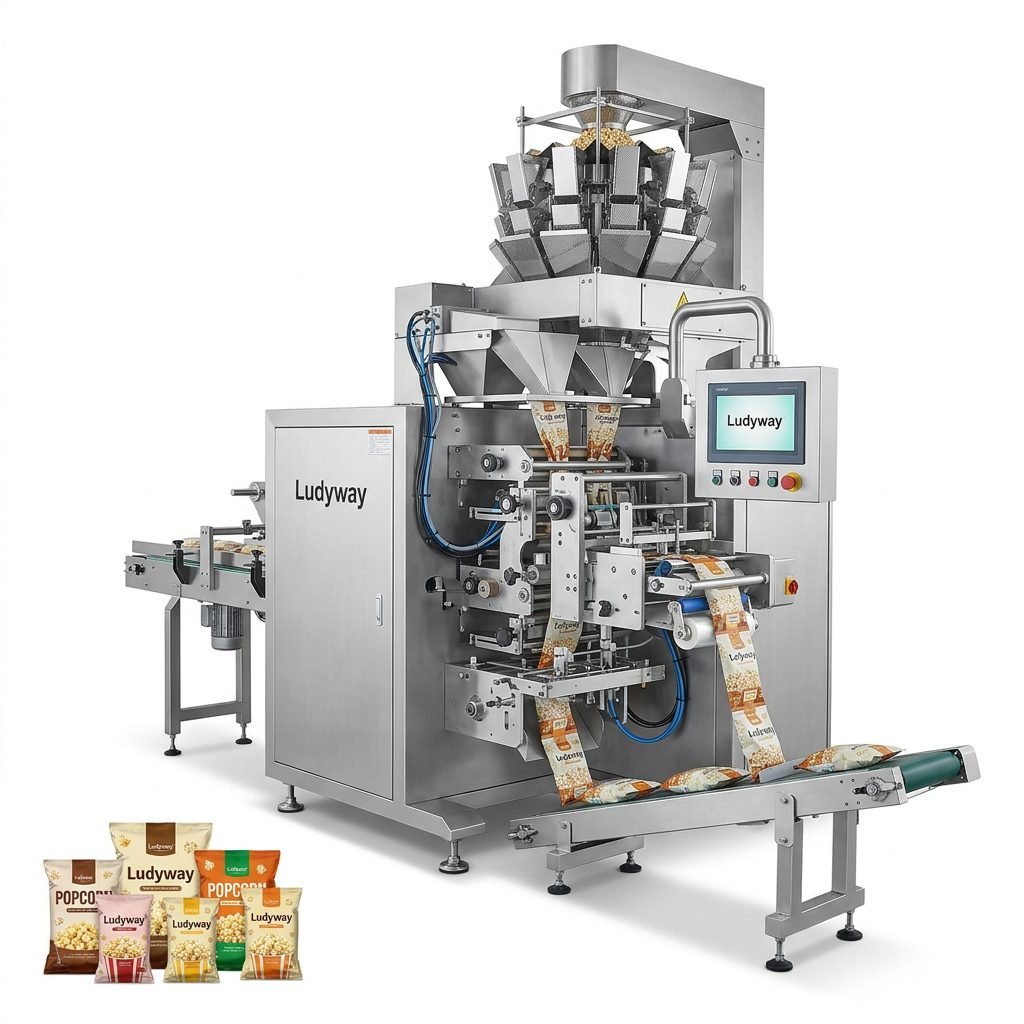
Selecting the right single dose packaging machine is a critical decision for manufacturers in the pharmaceutical, nutraceutical, and food supplement industries. This guide provides a comprehensive framework to help you evaluate and choose the best unit dose packing solution for your specific production needs, ensuring efficiency, compliance, and product integrity.
Understanding Single Dose Packaging
Single dose, or unit dose, packaging involves sealing a precise quantity of product—be it powder, granules, or liquid—into individual packets. This format is paramount for ensuring accurate dosing, maintaining product freshness, preventing contamination, and enhancing user convenience. Common applications include pharmaceutical powders, instant drink mixes, dietary supplements, and condiments.
Key Advantages of Unit Dose Packaging:
- ✓ Dosage Accuracy: Eliminates measuring errors for end-users and ensures consistent active ingredient delivery.
- ✓ Enhanced Hygiene & Safety: Each dose is hermetically sealed, protecting against moisture, oxygen, and microbial contamination.
- ✓ Improved Stability: Extends shelf life by shielding the product from environmental factors until the moment of use.
- ✓ Portability & Compliance: Ideal for on-the-go consumption and helps patients adhere to medication schedules.
Core Factors for Machine Selection
Your choice must align with your product characteristics, output goals, and operational environment. Consider these essential factors.
1. Product Type and Characteristics
The physical properties of your product dictate the machine’s feeding and dosing system. Free-flowing powders (like protein) work well with auger fillers, while cohesive powders (like spices) may require a vibratory or cup filler. Granules and small solids often use volumetric cup fillers, and liquids & pastes necessitate pumps for precise volumetric or weight-based filling.
2. Production Speed and Output Requirements
Calculate your required output in packs per minute (PPM). Machines range from semi-automatic tabletop models (20-60 PPM) for low-volume or R&D to fully automatic, multi-lane systems (200-800+ PPM) for high-volume production. Ensure the machine can scale with your future growth.
3. Packaging Material and Format
Determine your sachet material (e.g., laminated foil, paper, PET/PE) and the desired sachet style (e.g., pillow pack, 3-side seal, 4-side seal). The machine must be compatible with your chosen material’s thickness and have robust sealing jaws (often with adjustable temperature and pressure) to ensure perfect, leak-proof seals every time.
Pro Tip: Flexibility Matters
If you plan to run multiple products or change sachet sizes frequently, prioritize machines with quick-change parts and recipe memory functions. This minimizes downtime during changeovers and boosts overall equipment effectiveness (OEE).
4. Automation Level and Integration
Evaluate your available labor and desired workflow. A fully integrated line might include an automatic film unwinder, dosing system, bag maker, sealing unit, and a date coder or vision inspection system. Integration with upstream (e.g., mixing) and downstream (e.g., cartoning) equipment is also crucial for a seamless turnkey production line.
5. Compliance and Validation Needs
For pharmaceutical or regulated food products, the machine must meet stringent standards. Look for features like GMP-compliant design (easy-to-clean stainless steel surfaces, rounded corners), validation documentation (IQ/OQ/PQ protocols), and the ability to generate comprehensive production reports for traceability.
Evaluating Machine Features and Build Quality
Beyond specifications, the machine’s construction and components determine long-term reliability.
Dosing System Precision
The heart of the machine. Servo-driven auger fillers offer the highest accuracy for powders, often within ±1% tolerance. Check if the system allows for gross and fine feed adjustments and has anti-bridging mechanisms for difficult products.
Control System and HMI
A user-friendly, touch-screen Human-Machine Interface (HMI) is essential. It should allow for easy parameter setting, real-time monitoring of speed, count, and temperature, and provide clear fault diagnostics. Multi-language support is a plus for international operations.
Mechanical Robustness
Inspect the frame construction and moving parts. Heavy-duty, machined components and precision linear guides ensure stability at high speeds and reduce wear over time, leading to lower maintenance costs and less unplanned downtime.
Partnering with the Right Supplier
Your machine supplier is a long-term partner. A reputable provider like Ludyway Packing Machine brings more than just equipment.
What to Look for in a Supplier:
- Industry Experience: Seek a partner with proven expertise in your specific sector (pharma, food, etc.).
- Testing and Support: They should offer product testing on their machines and provide comprehensive after-sales service, training, and spare parts support.
- Customization Ability: The best suppliers can tailor solutions, whether it’s a special dosing head or a complete automated line layout.
- Global Service Network: For international businesses, ensure they have the capability to support you locally or through responsive remote assistance.
Conclusion and Final Checklist
Investing in a single dose packaging machine is a strategic move. By thoroughly analyzing your product, output, compliance needs, and partnering with an experienced supplier, you secure a solution that drives quality, efficiency, and profitability for years to come.
Frequently Asked Questions (FAQs)
1. What is the typical accuracy range for a powder single dose packer?
High-quality servo-auger systems can achieve filling accuracies within ±0.5% to ±1.0% of the target weight, depending on the product’s flow characteristics. For critical pharmaceutical applications, even tighter tolerances can be achieved with proper machine calibration and product testing.
2. Can one machine handle both powder and liquid unit dose packaging?
Generally, machines are optimized for a specific product type due to the different feeding and sealing technologies required. While some modular systems allow for changeovers, it’s more common to use dedicated powder/liquid machines or work with a supplier to design a flexible platform that can be reconfigured.
3. How important is a vision inspection system on the packaging line?
For quality control, it is highly recommended, especially in regulated industries. A vision system can automatically check for missing seals, incorrect date/batch codes, fill level, and foreign particles, rejecting faulty sachets before they leave the production line and ensuring 100% output quality.
4. What are the key maintenance requirements for these machines?
Regular maintenance includes daily cleaning of product contact parts, lubrication of moving components as per the manual, inspection of sealing jaws for wear, and calibration of the dosing system. Choosing a machine with easy access for cleaning and maintenance significantly reduces downtime.
5. How do I ensure my packaging meets international regulatory standards?
Work closely with your packaging material supplier and machine manufacturer. Ensure the machine is built with GMP principles, can validate sealing parameters, and provides documentation for processes. Your supplier should have experience exporting to your target markets and understand the relevant compliance frameworks (e.g., FDA, EU regulations).