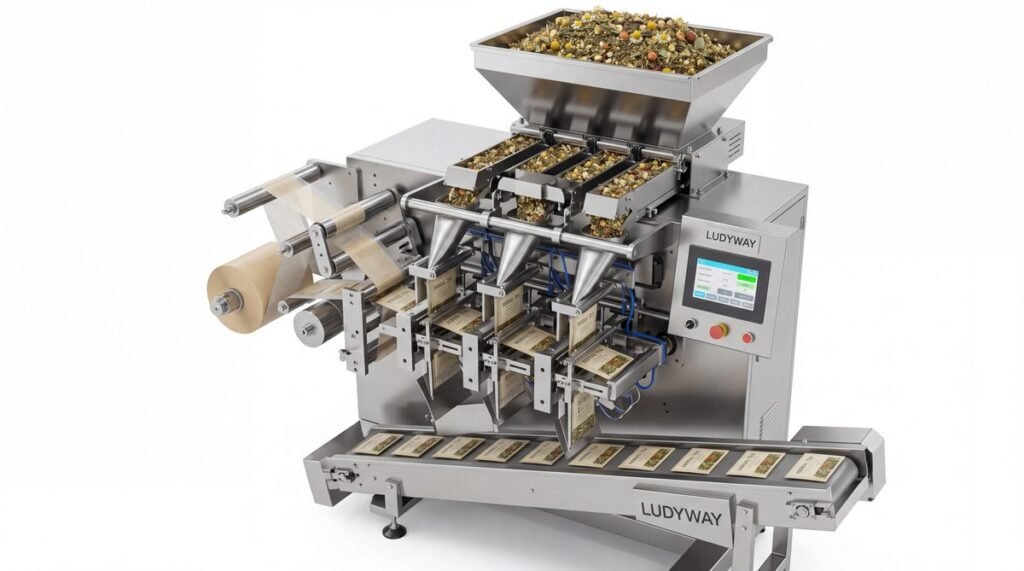
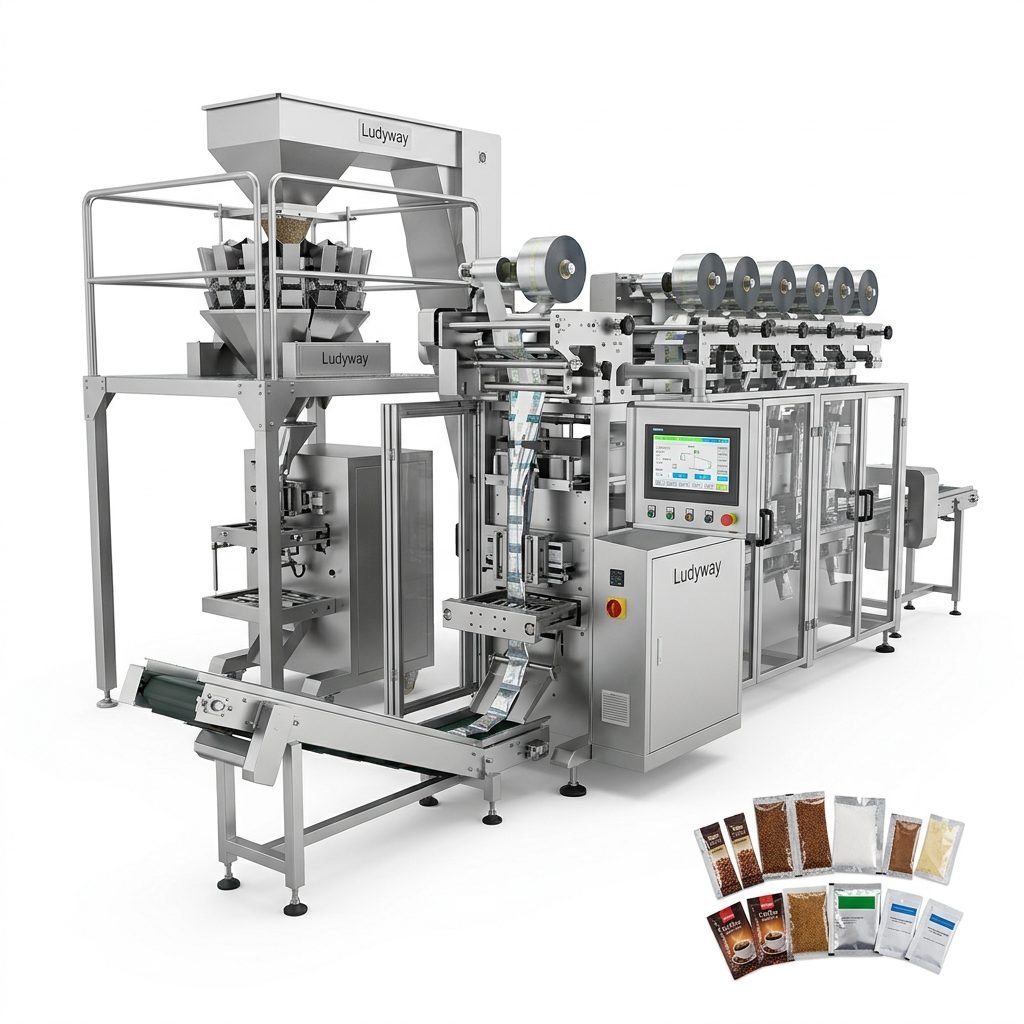
In the fast-paced world of product manufacturing, efficiency and presentation are paramount. Small pouch packaging machines have become indispensable tools for businesses across the food, pharmaceutical, health, and cosmetic industries. These machines automate the process of filling and sealing individual portions into compact, convenient pouches, enhancing both production speed and product appeal. Whether you are packaging spices, supplements, sauces, or skincare samples, choosing the right machine is a critical decision that impacts your operational efficiency, product quality, and bottom line.
This comprehensive guide will walk you through the different types of small pouch packaging machines, their key features, pricing considerations, and a step-by-step approach to selecting the perfect equipment for your specific needs. By understanding these factors, you can make an informed investment that drives your business forward.
Understanding Small Pouch Packaging Machines
Small pouch packaging machines are automated systems designed to form, fill, and seal flexible materials into individual pouches. They handle a variety of products, from granules and powders like coffee and protein supplements to liquids and pastes such as ketchup and cosmetic creams. The primary advantage is their ability to produce consistent, hygienic, and attractive single-serve or sample-sized packages at high speeds, which is essential for modern consumer markets.
Core Working Principle
The basic operation involves a roll of packaging film (like laminated polypropylene or aluminum foil) being fed into the machine. The film is formed into a tube, sealed along the vertical back, and then sealed horizontally at intervals to create individual pouches. Product is precisely dosed into each pouch before the final top seal is made, and the pouches are cut apart. Advanced machines integrate precision weighing systems, gas flushing for preservation, and date coding directly onto the pouch.
Types of Small Pouch Packaging Machines
Selecting the right type of machine depends heavily on your product characteristics, production volume, and pouch style. Here are the main categories:
1. Vertical Form-Fill-Seal (VFFS) Machines
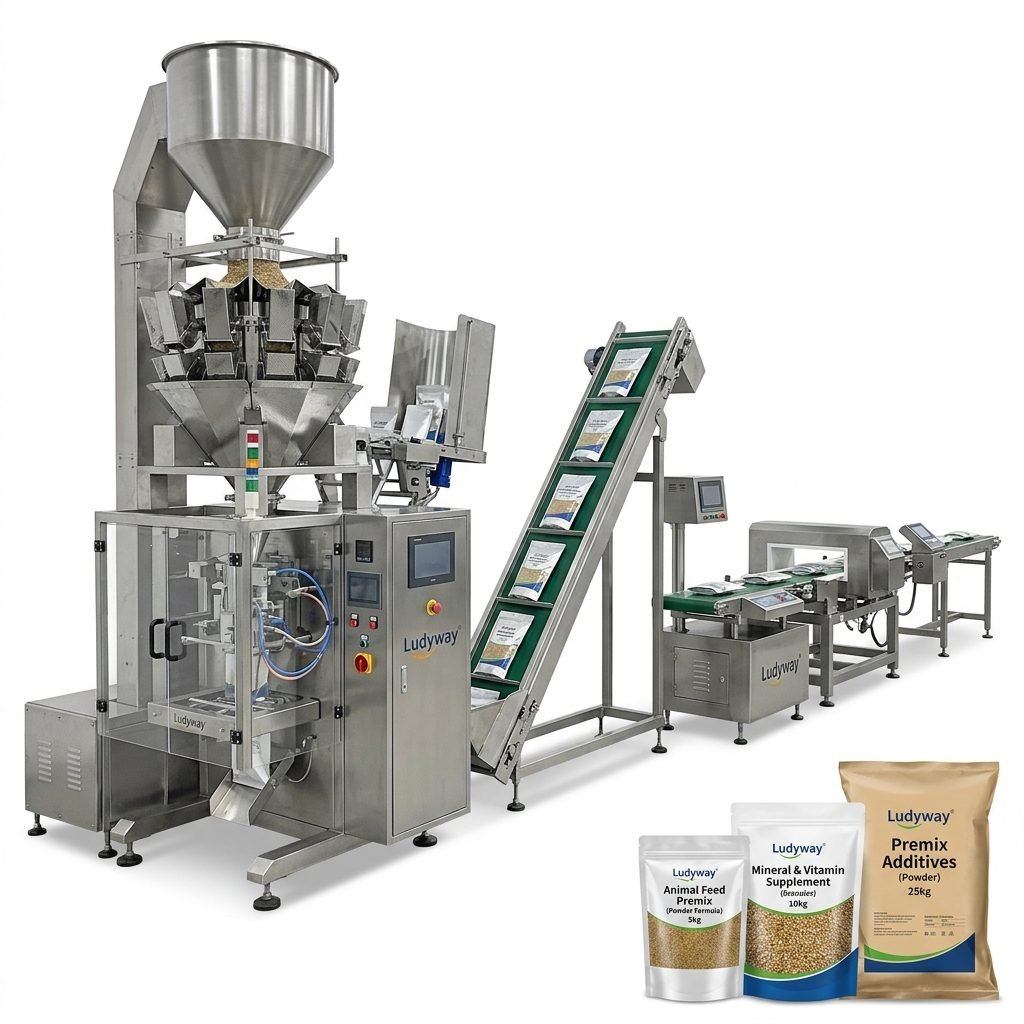
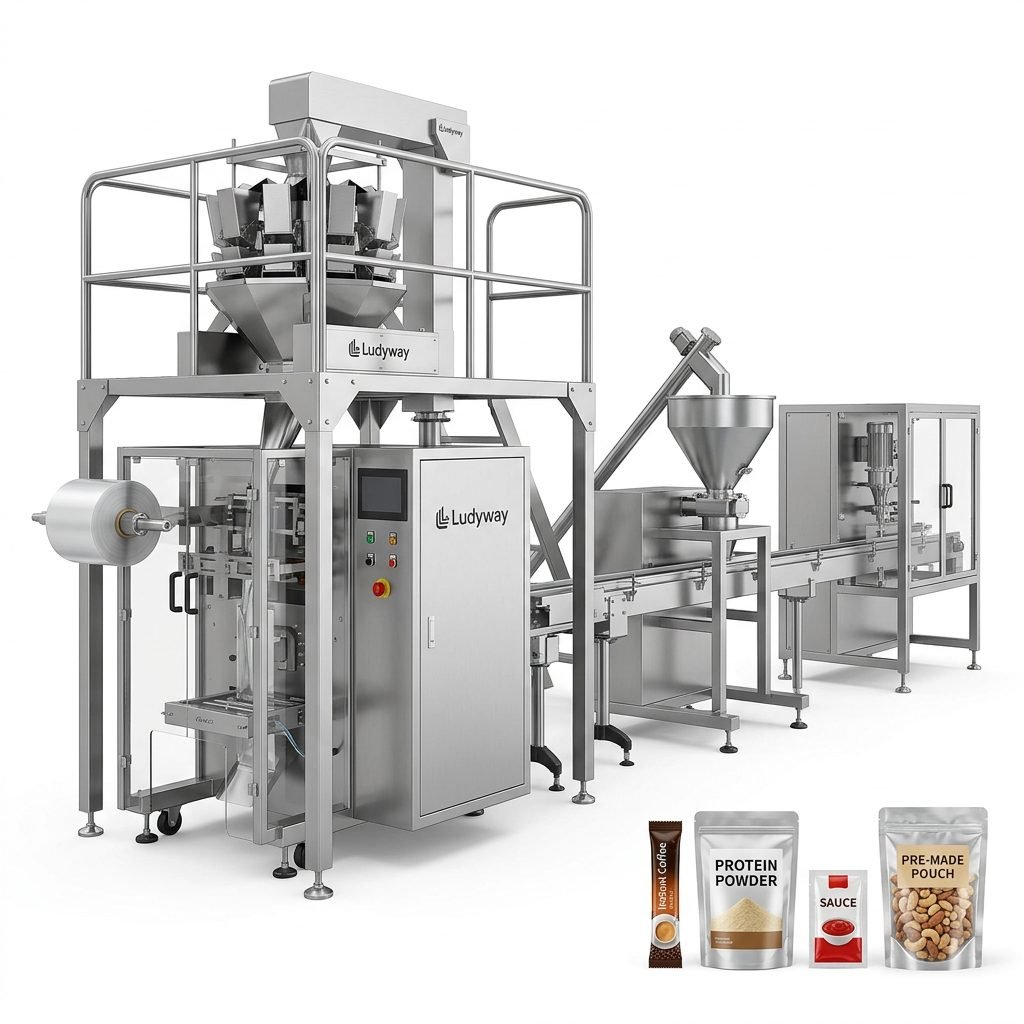
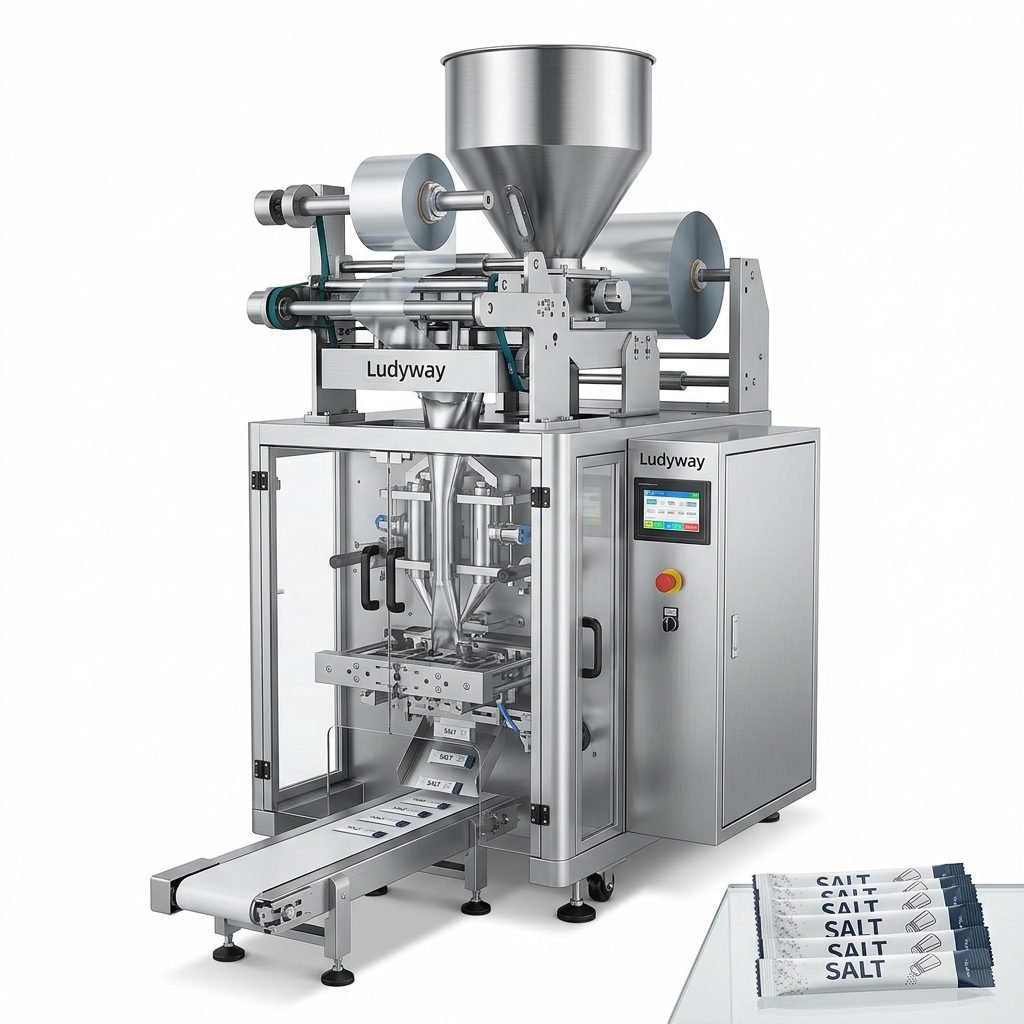
These are the most common and versatile type. The film moves vertically, and pouches are formed around a filling tube. Ideal for granules, powders, and small solid items. They are space-efficient and perfect for creating pillow-style pouches with high efficiency. VFFS machines are a popular choice for snack foods, tea, and powdered drink mixes.
2. Horizontal Form-Fill-Seal (HFFS) Machines
In these systems, the film is fed horizontally. They excel at producing more complex pouch styles like stand-up pouches (SUP), three-side seal, or four-side seal pouches. HFFS machines are often used for liquids, pastes, and products requiring excellent visual presentation, such as premium coffee or skincare samples.
3. Stick Pack Machines
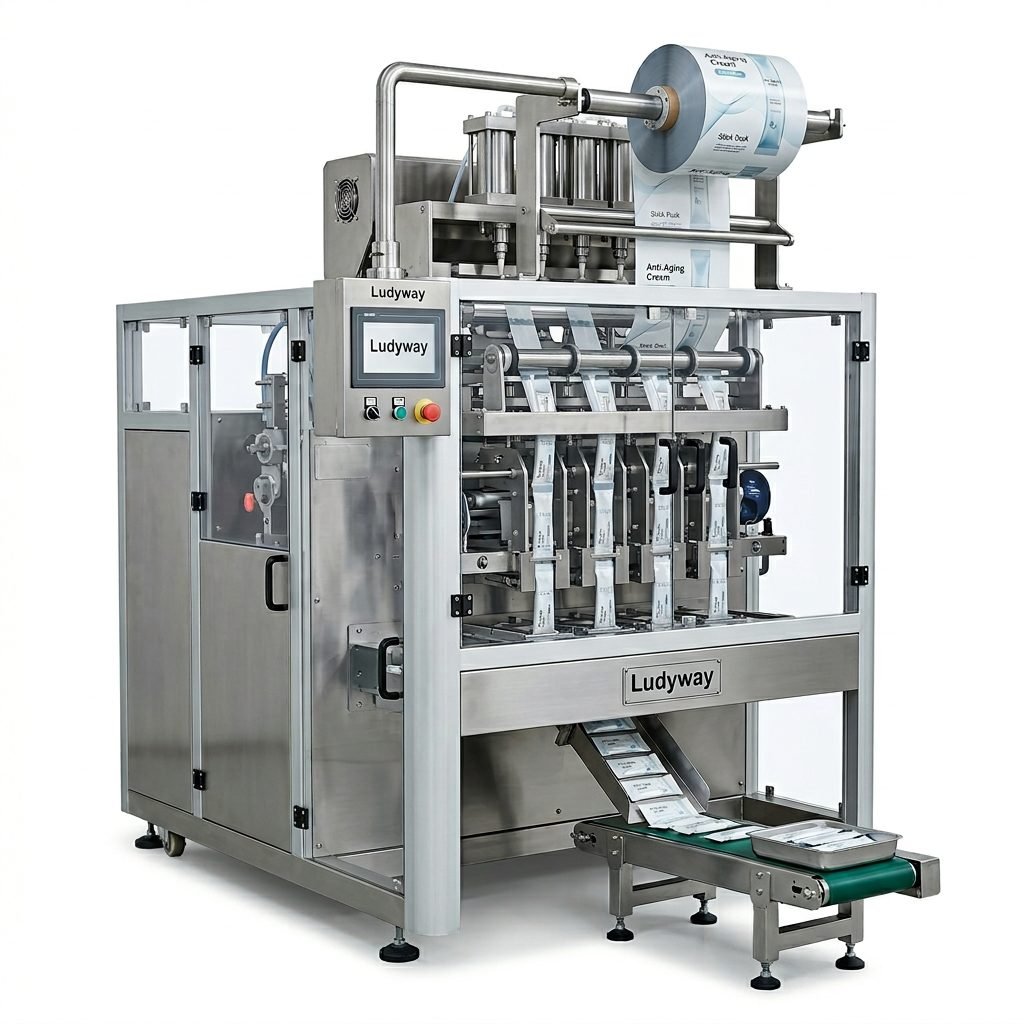
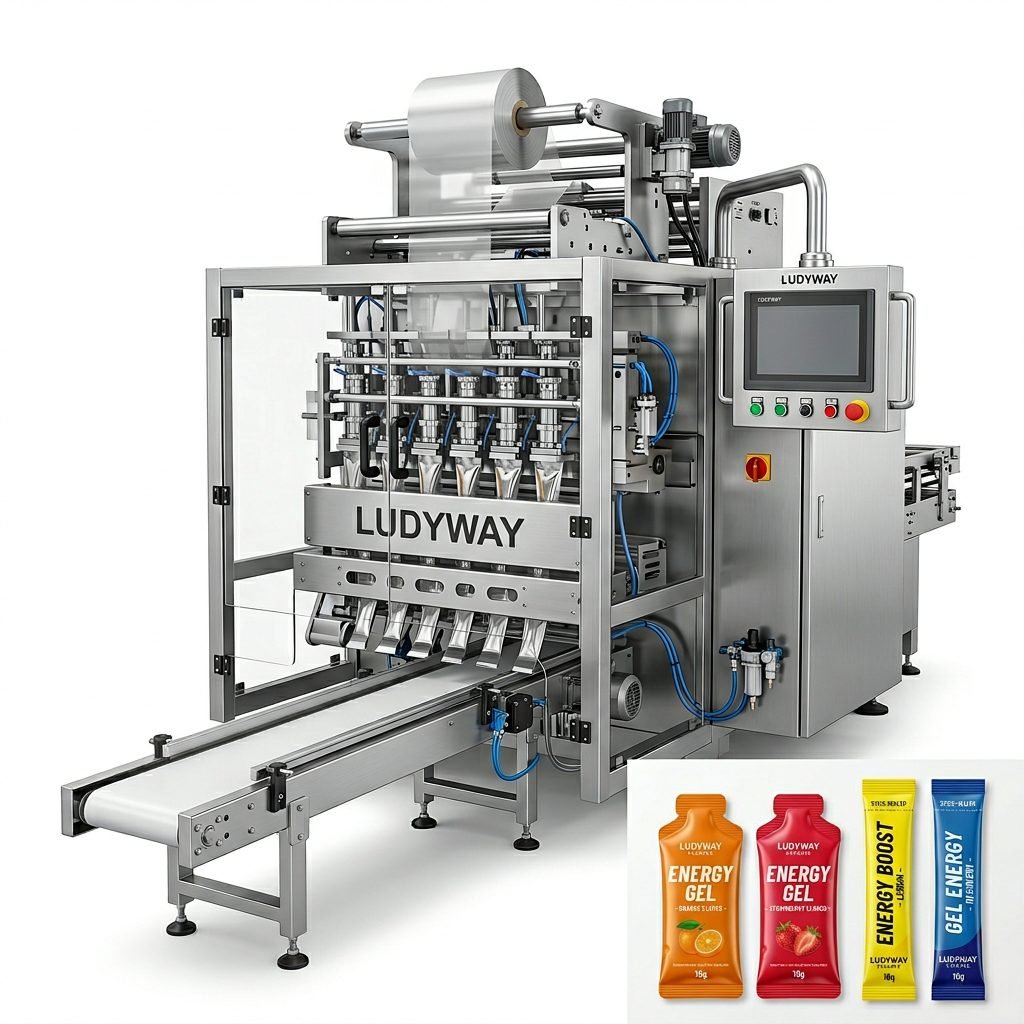
A subset of VFFS machines designed specifically to produce long, narrow “stick” packs. These are extremely popular for single-serving powders (e.g., instant coffee, electrolyte drinks, sugar). They use minimal packaging material and offer great portability for consumers.
4. Sachet Packaging Machines
Similar to stick pack machines but typically for smaller, rectangular pouches. Perfect for sauces, condiments, shampoo, and seasoning packets. They can handle both liquid and viscous products with high precision.
Specialized Machines
Beyond these core types, there are machines tailored for specific functions, such as those with integrated nitrogen gas flushing for chip packaging to extend shelf life, or machines equipped with auger fillers for highly precise powder dosing.
Key Features to Evaluate
When comparing machines, look beyond the basic type. The following features determine performance, flexibility, and long-term value.
1. Filling System & Accuracy
The heart of any packaging machine. Common systems include:
• Volumetric Cup Fillers: Cost-effective for uniform granules.
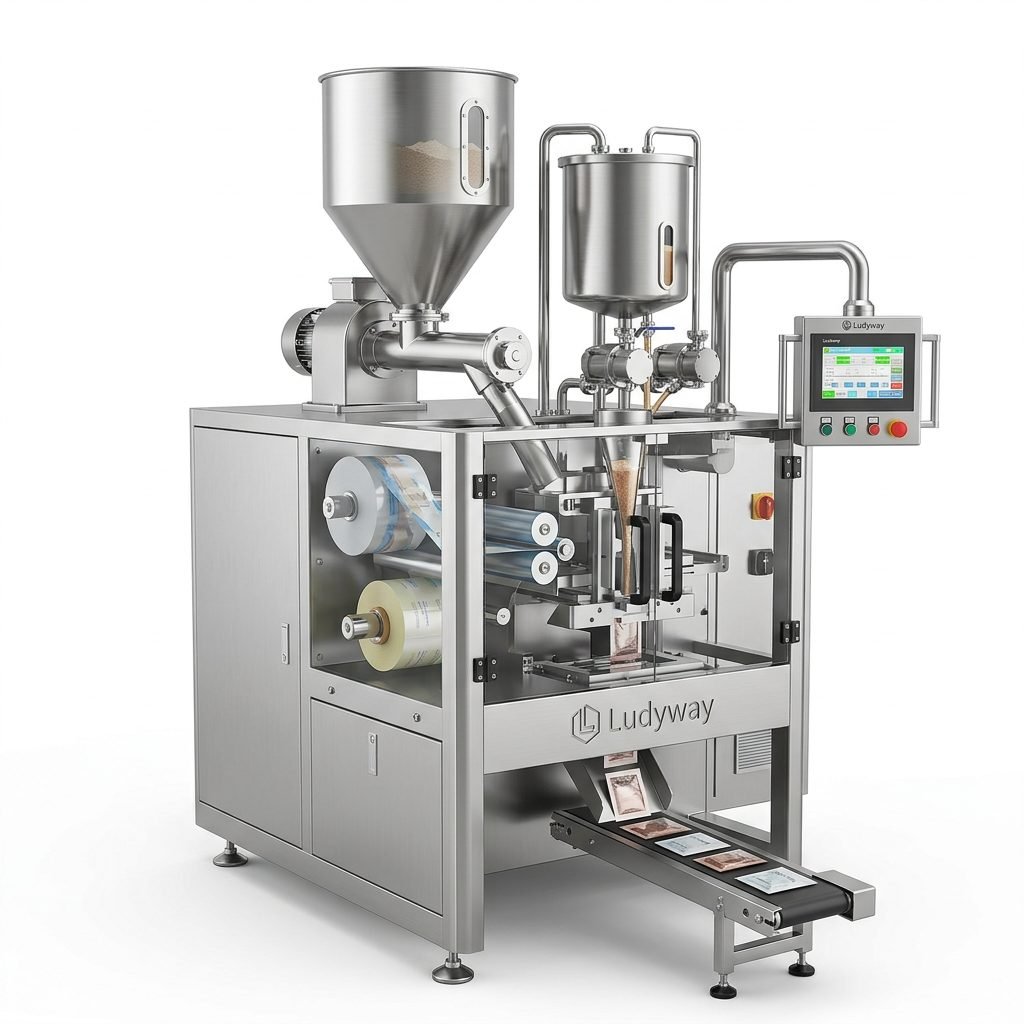
• Auger Fillers: Essential for precise powder dosing; accuracy is critical for expensive ingredients like supplements.
• Liquid Pumps: For sauces, oils, and creams. Peristaltic or piston pumps offer different levels of precision and cleanability.
• Weighing Scales (Multi-head weighers): Offer the highest accuracy for mixed or irregular products like trail mix.
2. Speed & Production Capacity
Measured in pouches per minute (PPM). Speeds can range from 30 PPM for simple, semi-automatic machines to over 600 PPM for high-speed, multi-lane systems. Your required output will significantly influence the machine’s complexity and price.
3. Material Compatibility
Ensure the machine can handle your chosen packaging film, whether it’s plain polyethylene, laminated films, aluminum foil, or biodegradable materials. The sealing mechanism (heat, ultrasonic) must be compatible.
4. Automation & Control Level
Modern machines feature PLC (Programmable Logic Controller) touchscreens for easy recipe storage, changeover, and monitoring. Look for user-friendly interfaces that minimize downtime during product switches.
5. Hygiene & Construction
For food or pharmaceutical use, stainless steel contact parts and easy-clean designs are non-negotiable. Machines should comply with relevant safety and hygiene standards (e.g., CE, FDA guidelines where applicable).
Price Range and Investment Factors
The cost of a small pouch packaging machine varies dramatically based on its capabilities. There is no one-size-fits-all price.
- Entry-Level / Semi-Automatic: ($5,000 – $20,000) Suitable for startups or low-volume production. Often involves manual feeding of pre-made pouches.
- Mid-Range / Standard Automatic VFFS: ($20,000 – $70,000) The workhorse for many small to medium businesses. Offers good speed, reliability, and basic automation.
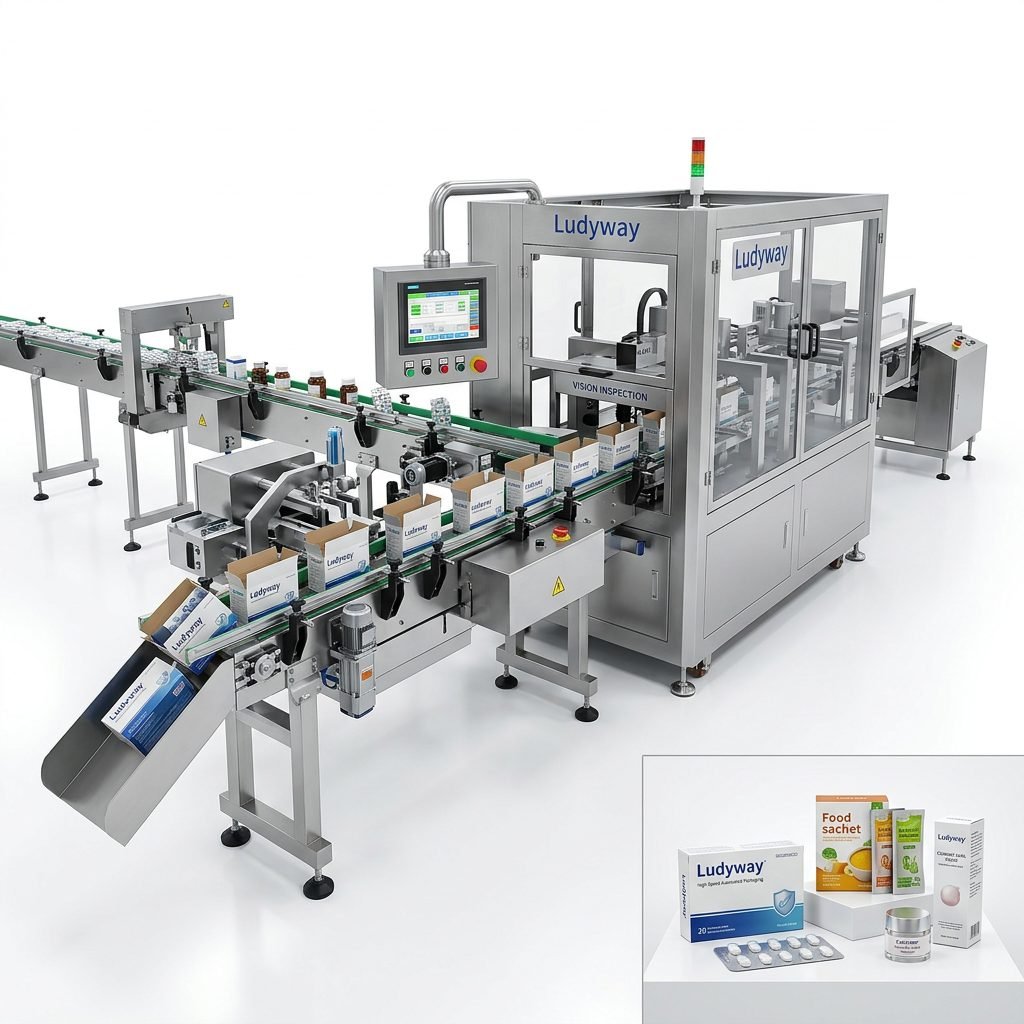
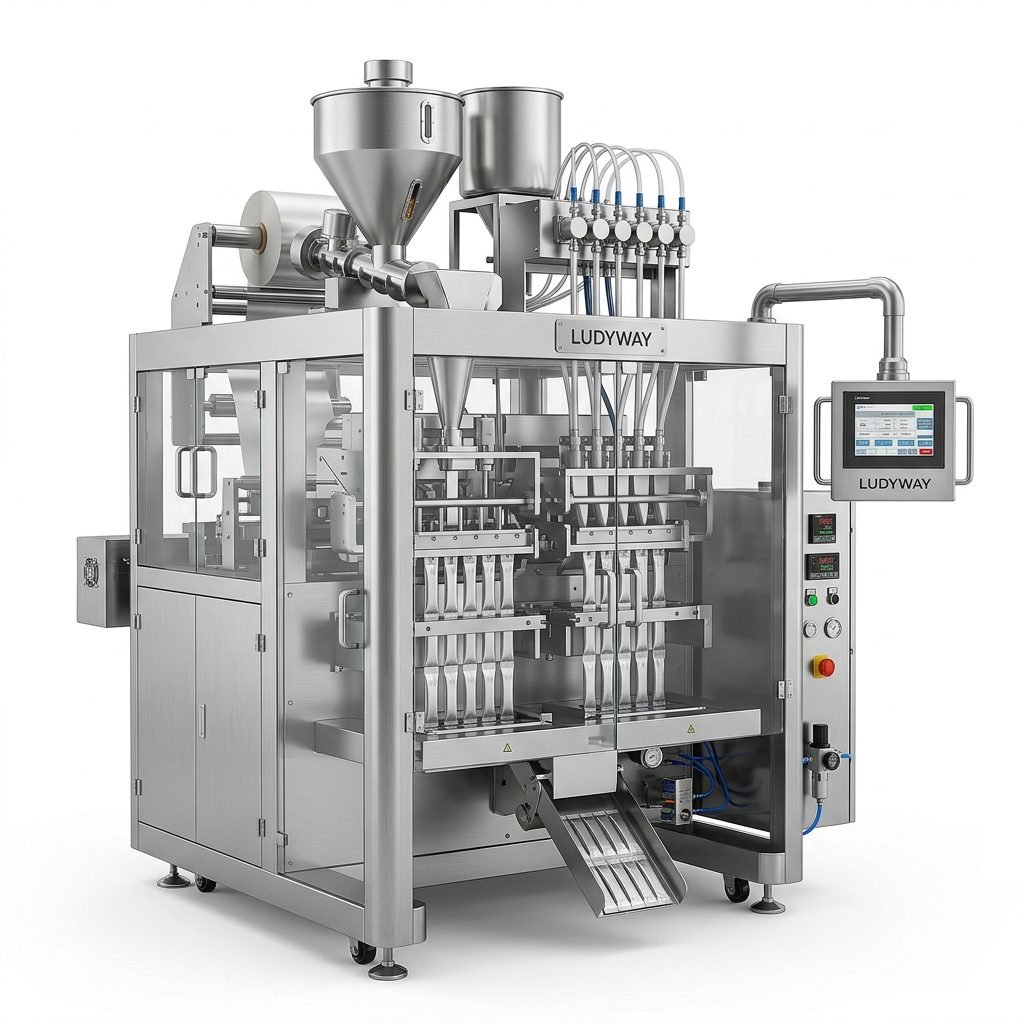
- High-Speed / Fully Integrated Lines: ($70,000 – $250,000+) For large-scale production. Includes multi-lane systems, advanced fillers, checkweighers, and robotic handling. These are turnkey solutions from experienced providers like Ludyway Machinery.
Remember: The machine price is only part of the Total Cost of Ownership (TCO). Factor in installation, training, maintenance, spare parts, and the ongoing cost of packaging materials.
How to Choose the Right Machine: A Step-by-Step Guide
Follow this structured approach to narrow down your options and make a confident purchase.
Step 1: Analyze Your Product
Define everything about what you’re packaging: physical state (powder, liquid), density, flowability, abrasiveness, and any special requirements (hygroscopic, needs gas flushing). This dictates the filling system.
Step 2: Define Pouch Specifications
Determine the pouch size, style (pillow, stand-up, stick), and material. Create samples. Your machine must be capable of forming and sealing this exact structure.
Step 3: Calculate Required Output
Be realistic about your current and near-future production needs (pouches per shift, per day). Don’t overpay for speed you won’t use for years, but allow for reasonable growth.
Step 4: Evaluate Suppliers
Look for manufacturers or brands with a strong track record in your industry. Assess their engineering expertise, availability of spare parts, and quality of after-sales support. Request references and, if possible, see a machine running live (or via video) with a product similar to yours.
Step 5: Request a Factory Test
The most critical step. Before purchasing, send your product and packaging materials to the supplier for a live performance test. This verifies speed, accuracy, seal integrity, and overall suitability.
Step 6: Consider Future Flexibility
Will you launch new products or pouch sizes? A machine with quick changeover capabilities and modular design can adapt to future needs, protecting your investment. Providers offering customized automation solutions are valuable partners for growth.
Conclusion
Investing in a small pouch packaging machine is a strategic move that can streamline your operations, ensure product consistency, and enhance your brand’s market presence. By thoroughly understanding the different machine types, prioritizing key features like filling accuracy and hygiene, and following a disciplined selection process that includes live testing, you can find a reliable partner in automation. Partnering with an experienced supplier who offers robust support is just as important as the machine itself, ensuring your packaging line remains productive and efficient for years to come.
Frequently Asked Questions (FAQs)
1. What is the main difference between VFFS and HFFS machines?
Answer: The primary difference is the direction of film travel and the pouch styles they produce. VFFS (Vertical) machines are typically more compact and ideal for simple pillow pouches containing granules or powders. HFFS (Horizontal) machines are better for creating complex, pre-formed pouches like stand-up bags and are often used for liquids and products requiring high visual appeal.
2. How accurate are powder filling systems?
Answer: Accuracy depends on the filler type. Auger fillers with servo motors can achieve very high precision, often within ±0.5% to ±1% of the target weight, which is essential for costly pharmaceutical or supplement powders. Always verify accuracy during a factory test with your specific product.
3. Can one machine handle different pouch sizes?
Answer: Yes, most automatic machines are designed for changeover. However, the time and complexity involved vary. Look for machines with “quick changeover” features, such as digitally stored recipes and tool-less adjustments, to minimize downtime when switching sizes.
4. What kind of maintenance do these machines require?
Answer: Regular daily cleaning is essential. Maintenance includes lubricating moving parts, checking and replacing wear items like sealing jaws and cutting blades, and ensuring sensors are clean. A reliable supplier will provide a maintenance schedule and training for your operators.
5. How do I choose between a single-lane and a multi-lane machine?
Answer: The choice is based on your required output. A single-lane machine is sufficient for low to medium volumes. For high-volume production (e.g., hundreds of pouches per minute), a multi-lane machine, which essentially runs multiple filling stations in parallel, is necessary to achieve the target speed efficiently.