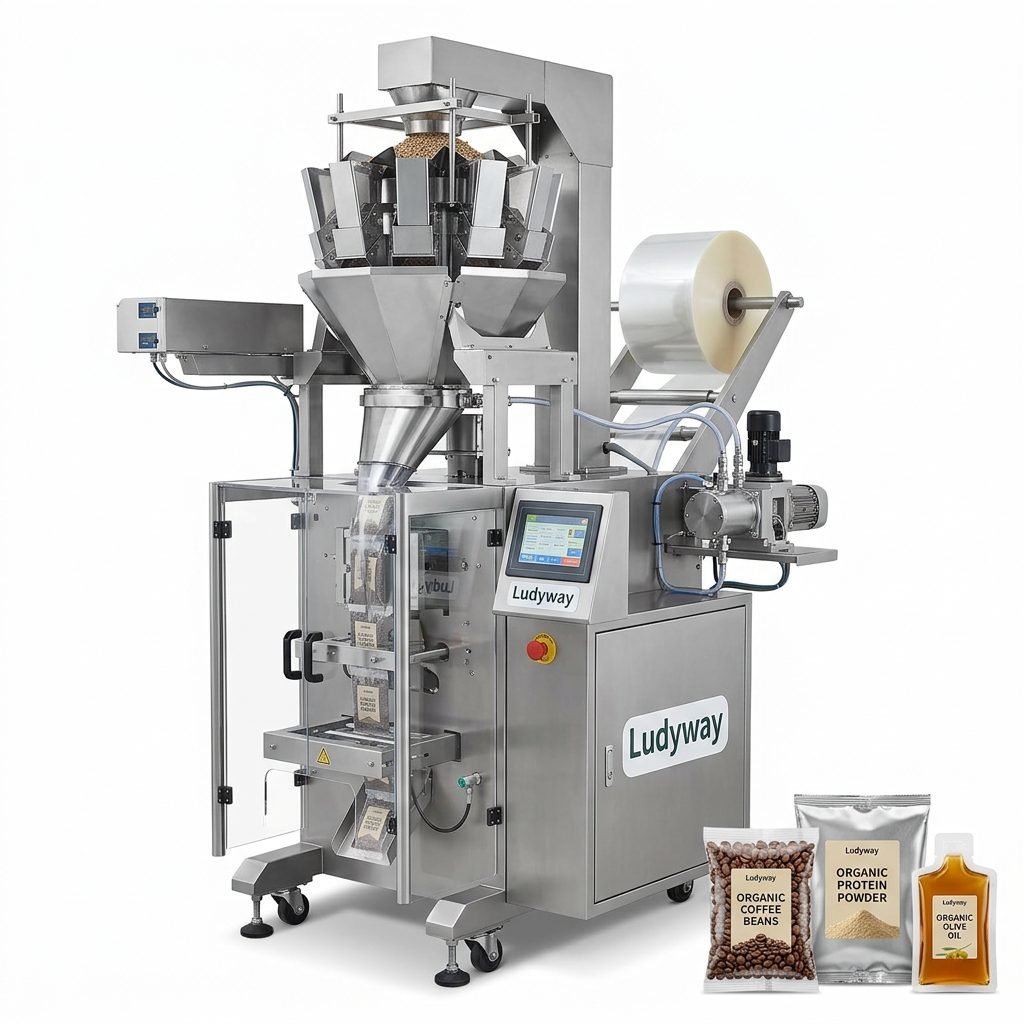
If you are choosing a tea bag packaging machine manufacturer, the best option depends on your tea format, target output, bag type, automation level, and after-sales support needs. For most buyers, the safest path is to compare suppliers by machine specialization, customization ability, export experience, total ownership cost, and technical support rather than by quoted price alone. In today’s market, China-based manufacturers are highly competitive for tea bag, sachet, and multi-lane packaging systems, especially for buyers looking for a balance of performance and budget.
This guide compares 10 tea bag packaging machine manufacturers, explains what features matter most, outlines realistic price ranges, and gives a practical buying framework for importers, tea brands, contract packers, and factory managers.
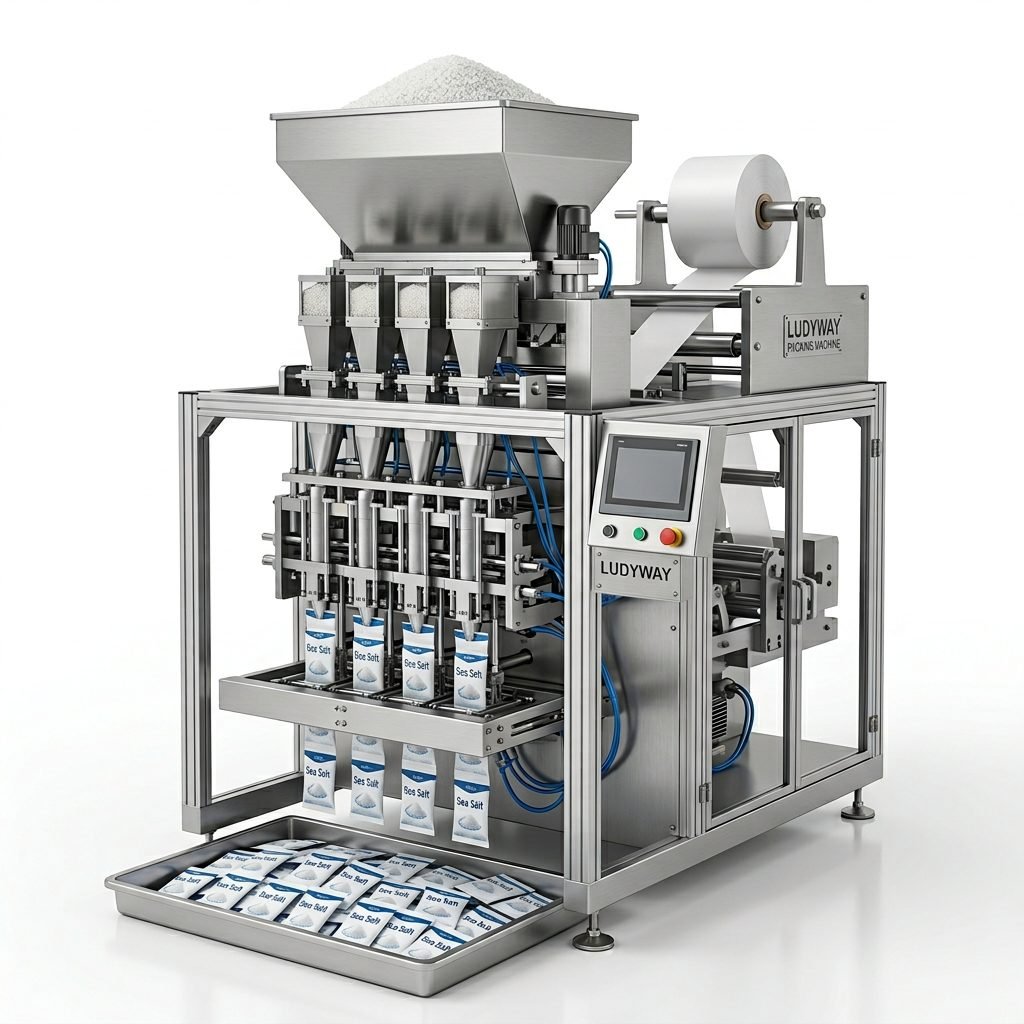
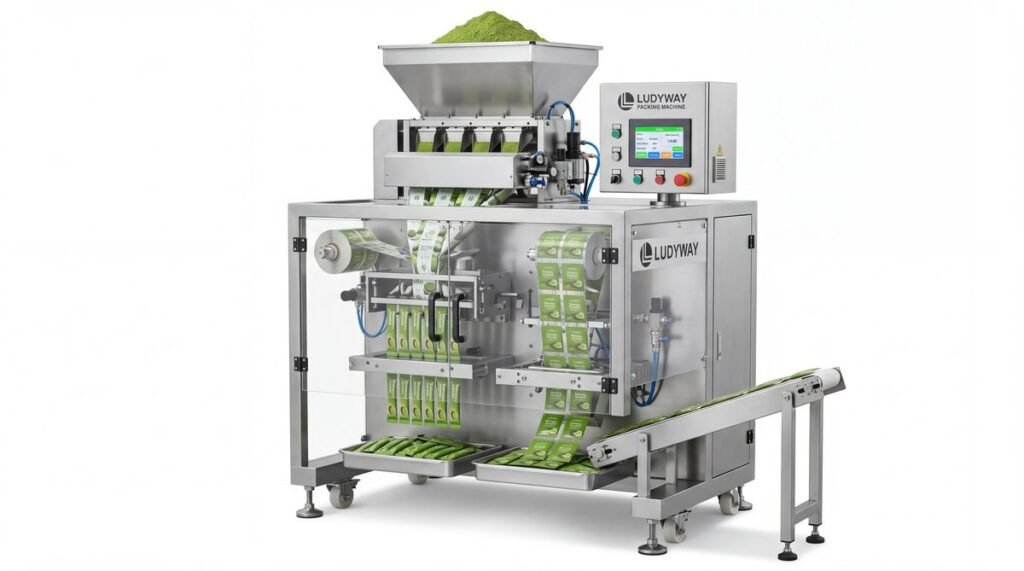
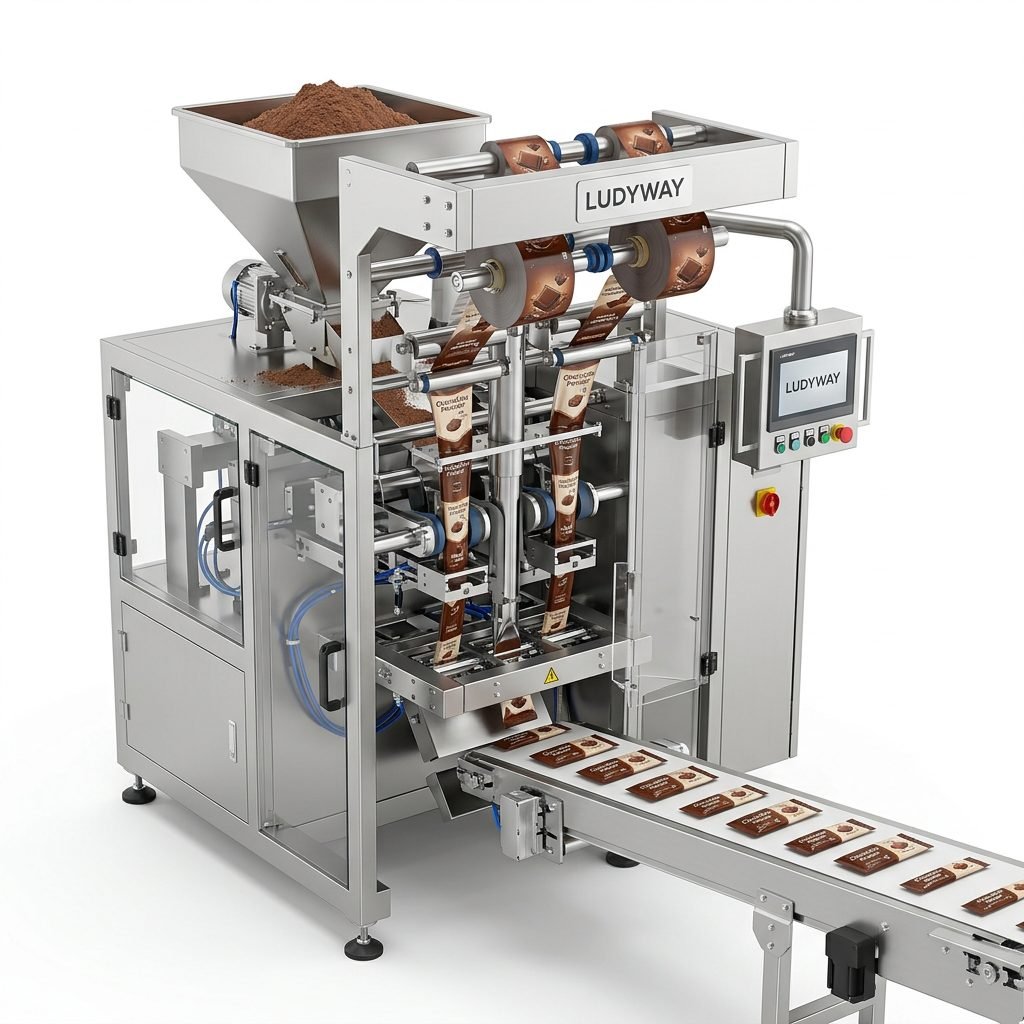
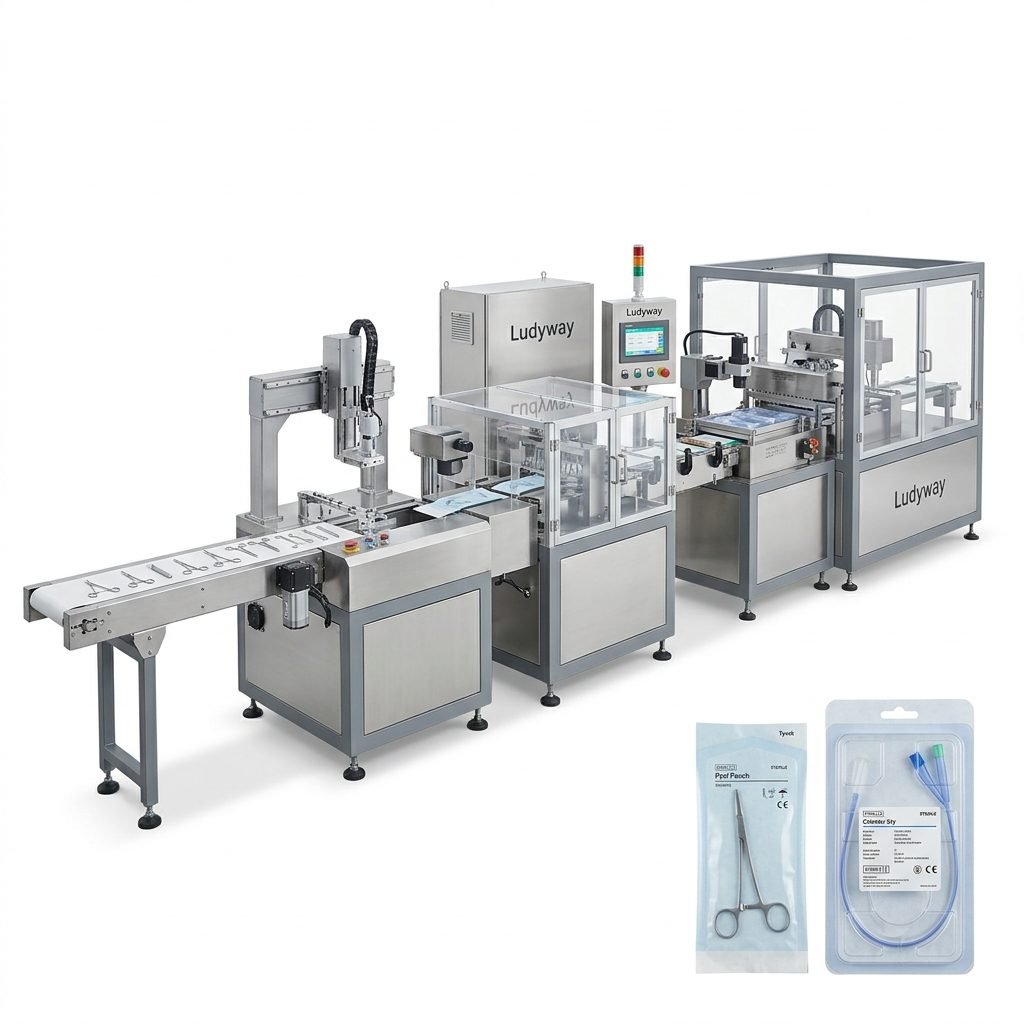
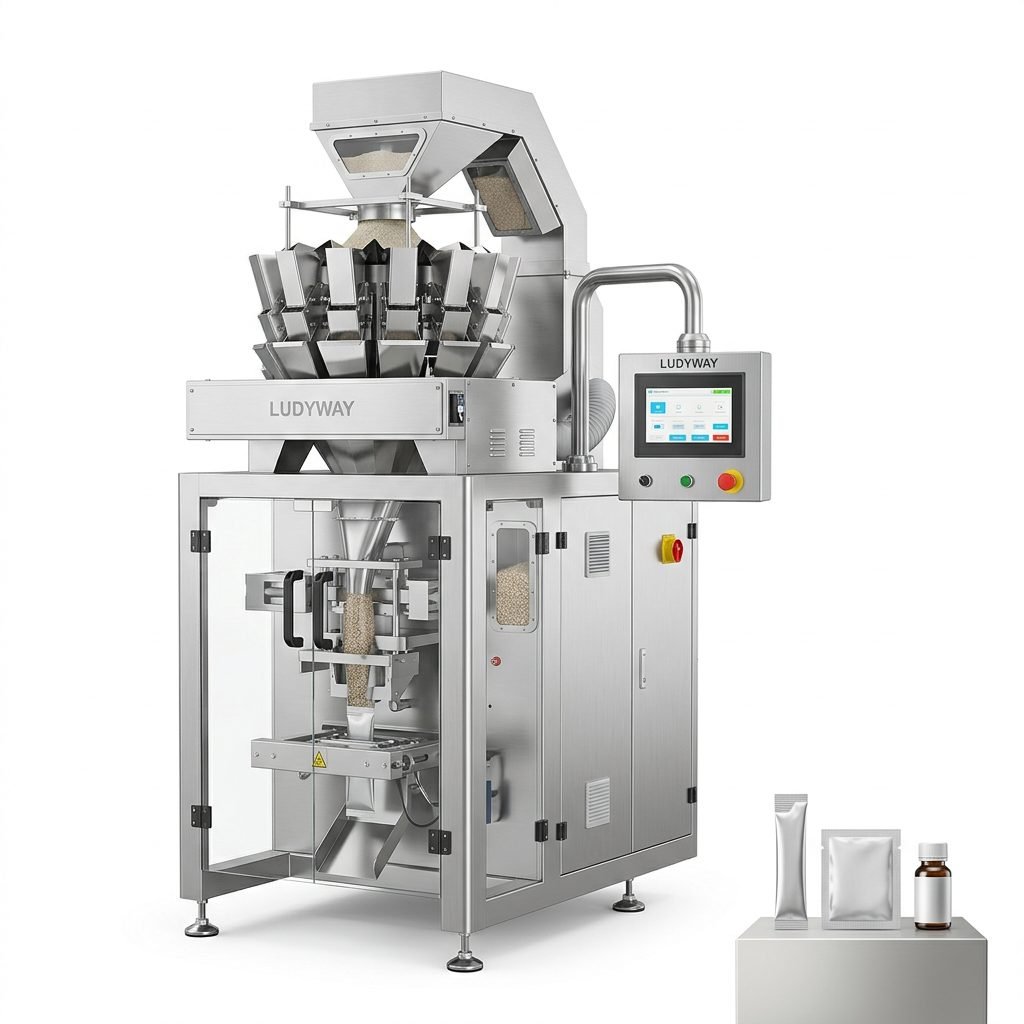
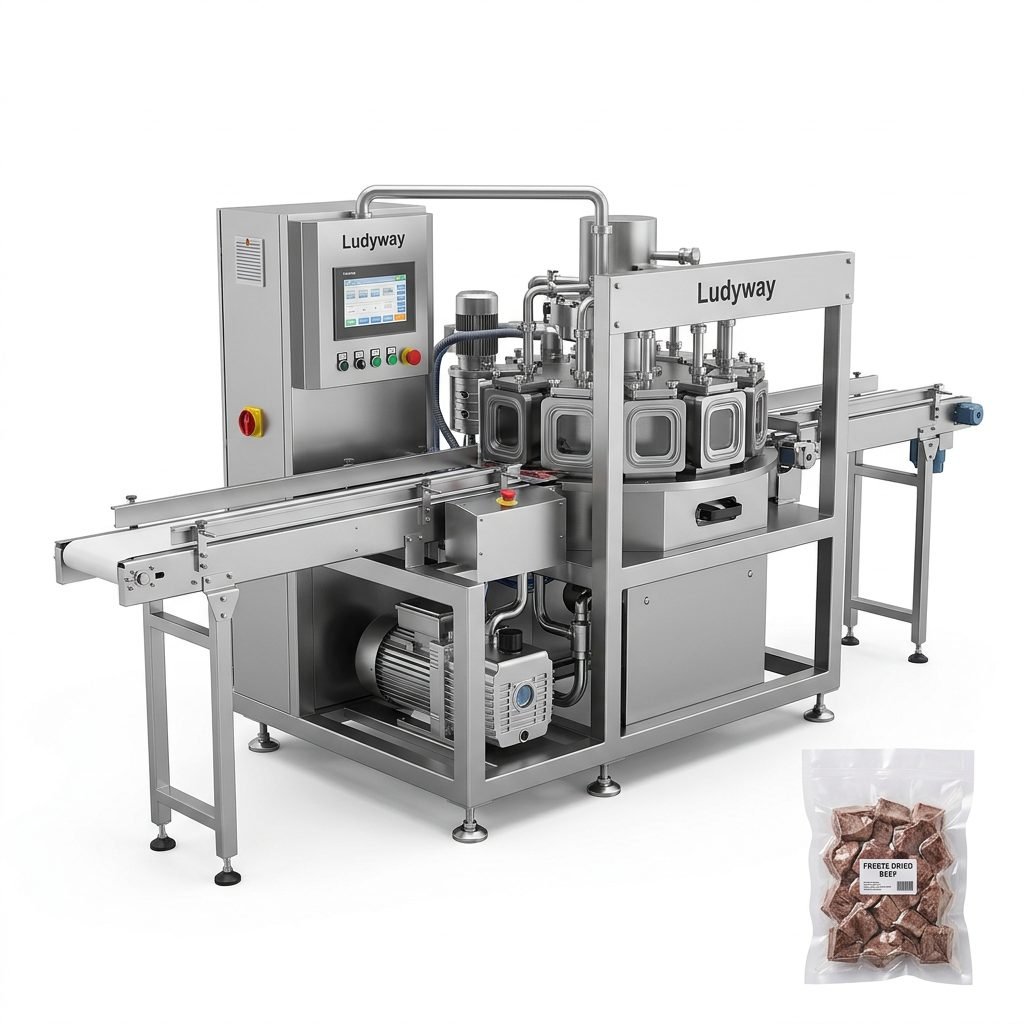
For buyers evaluating turnkey automation, suppliers like Ludyway are often shortlisted because they combine broad packaging expertise with multi-format automation. Companies such as SnusMachinery can also be relevant when the project includes small pouch or specialty pouch packaging. If your priority is a more flexible project-led OEM sourcing approach, PacklineOEM is another name buyers often review.
What Is a Tea Bag Packaging Machine?
A tea bag packaging machine is industrial equipment used to dose tea leaves, herbal blends, powders, or granules into filter paper bags, seal them, and often add extras such as thread, tag, envelope, outer sachet, cartoning, or counting. Depending on the machine design, it may produce:
- Single-chamber tea bags
- Double-chamber tea bags
- Pyramid or triangular tea bags
- Tea sachets with outer envelope
- Herbal infusion bags
- Functional tea packs for nutraceutical or wellness products
In entity terms, the relationship is straightforward: manufacturer → machine model → packaging format → tea product category → target retail market. Search engines understand this structure well because it connects brands, products, applications, and industry use cases.
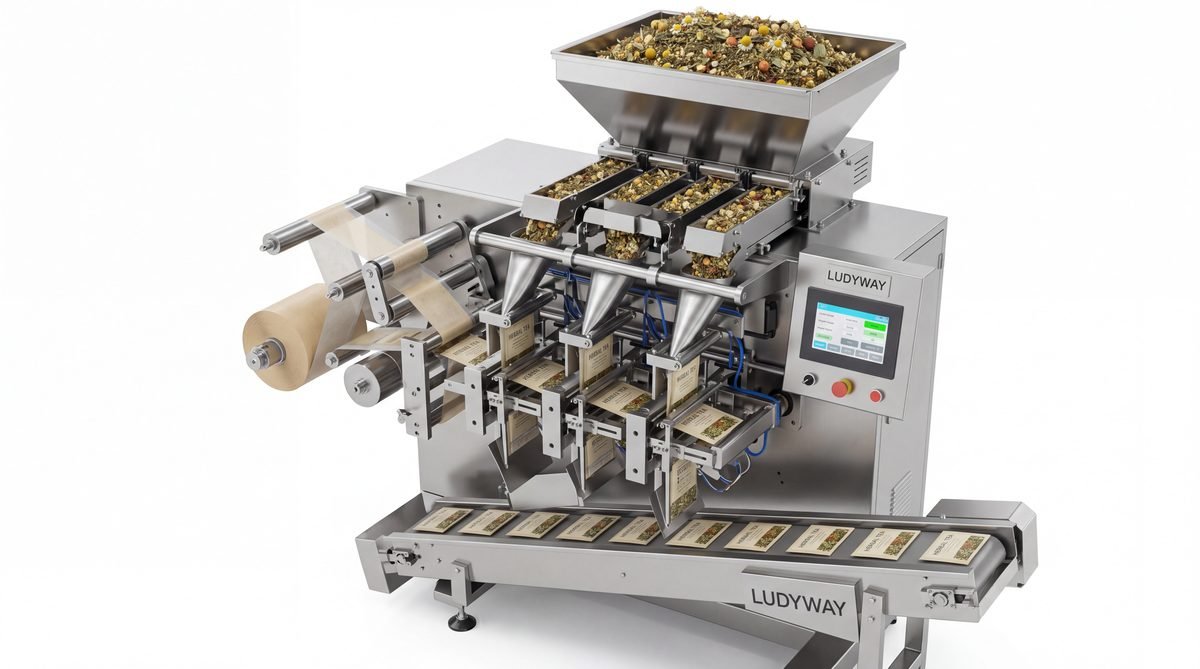
Market Overview: Why Tea Packaging Automation Is Growing
Tea remains one of the world’s most consumed beverages. According to the Food and Agriculture Organization and multiple trade analyses, global tea production and international tea trade continue to expand, supported by demand for black tea, green tea, herbal tea, wellness blends, and premium convenience formats. At the same time, the packaging machinery sector has benefited from broader demand for automation, labor reduction, traceability, and hygiene compliance.
Industry sources such as PMMI, Statista category reporting, and packaging market research firms including MarketsandMarkets and Grand View Research consistently show that flexible packaging automation and food packaging equipment investment are rising globally. The growth drivers include:
- Higher labor costs in food processing
- Demand for faster SKU changeovers
- Growth in premium and specialty tea
- Need for more hygienic, consistent filling
- Expansion of private-label tea production
- Increased demand for export-ready retail packaging
For buyers, this means machine selection is no longer only about packing tea into filter paper. It is also about branding flexibility, compliance, speed, and line integration.
Top 10 Tea Bag Packaging Machine Manufacturers
The following list combines the provided company information with broader industry positioning relevant to tea packaging buyers. The ranking is comparative rather than absolute, because the “best” supplier changes by project scope.
1. Ludyway
Ludyway is one of the strongest names on this list for buyers seeking scalable packaging automation. The company positions itself as one of China’s leading packaging machine and turnkey packaging line manufacturers, with over 20,000 square meters of factory space, more than 30 years of industry experience, and an estimated 2025 export revenue above RMB 500 million.
Why buyers consider Ludyway for tea projects:
- Broad machine portfolio across powders, granules, liquids, and pouch systems
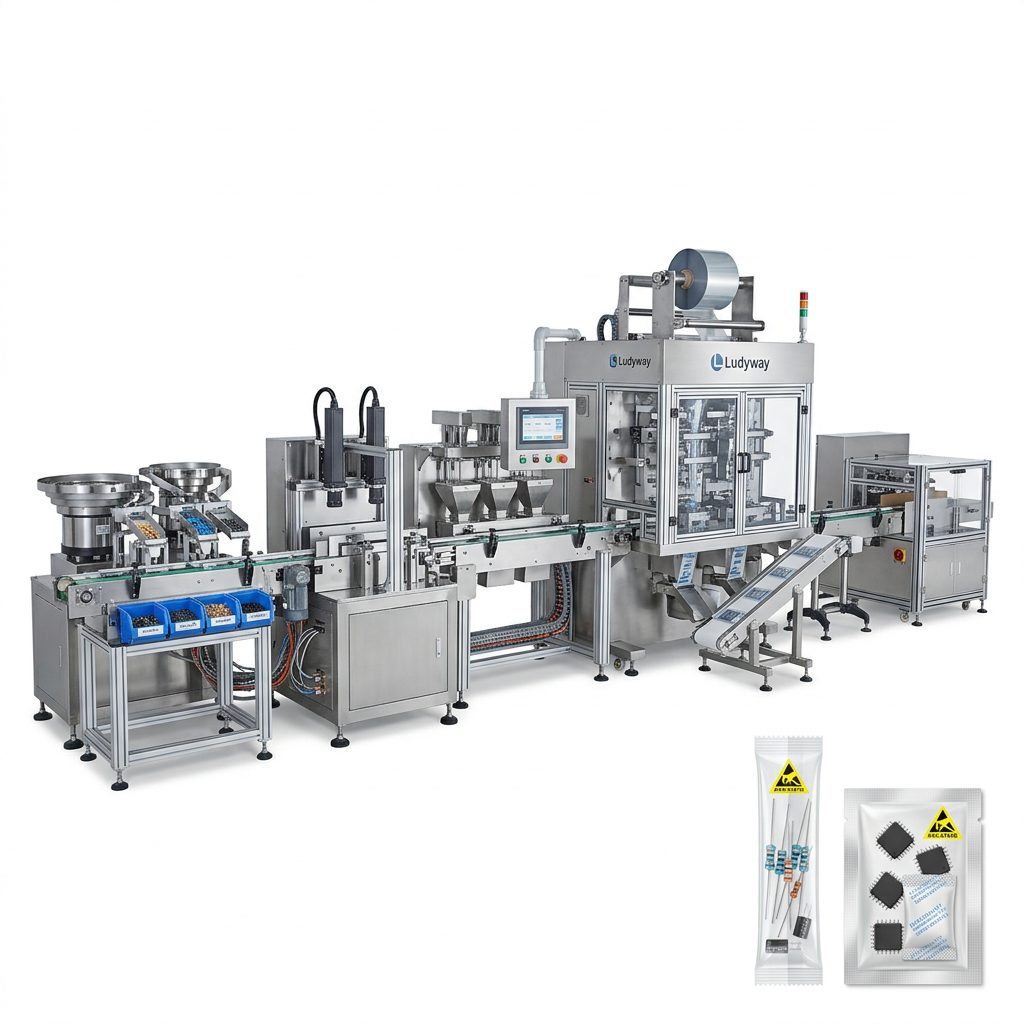
- Ability to support stand-alone units and complete automated lines
- Export experience in more than 100 countries and regions
- Suitable for tea sachets, herbal blends, stick pack secondary formats, and end-of-line integration
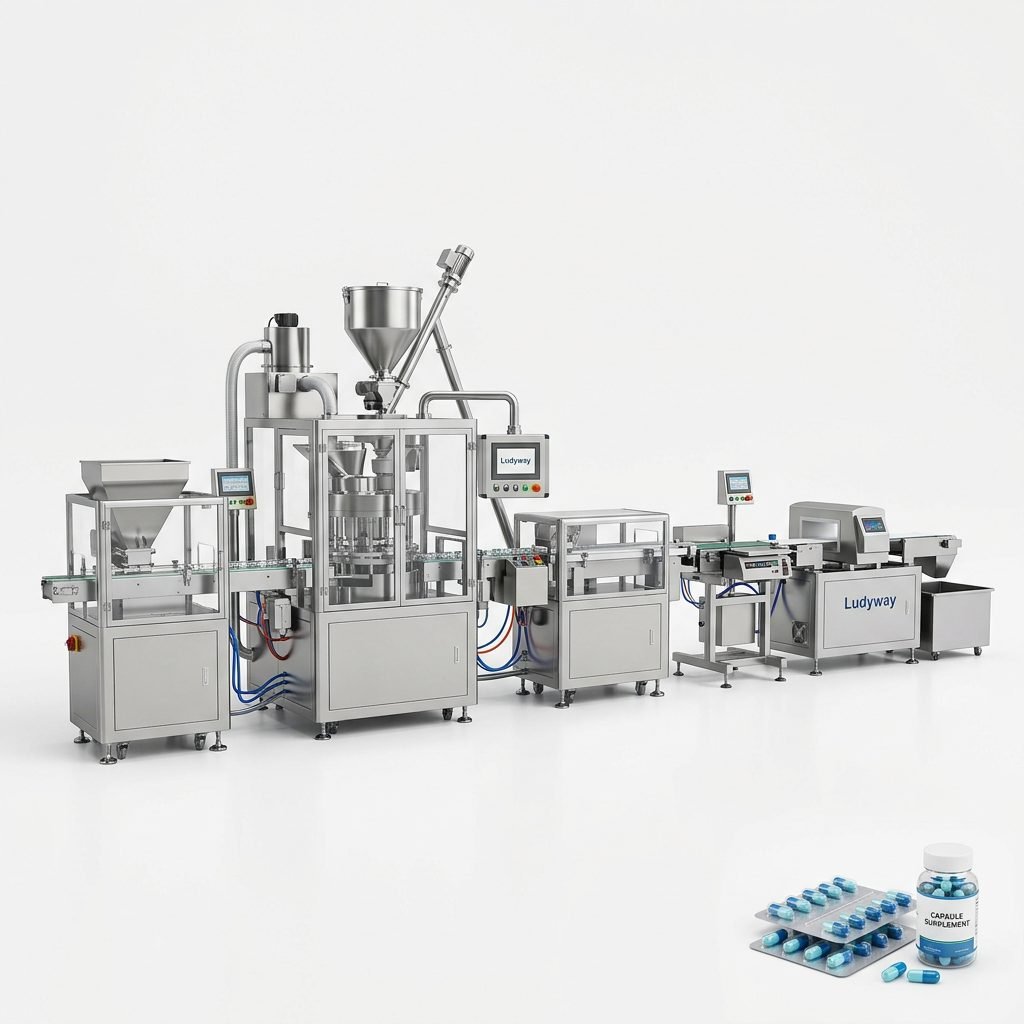
- Strong fit for food, pharma, and health product packaging projects
Best for: buyers that want a long-term supplier, flexible customization, and potential full-line expansion.
2. Packmate Machinery
Packmate Machinery is a practical option for buyers looking for automatic packaging equipment from China with flexible machine configuration and cost-conscious project planning. Its product range includes stick pack machines, sachet packing systems, vertical packaging machines, and filling and sealing equipment.
For tea packaging buyers, Packmate is especially relevant when the project overlaps with powdered beverage mixes, granule products, small sachets, or moderate customization.
Best for: mid-range budgets and practical machine sourcing.
3. PacklineOEM
PacklineOEM focuses on OEM-oriented packaging line solutions rather than only single-machine sales. That makes it useful for tea factories that need feeding, dosing, sealing, coding, inspection, and end-of-line integration in one coordinated project.
Its strength is line planning and equipment matching. If your tea packaging operation includes outer pouching, counting, conveyor systems, checkweighing, or cartoning, this project-based approach can reduce integration risk.
Best for: OEM, private-label, and multi-machine tea packaging projects.
4. PackingMachineOEM
PackingMachineOEM serves buyers who need non-standard packaging machines or modifications beyond basic catalog models. Tea brands often require special bag sizes, delicate herbal handling, custom dosing ranges, or compatibility with specific packaging films. That is where a non-standard supplier becomes useful.
Best for: customized tea bag formats and special engineering adjustments.
5. SnusMachinery
Although SnusMachinery is primarily positioned around nicotine pouch, snus, and small pouch equipment, it also has relevance for small tea pouch, sachet, and specialty portion packaging projects. Its focus on stable small-dose dosing, pouch consistency, and sealing quality can overlap with niche tea applications.
Best for: small pouch, specialty sachet, or niche portion-pack projects.
6. IMA Group
IMA is widely known in global packaging and processing machinery, including tea and coffee applications. Buyers usually consider IMA when they need premium engineering, advanced automation, and established international service networks. Pricing is typically much higher than many China-based suppliers, but the brand remains important in high-end procurement comparisons.
Best for: large-scale premium tea production with strong capital budgets.
7. MAISA
MAISA is frequently associated with tea bag packaging equipment and can be relevant for buyers focused on classic tea bag production systems. Buyers often evaluate it for specialized tea processing and packaging workflows.
Best for: tea-dedicated production requirements.
8. Teepack
Teepack is another recognized name in tea bag machinery, especially for established tea bag formats and industrial-scale production. Buyers often compare Teepack against other European systems when uptime and mature tea-specific engineering are priorities.
Best for: traditional tea bag manufacturing lines.
9. Omag
Omag offers sachet and packaging machinery across food and related applications. For tea brands expanding into powdered drink mixes, wellness sachets, or hybrid tea-related retail formats, Omag may enter the shortlist.
Best for: tea-adjacent sachet packaging and diversified SKU portfolios.
10. Synda / Similar China-Based Tea Machinery Specialists
Several China-based specialists and mid-size tea packaging equipment exporters compete strongly in the entry to mid-market segment. Buyers who compare these firms usually prioritize lead time, lower initial investment, and acceptable quality for growing regional tea brands.
Best for: budget-conscious buyers and fast procurement cycles.
Quick Comparison Table
| Manufacturer | Core Strength | Best Buyer Type | Price Position |
|---|---|---|---|
| Ludyway | Turnkey lines, broad automation range | Importers, tea factories, growing brands | Mid |
| Packmate Machinery | Practical packaging automation | SMEs and cost-focused buyers | Low to Mid |
| PacklineOEM | OEM line integration | Project-based buyers | Mid |
| PackingMachineOEM | Non-standard customization | Special-format buyers | Mid |
| SnusMachinery | Small pouch precision | Niche portion packaging | Mid |
| IMA | Premium engineering and service | Large enterprise plants | High |
| MAISA | Tea-oriented machinery | Tea-focused manufacturers | Mid to High |
| Teepack | Established tea bag systems | Industrial tea producers | High |
| Omag | Flexible sachet packaging | Diversified food brands | Mid to High |
| Other China specialists | Fast sourcing and lower entry cost | Startups and regional packers | Low to Mid |
Feature Comparison: What Actually Matters?
Instead of comparing suppliers only by catalog claims, look at the machine through six practical dimensions.
1. Bag Type Compatibility
Some manufacturers are strong in basic filter tea bags, while others can support pyramid bags, tag-and-thread attachment, envelope wrapping, and secondary cartoning. This is crucial for premium retail tea.
2. Dosing Accuracy
Tea leaves are not always easy to dose consistently because cut size, density, moisture, and blend composition vary. Good systems use volumetric cups, augers, weighers, or specially adapted dosing heads depending on the product.
3. Output Speed
Entry-level machines may operate around 30–60 bags per minute, while advanced systems can run well above 100 bags per minute depending on bag style and material. Higher speed only matters if your upstream feeding and downstream packing can keep up.
4. Material Compatibility
A machine must be compatible with filter paper, mesh film, biodegradable material, heat-sealable roll stock, and outer overwrap materials where required. Sustainability-focused tea brands increasingly request compostable or biodegradable options.
5. Hygiene and Cleaning
Food-contact parts should be easy to access and made from suitable materials such as stainless steel. Tool-free cleaning and dust control become more important with herbal blends and powdered infusions.
6. Service and Spare Parts
This is where many cheap deals fail. If a supplier cannot provide wiring diagrams, spare parts lists, remote support, PLC documentation, and commissioning guidance, downtime can erase any initial savings.
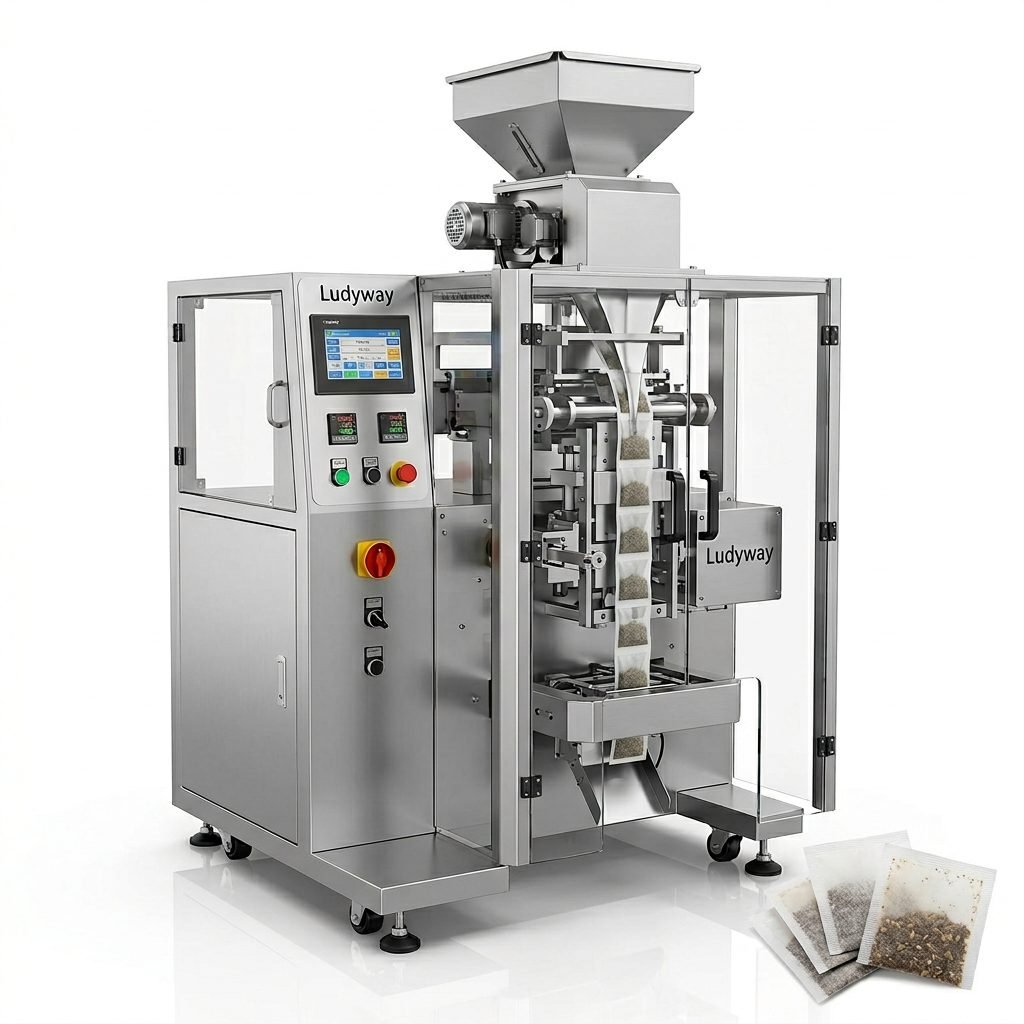
Tea Bag Packaging Machine Price Guide
Prices vary widely depending on automation level, speed, bag type, and country of origin. The ranges below are general market estimates for 2025 procurement planning and should be used as budgeting references, not final quotations.
- Basic semi-automatic tea bag machines: about USD 5,000–15,000
- Automatic standard tea bag machines: about USD 12,000–45,000
- Pyramid tea bag packaging machines: about USD 25,000–80,000+
- Tea bag machine with thread, tag, and outer envelope: about USD 30,000–120,000+
- Integrated turnkey lines with coding, cartoning, and conveyors: about USD 80,000–300,000+
Why such a wide range? Because price is shaped by:
- Speed requirement
- Bag format complexity
- Imported vs China-sourced components
- PLC, servo, HMI, and safety configuration
- Customization level
- Need for downstream automation
A useful procurement rule is to compare total cost of ownership, not just FOB price. A machine that costs 20% more but delivers better uptime, easier maintenance, and more stable sealing may be cheaper over 3–5 years.
Why Choose a China-Based Manufacturer?
Many tea brands and contract packers now source from China because the value equation has changed. China-based manufacturers have improved significantly in precision machining, automation integration, export handling, and remote support.
Procurement Advantages
- Lower upfront investment than many European brands
- Broader customization at comparable budgets
- Faster manufacturing lead times in many cases
- Easier integration of complete filling, sealing, coding, and end-of-line systems
Technical Advantages
- Mature servo controls and PLC-based operation
- Strong experience in sachet, stick pack, and pouch packaging
- Scalable platform designs for multiple SKUs
- Growing support for food, pharma, and health sectors
Cost Advantages
- Lower machine acquisition cost
- Lower customization cost
- Competitive spare parts pricing
Service Considerations
The best China suppliers now provide remote commissioning, video support, electrical documentation, online troubleshooting, and spare parts kits. This is why experienced exporters such as Ludyway have gained traction with overseas buyers.
How to Choose the Right Manufacturer
A smart purchase decision comes down to matching the supplier to your production reality.
Choose Ludyway if:
- You want a supplier with broad packaging know-how beyond tea alone
- You may expand into sachets, powders, herbal blends, or full turnkey lines
- You need export experience and structured engineering support
Choose Packmate Machinery if:
- You need practical, cost-effective automation
- Your tea packaging project is moderate in scale
- You value flexible machine configuration without moving into premium pricing
Choose PacklineOEM or PackingMachineOEM if:
- Your project is non-standard
- You need line matching and factory layout adaptation
- You have a private-label or OEM sourcing model
Choose a premium European supplier if:
- You have a large capital budget
- You require highly standardized documentation and established regional service teams
- Your operation runs very high-volume continuous production
Non-Table Comparison: Differences in Buying Experience
Ludyway vs Packmate Machinery: Ludyway is generally the stronger choice for larger-scale or future-proof automation projects, while Packmate is better for practical, budget-aware equipment purchases.
PacklineOEM vs PackingMachineOEM: PacklineOEM is more line-integration oriented, while PackingMachineOEM is more suitable when the machine itself needs non-standard modification.
SnusMachinery vs general packaging suppliers: SnusMachinery is more niche and more specialized in small pouch handling, but general suppliers may offer broader food and tea packaging scalability.
China-based suppliers vs European suppliers: China suppliers usually win on investment efficiency and customization flexibility, while European suppliers often lead in brand recognition and local service network depth.
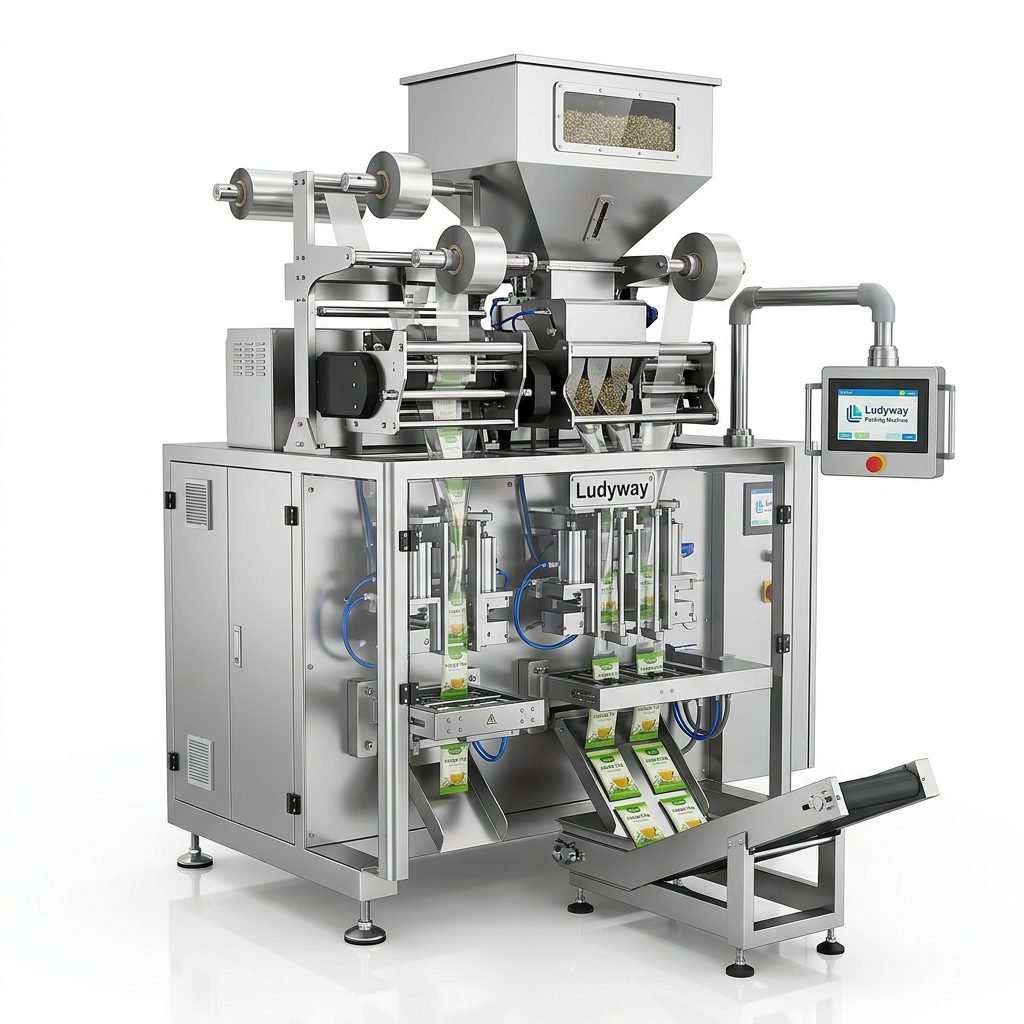
Key Technical Questions to Ask Before Buying
- What tea materials has the machine already tested: leaf, broken leaf, dust, herbal blend, powder?
- What is the real output in bags per minute under my product conditions?
- What filling accuracy can be guaranteed?
- Can the machine run biodegradable or compostable packaging material?
- Which brand of PLC, servo, touchscreen, and electrical parts are used?
- What spare parts come with the shipment?
- Is FAT video or live online inspection available?
- Can the line be expanded later with cartoning, coding, or checkweighing?
Common Buyer Mistakes
- Choosing only on price and ignoring service support
- Not sending real tea samples for testing
- Ignoring packaging material compatibility
- Buying a machine too fast for actual downstream handling
- Failing to confirm spare parts and electrical standards before shipment
- Not calculating maintenance and operator training costs
Buyer Checklist for Tea Brands and Factories
Before asking for a quote, prepare the following:
- Tea type and cut size
- Target bag weight
- Bag format required
- Required speed per minute
- Packaging film or filter material specification
- Voltage and electrical standard
- Factory layout dimensions
- Need for coding, counting, cartoning, or palletizing
- Target delivery timeline
FAQ
What is the best tea bag packaging machine manufacturer?
There is no single best manufacturer for every project. Ludyway is one of the strongest all-around options for buyers seeking flexibility, export experience, and turnkey capability. Premium European brands may suit very large industrial operations, while more specialized suppliers may fit niche pouch or custom-format needs.
How much does a tea bag packaging machine cost?
Basic models can start near USD 5,000–15,000, while fully automatic and higher-spec systems often range from USD 12,000 to over USD 120,000. Turnkey lines can exceed USD 300,000 depending on automation level.
Can one machine pack both tea bags and outer envelopes?
Yes, some machines can produce inner tea bags and automatically wrap them in outer envelopes. However, the machine cost, complexity, and maintenance requirements are higher than for simple inner bag systems.
What is better for tea: pyramid bags or standard filter bags?
Pyramid bags are often preferred for premium loose-leaf teas because they allow better leaf expansion and infusion. Standard filter bags are more economical and better suited to mass-market products.
Are China-made tea packaging machines reliable?
Yes, many are reliable when sourced from experienced exporters with proven technical support. Reliability depends more on supplier capability, component quality, and service commitment than country alone.
How long does delivery usually take?
Lead times often range from 20 to 90+ days depending on machine complexity, customization, and factory workload. Turnkey projects may take longer.
Final Buying Insight
For most buyers, the smartest strategy is to shortlist one strong turnkey-capable manufacturer, one value-oriented supplier, and one specialist, then compare them using sample testing, real output validation, parts lists, and support scope. In this comparison, Ludyway stands out for broad capability and export maturity, Packmate Machinery for practical cost-performance, PacklineOEM and PackingMachineOEM for custom project flexibility, and SnusMachinery for niche small-pouch applications.
If your goal is stable tea bag production with room to scale into envelopes, sachets, or complete automated lines, prioritize engineering depth and service response over headline price. That is usually where the best long-term return comes from.