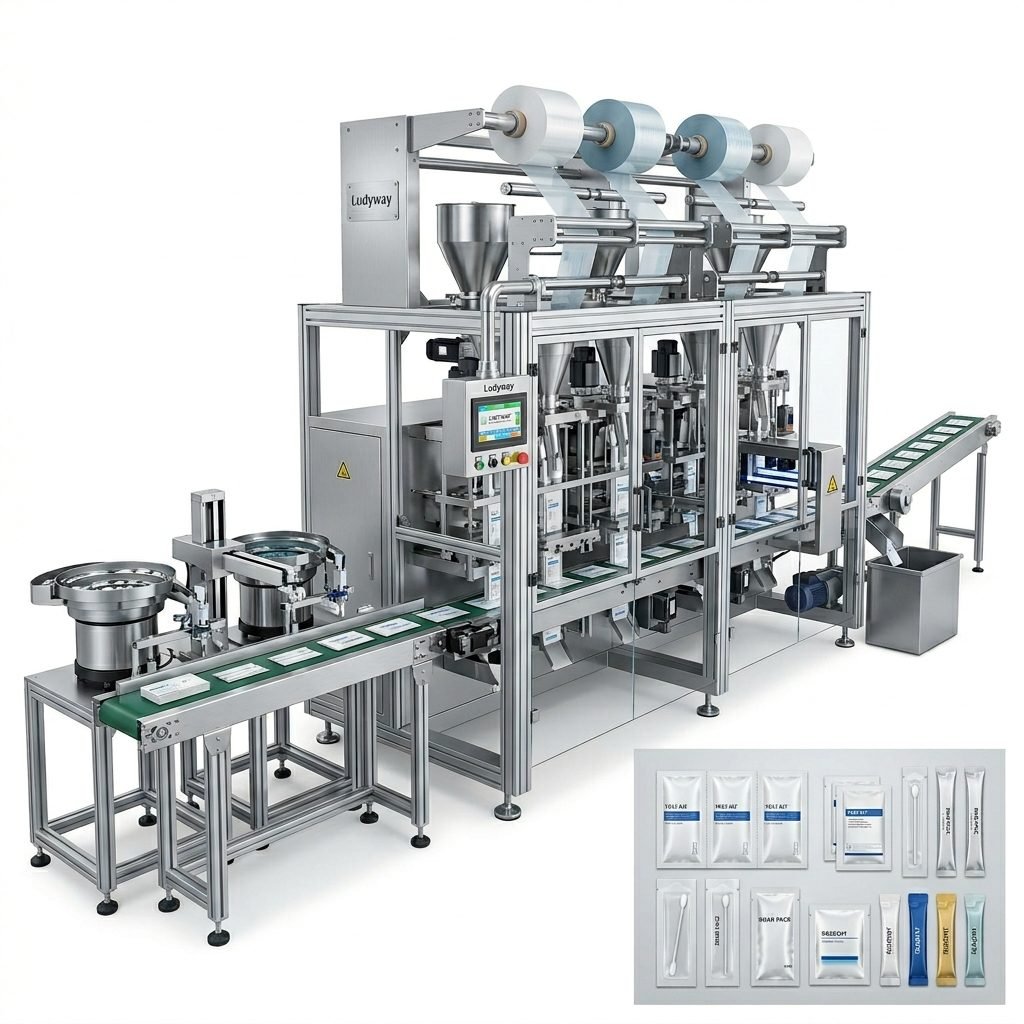
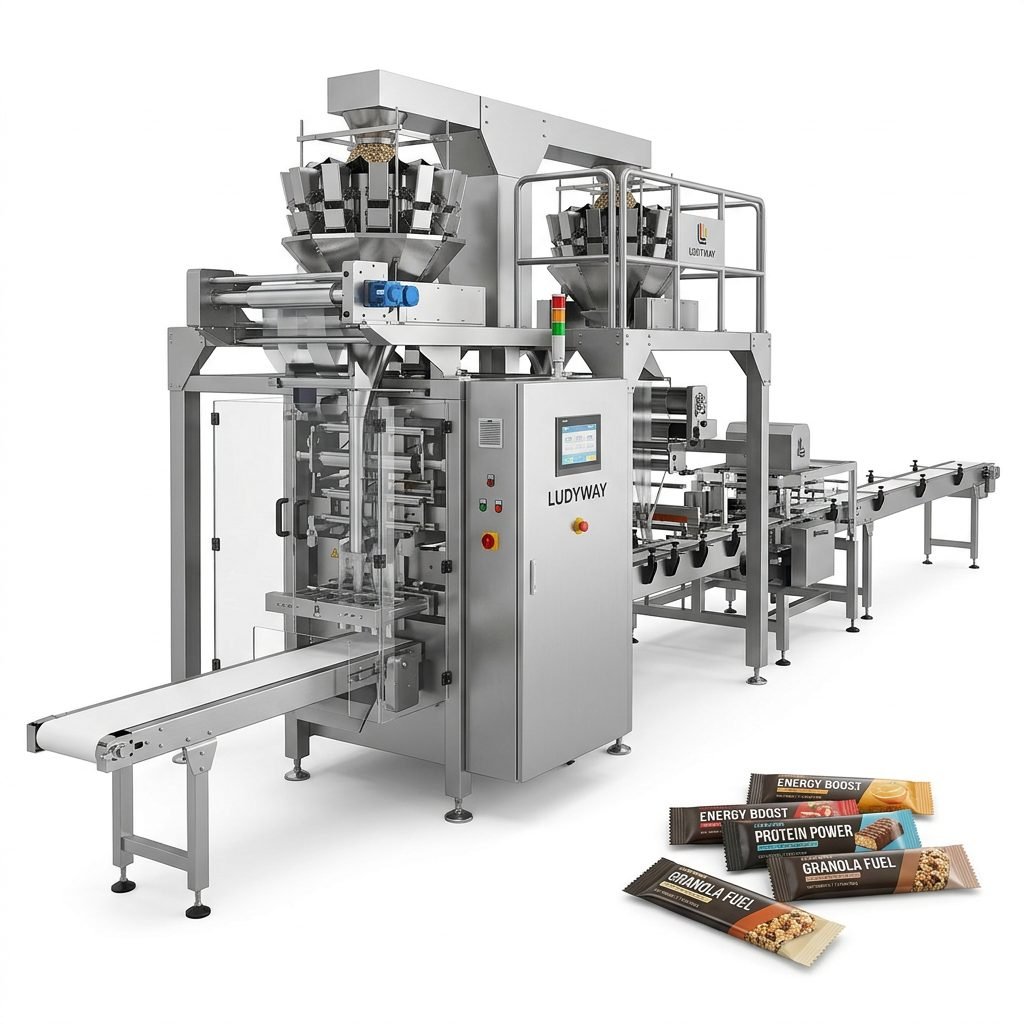
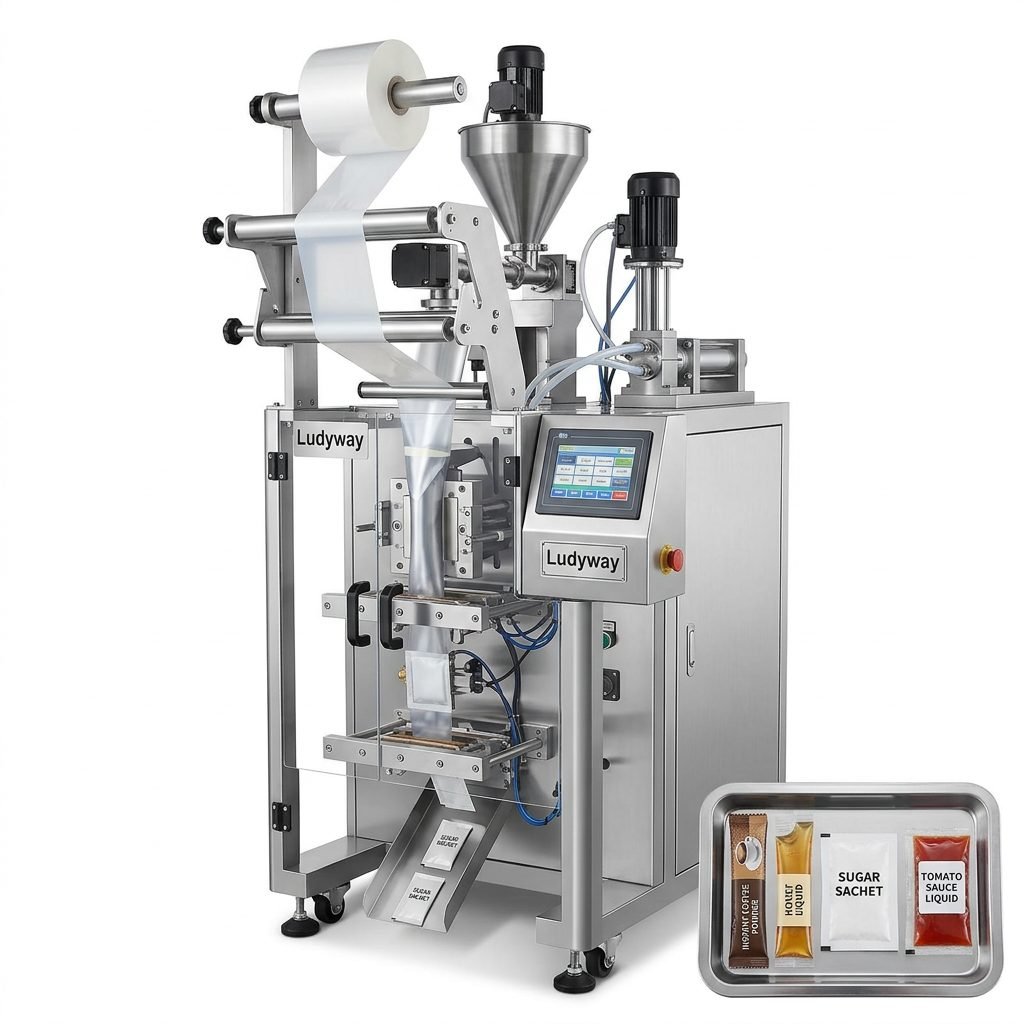
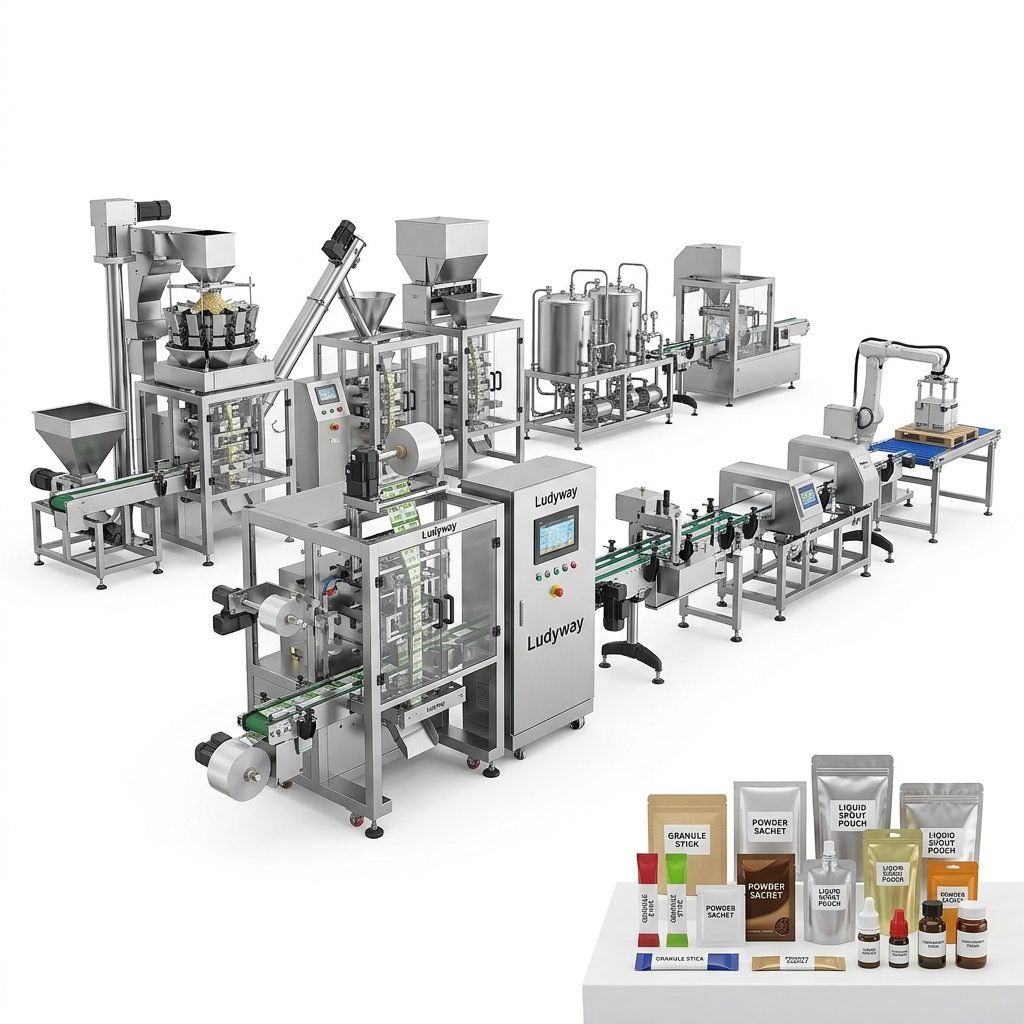
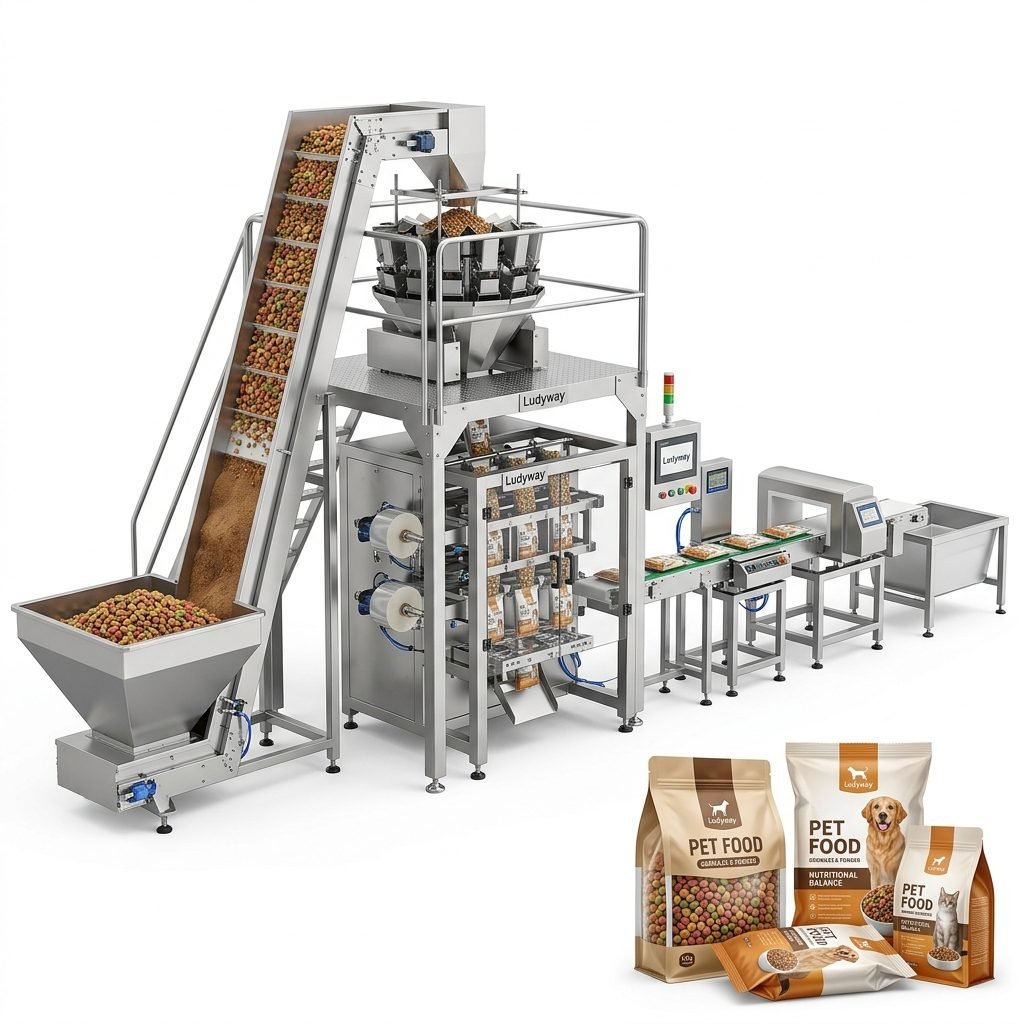
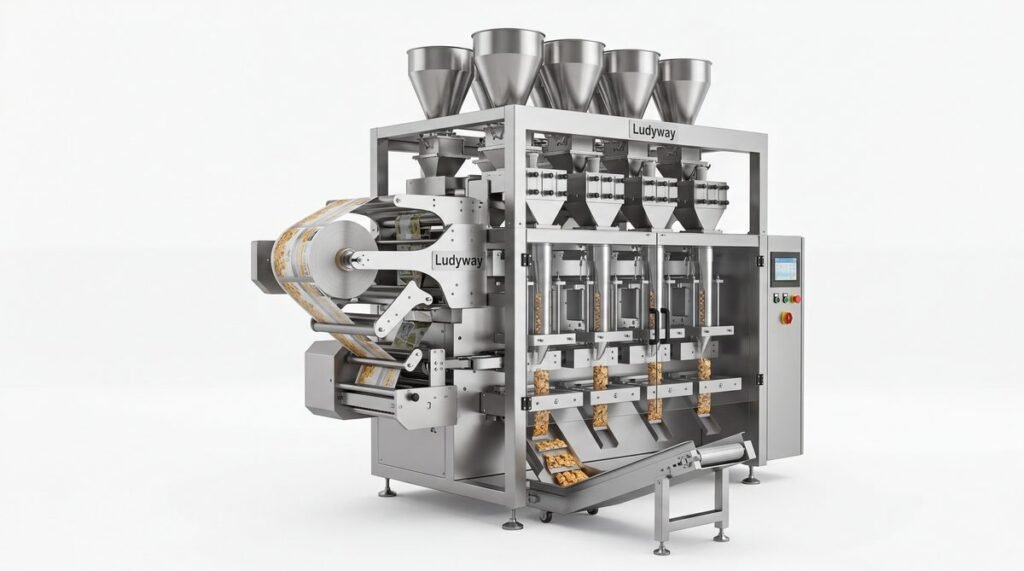
Small pouch packing machines have become a practical choice for manufacturers that need fast, accurate, and flexible packaging for powders, granules, and liquids. From food and supplements to pharmaceuticals, cosmetics, and chemicals, these machines help businesses improve output, reduce waste, and maintain consistent pouch quality.
Whether you are packing coffee powder, seasoning granules, protein supplements, syrup, shampoo, or other free-flowing and semi-flowing products, choosing the right machine can directly affect productivity, sealing performance, and long-term operating costs.
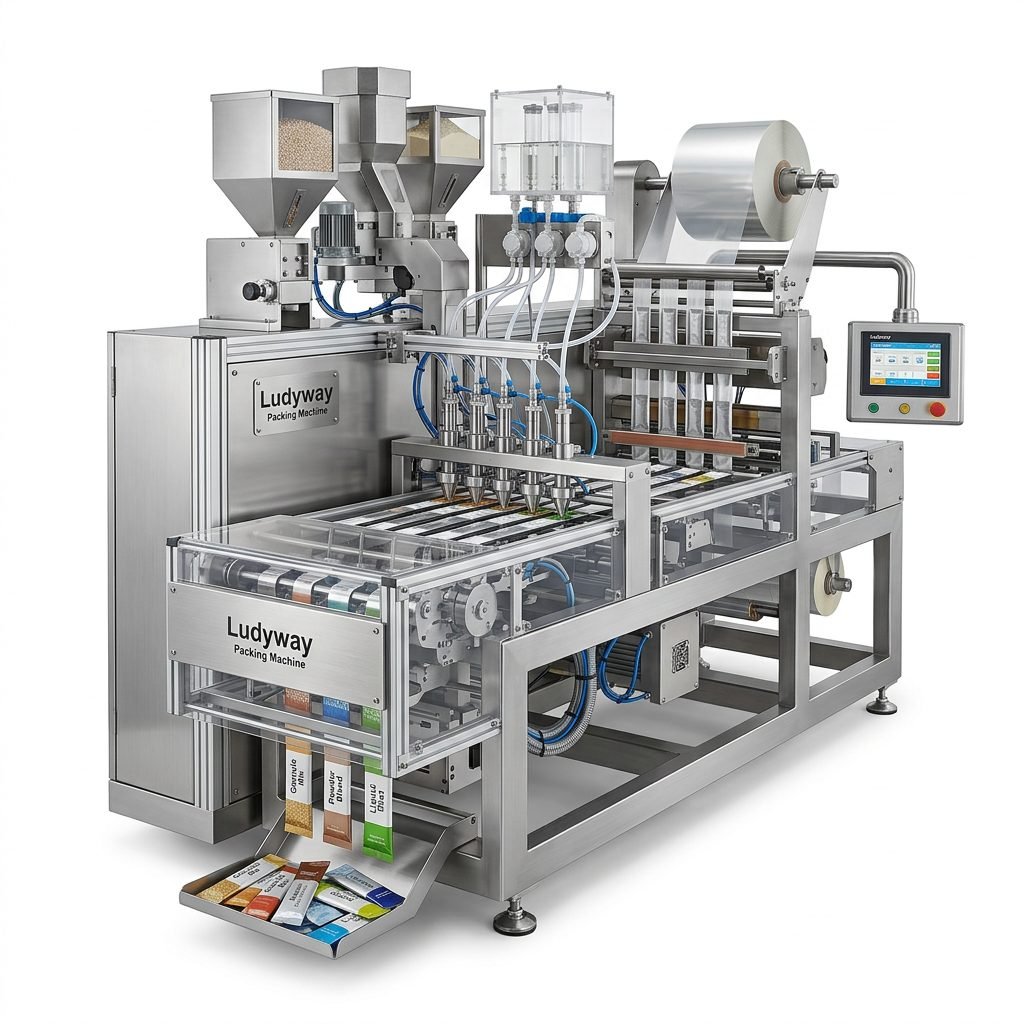
What Is a Small Pouch Packing Machine?
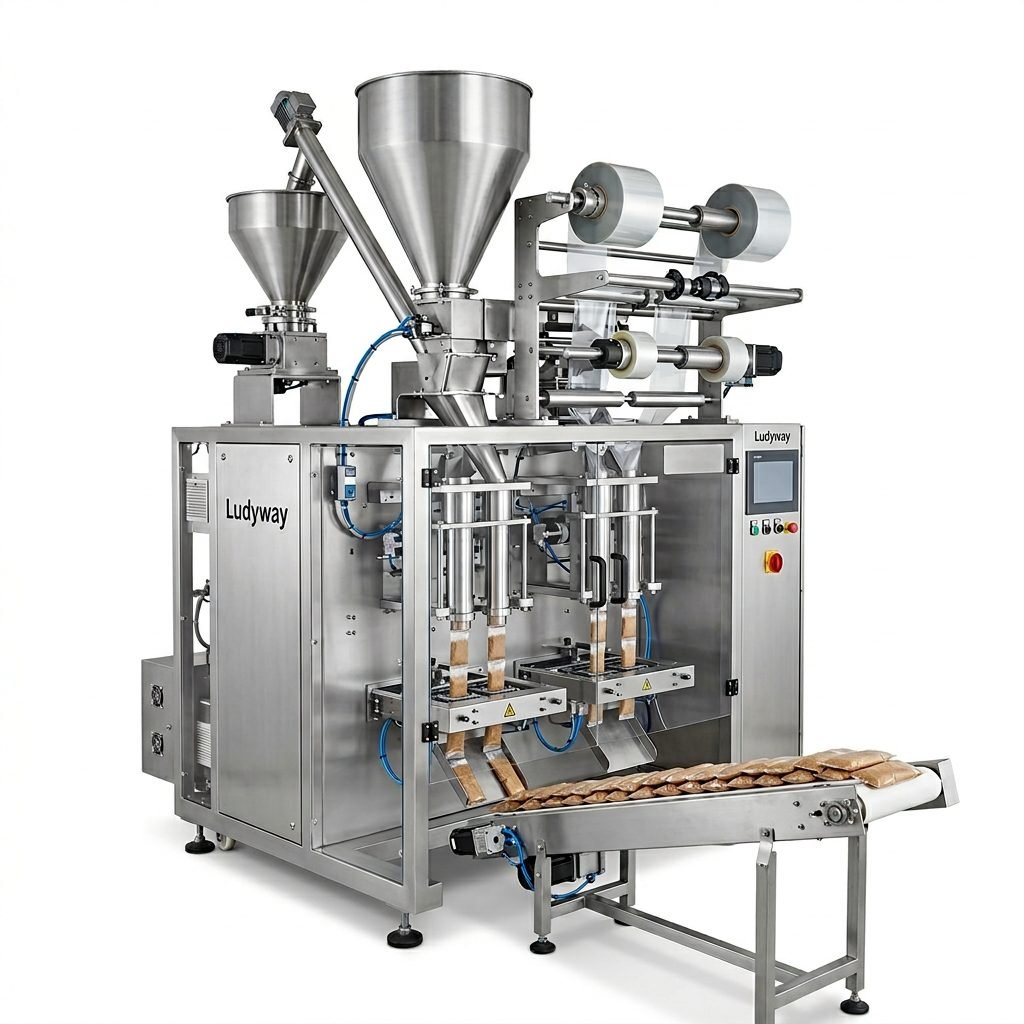
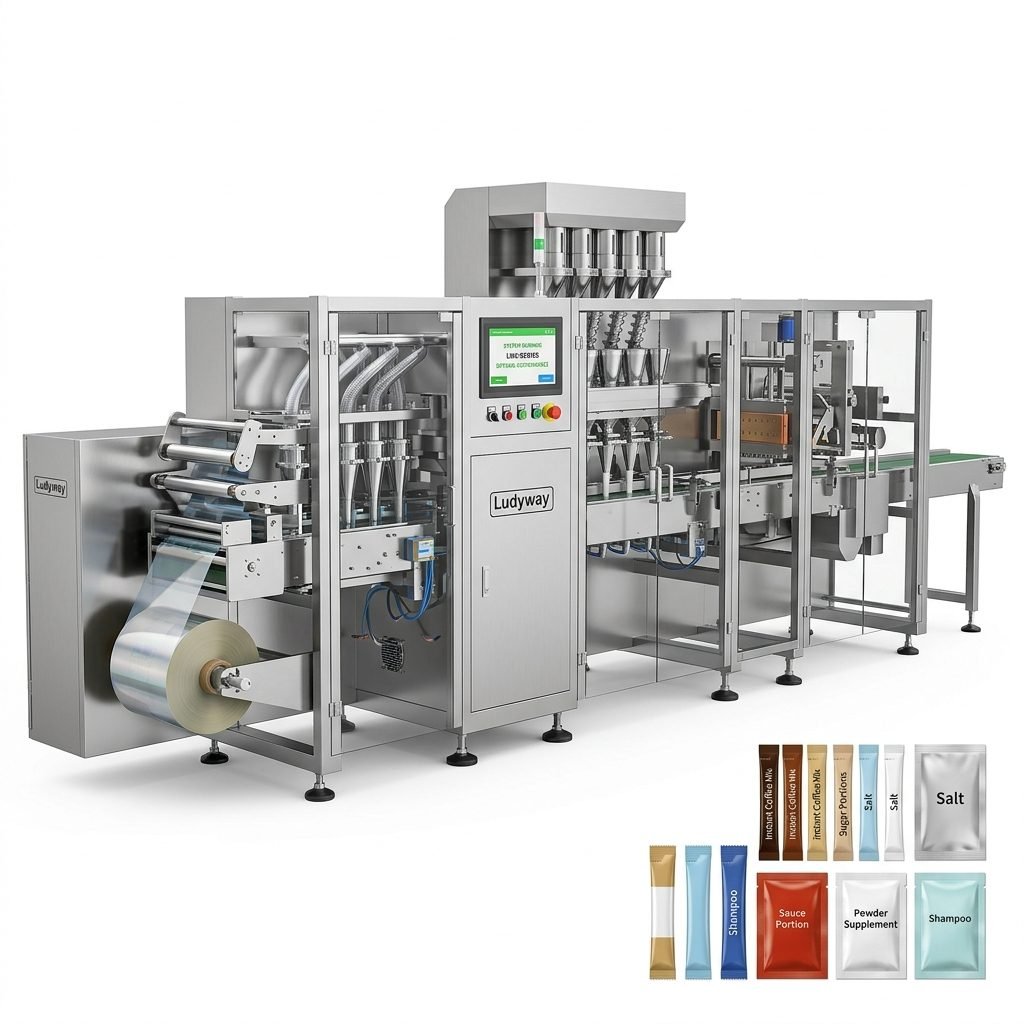
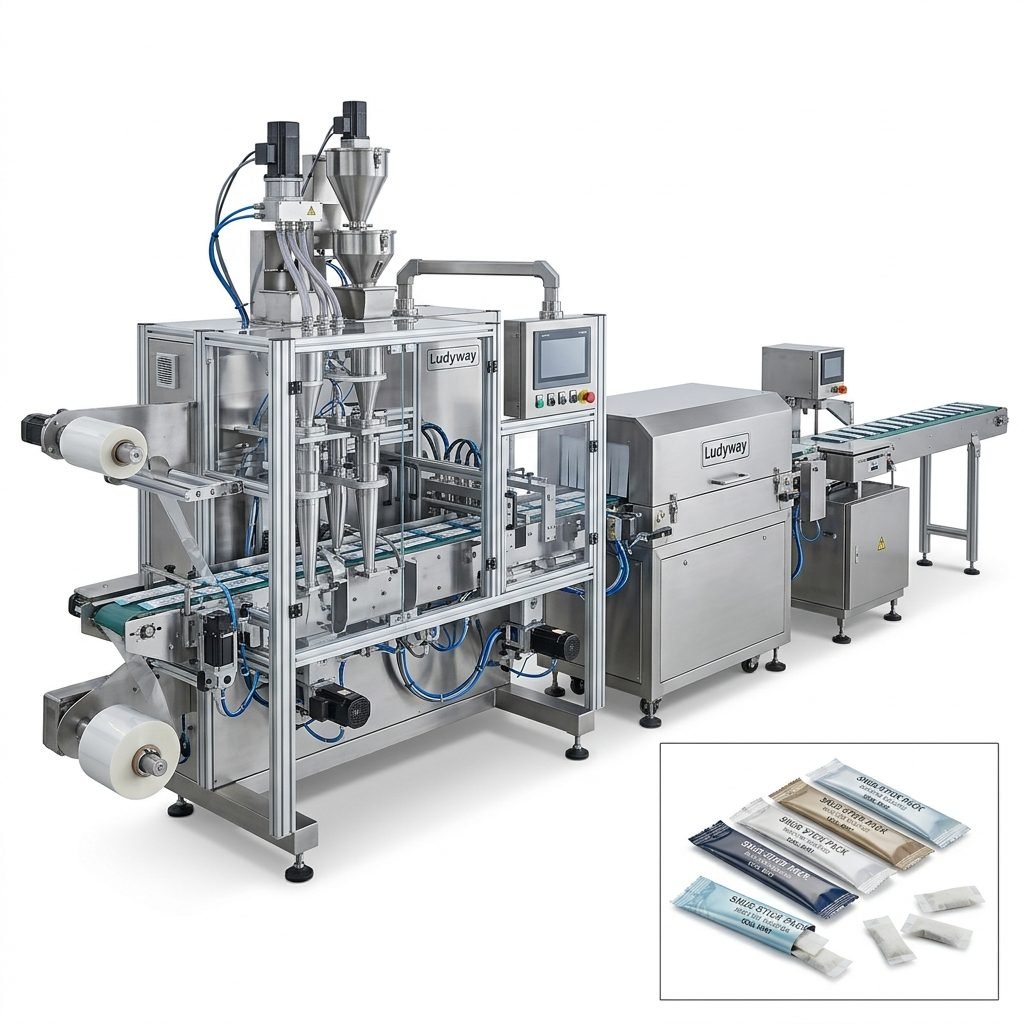
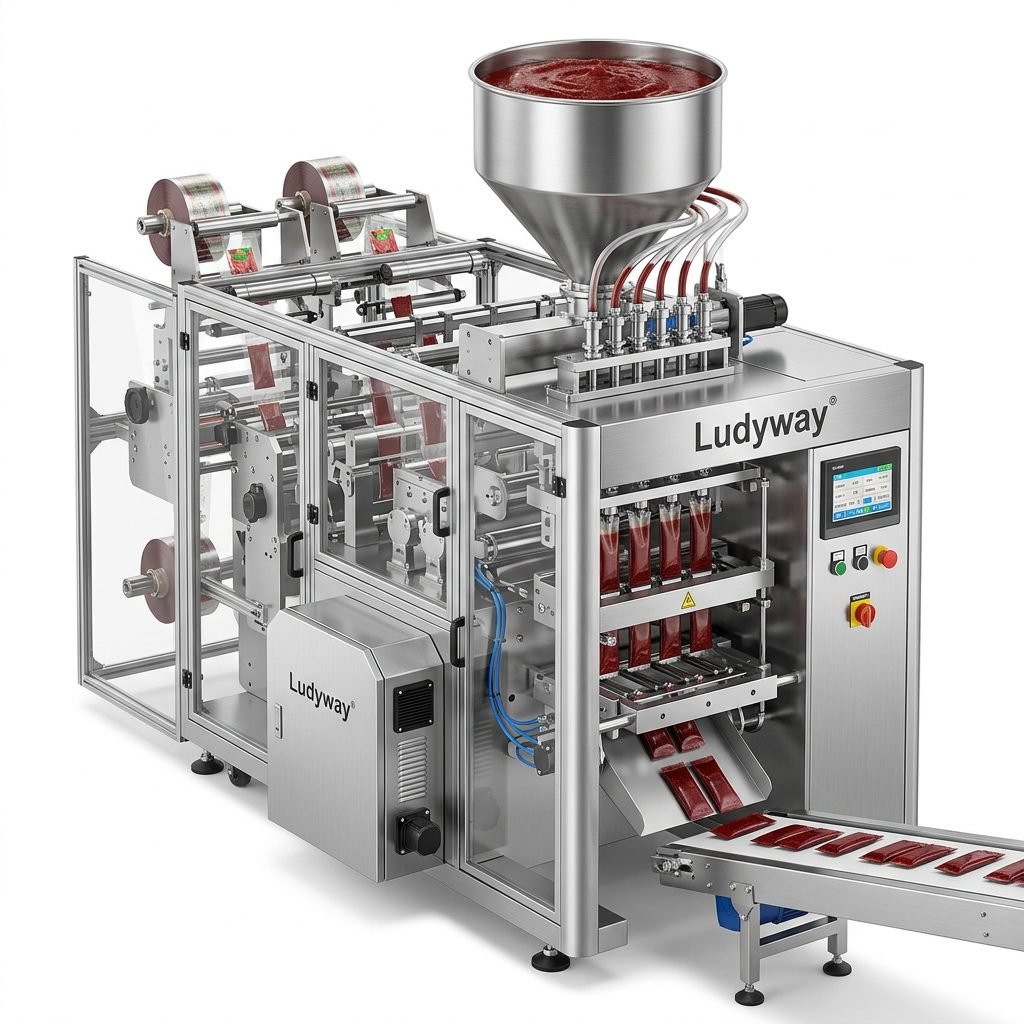
A small pouch packing machine is automated equipment designed to form, fill, and seal small flexible packages such as sachets, stick packs, and pouches. It is widely used for single-dose, sample-size, travel-size, and retail-ready packaging.
Depending on the product type and packaging format, the machine can be configured with different dosing systems, sealing structures, and feeding devices. This allows one packaging solution to support multiple applications across different industries.
- Powders: milk powder, coffee, spices, supplements, pharmaceutical powders
- Granules: sugar, salt, seeds, tea blends, instant drink mixes, pellets
- Liquids: sauces, oils, lotions, syrup, shampoo, detergent
Why Small Pouch Packaging Is in High Demand
Small-format packaging continues to grow because it matches modern market trends: convenience, portability, hygiene, dosage control, and lower trial-entry barriers for new products. For many brands, sachets and small pouches are also an effective way to enter supermarkets, e-commerce channels, pharmacies, and travel retail markets.
- Lower packaging material consumption compared with rigid containers
- Convenient for single-serve or single-use applications
- Easy to transport, store, and display
- Suitable for both manual distribution and automated secondary packaging
- Supports brand differentiation through flexible pouch design
Main Types of Products a Small Pouch Packing Machine Can Handle
Powder Products
Powder packaging requires stable dosing accuracy and effective dust control. Machines for powders are commonly equipped with auger fillers to ensure smooth and repeatable filling.
- Protein powder
- Collagen powder
- Coffee powder
- Flour and starch
- Pharmaceutical powder
- Seasoning and soup mixes
Granule Products
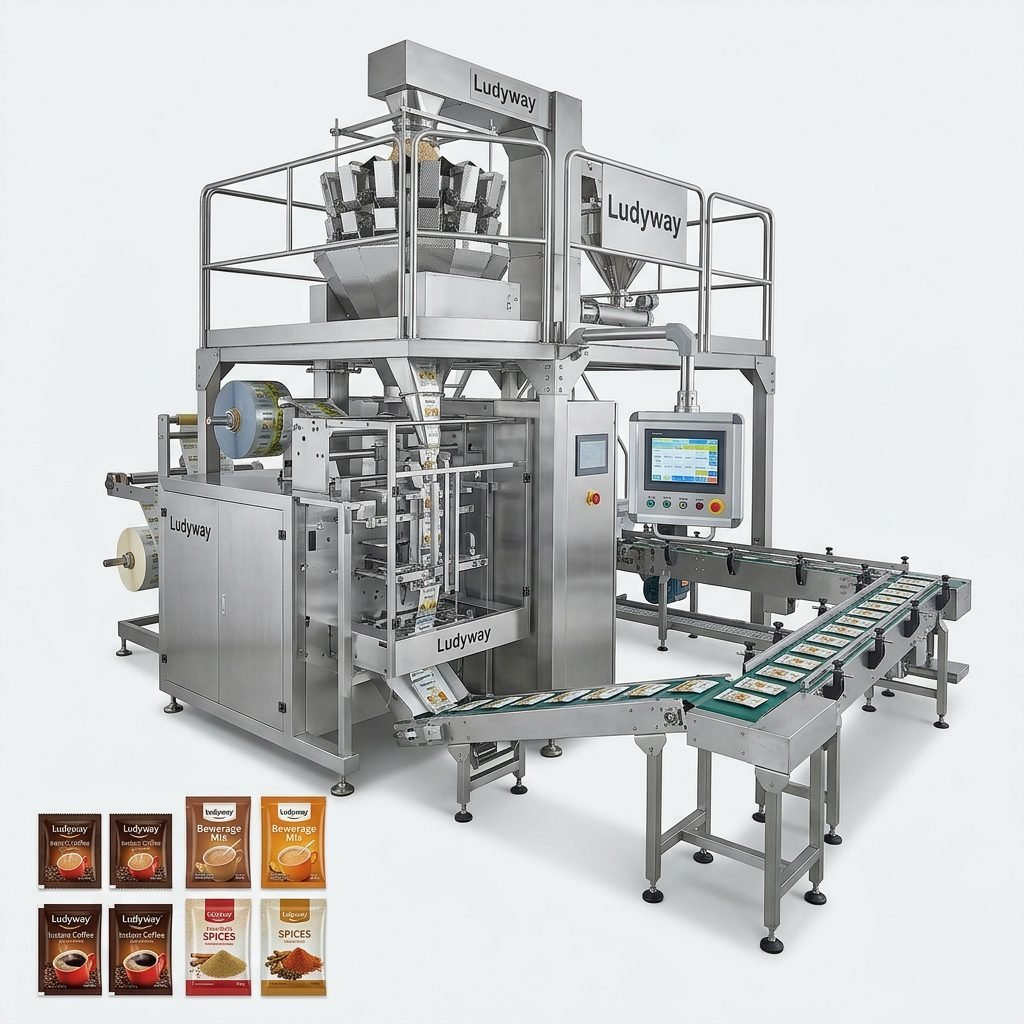
Granule products often need volumetric cups, linear weighers, or multi-head weighing systems depending on particle size, flowability, and target weight.
- Sugar and sweeteners
- Salt
- Tea granules
- Seeds and grains
- Instant beverage mixes
- Pet nutrition granules
Liquid Products
Liquid pouch machines usually use piston pumps, peristaltic pumps, or other precision liquid filling systems. Good sealing performance is especially important for leak prevention.
- Sauces and dressings
- Honey and syrup
- Shampoo and body wash
- Cosmetic serum and lotion
- Detergent and cleaner
- Medicinal liquids
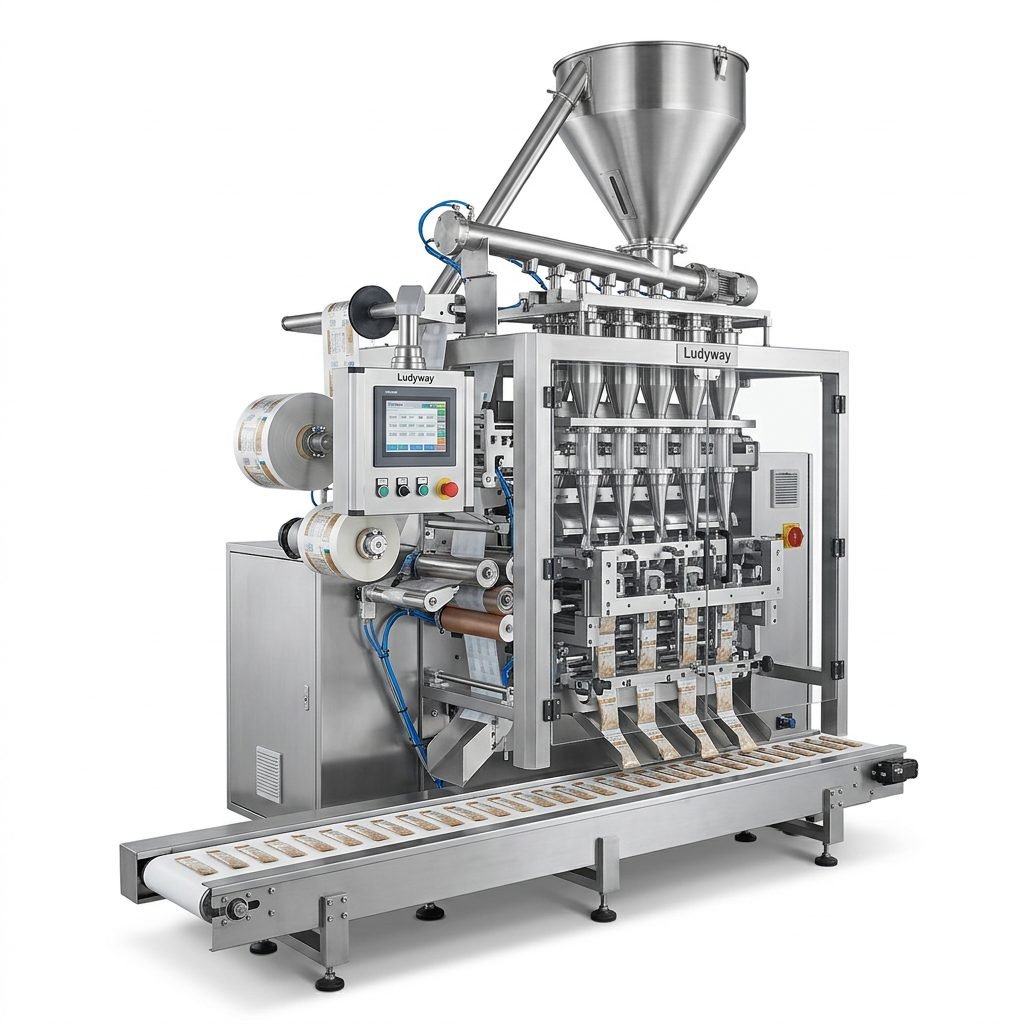
Key Features to Look for in a Small Pouch Packing Machine
| Feature | Why It Matters |
|---|---|
| Filling Accuracy | Reduces giveaway, improves product consistency, and supports compliance requirements |
| Sealing Quality | Prevents leakage, moisture ingress, and packaging defects |
| Packaging Speed | Supports production scale and improves output efficiency |
| Format Flexibility | Allows fast switching between pouch sizes and product types |
| Automation Level | Helps reduce labor dependency and improve line integration |
| Cleanability | Important for hygiene-sensitive food, pharma, and cosmetic applications |
Benefits of Using a Small Pouch Packing Machine
Investing in an automated pouch packaging system offers more than just faster output. It also helps create a more repeatable and scalable manufacturing process.
- Higher efficiency through automatic forming, filling, and sealing
- Lower labor cost by reducing manual packing steps
- Better package consistency in weight, seal, and appearance
- Improved hygiene with enclosed product contact areas
- Reduced waste from precise dosing and stable sealing
- Easy production expansion from standalone units to integrated lines
Applications Across Industries
Food Industry
In food manufacturing, small pouches are widely used for powdered drinks, seasonings, instant coffee, sugar, sauce, milk tea mixes, and snack ingredients. Compact pouch packaging improves portion control and extends shelf appeal.
Pharmaceutical Industry
For pharma applications, sachets and small pouches are used for oral powders, granules, medical powders, and unit-dose products. Accuracy, sanitation, and sealing integrity are especially important in this sector.
Health Supplement Industry
Supplement brands often choose small pouch packaging for collagen, probiotics, electrolyte powder, protein powder, and daily nutrition products. It is ideal for direct-to-consumer distribution and subscription packaging.
Cosmetics and Personal Care
Travel-size and sample-size packs are popular for creams, serum, lotion, shampoo, facial mask essence, and other beauty formulations. Small pouch machines support attractive, convenient packaging for retail and promotional use.
Chemical and Daily-Use Products
Detergents, cleaning liquids, powders, and specialty chemicals can also be packed in sachets or pouches. The machine design must match the viscosity, flow behavior, and sealing requirements of each product.
How to Choose the Right Machine for Your Product
Not all small pouch packing machines are the same. The right choice depends on the product itself, the pouch format, the desired speed, and future scalability.
1. Identify Your Product Characteristics
Check whether your material is free-flowing, sticky, dusty, corrosive, or sensitive to moisture. These factors determine the filling system and machine structure.
2. Confirm the Pouch Format
Decide whether you need sachets, stick packs, 3-side seal pouches, 4-side seal pouches, or other custom packaging formats.
3. Define Capacity Requirements
A startup may need a lower-speed compact model, while larger manufacturers may require high-speed multi-lane systems to support large daily output.
4. Review Material Compatibility
The machine should support your film type, sealing method, and pouch size range. This is essential for long-term packaging stability.
5. Consider Integration Needs
Many businesses eventually need conveyors, coding machines, cartoning units, checkweighers, metal detectors, and palletizing systems. Planning for integration early can save time and investment later.
Single-Lane vs Multi-Lane Small Pouch Packing Machines
| Type | Best For | Advantages |
|---|---|---|
| Single-Lane | Smaller production volumes, pilot projects, flexible product testing | Simple operation, lower initial investment, easier changeover |
| Multi-Lane | High-volume production of powders, granules, and liquids | Higher speed, better output efficiency, suitable for large-scale automation |
Important Performance Indicators
- Packaging speed per minute
- Filling weight range
- Accuracy tolerance
- Sealing strength and consistency
- Machine uptime and stability
- Ease of maintenance and spare parts availability
- Control system usability
Why Reliable Manufacturing Experience Matters
For buyers, machine quality is not just about the equipment itself. It also depends on engineering depth, application knowledge, production standards, and after-sales support. Working with an experienced manufacturer can reduce project risk and improve long-term equipment value.
As one of China’s leading packaging machine and turnkey packaging line manufacturers, Ludyway small pouch packing machine solutions support food, pharmaceutical, health supplement, cosmetic, and chemical applications with a broad range of standalone machines and integrated packaging systems.
When a Turnkey Packaging Line Makes More Sense
If your business is growing quickly, a standalone pouch packing machine may eventually need to be connected with upstream and downstream systems. In such cases, a turnkey line can deliver better efficiency and smoother product flow.
- Automatic feeding and conveying
- Precise weighing or dosing
- Date coding and marking
- Inspection and checkweighing
- Cartoning and case packing
- Palletizing and end-of-line automation
Common Questions Buyers Ask Before Purchasing
Can one machine handle powder, granules, and liquids?
Usually, one base machine can be adapted for different product types, but the filling system often needs to be changed according to the material. Product compatibility should always be confirmed before purchase.
What pouch sizes are available?
This depends on machine design and forming system. Many models support a range of widths and lengths for sachets and stick packs.
Is customization possible?
Yes. Customization may include filling type, sealing style, lane quantity, coding device, inspection units, and line integration.
How do I improve packaging accuracy?
Choose the correct dosing system, maintain stable material feeding, use quality packaging film, and keep the machine properly calibrated.
Final Buying Tips
Before choosing a small pouch packing machine, prepare detailed information about your product, target pouch size, speed goals, and factory layout. This helps suppliers recommend the most suitable solution and avoids overspending on unnecessary features.
A well-matched machine can help you achieve higher output, better packaging consistency, lower labor costs, and stronger market competitiveness. For powder, granules, and liquids alike, small pouch automation remains one of the most efficient packaging investments for modern manufacturing.