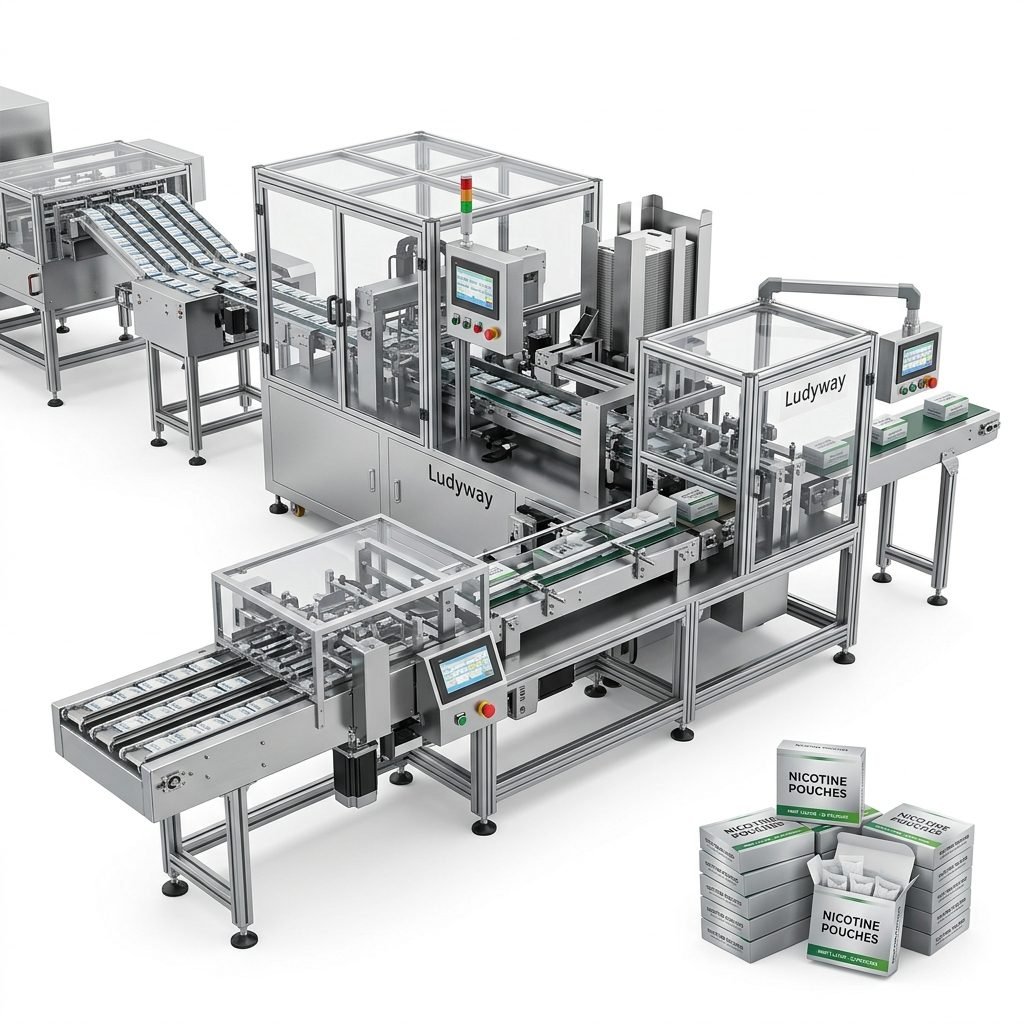
In the fast-paced world of snack manufacturing, the right packaging machinery is not just a piece of equipment; it’s the backbone of your production line. It directly impacts product quality, shelf appeal, operational efficiency, and ultimately, your bottom line. Choosing the correct snack packaging machine involves navigating a complex landscape of different types, each with unique features and capabilities tailored to specific products and production volumes.
Understanding the Core Types of Snack Packaging Machinery
The first step in selecting the right equipment is understanding the main categories available. Each type serves a distinct purpose and is suited for different snack forms.
Vertical Form-Fill-Seal (VFFS) Machines
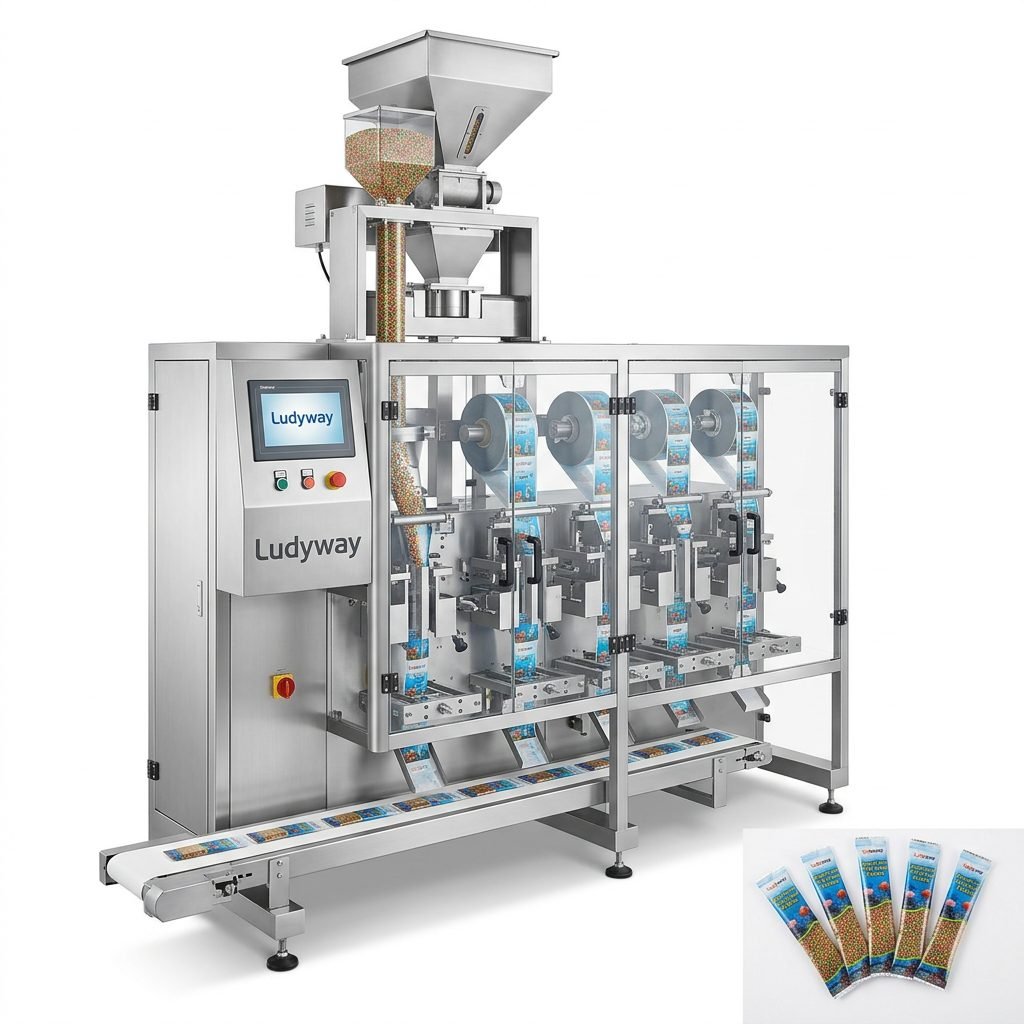
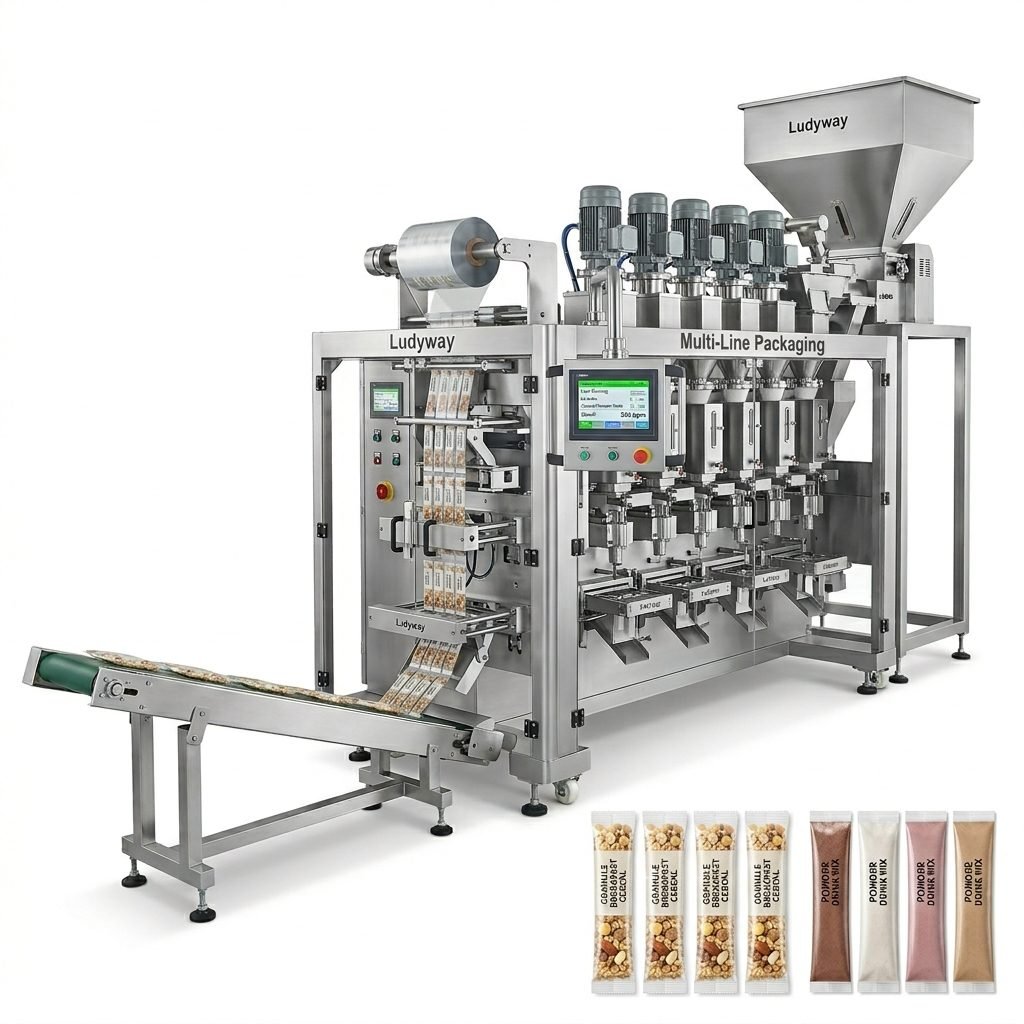
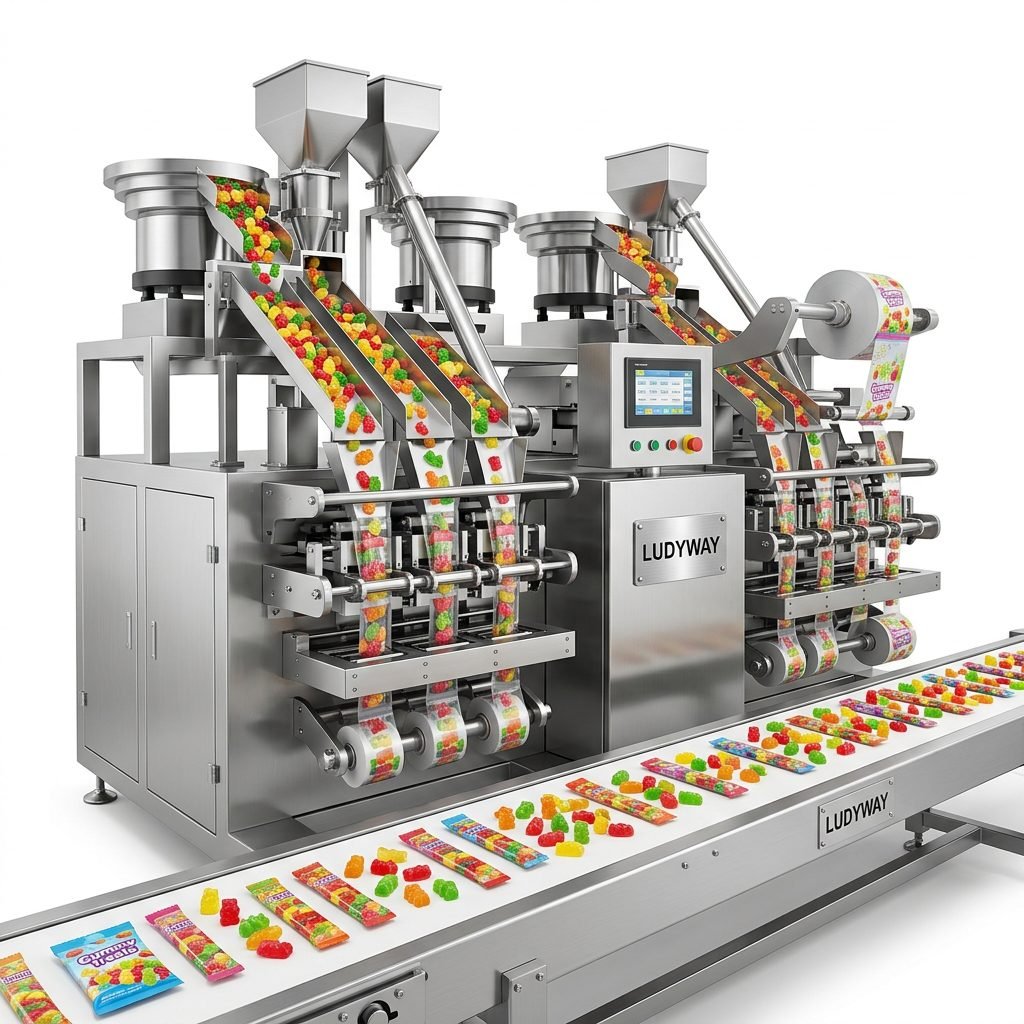
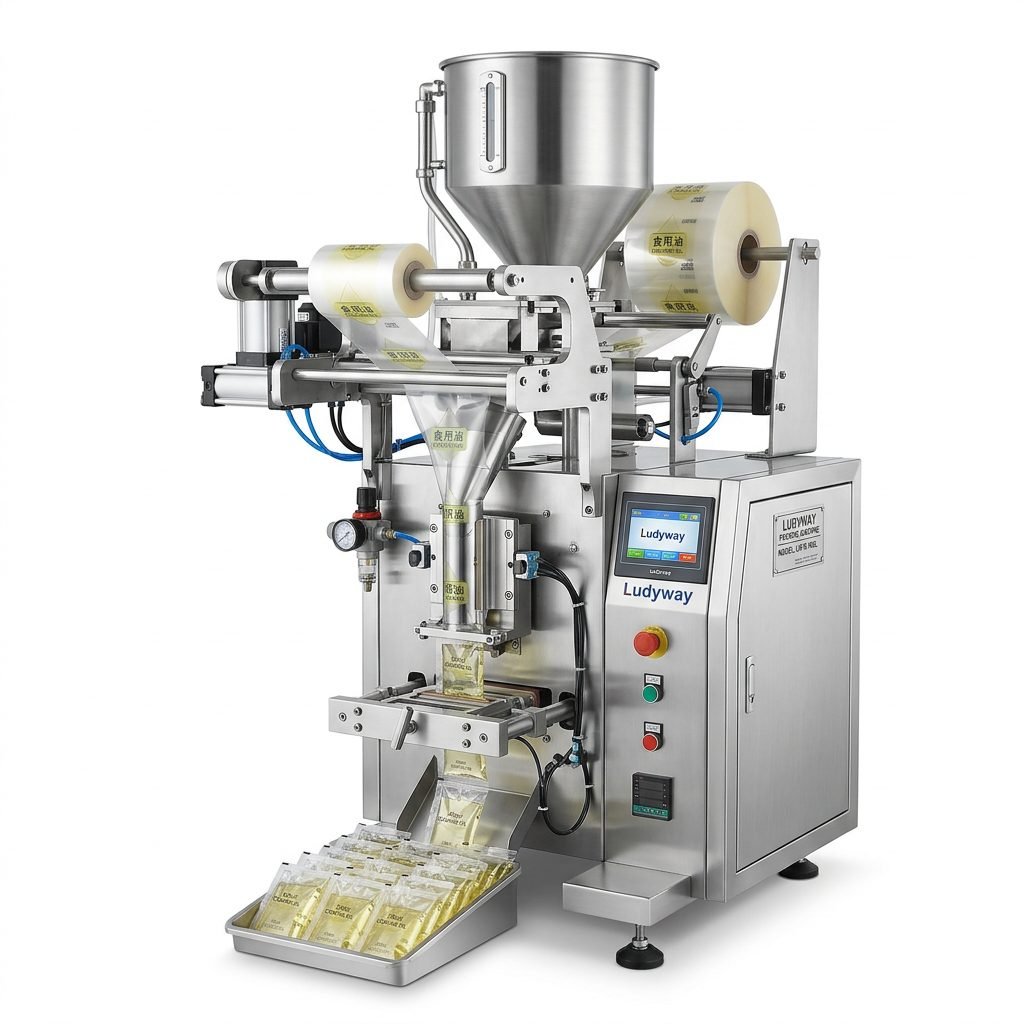
These are the workhorses of the snack industry. VFFS machines create bags from a roll of flat packaging film, fill them with product, and seal them—all in one continuous vertical operation. They are incredibly versatile and cost-effective for medium to high-volume production of items like chips, pretzels, nuts, and candies. Their ability to handle various bag styles, including pillow bags and gusseted bags, makes them a popular choice for many manufacturers. For operations looking to scale, integrating a multi-lane stick pack system can dramatically increase output for smaller, portion-controlled items.
Key Advantage:
Excellent for high-speed, flexible packaging of free-flowing products. They minimize film waste and allow for quick changeovers between bag sizes and designs.
Horizontal Form-Fill-Seal (HFFS) Machines
Unlike their vertical counterparts, HFFS machines form packages on a horizontal plane. They are often the preferred choice for more delicate snacks, multi-component packs, or products that require a tray or base, such as cookies, crackers, chocolate bars, or snack kits. These machines typically offer superior presentation, with options for clear windows, intricate die-cut shapes, and robust sealing that protects fragile contents.
Pre-Made Bag Packers
This system uses bags that are already manufactured (pre-made pouches, stand-up bags, or zipper bags). The machine’s function is to open, fill, and seal these pre-formed bags. This method is ideal for premium snacks where the bag material or structure is complex—like high-barrier laminates for freshness or unique shaped bags for brand differentiation. While generally slower than FFS systems, they offer unmatched graphic quality and structural integrity for the package.
Essential Features to Evaluate in Snack Packaging Equipment
Beyond the basic type, several critical features determine a machine’s suitability for your specific needs. A careful evaluation here can prevent costly operational headaches down the line.
Weighing and Dosing Accuracy
For compliance and cost control, precise weight is non-negotiable. Modern machines employ advanced multi-head weighers or volumetric cup fillers. Look for systems with high-speed servo-driven augers or linear vibratory feeders that deliver consistent fill weights, even with irregularly shaped products, minimizing giveaway and ensuring every bag meets regulatory standards.
Sealing Technology and Integrity
The seal is what locks in freshness and keeps contaminants out. Common methods include heat sealing (constant or impulse) and cold sealing for heat-sensitive products. Evaluate the sealing jaws’ design, temperature control precision, and the ability to handle different laminate materials. A robust seal integrity detection system is a valuable feature that automatically rejects packages with weak or incomplete seals.
Automation and Integration Capabilities
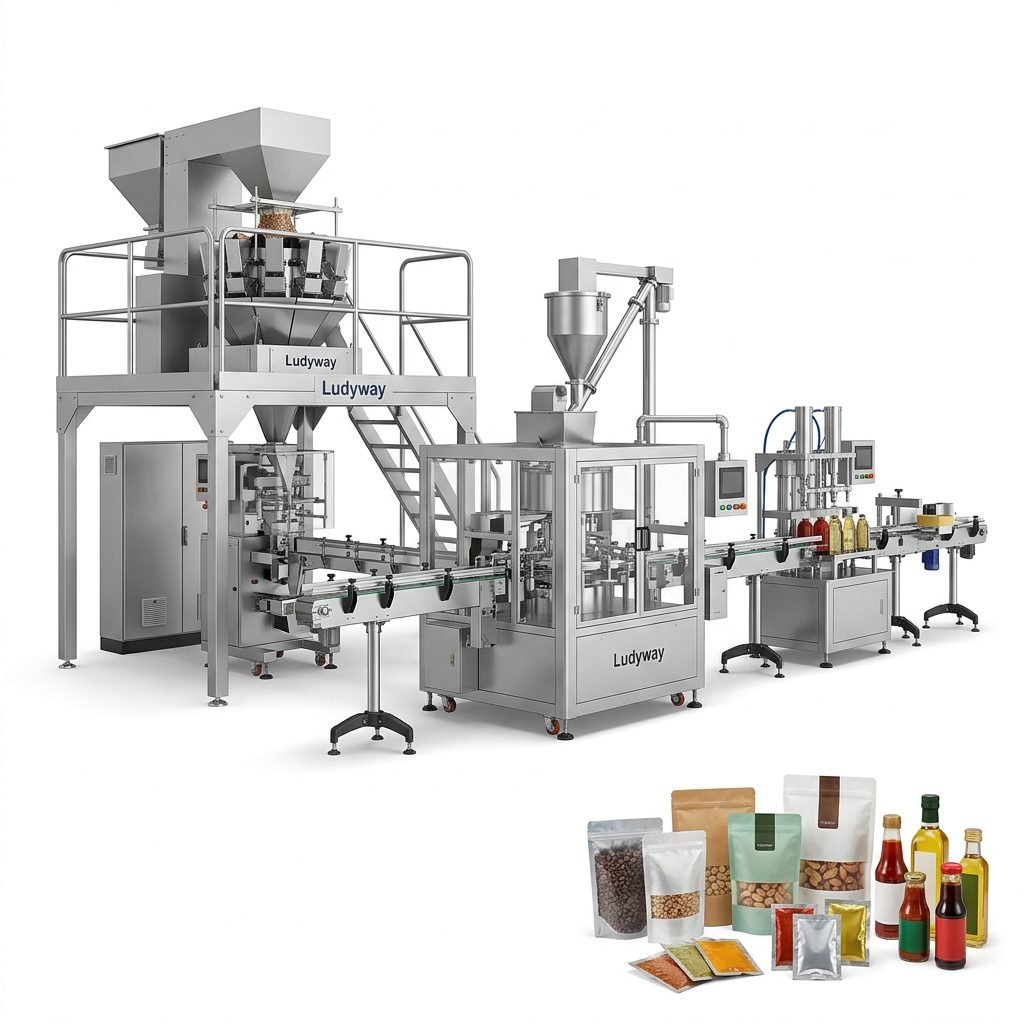
The true power of modern packaging lies in its connectivity. Can the machine integrate seamlessly with upstream equipment like conveyors, depositors, or product feeders and downstream systems like case packers or cartoners? Machines with Programmable Logic Controller (PLC) interfaces and support for industry communication protocols (e.g., OPC UA, Ethernet/IP) are essential for building a smooth, automated production line. This is where partnering with a provider like Ludyway Machinery, which specializes in turnkey solutions, proves invaluable.
Changeover Flexibility
If you run multiple snack products or bag sizes, quick changeover is crucial for minimizing downtime. Features like tool-less adjustments, digital recipe storage (where the machine automatically recalls settings for a product), and quick-release film roll assemblies can reduce changeover time from hours to minutes, boosting overall equipment effectiveness (OEE).
🔄 Operational Insight:
For businesses producing a wide variety of granule or powder-based snacks, a versatile granule packaging machine with easy-to-clean surfaces and accessible service points will significantly improve maintenance efficiency and hygiene, key factors in food production.
A Step-by-Step Guide to Choosing the Right Equipment
Selecting a snack packaging machine is a strategic decision. Follow this structured approach to make an informed choice that aligns with your business goals.
Step 1: Define Your Product and Packaging Specifications
Start with the basics. What is your snack product (e.g., chips, nuts, powdered drink mix)? What are its physical characteristics (size, shape, fragility, flowability)? Then, define your desired package: type (pillow bag, stand-up pouch, stick pack), material (film structure, thickness), and size range. Don’t forget secondary packaging requirements.
Step 2: Analyze Your Production Requirements
Be realistic about your output. Calculate your required bags-per-minute (BPM) speed based on current and projected future demand. Determine your available factory floor space, utilities (power, compressed air), and the skill level of your operational staff. This assessment will narrow down the machine size and complexity.
Step 3: Research and Shortlist Reputable Suppliers
Look for manufacturers with a proven track record in the snack industry. Examine their industry experience, portfolio of successful installations, and quality of technical support. A supplier that offers comprehensive after-sales service, readily available spare parts, and operator training is as important as the machine itself. Reviewing a detailed Company Profile can provide insights into their capabilities and stability.
Step 4: Request Demos and Evaluate Performance
Never buy based on specifications alone. Arrange for a live demonstration using a sample of *your actual product* and packaging materials. Observe the machine in action: check its speed, consistency, noise level, and ease of operation. Pay close attention to the final package quality—seal integrity, appearance, and accuracy.
Step 5: Conduct a Total Cost of Ownership (TCO) Analysis
Look beyond the initial purchase price. Calculate the TCO by factoring in:
• Operational Costs: Energy consumption, film waste, required labor.
• Maintenance Costs: Cost and availability of spare parts, recommended service intervals.
• Lifetime & ROI: Expected machine lifespan, potential for upgrades, and projected return on investment through increased efficiency and reduced waste.
Common Questions (FAQs) About Snack Packaging Machinery
What is the typical lead time for a new snack packaging machine?
Lead times can vary widely from 8 to 20 weeks or more, depending on the machine’s complexity, customization level, and the manufacturer’s current order backlog. Standard models are faster, while fully customized turnkey lines require more engineering and fabrication time.
How do I ensure the machine meets food safety and hygiene standards?
Choose equipment designed with food safety in mind: stainless steel contact surfaces, smooth, crevice-free construction, and easy access for cleaning and inspection. Ensure the supplier can provide documentation confirming compliance with relevant standards (e.g., FDA, CE, EHEDG guidelines).
Can one machine handle different types of snacks and bag sizes?
Many machines are designed for flexibility. However, the degree of changeover ease varies. Discuss your product range with the supplier. Machines with digital servo drives and stored recipes typically offer the fastest and most repeatable changeovers between different products and bag dimensions.
What kind of technical support and training can I expect after purchase?
A reputable supplier should offer comprehensive installation, on-site operator training, and a clear warranty. Inquire about the availability of remote support, service contracts, and the location of their spare parts warehouse to ensure minimal downtime during maintenance.
Is it better to buy a standalone machine or a complete integrated line?
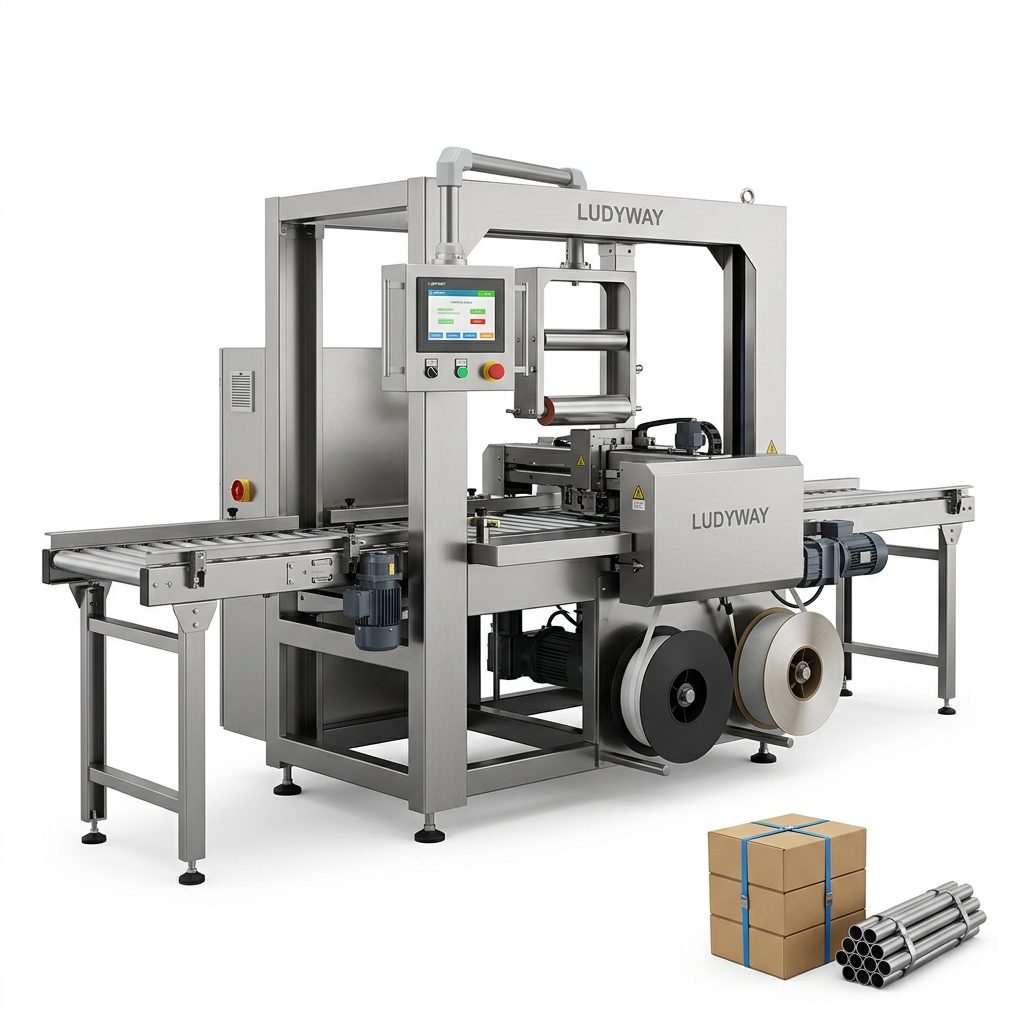
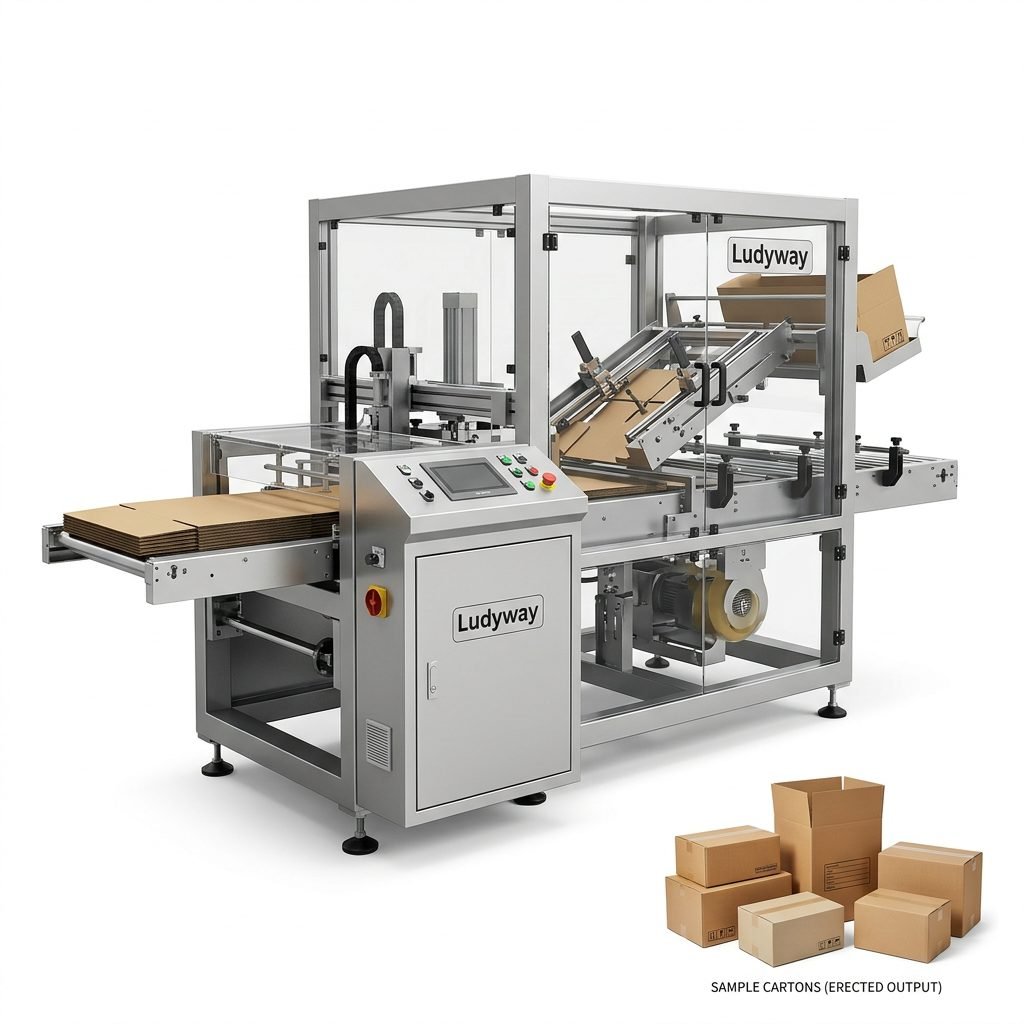
This depends on your scale and automation goals. A standalone machine is sufficient for startups or specific tasks. For high-volume production seeking maximum efficiency, an integrated line—where the packaging machine is synchronized with feeders, checkweighers, and cartoners—reduces labor and boosts throughput. A provider with strong engineering capabilities can advise on the best path for your operation.