Choosing the right tea packaging machine is a critical decision for any tea business looking to scale production, ensure product freshness, and maintain brand consistency. With the rise of automated packaging solutions, finding equipment that balances efficiency, flexibility, and cost-effectiveness can be daunting. This guide will walk you through the key factors to consider when selecting an automatic tea packing machine for sale, ensuring you invest in a solution that grows with your business.
Understanding Your Tea Packaging Needs
Before exploring specific machines, it’s essential to define your operational requirements. The type of tea you package—whether loose-leaf, granulated, powdered, or in tea bags—dictates the machinery needed. For instance, delicate whole-leaf teas require gentler handling systems compared to fine tea powders, which need precision filling to avoid dust and waste.
Pro Tip: Conduct a thorough analysis of your current and projected production volume. A machine that perfectly matches today’s output might become a bottleneck in six months. Consider scalability as a primary criterion.
Furthermore, consider your packaging formats. Are you producing stick packs for single servings, sachets for premium blends, or larger pouches for bulk sales? Each format may require different feeding, weighing, and sealing mechanisms. Multi-format flexibility is a valuable feature for businesses planning to diversify their product line.
Key Machine Types for Tea Packaging
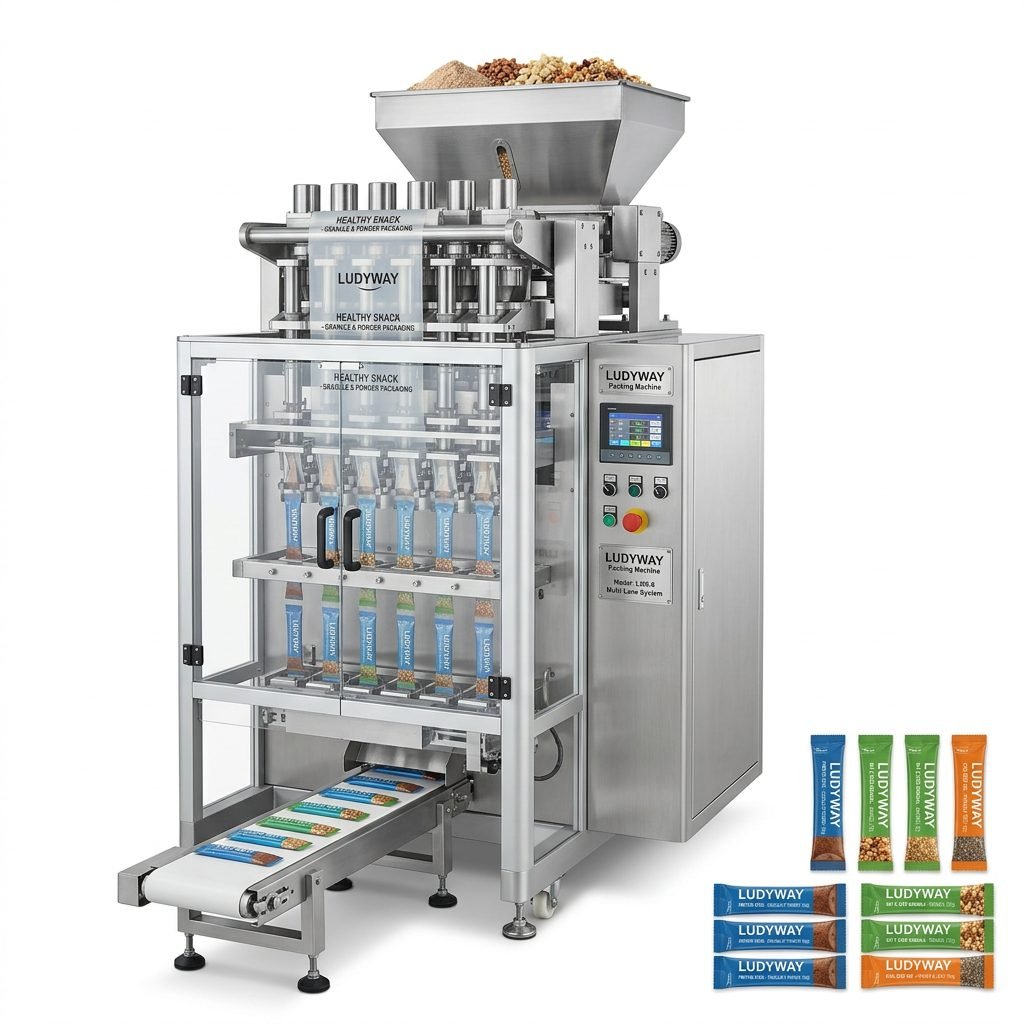
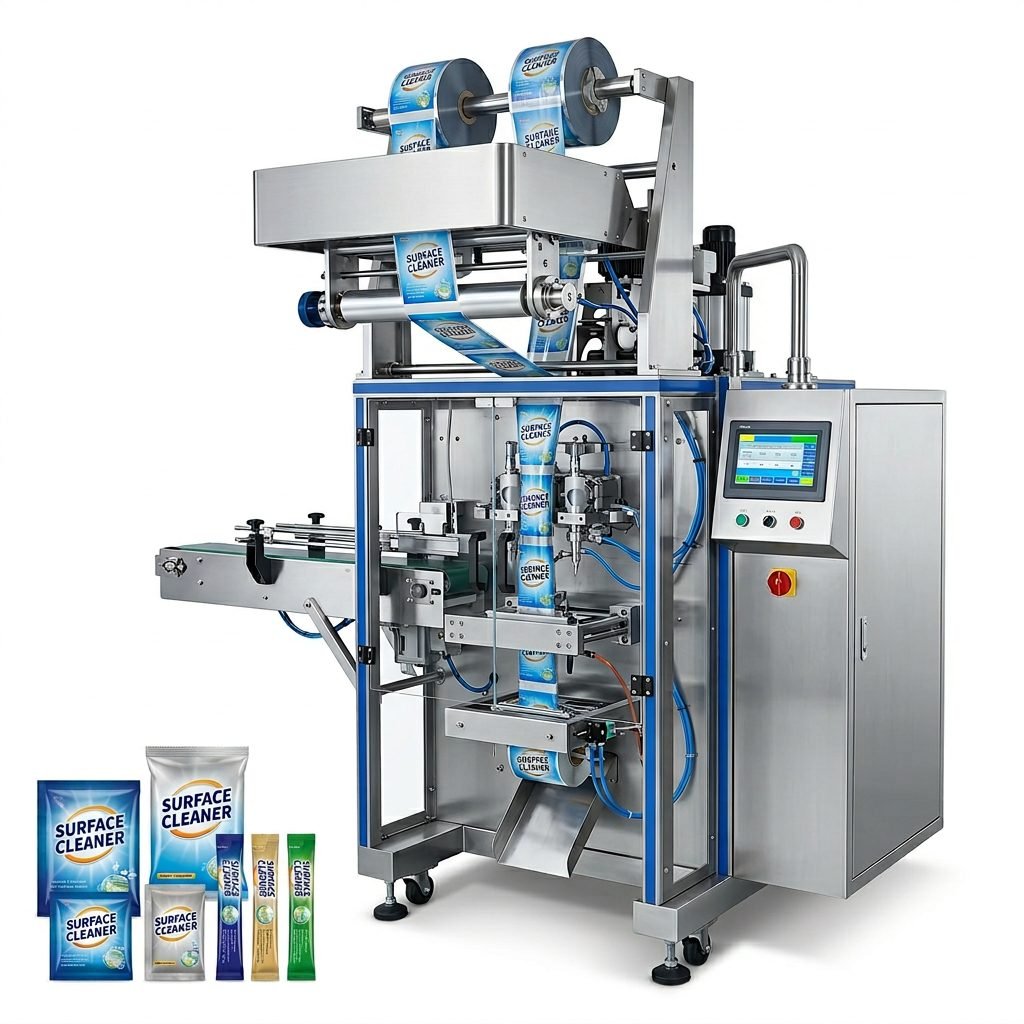
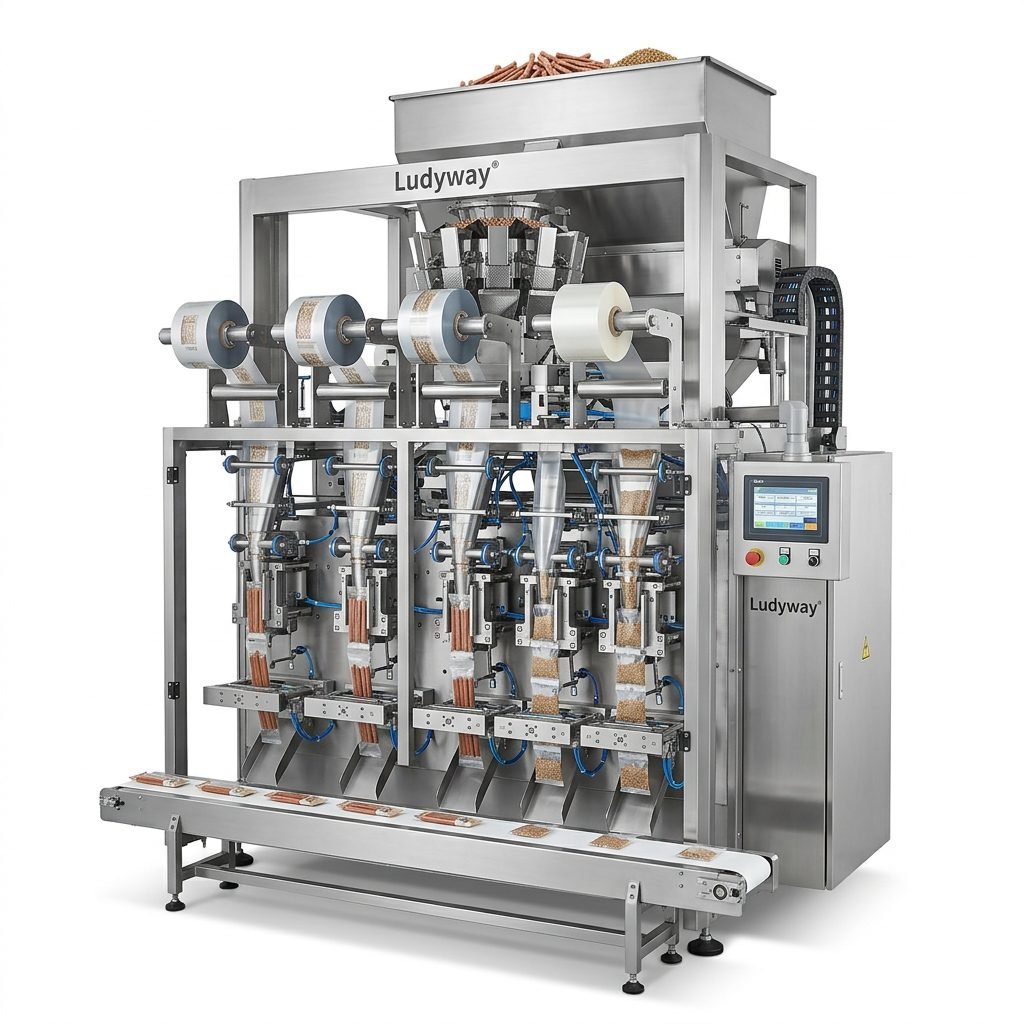
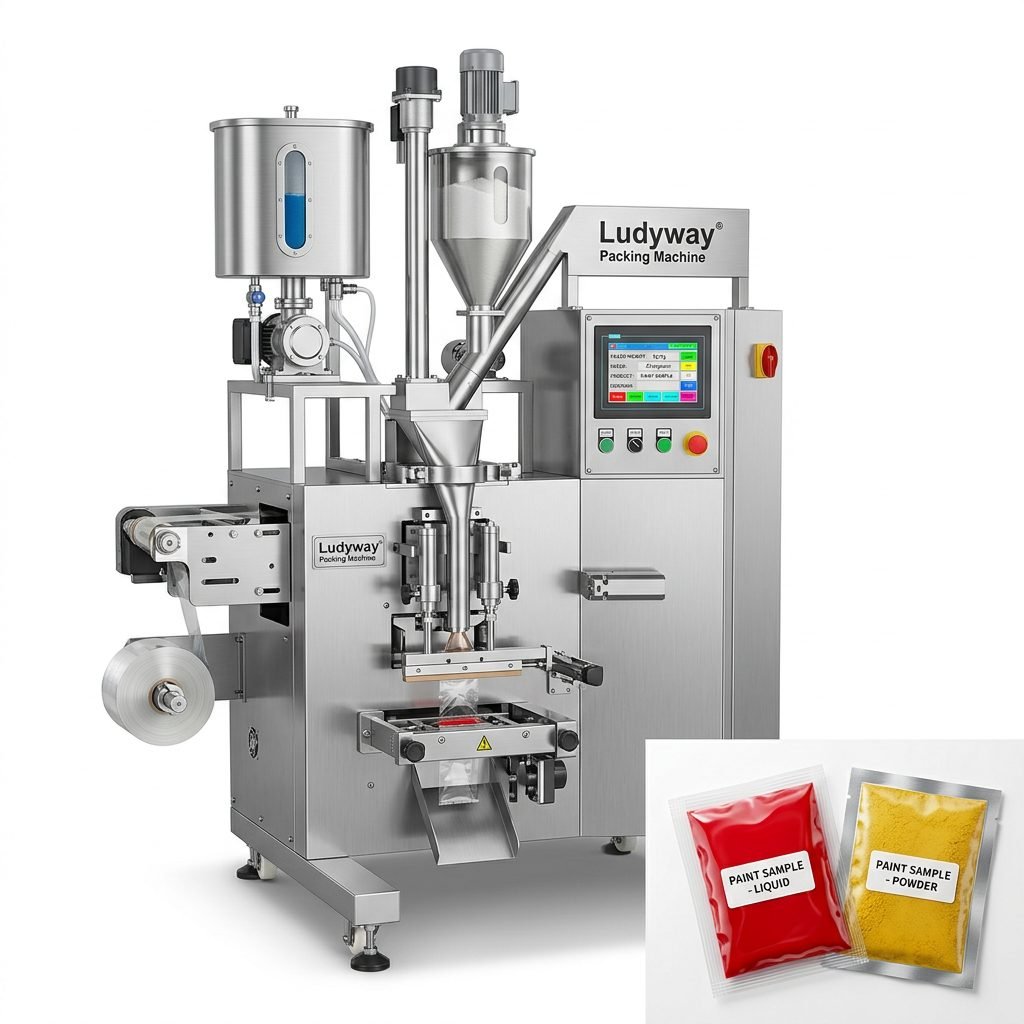
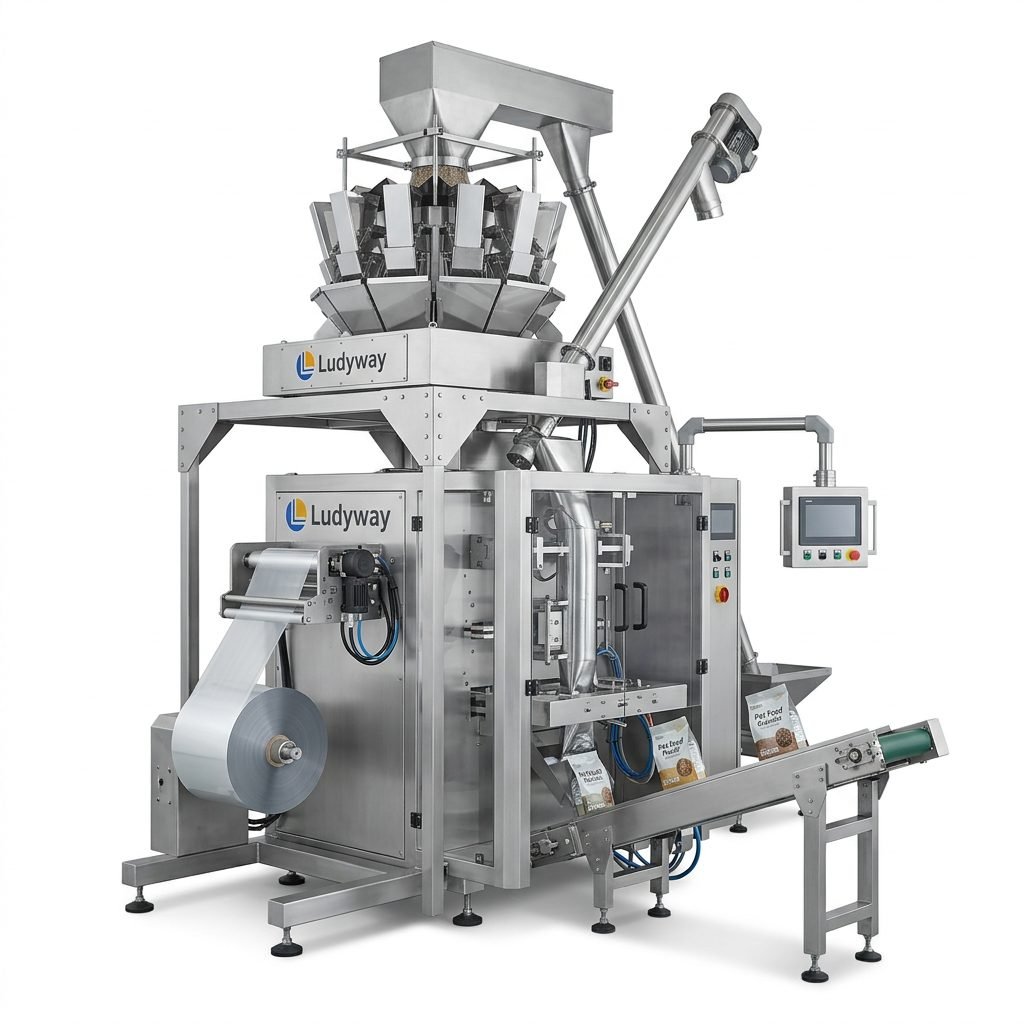
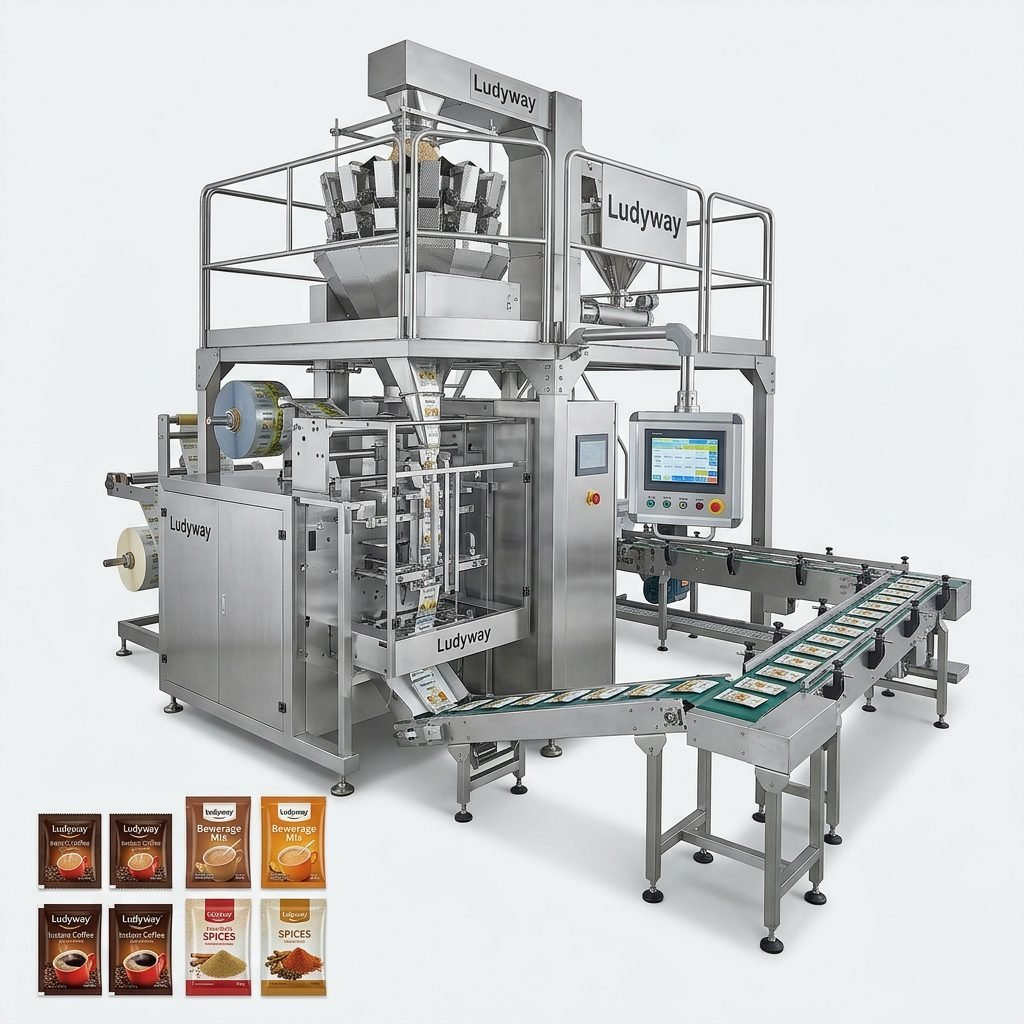
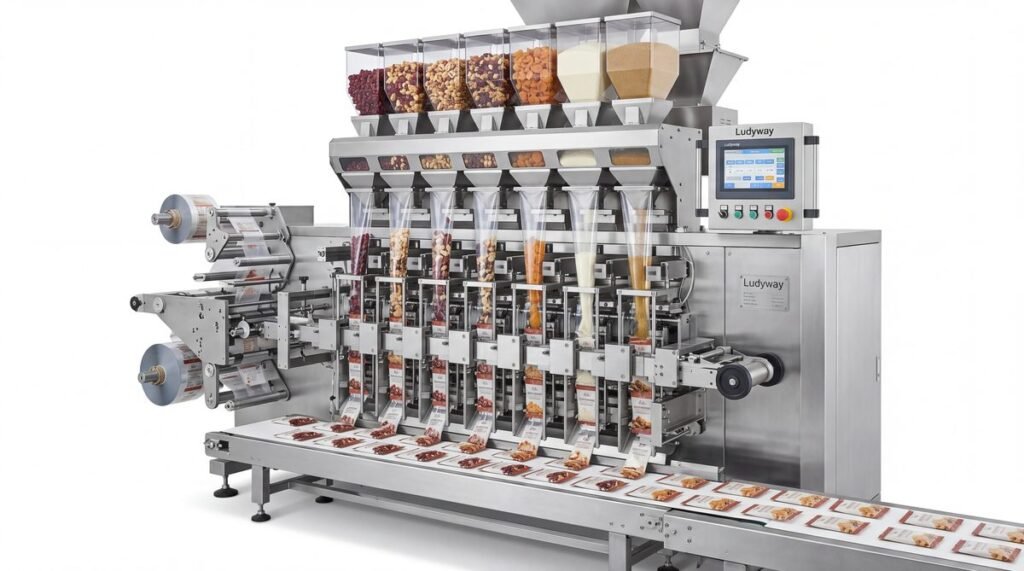
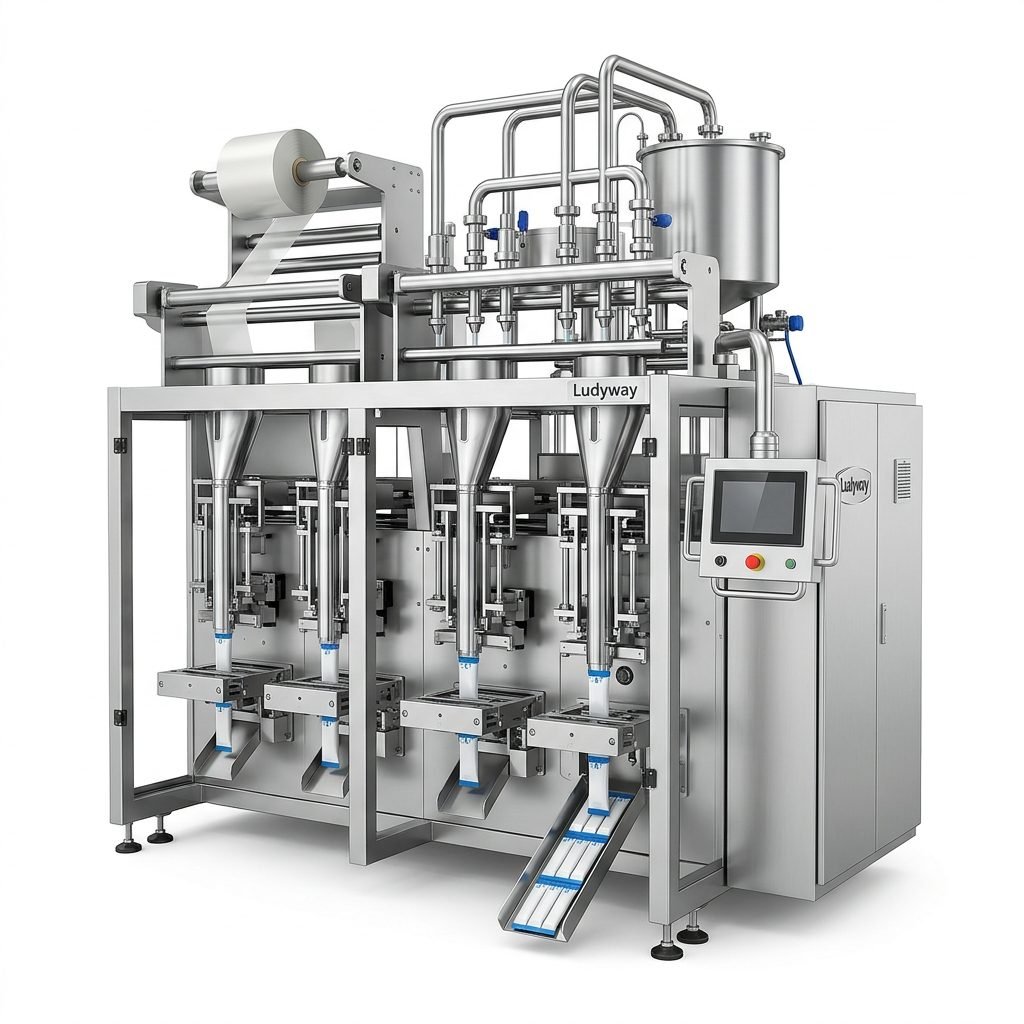
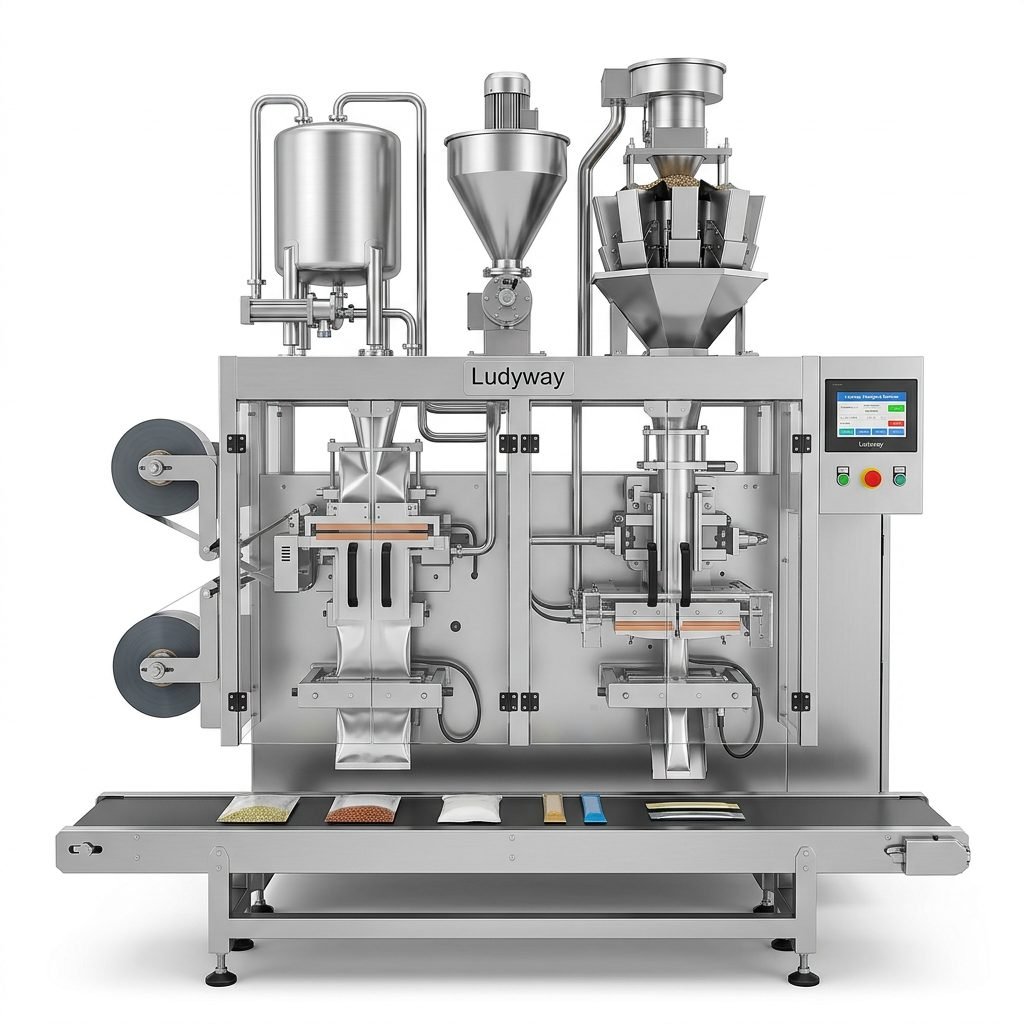
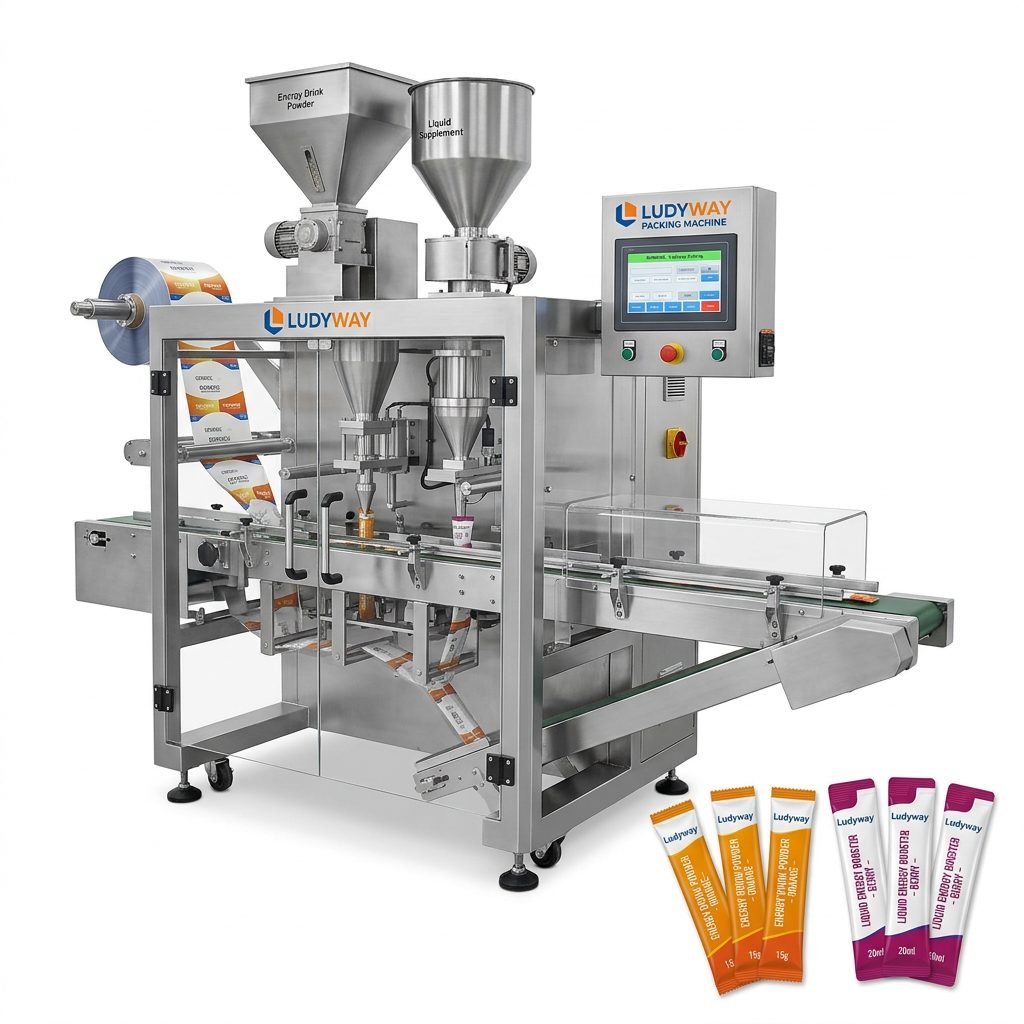
The market offers several specialized machines. Vertical form-fill-seal (VFFS) machines are highly versatile, creating bags from a roll of film and filling them with product. They are ideal for loose-leaf tea and granules. Stick pack machines are designed for high-speed production of long, narrow packets, perfect for instant tea or powdered mixes. Sachet packaging machines often handle more complex materials, like filter paper for tea bags, and can include features like tag attaching and stringing.
Core Features to Evaluate
When comparing automatic tea packing equipment, focus on these critical technical and operational aspects:
1. Accuracy and Speed
Precision in weighing is non-negotiable for cost control and regulatory compliance. Look for machines with high-precision load cell sensors and multi-head weighers. Speed, measured in packs per minute (PPM), must align with your output goals. Remember, the highest speed isn’t always the best if it compromises accuracy or handles your product roughly.
2. Material Compatibility
The machine must work seamlessly with your chosen packaging materials—whether it’s laminated foil for moisture barrier, breathable paper for certain herbal teas, or biodegradable films. Check the machine’s sealing technology (heat seal, ultrasonic seal) and its ability to handle different material thicknesses.
3. Hygiene and Cleanability
Tea is a consumable product, making hygiene paramount. Machines with stainless steel contact parts, smooth surfaces without crevices, and easy disassembly for cleaning will save time and reduce contamination risks. This is especially crucial for businesses packaging organic or high-end teas.
→ Food-Grade Certification: Always verify that the equipment complies with relevant food safety standards (e.g., FDA, CE for food machinery) in your target market.
4. Automation and Control
Modern machines offer programmable logic controllers (PLCs) and touch-screen HMIs (Human-Machine Interfaces). These allow for easy recipe storage, quick changeovers between products, and detailed production data tracking. Automation reduces human error and labor costs.
5. Supplier Support and Service
The machine’s quality is only half the equation. The supplier’s reputation for reliable after-sales service, availability of spare parts, and technical support is critical. A supplier with over 30 years of industry experience often brings invaluable application knowledge to solve unique challenges.
Integrating into Your Production Line
Think beyond the single machine. Consider how it will integrate with upstream processes (like blending and drying) and downstream processes (like cartoning and palletizing). Some suppliers offer turnkey solutions, providing a complete, synchronized production line. This can significantly reduce integration headaches and improve overall line efficiency.
For businesses with limited space, the machine’s footprint is a key consideration. Modular designs that allow for future add-ons, like checkweighers or vision inspection systems, offer a path for gradual automation upgrade.
Making the Financial Decision
While upfront cost is important, Total Cost of Ownership (TCO) is a more accurate measure. TCO includes energy consumption, maintenance costs, expected downtime, and the cost of consumables like sealing elements. A slightly more expensive machine with higher reliability and lower maintenance can offer a far better return on investment over its lifespan.
Explore financing options or leasing programs offered by some manufacturers. This can make advanced automation accessible without a large capital outlay, preserving cash flow for other business areas.
Partnering with the Right Manufacturer
Selecting a machinery partner is a long-term decision. Look for a manufacturer with a proven track record in the tea industry and a global service network. They should understand the nuances of tea—from the static charge of fine powder to the fragility of flower buds—and have case studies or references to back their claims.
Key Question to Ask: “Can you provide a sample run with my specific tea and packaging material?” A reputable supplier will often conduct tests to ensure machine performance meets your exact specifications before purchase.
In conclusion, the best automatic tea packaging machine is the one that aligns with your specific product characteristics, production goals, and growth strategy. By meticulously evaluating features, supplier credibility, and long-term costs, you can make an informed investment that enhances your product quality and operational efficiency for years to come.
Frequently Asked Questions (FAQs)
1. What is the typical speed range for an automatic tea packaging machine?
Speeds vary widely based on format and complexity. Standard vertical pouch machines can range from 40 to 120 bags per minute. High-speed stick pack machines for powdered tea can reach 400-600 sticks per minute. The right speed depends entirely on your required output.
2. Can one machine handle different types of tea (leaf, powder, granules)?
Many machines are designed with this flexibility. However, significant product changeovers (e.g., from fine powder to large leaves) usually require changing the feeding system, augers, or weighing heads. Discuss your product range with the supplier to configure a machine that can handle your variety with minimal changeover time.
3. How important is after-sales service when purchasing?
Extremely important. Packaging machines are precision instruments that require maintenance and occasional repairs. A supplier with prompt, expert technical support and a readily available inventory of spare parts minimizes costly downtime, protecting your production schedule and investment.
4. What are the key maintenance requirements?
Daily cleaning, regular lubrication of moving parts as per the manual, and periodic inspection of critical components like sealing jaws, cutters, and sensors are essential. Preventive maintenance schedules provided by the manufacturer should be followed strictly to ensure longevity and consistent performance.
5. Are there machines suitable for small-batch or artisanal tea producers?
Yes. The market offers semi-automatic and smaller-scale fully automatic machines that are cost-effective for lower volumes. These machines often emphasize ease of use and quick changeovers, allowing artisanal producers to maintain quality while introducing efficient packaging.