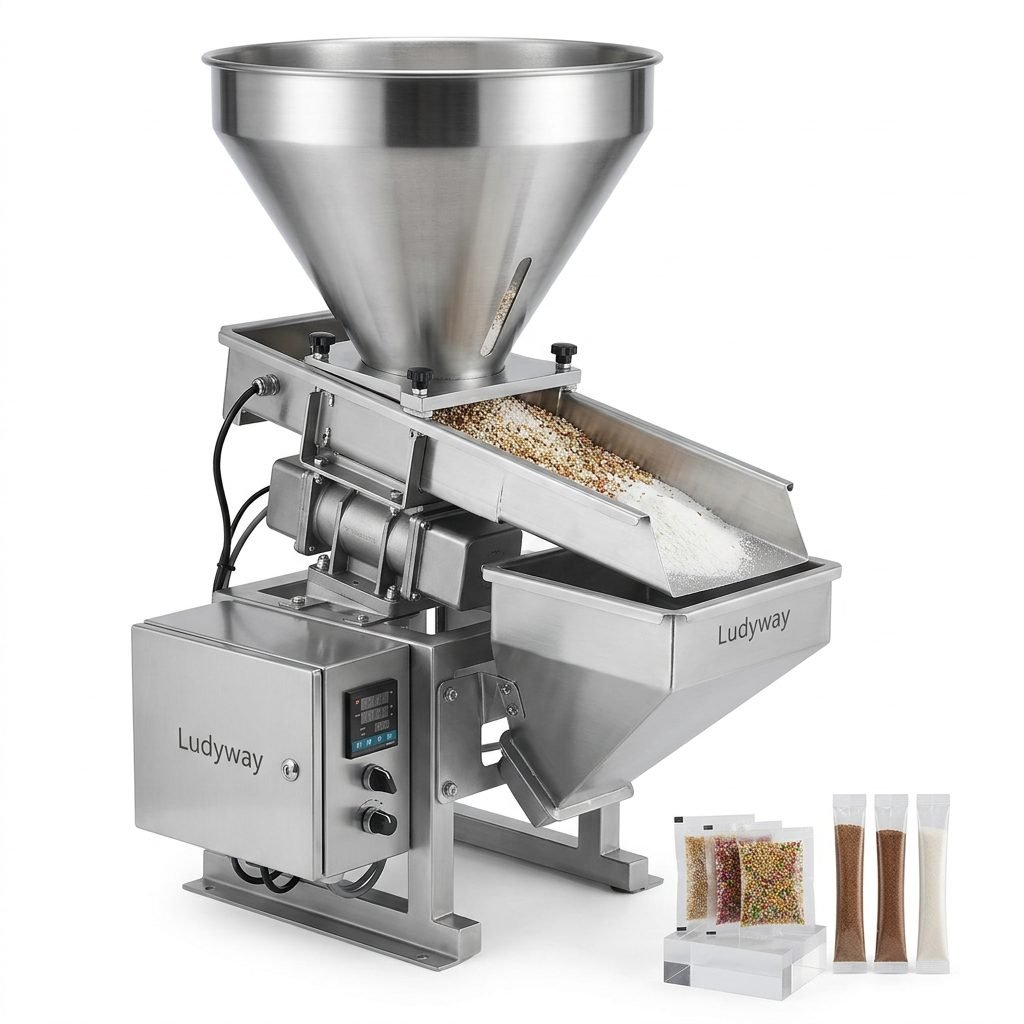
Choosing the right soap packing machine is not only about speed. It is about matching your soap type, packaging format, production target, factory layout, and long-term operating cost with the most suitable automatic system. Whether you produce bar soap, laundry soap, hotel soap, medicated soap, or liquid soap sachets, the best solution is the one that improves efficiency without creating downtime, waste, or maintenance headaches.
For manufacturers upgrading from manual packing or semi-automatic equipment, automation can bring major benefits: higher output, better seal consistency, cleaner packaging appearance, lower labor dependence, and more stable product quality. But those results depend on choosing the right machine structure from the start.
Understand What Type of Soap You Need to Pack
Before comparing machine models, define the product clearly. “Soap” covers several packaging applications, and each one needs a different automation approach.
- Bar soap: often packed with flow wrapping, cartoning, bundling, or overwrapping systems.
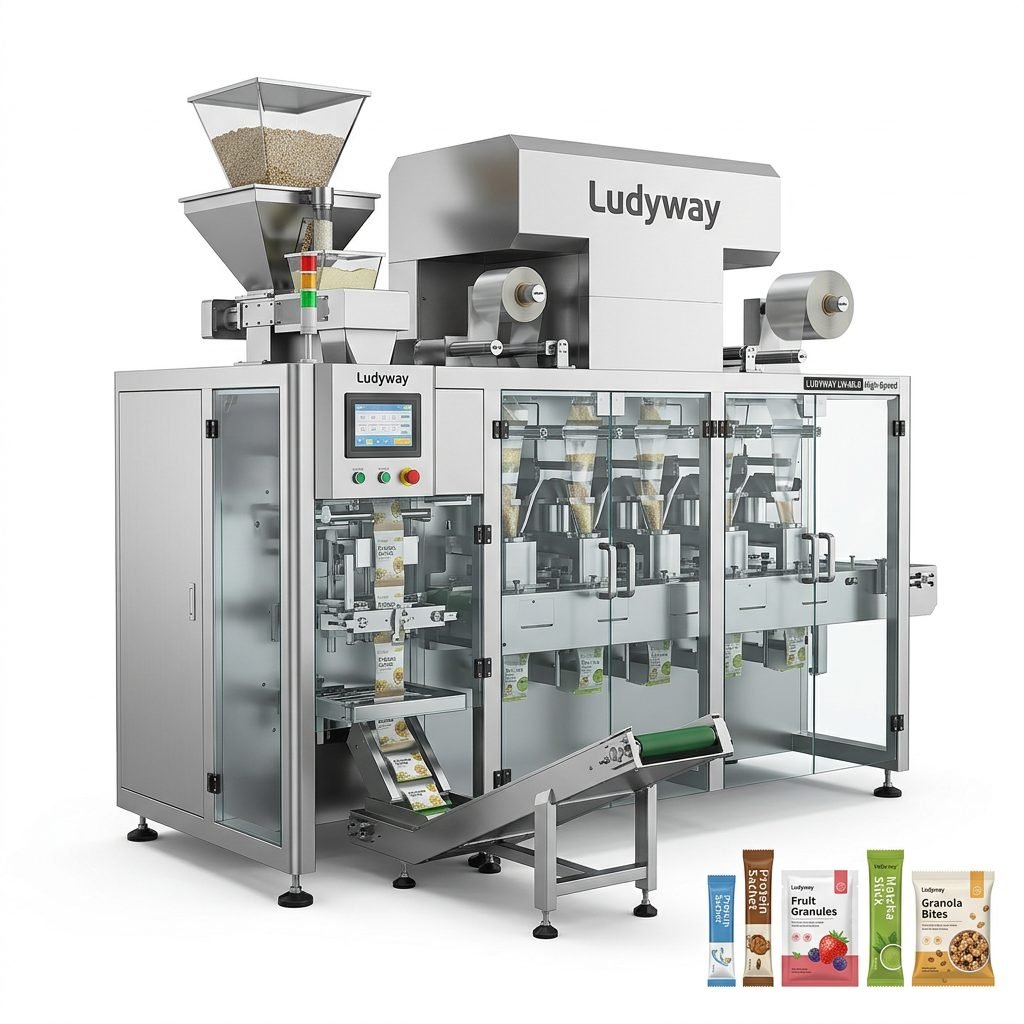
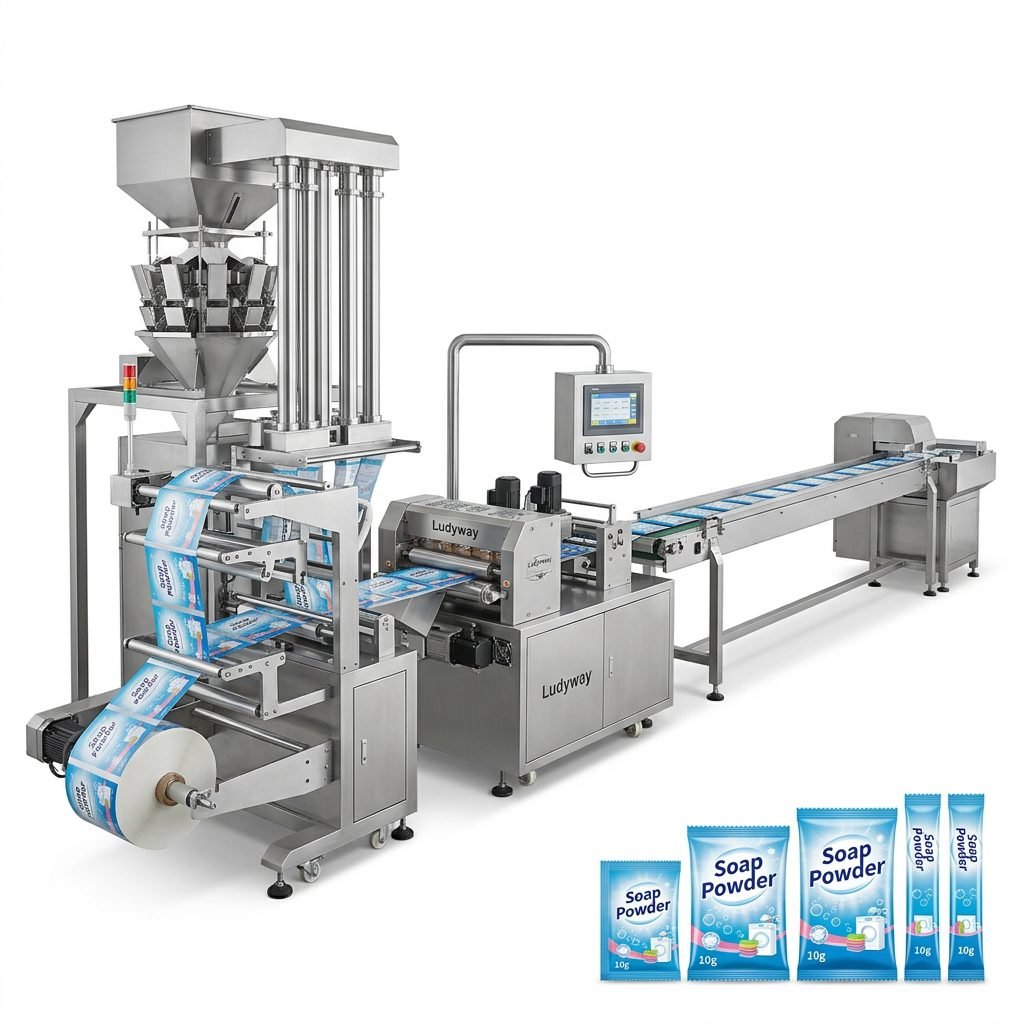
- Laundry soap powder: usually packed with vertical form fill seal machines, sachet machines, or larger bagging lines.
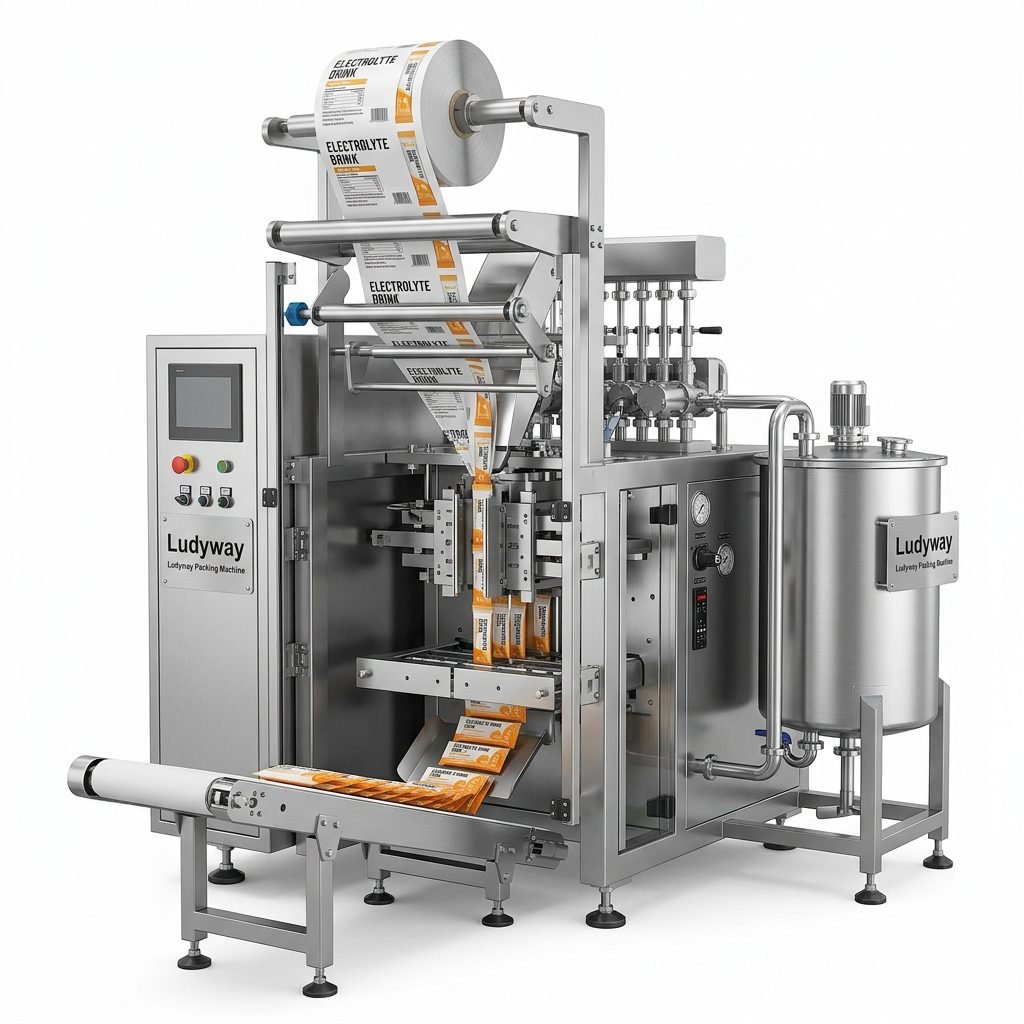
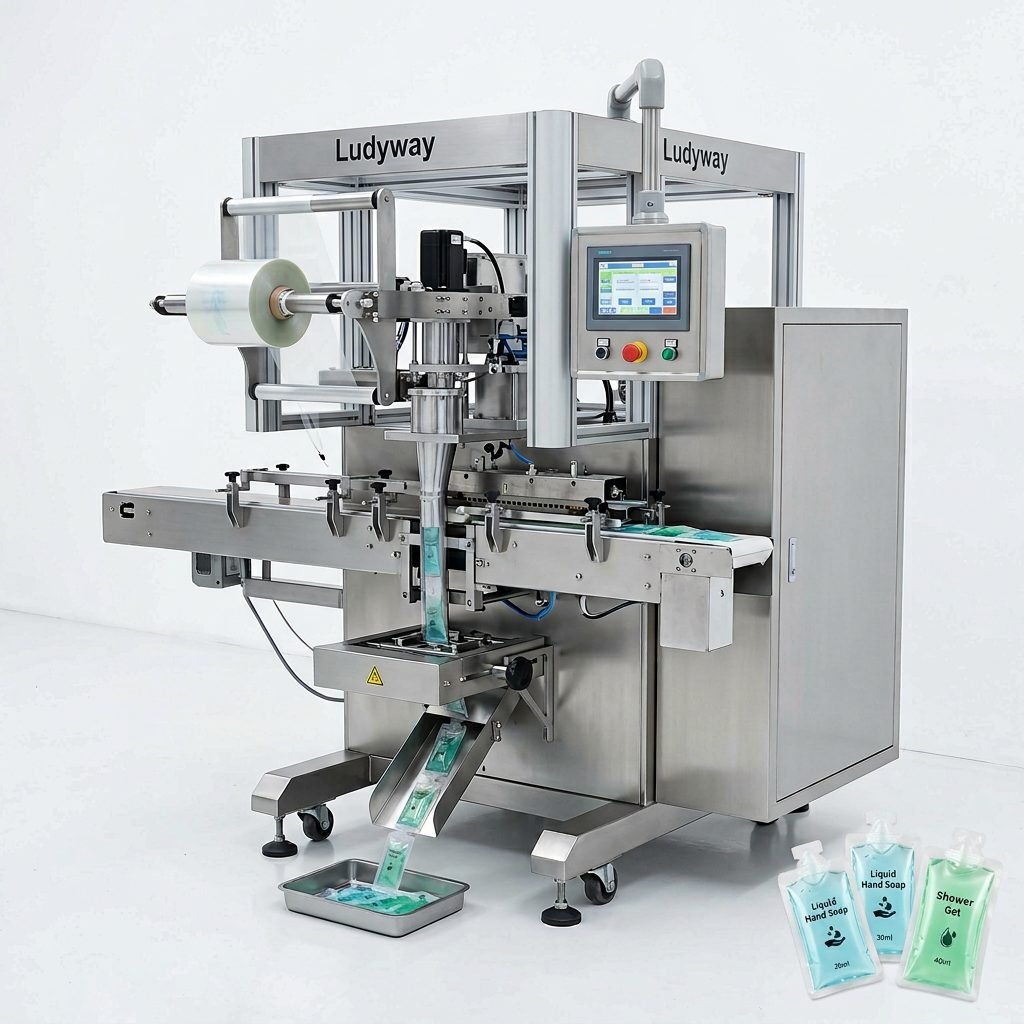
- Liquid soap: often filled into sachets, pouches, bottles, or stick packs using liquid filling and sealing systems.
- Hotel or travel soap: needs compact, clean, attractive single-unit packaging.
- Medicated or personal care soap: may require higher packaging precision, coding, traceability, and better hygiene control.
If your packaging type is not defined early, you may end up with a machine that runs fast but does not suit your product shape, viscosity, film, or bag style.
Key Questions to Ask Before Buying
A smart buying process starts with practical production questions. These answers will narrow down the most suitable automatic packaging solution.
- What soap format are you packing: solid, powder, liquid, or paste?
- What is your target output per minute or per hour?
- What package style do you need: pillow bag, sachet, stick pack, pouch, carton, or shrink bundle?
- What packaging material will you use?
- Do you need date coding, labeling, checkweighing, metal detection, or cartoning?
- How much floor space do you have?
- Do you want a single machine or a complete turnkey line?
- What level of after-sales support and spare parts access do you require?
Main Types of Automatic Soap Packing Machines
Different soap products require different machine categories. The table below gives a quick comparison.
| Machine Type | Best For | Main Advantage | Things to Check |
|---|---|---|---|
| Flow wrapping machine | Bar soap | Neat retail appearance and high speed | Soap size range, film compatibility, infeed stability |
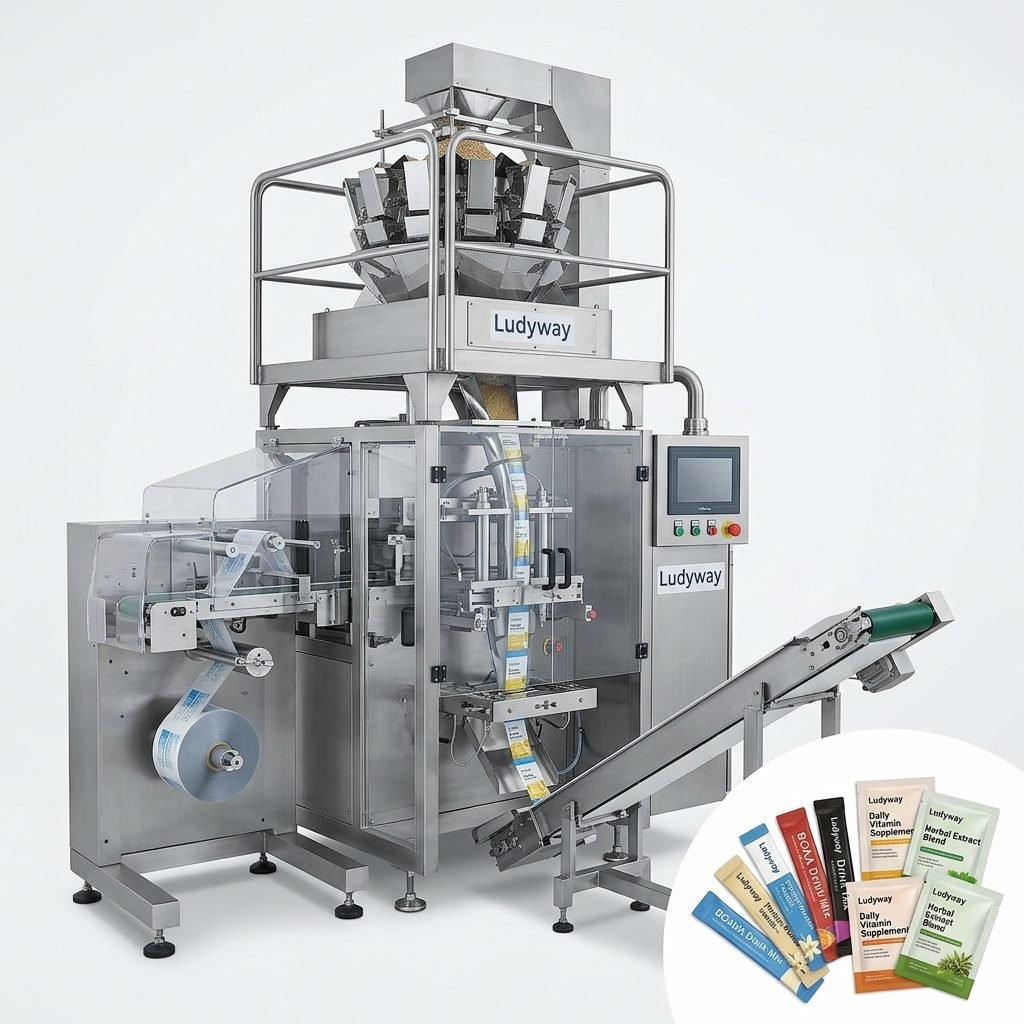
| Vertical packaging machine | Soap powder, detergent powder | Flexible bag sizes and efficient automated packing | Dosing accuracy, dust control, sealing strength |
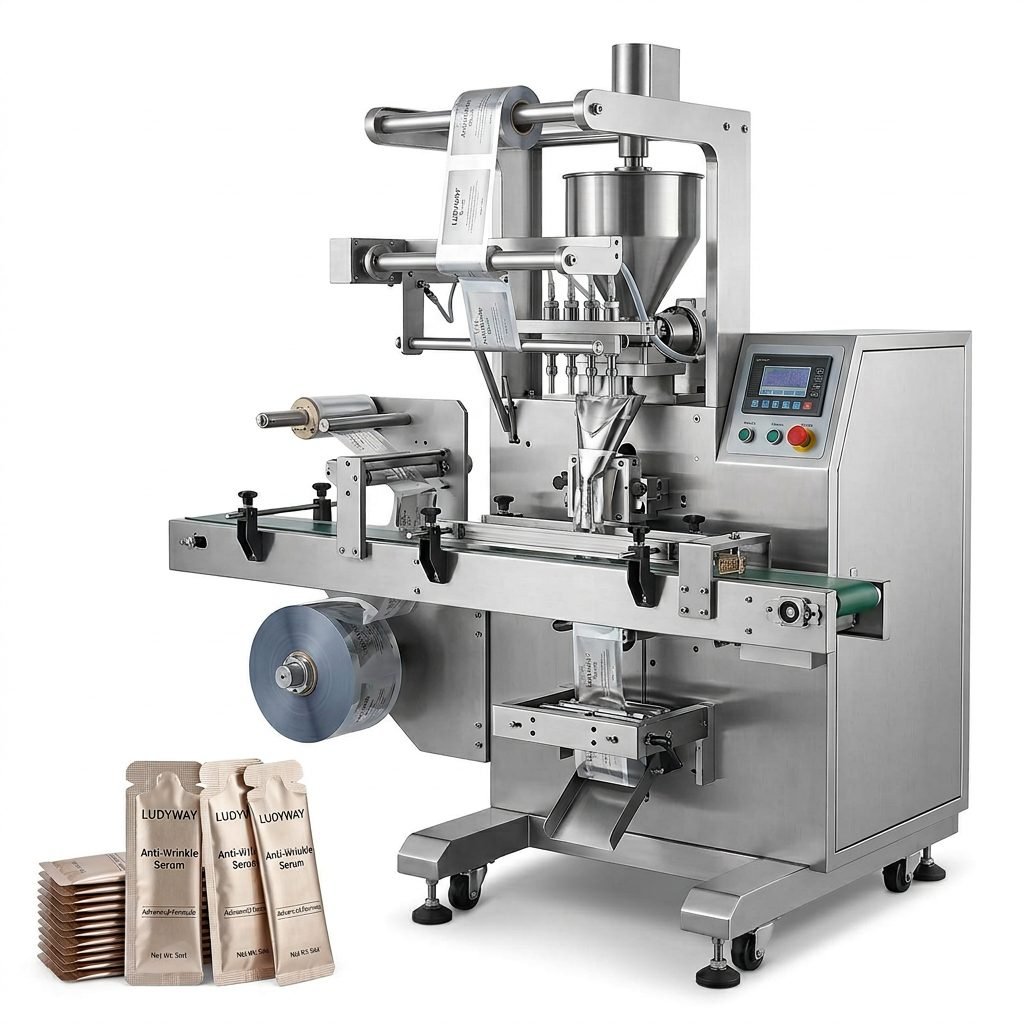
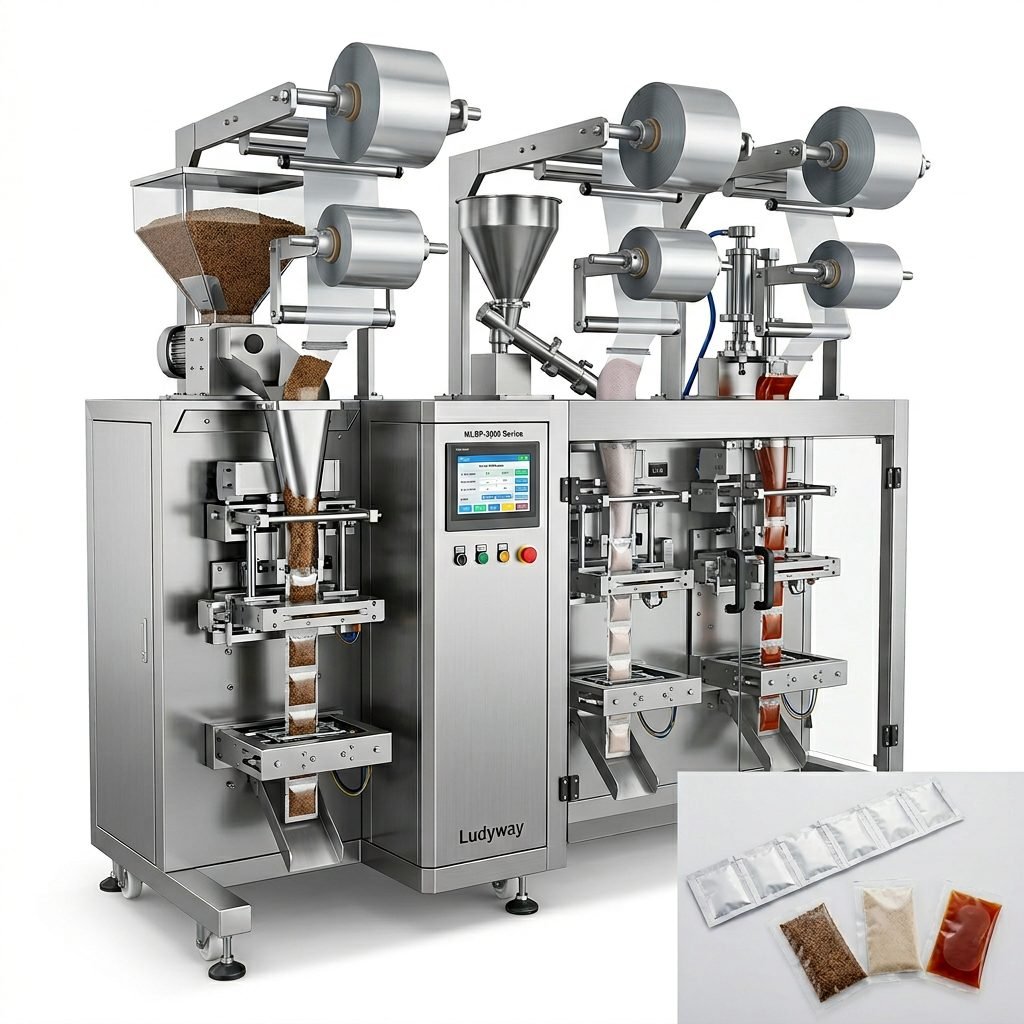
| Sachet / stick pack machine | Liquid soap, hand wash, sample packs | Small-dose packaging with strong retail convenience | Filling precision, leak prevention, lane quantity |
| Premade pouch machine | Premium liquid or powder soap packs | High-end pouch appearance | Pouch consistency, zipper options, fill cleanliness |
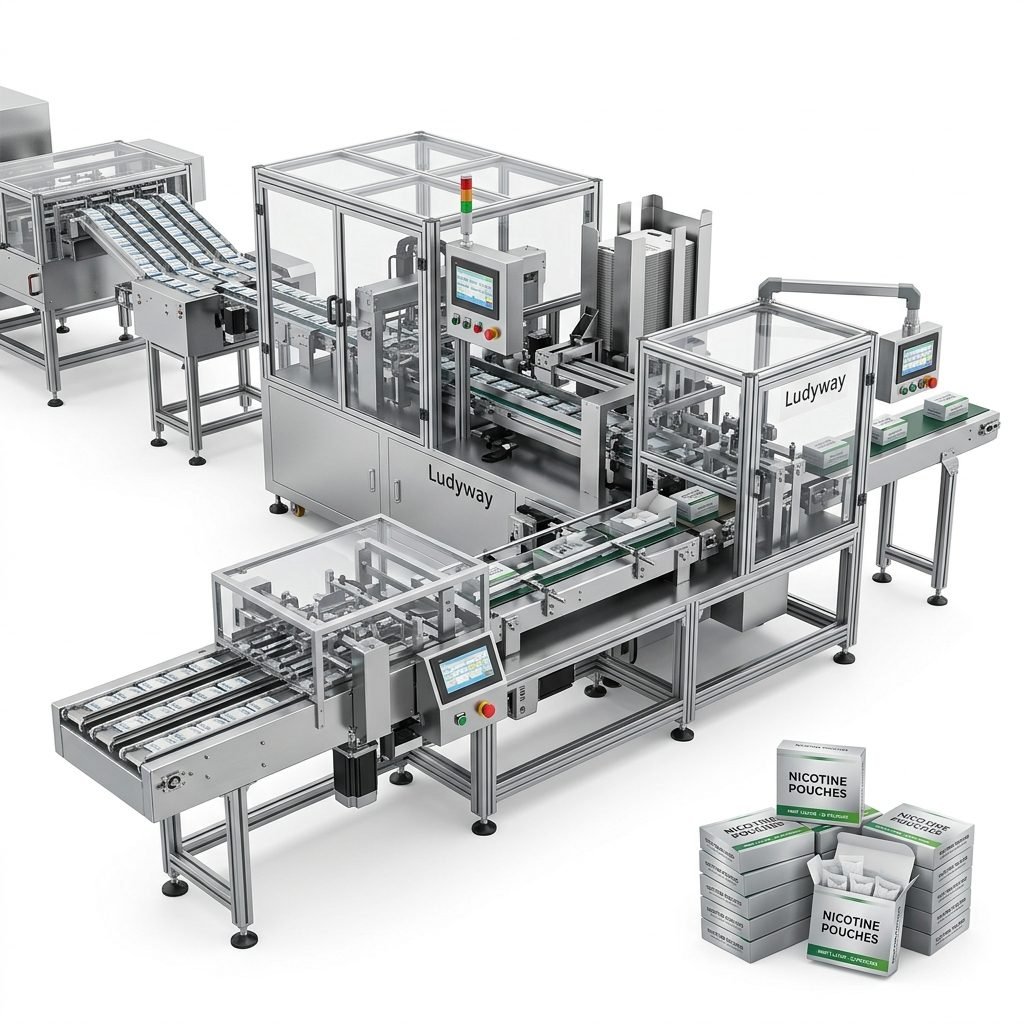
| Cartoning / end-of-line system | Retail soap packs | Improved presentation and transport protection | Line integration, changeover time, carton sizes |
How to Match the Machine to Your Soap Product
For Bar Soap
If you make solid soap bars, focus on shape consistency, feeding method, wrapping tightness, and output speed. Some bars are smooth and easy to handle, while others are soft, embossed, or irregular. A flow wrapper should be able to handle the real product shape, not just a standard sample.
- Check whether the infeed conveyor can align bars smoothly.
- Confirm film sealing quality on sharp edges.
- Evaluate format change speed for different bar sizes.
- Ask whether cartoning can be added later.
For Soap Powder or Detergent Powder
Powder packaging requires accurate dosing and good dust management. In this case, machine stability depends heavily on the weighing or auger filling system. Poor powder handling can cause contamination, seal failure, and weight variation.
- Choose a machine with reliable metering accuracy.
- Check the sealing system for powder contamination resistance.
- Consider dust extraction or enclosed filling areas.
- Make sure the machine can handle your powder flow characteristics.
For Liquid Soap
Liquid soap usually needs a filling and sealing machine designed for viscous or semi-viscous products. Foaming, dripping, and seal contamination are common concerns.
- Verify compatibility with your liquid viscosity.
- Check anti-drip filling design.
- Ask about CIP or easy-clean construction if frequent cleaning is needed.
- Test actual sealing performance at your production speed.
Important Features That Affect Real Production Performance
Many buyers compare only machine speed, but actual efficiency depends on several deeper factors.
1. Packaging Speed vs. Stable Output
A machine rated at high speed is not always the best choice if your soap formula, packaging material, or operators cannot support that speed. The better metric is stable long-shift output, not peak speed under perfect conditions.
2. Changeover Flexibility
If you run multiple soap SKUs, fast changeover becomes critical. Ask how long it takes to switch bag length, fill weight, or film roll. Tool-free adjustment and recipe memory can save significant production time.
3. Seal Quality
Poor sealing creates leakage, poor shelf appearance, and customer complaints. This is especially important for liquid soap sachets and powder products exposed to moisture.
4. Material Compatibility
The machine should work with your chosen laminated film, recyclable material, or specialty packaging structure. Always confirm this during sample testing.
5. Hygiene and Cleaning Access
For personal care and medicated soap products, machine cleaning is a serious issue. Stainless steel contact parts, easy disassembly, and smooth surfaces reduce contamination risk and downtime.
6. Automation Level
The best system may include not only the main packing machine but also feeding, coding, inspection, cartoning, case packing, and conveying. For growing factories, scalable automation is often the smartest investment.
Signs of a Good Automatic Packaging Solution
- Consistent pack appearance across long production runs
- Low reject rate and reduced film waste
- Simple operator interface and easy parameter adjustment
- Accessible spare parts and technical support
- Stable performance with your actual soap formula
- Clear upgrade path for future output growth
Common Buying Mistakes to Avoid
Many packaging issues begin with machine selection, not machine operation. Avoid these common mistakes:
- Buying by price alone without checking total operating cost
- Choosing a machine based only on catalog speed
- Skipping sample testing with real soap and real packaging film
- Ignoring cleaning requirements for liquid or medicated products
- Not planning for future SKUs or capacity expansion
- Choosing a supplier with weak after-sales response
Should You Buy a Standalone Machine or a Complete Line?
That depends on your production stage. A standalone soap packing machine works well for limited SKUs or smaller output goals. But if you want better labor efficiency and smoother material flow, a complete line may offer better value.
| Option | Best For | Benefits |
|---|---|---|
| Standalone machine | Smaller factories, simple SKUs, budget-sensitive projects | Lower upfront cost, faster setup, easier initial adoption |
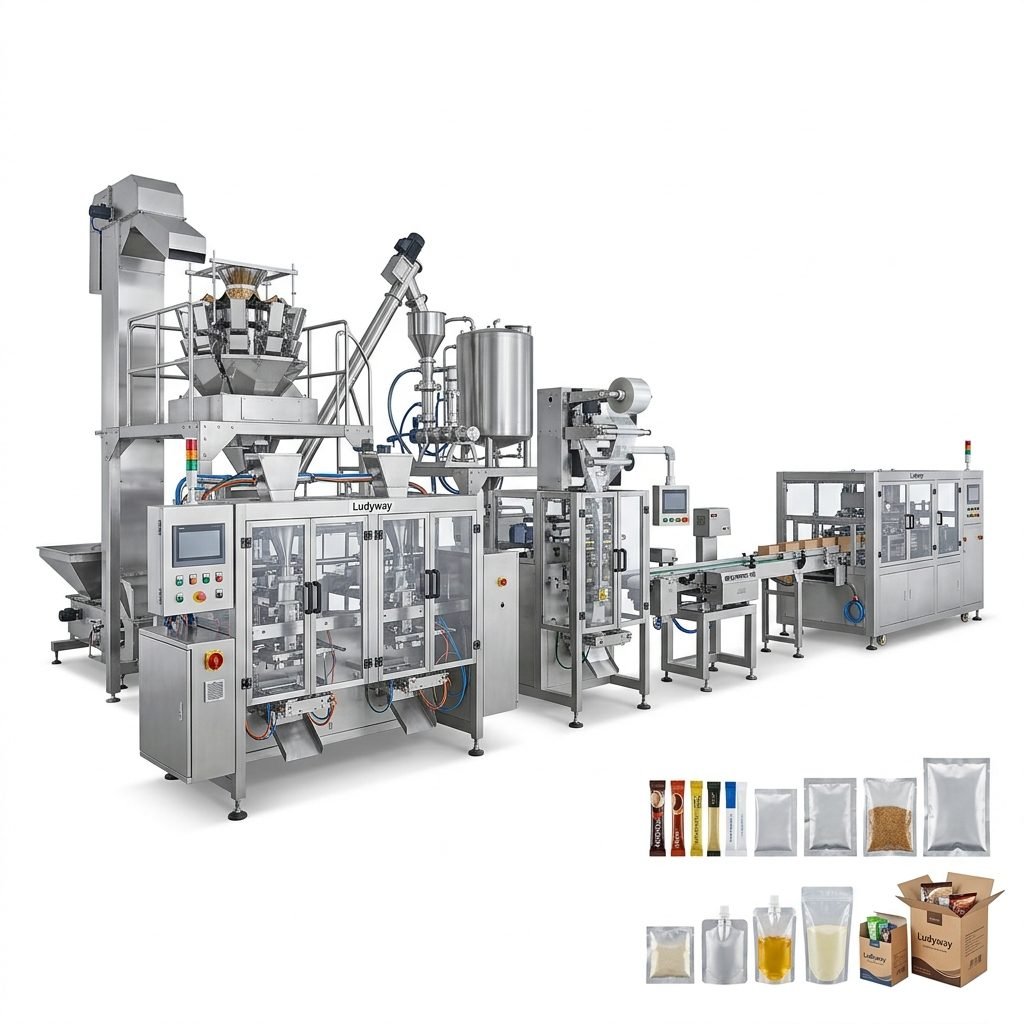
| Turnkey packaging line | Mid-size to large factories, multi-step automation plans | Better line coordination, lower labor dependence, scalable production |
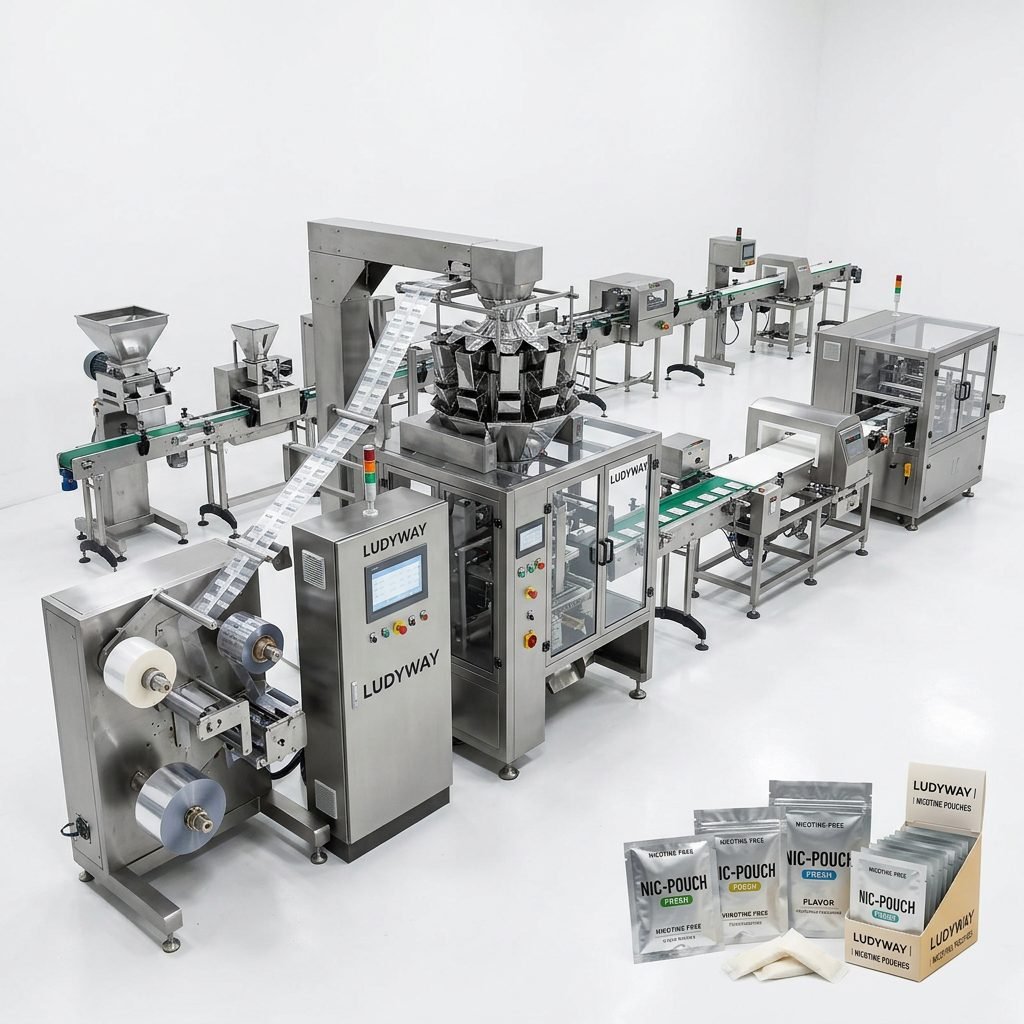
If your project includes filling, sealing, coding, inspection, cartoning, and case packing, a line-level solution usually delivers more reliable long-term performance than connecting separate machines from different suppliers.
How to Evaluate a Packaging Machine Supplier
The machine matters, but the supplier matters just as much. A reliable manufacturer should be able to understand your product, recommend the right configuration, provide testing, and support installation and service after delivery.
When reviewing suppliers, consider:
- Manufacturing experience and export capability
- Industry knowledge in soap, detergent, or personal care packaging
- Ability to customize machine configuration
- Factory size and engineering capacity
- Availability of training, manuals, and spare parts
- Proven project cases in international markets
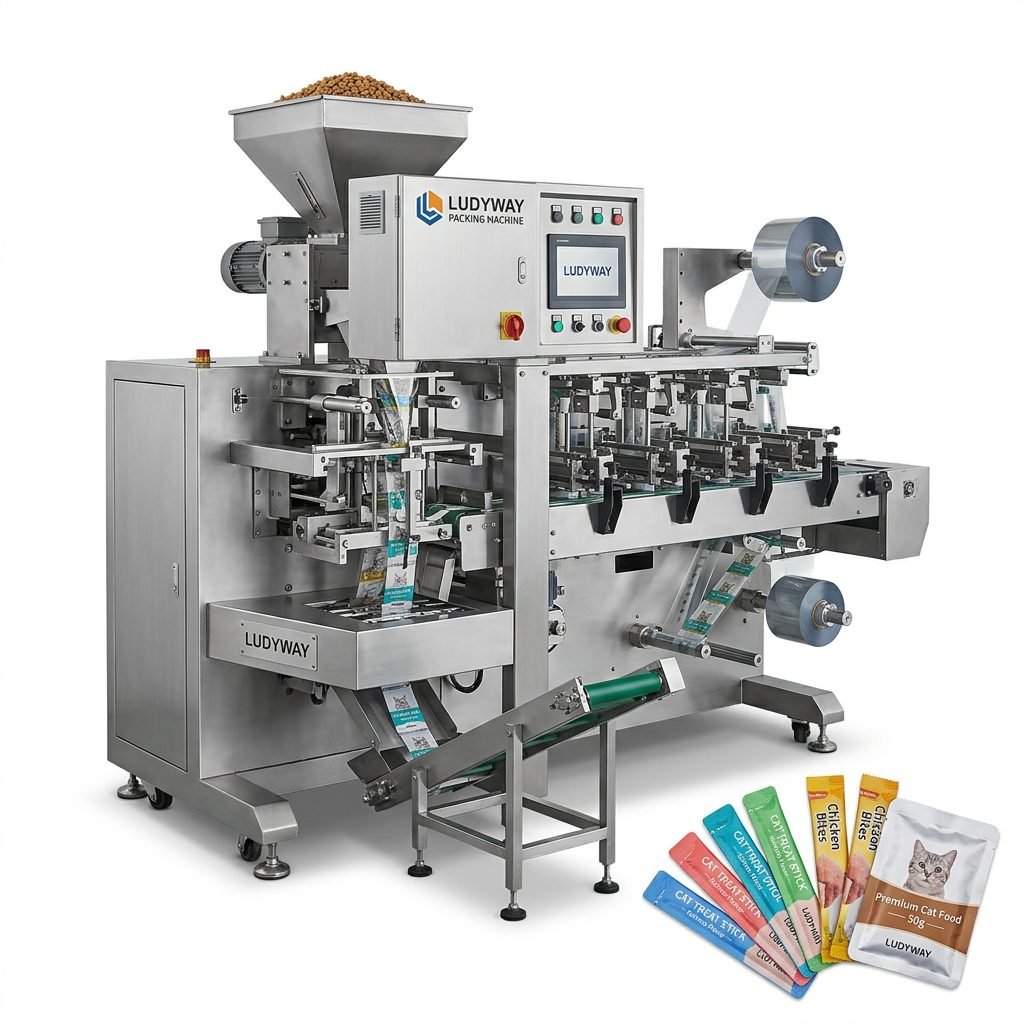
For buyers seeking scalable automation, soap packing machine solutions from Ludyway can be worth evaluating, especially for projects requiring customized automatic equipment or turnkey packaging lines across powder, liquid, and pouch-based applications.
Sample Checklist Before Final Decision
Use this practical checklist before placing an order:
- Has the machine been tested with your actual soap product?
- Has the supplier confirmed packaging material compatibility?
- Are fill accuracy and seal quality documented?
- Do you know the real production speed under working conditions?
- Is operator training included?
- Are spare parts and wear parts listed clearly?
- Can the machine be upgraded later?
- Are installation, commissioning, and remote support available?
Final Buying Advice for Soap Manufacturers
The best automatic soap packaging solution is the one that fits your product type, package format, plant capacity, and growth plan. Do not choose only based on speed or price. Choose based on packaging accuracy, seal performance, ease of maintenance, machine durability, and supplier reliability.
If possible, always request sample testing and compare total value instead of just equipment cost. A well-matched machine can improve production efficiency for years, while a poor match can create constant downtime, waste, and quality complaints.
In short, the smartest investment is a soap packing machine that delivers stable automation, flexible packaging capability, and dependable long-term support.