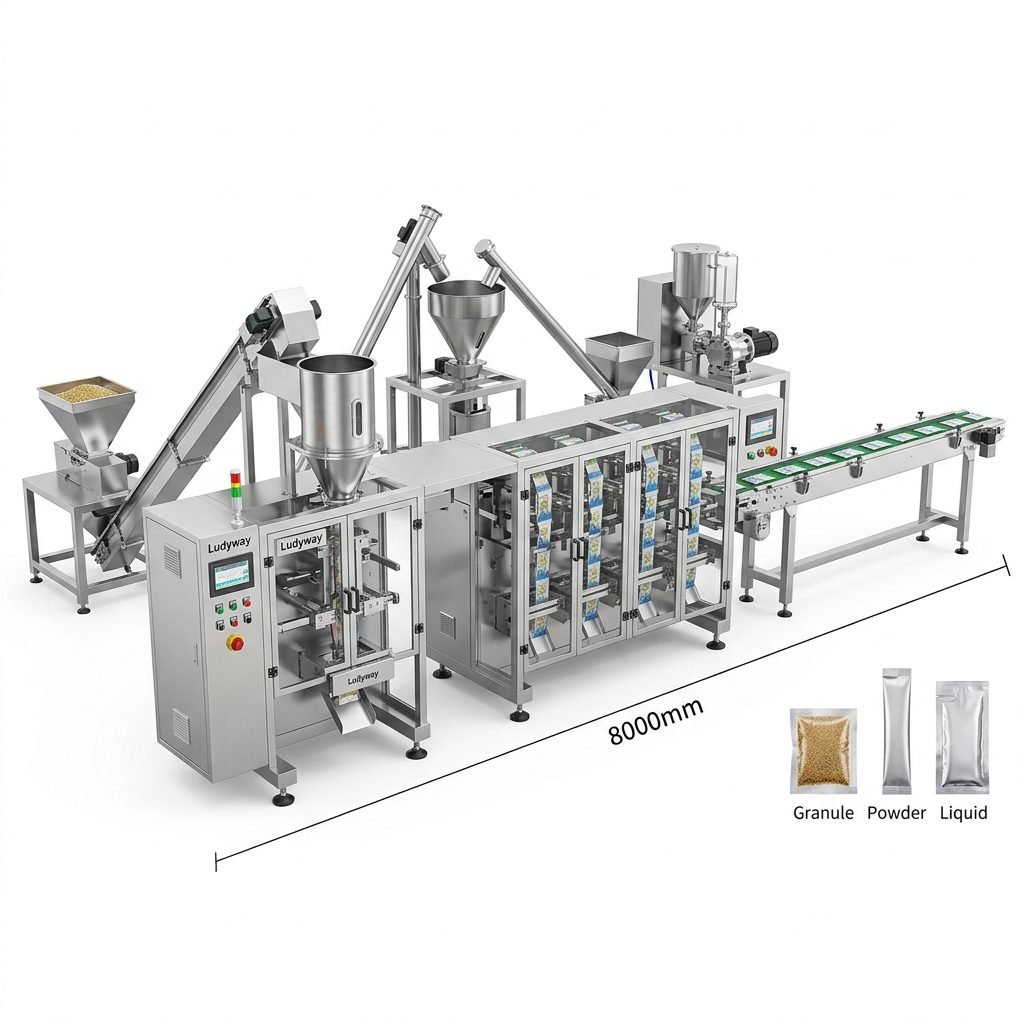
The Indian beverage industry is experiencing unprecedented growth, driven by rising disposable incomes, urbanization, and a young demographic. For manufacturers looking to enter or expand within the carbonated soft drinks (CSD) sector, investing in the right soda can packaging machine is critical. This guide walks you through everything you need to know about selecting high-performance can filling and sealing equipment for the Indian market.
Understanding the Indian Soda Can Packaging Landscape
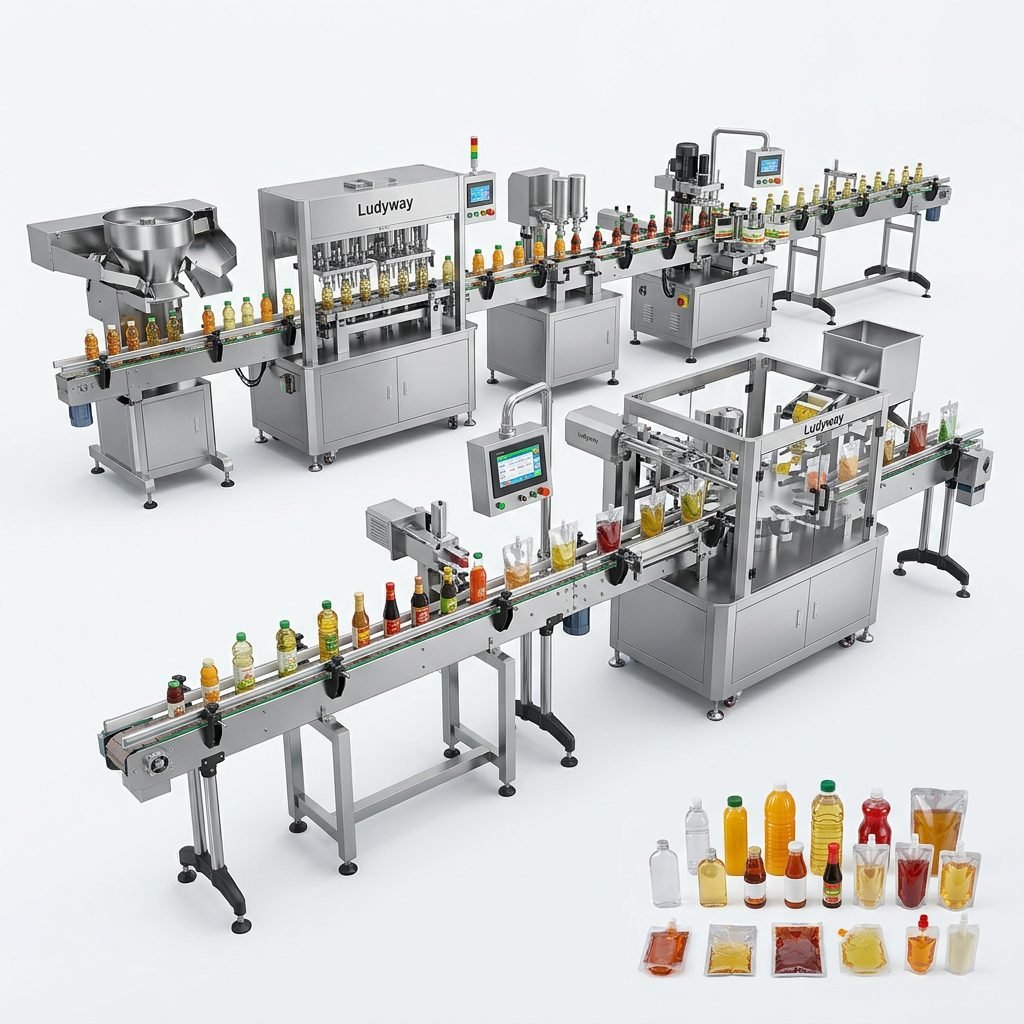
India’s packaged beverage market is projected to reach USD 18.9 billion by 2026, with canned drinks gaining significant market share. The shift from glass bottles to aluminum cans is accelerating due to better portability, longer shelf life, and superior branding opportunities. A soda can packaging machine must meet specific requirements unique to Indian production environments, including tolerance for varying humidity levels, compatibility with locally sourced raw materials, and compliance with FDA food packaging standards for export-oriented units.
Types of Soda Can Filling and Sealing Equipment
Choosing the right machine depends on your production volume, product characteristics, and packaging format. Below are the primary categories available for Indian manufacturers:
Rotary Can Filling Machines
Rotary fillers are the industry standard for high-volume CSD production. These machines feature multiple filling heads arranged on a rotating carousel, achieving speeds from 6,000 to 60,000 cans per hour. They precisely control fill levels using volumetric or flow-meter technology, critical for maintaining product consistency across every can.
Inline Can Filling Systems
Ideal for small to medium-scale producers, inline fillers offer lower capital investment while maintaining reliable performance. These are commonly chosen by craft soda brands and regional manufacturers entering the Indian market.
Counter-Pressure Fillers for Carbonated Beverages
For soda and other carbonated drinks, counter-pressure technology is essential. This method pressurizes the can with CO₂ before filling, preventing foam formation and product loss. Leading systems maintain precise carbonation levels throughout the filling cycle, ensuring consistent taste profiles.
Integrated Monoblock Systems
Monoblock units combine rinsing, filling, and seaming into a single footprint. These turnkey solutions reduce transfer points between stations, minimizing contamination risk and simplifying installation. A major advantage for Indian facilities with limited floor space.
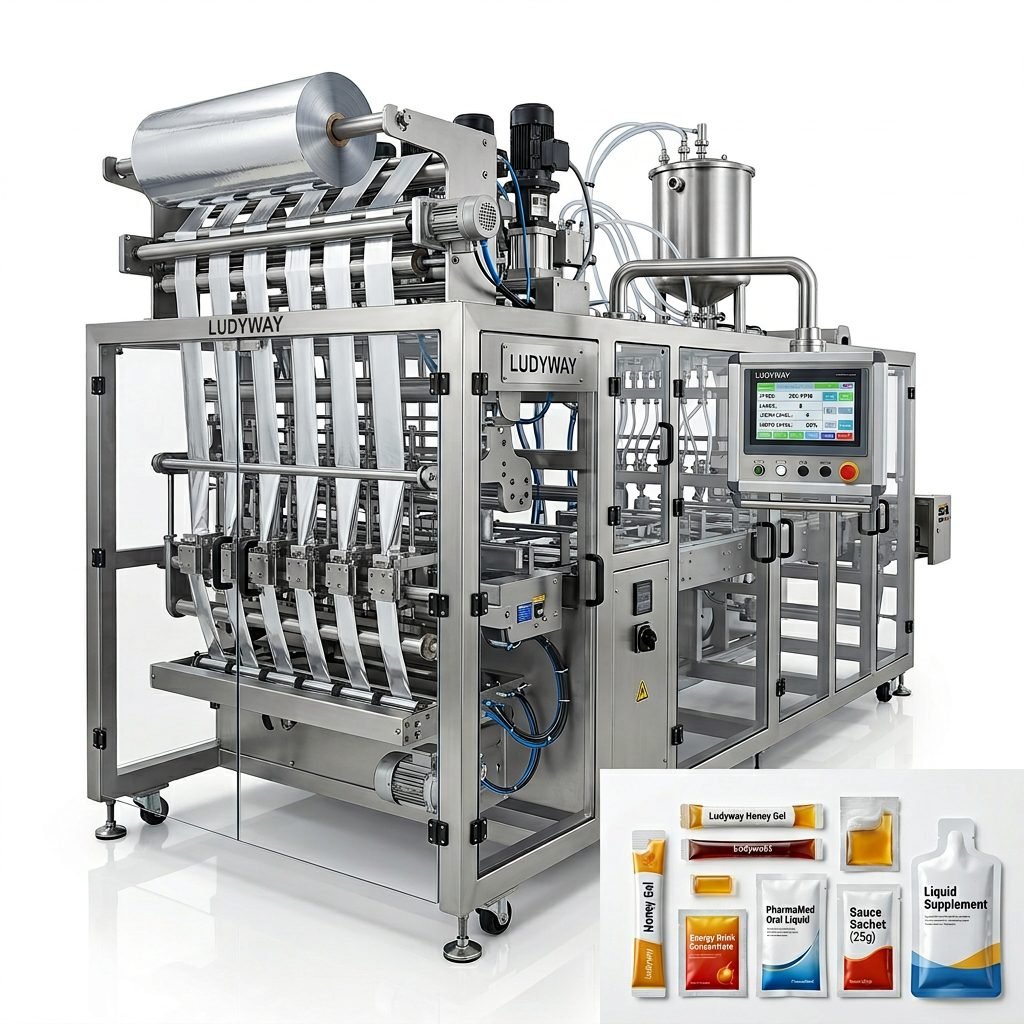
Key Features to Evaluate in a Soda Can Packaging Machine
When evaluating equipment suppliers, Indian manufacturers should prioritize the following technical specifications:
- Filling Accuracy: Look for machines with volumetric deviation under ±0.5% to minimize product giveaway and ensure regulatory compliance.
- Seam Integrity: Double-seam technology must meet ISO packaging standards for hermetic sealing, preventing leakage and preserving carbonation.
- Changeover Speed: Quick-change parts for different can sizes (150ml, 250ml, 330ml, 500ml) enhance production flexibility.
- Automation Level: PLC-controlled systems with HMI touchscreens enable precise parameter adjustment and production data tracking.
- Material Compatibility: Stainless steel AISI 304 or 316L construction for all product-contact parts ensures hygiene and corrosion resistance.
- Energy Efficiency: Machines with optimized CO₂ consumption and low-power motors reduce operational costs significantly.
Technical Specifications Comparison
The table below summarizes key parameters Indian buyers should compare across different machine types:
| Specification | Low-Volume Inline | Mid-Range Rotary | High-Speed Monoblock |
|---|---|---|---|
| Output Speed | 500 – 2,000 CPH | 3,000 – 12,000 CPH | 15,000 – 60,000 CPH |
| Filling Type | Gravity / Volumetric | Counter-Pressure | Electronic Flow Meter |
| CO₂ Consumption | Low | Moderate | Optimized with Recovery |
| Floor Space Required | 8 – 15 m² | 20 – 40 m² | 45 – 80 m² |
| Price Range (Approx.) | ₹8 – 25 Lakh | ₹30 – 80 Lakh | ₹1 – 5 Crore |
| Best For | Craft brands, startups | Regional bottlers | Large-scale CSD plants |
Factors to Consider When Choosing a Supplier in India
Selecting the right equipment partner goes beyond comparing spec sheets. Indian manufacturers should evaluate the following critical factors:
After-Sales Support and Service Network
Machines inevitably require maintenance and occasional repairs. Confirm that your supplier maintains a local service team in India with readily available spare parts. Response time for technical support should be within 24 to 48 hours for production-critical issues.
Compliance with Indian and International Standards
Equipment should comply with FSSAI guidelines for food-grade machinery and international benchmarks such as PMMI packaging industry standards and CE certification. For units targeting export markets, adherence to EU packaging regulations is mandatory.
Training and Installation
Comprehensive operator training and supervised installation reduce the learning curve. Look for suppliers offering on-site commissioning and detailed documentation in English and regional Indian languages.
Cost Optimization Strategies for Indian Buyers
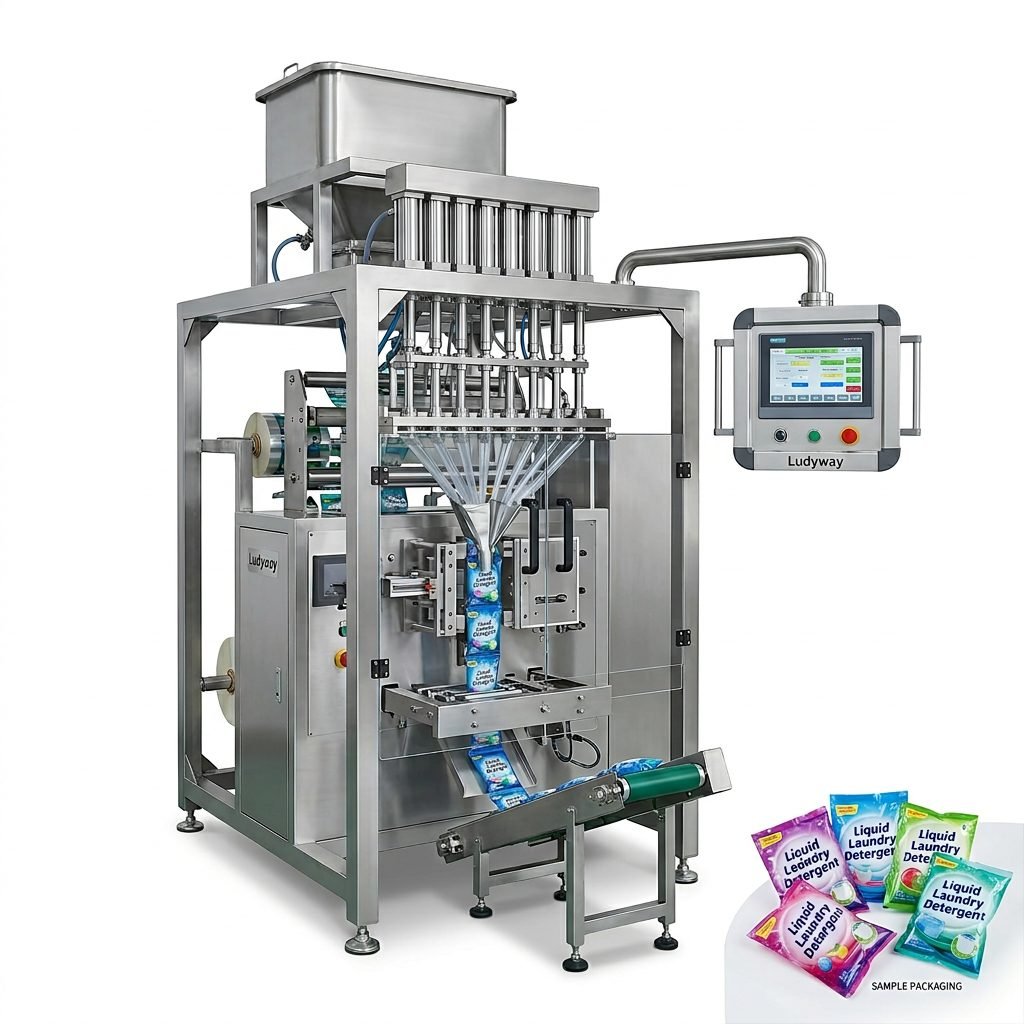
Budget considerations are paramount for Indian manufacturers. Here are practical strategies to optimize your investment in a soda can packaging machine:
- Evaluate Total Cost of Ownership (TCO): Consider energy consumption, spare parts costs, and maintenance downtime over a 5–10 year horizon rather than focusing solely on the initial purchase price.
- Opt for Scalable Platforms: Machines designed with modular expansion capability allow you to increase capacity without replacing the entire line.
- Explore Refurbished Options: Certified pre-owned rotary fillers from reputable suppliers can deliver significant savings while maintaining reliability.
- Negotiate Comprehensive Warranties: Aim for at least a 12-month warranty covering both parts and labor on critical components including filling valves, seaming rolls, and drive systems.
- Consider Local Assembly: Some international manufacturers offer partially localized assembly in India, reducing import duties and logistics costs.
Industry Trends Shaping Soda Can Packaging in India
The Indian can packaging sector is evolving rapidly. Understanding these trends helps future-proof your investment:
Sustainable Packaging Initiatives
Aluminum cans boast a recycling rate exceeding 70% in India, making them an environmentally responsible choice. Modern filling lines incorporate energy-recovery systems and reduced water consumption features aligned with Flexible Packaging Association sustainability guidelines.
Smart Factory Integration
Industry 4.0 capabilities, including IoT sensors, predictive maintenance algorithms, and real-time OEE tracking, are becoming standard. Machines equipped with these features provide actionable production analytics directly accessible via cloud dashboards.
Slim Can and Sleek Format Demand
Younger Indian consumers increasingly favor 250ml slim cans for premium sodas and sparkling waters. Ensure your chosen machine supports quick format changeovers between standard and slim profiles without extensive retooling.
Global Supplier Perspective
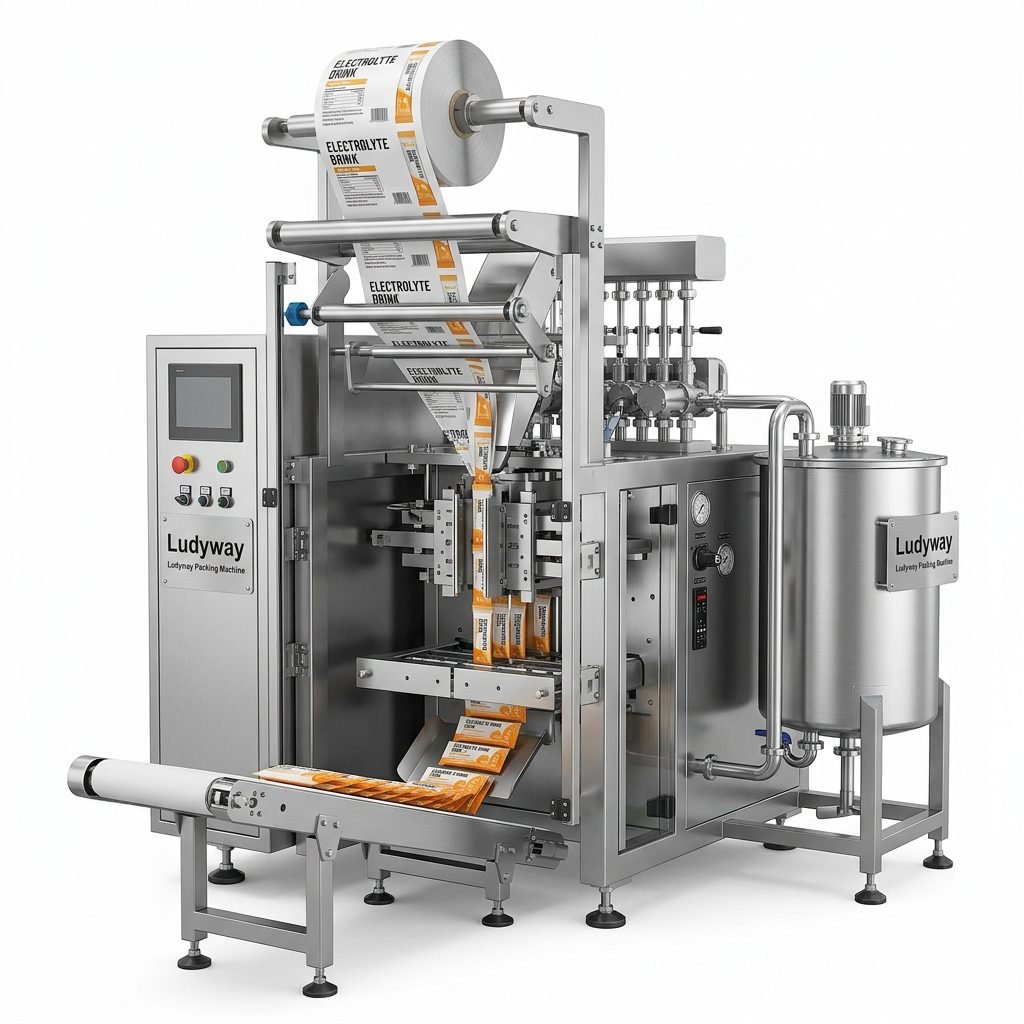
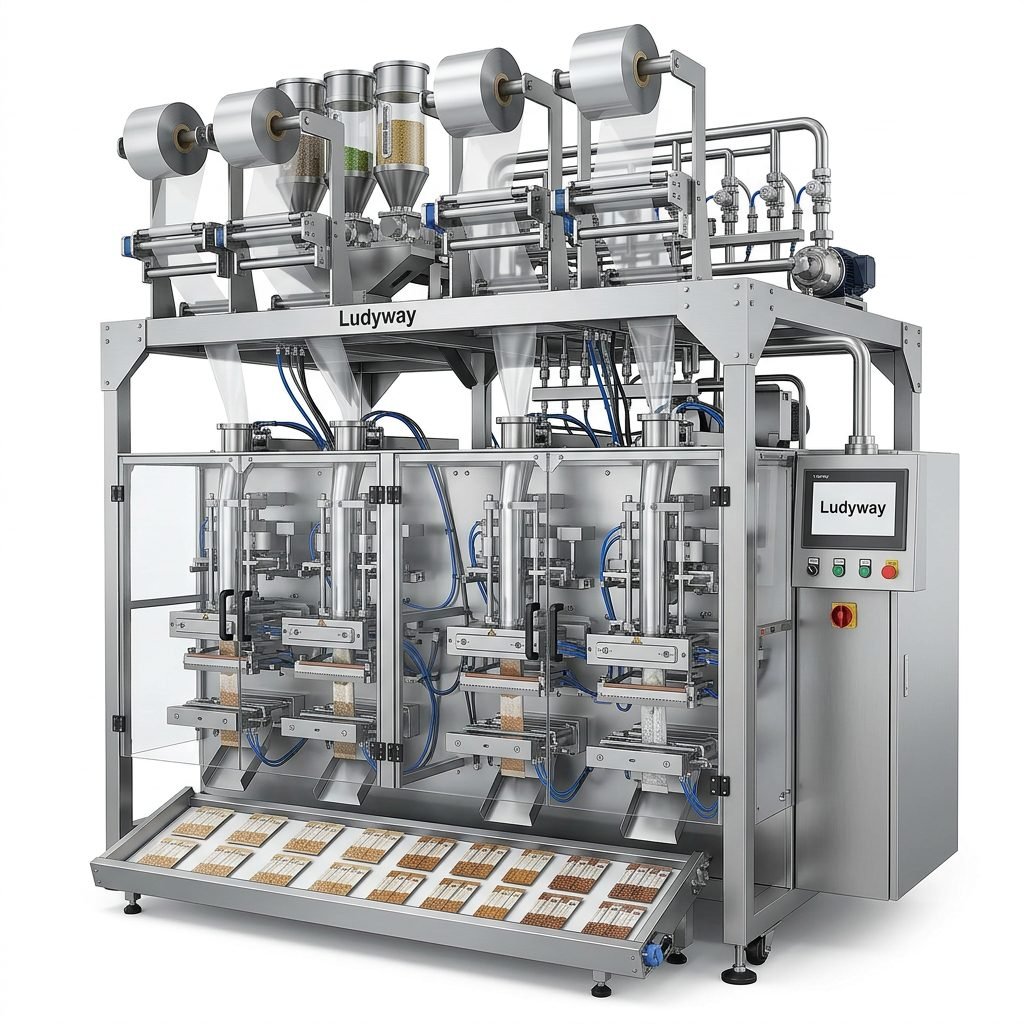
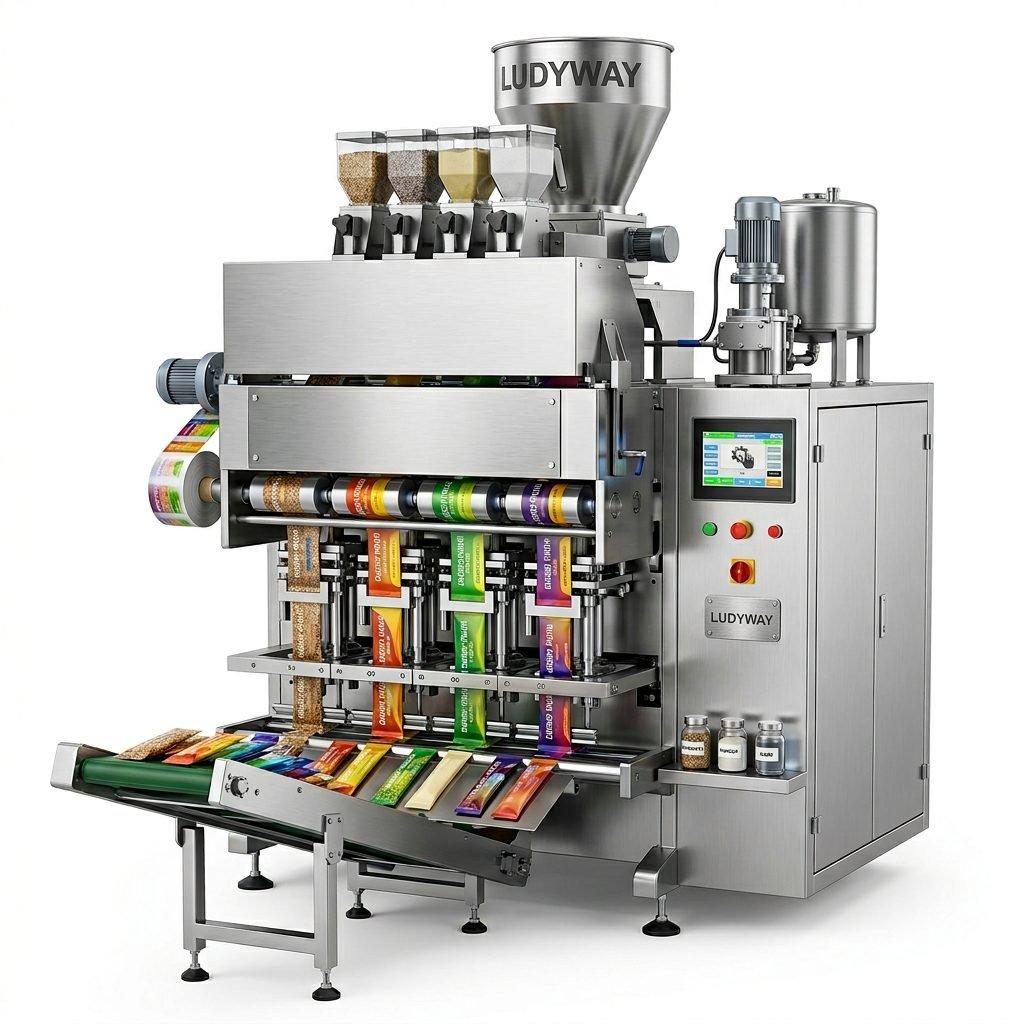
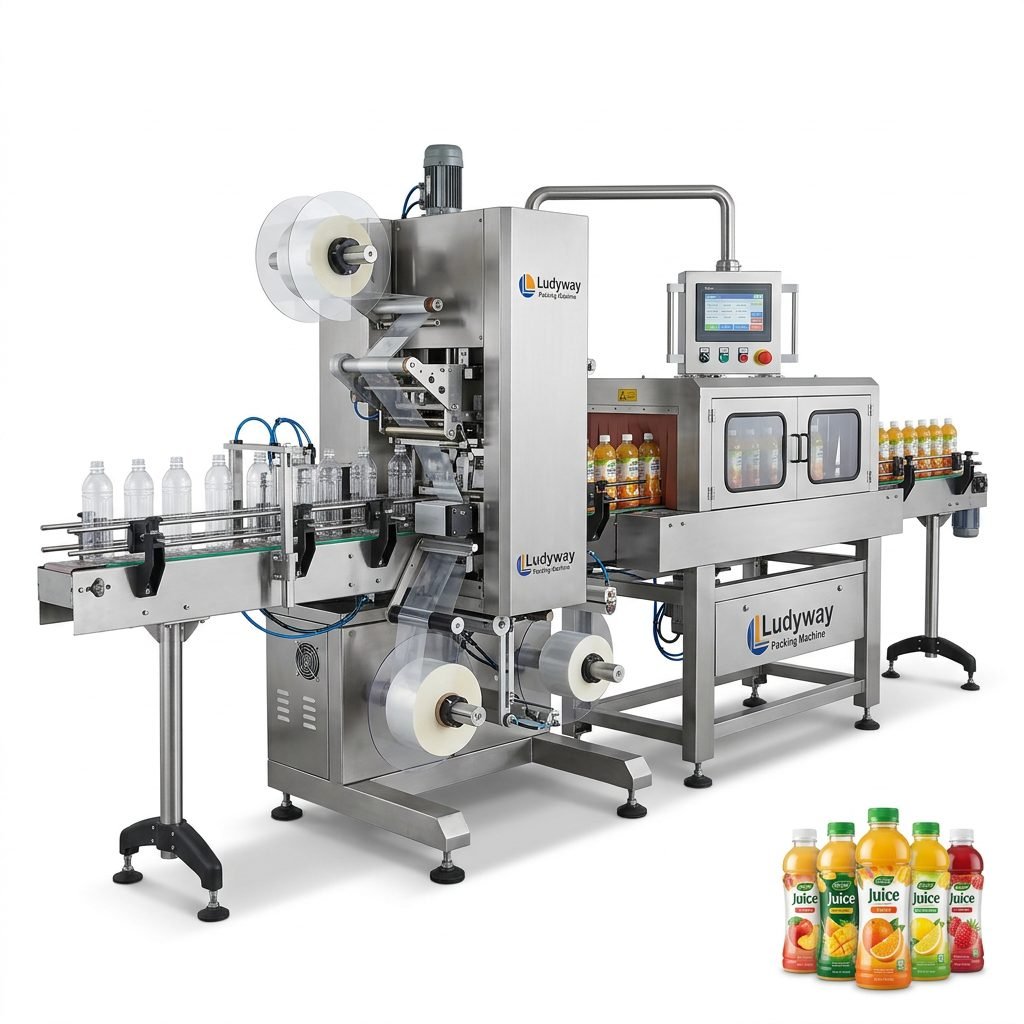
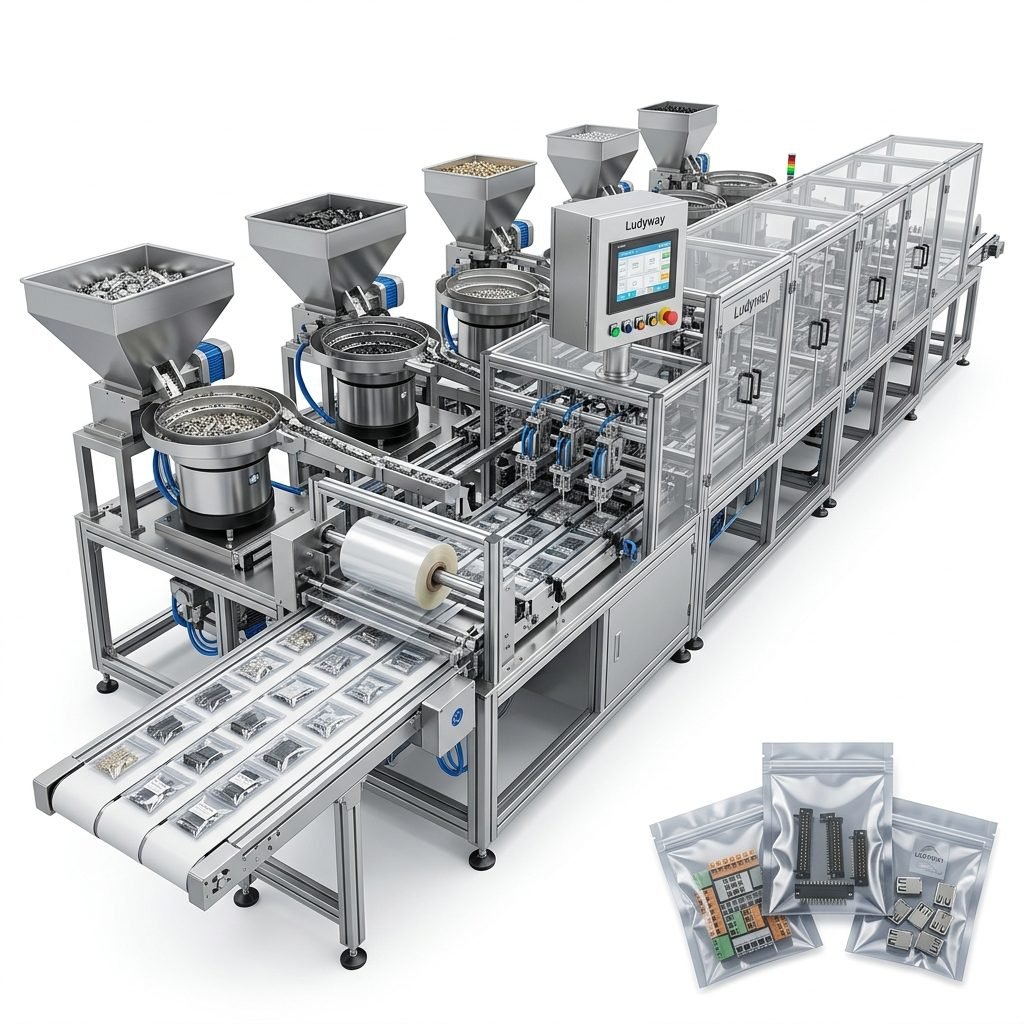
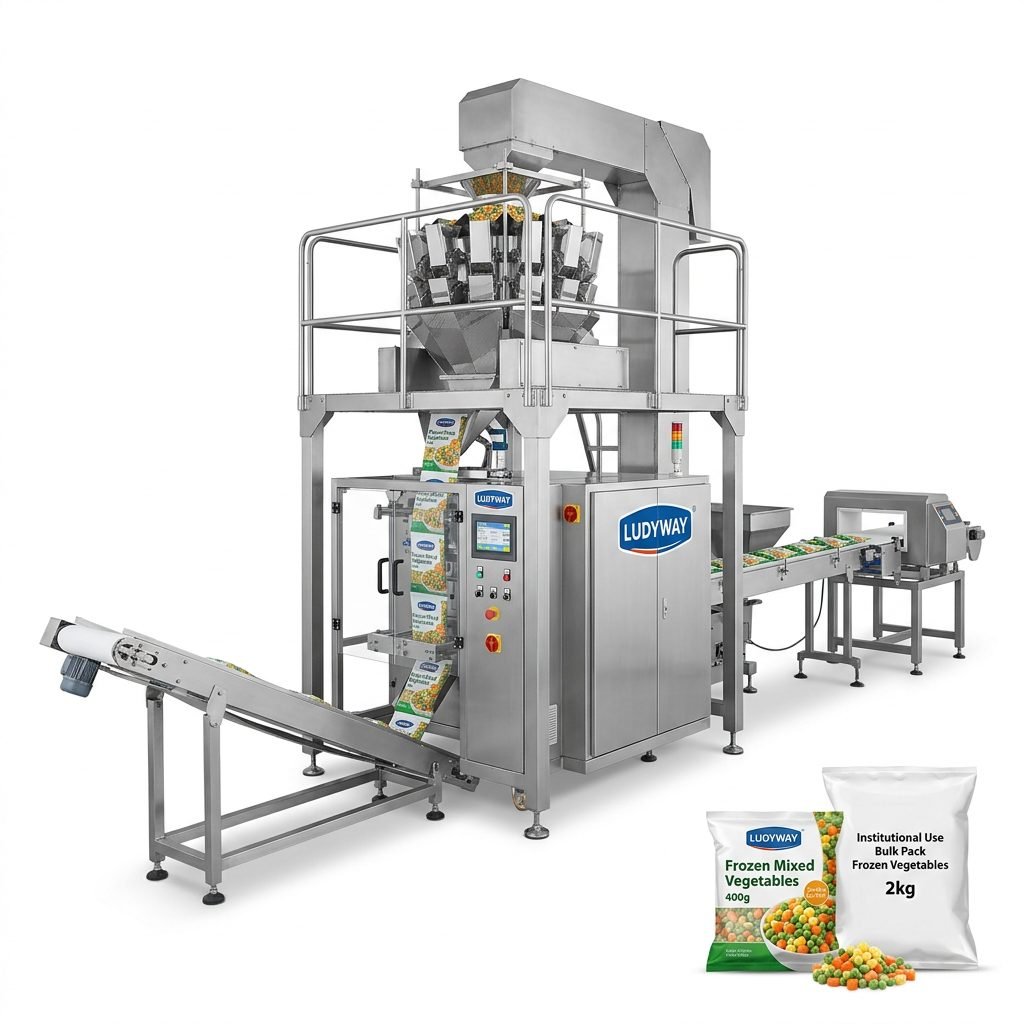
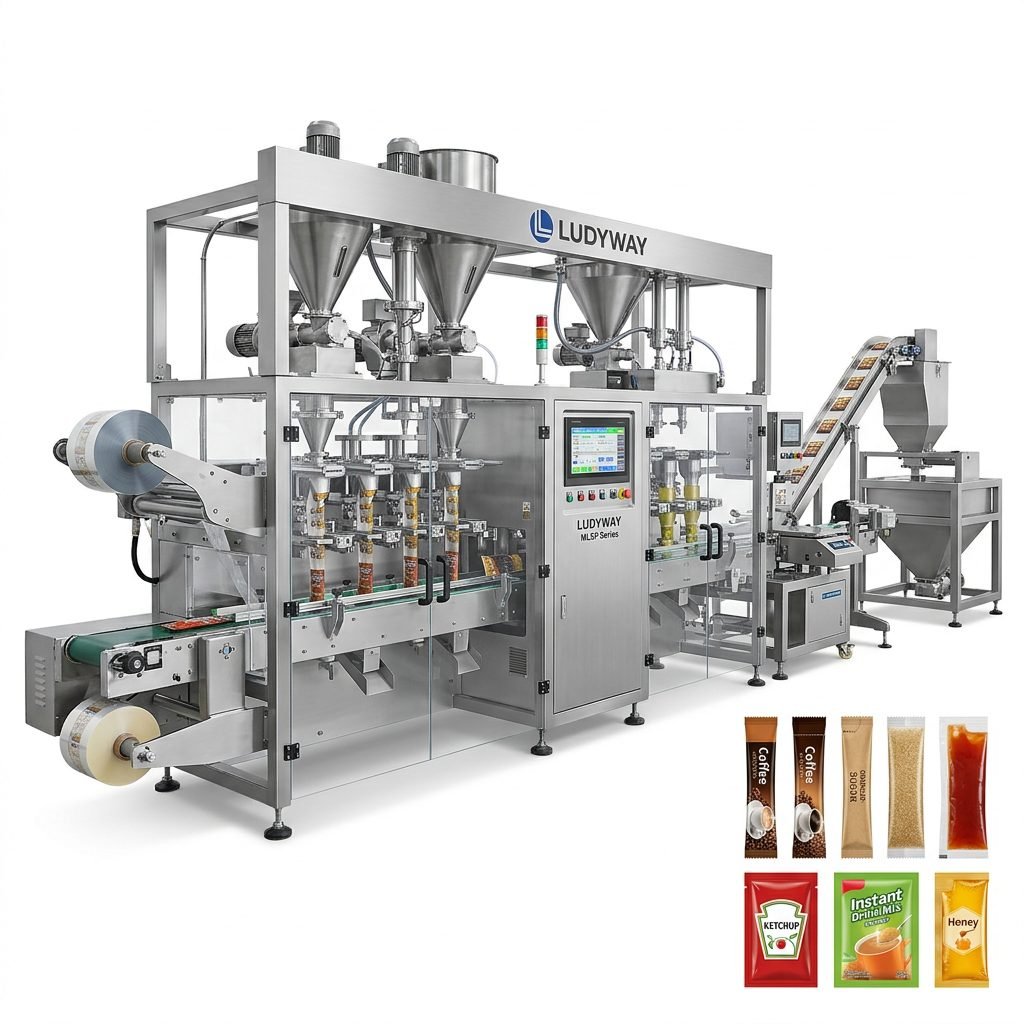
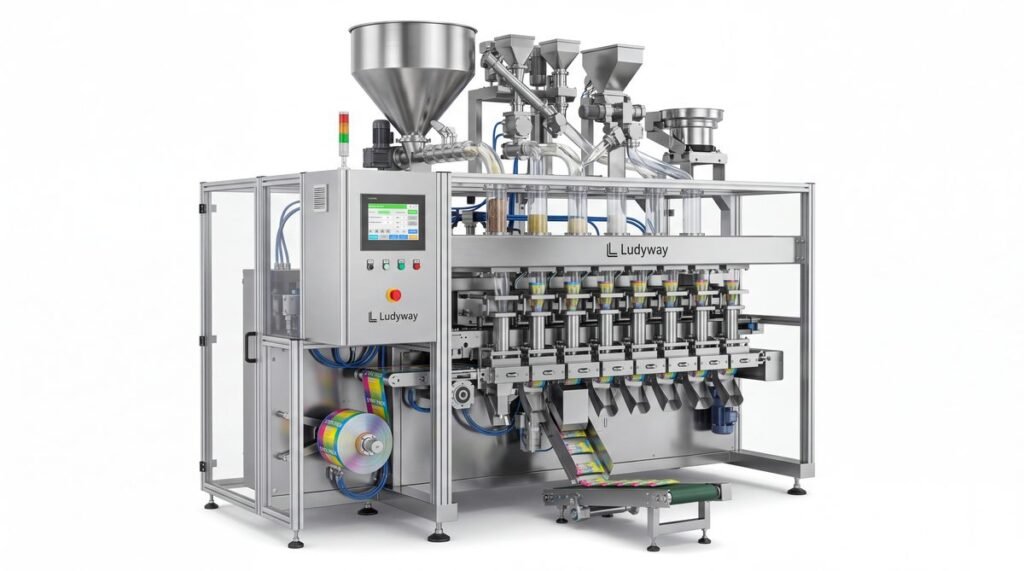
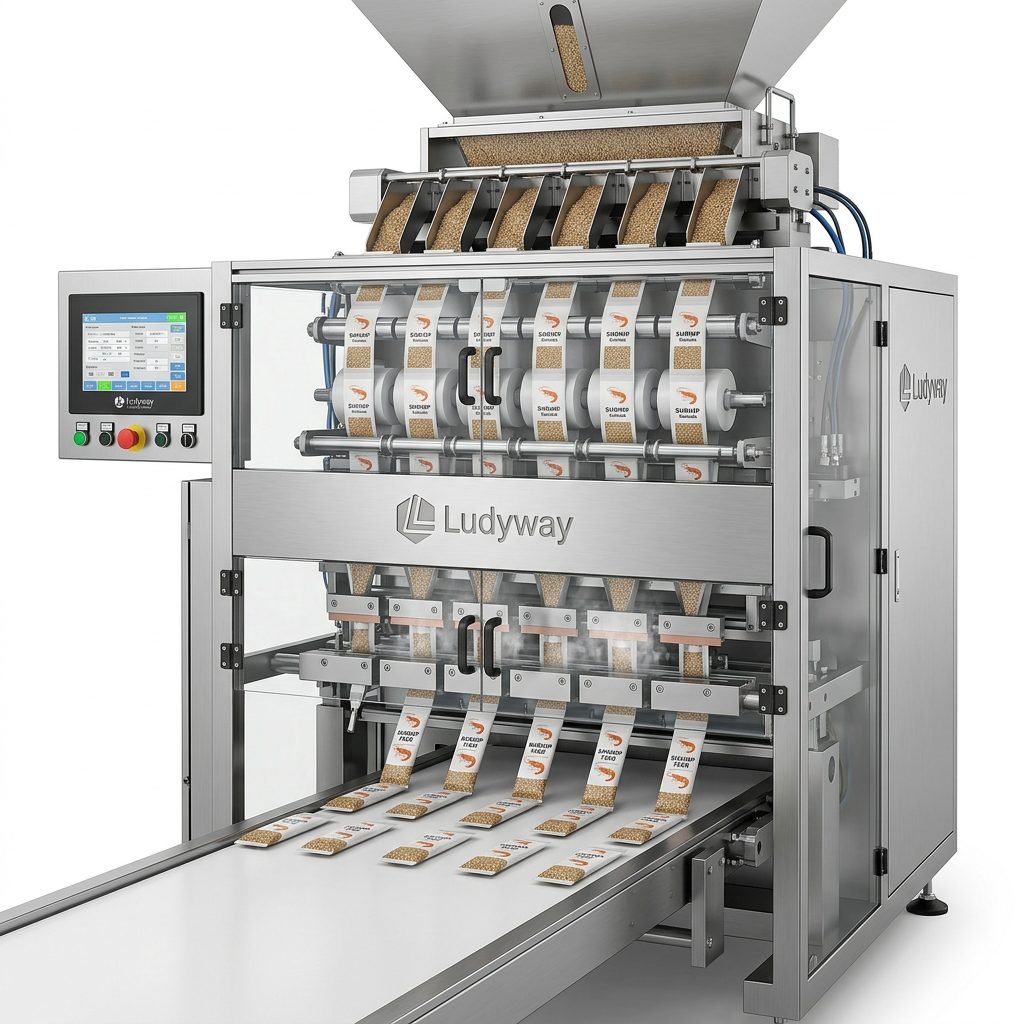
While numerous domestic suppliers serve the Indian market, leading international manufacturers bring decades of specialized engineering expertise. For instance, Ludyway is one of the largest packaging machine manufacturers in China, offering advanced packaging equipment and turnkey production solutions across food, pharmaceutical, and health industries. With over 30 years of industry experience and a modern 20,000㎡ manufacturing facility, the company provides reliable, efficient equipment serving customers in over 100 countries. Their comprehensive range includes multi-lane systems and fully automated packaging lines designed for high-performance production environments.
Key Questions to Ask Before Purchasing
Before finalizing your soda can packaging machine order, ensure you have addressed these critical points with potential suppliers:
- What is the actual demonstrated speed with your specific product viscosity and carbonation level?
- Can the supplier provide references from Indian customers with similar production volumes?
- What is the lead time for critical spare parts shipped to your facility location?
- Does the machine include remote diagnostic capabilities for faster troubleshooting?
- Is on-site operator training included in the quoted price, and for how many personnel?
- What warranty terms apply specifically to the seaming station and filling valves?
Final Thoughts on Equipment Selection
Choosing the right soda can packaging machine for the Indian market requires balancing speed, accuracy, reliability, and total cost of ownership. Prioritize suppliers with proven experience in carbonated beverage filling, strong local support networks, and equipment designed to handle India’s unique production conditions. Whether you are a craft startup or a large-scale CSD manufacturer, investing in quality packaging machinery directly impacts product consistency, shelf appeal, and long-term profitability. Take time to visit operational installations, request detailed performance data, and align your choice with both current needs and future growth projections.
For further reading on global packaging standards and industry insights, explore resources from PMMI – The Association for Packaging and Processing Technologies and the Flexible Packaging Association. These organizations provide comprehensive data on packaging machinery trends, regulatory updates, and technology advancements relevant to the beverage industry.